
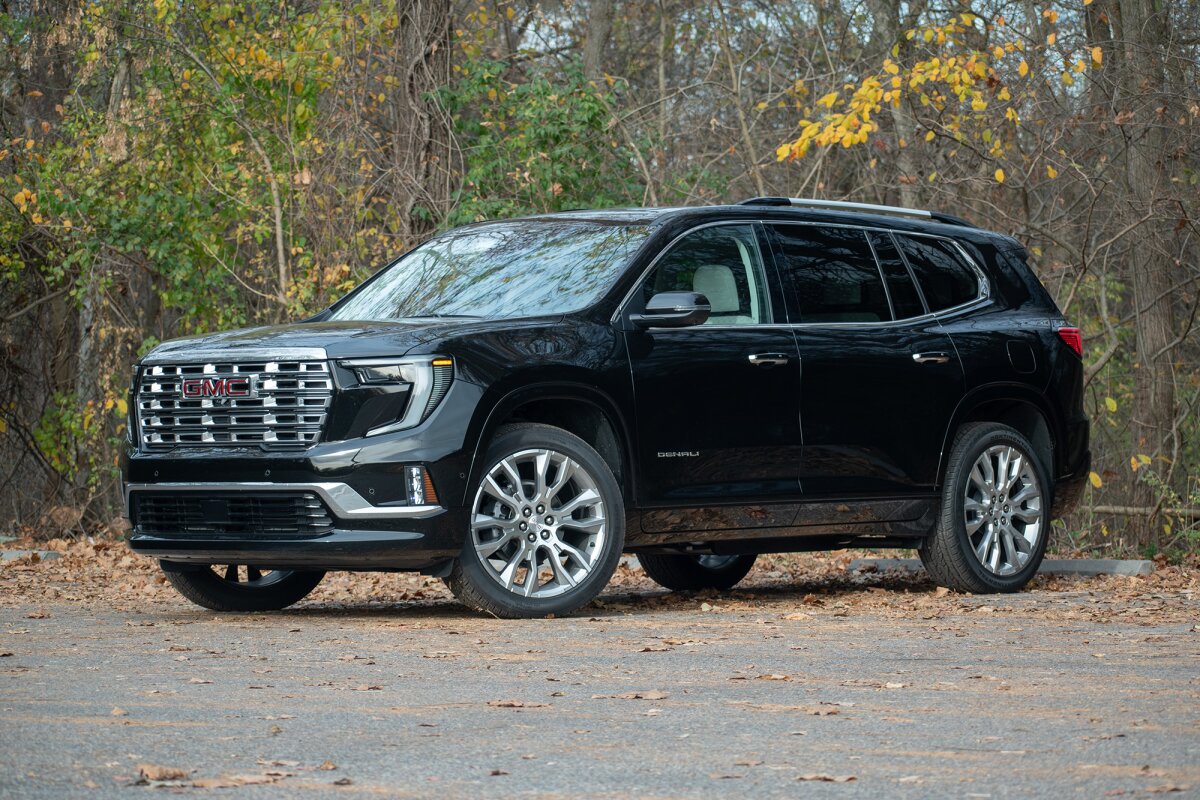
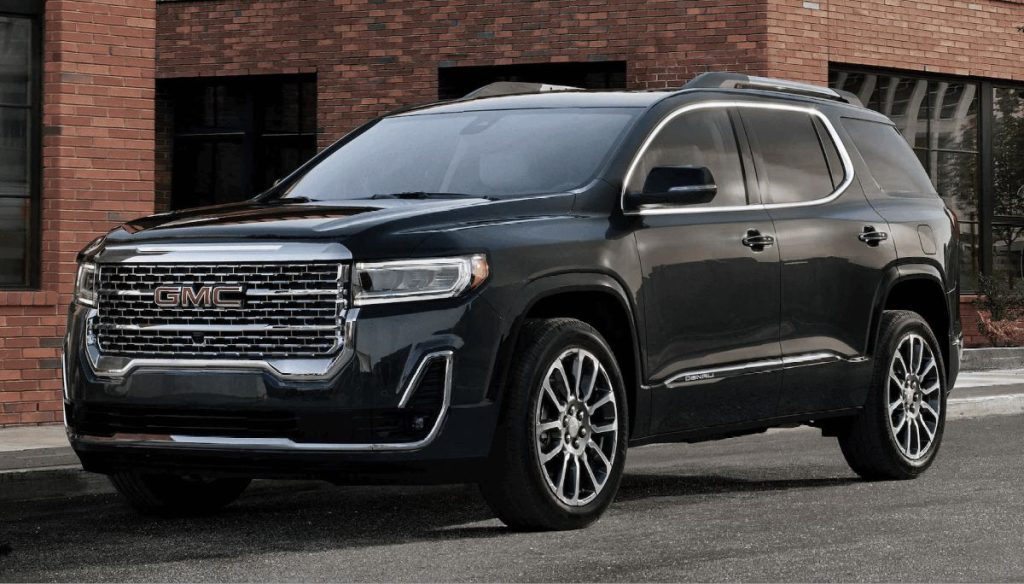
The GMC Acadia Limited is one of those vehicles designed to balance utility, comfort, and power in a package that appeals to drivers who want reliability without sacrificing everyday convenience.
Owners who invest in this SUV expect not only strong performance during its early years but also durability that carries it well past typical mileage milestones.
The good news is that with steady care and commitment to proper upkeep, this vehicle can easily remain dependable for well over two hundred thousand miles.
Preventive attention is the key to cutting down costly repairs, and small consistent habits often have a bigger influence on longevity than most owners realize.
A machine as complex as the Acadia Limited relies on the seamless integration of hundreds of parts. When even one area is neglected, it can put extra stress elsewhere.
For example, an ignored transmission service can shorten engine life, while skipped brake checks may lead to suspension problems. Everything is connected, which is why developing a structured approach to maintenance pays off in the long term.
Beyond scheduled service, there are strategic habits that keep this SUV running smoothly. Fuel quality, tire choices, fluid checks, and climate considerations all determine how long the Acadia can stay at peak condition.
Paying attention to these areas minimizes sudden malfunctions on the road and helps preserve resale value if the time ever comes to pass the vehicle on to another driver.
This guide highlights ten practical hacks that extend Acadia Limited’s road life. Each one focuses on an essential system or habit owners should prioritise.
By applying these proven tips consistently, drivers can enjoy the confidence of a reliable SUV while reducing repair stress and expenses. Let’s get into the best strategies that give Acadia Limited lasting strength.
Also Read: 10 Mistakes That Kill a Dodge Daytona Turbo Early
1. Prioritize Engine Oil Changes at Consistent Intervals
Engine oil is often called the lifeblood of any vehicle, and this holds true for the GMC Acadia Limited. While the vehicle is designed with durability in mind, running it beyond recommended oil change intervals can put unnecessary strain on moving parts and diminish long-term performance.
The Acadia’s V6 engine relies on clean oil not only for lubrication but also for thermal balance, keeping the system from overheating under stress.
Modern synthetic oils have a longer lifespan than conventional types, but they still require consistent replacements to maintain viscosity and protective qualities.
Owners often make the mistake of following only mileage-based schedules, such as every 7,500 miles, without considering driving conditions.
If the SUV is frequently used for short trips, especially in urban traffic, oil should ideally be changed sooner because it accumulates contaminants more quickly.
On the other hand, highway travel allows the oil to last closer to its upper limit. Using high-quality synthetic oil that meets GM’s Dexos specifications adds another layer of protection that promotes smooth performance and reduces deposit buildup.
Another step that helps is routinely checking the oil level manually, not just relying on dashboard notifications. Minor leaks or gradual consumption can lead to dangerously low levels between service visits.
Addressing gasket or seal issues early prevents long-term damage. Pairing oil changes with a fresh filter is equally important since a clogged filter undermines the effectiveness of clean oil.
By making oil care a routine priority, owners extend valve life, lower the risk of overheating, and maintain efficient fuel economy.
This habit is far more affordable than facing a premature engine rebuild or replacement. A precise schedule along with quality oil ensures the Acadia Limited’s engine delivers dependable service well beyond typical mileage expectations.
2. Maintain the Cooling System to Prevent Overheating
The cooling system in the GMC Acadia Limited is like a guardian against excessive engine heat, ensuring all components function at the right temperature. While many drivers overlook coolant checks, the system is crucial for keeping both performance and longevity intact.
Overheating not only threatens the engine block but can also warp critical components and cause severe head gasket failures.
Coolant levels and quality should be monitored regularly. Using the right type of antifreeze recommended by GM prevents corrosion, scale buildup, and inefficient heat transfer.
Over time, coolant loses its ability to properly regulate temperatures and must be flushed according to the maintenance schedule. Waiting too long exposes metal surfaces to rust and leaves the radiator prone to clogs.
The radiator, water pump, hoses, and thermostat work together as a team. A single point of failure can cause the SUV to break down suddenly. Checking hoses for cracks or bulges and ensuring the radiator cap seals properly are simple tasks that prevent big headaches.
A weak water pump, often identified by unusual noises or slow circulation, should never be ignored since replacing it on time protects the much costlier engine.
Another smart step is monitoring the cabin heater. If the heater starts blowing lukewarm air even with the engine warmed up, that could point to air in the system or weakening coolant flow. These early signs often appear before more dangerous overheating events.
Seasonal inspections are highly beneficial. Hot summers in urban conditions and freezing winters both place extra demands on the cooling system. Ensuring that coolant has the proper freeze and boil protection guards against performance issues in extreme climates.
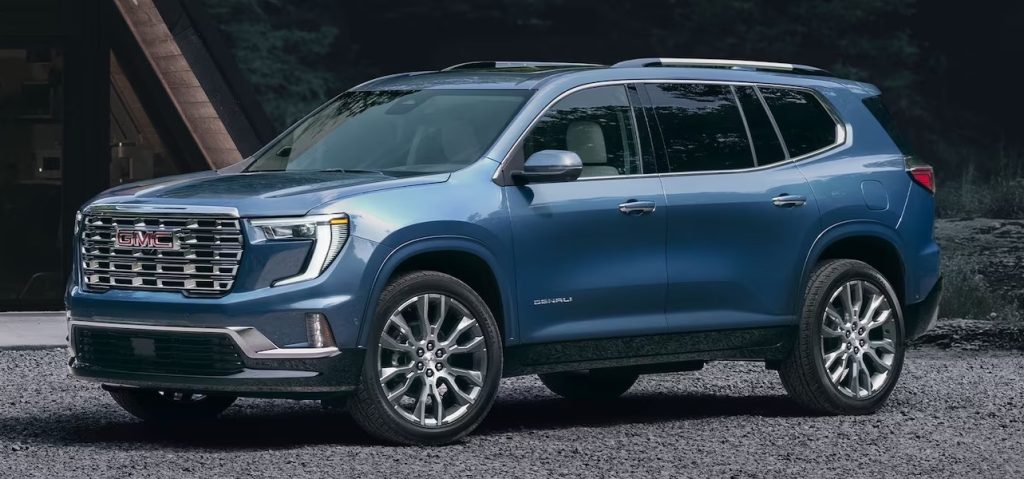
By proactively servicing this system, Acadia Limited owners significantly reduce the chance of being stranded by an overheated engine. It is a straightforward but powerful way to improve the SUV’s long-term dependability.
3. Protect the Transmission with Timely Fluid Service
The automatic transmission in the GMC Acadia Limited takes on the heavy responsibility of transferring the engine’s power smoothly to the wheels.
While robust, this system is highly sensitive to maintenance neglect. Transmission repairs or replacements are among the costliest services an owner can face, making preventive care a financial lifesaver.
Transmission fluid acts as both a lubricant and hydraulic medium. When fresh, it ensures gear changes are smooth and internal friction is reduced. Over time, the fluid degrades under heat and accumulates debris that interferes with precision parts.
Dark, burnt-smelling fluid is a warning sign that the system is under stress. Following the factory-recommended fluid change intervals is non-negotiable for extending the life of this expensive component.
Some owners assume transmission fluid is a lifetime fill, but driving conditions differ vastly across drivers. Frequent towing, long commutes in traffic, or extreme climate conditions justify more frequent fluid changes.
Using GM-approved fluid is essential because substitutes may not properly support the transmission’s unique design tolerances.
Another risk is overheating caused by heavy loads. Installing an auxiliary cooler can be a worthwhile investment if the Acadia is often used for towing or mountain driving. This addition helps keep temperatures under control, reducing strain on internal clutches and seals.
Monitoring for hesitation, slipping gears, or delayed engagement provides early warnings. These symptoms rarely correct themselves and often worsen quickly without attention. Addressing issues early often means a less costly repair instead of a full rebuild.
Consistent service combined with attentive driving behavior gives the transmission the resilience to last well beyond the typical lifespan expected of midsize SUVs.
A relatively small expense spent on fluid changes keeps this complex system delivering reliable performance for hundreds of thousands of miles.
4. Keep Tires Properly Inflated and Aligned
Tires are the only contact point between the GMC Acadia Limited and the road, making them central to both safety and vehicle longevity.
When tires are neglected, not only does wear increase rapidly but performance and fuel efficiency also suffer. Proper inflation and alignment practices allow the SUV to handle securely while reducing stress on other components.
Underinflated tires increase rolling resistance, forcing the engine and transmission to work harder while also generating more heat within the tire itself. This added resistance shortens both fuel economy and tread life.
Overinflated tires, on the other hand, wear unevenly across the center and deliver rougher rides. A reliable tire pressure gauge ensures consistency, and tire checks should be made monthly and before long trips. The recommended pressure levels set by GMC should always guide adjustments.
Wheel alignment is equally critical but often overlooked. When alignment drifts out of specification, the SUV may pull slightly to one side, and tires show uneven wear along the edges.
This misalignment, if left uncorrected, also places strain on steering and suspension components. Regular alignment checks, especially after hitting potholes or curbs, keep the vehicle tracking straight and extend suspension health.
Rotating tires every 6,000 to 8,000 miles distributes wear evenly, maximizing overall tread life. Pairing this with regular inspections for punctures, bulges, or embedded debris prevents sudden blowouts.
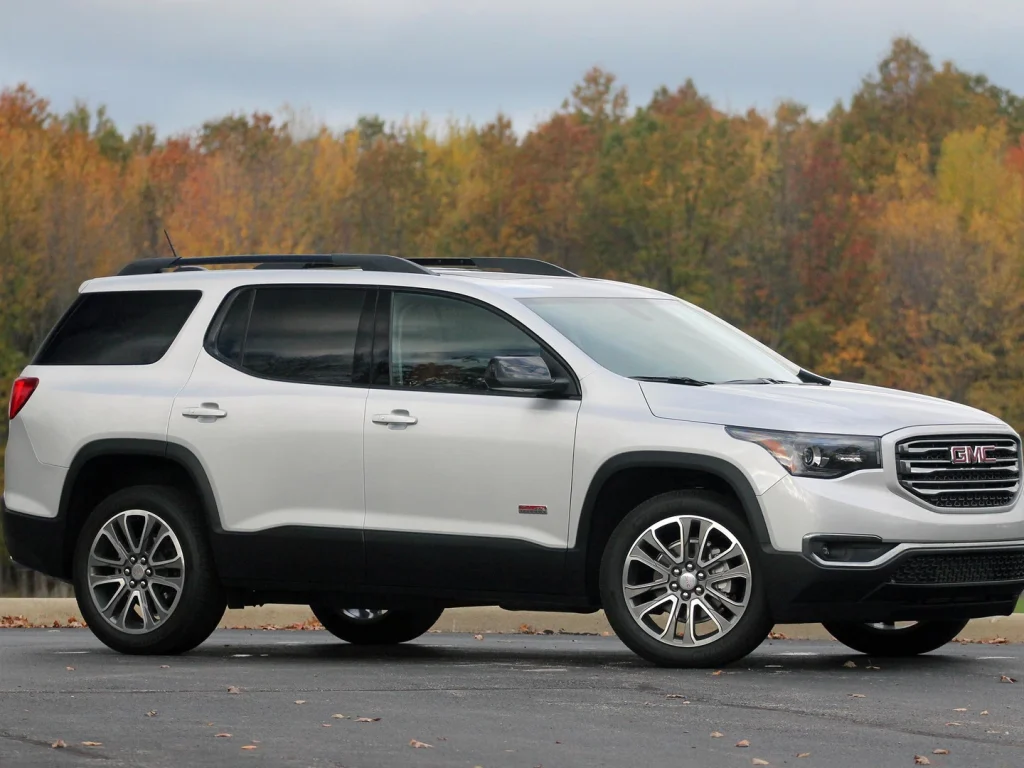
Tire balancing also plays a role since unbalanced tires place uneven pressure on wheel bearings and steering components.
Choosing quality all-season tires, or switching to winter tires in cold climates, ensures optimal traction and reduces stress on braking systems. Tire care does more than preserve tread it fundamentally supports the Acadia Limited’s ride quality.
By prioritizing inflation, alignment, and rotation, owners not only get the best mileage from their tires but also reduce hidden costs that stem from poor driving stability and overworked mechanical systems.
5. Replace Air and Cabin Filters Regularly
Filters may seem like minor parts, yet for the GMC Acadia Limited, air and cabin filters affect both engine efficiency and passenger comfort. Neglecting them forces the vehicle to work harder than it should, creating ripple effects across different systems.
The engine air filter ensures only clean air enters the combustion chambers. Dust, pollen, and debris from the road accumulate in this filter quickly, especially in dusty environments or urban traffic.
When airflow is restricted, the engine compensates by burning extra fuel, lowering efficiency and reducing responsiveness. Replacing the air filter on schedule ensures strong performance while keeping long-term wear on the intake system minimal.
The cabin air filter, though unrelated to mechanical performance, plays a huge role in comfort and health. It protects the HVAC system from clogging and keeps dust and allergens out of the interior.
A dirty cabin filter reduces air circulation and causes strain on the blower motor. Over time, the HVAC system ends up working harder, which can reduce its lifespan.
Both filters are inexpensive and easy to replace compared to the costly consequences of neglect. Many owners pair filter replacements with oil changes or seasonal inspections to build a consistent routine.
Urban drivers exposed to pollution may benefit from shorter replacement intervals than those mostly traveling on highways.
Beyond simple replacement, using quality OEM or equivalent filters is important. Bargain options may not capture fine particles effectively or may not fit perfectly, leading to reduced efficiency. Ensuring a snug fit eliminates the risk of unfiltered air bypassing the system.
Keeping these filters fresh is a simple step that adds up to meaningful long-term benefits. Improved fuel economy, a healthier cabin environment, and less strain on support systems all come from consistent filter maintenance. It may be small in scope, but this habit pays off significantly as the miles accumulate.
6. Monitor Brake System Health
Brakes are central to both safety and the overall life of the GMC Acadia Limited. While most owners think of brakes as consumable components, the system as a whole benefits from steady care that ensures longevity throughout the SUV’s lifespan.
Brake pads, rotors, calipers, and fluid all need attention. Driving with worn brake pads not only compromises stopping distance but also damages rotors, creating a much larger repair bill.
Checking pad thickness during tire rotations ensures wear doesn’t go unnoticed. When changing pads, pairing them with resurfaced or replaced rotors helps maintain consistent stopping performance.
Brake fluid is a detail often overlooked. It absorbs moisture over time, reducing efficiency and leading to corrosion inside lines and calipers. Flushing the fluid about every two years keeps the system reliable. Waiting longer can allow rust and sludge to jeopardize braking stability.
Unusual sounds, such as squealing or grinding, signal that inspection is overdue. A soft brake pedal or vibrations when stopping can also point to problems in the hydraulic system or warped rotors. Drivers should be responsive to these signs instead of waiting until the brakes fail completely.
Beyond the mechanical side, driving habits strongly influence wear. Hard braking from high speeds and riding the brakes on downhill grades accelerate deterioration. Instead, maintaining safe speeds and using engine braking when possible eases demand on the system.
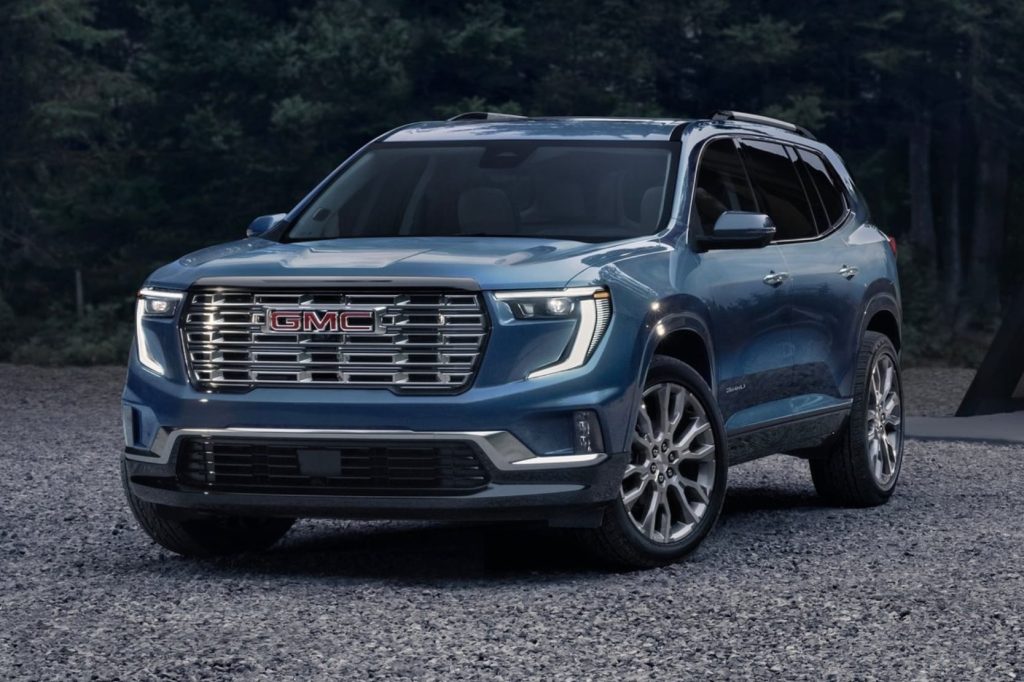
Regular maintenance not only strengthens safety but also protects wheel bearings, tires, and suspension systems from absorbing excess stress.
Investing in high-quality OEM pads and rotors tailored for the Acadia Limited ensures dependable performance under various road conditions.
A strong brake system extends far beyond safety it supports the longevity of surrounding parts and contributes directly to lower overall repair costs.
7. Pay Attention to Suspension and Steering Components
The suspension and steering components on the GMC Acadia Limited are designed to provide stability, comfort, and safety. Over time, these parts wear out due to daily strain from road imperfections, potholes, and heavy loads.
Left untreated, worn suspension not only reduces driving comfort but also puts greater stress on adjoining systems such as tires and brakes.
Shock absorbers and struts are key players in this system. When they weaken, the vehicle may bounce excessively, increasing tire wear and lengthening stopping distances. Inspecting shocks for leaks or uneven ride quality ensures issues are caught early. Replacing them in pairs keeps the SUV balanced on both sides.
Bushings, control arms, and ball joints are equally important. Cracked or deteriorated bushings cause knocking noises, poor alignment retention, and uneven tire wear.
Regular inspections during oil changes or tire rotations help catch these failures before damage spreads.
Steering linkages and tie rods also need attention looseness in these components causes vague or wandering steering, undermining both safety and driver confidence.
Wheel bearings often wear silently but can eventually cause grinding noises or unstable handling. Replacing them promptly prevents further issues with hubs and CV joints. Keeping components lubricated where possible further extends their lifespan.
Driving style also plays a role. Hitting speed bumps or curbs aggressively shortens the life of steering and suspension parts. Adjusting driving habits to accommodate road imperfections reduces unnecessary strain.
Maintaining suspension and steering quality maintains proper alignment and ensures the Acadia Limited handles securely.
These proactive repairs preserve tire life, protect fuel economy from drifting alignment, and ultimately contribute to extending the SUV’s long service life.
Treating these parts as critical rather than secondary is a major factor in keeping the vehicle reliable beyond expected mileage limits.
8. Use Quality Fuel and Keep the Fuel System Clean
Fuel quality directly impacts the performance and longevity of the GMC Acadia Limited. While many owners focus heavily on oil and coolant maintenance, neglecting the fuel system reduces efficiency and accelerates wear on vital components. Poor-quality fuel leads to carbon buildup, injector clogs, and strained combustion cycles.
Using reputable fuel stations significantly reduces the risk of contamination from water or debris in storage tanks. Choosing fuel that meets Top Tier Detergent standards ensures detergents are consistently cleaning deposits from valves and injectors.
Over tens of thousands of miles, this small practice contributes importantly to reduced engine knocking, smoother idling, and better acceleration.
Fuel injectors require clean pathways to deliver precise amounts of fuel to the combustion chamber. Periodic use of high-quality fuel additives can help reduce varnish and carbon buildup.
However, these should not replace professional cleaning if clogging symptoms appear. If the vehicle struggles with poor starts, hesitation under load, or diminished power, having the injectors inspected is essential.
The fuel filter also demands attention. Over time, it captures impurities that otherwise would make their way into the injectors. A clogged filter restricts flow, causes the pump to overwork, and compromises performance. Replacing it according to schedule keeps the system efficient and the pump lasting longer.
Driving on a near-empty tank repeatedly can also damage the fuel pump. Since the pump relies on gasoline for cooling and lubrication, consistently running low exposes it to overheating. Keeping at least a quarter tank filled prolongs pump life significantly.
Consistently using good fuel, maintaining system cleanliness, and avoiding habits that stress the fuel pump give the SUV reliable performance and improved longevity.
When paired with other preventive practices, keeping the fuel system healthy is a powerful way to stretch the Acadia Limited’s road life.
9. Protect the Battery and Electrical System
The GMC Acadia Limited uses a sophisticated electrical system to power conveniences, safety aids, and engine starting functions.
A weakened battery or failing supporting components can create sudden breakdowns or random warning light appearances. Extending road life requires steady care of both the battery and supporting circuits.
The battery itself should be inspected regularly for corrosion on the terminals and case swelling. Dirty terminals often lead to poor electrical connections, making it harder for the starter to crank the engine.
Cleaning terminals with a safe brush and ensuring tight connections restores reliability. Replacing the battery every 4 to 6 years, depending on climate and use, minimizes the risk of sudden failure.
Alternators and starters also play a vital role. A weak alternator overworks the battery, shortening its lifespan significantly. Paying attention to dimming headlights, slow starts, or unusual dashboard warnings provides early clues these parts may need inspection.
Rebuilding or replacing worn components before they completely fail protects both the driver and the SUV from getting stranded.
Parasitic drains from accessory devices or wiring faults also threaten battery health. Performing regular load tests during service visits helps catch such issues. In regions with extreme cold or heat, battery performance can dip drastically, so climate-appropriate batteries and insulation wraps are worthwhile investments.
The Acadia Limited’s electrical needs are especially high due to its advanced conveniences and infotainment systems.
Ensuring all circuits receive steady power not only helps avoid malfunctions but also protects sensitive modules from voltage irregularities. A proactive battery and electrical care strategy keeps the SUV dependable from one season to the next.
10. Wash and Protect the Exterior and Undercarriage
Many owners consider car washes only as a means of keeping the GMC Acadia Limited looking good. Yet consistent cleaning does far more than enhance appearance it actively protects the vehicle from corrosion, premature paint fading, and damage to the underbody.
Road grime, salt, and moisture collect quickly, especially in regions with snowy winters or near coastal climates. If not washed off, these elements eat away at paint and seep into seams, initiating rust.
Regular washing, at least every two weeks, limits this exposure. Focused undercarriage cleaning is especially important, since road salt accumulates in hidden areas that are highly vulnerable.
Waxing the body adds another line of defense. A high-quality wax creates a barrier against UV rays, acid rain, and pollutants.
Applying wax three to four times a year preserves paint gloss while protecting against fading or oxidation. Clear-coated paint benefits immensely from this care, ensuring the SUV looks sharp even after many years.

The undercarriage deserves similar diligence. Rinsing after trips on treated winter roads prevents corrosion in exhaust and suspension components.
Applying protective undercoating at regular intervals further slows rust development. These measures directly preserve safety-critical parts that support the entire vehicle.
Interior cleaning also adds value by preventing premature wear. Dust, food crumbs, and spills degrade fabrics and plastics over time. Protecting seats with covers and conditioning leather helps maintain resale value while enhancing long-term driver satisfaction.
By treating exterior and undercarriage washing as more than cosmetic, owners create meaningful protection against one of the most common threats to vehicle lifespan: corrosion.
Beyond extending road life mechanically, this care also ensures the Acadia Limited retains both its function and appearance long after many vehicles of its age have started showing wear.
Also Read: 10 Hacks That Help a Toyota Paseo Survive Another Decade
