
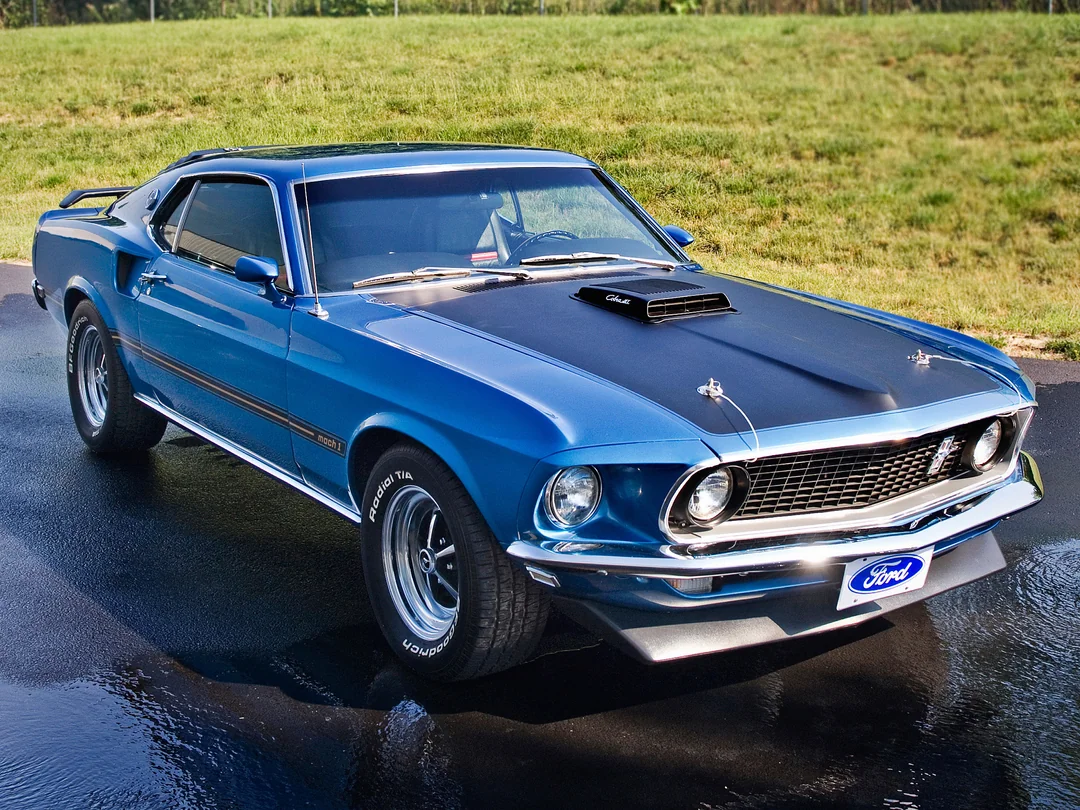
The Ford Mustang Cobra has long been regarded as one of the most thrilling performance cars to come out of America.
With its aggressive stance, powerful V8 engines, and loyal following among enthusiasts, it represents more than just a mode of transport. For many owners, the experience of driving a Cobra is tied closely to personal passion, weekend projects, and pride in ownership.
Yet, as durable and well-engineered as this vehicle is, its long-term survival largely depends on how it is treated. A Cobra can be kept strong for years with proper care, but unfortunately, many are driven or maintained in ways that gradually cut their lifespan short.
Car enthusiasts sometimes overlook small habits that gradually erode reliability. These issues are not always dramatic failures that appear overnight but are often hidden patterns in maintenance routines, driving style, and neglect of crucial systems.
What makes the difference between a Cobra that ages gracefully and one that suffers premature engine wear, transmission issues, or suspension breakdown is often found in the way the owner approaches long-term upkeep.
Muscle cars, while robust, are not indestructible. Even the smallest oversight can result in compounding stress on critical mechanisms.
By avoiding certain destructive practices and understanding the unique needs of this model, owners can enjoy thousands of trouble-free miles and preserve the excitement the Cobra offers.
The following sections will highlight specific habits that might seem minor at first but can slowly destroy the potential longevity of this car.
Each one of these points carries equal weight in determining whether your Mustang Cobra becomes a cherished long-term ride or one plagued by costly repairs.
Proper attention to detail and smart handling separates the well-kept machines from those retired too early.
Also Read: 7 Oversights That Kill a Ford Mustang Boss 302 Too Early
1. Ignoring Regular Oil Changes
The engine of a Mustang Cobra is its very soul, and oil is the bloodstream that keeps it alive. Owners often underestimate how brutal skipped or delayed oil changes can be. High-revving V8 engines like the one inside a Cobra generate significant heat and stress with every burst of acceleration.
When oil is neglected, it loses viscosity, collects debris, and fails to protect moving parts. This leads to friction, early wear, and eventually catastrophic engine problems that could have been prevented with simple attention.
Another overlooked factor is the type of oil chosen. Using the wrong viscosity or a cheap, poor-quality option can be almost as harmful as ignoring a change altogether. Performance engines are engineered with tight tolerances that demand correct lubrication.
Sticking to the manufacturer’s recommendations on oil type and interval is not just a suggestion but a vital requirement for the long-term health of the car.
Skipping changes also leads to sludge buildup within the engine. As sludge thickens, oil passages become blocked, limiting the circulation vital to cooling and lubrication.
Over time, bearings and pistons can seize, causing outcomes far more expensive than a simple oil service. Sadly, many Cobras meet their end not through reckless driving but from a history of neglected oil maintenance.
A mindful habit is to schedule oil changes more frequently if the Cobra is used aggressively. Track days, spirited weekend drives, or even heavy stop-and-go traffic can shorten oil life significantly.
Choosing a high-quality synthetic oil, replacing filters faithfully, and checking levels between maintenance visits help keep the motor safe. It may feel routine or even excessive, but it is this routine that guarantees the Cobra roars strong for years to come.
2. Abusing the Clutch and Transmission
Manual transmission is part of the Mustang Cobra’s charm, but this also means the clutch and gearbox can fall victim to habit-based destruction.
For many owners, aggressive launches become a source of pride, but excessive dumping of the clutch or powering through gearshifts puts significant strain on vital mechanical parts.
Each time the clutch is mistreated, microscopic wear develops between the friction material and flywheel surface. Consistent abuse results in slipping, judder, or complete failure long before the system’s expected lifespan.
One damaging habit is “riding the clutch.” This occurs when drivers rest their foot on the pedal lightly while cruising. It keeps the pressure plate partially engaged, creating excess heat and premature wear.
Another costly mistake is holding the clutch at traffic signals instead of placing the car in neutral. These micro-habits may feel harmless in the moment, but they slowly eat away at the system’s integrity.
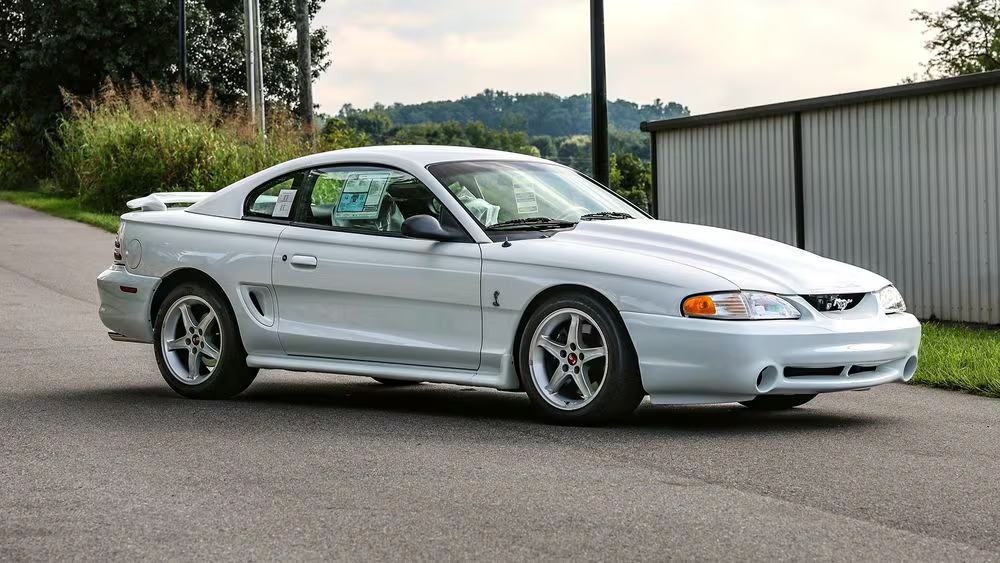
Equally damaging is forcing gear changes without properly engaging the clutch. Some might consider it a display of skill to shift rapidly without full clutch use, but this risks synchro damage and misalignment inside the gearbox. Repairs on these parts often stretch into thousands, making abuse an expensive adventure.
The Mustang Cobra provides excellent torque, which means it does not need high-RPM launches to enjoy spirited acceleration.
Owners who understand this can reduce clutch stress while still experiencing the car’s thrill. Practicing smooth engagement, shifting with care, and avoiding unnecessary load on the pedal extend both clutch and gearbox life dramatically.
Transmission repairs are notorious for being complex and expensive. With a few small adjustments to driving habits, Cobra owners can enjoy crisp gear changes and confident launches for years without prematurely wearing out one of the most essential systems of the driving experience.
3. Neglecting Cooling System Maintenance
High-performance engines generate extreme levels of heat, making the cooling system not just a convenience but a core survival mechanism.
When a Cobra’s radiator, hoses, thermostat, and coolant are neglected, danger builds silently under the hood. Many failures associated with overheating come not from sudden accidents but from consistent neglect of this vital system.
Coolant fluid degrades over time, losing its ability to resist corrosion and properly transfer heat. Old coolant can form deposits inside radiator channels, causing reduced flow and hotspots.
Similarly, cheap or improper mixture ratios compromise the cooling system, leading to rusted components and compromised seals. Over time, even the strongest engine struggles against repeated cycles of overheating.
Ignoring small warning signs such as fluctuating temperature gauges, coolant puddles under the car, or a fan that cycles unusually can be disastrous.
These issues are easy to fix during early discovery stages but become catastrophic after sustained neglect. Overheated engines warp cylinder heads, blow gaskets, or seize entirely, ending the life of an otherwise strong powerplant.
Another overlooked detail is the water pump and thermostat. Both are simple mechanical devices but are prone to eventual wear. A failing water pump may start small, often presenting as noise or leaks before leading to cooling failure.
Likewise, an aging thermostat may stick open or shut, disrupting coolant flow. Preventative replacement of these parts during major service intervals is far less costly than undergoing a rebuild caused by overheating.
Cobra owners who treat cooling system maintenance as a top priority rarely face sudden breakdowns. Regular flushes, checking coolant quality, monitoring hoses for cracks, and ensuring the radiator fan operates correctly all extend longevity.
Heat is one of the deadliest enemies of performance engines, and only a disciplined approach prevents it from slowly destroying an otherwise strong machine.
4. Running Cheap or Wrong Fuel
It is no secret that performance engines are engineered with specific fuel requirements. A Cobra developed for premium fuel cannot reach its potential, or even survive long-term, if fed with lower-grade gasoline.
Yet many owners give in to the temptation of saving a few cents per gallon, ignoring the long-range consequences.
Lower octane fuel causes knocking or detonation. This occurs when fuel ignites prematurely within the cylinders, creating shock waves that pound against pistons and valves.
Over time, this damages ringlands, bearings, and even head gaskets. What might start as a barely audible rattle under load develops into serious engine failure if the habit continues.
Some drivers also experiment with low-quality aftermarket fuel additives or questionable gas stations. Unregulated blends may contain contaminants that clog injectors or foul spark plugs.
Deposits begin to form across the intake system, eventually reducing power output and causing uneven combustion. These may seem like minor irritations but chip away at the engine’s strength with every drive.
The Cobra’s V8 is tuned for precision, and starving it of proper-grade fuel denies it the efficiency and power it was engineered to deliver. Instead of saving money, owners find themselves facing injector replacements, detonation damage, or even short block rebuilds.
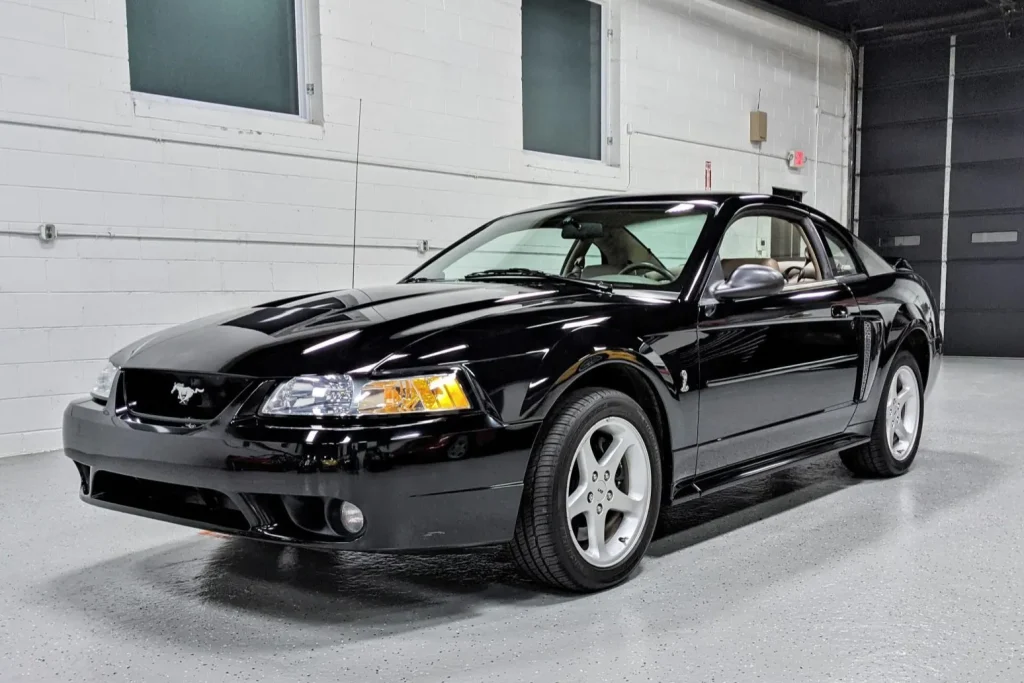
Smart ownership means filling up with the correct octane level every time and sourcing from trustworthy stations. While the difference in pump price may feel steep on the spot, the cost is insignificant compared to engine repair bills.
Some owners also invest in periodic fuel system cleaning or use proven fuel stabilizers during long storage periods, ensuring the Cobra enjoys clean, combustion-friendly gasoline at all times.
Cutting corners on fuel is one of the most common and expensive mistakes owners make. Respecting the engine’s requirements keeps combustion smooth, efficient, and fully reliable throughout the car’s life.
5. Overlooking Suspension and Tire Health
Many Mustang Cobra enthusiasts focus intensely on engine power while forgetting that the suspension and tires form the foundation for delivering that performance.
A worn or neglected suspension system not only reduces handling quality but also puts extra strain on other components, leading to failures that might otherwise never occur.
Tires play a critical role because they are the only contact the Cobra has with the road. Running them underinflated or overinflated wears tread unevenly, reducing grip and acceleration capacity.
It also causes alignment issues, straining suspension components and creating vibrations that travel throughout the chassis. Owners sometimes notice bouncing steering wheels or increased pulling under braking, yet continue ignoring the problem until it escalates into larger mechanical damage.
Suspension neglect includes failing bushings, aging shocks, and broken springs. Instead of addressing these issues early, some owners continue driving under the assumption that the Mustang’s power will compensate.
Unfortunately, this habit quickly transforms driving excitement into a dangerous experience. Handling precision drops, braking distances increase, and engine torque becomes harder to control on unbalanced wheels.
Beyond safety, ignoring suspension care puts extra wear on the drivetrain. Vibrations travel into the gearbox and differential, accelerating failures there as well. The overlooked cost of suspension maintenance eventually escalates into expensive repairs across multiple systems.
Prudent owners habitually rotate and balance tires, check alignment schedules, and inspect suspension components at regular mileage intervals.
Performance tires and shocks are budget-intensive items, but keeping them fresh delivers not just safety but also adds to the enjoyment of owning a Cobra.
A car known for power deserves equal attention on road-holding and stability. By treating tires and suspension as critical upkeep items, Cobra drivers maintain both safety and longevity for years.
6. Constant Redlining and Over-Revving
Part of the Mustang Cobra’s appeal lies in hearing that roaring engine pull hard near the redline. However, consistently pushing the tachometer past safe levels is one of the most damaging habits that shortens engine life prematurely.
While manufacturers establish rev limits to allow occasional spirited driving, excessive and repeated excursions weaken critical components.
Valves, pistons, and rod bearings take the bulk of this punishment. At extremely high revolutions, oil films thin out, struggling to protect metal surfaces.
This creates metal-to-metal contact under extreme force, accelerating wear. Repeated redline pulls evolve from a form of enjoyment into a very real risk of throwing a rod, spinning a bearing, or causing catastrophic engine failure.
Another related issue is over-revving through poor shifting. Missing a downshift or accidentally selecting the wrong gear causes mechanical over-speeding, where the engine operates far beyond its safe capacity.
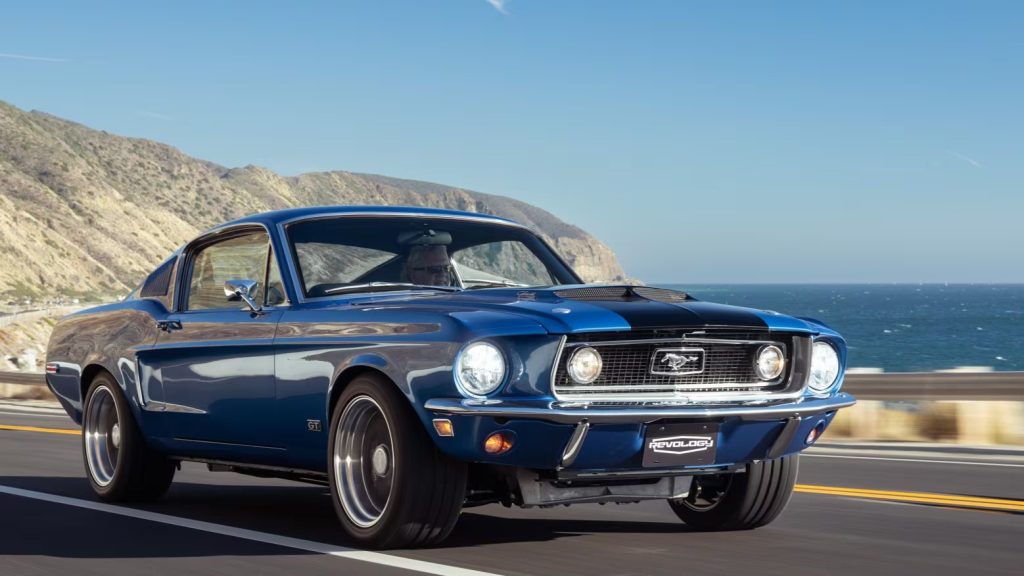
Such incidents can bend valves, crack pistons, or instantly destroy the motor. Sadly, many Cobras have met early retirement not from gradual wear but sudden mis-shifts under hard driving.
The Cobra’s design allows for thrilling performance without constantly living near redline. Smarter driving involves occasional blasts balanced with cruising at moderate RPMs where the engine operates most efficiently.
This not only preserves mechanical integrity but also improves fuel economy and reduces unnecessary strain.
Owners who wish to enjoy aggressive acceleration should ensure rev limiter calibrations remain intact.
Removing safety RPM limiters through aftermarket tuning may provide an adrenaline rush, but it also eliminates factory protections standing between a healthy engine and catastrophic damage.
Resisting the temptation to treat every drive as a drag race keeps the engine in peak condition longer.
The Cobra’s joy lies in its balance of power and style, not in endless abuse of its redline. Responsible use makes the difference between fleeting thrills and lasting performance.
7. Skipping Preventive Maintenance and Inspections
A Mustang Cobra is not just a performance car; it is a high-performance machine that requires attention on a schedule. Skipping inspections or delaying small services is a habit that silently kills these cars.
Many owners approach maintenance reactively, waiting until something breaks before addressing it. Unfortunately, this mindset ensures issues grow larger, more expensive, and sometimes irreversible.
One of the most commonly ignored tasks is belt and hose inspection. A single snapped belt or ruptured coolant hose can strand the car or, worse, cause overheating that leads to major engine damage.
These parts are inexpensive compared to the cost of failure, yet inconsistent inspection habits let them degrade unchecked until catastrophic events occur.
Brake systems present another overlooked area. Owners who cherish straight-line speed sometimes forget the braking system’s importance.
Worn pads, low fluid, or glazed rotors contribute not just to unsafe braking distances but also to deterioration of calipers and proportioning valves. Preventive servicing here ensures the Cobra remains as safe to stop as it is fun to drive.
A strong habit involves scheduled service log adherence. This means oil changes, gearbox fluid refreshes, differential fluid checks, spark plug replacements, and periodic tune-ups.
Each one keeps a specific system healthy and prevents hidden damage from accumulating. A missed spark plug change might begin as rough idling but eventually translates into catalytic converter failures from unburned fuel.
Preventive maintenance also includes periodic inspections by trusted mechanics who understand performance cars.
Experienced technicians often detect potential problems like developing oil leaks, weakening suspension bushings, or early clutch wear far before they result in failure. By tackling these issues proactively, owners avoid unpleasant surprises.
Consistent preventive maintenance may feel demanding, but it is what separates long-lasting Cobras from those prematurely worn down. Treating the car with structured inspection routines ensures longevity, reliability, and ongoing enjoyment of the iconic V8 muscle machine.
The Mustang Cobra represents more than a car. It is a piece of performance heritage that delivers raw excitement, an addictive V8 soundtrack, and an experience many dream of owning.
Yet, even vehicles designed with strength and stamina in mind can be undone not by design flaws, but by how they are treated by their drivers.
The habits discussed earlier reveal the subtle ways a Cobra can be prematurely destroyed, often without the owner realizing the damage being done until it is far too late.
At the heart of the matter lies routine care. Neglecting oil changes undermines the very lubrication barrier that keeps metal parts alive.
Owners who replace oil on schedule and choose synthetic blends maintain a clean, cool-running motor that can last decades. Similarly, drivers who pay close attention to cooling systems guard their engine against the destructive effects of overheating.
A Cobra that runs hot repeatedly will not survive long, while one with regular coolant flushes, updated hoses, and a healthy water pump can thrive in both city and track settings.
These simple rituals are not extravagant. They are the foundation of extending the life of one of the most celebrated performance cars in Ford’s history.
Driving behavior plays an equally defining role. Abusing the clutch, over-revving the engine, and redlining on every commute may feel thrilling but extracts a hidden debt that eventually comes due in the shop.
A Cobra rewards smooth, measured input far more than harsh, relentless punishment. By respecting gearing, treating tires and suspension as integral components, and feeding the motor proper fuel, drivers allow the car’s engineering to shine as intended.
Longevity is as much about restraint and care behind the wheel as it is about turning wrenches in the garage.
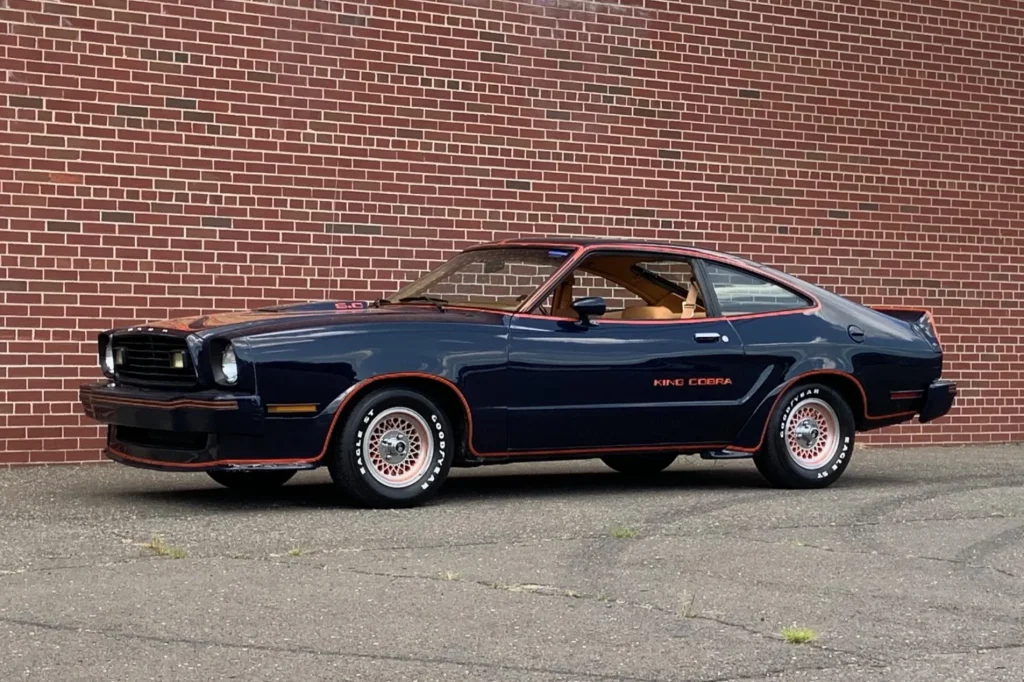
Preventive upkeep stands as the ultimate safeguard. Every skipped inspection allows small wear to grow unchecked. Every delayed service shortens the car’s timeline before failure strikes.
Belts, hoses, spark plugs, fluids, and brakes may seem minor compared to the mighty V8, but these smaller systems determine whether that power can be used at all.
A Cobra ignored in these details eventually becomes a memory, while one kept on a tight schedule of checks and replacements remains a thriving machine.
Ultimately, the difference between a Cobra that fades too quickly and one that survives decades lies entirely in the hands of its owner.
Respecting maintenance intervals, avoiding shortcuts on fuel or oil, curbing self-destructive driving habits, and giving priority to tire and suspension health all add up to a car that not only performs like new but avoids costly downtime.
Owners who treat the Cobra as a partnership rather than merely a toy reap not only reliability but also the ongoing thrill of owning a car that commands both power and loyalty. Preserving a Mustang Cobra is not complicated it is about adopting consistent habits that safeguard the machine’s beating heart.
Also Read: 7 Habits That Kill a Jeep Wrangler 4xe Battery Quickly
