
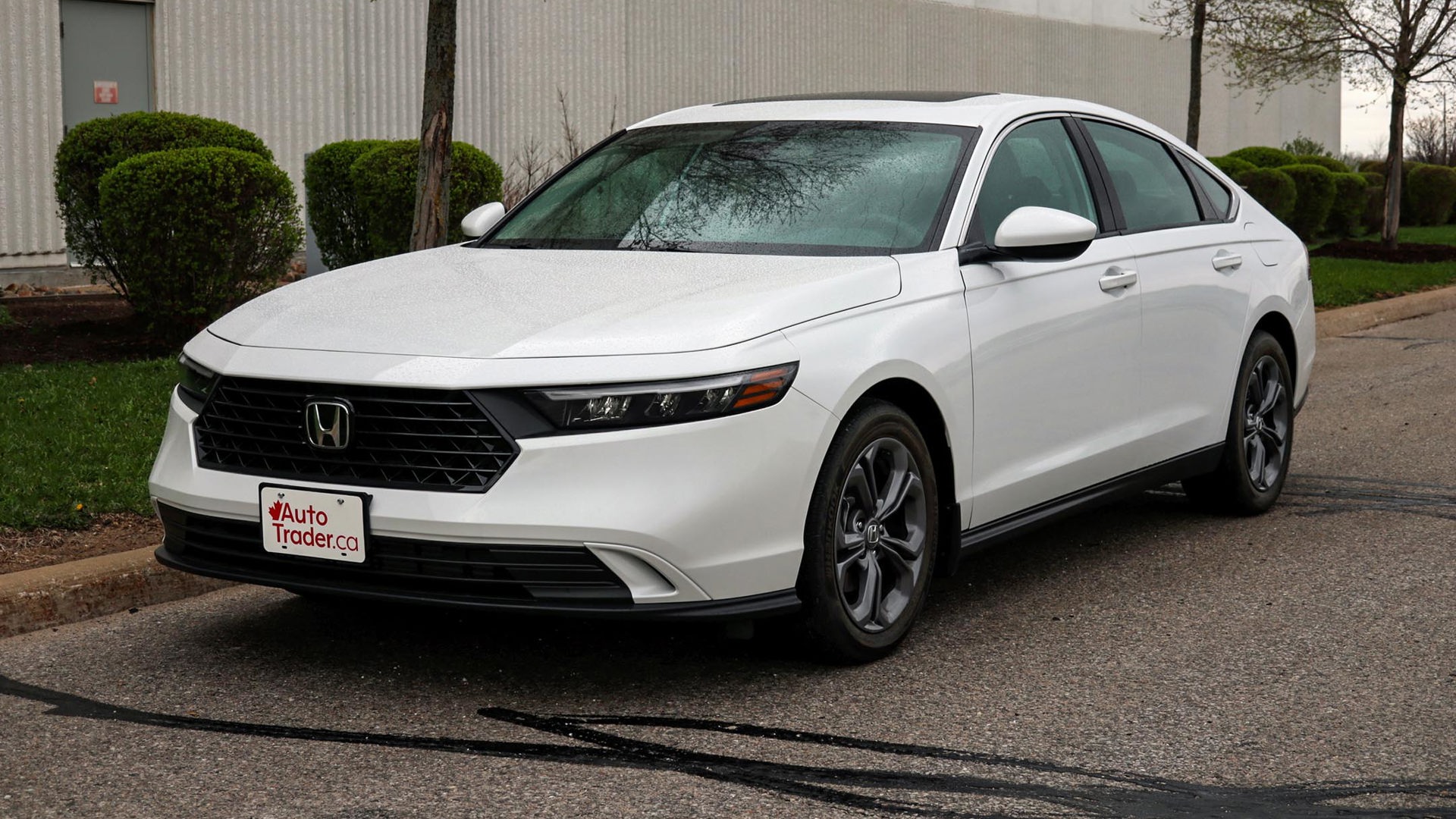
The Honda Accord EX has earned its reputation as one of the most dependable and practical sedans available over the years.
Built with a strong engine lineup, a comfortable interior, and commendable longevity, it has become a trusted companion for commuters, families, and enthusiasts alike.
Yet, despite its robust engineering, even a Honda Accord EX can experience early wear or serious problems when owners follow poor habits or overlook essential care.
A vehicle’s lifespan is influenced not only by its original design and build quality but also by the decisions made by the person behind the wheel and the regularity of maintenance routines. Ignoring some crucial practices can shorten its durability dramatically, sometimes by several years.
Owners often assume that reliability means immunity from damage, but this belief creates a dangerous mindset where preventive steps are skipped. Small oversights, such as delaying oil changes or ignoring transmission conditions, lead to significant consequences later.
What could be a simple fix early on becomes a much more expensive repair down the road. Over time, these mistakes compound, targeting the Accord EX’s core strengths: its smooth powertrain, comfortable ride, and consistent handling.
Taking a proactive approach is the key to keeping the Accord EX dependable for longer than a decade. Every Honda sedan comes tuned for balance between performance and efficiency, and with proper care, reaching well over 200,000 miles is completely realistic.
However, the opposite is also true. Drivers who neglect crucial maintenance tasks or misuse the vehicle often face problems such as premature engine wear, transmission failure, or suspension fatigue.
The following sections will highlight eight critical mistakes that dramatically reduce the longevity of a Honda Accord EX. Addressing these concerns actively ensures that the sedan maintains its renowned reliability for the long journey ahead.
Also Read: 8 Driving Habits That Kill a Honda Accord Coupe Too Early
Mistake 1: Skipping Regular Oil Changes
One of the biggest reasons a Honda Accord EX fails before its time is neglecting regular oil changes. Motor oil is the lifeline of the engine. It lubricates moving parts, reduces friction, carries away debris, and helps with cooling.
If this vital fluid becomes old or contaminated, the engine’s performance deteriorates quickly. Over time, the absence of fresh oil results in sludge buildup, increased wear, and eventually costly component damage.
Honda engines are designed to run efficiently with clean oil. When owners stretch the interval beyond what is recommended, the effects are rarely immediate but become noticeable in the long term.
Even advanced synthetic oils, which last longer than conventional oils, cannot work indefinitely. A neglected oil change schedule leads to worn piston rings, clogged oil passages, and sometimes complete engine failure. Replacing or repairing an Accord’s engine costs far more than sticking to a consistent service plan.
The best practice is to follow the maintenance schedule in the owner’s manual, which suggests routine oil changes every few thousand miles depending on driving conditions.
Factors such as frequent stop-and-go traffic, extreme temperatures, or long idling can mean shorter intervals are necessary. It’s also important to use the right type of oil, as modern Honda engines often require specific grades to perform properly.
Missing oil changes does not just impact the engine; it creates a ripple effect leading to reduced fuel economy, sluggish acceleration, and even higher exhaust emissions.
For a car like the Accord EX, which many rely on for reliability, this single mistake undermines one of its strongest qualities.
Ignoring this simple routine transforms a dependable sedan into an expensive liability, making timely oil changes the most critical upkeep task any owner should commit to.
Mistake 2: Ignoring Transmission Maintenance
Another mistake that significantly shortens the life of a Honda Accord EX is failing to maintain the transmission. The transmission is responsible for transferring power from the engine to the wheels and ensuring smooth gear shifts.
A neglected transmission is prone to overheating, slipping, and eventually full breakdown, which is among the costliest repairs a vehicle can face.
Many owners wrongly believe transmissions do not need much attention. While modern automatic transmissions are more efficient than older designs, they still depend on clean transmission fluid.
This fluid ensures shifting remains smooth, prevents overheating, and protects internal parts from friction. Over time, the fluid breaks down, gathers contaminants, and loses its protective qualities. When this happens, gear changes become rough and the internal components wear out faster.
Skipping transmission fluid checks or replacements is particularly dangerous for drivers who spend a lot of time in stop-and-go traffic, where the system experiences frequent stress.
Ignoring warning signs such as delayed shifting, slipping gears, or unusual noises only accelerates the damage. By the time symptoms become severe, a full rebuild or replacement may be the only option, which costs thousands of dollars.
The simplest way to avoid these issues is by checking the transmission fluid regularly and changing it based on Honda’s recommended intervals.
In some cases, the fluid may need replacement sooner depending on driving conditions. Maintaining the cooling system is also important since overheated engines directly affect the transmission.
Owners who care for this component properly can expect their Accord EX to run for hundreds of thousands of miles with minimal issues.
Transmission care is not glamorous, but ignoring it is one of the fastest ways to end a vehicle’s life prematurely, making vigilance in this area a wise investment.
Mistake 3: Overlooking the Cooling System
The cooling system plays a crucial role in regulating engine temperature, yet many Honda Accord EX owners neglect its importance.
The system includes coolant, the radiator, hoses, the water pump, and the thermostat, all working together to prevent the engine from overheating.
Ignoring this maintenance leads to immediate and severe consequences since high temperatures quickly warp metal components, blow head gaskets, and even seize the engine.
Coolant breaks down over time, losing its effectiveness and becoming corrosive. This not only fails to protect the system from heat but also allows rust and scale to build up, blocking proper circulation.
A clogged radiator or corroded water pump can suddenly fail during operation, leaving the driver stranded and facing repairs that may exceed the value of the car if the damage spreads to the engine block.
Signs that the cooling system needs attention include visible leaks, the temperature gauge rising above normal, or the heater not working consistently.
Unfortunately, many drivers make the mistake of adding water only, which dilutes the coolant mixture and provides little protection against boiling or freezing conditions. Others wait until problems become critical, failing to flush the system as recommended.
The best prevention is maintaining the correct 50/50 mixture of coolant and distilled water while replacing it according to Honda’s timeline, often every few years. Inspecting hoses, clamps, and the radiator cap is equally important to ensure everything is sealed and functioning smoothly.
Considering how fragile engines become under heat stress, overlooking the cooling system is one of the most damaging mistakes.
When cared for, the Accord EX will maintain optimal temperatures through varied driving conditions, but neglect turns this reliable sedan into a ticking time bomb of overheating issues.
Mistake 4: Using Cheap or Incorrect Fuel
Honda engineers design the Accord EX to operate efficiently with specific fuel requirements. Using lower-quality fuel or the wrong octane may seem like a small compromise, but in reality, it has long-term consequences on both performance and longevity.
Poor fuel quality often contains impurities that clog fuel injectors, reduce combustion efficiency, and create carbon deposits inside the engine’s combustion chamber.
Some owners attempt to save money by opting for the lowest grade available, assuming all fuel is the same.
While the Accord EX doesn’t always mandate high-octane fuel, using anything below the recommended standard risks knocking, an engine condition caused by improper combustion timing. Persistent knocking damages pistons and valves, leading to expensive mechanical repairs.
Cheap fuel also poses problems because not all refineries produce gasoline with effective detergent additives.
These additives are crucial for keeping fuel injectors and intake valves clean. Without them, the car develops a rough idle, hesitation during acceleration, or reduced fuel efficiency. Over the years, these issues accumulate into noticeable engine strain.
Another frequent mistake is ignoring the fuel filter. If left unchanged, it clogs and restricts flow, forcing the fuel pump to work harder and increasing the likelihood of premature failure. A failing fuel pump means sudden breakdowns and costly service appointments.
The solution is straightforward: always use the grade of fuel listed in the owner’s manual and purchase from trusted stations known for supplying top-tier gasoline with adequate additives.
Replacing the fuel filter at the correct interval ensures smooth operation. A small difference in cost per gallon is negligible compared to the expense of a damaged engine.
For a sedan that prides itself on balance and efficiency, feeding the Accord EX with subpar fuel undermines its strengths. Using proper, clean fuel is vital for maintaining both performance and longevity.
Mistake 5: Neglecting Brake Maintenance
Although many focus primarily on engine or transmission care, the brakes are equally important for both safety and longevity.
Poorly maintained brakes create more stress on the car’s suspension, tires, and wheel components, eventually leading to premature decline of the Accord EX. Sadly, many owners ignore brake issues until they become dangerous.
Worn brake pads are the most common problem. If pads wear down completely, metal grinds against metal, severely damaging rotors and calipers.
Not only does this increase repair costs, but it also places additional strain on the hydraulic system. Drivers often recognize squealing or grinding sounds yet delay service, risking catastrophic failure in emergencies.
Brake fluid is another overlooked element. It attracts moisture over time, which reduces its effectiveness and corrodes brake lines and calipers.
If owners skip routine fluid flushes, the system becomes less responsive, increasing stopping distances and endangering everyone in the vehicle. Even worse, ignoring leaks or warning lights can eventually result in total brake failure.
Brake neglect has secondary consequences. A struggling braking system transfers extra heat and pressure to suspension parts and unevenly wears tires. This domino effect speeds up wear across multiple systems that are otherwise designed for long service life.
The best approach is routine attention. Brake pads should be inspected at least annually, while brake fluid should be replaced according to service intervals. Listening to early signs of squeals, vibrations, or dashboard alerts allows drivers to fix inexpensive issues before they become expensive ones.
The Accord EX was engineered as a balanced vehicle with strong safety features, but disregarding brake health undermines these advantages.
Responsible brake maintenance not only protects the car’s lifespan but also safeguards passengers, making it one of the most essential habits for Accord owners.
Mistake 6: Overloading the Vehicle
Many underestimate the damage caused by consistently overloading their Honda Accord EX. While this sedan is versatile enough for family travel and daily commutes, it is not designed to carry extreme weight. Exceeding its weight limit places stress on the suspension, tires, engine, and transmission, all of which shortens the vehicle’s usable life.
Excessive load forces the suspension system to absorb more impact than intended. Over time, struts and shocks lose effectiveness, creating an uncomfortable ride and reducing handling precision.
This, in turn, accelerates tire wear since the vehicle no longer distributes weight evenly across all four corners. Tires experience overheating, tread separation, and blowouts when pushed beyond their rated capacity.
The powertrain also suffers. The engine works harder to move greater mass, leading to increased fuel consumption, higher operating temperatures, and greater mechanical wear.
The transmission experiences added stress from prolonged strain, often resulting in overheating fluid or slipping gears. Such conditions drastically reduce longevity.
Overloading also affects braking. Heavier loads increase stopping distances, meaning the brake system must work harder, heating up quickly and wearing components prematurely. This creates a dangerous driving situation, particularly during emergency maneuvers or downhill braking.

For those who need to transport heavier items occasionally, the correct approach is spreading weight evenly and avoiding continuous overloading. If frequent hauling is necessary, investing in a vehicle designed for that purpose such as an SUV or truck, protects the Accord EX from unnecessary damage.
Respecting the manufacturer’s weight recommendations preserves handling, comfort, and safety while extending the overall lifespan of the sedan. Ignoring these guidelines is one of the simplest yet most destructive mistakes drivers can make.
Mistake 7: Driving Aggressively
An aggressive driving style is another common reason a Honda Accord EX wears out early. Rapid acceleration, sudden braking, and sharp cornering all create stress on multiple systems.
While the Accord EX is capable of smooth performance, it is not built as a high-performance sports car, meaning aggressive habits erode its strengths quickly.
Hard acceleration strains the engine and transmission, increasing heat and mechanical wear. Consistently pushing the throttle to its limits leads to faster breakdown of vital fluids, heightened stress on gaskets, and eventual weakening of critical components.
Likewise, sudden braking not only wears brake pads rapidly but also transmits shock throughout the suspension, shortening the lives of shocks, struts, and bushings.
Fast cornering adds excessive pressure on tires, leading to uneven wear patterns and potential blowouts. Combined with aggressive starts and stops, this driving method also consumes fuel unnecessarily, reducing the efficiency that the Accord EX is praised for.
While occasional spirited driving is harmless, a consistent pattern leaves the sedan struggling well before its expected service life.
Driving harshly also increases the risk of overheating. During stressful driving conditions, engines run hotter, fluids degrade quicker, and components such as the radiator and cooling fan work overtime. This often results in premature wear of seals, hoses, and belts across the car.
Adjusting driving habits plays a major role in maintaining long-term health. Smooth acceleration, gradual braking, and mindful cornering protect mechanical systems significantly. Not only does this extend the Accord EX’s lifespan, but it also improves comfort and fuel economy.
Aggressive driving offers a few moments of thrill but destroys the Accord EX’s balance of durability and efficiency. Treating the car with respect ensures it remains a reliable partner for many years.
Mistake 8: Ignoring Warning Lights
The final mistake that damages the Accord EX prematurely is disregarding warning lights on the dashboard.
Modern vehicles come equipped with multiple sensors designed to alert the driver to potential issues long before they become critical failures. Unfortunately, many owners downplay these signals or assume they are minor inconveniences.
The check engine light is the most ignored indicator, yet it can represent a wide array of problems ranging from a loose gas cap to serious engine malfunction. Ignoring this warning risks escalating small issues into severe damage.
For example, a faulty oxygen sensor left unchecked not only affects fuel economy but may cause long-term harm to the catalytic converter, which is expensive to replace.
Other lights should also be taken seriously. The oil pressure light, for instance, warns of potential lubrication failure that could destroy the engine if not addressed immediately.
Transmission, brake system, and coolant temperature indicators work the same way, providing the driver with early warnings that maintenance is required.
One of the biggest reasons owners ignore these indicators is fear of high repair bills. Ironically, neglecting them almost always results in higher costs later. What might have been a quick repair becomes a full replacement of major components once damage accumulates.
The correct approach is to take each warning seriously and run a diagnostic scan as soon as possible.
Even if the issue turns out to be minor, peace of mind and preventive action protect the car from further complications. Understanding what each symbol represents, as outlined in the owner’s manual, ensures drivers never overlook critical problems.
A Honda Accord EX can last an exceptionally long time when cared for properly, but dismissing warning lights destroys this advantage. Attention to these alerts is vital for extending the car’s life.
The Honda Accord EX is widely recognized for its durability, practicality, and ability to remain dependable far past 200,000 miles when treated with proper care.
However, longevity depends not only on solid engineering but also on how the car is maintained throughout its life. Many owners unintentionally shorten the lifespan of their Accord EX by making common but costly mistakes.
Understanding these errors is the difference between enjoying years of smooth performance and facing early breakdowns that drain time and money.
Among the most damaging habits is skipping regular oil changes. Clean oil is essential for reducing friction and preventing deposits within the engine.
Ignoring this simple maintenance task accelerates wear and may lead to complete engine failure. Transmission care is equally critical, as fluid neglect or failure to address shifting problems quickly results in expensive breakdowns.
Another overlooked factor is the cooling system. Coolant, hoses, and radiators must be kept in top condition to avoid overheating, which can severely damage the engine.
Fuel choice also matters more than many assume. Using cheap or incorrect fuel grades introduces impurities, clogs injectors, and creates carbon buildup that slowly harms performance and efficiency.
Brakes are too often ignored until serious damage occurs. Worn pads and neglected brake fluid compromise safety and stress other mechanical components.
Similarly, overloading the vehicle shortens the life of suspension, tires, and the transmission, placing the Accord EX under pressures it was never designed to handle.
Driving style also plays a large role in longevity. Aggressive braking, rapid acceleration, and sharp cornering wear down key systems well ahead of schedule.
Finally, one of the most dangerous mistakes is dismissing warning lights. These alerts are designed to notify drivers of issues before they escalate, yet many ignore them until major failures occur.
Preventing these problems requires discipline and attention. By committing to proper oil and fluid schedules, using the right fuel, respecting weight limits, caring for brakes, adopting smoother driving habits, and responding immediately to warning lights, Honda Accord EX owners protect their investment for many years.
In short, reliability is sustained when drivers avoid neglect, misuse, and carelessness. With consistent attention, the Accord EX continues its legacy as a long-lasting, trustworthy sedan.
Also Read: 10 Moves That Kill a Honda Crosstour Before 150,000 Miles
