
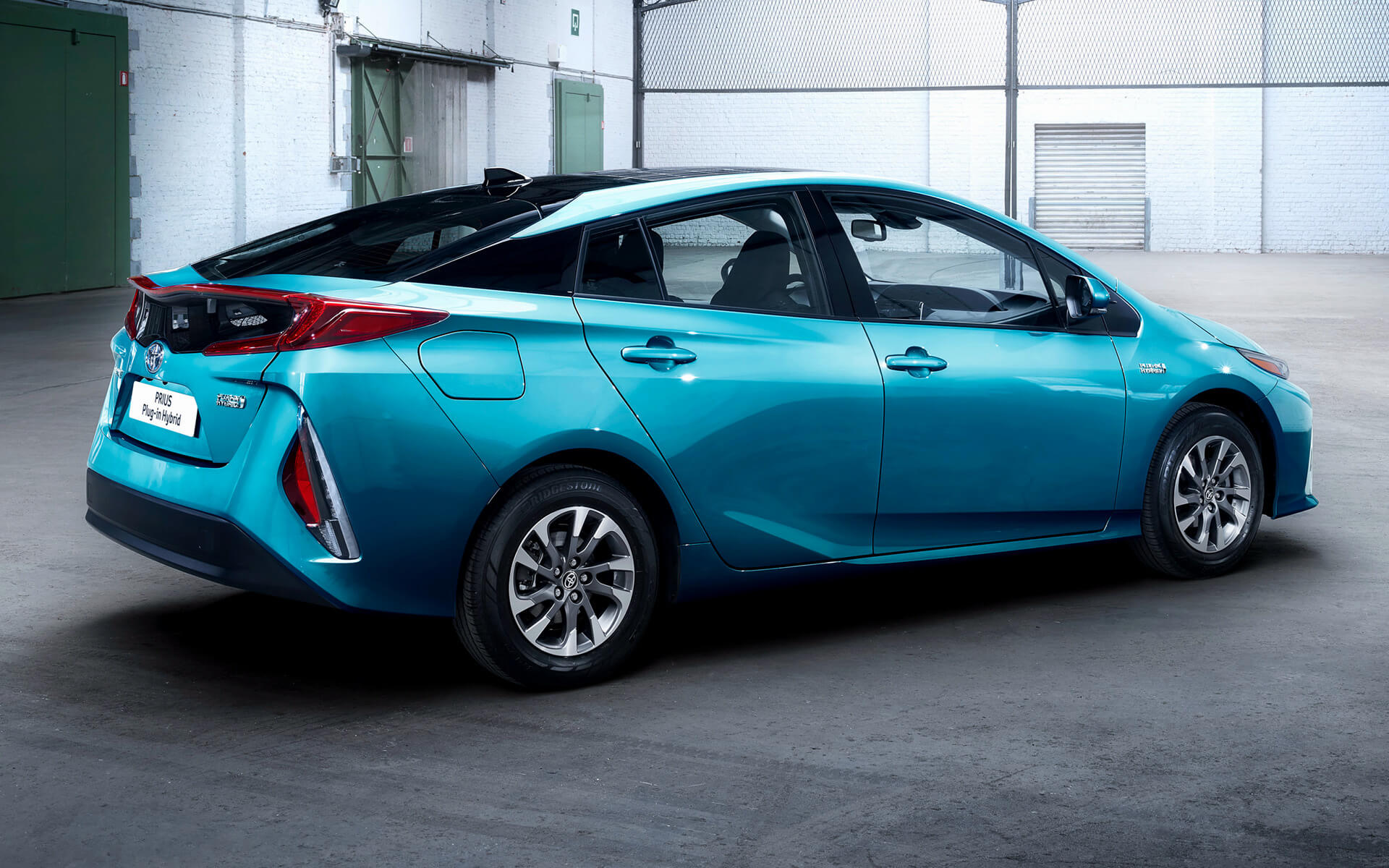
When it comes to hybrid vehicles, the Toyota Prius V consistently ranks among the most practical and efficient options on the road. Its spacious interior, dependable engineering, and excellent fuel economy make it a favorite choice for families and eco-conscious drivers alike.
Central to its performance is its hybrid battery system, which serves as the heart of the vehicle. Unlike conventional cars that rely solely on gasoline, the Prius V combines its hybrid battery with a fuel engine, allowing it to provide both better fuel efficiency and reduced emissions.
Given the importance of this energy system, keeping the battery in good health is vital for ensuring reliability and extending the vehicle’s lifespan.
Many owners assume that hybrid batteries are maintenance-free until problems arise, but that’s not quite true. While the Prius V battery is designed for durability, it still benefits from proper care.
Driver habits, maintenance routines, and even the way the vehicle is stored can all influence the condition and longevity of the battery. With simple preventive steps, owners can not only avoid costly repairs but also ensure the car continues to deliver the performance it was engineered for.
The good news is that maintaining a hybrid battery does not require highly technical knowledge or specialized equipment in most cases. Instead, it comes down to consistent driving practices, routine check-ups, and an awareness of the system’s needs.
By following some straightforward habits, Prius V owners can add years of efficiency and dependability to their hybrid.
In this guide, we will cover ten easy yet highly effective methods that keep the Prius V battery running strong. These straightforward actions will help protect your investment while keeping your hybrid at its best.
Also Read: 10 Moves That Kill a Honda Crosstour Before 150,000 Miles
Tip 1: Drive the Prius V Regularly
One of the most effective ways to keep your Toyota Prius V battery in good health is to drive it consistently. Like any piece of technology that holds an electrical charge, the hybrid battery prefers to stay active rather than sit idle for long stretches.
Regular usage keeps the battery cells engaged, reducing the risk of imbalance and maintaining their overall efficiency. When a Prius V is left parked without being driven for weeks at a time, the battery charge begins to drop naturally, and in some cases, this leads to difficulties restarting the system when it is finally used again.
Short, infrequent drives can also place strain on the hybrid system. If a trip involves no more than a few minutes of driving, the battery does not go through enough cycles to distribute its workload evenly.
Over time, this limited use can cause the individual cells to lose their uniform performance. Hybrid batteries perform best when exercised through a range of conditions, including city speeds, highway miles, and stop-and-go traffic, where they adapt through charging and discharging.
The ideal routine is to take the Prius V on moderate drives several times a week. Even if the owner does not have a long daily commute, adding in trips for errands or occasional highway runs helps maintain the energy system.
This regular movement not only conditions the battery but also keeps the gasoline engine in balance with the hybrid system.
For Prius owners who anticipate leaving their car unused for an extended period, steps should be taken to reduce battery risk. This might mean asking someone to drive the car occasionally or at least starting it up to keep the charge stable.
The underlying principle is clear: hybrid batteries thrive with consistent activity, and even modest driving habits contribute significantly to long-term performance.
Tip 2: Keep the Hybrid Cooling Fan Clean
The hybrid battery in a Prius V relies on a cooling system to maintain safe operating temperatures. A key part of that system is the cooling fan, which sits near the rear seats and works to regulate airflow around the battery pack.
If dust, lint, pet hair, or other debris begins to block this area, the airflow becomes restricted. This causes the battery to run hotter than intended, which can shorten its lifespan and reduce how efficiently it operates.
Keeping the cooling fan clean is a task that many owners overlook simply because it is out of sight. Unlike oil changes or tire checks that are top-of-mind, the fan tends to be forgotten. Yet, because hybrid batteries are sensitive to heat, ensuring proper cooling is one of the easiest and most impactful ways to extend their life.
Excessive heat doesn’t just reduce battery life but can also trigger system warnings and force the hybrid to rely more heavily on its gasoline engine, lowering fuel economy.
Simple steps can make a big difference. Start by checking the intake vents near the rear seat to ensure they are unobstructed. Bags, jackets, or other belongings placed near these vents can prevent air from flowing properly.
Additionally, if you often travel with pets, hair can accumulate quickly in this area. Scheduling a periodic cleaning helps prevent buildup and keeps the air passages clear.

Professional mechanics can also clean the fan thoroughly during routine service visits. While some owners with DIY experience may be comfortable accessing the fan themselves, it is generally safest to have it done by a technician as part of long-term maintenance.
By ensuring the hybrid cooling fan remains clear and functional, Prius V owners remove one of the biggest stress factors on their batteries. This straightforward preventive action adds years of reliability and supports optimal efficiency with minimal effort.
Tip 3: Avoid Extreme Heat Wherever Possible
Temperature has a powerful effect on hybrid batteries, with heat being one of the biggest threats. When the Toyota Prius V battery is exposed to consistently high temperatures, either from weather or storage conditions, the chemical balance within the cells begins to degrade more quickly.
This wear shortens the battery’s ability to hold a charge and reduces performance over time. While the Prius is designed with protective systems, minimizing exposure to heat goes a long way in preserving battery health.
The risk is higher during hot summers or in regions where temperatures regularly climb above comfortable levels. Parking the Prius outdoors in direct sunlight for hours at a time accelerates heat buildup, especially since the battery pack is stored under the rear cargo area.
That compartment traps heat more easily, and without airflow, the battery can exceed recommended operating ranges.
Simple habits go a long way in offsetting this. Whenever possible, park in the shade or inside a garage. Even something as basic as using a windshield sunshade lowers the interior temperature and reduces stress on the hybrid system.
For owners who live in consistently hot regions, tinting the windows or using protective covers can further reduce sun exposure.
Driving style also comes into play during hot conditions. Running the air conditioning in a way that helps circulate cool air near the rear of the cabin benefits the hybrid’s cooling system while keeping passengers comfortable.
Short trips in high-heat conditions are especially taxing since the battery doesn’t get enough time to balance itself across charge cycles. Longer, smooth drives with proper cooling are friendlier to the hybrid pack under these circumstances.
By making small adjustments that limit heat exposure, Prius V owners can reinforce the longevity of their batteries.
Even though Toyota designed the hybrid system to manage significant demand, protecting it from excessive temperatures pays off significantly in years of dependable performance.
Tip 4: Avoid Letting the Battery Fully Drain
Hybrid batteries are built to operate best within a balanced charging cycle. Unlike traditional rechargeable devices where full drain and full recharge were once considered a way to “condition” the battery, hybrids do not benefit from this practice.
In fact, letting the Prius V battery pack become fully drained places unnecessary stress on its cells, increasing the rate of degradation and reducing total lifespan.
The Prius V’s onboard management system works to prevent its battery from reaching critically low levels during normal driving.
However, if the car sits unused for long periods or is exposed to demanding conditions, the charge level can decline to a point where the hybrid struggles to restart. This situation often surprises owners who assume the system will remain charged indefinitely while parked.
The best habit is regular driving, which ensures the hybrid system remains active and self-charges during operation.
If extended periods of non-use are unavoidable, using a trickle charger designed for hybrids can provide a controlled charge to maintain proper energy levels. This prevents the battery from slipping into a zone that reduces efficiency and long-term performance.
Additionally, avoid running the hybrid system in “ready” mode without driving for extended periods, as this can cause the gasoline engine to cycle unnecessarily while also placing uneven stress on the battery. It’s more beneficial to actually drive the car and allow the system to operate through intended charge and discharge routines.
By preventing a full drain, Prius V owners help their hybrid system maintain balance across its cells. This single habit reinforces the design intentions Toyota built into its hybrid technology, which favors steady cycles rather than extremes.
The outcome is a more resilient battery that maintains both efficiency and performance across many years of service.
Tip 5: Use Moderate Driving Habits
How a Prius V is driven has a direct impact on how its hybrid battery ages. Rapid acceleration, hard braking, and extreme speed changes all force the battery to work harder than it should, which accelerates cell wear.
On the other hand, steady driving habits allow the hybrid system to operate in its most efficient state, distributing workload evenly across both the gasoline engine and the battery pack.
Hybrids are designed with efficiency at their core, and smooth driving plays into that engineering. For example, when easing onto the accelerator instead of pressing it abruptly, the Prius V draws measured amounts of power from the battery.
This gentle demand prevents unnecessary strain and spreads out the battery’s workload. Likewise, taking advantage of regenerative braking by anticipating stops early and slowing down progressively allows energy to be recaptured rather than wasted.
Over time, this type of driving reduces the number of stressful discharge cycles that wear out individual cells.
Another important factor is overall trip style. Consistent highway driving tends to place lighter demands on the hybrid battery compared with stop-and-go traffic.
That said, a mix of both types of driving is actually healthiest because it keeps the hybrid system engaged across its intended operating range. The key point is moderation: neither constant high demand nor high idleness is supportive of long-term health.
Owners should also pay attention to terrain and load. Driving up steep hills with heavy cargo requires the battery to work harder, which is fine occasionally but taxing if repeated constantly.
Similarly, flooring the accelerator from a complete stop, even if only to “beat traffic,” can gradually establish harmful patterns.
By adopting moderate, predictable driving habits, Prius V owners can work in alignment with the design of their hybrid battery.
This not only supports longevity but also maximizes the fuel savings that make the Prius such a strong choice in the first place. Smooth, steady routines are the simplest way to get the most out of both performance and durability.
Tip 6: Maintain Proper Tire Pressure
At first thought, tire pressure might not seem directly related to hybrid battery health. However, there is a clear connection.
When a Prius V runs with under-inflated tires, the engine and hybrid system must work harder to move the vehicle, which increases the energy drawn from the battery.
Over time, this extra workload contributes to unnecessary wear. By maintaining proper tire pressure, the vehicle runs more efficiently and places less demand on its hybrid system.
Correct tire pressure ensures smoother rolling resistance, meaning the hybrid powertrain can operate as designed.
Conversely, low pressure forces extra friction, resulting in more strain not just on fuel consumption but also on the battery cycles needed to deliver power during starts or uphill climbs.
Owners might notice reduced gas mileage partly due to this, an indicator that extra energy pull is affecting the hybrid balance.
Checking tire pressure regularly is simple yet highly effective. Seasonal temperature changes, for instance, cause fluctuations that can go unnoticed. A tire that seemed fine in mild spring weather may be underinflated once the heat of summer or the chill of winter arrives.
Using a digital gauge or visiting a service station ensures the tires remain within Toyota’s recommended specifications, usually found inside the driver-side door panel.
Another overlooked benefit is even wear. Proper tire inflation supports balanced tire tread, providing traction that keeps the car stable and reduces unnecessary energy waste. Additionally, rotations and alignments play their part in keeping rolling resistance in check.
Because energy efficiency is central to how the Prius V functions, maintaining tire pressure indirectly protects the battery by reducing excess strain. It is a maintenance step that pays double dividends: saving fuel while lowering wear on the hybrid system.
Simple consistency in checking and inflating tires makes this one of the cheapest and easiest ways owners can protect their Prius V battery for the long term.
Tip 7: Schedule Hybrid System Checkups
While the Prius V is engineered for low-maintenance use, routine checkups for the hybrid system are still crucial for catching potential issues early. Toyota recommends hybrid servicing at regular intervals where technicians can test the performance of the battery and its supporting components.
These inspections go beyond what a typical owner can assess on their own, providing reassurance that the battery continues to function as intended.
During these checkups, technicians evaluate the state of charge distribution across the battery’s modules. A healthy battery should have uniform levels among its cells.
If one or more modules show inconsistencies, this indicates potential imbalance that could worsen with time. Professional monitoring ensures corrective action can be taken before performance truly drops.
Hybrid-specific inspections also include checking cooling fans, electric connections, and software updates for the hybrid control unit. Any one of these factors, if neglected, can reduce efficiency and battery health.
Because hybrid systems rely on both mechanical and electronic components, small electrical issues can create larger strain on the energy core.
Owners sometimes skip these hybrid-focused checkups, assuming general servicing is adequate. Yet, while oil changes and brake inspections are important, hybrid maintenance requires a more specialized look.
Fortunately, Toyota dealerships and qualified hybrid centers are equipped for these assessments using diagnostic tools designed for Prius systems.
By integrating hybrid system checkups into regular maintenance routines, Prius V owners can stay ahead of potential problems that eat into battery life.
Protecting the battery is about more than avoiding replacement costs; it’s also about maintaining consistent performance over years of use. Regular professional attention helps ensure that minor issues remain just that minor before they can evolve into expensive challenges.
Tip 8: Avoid Heavy Loads When Possible
The Toyota Prius V features a roomy cargo area that many owners take advantage of. However, consistently driving with heavy loads can shorten hybrid battery life. The reason comes down to physics: extra mass requires more energy to start, stop, and keep moving.
That demand is met partly by the hybrid battery, which must contribute more frequently to assist the gasoline engine. Over time, this repeated strain accelerates the wear cycle of the battery cells.
Occasional heavy loads, such as when moving items or going on a family trip, do not cause major harm on their own. The concern lies in regular, long-term use with excessive weight.
For example, repeatedly keeping the trunk filled with heavy gear or driving with several adult passengers over long distances can make the hybrid system work harder than it was designed for.
Owners who want to protect their battery should be mindful of the Prius V’s load limits, listed in the manual. Staying within those limits is key. Another beneficial habit is to clear out the cargo area from items that don’t need to be carried daily.
Many drivers accumulate tools, sports gear, or supplies that gradually add unnecessary weight. Reducing that load may not only extend battery life but also improve fuel economy across each trip.
Driving style also plays a role here. When operating with extra load, it’s best to ease gently on acceleration and braking, avoiding sharp demand on the battery system. Taking these simple precautions reduces pressure on the hybrid pack.
By being thoughtful about weight management, Prius V owners directly contribute to the health of their hybrid battery.
While the car is certainly capable of occasional heavy duty, long-term efficiency favors lighter loads. Keeping the vehicle as close to its optimal weight as possible supports both battery lifespan and fuel efficiency in everyday driving.
Tip 9: Pay Attention to Warning Signs
The Prius V hybrid system is designed to alert the driver when something goes wrong. Ignoring these signals is one of the quickest ways to let minor battery issues become serious problems.
Warning lights on the dashboard, unusual performance changes, or strange noises should always be taken seriously when it comes to hybrid operation.
A common warning is the hybrid system light, which indicates that the computer has detected irregular behavior. This does not always mean an immediate failure but should be checked as soon as possible.
In some cases, it could be as simple as a fan obstruction or cell imbalance, both of which can be corrected quickly if addressed early. Left unattended, however, these issues stress the entire system and reduce battery function.
Performance-based warning signs are equally important. If the engine begins running more often than normal or if the car struggles to switch smoothly between battery and gasoline operation, it suggests that the hybrid system is compensating for reduced battery performance.
Lower-than-usual fuel efficiency can also be a subtle hint that the hybrid is not distributing power as efficiently as it should.
Strange sounds, especially from the rear area where the battery is located, may indicate a cooling fan struggle or connection issue. These auditory signals rarely fix themselves and are usually early indicators of a developing issue.
The smartest approach is to treat all warnings whether lights, performance changes, or noises, as prompts for professional inspection. Hybrid-specific technicians can scan the onboard computer for detailed codes that clarify the cause, reducing guesswork.
Responding quickly to warning signs allows Prius V owners to stay ahead of battery problems. By addressing these early indicators instead of waiting for major breakdowns, the car remains reliable, efficient, and free from costly battery replacements.
Tip 10: Keep the 12-Volt Battery Healthy
Many Prius V owners focus only on the hybrid battery, sometimes forgetting the importance of the smaller 12-volt battery that powers accessories and system startups.
While it does not directly provide propulsion, this auxiliary battery plays a critical role in supporting the hybrid system’s operation. If it begins to weaken, it can cause stress on the vehicle’s start-up process and indirectly affect how the hybrid battery functions.
The 12-volt battery is responsible for booting up the computers and electronics that control the larger hybrid pack. When it struggles, the Prius may experience difficulties starting, or the hybrid battery might compensate in ways that create additional strain.
In severe cases, a weak 12-volt battery may make it seem as though the hybrid battery has failed, when in reality, the smaller battery is the problem.
Regular checks of this auxiliary battery should be included in routine maintenance. Keeping the terminals clean, ensuring cables are secured, and testing voltage periodically all help confirm it is in good shape.
If the car exhibits electronics-related issues, such as dimming lights or irregular start-up behavior, the 12-volt battery should be evaluated first.
Replacement of the 12-volt battery should not be postponed once signs of decline appear. While it is a smaller investment compared to the hybrid pack, it offers significant insurance against added wear on the core system.
For Prius V owners aiming for long-term dependability, keeping the 12-volt battery in top condition is an overlooked but important part of hybrid maintenance.
By making sure both battery systems remain healthy, owners create a balanced relationship between them. This balance is key for ensuring smooth hybrid performance, avoiding unnecessary strain, and extending the service life of the main Prius V battery.
Also Read: 10 Habits That Kill a Jeep Compass Trailhawk Quickly
