

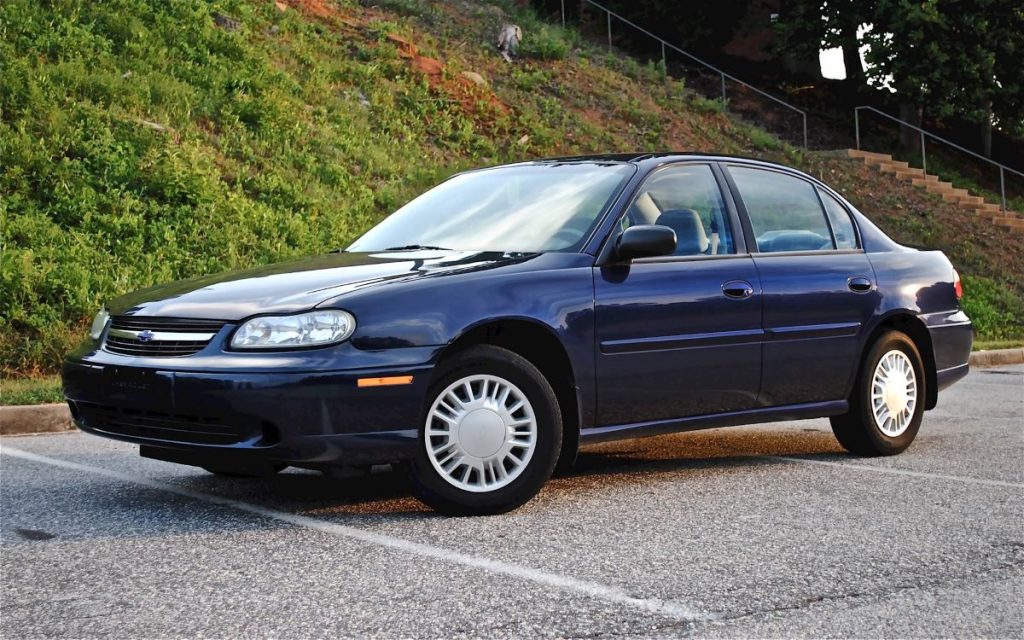
The Chevy Malibu LT has built a reputation for being a dependable midsize sedan, with its mix of comfort, modern features, and efficient performance.
Owners often buy this vehicle for its practicality, but like any car, the Malibu requires steady care to perform at its best for the long haul.
Reliability does not just happen by chance; it is the result of consistent upkeep, mindful driving habits, and preventive practices that prevent small problems from becoming major headaches.
Many Malibu LT owners expect their car to last well over 150,000 miles, with some reaching the 200,000-mile mark when maintained correctly. However, hitting such high mileage without constant repair bills requires more than simple oil changes.
It requires an approach that focuses on the hidden details most drivers overlook, such as protecting the transmission, choosing the right fuel, and even how the car is parked on a daily basis.
Each small step might seem insignificant in isolation, but together they create a system that ensures the Malibu remains smooth, efficient, and trustworthy.
This guide presents ten highly effective hacks tailored for the Chevy Malibu LT that go beyond the standard owner’s manual recommendations.
These are not just maintenance tips, but habits and strategies proven to extend reliability, save money, and keep the driving experience consistently satisfying.
Whether you just bought your Malibu or you have been driving it for years, applying these methods will help protect performance and minimize unexpected surprises at the mechanic.
With the right approach, the Malibu LT transforms from just another daily commuter into a faithful long-term companion, ready to handle every trip with confidence. Let us begin with the first essential habit that sets the foundation for a long-lived Malibu.
Also Read: 10 Hacks That Help a Jeep Cherokee Run Strong Forever
Hack 1: Stick to a Strict Oil Change Routine
If there is one maintenance step that defines the long-term health of a Chevy Malibu LT, it is the oil change. The engine relies heavily on fresh, clean oil to reduce friction, regulate heat, and protect moving parts.
Drivers often underestimate the damage that comes from extending oil changes beyond the recommended schedule. Even waiting an extra 2,000 miles can accelerate wear and cause buildup inside the engine that shortens its usable life.
The Malibu LT typically uses synthetic oil, which holds up better under heat and stress. General recommendations suggest changing oil every 7,500 miles under normal driving conditions, but for ultimate reliability, a more cautious interval of 5,000 miles is ideal.
This especially applies if most trips are short or involve heavy traffic, as stop-and-go movement puts more strain on the engine than highway cruising.
In addition to time-based intervals, owners should avoid letting the car sit for months without fresh oil.
Even when not driven much, oil eventually breaks down and loses its lubricating power. A good practice is to change oil at least twice per year regardless of mileage, ensuring fresh protection is always present.
Oil filter quality matters just as much as the oil itself. Cheap filters may not trap particles effectively, which leaves contaminants circulating through the engine.
It is always better to spend a little extra on a high-grade filter specially designed for synthetic oil. This simple choice reduces sludge formation and maintains smoother operation.
Finally, it pays to keep track of oil usage. Some Malibu LT models, especially as they age, may begin to consume more oil between changes.
Checking the dipstick monthly and topping up if needed prevents dangerous low-oil situations. When combined with a consistent schedule, this habit alone can easily add years to the engine’s lifespan and keep the Malibu reliable far longer than most owners expect.
Hack 2: Protect the Transmission with Regular Maintenance
The transmission is one of the most critical and expensive systems in the Chevy Malibu LT, and keeping it healthy ensures the car drives smoothly for years. Many owners forget that transmission care is just as important as engine maintenance.
While the factory recommendations on fluid changes vary, drivers who want long-term reliability should proactively service the transmission instead of simply waiting for a problem to show up.
Automatic transmissions in the Malibu rely on fluid that does more than just lubricate parts. It cools, cleans, and helps the clutches engage smoothly. Over time, heat and friction cause fluid to break down, losing its ability to protect components.
Once the fluid gets dirty, the risk of overheating or slipping increases, which can quickly lead to costly repairs. A smart approach is to perform a fluid and filter change every 50,000 to 60,000 miles, even if the vehicle seems fine.
Driving habits also make a difference. Hard acceleration, towing heavy loads, or constant stop-and-go traffic put additional pressure on the transmission. Gentle acceleration and avoiding sudden gear changes can reduce unnecessary stress.

Additionally, when parked on an incline, it is wise to use the parking brake before shifting into “Park.” This prevents the transmission’s locking mechanism from supporting the vehicle’s full weight and reduces long-term wear.
Owners should also be mindful of warning signs. Delayed shifting, strange noises while changing gears, or a burning smell could signal that the transmission fluid is low or contaminated.
Checking the transmission fluid regularly and maintaining a bright red, clean appearance helps prevent surprises on the road.
By treating the transmission with the same care given to the engine, Malibu LT owners can avoid one of the most dreaded repairs and keep their sedan driving like new well past the 150,000-mile mark.
Hack 3: Guard Against Cooling System Problems
A car’s engine cannot survive without a properly functioning cooling system, and the Chevy Malibu LT is no exception. The cooling system regulates the temperature of the engine, preventing overheating during heavy use and protecting against damage in extreme weather.
Unfortunately, because coolant changes are not as frequent as oil changes, this part of maintenance is often overlooked until a failure occurs.
Coolant gradually loses its ability to fight corrosion as it ages, and old fluid can cause buildup inside the radiator and hoses. Over time, this restricts the flow of coolant, increases operating temperatures, and puts extra stress on head gaskets.
To prevent this, switching coolant every 5 years or around 100,000 miles is recommended, though replacing it earlier will offer additional peace of mind.
Hoses, clamps, and the water pump should also be inspected regularly. A simple check for cracks or leaks can save the headache of a roadside breakdown.
Malibu owners in regions with cold winters should also pay attention to the antifreeze level to ensure the mixture can handle freezing temperatures.
An often-forgotten step is cleaning the radiator’s exterior fins and checking the cooling fan operation. Dust, dirt, and road debris block airflow, forcing the system to work harder. A quick spray with a garden hose removes buildup and restores efficiency.
Dashboard warning lights should never be ignored. If the Malibu’s temperature gauge creeps higher than normal, it is a red flag that the system needs immediate inspection. Continued driving while overheating is one of the fastest ways to destroy an engine.
By staying committed to proactive coolant changes and consistent system checks, Malibu LT drivers can keep their engines running cool and ensure that reliability extends far into the future.
Hack 4: Replace Spark Plugs and Ignition Components on Time
The Malibu LT’s engine performance and fuel economy depend heavily on its ignition system, particularly the spark plugs and coils.
Worn or dirty spark plugs can cause misfires, hesitation during acceleration, and even reduced mileage. Many drivers underestimate how critical this system is until efficiency begins to drop or check engine lights appear.
Replacing spark plugs at recommended intervals, typically around 60,000 to 100,000 miles depending on the type installed, ensures consistent ignition and smooth operation.
Using high-quality plugs designed specifically for the Malibu’s engine prevents premature wear and minimizes the risk of performance issues.
Ignition coils also deserve attention. While they often last longer than spark plugs, coils can fail and cause serious drivability problems.
Regular diagnostic scans can detect misfire codes that indicate weak coils before they leave a driver stranded. Proactive replacement of failing parts restores consistent performance and avoids stressful breakdowns.

Another small but valuable step is keeping the fuel and air delivery systems clean. Using top-tier gasoline prevents carbon buildup on injectors and plugs, while a clean air filter helps the mixture burn efficiently.
By focusing not only on plugs but also surrounding components, the ignition system operates at full strength.
Neglecting this maintenance leads to unnecessary strain on the engine and decreases long-term reliability.
By staying consistent with spark plug and ignition inspections and replacements, Malibu owners protect against poor fuel economy and performance issues, keeping every drive smooth and dependable.
Hack 5: Follow a Tire Care Routine
Tires determine how safely and comfortably the Chevy Malibu LT connects with the road. Worn or underinflated tires not only reduce fuel economy but also place unnecessary strain on suspension parts, brakes, and steering components. Maintaining tires in top condition is a key reliability hack.
The first step is checking tire pressure consistently. The Malibu LT’s recommended pressure is usually listed on the driver’s side door jamb. Driving with even slightly underinflated tires causes uneven wear and reduces control at higher speeds.
On the other hand, overinflated tires wear out the center tread faster and compromise braking distance. Checking pressure monthly ensures the balance is right.
Rotation is equally important. Because front tires typically wear faster, rotating them every 6,000 to 8,000 miles extends tread life.
Balancing and alignment should also be performed regularly to avoid vibrations and uneven wear patterns. Drivers who ignore alignment risk premature suspension stress, which leads to additional repairs.
Another often-overlooked detail is inspecting tires for damage or aging. Small cracks, bulges, and tread separation are warning signs that the tire might fail unexpectedly.
Since tires are the only contact between the Malibu and the road, replacing them at the right time is an investment in reliability and safety.
Selecting high-quality tires with proper load ratings further ensures the Malibu LT maintains predictable handling.
Cheap alternatives may wear out faster, forcing premature replacements. With steady pressure checks, rotations, and timely replacements, tires not only last longer but also help protect the car’s mechanical systems from unnecessary stress.
Hack 6: Stay Ahead with Brake Care
The braking system is one of the most safety-critical features of the Malibu LT and directly influences the driving experience.
Poorly maintained brakes not only put drivers at risk but also strain other vehicle systems over time. Fortunately, a few preventive measures keep brakes reliable and functional.
Brake pads gradually wear down and should be inspected during every service. Allowing pads to thin too much risks damaging rotors, which are much more expensive to replace.
Quality ceramic or OEM-equivalent pads usually provide the best balance of longevity and performance for the Malibu.
Checking brake fluid is just as important. With time, brake fluid absorbs moisture, which lowers its boiling point and reduces effectiveness under heavy braking. A flush every three years ensures consistent braking performance and prevents corrosion within the brake lines and calipers.
Driving habit modifications also protect brakes. Constant hard braking and riding the pedal downhill cause early wear. Anticipating traffic, slowing with gentle pressure, and allowing enough distance between vehicles extend pad life considerably.

Warning signs such as squealing, grinding, or vibration during braking should be taken seriously. These sounds often mean pads are worn too thin or rotors have warped. Addressing issues immediately avoids more costly repairs and restores confidence behind the wheel.
Regular inspection, fluid changes, and mindful braking habits keep this vital system strong and prevent the kinds of failures that undermine both safety and dependability. A Malibu LT with a strong brake system always feels more controlled and reliable on every trip.
Hack 7: Stay On Top of Suspension and Steering Wear
Suspension and steering components silently determine how smooth, stable, and reliable the Malibu LT feels on the road.
Shocks, struts, ball joints, and tie rods experience gradual wear, often going unnoticed until the car begins to ride roughly or handle poorly. Proactive checks prevent these issues before they grow into high repair costs.
The most common signs of suspension fatigue are bouncing, uneven tire wear, and clunking sounds over bumps.
Having shocks and struts inspected every 50,000 miles helps spot weakening parts early. Replacing them keeps the Malibu stable during cornering and braking, while also extending tire life.
Steering components like tie rods and control arms should also be checked regularly. Worn steering parts create excessive play in the wheel and can affect alignment, leading to rapid tire wear. Testing for looseness during maintenance visits makes it easier to replace parts before failure.
Lubrication is another small but crucial step. Joints and bushings in the suspension can benefit from re-greasing when applicable, reducing both friction and wear.
Road habits also influence suspension life. Avoiding potholes and slowing down over speedbumps prevents damage to shocks and steering components. Simple care in daily driving goes a long way to preserving this system’s function.
By maintaining suspension and steering in top form, the Malibu LT remains comfortable, responsive, and dependable even as the miles climb, ensuring every trip remains enjoyable.
Hack 8: Keep the Battery and Electrical System Strong
The Malibu LT depends on its battery and electrical system for everything from engine starts to powering lights, sensors, and the infotainment unit. Electrical failures often leave owners stranded, but consistent attention prevents surprises.
A battery typically lasts three to five years. That means by the time a Malibu reaches 60,000 miles, the battery may already be nearing replacement.
Testing battery health annually with a load tester highlights whether it is losing the ability to hold a charge. Replacing an old battery before a breakdown is always wiser than waiting until it fails.
Corrosion on battery terminals is another silent reliability killer. A quick cleaning with a brush and protective anti-corrosion spray ensures strong connections. Loose terminals should also be tightened immediately.

Alternators, fuses, and wiring deserve occasional inspection as well. Dim lights, electronic glitches, or slow starting could signal failing electrical components. Early attention prevents cascading electrical failures.
Energy management also contributes to longevity. Avoid overloading the system with too many aftermarket electronics and avoid leaving lights or devices plugged in when the car is off. These small habits protect both the battery and alternator.
By staying aware of battery age, checking the charging system, and maintaining clean connections, Malibu owners can be confident the car will always start and operate without interruption.
Hack 9: Prevent Rust and Exterior Damage
While mechanical parts often get the attention, the body and frame of the Malibu LT must also be protected to keep the car reliable for years. Rust and corrosion can quietly compromise structural integrity and lead to expensive repairs if ignored.
Regular washing is the first line of defense. Dirt, salt, and road chemicals gradually eat through the paint and settle on metal areas, accelerating rust formation.
Rinsing the undercarriage, especially after winter driving or coastal exposure, is crucial. Waxing a few times per year gives an added protective barrier.
Small chips and scratches should never be neglected. Once paint is broken, moisture seeps in and begins rusting underneath. Touch-up paint is inexpensive and prevents small damage from turning into rust patches.
Undercarriage inspections are equally important. The suspension mounting points and exhaust system are particularly vulnerable over time. Applying rustproofing spray or an underbody coating in regions with harsh winters keeps these areas preserved.
Even simple habits like parking in a garage or shaded area slow down corrosion by limiting exposure to sun and rain. A clean, protected exterior not only makes the Malibu LT look well cared for but also adds years to its structural reliability.
Hack 10: Adopt Smart Driving Habits
Even with perfect maintenance, the way a Malibu LT is driven determines much of its lifespan. Aggressive driving, excessive idling, and constant short trips all wear on the car more quickly than smoother habits.
Gradual acceleration and steady cruising extend both engine and transmission life. Avoiding unnecessary hard braking reduces stress on pads, rotors, and tires. Taking a few seconds to let the engine warm up before driving allows fluids to circulate, lowering wear.
Trips primarily under five miles often do not give the engine and exhaust time to reach proper operating temperatures, which can promote buildup in the system. Combining errands or occasionally taking a longer drive keeps systems fully exercised.
Fuel quality also impacts reliability. Using top-tier fuel recommended for the Malibu helps the engine remain clean, while avoiding low-quality or bargain fuels reduces injector problems.
Smart driving is not just about efficiency but also total reliability. Owners who treat their Malibu with steady, patient driving ensure that every other maintenance step delivers full value, resulting in the longest service life achievable.
The Chevy Malibu LT is a dependable midsize sedan, but long-term reliability requires more than routine service visits. Consistent care and preventive habits ensure the car continues performing well beyond 150,000 miles.
The foundation begins with timely oil changes, since clean oil protects the engine from wear and overheating. Transmission maintenance is equally crucial, with regular fluid changes preventing costly failures.
The cooling system must be monitored closely, as fresh coolant, clean radiators, and healthy hoses prevent overheating.
Spark plugs and ignition components should be replaced on schedule to maintain strong performance, while a steady tire care routine extends tread life and safeguards suspension.
Brake upkeep, including fluid changes and proactive pad replacement, ensures safe operation and prevents expensive rotor damage.
Suspension and steering inspections keep handling smooth and stable, while reliable electrical power depends on clean connections and timely battery replacement. Exterior protection matters too, since small rust patches can quickly grow if unchecked.
Finally, smart driving habits smooth acceleration, careful braking, and longer trips over short constant drives greatly reduce strain on every major system.
By combining these ten hacks, Malibu LT owners can maximize longevity, enjoy lower repair costs, and ensure their sedan remains trustworthy year after year.
Also Read: 10 Habits That Kill a Jeep Compass Trailhawk Quickly
