
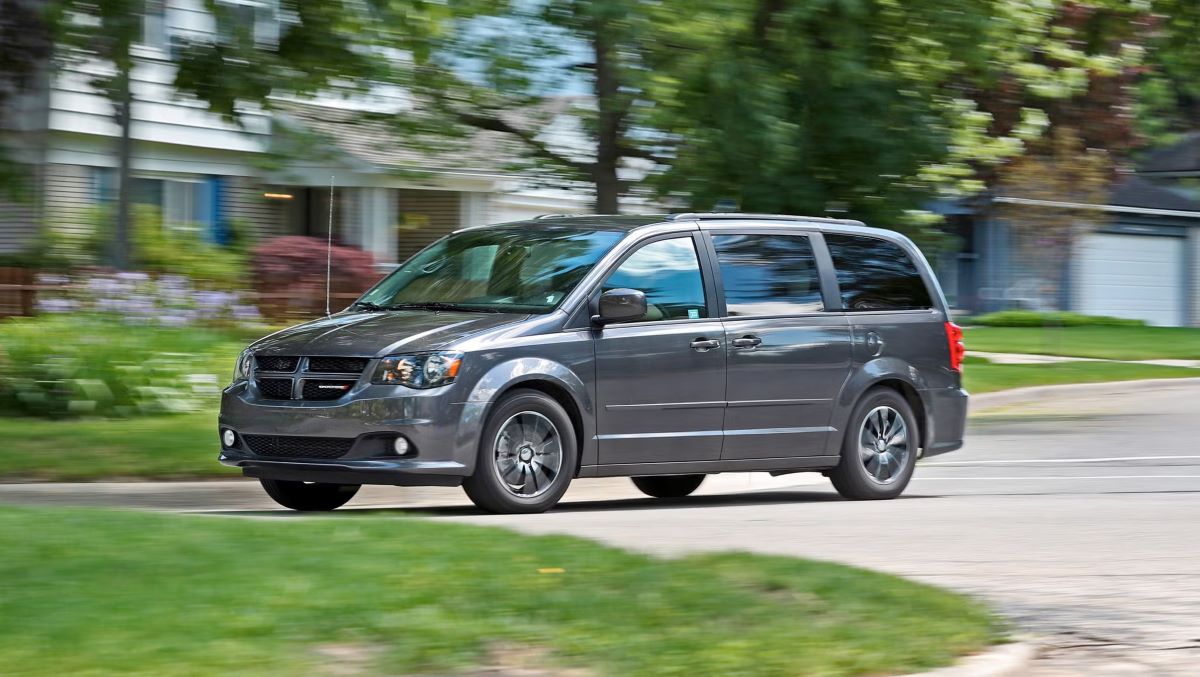
The Dodge Grand Caravan has long been a trusted family hauler, known for its spacious interior, practical design, and reliability when cared for properly. However, like any vehicle, its performance and lifespan depend heavily on how it is maintained and used.
Many drivers unintentionally shorten its life through certain bad habits that may seem harmless at first but add up to serious long-term damage. Owning a minivan like the Grand Caravan requires more than just filling up the tank and driving away.
Regular care, mindful driving habits, and attention to the manufacturer’s recommendations significantly influence how long the vehicle remains dependable on the road.
The Dodge Grand Caravan was designed to last well past the 200,000-mile mark when maintained correctly. Yet, poor habits can cut that figure nearly in half, often leaving owners frustrated with costly repairs that could have been avoided.
Sadly, it is not always about major breakdowns that suddenly appear. It is often a gradual decline caused by repeated actions drivers perform unknowingly. Transmission issues, premature brake wear, cooling system problems, and even engine failure can all trace back to routine mistakes.
Understanding these destructive habits can make a significant difference for Grand Caravan owners. It is not just about extending the life of the vehicle, but also about saving money on repairs, improving fuel efficiency, and ensuring your family’s safety.
What you may think of as minor neglect today could eventually lead to catastrophic mechanical issues tomorrow.
By avoiding these common mistakes, you can enjoy a smoother driving experience, minimize breakdown risks, and preserve the value of your Dodge Grand Caravan for years to come.
This article highlights nine specific habits that every Grand Caravan driver must avoid if they want their minivan to remain in strong running condition.
Also Read: 9 Basic Things That Kill a Ford GT Too Early
1. Ignoring Regular Oil Changes
The lifeblood of any engine is its oil, and the Dodge Grand Caravan is no exception. Motor oil lubricates moving components, reduces friction, and helps control engine temperature.
Unfortunately, one of the quickest ways to damage a Grand Caravan is by postponing or altogether ignoring scheduled oil changes. When oil becomes old or contaminated, it loses its ability to protect the engine parts effectively.
Sludge begins to build up inside, clogging passages and causing excessive wear. This can shorten the life of the engine significantly, leading to costly rebuilds or replacements.
Many drivers mistakenly believe that modern synthetic oils allow them to extend oil change intervals indefinitely. While synthetic oils do last longer, no oil can work effectively forever.
The Grand Caravan’s engine still requires routine maintenance, usually every 5,000 to 7,500 miles depending on driving conditions.
Those who drive in stop-and-go traffic, tow trailers, or operate in hot climates often need to replace engine oil even sooner to avoid premature wear.
Neglecting the oil filter is just as harmful. A dirty or clogged filter prevents proper oil circulation, forcing the engine to work harder than necessary. In the long run, this results in decreased performance, reduced fuel efficiency, and eventual breakdown.
Sticking to the recommended oil type and viscosity specified by Dodge is equally important. Using the wrong blend can result in higher friction, improper lubrication, and increased risk of major engine issues.
It might seem harmless to cut corners on maintenance schedules, but what starts as a missed oil change can snowball into complete engine failure.
A disciplined oil change routine keeps the Grand Caravan’s engine running smoothly and ensures its longevity. Consistency here not only saves the owner from expensive repairs but also helps retain resale value, adds reliability on long road trips, and provides peace of mind.
2. Neglecting Transmission Maintenance
Transmission problems are one of the most common reasons Dodge Grand Caravan owners face costly repairs long before the van reaches its full lifespan. Automatic transmissions, in particular, require clean fluid and proper servicing to function correctly.
When drivers ignore transmission fluid checks and replacements, the system becomes prone to overheating, slipping gears, and complete mechanical breakdown.
The transmission fluid does more than keep gears shifting smoothly. It cools the internal parts, reduces wear, and ensures hydraulic pressure is maintained at safe levels. Over time, however, the fluid loses its protective properties.
It can turn dark, collect debris, or burn due to excessive heat. Once this happens, the transmission starts to operate under stress, accelerating wear and creating the need for expensive replacements.
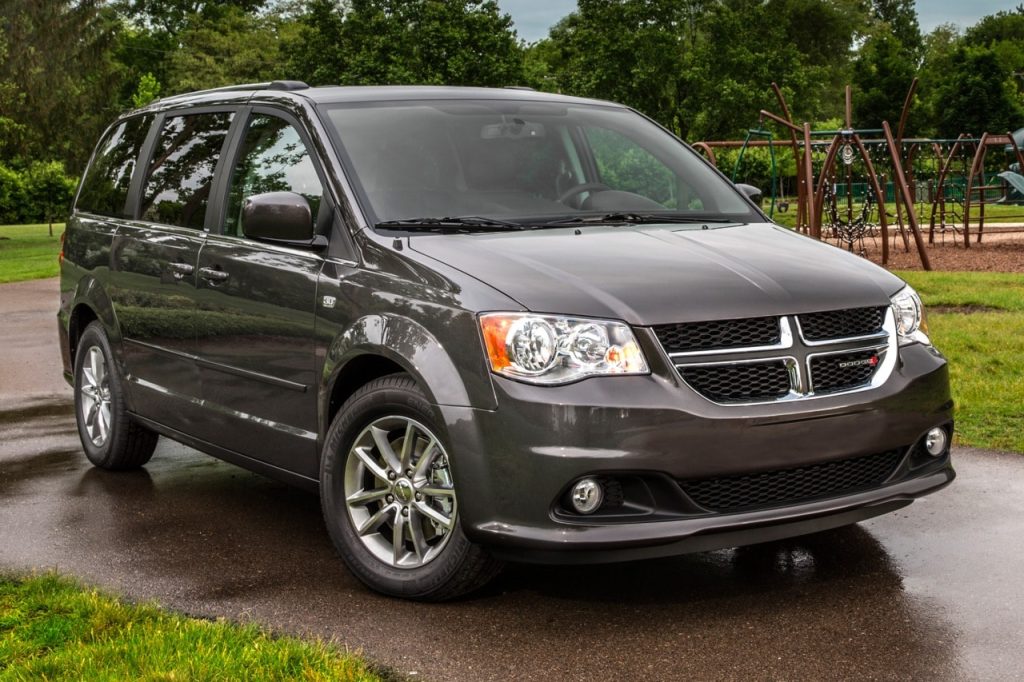
For the Grand Caravan, replacing transmission fluid and filter roughly every 60,000 miles (or as specified in the owner’s manual) is a must. Unfortunately, many owners overlook this step because transmission issues develop slowly.
They assume all is well until warning signs like delayed shifting, strange noises, or transmission overheating appear. By then, it is often too late for a simple fluid change to correct the damage.
Towing, city traffic, and frequent stop-and-go driving all place additional strain on the transmission. These driving conditions generate heat, which further breaks down fluid quality.
Owners who use their Grand Caravan as a workhorse or family vehicle loaded with passengers and gear put even more stress on the transmission system, making routine maintenance essential.
Ignoring warning lights related to the transmission is another mistake. When the vehicle signals that something is wrong, continuing to drive without inspection can trigger irreversible damage.
Addressing minor issues immediately, such as replacing old fluid or repairing a leak, can prevent the need for a complete transmission rebuild costing thousands of dollars.
Caring properly for the transmission not only preserves the Grand Caravan’s performance but also extends its functional lifespan. Proactive upkeep ensures smoother drives, better fuel economy, and fewer unexpected roadside breakdowns.
3. Overloading the Vehicle
One of the most common yet overlooked habits that harms a Dodge Grand Caravan is consistent overloading. Many owners view the minivan as a versatile family transporter capable of carrying passengers, luggage, sports equipment, and sometimes even heavy tools or furniture.
While the Grand Caravan is built to be practical, it is not designed to carry endless weight. Pushing it beyond its recommended load capacity leads directly to mechanical stress and premature system failures.
Every vehicle has a manufacturer-specified Gross Vehicle Weight Rating (GVWR). This is the safe limit of weight the van can handle, including people and cargo combined. Exceeding this capacity places strain on essential systems such as the suspension, brakes, tires, and transmission.
The suspension wears out faster, the shocks lose effectiveness, and the brakes are forced to work harder than intended to stop the excess mass. Tires also become prone to blowouts when consistently carrying too much weight, creating serious safety risks on highways.
Additionally, the transmission and engine undergo extreme stress when hauling more than the van was engineered to handle. The vehicle may struggle to accelerate, run hotter than usual, and consume more fuel than expected.
Continued abuse can shorten the life of the transmission and cooling components. It also increases repair frequency as overloading gradually breaks down the vehicle’s frame integrity.
For family use, owners often underestimate the effect of five or six passengers combined with sports gear, groceries, or vacation luggage.
The total weight can surpass the allowed limit much faster than expected. Carefully reviewing the owner’s manual and learning the exact payload capacity can help prevent overburdening the van.
Making a conscious effort to respect the Grand Caravan’s capacity pays off in the long term. The key idea is balance. Use roof racks sparingly, distribute weight evenly inside the cabin, and remember that every extra pound counts.
Responsible loading safeguards the suspension, extends tire life, and ensures the Dodge Grand Caravan remains dependable for family trips and daily commutes.
4. Skipping Brake Inspections
Brakes are life-saving components, yet many Dodge Grand Caravan owners cut corners by postponing brake checks or waiting until pads completely wear out before seeking service. Skipping brake maintenance not only risks safety but also shortens the vehicle’s lifespan.
Worn-out brakes create additional drag on the wheels, force the engine to work harder, and compromise the handling of the van, eventually damaging other related systems.
Brake pads gradually thin out each time they are pressed against the rotors. Without timely replacement, the metal backing grinds directly into the rotors, wearing them down unevenly and causing expensive damage. Replacing rotors is far costlier than simply maintaining pads at the correct thickness.
Moreover, neglected brake parts increase the likelihood of warped rotors, overheated calipers, and compromised braking power during emergencies.
Heavy braking in an overloaded Grand Caravan or during towing puts even greater strain on unmaintained brakes. This can cause vibrations, squealing, and longer stopping distances that endanger passengers.

Brake fluid also plays an essential role, yet owners often overlook it. Over time, fluid absorbs moisture, which decreases its effectiveness and may rust components within the brake lines. Regular fluid replacement as recommended by Dodge is crucial for optimal braking response.
The ripple effect of poor brake care extends farther than expected. The anti-lock braking system (ABS), wheel bearings, and even the suspension can suffer from repeated stress due to faulty brakes.
Allowing brake issues to linger increases repair bills, reduces confidence when driving, and shortens the life expectancy of the Grand Caravan as a trustworthy family vehicle.
Scheduling inspections twice a year is a practical way to avoid high costs and ensure safety. Replacing pads before they cause damage, monitoring brake fluid health, and watching for warning signs like squeaks or vibrations will help keep the vehicle in reliable condition.
Owners who treat their brakes as a priority gain smoother handling, better performance, and longer service from their Grand Caravan.
5. Ignoring Cooling System Maintenance
The cooling system in a Dodge Grand Caravan is responsible for keeping the engine at safe operating temperatures.
Without a properly functioning system, the engine is at constant risk of overheating, which can lead to major damage such as warped cylinder heads, blown head gaskets, or complete engine failure. One of the leading causes of premature breakdown is the habit of ignoring routine maintenance for this critical system.
Coolant, or antifreeze, is designed to regulate heat and prevent both overheating in summer and freezing in winter. However, over time, coolant loses its effectiveness and becomes contaminated with rust, dirt, or other particles from the engine.
When this happens, the fluid can no longer provide efficient protection, leading to clogs and reduced circulation within the radiator and hoses. Ignoring coolant replacement intervals places unnecessary strain on the pump and radiator, shortening the entire system’s lifespan.
Another overlooked detail is hose and radiator inspection. Cracked hoses, low coolant levels, or a failing thermostat are all warning signs that the system is not performing at its best.
Many owners fail to check these regularly until the temperature gauge begins to spike. Unfortunately, by that stage, significant engine damage may already be underway.
The water pump also plays a major role by circulating coolant throughout the engine. If neglected, deposits build up and the pump may fail, leaving the vehicle stranded.
Something as simple as flushing the cooling system every 30,000 to 50,000 miles, as per Dodge’s recommendations, can protect the entire vehicle from devastating outcomes.
Maintaining proper coolant levels, replacing worn hoses, and ensuring the radiator fans are functional will allow the Grand Caravan to run efficiently over the long term.
Treating the cooling system with the seriousness it deserves helps the engine stay reliable, prevents costly trips to the mechanic, and ensures peace of mind for long-distance family travel.
6. Using Cheap or Incorrect Parts
A habit that silently destroys the Dodge Grand Caravan’s reliability is the repeated use of cheap aftermarket components or incorrect replacement parts.
While it may appear cost-effective to purchase the least expensive options when replacing brakes, filters, or sensors, the truth is that low-quality parts often fail sooner, causing more expensive damage down the road.
The Grand Caravan was engineered with strict specifications, meaning that even seemingly small parts such as spark plugs or air filters must meet exact standards for the van to perform well.
Using parts that are not designed for the engine or transmission leads to improper performance, wasted fuel, and even long-term mechanical wear. For example, using an oil filter not built for Dodge’s system may restrict oil flow, starving critical components and triggering engine wear prematurely.
Non-original brake pads may wear unevenly, overheat faster, or squeal excessively. In some cases, they can even damage rotors and reduce stopping power, creating a dangerous safety hazard.
The same applies to suspension components: substandard shocks and struts may make the ride rougher, but worse, they place more strain on the frame and cause additional wear on tires and steering parts.
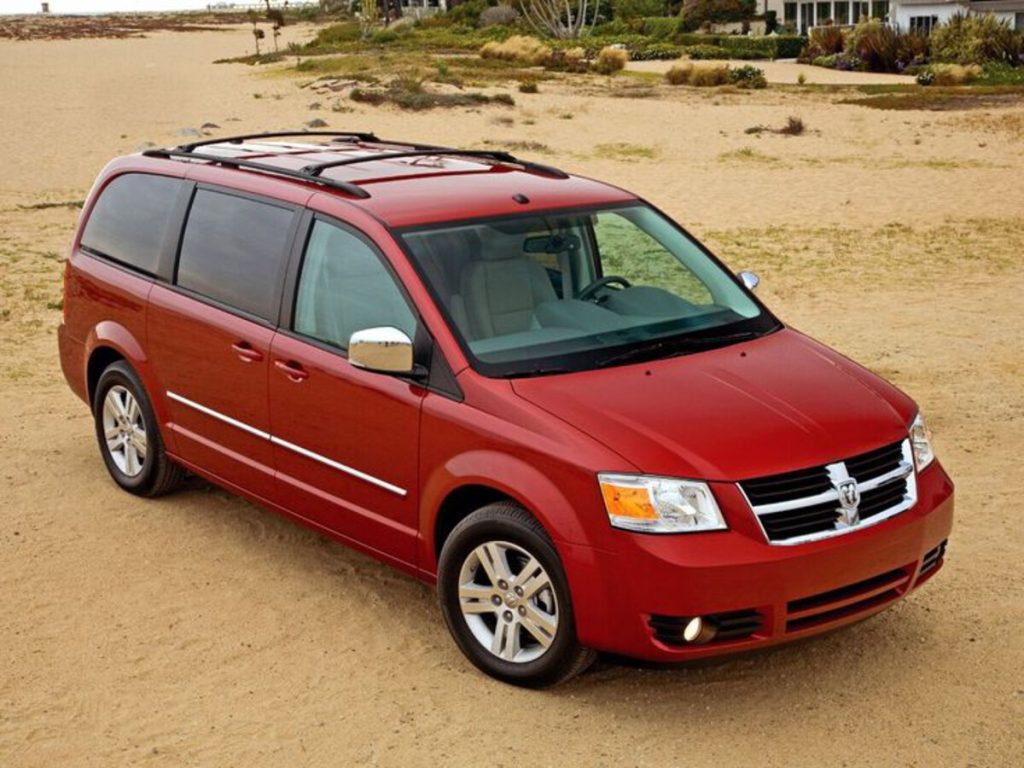
While aftermarket components are not always harmful, several reputable brands actually match or exceed OEM standards. The problem arises when cost is prioritised over quality.
Owners should verify compatibility, durability, and warranty coverage before installing any part. Sticking with genuine Mopar parts or trusted brands reduces the risk of mismatched components that compromise performance.
It may feel tempting to save a few dollars on inexpensive parts, but those savings vanish quickly when the part fails sooner than expected or causes collateral damage.
Using high-quality, correct parts ensures the Dodge Grand Caravan continues delivering dependable service, prevents unexpected repairs, and keeps both safety and performance intact.
7. Poor Driving Habits
Even with meticulous maintenance, poor driving habits can drastically shorten the life of a Dodge Grand Caravan.
How the van is driven on a daily basis matters just as much as how it is cared for in the garage. Unfortunately, many drivers unknowingly adopt habits that place unnecessary stress on the vehicle’s critical systems.
Rapid acceleration and harsh braking are among the worst offenders. Sudden throttle inputs cause the transmission and engine to work harder, while slamming the brakes wears out brake pads and rotors much faster.
Repeated aggressive driving builds heat throughout the engine and transmission, reducing their lifespan. The Grand Caravan was designed primarily for smooth family rides, not high-performance driving, so treating it like a sports car will inevitably break components sooner than expected.
Idling excessively is another overlooked issue. Long idle times waste fuel, allow carbon buildup in the engine, and reduce oil effectiveness. Many owners leave the Grand Caravan running while waiting in parking lots or during school pickups without realizing the wear this causes over time.
Another harmful habit is shifting into gear before the van has come to a complete stop. Moving from reverse to drive while rolling strains the transmission dramatically, as it forces the internal gears to absorb sudden torque.
Driving with low tire pressure or neglecting alignment also contributes to uneven wear on tires, suspension, and drivetrain components. Additionally, frequent towing without respecting weight limits adds heat and stress across the entire system.
By practicing smoother acceleration, maintaining steady speeds on highways, coasting instead of sudden braking where possible, and respecting mechanical limits, owners can extend the life of their vans significantly.
Developing gentler driving techniques saves money, increases fuel efficiency, and keeps the Grand Caravan dependable for years longer than aggressive or careless habits ever could.
8. Failing to Rotate and Maintain Tires
Tires are the direct point of contact between a Dodge Grand Caravan and the road, yet they often receive less attention than critical mechanical systems. Neglecting tire care not only makes driving unsafe but also accelerates wear across suspension and drivetrain components.
Tire maintenance goes far beyond just checking if they have enough air. Regular rotation, alignment, and inspection are crucial to keeping the van dependable in the long run.
When tires are not rotated properly, they wear unevenly due to weight distribution and driving patterns. The front tires of a Grand Caravan typically carry more weight and therefore wear faster than the rear.
Failing to rotate every 6,000 to 8,000 miles shortens overall tire life and increases fuel consumption, as uneven tires create more rolling resistance. Replacing all four tires prematurely is far more costly than routine rotation.
Underinflation is another common and damaging issue. Low tire pressure generates extra heat, reduces fuel efficiency, and increases the risk of blowouts potentially causing accidents.
On the other hand, overinflation makes rides harsher and wears the center tread excessively, reducing traction, especially in wet conditions. Both scenarios also strain the suspension, wheel bearings, and steering components.
Wheel alignment is equally critical. Misaligned wheels cause drifting, vibrations, and uneven tread wear, which not only shortens tire life but also destabilizes the van on highways. The Grand Caravan’s steering and suspension are designed for balance, and alignment issues disrupt that harmony.
Regular inspections can also prevent problems like punctures becoming slow leaks or worn tread becoming dangerous in the rain.
Owners who pay attention to these details enjoy consistent traction, smoother rides, and longer lifespan for the suspension. In simple terms, tire care preserves both safety and the mechanical integrity of the vehicle.
Maintaining tires may sound simple, yet ignoring these basics significantly reduces how long a Dodge Grand Caravan remains dependable.
A disciplined approach to tire rotation, inflation, and alignment keeps the vehicle safer, reduces gas costs, and enhances daily driving confidence.
9. Skipping Scheduled Maintenance
Perhaps the most damaging habit of all is skipping scheduled maintenance entirely. The Dodge Grand Caravan, like every modern vehicle, comes with a manufacturer’s service schedule that outlines inspections, fluid changes, and part replacements at specific mileage intervals. Ignoring this plan almost guarantees premature failures that could have been prevented with minimal effort.
Scheduled maintenance is not just about oil changes. It includes a broad range of items such as checking the battery, belts, hoses, spark plugs, filters, fluids, and electronic components that keep the van running smoothly.
Overlooking any one of these puts the entire vehicle at risk. For example, failing to replace worn serpentine belts may lead to a sudden breakdown when the belt snaps, disabling power steering and alternator function.
A simple replacement at the recommended interval would have avoided the problem altogether.
Skipping maintenance also means small issues go unnoticed until they become major failures. A failing alternator, weak battery, or faulty sensor may give early signs detectable during routine checks, but without professional inspections these red flags are missed. The result is a van that leaves you stranded unexpectedly, often requiring more expensive repairs.

Electronic systems now play a big role in the Grand Caravan’s safety and performance, and routine diagnostics catch software or sensor-related problems before they escalate. Ignoring regular inspections leaves these unnoticed until warning lights appear, often during inconvenient times.
Following the recommended service plan ensures all components operate efficiently together. It also maintains warranty compliance for newer vans, protecting owners from paying out-of-pocket for repairs that could otherwise be covered.
Ultimately, skipping maintenance is like gambling with the lifespan of the Grand Caravan. Taking the time to follow Dodge’s prescribed schedule adds years to the life of the minivan, prevents costly surprises, and allows families to enjoy dependable performance without unnecessary stress.
Also Read: 9 Mistakes That Kill a Ford Mustang Mach-E Too Soon
