
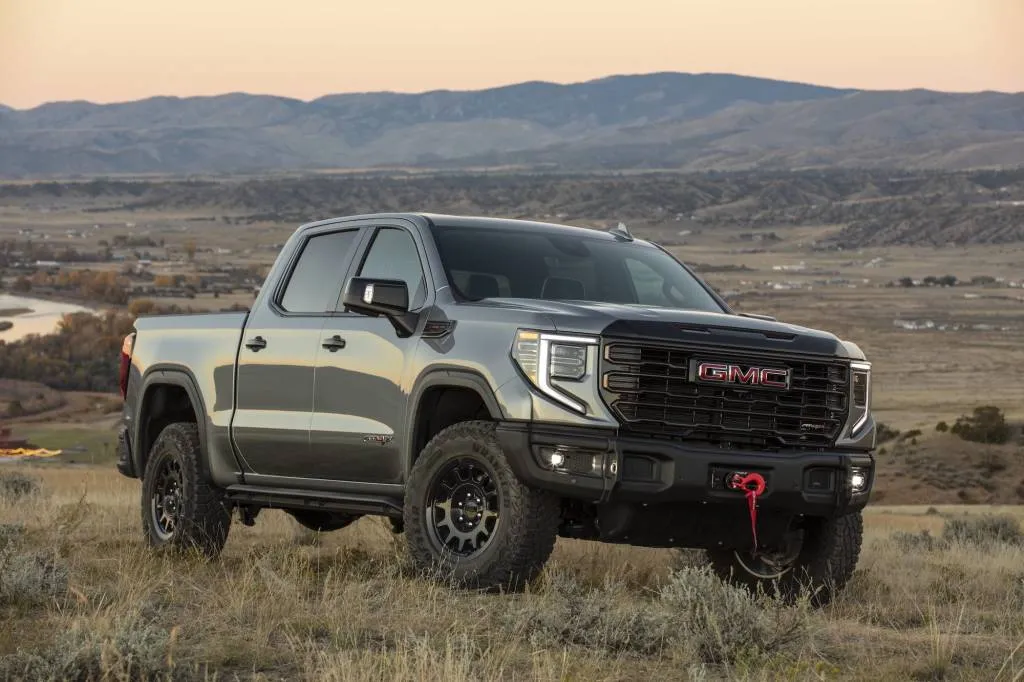
Owning a GMC Sierra Elevation is not just about having a powerful truck that looks good on the road. It is also about ensuring that its strength, durability, and dependability remain intact for years to come.
This model is known for its bold design, powerful engine choices, and capability to handle both tough work and everyday comfort.
However, like any well-crafted vehicle, its long-lasting performance depends largely on how it is cared for. With proper attention and the right set of habits, your Sierra Elevation can stay strong well past its expected lifespan.
Trucks go through different challenges compared to standard cars. Heavy loads, rough terrains, and frequent usage put them under much more pressure. This makes consistent maintenance and thoughtful upgrades even more important.
The key to keeping the Sierra Elevation strong forever lies not just in fixing problems when they occur, but in preventing them before they ever show up. A few extra steps, combined with regular upkeep, can make a huge difference.
This article will outline ten practical tricks that go beyond simple maintenance routines. From engine care to tire management, from handling the bodyframe to tuning its suspension, every step contributes to your truck’s ability to age gracefully while maintaining its powerful character.
These strategies are not complicated, but they do require patience, consistency, and understanding of what truly matters to your truck’s health.
Whether you use your Sierra Elevation for towing, hauling, or simply enjoy the comfort it brings in everyday drives, these tips will help preserve both its strength and value.
By treating the truck as more than just a vehicle, but as a trusted partner for years to come, you will experience the full potential of GMC’s craftsmanship without worrying about performance decline.
Also Read: 10 Hacks That Help a Toyota Paseo Survive Another Decade
Trick 1: Stick to Consistent Engine Maintenance
The heart of every truck is its engine, and keeping the Sierra Elevation’s engine in prime shape should always be a top priority. Regular oil changes, filter replacements, and fluid checks go much further than many owners realize.
Engine oil lubricates moving components, reduces friction, and helps regulate temperature. Over time, oil breaks down and picks up contaminants that can harm crucial parts.
Changing it based on the mileage and conditions your truck typically drives in often determines how long the engine will remain trouble-free.
It is equally important to use the recommended oil quality. While you might be tempted to pick a cheaper alternative, oils formulated for high-performance trucks like the Sierra Elevation provide better protection under stress, especially when towing or carrying heavy loads. Air and fuel filters must also be replaced at proper intervals.
Clean filters ensure the engine receives proper air and fuel flow, which not only maintains fuel efficiency but also avoids unnecessary wear.
Checking fluid levels, such as coolant, brake fluid, and transmission fluid, should never be ignored. Low levels or degraded fluid can put parts at risk and shorten their lifespan.
Modern trucks are equipped with sensors, but doing a visual check adds extra assurance. If you notice any leaks, odd smells, or smoke, it is better to act on them immediately instead of waiting for the issue to grow more serious.
Every engine eventually develops wear, but by sticking to consistent maintenance, you extend its dependable working life. A Sierra Elevation that gets treated carefully with proper fluid cycles and timely maintenance remains strong, powerful, and efficient.
Owners who commit to these small responsibilities often find that their trucks run smoothly for several years without major repairs. The trick is simple: never postpone what the truck needs under the hood.
Trick 2: Rotate and Balance Tires Regularly
Many truck owners underestimate the importance of tire care, yet it has a direct connection to both safety and long-term performance. The GMC Sierra Elevation is a heavy-duty truck, and the way it distributes weight across four wheels can cause uneven tire wear.
Ignoring tire maintenance can lead to poor traction, reduced fuel economy, and compromised handling on different terrains. Tire rotation and balancing are crucial tricks that ensure your tires wear evenly and maintain their designed durability.
Rotating tires means repositioning them from one spot to another, like front to back or side to side. This balances out the natural differences in wear that come from steering, braking, and carrying loads.
By rotating them at recommended intervals, you can often double the life of a tire set. Tire balancing, on the other hand, ensures that the weight of the truck is evenly distributed across all four tires, preventing vibrations and irregular wear.
Another factor tied with tire management is alignment. Over time, bumps or hard turns can throw off the alignment of the wheels.
Misaligned wheels not only wear tires unevenly, they also make your Sierra feel unstable and require extra effort to keep in a straight path. Correcting alignment during service is an inexpensive way of saving money down the line.
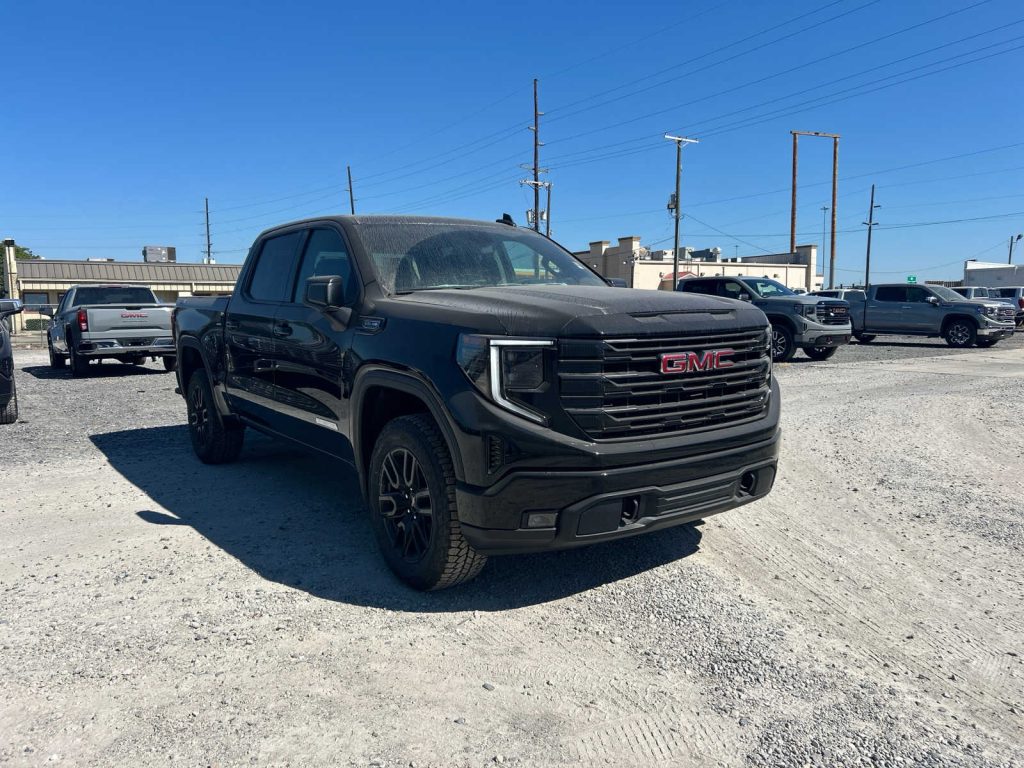
Maintaining the proper air pressure is equally essential. Underinflated tires create extra resistance, decreasing fuel efficiency and putting more pressure on the engine.
Overinflated tires risk a blowout under heavy loads. Using a portable tire gauge allows you to keep an eye on pressure even when you are not near a service station.
When you combine these steps, your Sierra Elevation keeps firm traction on highways, jobsites, and uneven roads. Quality tires last longer, save money, and protect the suspension.
Keeping your truck strong means caring not just for what is under the hood but also the points of contact that touch the ground daily.
Trick 3: Protect the Suspension System
The suspension system plays a huge role in both drivability and durability for a truck such as the Sierra Elevation. Hauling heavy tools, pulling trailers, or frequently driving on rough terrain can put serious strain on the suspension.
Over time, worn suspension parts not only reduce comfort but also directly affect safety. Protecting this system ensures that your truck continues handling weight and road conditions with confidence.
Routine inspections of the shock absorbers, struts, ball joints, and bushings are necessary. If these components are ignored, they lose their ability to provide balance and reduce vibrations, resulting in uneven wear across different truck systems.
One clear sign of suspension wear is if the vehicle starts bouncing excessively after bumps or if the front seems to dive downward when braking. Solving these issues early helps avoid damaging other key parts like tires and axles.
Lubricating suspension joints and replacing worn parts also make a big difference. Using high-quality suspension parts rather than the cheapest replacements gives better durability, especially on a truck that supports tough daily usage.
Truck enthusiasts often choose aftermarket heavy-duty parts that provide higher performance and longer lifespans.
Carrying weight correctly also helps protect the suspension. Never overload the Sierra Elevation beyond its rated limits. Spreading heavy cargo evenly across the bed prevents strain from focusing on one side. This simple habit reduces stress impact on springs and shocks.
Additionally, road habits make a difference. Slowing down when hitting potholes, avoiding curbs, and driving cautiously on construction sites go a long way. Many drivers assume that a strong truck can handle anything without consequences, but taking care of suspension components shows long-term results.
When suspension is properly maintained, the Sierra Elevation stays smooth and reliable, capable of heavy work without forcing the driver to compromise on comfort or control. Protecting the suspension ensures that both you and the truck remain steady no matter the road ahead.
Trick 4: Keep Rust Under Control
Rust is one of the most damaging factors to any truck, no matter how tough it looks on the outside. The Sierra Elevation is built with durable materials, but exposure to moisture, salt from winter roads, and even simple neglect can start corrosion.
Once rust takes hold of a frame or body panel, it spreads fast and compromises both appearance and structural integrity. That is why keeping rust under control is one of the smartest ways to preserve your truck’s strength.
Regular washing is the first defense. While many wash their trucks to keep the paint looking good, it is also about removing dirt, grime, and salt before they begin eating into metal surfaces.
Washing the undercarriage is especially important since this is where salt buildup occurs during winter driving. If not cleaned, salt lingers and slowly corrodes the frame and components.
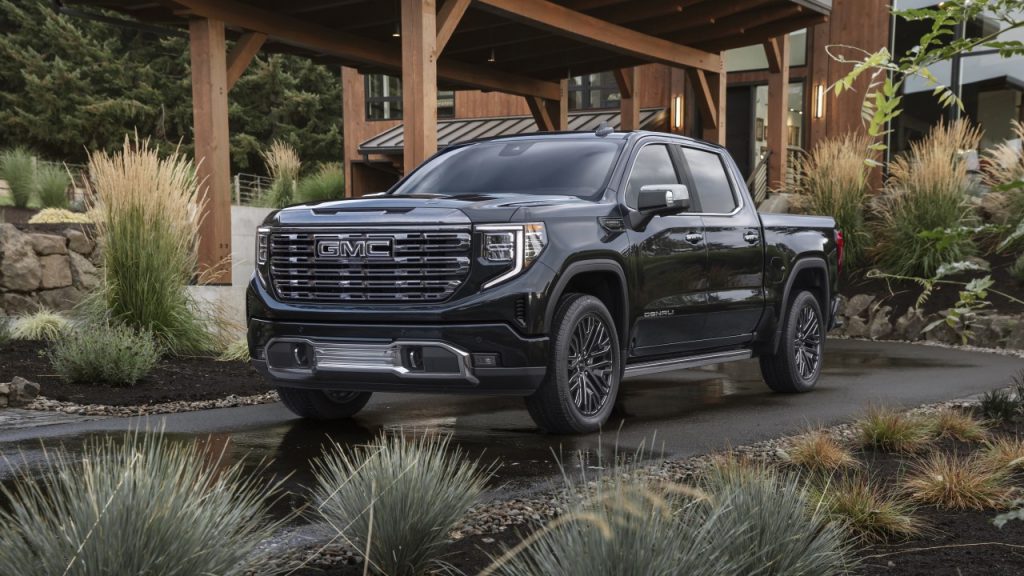
Applying wax and protective coatings twice a year adds a barrier against moisture and chemicals. For truck owners living in snowy regions, spray-on undercoating products create an additional line of defense. These coatings often repel salt and reduce the amount that clings to the underbody.
Checking for early signs of rust is another preventive step. Tiny bubbles under the paint or small orange spots often indicate the start of corrosion.
Sanding, treating with rust inhibitors, and touching up with paint helps stop the spread before it becomes a larger problem requiring panel replacements.
Finally, consider parking the Sierra Elevation in a garage, especially in extreme weather. Shelter keeps both paint and metal intact longer.
While this may sound basic, limiting exposure to rain, snow, and harsh sunlight significantly reduces rust development.
A rust-free Sierra Elevation not only looks sharp but also remains stronger for decades. Fighting corrosion with consistent habits benefits both resale value and structural stability, ensuring the truck stays a confident performer long after others show signs of aging.
Trick 5: Maintain Transmission Health
The transmission is one of the most complex and expensive components of any vehicle, making its care extremely important. In the GMC Sierra Elevation, the transmission is built to handle both heavy-duty work and smooth highway cruising.
However, without proper maintenance, even a strong transmission can develop costly problems. Preserving its health is one of the most effective tricks to keep your truck strong long-term.
Transmission fluid is the lifeline of this system. It lubricates gears, cools components, and prevents friction-related damage. Over time, transmission fluid can lose effectiveness or pick up debris.
Checking levels regularly and replacing the fluid based on factory intervals ensures smooth gear changes and prevents overheating. Always use the exact fluid type recommended, since different formulations serve different purposes, and using the wrong one can cause slipping or early wear.
Another useful habit is monitoring temperature. Towing heavy loads or driving in hot climates can push the transmission beyond normal heat levels, which accelerates wear.
Installing an auxiliary transmission cooler is a smart idea for drivers who tow frequently or live where summers are harsh. This small upgrade can dramatically extend the life of the truck’s transmission.
Driving habits also matter. Abrupt acceleration, hard braking, or shifting between gears roughly puts additional strain on the transmission.
Keeping driving smooth and steady prolongs component life. If you notice strange vibrations, slipping gears, or delayed engagement, seek professional diagnostics immediately before the problem grows larger.
Regular transmission service is more affordable compared to rebuilding or replacing the whole system. Trucks that focus on transmission health remain reliable, offering steady power distribution for years without needing costly interventions.
With this trick, your Sierra Elevation will continue shifting smoothly whether you use it for work or long trips.
Trick 6: Stick to Proper Brake Care
Brakes are one of the most critical safety components in a truck, and they also affect its strength by protecting other parts from strain.
The GMC Sierra Elevation often handles heavy loads, so its braking system experiences much more demand compared to smaller vehicles. Ignoring brake care does not only put safety at risk but also wears down related systems unnecessarily.
Regularly checking brake pads is the first step. Pads wear faster during towing, stop-and-go driving, or steep downhill travel. Allowing them to get too thin risks damaging brake rotors, which are much more expensive to replace.
Replacing pads at safe thickness levels saves money and keeps braking performance reliable. Rotors themselves should also be checked for warping or deep grooves. Smooth braking relies on rotors staying even.
Brake fluid maintenance is just as crucial. Fluid absorbs moisture gradually, which lowers braking efficiency and increases the risk of corrosion inside brake lines.
Flushing the system based on recommended schedules ensures consistent braking power. Many owners forget about this step, but it makes a major difference in keeping the system responsive.
Driving style also affects braking health. Hard braking from high speeds or riding the brakes during long descents places unnecessary strain on the system.
Using engine braking where appropriate takes some load off the pads and rotors, which is especially important in a truck built for heavy-duty work.
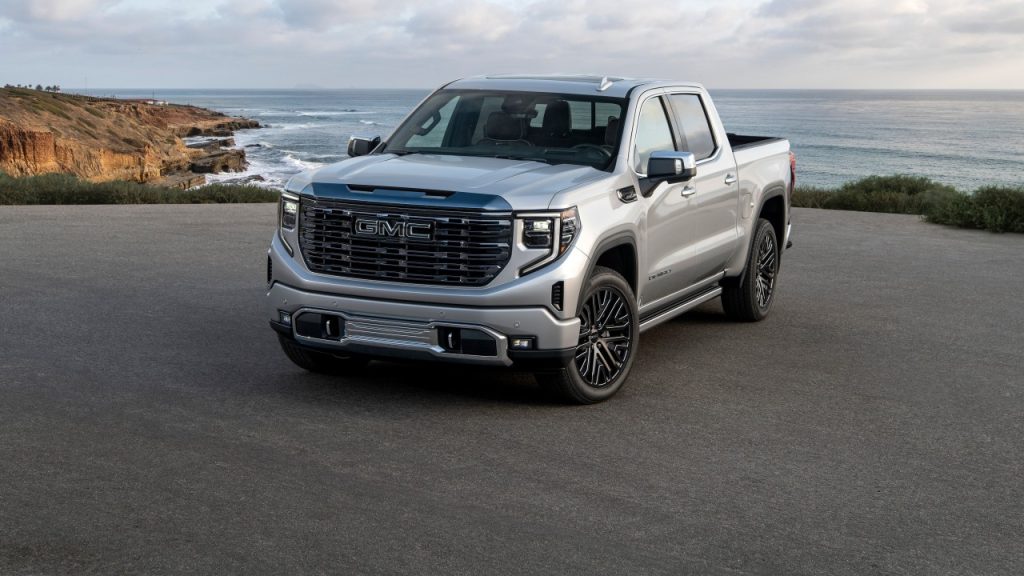
Finally, address warning signs without delay. Squealing noises, grinding, or vibrations under braking should never be ignored. These signals often start small but quickly turn into costly repairs. Seeking professional service when these symptoms appear avoids larger damage.
A Sierra Elevation with well-maintained brakes not only assures safe operation, it also prevents added stress on tires, suspension, and transmission. Proper brake care is more than just a safety measure; it is a trick that preserves strength throughout the truck.
Trick 7: Use Quality Fuel and Additives
The kind of fuel you put into your Sierra Elevation has a lasting impact on its strength, efficiency, and overall durability.
While it is easy to look for the cheapest fuel available, low-grade gasoline or diesel often contains impurities that can clog injectors, reduce combustion efficiency, and eventually harm engine life.
Using high-quality fuel ensures smoother ignition, reduced emissions, and consistent performance, especially for a truck designed to handle heavy workloads.
Fuel quality matters most in trucks that are used for towing or hauling since the engine must produce steady power under strain.
Cleaner fuel burns more efficiently, prevents carbon buildup, and extends the life of spark plugs and injectors. Over time, this reduces the risk of misfires, sluggish acceleration, and reduced towing capability.
In addition to premium fuel, fuel additives can be an effective preventive trick. Additives designed for cleaning injectors help remove carbon buildup from the engine.
Others improve lubrication of key components, which is particularly useful in colder weather, where engines have to work harder during startup.
For diesel versions of the Sierra Elevation, anti-gel additives prevent fuel from thickening in freezing temperatures, ensuring that the truck starts reliably even in extreme winter conditions.
While some drivers might think additives are unnecessary, treating the fuel system a few times each year keeps it running at its full potential. The benefits can be seen not only in higher performance but also in extended longevity of internal parts.
Finally, avoid keeping the tank near empty frequently. Low fuel levels cause the engine to pull in more sediment from the bottom of the tank, which speeds up injector wear. Keeping the tank at least a quarter full also reduces strain on the fuel pump.
By committing to quality fuel and the right additives, Sierra Elevation owners protect one of the most essential systems in the truck.
Strong fuel management translates directly into consistent power, long engine health, and dependable performance that does not fade with time.
Trick 8: Electrical System and Battery Care (350 words)
Modern trucks are equipped with advanced electrical setups, and the GMC Sierra Elevation is no exception. From headlights and infotainment features to complex sensors and towing electronics, the electrical system is constantly working behind the scenes.
One weak link, especially in the battery or wiring, can cause multiple issues. Caring for the battery and related components ensures the Sierra functions smoothly without unexpected breakdowns.
Batteries typically last between three to five years, but their actual lifespan depends on climate and usage. Cold weather reduces their power output, while extreme heat speeds up internal corrosion.
Regularly checking voltage levels and inspecting for signs of corrosion on the terminals is a simple but effective routine. Cleaning the terminals with a mixture of baking soda and water can prevent poor connections that cause starting problems.
Investing in a high-quality replacement battery when needed is highly recommended. Trucks used for towing or with added electrical accessories such as work lights or audio upgrades require stronger batteries designed to handle higher load. Trying to save money with a basic option often leads to premature failure.
Beyond the battery, the alternator plays a crucial role in keeping the electrical system stable. If headlights dim, dashboard lights flicker, or the truck has difficulty charging devices, the alternator may need testing. Addressing such issues early prevents being stranded on the road or jobsite.
Another trick is to avoid leaving electronics running when the truck is off. Keeping lights, chargers, or entertainment systems active without the engine running unnecessarily drains the battery. For added security, using a trickle charger during long storage periods keeps battery health intact.
By maintaining the electrical system and ensuring the battery is always reliable, you not only prevent inconveniences but also safeguard critical systems like ignition, injection, and sensors. Strong electrical support is key to keeping the Sierra Elevation ready for tough work every single day.
Trick 9: Keep Interior and Cabin Systems in Shape
When truck owners think about strength, they often focus on engines, suspensions, or frames, while forgetting the condition of the cabin. Yet the interior contributes greatly to the experience of owning a Sierra Elevation and also plays a role in long-term durability.
A neglected cabin leads to worn-out wiring, malfunctioning controls, and reduced comfort over time. Keeping the interior in top shape is both practical and rewarding.
First, climate control systems require regular attention. Cabin filters must be replaced on schedule for better airflow and to prevent strain on the blower motor.
A clogged filter reduces cooling and heating efficiency, forcing the system to work harder, which shortens its life. Checking refrigerant levels in the AC setup ensures the truck stays cool even during hot summers.
Electronics inside the cabin are equally important. Power windows, heated seats, infotainment displays, and steering wheel controls rely on wiring that can degrade over time.
Avoid spilling liquids or using harsh cleaners that may corrode electrical components. A periodic check for loose wiring or dim illumination can help identify problems early.
Upholstery and surfaces should be cleaned consistently. Leather or premium materials can dry out, crack, or fade from sunlight exposure. Using protectants, seat covers, and floor mats shields these surfaces from UV rays, dirt, and heavy wear.
If you use your Sierra for work, dust and debris can collect quickly, impacting air quality and comfort unless cleaned regularly.
Another overlooked interior maintenance step is keeping seals around doors and windows clean and lubricated. These rubber parts prevent heat loss, reduce noise, and keep rain out. Over time, they dry up and lose effectiveness, leading to rattles and leaks into the cabin.
When cabin systems remain in good shape, the truck feels nearly as fresh as it did on day one. Not only does this maintain comfort, but it also increases resale value.
Strength is not only about mechanics; it is about keeping the driver and passengers supported in a fully functional environment.
Trick 10: Follow Seasonal Maintenance Routines
The Sierra Elevation is designed to work in all conditions, but changes in season bring different challenges that affect its strength.
Following seasonal maintenance routines ensures the truck remains ready for both the coldest winters and the hottest summers, avoiding sudden breakdowns caused by temperature shifts.
During winter, cold weather thickens engine oil and puts strain on the battery. Switching to oil with proper viscosity for winter ensures smoother starts. Checking antifreeze levels prevents the risk of frozen coolant, which can damage the engine.
Winter tires also make a huge difference in traction, especially when driving in snowy or icy regions. Keeping the fuel tank at least half full prevents fuel lines from freezing overnight.
In summer, the primary threat is heat. Overheating risks increase if the radiator or cooling system is neglected.
Flushing coolant, ensuring the fan operates correctly, and keeping an eye on temperature gauges during long drives under the sun are vital tricks. Air conditioning requires inspection so you remain comfortable during long trips.
Spring and autumn are ideal transition periods to prepare for extreme conditions. Spring cleaning involves checking brakes after icy months, inspecting the suspension for pothole damage, and addressing any rust patches caused by road salt.
In autumn, preparing for the upcoming cold includes testing the battery, swapping to winter tires in advance, and ensuring windshield washer fluid is rated for freezing temperatures.
Another small but important seasonal check is windshield wipers. Blades often wear out faster under extreme heat or icy scraping. Replacing them before peak seasons avoids reduced visibility when it is most dangerous.
By pairing maintenance routines with seasonal transitions, you allow the Sierra Elevation to withstand natural challenges confidently.
The truck not only avoids costly breakdowns but also continues to display strong, dependable performance throughout the year, regardless of climate changes.
Also Read: 10 Easy Wins That Keep a Toyota Solara Running Forever
