
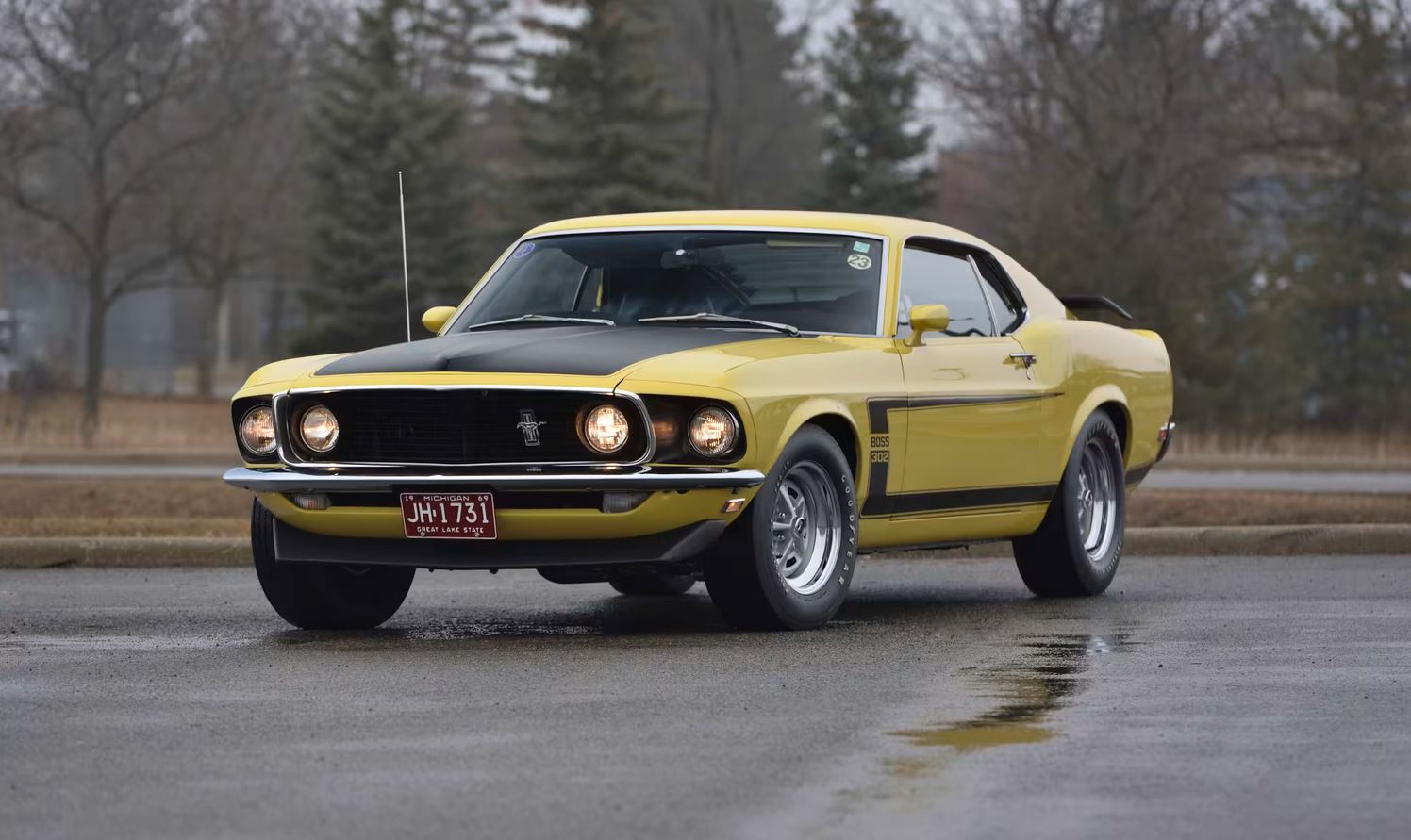
The Ford Mustang Boss 302 is one of the most respected performance cars to come out of the muscle car heritage. With its aggressive styling, high-revving V8 engine, and precision-oriented chassis setup, this car was engineered for enthusiasts who value both speed and handling.
However, despite its robust design, the Boss 302 can suffer a shortened lifespan if owners make certain avoidable mistakes. Unlike ordinary commuter cars, high-performance machines demand a higher standard of maintenance and attention.
Even though the Boss 302 was designed to endure track sessions and spirited drives, improper habits and negligence can cause irreversible issues that end up sending these cars to the scrapyard much earlier than necessary.
Many owners assume that just because the car carries Ford’s muscle car badge, it is bulletproof under all conditions. That assumption is far from true. Every performance car has its weak points, and the Boss 302 is no different.
While it is incredibly satisfying to drive, it requires additional scrutiny in areas such as engine care, fluid maintenance, and driving techniques. Over time, even small mistakes like ignoring oil quality or pushing the engine when it has not reached proper temperature can add up.
What usually begins with minor inconveniences can escalate into major component failures if neglected long enough.
This detailed article takes a closer look at the common oversights that compromise the longevity of a Ford Mustang Boss 302.
These are not rare problems but issues often overlooked by owners who either underestimate the importance of proper care or simply do not realize how much small habits make a difference.
By understanding these points, enthusiasts can ensure that their Boss 302 continues to deliver its legendary performance without falling victim to an early demise.
Also Read: 7 Habits That Kill a Jeep Wrangler 4xe Battery Quickly
1. Ignoring Proper Engine Warm-Up
One of the most underestimated habits in car ownership is skipping proper warm-up procedures before pushing a performance engine hard. The Boss 302 is powered by a high-compression V8 engine that thrives on precision.
Its components, including pistons, cylinder walls, valves, and bearings, rely on controlled oil circulation and consistent operating temperature to deliver reliable power. Jumping straight into aggressive acceleration without allowing the motor to reach optimal conditions puts unnecessary strain on these parts.
When the engine is cold, oil is thicker and does not circulate as effectively. This increases friction and wear in vital areas of the motor.
Over time, repeated instances of hard revving with cold oil can lead to premature bearing wear, piston scuffing, and even cylinder wall damage. Drivers often assume that if the coolant temperature gauge indicates normal levels, the engine is ready.
In reality, engine oil takes longer to reach proper operating viscosity, meaning the bottom end of the engine might still be under-lubricated even after a few minutes of idling.
The Boss 302’s engine is designed to rev high and deliver thrilling power above 7,000 RPM, but consistently revving that high from startup conditions will shave years off its life.
A patient, gradual approach to driving when first starting the car is key. Allowing at least 5 to 10 minutes of gentle driving ensures better oil distribution and thermal balance.
Another overlooked factor is transmission warm-up. The manual gearbox and differential fluid also need time to reach optimal working conditions. Shifting aggressively without sufficient fluid warmth increases gear wear and stresses the synchros prematurely.
To maximize the longevity of a Boss 302, owners must resist the urge to floor the throttle upon startup. Instead, treat warm-up as a ritual.
Giving the car this grace period ensures the engine not only lasts but also continues performing the way it was originally engineered. Neglecting this, however, is one of the fastest ways to spell early trouble for the Boss 302’s heart.
2. Using Low-Quality or Incorrect Oil
The Boss 302’s powerplant is engineered to operate under high stress, meaning lubrication is not just an afterthought but one of the most critical elements in keeping the engine alive.
Many owners overlook the importance of oil choice, opting for cheaper brands or delaying oil changes far beyond the recommended intervals. This might save money in the short term, but it is a direct shortcut to irreversible engine wear.
High-performance engines like the one powering the Boss 302 require oil that can withstand intense heat cycles and high RPM conditions. Ford specifically recommends premium synthetic oils with exact viscosity grades suited to the Boss’s internals.
Using the wrong viscosity oil risks improper lubrication. Oil that is too thin can fail to maintain pressure at high revs, while oil that is too thick during cold starts increases drag and limits flow. The end result is metal-to-metal contact and accelerated wear.
Equally concerning is the use of low-quality or unbranded oil that lacks high-performance additives. Modern engines rely on oil detergents, anti-wear compounds, and stabilizers that keep build-up at bay.
Without them, contaminants form sludge deposits inside the block, clogging vital passages. Once oil flow is restricted, even the strongest V8 cannot survive long before damage occurs.
Another mistake is stretching oil change intervals beyond reasonable limits. While everyday commuter cars might get away with extended cycles, a performance car like this demands timely fluid replacement, especially if it sees spirited driving or track sessions.

Used oil tends to break down faster when subjected to high heat, losing viscosity stability and protective qualities.
The Boss 302 was never meant to be treated like a low-maintenance hatchback. Owners should stick only to high-grade oil brands and follow strict service intervals.
Although it may feel costly upfront, the long-term preservation of engine health makes it a non-negotiable practice. Ignoring these basics causes oil starvation, bearing damage, and catastrophic engine failure far sooner than expected.
3. Neglecting Cooling System Maintenance
Heat is the silent killer of performance engines. For the Boss 302, which thrives on high RPM ranges and aggressive driving, maintaining an efficient cooling system is vital. Unfortunately, many owners treat coolant changes and radiator upkeep as optional maintenance tasks rather than necessities.
When coolant is neglected, it becomes contaminated and loses its ability to regulate temperature effectively. Sludge buildup within the radiator and hoses restricts flow, causing hot spots inside the engine block.
Eventually, this leads to overheating, warped cylinder heads, and even head gasket failure. The repercussions are catastrophic, often rendering the engine inoperable without major and costly repairs.
While the dashboard temperature gauge may seem like a safety net, it is often a delayed response. By the time it shows that the car is overheating, internal engine parts may have already been subjected to damaging temperatures.
Proactive care for the cooling system eliminates this risk. Regular system flushes, timely replacement of coolant, inspections for leaks, and monitoring radiator condition are all essential.
Another common oversight is ignoring peripheral cooling components. Radiator hoses, thermostat functionality, and the water pump must also be monitored.
A worn thermostat can stay stuck closed, restricting coolant flow and causing overheating. A failing water pump fails to circulate coolant effectively, again exposing the entire system to dangerous heat.
Track use especially demands greater vigilance. The Boss 302’s design supports spirited driving, but long stints in hot conditions stress the cooling system even further.
Upgrading to higher capacity radiators, improved fans, or using performance-grade coolant helps in such scenarios, ensuring safe operation during extended runs.
Owners who neglect the cooling system often pay heavy consequences, with repairs that drastically exceed the cost of simple preventative care.
This muscle car depends as much on its fluid management as its horsepower. Treat the cooling system with top priority, and the Boss 302 can continue handling aggressive sessions without a premature breakdown.
4. Overlooking Transmission and Differential Fluid
Many car enthusiasts focus so much on engine upkeep that they forget the transmission and differential play equally important roles. In the Boss 302, the six-speed manual transmission and limited-slip rear differential are engineered for high-performance driving.
These components undergo incredible stress during spirited runs, hard shifts, and track usage. Sadly, ignoring their fluid needs is a mistake that shortens their service life quickly.
Transmission fluid is responsible for providing lubrication, cooling, and protection for gears and synchronizers. In demanding conditions, the fluid heats up and breaks down faster than it would under normal commuting.
Ignoring replacement intervals causes weakened lubrication, making shifts feel harsher while wearing down synchros. Over time, this translates into gear grinding, premature bearing failure, and expensive rebuilds.
The differential is no less important. It ensures proper power delivery to the rear wheels, a crucial element when driving a high-torque muscle car.
Differential fluid, like transmission fluid, is subjected to intense pressure and heat. Without regular changes, contaminants build up and reduce its protective qualities. The result is worn gears, whining noises, and in some cases, complete differential failure.
Another factor many owners neglect is using the correct type of fluid. Ford’s specifications exist for a reason. Using incompatible transmission or rear differential fluid risks poor lubrication and can even void warranty coverage.
Enthusiasts who track their Boss 302 should consider shorter service intervals than standard recommendations since heat cycles degrade fluids at a faster rate.
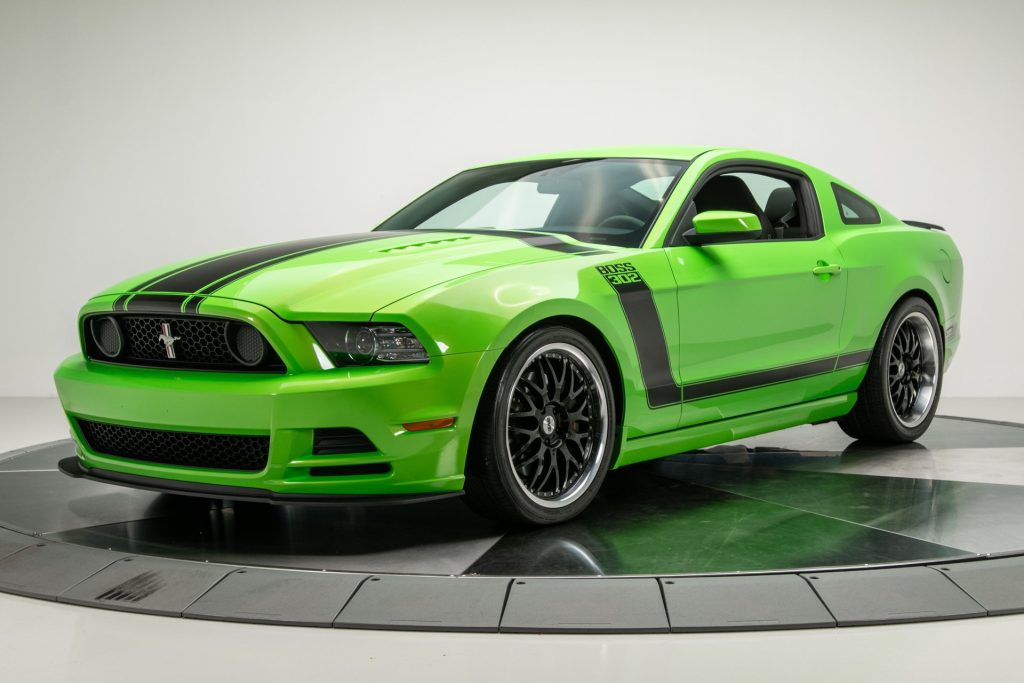
Some drivers may notice subtle signs such as difficulty shifting into gear or faint whining sounds from the rear end, both of which suggest failing lubrication.
At this point, the damage is often well underway. Preventing such scenarios is far easier and cheaper than correcting them.
The Boss 302 demands respect beyond just its engine bay. Transmission and differential health directly influence both performance and longevity. Making fluid maintenance a non-negotiable part of ownership guarantees that this car continues delivering its hard-hitting power for many years.
5. Poor Storage Habits
A car as iconic as the Boss 302 deserves proper storage, yet many owners treat it like an ordinary vehicle that can sit outside without consideration.
Leaving this performance car exposed to the elements can do as much harm as mechanical neglect. For a machine built with precision, poor storage habits gradually erode both its physical condition and mechanical health.
Extended exposure to harsh sunlight fades exterior paint and damages rubber seals. UV rays crack dashboards and interior trim, leading to premature aging of the cabin.
Rainwater pooling around seals introduces the risk of rust, particularly around the underbody and wheel wells, accelerating corrosion damage. Once rust sets in, it spreads quickly, weakening structural integrity and reducing the car’s long-term durability.
Temperature fluctuations create another hazard. Repeated cycles of heating and cooling cause condensation to build up inside the fuel tank and exhaust system.
Over time, this moisture leads to rust from within, compromising both fuel delivery and exhaust efficiency. Additionally, battery discharge occurs faster when the car is unused for long stretches, particularly in cold or damp environments.
Tires also suffer from poor storage. Cars left stationary for long periods develop flat spots, reducing ride quality and traction. Rubber hardens when not rotated regularly, compromising grip and increasing the chances of dangerous blowouts once the car is taken back on the road.
Ideal storage involves keeping the Boss 302 sheltered in a clean, dry garage. Using a quality car cover provides additional protection from dust and minor scratches.
Fuel stabilizers help keep fuel fresh during long periods of inactivity, while battery maintainers ensure the electrical system stays healthy. Periodically starting the engine and performing slow rolls prevent flat spots and keep fluids circulating.
Neglecting storage is not just a cosmetic issue but a mechanical one. A Boss 302 left unprotected fades quickly from a showpiece into a worn-out relic.
Owners who take the time to safeguard it will enjoy both pride of presentation and mechanical longevity.
6. Excessive Modifications Without Consideration
Modifying a performance car is part of car culture, but careless upgrades done without research often spell disaster for the Boss 302. This model was engineered with a balance in mind: power, handling, and durability carefully tuned by Ford.
Throwing in aftermarket parts without regard for compatibility can destroy that harmony, ultimately shortening the car’s lifespan.
The most common mistake is adding forced induction such as superchargers or turbochargers without upgrading supporting components. The Boss 302’s naturally aspirated 5.0L V8, while robust, was not originally built to handle excessive boost pressures.
Pushing more power without reinforcing internals like pistons, rods, and fuel delivery systems leads to detonation, blown head gaskets, or even catastrophic engine failure.
Suspension upgrades also require care. Throwing on ultra-stiff coilovers without considering geometry balance often creates more problems than benefits.
The Boss 302 was tuned to handle corners sharply, and disrupting that balance through misconfigured suspension components negatively affects both performance and longevity.
Another mistake is ignoring ECU tuning after mechanical upgrades. Adding bolt-ons without recalibrating the engine computer creates an imbalance in air-fuel ratios. This not only reduces performance but increases the risk of running lean, which can fry pistons and valves.
Even cosmetic modifications can introduce problems. Oversized wheels affect drivetrain stress, brakes, and suspension wear. Removing factory aerodynamic pieces alters stability at high speeds. While aesthetic changes may appeal visually, their effects on mechanical systems cannot be ignored.
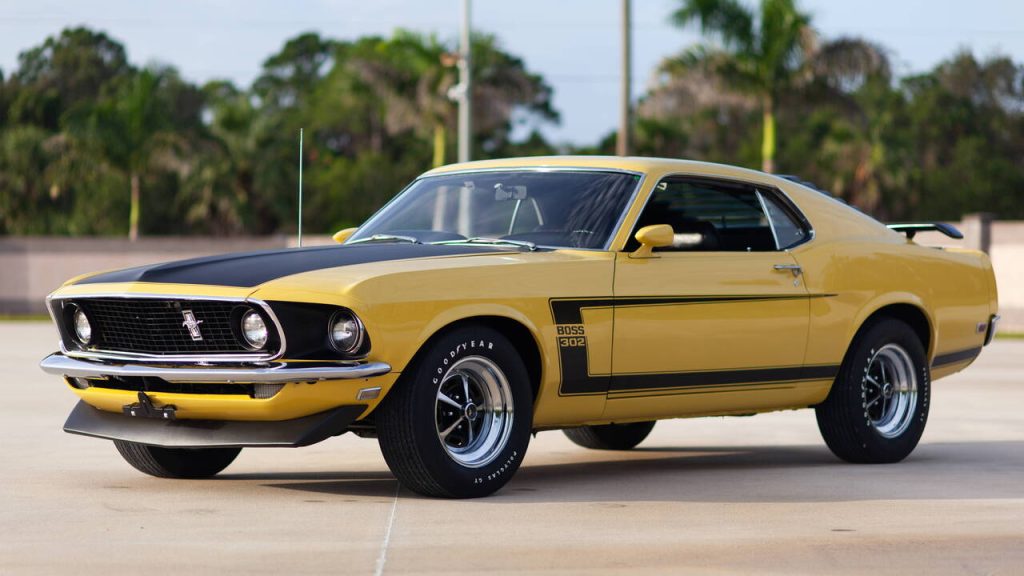
Many owners believe aftermarket modifications automatically improve performance, but poorly chosen upgrades only accelerate wear. Prudent owners research thoroughly, consult professionals, and upgrade components in harmony, not in isolation.
The Boss 302 is already a finely tuned machine, and over-modifying ignores the engineering precision that made it iconic in the first place.
Responsible upgrades keep it competitive and enjoyable. Reckless bolt-ons shorten its lifespan, robbing owners of the very performance they sought to enhance.
7. Aggressive Driving Without Restraint
Perhaps the most obvious yet damaging oversight is aggressive driving without restraint. While the Boss 302 was engineered as a track-capable performance car, abusing its power endlessly on public roads takes a significant toll.
Engines pushed repeatedly to redline without care develop abnormal wear patterns much sooner than those treated with controlled enthusiasm.
Clutch and gearbox wear is another consequence of reckless driving. Constant high-rpm launches or burnouts shred clutch plates and overstress transmission gears.
While it may feel thrilling temporarily, the gearbox was not intended to handle endless abuse outside controlled racing environments. Repeated wheel spins also invite driveline stress, leading to differential wear or broken axles under extreme loads.
Another concern is brakes. The Boss 302 is fitted with strong braking components, but constant harsh usage on the street wears pads and rotors far faster than standard driving would.
Heat cycles from unnecessary hard stops glaze pads and warp rotors. This reduces braking efficiency and increases stopping distances, placing the driver and vehicle at risk.
Tires also bear punishment during excessive driving habits. Burnouts, harsh cornering, and constant aggressive acceleration wear out tread prematurely while creating uneven wear patterns. These cost owners significant money while reducing safety.
Even beyond mechanical harm, reckless driving often leads to accidents that eliminate the car altogether. A Boss 302 deserves spirited usage, but it also requires restraint and awareness of when it is appropriate to push limits.
Track days, autocross events, or private sessions provide a much safer outlet for unleashing its power compared to abusing it on worn-out roads or daily commutes.
Owning a performance car should involve a balance of enjoyment and responsibility. Driving it aggressively all the time without breaks gradually destroys the car piece by piece.
When owners learn to respect boundaries, they preserve not only the Boss 302’s legendary performance but also their opportunity to enjoy it for years to come.
The Ford Mustang Boss 302, celebrated for its high-revving 5.0L Road Runner V8, sharp handling, and track-focused design, is one of the most admired muscle cars of the modern era.
Despite its robust engineering, this performance machine is not immune to early failure if mishandled. Many owners unknowingly shorten its lifespan through avoidable oversights that compromise its mechanical integrity.
One of the most common errors is ignoring proper engine warm-up. The Boss 302’s internals expand and function only when fluids reach optimal temperature. Revving hard while cold accelerates bearing and piston wear.
Equally harmful is using the wrong oil or low-quality fluids. This car demands premium synthetic oils, specific transmission and differential fluids, and timely replacements.
Going cheap or stretching service intervals leads to lubrication breakdown and premature engine or gearbox damage.
The cooling system is another critical area. Without regular flushes, hose inspections, and awareness of overheating risks, even short periods of excess heat can warp heads or blow gaskets. Neglecting this system undermines both performance and survival.
Many also overlook suspension and chassis upkeep, assuming the focus should remain on the engine. In reality, worn shocks, bushings, or rust in the underbody erode handling precision and structural strength.
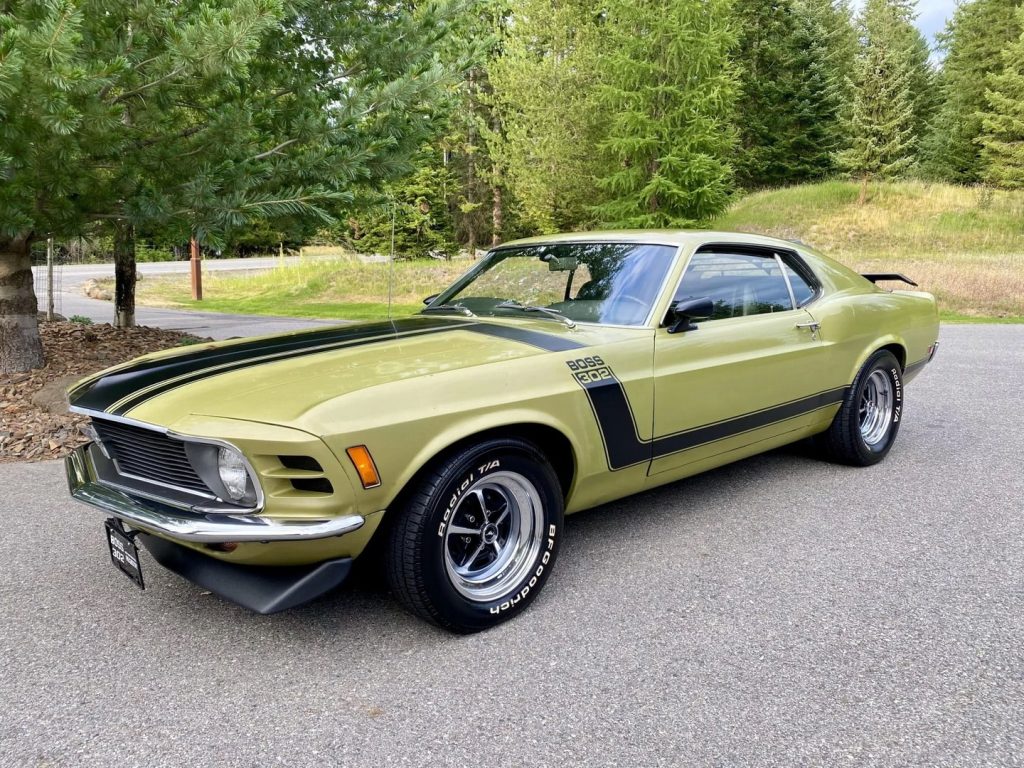
Driving habits play a huge role as well. Aggressive launches, constant burnouts, and harsh braking stress the clutch, gearbox, tires, and brakes.
While spirited driving is part of owning the Boss 302, reckless use on the street destroys components quickly. Equally bad is skipping preventive maintenance, where ignoring belts, sensors, or brakes until failure turns minor upkeep into major repair bills.
Perhaps the most avoidable mistake is falling for cheap aftermarket modifications. Poorly designed intakes, exhausts, or budget coilovers disrupt factory balance.
Reckless tuning to chase horsepower often disables safety systems, pushing the Road Runner engine beyond safe limits and cutting years off its life.
Ultimately, most of these harmful practices come down to neglect and impatience. The Boss 302 will reward owners who respect its engineering with long-lasting performance.
Treating warm-ups, fluids, cooling, suspension care, and responsible driving as non-negotiables ensures it continues to roar with the power and glory it was built for, instead of becoming another broken muscle car story.
Also Read: 7 Driving Habits That Destroy a Subaru Legacy Faster Than You Think
