
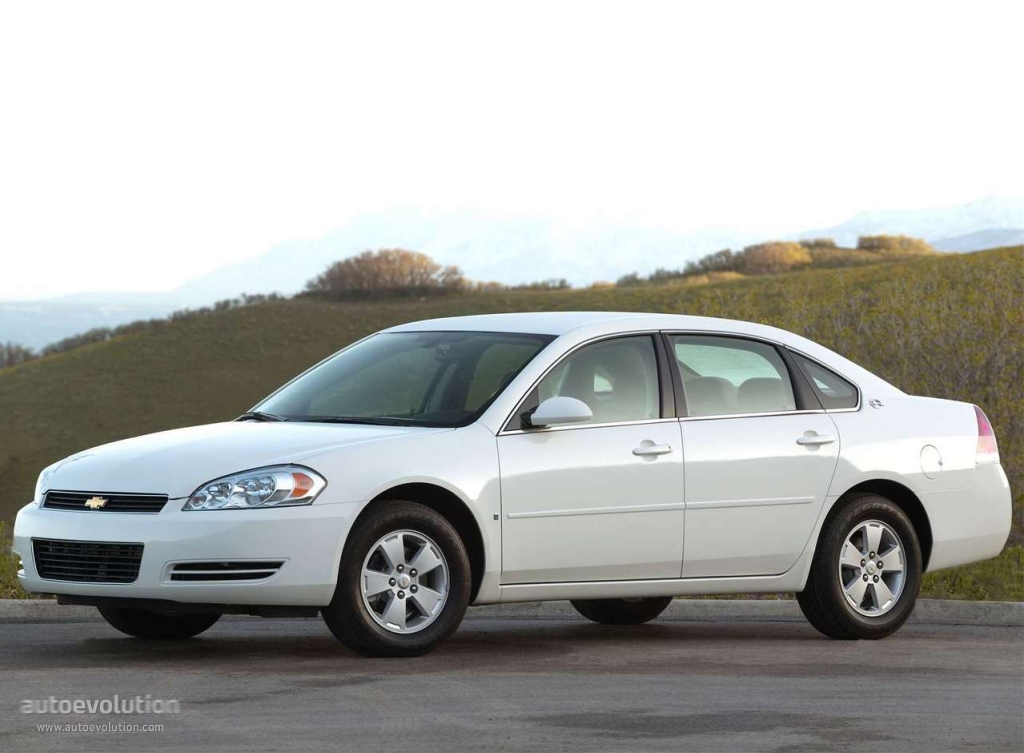
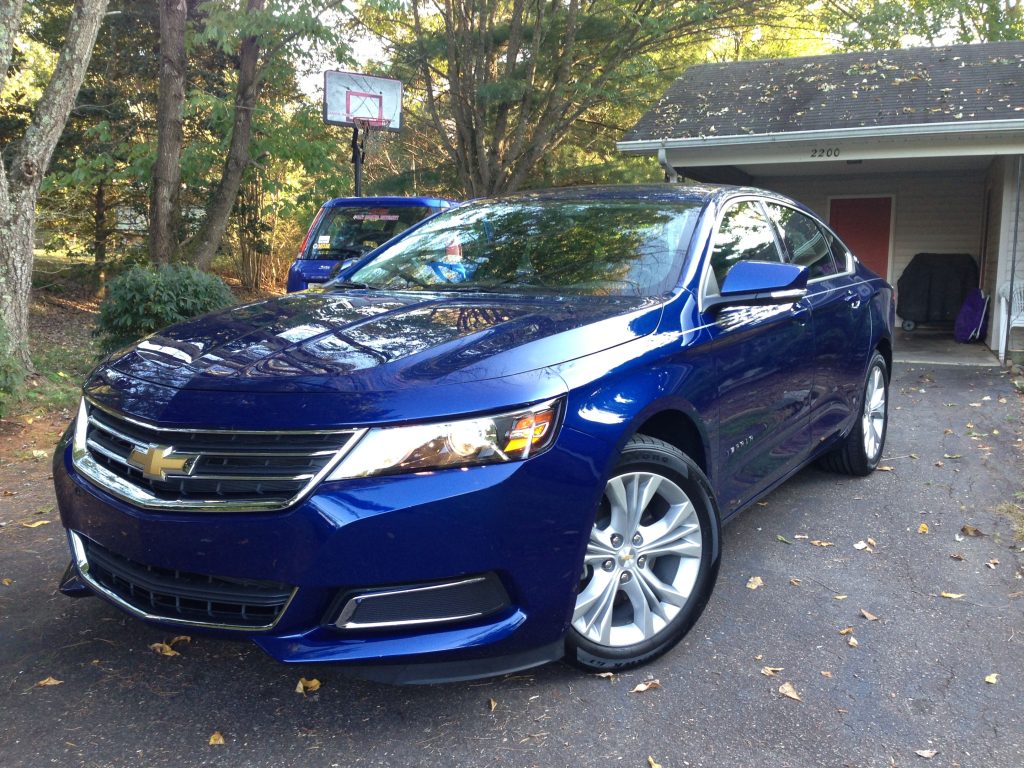
The Chevrolet Impala LT has long held its place as a reliable full-size sedan, known for comfort, performance, and everyday practicality.
For owners who depend on their Impala for daily commuting, family trips, or long highway drives, keeping the car in top condition is essential.
Regular care not only protects performance but also extends the life of the vehicle, ensuring that it continues to deliver the smooth and confident ride it was designed for.
Attention to small but important aspects of maintenance pays off in better fuel economy, fewer unexpected repairs, and higher resale value when it is time to upgrade.
The Impala LT is equipped with modern features and a strong engine, which means it depends just as much on consistent upkeep as it does on design quality.
While the manufacturer provides maintenance schedules, car owners often need practical guidance to keep their Impala road-ready under real-life conditions.
Every vehicle deals with wear from city traffic, weather conditions, long commutes, or seasonal challenges. That is why dedicated attention to tire care, fluids, brakes, electronics, and even cleanliness makes a noticeable difference over the years.
For Impala LT owners, the journey is not just about preserving the car but also about maximizing comfort and peace of mind. By building a habit of regular care, drivers can avoid costly repairs and enjoy the full performance that Chevrolet engineered into this sedan.
Whether someone is new to maintaining their own car or already experienced in keeping vehicles in shape, practical tips can make maintenance more efficient and effective.
This guide shares ten professional tips that focus on the most important aspects of keeping a Chevy Impala LT at its best. These are straightforward approaches that can be applied regularly to maintain dependability and confidence on the road.
Also Read: 10 Steps That Keep a Nissan Sentra Running Strong for Families
Tip 1: Prioritize Regular Oil Changes
One of the most important steps in keeping a Chevy Impala LT performing well is following a consistent oil change routine. Oil works as the lifeblood of the engine, lubricating moving components and reducing friction under constant stress.
Over time, oil becomes contaminated with dirt, combustion residue, and small metal particles, weakening its protective ability. If left unchanged, dirty oil accelerates engine wear, lowers fuel efficiency, and can even lead to serious internal damage.
For the Impala LT, which often serves as a family or commuter car, this care is particularly essential for long-term dependability.
Most Impalas suggest oil changes every 5,000 to 7,500 miles, depending on whether the car uses synthetic oil or conventional blends. However, driving habits should also guide your schedule.
Frequent short trips in city traffic or operating in hot or cold climates may require more frequent changes since oil breaks down faster under demanding conditions. Always check the owner’s manual for Chevrolet’s recommendations and align it with your driving style.
Along with oil, replacing the oil filter is equally important. The filter traps contaminants that accumulate in the oil system. A clogged filter can no longer do its job, which leads to poor lubrication across the engine.
Using high-quality oil and filters not only improves performance but also helps maintain quieter operation and better gas mileage.
Scheduling oil changes consistently creates a habit of checking related items such as coolant, belts, and hoses while under the hood. It ensures small issues do not build into costly repairs later on.
A well-lubricated engine will naturally perform more smoothly, reduce strain on components, and remain efficient over higher mileage.
For the Impala LT, staying disciplined with oil changes is a foundational step in keeping the sedan road-ready and dependable over the years.
Tip 2: Keep Tires in Peak Condition
The tires on a Chevy Impala LT directly influence safety, handling, and fuel efficiency. This sedan weighs more than smaller vehicles, which places additional demands on its tire set.
A car can only perform as well as the grip beneath it, so consistent tire care is non-negotiable for keeping the Impala confident on highways or city streets.
The first step is maintaining proper air pressure. Underinflated tires not only reduce efficiency but also cause uneven wear, leading to premature replacement.
Overinflated tires, on the other hand, provide less traction and rougher rides, especially on wet or uneven roads. Checking tire pressure at least once a month and adjusting it to Chevrolet’s recommended PSI ensures a balance of comfort and performance.
Rotation is also crucial. Tires wear differently depending on whether they are in the front or rear position.
Uneven tire wear leads to reduced handling accuracy and can compromise braking distances. Rotating the tires every 5,000 to 7,500 miles promotes even tread wear, extending their life span while ensuring stability across seasons.
Regular inspections for tread depth and sidewall condition also matter. A sedan like the Impala LT requires sufficient tread for wet conditions, as shallow treads increase the risk of hydroplaning.
Keeping an eye out for punctures, cracks, or bulges helps prevent blowouts. If tread wear becomes uneven, it may also indicate issues with wheel alignment or suspension.
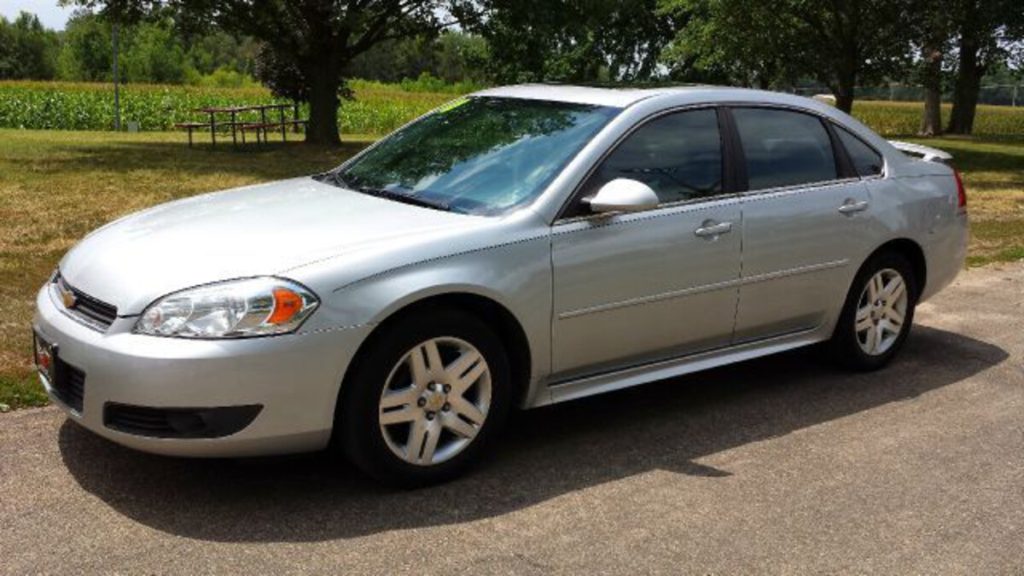
Wheel alignment and balancing should not be overlooked during tire maintenance. Misaligned wheels create excessive strain on steering, reduce efficiency, and lead to an uncomfortable pull while driving. Proper alignment improves both tire longevity and driver confidence.
By focusing on tire care, Impala LT drivers boost fuel economy, improve handling, and ensure smoother rides across all terrains. Healthy tires strengthen safety during sudden stops or long trips, keeping the car composed under any driving condition.
Tip 3: Protect the Braking System
Brakes are one of the most critical safety elements of any vehicle, and in a sedan as substantial as the Chevy Impala LT, they require consistent attention.
A well-maintained braking system not only increases safety but also provides confidence during emergency situations, whether on busy highways or unpredictable urban streets.
Brake pads and rotors naturally wear with use, and when they thin out, braking performance drops sharply. Worn pads can damage rotors, leading to expensive replacements.
A helpful rule is to have brakes inspected at least once every 10,000 to 15,000 miles and replaced when necessary. Signs of trouble, such as squealing noises, pulling to one side, or vibrations during braking, should never be ignored.
Brake fluid is another key factor. Over time, brake fluid absorbs moisture, reducing effectiveness and risking corrosion within brake lines.
Flushing and replacing the fluid every two to three years is a smart preventive measure. This step keeps the pedal feel responsive and protects expensive brake components from damage.
The Impala LT’s weight puts extra demand on the braking system, especially when carrying passengers or cargo.
For this reason, opting for high-quality replacement parts pays off in longer durability and consistent stopping power. Ceramic or semi-metallic brake pads, for example, provide stability under varied driving conditions.
Routine inspections also include checking hoses, calipers, and the parking brake. Even minor leaks or rusty fittings can affect safety. Having a mechanic evaluate these areas during scheduled service ensures the system remains in its best form.
Brakes are a top priority in vehicle health, and investing time and care here maximizes both safety and confidence behind the wheel. For an Impala LT owner, keeping brakes in good condition not only avoids costly repairs but also keeps passengers protected every mile.
Tip 4: Maintain the Cooling System
A healthy cooling system is vital for preventing engine overheating and extending the life of your Chevy Impala LT. This sedan’s V6 engine generates substantial heat, and the cooling system works to keep temperatures within the safe operating range.
Without proper care, overheating can lead to warped cylinder heads, gasket failures, and expensive repairs that are easily preventable with routine attention.
Coolant, or antifreeze, plays the central role in this system. Over time, coolant breaks down and loses its ability to regulate temperature effectively. Old coolant may also become corrosive, creating build-up that harms the radiator and water pump.
It is recommended to flush and replace the coolant every 50,000 to 60,000 miles, or sooner if your driving conditions involve extreme heat or cold. When topping off, be sure to use the coolant type specified by Chevrolet to avoid compatibility issues.
Hoses and the radiator also deserve regular inspections. Cracked, brittle, or bulging hoses can suddenly burst under pressure, leaving you stranded.
A quick monthly check helps spot early signs of wear. Similarly, the radiator should be examined for leaks or blocked fins which restrict airflow. A radiator clogged with dirt, leaves, or bugs can quickly reduce cooling efficiency.
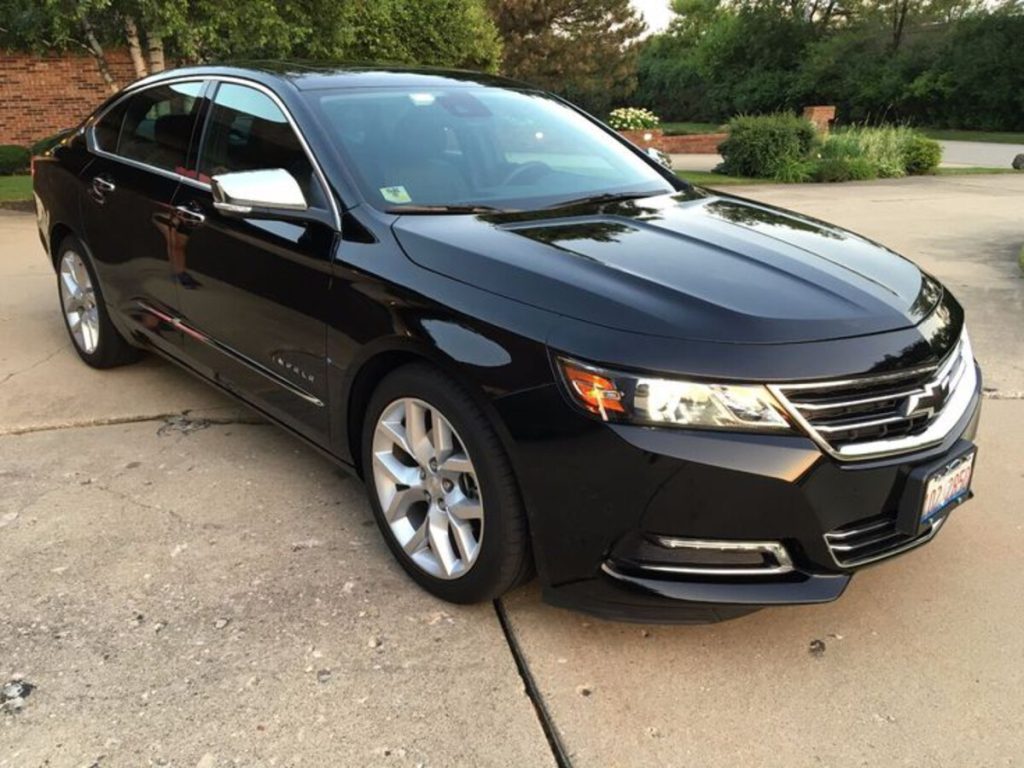
The thermostat plays another important role, regulating coolant flow through the system. A failing thermostat often causes erratic temperature readings or slow warm-up times. Replacing it when symptoms appear helps maintain consistency in engine performance.
Additionally, keep an eye on the water pump. This component circulates coolant throughout the system, and failure can severely compromise cooling. Warning signs include leaks beneath the engine or a whining noise from the pump area.
By giving attention to coolant quality, hoses, and components, Impala LT owners reduce the risk of breakdowns, especially during long drives or hot weather.
A well-maintained cooling system ensures peace of mind, protects valuable engine parts, and keeps the sedan performing at its intended efficiency.
Tip 5: Inspect and Replace the Battery as Needed
The battery is often overlooked until it fails, but it serves as the heart of the Chevy Impala LT’s electrical system. From starting the engine to powering headlights, infotainment, and advanced driver-assistance systems, the battery supplies essential energy.
Weak batteries are one of the top reasons for roadside calls, yet with planned checks, these emergencies can be avoided.
Most car batteries last between three and five years, but climate, driving habits, and electrical load can shorten or extend this life. Frequent short trips limit the alternator’s ability to fully recharge the battery, which leads to quicker depletion.
Conversely, long daily commutes can keep the battery charged more consistently. Regardless, testing the battery voltage during routine service provides a clear understanding of its health.
Corrosion on battery terminals is another issue owners must monitor. Accumulated corrosion reduces conductivity, leading to harder starts and inconsistent power delivery.
Regularly cleaning the terminals with a battery-safe solution ensures stable contact. Using anti-corrosion gel after cleaning provides further protection.
Another indicator of battery decline is slow cranking or dimming headlights when the engine starts. These symptoms suggest that the battery is no longer supplying sufficient power. Replacing an old battery before it completely fails prevents being stranded.
The alternator should also be checked since it keeps the battery charged while driving. If the charging system underperforms, even a new battery will not last long. Mechanics can quickly test alternator output during routine maintenance.
Choosing the correct battery replacement is equally important. The Impala LT requires a specific group size and cold cranking amps rating to properly support its systems. Installing the right battery ensures both reliability and safety.
Maintaining the battery through testing, cleaning, and timely replacement gives confidence that the Impala LT will start and operate smoothly in all conditions.
Preventive care here eliminates unexpected stress and ensures that all systems powered by electricity function without disruption.
Tip 6: Care for the Transmission
The transmission in the Chevy Impala LT works hard to transfer engine power to the wheels smoothly. With an automatic gearbox that manages shifts seamlessly, the health of this system is vital for consistent performance.
Transmission issues are often expensive to repair once they progress, which makes preventive maintenance all the more essential.
Transmission fluid is the primary factor in keeping the system in good shape. This fluid serves as both a lubricant and a coolant, reducing friction between moving parts while controlling heat levels. Over time, fluid deteriorates and loses its protective qualities.
Dark-colored or burnt-smelling fluid is a warning sign that it needs replacement. Most experts recommend inspecting the fluid every 30,000 to 50,000 miles, with replacement intervals depending on the condition and driving environment.
When servicing the transmission, it’s also wise to replace the filter if applicable. The filter helps trap debris that would otherwise accumulate inside the unit. A clogged filter reduces fluid flow and puts strain on internal parts.
Driving habits also influence transmission life. Sudden acceleration, harsh braking, or frequently towing heavy loads can stress the gearbox.

Smooth driving habits reduce wear and contribute to better longevity. Allowing the engine to warm up before heavy driving, especially in winter, helps the fluid reach optimum performance quicker.
Another key point is addressing leaks promptly. Pink or red fluid spots beneath the car suggest a transmission fluid leak, which must be fixed immediately. Continuing to drive with low fluid can result in overheating, slipping gears, or total failure.
Regular service from certified mechanics ensures any small issues are spotted before they become serious. Software updates for transmission control modules may also be recommended by Chevrolet to optimize operation.
Consistent care makes the Impala LT’s transmission last longer, shifting smoothly and maintaining the car’s characteristic comfort. Avoiding neglect here prevents costly repairs and keeps the vehicle operating as Chevrolet designed it.
Tip 7: Support Suspension and Steering Components
The Impala LT offers a refined ride, but this smoothness depends heavily on a healthy suspension and steering system. Uneven roads, potholes, or heavy loads place stress on shocks, struts, and steering components, making routine inspection essential for both handling and comfort.
Shock absorbers and struts are responsible for keeping the vehicle stable over bumps and turns. Worn-out parts can cause excessive bouncing, reduced control, and uneven tire wear. Checking for oil leakage from shocks, or listening for clunking sounds over rough terrain, helps spot early signs of failure.
Wheel alignment is another critical factor. Misalignment can cause steering pull, poor fuel efficiency, and accelerated tread wear. Regular alignment checks, especially after hitting curbs or potholes, preserve sharp handling and extend tire life.
The steering system also requires attention. Power steering fluid should be inspected periodically to ensure proper levels and cleanliness. If turning feels stiffer than usual, or if whining sounds occur while steering, it may suggest fluid issues or pump wear. Prompt checks avoid heavier repairs later.
Ball joints, tie rods, and bushings also deserve periodic inspection. These parts keep steering responsive and allow the suspension to absorb road impacts effectively. Worn or loose components directly compromise safety and comfort.
Maintaining suspension and steering also contributes to reduced fatigue during longer drives. A well-cared-for system ensures the ride remains stable and quiet, matching the sedan’s design intent.
By giving attention to these often-overlooked parts, Impala LT owners maintain agility, improve tire health, and avoid risky handling surprises. It transforms daily driving into a consistently smoother and safer experience.
Tip 8: Pay Attention to Lighting and Electrical Systems
Lighting and electrical systems in the Chevy Impala LT play a central role in both safety and convenience. From headlights to brake lights, every bulb is essential to ensure visibility on the road and maintain communication with other drivers.
At the same time, the sedan relies heavily on electronics for infotainment, sensors, and climate control, making preventive care vital.
Regular checks of exterior lights help spot problems early. Burnt-out headlights not only reduce visibility at night but also pose a safety risk.
Dimming lights may suggest alternator or battery issues. Replacing halogen or LED bulbs promptly keeps the system effective. Carrying spare bulbs, particularly for headlights, is often a good habit for longer trips.
The electrical system extends far beyond lighting. Fuses and wiring must remain in healthy condition to prevent malfunctions.
If one electrical feature stops working unexpectedly, it may trace back to a simple blown fuse. However, repeated fuse failures often suggest deeper wiring concerns that require immediate attention from a professional.
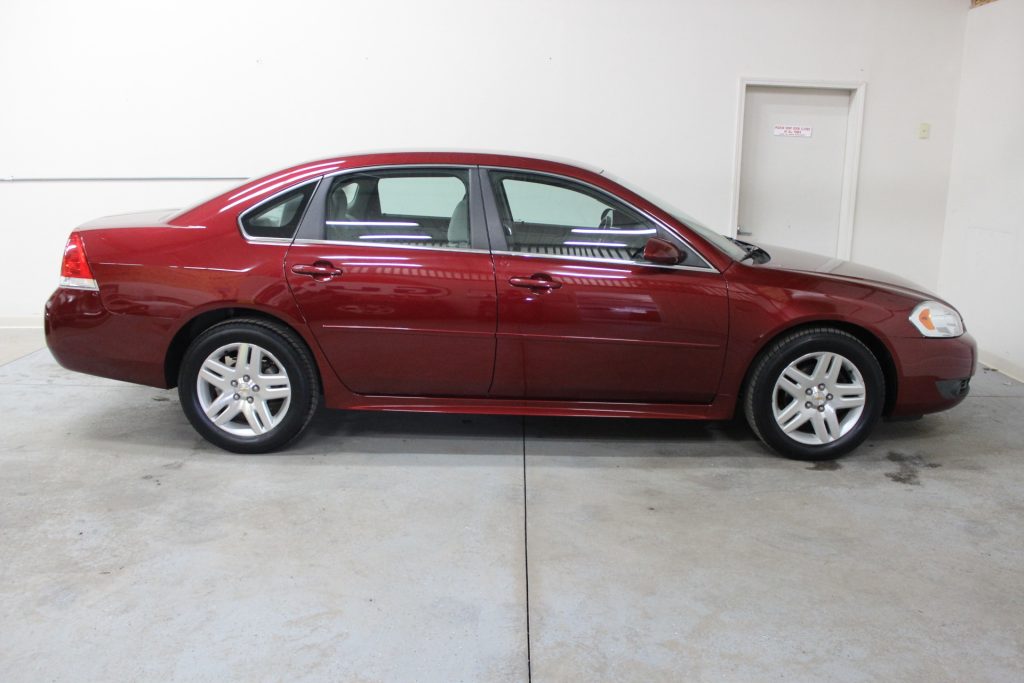
Maintaining battery and alternator health, as mentioned earlier, directly impacts the car’s electrical reliability. All modern electronics, from power seats to infotainment screens, rely on consistent voltage.
Interior lighting, power windows, and climate control units should be checked periodically for responsiveness. Delays or irregular operation could signal developing electrical problems. Cleaning electrical contacts where possible reduces the likelihood of obstruction caused by dust or corrosion.
With the Impala LT’s dependence on modern electronics, small checks prevent larger inconveniences later. Properly functioning headlights, brake lights, and interior systems ensure safe and comfortable driving experiences throughout the vehicle’s lifespan.
Tip 9: Keep the Car Clean Inside and Out
While mechanical care keeps the Chevy Impala LT strong under the hood, cleanliness plays a large role in protecting its finish and interior comfort. A clean car not only looks better but also lasts longer by keeping corrosion, odors, and premature wear at bay.
Washing the exterior regularly removes dirt, salt, and grime that can damage the paint and promote rust. This is especially true in regions with harsh winters where road salt is a frequent hazard. Applying protective wax after washing helps add a barrier against contaminants and ultraviolet rays. Over years, this prevents fading and flaking.
Paying attention to the undercarriage during washes is also essential, since it’s where salt and mud often build up. Left untreated, this accumulation leads to rust that can compromise the car’s frame or exhaust system over time.
Interior care is equally important. Vacuuming carpets and wiping down surfaces reduce dust build-up and keep air quality healthy. Leather seats, available in many Impala LT trims, should be treated with appropriate cleaners and conditioners to prevent cracking. If cloth seats are used, using protective sprays preserves fabric quality and resists stains.
Windows and mirrors also need regular cleaning. A streak-free interior surface improves visibility during night driving and prevents glare.
Decluttering the cabin makes drives more enjoyable and reduces stress on storage compartments. Even simple steps like removing unnecessary items from the trunk can slightly improve fuel economy by reducing weight.
Keeping both the interior and exterior tidy enhances the driving experience while protecting resale value. An Impala LT that looks as good as it drives will always make a strong impression, whether on the road or in the used car market.
Tip 10: Follow a Seasonal Maintenance Routine
Seasonal changes have a big effect on how your Impala LT performs. Adjusting maintenance to the time of year prevents many common issues and ensures comfort throughout the seasons.
In winter, cold temperatures strain the battery and thicken fluids. Checking that the antifreeze concentration is at the correct level prevents the engine from freezing.
Tire pressure also fluctuates more frequently in winter, so consistent monitoring is vital. Carrying emergency supplies like blankets, an ice scraper, and jumper cables ensures preparedness.
During summer, higher temperatures increase evaporation rates of fluids and put extra stress on the cooling system. Ensuring the air conditioning system is performing well improves comfort while protecting electrical components from overheating.
Spring is a great time to inspect wiper blades and clean away salt build-up from under the vehicle. Similarly, autumn should be used to prepare for shorter days by checking headlight brightness and brake conditions before slippery conditions arrive.
Each season offers an opportunity to keep the Impala LT adapted for reliable performance. By aligning maintenance habits with climate shifts, owners reduce unexpected failures and maintain dependable comfort throughout the year.
Also Read: 10 Smart Fixes That Keep a Nissan GT-R Reliable for Life
