

Owning a luxury car like the Audi A4 can be exciting, but keeping it on the road for long years requires the right kind of care. Many people buy this model because of its balance of comfort, performance, and style. It is a car that offers both daily usability and a taste of premium driving.
Yet, despite its engineering quality, many Audi A4 units do not last as long as they should. The main reason for this is not poor build quality but the habits of the owners. Cars are machines that demand maintenance, and when owners neglect their responsibilities, the vehicle suffers.
An Audi A4 has the potential to cover hundreds of thousands of miles if handled correctly. Sadly, certain mistakes can bring its life to an early end. Drivers who skip service intervals, ignore warning signs, or use poor-quality parts often cut the lifespan of their cars without realizing it.
Every mistake may seem small at the time, but when those errors add up, the engine, transmission, suspension, and electrical systems begin to fail before their expected life. We are here to provide clear and simple guidance for drivers who want their Audi A4 to remain reliable for many years.
Paying attention to these details will save money, prevent frustration, and keep the car running smoothly. By avoiding these mistakes, owners can enjoy the full experience of an Audi A4 without worrying about unnecessary breakdowns or premature failure.
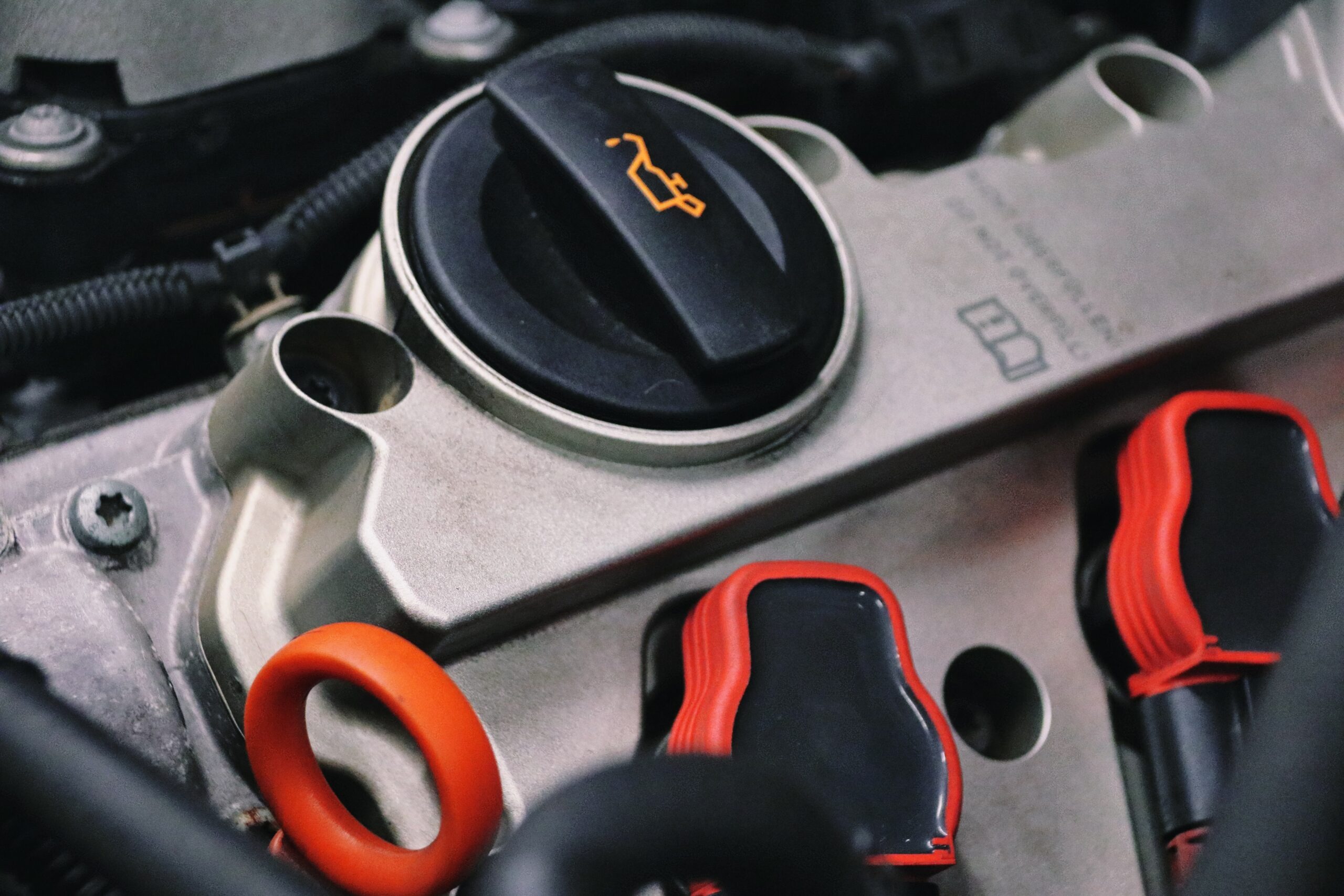
1. Neglecting Regular Oil Changes
Oil is the lifeblood of any engine, and in a sophisticated car like the Audi A4, clean oil is even more important. Many owners delay or skip oil changes because they feel the car is still running fine. Others choose cheap oil that does not meet the manufacturer’s standard. Both actions are harmful.
An Audi A4 engine works under high pressure and needs proper lubrication to reduce friction and heat. Once oil begins to degrade, it loses its protective qualities and allows metal parts to rub against each other. This causes wear that cannot be reversed.
Another problem is sludge build-up. When oil is left unchanged for too long, it becomes thick and dirty. Sludge blocks oil passages and reduces the supply of lubrication to vital components such as camshafts and turbochargers. A turbocharged engine like the one in many A4 models is very sensitive to oil quality. A blocked oil line can easily damage the turbocharger, leading to very expensive repairs.
Audi recommends oil changes at specific intervals, but drivers who use their cars in heavy traffic or extreme conditions should change oil even earlier. Using the correct synthetic oil that meets the Audi standard is necessary. It may cost more than cheap options, but it prevents long-term damage.
The oil filter must also be changed along with the oil to make sure dirt is not recirculated through the system. Failing to maintain oil changes is one of the quickest ways to kill an Audi A4 engine. It starts with small symptoms like noisy operation, poor acceleration, or warning lights, but if ignored, the engine can seize completely.
To keep the car running smoothly, owners must treat oil changes as a priority, not an option. Consistency in this routine maintenance is the difference between an engine that lasts many years and one that fails far too soon.
2. Using Poor Quality Fuel
The Audi A4 is built with advanced engines that require high-quality fuel to operate properly. Many owners try to save money by filling their tanks with lower-grade fuel than recommended. At first, the car may still run, but hidden damage starts building up.
Engines designed for premium fuel need a higher octane rating to prevent knocking and misfiring. When lower-grade fuel is used, combustion becomes uneven and stresses the pistons and valves. After some time, this leads to reduced performance and serious internal damage.
Another danger of poor-quality fuel is contamination. Cheap or poorly stored fuel often contains water, dirt, or other impurities. These particles clog the fuel injectors, which are very delicate in Audi engines.
Once injectors get blocked, the engine struggles to deliver fuel evenly, resulting in rough idling, poor acceleration, and increased fuel consumption. In worst cases, injectors may fail and require expensive replacement.
Carbon build-up is also a major issue. Low-quality fuel does not burn as cleanly, leaving behind deposits in the intake valves and combustion chambers. Direct injection engines, which are common in Audi A4 models, are particularly vulnerable. When valves get coated with carbon, airflow is restricted, and the engine loses efficiency.
Drivers may notice power loss, poor throttle response, or frequent check-engine lights. Using the right fuel grade as specified in the owner’s manual is not just about performance; it is about long-term reliability. Premium fuel may cost a little more, but it prevents bigger expenses later.
Drivers should also make sure to buy fuel from trusted stations with high turnover, as this reduces the risk of contaminated or stale fuel. Adding a quality fuel system cleaner once in a while can also help keep injectors and valves clean.
Cutting corners on fuel is a mistake that shortens the life of an Audi A4 faster than many realise. Treating the car to the right fuel every time ensures smoother performance, lower repair bills, and a longer-lasting engine.
Also Read: 5 Audi A4 Years Worth Buying vs 5 To Avoid
3. Neglecting Transmission Maintenance
The transmission in an Audi A4 is a sophisticated piece of engineering that requires proper care to remain reliable. Many owners assume that the transmission fluid lasts forever because some manufacturers call it “lifetime fluid.”
This misunderstanding leads to serious problems. Transmission fluid, just like engine oil, degrades with use. Heat, friction, and contaminants reduce its effectiveness. Once the fluid loses its ability to lubricate and cool, the transmission begins to wear out quickly.
Automatic and dual-clutch transmissions used in Audi A4 models are sensitive to fluid condition. Dirty or old fluid can cause hard shifting, slipping gears, or even complete failure. Replacing a transmission is one of the most expensive repairs any driver can face, and neglecting fluid changes is often the cause.
Audi service schedules usually include transmission fluid replacement at certain intervals, and sticking to that schedule is very important. Another common mistake is aggressive driving without allowing the transmission to warm up. In cold conditions, fluid is thick and does not flow properly.
Revving the engine hard or shifting quickly before the transmission is ready causes stress on the system. Drivers should allow the car to idle for a short while in cold weather and drive gently until everything reaches normal temperature.
Ignoring small warning signs is also dangerous. If the transmission begins to hesitate, jerk, or make unusual noises, it should be checked immediately. Waiting too long often makes a small problem much worse. In many cases, early attention, such as a fluid change or a software update, can restore proper operation.
Taking care of the transmission is essential if an Audi A4 is to last long. Regular fluid service, gentle driving habits, and quick response to unusual behavior are the steps that prevent this expensive system from failing. Those who neglect these measures usually face repairs that could have been avoided with simple maintenance.

4. Overlooking Cooling System Care
Engines generate a lot of heat, and without a proper cooling system, they cannot survive. The Audi A4 uses a modern cooling system with coolant, water pump, radiator, and thermostat working together.
If any part of this system fails, the engine overheats quickly. Some owners forget to check coolant levels or ignore coolant replacement schedules. This mistake can destroy the engine in a short time. Coolant not only removes heat but also prevents corrosion inside the engine.
Old coolant loses its protective properties and allows rust to form in the radiator and passages. Once corrosion builds up, the system clogs and cooling efficiency drops. A neglected water pump or thermostat can also cause trouble, either by not circulating coolant properly or by failing to regulate temperature.
Another common issue is ignoring small leaks. Many Audi A4 models have tight engine bays, and a minor coolant leak may not be noticed right away. Drivers may top up fluid occasionally without realising there is an ongoing leak.
With time, the system runs low, and the engine overheats. Repeated overheating damages the head gasket, warps the cylinder head, and even cracks the engine block. These are repairs that cost thousands of dollars.
Preventing such damage is simple. Coolant should be checked regularly and replaced according to schedule with the correct Audi-approved fluid. Any leaks, no matter how small, must be fixed quickly. Radiator and hoses should be inspected for wear, and the water pump should be replaced when servicing the timing belt.
Owners who treat the cooling system with care enjoy reliable performance and avoid engine failure. Neglecting this part of maintenance shortens the life of the Audi A4 dramatically and leaves the driver with massive repair bills.
5. Skipping Timing Belt or Chain Replacement
The timing belt or chain is one of the most important parts of an Audi A4 engine. Its function is to keep the camshaft and crankshaft moving in exact rhythm so that the valves open and close at the right moment as the pistons move.
When this harmony is lost, the pistons and valves collide, and the damage is severe. Many Audi engines are interference type, which means if the belt or chain fails, the result is usually a destroyed engine that may not be worth repairing.
A mistake many owners make is to assume the timing belt can last as long as the car. Belts are built from reinforced rubber, but like all materials, they wear down with age, heat, and mileage.
Audi usually gives a replacement range of about 60,000 to 100,000 miles, depending on the exact engine. Stretching the belt beyond this interval is a gamble, and many drivers end up losing that gamble when the belt snaps without warning.
Timing chains are thought to be stronger and longer-lasting, but they are not indestructible. Chains stretch after years of use, and tensioners or guides that keep them in place can wear out. Poor oil maintenance makes the problem worse because chains and their tensioners rely on steady oil pressure for smooth operation.
Once a chain begins to rattle at startup or skip a tooth, the engine is already in danger. Repairing a chain issue requires removing major engine parts, making it one of the costliest jobs an Audi A4 owner can face.
Another oversight is failing to change related components when servicing the belt. The water pump, pulleys, and tensioners are under the same stress as the belt and usually wear out around the same time.
Replacing only the belt while ignoring these parts often leads to another breakdown shortly after. Doing the full service at once saves both money and frustration by preventing repeat labor. There are also warning signs that should never be ignored.
Rattling noises, ticking sounds, engine misfires, or even rough idling can mean timing parts are wearing out. Addressing these symptoms early gives the driver a chance to fix the problem before it destroys the engine completely.
The timing system is often described as the heart of the engine. If it fails, the entire car’s life is cut short. Giving proper attention to timing belt or chain replacement at the right interval, along with related components, ensures the Audi A4 remains dependable for many years. Owners who take this part of maintenance seriously avoid the heartbreak and expense of sudden engine failure.
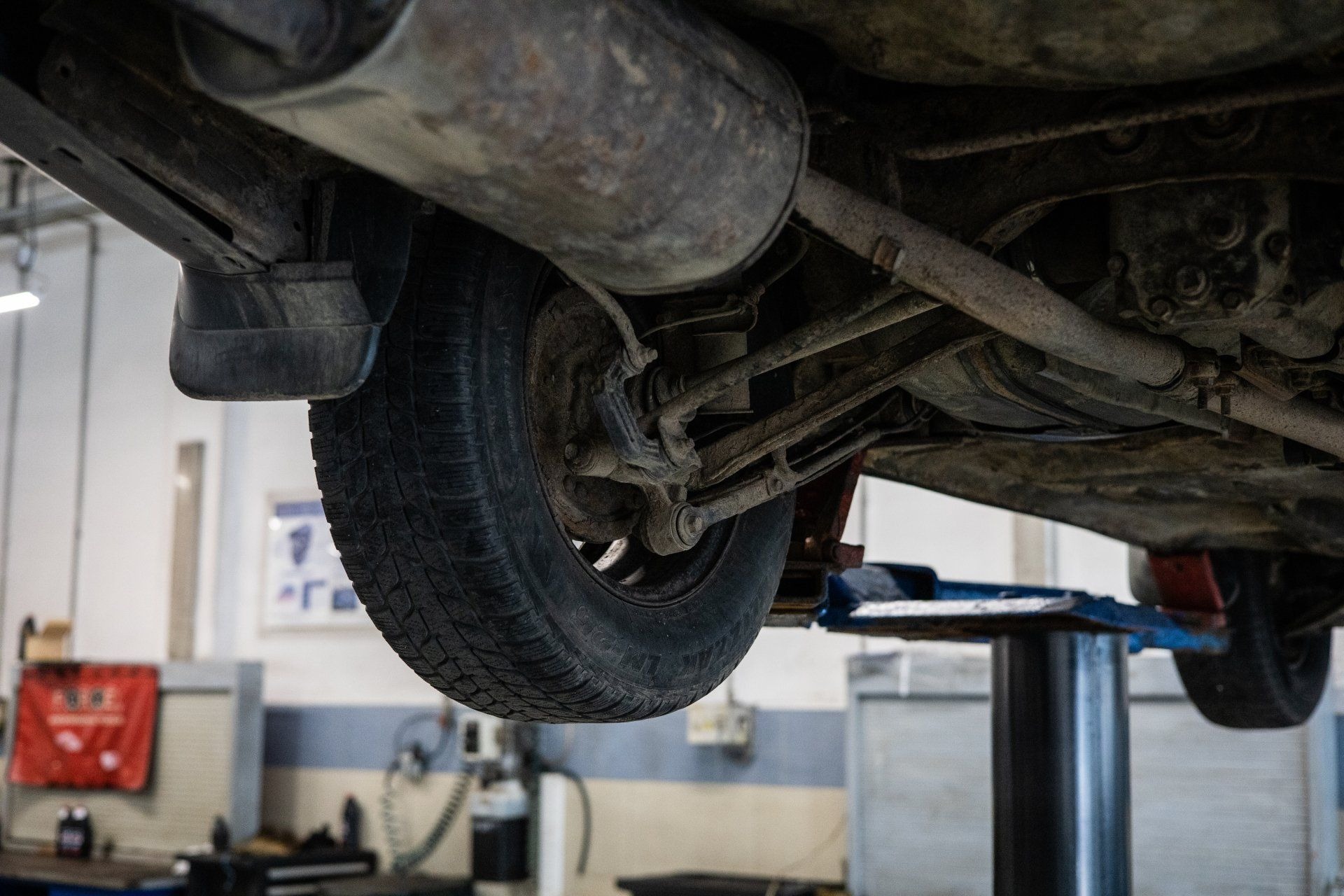
6. Ignoring Suspension and Steering Wear
The Audi A4 is designed to offer a comfortable yet sporty ride. This balance depends heavily on the suspension and steering system. Unfortunately, many owners focus only on engine and transmission maintenance while ignoring these components. After some time, worn suspension parts affect not only comfort but also safety.
The suspension system includes control arms, bushings, ball joints, and shock absorbers. These parts take a lot of abuse from rough roads, potholes, and daily driving stress. When they wear out, the car begins to handle poorly.
Drivers may notice uneven tire wear, clunking noises, or a loose steering feel. Some ignore these signs, assuming the car can still run. The problem is that worn suspension puts extra stress on other components and makes the vehicle unsafe.
Steering issues are equally dangerous. Power steering fluid should be checked and replaced as recommended. Ignoring leaks or low fluid levels damages the steering pump. Many modern Audi A4 models use electric power steering, which can fail if neglected.
Once the system fails, steering becomes heavy or unresponsive, which is dangerous on the road. Another mistake is avoiding wheel alignment. When suspension parts are replaced or when tires wear unevenly, alignment must be done.
Failure to align the wheels correctly shortens tire life and makes the car unstable at high speeds. It may also stress the drivetrain by forcing components to work harder. Audi cars are sensitive to suspension conditions because they are engineered for precise handling. Ignoring these parts shortens the life of the car and increases running costs.
Replacing worn components with quality parts, performing regular inspections, and keeping the wheels aligned keep the Audi A4 driving as it should. Owners who take suspension seriously enjoy both safety and comfort while avoiding costly damage to other systems.
7. Overlooking Electrical System Problems
The Audi A4 is packed with advanced electronics, from infotainment to engine control units. While these systems improve comfort and performance, they also require proper care. Many drivers ignore small electrical issues, thinking they are unimportant.
A flickering light, a slow window, or an occasional warning message may seem minor, but these are often early signs of bigger failures. One common mistake is ignoring battery maintenance. Modern cars rely heavily on the battery not only for starting but also for powering multiple modules.
A weak battery causes sensors to misread data, leading to random warning lights and even affecting gear shifting in some cases. Replacing the battery when it weakens is cheaper than dealing with failed electronic components caused by voltage fluctuations.
Another problem is neglecting the alternator. If the alternator does not charge properly, the car may still run for a while but strain other parts. A failing alternator can damage the battery and cause the car to shut down suddenly. Warning signs such as dimming lights or unusual electrical behavior should be checked immediately.
Water leaks are another danger for Audi A4 owners. Blocked sunroof drains or faulty seals allow water to enter the cabin and damage control units under the carpets. Many electrical failures are traced back to water intrusion. Regularly cleaning drains and checking seals prevents this issue.
Using poor-quality aftermarket accessories also creates trouble. Wrongly fitted alarms, stereos, or lights can overload circuits and cause malfunctions. Owners should stick to approved parts or professional installations to avoid long-term damage.
Electrical issues may seem small, but ignoring them shortens the life of the Audi A4 by stressing other systems. Timely attention to warning lights, battery condition, and proper maintenance of wiring ensures reliable operation. Owners who respect the car’s electronics avoid sudden breakdowns and enjoy a longer vehicle lifespan.
Also Read: 5 Audi Q5 Years Worth Owning vs 5 With High Repair Costs

8. Abusing Driving Habits
Even when all maintenance is done, careless driving habits can destroy an Audi A4 too soon. Many owners treat the car roughly, forgetting that constant abuse wears out every part faster. Hard acceleration, aggressive braking, and frequent short trips all reduce the car’s lifespan.
Cold starts are a big problem. Some drivers start the car and rev the engine immediately. At this time, oil has not circulated fully, and parts are unprotected. This causes unnecessary wear. The right practice is to start the engine and let it idle for a short while, then drive gently until the temperature stabilises.
Another harmful habit is riding the brakes or accelerating hard without reason. Aggressive driving overheats the brakes, wears tires quickly, and stresses the transmission. Audi A4s with turbo engines also suffer if the driver does not allow the turbo to cool down after spirited driving.
Shutting the engine immediately after high-speed runs traps hot oil in the turbo, which leads to damage. Allowing the engine to idle briefly before switching off prevents this issue. Carrying excessive loads is another mistake.
Some drivers treat the car like a work truck, carrying heavy cargo or overloading the suspension. This shortens the life of shocks, springs, and drivetrain parts. Using the car within its designed limits is the best way to keep it reliable.
Ignoring traffic conditions also matters. Constant stop-and-go driving without giving the car time to stretch on open roads leads to carbon build-up and poor fuel efficiency. Regular highway drives help clean the system and keep the car healthy.
Driving style has a direct impact on the lifespan of an Audi A4. Gentle use, proper warm-up and cool-down, and respect for the car’s limits allow it to last far beyond expectations. Abusive driving habits, however, destroy the car far quicker than poor maintenance ever could.
Keeping an Audi A4 alive for many years is possible when owners treat the car with care and discipline. Most of the problems that cause early failure do not come from poor engineering but from repeated mistakes made by drivers.
Skipping oil changes, ignoring fuel quality, neglecting the transmission, forgetting the cooling system, delaying timing belt or chain service, overlooking suspension and steering, avoiding electrical repairs, and driving harshly are all habits that slowly destroy the car.
Each error on its own may appear small, but when they build up, the result is a vehicle that breaks down long before its time. The Audi A4 is designed to offer both performance and comfort, but it demands responsible ownership. Consistent maintenance, use of the right fluids and parts, and attention to early warning signs are what keep the car reliable.
Drivers who invest time and care in these areas will spend less on costly repairs and enjoy many more miles of smooth driving. By avoiding these mistakes, owners preserve the value of their A4 and experience the car as it was intended. A little discipline today ensures a strong and dependable car for the future.
