
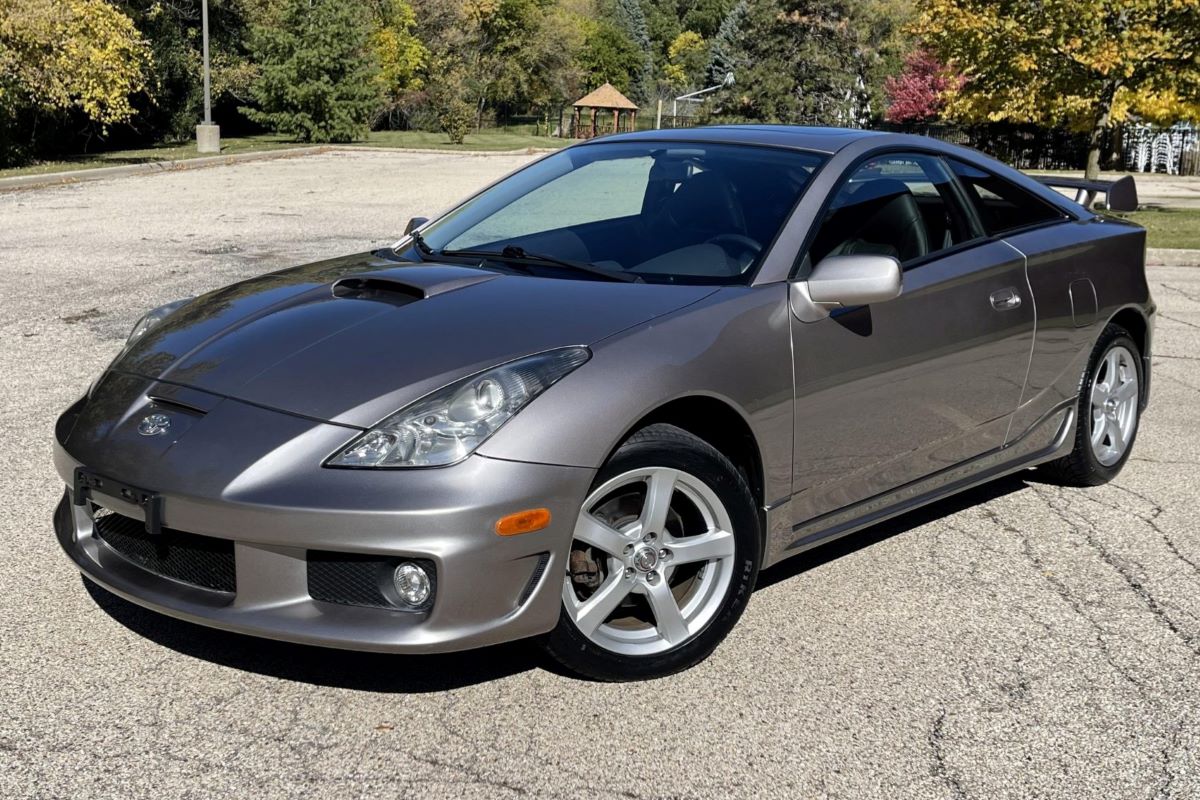
The Toyota Celica is one of those rare cars that has managed to leave a lasting impression on drivers across generations.
From its introduction in the 1970s to its final production run in 2006, the Celica built a reputation for being stylish, fun to drive, and most importantly remarkably reliable.
While the Celica isn’t on Toyota’s production line anymore, thousands still roam American roads, owned by enthusiasts who appreciate its sporty charm and dependable performance.
But like any aging vehicle, keeping a Celica running smooth for life requires a little extra care and attention. Fortunately, there are some simple habits and maintenance routines that can go a long way in extending its longevity without breaking the bank.
Below, we’ll dive into ten easy wins that will help you keep your Toyota Celica in top shape for decades to come.
1. Stick to Regular Oil Changes
Engine oil is the lifeblood of any car, and for the Celica especially models with the high-revving 1.8-liter 2ZZ-GE engine in the GT-S keeping the oil fresh is crucial.
Old, dirty oil not only loses its lubricating properties but can also cause premature wear in components like the variable valve timing system (VVTL-i).
Many Celica owners have found that sticking to oil changes every 3,000–5,000 miles is the best way to prevent costly engine issues down the line. Using high-quality synthetic oil designed for performance engines is another win that helps reduce friction and heat.
2. Keep an Eye on the Cooling System
Overheating is one of the silent killers of older cars, and the Celica is no exception. The aluminum block and head in the Celica’s engine don’t take kindly to excessive heat, which can lead to head gasket problems.
Simple steps like flushing the coolant every two to three years, replacing worn radiator hoses, and making sure the thermostat and water pump are functioning properly can make all the difference.
Investing in a fresh radiator or upgraded cooling system can also help if you live in a hot climate or drive aggressively.
3. Don’t Neglect Transmission Service
Both the manual and automatic transmissions in the Toyota Celica are generally durable, but they still benefit from regular care.
Manual owners should keep an eye on the clutch and make sure transmission fluid is changed around every 60,000 miles.
For automatics, fluid changes and filter replacements are equally important, as neglected transmission service can lead to slipping gears and costly rebuilds. It’s a small step that protects one of the car’s most expensive components.
It’s an easy component to overlook, but ignoring it can lead to serious consequences. Skipping regular maintenance doesn’t just risk a rough or bumpy ride, it can also result in costly repairs and reduced performance over time.
Unusual noises or rough gear shifts are warning signs you shouldn’t ignore, as they may indicate deeper transmission issues. Understanding the risks and knowing when to service your transmission is essential, and the impact of neglecting this critical system is far greater than most drivers realize.
The transmission plays a vital role in keeping your vehicle running smoothly, serving as the backbone that transfers power seamlessly from the engine to the wheels. Without proper care, numerous operational issues can arise, disrupting performance and reliability.
Fluid quality is especially important, high-quality transmission fluid lubricates gears, dissipates heat, and ensures efficient operation. When fluid becomes contaminated or breaks down, it leads to overheating, friction, and eventually system failure.
Transmission maintenance goes beyond simple checks; it requires awareness of how the system works and why fluid integrity matters.
By prioritizing this, you can extend the life of your transmission, avoid major repairs, and enjoy a better driving experience. Ignoring this essential component could leave your vehicle stranded.
Neglecting transmission maintenance often reveals itself through noticeable warning signs. Gear-shifting problems, such as hesitation or rough changes, are among the first indicators, frequently caused by low or dirty fluid.
Strange noises, like grinding or whining when the car is in gear, are another clear red flag. These issues only get worse if ignored, leading to more expensive repairs. While some may downplay the importance of transmission care, regular fluid checks and replacements are non-negotiable for preventing overheating and internal damage.
A sluggish vehicle or delayed acceleration can also point to transmission trouble. Recognizing these early signs is key to preventing long-term damage and keeping your car in peak condition.
Sticking to recommended service intervals is one of the most effective ways to avoid transmission problems. Fluid changes are generally advised every 30,000 to 60,000 miles, depending on your driving habits and transmission type.
For vehicles that endure heavy use, frequent towing, or stop-and-go traffic, shorter intervals may be necessary. Filter replacement is just as important, with a recommended change every 30,000 miles to prevent debris buildup and costly failures.
Routine inspections provide an opportunity to detect small problems before they become larger ones, saving both money and time. If you’re considering performance upgrades, remember that pushing your vehicle harder may affect service intervals and even warranty coverage.
Several factors can influence how often you’ll need transmission maintenance. Fluid quality is a major one, as exposure to heat and contaminants degrades fluid faster and increases wear. Driving habits also play a large role, frequent towing, aggressive acceleration, or constant city traffic put more strain on the system, requiring more frequent service.
Environmental conditions matter as well; extreme heat or cold can alter fluid performance and stress the transmission. Adjusting your maintenance schedule to account for these variables helps preserve the system’s health and longevity.
DIY transmission maintenance is both practical and cost-saving if done correctly. Start by checking the fluid level and condition, low, dark, or burnt-smelling fluid is a warning sign that it needs to be changed.
Replacing transmission fluid involves draining out the old fluid and adding new, high-quality fluid, a process most car owners can manage with the right tools. Filter replacement, though slightly more involved, is also critical since the filter prevents debris from circulating through the system.
A clogged filter restricts fluid flow, increasing the risk of overheating and eventual failure. With patience and some basic mechanical skill, both tasks are manageable at home.
That said, there are distinct benefits to professional transmission service. Mechanics have specialized tools and expertise to detect issues that DIY methods might miss.
They ensure the correct type and amount of fluid is used, something that is essential to avoid serious damage. Professional service also provides you with a documented service history, which boosts resale value and helps track recurring issues over time.
Many shops also offer warranties on their work, providing peace of mind and coverage if problems arise afterward, something DIY maintenance can’t offer.
Common transmission problems often start small but escalate quickly if ignored. Low or dirty fluid is one of the leading causes of failure, as it robs components of necessary lubrication and increases wear. Gear slippage, when a car unexpectedly shifts out of gear or struggles to stay engaged, is another common and dangerous issue, especially during acceleration.
Delayed response when pressing the accelerator can also signal transmission trouble, creating unsafe situations on the road. Catching these issues early, especially through regular fluid checks, can prevent them from developing into costly failures.
The financial impact of ignoring transmission maintenance is significant. Routine care may cost a few hundred dollars per year, but neglect can easily lead to repair bills in the thousands, or even a full transmission replacement.
Beyond the cost, a failing transmission reduces fuel efficiency, stresses other parts of the vehicle, and increases the risk of breakdowns that leave you stranded. In contrast, keeping up with maintenance preserves performance, extends the system’s lifespan, and saves you money in the long run.
Finally, choosing the right repair shop is critical when professional service is needed. Seek out specialists who focus on transmission work rather than general repairs, as they’ll have the tools and expertise to handle the job correctly.
Strong warranties are another sign of quality service, showing that the shop stands behind its work. Customer reviews and recommendations can help identify trustworthy shops, while certifications and affiliations with reputable industry organizations demonstrate a commitment to high standards.
By carefully selecting where you take your vehicle, you’ll protect your investment and ensure reliable service for one of your car’s most vital systems.
4. Rotate and Balance Tires Frequently
The Celica was designed to handle like a true sports coupe, with sharp steering and responsive suspension. But uneven tire wear can rob the car of its handling prowess.
Rotating and balancing your tires every 6,000–8,000 miles not only keeps the ride smooth but also extends the life of your tires, saving you money.
Alignment checks are another easy win especially if you drive on rough roads or notice uneven tread wear. A well-aligned Celica feels agile and planted, exactly as Toyota intended.
5. Replace Timing Components on Schedule
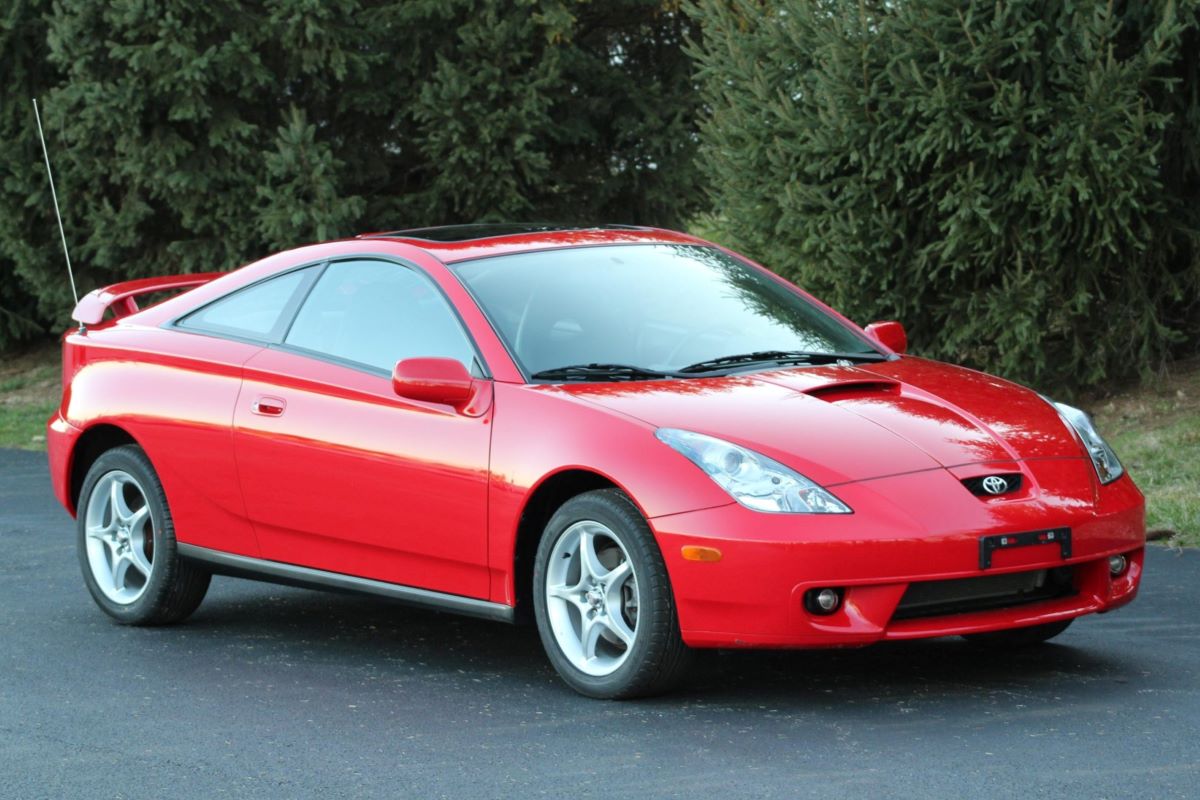
For Celicas with timing belts (like older models), replacing the belt every 90,000–100,000 miles is non-negotiable. A snapped timing belt can spell disaster for the engine, leading to bent valves and catastrophic damage.
Even later models with timing chains benefit from attention, as chains can stretch over time if oil changes are neglected. Staying proactive about timing component maintenance ensures your Celica’s engine keeps spinning happily for years.
Your car’s timing belt is one of the most critical components in your engine, yet it’s often overlooked. Because it’s hidden inside the engine and doesn’t show obvious signs of wear, most drivers don’t give it much thought until it fails.
Unfortunately, when a timing belt wears out or snaps, the consequences can be severe, leading to extensive engine damage and very costly repairs.
A worn or broken belt throws off engine timing, which can cause misfires, loss of power, or even complete engine failure. The good news is that replacing it on schedule prevents these issues and keeps your engine performing at its best.
This guide will explain when to replace your timing belt, the warning signs to watch for, and the preventative measures you can take to avoid unexpected and expensive breakdowns. A timing belt is a durable, toothed rubber belt that keeps engine components synchronized.
Unlike the serpentine belt, which powers accessories such as the alternator and power steering pump, the timing belt ensures precise coordination between the pistons and valves, which is essential for efficient combustion and overall performance.
It keeps the camshaft and crankshaft rotating in perfect harmony, prevents pistons from colliding with valves if it breaks, and allows the engine to run smoothly without misfires or power loss.
Most manufacturers recommend replacing the timing belt somewhere between 60,000 and 100,000 miles, although the exact mileage varies by make and model. The best source for your car’s interval is your owner’s manual.
Several factors influence how quickly a timing belt may wear, including driving conditions such as stop-and-go traffic, extreme temperatures, or towing.
Even if you haven’t hit the mileage threshold, the age of the belt alone can make it unsafe. Oil or coolant leaks are another common culprit, as they can weaken the belt material and cause premature failure.
Recognizing the symptoms of a failing timing belt can save you from unexpected breakdowns and prevent engine damage. A ticking or clicking sound coming from the engine bay often points to a belt that is worn and struggling to maintain tension.
Misfires or rough idling can occur if the belt slips and causes improper valve timing. If your car is suddenly difficult to start, or doesn’t start at all, the timing belt may have skipped teeth or completely failed.
In some cases, a visual inspection may reveal cracks, fraying, or heavy wear, all of which signal imminent failure. Oil leaks near the timing cover are another warning sign, often indicating that worn seals are allowing oil to seep onto the belt.
To illustrate the risks of waiting too long, consider a case involving a 2012 Subaru Outback. The customer came in complaining of a loud ticking sound from the engine along with occasional misfires.
They had exceeded the recommended replacement mileage but had never changed the timing belt. Upon inspection, the belt was found to be badly worn and beginning to fray. It had slipped slightly, throwing off the engine’s timing and causing misfires.
The solution was to replace the timing belt along with the water pump and tensioners, ensuring the issue wouldn’t reoccur. After the repair, the engine ran smoothly once again, and the customer avoided complete engine failure. If the belt had snapped, the cost of repair would have been significantly higher.
When replacing a timing belt, it’s often wise to replace related parts at the same time for long-term reliability. The water pump, which is frequently driven by the timing belt, is a common addition since replacing both at once avoids future labor costs.
Tensioners and idler pulleys should also be replaced, as worn-out components can cause a new belt to fail prematurely. Likewise, camshaft and crankshaft seals should be renewed to prevent leaks that could shorten the life of the replacement belt.
Preventative maintenance is the best way to extend the life of your engine and reduce the risk of a breakdown. Always follow the replacement schedule outlined by your vehicle’s manufacturer, and have your mechanic inspect the timing belt during routine service appointments.
Address oil or coolant leaks immediately to avoid belt deterioration. Whenever you replace the timing belt, replace related components such as the water pump and tensioners at the same time. Most importantly, never drive for long with a failing belt. If you notice symptoms of wear, schedule a replacement immediately to prevent catastrophic engine damage.
In conclusion, the timing belt is one of the most vital yet overlooked parts of your engine. Failing to replace it on time can lead to severe damage and repairs that cost thousands of dollars.
By keeping up with manufacturer recommendations, recognizing early warning signs, and replacing related components as needed, you’ll protect your engine, improve fuel efficiency, and ensure long-term reliability.
A well-maintained timing belt keeps your vehicle running smoothly and saves you from unexpected and costly breakdowns. If your car is past its recommended interval or is showing symptoms of belt wear, don’t wait, get it inspected and replaced before it leaves you stranded.
6. Upgrade the Suspension Gradually
The suspension system on the Celica was engineered for sporty driving, but after decades on the road, bushings, shocks, and struts start to wear out. Replacing them not only restores ride quality but also keeps the car safe during cornering.
Many owners take this opportunity to upgrade to performance suspension kits, which improve handling without sacrificing comfort.
Whether you stick to OEM replacements or go for aftermarket upgrades, refreshing the suspension is an easy win that transforms how the Celica feels on the road.
7. Protect Against Rust
Rust is a creeping enemy for older cars, particularly in states that use road salt during the winter. While the Celica generally holds up well against corrosion, the underbody, wheel wells, and rocker panels are common trouble spots.
Regularly washing the undercarriage, applying rust-proof coatings, and inspecting vulnerable areas during oil changes are all simple but effective habits. Catching rust early prevents small spots from turning into major structural problems.
8. Keep Electrical Components in Check
As the Celica ages, its electrical system becomes more prone to quirks. Issues like failing alternators, weak batteries, or corroded connectors can cause frustrating problems, from dim headlights to starting troubles.
Checking battery terminals, replacing old fuses, and upgrading to modern LED lighting where appropriate are easy ways to keep the electrical system reliable.
This is especially important in later models, which use more electronics than their earlier counterparts.
9. Use Quality Fuel and Additives Occasionally
The Celica’s engines are built to be reliable, but they perform best on quality fuel. While regular unleaded is sufficient for most models, using premium fuel occasionally particularly for the GT-S can improve responsiveness.
Adding a fuel injector cleaner every few thousand miles also keeps the system free of buildup, ensuring smoother idling and better fuel economy. This small investment helps prevent costly repairs down the line.
Fuel additives are chemical compounds formulated to enhance the performance of fuel, clean internal engine components, and promote better combustion. They are typically poured directly into the gas tank, where they mix with fuel and circulate through the engine as you drive.
Widely available at auto parts stores, gas stations, and online retailers, these products come in several varieties, each tailored to address specific issues within the engine and fuel system.
One of the most common types is fuel system cleaners, which are designed to remove carbon deposits and buildup from fuel injectors, intake valves, and combustion chambers.
These cleaners rely on detergents and solvents to break down residue, allowing the engine to burn fuel more efficiently. They are especially useful for vehicles experiencing rough idling, sluggish acceleration, or declining fuel economy. Another popular option is fuel stabilizers, which help prevent fuel from breaking down over time.
By slowing the oxidation process, stabilizers reduce the formation of varnish and gum, making them particularly beneficial for vehicles that sit unused for long periods, such as seasonal cars, boats, or classic vehicles kept in storage.
10. Stay Consistent With Preventive Maintenance
Perhaps the biggest win of all is simply staying consistent. The Celica doesn’t demand exotic care, but it thrives when owners pay attention to small details.
Things like replacing air filters, changing spark plugs, and keeping the brakes in good condition may seem routine, but they add up to a car that feels fresh even decades after it left the factory.
The Celica is a car that rewards consistency owners who baby their Celica with regular checkups often find it runs smoother than newer vehicles with laxer care.
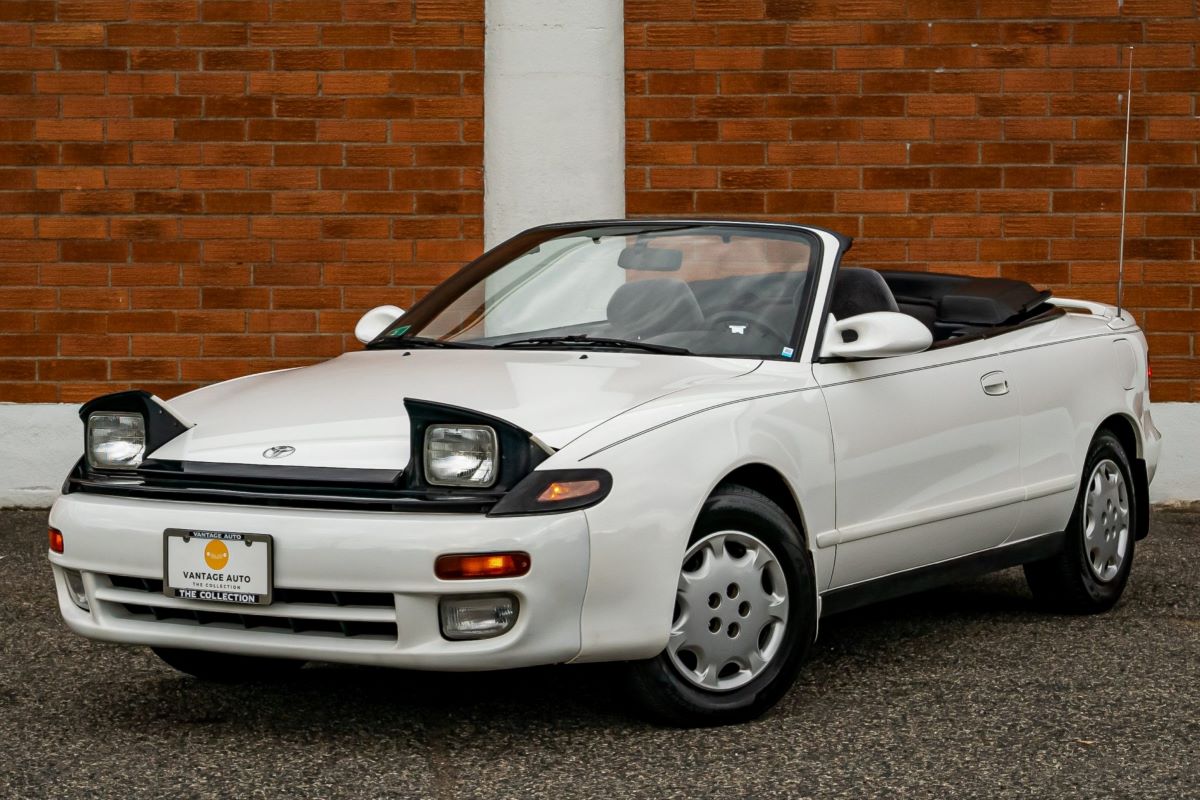
The Toyota Celica may be a discontinued model, but it remains a beloved classic among American drivers who value reliability and style wrapped into one.
With sporty handling, timeless looks, and Toyota’s legendary engineering, the Celica has all the makings of a car worth preserving.
By following these ten easy wins from simple oil changes to proactive rust prevention you can keep your Celica running smooth for life.
The truth is, the Celica doesn’t just survive on good engineering; it thrives on attentive ownership.
Whether you own a sixth-generation coupe or the final seventh-generation GT-S, these small steps ensure that your Celica continues delivering spirited drives and worry-free reliability for decades to come.
In an age when new cars are increasingly complex and costly, there’s something satisfying about knowing a well-cared-for Celica can still turn heads and deliver joy mile after mile.
