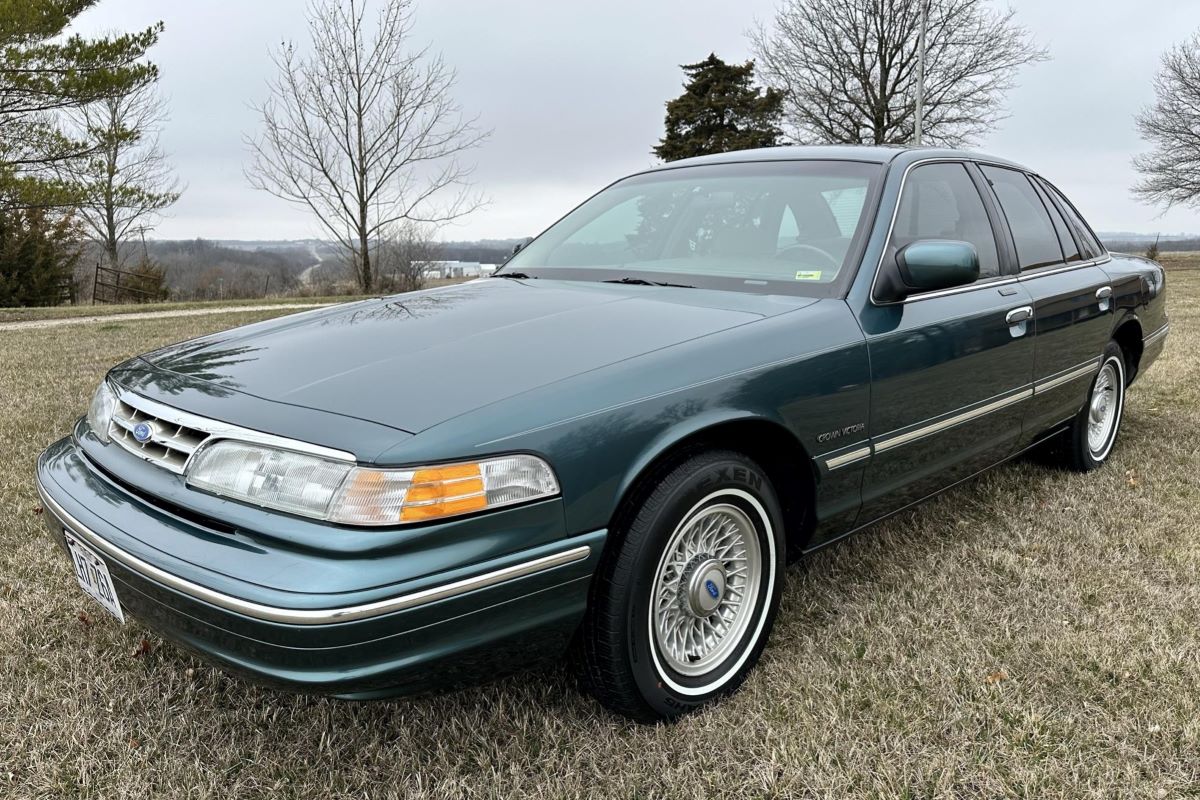
The Ford Crown Victoria, often affectionately called the “Crown Vic,” holds a special place in American automotive history.
From serving as a reliable family sedan to becoming an icon in police fleets and taxi services, the Crown Vic built its reputation on durability, comfort, and old-school engineering.
Known for its body-on-frame construction, rear-wheel drive, and relatively simple V8 powertrain, the car is famous for running hundreds of thousands of miles when cared for properly.
In fact, many U.S. police departments and taxi companies relied on them well past the 200,000-mile mark, praising the car’s ability to keep going with minimal fuss.
But while the Crown Victoria is built like a tank, it isn’t indestructible. Neglecting key maintenance steps or pushing the car too hard in the wrong ways can dramatically shorten its lifespan.
For owners who want their Crown Vic to last decades, it’s important to know what pitfalls can bring an early end to this legend of American roads. Below, we’ll break down eight common things that kill a Ford Crown Victoria too soon and what you can do to prevent them.
1. Neglecting the Cooling System
The 4.6-liter V8 under the Crown Victoria’s hood is generally bulletproof, but it has one critical weakness: heat. Overheating can warp cylinder heads, blow head gaskets, and shorten engine life drastically.
Many owners forget to flush the radiator, replace coolant regularly, or check the water pump and hoses for wear. A small coolant leak can quickly spiral into major engine damage.
Because these cars are often used in stop-and-go driving, like police patrols or city taxis, the cooling system works harder than in most vehicles. Staying on top of coolant flushes and radiator inspections is key to keeping the Crown Vic’s heart beating strong.
It’s a situation many drivers don’t consider until it’s too late. Imagine yourself cruising on the highway and suddenly noticing the engine temperature rising.
That warning sign is something you don’t want to ignore. Coolant is essential for your vehicle, and without it, the risks multiply quickly.
Coolant plays a crucial role in keeping your engine safe and functional. It works by absorbing the heat produced by the engine and transferring it through the radiator so it can dissipate. This process keeps the engine within its optimal temperature range, helping it run efficiently while preventing severe damage.
When coolant levels are low, the engine can overheat, placing stress on critical components and potentially leading to extremely costly repairs. That’s why checking coolant levels regularly and addressing leaks immediately is one of the smartest ways to maintain your engine’s health.
There are several types of coolant designed to meet different engine needs. Ethylene glycol is the most common and is valued for its excellent heat transfer and freeze protection. Propylene glycol, which is less toxic, is often found in hybrid and electric vehicles.
Organic Acid Technology, or OAT, is a non-toxic coolant that provides long-lasting protection by guarding against corrosion. Inorganic Acid Technology, or IAT, is more traditional and used mostly in older vehicles, but it requires more frequent changes to prevent damage.
Choosing the right coolant for your vehicle is essential, and your owner’s manual will provide the exact specifications you need to follow.
Driving without coolant, however, can have serious and immediate consequences. Without it, the engine temperature can rise dramatically within minutes. Since the engine has no way to release the excess heat, it overheats rapidly, which can cause the temperature gauge to spike or a dashboard warning light to activate.
Prolonged overheating leads to severe damage. Cylinder heads can warp or crack under extreme heat, gaskets can fail and allow fluids to mix or leak, and pistons can expand, causing them to seize or damage the cylinder walls. Repairing these issues often runs into thousands of dollars, making prevention far more affordable than the fix.
Recognizing the signs of coolant loss early can save your engine. Warning indicators include dashboard lights tied to temperature or engine problems, rapidly climbing temperature gauge readings, visible coolant leaks that form green, orange, or pink puddles beneath the vehicle, and steam coming from under the hood either while driving or when parked.
Ignoring these symptoms can lead to catastrophic engine failure, but addressing them right away helps maintain your engine’s performance and longevity.
Coolant loss usually stems from a few common issues. One of the most frequent causes is leakage in the cooling system, often due to worn hoses, a damaged radiator, or failing connections. These can develop small cracks or holes over time.
Drivers may notice a sweet smell near the engine compartment or see puddles under the car. Evaporation is another issue, particularly in high-temperature environments, and lack of maintenance only worsens the problem.
Old coolant eventually breaks down and loses its ability to regulate heat effectively, making the engine more vulnerable to overheating.
Preventing these problems is fairly straightforward. Regularly checking coolant levels, inspecting hoses and radiators for leaks, and replacing old coolant according to the vehicle’s maintenance schedule are the best steps you can take.
Establishing a consistent maintenance routine and keeping an eye on the temperature gauge while driving will help you avoid expensive repairs and ensure your car stays reliable. A little attention to your coolant system goes a long way in protecting your vehicle and keeping it running smoothly for years to come.
Also Read: 10 Habits That Destroy a Nissan Altima Transmission Early
2. Ignoring Transmission Service
The four-speed automatic transmission in the Crown Victoria isn’t fancy, but it’s reliable if maintained. Too many owners treat it as a “sealed for life” unit, never changing the transmission fluid or filter. This neglect leads to slipping gears, hard shifts, or outright failure.
For a car that was often asked to idle for long periods and then accelerate hard, proper transmission maintenance is essential.
A fluid and filter change every 30,000 to 50,000 miles helps prevent overheating and extends transmission life. Without this care, even the sturdy 4R70W transmission won’t last.
3. Overlooking Suspension Wear
One of the Crown Vic’s best traits is its smooth, comfortable ride. That’s thanks to its large suspension components, including coil springs, shocks, and control arms.
However, when suspension parts wear out, owners often keep driving until the ride quality becomes unbearable. Neglecting suspension issues not only ruins comfort but also puts extra stress on other parts of the car, including tires and steering components.
Many ex-police vehicles suffer from worn-out suspension bushings and ball joints because of their hard service life. Replacing these parts when needed is an investment that keeps the Crown Vic safe and pleasant to drive.
4. Skipping Oil Changes
The 4.6-liter V8 is known to last over 300,000 miles in some cases, but not without regular oil changes. Many Crown Victorias suffered early engine failures simply because owners skipped oil service intervals.
Old oil breaks down, leaving sludge that clogs passages and starves the engine of lubrication. The Crown Vic may not be picky about oil type, but consistency is critical.
For most drivers, 3,000 to 5,000-mile oil changes are a safe bet. With fresh oil and a good filter, this engine can handle years of reliable use. Without it, the legendary longevity disappears.
You already know that your car depends on oil to keep everything running smoothly, but many people underestimate just how crucial regular oil changes are. Engine oil has the important job of lubricating moving parts, reducing friction, and carrying away heat to prevent damage.
When oil changes are skipped, that protective barrier begins to break down. The oil gets dirty and loses its ability to shield the engine from wear and tear.
At first, the effects might not be obvious, but over time the stress on the engine builds. It’s similar to neglecting to drink water, your body doesn’t fail instantly, but eventually, you feel the strain. Your car is no different; it needs clean oil to stay healthy and perform at its best.
Old oil doesn’t just stop lubricating, it actively starts causing damage. As it breaks down, it turns into sludge and leaves deposits that clog the narrow passageways inside the engine. This makes it harder for oil to circulate and do its job, which raises engine temperatures and hurts performance.
You might start to notice unusual noises, sluggish acceleration, or warning lights on your dashboard, all of which are signals that something is wrong. Ignoring oil changes means you’re letting microscopic metal shavings, dirt, and combustion byproducts build up inside the engine, leading to grinding and excessive wear.
Many drivers delay oil changes because they think they’re saving time and money, but in reality, the opposite is true. Replacing oil and filters is one of the cheapest and simplest types of maintenance you can do for your vehicle.
Compare that to the thousands of dollars it could cost to repair or replace an engine ruined by neglect, and suddenly routine oil changes feel like a bargain. Think of them as insurance for your car’s longevity.
By handling these small, regular services now, you’re protecting yourself from major breakdowns later. Plus, a well-maintained engine holds its value better, which means you’ll benefit financially when it’s time to sell or trade in your car.
Skipping oil changes also carries consequences beyond your vehicle, it impacts the environment and the community around you.
Old, dirty oil burns less efficiently, leading to more harmful emissions being released into the air. That means more pollution for you and your neighbors to breathe.
Also Read: 10 Best Hacks That Help a Chevy Beretta Run Strong Past 150k
5. Rust and Corrosion Damage
While Crown Victorias were built tough, they aren’t immune to rust. Cars driven in northern states, where road salt is common, often suffer from frame and underbody corrosion.
Once rust takes hold, it weakens structural integrity and makes repairs more costly. Unfortunately, many police fleet vehicles were exposed to harsh conditions without regular underbody washes, leading to premature rust issues.
For owners today, preventative measures like undercoating, rustproofing, and regular washing in winter months are essential to keeping the car solid for the long run.
6. Electrical Problems from Neglect
The Crown Victoria’s electrical system is relatively simple compared to modern cars, but ignoring small issues can lead to big headaches.
Alternators, battery terminals, and wiring harnesses are common failure points. For vehicles that spent years idling with police lights and electronics running, electrical wear is even more likely.
When owners don’t replace weak batteries or address failing alternators promptly, it can leave them stranded. Taking care of the electrical system ensures reliable starts and avoids unnecessary breakdowns.
Neglecting auto electrical issues may seem like a small inconvenience, but it can quickly lead to major problems and expensive consequences.
What might begin as something minor, like a flickering dashboard light or a malfunctioning power window, can escalate into much bigger issues if ignored. Over time, those warning signs put added strain on electrical components, turning what could have been a quick, inexpensive fix into a costly repair job.
Electrical problems don’t just affect convenience, they can also hurt your wallet at the pump. A failing ignition system or malfunctioning oxygen sensor can reduce your vehicle’s fuel efficiency, forcing you to spend more on gas while signaling deeper issues that need attention.
If these problems are left unresolved, fuel efficiency only gets worse, which means higher long-term costs. Perhaps the most disruptive outcome of neglecting electrical repairs is the risk of sudden breakdowns.
A dead battery, faulty alternator, or failing starter can leave you stranded without warning, requiring towing and emergency repairs. Not only does this come with immediate expenses, but it also throws off your schedule and could lead to further mechanical problems if the underlying issue worsens.
Electrical issues can also create serious safety hazards. Dim headlights, non-functioning brake lights, or a faulty airbag system can compromise your ability to see and be seen on the road.
These failures increase the risk of accidents and put you, your passengers, and other drivers in danger. Ignoring such hazards isn’t just a safety risk, it could also carry legal and financial consequences if an accident occurs.
Beyond safety and reliability, unresolved electrical problems can hurt your car’s resale value. Potential buyers often see electrical issues as red flags that suggest deeper problems with the vehicle, making them less likely to pay top dollar.
A poor repair history can further diminish the car’s appeal, resulting in lower offers and longer selling times. In the short term, skipping electrical repairs might feel like you’re saving money, but in reality, the costs add up in more ways than one.
From escalating repair bills and declining fuel efficiency to unexpected breakdowns, safety concerns, and reduced resale value, the risks of ignoring these problems far outweigh the savings. Addressing electrical issues promptly and relying on professional repairs when needed ensures that your vehicle remains safe, reliable, and valuable for years to come.
7. Abusing the Car with Hard Driving
The Crown Vic was often used in demanding roles chasing suspects, carrying heavy loads of passengers, or running as a taxi all day long.
While the car was designed to handle abuse, privately owned vehicles shouldn’t be treated the same way. Hard driving like constant full-throttle acceleration, burnouts, or towing beyond the car’s limits will wear out the drivetrain prematurely.
Some enthusiasts push the Panther platform harder than it was intended, only to find the car doesn’t last nearly as long. Respectful driving habits are one of the simplest ways to keep a Crown Vic alive for decades.
8. Failing to Address Small Repairs Quickly
One of the biggest mistakes Crown Victoria owners make is ignoring small issues until they snowball. A check engine light might point to a simple sensor failure, but leaving it unchecked can cause bigger damage over time.
A small oil leak, left alone, can ruin gaskets or drip onto the exhaust, creating fire hazards. Even something as basic as ignoring worn-out tires can lead to suspension strain or dangerous driving conditions.
The Crown Vic rewards attentive owners; those who wait too long often pay a heavy price.
Maintaining your car in excellent condition is essential for safe and cost-effective driving. Spotting potential issues early not only helps prevent sudden breakdowns but also saves you from costly repairs. This guide will walk you through how to recognize common car problems and address them effectively.
Understanding your car’s warning signs is the first step to avoiding major issues. Strange noises are often an early indicator, squealing brakes usually point to worn pads, engine knocking can suggest low oil, and rattling sounds might mean loose parts.
Addressing these noises promptly can prevent further damage. Your dashboard warning lights are another vital communication tool. A check engine light might mean something as simple as a loose gas cap or as serious as engine trouble, while the ABS light signals braking system issues, and the oil pressure light warns of low oil levels or a failing pump.
Ignoring these alerts often leads to bigger problems. Unusual smells can also be red flags. A burning odor may indicate overheating brakes or clutch, while a sweet smell often points to a coolant leak. Acting quickly when you notice these scents is crucial.
Even changes in how your car drives, like pulling to one side, uneven braking, or sluggish acceleration, could signal alignment, brake, or engine issues. Paying attention to these shifts in handling keeps you ahead of potential failures.
Being aware of the most common car repair problems can save both time and money. Brake issues are frequent, often showing up as squeaking, grinding, or reduced stopping power, which usually stem from worn pads or low brake fluid.
Engine overheating is another problem, commonly caused by coolant leaks, a failing thermostat, or a faulty radiator, making it important to check coolant levels regularly.
Battery failures are also common, typically caused by terminal corrosion or long periods of inactivity, so keeping the battery charged and clean is essential.
Uneven tire wear or vibrations while driving often indicate alignment or suspension issues, and regular rotations and alignments can help extend tire life and improve overall handling.
The right approach to maintenance ensures your car stays roadworthy. Some maintenance can be done at home, such as checking and topping off oil, monitoring tire pressure monthly, and inspecting coolant and brake fluid levels for leaks.
But when persistent warning lights, strange noises, or performance problems occur, it’s best to consult a professional mechanic. Choosing an ASE-certified mechanic with a solid reputation ensures reliable repairs. Cost-saving strategies also play a role in upkeep.
Following a regular maintenance schedule, using warranties or insurance for covered repairs, and opting for high-quality aftermarket parts when appropriate can keep expenses in check.
Ultimately, prevention is the best strategy. Sticking to your vehicle’s recommended service schedule, inspecting belts, hoses, and fluid levels regularly, and keeping an emergency kit with jumper cables and basic tools in your car can make a big difference.
By staying proactive, you can stop small problems from turning into costly repairs. Recognizing and addressing issues like unusual noises, dashboard warnings, and performance changes not only extends your car’s life but also ensures your safety on the road.
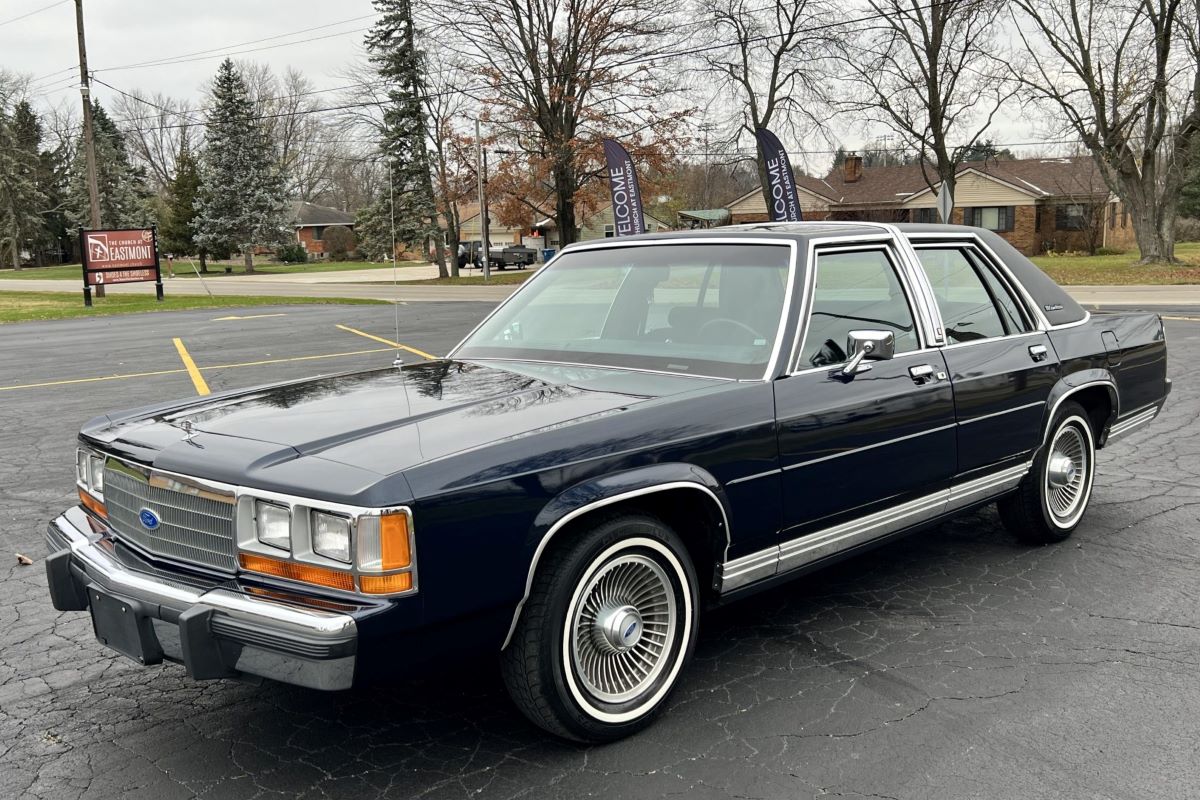
The Ford Crown Victoria has earned its reputation as one of the most durable American sedans ever built. Its loyal following among police officers, taxi drivers, and everyday owners is proof of how well the car was engineered.
But no machine, no matter how tough, can survive abuse and neglect. From cooling system maintenance to rust prevention, every small step in upkeep adds years of life to this classic sedan.
For enthusiasts and daily drivers alike, avoiding these eight pitfalls ensures the Crown Vic continues rolling down American highways for generations to come.