
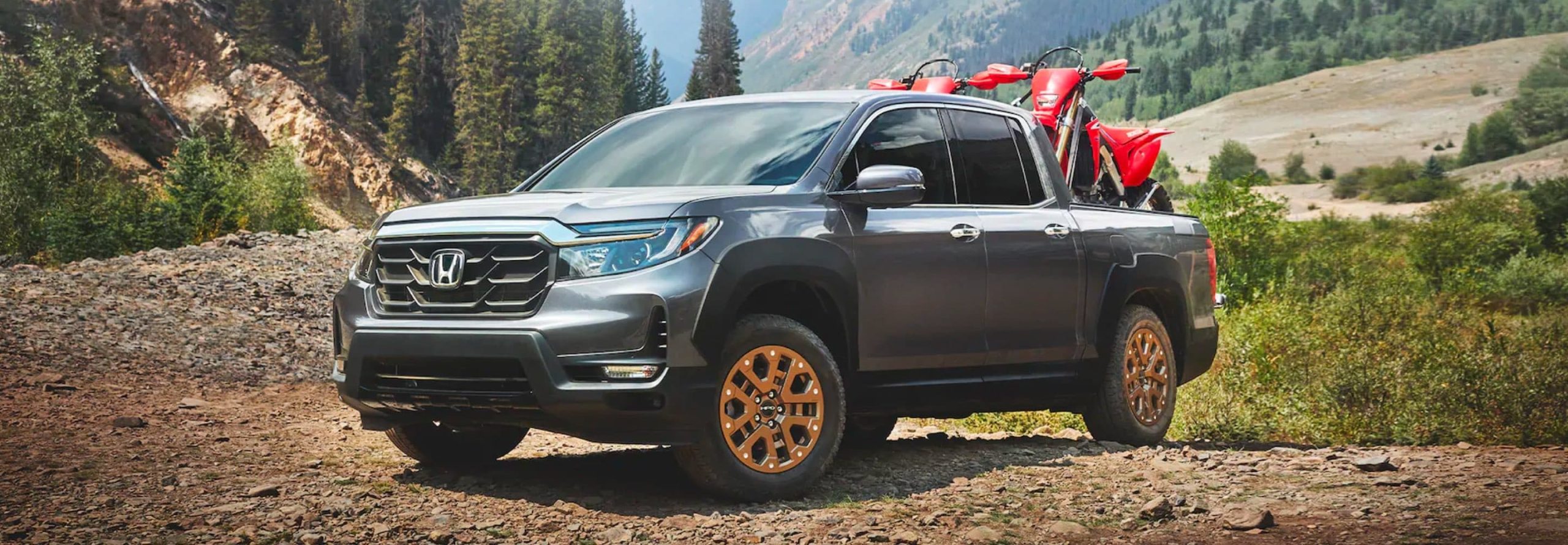
The Honda Ridgeline stands as one of the most reliable pickup trucks in the automotive market today. This unique vehicle has earned its reputation through years of consistent performance and exceptional durability. Many truck owners find themselves asking what makes certain vehicles last longer than others, especially when it comes to towing capacity and long-term reliability.
Honda engineered the Ridgeline with a different approach compared to traditional pickup trucks. Instead of using a body-on-frame construction like most competitors, Honda chose a unibody design that provides superior ride quality while maintaining impressive towing capabilities. This design choice has proven beneficial for owners who need a truck that can handle both daily commuting and weekend towing duties.
The Ridgeline’s longevity stems from Honda’s commitment to quality engineering and attention to detail. Every component in this truck has been designed with durability in mind. From the robust transmission system to the carefully calibrated suspension, each part works together to create a vehicle that can withstand the demands of regular towing without compromising performance.
Proper maintenance plays a crucial role in extending the life of any towing vehicle, and the Ridgeline is no exception. However, this truck’s design makes maintenance more straightforward than many competitors. The accessibility of main components and the reliability of Honda’s engineering mean that owners can keep their trucks running smoothly for decades with proper care.
Understanding what keeps a Honda Ridgeline towing effectively for years requires examining both the mechanical aspects and the maintenance practices that contribute to its longevity. The following ten factors represent the most important elements that ensure your Ridgeline continues performing at its best, whether you’re hauling a boat to the lake or moving equipment for work.
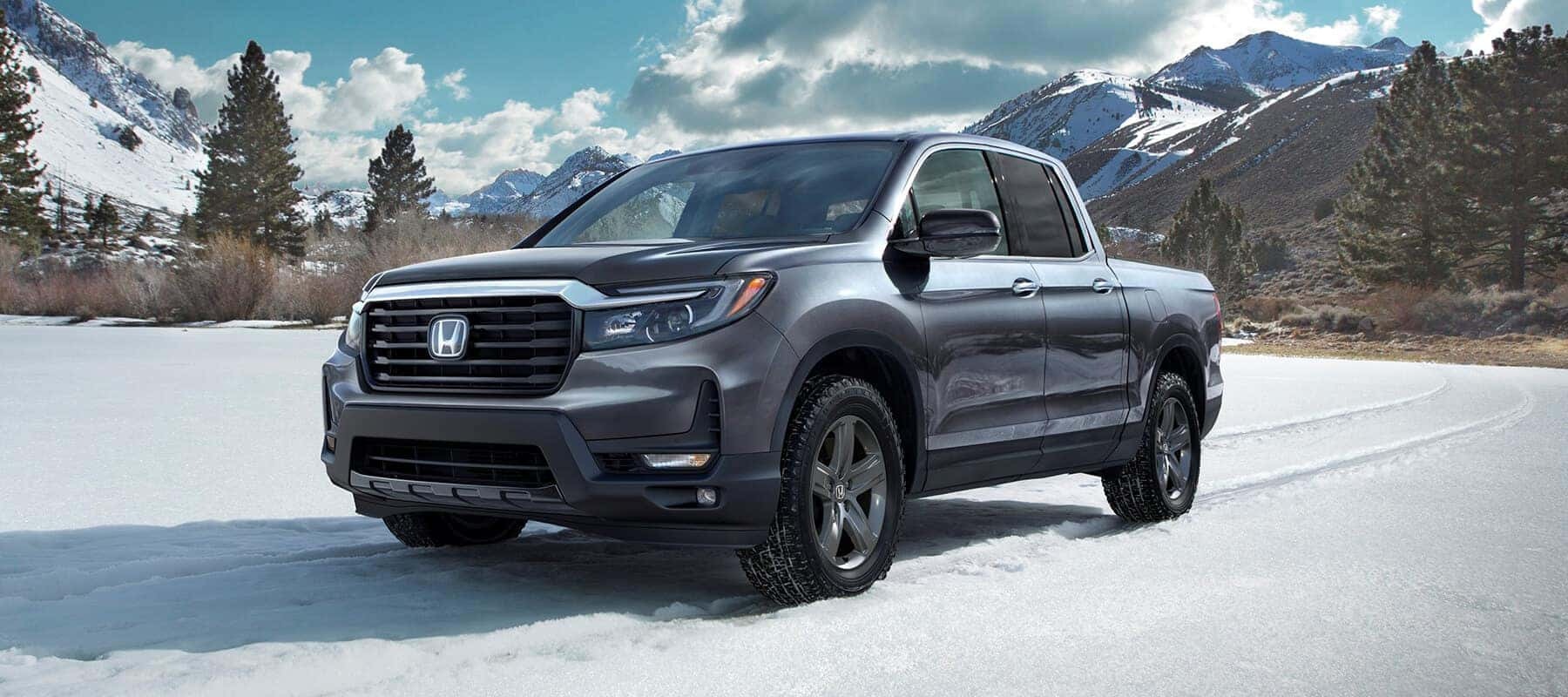
1. Advanced All-Wheel Drive System
The Honda Ridgeline’s Intelligent Variable Torque Management all-wheel drive system represents one of the most sophisticated traction control technologies available in the pickup truck segment. This system continuously monitors road conditions and driving demands to distribute power between the front and rear wheels automatically.
When towing heavy loads, this technology becomes particularly valuable as it helps maintain traction and stability across various terrain types. The system operates using multiple sensors that detect wheel slip, steering angle, and throttle position.
When the computer determines that additional traction is needed, it can transfer up to seventy percent of the engine’s power to the rear wheels. This capability proves essential when launching boats from slippery ramps or going through construction sites with loose gravel while pulling heavy trailers.
Honda designed this all-wheel drive system with longevity in mind. The components are built to withstand the additional stress that comes with regular towing operations.
The transfer case uses high-quality bearings and seals that resist wear even under continuous heavy-duty use. Regular fluid changes help maintain the system’s performance, but the robust construction means that major repairs are rare even after hundreds of thousands of miles.
The electronic nature of this system also contributes to its durability. Unlike mechanical systems that rely on physical components that can wear out, the Ridgeline’s electronic system uses sensors and computer controls that have fewer moving parts. This design reduces the potential for mechanical failure and ensures consistent performance throughout the truck’s lifespan.
Maintenance of the all-wheel drive system requires minimal effort from owners. Honda recommends checking the differential fluid every 30,000 miles and replacing it as needed. The system’s self-monitoring capabilities alert drivers to any potential issues before they become serious problems, allowing for preventive maintenance that keeps the truck towing effectively for decades.
2. Robust V6 Engine Performance
Honda’s 3.5-liter V6 engine provides the Ridgeline with exceptional power delivery and reliability that truck owners have come to depend on for long-term towing applications. This naturally aspirated engine produces 280 horsepower and 262 pound-feet of torque, providing ample power for most towing situations while maintaining excellent fuel economy.
The engine’s design emphasizes durability over peak performance, which contributes to its ability to handle towing duties for many years. The engine block construction uses high-quality aluminum alloy that provides excellent heat dissipation while keeping weight down.
This material choice helps the engine maintain optimal operating temperatures even when working hard to pull heavy trailers up steep grades. The cooling system works in harmony with the engine design to prevent overheating, which is one of the primary causes of engine failure in towing applications.
Honda’s Variable Cylinder Management technology allows the engine to operate on three cylinders during light-load conditions, reducing fuel consumption and engine wear. When towing demands increase, the system seamlessly activates all six cylinders to provide maximum power.
This intelligent operation reduces the entire stress on engine components during normal driving while ensuring full power availability when needed for towing. The timing belt system in the Ridgeline’s engine uses a robust design that can handle the additional stress of towing operations.
Honda engineers selected materials and tension specifications that account for the increased loads that occur during trailer pulling. Regular maintenance of this system, including belt replacement at recommended intervals, ensures continued reliability for decades of towing service.
Oil circulation in the V6 engine receives special attention from Honda engineers. The oil pump and passages are designed to maintain adequate lubrication even during steep climbs or extended periods of high-load operation.
Using the correct oil viscosity and changing it at regular intervals helps maintain engine longevity, but the fundamental design provides excellent protection even under demanding towing conditions.
Also Read: 12 Moves That Kill a Honda CRX Engine Early
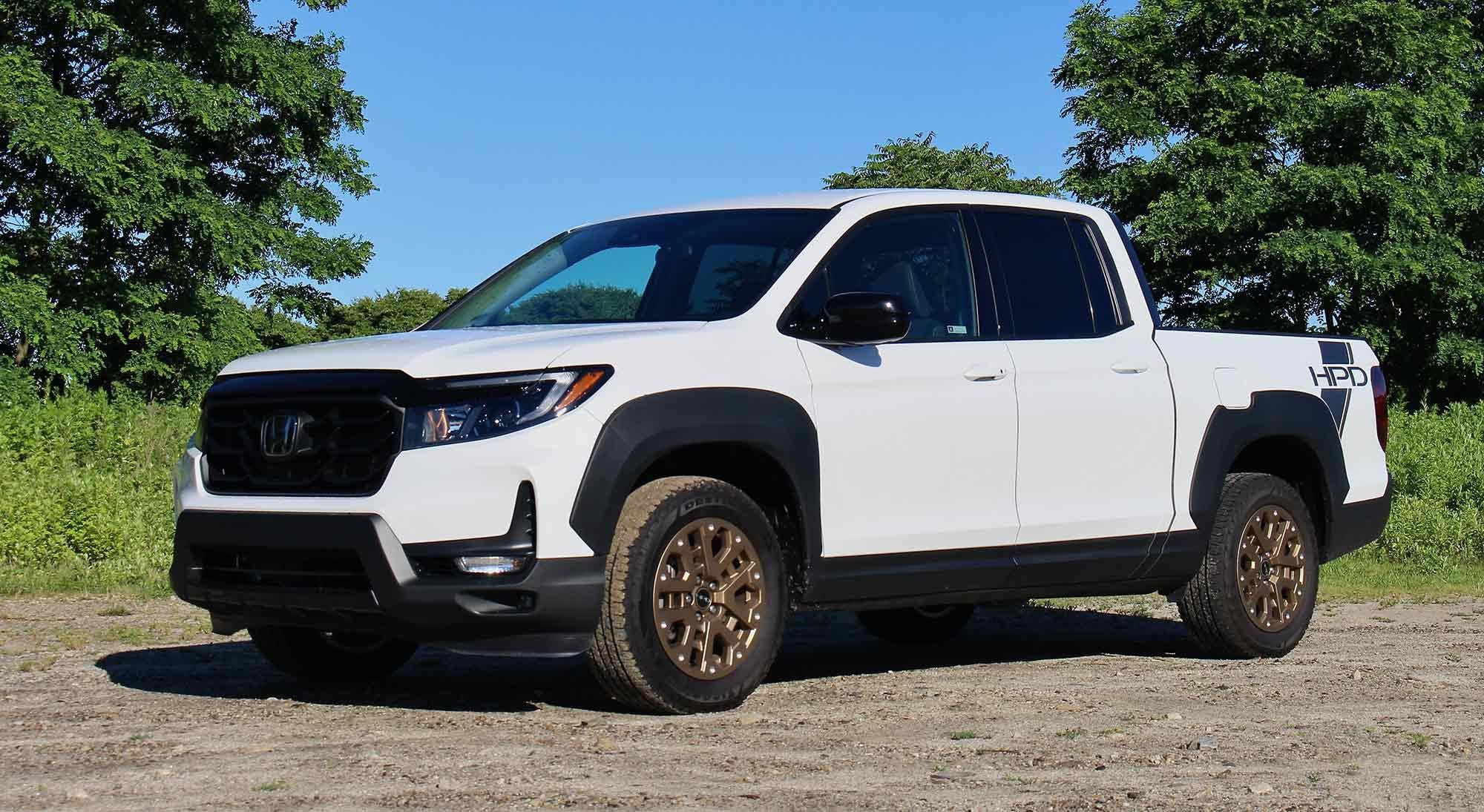
3. Intelligent Transmission Technology
The nine-speed automatic transmission in the Honda Ridgeline represents one of the most advanced systems available for towing applications. This transmission uses intelligent gear change logic that adapts to towing conditions automatically, selecting the appropriate gear ratios to maintain engine efficiency while providing the necessary power for pulling heavy loads. The system recognizes when a trailer is attached and adjusts its operation accordingly.
Honda designed this transmission with multiple electronic control modules that monitor various parameters, including throttle position, vehicle speed, engine load, and transmission temperature. This information allows the system to make thousands of calculations per second to determine the optimal gear selection for current conditions.
When towing, the transmission holds gears longer to maintain power delivery and prevents unnecessary shifting that could cause stress on drivetrain components. The transmission cooling system receives particular attention in the Ridgeline’s design. An external transmission cooler helps maintain optimal fluid temperatures even during extended periods of heavy towing.
This cooling capacity prevents the fluid breakdown that can occur in other vehicles when transmission temperatures rise too high. Keeping transmission fluid cool extends its life and maintains the system’s ability to protect internal components.
Gear ratios in the nine-speed transmission provide excellent flexibility for towing applications. The wide ratio spread allows the engine to operate in its most efficient range during highway cruising while providing low gears that multiply torque for pulling heavy loads from a stop. This design reduces stress on the engine and transmission while improving fuel economy and performance.
Maintenance requirements for the Ridgeline’s transmission are relatively modest compared to other towing vehicles. Honda recommends transmission fluid changes every 60,000 to 90,000 miles, depending on usage conditions, with more frequent changes recommended for severe-duty applications like regular towing.
The transmission’s robust construction and intelligent operation contribute to its ability to provide reliable service for hundreds of thousands of miles when properly maintained.
4. Advanced Cooling Systems
Honda equipped the Ridgeline with a comprehensive cooling system designed specifically to handle the additional heat generated during towing operations. The radiator uses a high-capacity design with multiple rows of cooling tubes and efficient fin construction that maximizes heat transfer.
This system can maintain proper engine temperatures even during extended periods of high-load operation, such as pulling heavy trailers up mountain grades. The cooling system includes multiple temperature sensors that provide the engine management computer with real-time information about coolant temperatures at various points in the system.
This information allows the computer to adjust fan operation, fuel mixture, and ignition timing to prevent overheating while maintaining optimal performance. The system can detect potential cooling problems before they become serious enough to cause engine damage.
Electric cooling fans in the Ridgeline operate independently of engine speed, allowing them to provide maximum airflow when needed, regardless of engine RPM. This design proves particularly beneficial during low-speed towing situations such as backing a boat trailer into the water or maneuvering in tight spaces.
The fans can continue operating even after the engine is turned off if necessary to bring temperatures down to safe levels. Honda’s cooling system design includes provisions for additional cooling capacity when needed.
The system can accommodate auxiliary transmission coolers or engine oil coolers for owners who regularly tow near the vehicle’s maximum capacity. These additions integrate seamlessly with the existing cooling system and help maintain optimal temperatures for all drivetrain components.
Maintenance of the cooling system requires regular attention to coolant levels and condition. Honda specifies a particular type of coolant that provides excellent heat transfer properties and corrosion protection.
The cooling system should be flushed and refilled according to the maintenance schedule to ensure continued reliability. Proper maintenance of this system is crucial for maintaining the truck’s ability to handle towing duties for many years without overheating problems.
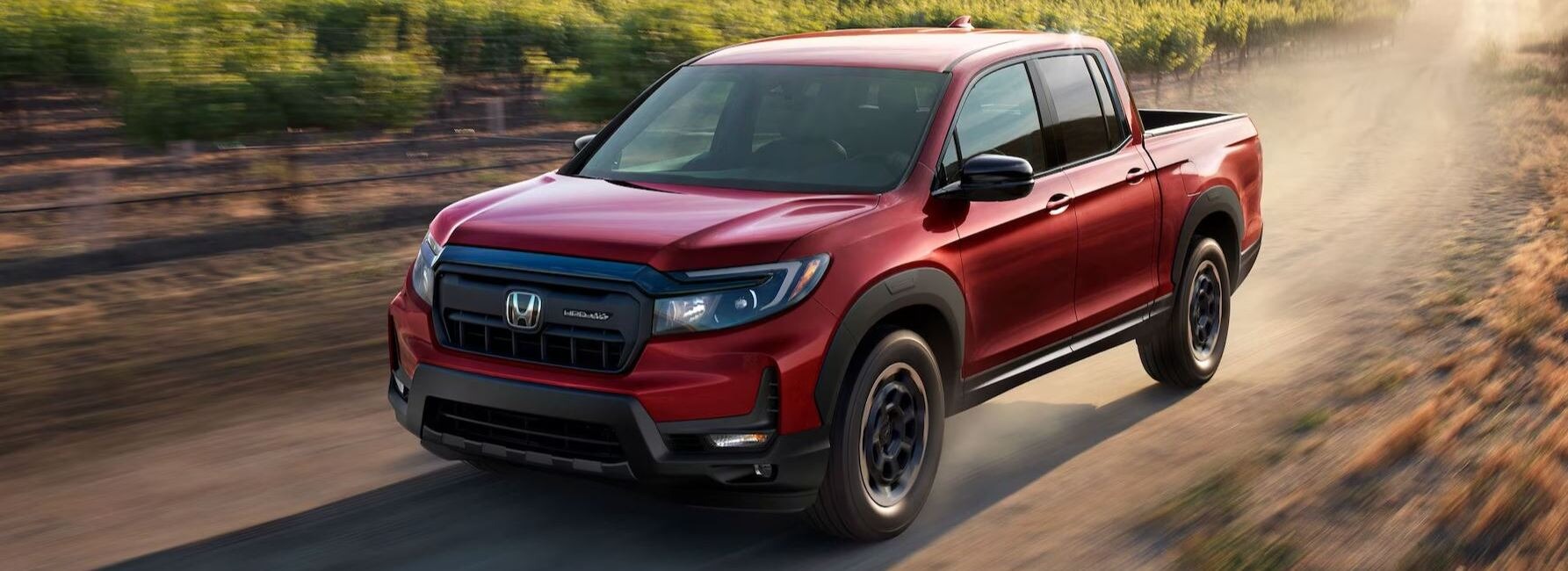
5. Durable Suspension Engineering
The Honda Ridgeline’s independent suspension system provides exceptional durability for towing applications while maintaining superior ride quality compared to traditional leaf-spring pickup trucks. This system uses high-strength components and intelligent design to handle the additional stresses that occur when pulling heavy trailers.
The suspension maintains proper vehicle geometry even when loaded, ensuring stable handling and tire wear characteristics. Front suspension components include robust control arms, ball joints, and bushings designed to handle increased loads without premature wear.
The strut assemblies use heavy-duty construction with reinforced mounting points that resist deformation under stress. Honda selected materials and designs that provide excellent fatigue resistance, allowing the suspension to handle thousands of loading cycles without failure.
The rear suspension utilizes a sophisticated multilink design that provides excellent load-carrying capacity while maintaining ride comfort. This system automatically adjusts to different loading conditions, maintaining proper ride height and handling characteristics whether the truck is empty or pulling a heavy trailer. The suspension components use premium materials and precision manufacturing to ensure long service life.
Shock absorbers in the Ridgeline receive special attention from Honda engineers. These components use advanced valve designs and high-quality seals that resist wear even under demanding towing conditions. The shocks maintain their damping characteristics throughout their service life, ensuring consistent handling and ride quality. Regular inspection and replacement of worn shocks helps maintain the truck’s towing capabilities.
Honda’s suspension design includes provisions for aftermarket modifications that some towing enthusiasts prefer. The system can accommodate helper springs or air bags for increased load capacity, and these modifications integrate well with the existing suspension geometry. However, the stock suspension system provides excellent performance for most towing applications without requiring additional components.
6. Reinforced Frame Construction
While the Honda Ridgeline uses unibody construction rather than traditional body-on-frame design, Honda engineers created a structure that provides exceptional strength and durability for towing applications.
The unibody design integrates the frame rails with the passenger compartment structure, creating a rigid platform that resists flexing under load. This construction method provides excellent torsional rigidity while keeping weight down compared to traditional truck frames.
High-strength steel comprises the primary structural elements of the Ridgeline’s frame. Honda uses computer modeling and real-world testing to optimize the placement of reinforcing materials, ensuring that stress concentrations are properly managed.
The frame design includes multiple load paths that distribute towing forces throughout the structure rather than concentrating them at single points. The rear section of the frame receives particular attention in the Ridgeline’s design.
This area must handle the tongue weight of trailers and the additional stresses that occur during acceleration and braking while towing. Honda engineers reinforced this section with additional steel and careful attention to weld quality. The frame-to-body connection points use robust mounting systems that resist loosening as time goes on.
Honda’s frame construction includes integrated mounting points for trailer hitches and other towing accessories. These mounting points are engineered to distribute loads properly throughout the frame structure, preventing localized stress concentrations that could lead to cracking or failure. The mounting hardware uses high-grade materials and proper torque specifications to ensure secure attachment.
Corrosion protection receives serious attention in the Ridgeline’s frame construction. Honda applies multiple coatings and uses galvanized steel in critical areas to prevent rust formation. This protection helps maintain frame strength throughout the vehicle’s service life, ensuring that the truck can continue handling towing duties for decades without structural degradation.
7. Advanced Brake Technology
The Honda Ridgeline’s braking system incorporates advanced technology specifically designed to handle the additional demands of towing heavy trailers. The system includes larger brake rotors and calipers compared to Honda’s passenger cars, providing increased heat dissipation capacity and stopping power. This enhanced braking capability ensures safe operation even when pulling heavy loads down steep grades.
Electronic brake distribution works in conjunction with the anti-lock braking system to optimize brake force distribution between front and rear wheels. This technology becomes particularly important when towing because trailer weight affects the vehicle’s weight distribution and braking characteristics. The system automatically adjusts brake pressure to maintain optimal stopping performance regardless of loading conditions.
Brake assist technology helps drivers achieve maximum stopping power in emergency situations. The system recognizes panic braking situations and automatically applies maximum brake force to reduce stopping distances. This feature proves especially valuable when towing because the additional weight of a trailer increases the distance required to stop safely.
Honda designed the Ridgeline’s brake system with excellent heat management capabilities. The brake rotors use ventilated designs that promote airflow through the braking surfaces, helping to dissipate heat generated during heavy braking. The brake pads use high-temperature compounds that resist fade even during extended periods of use such as descending mountain grades with heavy trailers.
Maintenance requirements for the brake system include regular inspection of pads, rotors, and brake fluid condition. Honda recommends more frequent brake inspections for vehicles used regularly for towing because the additional stress can accelerate component wear. However, the robust construction of the brake system ensures reliable performance for many years when properly maintained.
8. Comprehensive Towing Package Integration
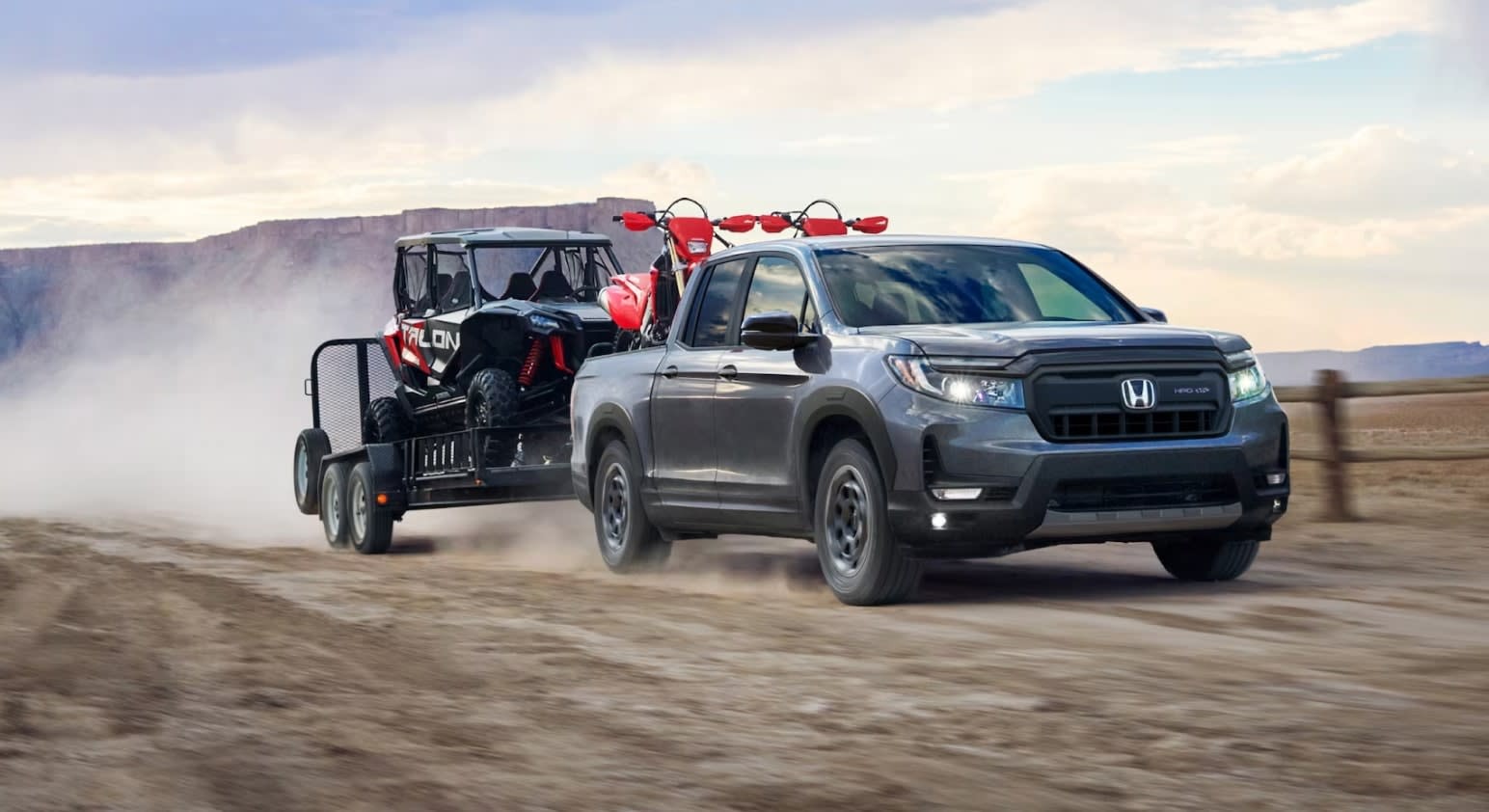
Honda offers a factory towing package for the Ridgeline that integrates seamlessly with the vehicle’s existing systems. This package includes a Class III trailer hitch, seven-pin electrical connector, and transmission cooler designed specifically for the truck’s requirements. The factory integration ensures that all components work together properly and maintain the vehicle’s warranty coverage.
The trailer hitch mounting system distributes loads throughout the truck’s frame structure using reinforced mounting points. Honda engineers designed these mounting points to handle the maximum rated towing capacity without compromising the vehicle’s structural integrity. The hitch receiver uses heavy-duty construction with proper heat treatment to resist wear and deformation.
Electrical integration for the towing package includes sophisticated trailer brake controllers and lighting systems. The truck’s computer systems monitor trailer electrical loads and provide diagnostic information if problems occur. This integration helps prevent electrical issues that could leave drivers stranded or create safety hazards while towing.
Honda’s towing package includes specialized software calibration for the engine and transmission management systems. These calibrations optimize performance for towing applications, adjusting gear change points, throttle response, and cooling fan operation when a trailer is detected. This integration ensures that all vehicle systems work together to provide optimal towing performance.
The factory towing package includes comprehensive documentation and installation instructions that help ensure proper setup. Honda provides specific torque specifications and installation procedures that maintain the system’s integrity and safety. Following these procedures helps ensure that the towing equipment will provide reliable service throughout the vehicle’s lifetime.
9. Quality Maintenance Protocols
Establishing and following proper maintenance protocols represents one of the most important factors in ensuring long-term towing reliability for Honda Ridgeline owners. Honda provides detailed maintenance schedules that account for severe-duty usage, including regular towing operations. Following these schedules helps prevent problems before they occur and extends the life of critical components.
Engine oil changes receive particular emphasis for towing applications. Honda recommends using high-quality motor oil meeting specific viscosity and performance standards. The oil change interval may need to be shortened for vehicles used regularly for towing because the additional stress can accelerate oil degradation. Using quality oil filters and following proper disposal procedures helps maintain engine longevity.
Transmission maintenance becomes more critical for vehicles used regularly for towing. Honda recommends checking the transmission fluid level and condition more frequently for towing applications. The fluid should maintain its proper color and consistency, and any signs of burning or contamination indicate the need for service. Regular fluid changes help prevent internal damage and maintain smooth operation.
Cooling system maintenance requires attention to coolant levels, hose condition, and radiator cleanliness. Towing applications can accelerate cooling system wear because of increased operating temperatures and longer periods of high-load operation. Regular inspection and maintenance of these components helps prevent overheating situations that could cause expensive engine damage.
Honda recommends keeping detailed maintenance records for vehicles used for towing. These records help identify patterns that might indicate developing problems and ensure that all required services are performed on schedule. Good maintenance documentation also helps maintain warranty coverage and can improve resale value when it comes time to replace the vehicle.
Also Read: 9 Oversights That Kill a Honda Civic Si Too Soon
10. Driver Education and Best Practices
Proper driver education and adherence to best practices play crucial roles in maintaining Honda Ridgeline towing performance over many years of service. Understanding weight limits, loading procedures, and safe towing techniques helps prevent damage to the vehicle and ensures safe operation in all conditions. Honda provides comprehensive towing guides that cover these topics in detail.
Weight distribution represents one of the most important aspects of safe towing practice. The Ridgeline has specific limits for tongue weight and total trailer weight that must not be exceeded. Proper loading techniques help maintain vehicle stability and prevent damage to suspension and drivetrain components. Using weight-distributing hitches when appropriate helps maintain proper vehicle geometry.
Speed management becomes particularly important when towing with the Ridgeline. Maintaining reasonable speeds helps prevent overheating and reduces stress on all vehicle systems. Honda recommends reducing highway speeds when towing and avoiding rapid acceleration that could stress drivetrain components. Gentle driving practices extend component life and improve fuel economy.
Pre-trip inspections help identify potential problems before they become serious issues. Honda recommends checking tire pressures, hitch connections, trailer lights, and fluid levels before each towing trip. These inspections take only a few minutes but can prevent breakdowns and safety hazards. Carrying basic tools and spare parts for minor repairs helps ensure the successful completion of towing trips.
Regular driver training and staying current with towing regulations help maintain safe practices throughout the vehicle’s service life. Towing laws and best practices evolve, and staying informed helps prevent violations and accidents. Many organizations offer towing safety courses that can improve driver skills and confidence when pulling heavy trailers with the Honda Ridgeline.
These ten factors combine to create a comprehensive approach to maintaining Honda Ridgeline towing performance for decades of reliable service. The truck’s excellent engineering provides a solid foundation, but proper maintenance and operating practices are essential for achieving maximum longevity.
Owners who follow these guidelines can expect their Ridgelines to provide many years of dependable towing service while maintaining their value and performance capabilities.
