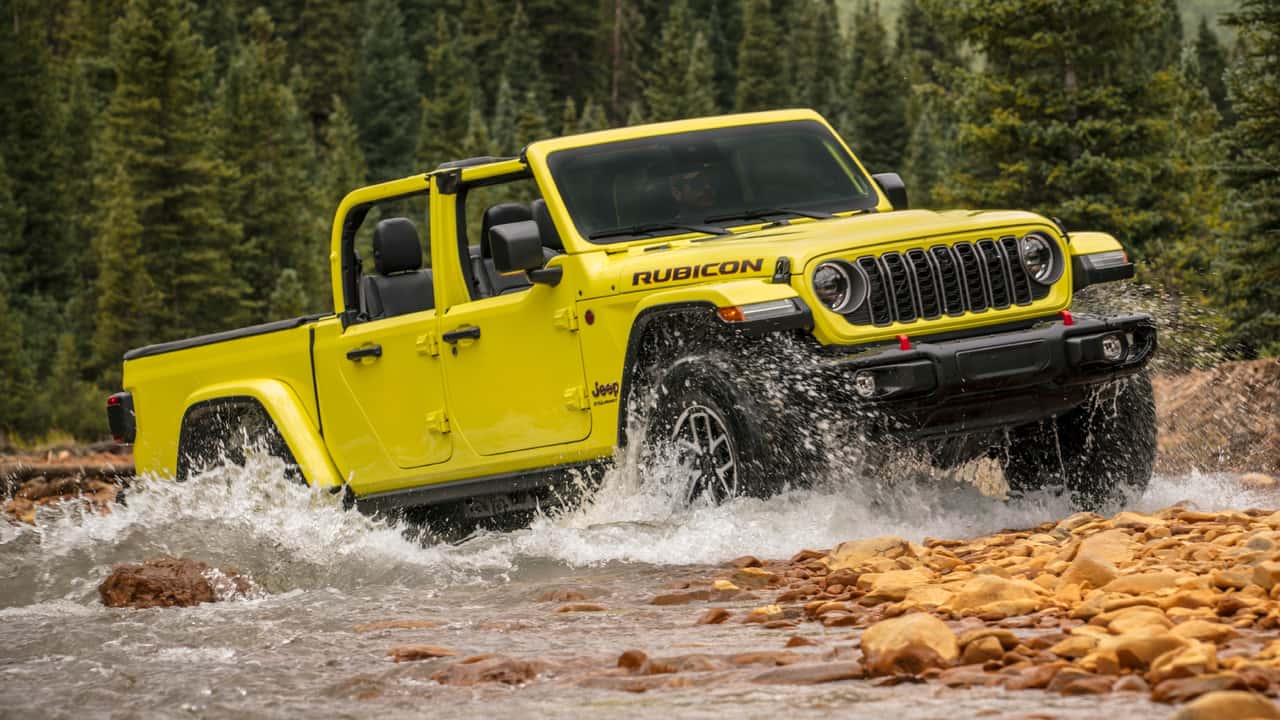
The Jeep Gladiator has become a popular choice among off-road enthusiasts in the United States, combining the rugged DNA of the Wrangler with the utility of a pickup truck.
With its trail-rated capability, solid front and rear axles, and removable doors and roof, the Gladiator is built to handle challenging terrains, from rocky trails in Moab to muddy backroads in the South.
However, just because the Gladiator is engineered for toughness doesn’t mean it’s immune to mistakes made by its owners.
Like any off-road vehicle, reliability depends not only on the design of the truck but also on how it’s treated and maintained over time.
Unfortunately, there are certain habits and modifications that can undermine the very off-road capability the Gladiator is known for.
Here are eight moves that Jeep Gladiator owners often make sometimes unknowingly that can compromise the truck’s off-road reliability and shorten its lifespan.
1. Ignoring Regular Maintenance After Trail Runs
Off-road adventures are messy, and the Gladiator isn’t invincible to dirt, mud, or water intrusion. Many owners make the mistake of not performing routine maintenance after heavy trail use, such as washing out the undercarriage, checking for damage, and inspecting fluids.
Mud and debris can build up around moving parts, including the brakes and suspension, leading to premature wear.
Water crossings can also contaminate differentials or transmission fluids if seals are compromised. Ignoring these simple post-trail checks allows small issues to grow into bigger reliability problems.
A disciplined routine of cleaning and inspecting after each off-road outing is essential for keeping the Gladiator dependable.
2. Overloading Beyond Payload or Towing Limits
The Jeep Gladiator is marketed as a rugged truck, and it does offer respectable payload and towing capacities. However, some owners overestimate what it can realistically handle.
Overloading the bed with heavy gear, aftermarket steel bumpers, or roof racks full of camping equipment puts immense strain on the suspension, brakes, and drivetrain.
The same applies to towing exceeding the Gladiator’s rated limits can overheat the transmission and wear out key components prematurely.
Off-road reliability hinges on respecting the vehicle’s limits. Pushing it past those boundaries compromises handling and safety, especially when tackling uneven terrain.
Towing capacity isn’t just a random figure listed in your owner’s manual, it’s a carefully calculated measurement that reflects exactly what your car, SUV, or truck is designed to handle. This number isn’t a casual suggestion, either.
Towing capacity represents the maximum weight your vehicle can safely pull, and it’s determined under very specific conditions: one driver in the cabin, no cargo, no passengers, and a perfectly distributed load.
Once you add extra weight in the form of passengers, gear, or a poorly balanced trailer, your real-world towing capability immediately drops, and usually not in your favor.
Every vehicle comes with a “maximum towing capacity” rating, but that figure often applies only to an ideal configuration, such as a heavy-duty truck equipped with a diesel engine, upgraded axles, and a specialized gooseneck hitch.
To figure out what your vehicle can actually tow in day-to-day situations, you need to consider your Gross Combined Weight Rating (GCWR), curb weight, and payload. Subtract your fully loaded vehicle weight from the GCWR and you’ll get a more realistic towing capacity.
Unsurprisingly, that number will often be lower than what the manual advertises. Exceeding it not only places excessive strain on your vehicle’s systems but also creates serious safety risks for everyone on the road.
When you pull more than your vehicle is designed to manage, critical systems like brakes, suspension, and axles are forced past their limits. Overworked brakes increase stopping distance and raise the risk of failure, particularly when descending steep grades.
Similarly, axles carrying too much weight can bend, break, or cause suspension damage, all of which could result in losing control of the vehicle at highway speeds.
Tongue weight also plays a major role. This is the downward pressure the trailer places on the hitch, and when it’s too heavy or poorly balanced, the rear of your tow vehicle may sag and bounce.
That imbalance makes steering more difficult and unpredictable. Tires also suffer under excessive loads, leading to uneven tread wear, overheating, and even blowouts, each of which could trigger a serious accident on the road.
The legal consequences of towing over capacity are just as severe. Drivers caught exceeding limits may face fines, and in the event of a crash, insurance companies can deny coverage if overloading was involved.
In some regions, laws specifically prohibit exceeding GVWR or GCWR, and law enforcement officers are trained to recognize signs of overloaded vehicles, such as visibly sagging suspensions or trucks struggling to stay stable.
Respecting your vehicle’s towing limits starts with understanding more than just the maximum towing number. You need to account for Gross Vehicle Weight Rating (GVWR), which includes passengers, fuel, and cargo inside your vehicle.
You must also know your trailer’s Gross Trailer Weight (GTW), as well as Tongue Weight (TW), which usually amounts to 10–15% of GTW. Each of these values interacts with the others, and when they’re not balanced correctly, the towing setup can quickly become unstable.
It’s also important to match your trailer with the right hitch. Not all hitches are created equal: Class I hitches, for example, are rated for loads up to 2,000 pounds and are suitable for small cars and light-duty attachments like bike racks, while Class V hitches are designed for heavy-duty trailers and can handle up to 20,000 pounds. Using a hitch outside its intended class rating is an accident waiting to happen.
Before hitting the road, always inspect your towing setup. Double-check tire pressure, confirm hitch connections, test brake lights, and make sure your load is balanced properly.
A good rule of thumb is to keep your towing weight about 10% under the maximum capacity, giving yourself a margin of safety for unexpected variables. This isn’t just about preserving your vehicle’s condition, it’s about ensuring the safety of you, your passengers, and everyone else sharing the road.
3. Installing Cheap or Ill-Fitting Aftermarket Mods
Customizing a Jeep Gladiator is practically a tradition among owners. Lift kits, oversized tires, light bars, and armor upgrades are common modifications.
But one move that ruins reliability is cutting corners on aftermarket parts. Cheap or ill-fitting mods can throw off the Gladiator’s factory engineering balance.
For example, an improperly installed lift kit can alter suspension geometry, stressing steering components and driveline angles. Oversized tires without the proper gearing adjustments strain the axles and reduce braking performance.
While customization enhances capability, choosing low-quality parts or skipping professional installation often results in breakdowns on the trail.
4. Driving Aggressively on Trails
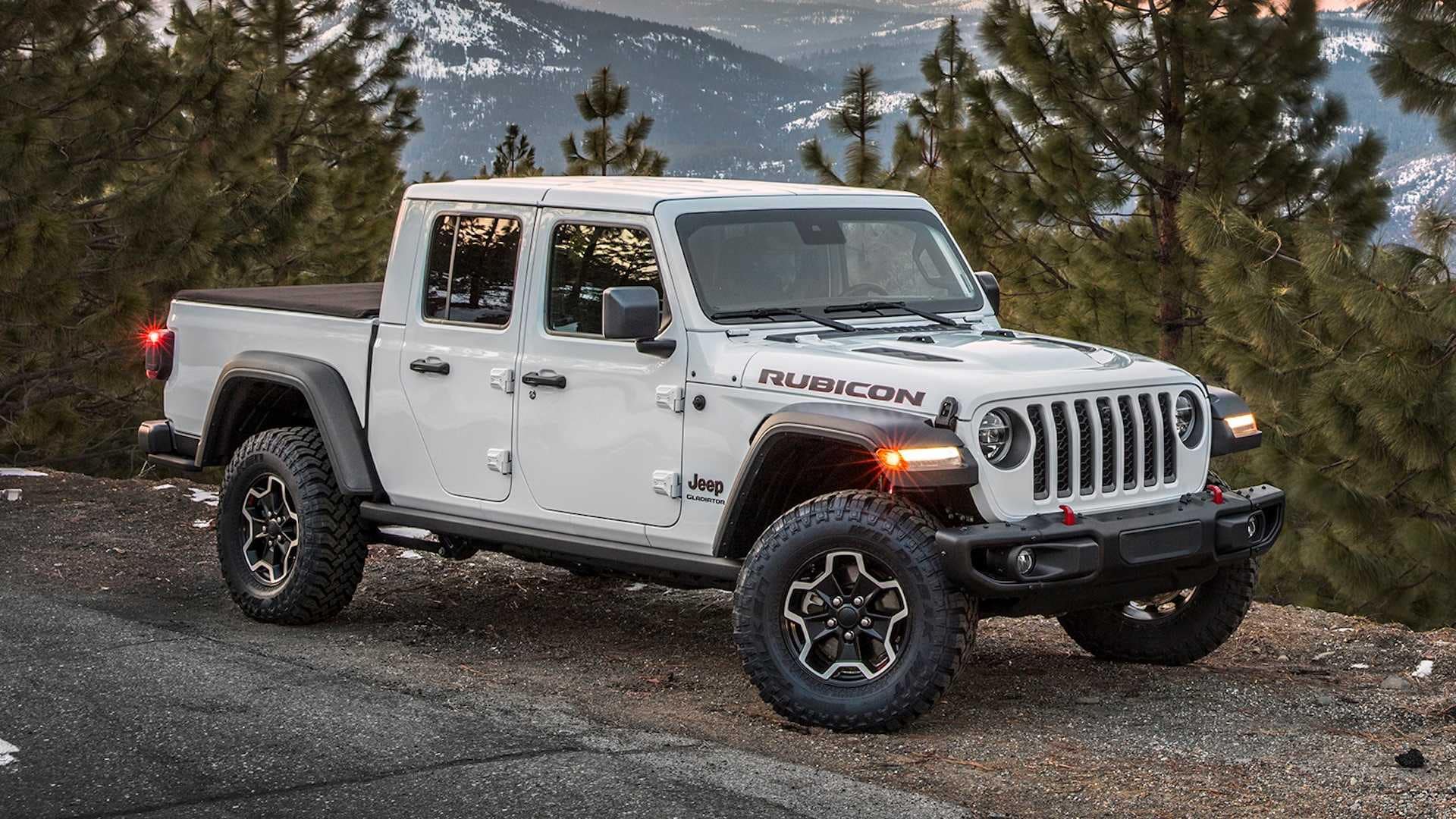
The Gladiator’s rugged design can give owners a false sense of invincibility.
Driving aggressively whether it’s tackling steep inclines at high speed, rock-crawling without careful wheel placement, or sending it through mud pits without caution can lead to serious mechanical failures.
Suspension components can bend, tires can blow out, and underbody damage can occur from scraping against rocks. Off-road reliability is about finesse, not recklessness.
The most experienced off-roaders know that slow and steady often wins the trail. Treating the Gladiator like a Baja racer instead of a technical off-road truck is a surefire way to shorten its life.
5. Neglecting Tire Care
Tires are the foundation of any off-road vehicle, and the Gladiator is no exception. Yet many owners overlook tire maintenance, which directly impacts off-road performance and reliability.
Running tires at improper pressures either too high for rocky trails or too low without beadlock wheels can cause blowouts, uneven wear, or damaged sidewalls.
Additionally, failing to rotate tires regularly leads to premature replacement and uneven handling. Off-road terrains are brutal on rubber, so neglecting tire inspections and upkeep is one of the fastest ways to compromise reliability and safety on the trail.
Your car’s wheels and tires play a vital role in performance, safety, and overall appearance, yet they are often one of the most overlooked areas in routine maintenance.
Neglecting them doesn’t just affect how your car looks, it can also lead to corrosion, reduced lifespan, compromised safety, and unnecessary expenses in the long run. That’s why consistent care, combined with occasional professional detailing, is so important to keeping these components in their best condition.
One of the most common and damaging issues is corrosion, which acts like a silent killer for wheels. Road grime, brake dust, and winter road salt can build up over time, creating a corrosive layer that eats away at the metal.
Brake dust, in particular, contains fine metal particles that cling to the surface and oxidize when exposed to moisture, while road salt accelerates the rusting process, especially on unprotected surfaces. The results are not only unsightly but also structurally weakening.
The best way to combat corrosion is with regular cleaning using wheel-specific products, applying protective coatings to block out harmful elements, and scheduling professional detailing to ensure a thorough, lasting layer of protection.
Tires, which are a major investment, also suffer when care is ignored. Lack of attention can shorten their lifespan significantly, often leading to costly replacements much sooner than expected.
Common problems include uneven wear, usually caused by poor alignment or improper inflation, and cracking, which develops when rubber is exposed to UV rays for long periods without proper cleaning or conditioning.
To extend tire life, it’s essential to check pressure monthly, rotate tires every 5,000 to 7,500 miles, and clean them regularly to prevent UV damage and grime buildup. These small efforts go a long way in protecting both your wallet and your vehicle’s reliability.
Neglecting wheels and tires doesn’t just create financial setbacks, it can also put your safety on the line. Tires are your only direct contact with the road, meaning their condition directly affects traction, braking, and overall handling.
Worn or dirty tires reduce grip, increasing the risk of skidding or accidents, while cracked or underinflated tires are prone to dangerous blowouts, especially at highway speeds.
Even accumulated dirt on wheels can impact brake performance. By regularly inspecting and cleaning both wheels and tires, you can avoid these risks and ensure a safer, smoother drive.
Appearance also plays a huge part in why wheel and tire care matters. No matter how spotless the rest of your car is, dirty rims and faded tires can make the entire vehicle look neglected.
Professional detailing enhances your car’s look dramatically by thoroughly cleaning wheels, removing brake dust, and applying protective coatings that keep rims polished for longer.
Tire dressing can also restore the deep black finish, giving your car a like-new, well-maintained appearance that turns heads for the right reasons.
While at-home maintenance is important, professional detailing brings a level of care that’s difficult to replicate.
Detailers use advanced tools, products, and techniques to clean away deeply embedded grime, apply protective coatings to guard against corrosion, and restore tires to their original sheen while providing UV protection.
This expert touch ensures your wheels and tires not only look their best but are also better protected from long-term wear. Investing in these services complements your routine maintenance and gives your car the extra edge it deserves.
Beyond aesthetics and safety, proper wheel and tire care can actually save you money over time. By preventing corrosion, promoting even wear, and extending the lifespan of both tires and wheels, you’ll spend less on replacements and repairs.
Well-maintained tires also reduce rolling resistance, which improves fuel efficiency and saves on gas. Simply put, consistent care today pays off tomorrow, both in cost savings and in overall vehicle performance.
6. Skipping Fluid and Filter Changes
The Gladiator’s drivetrain engine, transmission, transfer case, and differentials depends heavily on clean fluids and filters to operate under stress.
Off-road driving pushes these systems harder than highway cruising, generating more heat and exposing them to potential contamination.
Skipping oil changes, neglecting transmission fluid, or overlooking the differential and transfer case fluid can result in overheating, gear slippage, or even catastrophic failure.
Similarly, air filters clogged with dust from trail riding can choke the engine and reduce power. Regular fluid and filter changes are a simple yet critical step that too many owners put off, ultimately sabotaging reliability.
7. Overlooking Undercarriage Protection
The Jeep Gladiator has good clearance for off-road work, but it’s not immune to damage underneath.
Owners who hit trails without skid plates or proper undercarriage protection run the risk of damaging vital components such as the fuel tank, transmission, or exhaust system.
One sharp rock or poorly placed log can puncture or dent critical parts, leaving the truck stranded far from help.
Many Gladiators come with some factory protection, but serious off-roaders often upgrade to thicker steel plates for peace of mind. Ignoring this need for armor is a move that can quickly end an off-road adventure with expensive repairs.
The undercarriage of a vehicle is often one of the most neglected areas of maintenance, yet it contains vital components such as the exhaust system, suspension, and brake lines, all of which directly affect performance, safety, and overall lifespan.
Because it is constantly exposed to hazards like road debris, potholes, salt, and moisture, the undercarriage is especially prone to damage and corrosion.
Protecting it is crucial, and drivers have several options available to help minimize wear and extend longevity. Methods include applying undercoating, rust-proofing sprays, or specialized coatings that form a protective barrier against rust and corrosion.
Another highly effective safeguard is the installation of engine splash shields, also known as skid plates. These panels not only act as a shield against debris but also improve vehicle aerodynamics by lowering air resistance, which can boost fuel efficiency.
Engine splash shields are particularly important for shielding delicate components. Positioned beneath the engine, these protective panels, made from either plastic or metal, guard key parts such as the oil pan from potential damage caused by water, nails, or rocks.
They also contribute to improved vehicle dynamics by maintaining smooth airflow, which reduces drag, sharpens handling, and improves fuel economy. When a splash shield becomes damaged, it can be replaced by a professional mechanic or an experienced mobile technician.
The replacement procedure requires lifting the vehicle, removing the old shield, and installing the new one with bolts, screws, and washers. Ensuring the new panel is compatible with the make and model of the car is essential for proper fit and protection.
Beyond splash shields, skid plates provide an additional layer of defense by absorbing direct impacts from debris and safeguarding vital parts like the oil pan and transmission.
These protective plates are available in both plastic and metal, each offering different benefits: plastic is lightweight and cost-effective, while metal delivers superior durability and strength.
Skid plates are especially advantageous for drivers who regularly encounter rough terrain or harsh driving conditions, including off-road environments.
Another form of undercarriage protection is the underbody shield, which covers larger sections of the underside, including areas of the powertrain and steering systems.
These shields help prevent damage from debris and corrosion while also reducing cabin noise and improving aerodynamics. Underbody shields come in a variety of materials, including plastic, metal, and injection-molded designs, each offering unique levels of strength, durability, and protection to suit individual driving needs.
To further preserve the undercarriage, coatings and sprays can be applied directly to exposed surfaces. Rubberized undercoating sprays, rust-proofing formulas, and similar products create an extra line of defense against road salt, water, and debris that can accelerate wear.
Well-known options include Rust-Oleum, 3M’s professional-grade sprays, and Fluid Film products, which are highly valued not only for their rust-prevention qualities but also for their ability to function as lubricants.
Routine cleaning is equally important since dirt, grease, and grime can quickly accumulate and contribute to long-term damage. To combat this, a wide range of degreasers, cleaning gels, and undercarriage-specific cleaners are available to keep this area in top condition.
By taking a layered approach that combines protective sprays, skid plates, splash shields, and regular cleaning, car owners can greatly improve the durability, safety, and performance of their vehicles.
These preventative steps reduce the likelihood of costly repairs and ensure that crucial undercarriage components continue to operate efficiently for years. In the end, maintaining the underside of a vehicle is just as important as caring for the engine, and prioritizing its protection will reward drivers with both better performance and long-term reliability.
8. Ignoring Warning Signs and Dashboard Lights
One of the biggest mistakes owners make is disregarding warning signs. A check engine light, unusual noise, or slight vibration may not seem urgent at first, but ignoring these cues often leads to bigger breakdowns.
Off-road reliability depends on addressing issues promptly, before they escalate. For example, a small suspension clunk could signal a loose control arm that, left unchecked, might fail on the trail.
Likewise, overheating warnings should never be ignored, especially when pushing the Gladiator through challenging terrain. Staying alert to early signs of trouble ensures the truck stays dependable where it matters most.
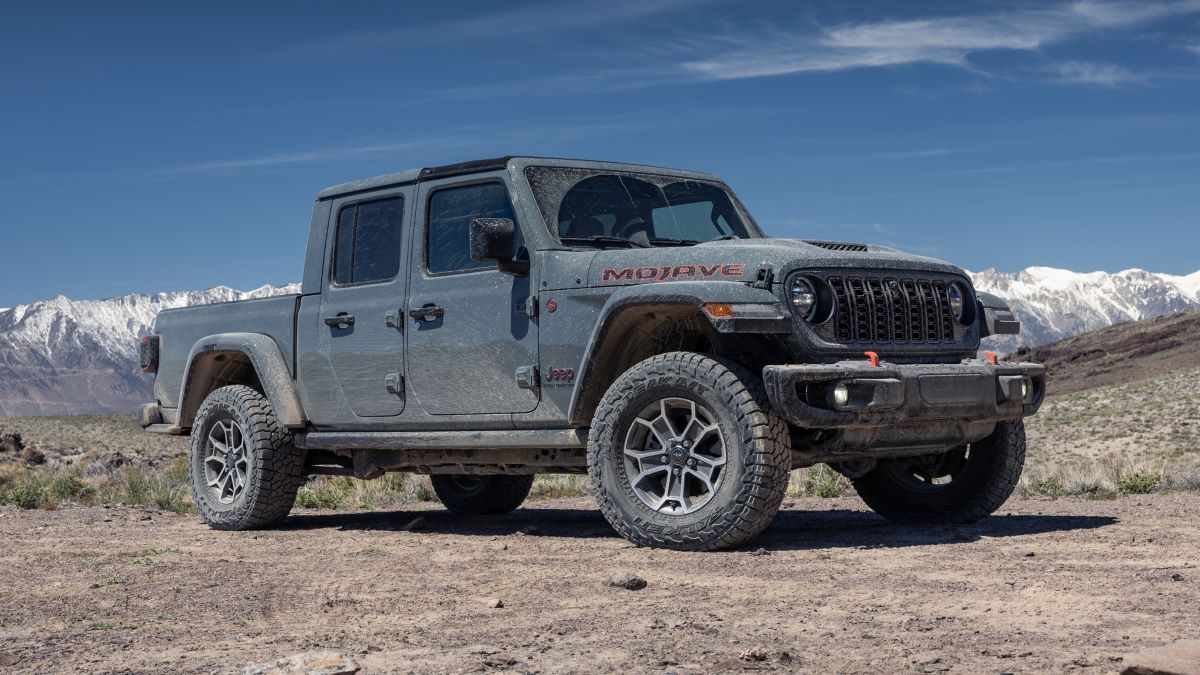
The Jeep Gladiator has proven itself as a versatile and capable off-road truck, but like any machine, its reliability depends on how it’s used and maintained.
Owners who take shortcuts, overload their trucks, or skip essential upkeep often pay the price with breakdowns that could have been avoided.
Off-roading in the U.S. is as much about preparation and responsibility as it is about adventure.
By avoiding these eight damaging moves, Gladiator owners can ensure their truck remains trail-ready and dependable for years to come, whether it’s exploring the deserts of Arizona, the forests of Colorado, or the mountains of Appalachia.