

Car lovers admire the Ford Mustang GT for its mix of raw strength, classic style, and thrilling speed. For many drivers, this car represents more than transportation because it carries pride, excitement, and a bond with American car history.
People who invest in a Mustang GT often dream of enjoying the rumble of its V8 engine and the smooth yet aggressive performance that has made it famous for years. Yet, many owners unknowingly develop habits that shorten its life and reduce its value long before it should.
A performance car like the Mustang GT is built with precision, but even the best machines need care and respect. Many drivers are guilty of actions that may seem small at first but lead to serious problems in the long run.
Sometimes, these habits come from excitement and lack of knowledge, while other times they are caused by ignoring regular care. The result is the same. A car that should last many years begins to show wear far too quickly, costing the owner more money and reducing enjoyment.
Learning what damages a Mustang GT is the first step toward avoiding mistakes that ruin the car. Simple habits such as ignoring service schedules, pushing the car beyond its limits every day, or neglecting important fluids can be the difference between a strong ride that lasts and one that breaks down early.
The Mustang GT deserves proper attention because its design and engineering reward owners who treat it right. Now, let’s take you through nine habits that many owners fall into that harm the Ford Mustang GT faster than expected.
1. Ignoring Regular Oil Changes
Oil is the lifeblood of any car, but for a powerful machine like the Mustang GT, its importance cannot be overstated. The V8 engine works under high stress and produces a lot of heat. If oil is not changed on schedule, it loses its ability to lubricate, which means metal parts rub against each other and cause wear.
Old oil also collects dirt and particles that can damage the engine from within. Many Mustang GT owners delay oil changes because the car seems to run fine. While it may not break down immediately, the damage is happening quietly.
Sludge builds up, friction increases, and the engine becomes less efficient. After a while, fuel economy drops, and performance weakens. In severe cases, ignoring oil changes leads to total engine failure, which is extremely expensive to fix.
The recommended oil change interval for the Mustang GT is often around 5,000 to 7,500 miles, depending on driving conditions. Those who drive aggressively or in hot climates should even consider shorter intervals. Sticking to the right schedule ensures the engine remains smooth and powerful. Choosing high-quality oil that meets Ford’s standards also makes a big difference in protecting the engine.
Another mistake some owners make is using the wrong type of oil. A Mustang GT requires oil that can handle high heat and pressure. Cheaper or incorrect oils break down faster and leave the engine exposed. Always check the owner’s manual or consult a trusted mechanic to use the right oil.
Ignoring regular oil changes may not show its effects immediately, but it silently eats away at the Mustang GT’s heart. A simple habit of timely oil maintenance protects the car’s performance and saves thousands of dollars in future repairs. Owners who care for their Mustang should never delay something as basic yet vital as oil changes.
2. Driving Aggressively Every Day
The Mustang GT was built for speed and excitement, but treating every trip like a racetrack harms it more than many drivers realize. Constant hard acceleration, sudden braking, and high-speed driving push the engine, transmission, and brakes beyond their healthy limits. While the car can handle spirited driving from time to time, making it a daily habit shortens its life.
Aggressive driving causes the engine to run hotter for longer periods, which stresses internal parts. The transmission also wears out quickly because it must handle sudden changes and heavy loads. Brakes are another part that suffers since constant hard stops eat away at pads and rotors faster than normal. Even tires lose their lifespan when they are forced to grip the road at high speed regularly.
Many drivers enjoy the roar of the Mustang GT and the thrill of fast driving, but it is best reserved for special occasions or safe, controlled settings. Using the car responsibly during normal commutes ensures that it stays healthy. Responsible driving also keeps fuel economy in a better range, which saves money and reduces unnecessary strain on the engine.
Another overlooked issue with daily aggressive driving is suspension damage. Roads filled with bumps, potholes, and sudden turns put pressure on shocks and struts, making the ride rougher and reducing handling quality. What starts as minor wear often becomes expensive repairs if ignored.
By driving smoothly most of the time and saving the thrills for when it is safe, Mustang GT owners can enjoy the car for many more years. Respecting the power of the car instead of abusing it daily is one of the most important ways to keep it strong. A Mustang that is cared for in this way will reward its owner with reliable performance instead of repeated breakdowns.
Also Read: 1969 Shelby Mustang GT500 Reveals True Power on Dyno After Restorative Tuning
3. Skipping Scheduled Maintenance
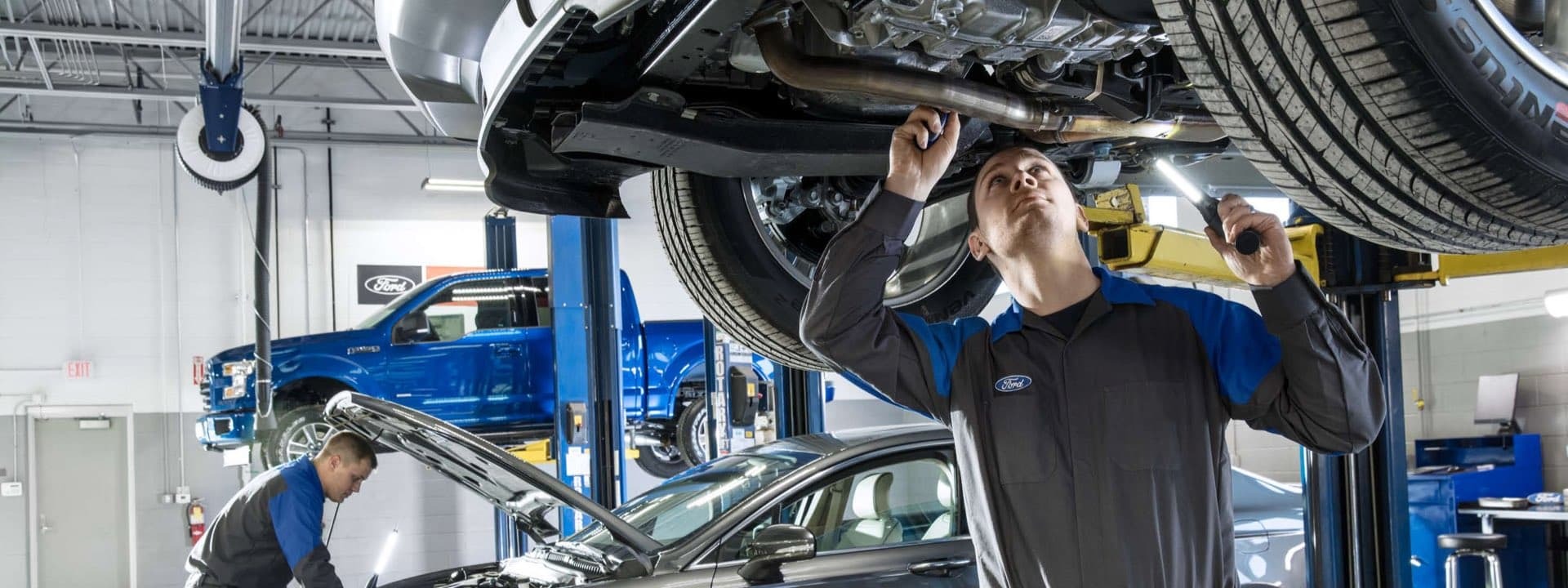
Routine maintenance is often overlooked by many car owners, but with a performance car like the Mustang GT, it is critical. The manufacturer sets maintenance schedules for a reason. These checks cover areas like spark plugs, belts, filters, brakes, and fluids that keep the car running efficiently. When an owner ignores these schedules, small problems grow into major issues.
For example, spark plugs that are overdue can cause misfires, rough idling, and loss of power. Air filters that are dirty reduce airflow into the engine, which means less power and worse fuel efficiency. Belts that are worn can snap suddenly and leave the driver stranded while causing engine damage. Each part has a role, and when neglected, the car suffers as a whole.
The Mustang GT is a powerful car, which means its parts experience more strain compared to regular sedans. Maintenance is not just about checking for problems but about preventing them before they cause damage.
A proper service visit will also include fluid inspections, tire rotation, and alignment checks. Each of these tasks keeps the car balanced and running as intended. Some owners delay service because they believe it is too costly or unnecessary.
The truth is that skipping maintenance often leads to larger bills later. A broken timing belt or transmission issue from neglect can cost thousands, while a regular service visit is far cheaper. Responsible owners know that maintenance is an investment, not a waste.
Keeping to the service schedule also protects the resale value of the Mustang GT. Buyers trust cars that show proper records of care, and such a car sells faster at a higher price. Skipping maintenance, however, lowers value and makes it harder to sell later.
The Mustang GT deserves the same discipline in care that it gives in performance. Skipping maintenance may seem harmless for a while, but it is one of the fastest ways to destroy this car before its time.
4. Using Cheap or Low-Quality Fuel
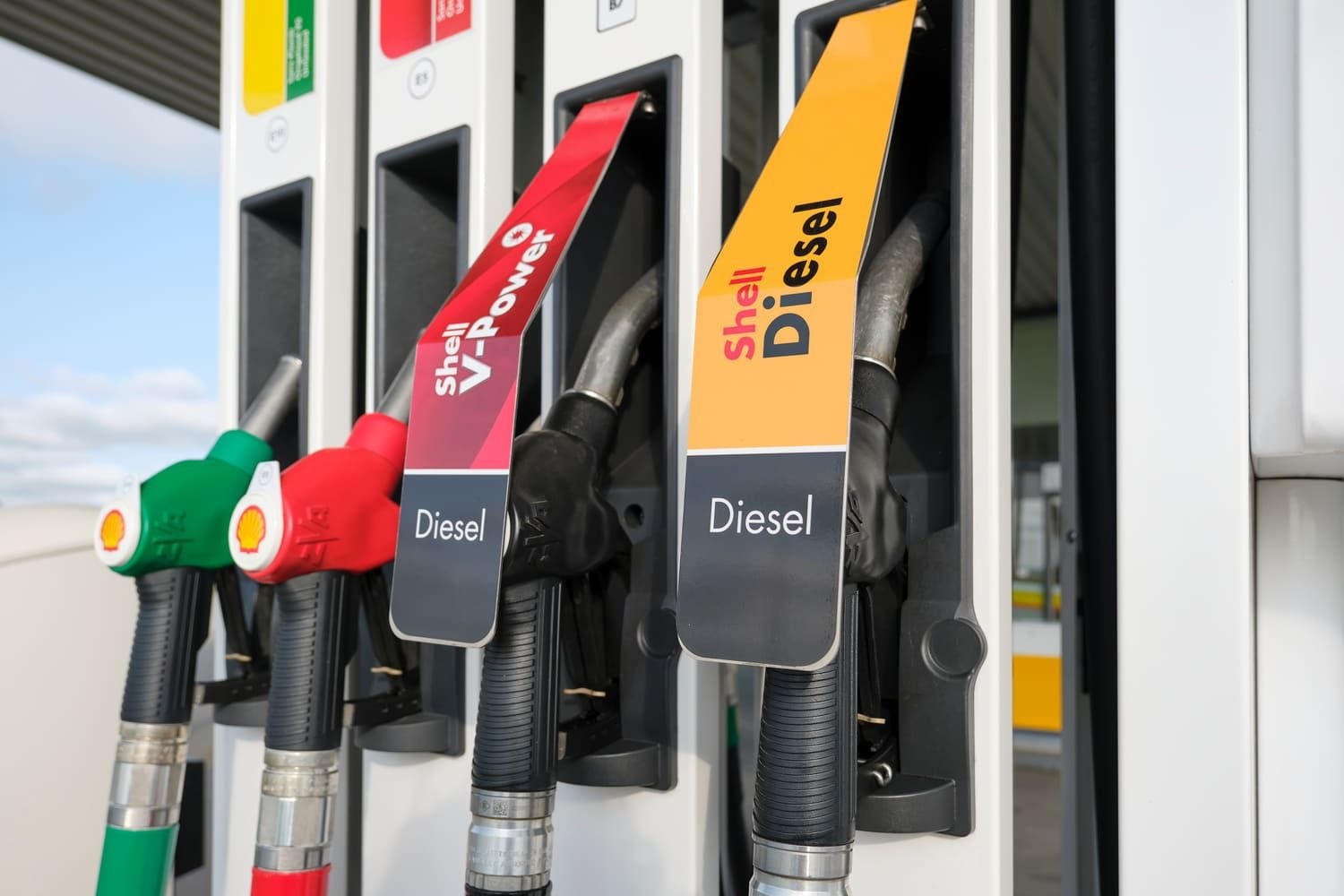
The Mustang GT’s V8 engine is designed to run on premium fuel, and using anything less reduces its performance and harms its internal parts. Many owners try to save money by using lower-grade fuel, but the car pays the price. Cheaper fuel often has lower octane levels, which causes knocking and pre-ignition in high-performance engines. These issues may sound minor, but they weaken the engine and reduce efficiency.
When an engine knocks, it means fuel is burning at the wrong time. This puts heavy pressure on pistons and valves, which can eventually cause damage. While the car’s computer system adjusts to limit knocking, it cannot protect the engine fully. After some time, poor-quality fuel leaves deposits inside the engine that reduce power and harm long-term health.
Another issue with low-quality fuel is the presence of impurities. Some cheaper stations may not filter fuel properly, and the result is particles and dirt entering the system. This clogs fuel injectors and reduces smooth flow, which hurts acceleration. For a Mustang GT, performance is part of its identity, and poor fuel steals away that experience.
The owner’s manual clearly states the recommended fuel type, and sticking to it is one of the simplest ways to protect the car. While premium fuel costs more, the difference in performance and protection is worth it. Spending a few extra dollars at the pump saves hundreds or thousands in repairs down the line.
A habit of always choosing premium fuel shows respect for the Mustang GT’s design. Those who use low-quality fuel to save money often spend more later when repairs become unavoidable. The car was built for performance, and the right fuel keeps that promise alive.
5. Neglecting Tire Care
Tires are often taken for granted, but they are the only part of the car that touches the road. For a powerful car like the Mustang GT, tires are more than rubber because they directly affect safety, handling, and performance. Neglecting tire care is one of the fastest ways to wear out the car and risk accidents.
Owners who fail to check tire pressure regularly put their Mustang at risk. Low pressure causes uneven wear and reduces grip, which is dangerous at high speeds. Overinflated tires, however, wear down the middle faster and reduce stability. Both conditions shorten tire life and make the ride uncomfortable.
Tire rotation is another part of care that many owners skip. Without rotation, some tires carry more load and wear down faster. For a rear-wheel-drive car like the Mustang GT, the rear tires face more stress due to power delivery. Rotating them regularly ensures balanced wear and extends their lifespan.
Alignment checks are equally important. A car that pulls to one side or shakes at certain speeds often has alignment problems. Left untreated, these issues damage suspension parts and make driving less safe. Tire tread should also be monitored because worn tires lose grip, especially in wet conditions.
Tires are expensive, and neglecting them means spending more often. But beyond cost, the safety risk of worn or poorly maintained tires is too high to ignore. A Mustang GT running on weak tires cannot deliver the driving experience it was built for.
By paying attention to tire pressure, rotation, alignment, and tread depth, owners can enjoy smoother rides and longer tire life. The Mustang GT deserves to sit on strong, well-cared-for tires that match its power.
6. Overloading the Car
Many people forget that even a performance car like the Mustang GT has weight limits. Overloading the car by carrying too many passengers or heavy cargo places extra stress on the suspension, brakes, and transmission. This habit reduces performance and shortens the life of several parts.
Suspension systems are built to handle a specific weight range. When that limit is crossed, shocks and struts wear down faster. This makes the ride rough and reduces control, especially at high speeds. Brakes also suffer because they must stop more weight, which increases wear on pads and rotors. Overloading is even more dangerous because it lengthens the stopping distance, raising the risk of accidents.
Transmission strain is another issue caused by extra weight. The Mustang GT’s gearbox is tuned for performance, not hauling. Forcing it to handle loads beyond its design makes it overheat and weakens its internal parts. This shortens its lifespan and leads to expensive repairs.
Even tires are affected by overloading. Extra weight increases heat buildup and pressure, which can lead to blowouts. For a car that is often driven fast, a blowout can be catastrophic. Owners should always respect the recommended weight capacity stated in the manual.
It may be tempting to use the Mustang for hauling or carrying more than intended, but this habit slowly destroys the car. The Mustang GT was designed to deliver driving pleasure, not to serve as a heavy hauler. Treating it within its limits is the best way to keep it strong.
7. Ignoring Transmission Care
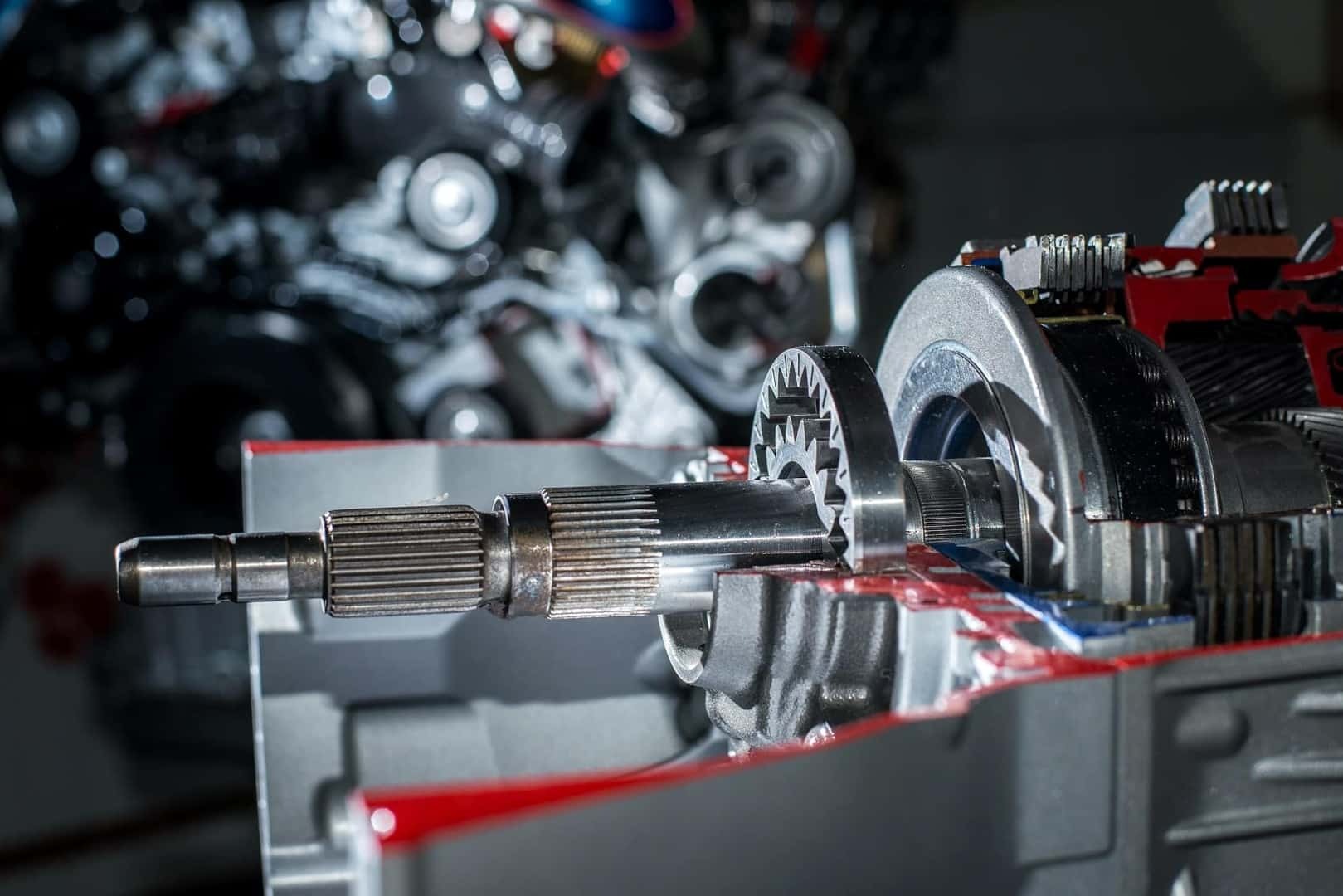
The transmission is one of the most important parts of the Mustang GT, yet many owners fail to give it proper care. Whether the car has a manual or automatic gearbox, ignoring maintenance can destroy performance. Transmission problems are also among the costliest repairs, so neglect in this area is dangerous.
Transmission fluid plays a big role in keeping the system cool and lubricated. When it becomes old or low, gears grind, and the system overheats. This leads to slipping gears, rough shifting, or complete failure. Changing transmission fluid at the right intervals prevents these problems.
For manual Mustang GTs, clutch care is equally important. Aggressive driving habits, such as riding the clutch or constant hard launches, wear it out fast. A worn clutch makes gear changes rough and eventually leaves the car unable to move.
Automatic transmissions also suffer when drivers ignore proper use. Constantly shifting from drive to reverse without stopping or forcing harsh downshifts weakens internal parts. The transmission is designed for smooth use, not constant abuse.
Ignoring transmission warning signs is another common habit. Strange noises, slipping gears, or burning smells should never be ignored. Waiting too long only makes the damage worse. A Mustang GT transmission that fails can cost several thousand dollars to fix, which is avoidable with proper care.
By keeping up with fluid changes, using the gearbox responsibly, and addressing problems early, owners protect one of the most valuable parts of the car. A strong transmission ensures the Mustang GT delivers the driving thrill it was built for.
8. Letting the Car Sit Unused for Long Periods
Many Mustang GT owners believe that leaving the car parked for long stretches is harmless, especially if they think they are protecting it from mileage or road conditions. The truth is quite different. A performance car that sits still for months begins to suffer in ways that are not always visible at first. Cars are engineered to be driven, and when they are left idle for too long, vital parts begin to fail quietly.
One of the first parts to weaken is the battery. Without use, it slowly drains until it cannot start the car. Even when recharged, a weak battery often fails sooner than expected. Tires are another part that faces damage. Keeping the Mustang GT in one position for long periods creates flat spots, which make the ride rough and unsafe once driving resumes.
Fluids such as oil, brake fluid, and coolant also degrade when they are not circulated. Old fluids lose their protective qualities, allowing corrosion and wear inside the engine and braking system. Seals and gaskets, which rely on lubrication, dry out as time goes on and crack. Once this happens, leaks appear when the car is driven again, leading to costly repairs.
Moisture is another silent enemy. A stored car in a damp or poorly ventilated space may develop rust on brake discs, exhaust pipes, or underbody panels. Electrical systems also suffer because moisture buildup corrodes wiring and connectors, causing strange warning lights or malfunctions.
For a high-performance car like the Mustang GT, such problems ruin the driving experience and reduce reliability. Preventing these issues is simple when the car is used regularly. Even short drives around the neighborhood keep fluids circulating, batteries charged, and tires healthy. For those who must store the car for months, extra care is required.
Using a quality car cover, filling the fuel tank, adding fuel stabilizer, keeping tires inflated, and connecting a battery tender help protect the car during storage. Owners should also start the engine occasionally and allow it to reach operating temperature to keep components active.
Leaving a Mustang GT unused for months without proper storage habits leads to slow but steady damage. Rather than letting it sit and lose its edge, it is better to enjoy regular drives, even if they are brief. The Mustang GT is built to be on the road, not locked away and forgotten.
Also Read: Ford Mustang GTD Aims to Set Nurburgring Record with Sub Seven Minute Lap
9. Neglecting Cooling System Maintenance
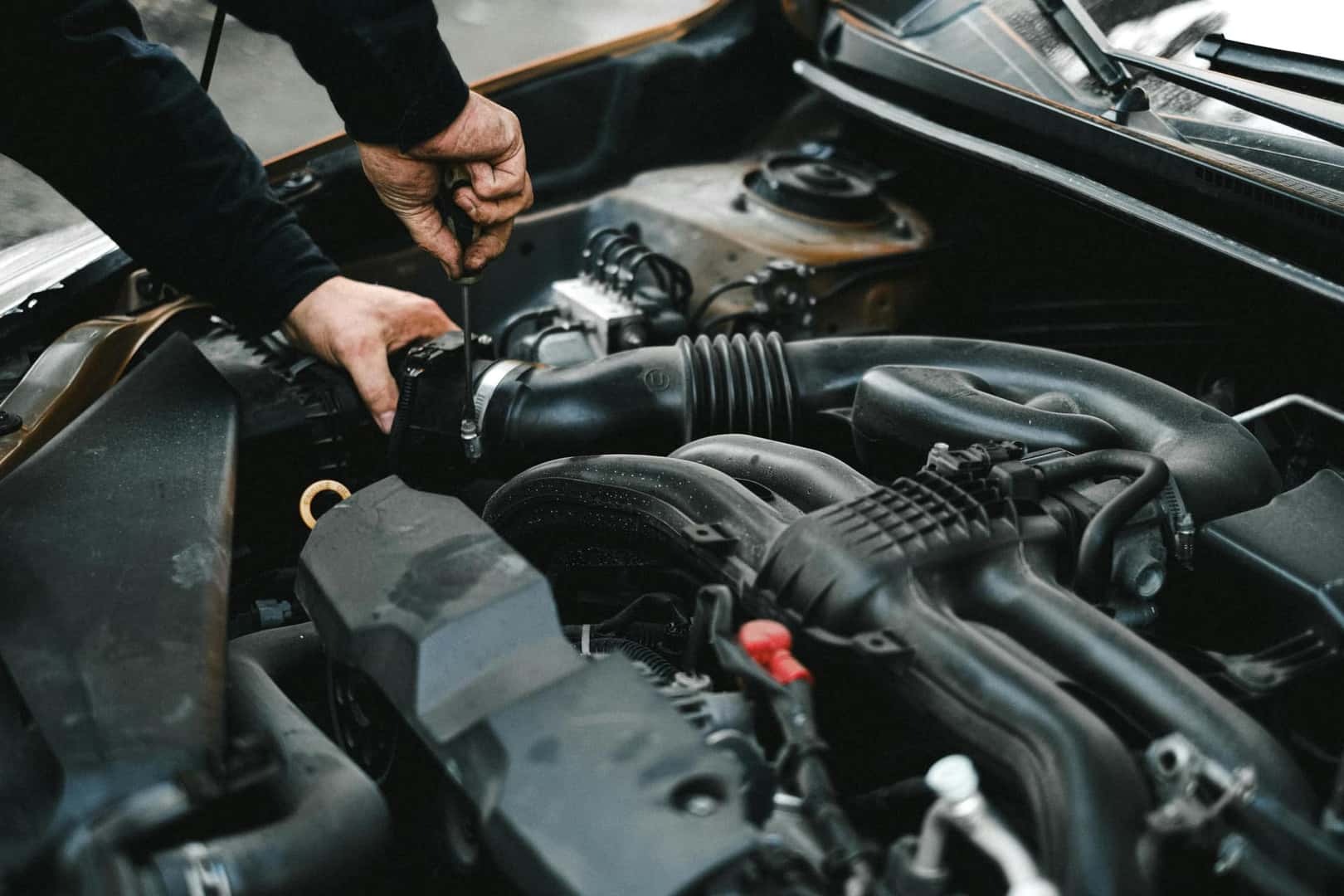
The cooling system is one of the most important parts of a performance car like the Mustang GT, yet many owners fail to treat it with the care it deserves. The powerful V8 generates extreme levels of heat whenever it is running, and without proper cooling, that heat can quickly cause permanent damage.
The radiator, water pump, thermostat, hoses, and coolant all work together to keep the temperature stable. When any of these components are neglected, the engine becomes vulnerable to overheating, which can lead to warped cylinder heads, blown gaskets, or even complete engine failure.
One of the most common mistakes is failing to monitor coolant levels. Coolant gradually evaporates or leaks through small cracks, and when levels drop too low, the engine loses its shield against heat. Many drivers also continue to use old coolant long past its effective life.
As time goes on, coolant not only loses its ability to regulate temperature but also becomes corrosive, damaging the radiator and internal passages. Regular flushing and replacing coolant according to the recommended interval is the only way to prevent such problems.
Belts and hoses are another weak link that often gets overlooked. Rubber parts wear out with age, and a small crack can quickly turn into a complete failure under pressure. If a belt snaps or a hose bursts while driving, coolant is lost instantly, and the engine overheats within minutes. A simple habit of inspecting hoses and belts during routine maintenance can prevent thousands of dollars in damage.
Another error that destroys many engines is ignoring warning lights or temperature gauges. The moment the Mustang GT shows signs of overheating, the car should be stopped immediately. Continuing to drive while the engine overheats multiplies the damage, yet some owners push on, hoping it will cool down. This decision often ruins the engine completely.
Cleaning the radiator is also an important step that many owners neglect. Dirt, bugs, and debris clog the fins and reduce airflow, which lowers the cooling system’s efficiency. A blocked radiator forces the engine to run hotter than it should. Periodic cleaning ensures that air passes freely and the radiator performs properly.
The Mustang GT delivers thrilling performance, but that performance produces heat that must be managed. Regular coolant checks, scheduled flushes, and timely replacement of hoses, belts, and thermostats ensure the engine remains healthy. Respecting the cooling system is one of the best ways to keep the Mustang GT running strong for years instead of cutting its life short.
