

When people invest in a Toyota C-HR, they are usually looking for a small crossover that balances comfort, style, and reliability. Toyota has long carried the reputation of producing cars that last for hundreds of thousands of miles, and the C-HR is expected to live up to that standard.
Buyers often imagine that with just normal fuel and casual service, the car will easily reach well past 150,000 miles. While this belief is partly true because of Toyota’s history of dependable engineering, the life of any vehicle still depends heavily on how it is used and maintained.
Many drivers assume that a car will take care of itself as long as it is driven carefully. That thinking often causes serious mistakes that slowly damage the C-HR without the owner even noticing. By the time warning signs show up, expensive repairs might already be unavoidable.
Unlike what some people believe, the life of a car is not simply determined by the brand name. A Toyota badge does not mean indestructibility. Cars that are neglected or misused will break down early, no matter how strong the manufacturer’s reputation might be.
The Toyota C-HR is a modern vehicle with advanced features, a smooth continuously variable transmission, and a fuel-efficient engine. While these features make it a good choice for city drivers, they also demand proper care.
Systems like the cooling unit, transmission, brakes, suspension, and electrical parts can wear out quickly if ignored. Even small oversights such as using the wrong oil, skipping tire maintenance, or delaying simple services can cause damage that adds up as time goes on.
Reaching 150,000 miles and beyond is possible for the C-HR, but only if drivers avoid common mistakes. Simple attention to details like oil changes, coolant replacement, tire care, and battery checks will make a big difference in how long the car lasts. Owners who respect the service schedule and adopt good driving habits will find their car serving them faithfully for many years.
We will explain seven common mistakes that slowly kill a Toyota C-HR before 150,000 miles. Each mistake will be broken down clearly to show how it damages the car and what can be done to avoid it.
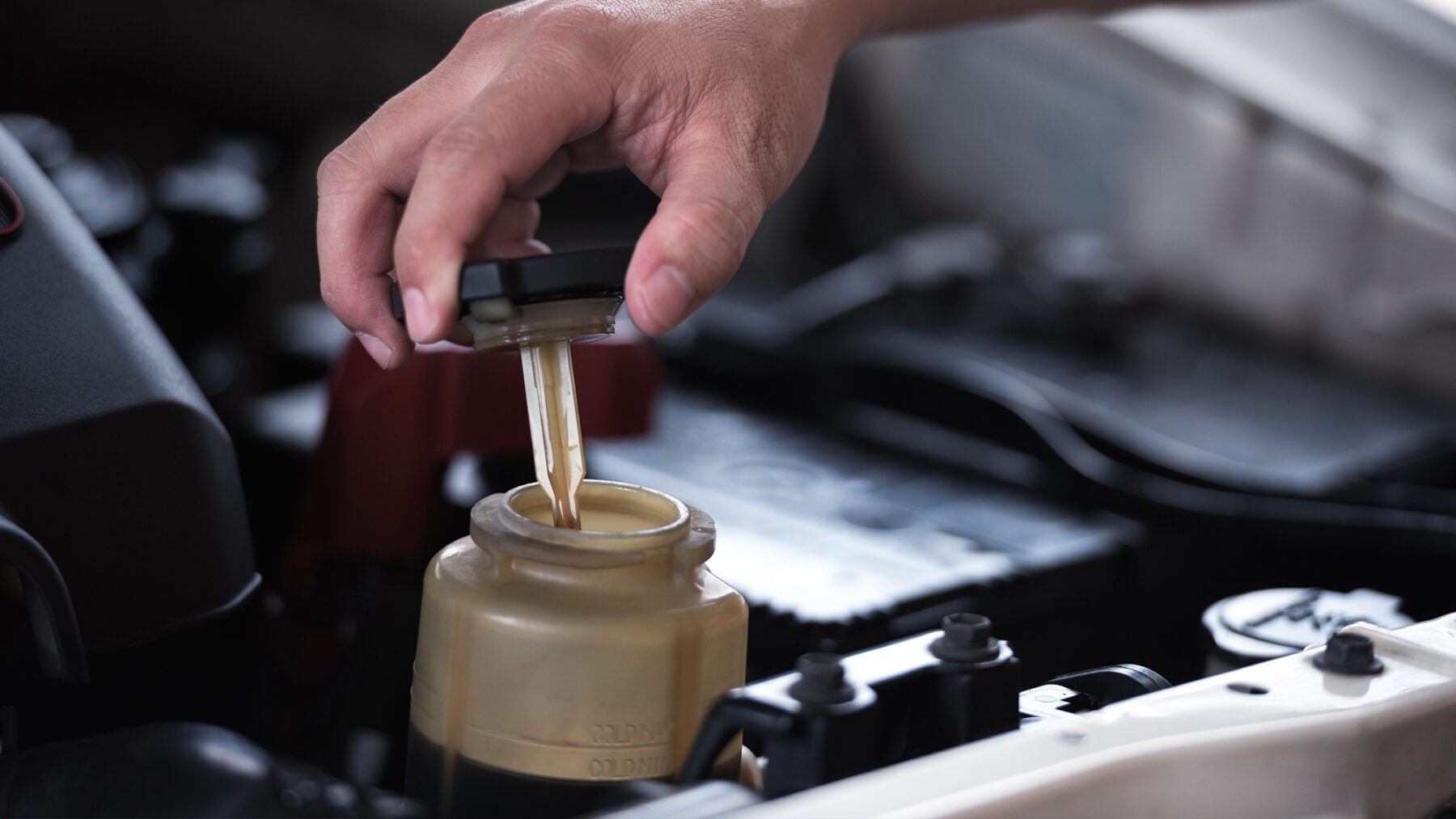
1. Ignoring Regular Oil Changes
One of the biggest reasons why the Toyota C-HR can suffer early damage is when oil changes are ignored or delayed. Engine oil is the blood that keeps the motor alive. It lubricates moving parts, reduces heat, and prevents wear inside the engine. When oil is left in the car for too long, it begins to lose its protective quality.
Old oil becomes dirty and thick, which makes the engine parts rub harshly against one another. This leads to more heat, friction, and slow damage that is not seen immediately but shows up in serious problems later.
Toyota recommends oil changes at specific intervals depending on whether the car uses synthetic or conventional oil. Many drivers assume they can stretch beyond the recommended mileage because the engine sounds fine. The truth is that the wear begins quietly and collects as time goes on. By the time the noise or warning signs come up, expensive internal damage might already be present.
Another mistake is using the wrong oil grade. The C-HR is designed for specific oil viscosity that matches its engine design. Using a thicker or thinner oil can affect lubrication. A lighter oil may not protect properly under high heat, while a thicker oil can make the engine work harder than it should. Both conditions reduce efficiency and shorten the engine’s life.
Skipping oil filter changes also adds more risk. A clogged filter prevents oil from flowing smoothly, leaving dirty particles inside the motor. These small particles behave like sand and cause scratches in sensitive areas of the engine. If this is ignored for long, the result can be early engine wear, lower fuel economy, and possible engine failure before the car reaches 150,000 miles.
Regular oil service with the right grade and a fresh filter is a simple but powerful way to make sure the Toyota C-HR continues running strong for many years.
Also Read: 5 Toyota Yaris Years With Great Reliability vs 5 Without
2. Overlooking Transmission Service
The Toyota C-HR comes with a continuously variable transmission (CVT). This type of gearbox is designed to provide smooth power delivery and good fuel economy. Still, the CVT is sensitive to poor maintenance.
Many drivers assume that transmission fluid lasts forever, but this is not true. When the fluid becomes old, it loses the ability to lubricate the moving parts inside the transmission. That means more heat builds up, and the CVT belt or pulleys start to wear faster.
One mistake that owners make is forgetting to check the transmission fluid level and quality. If the fluid is dark, burnt, or too low, it places more strain on the transmission system. A CVT is not as forgiving as a traditional automatic gearbox.
Once damage begins, it can lead to jerky driving, slipping gears, or complete failure. Repairing or replacing a CVT is one of the most expensive jobs a C-HR owner can face, often costing thousands of dollars.
Another mistake is not following Toyota’s service recommendation for transmission care. Some owners think they should never touch the transmission fluid, but Toyota provides a maintenance schedule for when fluid should be inspected or replaced. Ignoring this guidance can cut the life of the transmission short.
Driving habits also play a role. Sudden acceleration, towing heavy loads, or driving for long periods in high heat without letting the system cool down will shorten the lifespan of the CVT. Many C-HR owners forget that this crossover was not built for heavy duty work. Treating it like a truck can stress the transmission and reduce its chance of reaching 150,000 miles without failure.
Taking the car for regular transmission inspections, replacing the CVT fluid as recommended, and avoiding aggressive driving will help the C-HR transmission stay strong for the long road ahead.

3. Neglecting Cooling System Maintenance
The cooling system in a Toyota C-HR plays a very important role in keeping the engine at the correct temperature. When this system is ignored, the car can face overheating problems that quickly damage the motor.
The coolant liquid helps remove extra heat from the engine and passes it through the radiator where it cools down. If the coolant is old or the system is not inspected often, it cannot perform this task effectively. This mistake alone can cause a breakdown before the car reaches 150,000 miles.
One common issue is using the wrong type of coolant or mixing different kinds together. Toyota designs its cooling system for a specific formula, and using a random product from the store can reduce performance. Mixing different coolants may also create sludge that blocks the radiator and hoses. When these passages are blocked, the engine is left with no way to release heat, and overheating follows.
Another mistake is forgetting to replace the coolant at the right time. Even if the liquid looks clean, it loses its protective chemicals with age. Old coolant cannot stop rust from forming inside the radiator, water pump, and hoses.
Rust particles can build up and block the system. In many cases, owners only discover this problem after the car has already overheated and serious damage has been done to the head gasket or cylinder head.
The radiator fan also plays a role in this system, and if it stops working because of a faulty motor or sensor, the C-HR will overheat, especially in heavy traffic. Many drivers do not notice the fan problem until they see the temperature gauge rising dangerously. At that point, repairs become very costly.
To avoid these troubles, the cooling system must be inspected regularly. The coolant should be changed based on Toyota’s recommendations, and the radiator, thermostat, and hoses should be checked for leaks or wear. Even a small leak can lead to a complete failure if ignored.
By giving proper attention to the cooling system, a Toyota C-HR can maintain stable engine temperatures and continue performing well for long distances. Overheating is one of the quickest ways to destroy an engine, and preventing it is far cheaper than paying for major repairs.
4. Poor Brake and Suspension Care
The Toyota C-HR was built as a compact crossover that balances comfort with safety. For that balance to remain intact, the braking system and suspension must be well maintained. Many drivers underestimate how much these parts contribute to the life of the vehicle. When brakes or suspension are ignored, the C-HR suffers both in performance and durability, which can cut its lifespan short before 150,000 miles.
Brakes are designed to slow the car smoothly and prevent accidents. When pads and rotors are worn out but not replaced, the stopping distance increases. This does not only make driving unsafe but also stresses other parts of the system.
A worn-out brake pad forces the caliper piston to extend further than it should, which can cause fluid leaks and eventual caliper damage. Rotors that are ignored become warped or grooved, leading to vibration and more wear on the suspension.
Another mistake owners make is ignoring brake fluid. Just like engine oil, brake fluid needs regular replacement. With time, it absorbs moisture from the air. Moisture reduces the fluid’s ability to transfer pressure effectively and can also rust the brake lines from the inside. Many people only think of changing pads and rotors, forgetting that the fluid is the link that allows those parts to work.
The suspension system is equally important. The C-HR uses struts, control arms, and bushings to provide stability and comfort. When shocks or struts are worn, the car begins to bounce excessively, making the tires wear unevenly.
This uneven tire wear forces the engine and transmission to work harder than they should, adding unnecessary stress. Ignoring suspension issues also affects steering, which can make the car less responsive in emergencies.
Another error is failing to align the wheels after hitting potholes or curbs. Misaligned wheels cause the suspension parts to wear faster, while also wasting fuel because the engine works harder to push against dragging tires. Many drivers assume alignment is optional, but in reality, it protects both tires and suspension parts.
To avoid these problems, the brake pads and rotors should be checked at every service interval. Brake fluid should be replaced according to Toyota’s recommendation, usually every two to three years.
Suspension parts must be inspected regularly for leaks or worn bushings. By caring for brakes and suspension, the Toyota C-HR will not only drive safer but also retain its strength to last beyond 150,000 miles.
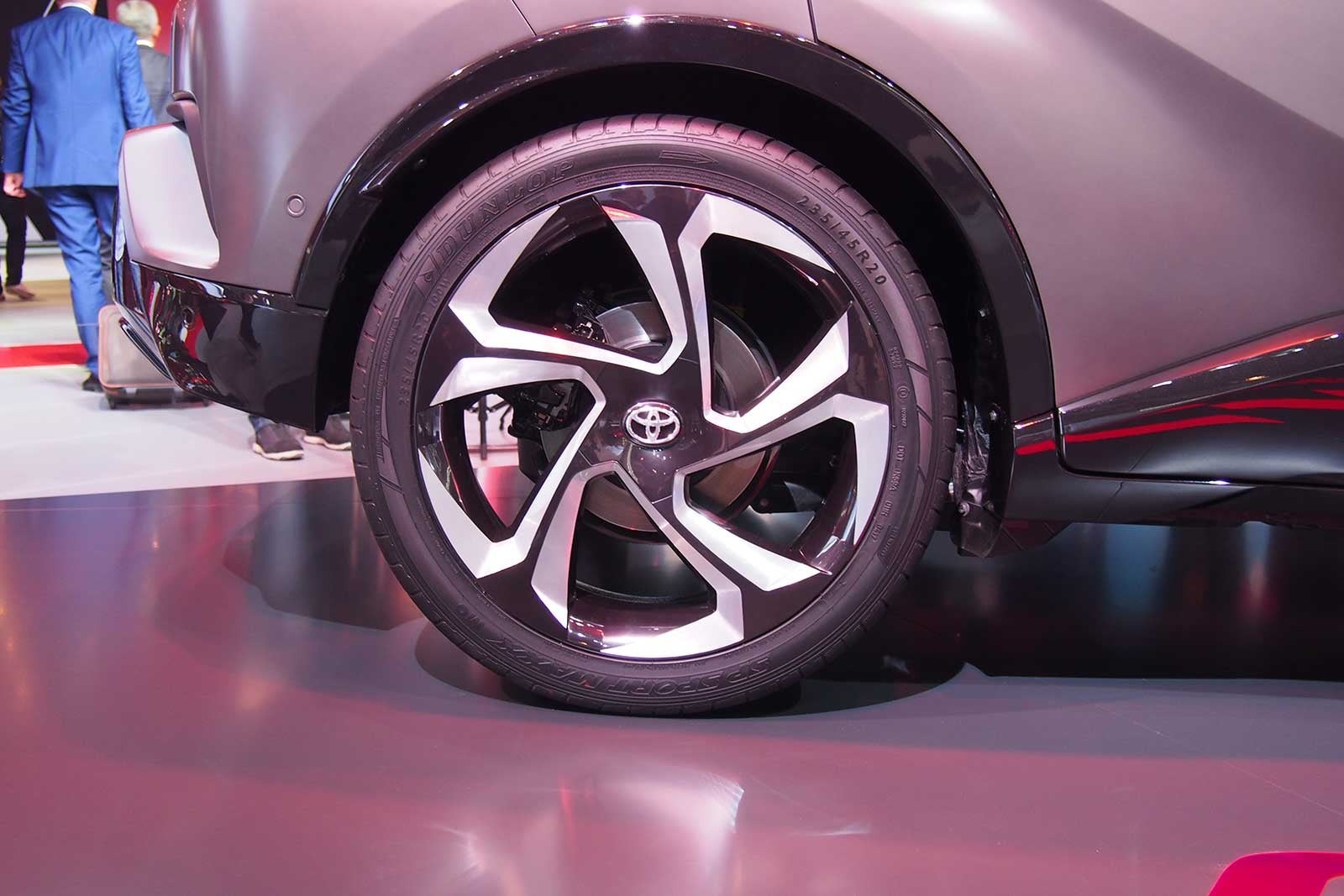
5. Using Cheap or Wrong Tires
Tires are the direct connection between the Toyota C-HR and the road. Choosing the wrong ones or buying cheap replacements is one mistake that can shorten the vehicle’s life. Tires affect handling, fuel economy, braking distance, and even suspension wear.
Many owners do not realize how much stress bad tires can place on the rest of the car. One common mistake is buying tires that do not match the size recommended by Toyota. Every vehicle is engineered with a specific tire size that balances comfort, grip, and fuel efficiency.
Using a tire that is too large or too small throws off this balance. The speedometer becomes inaccurate, the transmission changes differently, and the suspension geometry is disturbed. After some time, this misfit increases stress on wheel bearings, axles, and shocks.
Another error is going for the cheapest option without checking quality. Low-quality tires may look fine at first but wear out much faster. Poor grip increases braking distance, which places more strain on the brakes. Tires with weak sidewalls can also collapse under sharp turns, risking accidents and damage to suspension parts. A blowout at high speed can even cause the car to lose control completely.
Tire rotation and balancing are also often ignored. The C-HR sends power to the front wheels in most trims, meaning the front tires wear faster. If tires are not rotated, the front ones will be worn while the back ones still have tread.
This uneven wear makes the suspension carry more strain. Balancing is equally important because unbalanced tires cause vibration that shakes the suspension and steering components. Proper tire pressure is another area owners ignore.
Driving with underinflated tires wastes fuel and forces the engine to work harder. Overinflated tires reduce grip and make the ride harsh, which transfers stress to the suspension. Both conditions shorten the life of the car’s mechanical systems.
To prevent these issues, always use the exact tire size and quality recommended for the Toyota C-HR. Rotate and balance them as advised in the service manual. Check tire pressure regularly and adjust it to the manufacturer’s specifications.
Taking care of tires protects not only safety but also the long-term durability of the vehicle. With the right tires, the C-HR can easily cross 150,000 miles without suffering unnecessary damage.
6. Delaying Battery and Electrical Care
The electrical system in a Toyota C-HR is often overlooked until problems show up. Many owners believe the battery will last forever or think electrical issues are minor. In reality, weak batteries and poor electrical care can destroy other parts of the car and shorten its useful life.
The battery is the heart of the electrical system. It powers the starter motor, ignition system, sensors, and infotainment unit. When the battery is weak, the starter motor strains, which can wear it out early. Low voltage also makes sensors behave incorrectly, leading to error codes and reduced performance.
The alternator works harder to keep recharging a weak battery, which shortens its life as well. If this cycle continues, both the alternator and starter may fail before the car even reaches 150,000 miles.
Another mistake is ignoring corroded battery terminals. Corrosion reduces the flow of electricity and can cause the car to fail to start at unexpected times. It can also confuse the car’s computer system because the voltage readings fluctuate.
Many owners only notice this when dashboard lights start flickering or the car struggles to crank. Cleaning the terminals and applying protective grease is a simple practice that saves money and stress. Electrical wiring is another area that is often ignored.
The C-HR comes with modern features like driver-assist systems, sensors, and an infotainment screen. If wiring becomes damaged by rodents or wears out due to heat, it can cause shorts that drain the battery. Ignoring warning lights or refusing to diagnose electrical faults can lead to bigger failures.
Using too many aftermarket accessories without checking the electrical load is also dangerous. Some owners add extra lights, sound systems, or gadgets that place more strain on the battery and alternator than they were designed to handle. This overload not only damages the charging system but can also cause fuses to blow repeatedly, making the car unreliable.
To prevent these issues, the battery should be tested regularly and replaced when weak. Terminals must be kept clean, and any electrical warning should be checked immediately. Avoid adding accessories that exceed the electrical capacity of the car. With proper care, the electrical system will remain reliable, and the Toyota C-HR will have no trouble reaching 150,000 miles or more.
Also Read: 10 Hacks That Extend a Toyota Corolla LE Past 200k

7. Poor Driving Habits and Neglecting Service Schedules
Even when all parts of a car are well-designed, poor driving habits can destroy it long before expected. The Toyota C-HR is no different. Aggressive acceleration, sudden braking, and careless handling place extra strain on the engine, transmission, and suspension.
When this becomes a daily pattern, the car wears out faster and may not last up to 150,000 miles. Many owners forget that the C-HR was not built as a performance car or heavy-duty SUV. It is a compact crossover meant for city driving and moderate highway trips.
Treating it like a race car by constantly pushing it to high speeds or flooring the accelerator shortens the life of the CVT transmission and increases fuel use. Sudden braking wears down brake pads and rotors, while rough steering damages suspension components.
Another major mistake is neglecting the service schedule provided by Toyota. Oil changes, fluid replacements, filter changes, and inspections are timed to prevent long-term damage. When these schedules are ignored, small problems grow into expensive failures.
For example, a simple air filter replacement is cheap, but when ignored, dirt enters the engine and causes wear that leads to reduced performance. A skipped coolant change can allow rust to block the radiator, leading to overheating and engine damage.
Ignoring warning lights on the dashboard is another harmful habit. The car’s computer is designed to alert drivers about issues early. A check engine light, brake warning, or transmission alert should never be dismissed. Many owners continue driving with these warnings, only to face breakdowns later.
Carrying heavy loads also shortens the life of the C-HR. Though it has decent space, it is not designed for excessive weight. Loading it with more than it was built to carry damages the suspension, tires, and transmission.
To keep the Toyota C-HR alive past 150,000 miles, drivers must combine proper habits with timely servicing. Driving smoothly, avoiding overload, and respecting Toyota’s service schedule will keep the car healthy. Preventive care is always cheaper than repair, and it ensures the C-HR remains a dependable partner for many years.
The Toyota C-HR is built to deliver reliable service, but its ability to last depends on how well it is cared for. Many owners lose sight of the fact that durability is not only about design but also about consistent attention. Each of the mistakes discussed in this guide can cut years off the life of the car.
Ignoring oil changes, failing to service the transmission, and neglecting the cooling system are choices that quietly damage the engine and shorten its life. Brake and suspension neglect make the car unsafe while also wearing down other parts. Cheap tires, poor battery care, and careless driving habits all add stress that the car was not designed to handle.
What makes these mistakes dangerous is that they rarely show immediate results. A car might continue running smoothly for months while hidden wear is building up inside. By the time symptoms appear, repairs are often expensive, and in some cases, the damage cannot be reversed. This is why preventive care is always more effective than waiting for problems to appear.
Toyota designed the C-HR to balance comfort and dependability, but no engineering can make up for poor maintenance. Owners who respect service intervals, use the correct fluids, choose quality parts, and drive responsibly will get the most value from the car. Those who delay small services or cut corners often find themselves facing breakdowns earlier than expected.
Extending the life of a Toyota C-HR is not difficult. It requires discipline and a willingness to pay attention to details. Checking oil, coolant, tires, and brakes regularly, while avoiding aggressive driving, is enough to keep the car in a healthy condition. The difference between a C-HR that lasts 200,000 miles and one that struggles before 150,000 miles often lies in these everyday choices.
For drivers who want to enjoy their C-HR for the long term, the lesson is clear. Avoid the seven mistakes discussed, stay consistent with maintenance, and treat the car with care. By doing so, the Toyota C-HR will not only meet expectations but exceed them, delivering safe and reliable journeys for many years to come.
