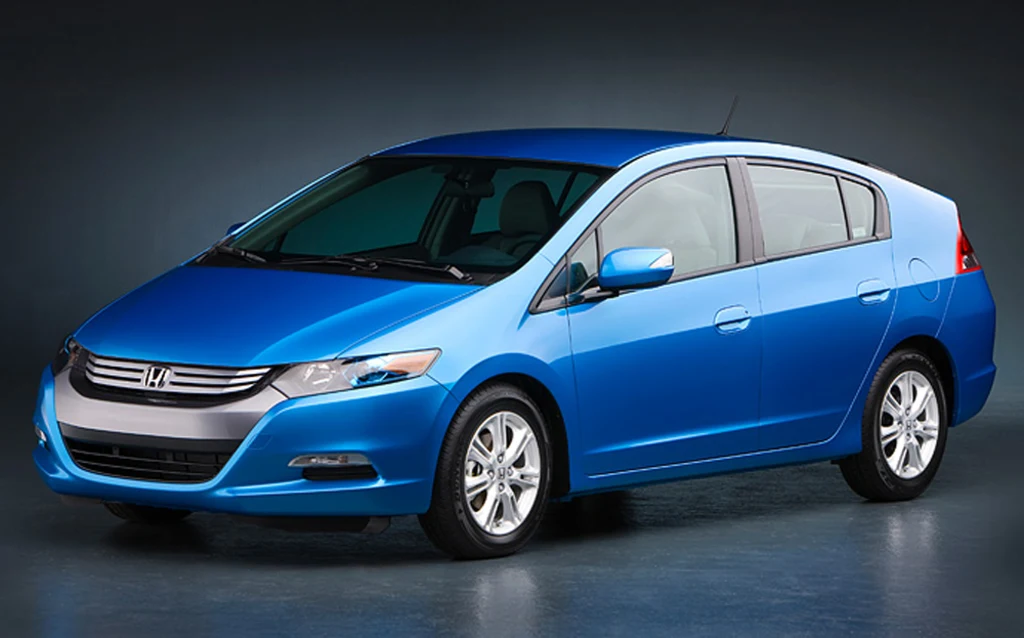
The Honda Insight has long been a benchmark for hybrid efficiency, offering drivers a blend of fuel economy, reliability, and practical design.
From its debut in 2000 as the first mass-produced hybrid in the United States, the Insight has evolved through multiple generations, adapting to changing consumer expectations and technological advancements.
Over the years, it has faced both praise and criticism, with certain model years standing out for exceptional performance, comfort, and dependability, while others struggled with mechanical or electronic issues.
In the hybrid market, where competitors like the Toyota Prius and Hyundai Ioniq have dominated, the Insight has carved its own niche, often appealing to drivers seeking understated styling combined with proven Honda engineering.
This article highlights five Honda Insight model years worth buying, evaluating their performance, fuel efficiency, interior quality, and value to help prospective buyers make informed decisions in a used hybrid market that emphasizes both economy and reliability.
5 Honda Insight Years Worth Buying
1. 2006 Honda Insight
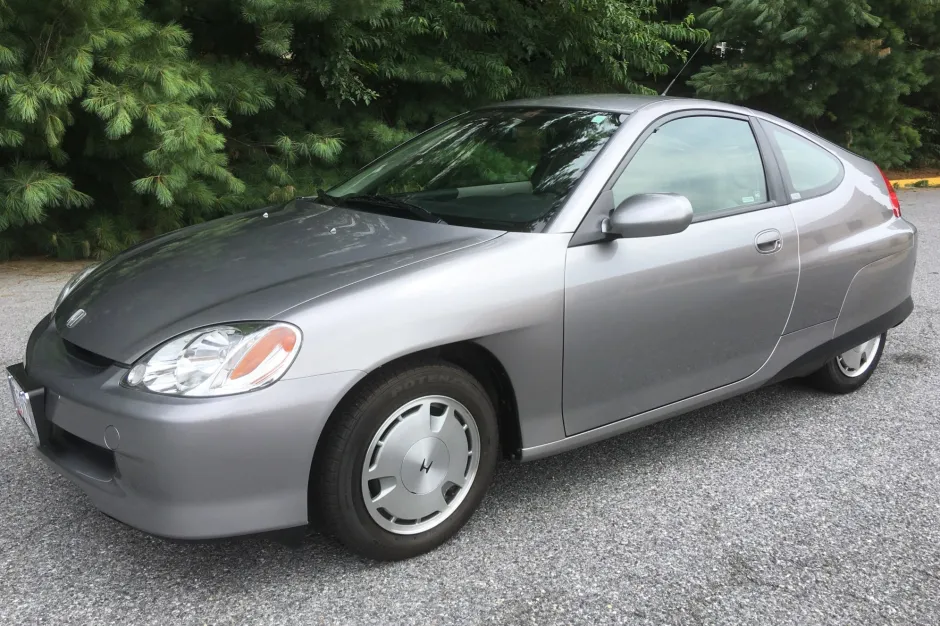
The 2006 Honda Insight marked the last year of the first-generation model and remained one of the most fuel-efficient cars sold in the United States. With its manual transmission, it achieved an impressive 66 miles per gallon on the highway, surpassing even the Toyota Prius of its era.
This was made possible by its lightweight aluminum construction, aerodynamic profile, and low rolling-resistance tires. While a continuously variable transmission (CVT) was available, it offered lower efficiency and raised reliability concerns, making the manual the preferred choice.
Despite its age and limitations, such as seating for only two and minimal cargo capacity, the Insight is still attractive to drivers prioritizing reliability and exceptional fuel economy.
Introduced in 2000, the Honda Insight was the first mass-produced hybrid available in the U.S., setting the stage for hybrid technology in an era of tightening emissions and fuel economy standards.
Unlike the short-lived electric cars of the 1990s, Honda’s approach combined a gasoline engine with an electric motor through its Integrated Motor Assist (IMA) system. This setup enabled remarkable efficiency without the need for external charging.
The 2006 model carried forward this pioneering design without major updates, continuing to prove that innovation in engineering could deliver both practicality and economy. With its 0.25 drag coefficient and a range of about 500 miles per tank, the Insight was a showcase of Honda’s forward-looking vision.
The Insight’s IMA system paired a 1.0-liter three-cylinder gasoline engine with a lightweight electric motor and a nickel-metal hydride battery pack. The manual transmission version produced 73 horsepower and 79 lb-ft of torque, while the CVT offered slightly lower output but smoother power delivery.
Fuel economy stood at 60 city/66 highway mpg with the manual and 57 city/56 highway mpg with the CVT. Safety performance was respectable for its size, with four-star ratings in both frontal and side crash tests.
Standard features included antilock brakes, though side airbags were not offered. On the road, the Insight was nimble and easy to maneuver, though its light weight and narrow tires made it prone to instability in crosswinds and uneven pavement.
Inside, the Insight featured a futuristic cabin design that blended simplicity with functionality. Its digital instrument cluster provided constant feedback on fuel consumption, electric motor activity, and average mpg, turning every drive into a fuel-saving challenge.
While its two-seat configuration and limited practicality kept it from being a mainstream choice, the Insight stood out as a unique and purposeful vehicle.
By combining exotic aluminum construction, daring design, and groundbreaking hybrid technology, the first-generation Honda Insight secured its place in history not only as the first hybrid sold in America but also as one of the most efficient and distinctive vehicles ever produced.
2. 2014 Honda Insight
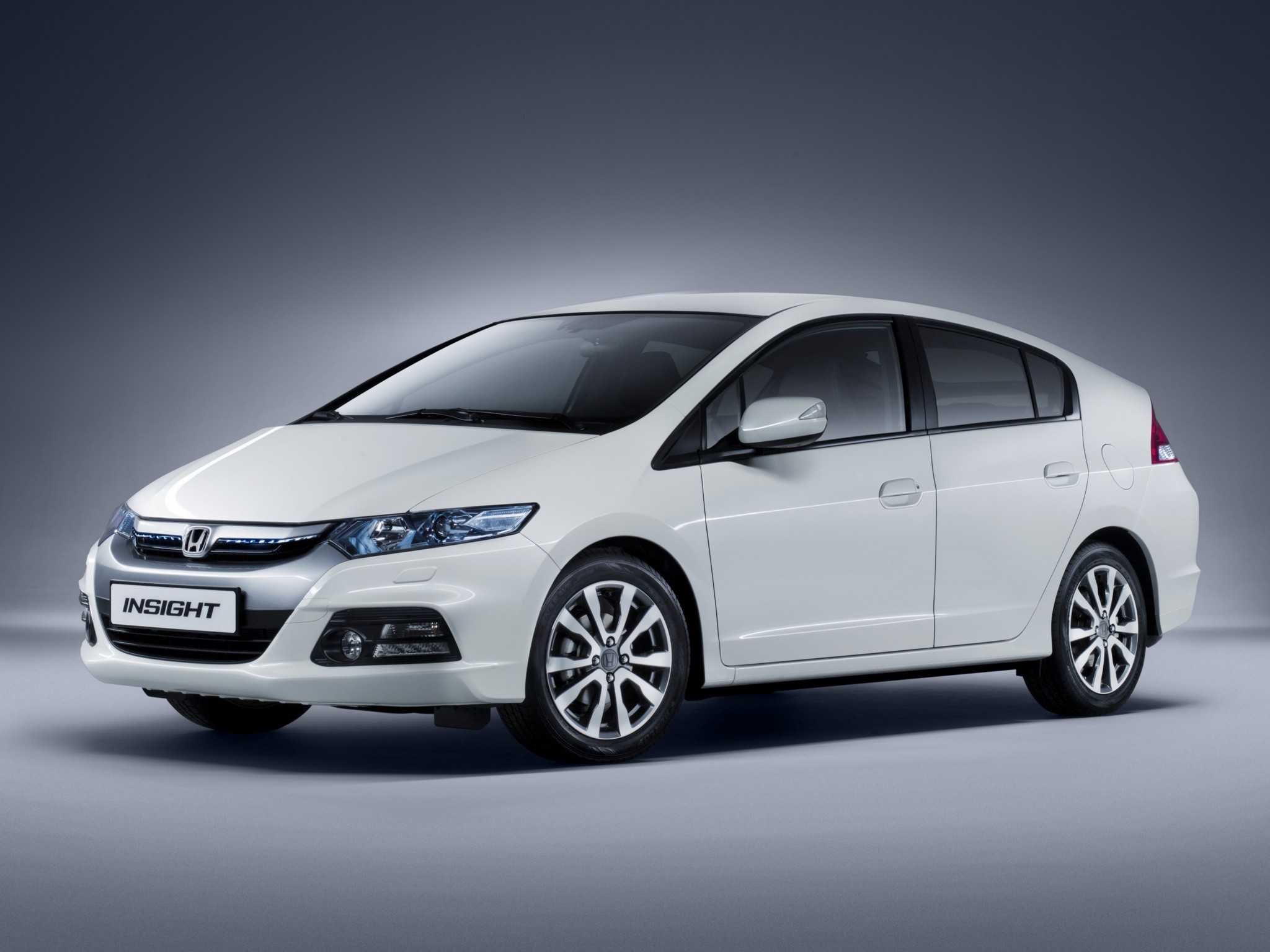
The 2014 Honda Insight is a compact hybrid hatchback that emphasizes affordability and fuel efficiency. While it never matched the popularity of the Toyota Prius, it stands out for low ownership costs and strong reliability, with few complaints reported by owners.
No major changes were introduced for this model year, keeping its design and mechanical setup consistent with prior iterations. With a starting MSRP below $20,000, the Insight offers a hybrid powertrain and Honda’s reputation for durability, making it an appealing choice for budget-conscious buyers.
The exterior remains unassuming, reflecting a conventional hatchback look, while the cabin delivers functional ergonomics and intuitive controls. For drivers prioritizing low costs and respectable fuel economy, the 2014 Insight is a practical option despite its less compelling presence compared to rivals.
Under the hood, the 2014 Insight features a 1.3-liter four-cylinder gasoline engine paired with an electric motor and a nickel-metal hydride battery pack, producing a combined 98 horsepower and 123 lb-ft of torque.
Power is delivered to the front wheels through a continuously variable transmission (CVT), while an automatic stop-start system improves efficiency by shutting down the gasoline engine during stops. Acceleration from 0 to 60 mph takes 10.8 seconds, comparable to the Toyota Prius C but slower than some small non-hybrid competitors.
Fuel economy is a highlight, with an EPA-estimated 42 mpg combined (41 city/44 highway). Unlike full hybrids, the Insight’s electric motor cannot propel the car on its own at low speeds, meaning the gasoline engine is engaged at all times, which slightly limits the fuel-saving potential in stop-and-go traffic.
The cabin of the 2014 Insight is functional and driver-focused, though rear seating is cramped for adults. Front seats provide adequate comfort, and the digital display offers helpful fuel-efficiency coaching, such as color changes on the speedometer to encourage economical driving.
Base models are minimalistic, lacking a center console and advanced audio features, though controls are logically placed and easy to use. Cargo space measures 15.9 cubic feet behind the rear seats, expanding to 31.5 cubic feet with the 60/40 split seats folded.
Ride quality is firm due to the suspension setup, making the Insight slightly less comfortable over rough pavement, while cabin noise can be noticeable at highway speeds. Despite these limitations, the interior is well-organized and practical for commuting and light cargo needs.
Safety is a strong suit for the 2014 Insight, with standard features including antilock brakes, stability and traction control, front-side airbags, side curtain airbags, and active front head restraints. Optional rearview cameras are available on higher trims.
In IIHS testing, the Insight earned “Good” ratings in frontal, side, and roof-strength assessments, as well as for whiplash protection. On the road, the vehicle drives more like a traditional gasoline car than a hybrid because the electric motor primarily supplements power rather than propels the car independently.
Steering is well-calibrated, and handling feels composed, making it slightly more engaging than a Prius C. Minor annoyances, such as the air-conditioning compressor shutting off at stops, reflect the trade-offs made for efficiency.
The 2014 Insight offers a balanced blend of reliability, fuel economy, and practical driving dynamics for those prioritizing low operating costs.
3. 2021 Honda Insight
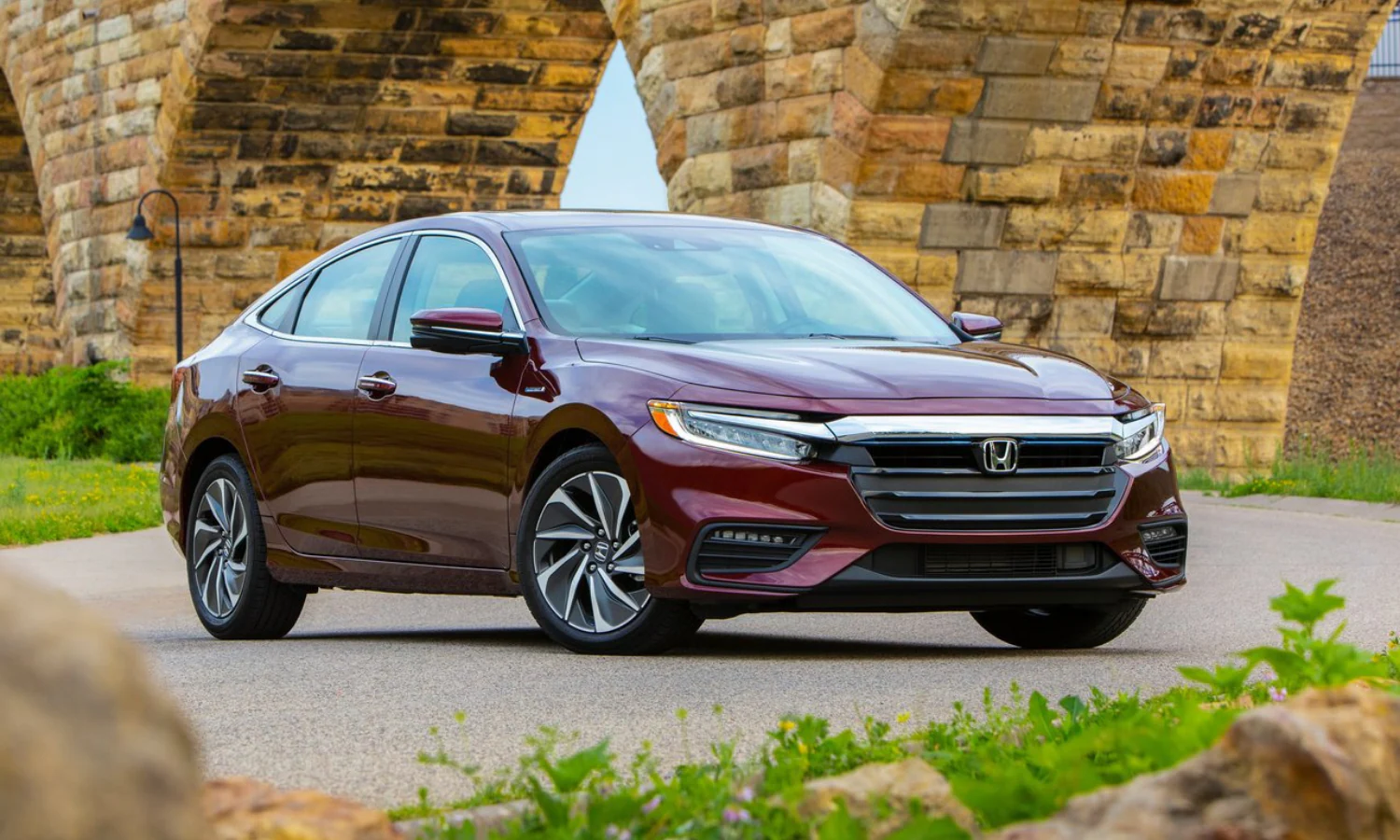
The 2021 Honda Insight continues the third-generation formula introduced in 2019, offering a compact sedan that balances efficiency with practicality. This model replaced the unique LaneWatch rear-facing camera system with a conventional blind-spot monitoring system, providing alerts for both sides of the vehicle.
Aesthetic updates included a new Radiant Red Metallic paint option, giving buyers more personalization choices. Sized between the Civic and Accord, the Insight maintains a sleek, understated exterior that appeals to drivers seeking a fuel-efficient hybrid without the unconventional styling of competitors like the Toyota Prius.
Inside, the cabin is spacious for a compact sedan, with well-labeled controls and a layout that emphasizes comfort and usability. While rear headroom is slightly limited for taller passengers, front occupants benefit from adjustable seating and ample elbow room.
Honda’s focus on functional interior design extends to storage, with a deep center console, 60/40 split-folding rear seats, and thoughtfully positioned car seat anchors.
Under the hood, the 2021 Insight pairs a 1.5-liter four-cylinder engine with an electric motor to produce 151 horsepower, allowing it to accelerate from 0 to 60 mph in 8.1 seconds. The hybrid powertrain delivers smooth, responsive acceleration, particularly in city driving, where the electric motor provides ample low-speed torque.
Steering is precise, and handling is tidy around corners, making it more engaging than a typical hybrid. Braking is predictable and easy to modulate, although the pedal can feel disconnected during heavy stops.
The regenerative braking system effectively recaptures energy, though it occasionally resets in normal driving mode. With its balanced chassis and composed ride, the Insight provides a comfortable driving experience that leans toward refinement rather than sporty excitement.
Technology in the 2021 Insight is practical and accessible, featuring a sharp infotainment screen, physical shortcut buttons, and seamless Apple CarPlay and Android Auto integration on EX and Touring trims.
Honda Sensing comes standard, providing adaptive cruise control, lane-keeping assist, and collision mitigation braking, though the alerts are conservatively tuned compared to competitors. The cabin emphasizes comfort with medium-firm seats, supportive cushioning, and effective climate control.
Road noise is noticeable at highway speeds, and engine vibrations can be felt during battery charging, but these are minor drawbacks in a well-insulated and thoughtfully arranged cabin. The Insight’s interior successfully blends functionality with comfort, making it suitable for daily commuting or long trips.
The 2021 Insight shines in fuel economy, with an EPA rating of 48–52 mpg combined and real-world testing confirming efficiency around 50 mpg. Its practical storage solutions, combined with a versatile trunk and well-designed center console, make it useful for families and commuters alike.
The sedan is competitively priced and offers a quality interior and refined driving experience that belies its cost. Warranty coverage is comparable to Toyota but trails Hyundai and Kia, although the Insight remains inexpensive to maintain and operate.
As a subtle evolution in the hybrid segment, the 2021 Honda Insight demonstrates that efficient sedans can be both practical and sophisticated without broadcasting their eco-friendly credentials.
4. 2020 Honda Insight
The 2020 Honda Insight carried forward the strengths of the third-generation model, offering a balance of fuel efficiency, comfort, and refinement that made it one of the most reliable hybrid sedans on the market.
With only a small number of complaints reported, most relating to electrical issues, this model year stands out for its dependability and build quality. Honda engineered the Insight to provide a conventional sedan experience without sacrificing hybrid efficiency, a departure from the distinctive styling of rivals like the Toyota Prius.
While it doesn’t advertise itself as a hybrid through bold design cues, the 2020 Insight makes the eco-friendly lifestyle more accessible to drivers who prefer a low-profile look.
Its sedan body does trade away some cargo flexibility compared to hatchbacks, but clever interior storage solutions help compensate, making it a practical everyday vehicle.
On the road, the 2020 Insight performed better than many of its hybrid competitors, thanks to responsive steering, predictable braking, and a hybrid system that delivered smooth power.
A combined output of 151 horsepower from its 1.5-liter four-cylinder engine and electric motor provided enough punch for a respectable 0–60 mph time of 8.1 seconds, making it quicker than many hybrids in its class.
Around town, the electric motor added torque for seamless low-speed acceleration, while handling felt tidy and composed, similar to the Honda Civic on which it was based. The regenerative braking system was effective, though drivers noted that it sometimes reset itself outside of Sport mode.
Despite its relatively quiet powertrain at cruising speeds, engine vibrations at idle and increased noise at freeway speeds were minor drawbacks that slightly detracted from an otherwise refined driving experience.
Inside, the 2020 Insight offered one of the most comfortable and thoughtfully designed cabins in its segment. The seats featured supportive cushioning suitable for long drives, though lumbar adjustment was absent.
Honda’s space-efficient design delivered generous front passenger room, while rear headroom was somewhat limited for taller occupants. Visibility was good from the driver’s seat, though thick rear pillars created blind spots.
Build quality reflected Honda’s reputation, with soft-touch materials, clean design, and durable finishes. Storage was another strength, led by a deep and versatile center console with adjustable inserts, plus a trunk offering 15 cubic feet of cargo space and foldable 60/40-split rear seats.
Though it lacked the full cargo versatility of a hatchback like the Prius, the Insight remained a practical sedan capable of handling everyday family needs, including car seats, thanks to accessible LATCH anchors and ample rear space.
The 2020 Insight was equipped with Honda’s updated infotainment system, offering a sharp, responsive touchscreen, physical shortcut buttons, and seamless smartphone integration via Apple CarPlay and Android Auto on EX trims and higher.
Standard across the lineup was Honda Sensing, which included adaptive cruise control, lane keeping assist, and collision mitigation braking, though alerts were sometimes overly conservative.
Fuel economy was among the best in class, with EPA estimates of 48–52 mpg and real-world results often exceeding 50 mpg in mixed driving. Value was another strong suit, as the Insight delivered a high-quality cabin, advanced features, and impressive efficiency at a reasonable price point.
Though Honda’s warranty coverage lagged behind rivals like Hyundai and Kia, the Insight’s reputation for reliability helped offset that concern. The 2020 Honda Insight offered an attractive package of efficiency, comfort, and understated style, solidifying its place as one of the most reliable and well-rounded hybrid sedans of its era.
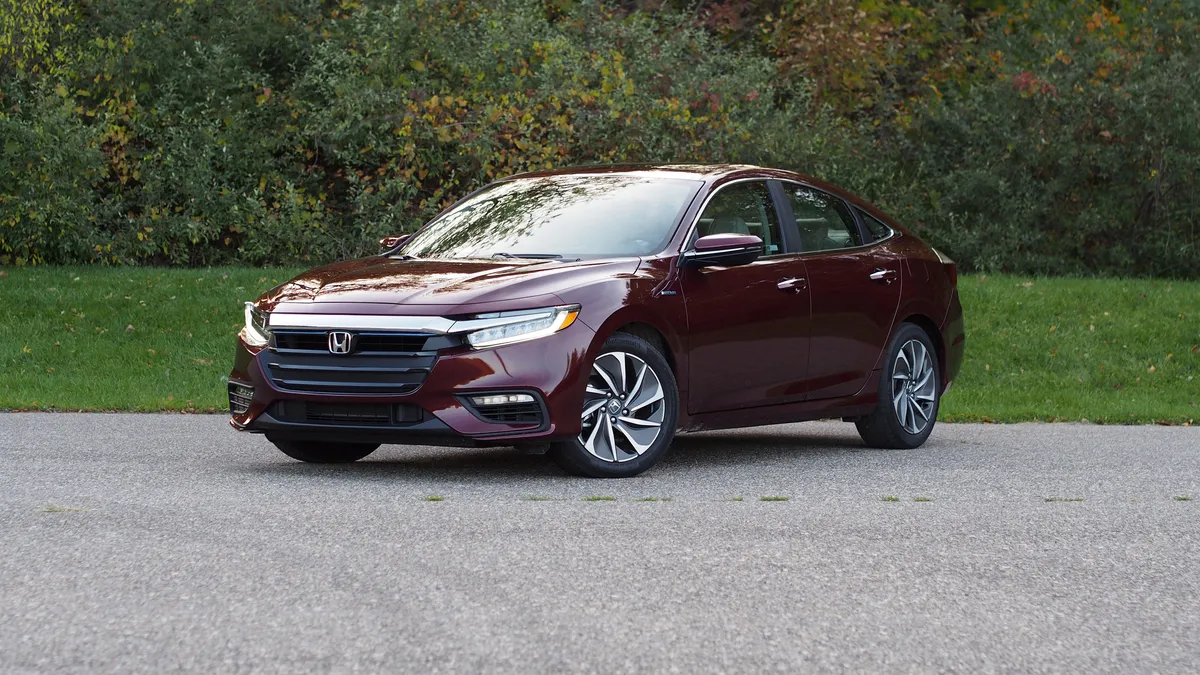
5. 2022 Honda Insight
The 2022 Honda Insight marked the final year of production for Honda’s hybrid sedan, closing out its third generation. Considered the most refined version yet, the 2022 Insight blended Civic-inspired styling, impressive fuel economy, and advanced tech in a package that received strong ratings from critics and owners alike.
Edmunds gave it 4.8/5, Kelley Blue Book 4.3/5, and JD Power scored it 77/100, making it one of the highest-regarded hybrid sedans available in its class. Unlike earlier hybrids that stood out with bold styling, the Insight was designed with a subdued, conventional look that appealed to drivers who preferred efficiency without flash.
While Honda discontinued the entry-level LX trim for 2022, leaving only EX and Touring options, the model remained competitively priced and well-equipped. As a send-off, the 2022 Insight solidified its reputation as one of the most practical, comfortable, and efficient hybrid sedans ever made.
Driving the 2022 Insight was a polished experience, with its hybrid system offering seamless transitions between gas and electric power. Powered by a 1.5-liter four-cylinder paired with an electric motor, it delivered 151 horsepower and a 0–60 mph time of 8.1 seconds quick among hybrids in its class.
Around town, the electric motor’s torque made acceleration responsive, while the precise steering and well-tuned suspension gave it handling reminiscent of the Honda Civic. Braking performance was solid, with a 123-foot stop from 60 mph, though the pedal felt slightly disconnected under hard braking.
Drivers also noted that the regenerative braking system tended to reset itself outside of Sport mode, requiring frequent adjustments. Despite these quirks, the Insight was one of the most refined-driving hybrids of its time, striking a balance between comfort and efficiency without sacrificing everyday drivability.
Inside, the 2022 Insight delivered a premium feel for its class, with a cabin designed for comfort and functionality. The front seats provided solid support for long drives, though lumbar adjustment was not available.
Noise remained the biggest drawback, as the gas engine could idle loudly and create vibrations when recharging the battery, and road noise was more noticeable at higher speeds. Still, the cabin layout and build quality reflected Honda’s reputation for craftsmanship, with soft-touch materials and intuitive controls.
The rear offered adequate space for passengers, though taller occupants might find headroom tight. Storage was another highlight, with a well-designed center console featuring sliding dividers and a deep compartment, as well as a 15-cubic-foot trunk with foldable 60/40-split seats.
Despite not matching the hatchback versatility of a Toyota Prius, the Insight provided excellent practicality for families and commuters alike.
Technology was a strong suit for the 2022 Insight, with a sharp and responsive infotainment screen, physical shortcut buttons, and seamless integration of Apple CarPlay and Android Auto on EX trims and above.
Safety came standard via Honda Sensing, which included adaptive cruise control, lane-keeping assist, and collision mitigation braking, though these features were conservatively tuned compared to competitors.
Fuel economy was outstanding, with EPA ratings between 48 and 52 mpg combined and real-world testing confirming results around 50 mpg. Value was another strength, as the Insight delivered a premium-feeling cabin and driving experience at a competitive price point.
While Honda’s warranty coverage lagged behind Hyundai and Kia, owners praised the long-term reliability and low operating costs. As the final iteration of Honda’s dedicated hybrid sedan, the 2022 Insight left a lasting impression as a smart, efficient, and refined choice for eco-conscious drivers.
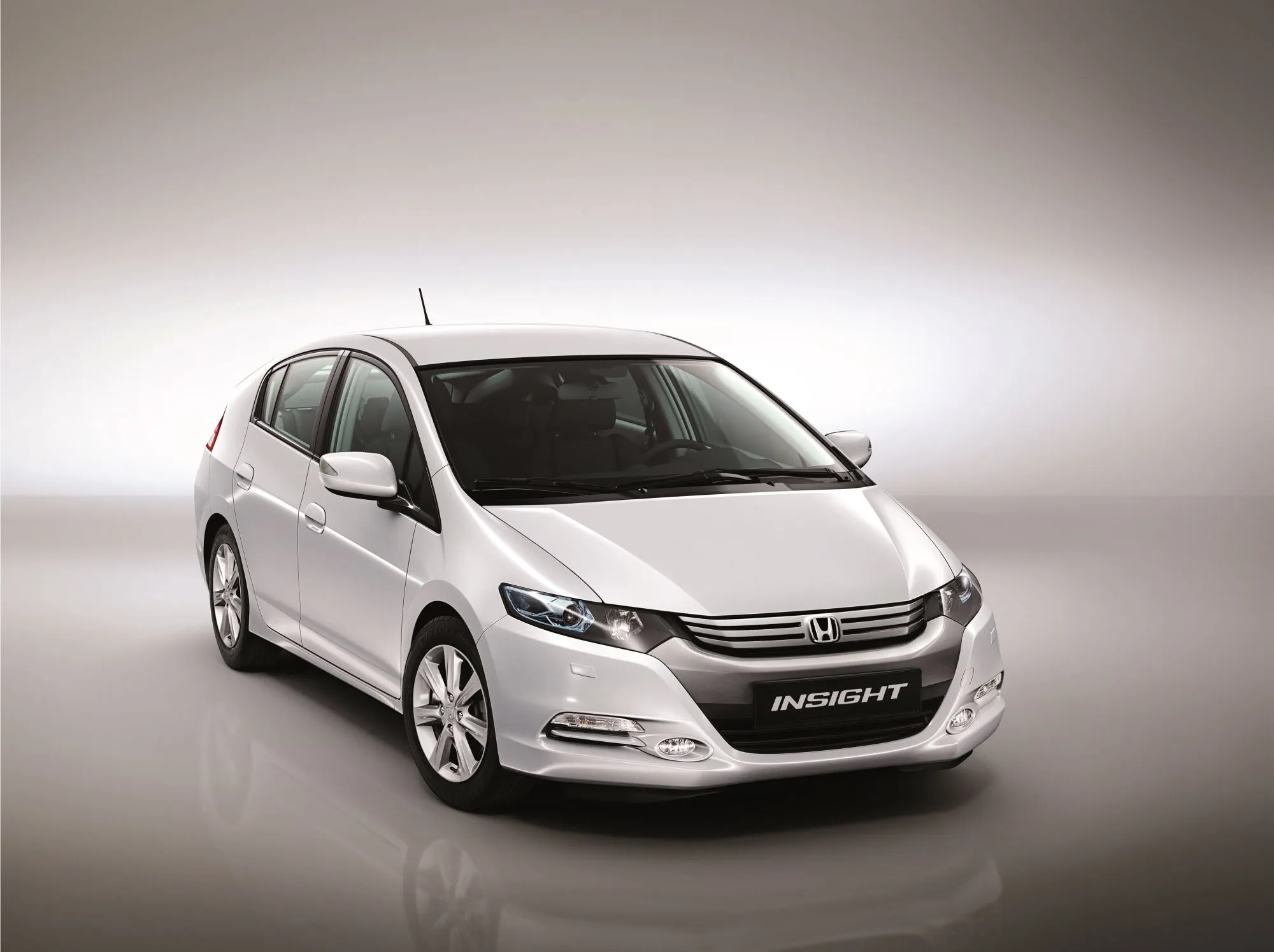
Also Read: 5 Cars with Backup Cameras You Can Trust vs 5 That Are Blurry and Useless
5 Honda Insight Years To Avoid
1. 2019 Honda Insight: Electronics and Camera Issues
The 2019 Honda Insight, part of the third generation, was generally well-received for its efficiency and refinement but was plagued by electronics-related issues that frustrated many owners. Chief among these problems were persistent rear-view camera malfunctions.
Some drivers reported distorted or blurry images, while others noted that the colors displayed on the screen were inaccurate, making it difficult to rely on the camera for safe maneuvering. In certain cases, the camera would shut off completely and fail to restart, posing a safety risk during reversing.
Alongside these issues, the infotainment system was also prone to crashes, creating further inconvenience. Additional complaints included dashboard creaking noises, as well as sensors that occasionally triggered sudden and unnecessary braking, a problem that not only disrupted the driving experience but could also lead to dangerous situations in traffic.
Altogether, the 2019 Insight recorded 8 complaints on CarComplaints.com and 54 problems on CarProblemZoo.com. While these numbers are modest compared to earlier generations, they highlighted a recurring theme: Honda’s struggle with integrating reliable electronic systems into the Insight.
Owners who valued safety and consistency found these flaws particularly concerning, especially given how central backup cameras and infotainment systems had become in modern vehicles.
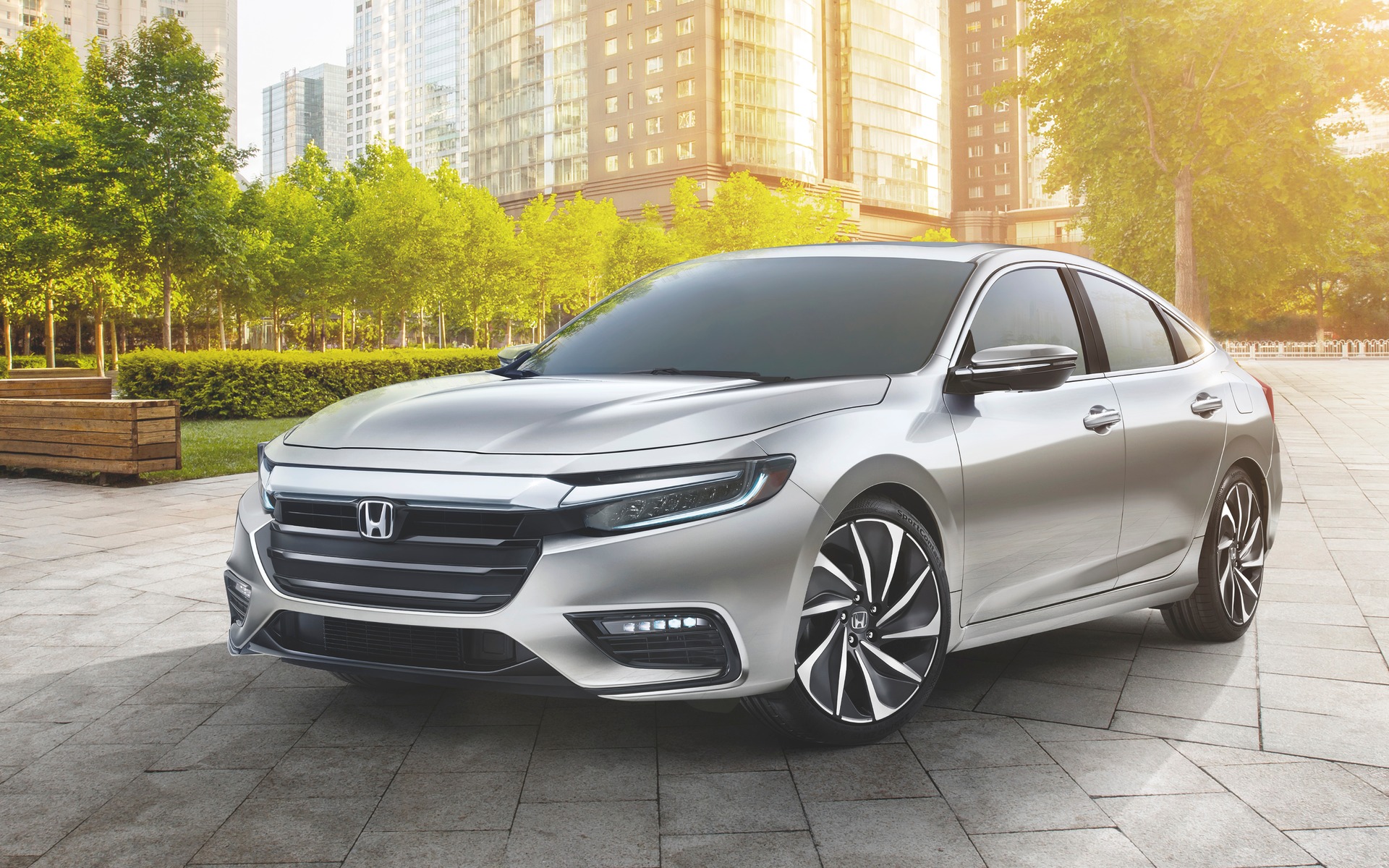
2. 2013 Honda Insight: Engine Failures and Oil Consumption
The 2013 Honda Insight stands out as one of the most problematic model years in terms of engine reliability. Many drivers reported sudden stalling while driving at relatively low speeds, often accompanied by multiple dashboard warning lights flashing at once.
Investigations into these failures pointed to excessive oil consumption caused by defective piston rings and pistons. This issue frequently resulted in significant engine damage, requiring costly repairs. Some cases were severe enough to cause piston meltdown, damaging spark plugs and cylinder components.
One owner recounted being quoted between $7,000 and $10,000 for engine replacement after Honda denied warranty coverage due to a service bulletin, leaving them stranded with an undrivable vehicle and steep repair bills.
In total, the 2013 Insight accumulated 34 complaints on CarComplaints.com and 53 problems on CarProblemZoo.com. Commonly cited issues included engine blowouts, melted exhaust valves, and even premature tire pressure loss.
For a hybrid marketed as reliable and efficient, such catastrophic engine problems were particularly disappointing. Owners expressed frustration not only with the failures themselves but also with Honda’s lack of accountability, as many were left paying thousands out of pocket for a car that still carried outstanding loans.
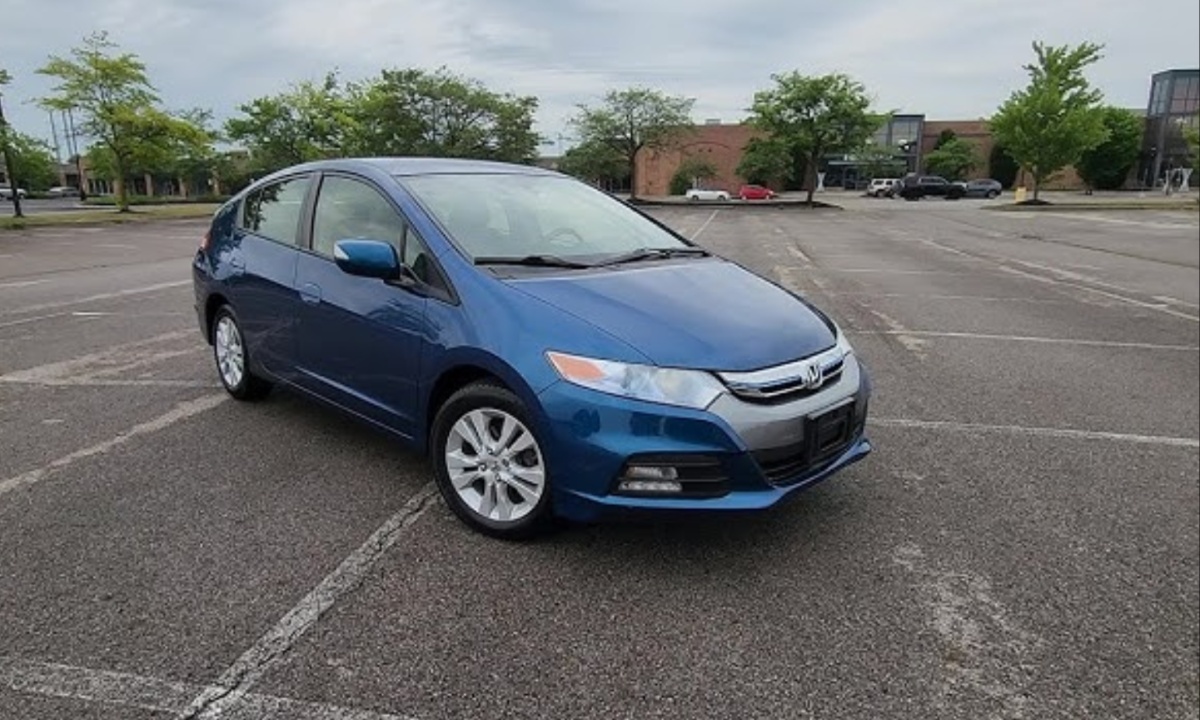
3. 2012 Honda Insight: Oil Burning and Engine Stalling
The 2012 Honda Insight mirrored the struggles of the 2013 model year, suffering from widespread engine and oil-related problems that undermined its reputation for efficiency. Numerous drivers reported excessive oil consumption, with some stating that their cars would burn through oil within just a few days of a fresh oil change.
Unlike standard leaks, this oil loss was traced to internal engine defects, meaning that the oil was being consumed rather than leaking externally. Alongside the oil-burning problem came other alarming symptoms such as rattling, shaking, and eventually complete stalling of the engine while driving.
In some extreme cases, owners experienced total engine failure, often accompanied by foul odors from oil burning. One frustrated owner described having to add oil constantly and being quoted nearly $4,000 for repairs despite widespread acknowledgment of the defect online.
With 88 complaints listed on CarComplaints.com and 62 reports on CarProblemZoo.com, the 2012 Insight was one of the worst offenders in the lineup. Commonly reported issues included excessive oil usage, uncomfortable seating, and sudden engine failure. These chronic problems made the 2012 Insight a financial and safety burden for many drivers, tarnishing Honda’s reputation for hybrid dependability.
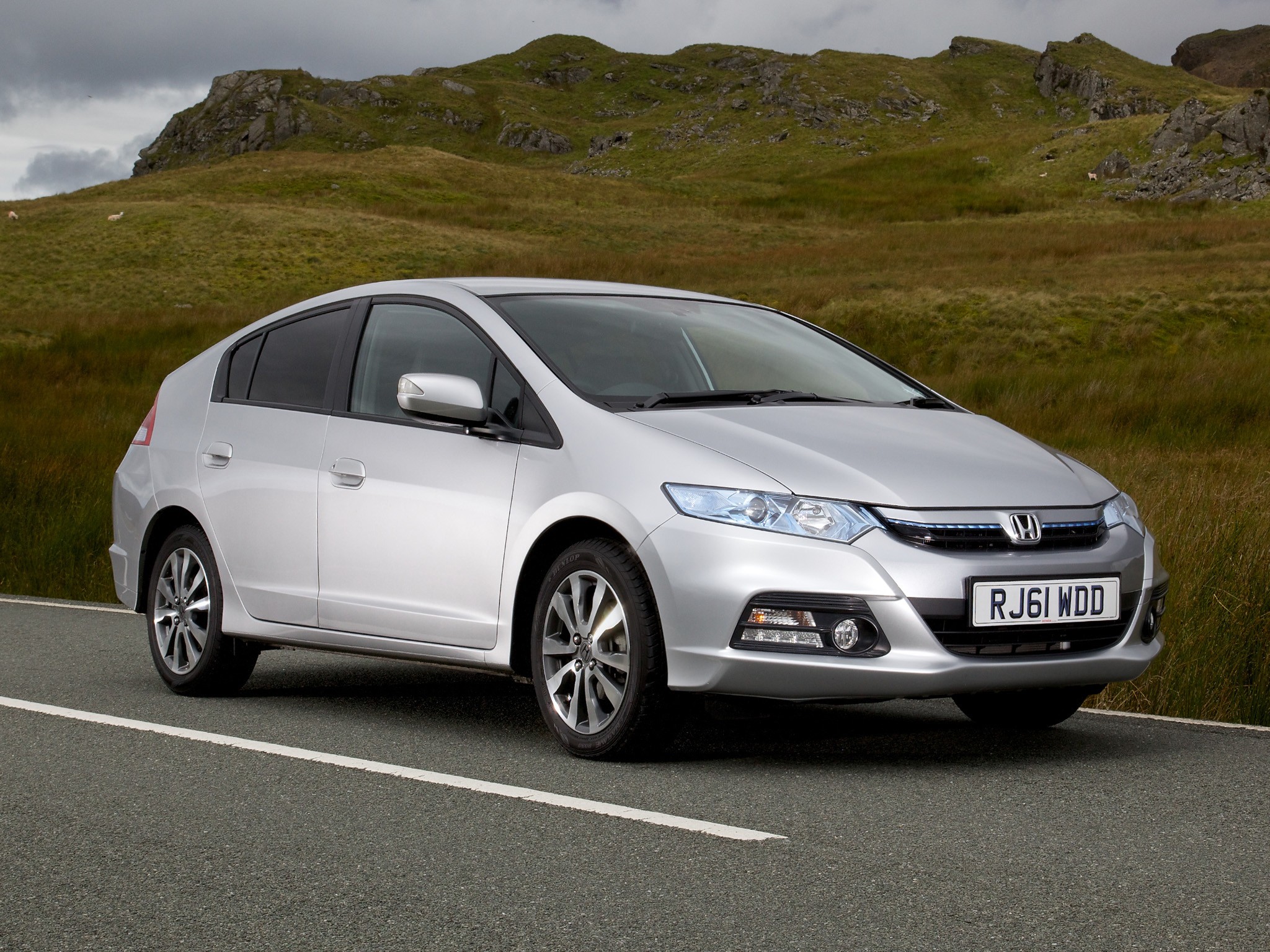
4. 2011 Honda Insight: Airbag Recalls and Reliability Concerns
The 2011 Honda Insight was less problematic than the 2012 and 2013 models, but it was not without significant flaws. Like many vehicles of its time, it was swept up in the massive Takata airbag recall, which involved airbags that could rupture and send dangerous shrapnel into the cabin.
Many Insight owners faced long wait times for replacement parts, leaving them to drive unsafe vehicles or park them indefinitely. Beyond the recall, engine-related complaints continued, though at a smaller scale compared to surrounding model years.
Excessive oil consumption was still noted, albeit less severe than in 2012–2013. Other common complaints included uncomfortable headrests, obstructive blind spots, and general concerns with visibility, which made the Insight less enjoyable for daily driving.
In total, the 2011 model recorded 11 complaints on CarComplaints.com and 47 on CarProblemZoo.com, indicating fewer issues compared to other years, yet still highlighting lingering quality problems.
While the 2011 model avoided catastrophic engine failures on a large scale, its involvement in one of the largest safety recalls in automotive history left a stain on its reputation. Owners who purchased this model year often had to weigh the fuel savings against safety risks and frustrating wait times for critical repairs.
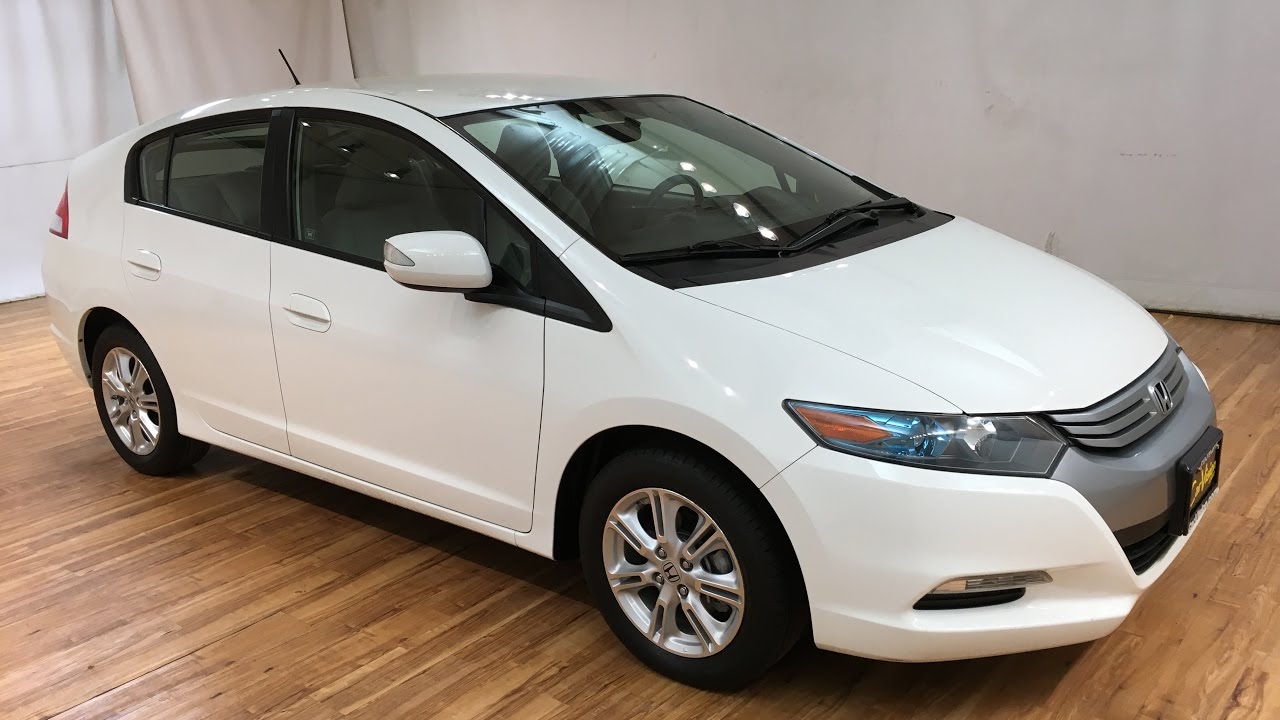
5. 2010 Honda Insight: The Most Problematic Model Year
The 2010 Honda Insight, the first model year of the second generation, proved to be the most troublesome of all. With 17 complaints logged at CarComplaints.com and a staggering 143 problems at CarProblemZoo.com, it racked up the highest number of issues in the lineup.
Like the 2011 model, it was impacted by the Takata airbag recall, but some owners also reported airbags failing to deploy in actual crashes, compounding safety concerns. Another serious problem involved braking failures and unintended acceleration.
One driver described pressing the brakes at low speeds only to find them unresponsive, causing a collision that triggered airbag deployment and led to injury. Beyond these critical safety issues, the 2010 Insight also faced chronic complaints of peeling paint, malfunctioning brakes, and uncomfortable seating.
These compounded frustrations made it a poor choice for many owners, especially those expecting Honda’s hallmark reliability. As the launch year of the second generation, the 2010 Insight set a troubling precedent with structural, mechanical, and safety flaws. Despite its efficiency and affordability, the high number of complaints damaged its credibility and made it one of the least recommended years in the Insight’s history.
Choosing the right Honda Insight means finding the right balance of efficiency, comfort, reliability, and modern features. Certain models stand out for their durability, thoughtful engineering, and everyday drivability, offering a dependable hybrid experience that combines fuel economy with practical usability.
The later generations, in particular, refined the Insight’s design with conventional sedan styling, responsive handling, and advanced technology, creating a hybrid that feels more like a traditional car while still delivering impressive efficiency.
While no vehicle is completely free of flaws, the most reliable Insights have a proven track record, with fewer systemic issues and solid long-term performance.
For drivers seeking an economical, well-built, and comfortable hybrid, these models offer a smart combination of practicality, value, and engineering quality, making them an excellent choice for both daily commuting and long-term ownership.
Also Read: 5 Cars That Rarely Need Brake Pad Replacements vs. 5 That Burn Through Them