

The Honda Element, produced from 2003 to 2011, remains one of the most beloved and practical vehicles Honda ever created. With its distinctive boxy design, clamshell rear doors, and incredibly versatile interior, the Element carved out a unique niche in the automotive market.
These vehicles were built with Honda’s reputation for reliability and longevity in mind, often capable of reaching 200,000 miles or more with proper care. However, despite their robust engineering, many Honda Elements meet an untimely demise due to poor maintenance habits and neglectful ownership practices.
The Element’s appeal lies in its utilitarian design and exceptional versatility. Originally marketed toward younger, active consumers who needed a vehicle that could haul surfboards, camping gear, and muddy dogs with equal ease, the Element’s removable rear seats and washable interior made it a favorite among outdoor enthusiasts, urban dwellers, and practical-minded drivers.
Its high seating position, excellent visibility, and compact footprint made it ideal for city driving, while its Honda reliability made it a smart long-term investment.
Unfortunately, the very characteristics that make the Element so appealing can also contribute to its premature failure when owners develop destructive habits.
Many Element owners, drawn to the vehicle’s rugged appearance and practical nature, mistakenly believe it requires minimal maintenance or can withstand abuse that would quickly destroy other vehicles.
This misconception, combined with common automotive maintenance oversights, can transform a potentially long-lasting vehicle into an expensive repair nightmare.
The habits outlined in this article represent the most common and destructive practices that can significantly shorten your Honda Element’s lifespan.
From neglecting basic fluid changes to ignoring early warning signs of mechanical problems, these behaviors can turn minor maintenance issues into major repair bills.
Understanding and avoiding these pitfalls is crucial for Element owners who want to maximize their vehicle’s longevity, maintain its resale value, and avoid the frustration and expense of premature mechanical failure.
By recognizing these destructive patterns early and adopting better maintenance practices, Element owners can ensure their unique vehicles provide many years of reliable, trouble-free service.
1. Neglecting Regular Oil Changes and Using Wrong Oil Type
Oil is the lifeblood of your Honda Element’s engine, and nothing kills an engine faster than neglecting regular oil changes or using the wrong type of oil.
The Element’s K24A4 2.4-liter four-cylinder engine is a robust powerplant, but it requires consistent lubrication to prevent catastrophic failure. Many Element owners, perhaps lulled by Honda’s reputation for reliability, stretch oil change intervals far beyond recommended limits or choose cheap, inappropriate oil to save money.
Honda recommends oil changes every 7,500 miles under normal driving conditions, but this interval assumes ideal operating conditions that rarely exist in real-world driving.
Stop and go traffic, short trips, extreme temperatures, dusty conditions, and towing all constitute “severe service” conditions that require more frequent oil changes, typically every 3,000 to 5,000 miles.
The Element’s boxy shape and higher center of gravity mean it works harder in crosswinds and highway driving, generating more heat and stress on engine components.
Using the wrong oil viscosity can be equally destructive. The Element requires 5W-30 oil in most climates, specifically formulated to provide proper flow characteristics at startup while maintaining adequate thickness at operating temperature.
Using thicker oil like 10W-40 in cold climates can starve the engine of lubrication during startup, while using oil that’s too thin can lead to excessive wear and oil consumption. Modern engines also require oils that meet specific API and ILSAC standards to protect advanced engine technologies.
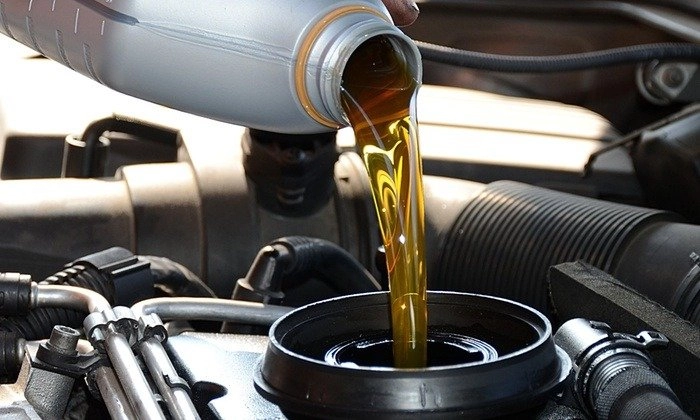
The consequences of oil neglect are progressive and devastating. Initially, you might notice increased engine noise, reduced fuel economy, and sluggish acceleration.
As contaminated oil turns to sludge, it clogs oil passages, preventing proper lubrication of critical components like the timing chain tensioner, variable valve timing system, and camshaft journals.
The Element’s VTEC system is particularly sensitive to oil quality, as it relies on oil pressure to operate properly. Neglected oil can cause VTEC failure, resulting in poor performance and expensive repairs.
Eventually, neglected oil leads to complete engine failure. Bearings seize, pistons score cylinder walls, and the timing chain can stretch or break, causing valve damage.
What started as a $30 oil change becomes a $3,000 to $5,000 engine replacement. Many Element owners discover this too late, finding their reliable Honda suddenly suffering from knocking sounds, metal shavings in the oil, or complete engine seizure.
The irony is that proper oil maintenance costs less than $200 annually but can prevent thousands in repair costs. Smart Element owners establish a strict oil change routine, keep detailed maintenance records, and use high-quality oil that meets Honda’s specifications.
They also monitor oil levels regularly, as the Element’s engine can consume oil as it ages. By treating oil changes as non-negotiable maintenance rather than optional expenses, they ensure their Element’s engine provides many years of reliable service.
2. Ignoring Transmission Maintenance and Fluid Changes
The Honda Element’s five-speed automatic transmission is generally reliable, but it’s also one of the most expensive components to replace when neglected.
Many Element owners operate under the dangerous misconception that automatic transmission fluid is “lifetime” and never needs changing. This belief, sometimes reinforced by misleading marketing claims, can destroy an otherwise healthy transmission and leave owners facing repair bills that exceed the vehicle’s value.
Transmission fluid serves multiple critical functions beyond simple lubrication. It provides hydraulic pressure for gear changes, cools transmission components, conditions seals and gaskets, and carries away metal particles and combustion byproducts. Over time, this fluid breaks down from heat, contamination, and oxidation.
The Element’s transmission, while robust, generates significant heat during normal operation, especially when carrying loads or driving in hilly terrain. This heat accelerates fluid degradation, turning once-clear red fluid into dark, burnt-smelling lubricant that can no longer protect transmission components.
Honda recommends transmission fluid changes every 30,000 miles under normal conditions, but severe service conditions require more frequent changes.
These conditions include towing, driving in extreme temperatures, frequent stop-and-go traffic, and mountain driving all common scenarios for Element owners who use their vehicles for outdoor adventures and urban commuting. The Element’s practical nature means it’s often loaded with cargo, which increases transmission workload and heat generation.
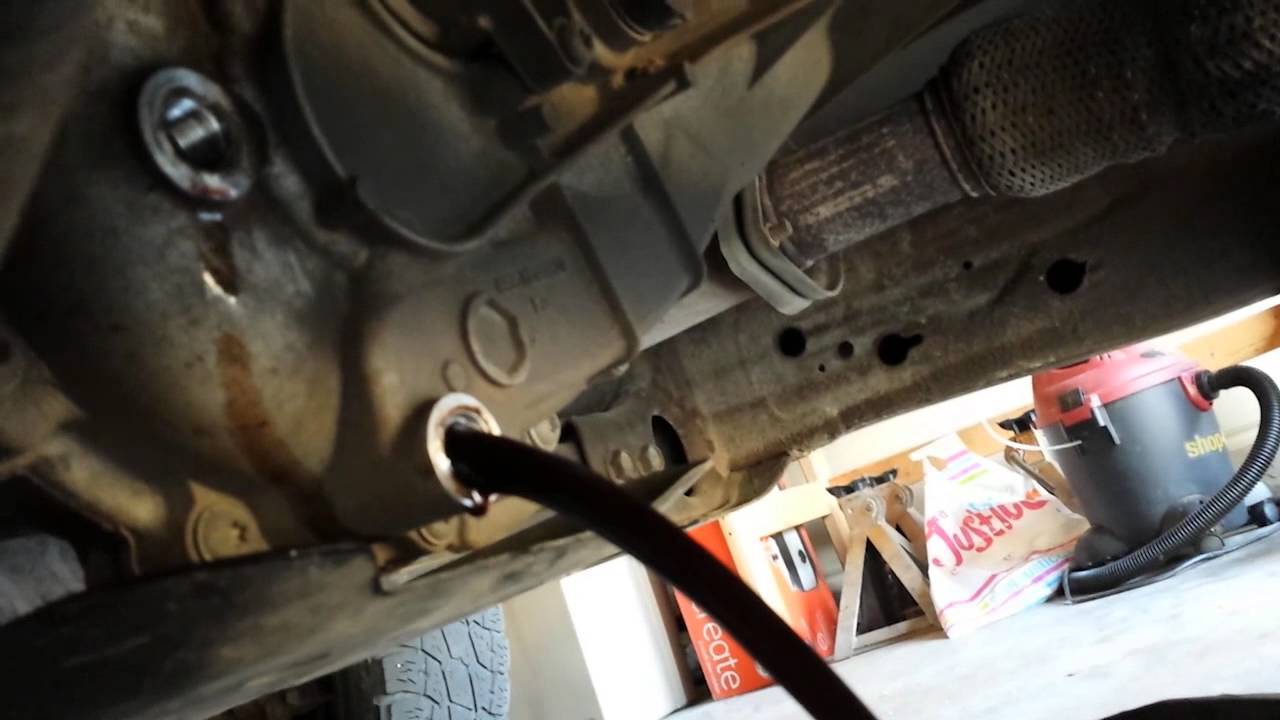
Signs of transmission neglect often develop gradually. Initially, you might notice slightly delayed engagement when shifting from park to drive, occasional rough shifting, or transmission hesitation during acceleration. As fluid continues to degrade, these symptoms worsen.
The transmission may begin slipping, producing a revving engine without corresponding acceleration. Harsh shifting, especially during cold starts, indicates internal wear from inadequate lubrication. Eventually, neglected transmissions fail completely, leaving owners stranded and facing repair costs of $2,500 to $4,000.
The false economy of skipping transmission service becomes apparent when comparing costs. A transmission fluid change typically costs $100 to $150 at a reputable shop, while transmission replacement can cost more than the Element’s entire value.
Many owners who neglect this maintenance discover their mistake too late, finding their practical Element suddenly unreliable and expensive to repair. Modern transmission fluids are sophisticated products designed to meet specific performance requirements.
Using generic fluids or mixing different types can cause seal swelling, shift problems, and accelerated wear. Honda specifies particular fluids for the Element’s transmission, and using substitutes can void warranties and cause expensive damage.
Proactive Element owners treat transmission maintenance as essential insurance against costly failures. They change fluid at recommended intervals, use only Honda-specified products, and monitor transmission behavior for early warning signs.
This approach ensures their Element’s transmission provides smooth, reliable operation throughout the vehicle’s lifespan, maintaining both performance and resale value while avoiding the nightmare of premature transmission failure.
3. Skipping Air Filter Replacements and Ignoring Engine Breathing
The Honda Element’s engine requires a constant supply of clean air to operate efficiently, and the air filter serves as the first line of defense against contaminants that can cause expensive internal damage.
Many Element owners treat air filter replacement as an optional maintenance item, not understanding that a clogged or dirty filter can trigger a cascade of problems that significantly reduce engine life and performance. This seemingly minor oversight can lead to major repairs and premature engine failure.
The Element’s K24A4 engine uses a precise air-to-fuel ratio to achieve optimal combustion, fuel economy, and emissions control. When the air filter becomes clogged with dirt, dust, pollen, and debris, it restricts airflow into the engine, forcing it to work harder to draw in the air needed for combustion.
This restriction doesn’t just affect performance it fundamentally alters how the engine operates, creating conditions that accelerate wear and reduce longevity. A dirty air filter forces the engine to run rich, meaning it receives too much fuel relative to available air.
This condition causes incomplete combustion, leading to carbon buildup on valves, pistons, and combustion chambers. Over time, this carbon accumulation can cause pre-ignition, knocking, and hot spots that damage engine internals.
The Element’s VTEC system, which relies on precise air and fuel metering, becomes less effective with a restricted air supply, reducing both performance and fuel economy.
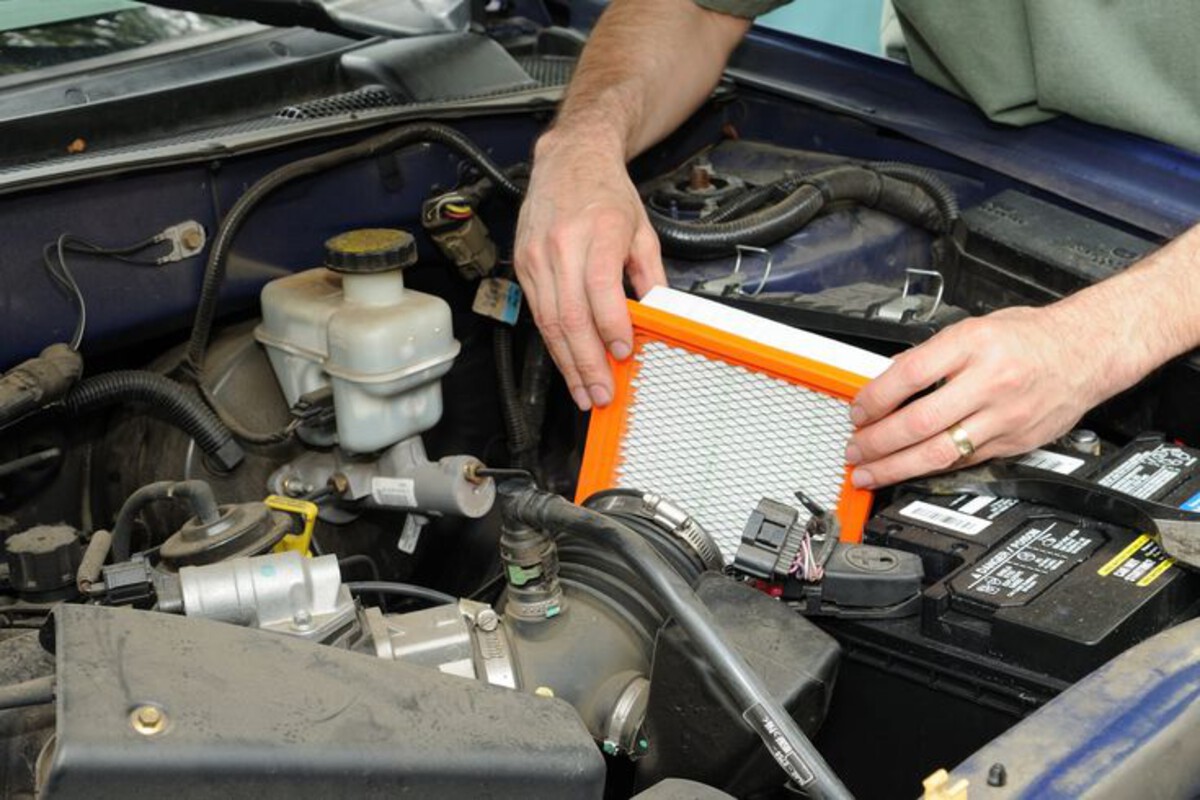
The consequences extend beyond the engine itself. Modern vehicles, including the Element, use Mass Airflow (MAF) sensors to measure incoming air and adjust fuel delivery accordingly.
A dirty air filter can cause the MAF sensor to become contaminated with oil and debris from the filter media, leading to incorrect air measurements.
This contamination can trigger check engine lights, poor idle quality, hesitation during acceleration, and increased emissions. Cleaning or replacing a contaminated MAF sensor can cost $150 to $300, far more than regular air filter replacements.
Neglected air filters also affect the Element’s emissions control systems. The catalytic converter, designed to operate within specific temperature and mixture ranges, can become damaged by the rich fuel mixture caused by air restriction.
Carbon buildup from incomplete combustion can clog the converter, leading to back-pressure that further reduces engine efficiency and can cause expensive exhaust system failures.
The Element’s practical design means it’s often driven in dusty conditions construction sites, unpaved roads, camping areas, and urban environments with high particulate levels.
These conditions accelerate air filter contamination, requiring more frequent replacements than the standard 12,000-mile intervals recommended for normal driving. Element owners who regularly drive in challenging conditions might need to replace air filters every 6,000 to 8,000 miles to maintain optimal engine health.
The cost difference between prevention and repair is dramatic. A quality air filter costs $15 to $25 and takes minutes to replace, while engine damage from prolonged air restriction can require thousands in repairs.
Carbon cleaning services, valve work, and catalytic converter replacement can easily exceed $2,000, making air filter neglect one of the most expensive false economies in automotive maintenance.
Smart Element owners inspect their air filter regularly, especially after driving in dusty conditions. They understand that this simple, inexpensive component plays a crucial role in engine longevity and performance, treating its replacement as essential maintenance rather than an optional expense.
4. Neglecting Cooling System Maintenance and Overheating Prevention
The Honda Element’s cooling system is a complex network of components working together to maintain optimal engine temperature, and neglecting this system is one of the fastest ways to destroy an otherwise reliable engine.
Many Element owners underestimate the importance of cooling system maintenance, viewing coolant as a “set it and forget it” fluid that requires minimal attention. This dangerous misconception can lead to catastrophic engine failure, leaving owners with repair bills that far exceed their vehicle’s value.
Coolant serves multiple critical functions beyond simple temperature regulation. It prevents freezing in winter, inhibits corrosion throughout the cooling system, lubricates water pump seals and bearings, and maintains proper pH levels to protect aluminum and steel components.
The Element’s engine uses a combination of aluminum and iron components, requiring coolant with specific corrosion inhibitors to prevent galvanic corrosion between dissimilar metals. Over time, these inhibitors become depleted, transforming protective coolant into a corrosive mixture that attacks engine internals.
Honda specifies long-life coolant changes every 100,000 miles, but this interval assumes perfect conditions and quality coolant. Real-world factors like contamination, mixing different coolant types, and system leaks can significantly reduce coolant effectiveness.
Many Element owners compound these problems by adding water instead of proper coolant mixture, diluting corrosion protection and altering freezing and boiling points. Others mix incompatible coolant types, creating chemical reactions that can form gel-like substances that clog cooling passages.
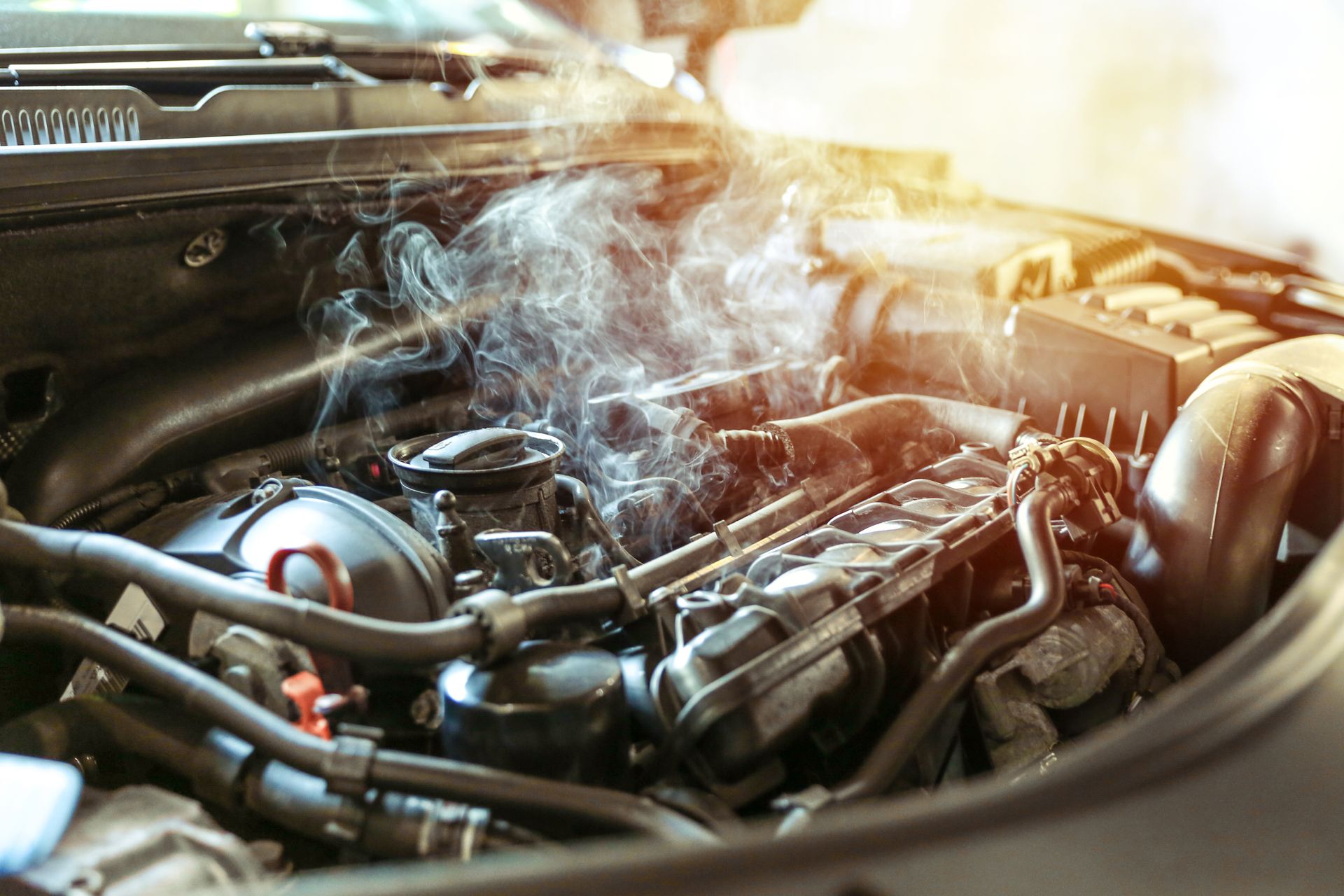
The Element’s engine design makes it particularly vulnerable to cooling system problems. The aluminum cylinder head expands and contracts differently than the iron engine block, creating stress points that can develop leaks if coolant chemistry becomes unbalanced.
The engine’s VTEC system generates additional heat during high-RPM operation, demanding efficient heat dissipation. When cooling system efficiency decreases due to neglect, these heat loads can quickly overwhelm the system’s capacity.
Early signs of cooling system problems often go unnoticed until major damage occurs. Gradual coolant loss might be attributed to normal evaporation rather than internal leaks. Slightly raised operating temperatures might be dismissed as normal variation.
Brown or rusty coolant indicates serious corrosion, but many owners only discover this during emergency repairs. By the time obvious symptoms appear overheating, white exhaust smoke, or external leaks extensive damage has often already occurred.
Overheating can destroy an Element’s engine in minutes. Aluminum cylinder heads can warp at temperatures just above normal operating range, requiring expensive machining or replacement.
Head gasket failure, caused by thermal expansion and contraction, can allow coolant into combustion chambers and oil passages, contaminating the lubrication system and requiring complete engine rebuilding.
The Element’s interference engine design means that severe overheating can cause pistons to contact valves, necessitating complete engine replacement.
The financial impact of cooling system neglect is severe. A complete cooling system service, including coolant replacement, thermostat, and hoses, typically costs $200 to $400.
The engine replacement due to overheating damage can cost $4,000 to $6,000, often exceeding the Element’s entire value. Many insurance companies consider overheating damage as maintenance-related, excluding it from coverage and leaving owners responsible for the full repair cost.
Prevention requires understanding that the cooling system is an integrated whole. Regular coolant changes using Honda-specified products, periodic system pressure testing, and prompt attention to leaks or temperature fluctuations can prevent most cooling-related failures.
Element owners who treat cooling system maintenance as essential protection rather than optional service ensure their engines provide many years of reliable operation without the nightmare of overheating damage.
Also Read: 10 Steps That Keep a Nissan Sentra Running Strong for Families
5. Poor Fuel Quality Choices and Fuel System Neglect
The Honda Element’s fuel system is precision-engineered to deliver clean fuel at exact pressures and volumes, but many owners unknowingly sabotage this system through poor fuel choices and neglect of fuel system maintenance.
While the Element’s engine is designed to run on regular unleaded gasoline, the quality of that fuel and the condition of the fuel system components can dramatically affect engine longevity, performance, and reliability. Neglecting fuel quality and system maintenance can lead to expensive repairs and premature engine failure.
Modern gasoline contains numerous additives designed to prevent fuel system problems, but not all fuels are created equal. Top-tier gasoline brands include enhanced detergent packages that help keep fuel injectors, intake valves, and combustion chambers clean.
Lower-quality fuels often contain minimal detergents, allowing deposits to accumulate over time. The Element’s direct-injection-like characteristics in its VTEC system make it particularly sensitive to fuel quality, as deposits on intake valves can significantly affect airflow and performance.
Many Element owners compound fuel quality problems by consistently choosing the cheapest available gasoline without considering long-term consequences. While this approach might save a few cents per gallon, it can lead to expensive problems down the road.
Poor-quality fuel can cause carbon deposits on valves and pistons, fuel injector clogging, and fuel system corrosion. The Element’s fuel injectors operate at high pressures and tight tolerances, making them vulnerable to contamination from low-quality fuel.

Ethanol content in modern gasoline presents additional challenges for Element owners. While the Element can safely use fuel containing up to 10% ethanol (E10), higher ethanol concentrations can damage fuel system components not designed for alcohol fuels.
Ethanol attracts moisture from the atmosphere, leading to fuel contamination and potential corrosion in fuel tanks, lines, and injectors. This moisture can also support microbial growth in fuel tanks, creating sludge and biofilms that can clog fuel filters and injectors.
Fuel system maintenance extends beyond fuel quality to include regular replacement of fuel filters and attention to fuel tank cleanliness. The Element’s fuel filter protects expensive fuel injectors from contamination, but many owners never replace this critical component until problems develop.
A clogged fuel filter can starve the engine of fuel, causing poor performance, stalling, and potential fuel pump damage. The fuel pump, located in the tank, relies on fuel for cooling and lubrication.
Running with low fuel levels or clogged filters forces the pump to work harder, reducing its lifespan and potentially leaving owners stranded. Prevention requires a comprehensive approach to fuel system care.
Using top-tier gasoline brands, keeping fuel tanks at least half full to minimize condensation, replacing fuel filters at recommended intervals, and periodic use of quality fuel system cleaners can prevent most fuel-related problems.
lement owners who understand that fuel system maintenance is an investment in long-term reliability avoid the expense and inconvenience of fuel system failures while maintaining optimal engine performance throughout their vehicle’s life.
6. Ignoring Suspension and Steering Component Wear
The Honda Element’s suspension and steering systems are engineered to provide a comfortable ride while maintaining precise handling characteristics, but many owners neglect these critical safety systems until complete failure occurs.
This neglect not only compromises vehicle safety and handling but can also lead to expensive secondary damage throughout the vehicle. Understanding and maintaining suspension and steering components is essential for Element longevity, safety, and driving enjoyment.
The Element’s suspension design uses MacPherson struts in front and a trailing arm system in the rear, providing a good balance of ride comfort and cargo space.
However, these components are subject to constant stress from road impacts, cornering forces, and the Element’s relatively high center of gravity.
Struts, springs, bushings, ball joints, and steering components all wear gradually, often so slowly that owners don’t notice the deterioration until handling becomes dangerously compromised.
Worn suspension components create a cascade of problems throughout the vehicle. Failed struts not only reduce ride comfort but also allow excessive tire movement, leading to irregular tire wear patterns that can destroy expensive tires in thousands rather than tens of thousands of miles.
Worn ball joints and tie rod ends affect wheel alignment, causing steering pull, uneven tire wear, and potentially dangerous handling characteristics. The Element’s higher center of gravity amplifies these problems, making worn suspension components particularly hazardous during emergency maneuvers or adverse weather conditions.

Many Element owners compound suspension problems by loading their vehicles beyond design limits or using them for purposes that exceed normal wear parameters.
The Element’s practical design encourages heavy loading, but excessive weight accelerates suspension wear and can cause premature component failure.
Similarly, the Element’s ground clearance and rugged appearance tempt some owners to use them for light off-road duty, subjecting suspension components to impacts and stresses they weren’t designed to handle. Smart Element owners understand that suspension and steering maintenance is an investment in safety, comfort, and long-term vehicle value.
They budget for periodic component replacement as normal maintenance rather than unexpected expenses, ensuring their Element provides safe, comfortable transportation throughout its service life while avoiding the expense and danger of suspension system failures.
7. Failing to Address Electrical System Problems Early
The Honda Element’s electrical system is a complex network of computers, sensors, and components that control everything from engine management to safety systems, yet many owners treat electrical problems as minor annoyances rather than serious issues requiring immediate attention.
This cavalier attitude toward electrical system maintenance can lead to cascading failures, expensive diagnostic costs, and potentially dangerous safety system malfunctions. Understanding and promptly addressing electrical problems is crucial for Element reliability and longevity.
Modern vehicles like the Element rely heavily on electronic systems for basic operation. The engine control unit (ECU) constantly monitors dozens of sensors to optimize fuel delivery, ignition timing, and emissions control.
The transmission control unit manages shift points and torque converter operation. Anti-lock brake systems prevent wheel lockup during emergency stops. These systems work together seamlessly when functioning properly, but electrical problems can disrupt this harmony and cause widespread malfunctions.
Many Element owners ignore early warning signs of electrical problems, hoping they will resolve themselves or dismissing them as minor quirks. A flickering dashboard light might be attributed to a loose bulb rather than a failing alternator. Intermittent starting problems could be blamed on cold weather rather than corroded connections.
Occasional check engine lights might be reset and forgotten rather than properly diagnosed. This approach often transforms minor electrical issues into major system failures requiring expensive repairs.
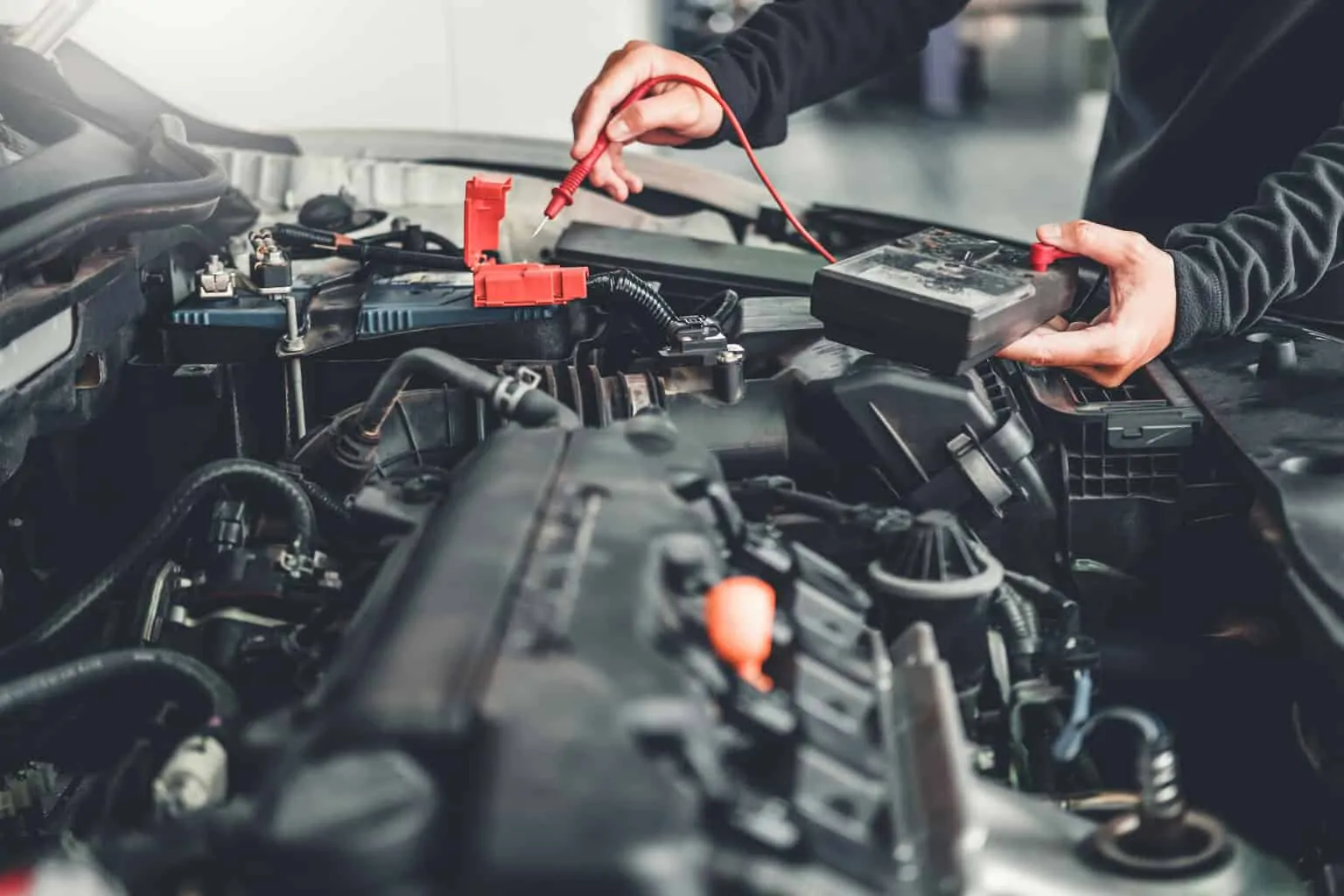
The Element’s practical nature means it’s often exposed to conditions that accelerate electrical system deterioration. Moisture from car washes, rain, and humidity can cause corrosion in electrical connections.
Temperature extremes expand and contract electrical components, loosening connections and stressing circuits. The Element’s frequent use for outdoor activities means it’s often subjected to dust, dirt, and debris that can infiltrate electrical components and cause malfunctions.
Battery and charging system problems are particularly common in Elements and can cause widespread electrical malfunctions. A failing alternator might initially cause only minor symptoms like dim headlights or slow window operation, but it can quickly progress to complete electrical system failure, leaving owners stranded.
Similarly, a weak battery might cause intermittent starting problems that worsen gradually until the vehicle won’t start at all. These problems are often compounded by corroded battery terminals or loose connections that reduce electrical system efficiency.
Ground connections are another frequent source of electrical problems in Elements. Poor ground connections can cause intermittent malfunctions that are difficult to diagnose, leading to expensive diagnostic time at repair shops. Symptoms might include flickering lights, intermittent gauge operation, or computer systems that reset randomly.
These problems are often mistakenly attributed to failing components rather than simple connection issues, leading to unnecessary repairs. Element owners who understand the importance of electrical system maintenance treat warning signs as opportunities for preventive action rather than problems to ignore.
This approach ensures their Element’s sophisticated electronic systems continue to provide the reliability, safety, and performance that make these unique vehicles so appealing to their owners.
Also Read: 8 Oversights That Can Ruin Your Dodge Dynasty Quickly
