
Many car buyers believe that once a vehicle hits 200,000 miles, it has no more life to give, but that is not always the truth. Some cars are built with long-lasting quality and can keep going strong even after passing that milestone, while others quickly lose both value and dependability long before they ever reach that point.
For people in the United States who are either shopping for a used car or planning to hold on to their own vehicles for a long period, it is important to understand which cars remain dependable after high mileage and which ones become a financial burden.
The way a car keeps its value after so many miles depends on factors such as build quality, maintenance cost, reputation of the brand, and how durable the engine and transmission are.
Cars that are made with strong engineering, simple design, and fewer weak points often keep going even when the mileage climbs. Vehicles that are filled with fragile electronics, weak gearboxes, or parts that wear out too fast usually lose both dependability and resale value once the miles add up.
It is also important to remember that buyers of used cars pay attention to reputation. A Toyota that has done 210,000 miles still attracts interest because people trust that it can go more miles. A luxury car from a brand known for expensive repairs may be avoided even if it shows 120,000 miles on the odometer.
Now let’s take a closer look at five cars that still hold their worth after crossing 200,000 miles and another five that often become worthless with high mileage.
5 Cars That Hold Value After 200K
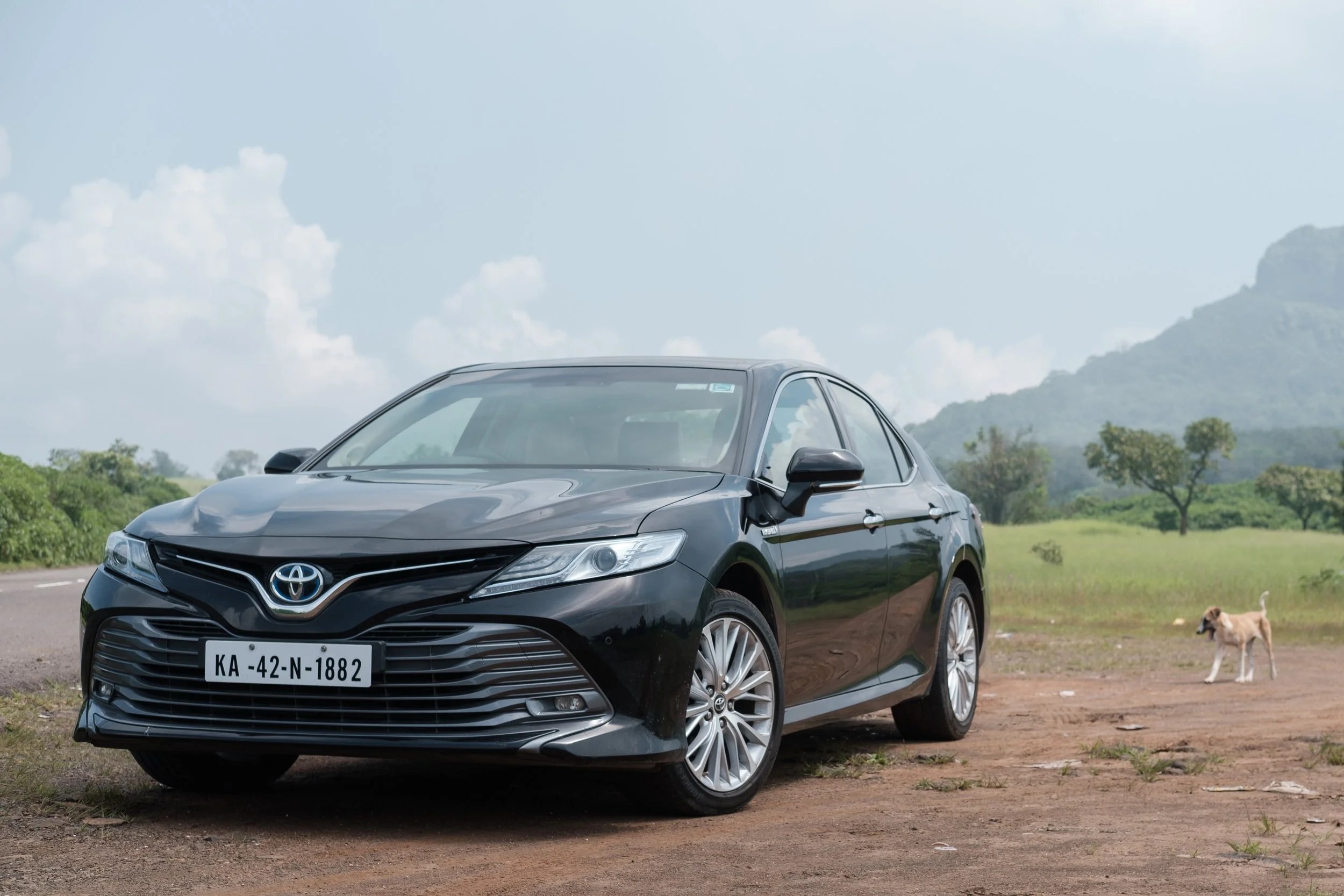
1. Toyota Camry
The Toyota Camry has built its reputation over decades as one of the most reliable sedans available. Even when it crosses 200,000 miles, it often continues to perform strongly if it has been maintained properly. One reason for this strength is that Toyota focuses on simplicity in the Camry’s engineering. The engines are usually four-cylinder or V6 options that are not heavily stressed, and the transmissions are built to last.
Many owners in the United States buy a Camry because they know it can be used for long commutes, road trips, and family duties without worrying about constant breakdowns. Even at 200,000 miles, the car still carries value in the used market because buyers trust it. A well-kept Camry with that mileage still attracts demand, which keeps its resale value strong.
Another factor is the cost of maintenance. Repairing a Camry is often cheaper compared to other mid-size sedans because parts are easy to find, and many mechanics know the car inside out. This makes it a smart choice for anyone who wants a car that will not become a financial burden as it gets older.
Safety is also part of the attraction. Many models of the Camry come with strong safety ratings, and this gives buyers more confidence in picking it up even when the mileage is high. While some other cars begin to feel weak and tired when the miles climb, the Camry still feels steady on the road. That long-standing dependability explains why so many high-mileage Camrys are still on American roads today.
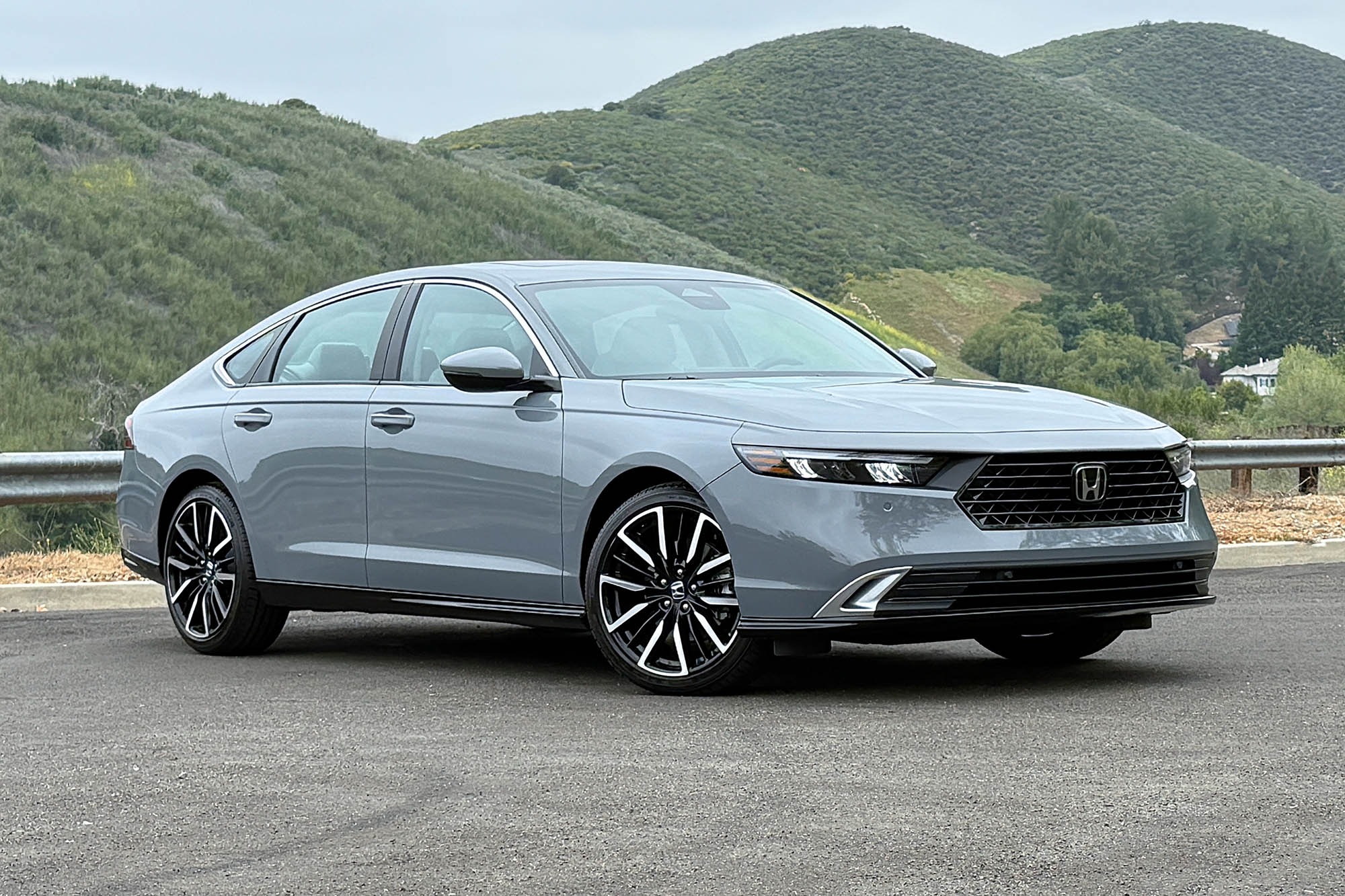
2. Honda Accord
The Honda Accord shares a similar story with the Toyota Camry when it comes to dependability after high mileage. Honda engineered the Accord to be both efficient and durable, making it a family car that lasts much longer than most people expect.
One reason the Accord continues to hold value after 200,000 miles is the quality of its engine. Honda’s four-cylinder engines, especially the older naturally aspirated ones, are known to last when they are properly serviced. Even the V6 models, though slightly more costly to maintain, deliver years of service with minimal issues. This makes buyers trust the vehicle even with higher mileage.
In the used car market in the United States, many people are willing to purchase an Accord that has crossed 200,000 miles because they know it will continue to perform reliably. This confidence keeps the resale price from dropping too sharply. For families, young professionals, and students, the Accord still represents a safe investment even at high mileage.
The Accord also has a reputation for comfort and driving quality. Owners appreciate that it feels smooth on the highway and delivers good fuel economy. While some cars begin to feel outdated when the miles pile up, the Accord remains comfortable and functional. Because of this, many people continue to use them for daily driving long after the odometer has crossed 200,000.
Parts for the Accord are also affordable and widely available, which reduces the stress of ownership. Mechanics across the country understand the car well, and this helps keep maintenance costs manageable. With all these factors combined, it is clear why the Accord still holds value when many other sedans lose it after reaching high mileage.
Also Read: 5 Cars with Climate Control That Works vs 5 That’s Just for Show
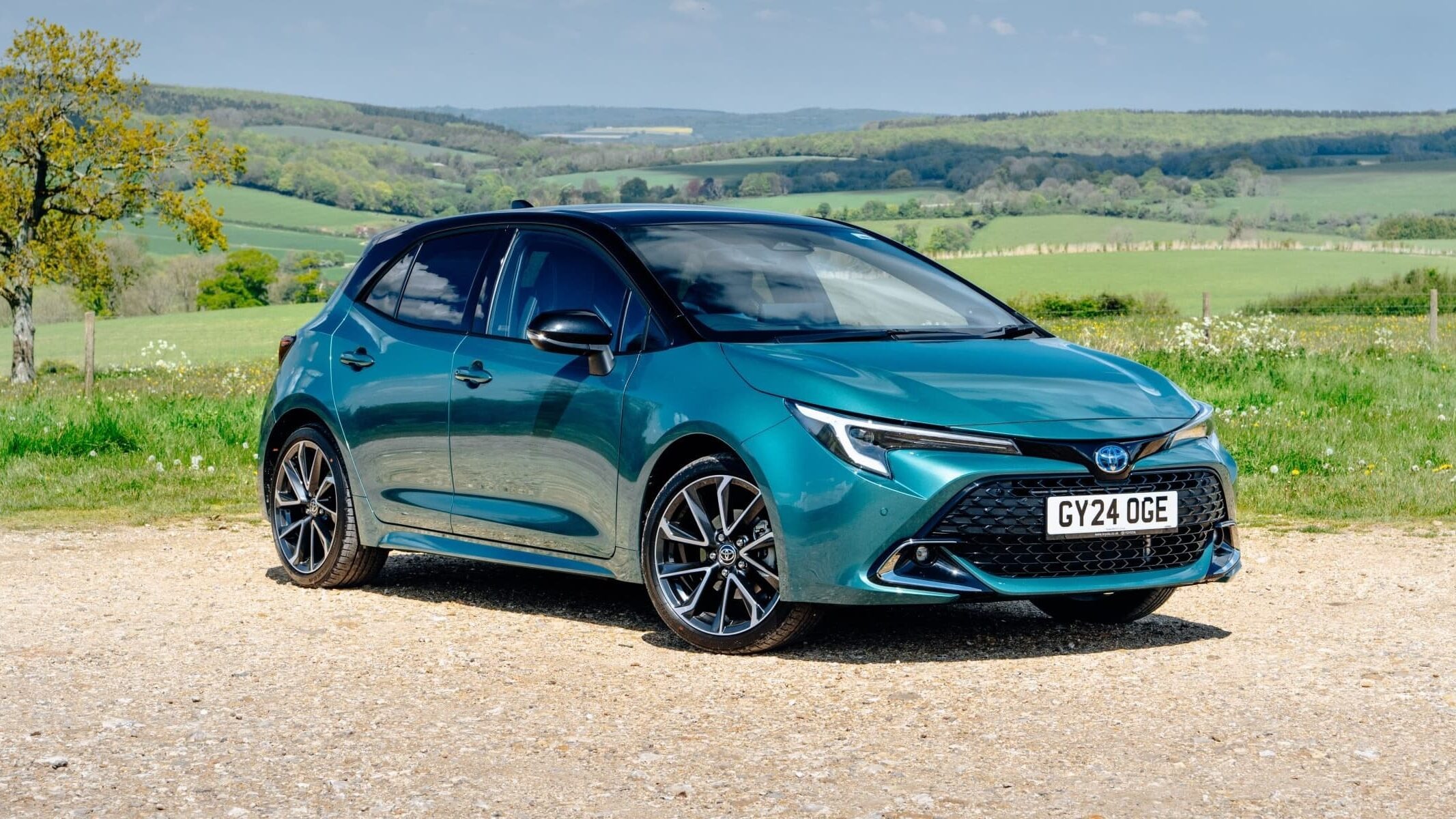
3. Toyota Corolla
Among compact cars, the Toyota Corolla stands out as one of the most dependable choices when it comes to high mileage. Many owners in the United States have driven their Corollas beyond 200,000 miles without facing heavy repair bills. This shows the strength of Toyota’s engineering and explains why the Corolla remains one of the most trusted cars on the market.
The Corolla is built with simple but reliable parts. The engines are usually small but efficient, and they are designed to run for many years without problems. The transmissions are also known for being durable, which is why the car can keep its value even after crossing the 200,000-mile mark. Buyers trust that a high-mileage Corolla will still be able to serve them for a long time.
Affordability of repairs is another reason the Corolla remains valuable. Replacement parts are cheap, and since the car is popular, it is easy to find mechanics who can repair it without stress. This makes it different from some other small cars that require expensive repairs when they grow older.
Another strength of the Corolla is its fuel efficiency. Even after 200,000 miles, the car continues to deliver good gas mileage, which is important for buyers in the United States who want to save money on fuel. This quality adds to its value in the used market.
Families, students, and workers who need a dependable car often look for Corollas, and this strong demand keeps its resale price higher than many other compact cars. This shows that the Corolla is one of the few cars in its class that truly keeps its worth beyond 200,000 miles.
4. Lexus LS
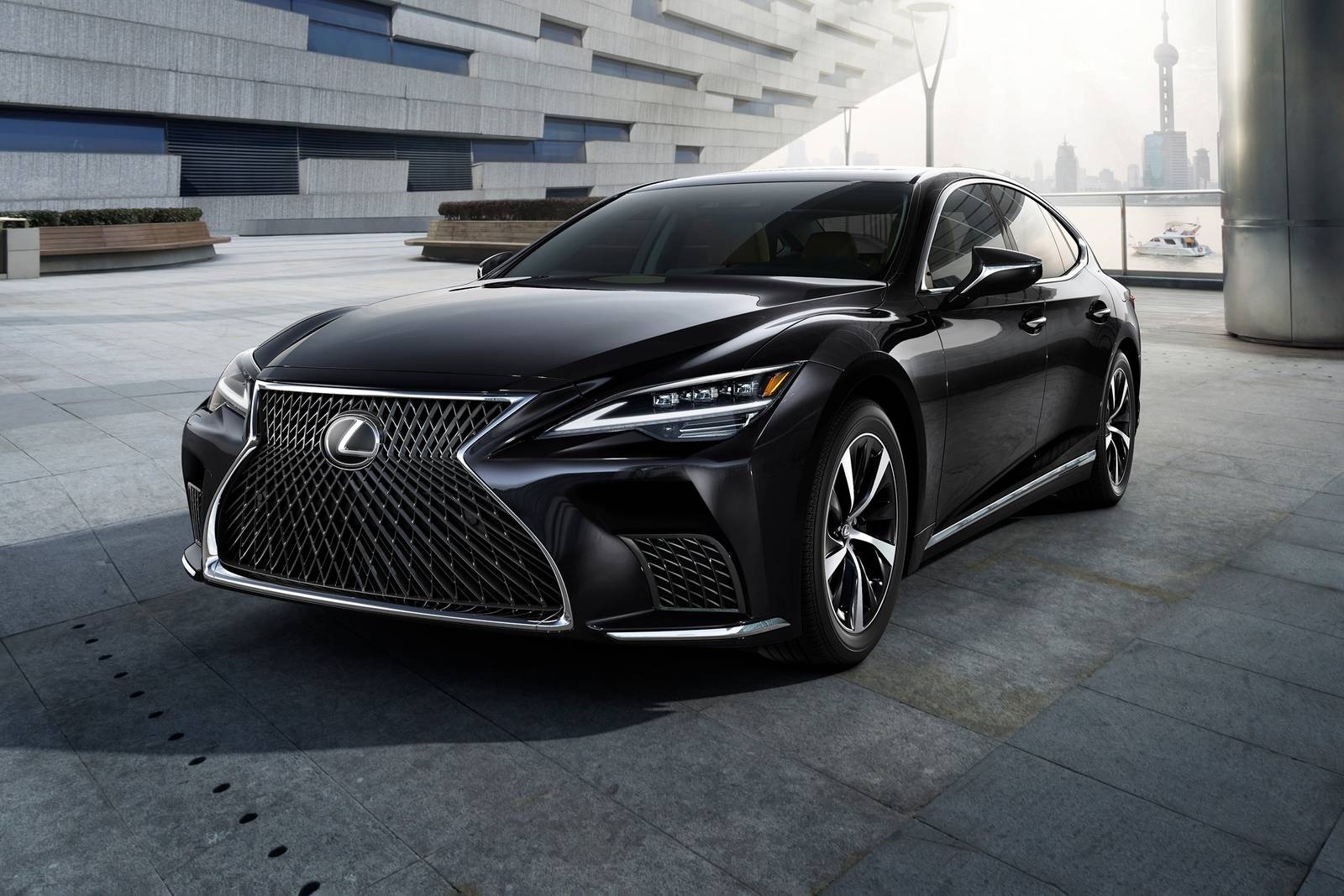
When it comes to luxury cars, many of them lose value quickly once they age and reach high mileage. The Lexus LS, however, is different. Built by Toyota’s luxury division, the LS sedan has a strong reputation for quality and durability. Even after 200,000 miles, many examples continue to run smoothly without major problems.
One of the strongest points of the Lexus LS is its engine. The V8 engines used in these cars are built for strength and reliability. They can handle high mileage without failing, provided they are maintained properly. This separates the LS from many other luxury cars that develop expensive issues as they age.
In the used market, buyers trust Lexus more than many European luxury brands because it combines comfort with dependability. While a German luxury car with 200,000 miles may be seen as a risk, the Lexus LS is seen as a safe bet. This keeps its resale value higher than expected for a luxury sedan with such mileage.
The LS also has a strong history of comfort. Even older models are filled with features that still feel premium today. The ride quality is smooth, and the cabin is quiet, which makes the car enjoyable even after many years of use. This long-lasting comfort adds to its desirability.
Another advantage is the lower cost of maintenance compared to European competitors. While it is not as cheap to maintain as a Corolla or Camry, the LS does not carry the same level of costly repairs that luxury German sedans face. This makes it a smarter choice for those who want a luxury car that can last beyond 200,000 miles without losing its entire worth.
5. Honda Civic
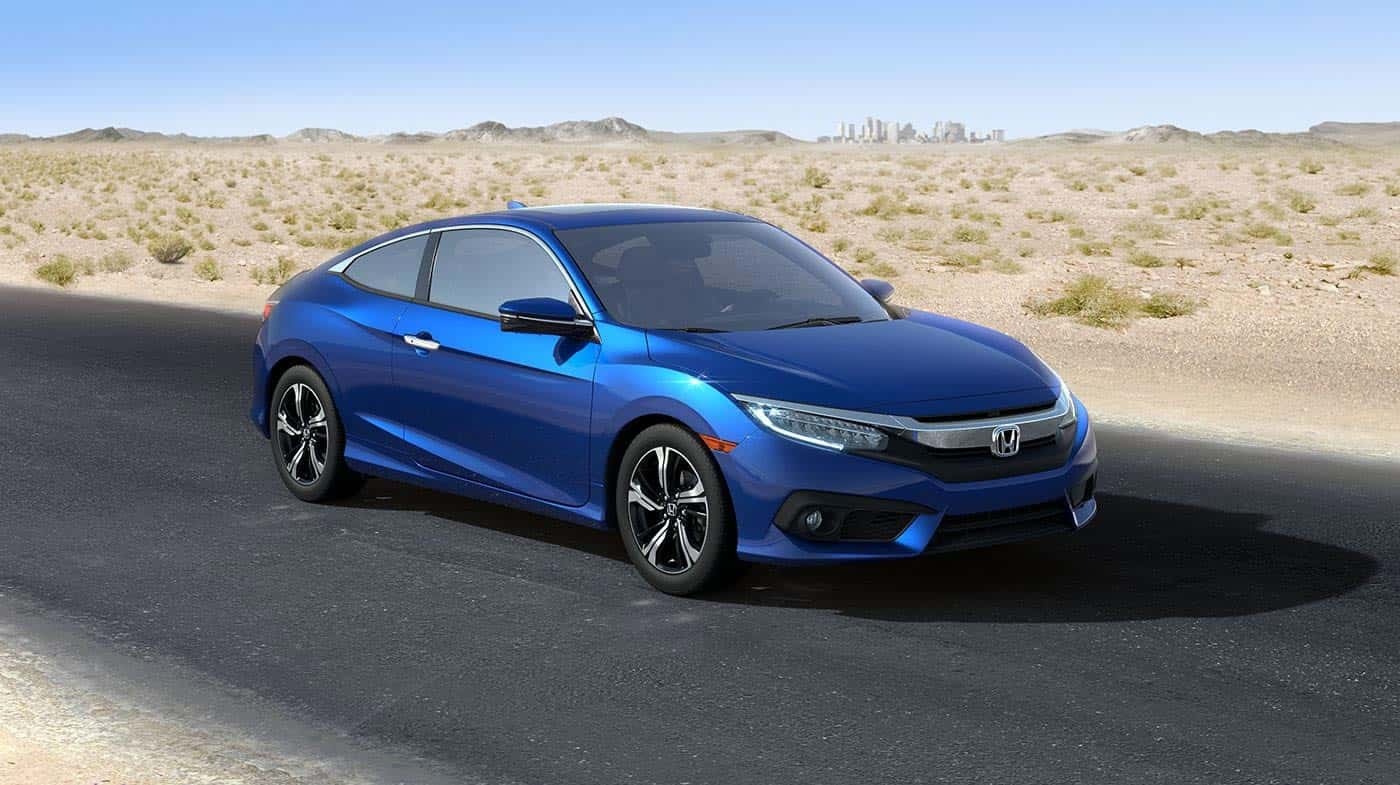
The Honda Civic is another compact car that continues to hold its worth even after 200,000 miles. Like the Toyota Corolla, it is popular in the United States because it is dependable, affordable to maintain, and efficient with fuel.
One of the reasons the Civic remains valuable is its engine durability. Honda designed the Civic’s engines to be long-lasting and efficient, which makes them trusted even when the mileage is high. Many people have shared stories of Civics reaching 250,000 miles or more without major engine issues, which shows how strong they are.
Buyers in the used market are not afraid to buy a Civic with high mileage because they know it can still serve them well. This keeps the resale price steady compared to other small cars that lose value quickly after passing 100,000 miles.
The Civic is also loved for its practical design. It is comfortable for daily driving, delivers good gas mileage, and has affordable parts available across the United States. These qualities make it appealing to students, workers, and families who want a small but dependable car.
Even though the Civic has gone through many design changes over the years, its reputation for dependability has stayed strong. That reputation is what keeps its value high even when the odometer shows more than 200,000 miles.
5 Cars That Are Worthless After 200K
1. BMW 7 Series
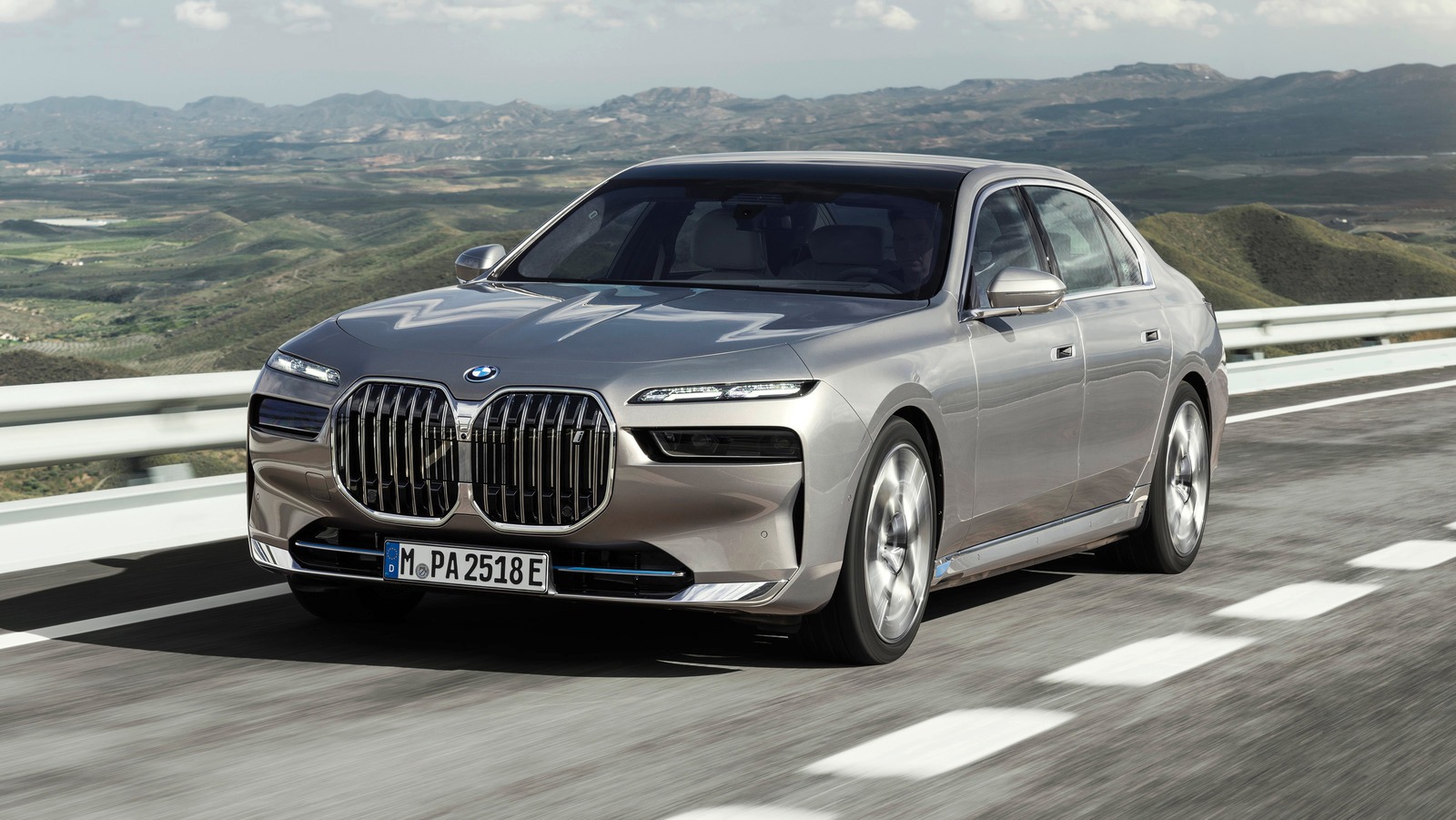
The BMW 7 Series is one of the most luxurious sedans produced by the German brand, but when it reaches high mileage, it quickly turns into a financial burden. At first, the 7 Series attracts buyers with its elegant design, advanced technology, and powerful performance. However, once it crosses 200,000 miles, most owners begin to face problems that are both expensive and stressful.
The main issue with the 7 Series is its maintenance cost. This car is filled with electronic features, sensors, and advanced components that are prone to failure as the car gets older. Repairs for these systems are not only expensive but also time-consuming. Many owners discover that the cost of repairing just one major issue is sometimes higher than the actual resale value of the car after 200,000 miles.
Another problem is the complication of the engine and transmission. While they perform very well when the car is new, they often develop costly faults as mileage increases. A transmission failure in a high-mileage 7 Series can easily cost thousands of dollars, which discourages many used buyers from even considering such a vehicle. This weak demand brings down the car’s resale value sharply once it crosses into high mileage territory.
Even though the car delivers luxury, comfort, and strong performance, most people in the United States are unwilling to purchase a used 7 Series with over 200,000 miles. They know the risks involved and prefer to avoid a car that may drain their pockets with endless repairs. The combination of high repair bills, weak demand, and declining reliability makes the 7 Series one of the luxury cars that quickly becomes worthless when it passes 200,000 miles.
2. Chrysler Sebring
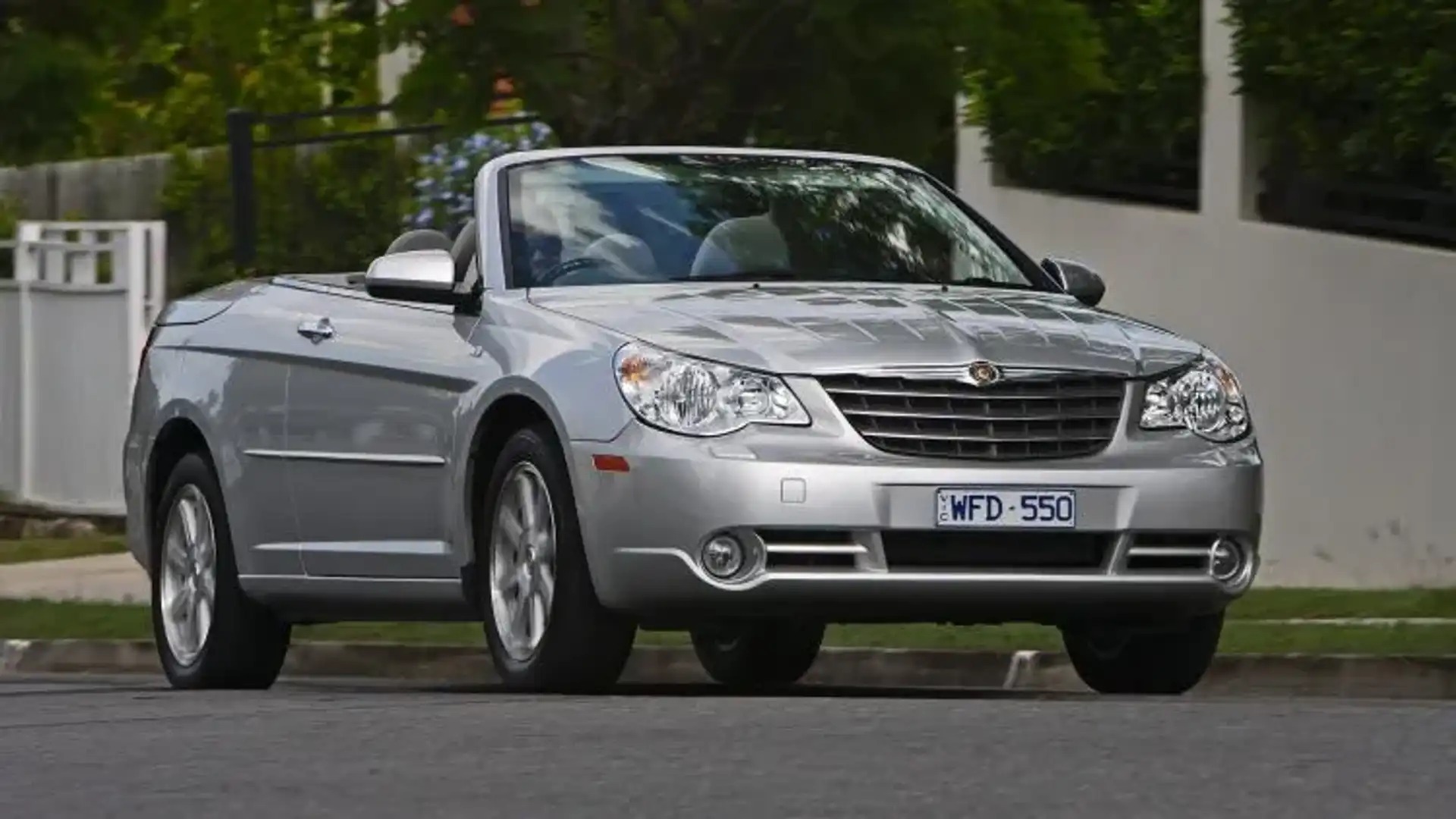
The Chrysler Sebring once entered the market as a stylish mid-size sedan meant to compete with cars like the Toyota Camry and Honda Accord. Unfortunately, the Sebring never lived up to the same level of dependability, and once it crosses 200,000 miles, its value in the used car market is almost zero.
One of the biggest complaints from owners has been the poor build quality. Many Sebrings suffer from transmission issues, electrical faults, and weak interiors that do not stand the test of time. By the time the odometer shows 200,000 miles, most of these cars already have a long history of repairs. That history makes potential buyers stay away from them, which destroys their resale value.
Another challenge is the cost of maintenance compared to the actual value of the car. Even though parts for Chrysler are not as expensive as European brands, the Sebring requires frequent visits to mechanics as it gets older. This repeated expense discourages people from holding on to it, and it becomes very hard to sell once the mileage is high.
The driving experience is also not strong enough to make buyers overlook the problems. While the Toyota Camry and Honda Accord continue to feel smooth and comfortable with age, the Sebring often feels tired, noisy, and unreliable. This weak reputation has followed the car for years, and it explains why many Sebrings with 200,000 miles are either scrapped or sold for very little money.
In the United States used car market, demand is very low for high-mileage Sebrings, and this keeps the resale value almost worthless once the car has aged past 200,000 miles.
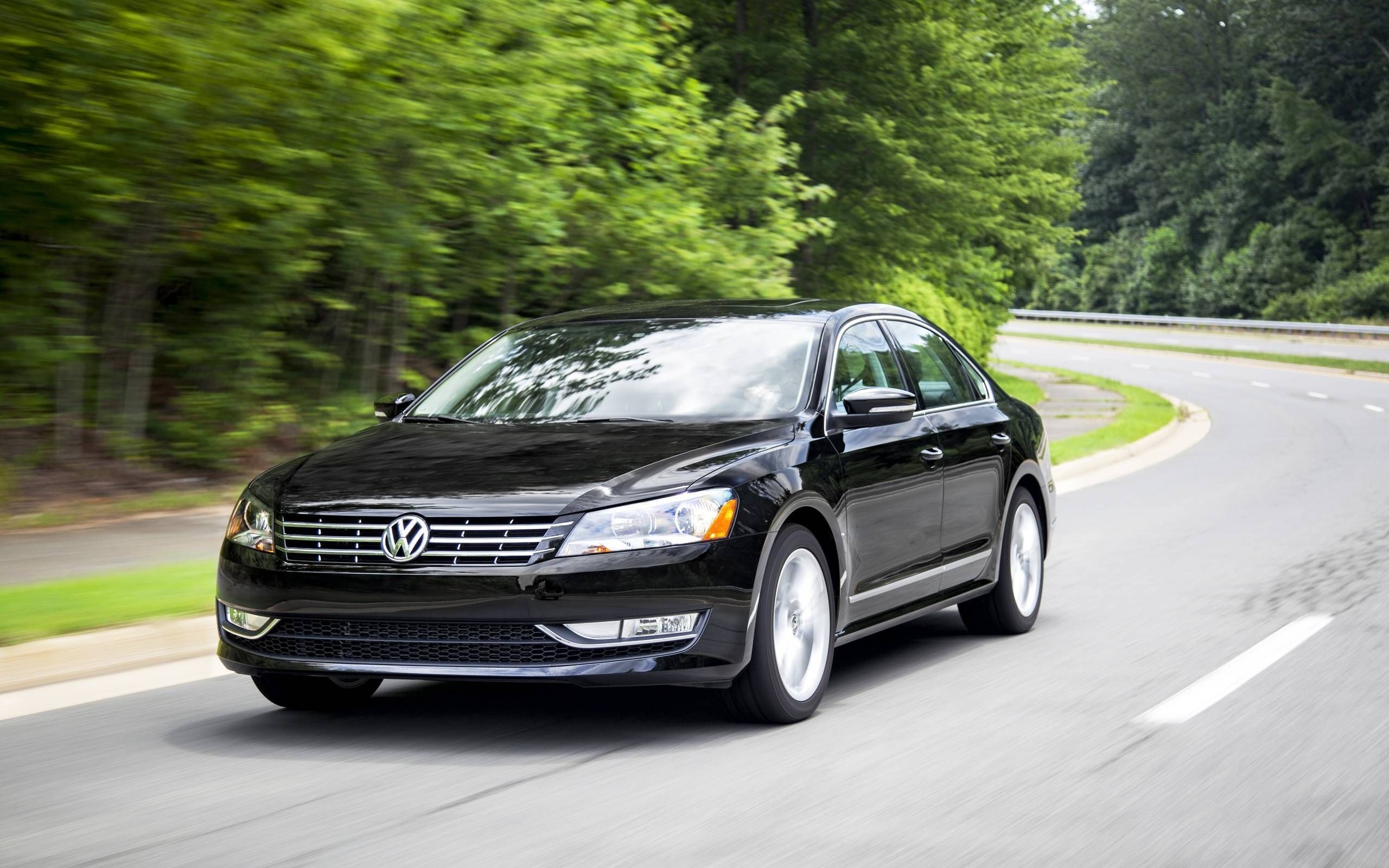
3. Volkswagen Passat
The Volkswagen Passat has always been praised for its European design and comfortable driving experience. However, its reliability after 200,000 miles is one of its biggest weaknesses. Many Passat owners report repeated mechanical and electrical problems once the mileage climbs, which greatly reduces the car’s worth in the United States market.
One of the biggest problems with the Passat is the transmission. Many models come with automatic gearboxes that are prone to failure when the car ages. Repairing or replacing a Volkswagen transmission is expensive, and at high mileage, many owners are unwilling to spend that kind of money on a car that no longer holds much value.
The engines also face issues as the miles climb. Turbocharged versions of the Passat are known to suffer from oil consumption problems and breakdowns that require costly repairs. By the time the odometer reaches 200,000 miles, these problems become more common and push buyers away from considering the car.
Another problem is that parts for Volkswagen vehicles are often more expensive than Japanese alternatives, and mechanics who specialize in them may charge higher labor fees. This makes the car more expensive to maintain compared to Toyota or Honda sedans. Because of these challenges, most Passats lose their resale value quickly once they cross high mileage.
Even though the car drives well and feels solid on the road, its weak record of dependability makes it nearly worthless after 200,000 miles. In the used market, buyers often prefer Japanese or American sedans over a high-mileage Passat, which explains why it struggles to keep its value.
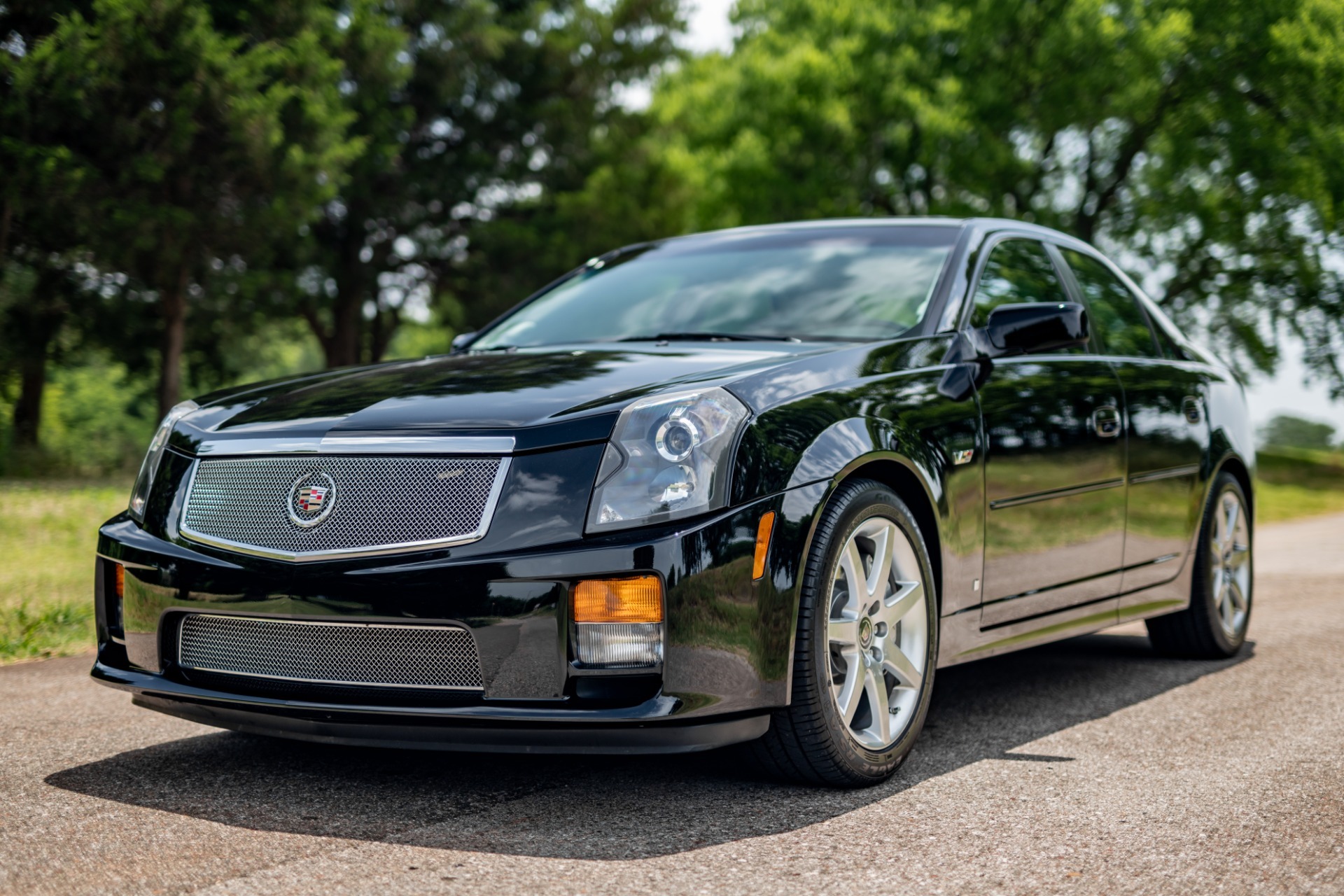
4. Cadillac CTS
The Cadillac CTS was meant to be a strong competitor in the luxury sedan segment, but it has struggled with durability and resale value, especially once mileage passes 200,000. While the car offers sharp styling, powerful engines, and a comfortable ride, its long-term dependability has not matched the promises of General Motors.
One of the major weaknesses of the CTS is its electronic system. Owners often face issues with sensors, infotainment systems, and other electronic features that become unreliable with age. At high mileage, these problems become worse and lead to expensive repairs.
The engine and transmission are also a concern. While they perform well when the car is new, they have been reported to develop problems that cost thousands of dollars to fix as mileage increases. A high-mileage CTS is often seen as a risk because buyers know the chances of facing a big repair bill are high.
Another issue is depreciation. Even when new, the CTS loses value faster than many of its competitors. By the time it reaches 200,000 miles, its resale value has dropped so much that it is often worth very little. This makes owners think twice about spending money on repairs when the car itself has little resale value left.
In the United States, the demand for a high-mileage CTS is very low, which makes it difficult to sell. Many end up at auction yards or are sold cheaply because buyers would rather choose a Lexus or Acura that has proven reliability beyond 200,000 miles. This poor resale performance places the CTS among the cars that are practically worthless after crossing the 200,000-mile mark.
Also Read: 5 Cars That Rarely Need Brake Pad Replacements vs. 5 That Burn Through Them
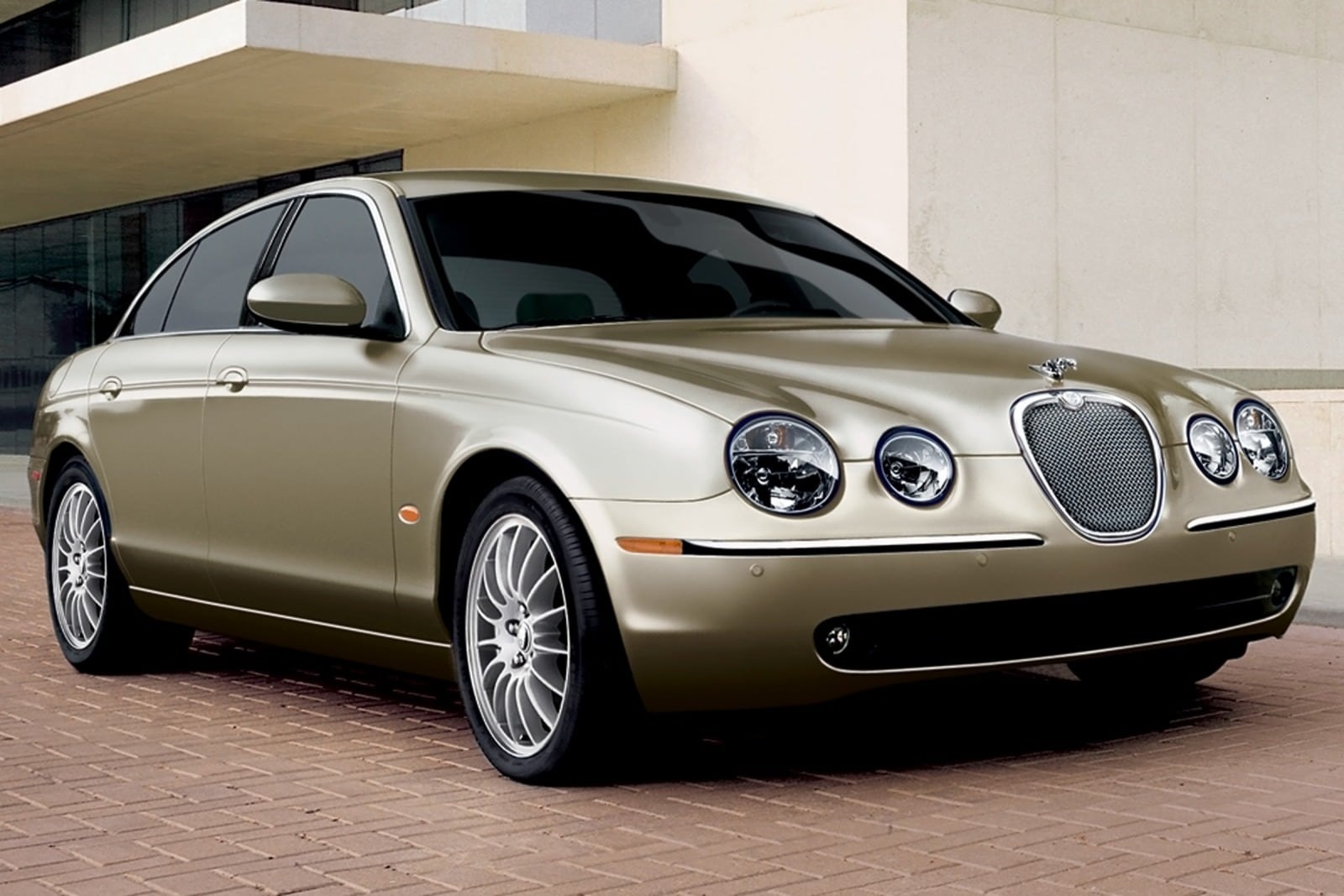
5. Jaguar S-Type
The Jaguar S-Type once drew attention for its stylish design and luxury image, but it has a poor reputation for reliability when mileage gets high. Owners who try to keep this car beyond 200,000 miles often regret it because of the constant stream of repairs that come with it.
The S-Type is filled with electronic systems that fail regularly as the car ages. From climate control problems to electrical faults in the dashboard, these issues cost a lot of money to fix. When a car is already high in mileage, spending thousands on such repairs feels unreasonable, and many owners simply give up on it.
The engines also cause trouble when mileage passes 200,000. Many owners report oil leaks, cooling system problems, and transmission failures. These faults are not only common but also expensive to repair because Jaguar parts are costly and not as widely available as Toyota or Honda parts. Mechanics who work on Jaguars often charge higher fees, which increases the financial burden of owning one.
In the used car market in the United States, very few buyers are willing to purchase a Jaguar S-Type with high mileage. They know the risks and prefer safer choices. This weak demand makes the resale value collapse completely once the odometer goes beyond 200,000 miles.
Although the Jaguar S-Type appears stylish and feels luxurious, its poor long-term reliability renders it one of the cars that lose their value the fastest after 200,000 miles. Many owners end up scrapping the car rather than trying to sell it, because buyers are simply not interested in taking on that level of risk.
When choosing a car to keep beyond 200,000 miles, dependability and cost of ownership matter more than luxury or advanced technology. Vehicles like the Toyota Camry, Honda Accord, Toyota Corolla, Lexus LS, and Honda Civic prove that strong engineering and affordable maintenance make a car valuable even at high mileage.
Cars such as the BMW 7 Series, Chrysler Sebring, Volkswagen Passat, Cadillac CTS, and Jaguar S-Type quickly lose their value as the miles accumulate. The lesson is simple: lasting reliability keeps value, while frequent repairs destroy it.
