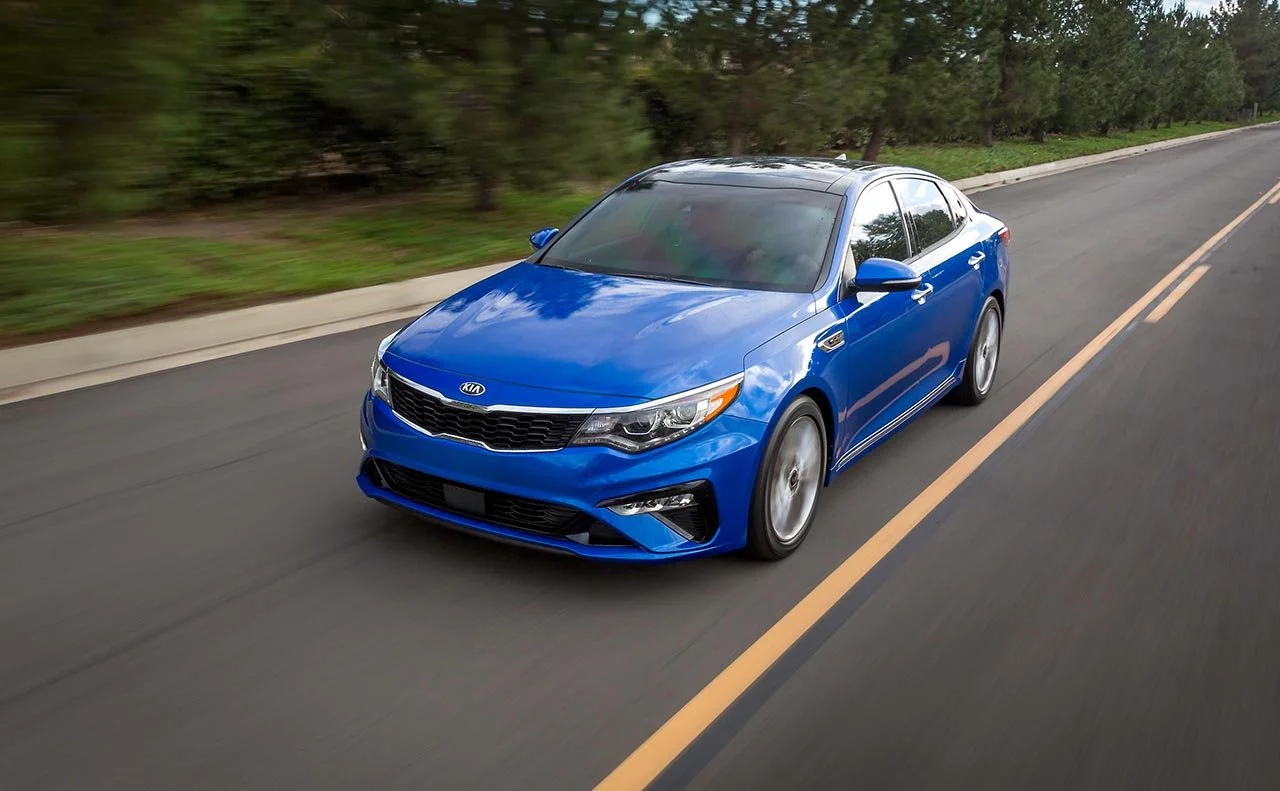
The Kia Optima has long been a staple in the midsize sedan segment, praised for its sleek design, competitive pricing, and generous list of features. Over the years, it has developed a reputation for offering strong value, but like many vehicles, not all model years are created equal.
Some stand out for their reliability, safety, and performance, while others have been plagued by costly mechanical issues and widespread recalls. For buyers considering a used Optima, knowing which years deliver dependable performance and which are best avoided is critical to making a smart purchase.
In this guide, we break down five Kia Optima years that have proven to be reliable choices, balancing style, comfort, and long-term dependability.
We’ll also highlight five years known for serious reliability problems, helping you avoid potential headaches and costly repairs. Whether you’re budget-conscious or seeking peace of mind, this overview will help you make an informed decision.
5 Kia Optima Years With Solid Reliability
1. 2019 Kia Optima
The 2019 Kia Optima stands out as one of the most refined and reliable models in the Optima lineup. By this generation, Kia had addressed many of the issues that affected earlier models, making the 2019 version a strong choice for used car buyers.
The Optima combines a stylish exterior with a functional and spacious interior, including a generous trunk. Minor design updates differentiate it from previous models, including redesigned headlights, taillights, wheels, and trim pieces.
Driver assistance features such as forward collision warning, lane-keeping assist, lane departure warning, and driver-attention monitoring are standard across all trims, reflecting Kia’s commitment to safety and technology integration.
Performance-wise, the Optima is capable and engaging, particularly in the SX trim with its 2.0-liter turbocharged engine. The sedan delivers responsive acceleration and confident handling, with a 0-60 mph time of 6.9 seconds in testing.
Braking is precise and stable, and the sport-tuned suspension in the SX trim offers a firm but controlled ride, reducing body roll compared to other sedans in the segment.
Steering is light at low speeds, which makes maneuvering easy, though feedback in corners is limited. The Optima balances everyday drivability with occasional spirited driving, making it versatile for both commuting and highway trips.
Inside, the 2019 Optima emphasizes comfort and convenience, especially in higher trims like the SX. Front seats are supportive and adjustable, with heated and ventilated functions that quickly reach desired temperatures.
The rear seats are slightly compromised by the sloping roofline, which limits headroom and rear visibility, but passenger space is still adequate. Ride quality is slightly firm due to the sport suspension, and while road and wind noise are noticeable, they are typical for the class.
The cabin is well-equipped with intuitive climate controls, a premium Harman Kardon audio system, and easy smartphone integration via Apple CarPlay and Android Auto. Interior storage is practical, including a deep center armrest compartment and an automatic-opening trunk for added convenience.
Technology and utility further enhance the Optima’s appeal. The infotainment system, while not groundbreaking, is responsive, easy to navigate, and paired with a strong audio system in the SX trim.
Adaptive cruise control operates smoothly even in stop-and-go traffic, and voice controls, including Siri Eyes-Free and Google Assistant, are effective. Cargo space measures 15.9 cubic feet, competitive with rivals, and small-item storage is ample. Child seat installation is straightforward with accessible LATCH anchors.
While the car has minor drawbacks, such as slightly tight rear seating and a stiffer ride in sport trims, the 2019 Kia Optima offers excellent value, combining style, technology, safety, and performance in a reliable midsize sedan that remains a strong choice for buyers.
2. 2020 Kia Optima
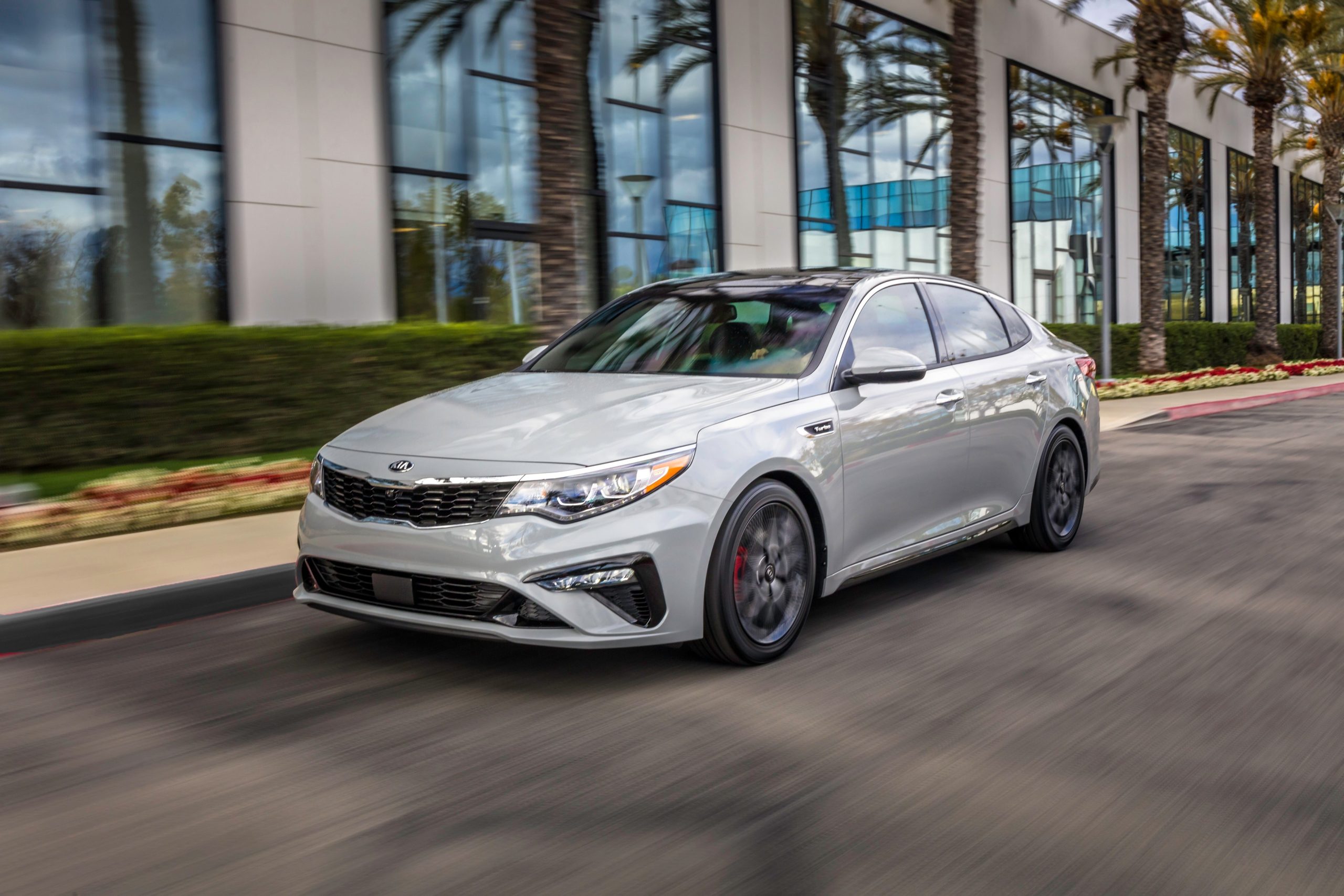
The 2020 Kia Optima continues to uphold its reputation as an affordable and accommodating midsize sedan. This model retains many of the features that made the Optima a strong choice in previous years, including a robust suite of technology and safety systems.
Standard equipment now includes a forward collision mitigation system with pedestrian detection, a blind-spot monitor, and integration for Apple CarPlay and Android Auto.
While Kia removed some top-trim packages like the LX Premium and SX Limited, the Optima still delivers strong value by offering advanced safety features and modern connectivity across its trim levels.
Its sleek, downward-sloping roofline gives the car a distinctive profile, although this styling choice slightly reduces rear headroom and rear-seat accessibility.
Performance is a highlight of the Optima, particularly in the SX trim with the turbocharged 2.0-liter engine. This powertrain delivers a 0-60 mph time of 6.9 seconds, and the six-speed automatic transmission provides smooth day-to-day driving.
The sport-tuned suspension in the SX adds responsive handling and a firm feel under spirited driving, while braking performance is confident and progressive. Steering is light and manageable in Normal mode, though Sport mode adds artificial heaviness that some drivers may notice.
The base engines are adequate for casual driving, but the 1.6-liter turbo with dual-clutch automatic may feel sluggish or jerky at low speeds, and the top-tier 2.0-liter engine is less fuel-efficient than some rivals.
Comfort and interior quality are strong points for the 2020 Optima. The SX trim comes equipped with dual-zone automatic climate control, ventilated and heated seats, and a heated steering wheel.
Front seats are supportive with multiple adjustment options, while rear seating is slightly compromised by the sloping roofline, which reduces headroom and requires passengers to duck when entering. Ride quality is generally good, though the sport suspension can feel stiff over larger bumps.
The cabin is functional and user-friendly, with logically placed controls and a 12-way adjustable driver’s seat with lumbar support. Visibility is generally good, though the rising trunk lid can interfere with rearward sight lines.
Technology, storage, and value make the 2020 Optima a strong contender in the midsize segment. The infotainment system, while slightly dated, is responsive, offers sharp graphics, and pairs well with the Harman Kardon audio system in higher trims.
Storage solutions are practical, including a deep center armrest, hidden compartments under the front stack, and a 15.9-cubic-foot trunk with an automatic opening feature. Fuel economy is the model’s weak point, with combined EPA estimates lower than many competitors.
Nonetheless, Kia’s industry-leading warranty, five years/60,000 miles bumper-to-bumper and ten years/100,000 miles for the powertrain, adds significant value. The 2020 Kia Optima remains a safe, comfortable, and tech-forward midsize sedan with strong appeal for budget-conscious buyers.
3. 2018 Kia Optima
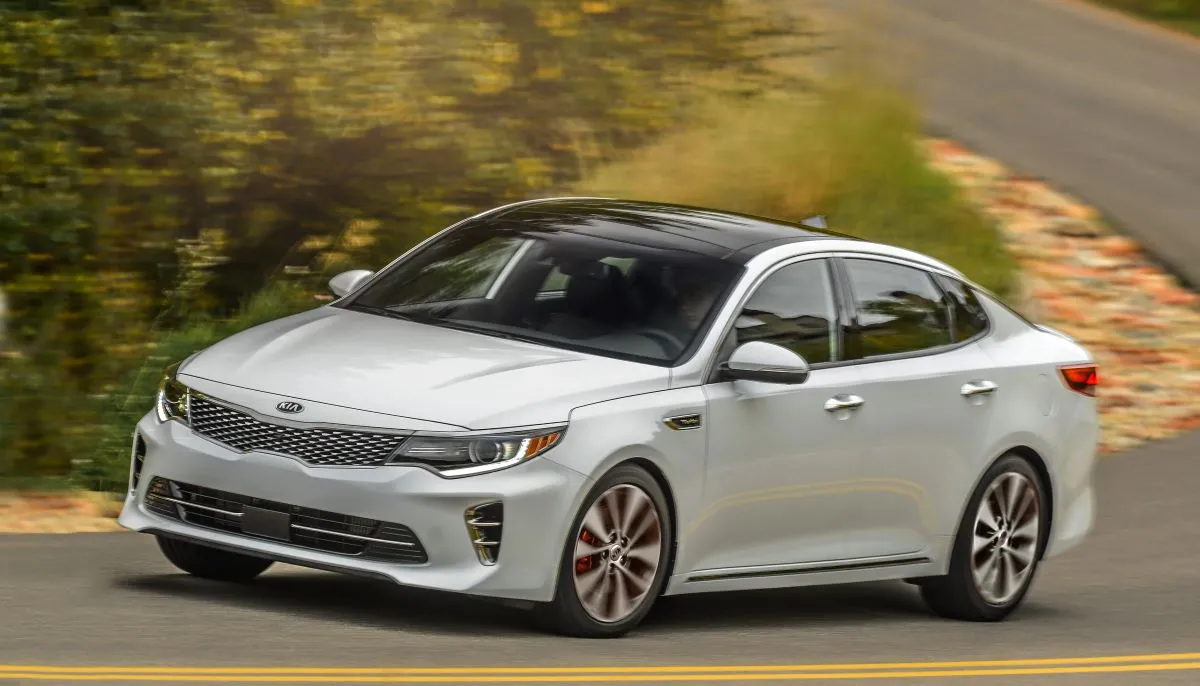
The 2018 Kia Optima continues to deliver strong value with a blend of upscale features, modern technology, and competitive pricing. This year, Kia simplified its trim structure and introduced the sport-themed S trim, making selection easier for buyers.
Apple CarPlay and Android Auto became standard across all trims, enhancing smartphone integration, while top trims such as the SX gained premium upgrades like a panoramic sunroof and ventilated seats.
With a robust warranty and solid build quality, the 2018 Optima remains a compelling choice in a midsize sedan segment increasingly crowded with redesigned rivals like the Honda Accord and Toyota Camry.
The Optima offers a range of engines, with the 1.6-liter turbo in the LX trim providing modest power and the 2.0-liter turbo in the SX delivering sportier performance.
The 1.6T engine paired with a seven-speed dual-clutch automatic can feel hesitant at low speeds, with a 0-60 mph time of 7.7 seconds, while the 2.0T accelerates more briskly in 6.7 seconds. Braking is firm but can be touchy, and handling is competent though limited by narrow tires.
Steering is predictable, yet feedback is minimal, and the sportier suspension in higher trims improves responsiveness during cornering. Despite some powertrain quirks, the Optima balances everyday drivability with occasional spirited driving, particularly in its turbocharged trims.
Inside, the 2018 Optima emphasizes comfort and practicality. Front seats are spacious and adjustable, offering decent long-distance comfort, though lateral support is limited, and the rear seats can feel low for average adults.
Ride quality is smooth over minor bumps, but larger road undulations can be felt, especially with sportier suspension setups.
The cabin features functional design, high-quality plastics, and intuitive controls, including a legible steering wheel, easily accessible buttons, and a well-placed 12-way adjustable driver’s seat with lumbar support.
Storage is abundant, with a 15.9-cubic-foot trunk, multiple small-item compartments, and convenient features like remote seatback releases and an automatic trunk opener for key fob holders. LATCH anchors are easy to access, making child seat installation straightforward.
Technology in the 2018 Optima is competitive, with an 8-inch Uvo touchscreen that is bright and user-friendly, complemented by physical knobs for volume and tuning. Upper trims offer a 10-speaker Harman Kardon audio system, while all trims include Apple CarPlay and Android Auto.
Voice control works reasonably well, and major driver aids such as blind-spot monitoring, rear cross-traffic alert, and rear parking sensors come standard, although advanced systems like automatic emergency braking and lane departure warning are reserved for higher trims.
The Optima blends technology, comfort, and safety into a value-rich package, making it an attractive choice for buyers seeking a practical, stylish, and well-equipped midsize sedan.
4. 2017 Kia Optima
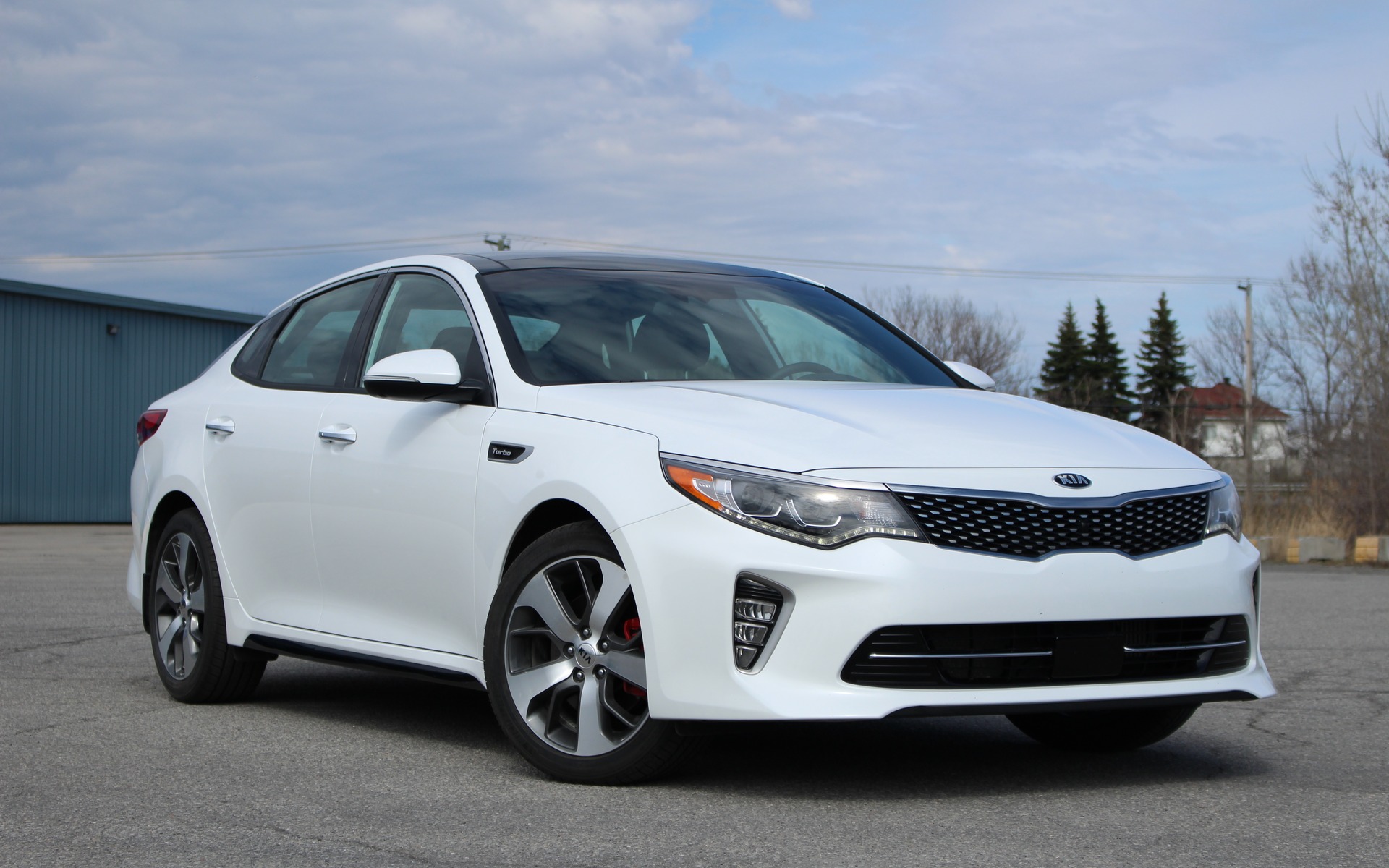
The 2017 Kia Optima remains a strong contender in the midsize sedan segment, offering a roomy cabin, a large trunk, and compelling value for buyers. Following a full redesign in 2016, changes for 2017 were minor, including upgraded LED headlights on higher trims and the introduction of new packages such as the LX Driver Convenience and EX Premium Plus.
The Optima continues to appeal to families and value-conscious buyers with its balance of practicality, comfort, and a relatively upscale interior without the premium price of luxury sedans. Its sleek roofline, while visually attractive, reduces rear headroom and slightly impacts rear visibility, which is a minor compromise in an otherwise well-rounded package.
The Optima’s performance varies depending on the engine choice. The base 1.6-liter turbocharged engine paired with a seven-speed dual-clutch automatic can feel hesitant, especially at low speeds, with a 0-60 mph sprint of 7.7 seconds.
In contrast, the more powerful 2.0-liter turbo in SX trims accelerates more briskly at 6.7 seconds. Steering is predictable but offers minimal feedback, and braking can feel grabby with a soft pedal. Handling remains competent for its class, with the car cornering predictably despite narrow tires.
The 1.6T transmission is jumpy at low speeds, making drivability less smooth, whereas the 2.0T with a conventional automatic delivers more natural gear shifts. The Optima is comfortable for everyday driving, though it is less engaging than some competitors for those seeking a sportier experience.
Inside, the 2017 Optima emphasizes functionality and comfort. Front seats provide ample space and adjustment options, though lateral support is limited. Rear seats are roomy for legroom but have slightly constrained headroom due to the sloping roofline.
Ride quality is smooth over small bumps, with some jostling over larger undulations, while road and wind noise remain subdued. The cabin is practical and well-designed, with logically placed controls and solid, attractively grained plastics.
Storage is plentiful, including a 15.8-cubic-foot trunk with remote seatback releases, multiple small-item compartments, and an automatic trunk opener for key fob users. LATCH anchors for child safety seats are easily accessible, adding to the Optima’s family-friendly appeal.
Technology in the 2017 Optima is user-friendly and functional. The 8-inch Uvo touchscreen features bright graphics and physical buttons for easy operation, while upper trims offer a 10-speaker Harman Kardon audio system.
Android Auto and Apple CarPlay are available, improving smartphone integration, though some menu options are less intuitive. Voice controls are effective for navigation and phone commands, with Siri and Google Assistant improving accuracy.
Advanced driver aids, including blind-spot monitoring, rear parking sensors, and rear cross-traffic alert, are available even on lower trims, enhancing safety.
While not a perfect vehicle, the 2017 Kia Optima provides a practical, comfortable, and tech-rich midsize sedan experience at a competitive price, making it a sensible choice for families and everyday commuters alike.
5. 2010 Kia Optima
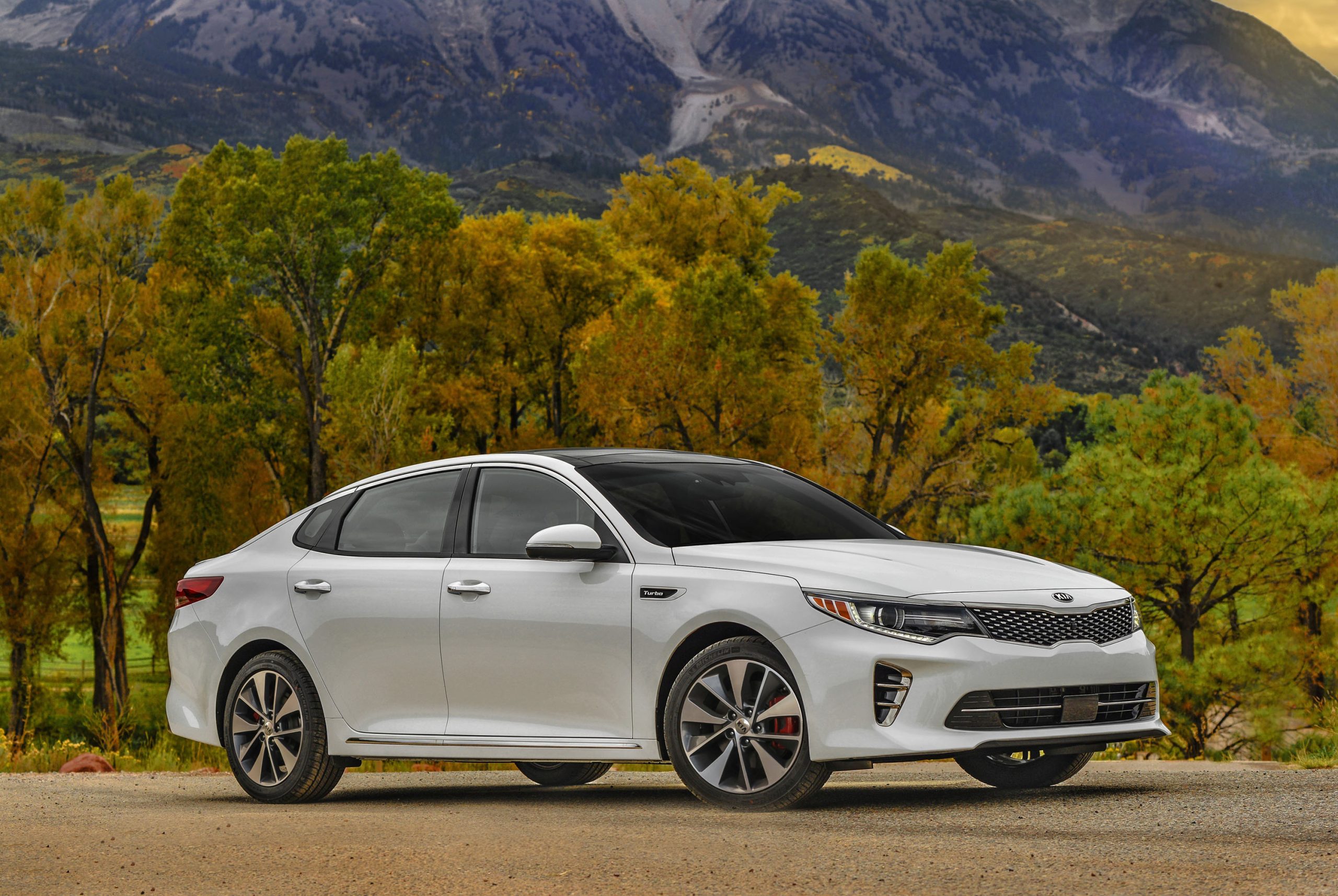
The 2010 Kia Optima targets shoppers who prioritize affordability and practicality over chasing popular best-sellers like the Toyota Camry or Nissan Altima. Offering a roomy interior at a lower price point, the Optima often costs less than some well-equipped compact cars, making it attractive to budget-conscious buyers.
However, this affordability comes with trade-offs. Ride comfort is not as refined as class leaders, and the optional V6 produces less than 200 horsepower in a segment where competitors boast upwards of 250.
Interior quality also feels less upscale compared to rivals. Still, for shoppers seeking maximum features at minimal cost, a fully loaded Optima can be purchased for thousands less than comparably equipped competitors, giving it strong appeal in the value market.
Performance is modest, with two available engines. The standard 2.4-liter four-cylinder generates 175 horsepower and delivers competitive fuel economy at 22 mpg city/32 mpg highway. A five-speed manual is standard on the LX trim, while other models come with a five-speed automatic.
The optional 2.7-liter V6 produces 194 horsepower and 184 lb-ft of torque but falls short of rivals in acceleration, with fuel economy rated at 20 mpg city/28 mpg highway. On the road, the V6 provides sufficient power for daily use but struggles during high-speed merging and passing.
Ride quality is serviceable, though somewhat brittle compared to smoother competitors like the Honda Accord. The sportier SX trim improves handling slightly, but the Optima remains far from a true sport sedan. Most buyers will find the four-cylinder to be the better choice for its balance of efficiency and usability.
In terms of safety, the 2010 Kia Optima performs impressively for its class and price point. Standard safety features include antilock brakes, stability control, front-seat side airbags, full-length side curtain airbags, and active front head restraints. In government crash testing, the Optima earned five stars in both front and side impact categories.
Additionally, the Insurance Institute for Highway Safety awarded it the highest “Good” rating in frontal-offset tests and an “Acceptable” in side-impact evaluations. These strong scores bolster its reputation as a family-friendly sedan.
While not the most exciting option in the midsize category, its solid safety credentials and reliability make it a smart, confidence-inspiring choice for buyers prioritizing long-term dependability.
Inside, the Optima emphasizes function over flash. The dashboard design is clean, uncluttered, and easy to use, which some buyers may find preferable to the button-heavy setups in rivals.
Cabin space is generous, providing good comfort for front and rear passengers, though rear seat cushions are shorter and may feel unsupportive for taller adults on longer trips. Cargo space is competitive at 15 cubic feet, and all trims feature 60/40-split-folding seatbacks to increase versatility.
While material quality is below class standards, build quality feels solid for the price. The 2010 Kia Optima delivers affordability, safety, and practicality, making it a rational if modest alternative in the crowded midsize sedan market.
Also Read: 5 Cars with Practical Storage vs 5 That Fall Short
5 Kia Optima Years Without Solid Reliability
1. 2011 Kia Optima: Engine Catastrophes and Major Recalls
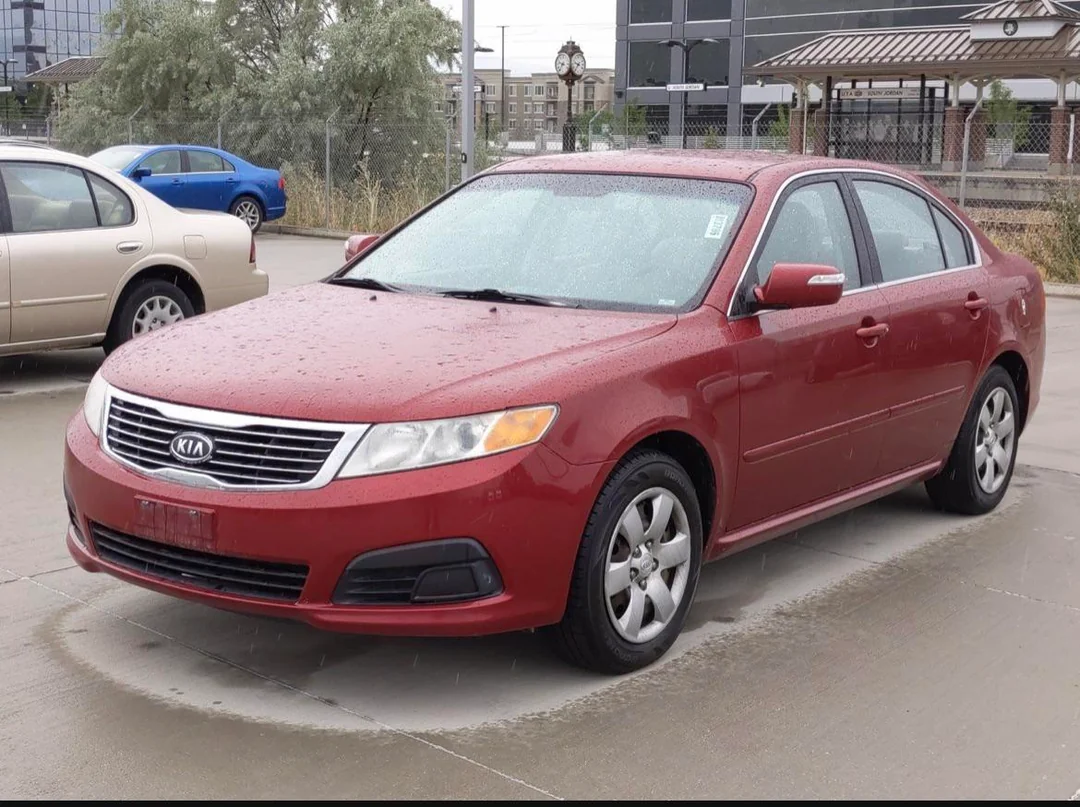
The 2011 Kia Optima is widely regarded as the most problematic year for the model. The dominant issue was catastrophic engine failure, often occurring under 100,000 miles, leaving drivers stranded and facing repair costs exceeding $4,500.
Widespread complaints prompted a class-action lawsuit, ultimately leading Kia to recall 2011-2014 Optimas with 2.0-liter and 2.4-liter four-cylinder engines. Beyond the engine, drivers reported steering problems, fuel system malfunctions, electrical failures, malfunctioning interior accessories, and brake issues. T
he combination of these defects transformed what was marketed as an affordable, practical vehicle into a costly and unreliable car. Without Kia’s recalls, owners would have faced hundreds or thousands of dollars in repairs or even needed a replacement vehicle.
The 2011 Optima serves as a cautionary tale for buyers of used cars, highlighting how early mechanical issues can escalate into significant safety hazards, while emphasizing the importance of research and recalls in determining reliability.
2. 2012 Kia Optima: Persistent Engine Problems
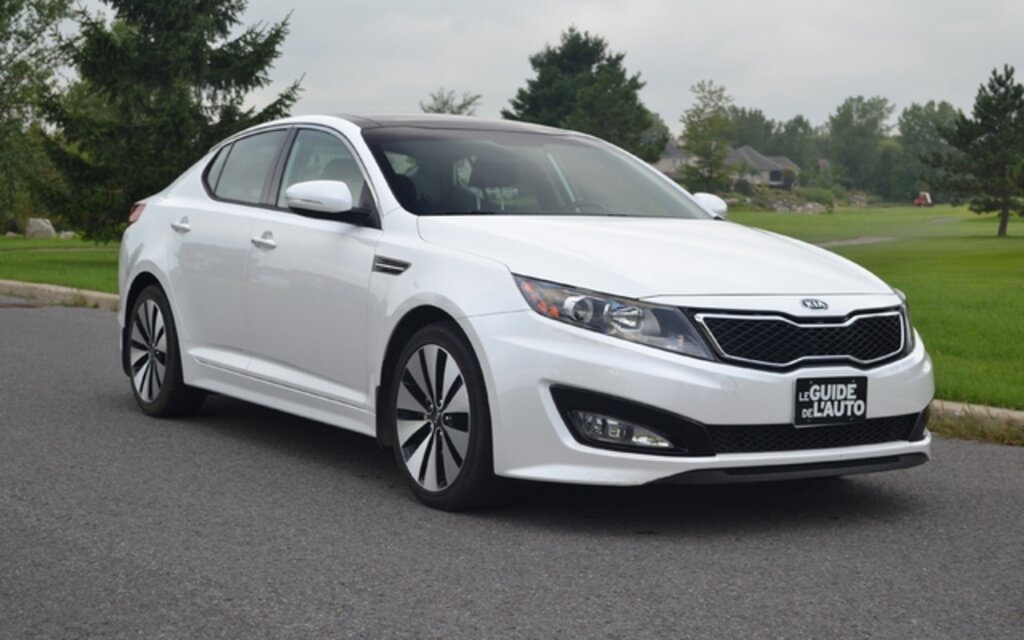
The 2012 Kia Optima continued to struggle with severe engine issues. Consumer Reports rated the 2012 Optima with a reliability score of 3.0 out of 5, but customer satisfaction was only 1.0 out of 5, reflecting owner dissatisfaction.
The main problem was engine vulnerability, with numerous accounts of engines failing outright, sometimes without warning. This made the vehicle both unsafe and expensive to maintain. Additionally, other mechanical problems persisted, including electrical failures, braking concerns, and fuel system malfunctions.
The 2.0-liter and 2.4-liter four-cylinder engines were particularly prone to low-pressure gasoline line fractures, which presented fire hazards. Owners faced significant maintenance costs, and recalls were issued to mitigate these risks.
Despite these recalls, the 2012 model remained a poor choice for buyers, especially those considering a used vehicle, because the frequency and severity of engine failures overshadowed its affordability and other features.
3. 2013 Kia Optima: Engine Failures and Safety Risks
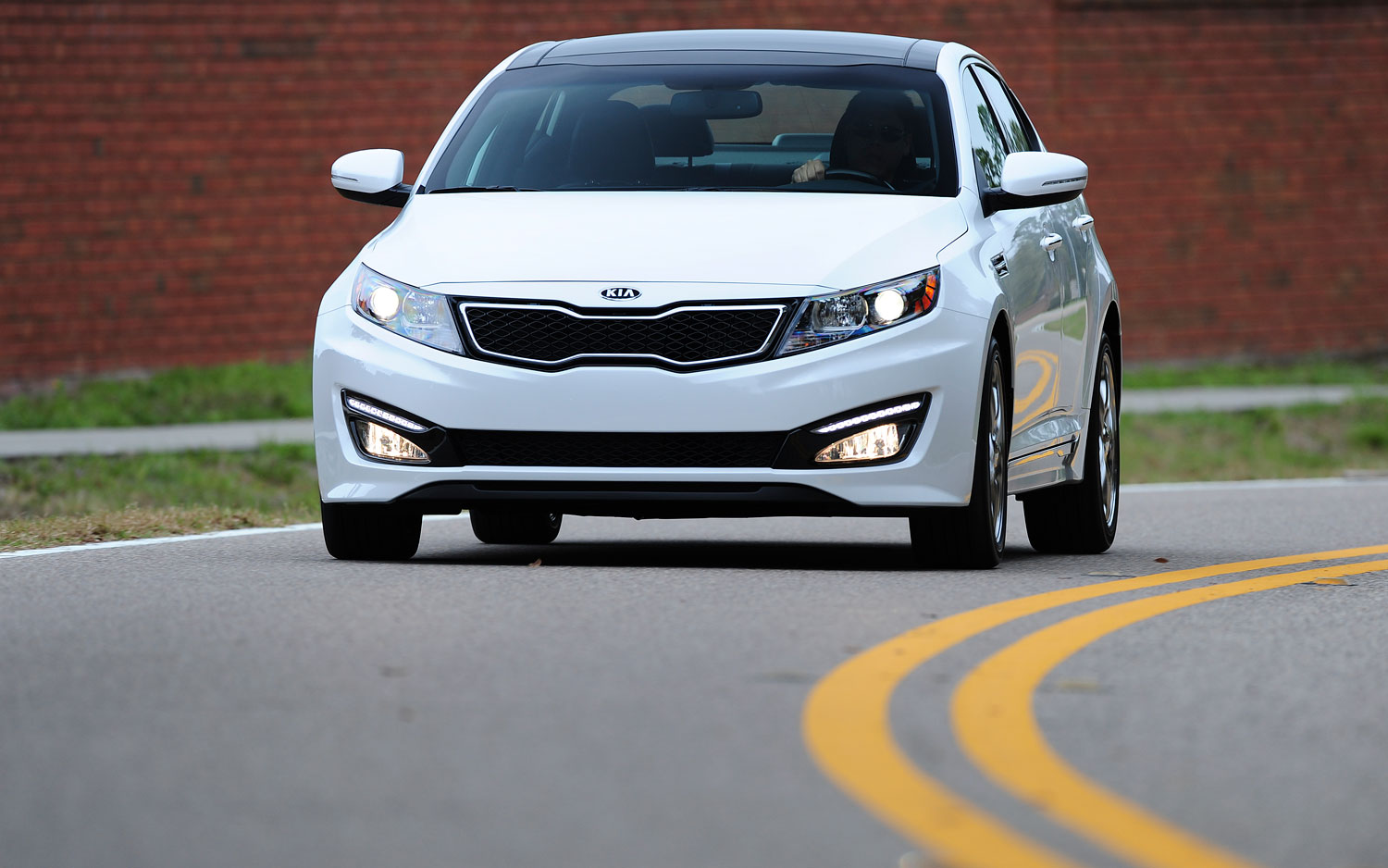
The 2013 Kia Optima largely mirrored the 2012 model’s issues, with engine problems dominating complaints. Consumer Reports rated both reliability and customer satisfaction at 1.0 out of 5, highlighting widespread dissatisfaction. Engines in 2013 Optimas were prone to “blowing,” leaving owners stranded unexpectedly.
The same 2.0-liter and 2.4-liter engines remained susceptible to fractures in low-pressure gasoline lines, creating fire hazards. Other mechanical issues included costly maintenance, steering and electrical failures, and braking concerns.
Official recalls addressed some of these problems, yet catastrophic engine failures continued to occur at relatively low mileage. These safety and reliability concerns made the 2013 Optima particularly risky for highway use, emphasizing the importance of avoiding this model year in the used car market.
Consumers who purchased these vehicles often experienced both financial and safety consequences due to the persistent mechanical defects.
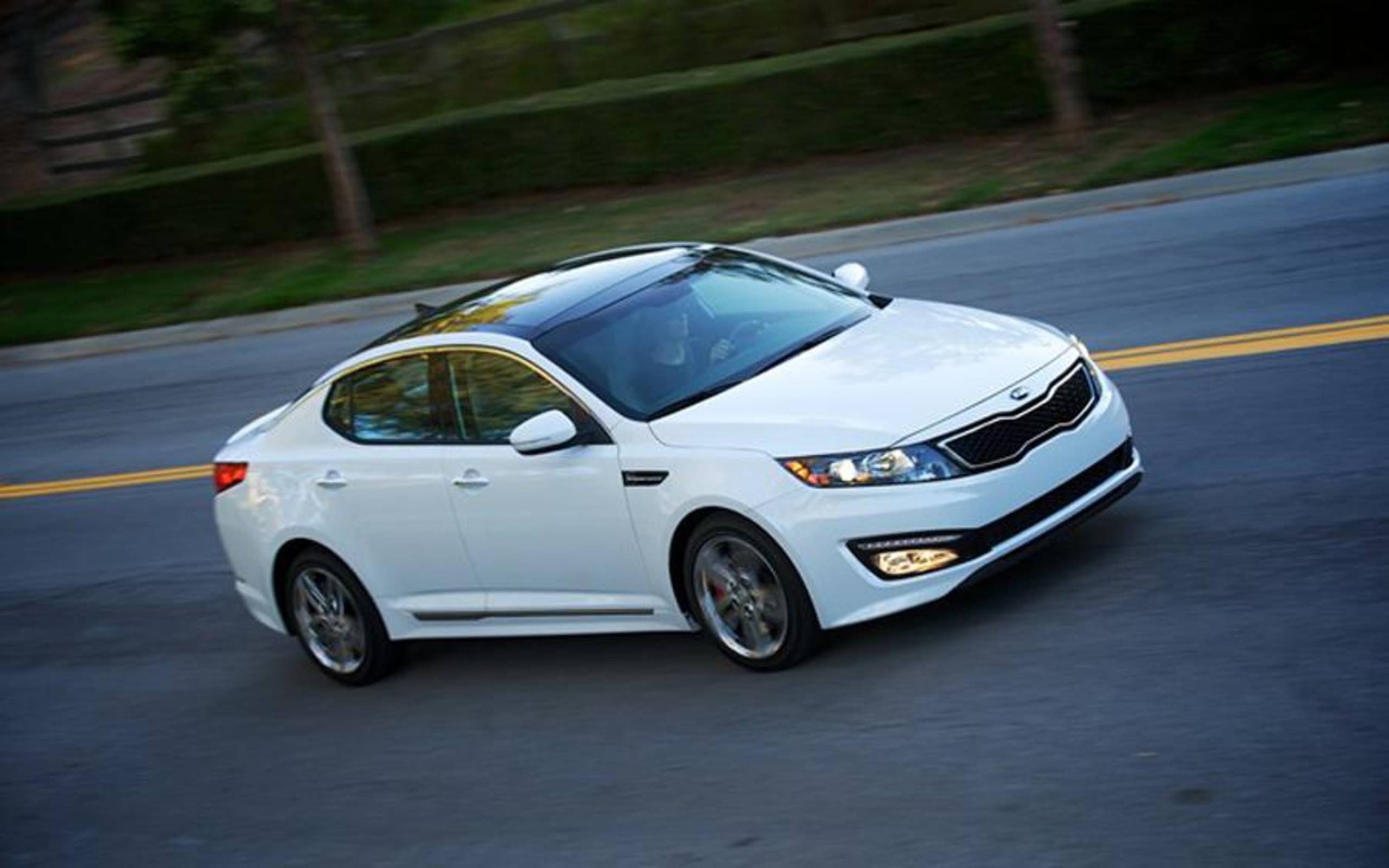
4. 2014 Kia Optima: Fire Hazards and Expensive Maintenance
The 2014 model year was slightly improved compared to earlier third-generation models, but it still experienced significant reliability issues. Engine failures and weak performance remained common, and fire hazards were a notable concern due to low-pressure gasoline line fractures in the 2.0-liter and 2.4-liter engines.
Heat from the engine bay was believed to exacerbate these cracks. While complaints were fewer than in 2011-2013, maintenance costs remained high. Consumer Reports gave both reliability and customer satisfaction ratings of 1.0 out of 5, indicating ongoing dissatisfaction.
Steering, braking, and electrical issues continued to appear sporadically. Kia issued recalls to mitigate some of these risks, but the third-generation Optima still had a reputation for expensive and unpredictable repairs.
Buyers of used vehicles were advised to exercise caution with 2014 Optimas, especially given the lingering risk of engine failure and fire hazards.
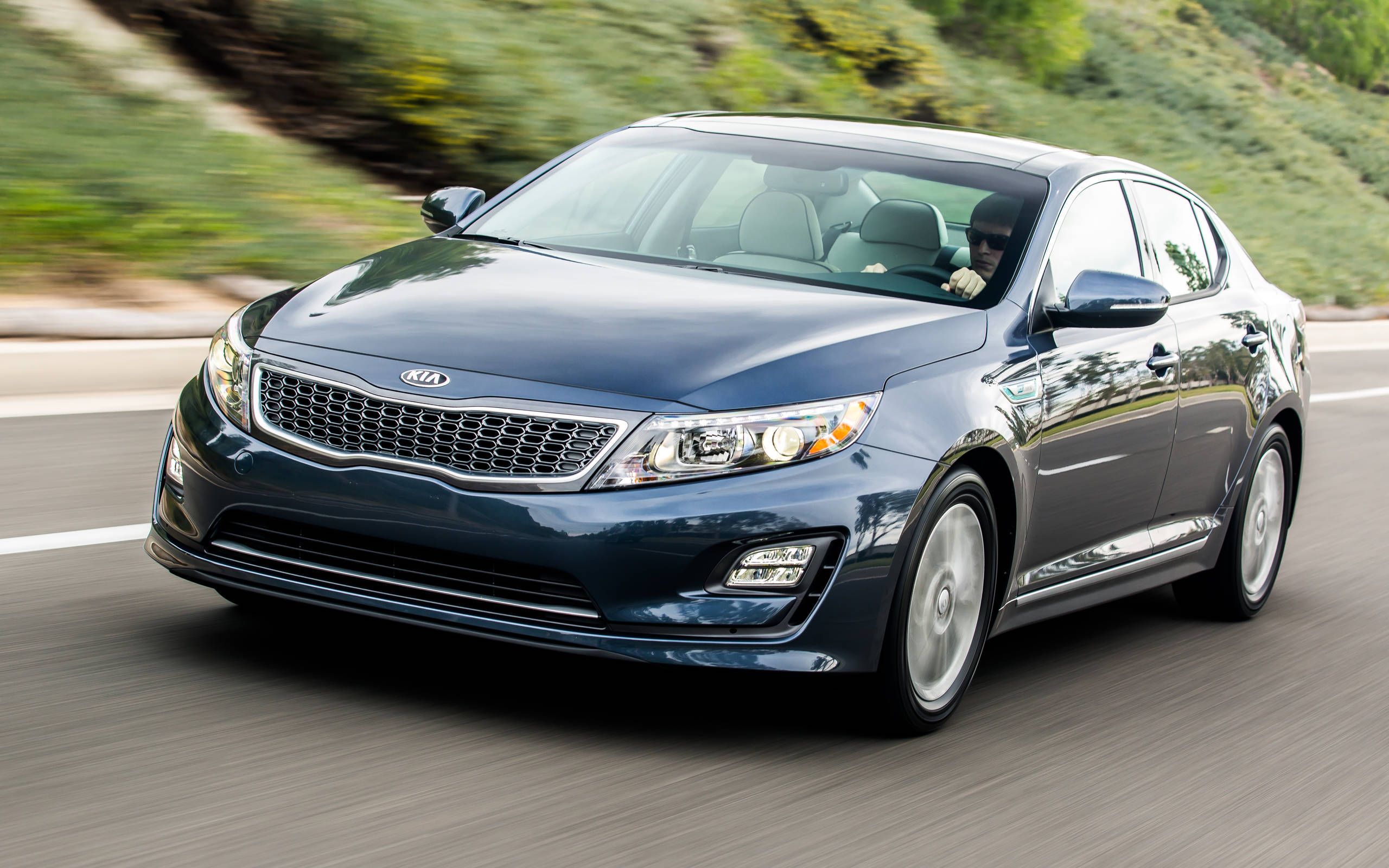
5. 2015 Kia Optima: Persistent Engine Problems and Safety Concerns
The 2015 Kia Optima saw continued engine failures, although the model year showed slight improvements compared to prior years. High-speed engine seizures were reported, along with instances of vehicle fires, creating significant safety risks for drivers, passengers, and pedestrians.
Reliability and customer satisfaction scores remained low at 1.0 out of 5. Despite fewer total complaints than earlier models, engine problems and fire hazards dominated issues for the 2015 Optima. Other mechanical faults, including electrical and steering issues, continued at lower frequencies.
Kia issued recalls addressing some of these concerns, but catastrophic engine failure remained a threat. For buyers seeking used Optimas, 2015 was still considered high-risk, with maintenance costs and safety hazards outweighing the vehicle’s affordability.
It marked the tail end of the problematic third-generation models before the 2016 redesign improved reliability and strengthened consumer confidence.
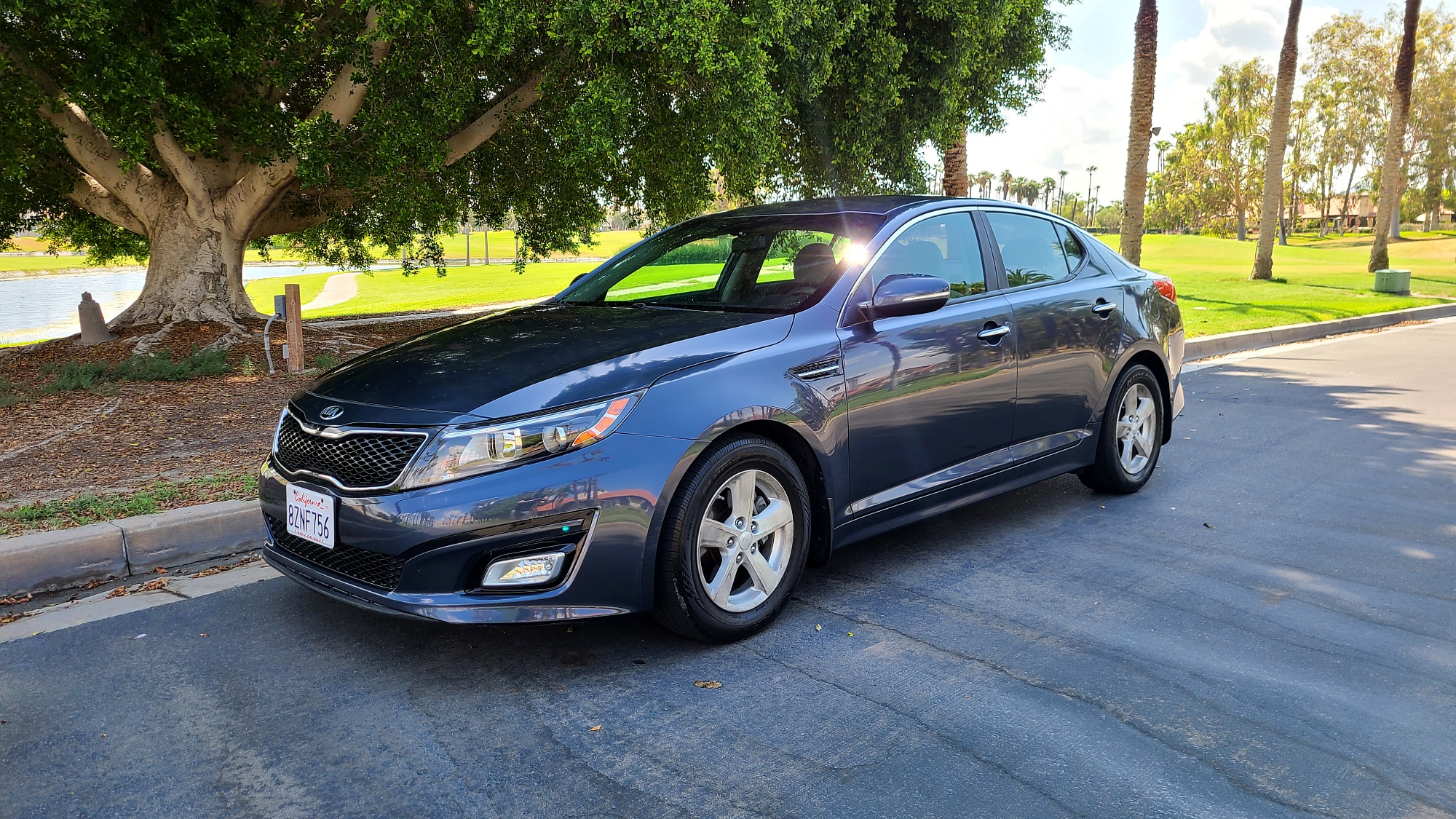
When shopping for a used Kia Optima, choosing the right model can mean the difference between a rewarding purchase and a frustrating ownership experience. Certain versions highlight Kia’s strengths in safety, technology, and dependable engineering, making them appealing options for daily driving.
Others stand out for their affordability, proving that a lower price point doesn’t always mean sacrificing reliability. On the other hand, some Optimas are known for recurring issues such as engine failures, recalls, and costly maintenance, making them far riskier investments.
Understanding which versions have a stronger track record and which ones tend to be more problematic allows buyers to make a confident decision. With the right research, it’s possible to enjoy the comfort, value, and style the Kia Optima is recognized for while avoiding the stress of unexpected repairs. Careful selection ensures your next sedan is both practical and reliable for the long run.
Also Read: 10 Cars With Rear Parking Sensors That Are Actually Useful