The Subaru Legacy has long held its place as a practical and dependable midsize sedan, especially for buyers who value all-wheel drive capability, safety, and comfort. Over the years, Subaru has made continuous improvements to the Legacy, refining its reliability, fuel efficiency, and technology to meet the needs of families and daily commuters alike.
While not always the flashiest option in a competitive segment dominated by the Honda Accord, Toyota Camry, and Hyundai Sonata, the Legacy has carved out a reputation for standing strong in regions with challenging weather and for delivering a confident driving experience year-round.
That said, not all Legacy years are created equal. Some stand out as excellent used-car buys, offering an ideal balance of value and dependability, while others are best avoided due to reliability concerns. In this guide, we’ll highlight the five Subaru Legacy years worth buying if you want peace of mind and long-term practicality.
5 Subaru Legacy Years Worth Buying
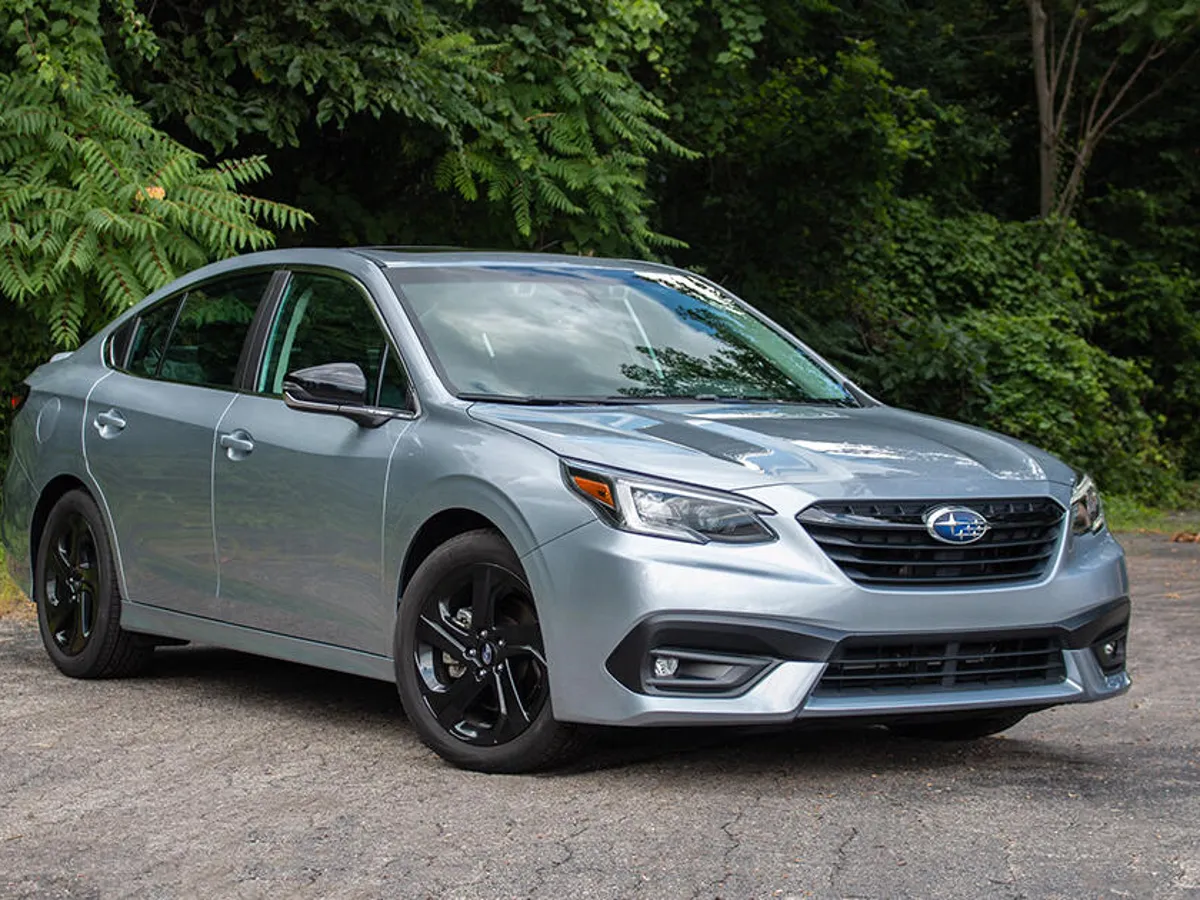
1. 2020 Subaru Legacy
The 2020 Subaru Legacy stands out as one of the best years for the sedan, earning praise from both Consumer Reports and the Insurance Institute for Highway Safety (IIHS). It received the Recommended label, a Green Choice accolade, and a Top Safety Pick Plus award, cementing its reputation as a reliable and safe choice.
With an average reported fuel economy of 28 mpg, owners also enjoy efficiency alongside dependability. Major trouble spots like the engine, transmission, and drive system all scored highly, reassuring buyers that the 2020 model is a strong contender in the used midsize sedan market. Priced between $25,175 and $31,875, the Legacy balances value with features that cater to both practicality and comfort.
Subaru gave the Legacy a complete redesign for 2020, introducing it as part of the seventh generation. The refresh included a 260-horsepower turbocharged engine option, a new interior with improved refinement, and an available 11.6-inch tablet-style infotainment system.
Standard all-wheel drive further boosted its appeal, offering extra traction in wet or snowy conditions something that continues to differentiate it from rivals like the Honda Accord and Toyota Camry.
While the base four-cylinder engine lacks excitement, the turbocharged upgrade replaced the older six-cylinder and delivered both stronger acceleration and better efficiency. Against competitors such as the Hyundai Sonata and Nissan Altima, the 2020 Legacy holds its ground with safety, comfort, and practicality at the forefront.
Behind the wheel, the Legacy offers a balanced driving experience. Its continuously variable transmission (CVT) feels smooth and responsive, though acceleration lags slightly compared to turbocharged rivals.
Handling is composed, with above-average road grip, though some body roll and noticeable nosedive during braking detract from its performance edge. Comfort, however, is a highlight. Supportive seating, cushioned ride quality, and a spacious interior create an inviting atmosphere, especially in the back seats.
While road and wind noise are more pronounced than in some competitors, the cabin still maintains a respectable level of quietness. The Legacy’s design favors functionality, providing excellent visibility and roomy accommodations for passengers, though reliance on the central touchscreen makes some controls less intuitive.
Technology and practicality round out the 2020 Legacy’s strengths. Apple CarPlay and Android Auto come standard, alongside Subaru’s EyeSight suite of driver-assist features. While useful, some systems like forward collision warning and adaptive cruise control tend to be overly sensitive.
Storage solutions are thoughtful, with a deep trunk, folding rear seats, and ample small-item storage throughout the cabin. At 30 mpg combined, fuel economy is solid for an all-wheel-drive sedan, keeping pace with the AWD Nissan Altima.
Value is slightly above average in terms of price, but buyers receive more refinement, AWD capability, and safety for the cost. Ultimately, the 2020 Subaru Legacy may not be the flashiest midsize sedan, but it delivers a dependable, comfortable, and well-rounded package that makes it one of the best model years to consider for buyers prioritizing long-term reliability and everyday practicality.
2. 2016 Subaru Legacy
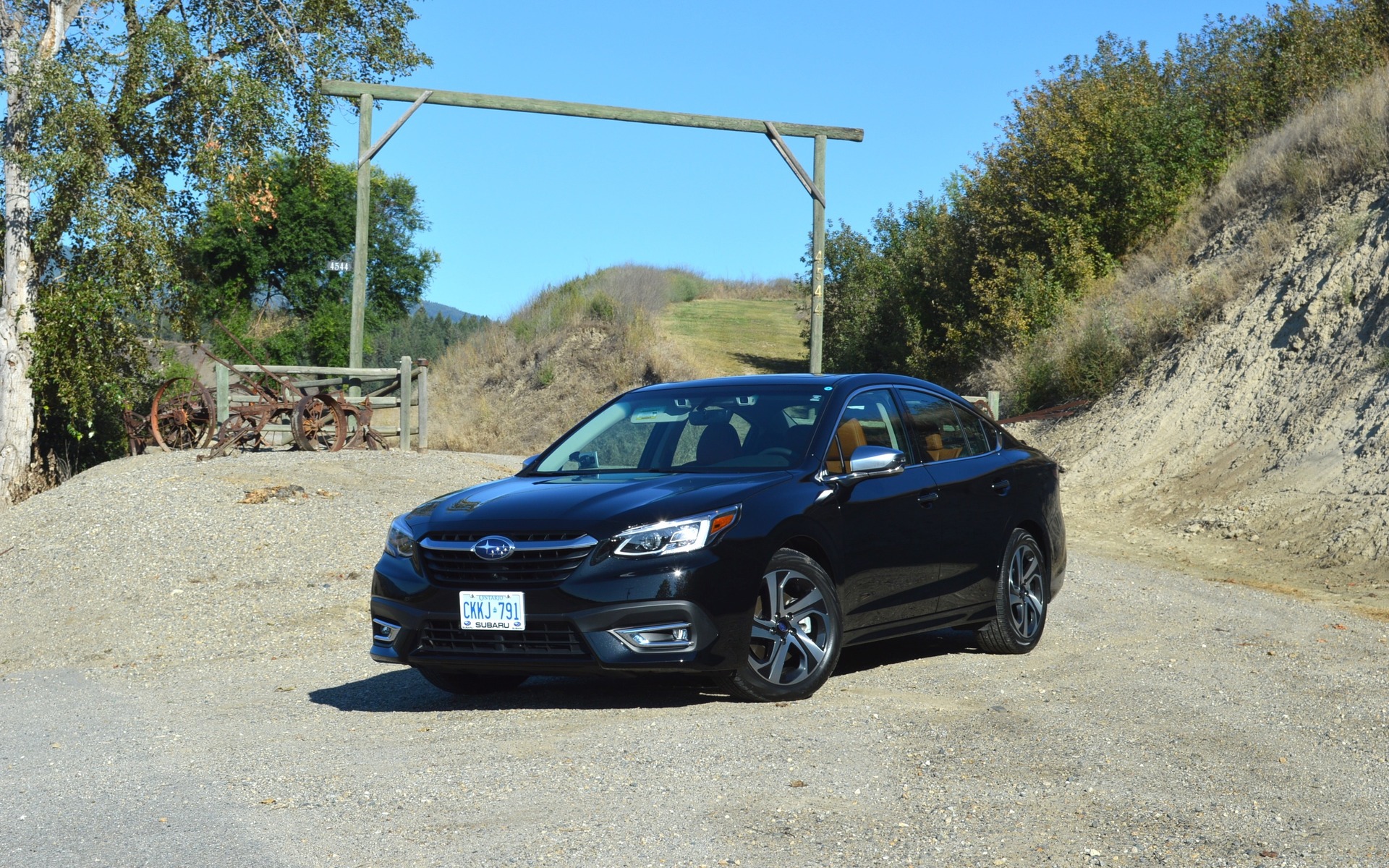
The 2016 Subaru Legacy is widely regarded as one of the most reliable and well-rounded years of the midsize sedan, praised by both Consumer Reports and the Insurance Institute for Highway Safety (IIHS).
It earned a Top Safety Pick Plus award from the IIHS and delivered an impressive 27 mpg, making it both fuel-efficient and family-friendly. Subaru’s reputation for affordability and durability shines through, with this model offering excellent visibility, simple controls, and standard all-wheel drive (AWD) a rare feature in the midsize sedan segment.
While advanced driver-assistance technologies such as forward collision warning (FCW) and automatic emergency braking (AEB) weren’t yet standard, the Legacy did come with a rearview camera, daytime running lights, and optional EyeSight safety technology.
At an average used retail price ranging from $15,825 to $19,700, the 2016 Legacy delivers a strong value proposition for buyers seeking safety, reliability, and year-round capability.
By 2016, Subaru had refined the Legacy’s design following its 2015 redesign, which brought more cabin space, improved materials, and better fuel efficiency. The 2016 model built upon that foundation with a revised steering system for sharper feel and retuned suspension in Limited trims for a smoother ride.
Subaru also expanded its Starlink connected services, offering features such as emergency assistance and automatic collision notification in Premium and Limited models.
A standout element remained its standard AWD and unique boxer engine layout choices that differentiated it from rivals like the Honda Accord, Toyota Camry, and Ford Fusion.
While those competitors may have offered sleeker styling or more engaging driving dynamics, the Legacy catered to practicality, especially for buyers in snowy or rainy regions, where traction and dependability are priorities.
Performance in the 2016 Legacy came from two engine choices: a 2.5-liter four-cylinder with 175 horsepower or a more powerful 3.6-liter six-cylinder producing 256 horsepower.
Both engines were paired with a continuously variable transmission (CVT) that could mimic gear shifts through paddle shifters, striking a balance between efficiency and traditional driving feel. The four-cylinder achieved a class-leading 30 mpg combined despite AWD, while the six-cylinder delivered 23 mpg combined.
Acceleration, however, was not the Legacy’s strong suit; the 2.5i Premium reached 60 mph in 9.4 seconds, noticeably slower than rivals. Where it shined was in safety and control.
Government crash tests awarded it a five-star rating, and Edmunds testing showed it could stop from 60 mph in just 114 feet a performance better than many competitors. Handling was predictable and steady, though not sporty, with noticeable body roll in corners.
Inside, the 2016 Legacy emphasized comfort, space, and visibility. The cabin featured improved materials and straightforward controls, with optional infotainment that mimicked smartphone operation. Seating was firm and supportive, with excellent outward visibility that made the car easy to maneuver.
While rear headroom and trunk space lagged slightly behind leaders like the Honda Accord and Ford Fusion, the Legacy still provided adequate room for families. Its standard AWD system, supportive seating, and higher driving position made it Subaru’s most comfortable sedan to date.
While not the most stylish or dynamic choice in its class, the 2016 Subaru Legacy’s blend of safety, practicality, and all-weather capability has earned it a reputation as one of the most dependable and overlooked gems in the midsize sedan market.
3. 2017 Subaru Legacy
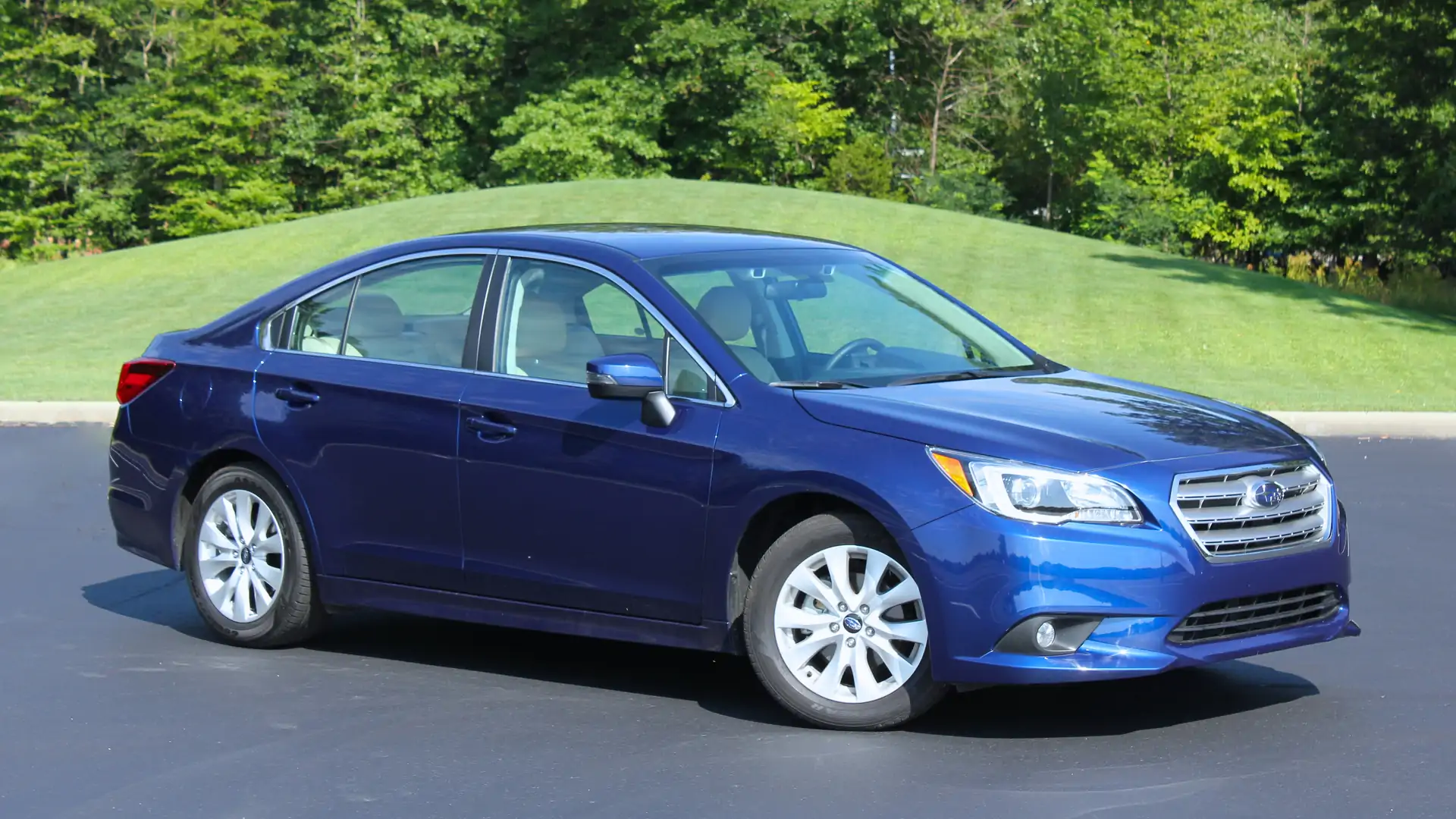
The 2017 Subaru Legacy brought meaningful updates to a well-rounded midsize sedan that often gets overlooked in a crowded market. A new Sport trim level debuted, adding unique styling touches and interior upgrades, while Subaru introduced Reverse Automatic Braking as part of its EyeSight Driver Assist Technology package.
Despite being overshadowed by segment leaders like the Honda Accord, Toyota Camry, and Ford Fusion, the Legacy remained a compelling choice, particularly for those living in snowy or rainy regions.
Its biggest differentiator continued to be standard all-wheel drive (AWD) on every trim and engine configuration, something competitors only offered as an expensive option. Combined with strong safety ratings and respectable fuel economy, the 2017 Legacy earned its place as a solid, if underrated, midsize sedan.
Safety remained one of the Legacy’s strongest assets. Standard features included a rearview camera, stability control, traction control, and a comprehensive set of airbags.
Buyers who opted for EyeSight gained access to forward collision warning with pedestrian detection, automatic emergency braking, lane departure warning with intervention, and the new Reverse Automatic Braking system.
These additions helped the 2017 Legacy earn a five-star safety rating from government crash tests, along with a Top Safety Pick Plus award from the IIHS. Edmunds’ testing also highlighted its excellent braking performance, stopping from 60 mph in just 114 feet, better than many rivals.
These credentials, paired with Subaru’s reputation for reliability, made the Legacy an especially appealing option for safety-conscious families.
Performance, however, was less impressive. Two engines were available: a 2.5-liter four-cylinder producing 175 horsepower and a 3.6-liter six-cylinder with 256 horsepower. Both were paired with a continuously variable transmission (CVT) and standard AWD.
While smooth and quiet, acceleration was underwhelming, with the four-cylinder reaching 60 mph in 9.4 seconds, making it slower than nearly all competitors. The six-cylinder offered slightly stronger performance but still lagged behind other optional engines in the segment. Despite this, the Legacy excelled in efficiency.
The four-cylinder achieved an EPA-estimated 29 mpg combined, impressive considering the AWD system, while the six-cylinder returned 23 mpg combined. Ride quality was comfortable, though body roll in corners limited its sportiness compared to cars like the Mazda6.
Inside, the 2017 Legacy emphasized practicality and comfort. Subaru’s straightforward interior design featured improved materials, user-friendly controls, and an optional touchscreen infotainment system with crisp graphics and smartphone-like operation.
The cabin offered good front-seat comfort and excellent outward visibility, a standout trait in an era of high beltlines and thick roof pillars. Rear space was slightly tighter than in class leaders like the Accord or Fusion, and the 15-cubic-foot trunk trailed rivals, though it remained practical for family use.
Firm seating, ample headroom, and a higher driving position contributed to the sense of comfort, making the Legacy Subaru’s most accommodating sedan yet.
While it may not have matched competitors in style, luxury, or performance, the 2017 Subaru Legacy delivered a smart balance of safety, efficiency, and all-weather capability, making it a dependable choice for buyers prioritizing peace of mind over flash.
4. 2021 Subaru Legacy
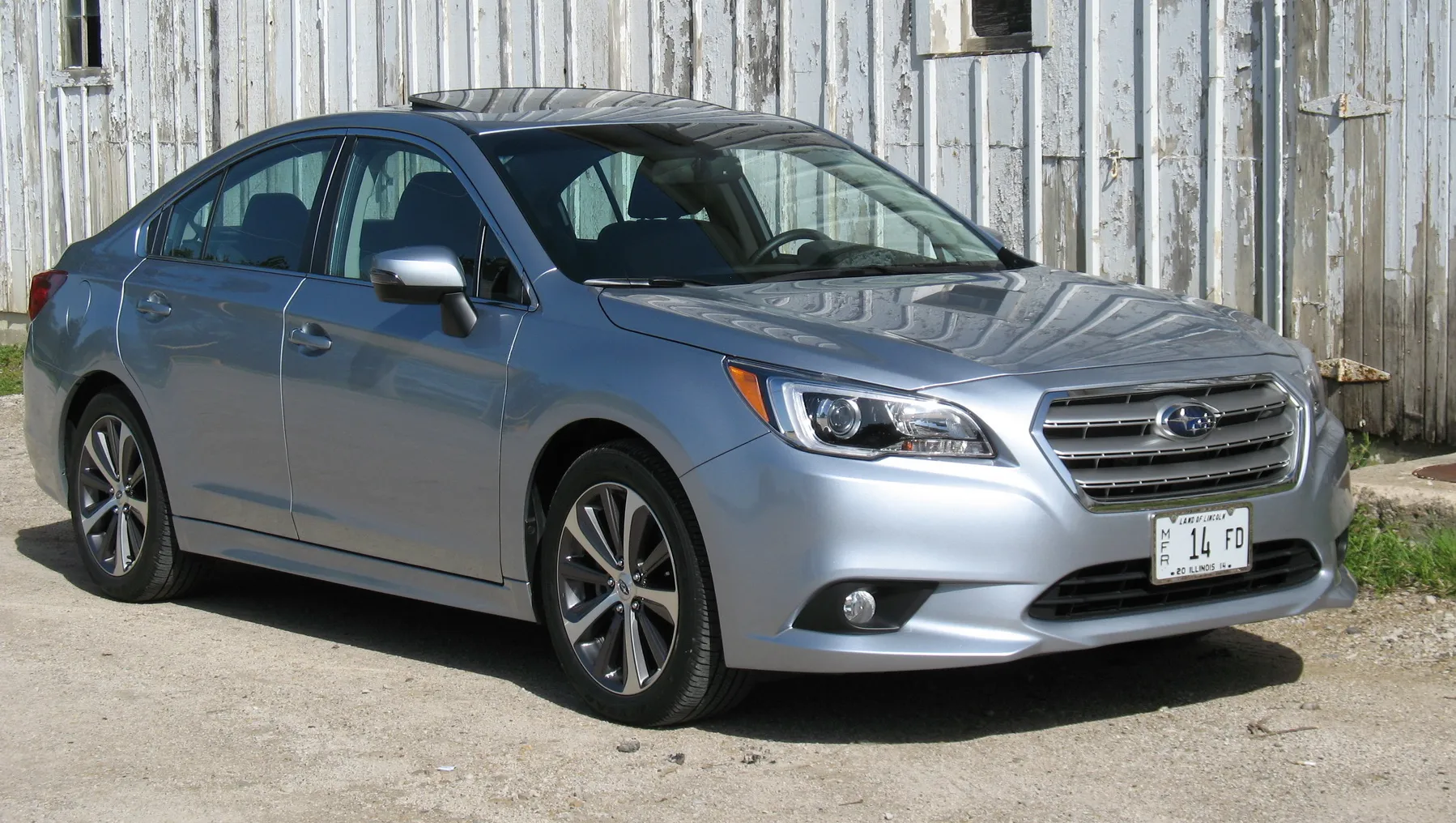
The 2021 Subaru Legacy, now in its seventh generation, continues to stand out in the midsize sedan segment by offering standard all-wheel drive a rarity among rivals. Closely related to the Subaru Outback, the Legacy emphasizes safety and practicality, making it a strong contender for buyers in regions with harsh weather conditions.
Though some automakers have moved away from sedans, the Legacy remains a viable choice against competitors like the Honda Accord, Mazda6, Hyundai Sonata, and the newly introduced Kia K5. For 2021, Subaru introduced only a handful of additional standard features, retaining most of the updates from its recent redesign.
On the road, the Legacy delivers a smooth but modest performance. Its continuously variable transmission (CVT) is well-tuned for responsiveness, yet its acceleration lags behind turbocharged rivals, taking 8.5 seconds to reach 60 mph.
Handling is stable and confident thanks to AWD, though excessive body roll and noticeable nosedive under braking limit its sportiness. Comfort, however, is a highlight. Supportive seats, sculpted rear cushions, and a cushy yet controlled ride make it well-suited for daily driving.
Noise levels from the wind and road are more pronounced than in some competitors, but engine sound is pleasantly subdued compared to other CVT-equipped cars. Climate control and heated seats add convenience, though some functions take time to master.
Inside, the Legacy shines with spaciousness and comfort. Both rows of seating accommodate tall passengers with ease, and visibility is excellent thanks to large windows. The interior design feels clean and inviting, with thoughtful storage options ranging from a two-tier center console to clever door bins.
Cargo capacity at 15.1 cubic feet trails the class slightly but makes up for it with depth and versatility from folding rear seats. Where the cabin falls short is technology integration.
The large central touchscreen controls most functions, which can be frustrating given its slow responsiveness and the lack of physical buttons for common features like disabling the stop-start system.
While Apple CarPlay, Android Auto, and Subaru’s EyeSight safety suite are standard, the infotainment system suffers from frequent crashes and overly sensitive driver-assist alerts.
In terms of efficiency and value, the Legacy offers competitive fuel economy for an AWD sedan at 30 mpg combined, nearly identical to the AWD Nissan Altima and more efficient than turbocharged competitors.
Pricing is slightly higher than front-wheel-drive rivals, but the standard AWD and above-average materials justify much of the premium. Warranty coverage is average for the class, falling short of brands that offer extended coverage or complimentary maintenance.
The 2021 Subaru Legacy is not the quickest or flashiest sedan on the market, but it excels where it matters most: comfort, safety, practicality, and confidence in all weather conditions. For families or commuters seeking year-round reliability and peace of mind, the Legacy remains a strong, well-rounded option.
5. 2022 Subaru Legacy
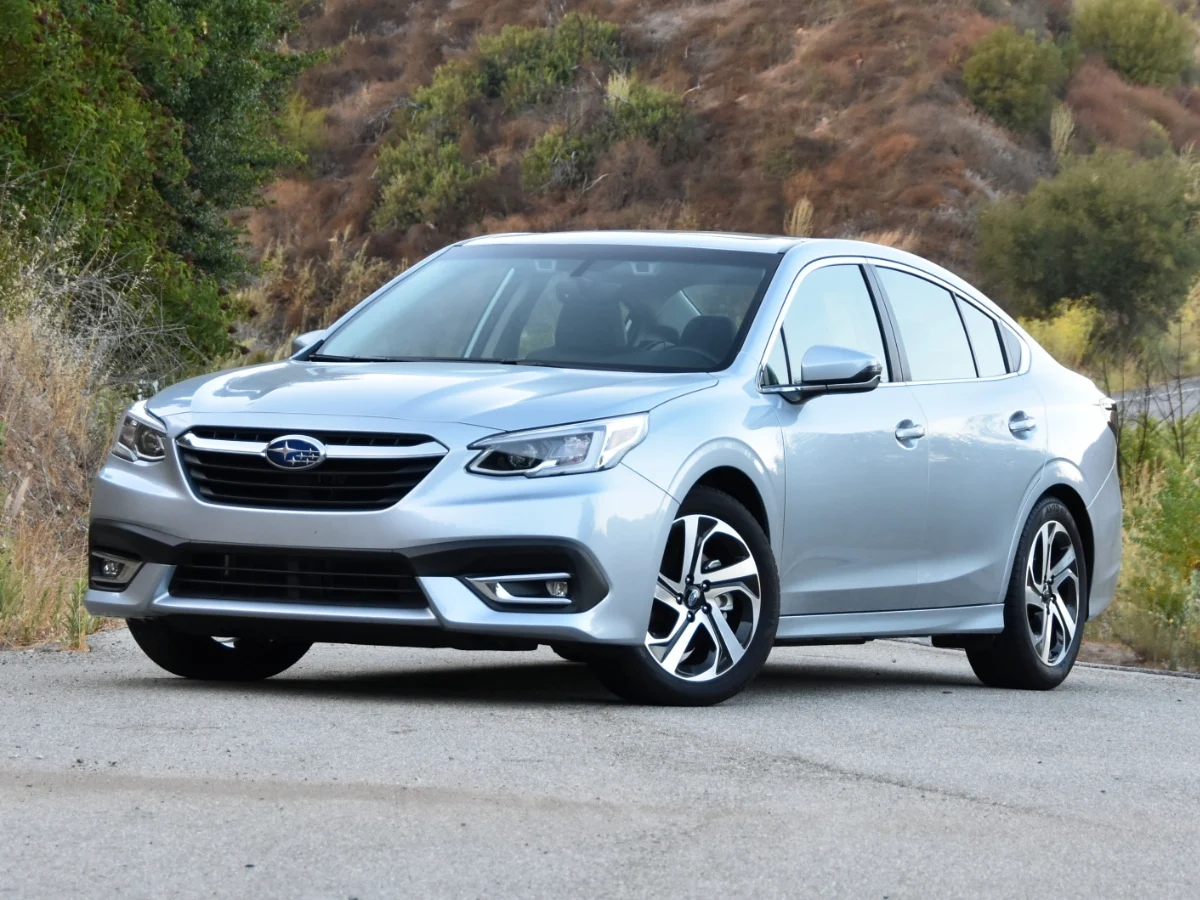
The 2022 Subaru Legacy enters the midsize sedan market as one of the newest models, following its recent redesign just two years ago. What sets the Legacy apart from nearly all of its rivals is standard all-wheel drive, giving it a distinct advantage for drivers in snowy or wet regions.
Equipped with modern technology, a large tablet-style touchscreen, and Subaru’s EyeSight suite of driver aids, the Legacy is built with safety and practicality in mind. However, while it checks many boxes on paper, the execution leaves room for improvement.
Rivals such as the Honda Accord, Kia K5, and Hyundai Sonata offer more refined experiences at similar price points, often outshining the Legacy in polish and performance.
On the performance front, the Legacy delivers adequate but uninspiring results. The base 2.5-liter engine takes 8.5 seconds to reach 60 mph, slower than many similarly powered competitors, though an optional turbocharged engine remedies this with far more confidence on the road.
Handling is stable and secure, with nicely weighted steering and good road grip, but excessive body roll in corners and noticeable nosedive when braking limit its athleticism. The automatic stop-start system also feels intrusive, jolting the car back to life in a manner that disrupts smooth driving.
Where the Legacy shines is comfort, with supportive seats in both rows, a cushioned ride that avoids feeling floaty, and subdued engine noise. Road and wind noise are more prominent than in top rivals, but the ride remains well suited for long commutes and family travel.
Inside, the Legacy offers a spacious and practical cabin. Tall adults will find plenty of legroom and headroom in both rows, and outward visibility is excellent thanks to its large windows and easy entry and exit points.
Storage space is equally thoughtful, with clever bins, a two-tier console, and a deep trunk measuring 15.1 cubic feet, enhanced by folding rear seats. However, the Legacy’s reliance on its large central touchscreen is a drawback.
Many essential controls are buried in menus, the system often responds slowly, and there is no dedicated button to disable the intrusive stop-start system.
While Apple CarPlay and Android Auto are standard, the infotainment suffers from frequent crashes, and features such as navigation search and voice control feel clumsy compared to rivals.
In terms of efficiency and value, the Legacy is competitive but not class-leading. With an EPA-estimated 30 mpg combined, it matches real-world results during testing and holds its own against other AWD sedans like the Nissan Altima.
Pricing is slightly higher than comparably equipped front-wheel-drive rivals, but the added confidence of AWD helps justify the premium. Interior materials feel solid and a step above average, though warranty coverage is merely on par with most competitors.
The 2022 Subaru Legacy excels in areas of comfort, practicality, safety, and year-round confidence. Yet, its underwhelming tech execution, modest performance, and reliance on touchscreen controls keep it from reaching the top tier of midsize sedans.
For buyers prioritizing safety and all-weather capability, however, it remains a compelling and dependable choice.
Also Read: 5 Cars with the Quietest Cabins on the Highway and 5 That Roar Inside
5 Subaru Legacy Years With Bad Reliability
1. 2009 Subaru Legacy: The Costly Engine Failure Year
The 2009 Subaru Legacy is widely regarded as one of the worst years in the sedan’s long-running history. Despite having fewer complaints than other model years, the severity of its problems makes it infamous.
The biggest issue is sudden engine failure, which often occurs without warning. Owners reported hearing loud knocking noises and feeling strong vibrations just before the engine completely gave out, usually at an average of 75,000 miles.
This catastrophic failure left drivers with no choice but to replace the engine, an expensive repair costing around $5,000. To make matters worse, such a problem at relatively low mileage raised serious concerns about the model’s long-term reliability.
Adding to the Legacy’s troubles in 2009 was the head gasket leak, another notorious Subaru problem. This failure typically appeared around 140,000 miles and required removing the entire engine to complete the repair. The fix cost roughly $1,600, a heavy burden for owners already struggling with costly engine issues.
While other Legacy years had more frequent but minor complaints, the 2009 model stood out because of the expensive and devastating nature of its failures. As a result, many consider this model year one of the most problematic Subarus ever made.
2. 2010 Subaru Legacy: Headlight and Transmission Headaches
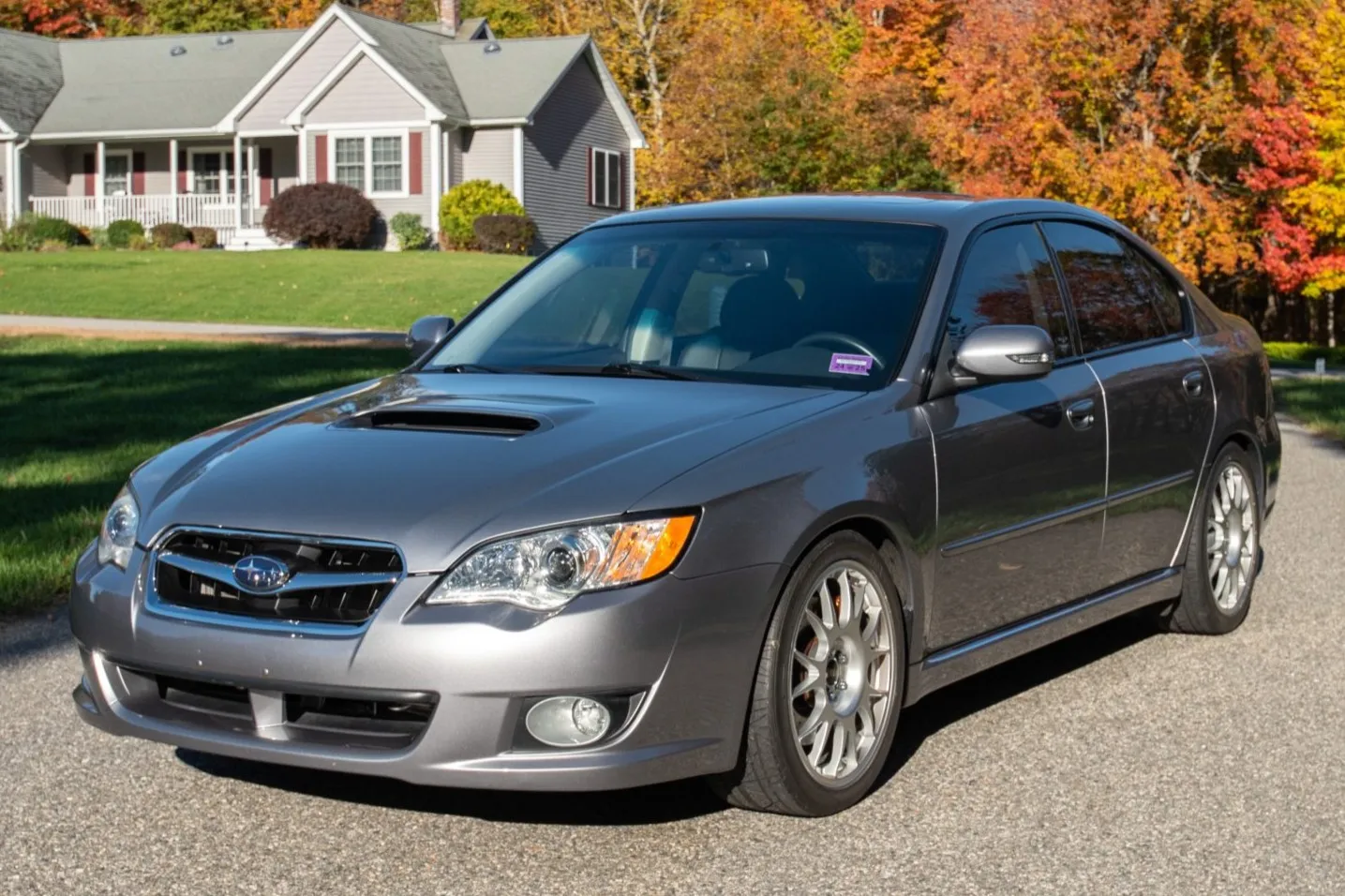
The 2010 Subaru Legacy improved in some areas compared to 2009, but it introduced a new set of frustrations. The most widespread issue centered on faulty headlights. While all headlight bulbs eventually burn out, the 2010 Legacy experienced unusually frequent failures.
Owners reported replacing bulbs much more often than expected, leading to ongoing maintenance costs and inconvenience. What should have been a minor repair turned into a persistent annoyance for drivers, giving the car a reputation for poor durability in its lighting system.
Another troubling development in 2010 was the introduction of problems with Subaru’s continuously variable transmission (CVT). Many drivers complained of vibrations, shuddering, and stalling when accelerating or stopping quickly.
These transmission issues often surfaced after the factory warranty expired, leaving owners responsible for repair bills averaging $2,000. For a relatively new model year, this was an unexpected blow that hurt the Legacy’s dependability rating.
Although less catastrophic than 2009’s engine failures, the combination of headlight and transmission troubles made the 2010 Legacy a frustrating ownership experience.
3. 2011 Subaru Legacy: Recurring Electrical and CVT Issues
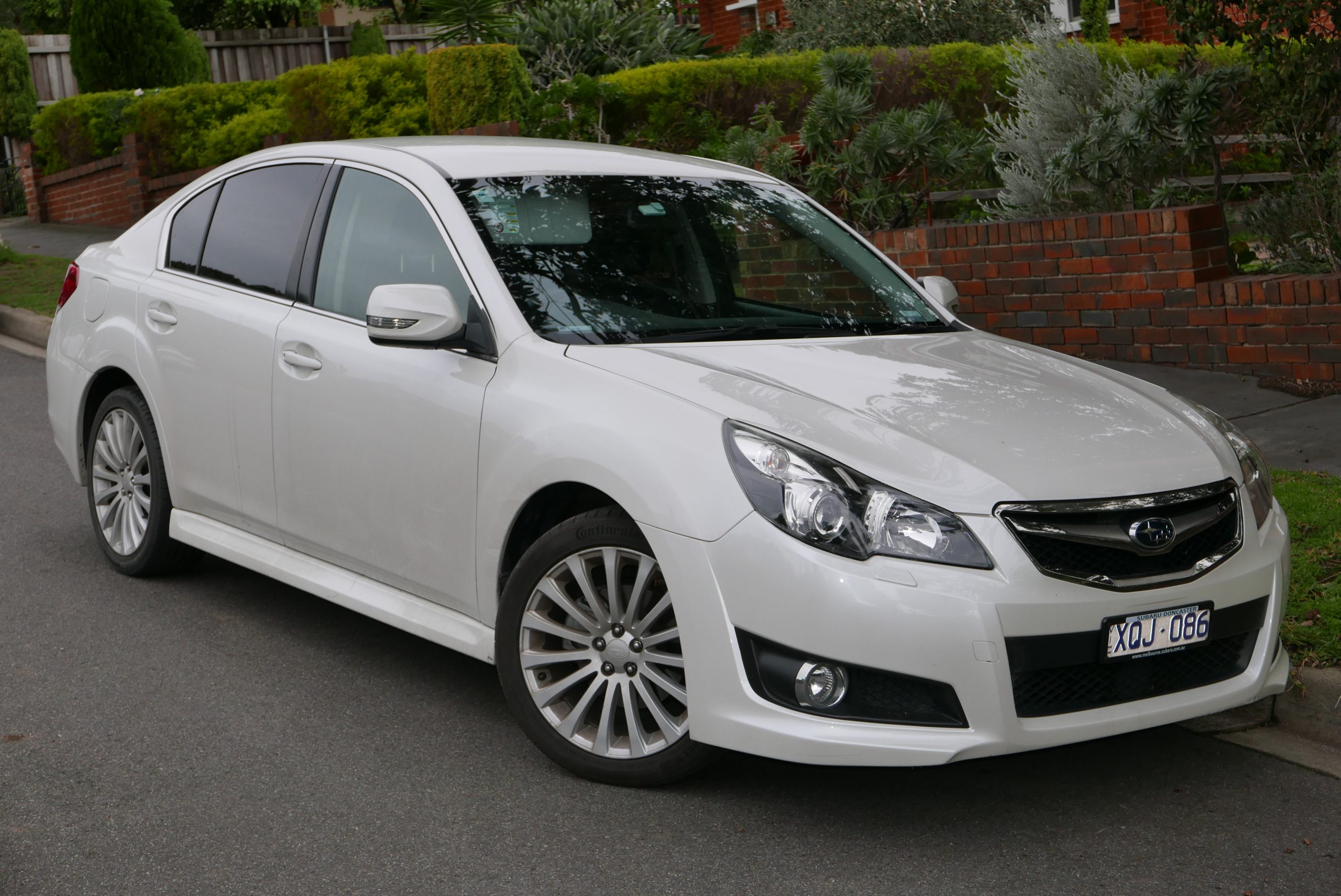
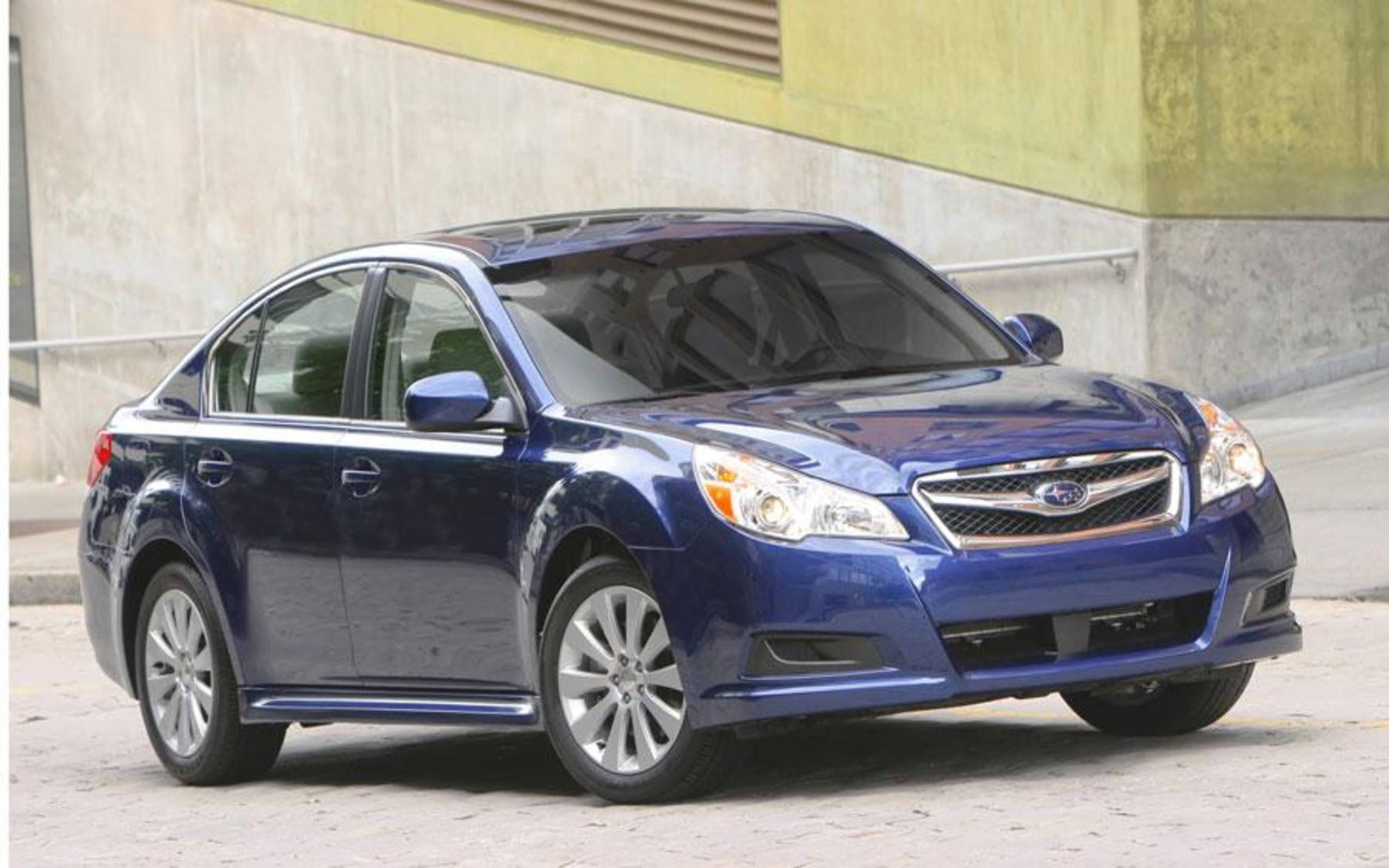
Unfortunately, the 2011 Subaru Legacy continued the trend of reliability struggles, carrying over some of the problems from the 2010 model. Chief among them was the recurring headlight issue. Owners reported that bulbs burned out far too quickly, with some needing replacement every three weeks.
Considering that headlight bulbs typically last years, this pointed to a deeper electrical issue, possibly involving voltage surges. This constant maintenance was both costly and inconvenient, souring the driving experience for many Legacy owners.
The transmission system also remained a concern. Although the number of complaints about CVT problems was lower compared to 2010, there were still reports of premature transmission failures. In severe cases, repair costs climbed as high as $7,600, a devastating bill for a midsize sedan.
These issues made buyers wary of Subaru’s early CVT technology, which was supposed to provide smoother performance and better fuel efficiency. By 2011, the Legacy’s reputation was in jeopardy, as recurring electrical and transmission problems showed Subaru’s inability to resolve critical reliability flaws from one year to the next.
4. 2015 Subaru Legacy: Noise and Burning Smells
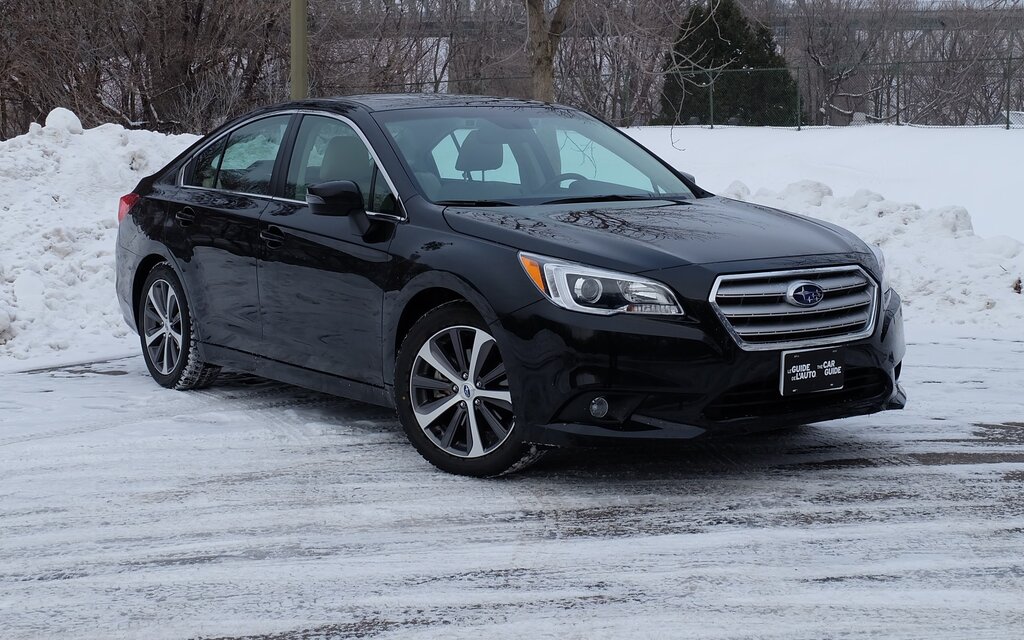
The 2015 Subaru Legacy was another year to avoid, not because of catastrophic failures, but due to a surprisingly high number of complaints. CarComplaints.com even gave it an “Awesome” rating, acknowledging its strengths, but the widespread issues frustrated many owners.
One of the most common complaints was excessive wind noise. Drivers reported hearing loud whistling sounds at speeds over 40 mph, often traced back to the small triangle window. What seemed like a minor issue quickly became a daily irritation for those driving on highways or long commutes.
In addition to noise problems, some drivers noticed a burning smell coming from the engine bay, sometimes as early as 650 miles. Investigations revealed that the smell often came from burning oil, raising concerns about possible leaks.
In one alarming case, water was found covering the entire engine bay, presenting both mechanical and safety risks. While the 2015 Legacy did not suffer from the catastrophic failures of older models, its combination of frequent wind noise and potential oil-burning problems undermined its appeal.
Owners expected better refinement from a modern redesign, but instead, they were left dealing with recurring annoyances.
5. 2018 Subaru Legacy: A Mostly Reliable Model with Tech Glitches
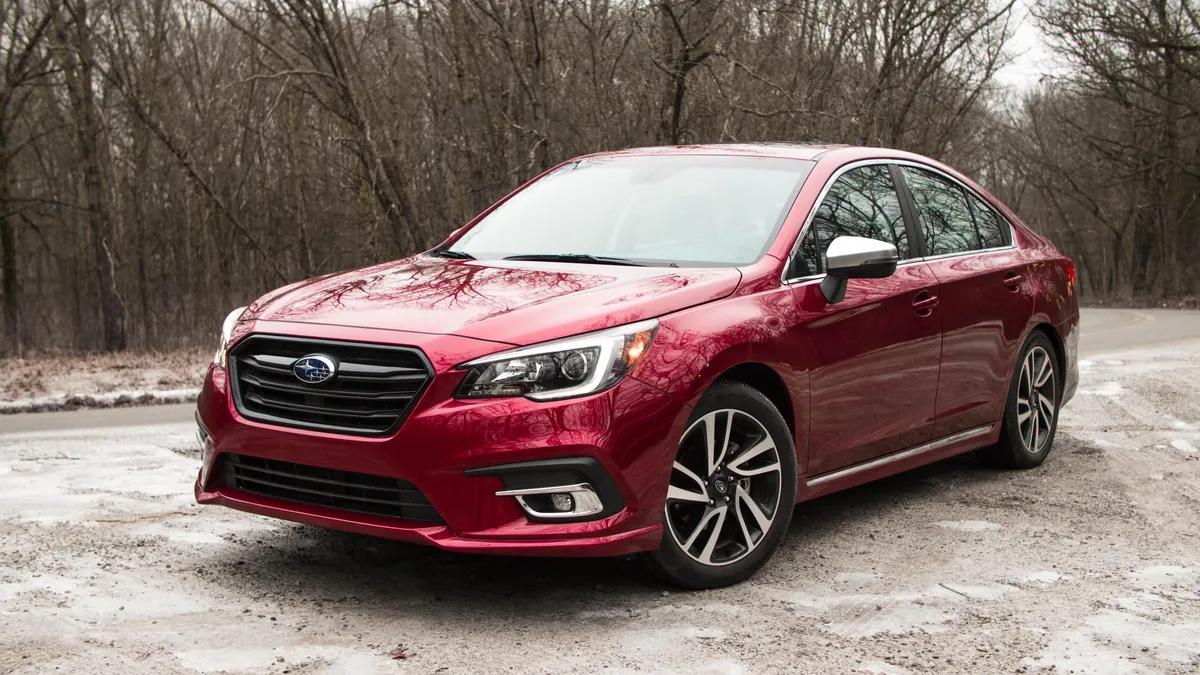
By 2018, Subaru had made significant progress in improving the Legacy’s reliability, addressing many of the earlier problems that plagued the lineup. Unlike the catastrophic failures of 2009 or the frustrating electrical and transmission issues of 2010 and 2011, the 2018 Legacy was generally regarded as dependable.
However, it was not without its flaws. The most common complaint was related to the infotainment system. Owners reported that the display screen and radio controls would freeze, sometimes refusing to shut off even after the car was turned off. While this problem was inconvenient, it was less severe compared to earlier years.
Fortunately, Subaru acknowledged the infotainment issue and covered it under warranty, sparing owners from significant repair costs. Apart from that, the 2018 Legacy earned praise for its refinement and reliability.
This shows how far the model had come since its earlier struggles, even though lingering tech-related glitches kept it from being perfect.
Compared to past troubled years, the 2018 Legacy represented a turning point, demonstrating Subaru’s commitment to improving quality and dependability. While not flawless, it was a much better choice than many of the Legacy models that came before it.
When it comes to buying a used Subaru Legacy, choosing the right model can make all the difference. Some versions of this midsize sedan have earned praise for their safety ratings, all-weather confidence, fuel efficiency, and practical features, making them excellent investments for drivers who value long-term dependability.
These models strike a balance between comfort and Subaru’s signature all-wheel drive, giving owners peace of mind on both dry highways and snowy backroads. Of course, not every year has been trouble-free, and certain models are known for issues that can lead to costly repairs.
That’s why careful research is essential before making a purchase. By focusing on the most reliable versions, buyers can enjoy a sedan that’s built to last while steering clear of unnecessary headaches. In the end, the Subaru Legacy stands out as a smart, well-rounded choice for those who prioritize safety, practicality, and year-round confidence
Also Read: 10 Cars With Tricky Seatbelt Buckles for Elderly Passengers