

The Volkswagen Jetta has long been a favorite among compact sedans, offering German engineering, fuel efficiency, and a balance of comfort and performance at an accessible price point. Over the years, however, not all Jetta models have lived up to this reputation.
Some years delivered exceptional reliability, premium features, and strong resale value, while others left owners frustrated with costly repairs, safety issues, and performance shortcomings.
For used car shoppers, knowing which model years to target and which to steer clear of can mean the difference between a dependable daily driver and a financial headache. In this guide, we’ll break down five of the best Jetta years worth owning and five you’re better off avoiding.
Whether you’re a first-time buyer or a seasoned car enthusiast, this list will help you make a smart, informed decision before committing to one of Volkswagen’s most enduring and popular sedans.
5 VW Jetta Years Worth Keeping
1. 2003 Volkswagen Jetta
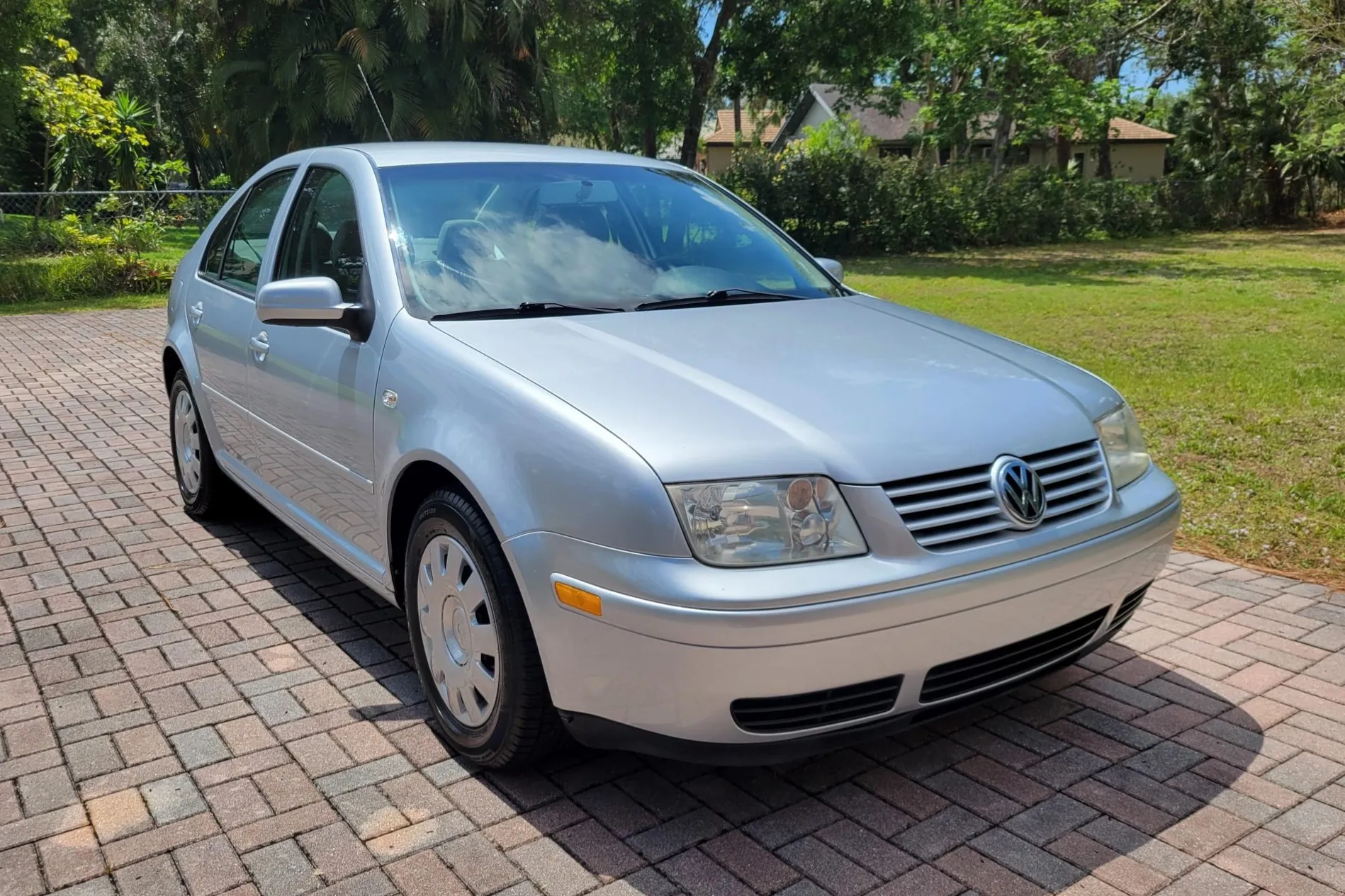
The 2003 Volkswagen Jetta closed out the fourth generation of the model with a reputation for reliability, premium build quality, and engaging driving dynamics. Among its offerings, the standout was the TDI diesel version, powered by a 1.9-liter turbocharged engine known for exceptional efficiency and durability.
Capable of achieving fuel economy figures close to 49 miles per gallon, the TDI rivaled hybrids of its era while offering the long-term dependability of a powertrain often lasting well past 300,000 miles with proper care.
Even the standard gasoline engines, including the 2.0-liter inline-four and the punchy 1.8T turbocharged option, provided a solid balance of performance and smooth driving. Combined with available upscale touches like leather seating, heated seats, and a sunroof, the Jetta cemented itself as a versatile and dependable compact sedan.
Volkswagen ensured the 2003 Jetta remained fresh with notable updates across trims and body styles. While the wagon lost the GLX trim, buyers gained access to premium packages on GLS versions, which bundled luxury features such as power seats, automatic climate control, rain-sensing wipers, and wood trim.
Base GL models became more generous with standard amenities like power windows, cruise control, and CD players, while GLS trims added alloy wheels and a sunroof. Optional equipment, including stability control (ESP), heated seats, and the high-quality Monsoon sound system, expanded the Jetta’s appeal.
These upgrades, combined with continuous refinements since its 1999 debut such as the introduction of the sporty GLI sedan, more powerful VR6 engines, and the availability of the turbocharged 1.8T kept the Jetta competitive in an increasingly crowded market.
Powertrain variety was another key strength in 2003, offering buyers a choice between economy, efficiency, and outright performance. Entry-level models could be equipped with a 115-hp 2.0-liter, while the highly efficient 1.9 TDI produced 90 hp but delivered unmatched fuel savings for commuters.
For those seeking spirited driving, the 180-hp 1.8T turbocharged four-cylinder transformed the Jetta into a lively and fun-to-drive compact. At the top of the lineup, the 200-hp 2.8-liter VR6 engine powered GLX and GLI models, paired with either a five-speed automatic or six-speed manual, depending on trim.
This diversity of engines ensured the Jetta appealed to a wide range of buyers, from budget-conscious drivers to enthusiasts. Regardless of configuration, the Jetta balanced agile handling with comfort, with an optional sport suspension available for those craving sharper dynamics.
Safety and refinement further enhanced the 2003 Jetta’s standing. With standard side and head curtain airbags, antilock brakes, and optional stability control, the car offered peace of mind in addition to its five-star NHTSA crash test ratings for frontal impacts.
Inside, Volkswagen’s focus on high-quality materials and thoughtful design created a cabin that felt more premium than rivals like the Honda Civic and Toyota Corolla.
While rear legroom was somewhat limited, supportive seating, excellent ergonomics, and thoughtful details such as blue-and-red nighttime illumination gave the interior a distinctive charm. The wagon variant added versatility with up to 51.9 cubic feet of cargo space, making it practical as well as stylish.
Altogether, the 2003 Volkswagen Jetta blended dependability, driving enjoyment, and a near-luxury feel, making it one of the most well-regarded compact cars of its generation.
2. 2011 Volkswagen Jetta
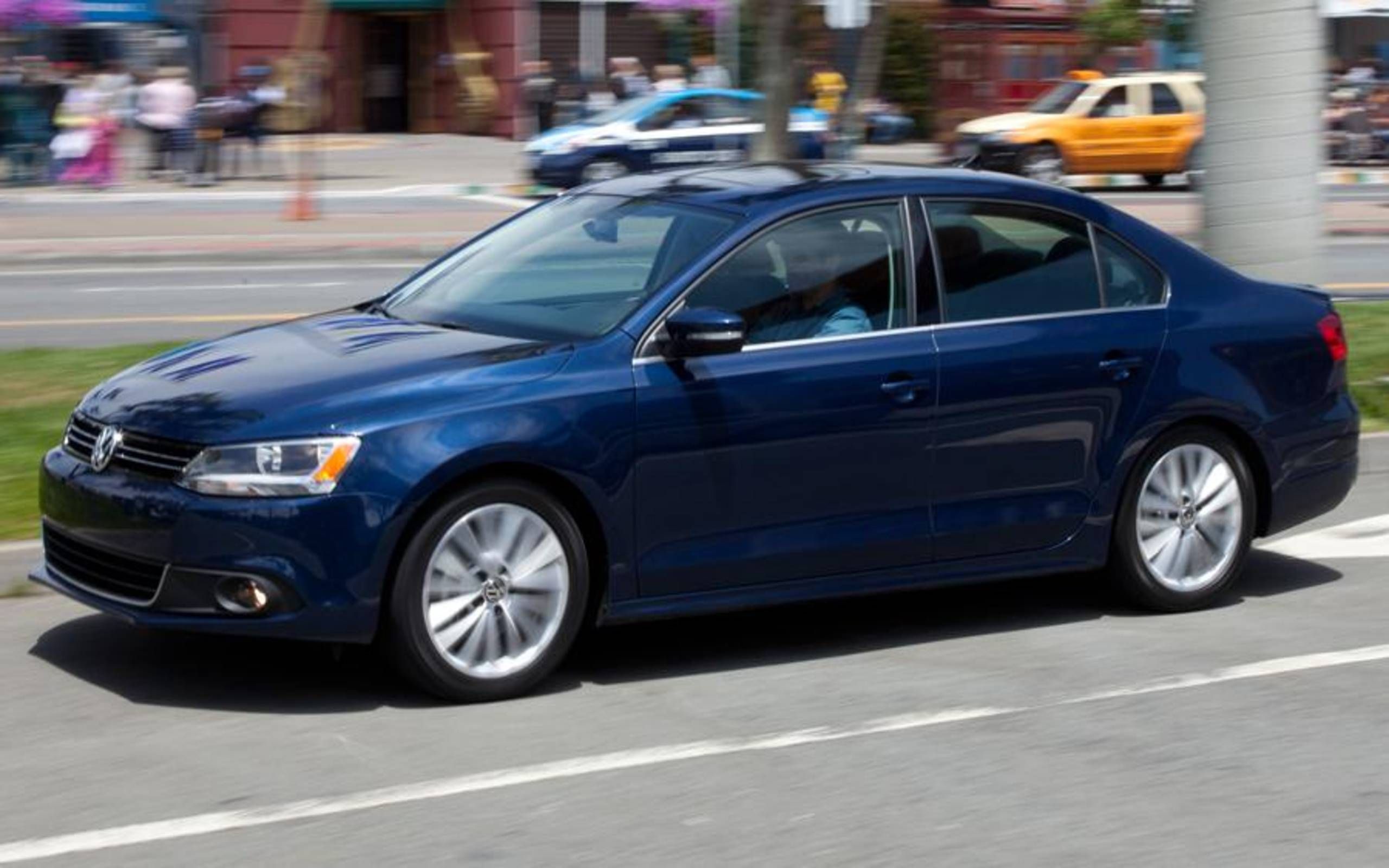
The 2011 Volkswagen Jetta represented a major redesign and marked the beginning of the model’s sixth generation. This version was tailored more deliberately to the U.S. market, with a longer wheelbase, more passenger space, and a much lower entry price.
Rear legroom grew substantially, and the 15.5-cubic-foot trunk became one of the largest in the class, enhancing practicality for families and commuters. Buyers could choose from several engines, including the fuel-efficient 2.0-liter TDI turbodiesel, which returned excellent mileage at 30 mpg city and 42 mpg highway.
Despite these strengths, Volkswagen faced criticism for cost-cutting measures, most notably the downgrade of interior materials and the loss of refined details that had traditionally set the Jetta apart from mainstream compact sedans.
Volkswagen’s decision to lower the price and simplify features stemmed from a shift in strategy. Previous Jettas had occupied a premium space, bridging the gap between economy compacts like the Honda Civic and luxury-leaning models such as the BMW 3 Series. However, this positioning also limited the Jetta’s audience.
To appeal to more cost-conscious buyers, the 2011 model started at under $15,000, cheaper than its predecessors even when adjusted for inflation.
Standard equipment on base models included stability and traction control, front and side airbags, and active head restraints, while higher trims offered technology such as Bluetooth, push-button start, and a touchscreen stereo system.
The move attracted new buyers who valued affordability and size, but also alienated longtime customers who noticed the decline in quality and refinement.
Performance options were broad, though varied in appeal. The base 2.0-liter four-cylinder produced just 115 horsepower, a dated engine that felt underpowered compared to rivals.
A stronger 2.5-liter five-cylinder engine, rated at 170 horsepower, provided more robust acceleration but exhibited quirks when paired with the automatic transmission. The TDI diesel stood out as the best all-around choice, combining 140 horsepower, 236 lb-ft of torque, and superior fuel economy.
All engines were available with either a manual or automatic gearbox, while the TDI offered Volkswagen’s dual-clutch automated manual as an option.
Driving dynamics remained solid, with a firm German feel and competent handling, even though Volkswagen replaced the independent rear suspension with a torsion beam setup. The steering, while precise, lacked natural feedback and revealed a noticeable dead spot on-center.
Inside, the 2011 Jetta disappointed enthusiasts who had come to expect premium interiors from Volkswagen. Gone were the soft-touch materials, finely adjustable seating, rear air vents, and clever touches like strut-supported trunk hinges. Instead, hard plastics dominated, giving the cabin a less upscale feel than before.
Nevertheless, the Jetta offered outstanding space and comfort, with roomy front seating, an accommodating rear bench, and class-leading trunk capacity. Practicality was further enhanced by user-friendly technology, such as an available touchscreen system with iPod integration.
Ultimately, the 2011 Jetta became a bigger, more affordable, and practical sedan that appealed to mainstream American buyers. Yet, its shift away from the refined qualities that had once distinguished the Jetta left many loyalists viewing the redesign as a step backward.
3. 2017 Volkswagen Jetta
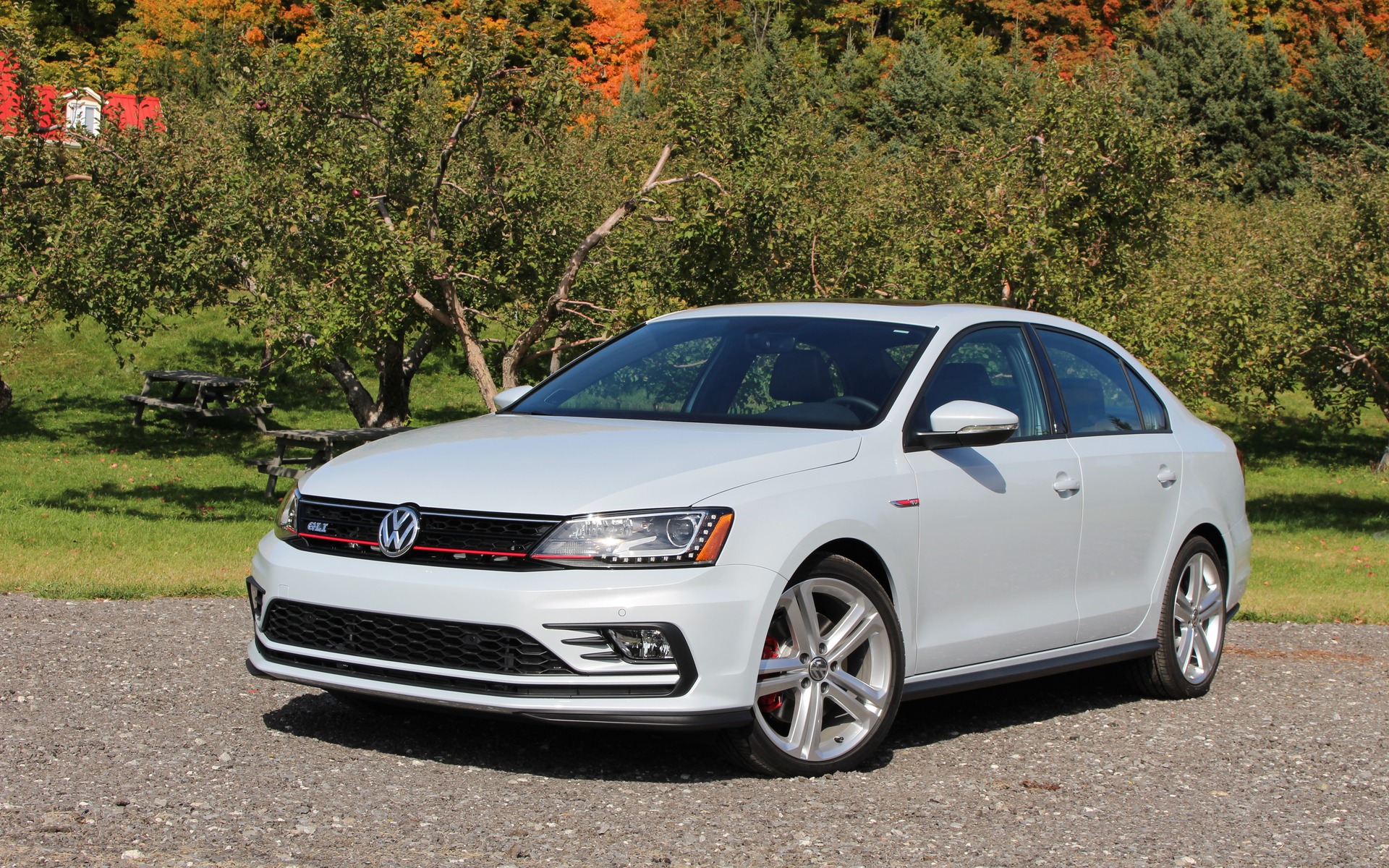
By 2017, the Volkswagen Jetta had evolved into a practical, feature-rich compact sedan that emphasized reliability, owner satisfaction, and everyday usability. This model year saw Volkswagen streamline the lineup, equipping every Jetta with turbocharged engines for a blend of performance and efficiency.
The base 1.4-liter turbo engine provided impressive fuel economy while maintaining a lively driving character, while higher trims introduced stronger options, including a 1.8-liter turbo and a 210-hp 2.0-liter turbo in the GLI.
Despite mixed opinions about its driving dynamics compared to sportier rivals, the Jetta’s engine offerings and fuel efficiency made it a versatile choice for a wide range of buyers.
Inside, the 2017 Jetta gained a reputation for spaciousness and practicality. Rear-seat passengers enjoyed generous legroom, and the 15.5-cubic-foot trunk rivaled even midsize sedans in size.
Owners also praised its intuitive infotainment system, bolstered by the addition of Apple CarPlay and Android Auto compatibility, along with a standard USB connection replacing the dated proprietary cable setup.
Though the cabin design was traditional and lower trims suffered from hard plastics, higher trims added tech conveniences such as Volkswagen’s Car-Net telematics, push-button start, and upgraded audio.
This balance of technology and practicality made the Jetta an appealing option for commuters, families, and tech-savvy drivers seeking connectivity without sacrificing space.
Safety was another strong point for the 2017 Jetta. All models came with a rearview camera, stability control, and a full suite of airbags.
Advanced driver assistance systems such as blind-spot monitoring, rear cross-traffic alert, adaptive cruise control, forward collision warning, and automatic emergency braking were available on mid- and higher-level trims.
These additions bolstered the Jetta’s strong crash-test ratings, earning a five-star safety score from the NHTSA and top marks from the IIHS. Volkswagen also offered the Car-Net system with features like automatic crash notification, remote access, and geo-fencing, appealing to families with young drivers.
Strong braking performance in testing further reinforced the Jetta’s safety credibility, helping it compete against rivals in a safety-conscious market.
Despite its strengths, the 2017 Jetta faced stiff competition from compact sedans like the Honda Civic, Mazda 3, and Ford Focus, many of which offered more premium interiors and livelier driving experiences.
Reviewers often criticized the Jetta’s bland interior design, cheaper-feeling cabin materials, and road manners that lacked the European flair once associated with Volkswagen.
Still, for those prioritizing value, the Jetta stood out with its spacious interior, generous features, strong reliability ratings from Consumer Reports, and a versatile range of engines.
In essence, the 2017 Jetta offered modern connectivity, competitive safety, and dependable performance, making it a practical and trustworthy option in the compact sedan segment even if it no longer stood out as the distinctive European alternative it once was.
4. 2020 Volkswagen Jetta
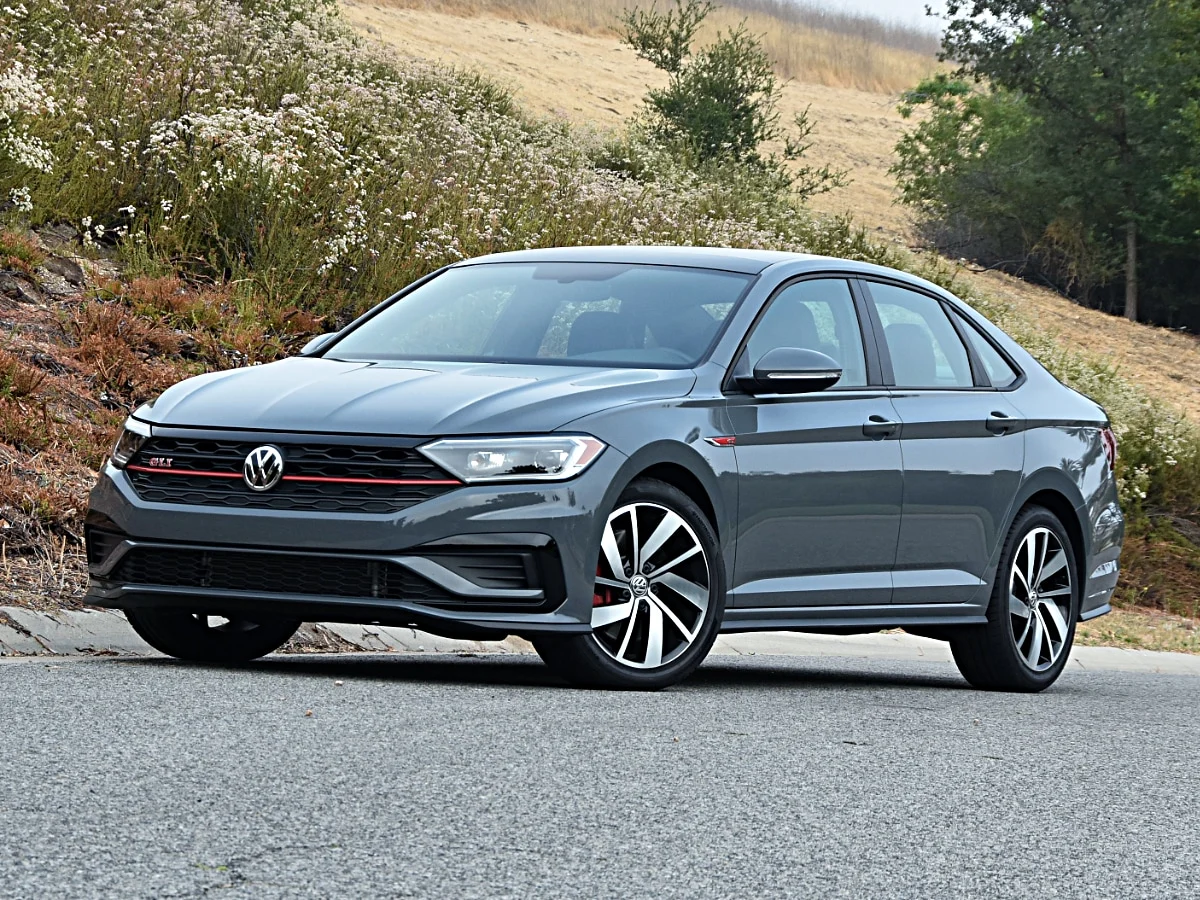
The seventh-generation 2020 Volkswagen Jetta combines sleek styling with a modernized approach that seeks to balance practicality, comfort, and technology.
Drawing influence from Volkswagen’s luxury sibling Audi, the Jetta gained sharper lines, a premium-looking profile, and interior features that suggest a higher-class feel at a compact sedan price. The standard 1.4-liter turbocharged four-cylinder engine, paired with an eight-speed automatic transmission, delivers smooth and efficient performance.
While acceleration is modest 8.4 seconds from 0–60 mph the Jetta remains a capable daily driver, excelling at fuel economy with an estimated 34 mpg combined. Its ride is tuned for comfort, absorbing bumps with composure, and trims such as the R-Line provide the option of a six-speed manual for driving enthusiasts.
Inside the cabin, Volkswagen emphasized space, ergonomics, and technology. The 2020 Jetta offers ample room for both front and rear passengers, with one of the most spacious back seats in its class, while the 14.1-cubic-foot trunk provides generous storage.
The available 10.25-inch Digital Cockpit display adds sophistication, giving drivers a customizable digital gauge cluster previously reserved for higher-end Audi models.
Though critics noted the use of hard plastics in lower trims, the interior still feels refined, with well-cushioned seating and options such as ventilated front seats and wireless device charging adding comfort and convenience.
Sound insulation is another strength, keeping the cabin quiet even at highway speeds, although the lack of lumbar support in base seats leaves long-haul comfort wanting.
Technology and safety represent some of the Jetta’s biggest selling points. All models come equipped with Apple CarPlay, Android Auto, Bluetooth, and a rearview camera, making seamless connectivity a standard feature.
Higher trims build on this with upgrades like BeatsAudio, Car-Net telematics, and advanced driver-assistance systems. Blind-spot monitoring and forward collision warning are standard, while adaptive cruise control, lane-keeping assist, and automatic emergency braking are optional on SEL and SEL Premium trims.
In crash testing, the Jetta earned a five-star rating from the NHTSA and top marks from the IIHS, reinforcing its reputation as a safe and family-friendly sedan.. The driver aids were praised for being smooth and unobtrusive, offering an advantage over competitors whose systems sometimes feel overly intrusive.
Where the 2020 Jetta struggles is in maintaining a distinct identity in an increasingly competitive compact sedan segment. The Honda Civic and Mazda 3 deliver more engaging handling and upscale interiors, while the Kia Forte matches many of the Jetta’s features at a lower cost.
Real-world fuel economy also underperformed EPA estimates, and higher trims can feel overpriced given the lack of a more powerful engine upgrade. Still, the Jetta’s composed ride, generous interior space, stylish design, and strong warranty with free scheduled maintenance for two years/24,000 miles make it a compelling choice.
For buyers seeking a practical sedan with premium influences, advanced technology, and everyday usability, the 2020 Jetta delivers a well-rounded package even if it no longer defines the segment as distinctly as it once did.
5. 2023 Volkswagen Jetta
The 2023 Volkswagen Jetta builds on its reputation as a well-rounded compact sedan by offering a balance of performance, fuel efficiency, and everyday practicality. As part of the seventh generation introduced in 2019, this model features a 1.5-liter turbocharged four-cylinder engine producing 158 horsepower and 184 lb-ft of torque.
This represents an improvement over the previous 1.4-liter engine, giving the Jetta more pep while maintaining strong fuel economy. A six-speed manual transmission comes standard on S and Sport trims, while higher trims offer an eight-speed automatic, ensuring drivers can choose the driving style that best suits their needs.
Though not as spirited as the GLI performance model, the 2023 Jetta delivers a smooth ride, predictable handling, and enough responsiveness for both city commutes and highway drives.
Volkswagen has kept the Jetta’s interior focused on practicality and comfort, making it one of the more user-friendly options in its class. Unlike other VW models that lean heavily on touch controls, the Jetta retains traditional buttons and knobs for climate and volume adjustments, ensuring convenience and ease of use.
Standard technology includes wireless Apple CarPlay, Android Auto, and USB-C charging ports, while upper trims introduce premium features such as leather upholstery, ventilated seats, a panoramic sunroof, and a BeatsAudio premium sound system.
The spacious cabin offers excellent legroom in both rows, and the roomy trunk adds versatility, making the Jetta a suitable choice for families and frequent travelers alike. The thoughtful design prioritizes comfort without sacrificing sophistication.
Technology and safety advancements further enhance the appeal of the 2023 Jetta. The infotainment system is quick and responsive, while higher trims come equipped with Volkswagen’s Digital Cockpit, which provides a crisp, customizable digital instrument cluster.
New for 2023, SE trims now include remote start, and USB charging ports have been upgraded to deliver more power. Safety remains a strong selling point, with available driver-assistance features such as adaptive cruise control, lane-keeping assist, blind-spot monitoring, and automatic emergency braking.
These aids work intuitively and add peace of mind to every drive. Combined with solid crash-test ratings and Volkswagen’s complimentary two-year/20,000-mile maintenance plan, the Jetta proves itself as a smart and secure choice for buyers prioritizing both technology and protection.
When compared to rivals like the Honda Civic, Hyundai Elantra, and Mazda 3, the 2023 Jetta positions itself as a practical yet stylish alternative. Its restrained design contrasts with the bolder styling of competitors, while its focus on comfort and standard features adds strong value.
Volkswagen offers the Jetta in four trims S, Sport, SE, and SEL each catering to a different buyer, from budget-conscious shoppers to those seeking near-luxury features.
Although some competitors may offer stronger base engines or flashier interiors, the Jetta stands out with its minimalist elegance, roomy cabin, and generous standard equipment.
With its mix of German engineering, user-friendly technology, and refined driving experience, the 2023 Jetta maintains its reputation as a dependable and modern compact sedan that appeals to a wide range of drivers.
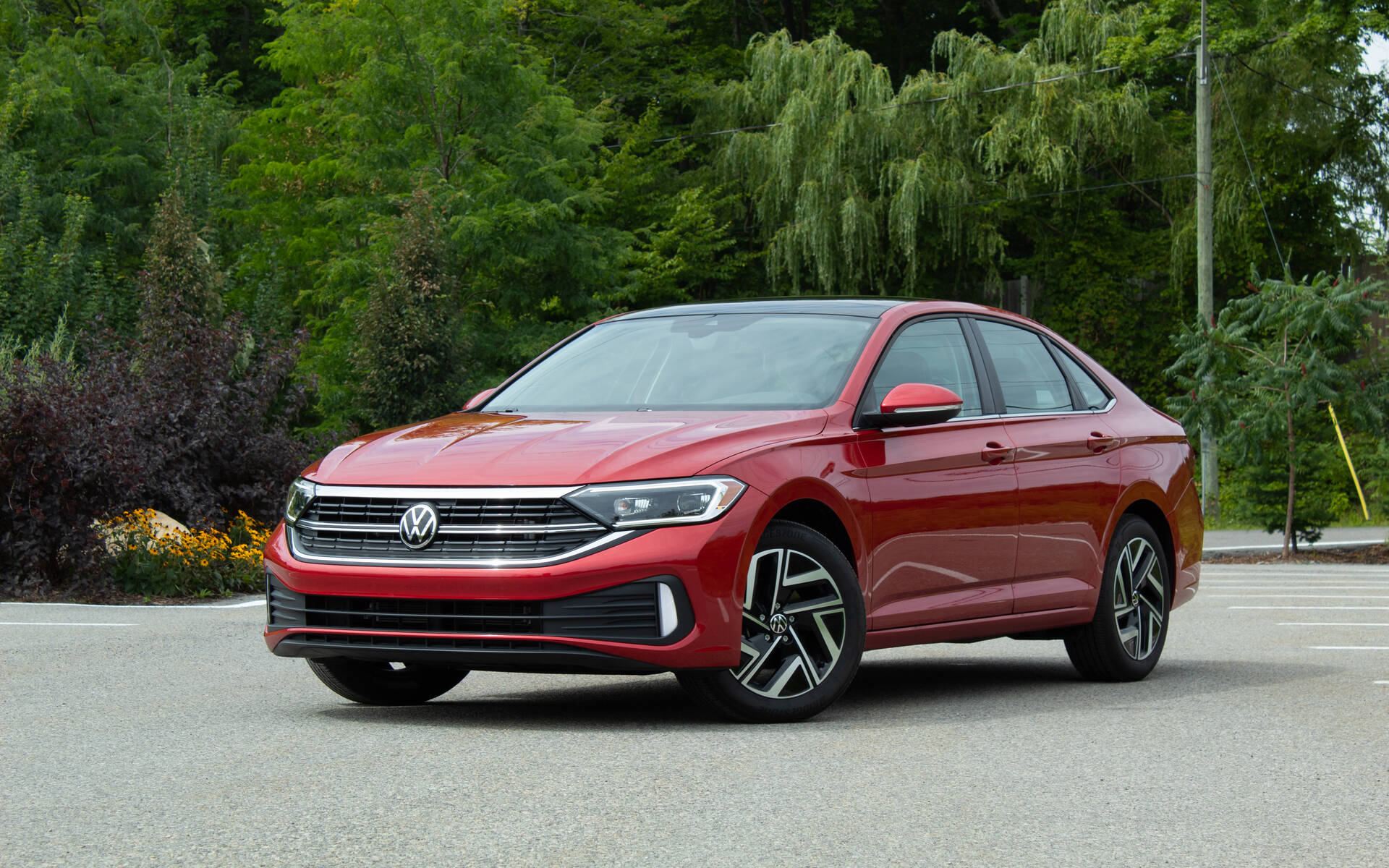
5 VW Jetta Years To Avoid
1. 2006 Volkswagen Jetta: Transmission Troubles and Reliability Concerns
The 2006 Volkswagen Jetta stands out as one of the least reliable model years in the lineup, with CarComplaints listing it as the Jetta with the highest number of reported issues. The biggest concern is its transmission failure, which tends to appear between 85,000 and 110,000 miles.
Owners frequently report problems with shifting, such as the car getting stuck in neutral or jerking during gear changes, particularly between the second, third, and fourth gears. These issues often require a complete transmission replacement, which can cost upwards of $4,000, making it a serious financial burden for owners.
In addition to transmission problems, the 2006 Jetta is known for its check engine light frequently turning on during cold weather. This problem is linked to faulty glow plugs or wiring harness issues, which cause the warning light to illuminate intermittently, frustrating many drivers.
These repeated and costly issues ultimately make the 2006 Jetta a year to avoid for buyers seeking reliability. While some Jettas have a reputation for being long-lasting, this particular year demonstrates more serious design and mechanical flaws, leaving owners with expensive repairs and disappointing ownership experiences.
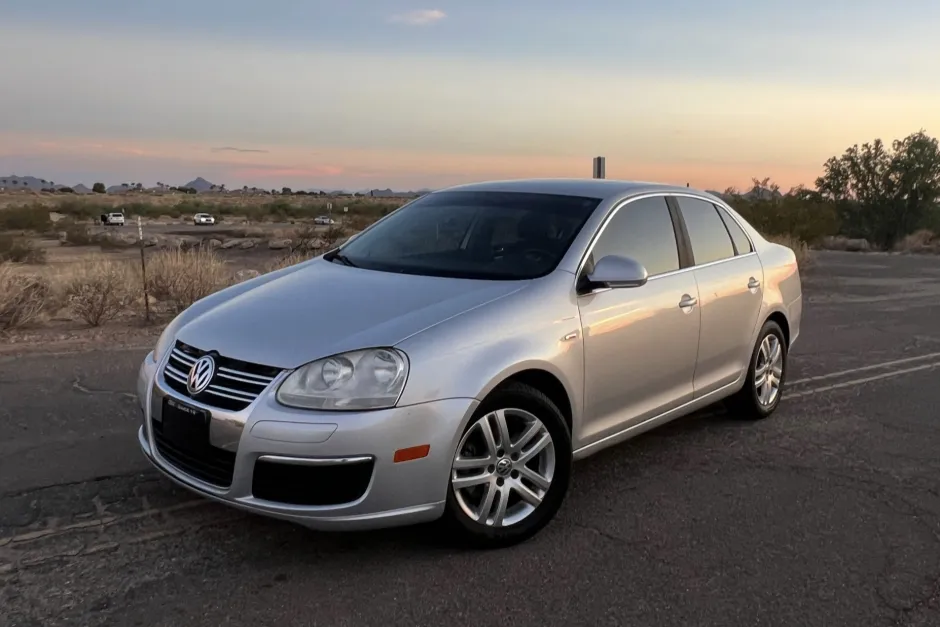
2. 2009 Volkswagen Jetta: ABS Failures and Safety Concerns
Although the 2009 Volkswagen Jetta does not match the 2006 model in the number of complaints, it is still regarded as one of the worst years for the model due to the severity of its issues. The most alarming problem lies in its braking system, specifically the failure of the Antilock Braking System (ABS).
Many owners reported that the ABS warning light illuminated, followed by the system failing altogether. In extreme cases, the ABS failure caused the brakes and traction control to stop working, leading to accidents or near-misses.
This problem was so widespread and dangerous that the National Highway Traffic Safety Administration (NHTSA) issued a recall for faulty ABS modules. The defect left drivers vulnerable in emergency braking situations and highlighted major flaws in the car’s safety systems.
The 2009 Jetta’s ABS issue was not only a significant financial repair but also a serious safety risk for owners and passengers. Despite having fewer total complaints than the 2006 model, the severity of the 2009 Jetta’s braking failures positions it as one of the least trustworthy years, making it a poor choice for buyers prioritizing both safety and peace of mind.
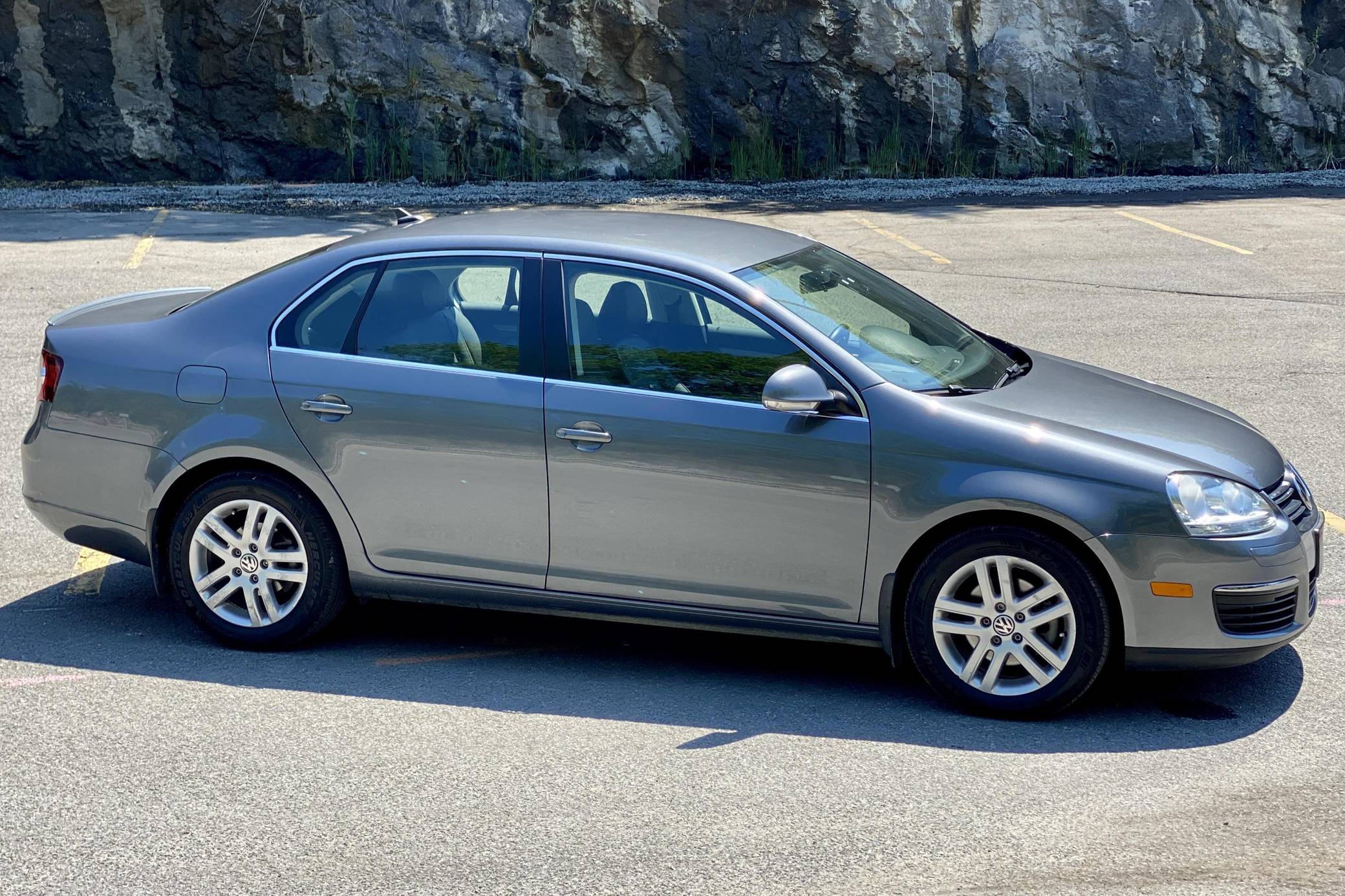
3. 2010 Volkswagen Jetta: Stereo Failures and Performance Issues
The 2010 Volkswagen Jetta carried forward the pattern of problematic model years, accumulating more than 100 owner complaints. Unlike earlier years dominated by transmission issues, the 2010 Jetta is particularly notorious for its faulty stereo system.
Many drivers reported that the stereo completely failed, leaving them with no audio functionality. Unfortunately, the only effective fix is full replacement of the system, costing around $600 a frustrating expense for an issue unrelated to performance.
Beyond the stereo, the 2010 Jetta also struggled with several mechanical and performance concerns. Stalling engines, poor acceleration, and recurring check engine light warnings were frequently cited by owners.
A particularly troubling mechanical fault was the high-pressure fuel pump failure, which not only caused drivability problems but also added significant repair costs. These issues combined to undermine the ownership experience.
For a compact sedan meant to balance affordability and dependability, the 2010 Jetta left many buyers disappointed. With both quality-of-life features failing and critical performance issues emerging, this model year is considered unreliable and expensive to maintain in the long term, making it a year to avoid on the used car market.
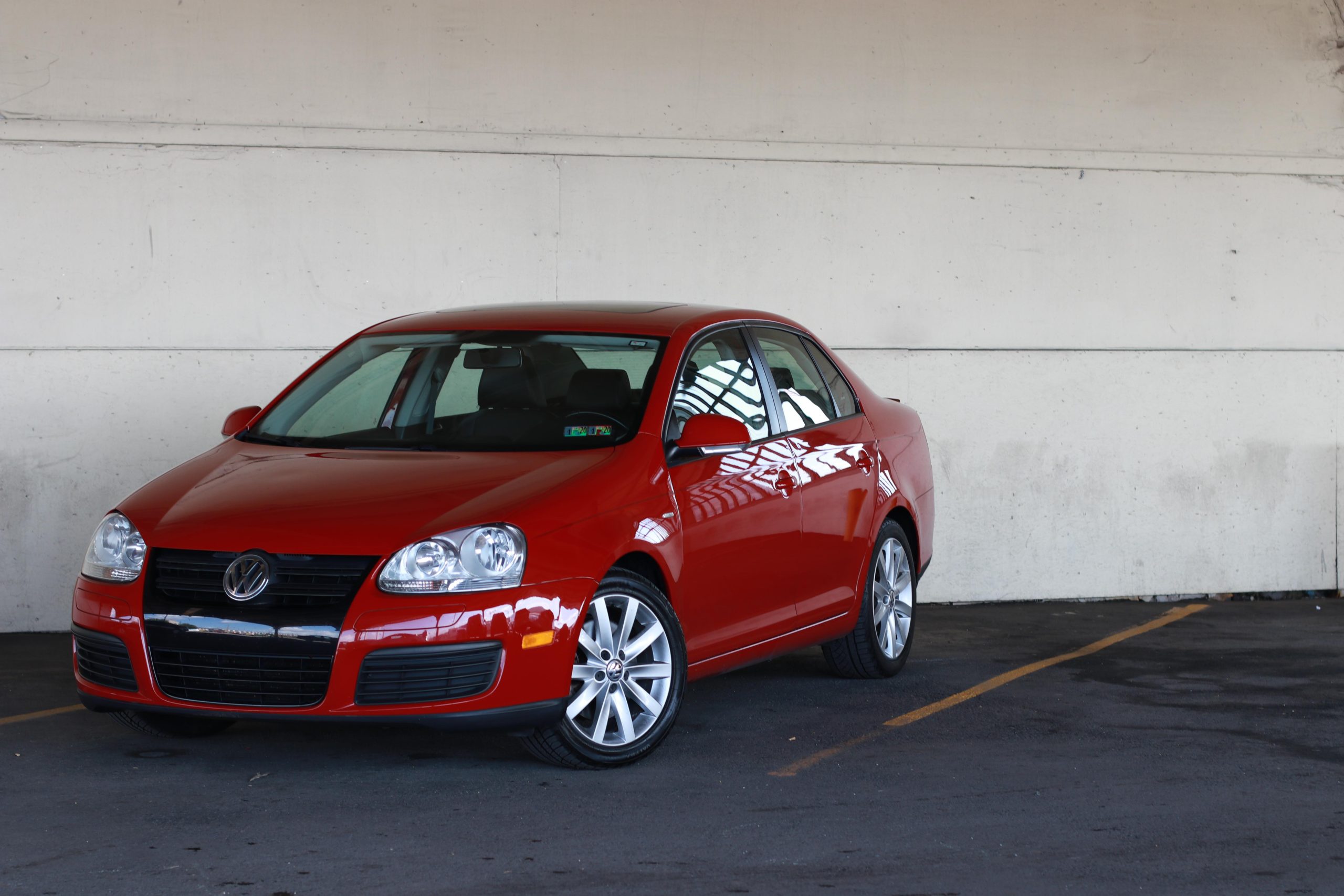
4. 2012 Volkswagen Jetta: Transmission Problems and Engine Misfires
The 2012 Volkswagen Jetta was not as plagued as the 2006, 2009, or 2010 models, but it still developed a reputation for reliability problems, recording over 700 complaints and eight recalls. One of the most widely reported problems involved its automatic transmission.
Owners described humming noises, burning smells, and unresponsiveness when shifting gears. Although these issues typically occurred in higher-mileage Jettas, the cost of replacing the transmission remained a major concern, making it an expensive repair.
Another recurring issue was engine misfires, which triggered the check engine light and caused performance disruptions. Misfiring engines are often symptomatic of larger mechanical issues and can lead to further complications if not addressed.
While some owners were able to continue driving their vehicles despite these concerns, others faced significant costs for parts and labor. The presence of both transmission and engine problems, even if less severe than in earlier years, has kept the 2012 Jetta off the list of recommended models.
Buyers seeking a reliable used sedan are generally advised to look for different Jetta years or competing models to avoid potential costly repairs down the line.
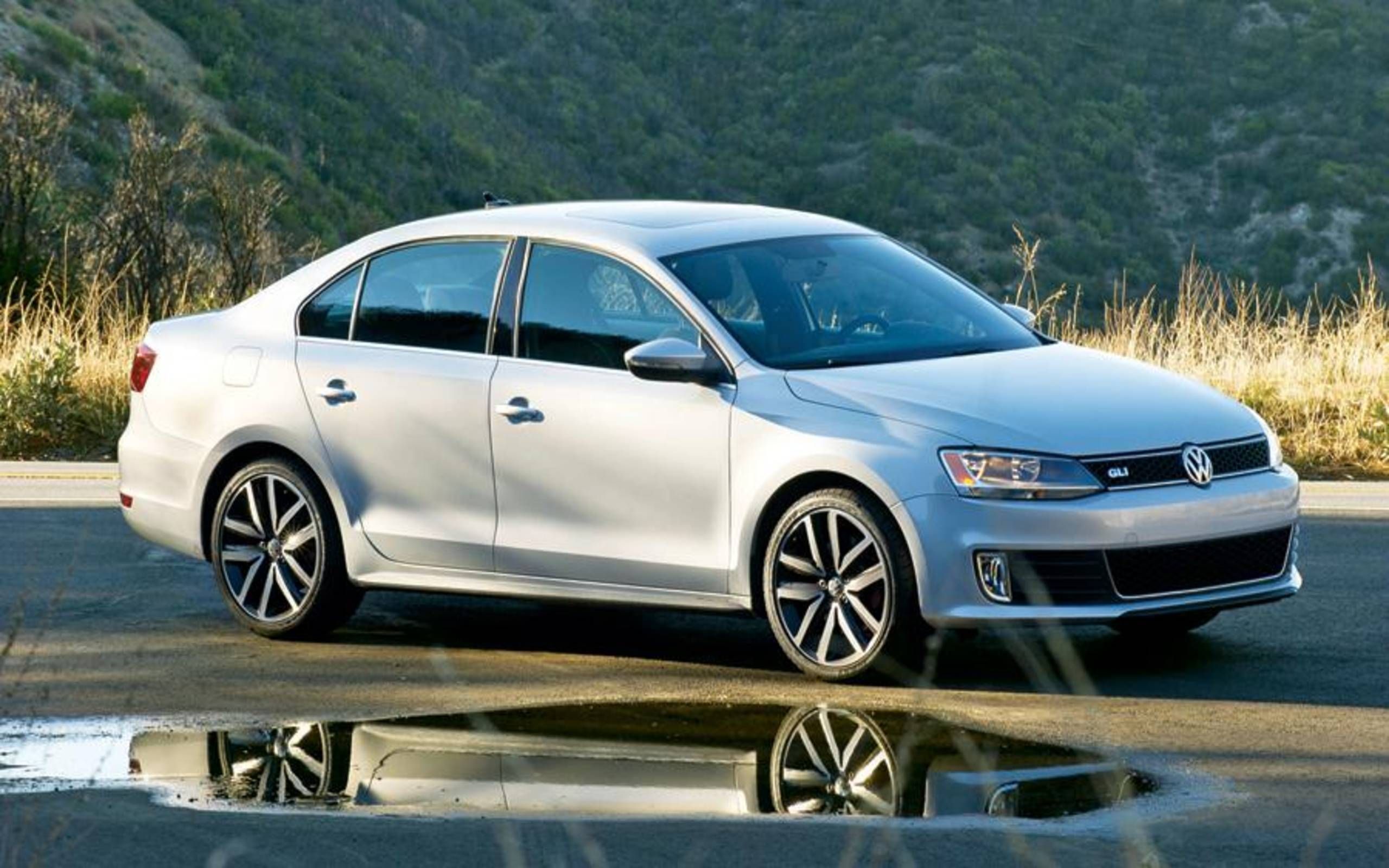
5. 2013 Volkswagen Jetta: Engine Stalling and Fuel System Failures
The 2013 Volkswagen Jetta further contributed to the model’s inconsistent reputation, earning a dismal reliability rating of 1 out of 5 from Consumer Reports. The most serious problem owners faced was engine stalling, with reports of vehicles shutting down unexpectedly while driving, sometimes at highway speeds.
One particularly alarming report described the engine stalling at 70 mph, creating a highly dangerous situation. Repairing this engine issue often costs around $1,000, and it typically appears at roughly 68,000 miles, further adding to owner frustration.
Alongside stalling issues, the Jetta’s fuel system proved to be another weak spot. Many drivers encountered problems with the high-pressure fuel pump, resulting in incorrect warning lights, poor performance, and in some cases, complete fuel system failure.
These issues bear resemblance to problems found in earlier models, particularly the 2010 Jetta, which also suffered from pump-related defects. While not every 2013 Jetta experiences these failures, the frequency and seriousness of complaints make this year one of the most unreliable in the lineup.
Combined with costly repair bills and the potential for unsafe driving conditions, the 2013 Jetta is widely regarded as a year that used car buyers should avoid.
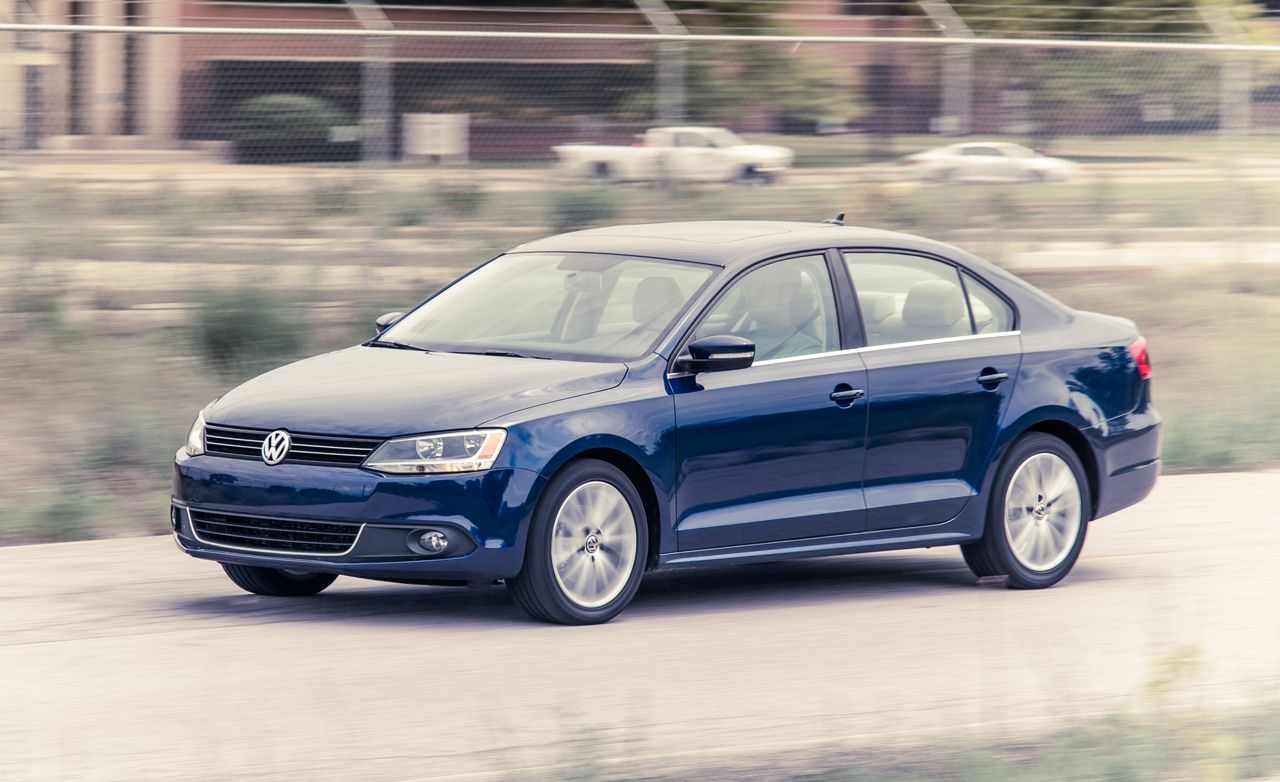
The Volkswagen Jetta continues to stand as one of the most recognizable compact sedans, offering buyers a mix of European style, practicality, and value. Yet, as history shows, not every model year holds up to that promise.
From the dependable 2003 TDI to the tech-savvy 2023 Jetta, some versions shine for their durability, comfort, and efficiency. On the other hand, troubled years like 2006, 2009, and 2013 reveal how costly reliability issues and safety concerns can tarnish the ownership experience.
For anyone shopping the used market, this balance of best and worst years provides a clear roadmap to finding a model that delivers lasting satisfaction. The key takeaway?
Do your research, know the red flags, and prioritize well-regarded model years that fit your budget and needs. With the right choice, a used Jetta can remain a stylish, efficient, and trustworthy companion for years to come.
Also Read: 10 Cars With the Lowest Insurance Rates for U.S. Drivers
