
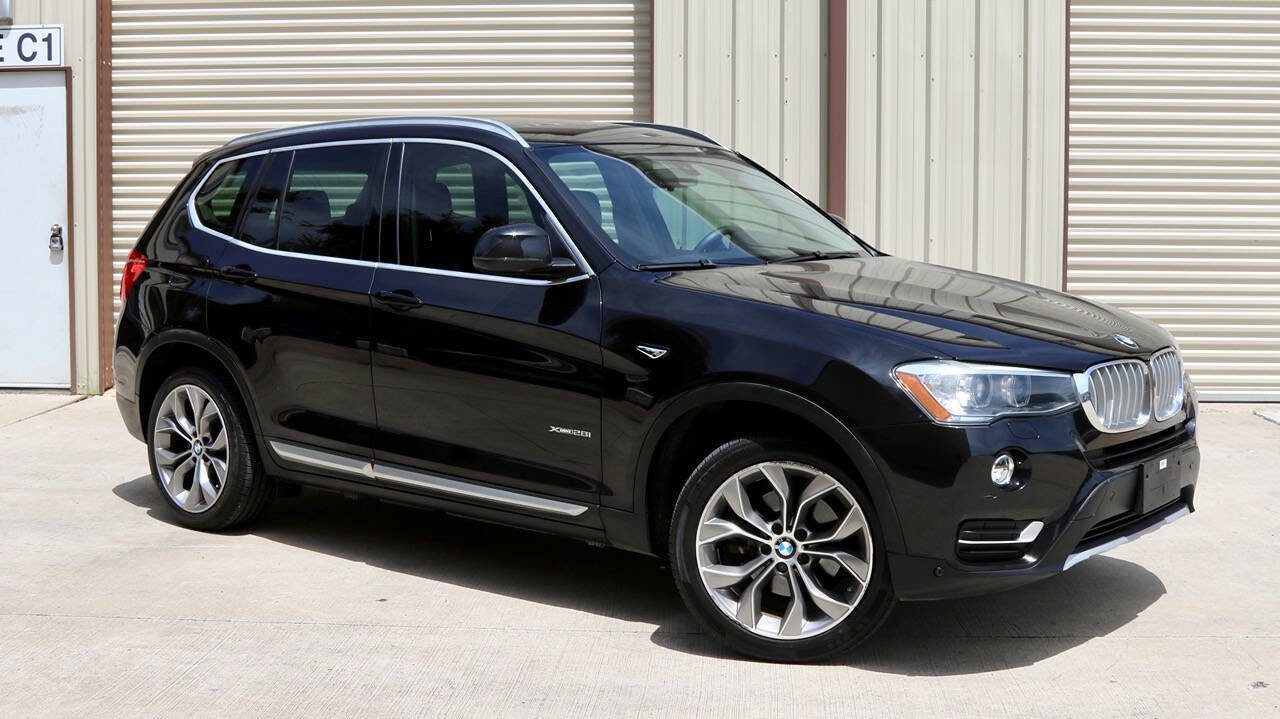
The BMW X3 has been one of the most popular luxury compact SUVs since its debut in 2003, offering drivers a unique blend of sporty handling, upscale design, and everyday practicality. Designed as a smaller sibling to the BMW X5, the X3 quickly earned a reputation for combining the agility of a sport sedan with the utility of an SUV.
Over the years, BMW has refined the model across three generations, improving performance, technology, and comfort. However, like any long-running vehicle, the X3’s reliability has varied from year to year.
Some model years have proven to be strong and dependable choices that stand the test of time, while others have been plagued by mechanical issues or costly repairs.
For buyers shopping the used market, knowing which years deliver trustworthy performance is key. In this article, we explore five BMW X3 models that stand out for their strong reliability.
5 BMW X3 Years With Strong Reliability
1. 2006 BMW X3
The 2006 BMW X3 (E83 generation) is widely regarded as one of the best years for the first-generation X3 lineup. Unlike later models in the E83 range, the 2006 version largely avoided the more serious recalls that plagued other years, including the notable fire hazards linked to the N52 engine.
Equipped with the proven 3.0-liter M54 inline-six, it delivered solid performance and reliability, paired with either a six-speed manual or an optional automatic transmission. While it lacks the facelifted design and updated features of later models, the pre-LCI simplicity meant fewer potential interior problems.
Reliability data shows moderate concerns, with only three complaints on Car Complaints and five recalls logged by the NHTSA, alongside a 2.5/5 reliability rating on RepairPal. Though far from flawless, the 2006 model’s balance of performance, simplicity, and fewer systemic issues makes it a standout in the E83 generation.
Designed as a downsized version of the X5 and built on the previous-generation 3 Series platform, the X3 blended sport sedan driving traits with small SUV practicality. Its styling reflected BMW’s sporty DNA, with sharp edges and a commanding stance.
Inside, the cabin offered large analog gauges, straightforward switchgear, and plenty of storage spaces. Cargo versatility was another strength, with 33 cubic feet of room behind the rear seats and up to 71 cubic feet with them folded down, rivaling even the midsize X5.
While the interior layout was clean and functional, some materials failed to meet luxury-segment expectations, leaving it feeling less premium than its price tag suggested.
Nonetheless, the combination of spaciousness, utility, and a recognizable BMW design made the X3 appealing to drivers seeking practicality without sacrificing brand identity.
The 2006 X3’s key highlight was its driving performance. Powered by a 3.0-liter inline-six producing 225 horsepower and 214 lb-ft of torque, it offered engaging acceleration, especially when paired with the manual gearbox.
BMW’s xDrive all-wheel-drive system enhanced handling by automatically redistributing torque to the wheels with the most traction, ensuring confident performance in wet, dry, and light off-road conditions.
The SUV’s steering precision, suspension tuning, and road manners made it feel closer to a sports sedan than a traditional SUV. This sportiness came at the cost of comfort, as its firm suspension – particularly with the Sport Package – could feel overly stiff on rough roads.
Still, for buyers seeking a driver-focused compact luxury SUV, the X3 delivered one of the most dynamic experiences in its class.
Safety was a strong point of the 2006 BMW X3, offering four-wheel antilock disc brakes, stability control, Hill Descent Control, and a full suite of airbags, with optional torso airbags for rear passengers. These features, paired with its excellent handling, made it a reassuring choice for families and commuters alike.
However, with a starting price nearing $40,000 when new, the X3 was costly compared to rivals, raising questions about value for money given its firm ride and less-than-luxurious interior finishes.
For buyers prioritizing sporty performance, brand prestige, and versatility, the 2006 X3 stood out as a compact SUV that drove more like a BMW sedan than a utility vehicle. Even today, it remains an attractive choice for enthusiasts who value driving dynamics and reliability within the E83 generation.
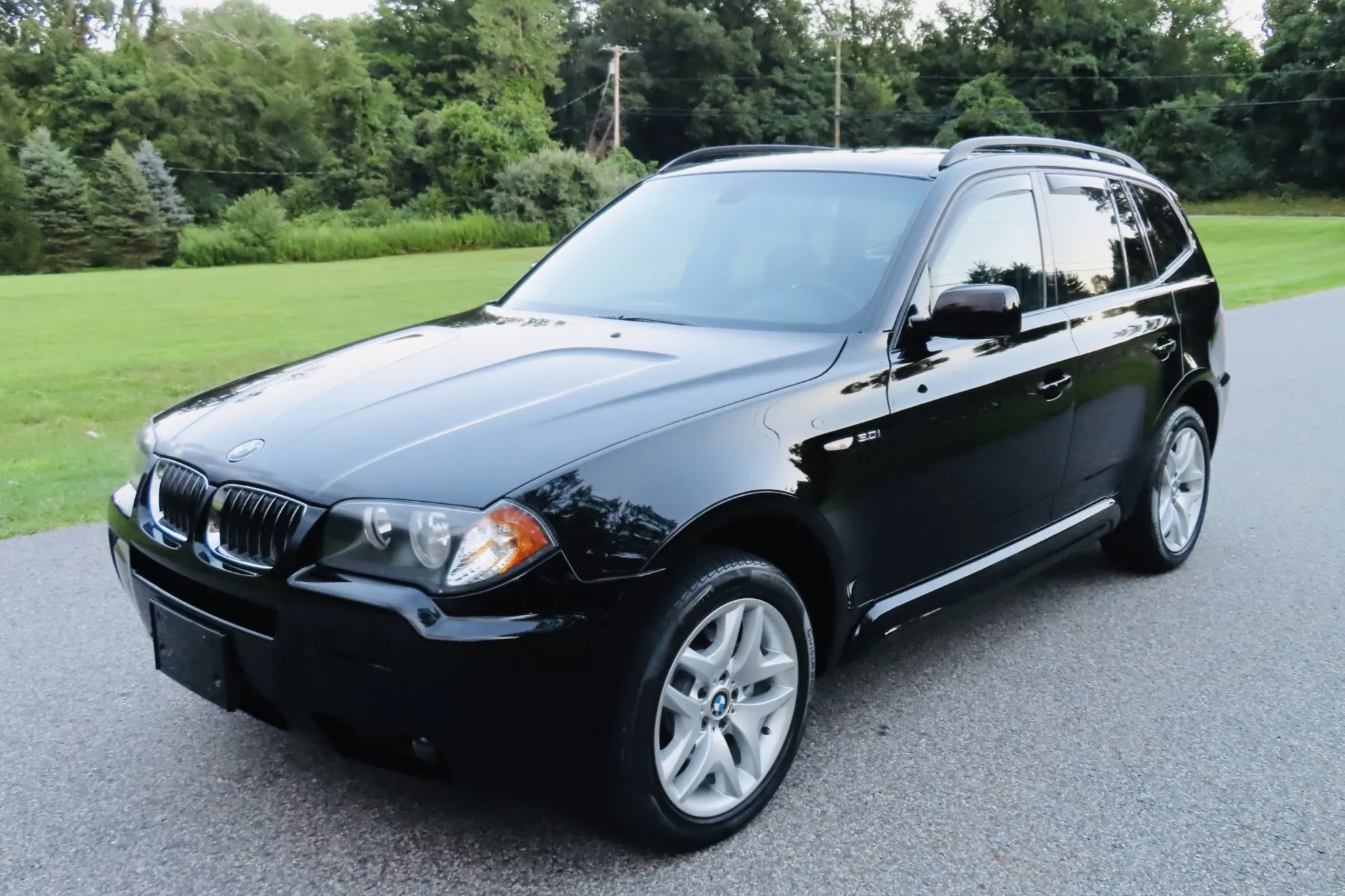
2. 2016 BMW X3
The 2016 BMW X3 stands out as one of the most reliable years of the F25 generation, backed by strong data and customer satisfaction. J.D. Power awarded it an impressive 86/100 for quality and reliability, making it one of the best-rated luxury crossovers of its time.
While Car Complaints lists 126 issues and the NHTSA documents five recalls, most of these involve minor or sporadic problems such as navigation system glitches rather than critical drivetrain or engine failures. CarFax data suggests a 22% likelihood of repairs, which is relatively modest compared to rivals.
BMW also enhanced the luxury appeal in 2016 by adding a standard 16-speaker Harman Kardon audio system to the xDrive35i model. This year’s X3 managed to blend premium reliability with everyday usability, offering buyers peace of mind alongside performance.
Visually, the 2016 X3 retained the refreshed styling introduced in 2015, borrowing sharper headlights and a more upscale profile reminiscent of the larger X5. Inside, BMW’s design philosophy leaned on clean ergonomics, traditional analog gauges, and rich materials that created a premium atmosphere.
The iDrive infotainment system proved to be one of its strongest features, particularly with the optional larger screen and touchpad input for ease of use. Passenger comfort was also a highlight, with ample space in both rows, supportive seating, and class-leading rear legroom.
Cargo space measured 27.6 cubic feet behind the second row, expanding to 63.3 cubic feet with seats folded, ensuring practicality for families and active lifestyles. This balance of upscale interior appointments and everyday functionality made the X3 a versatile luxury SUV.
The 2016 BMW X3 was offered with three distinct engine options, each paired to an eight-speed automatic transmission. The sDrive28i and xDrive28i came with a 2.0-liter turbocharged four-cylinder producing 240 horsepower, achieving 0–60 mph in 6.8 seconds while returning 24 mpg combined.
The xDrive28d diesel variant provided slightly slower acceleration at 7.8 seconds but excelled with fuel economy, delivering up to 30 mpg combined and strong torque for daily driving.
For enthusiasts, the xDrive35i’s 3.0-liter turbocharged inline-six produced 300 horsepower, sprinting to 60 mph in just 5.8 seconds among the quickest in the class.
Handling was another strong suit, with precise steering, agile cornering, and an optional Dynamic Handling package featuring adaptive dampers and torque-vectoring all-wheel drive. While the ride leaned firm, it struck an engaging balance between sportiness and comfort, setting the X3 apart from more comfort-oriented rivals.
Safety was an area where the 2016 X3 excelled, offering standard features such as antilock brakes, stability control, full-length curtain airbags, and the BMW Assist emergency system.
Buyers could also opt for advanced driver-assistance features, including blind-spot monitoring, forward collision mitigation with automatic braking, and a surround-view camera system.
In crash testing, the X3 received a five-star rating from the NHTSA and achieved the highest “Good” scores in every IIHS category, reinforcing its reputation as a safe and dependable choice for families. The only drawback frequently cited was its premium pricing, which positioned it higher than competitors like the Acura RDX or Audi Q5.
However, considering its blend of luxury, class-leading driving dynamics, excellent safety scores, and long-term reliability, the 2016 BMW X3 proved to be a compelling option for buyers seeking both practicality and prestige in the compact luxury SUV market.
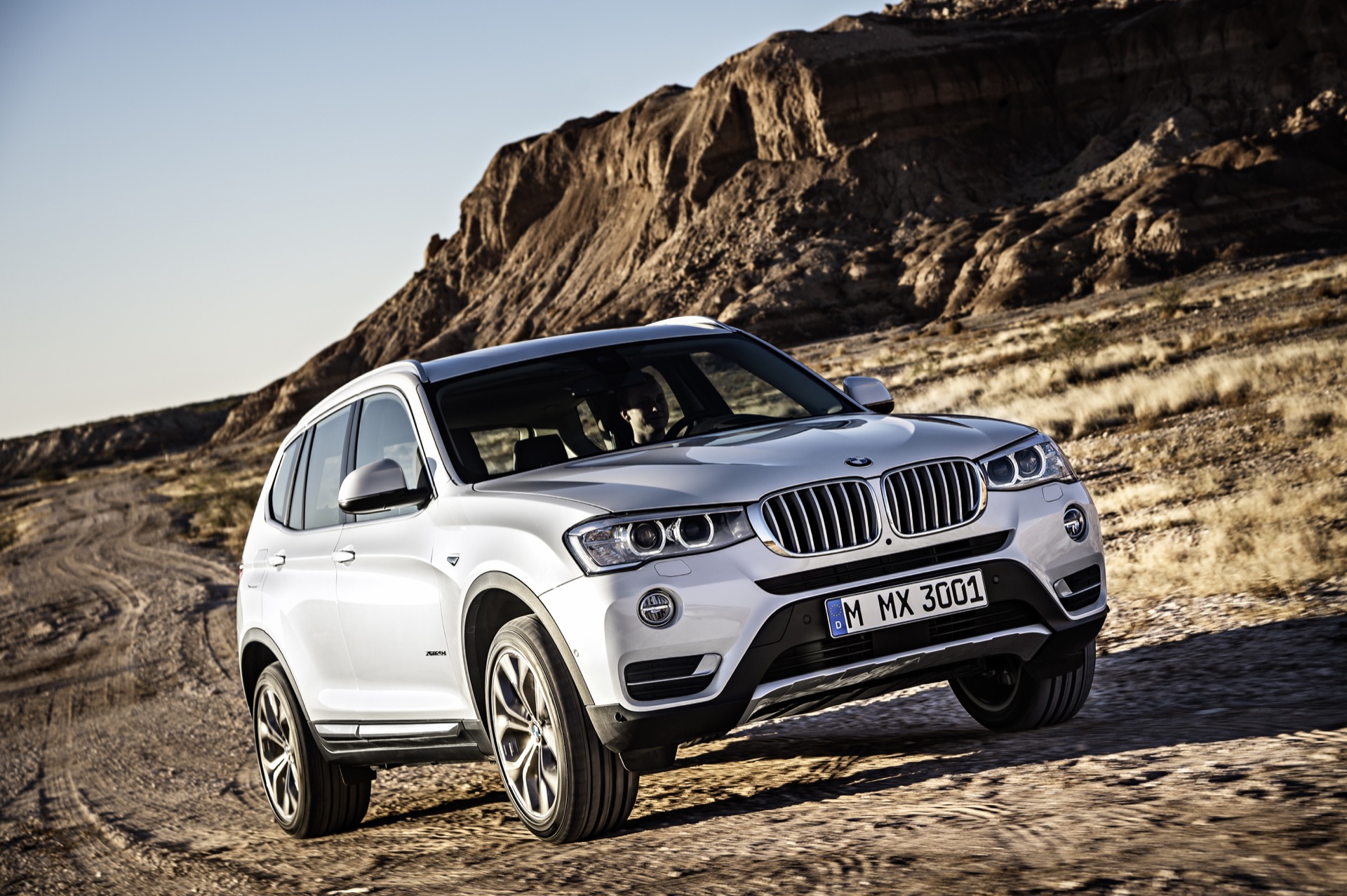
3. 2021 BMW X3
The 2021 BMW X3 is considered one of the most reliable years of the G01 generation, benefiting from later-production quality control and refinement. CarFax data estimates only an 18% likelihood of repairs, while complaints remain minimal, with just one report on Car Complaints and 56 with the NHTSA.
Although eight recalls were issued, these largely cover software and minor defects rather than systemic drivetrain failures. J.D. Power rated the 2021 X3 at 80/100 for quality and reliability, a strong showing in the luxury SUV segment.
Buyers also enjoy more standard features than in previous years, including advanced driver-assistance technologies and Android Auto integration. Positioned between the smaller X1/X2 and the larger X5, the X3 provides a versatile mix of practicality and performance, making it one of BMW’s most balanced SUV offerings.
Inside, the 2021 X3 delivers a spacious and well-thought-out cabin. Supportive front seats with a wide range of adjustments provide excellent comfort for long drives, while rear passengers benefit from generous headroom and adequate legroom.
The cabin layout emphasizes practicality, with large door openings, low sills for easy entry, and excellent outward visibility thanks to the tall roofline and large windows.
High-quality materials, precise switchgear, and tight panel gaps reinforce the X3’s premium positioning, even if the interior design leans conservative compared to rivals.
Noise insulation is strong, with minimal wind intrusion at highway speeds and a refined idle. Cargo capacity is also generous at 28.7 cubic feet behind the second row and 62.7 cubic feet with seats folded, making the X3 one of the most versatile SUVs in its class for both families and active lifestyles.
The 2021 BMW X3 offers one of the widest ranges of powertrains in its class, including gasoline, plug-in hybrid, and high-performance trims. The base xDrive30i uses a 2.0-liter turbocharged four-cylinder paired with an eight-speed automatic, providing brisk acceleration with a 0–60 mph time in the high six-second range.
For efficiency, the plug-in hybrid variant combines gasoline and electric power for lower fuel costs, while the xDrive28d diesel has been phased out by this model year.
Performance enthusiasts can opt for the M40i, boasting a turbocharged six-cylinder engine, or the full X3 M and X3 M Competition models with track-worthy power and handling. Standard xDrive all-wheel drive ensures composed traction in all conditions, while available adaptive suspension adds sharper dynamics.
Steering precision remains a point of critique, as it can feel overly light in Comfort mode, though Sport mode introduces better weight and responsiveness. The X3 maintains BMW’s reputation for combining utility with sporty driving enjoyment.
Safety and technology are core strengths of the 2021 X3, with many advanced driver aids made standard. These include forward-collision mitigation, lane-departure warning, blind-spot monitoring, and parking sensors, with options for a surround-view camera and adaptive cruise control.
Crash-test results are excellent, with five-star ratings from the NHTSA and “Good” scores in all IIHS categories. The infotainment system blends touchscreen and dial controls, with crisp navigation graphics and both Apple CarPlay and Android Auto now included.
Storage versatility is strong, with large door pockets, clever compartments, and towing capacity rated at up to 4,400 pounds when properly equipped. The X3’s EPA-estimated 26 mpg combined is competitive, and real-world testing often exceeded this figure.
While pricing aligns closely with rivals such as the Audi Q5 and Mercedes-Benz GLC, the 2021 BMW X3 offers strong long-term value thanks to reliability, premium build quality, and BMW’s extended free scheduled maintenance coverage.
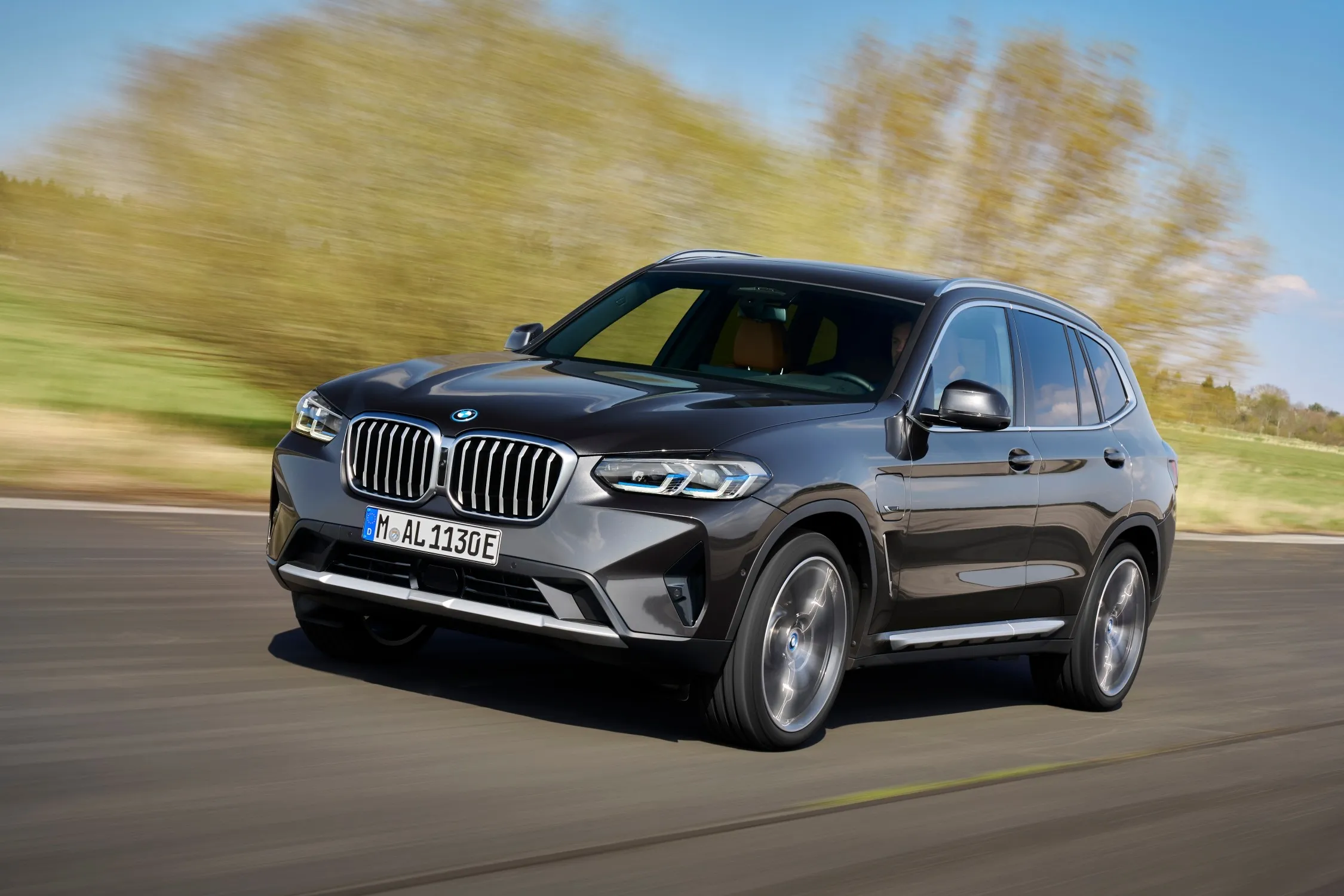
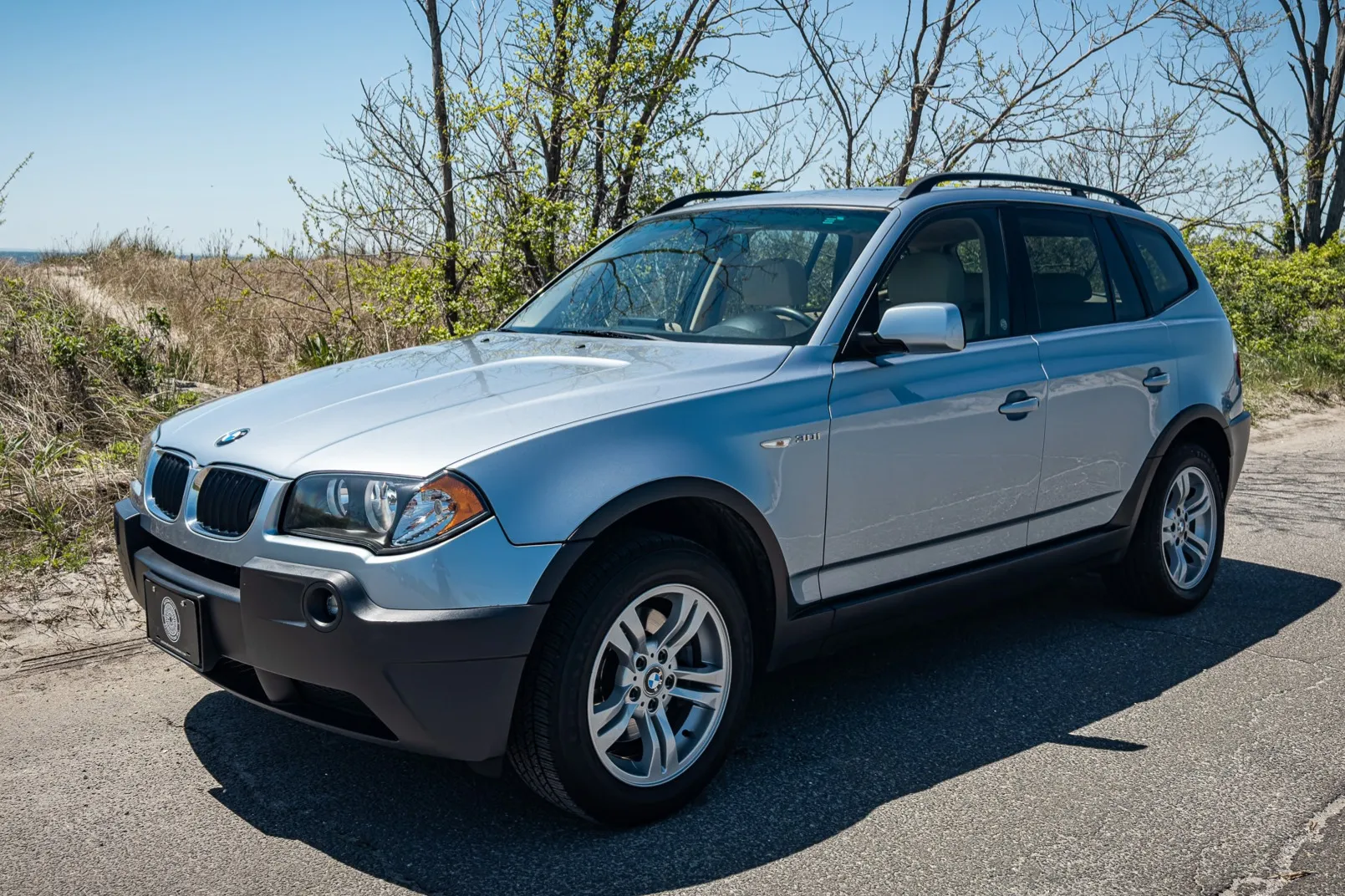
4. 2005 BMW X3
The 2005 BMW X3, part of the first-generation E83 lineup, was marketed as a compact luxury SUV that combined sport sedan performance with everyday practicality.
Originally priced at $34,715 for the base 2.5i Sport Utility 4D and $38,445 for the higher-spec 3.0i, the X3 targeted buyers who wanted BMW’s signature driving experience in a smaller, more versatile package.
Today, used pricing for these models is considerably lower, with the 2.5i averaging around $3,969 and the 3.0i around $3,471, according to Kelley Blue Book.
These values fluctuate depending on condition, mileage, and location, but they highlight how much depreciation the X3 has undergone, making it a budget-friendly entry into the luxury SUV segment. While expensive when new, the 2005 X3 now represents a low-cost way to access German engineering and sporty driving dynamics.
Consumer feedback for the 2005 BMW X3 has been overwhelmingly positive, with owners rating it 4.2 out of 5 and 79% recommending the vehicle. Reliability stands out as a key strength, receiving a 4.3 out of 5 score, indicating durability above the average for competitors in its class.
Many owners praised its handling, safety, and long-term dependability, with some reporting years of trouble-free driving and low maintenance costs.
Notably, one owner highlighted how the X3 remained solid after 50,000 miles with no significant mechanical issues, while another recounted surviving a serious collision thanks to the SUV’s robust safety engineering.
This combination of reliability and safety has helped the 2005 X3 maintain a loyal following among used luxury SUV buyers, despite its age and dated features.
The 2005 X3 was designed to deliver BMW’s hallmark driving feel, and many owners found it fun to drive thanks to precise handling and responsive steering. Its compact size made it agile, while the suspension offered a firm yet composed ride.
Buyers had two trim options: the 2.5i with slightly better fuel economy at 15 mpg city and 22 mpg highway, and the more powerful 3.0i delivering 14 mpg city and 21 mpg highway. Though not class-leading in efficiency, both trims balanced performance and usability for the time.
Favorite features frequently cited by owners included its nimble handling, solid build quality, and high level of comfort. Despite criticisms of a somewhat plain cabin ambiance, most drivers considered it well worth the money for its performance and safety, especially compared to less engaging competitors.
Safety was a standout strength of the 2005 BMW X3, offering a full suite of features for its era. Standard equipment included driver, passenger, and side airbags, child seat anchors, rear side airbags, stability control, and rear parking sensors.
These systems gave drivers added confidence and likely contributed to strong consumer trust in the model. Owners consistently praised its secure feel, and real-world accounts, such as walking away from a high-speed collision, reinforced its reputation as a safe and dependable vehicle.
Practicality was another highlight, with its SUV body providing sufficient cargo capacity while still being easy to maneuver in urban settings.
For buyers seeking a blend of safety, reliability, and BMW’s sporty DNA, the 2005 X3 delivered a compelling package that has aged well in terms of owner satisfaction, even if its interior quality and fuel economy lagged behind some rivals.
5. 2022 BMW X3
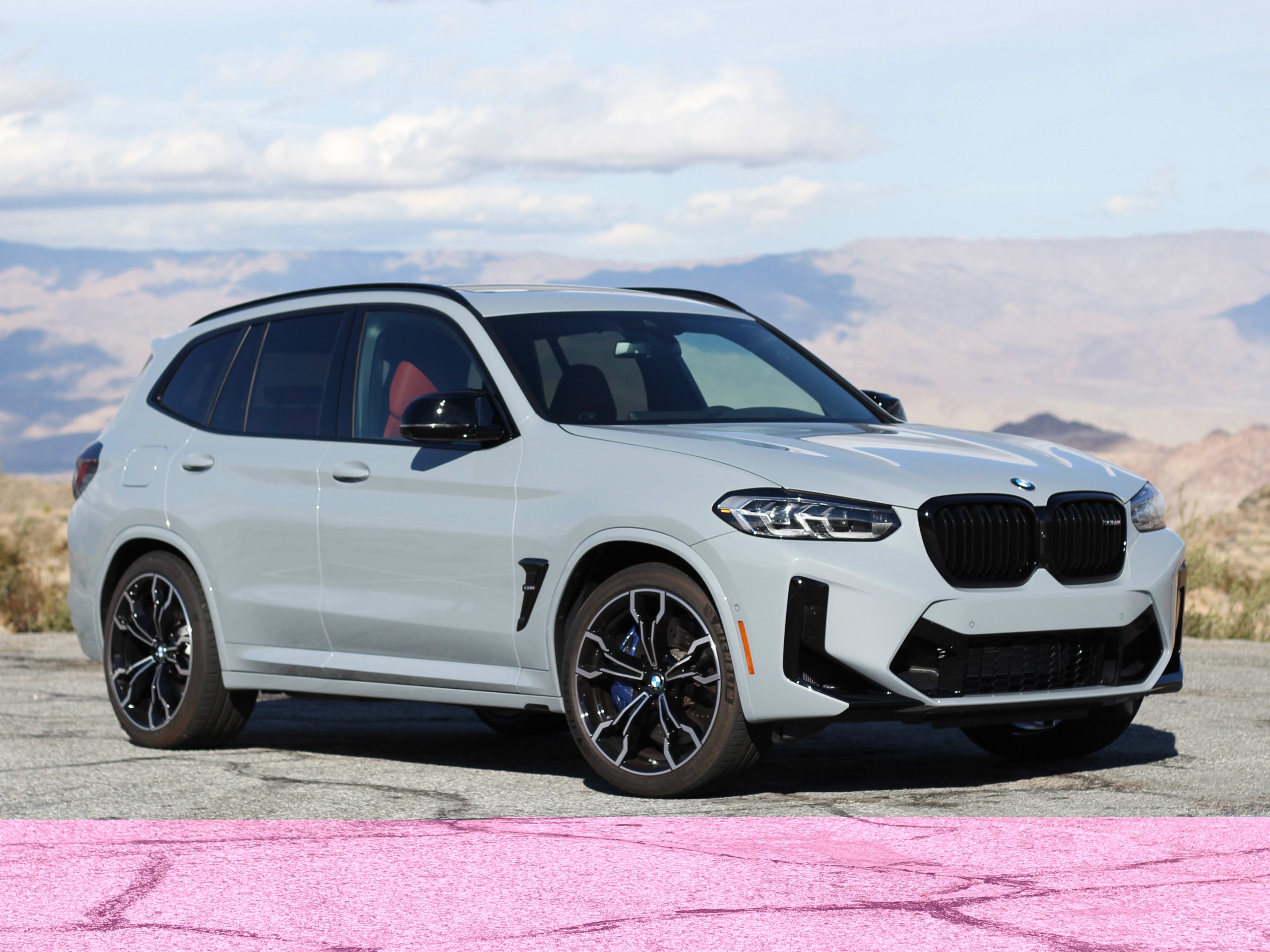
The 2022 BMW X3, part of the third generation introduced in 2018, received a light refresh that sharpened its appeal in the competitive compact luxury SUV segment. Notable exterior updates included slimmer headlights, a larger grille, a redesigned front bumper, and restyled taillights, giving the SUV a more modern and athletic look.
Inside, revisions included a new center console layout and an available larger touchscreen display, enhancing both style and usability. BMW also streamlined the powertrain lineup by discontinuing the plug-in hybrid xDrive30e, leaving the four-cylinder sDrive30i/xDrive30i and the six-cylinder M40i.
The latter benefited from a new 48-volt mild-hybrid system that improved efficiency and smoothed stop-start operation in traffic. These changes helped the X3 maintain its status as BMW’s best-selling model, balancing refinement, performance, and practicality.
Performance remained a strong point for the 2022 X3. The xDrive30i, powered by a turbocharged four-cylinder engine, achieved a high six-second 0–60 mph sprint, which proved quick enough for most drivers.
Paired with an eight-speed automatic, it delivered smooth power delivery in daily driving, while strong braking performance added confidence. Handling was composed and responsive, reflecting BMW’s sporty heritage, though steering feel was criticized as somewhat artificial, particularly in Comfort mode.
The optional Sport setting added heft but still lacked road feedback. In terms of comfort, the X3 offered supportive seats with extensive adjustments and a cabin quiet enough that the engine was barely audible at idle.
Ride quality leaned firm, especially with the Dynamic Handling package, but impacts were well controlled without disrupting passengers.
The cabin of the 2022 X3 emphasized practicality and thoughtful design over flashy aesthetics. Large doors and low sills made entry easy, while generous headroom and an adjustable driving position ensured comfort for all passengers.
Visibility was excellent, aided by tall windows, short rear headrests, and large side mirrors with optional blind-spot monitoring. Technology was well integrated, with BMW’s infotainment system offering both touchscreen and dial controls, Apple CarPlay, Android Auto, and sharp navigation graphics.
Cargo versatility was another highlight, with 28.7 cubic feet of space behind the rear seats and 62.7 cubic feet when folded. Interior storage compartments were plentiful, and child seat installation was straightforward. With a towing capacity of up to 4,400 pounds, the X3 also outperformed many rivals in small luxury SUV utility.
Fuel economy proved to be a pleasant surprise, with the xDrive30i achieving an EPA-estimated 24 mpg combined. In testing, it exceeded expectations, averaging 26.2 mpg and even reaching 27.7 mpg on evaluation routes, outperforming several competitors.
Safety features included stability control, airbags throughout the cabin, and advanced driver-assistance options, reinforcing its appeal for families.
From a value perspective, the 2022 X3 competed directly with rivals like the Audi Q5 and Mercedes-Benz GLC, offering comparable pricing but standing out with perks such as longer free scheduled maintenance.
While some critics noted that the cabin design was less luxurious than competitors, the build quality, tight panel gaps, and solid switchgear reflected BMW’s attention to detail.
Ultimately, the 2022 BMW X3 struck a compelling balance of driving dynamics, efficiency, and practicality, making it one of the most versatile choices in the luxury SUV class.
Also Read: 5 Cars That Rarely Need Brake Pad Replacements vs. 5 That Burn Through Them
5 BMW X3 Years Without Strong Reliability
1. 2007 BMW X3: Oil and Coolant Leak Issues
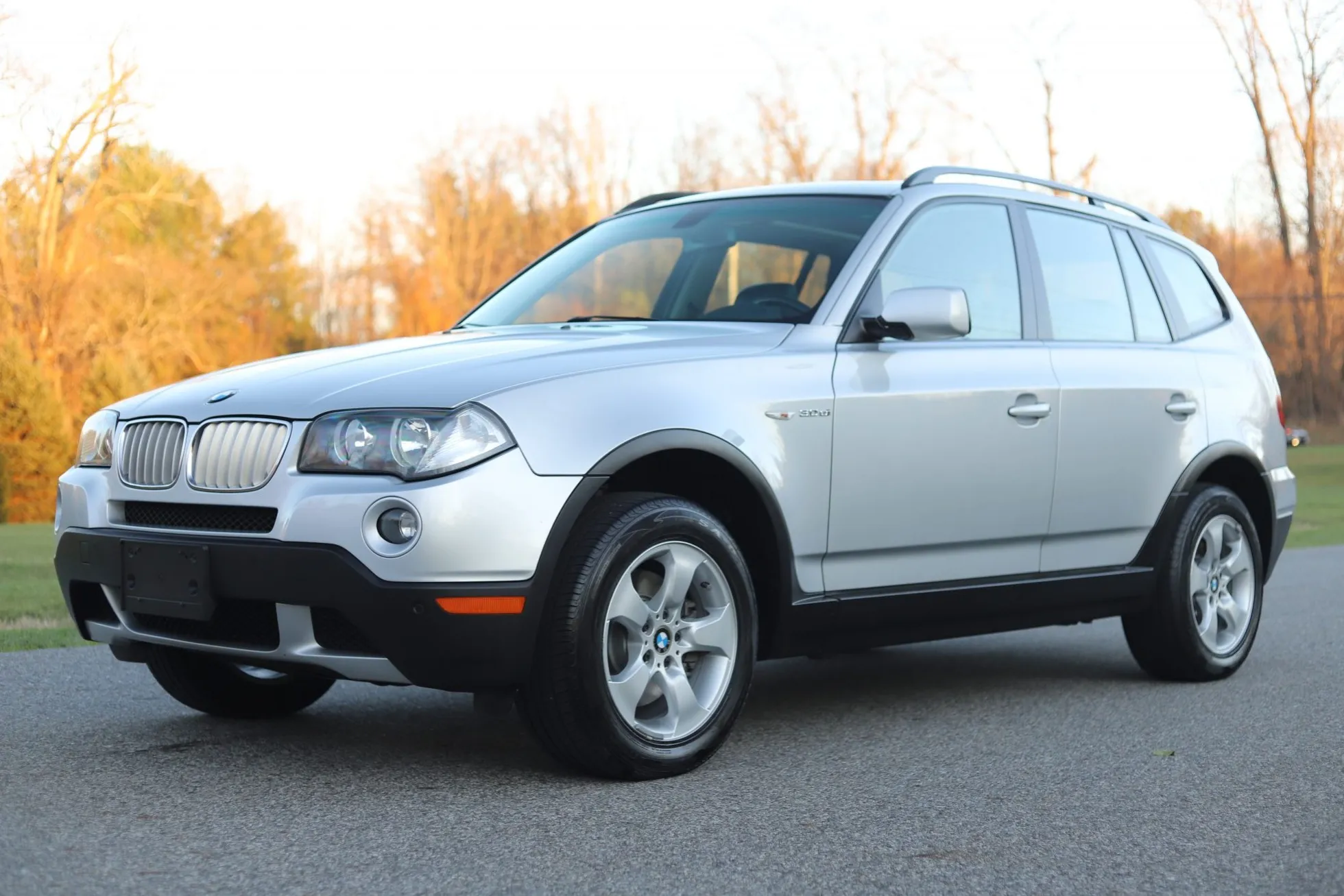
The 2007 BMW X3, while not wholly unreliable, has gained a reputation for several recurring mechanical problems that make it a year to avoid for many used buyers. The most widespread issue is oil leakage, primarily caused by cracked or deteriorating valve cover gaskets.
High-mileage 2007 models are especially prone to this defect, leading to frequent oil stains under the car and costly repairs if not addressed promptly. According to CarComplaints.com, this remains the top grievance from owners, making it a defining weakness of the model year.
Another major concern is coolant leakage, with many owners reporting overheating engines or visible puddles of coolant beneath the vehicle. These failures are often traced back to faulty radiators or expansion tanks, both of which can fail prematurely and create serious overheating risks.
Together, these two issues make the 2007 X3 particularly troublesome, even though its drivetrain and structural integrity remain strong.
For shoppers considering older BMW SUVs, the 2007 model presents higher maintenance risks than later iterations, with its combination of oil and coolant-related failures earning it a spot among the least desirable X3 years to purchase.
2. 2013 BMW X3: Timing Chain Guide Failures
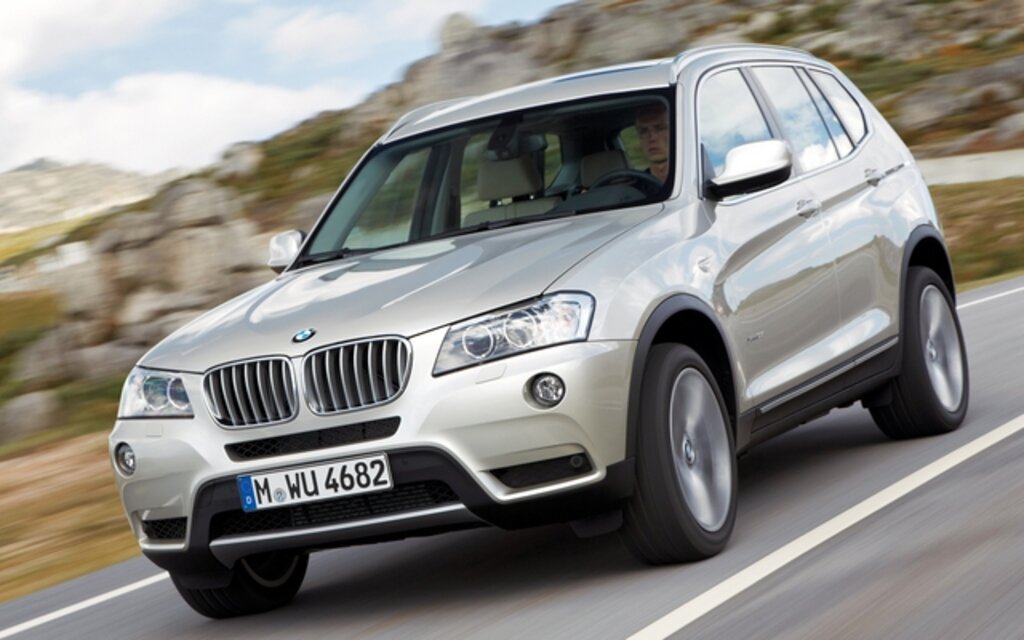
The 2013 BMW X3 is widely regarded as the worst year for the model, plagued by severe reliability concerns and a high number of complaints. With more than 300 NHTSA complaints, the most notorious problem is its fragile timing chain guide, which BMW manufactured from plastic rather than metal.
These plastic guides are prone to cracking or breaking, which disrupts the chain’s alignment and can severely affect engine timing. In many cases, this leads to engine stalling, unexpected shutdowns, or, in worst cases, catastrophic engine damage if not repaired quickly.
Owners have reported their X3s suddenly quitting while driving, raising serious safety concerns. While replacing or repairing the timing chain guide is relatively inexpensive compared to a full engine rebuild, the frequency and severity of this issue make the 2013 X3 a costly ownership prospect.
The timing chain problem alone significantly tarnished the model’s reputation, but combined with other complaints of engine reliability, the year stands out as a low point for BMW’s compact luxury SUV. Experts and consumer watchdogs alike advise potential buyers to steer clear of the 2013 X3 due to its high risk of expensive mechanical failure.
3. 2014 BMW X3: Body Hardware and Minor Engine Problems
BMW made efforts to improve reliability in the 2014 X3, but issues persisted, particularly with build quality and minor mechanical systems. Consumer Reports gave the 2014 model a reliability score of just 1 out of 5, along with a low customer satisfaction rating of 2 out of 5.
A significant portion of complaints came from body hardware, such as stress cracks developing in the glass and recurring creaks and squeaks in the sunroof assembly. While not mechanically crippling, these problems undermine the sense of refinement expected from a luxury SUV.
On the mechanical side, owners frequently noted false warning signals generated by the engine’s electronic control unit. Low oil alerts and check engine lights would often appear despite no actual problems, leading to unnecessary trips to mechanics and frustration for drivers.
While the 2014 X3 did not experience the catastrophic timing chain issues of the previous year, its mix of build quality complaints and minor but persistent electronic glitches resulted in low owner confidence.
For buyers seeking a used BMW SUV, the 2014 model represents only a modest improvement over 2013, still falling short of expectations for durability and premium reliability.
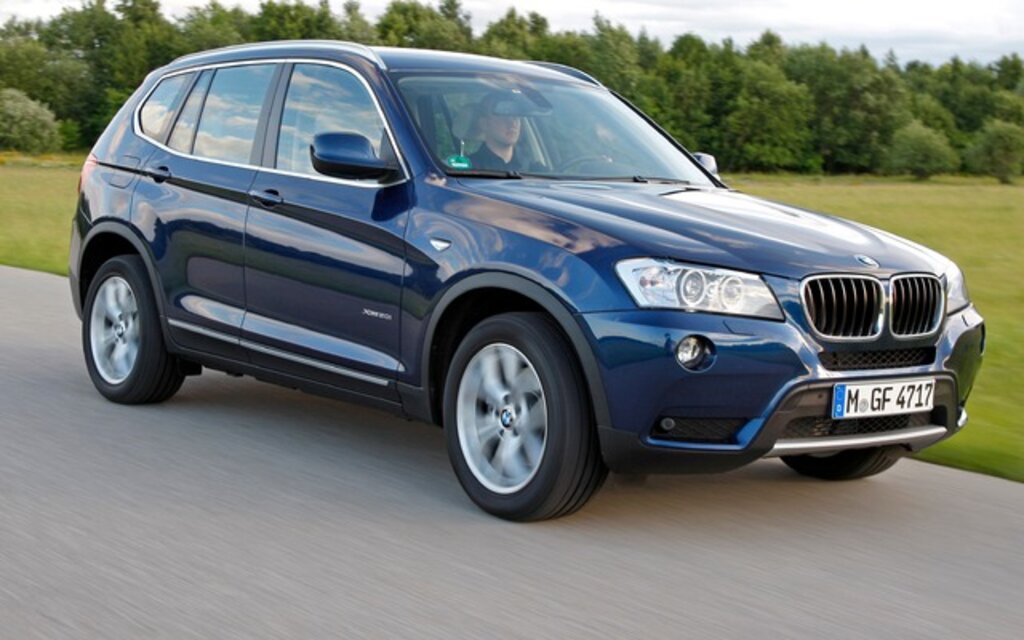
4. 2017 BMW X3: Brake and Climate Control Concerns
The 2017 BMW X3, part of the second generation nearing its end, offered a more refined driving experience but continued to struggle with reliability. According to Consumer Reports, it earned a reliability rating of just 2 out of 5, highlighting ongoing shortcomings.
Among the most serious concerns was brake failure. At least one driver reported a complete brake system failure while descending an exit ramp, an issue so severe it was flagged as a major safety hazard. Supporting this concern, Consumer Reports gave the X3’s braking system a troubling 1 out of 5 reliability rating, suggesting that failures, though not widespread, were concerningly plausible.
In addition, many owners cited issues with the climate control system, particularly air conditioning and thermostat failures that often occurred during longer trips. While less severe than braking problems, these issues reduced comfort and required costly repairs.
The 2017 X3 was not nearly as problematic as the 2013 or 2007 versions, but the combination of brake-related concerns and reliability scores still marked it as a model year worth approaching with caution. It highlighted BMW’s ongoing challenges with balancing luxury features against long-term dependability in the X3 lineup.
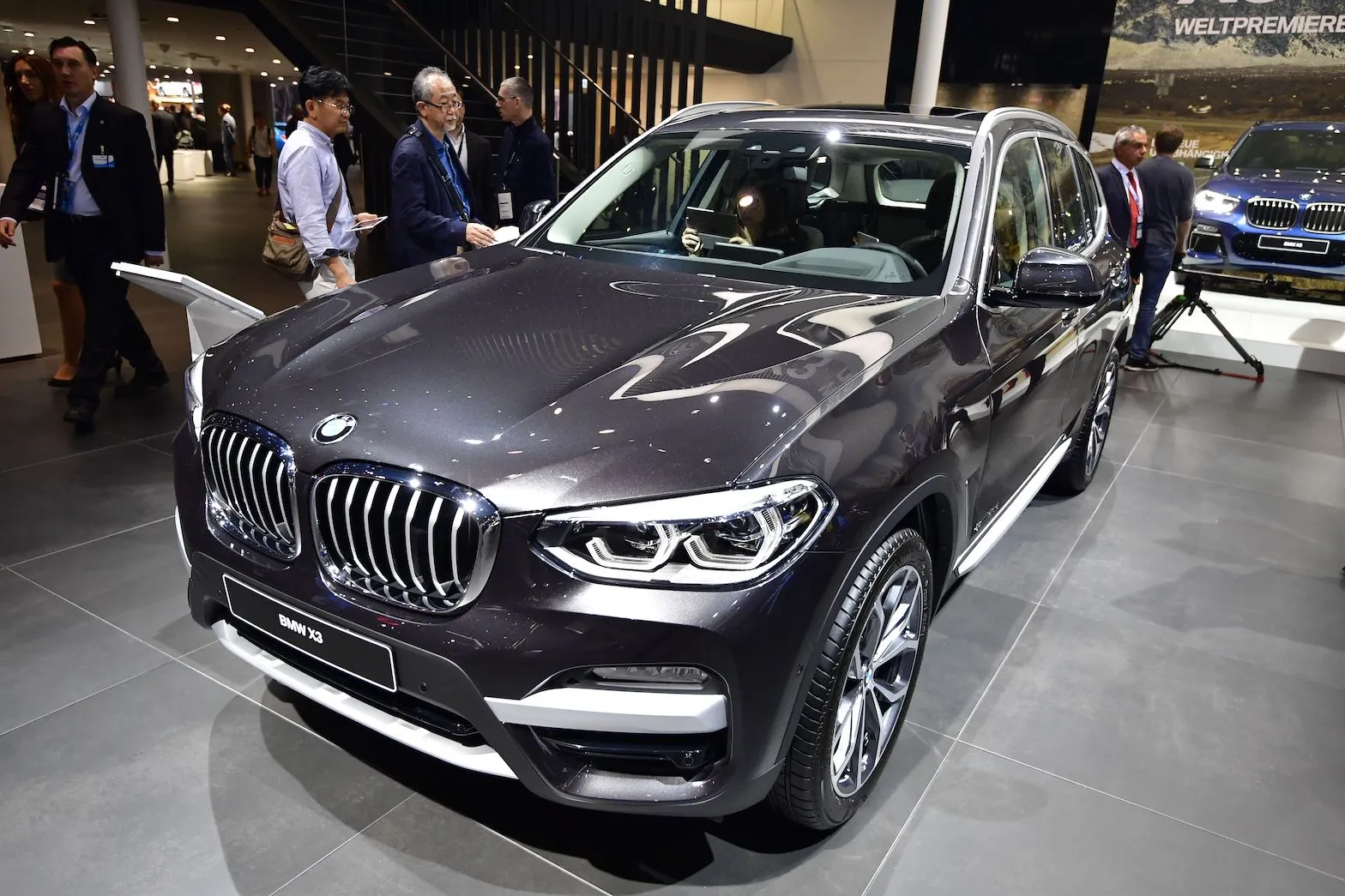
5. 2019 BMW X3: Electronics and Software Glitches
By 2019, BMW had entered the third generation of the X3, and reliability had improved compared to earlier problem years. That said, the 2019 X3 was not without its frustrations, particularly in the area of electronics. Consumer Reports gave it a relatively low reliability rating despite fewer complaints of mechanical issues.
Owners most frequently reported glitches with in-car electronics, especially Apple CarPlay connectivity. Some drivers described CarPlay as unreliable, with frequent pairing issues and unstable connections.
Additionally, BMW’s over-the-air software updates were criticized for introducing new problems rather than resolving existing ones. Another unusual complaint involved the tailgate opening on its own, even while the vehicle was locked and parked, raising concerns about both convenience and security.
While these problems were far less severe than the timing chain failures or oil leaks of earlier years, they reflect BMW’s shift toward high-tech features that introduced new kinds of complications.
The 2019 X3 represented a safer choice than problematic earlier years, but shoppers still needed to weigh the risk of electronic frustrations against its otherwise strong performance, modern styling, and improved safety features.

Choosing the right BMW X3 year can make all the difference between a rewarding ownership experience and ongoing repair headaches. The models highlighted here showcase the best of what the X3 has to offer: reliability, safety, driving enjoyment, and lasting value.
From the sturdy early E83 models to the refined and feature-rich modern versions, these standout years prove that the X3 can deliver dependable performance without compromising BMW’s signature driving dynamics.
At the same time, being aware of the less reliable years is equally important, as it helps buyers avoid costly pitfalls and frustration down the road. Ultimately, the BMW X3 remains one of the most versatile and well-balanced options in the luxury compact SUV segment.
By choosing one of the most reliable years, buyers can enjoy premium engineering, sporty handling, and everyday practicality with greater peace of mind and long-term satisfaction.
Also Read: 10 Cars That Rarely Sit Unsold In The Lot Due To High Demand in 2025
