
When people buy a car, they usually focus on engine power, fuel economy, comfort, and design. Yet, one detail that affects a car’s beauty and long-term value is the paint quality. A vehicle with durable paint continues to look appealing for many years, while one with weak paint starts to lose its charm quickly.
Nobody wants to buy a car and then discover within a short time that the paint is peeling or fading. The way a car’s paint holds up depends on many things, like the preparation of the body surface, the thickness of the paint layer, the type of clear coat used, and the manufacturer’s attention to detail during production.
Some car companies are known for producing vehicles with long-lasting paint finishes that can handle weather changes, sunlight, road debris, and regular washing. These cars often retain a fresh appearance and make their owners proud because the paint does not fade or crack easily.
Other brands, however, have struggled with paint problems. Owners of such vehicles sometimes complain about peeling paint even when the car is still fairly new. This becomes frustrating because repainting is expensive and affects the car’s resale value.
Our attention here will be given to both sides of the story. The first part will look at five cars that are recognized for having reliable paint that rarely gives owners stress. After that, the focus will move to five cars that have been reported to develop peeling paint faster than expected.
5 Cars That Rarely Have Paint Issues
1. Toyota Camry
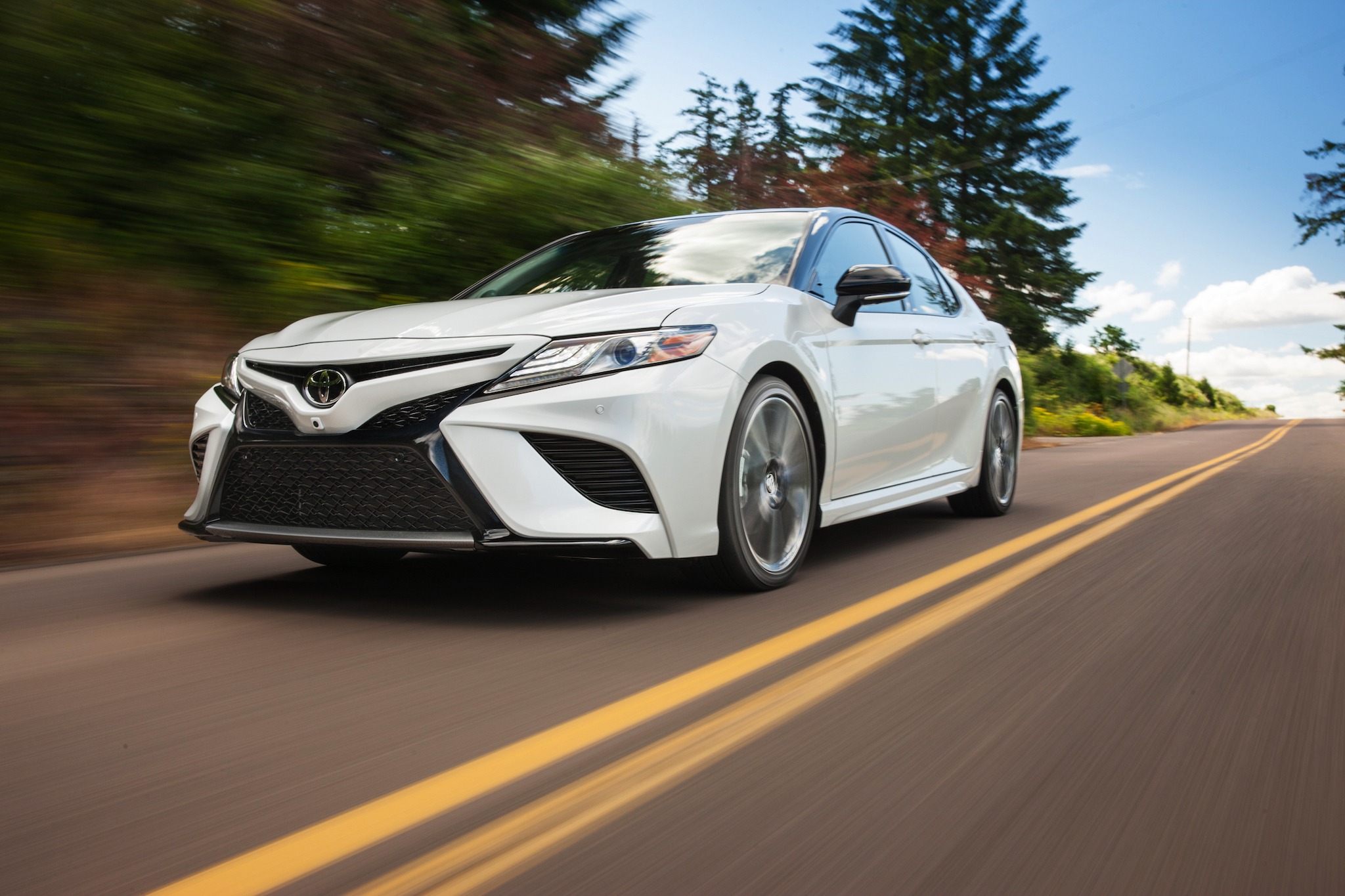
The Toyota Camry has built a reputation for being a reliable mid-size sedan, and part of that reliability shows in its paint durability. Many owners have praised the Camry for maintaining its shine and smooth finish for several years without visible problems. Toyota’s production process usually includes strong base coats and a clear protective layer that helps the paint resist scratches and fading.
The Camry is often sold in regions where the weather can be very hot, yet its paint tends to hold up better than some rivals. The manufacturer emphasizes proper surface preparation during production which reduces the chance of weak bonding between the paint layers. This preparation step is one of the reasons why Toyota’s paint quality has remained dependable.
Owners who regularly wash their Camry and use wax occasionally report that the paint looks as good as new even after five to ten years. The paint resists oxidation better than cars from some other brands in the same price category. This makes the vehicle popular not just for reliability under the hood but also for exterior presentation.
Another reason why the Camry rarely faces paint problems is Toyota’s choice of high-quality clear coats. These coats create a shield against ultraviolet rays that normally cause fading in other vehicles. The protective layer also keeps the paint from cracking during temperature changes. While no car paint can last forever without care, the Camry gives owners less worry because the paint rarely begins to peel on its own.
For those who buy the car second-hand, the appearance of the paint is usually still acceptable, which increases resale value. Buyers are confident that even older models will not look badly worn out. When compared with many competitors, the Toyota Camry remains among the best in keeping its exterior attractive for long years.
2. Honda Accord
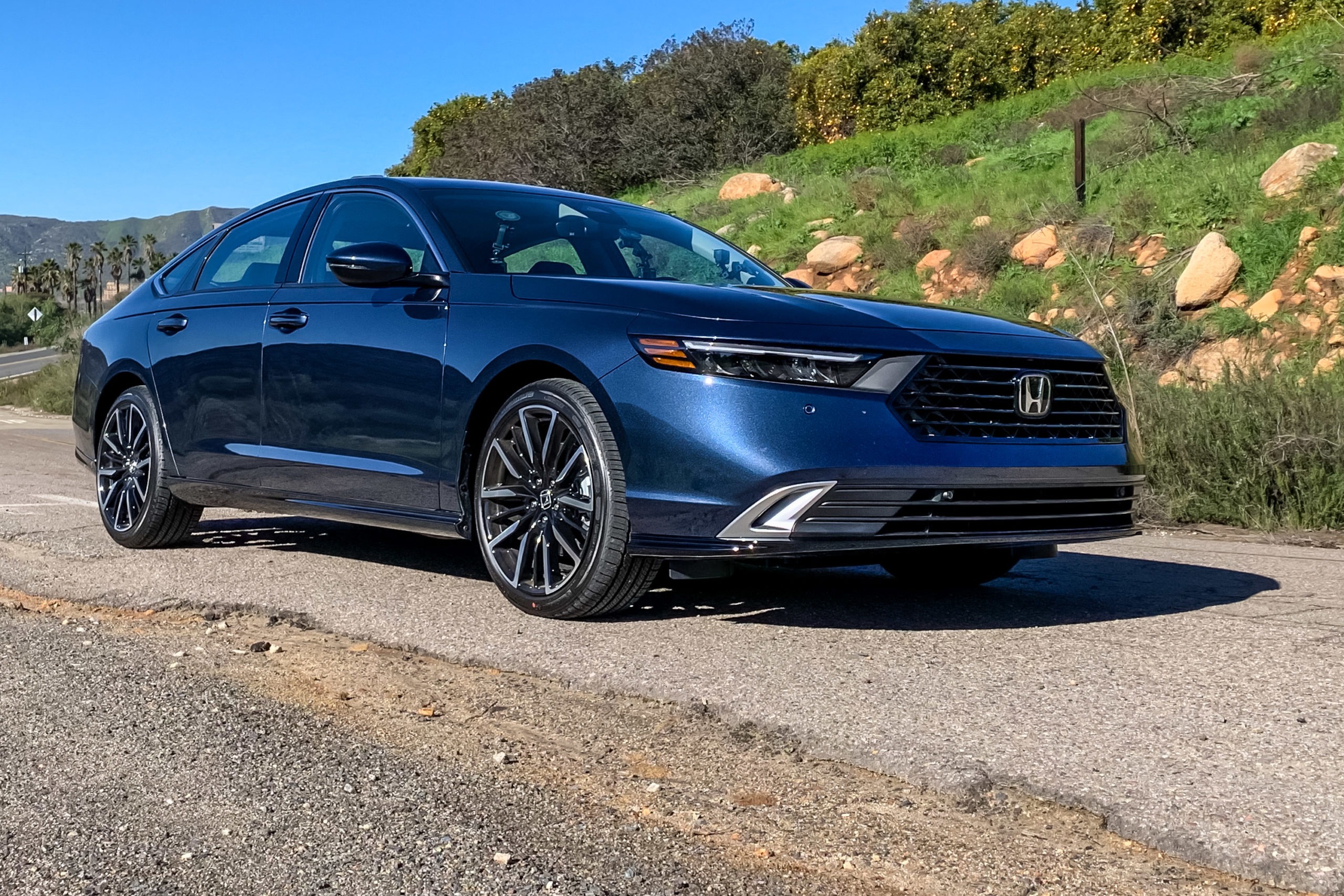
The Honda Accord is another sedan that performs very well in terms of paint quality. This car is popular in many households across the United States, and one reason people stay loyal to it is that it continues to look clean and stylish after many years.
Honda’s factories use detailed methods when applying paint to the Accord. They make sure that the primer and base coat are evenly spread before the final clear coat is added. This prevents issues of uneven drying or bubbling that can later lead to peeling. Because of this careful process, the Accord often stays looking glossy for a longer period.
Owners who park their vehicles outdoors for long hours in sunny areas have noticed that the paint on the Accord holds its depth of color better than many other cars in the same class. The paint does not quickly chalk or lose brightness, which is one of the main complaints car owners usually have. Honda has invested in protective formulas that keep the paint from reacting badly to environmental stress.
Even after several car washes, whether automated or manual, the paint does not easily show scratches. The Accord’s exterior responds well to waxing and polishing, making maintenance easier for those who like to keep their cars shining. When maintained properly, the vehicle still carries a youthful look even at higher mileage.
Another factor that helps is that Honda uses corrosion-resistant treatments before painting. This prevents rust from developing under the paint, which often leads to peeling in other cars. Because of this added care, peeling problems are rare among Accord owners.
In resale markets, the Honda Accord has good demand partly because potential buyers trust that the paint will still look neat. For anyone who wants a dependable sedan with long-lasting paint, the Accord continues to be a strong choice.
Also Read: 5 Cars That Rarely Need Suspension Work vs 5 That Constantly Do
3. Lexus RX
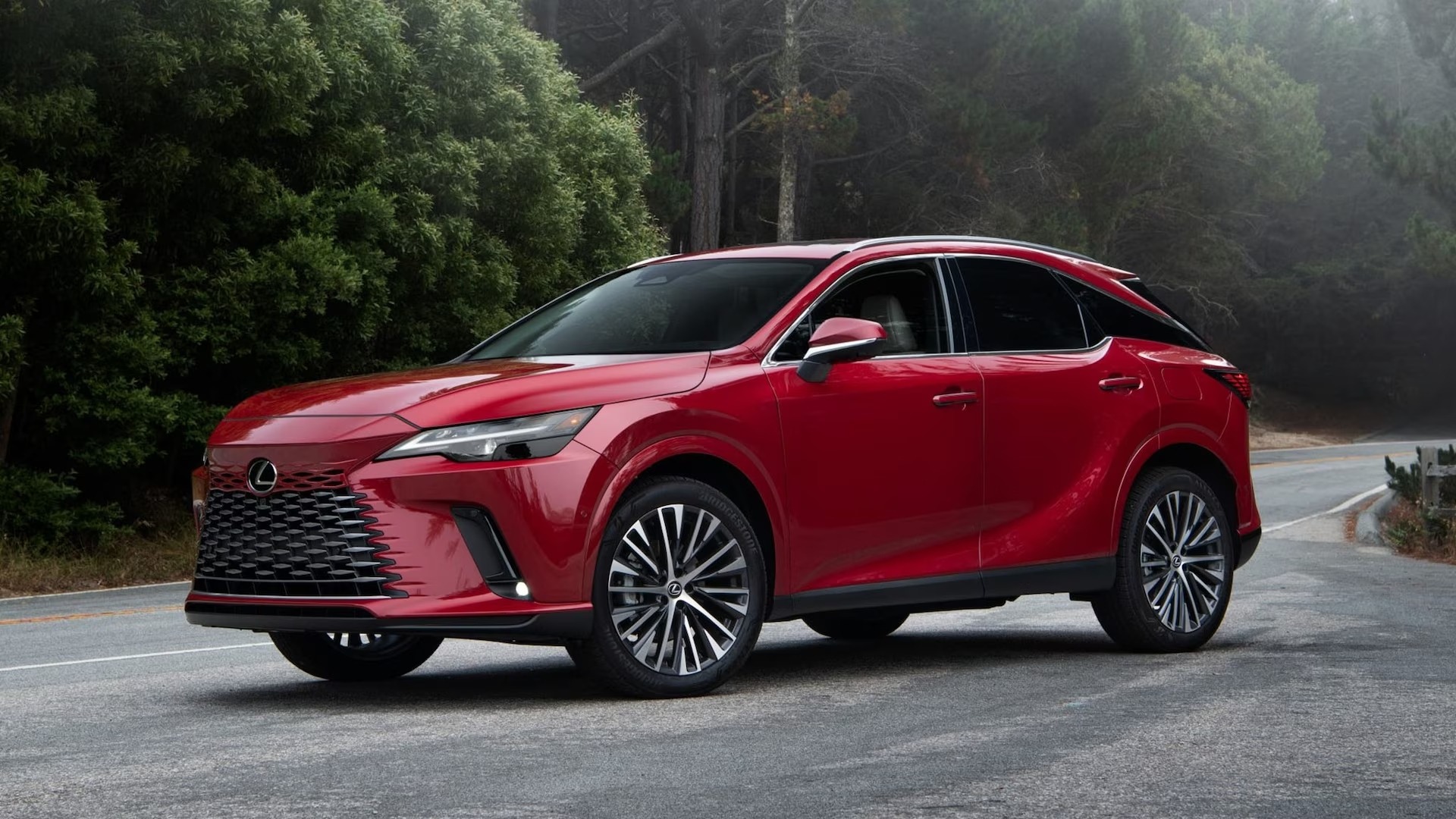
Luxury vehicles often place more effort into details, and the Lexus RX is a perfect example of a car with excellent paint durability. As Toyota’s premium brand, Lexus invests extra resources into body finish and paint technology. This investment has paid off since many RX owners have praised the way their vehicles keep shining after years of use.
The RX is designed to meet the taste of drivers who want class and comfort, so Lexus makes sure the exterior appearance is not compromised. The brand uses advanced multi-layer painting processes where several coats are applied in a controlled environment. These layers bond firmly with the car body and are sealed with clear coats that resist harsh sun exposure, road salt, and pollutants.
Drivers who live in coastal regions where salty air usually damages paint have testified that the RX holds its paint very well. The paint does not quickly chip away or fade, making the SUV maintain its luxury appeal. Many owners say that even without regular waxing, the RX still looks polished, which is not common with many other vehicles.
The Lexus RX also benefits from anti-corrosion treatment before painting. By treating the surface against rust, Lexus ensures the paint remains intact for a long time without bubbling or cracking. For this reason, the Lexus RX is often admired on the road because the paintwork rarely looks worn out.
Another advantage is that Lexus uses premium clear coats that provide depth and richness to the colors. This makes darker shades like black and navy blue appear especially elegant for years without fading quickly. Because of these qualities, the RX remains an excellent choice for buyers who want durability both in performance and appearance.
Those who later sell their Lexus RX often find that the good condition of the paint helps them get a higher value. This reliability in exterior finish is one of the reasons the RX stands out among luxury SUVs.
4. Mazda CX-5
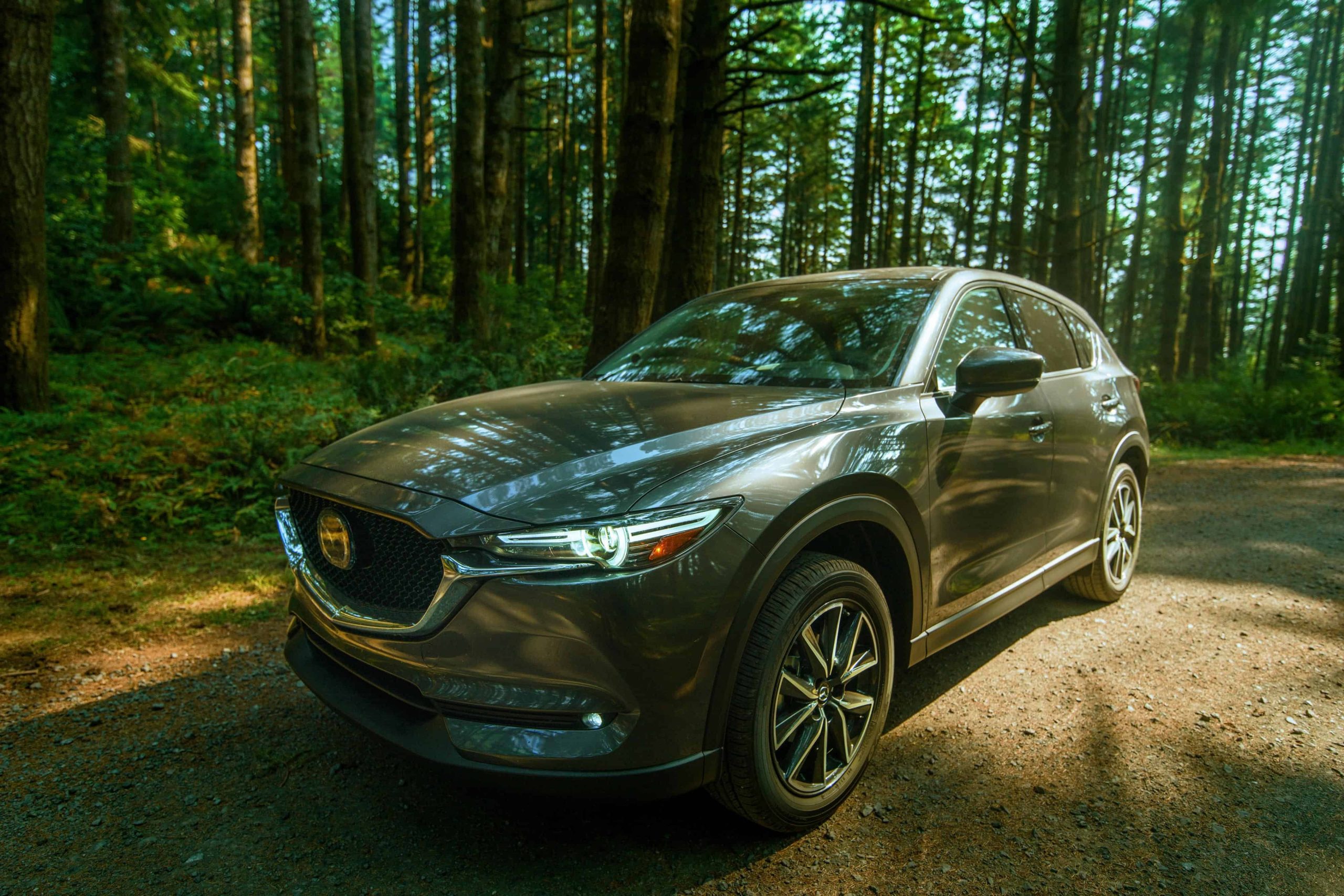
The Mazda CX-5 has gained attention as a compact SUV that balances affordability with quality. One of the strengths of this vehicle is the durability of its paint. Mazda introduced a special painting technology known as “Soul Red Crystal” finish, which is carefully layered to bring out depth in color and maintain resilience against environmental stress.
Many CX-5 owners report that the car looks stylish even after several years. Mazda’s painting process uses thin layers that are baked at precise temperatures to make them bond better. This method prevents common paint problems such as peeling and fading. The paint retains its vibrancy even in regions where the sun is intense.
The clear coat applied on the CX-5 also helps shield the paint from harmful ultraviolet rays. With regular washing, the SUV continues to reflect light beautifully without showing dullness. For those who prefer strong colors like red, the CX-5’s finish tends to maintain its brilliance longer than similar SUVs from other brands.
Another thing that makes the CX-5 reliable in paint durability is the way Mazda prepares the body before painting. By ensuring that the surface is smooth and free from impurities, they reduce the chances of paint not adhering properly. This careful attention to preparation means that peeling rarely happens.
Owners who live in snowy states where salt is used on roads have also confirmed that the CX-5’s paint resists corrosion better than expected. The protective treatments reduce the possibility of bubbling, which often leads to peeling. Because of these efforts, the CX-5 remains attractive and retains resale value.
Mazda’s focus on stylish yet durable paint has given the CX-5 an advantage among compact SUVs. Buyers who want a car that will continue to look new for years often consider this model a safe choice.
5. Subaru Outback
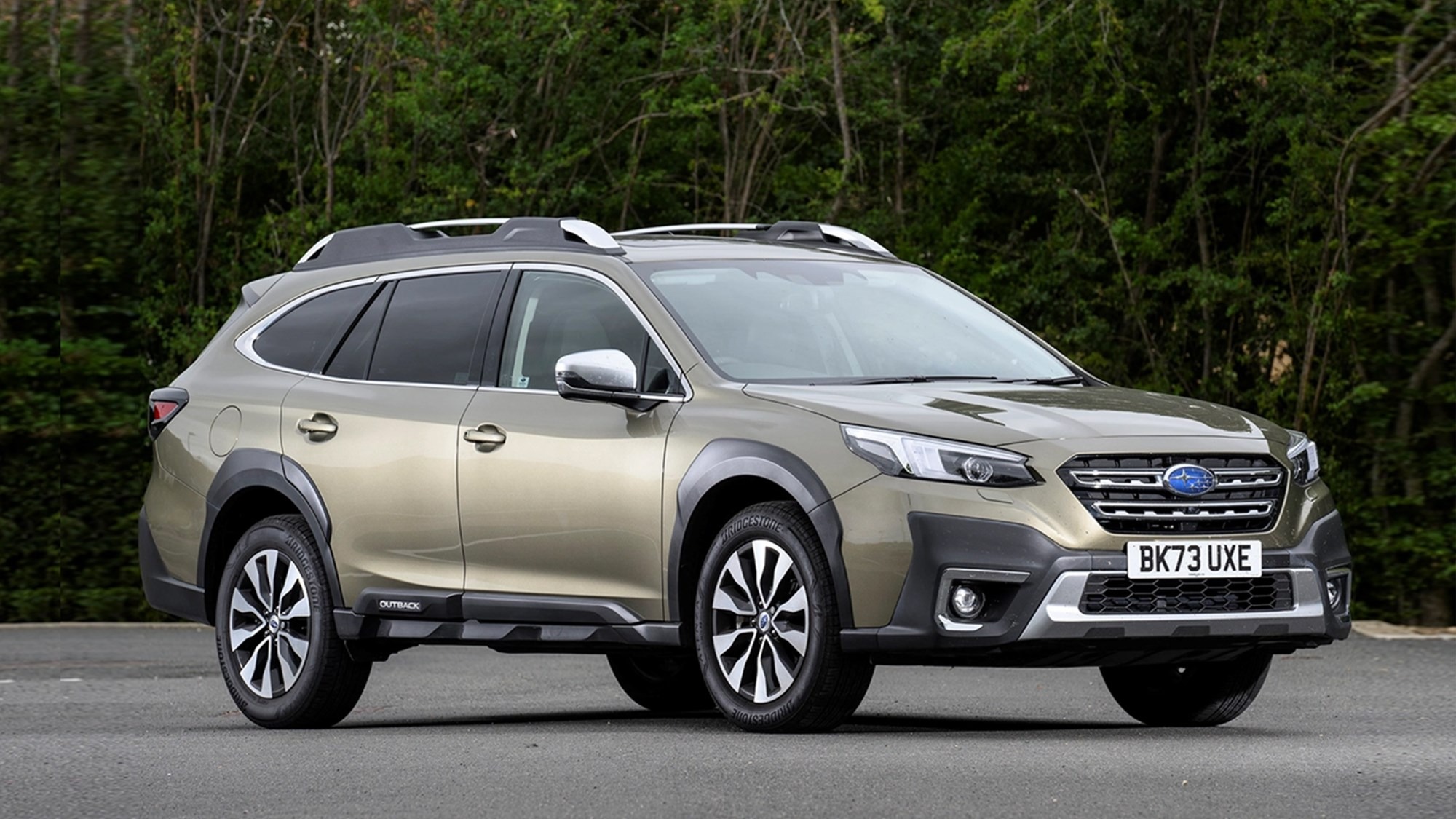
The Subaru Outback is known for being a dependable vehicle for outdoor lovers, and one of the things that helps it maintain that reputation is the quality of its paint finish. This crossover is regularly used in tough environments, yet its paint continues to perform well.
Subaru uses multi-step painting processes that include strong base coats and a thick clear coat. This ensures that the paint adheres firmly and resists harsh conditions like sun exposure, heavy rain, and snowy roads. The Outback’s exterior remains fresh for many years, even when subjected to outdoor lifestyles.
Many Outback owners highlight that the paint rarely chips or fades quickly, even after long highway drives where small stones often hit the body. Subaru has paid attention to ensuring that the paint does not start peeling early.
The Outback is also treated against corrosion before painting. This treatment helps prevent rust from forming beneath the paint surface, which usually causes peeling in other vehicles. The result is a finish that continues to look solid as time goes on.
Even though outdoor vehicles are often exposed to tough conditions, the Outback stands out by holding its paint well. Owners who wash and wax their cars regularly notice that the vehicle remains shiny even at high mileage. Because of this durability, many families choose the Outback knowing that it will not just serve them mechanically but will also remain attractive on the outside.
Subaru’s commitment to quality in paint application has helped the Outback keep its good reputation in the US market. Those who later resell the car benefit from the good condition of the exterior since buyers are more interested in a vehicle that looks well-maintained.
5 Cars That Peel Paint Fast
1. Chevrolet Malibu
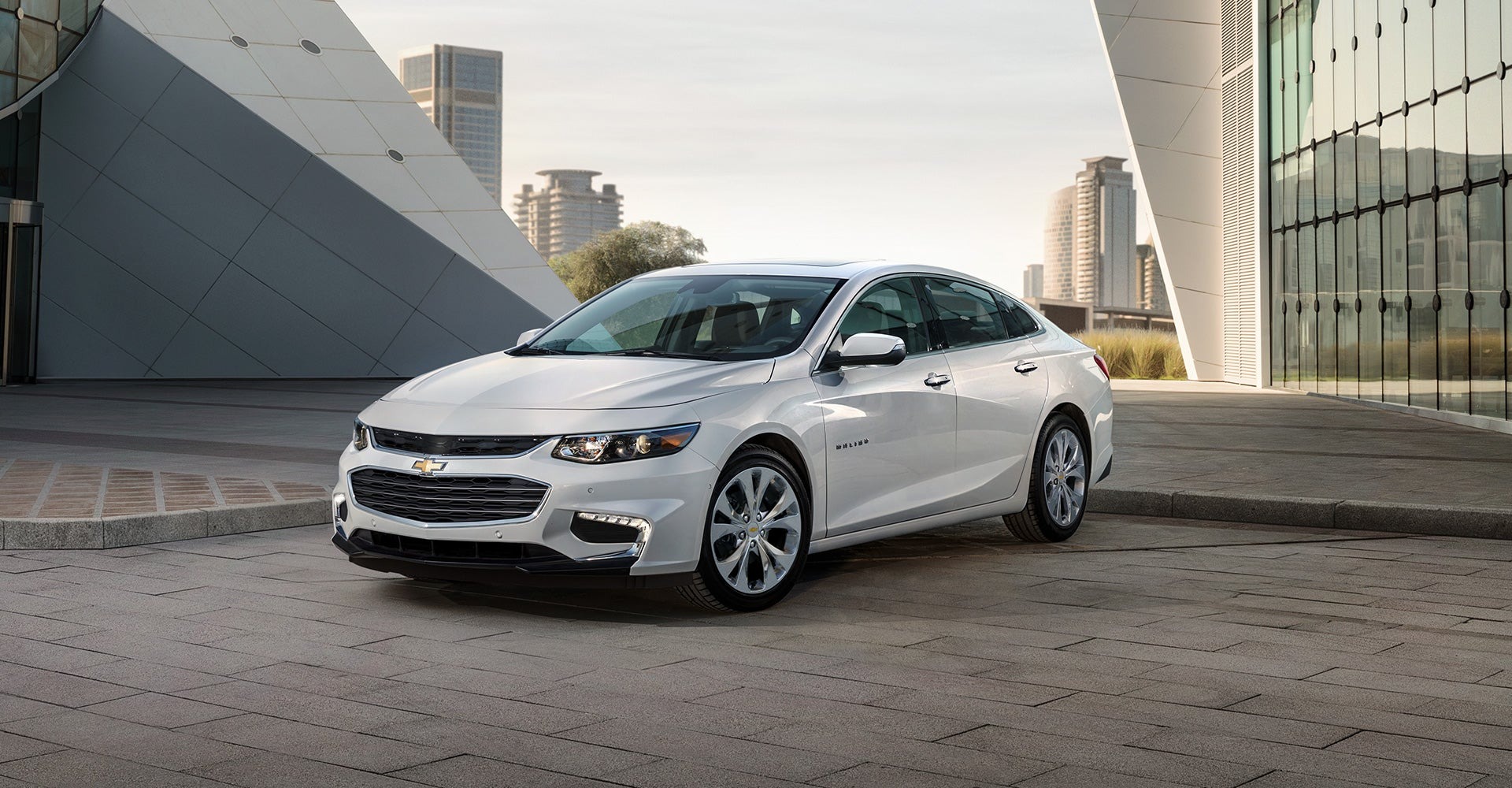
The Chevrolet Malibu has been a common sight on American roads for decades, but many owners have raised concerns about its paint quality. Unlike some rivals that maintain a glossy finish for years, the Malibu is known for developing peeling issues earlier than expected. Many of the complaints come from models produced in the mid-2000s to early 2010s, where large patches of paint started to flake away from the hood, roof, and trunk.
The problem often begins with small bubbles forming under the paint. Once these bubbles break, the paint starts peeling, exposing bare metal. This situation makes the car look aged even if the mechanical parts are still in good shape. The exposure of bare metal also leads to faster rusting, which worsens the condition.
Experts believe that the problem is linked to weak bonding between the primer and the base coat during the production process. This weak attachment means the paint is not strongly glued to the body, making it vulnerable to peeling when exposed to sunlight, rain, or salt. Many drivers who live in snowy states where salt is heavily used on roads notice the peeling more quickly.
Repainting a Malibu is not always a cheap solution because the affected areas are usually wide. Some owners try temporary fixes, but once peeling begins, it spreads quickly. This problem has affected the car’s image in the used market because buyers hesitate to choose a car that looks older than it is.
While Chevrolet has made improvements in newer models, the Malibu’s history of paint peeling remains a common complaint. Owners have had to spend thousands of dollars on repainting just to maintain the appearance. For this reason, the Malibu is often mentioned whenever discussions about cars with weak paint finishes come up.
2. Ford Escape
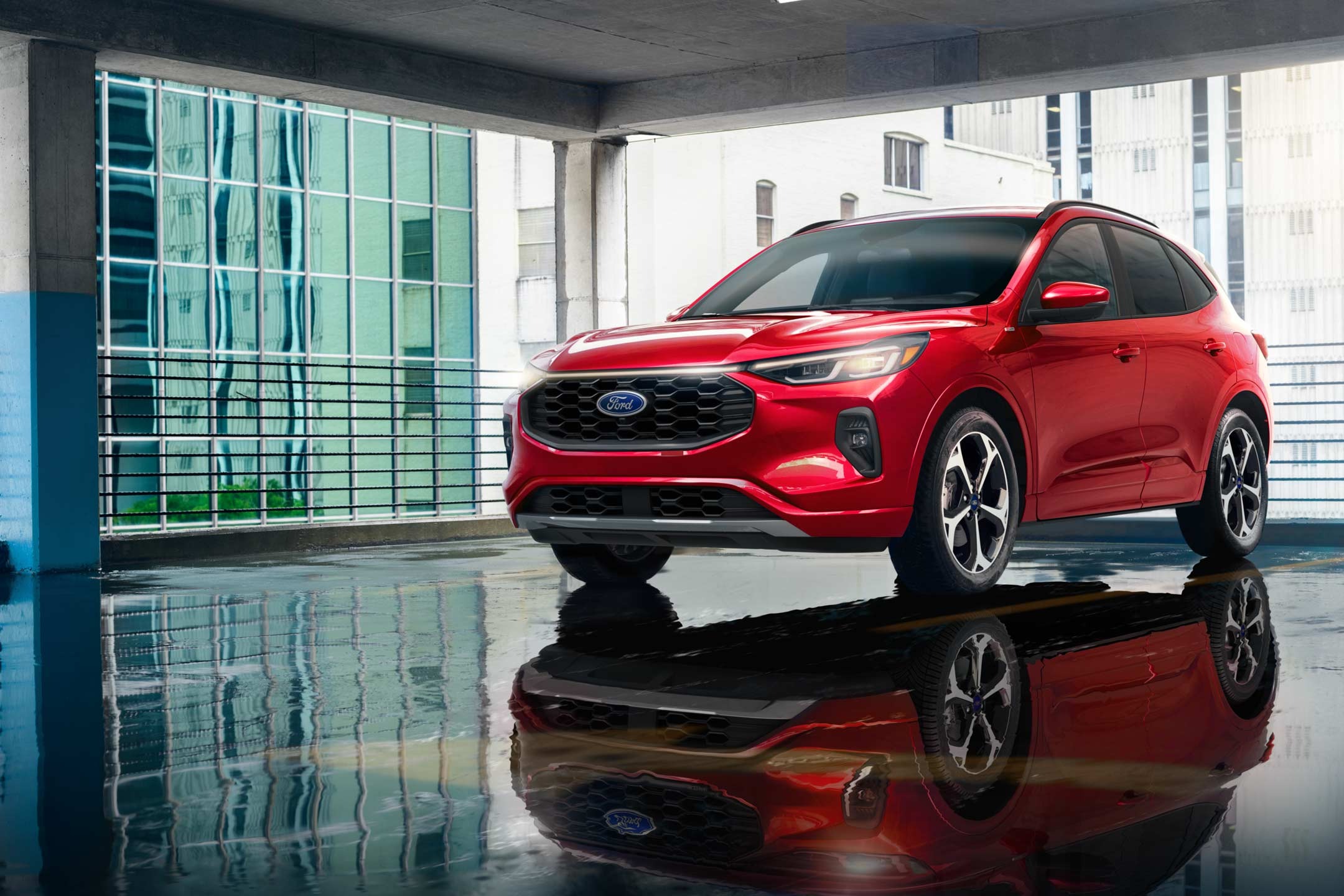
The Ford Escape is a popular compact SUV that has been in production for many years. Although it offers decent performance and practicality, many owners have reported problems with paint peeling. These complaints are mostly linked to models from the early 2010s, where paint on the hood and roof began to flake off even when the car was not very old.
One major concern is that the clear coat used on many Escapes does not provide enough protection. Once the clear coat begins to wear away, the base coat becomes exposed, leading to peeling. Drivers living in hot climates have reported that sun exposure speeds up the peeling process.
The problem is not limited to one color. White, silver, and even darker shades have all been affected. Owners have described situations where the paint comes off in large sheets, leaving exposed metal that quickly starts to rust. This rust not only damages the look of the vehicle but can also weaken the body as time goes on.
Ford has received complaints and, in some cases, offered partial coverage for repainting, but many owners still had to pay out of pocket. The cost of a quality paint job is high, and this adds unexpected expenses for Escape owners.
Another frustration is that once peeling begins on the Escape, it does not stay in one small spot. The damage spreads gradually to other areas, making it nearly impossible to control without a complete repaint. As a result, many Escapes on the used market have obvious paint issues, which lowers their resale value.
While the Ford Escape remains a practical choice for drivers who want a small SUV, its history of paint durability problems puts it at a disadvantage when compared to competitors with better exterior finishes.
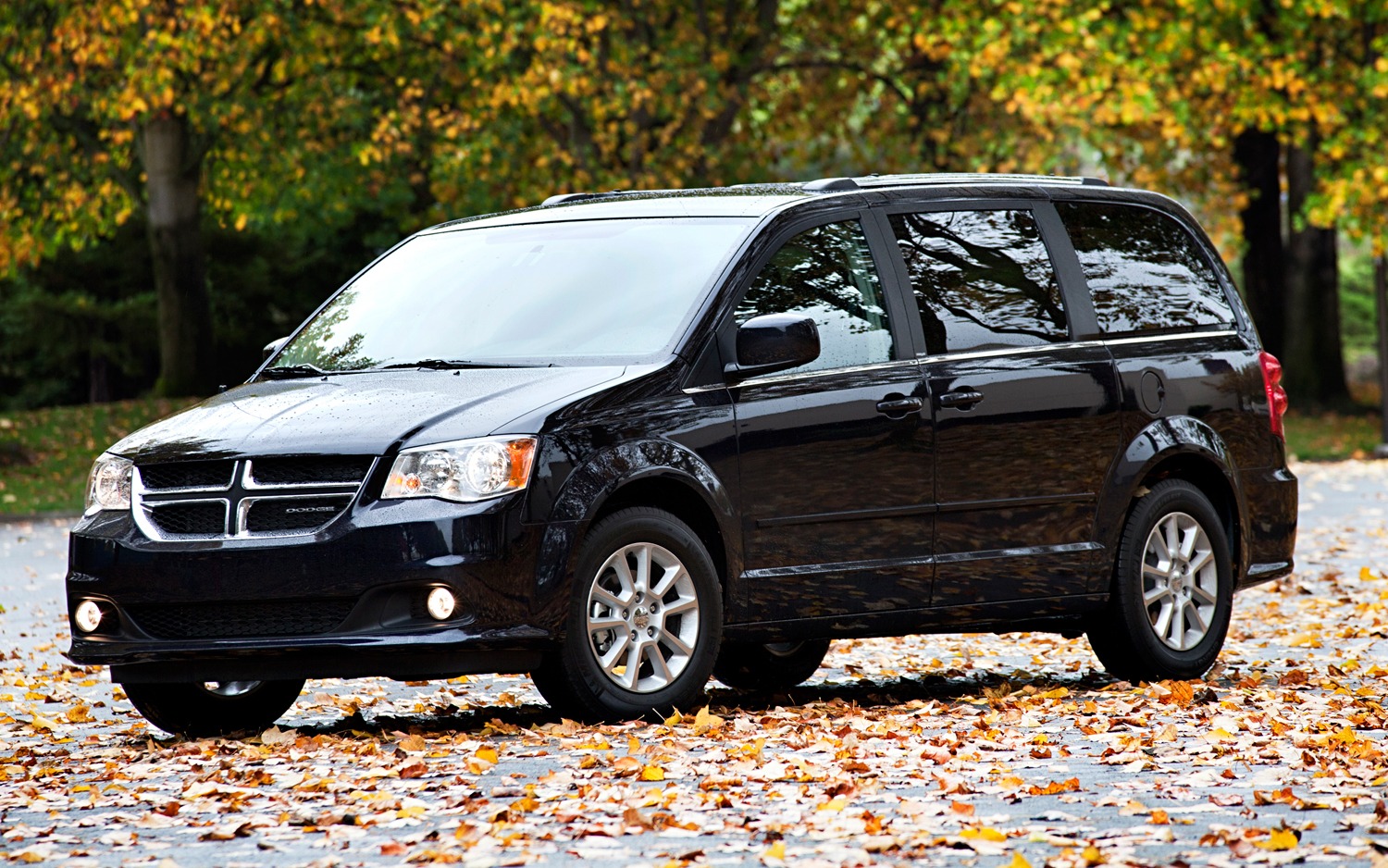
3. Dodge Caravan
The Dodge Caravan, which has been a family favorite for years, is unfortunately known for paint peeling issues. Many owners of Caravans produced in the late 1990s and 2000s have dealt with paint flaking off the roof, hood, and side panels. This issue has been reported so often that it has become one of the biggest complaints about the minivan.
The main problem comes from weak adhesion between the primer and the top layers of paint. When exposed to sunlight and moisture, the bond weakens, and large sections of paint start to come off. This leaves gray primer or even bare metal visible, giving the car a worn-out look.
Families who bought the Caravan for its spacious interior often found themselves disappointed with how quickly the paint deteriorated. Even with proper care like regular washing, waxing, and parking in the shade, the paint still showed signs of failure. Owners living in sunny states such as Florida and Arizona noticed the peeling much earlier because of constant UV exposure.
Another concern is the cost of repainting such a large vehicle. Because the Caravan is a minivan with a broad surface area, repainting is more expensive compared to smaller cars. Some owners decide to leave the peeling paint as it is, but this reduces resale value and makes the vehicle appear neglected.
The Caravan has served many families well in terms of space and practicality, but its paint problems have hurt its long-term image. Even though production of the Dodge Caravan has ended, the vehicles still on the road often show obvious paint damage, which remains a reminder of the issue.
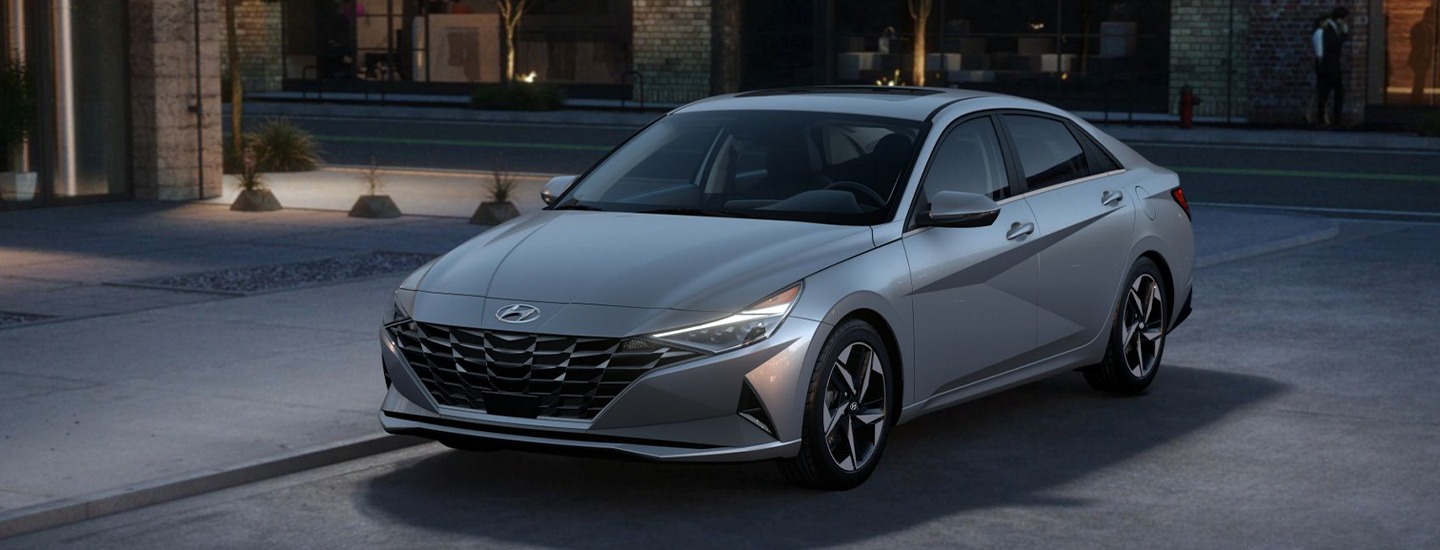
4. Hyundai Elantra
The Hyundai Elantra has improved greatly in design and performance over the years, but paint quality has been a weak spot for certain models. Many owners of Elantras from the late 2000s and early 2010s noticed that paint on their cars started peeling after only a few years. The hood, roof, and trunk are the most common areas where this happens.
The issue seems to be linked to the type of clear coat used during that period. Once the clear coat begins to fail, the base coat quickly becomes exposed to sunlight, rain, and road debris. This exposure makes the paint break away, leaving patches of bare primer that spread with time.
Owners in both hot and cold climates have reported the problem. In hot regions, sun exposure weakens the paint layers, while in colder areas, the use of salt on roads contributes to faster damage. Many Elantra owners were surprised because they expected the paint to last longer on a car that was otherwise reliable.
Repairing peeling paint on the Elantra is costly, and not all owners are willing to invest in a complete repaint. This has caused many used Elantras to look much older than their actual age. Buyers often walk away when they see the poor condition of the exterior, which affects resale demand.
Although Hyundai has taken steps to improve paint quality in more recent models, the older Elantras still carry the negative image of peeling paint. For many people, this experience has been frustrating because even though the car runs well, the poor paint quality reduces pride of ownership.
Also Read: 5 Cars with Practical Storage vs 5 That Fall Short
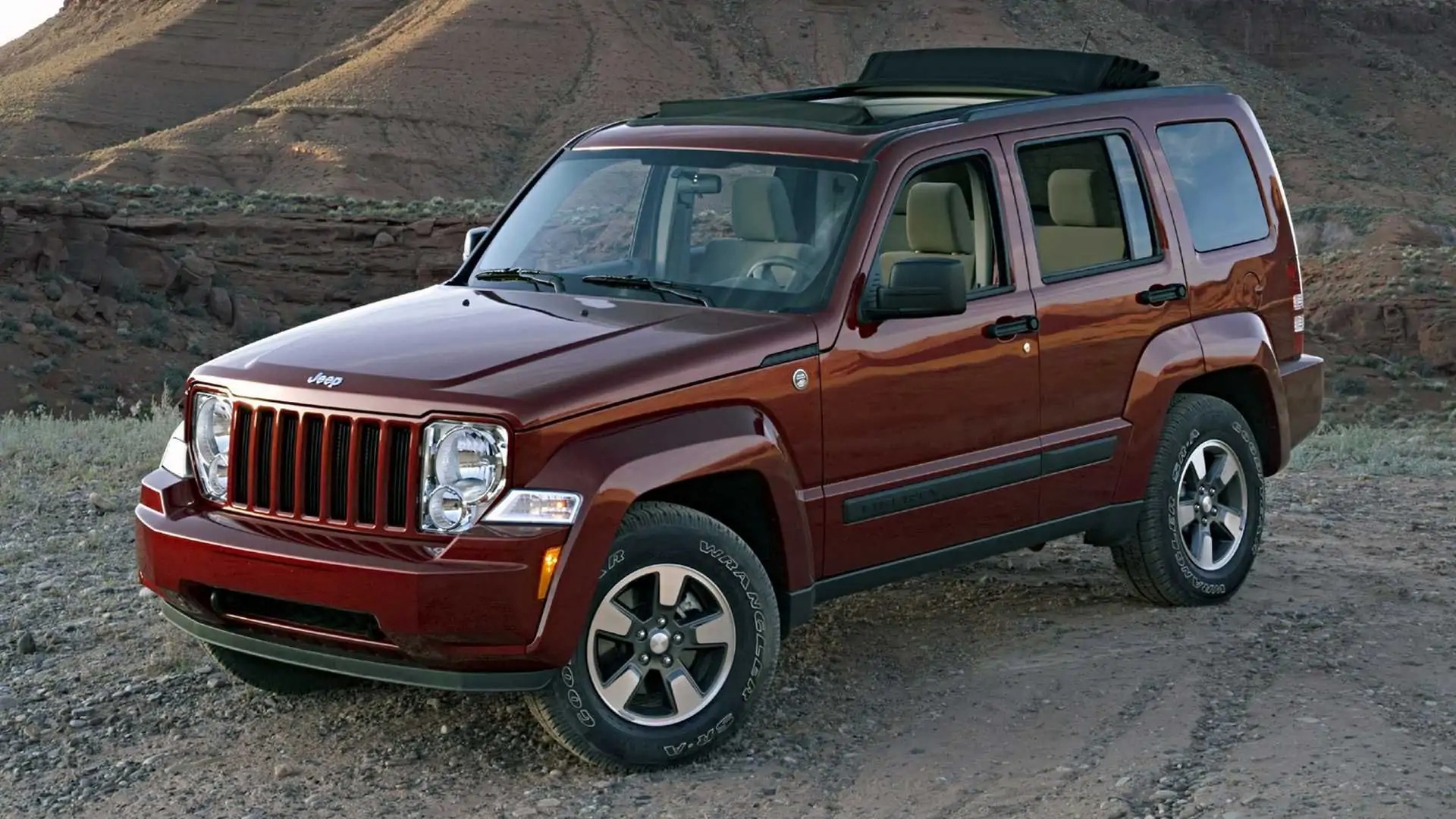
5. Jeep Liberty
The Jeep Liberty, which was once a popular compact SUV, is also remembered for paint peeling problems. Many owners have reported that the paint on their Liberty began to lift and flake after only a few years. The hood, roof, and rear panels are the most affected parts, and in some cases, large chunks of paint came off suddenly.
The problem is believed to come from weak primer bonding combined with exposure to harsh weather. The clear coat on the Liberty often fails earlier than expected, leaving the paint underneath unprotected. Once that protective layer is gone, the paint quickly starts to separate from the metal surface.
Owners living in states with extreme climates noticed the peeling sooner. Hot sun, freezing winters, and salted roads all played a role in worsening the situation. Even with regular washing and waxing, the paint issues still appeared, leaving many drivers frustrated.
Another problem is that repainting a Liberty does not always last long. Some owners who tried to repaint reported that the new coat started peeling again within a few years. This made it difficult to maintain the car’s appearance, especially for those who wanted to resell it.
Because of these problems, the Jeep Liberty lost value in the used market faster than some competitors. Buyers were often discouraged by the poor paint condition, even if the engine and interior were still in good shape. The Liberty is no longer in production, but many of the vehicles still on the road show signs of peeling paint, reminding people of this weakness.
