
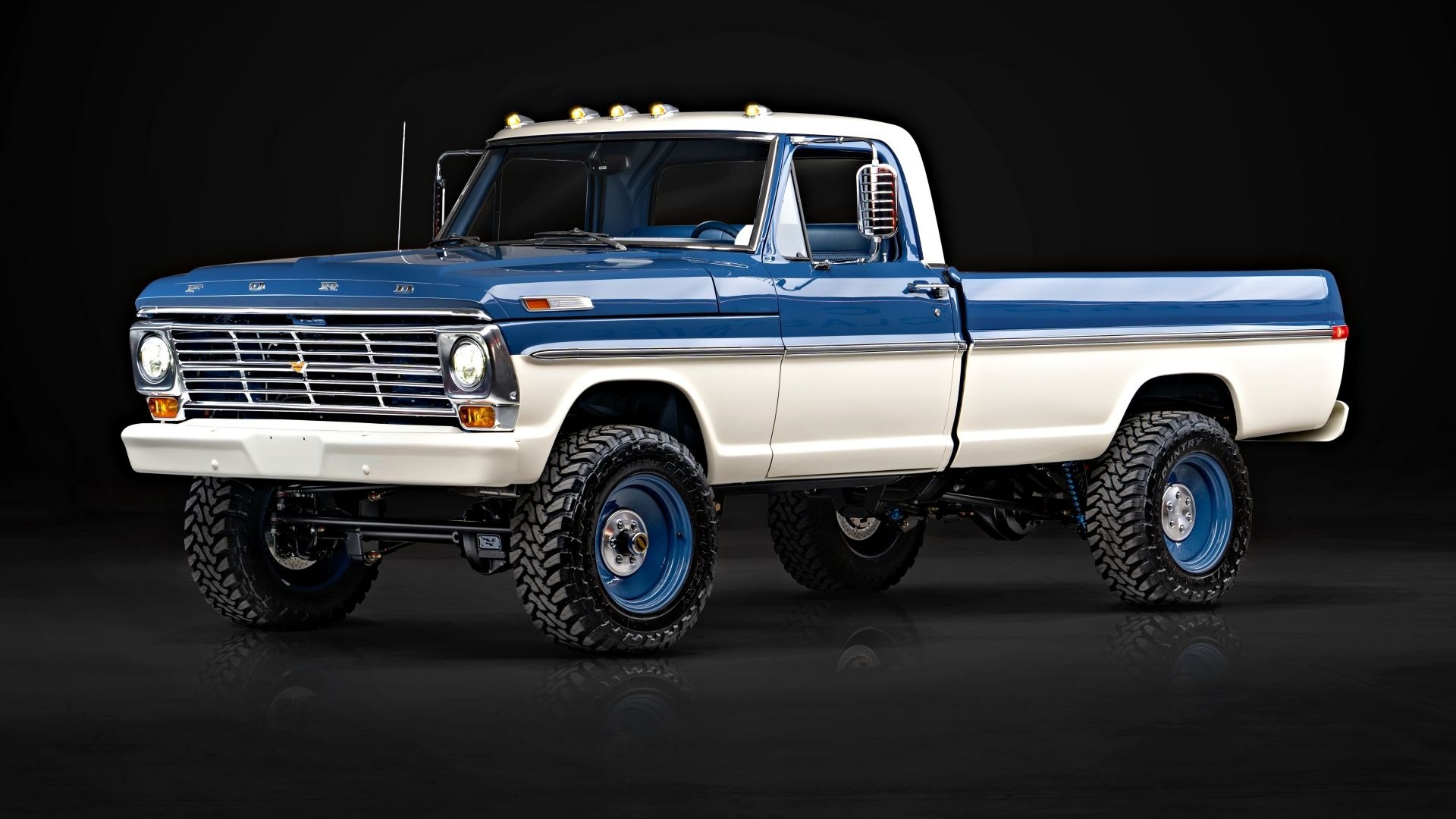
Truck buyers in the United States have always placed Ford among their top choices because the brand has created a strong reputation for ruggedness, endurance, and versatility. From construction sites to farms, from long highway drives to heavy-duty hauling, Ford trucks have found their place in countless households and businesses.
Yet, just like every carmaker, Ford has had shining stars that stood the test of time and others that disappointed owners by failing too soon. Choosing the right model can make the difference between enjoying many years of reliable service and dealing with expensive repairs long before expected.
Durability is not just about how long the engine keeps running. It also includes how well the transmission handles repeated stress, how the body resists corrosion, how the suspension tolerates rough roads, and how the electronics hold up to daily use.
Ford has delivered some trucks that shine in all these areas, building a legacy of toughness that matches their marketing slogans. Still, some models fell short of expectations due to design issues, weak components, or persistent mechanical troubles.
Right away, let us take a closer look at both sides. Five Ford trucks are celebrated for their longevity and ability to keep going when others give up. At the same time, five others are remembered for disappointing performance or early breakdowns.
By understanding which models hold their value and reliability, and which ones tend to bring frustration, buyers and enthusiasts can make better choices when considering new or used Ford trucks. With this review, we separate the reliable workhorses from the weaker options, giving a clear picture of Ford’s successes and struggles in the truck segment.
5 Ford Trucks That Outlast Rivals
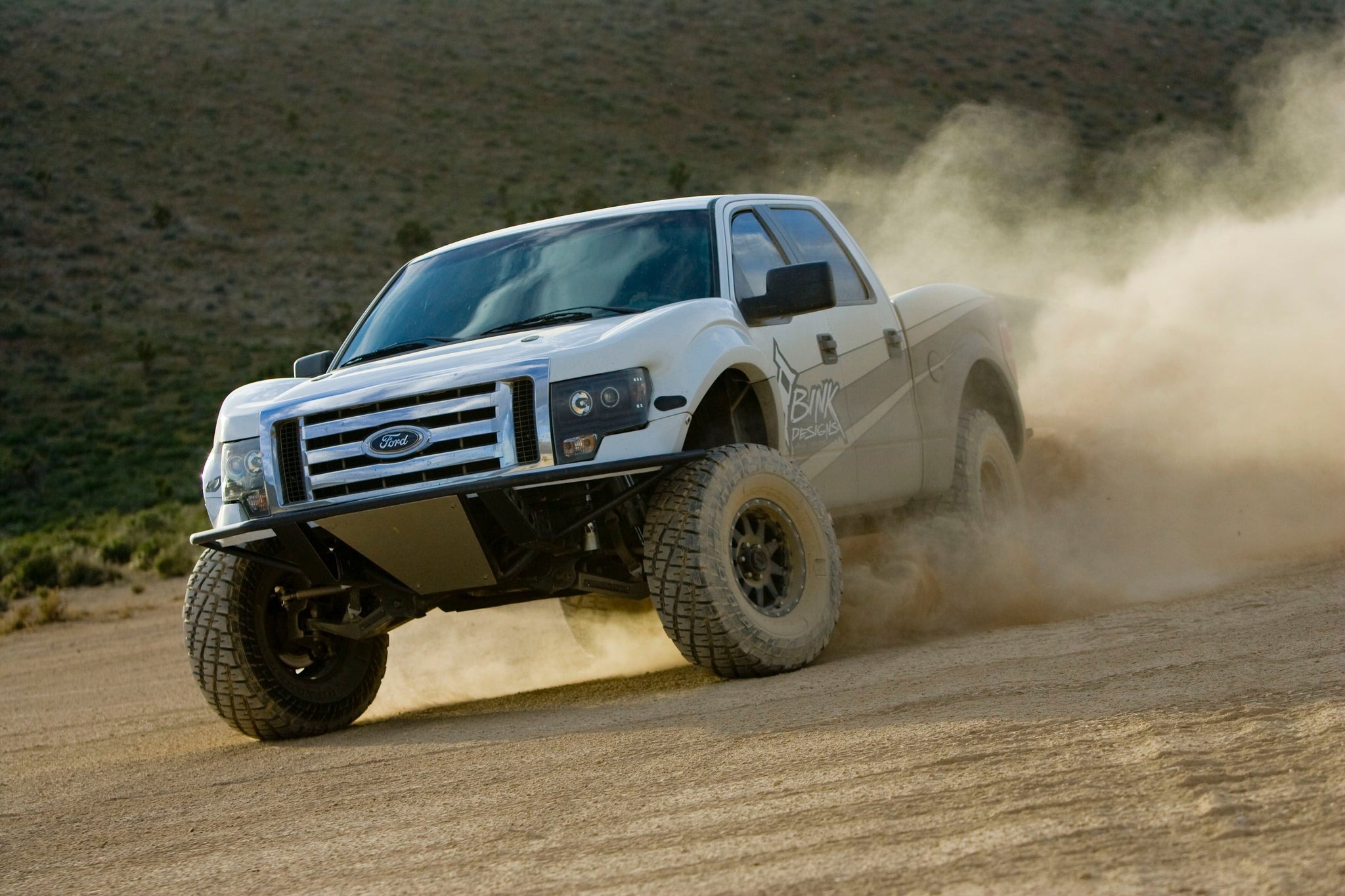
1. Ford F-150 (2009-2014)
When truck owners talk about dependability, the F-150 from the 2009 to 2014 era often comes up as a strong example. This generation blended durability with modern comfort in a way that satisfied both heavy-duty workers and everyday drivers.
One of its strengths is the balance between engine options and long-term reliability. The 3.7L V6 and 5.0L V8 engines proved to be dependable choices that handled thousands of miles without serious trouble. Many of these trucks are still on American roads today with odometers reading well beyond 200,000 miles.
Another factor that makes this model stand out is its well-designed transmission. Owners frequently reported that the six-speed automatic paired smoothly with the engines, providing consistent performance in towing, city driving, and highway cruising.
Unlike some competitors that struggled with gearbox failures, the F-150 in this period demonstrated endurance under regular stress. The frame and suspension also contributed to its toughness. Built with strength in mind, the truck could handle rough terrains, heavy payloads, and constant hauling without breaking down too early.
Rust resistance was improved in these years, compared to earlier Ford trucks that suffered from body corrosion. This improvement gave many drivers peace of mind, especially in areas where winter salt damages vehicles.
The interior was also better built, avoiding the quick wear and tear that earlier models experienced. Owners appreciated the cabin’s durability, with seats and dashboard materials holding up after years of use.
While no truck is perfect, complaints about this generation were minor compared to rivals. Common issues, such as minor electrical faults, did not outweigh its entire endurance. This era of the F-150 stands as a trusted partner for those who need reliability in their work and personal lives. For many drivers, it represented a truck that could take abuse, carry heavy loads, and remain a dependable companion on the road.
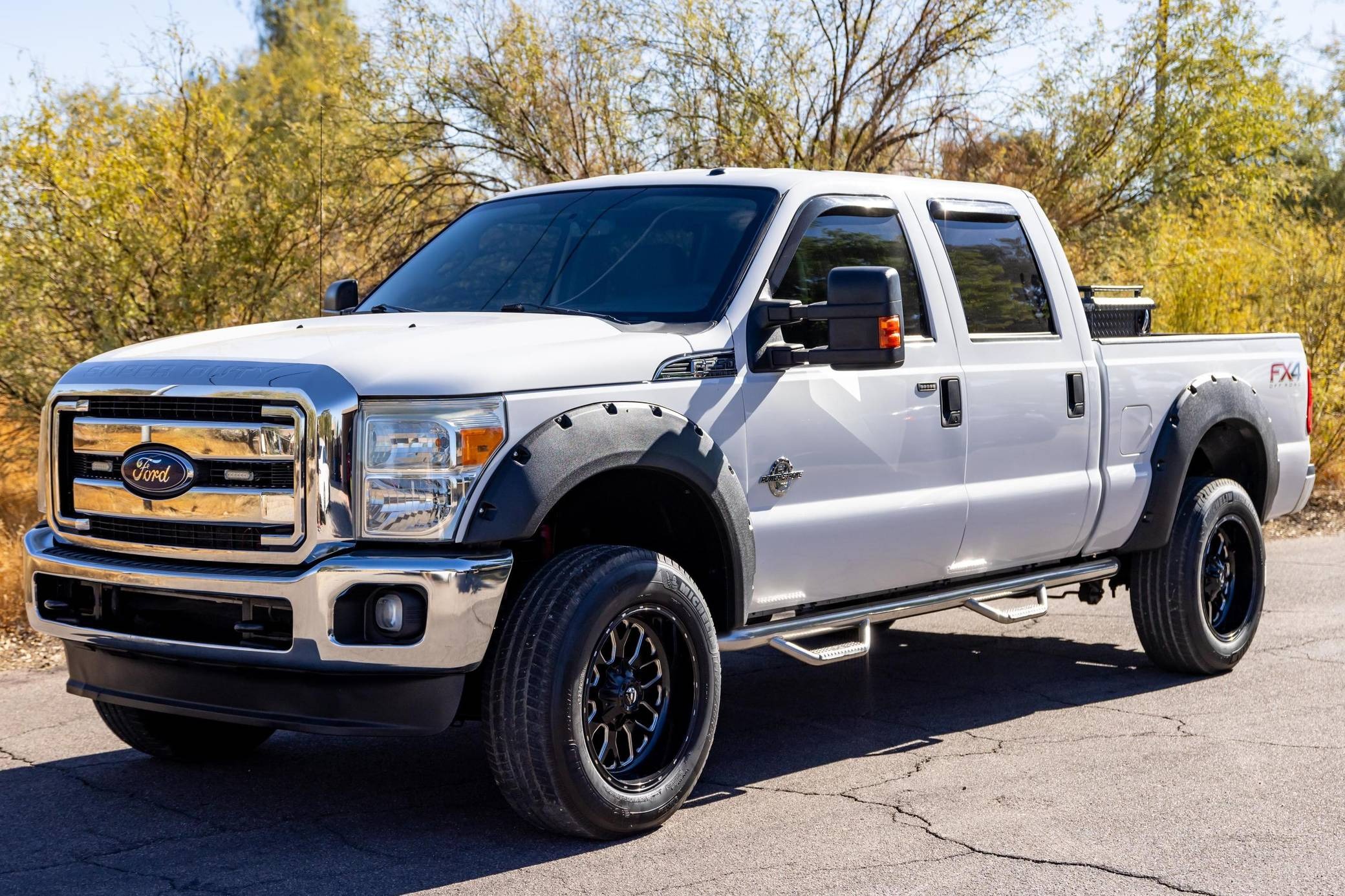
2. Ford Super Duty F-250 (2011-2016)
Ford’s Super Duty trucks are designed for the toughest tasks, and the F-250 from 2011 to 2016 proved its worth in construction sites, farms, and towing yards. The standout feature of this generation was the introduction of the 6.7L Power Stroke V8 turbo-diesel engine.
This engine delivered immense power, capable of pulling heavy trailers and carrying large payloads without strain. More importantly, it showed strong reliability when maintained properly, with many trucks logging hundreds of thousands of miles while still performing at high levels.
The transmission paired with this engine, a six-speed automatic, also displayed endurance. Drivers found that it handled the torque effectively, avoiding the premature breakdowns that plagued some competitors.
For individuals and businesses that required consistent towing power, this model proved dependable. The frame was reinforced, suspension systems were strong, and the truck’s build quality was focused on long-term heavy use.
Another highlight was the improved ride comfort. Despite being a heavy-duty truck, the F-250 of this period offered smoother handling and better interior quality than older models. Owners who used it daily for both work and personal transport appreciated the blend of toughness and comfort. The cabin design included durable materials, supportive seating, and functional layouts that could withstand constant use.
Durability extended beyond the engine and body. Many drivers reported fewer issues with electronics compared to other Ford trucks. While minor problems were inevitable, the general impression was that this generation of Super Duty trucks lived up to its reputation.
It became a symbol of strength for those who demanded maximum performance from their vehicle. The F-250 from these years is still valued in the used market for its proven ability to outlast rivals under intense workloads.
Also Read: 5 Ford Trucks That Start Every Time And 5 With Endless Ignition Issues
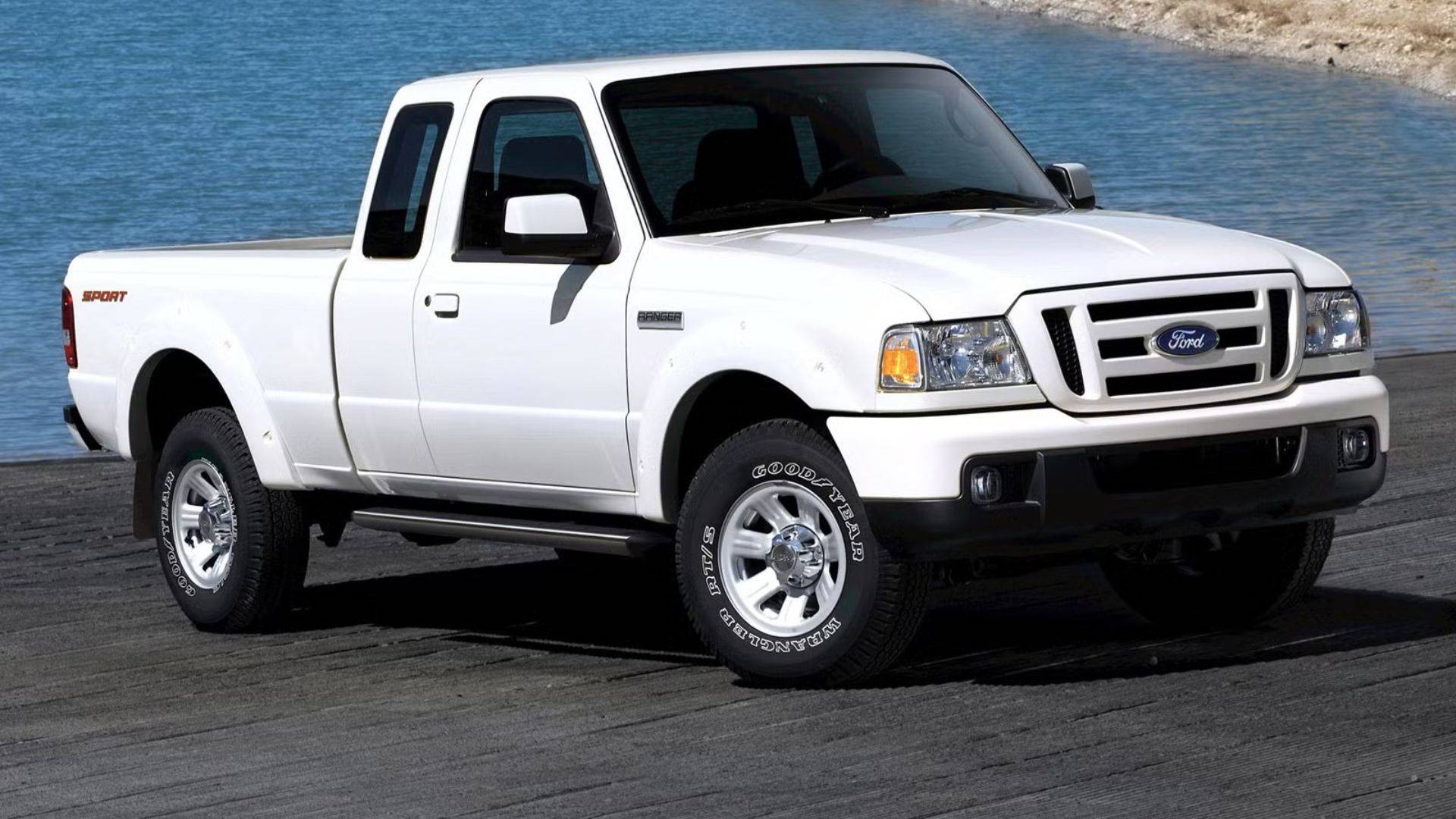
3. Ford Ranger (1998-2011)
The Ford Ranger has long been seen as a smaller option in the pickup category, but the 1998 to 2011 models built a reputation for surprising durability. At a time when compact trucks were often overlooked in favor of full-sized pickups, the Ranger proved that reliability could come in a smaller package. Many owners still drive these trucks today, some with mileage climbing above 300,000.
One of the reasons for this staying power was the simplicity of its design. Engines like the 2.3L four-cylinder and 4.0L V6 were built with fewer complicated components compared to modern trucks, which made them easier to maintain and less prone to costly failures.
The manual transmission options also added to its durability, allowing drivers to avoid issues sometimes linked with automatic gearboxes. For many buyers, the Ranger became a practical truck that could handle work tasks without being expensive to keep running.
The frame and suspension were strong for a compact pickup, giving the truck the ability to handle tough roads and light off-road duties. While it did not match the towing power of larger trucks, it offered enough capacity for small trailers, equipment, and daily hauling needs. Its compact size also made it easier to maneuver in cities while still delivering the toughness expected from a Ford truck.
The cabin was basic compared to modern standards, but its simplicity also worked in its favor. Less technology meant fewer electronic failures. The interior materials, while plain, held up well against years of use.
Many owners described the truck as a reliable partner that did not demand excessive repair costs. Even though production ended for some years in the US, the Ranger from this era remains a respected truck known for endurance and practical reliability.
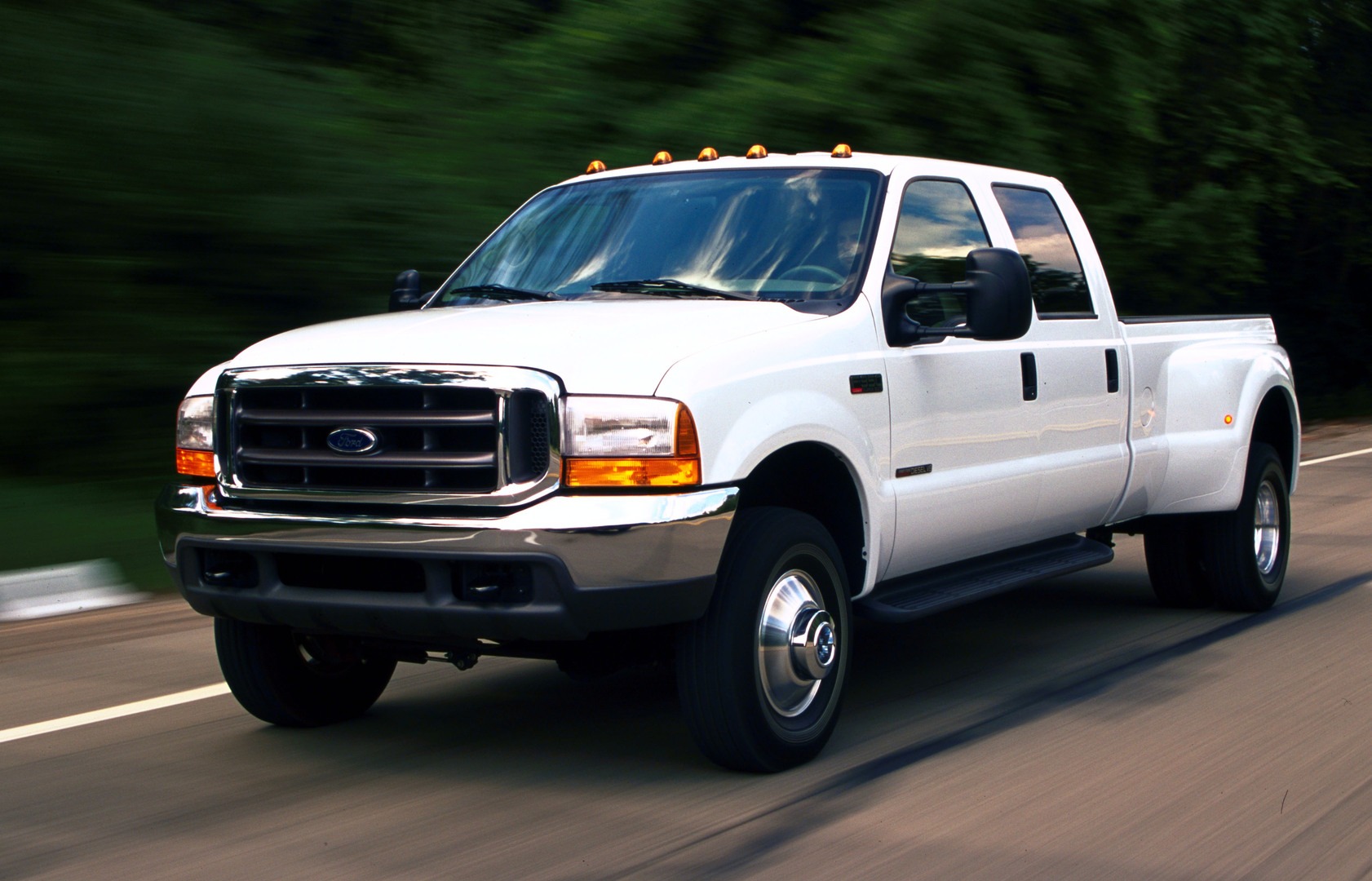
4. Ford F-350 Super Duty (2005-2007)
The Ford F-350 Super Duty, built between 2005 and 2007, gained recognition for its ability to withstand demanding work conditions. This heavy-duty model was equipped with the 6.0L Power Stroke diesel engine, which had mixed reviews across different Ford vehicles, but in the F-350, it proved more dependable when maintained carefully. Many drivers used it for hauling livestock, construction equipment, and heavy trailers, reporting long service life even after hard use.
The transmission, though stressed under extreme towing, held up better in this model than in smaller trucks. Owners who maintained their trucks with timely fluid changes and proper servicing often achieved more than 250,000 miles without major issues. The frame was built with strength in mind, allowing the truck to endure rough conditions and maintain stability even when heavily loaded.
Comfort was not sacrificed entirely, as the F-350 from this generation offered improvements in cabin space and seating quality. The interior may not have matched luxury vehicles, but it provided durability for long hours behind the wheel. Owners valued the combination of strength and practical comfort, which allowed the truck to be both a workhorse and a reliable travel vehicle.
This model also improved on rust resistance and structural endurance compared to older heavy-duty Fords. While the 6.0L diesel had some weaknesses in other vehicles, in the F-350, it became manageable with proper care. For businesses and individuals who relied on dependable heavy-duty power, this generation of F-350 stood as proof of Ford’s commitment to trucks that could last longer than expected.
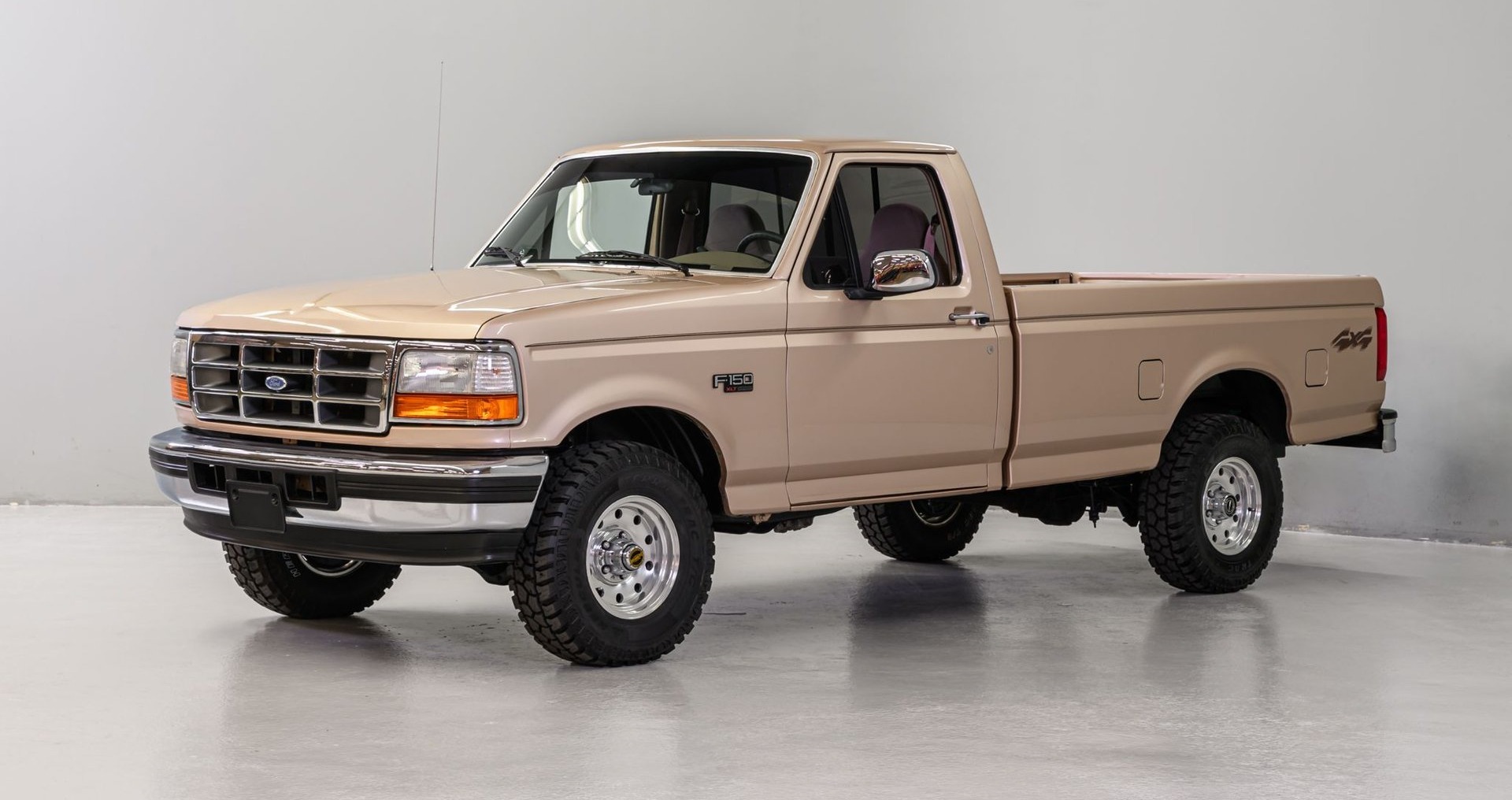
5. Ford F-150 (1992-1996)
Among older trucks, the F-150 from 1992 to 1996 continues to be admired for its long-lasting strength. These models came from a time when trucks were built with a focus on toughness over advanced technology.
The simple design, sturdy frame, and durable engines allowed these pickups to remain on the road for decades. Many owners today still use them for daily tasks, even with mileage far above what modern vehicles usually reach.
The 4.9L inline-six engine was especially respected for its endurance. Known for running reliably even after years of hard work, it became one of the most trusted power plants Ford ever produced.
Other options, including the 5.0L and 5.8L V8 engines, also proved dependable with regular maintenance. The transmissions were straightforward and avoided many of the electronic problems seen in newer trucks.
The body and frame design provided toughness that resisted wear, and while rust was a concern in some regions, many trucks survived because of their solid construction. The suspension, though basic, was durable enough to handle rough use without constant repairs. For many drivers, these trucks represented a period when Ford placed durability above everything else.
Even though technology has moved forward, these older F-150 models remain in demand among buyers who want a dependable, no-nonsense truck. Their reputation for longevity is well deserved, as they continue to demonstrate that simple engineering and strong build quality can outlast rivals.
5 Ford Trucks That Fail Early
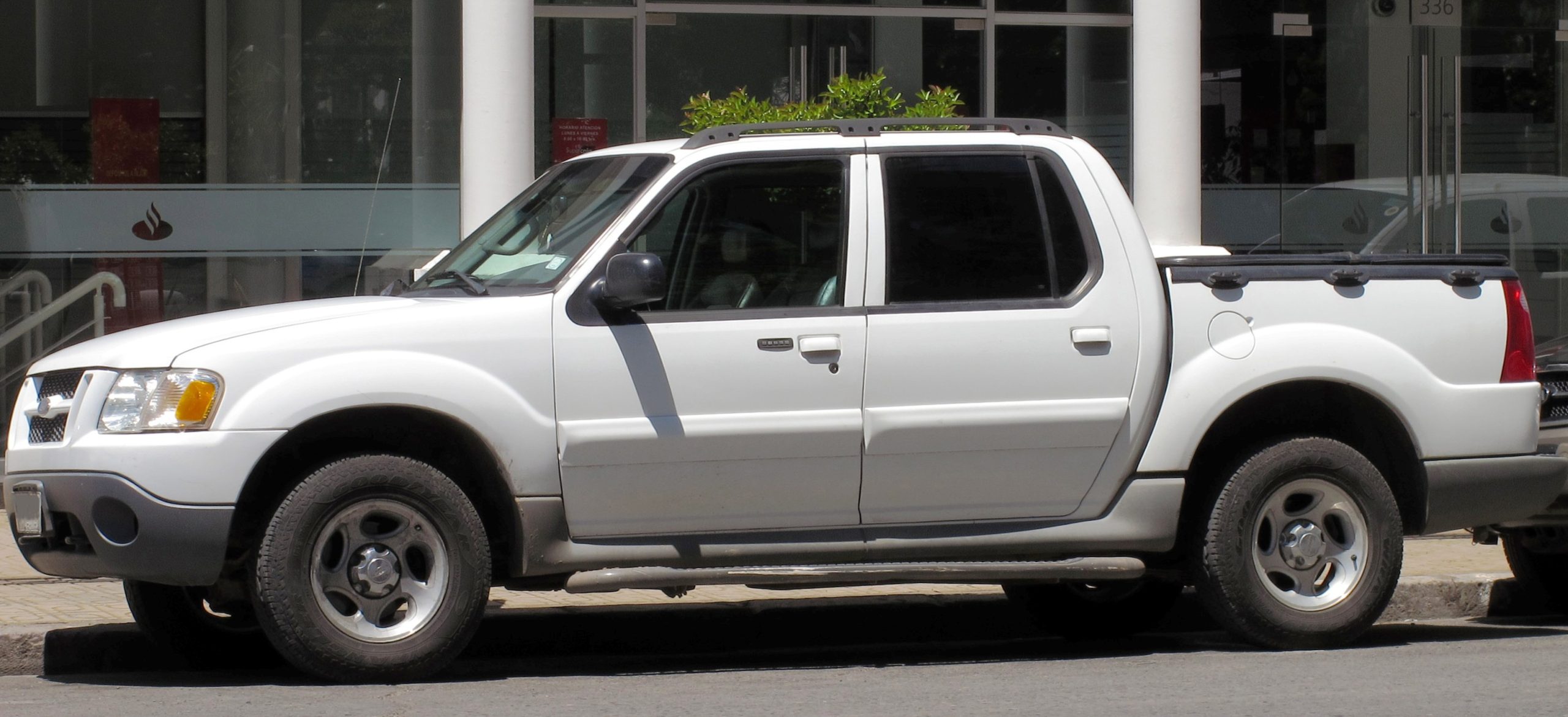
1. Ford Explorer Sport Trac (2001-2005)
Ford introduced the Explorer Sport Trac as a way to mix SUV comfort with the utility of a pickup. At first glance, it looked like an innovative idea, but its long-term reliability proved disappointing. Many buyers thought they were getting the toughness of a Ranger with extra passenger space, but instead, they found themselves stuck with repair costs far earlier than they expected.
The most troubling issue was the transmission. Failures were reported even under normal use, and many drivers had to replace or rebuild their gearboxes before hitting 100,000 miles. That alone discouraged owners who wanted a dependable family truck.
The 4.0L V6 engine also caused problems. Timing chain defects became a widespread complaint, making the engine noisy and leading to expensive repairs if not corrected quickly. These issues meant the Sport Trac did not provide the durability buyers were promised.
The frame and suspension were not built for heavy work. While it handled city driving with ease, its lifespan reduced sharply when owners tried to use it as a real work truck. Rust also appeared faster than in competing models, particularly in states where road salt was common. The body design was not prepared for long-term exposure, which weakened its value in the used truck market.
Inside, the story was not much better. Materials wore out quickly, dashboards cracked, and electrical components were often troublesome. Air conditioning and power window failures became common as time goes on. Even though the cabin looked comfortable, the inability to hold up over years of use reduced driver confidence.
The Explorer Sport Trac is remembered more as an experiment than a dependable truck. Its weaknesses in both engine and transmission reliability, combined with early signs of wear, put it on the list of Ford trucks that fail early.
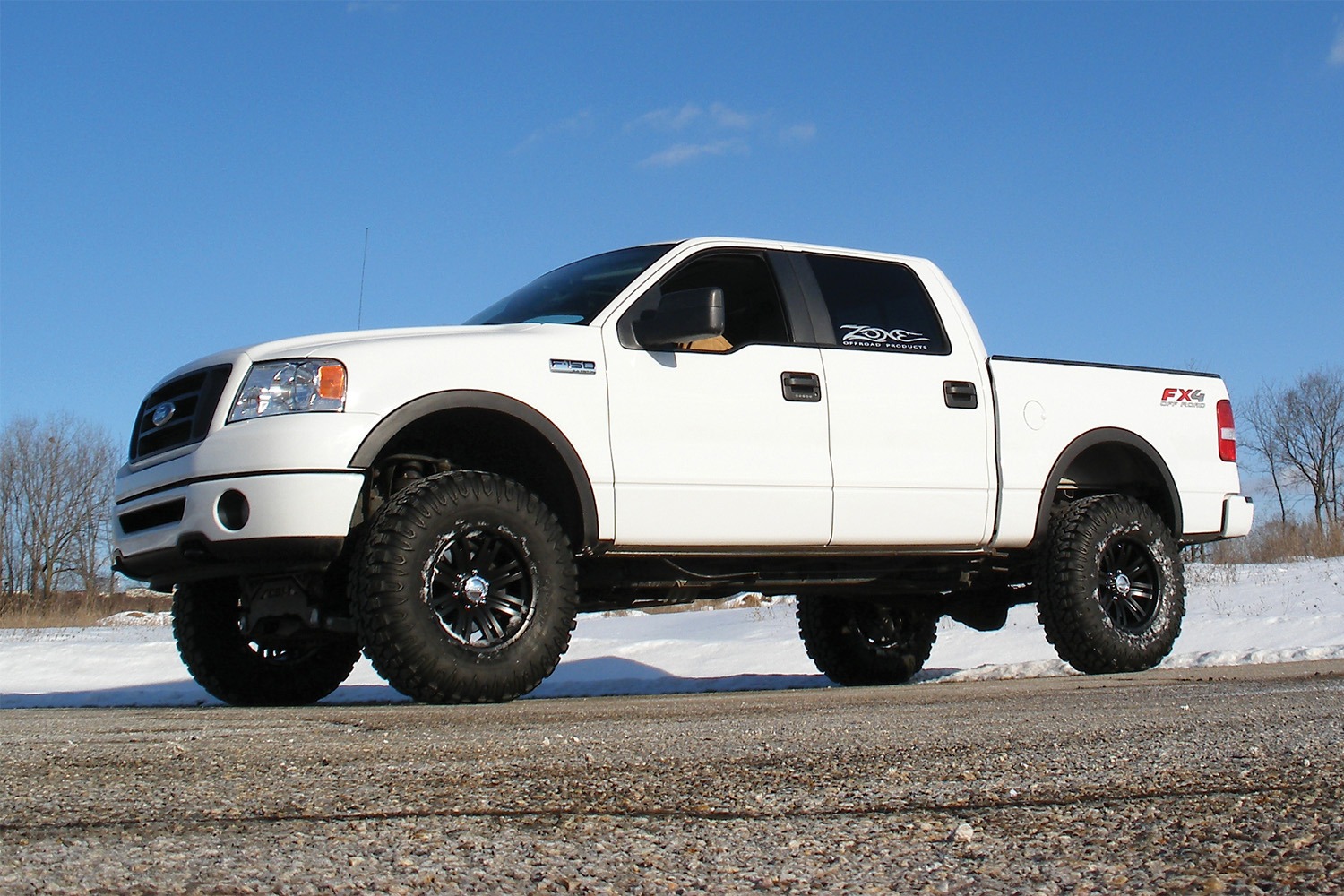
2. Ford F-150 (2004-2008)
The F-150 is Ford’s best-selling truck, but the 2004 to 2008 models left many owners frustrated. This generation looked stylish and came with appealing features, but serious mechanical issues meant it aged poorly compared to earlier and later versions.
The biggest weakness was the 5.4L Triton V8 engine. It was meant to provide strong power, but its design flaws caused major trouble. Spark plugs were known to break off during removal, making routine maintenance very expensive.
Beyond that, the engine suffered from cam phaser problems, which led to noisy operation and, in some cases, complete engine failure if left untreated. These problems forced many owners into costly repairs or replacements.
The transmission during these years was also not as strong as expected. Drivers who used the truck for towing or heavy hauling reported early failures. Even those who only used the F-150 for daily driving sometimes faced jerky shifting and gearbox issues before hitting high mileage.
Rust added to the list of frustrations. The body panels, particularly around the wheel wells and undercarriage, developed corrosion much faster than rival trucks. Many trucks from this era now show severe body deterioration, making them less appealing in the used market.
Inside, the truck was more comfortable than older models, but durability was not its strong point. Materials wore down quickly, and electrical systems often had glitches. Power window motors, instrument clusters, and climate controls were areas of frequent complaints.
While Ford corrected many of these problems in later generations, the 2004 to 2008 F-150 remains one of the weaker points in its long history. Buyers who chose this generation often discovered that the costs of keeping it on the road exceeded what they expected from America’s most popular truck.
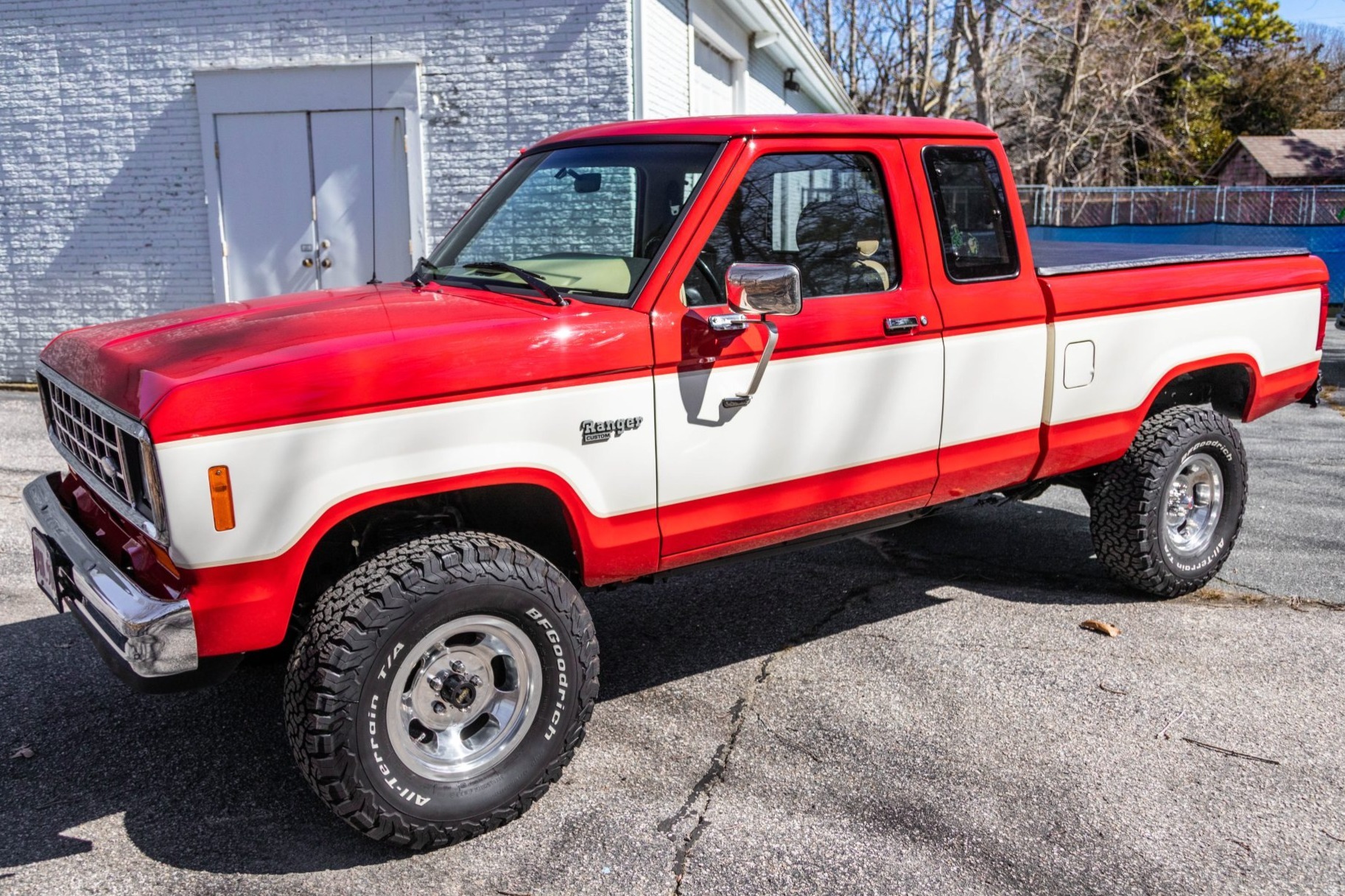
3. Ford Ranger (1983-1992)
The Ford Ranger became popular in later years for its toughness, but its earliest generations from 1983 to 1992 suffered from several issues that limited their lifespan. Buyers were excited about a small, affordable pickup, but reliability problems soon reduced the truck’s reputation.
The engines available in this period were underpowered and sometimes poorly built. The 2.9L V6, in particular, was known for head gasket failures and coolant leaks. Many owners had to replace or repair engines long before the truck should have reached the end of its service life. This gave the early Ranger a reputation for being fragile compared to its competitors.
Transmissions also caused complaints. Manual gearboxes developed shifting problems, and automatic transmissions were not durable enough for constant use. Combined with weak engine performance, the truck often felt unreliable in both work and personal driving.
Rust was another major issue. Early Rangers rusted quickly, especially in northern states. Frames, wheel arches, and floor panels showed damage far sooner than they should have. This made them unsafe or unworthy of repairs in many cases.
Inside, the early Ranger was very basic, but even so, its interior components wore out fast. Seats tore, dashboards cracked, and switches often failed. These quality issues reinforced the view that the truck could not last long.
While later Rangers proved much tougher and earned respect as dependable compact pickups, the earliest models stand out for their short lifespan. For many buyers, the cost of keeping them running outweighed their value. This makes the first-generation Ranger one of the Ford trucks that failed to match expectations.
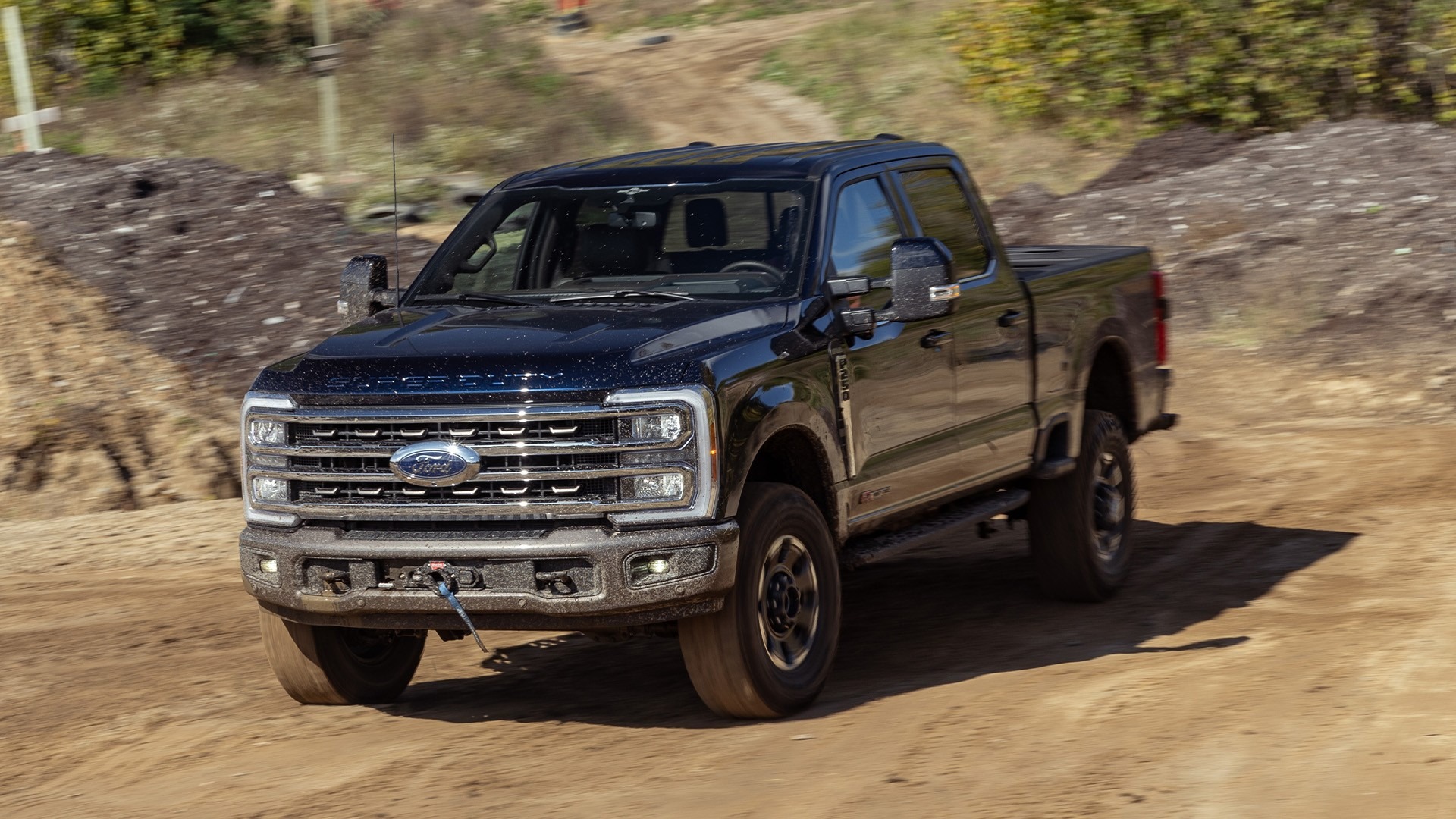
4. Ford F-250 Super Duty (2003-2007)
The Super Duty line is known for power and endurance, but the 2003 to 2007 F-250 had one major flaw: the 6.0L Power Stroke diesel engine. This engine was introduced to deliver strong performance, yet it ended up becoming one of the most criticized engines in Ford truck history.
The 6.0L diesel suffered from multiple problems. Head gasket failures were widespread, often due to poor head bolt design. EGR cooler breakdowns and turbocharger failures were also frequent, leading to expensive repairs. Many owners found themselves dealing with these issues long before the truck reached 100,000 miles. Instead of being a dependable workhorse, it became a costly gamble.
The transmission, though stronger than in smaller trucks, still struggled under the high torque of the engine. Many owners experienced shifting problems or outright failures when towing heavy loads. While the truck was powerful, its parts simply did not hold up to the stress.
Rust and body wear also became complaints in these years. Wheel wells and undercarriage areas were especially prone to early corrosion. Combined with mechanical troubles, this reduced the resale value of the truck.
The interior was reasonably comfortable, but electronic glitches were another source of frustration. Power accessories, air conditioning, and dash displays often failed too early. Owners who needed reliability for business or farming found these breakdowns disruptive.
Although some drivers managed to keep their trucks alive with expensive upgrades and repairs, the majority of F-250s from this era did not live up to Ford’s tough reputation. The issues with the 6.0L diesel left a lasting mark, making this one of the trucks Ford buyers regret most.
Also Read: 5 Ford Trucks That Run Forever and 5 That Should’ve Been Recalled
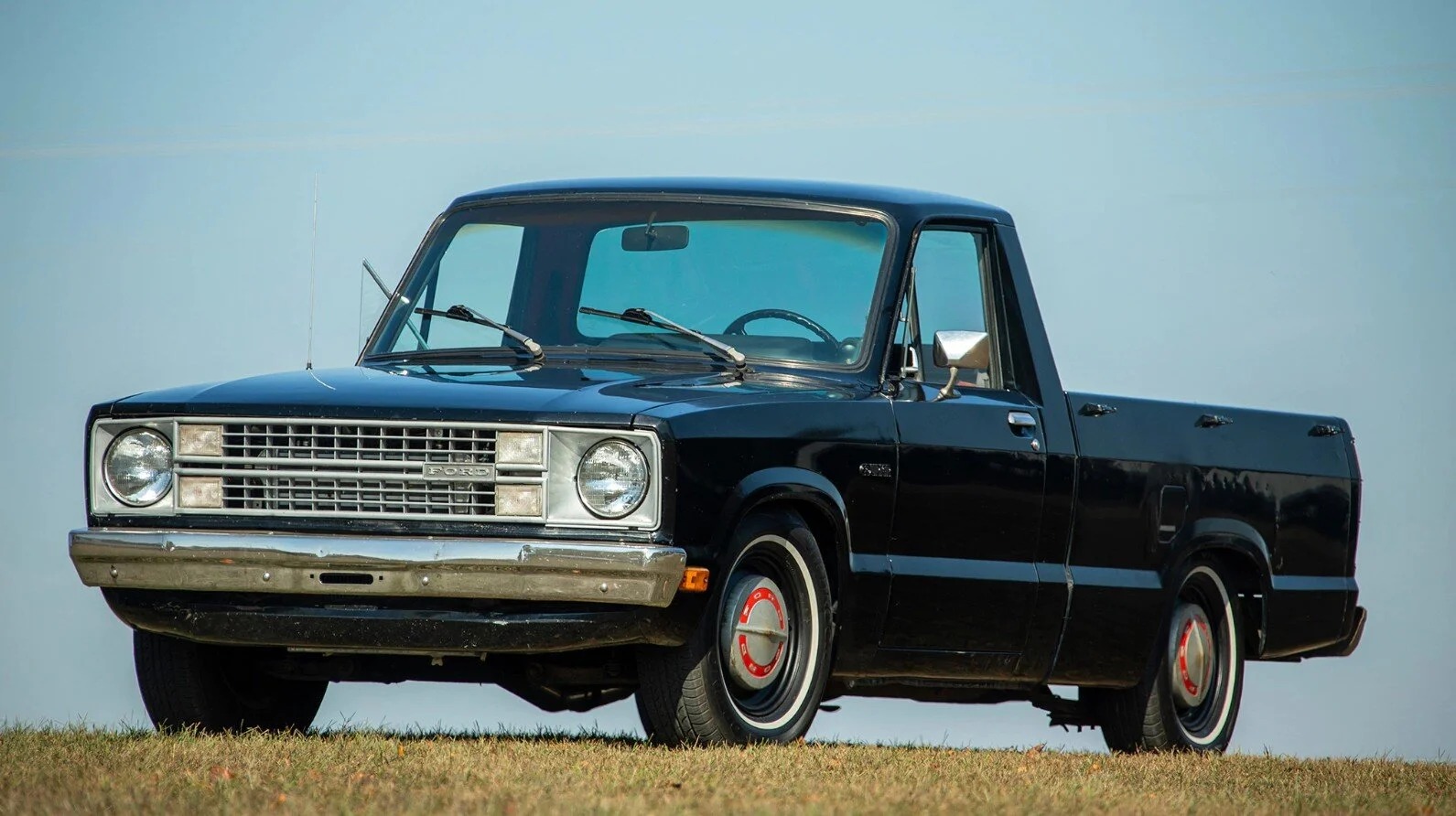
5. Ford Courier (1970s-1982)
Before the Ranger became Ford’s main compact truck, the company offered the Courier, built through a partnership with Mazda. While it looked appealing for buyers who wanted a smaller pickup, its long-term durability was poor compared to Ford’s full-size options.
The engines were small and struggled to handle heavy use. Frequent overheating, weak performance, and early wear were common complaints. Buyers expecting toughness from a Ford truck were disappointed, as the Courier simply could not handle demanding jobs.
The transmission was not much better. Gearbox issues often appeared at lower mileage, and repairs were costly relative to the truck’s value. This limited the truck’s appeal to those who wanted an affordable long-term option.
Rust was another major downfall. The Courier bodies corroded quickly, especially around fenders and floors. Many trucks became unusable after only a few years in regions with harsh weather. The frames also lacked the durability needed for long service life.
Inside, the truck was bare and cheaply built. Seats and trim wore out rapidly, and few comfort features were included. While buyers did not expect luxury, they did expect toughness, which the Courier failed to deliver.
As a result of these issues, the Courier is often remembered as one of Ford’s weakest trucks. It lacked the durability that became a Ford trademark in later decades. The truck faded from the lineup, replaced by the far stronger Ranger, which helped rebuild Ford’s reputation in the compact truck market.
