
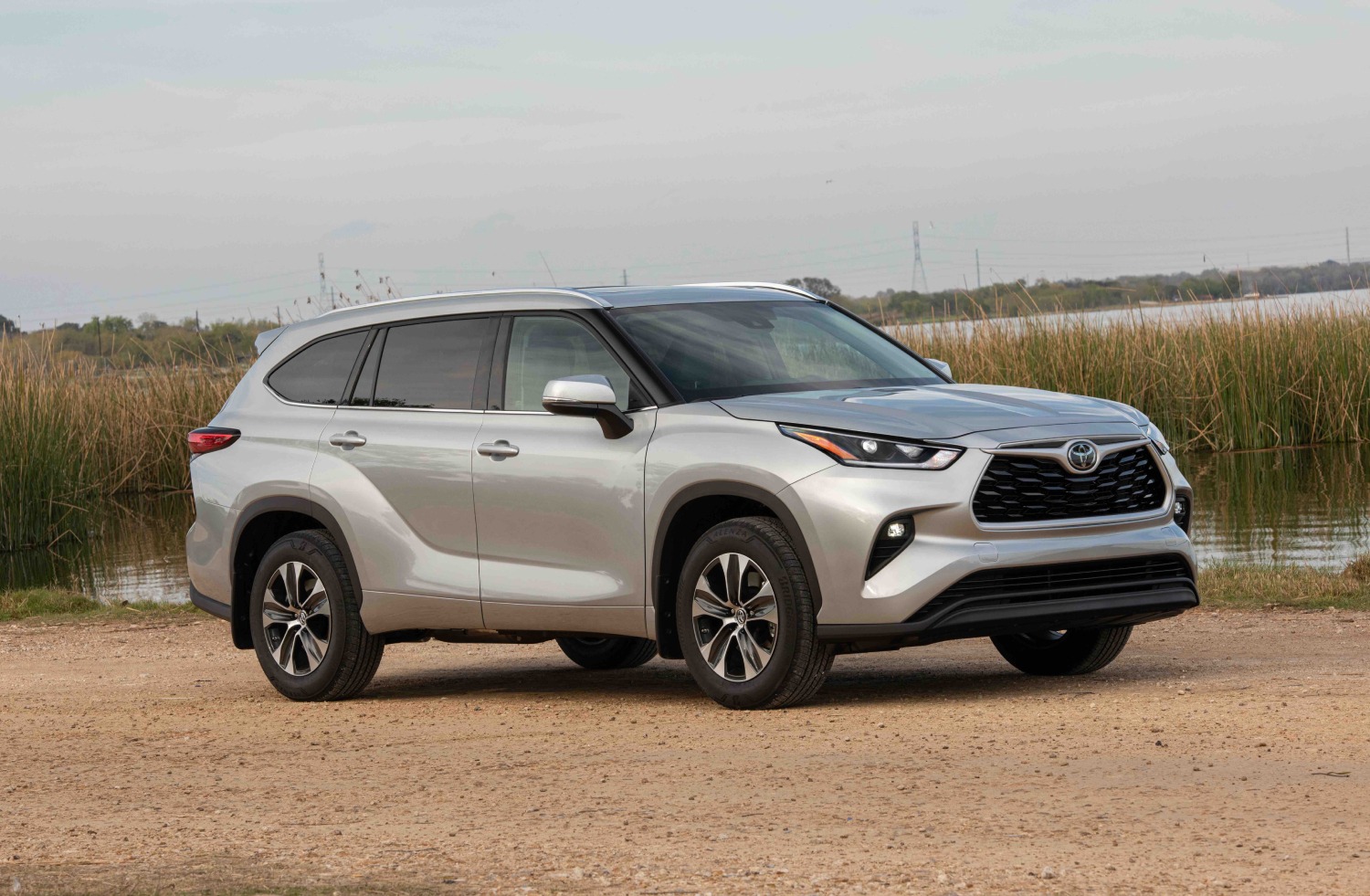
When buyers look at mid-size SUVs that combine comfort, performance, and family convenience, the Toyota Highlander often comes to mind. Since its release in 2001, this model has consistently attracted drivers who value reliability, spacious interior, and good resale value.
The Highlander has managed to stay popular for decades because Toyota keeps improving the design, technology, and driving experience. While some model years stand out for their durability and smooth handling, there are others that did not impress many owners due to mechanical troubles or less comfortable driving features.
This makes it important for anyone considering a used Highlander to know which years offer the best value and which ones are better avoided. Different generations of the Highlander have been shaped by Toyota’s desire to compete in the highly competitive SUV market in the United States.
From its early design that leaned more towards car-like driving comfort to later versions that emphasized stronger engines and advanced safety systems, the Highlander has gone through noticeable changes.
Even with these improvements, not every year delivered the kind of driving experience buyers expected. Some years are praised for their longevity and fuel efficiency, while others are remembered for transmission faults, engine concerns, or uncomfortable ride quality.
Anyone planning to buy a Highlander should understand that the year of the vehicle matters just as much as its condition. Certain models will serve a family for many years with minimal problems, while others may end up being too demanding in maintenance and repairs.
On this page, we will carefully look at five Highlander years that are highly recommended and five years that are better skipped. By highlighting both the strengths and weaknesses across different years, buyers will have a clearer picture of which Highlander model is truly worth their investment.
5 Toyota Highlander Years Worth Owning
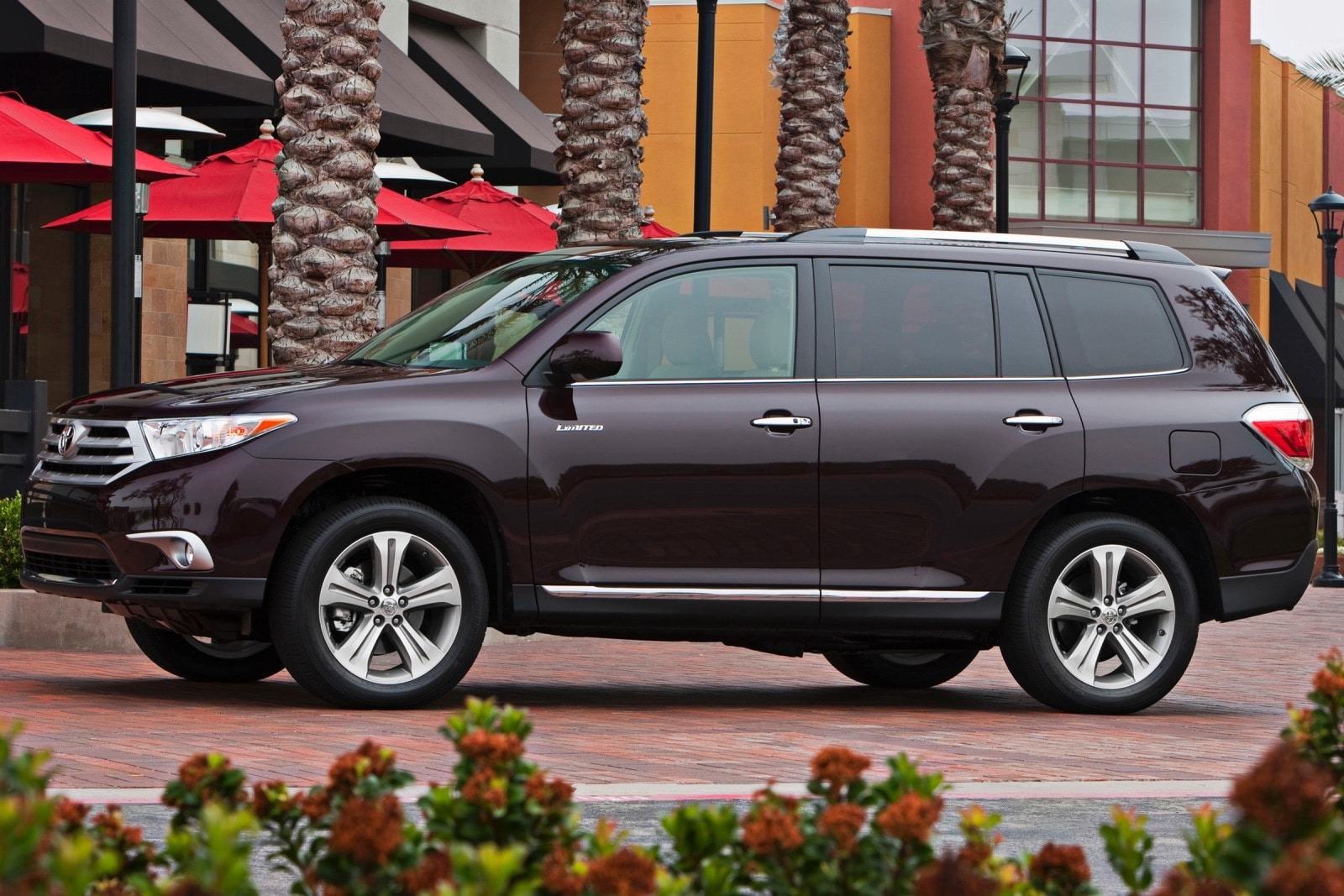
1. 2013 Toyota Highlander
The 2013 Highlander is often described by drivers as one of the most balanced models in the SUV line. By this year, Toyota had refined the second-generation Highlander enough to provide a smooth driving experience without compromising on practicality.
Many families appreciate how the 2013 model combines reliable performance with user-friendly technology, making it a suitable option for those who want something durable yet comfortable. Under the hood, the 2013 Highlander offered a standard four-cylinder engine, but the V6 option is what impressed most owners.
The V6 engine is powerful enough for long drives and heavy loads, which makes it ideal for families that need both space and performance. The vehicle’s automatic transmission changes cleanly, and the ride remains smooth even when the SUV is fully loaded. This model is also known for its dependable braking system and predictable handling, which helps drivers feel confident on both city roads and highways.
Inside, the 2013 Highlander has a well-arranged cabin that can seat up to seven passengers. The third row is more suitable for children, but the first two rows provide good comfort for adults. The interior materials may not be the most luxurious in their class, but they are durable and designed for everyday use.
Toyota also included features such as Bluetooth connectivity, a user-friendly infotainment system, and optional rear-seat entertainment that made family trips more enjoyable. Safety has always been one of Toyota’s selling points, and the 2013 Highlander does not disappoint. It comes with anti-lock brakes, stability control, and multiple airbags as standard.
The available all-wheel-drive option adds extra security for drivers living in areas with rough weather conditions. Many owners also reported fewer mechanical issues compared to earlier models, which explains why this year is often considered a safe choice for buyers.
Resale value is another reason the 2013 Highlander remains attractive. Buyers know that this SUV holds its worth better than many rivals, which reduces the long-term cost of ownership. With its reliable engine, roomy interior, and well-balanced design, the 2013 Highlander stands as one of the most dependable vehicles that is worth owning.
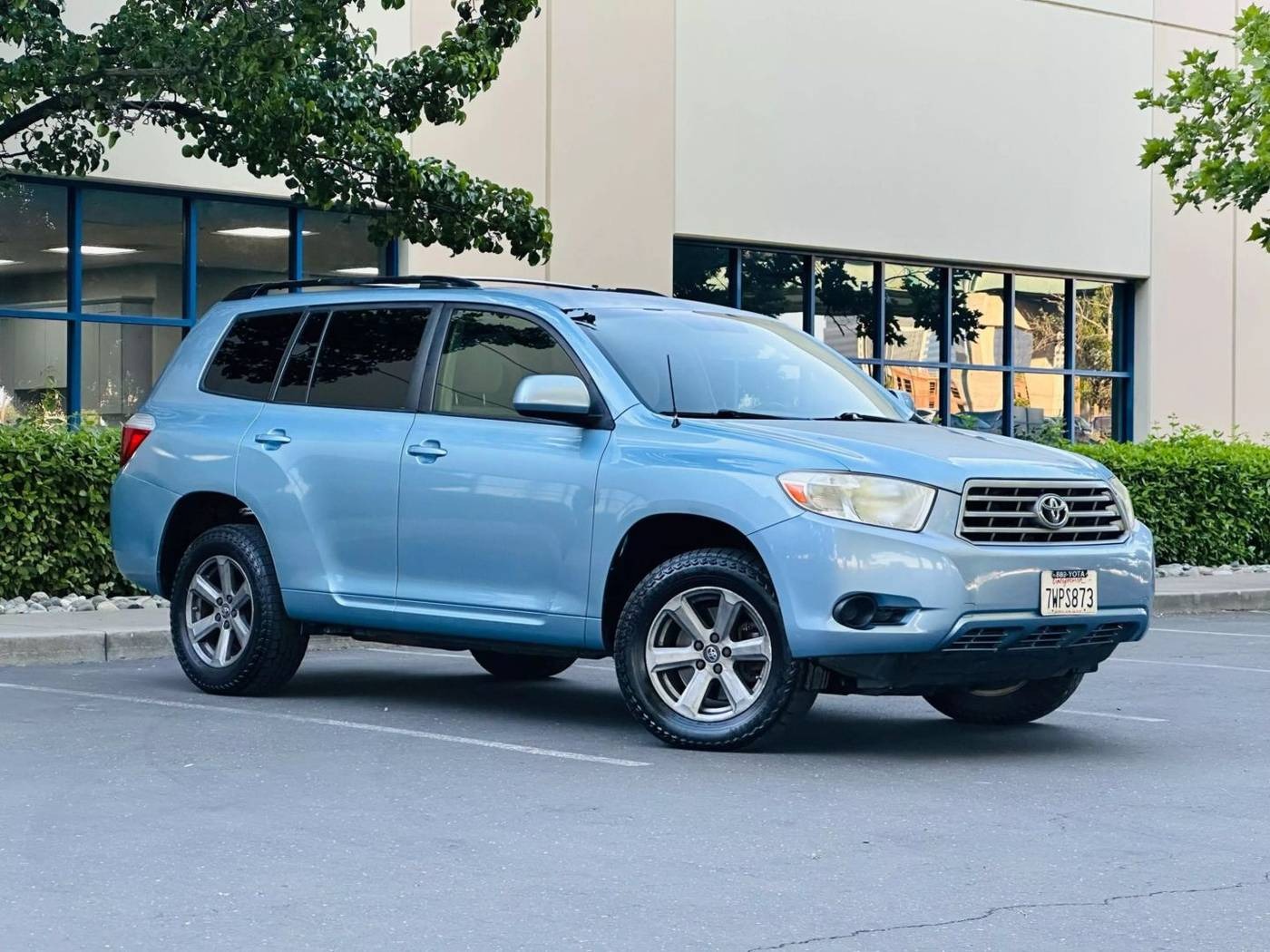
2. 2008 Toyota Highlander
The 2008 Highlander marked the beginning of the second generation, and it represented a big step forward for Toyota. Buyers were drawn to its bigger size, stronger performance, and more advanced features compared to the first generation. This model appealed to families who wanted more space without moving to a much larger SUV.
Toyota equipped the 2008 Highlander with a 3.5-liter V6 engine that produced solid power while maintaining good fuel economy for its class. Drivers appreciated the responsive acceleration and smooth six-speed automatic transmission that made the SUV feel more refined.
The suspension was tuned for comfort, giving passengers a pleasant ride even on rougher roads. The combination of performance and comfort made the 2008 Highlander a practical option for long-distance driving. The interior was another strong point. With seating for up to seven people, the Highlander included a sliding second-row seat that improved flexibility in passenger and cargo arrangements.
The third row, while best suited for children, added useful capacity for bigger families. Toyota also upgraded interior materials, creating a more welcoming cabin compared to earlier years. Many buyers found the design practical, with well-positioned controls and ample storage compartments.
Safety features were greatly improved in the 2008 model. Anti-lock brakes, traction control, and stability control were standard, while side curtain airbags provided added protection. These features helped the Highlander perform well in safety ratings, which reassured families that they were getting a secure vehicle.
Another reason the 2008 Highlander remains a good option is its dependability. While no vehicle is without flaws, this model year avoided the widespread mechanical issues that affected some later models. Owners reported that with regular maintenance, the SUV could handle high mileage without major repairs. The balance of comfort, safety, and longevity made the 2008 Highlander a solid investment for buyers.
Its strong reputation has allowed it to maintain good resale value, which is an important consideration for those who may plan to sell or trade in the vehicle later. All these qualities make the 2008 Highlander a year worth owning for anyone who values performance, safety, and comfort in a family SUV.
Also Read: 7 Checks That Keep a Toyota Highlander Safe for Families
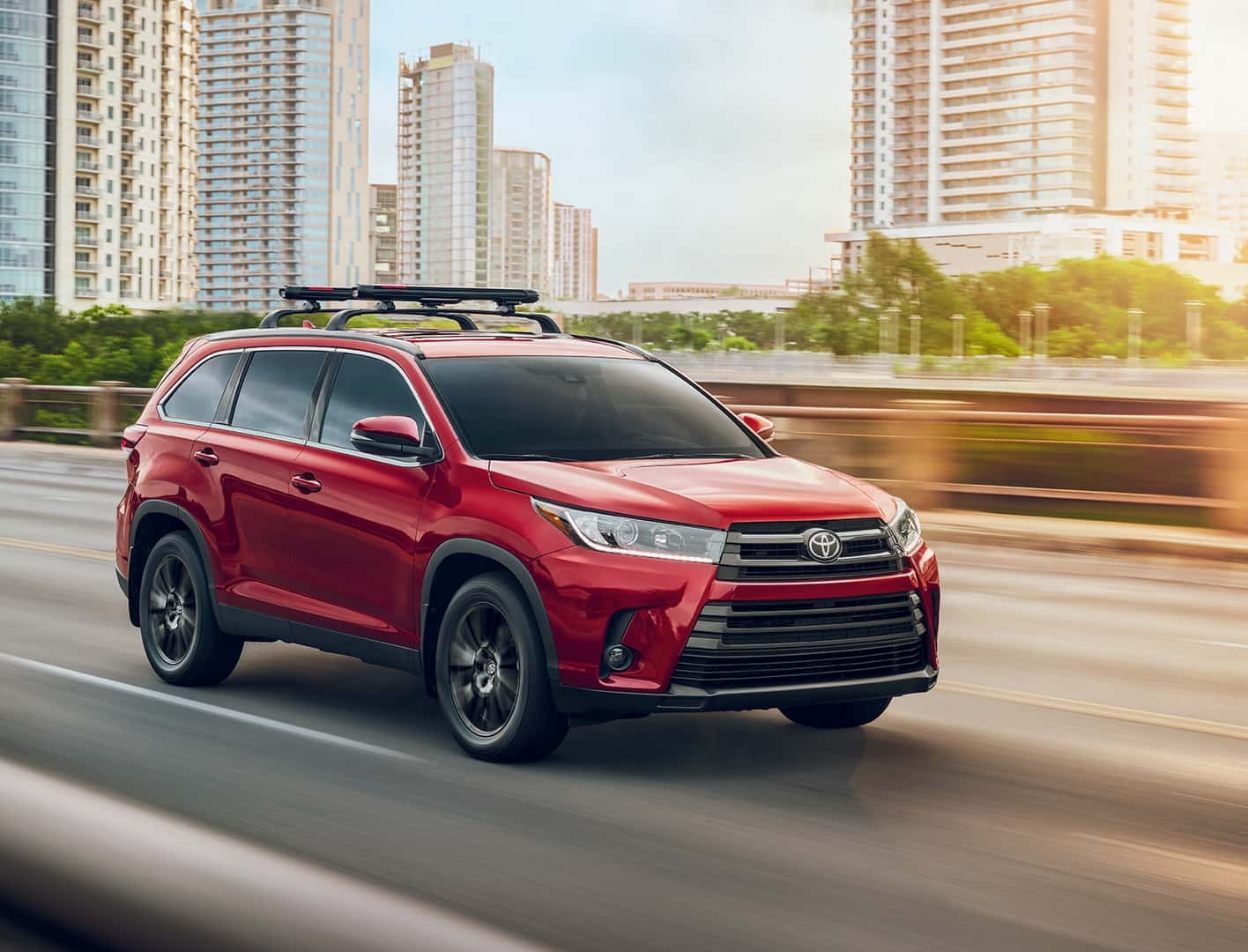
3. 2019 Toyota Highlander
The 2019 Highlander belongs to the third generation and is remembered for combining modern technology with Toyota’s trusted reliability. It appealed to buyers who wanted a stylish mid-size SUV that delivered strong performance while also being fuel efficient. Toyota gave the 2019 model several upgrades that made it a standout choice in the used car market.
Engine options included a base four-cylinder and a stronger V6. Most buyers preferred the V6 because it delivered more confident acceleration, especially when the SUV was carrying passengers or towing.
The eight-speed automatic transmission paired with the V6 allowed for smoother gear changes and better fuel efficiency compared to earlier models. Drivers enjoyed a steady ride, with suspension tuning that absorbed bumps effectively.
Inside, the 2019 Highlander provided a quiet and spacious cabin. With seating for up to eight passengers, it was one of the more practical SUVs in its class. The second-row seats could slide and recline, giving both passengers and drivers greater flexibility.
Toyota also focused on keeping the cabin quiet, which improved comfort during highway driving. The materials used inside the 2019 model gave it a more premium feel compared to older versions. Technology and safety were highlights of this year.
The 2019 Highlander included Toyota Safety Sense as standard, which featured adaptive cruise control, lane departure alert, forward collision warning, and automatic emergency braking. These features were ahead of some competitors at the time, giving buyers added peace of mind.
The infotainment system included a touchscreen with Bluetooth and available navigation, making it easy to stay connected while driving. Reliability was another strong point of the 2019 model. Owners reported fewer complaints about transmission or engine issues compared to some other third-generation years.
This made the 2019 Highlander a safer bet for buyers who wanted modern technology without sacrificing Toyota’s reputation for durability. For families that want a dependable, safe, and comfortable SUV with up-to-date features, the 2019 Highlander remains one of the best years’ worth owning.
4. 2005 Toyota Highlander
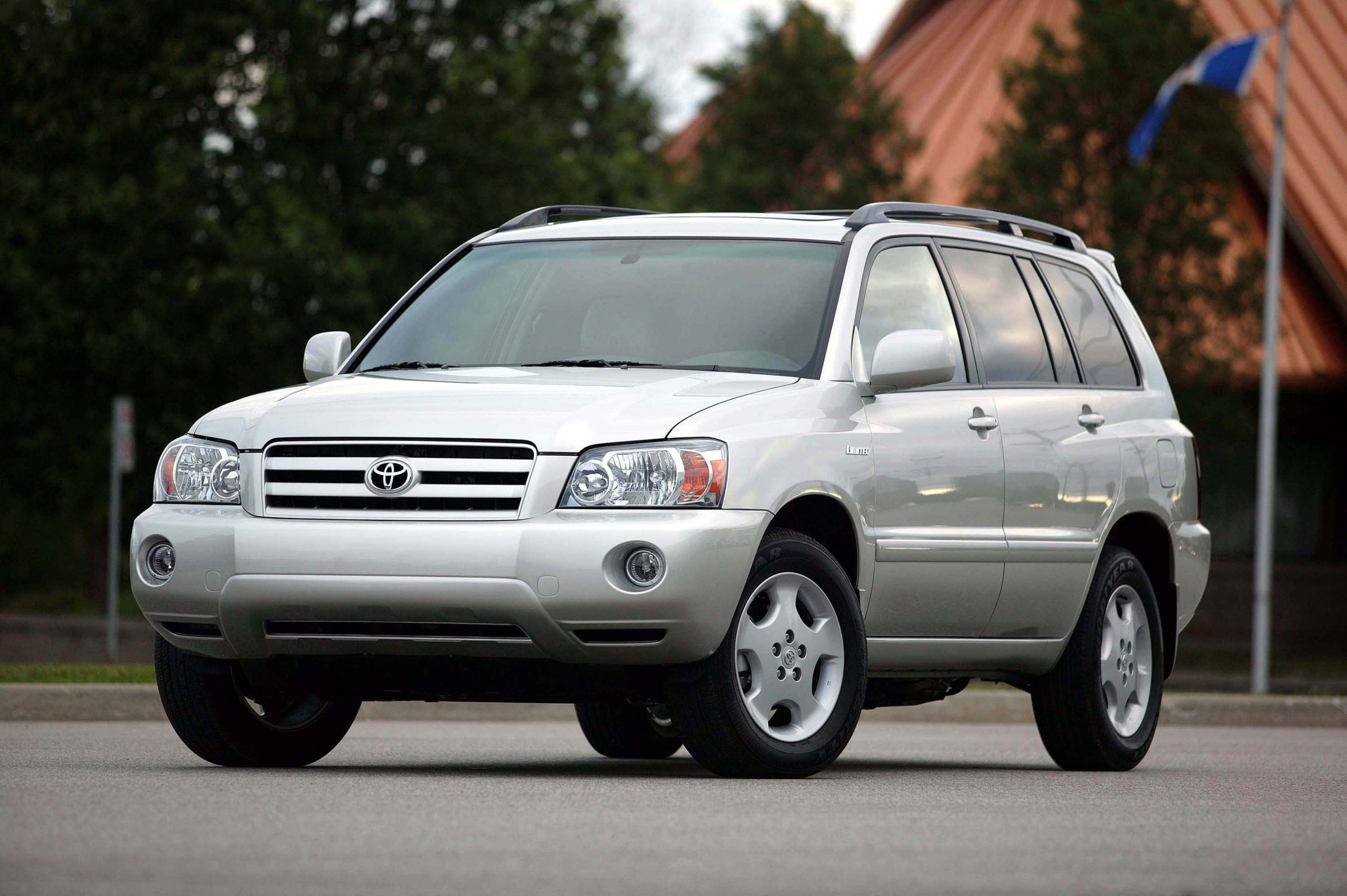
When looking at earlier versions of the Highlander, the 2005 model stands out for its durability and well-rounded design. This year marked the first refresh of the first generation, and it gave buyers more reasons to consider the Highlander as a family SUV.
The 2005 model came with either a four-cylinder or V6 engine, with the V6 being the more popular choice. It delivered enough power for everyday driving while maintaining decent fuel economy for an SUV of its time.
The five-speed automatic transmission worked smoothly, which was an improvement over the previous four-speed. This allowed the Highlander to perform more confidently on different kinds of roads. Inside, the 2005 Highlander impressed buyers with its spacious layout.
Seating could be configured for five or seven passengers, which gave families the flexibility to adjust based on their needs. The interior materials, though simple, were designed for long-term use and comfort. Controls were easy to reach, and the dashboard had a straightforward design that many drivers appreciated.
Safety features were also improved, with the addition of stability control and side curtain airbags as options. The Highlander performed well in safety ratings, reassuring buyers about passenger protection.
Another reason the 2005 model is often considered a good buy is its record of reliability. Owners who kept up with maintenance reported that this SUV could last for many years without major breakdowns.
The cost of repairs was also relatively affordable compared to newer models with more advanced technology. This makes it appealing for buyers who want a practical and dependable used vehicle without high maintenance expenses.
Its resale value has remained steady because of its reputation for longevity. Many families who purchased this SUV years ago still speak highly of its durability. For those searching for a reliable older model, the 2005 Highlander is worth owning.
5. 2020 Toyota Highlander
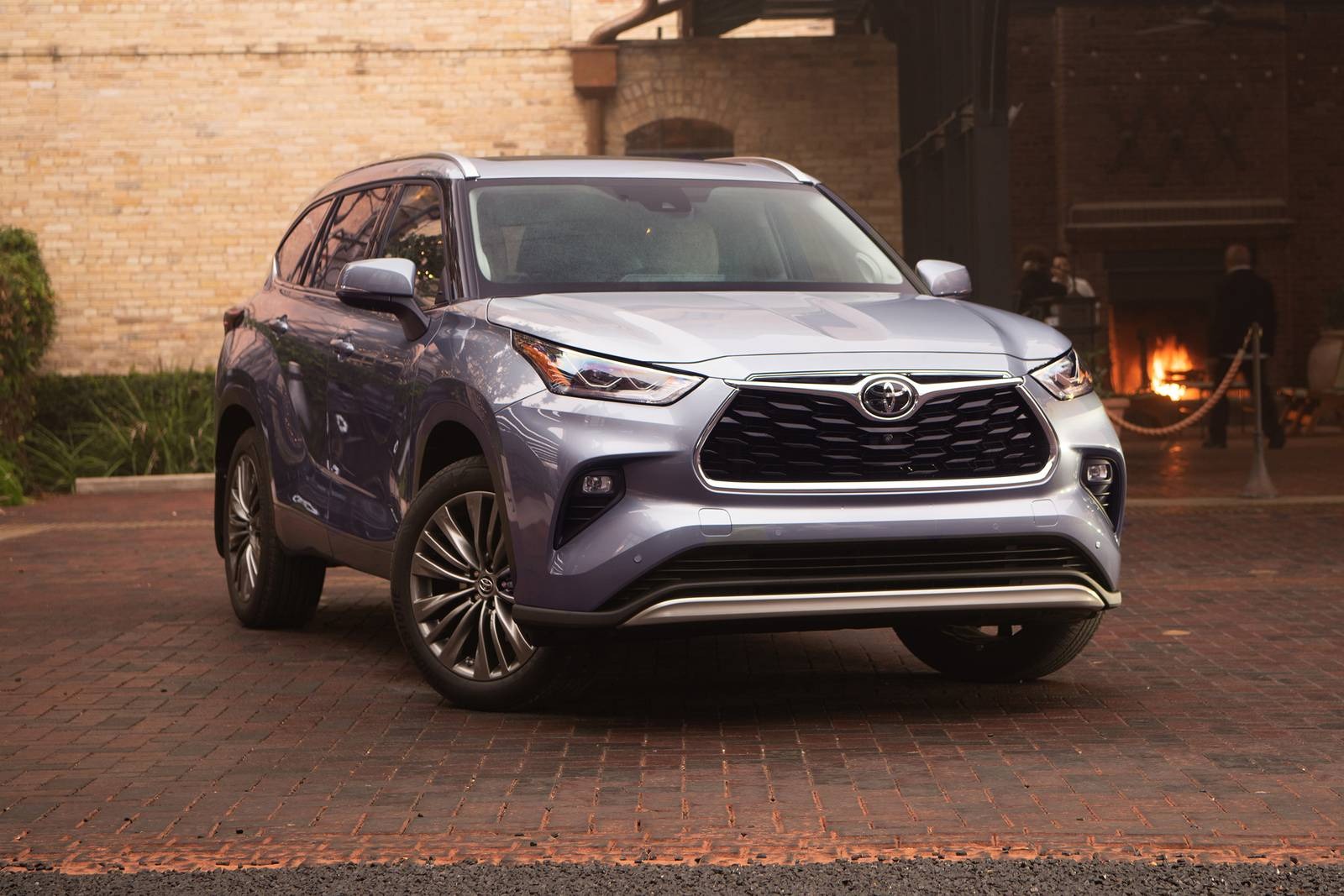
The 2020 Highlander introduced the fourth generation, and it represented a major redesign that impressed buyers with its modern styling and technology. This model year showed Toyota’s effort to stay ahead in the competitive SUV market by offering both comfort and innovation.
The 2020 Highlander came with a 3.5-liter V6 engine paired with an eight-speed automatic transmission, providing smooth and responsive power. Buyers also had the option of a hybrid version, which combined fuel efficiency with strong performance. This was especially attractive for those who wanted a family SUV that reduced fuel costs without losing capability.
Inside, the 2020 Highlander had a completely redesigned cabin. It felt more upscale, with high-quality materials and advanced features. Depending on the trim, buyers could get a large touchscreen, a premium audio system, and multiple USB ports to support family needs.
Seating arrangements allowed for either seven or eight passengers, with second-row captain’s chairs available in some trims. The interior was also quieter compared to previous years, which made long trips more comfortable.
Safety was another major advantage of the 2020 model. Toyota included Safety Sense 2.0 as standard, which added lane tracing assist, road sign recognition, adaptive cruise control, and other driver assistance systems. These features gave the Highlander one of the strongest safety packages in its class.
Reliability remained strong, with few major complaints from owners. The combination of fresh design, modern safety systems, and Toyota’s proven dependability made the 2020 Highlander one of the best choices in the used car market.
For buyers looking at newer used SUVs, the 2020 Highlander is a year worth owning because it blends performance, safety, and comfort in a way that appeals to both families and individual drivers.
5 Toyota Highlander Years That Aren’t Worth Owning
1. 2003 Toyota Highlander
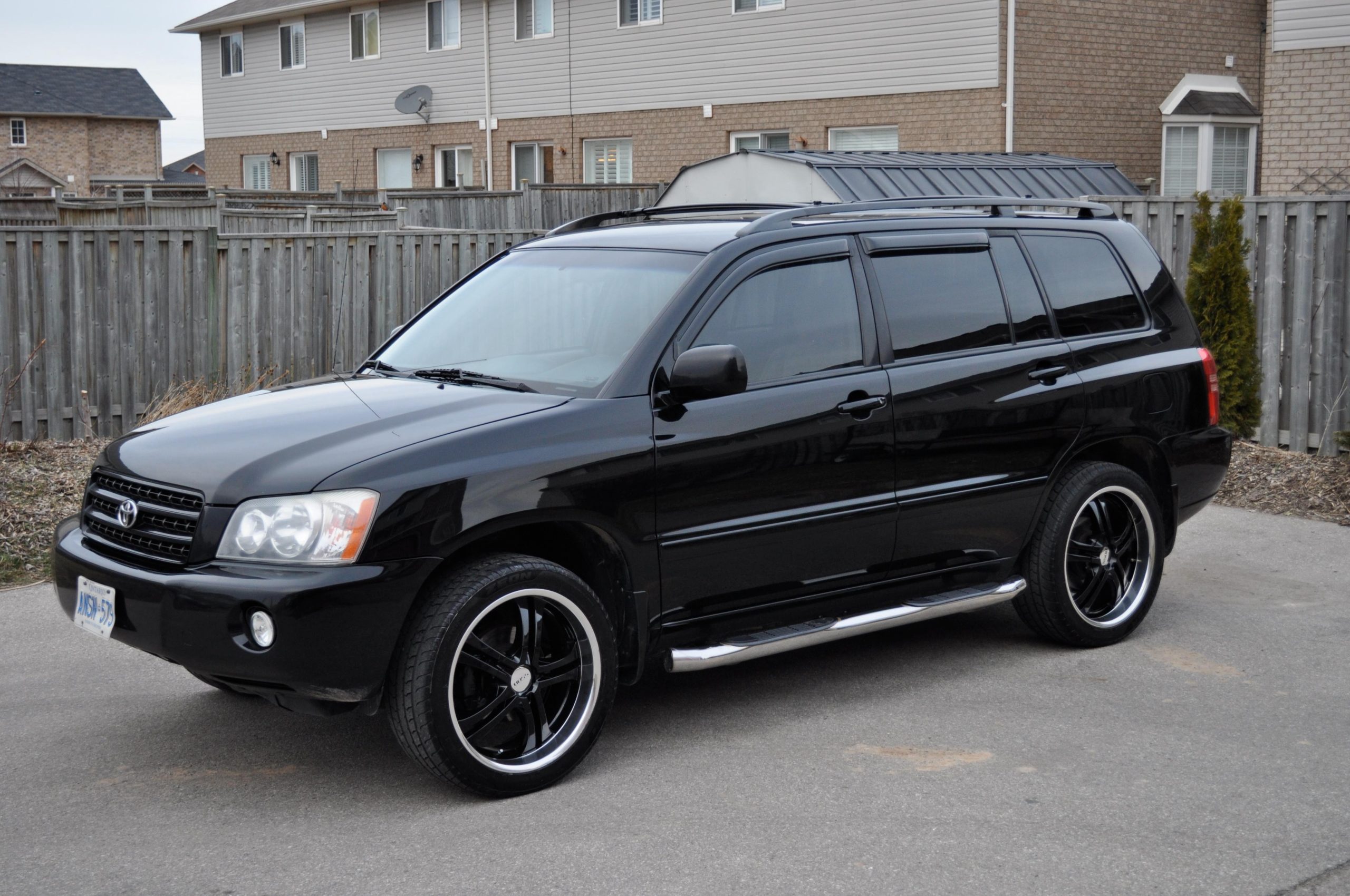
The 2003 Highlander belongs to the early years of the model, and although it helped build Toyota’s reputation in the SUV segment, this year has too many issues that make it a poor choice for buyers today. While some people were initially attracted by the car-like ride and Toyota’s brand strength, long-term ownership revealed several weak points.
The main concern with the 2003 Highlander was its engine reliability. Many owners experienced oil sludge problems, which often led to costly engine repairs. Even when maintained, the four-cylinder engine felt underpowered for a vehicle of its size.
The V6 option performed better but was also linked to higher repair costs once mileage increased. Transmission problems were also reported by several owners, with rough shifting and early failure becoming common after a few years of use.
Interior quality was another weakness. Compared to later generations, the 2003 Highlander had a dated design with limited technology. The dashboard looked plain, and features that are now considered basic, such as modern infotainment or advanced safety systems, were absent. The cabin was quiet enough, but it lacked the convenience that families expected from an SUV.
Safety features were not strong enough by today’s standards. Anti-lock brakes were present, but advanced driver assistance was missing, leaving the 2003 model far behind newer used options. Crash test ratings at the time were acceptable, but not competitive when compared with modern vehicles.
Another issue is maintenance costs. Even though Toyota is known for durability, the 2003 Highlander often required expensive repairs once it reached higher mileage. Many buyers found themselves spending too much on keeping the SUV on the road. Resale value has also dropped sharply because most used car shoppers know about these common problems.
Because of its weak engine performance, frequent mechanical issues, and lack of modern features, the 2003 Highlander is not worth owning. Buyers are better off saving their money for a more reliable year.
2. 2014 Toyota Highlander
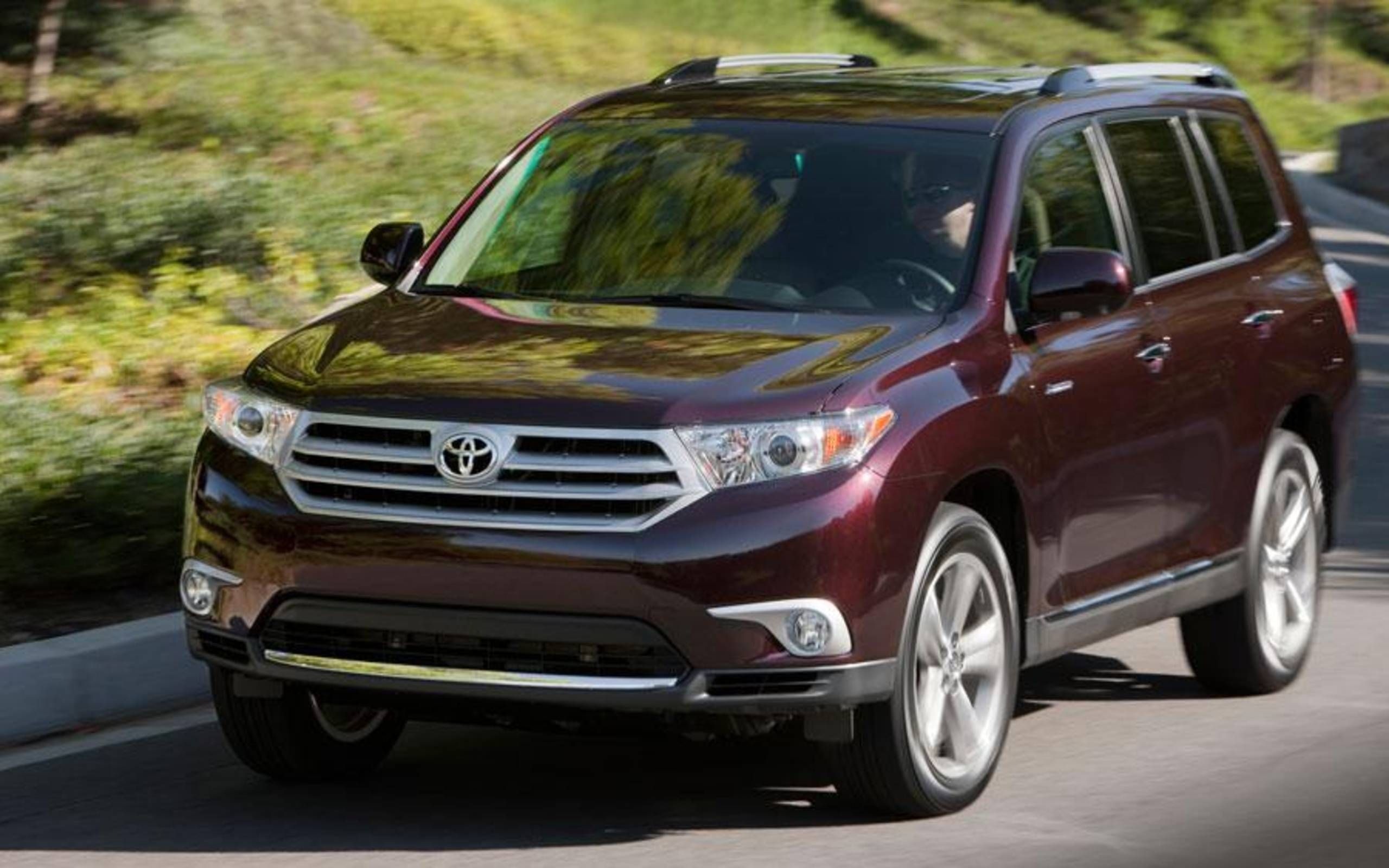
The 2014 Highlander kicked off the third generation, and while it brought new styling and improved technology, it also carried issues that affected owner satisfaction. On the surface, the SUV looked appealing, but long-term use revealed faults that many buyers did not expect from Toyota.
One of the main problems with the 2014 model is its transmission. Many owners complained about rough shifting and hesitation when accelerating. These issues made driving less smooth and sometimes unsafe, especially when merging onto highways. Although Toyota attempted to address this with updates, the transmission remained a weak point for this year.
Engine performance was another concern. While the V6 engine had enough power, the four-cylinder option felt weak and struggled with full passenger loads. Fuel economy was also lower than buyers expected for an SUV in this class. Drivers often felt that the balance between performance and efficiency was not well achieved.
Interior quality, though stylish, had its own challenges. The third-row seating was cramped and uncomfortable for adults, and many buyers felt that Toyota had prioritized design over practical passenger space. The infotainment system also faced criticism for being slow and less user-friendly compared to competitors.
Another major weakness was road noise. Unlike earlier Highlanders that offered quiet rides, the 2014 model allowed more wind and tire noise into the cabin, which reduced comfort on long trips. Safety features were present, including a rearview camera and optional driver assistance systems, but many of these features were only available in higher trims, making them less accessible for buyers of the lower models.
Reliability was also not as strong as expected. Reports of transmission repairs, engine issues, and premature brake wear gave this model a poor reputation. While Toyota usually offers long-lasting vehicles, the 2014 Highlander became one of the less reliable choices in the lineup.
For these reasons, the 2014 model is not worth owning. Buyers looking for a third-generation Highlander should consider later years that corrected many of these problems.
3. 2001 Toyota Highlander
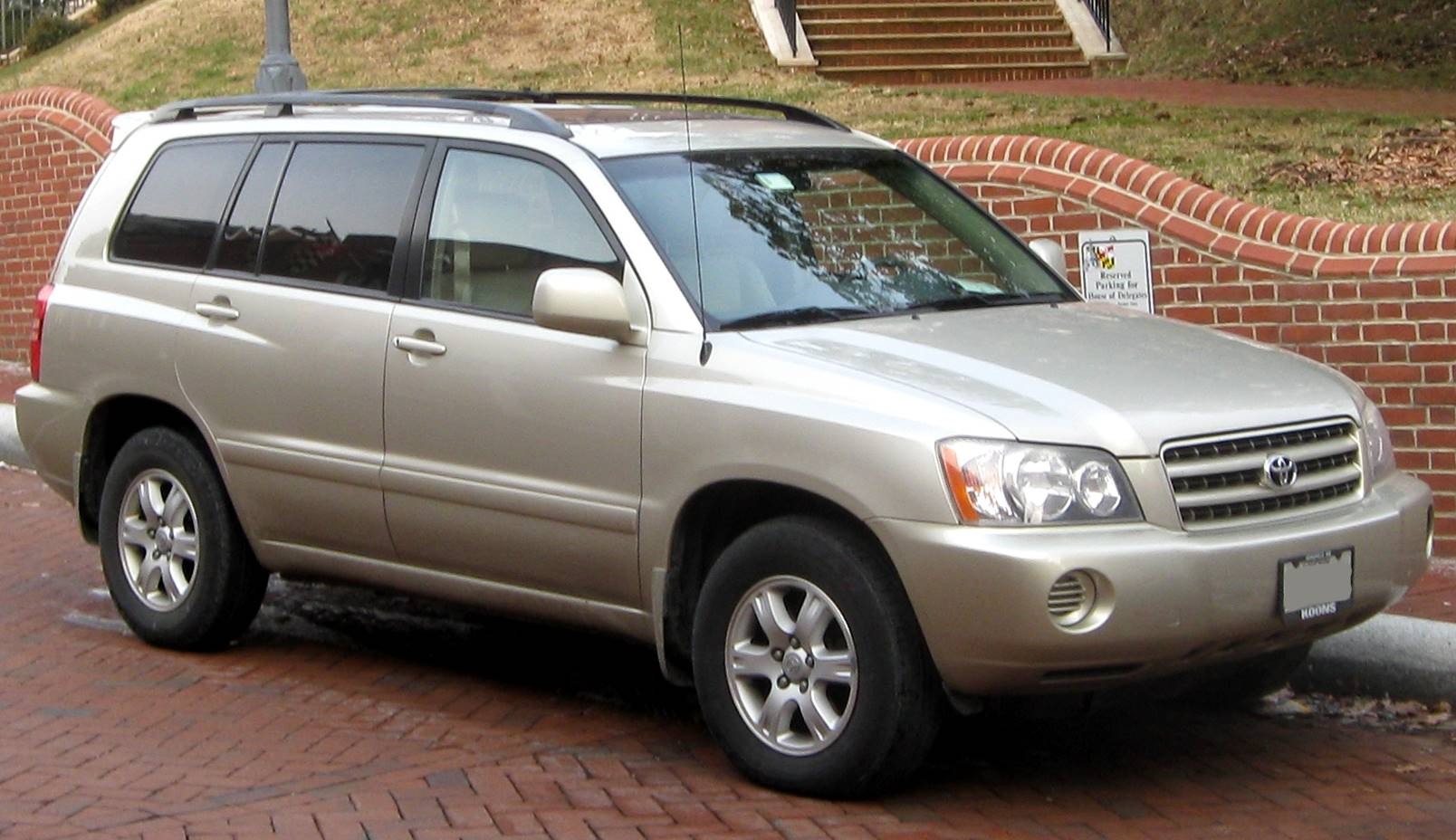
The 2001 Highlander was the very first model year, and although it marked Toyota’s entry into the mid-size SUV segment, it is not recommended for buyers today. As the initial version, it had many limitations that made it less attractive compared to later years.
The biggest weakness of the 2001 Highlander is its outdated performance. The base four-cylinder engine produced limited power, making the SUV feel sluggish, especially when carrying multiple passengers.
The V6 option was better, but it still struggled to deliver the kind of strength buyers expect from a mid-size SUV. Transmission problems were not uncommon, with some owners reporting slipping or hard moves after a few years of use.
The interior design was another drawback. While Toyota marketed it as a family SUV, the cabin was basic and lacked many of the features drivers now expect. The third-row option was missing entirely, meaning the Highlander only seated five passengers. Technology was minimal, with no advanced infotainment or safety systems available.
Safety features were very limited as well. The SUV offered basic airbags and anti-lock brakes, but more advanced systems were absent. This makes the 2001 model less secure by today’s standards. Crash protection was average, but nothing that would make families feel especially reassured.
Reliability also became a concern after some time. Oil sludge buildup was a known issue in this early model, often leading to expensive engine repairs. Many owners reported electrical problems and worn suspension components earlier than expected. While Toyota later improved these issues in newer years, the 2001 Highlander remained vulnerable.
Resale value for the 2001 model is very low, and buyers often find that the money spent on repairs could have gone toward a better model year. With outdated features, weaker performance, and reliability challenges, the first year is not worth owning.
4. 2015 Toyota Highlander
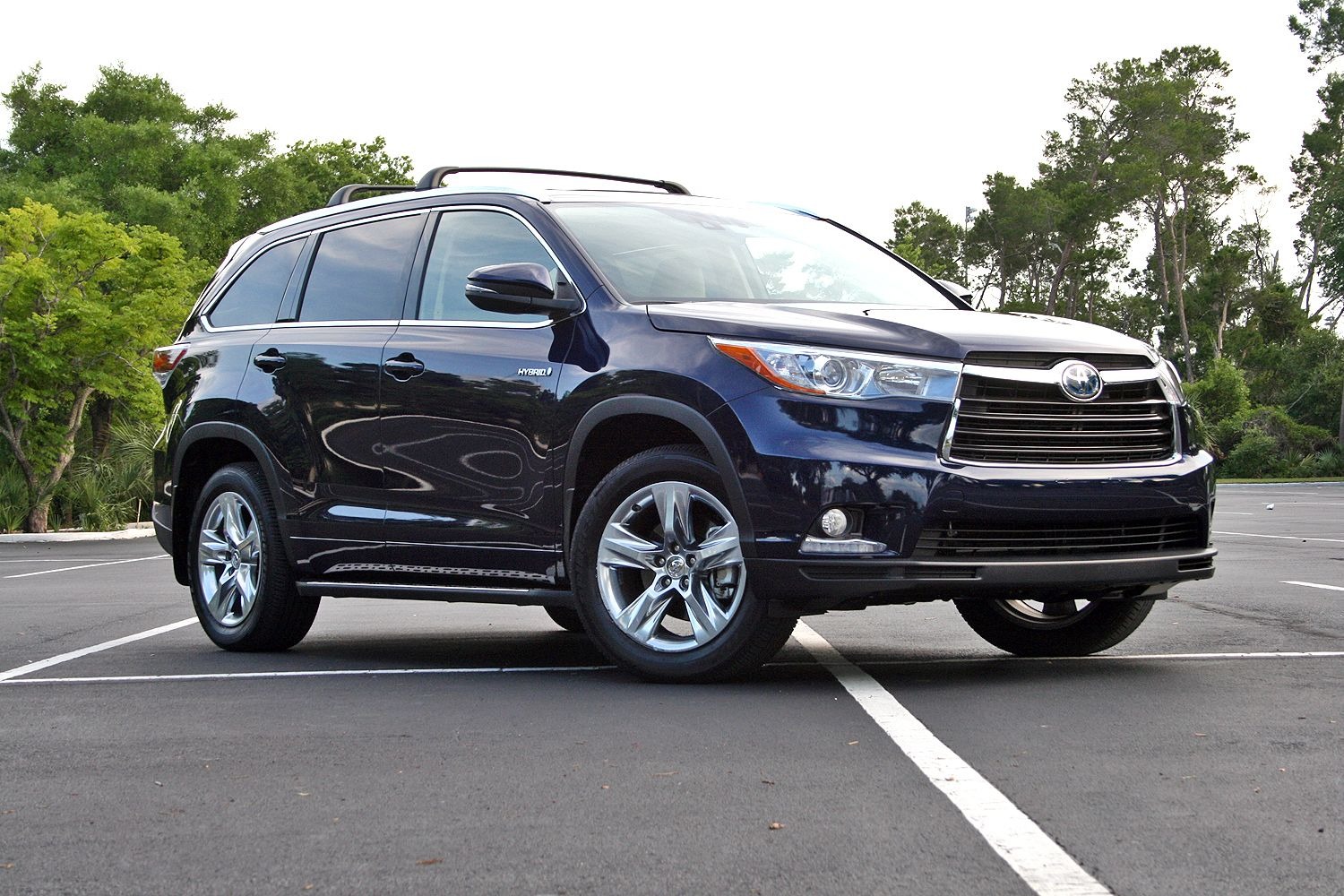
While the 2015 Highlander looked attractive as part of the third generation, it carried several problems that made it less appealing for long-term use. Buyers who were drawn to its stylish design and spacious cabin often faced mechanical troubles after a few years of ownership.
One of the main issues was its transmission. Just like the 2014 model, the 2015 Highlander experienced rough shifting and hesitation when accelerating. Drivers complained that the SUV sometimes delayed response when pressing the gas pedal, which reduced confidence in busy traffic. Toyota received many reports about this issue, making it a weak point for the model.
The interior was more modern compared to earlier generations, but it was not free from flaws. While the first two rows provided comfort, the third row was cramped and uncomfortable for adults. Cargo space behind the third row was also limited, which reduced practicality for larger families.
Fuel economy was another disappointment. The four-cylinder version lacked power, and while the V6 performed better, it consumed more fuel than expected. Many buyers who wanted a balance between efficiency and performance felt let down.
Reliability problems also reduced trust in the 2015 Highlander. Transmission faults, electrical system concerns, and premature wear on brakes were frequently reported. Some owners also mentioned issues with the air conditioning system, which was costly to repair.
Although the 2015 model included modern safety features like a rearview camera and available blind-spot monitoring, many advanced systems were only offered on higher trims, making them expensive to access. This reduced the appeal for buyers looking at the base or mid-level trims.
Because of its combination of transmission problems, higher maintenance costs, and lack of practical third-row comfort, the 2015 Highlander is not worth owning. Buyers will get better results from later years that correct these weaknesses.
Also Read: Toyota Highlander Recall 2021-2024: Free Tire Replacement for Safety
5. 2002 Toyota Highlander
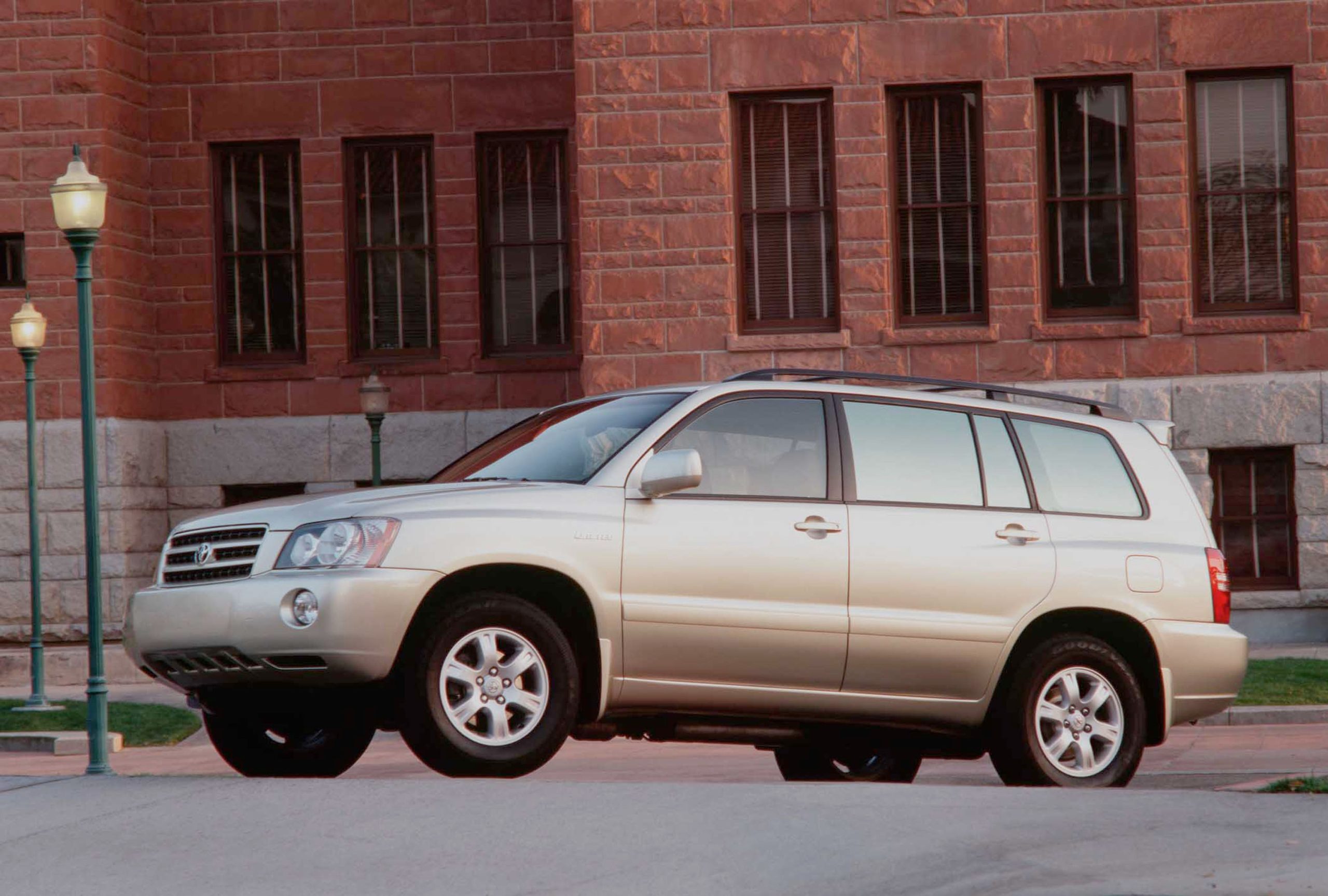
The 2002 Highlander was only the second year of the model, and while Toyota aimed to improve on the first year, this version still struggled to deliver long-term value. Many of its weaknesses mirrored those of the 2001 model, which makes it a poor option for today’s buyers.
Performance was a major concern. The base four-cylinder engine lacked strength, making the SUV feel underpowered, especially on highways or with heavy loads. The V6 option offered more power, but it was still not impressive compared to competitors at the time. Transmission issues were also common, with several owners experiencing slipping and rough shifting.
The cabin design was plain and did not age well. The SUV only seated five passengers, and while it had more space than a sedan, it lacked the flexibility that families later expected from mid-size SUVs. Technology was minimal, with very basic features compared to what later Highlanders offered.
Safety equipment was limited, leaving the 2002 model far behind modern standards. Airbags and anti-lock brakes were included, but there were no advanced systems like stability control, blind-spot monitoring, or lane assistance. Families looking for strong safety performance will find this year disappointing.
Reliability was another weak point. Oil sludge buildup continued to trouble many owners, leading to costly engine repairs. Suspension wear and electrical faults were also common, creating ongoing maintenance expenses. These problems damaged the long-term value of the 2002 Highlander.
Resale value is extremely low, and most buyers avoid this year once they learn about its issues. While Toyota improved the Highlander in later years, the 2002 version remains one of the weaker options in the lineup. Because of its lack of modern features, poor reliability record, and unimpressive performance, the 2002 Highlander is not worth owning.
