When it comes to pickup trucks in the United States, durability is everything. Americans depend on their trucks for work, recreation, towing, and daily driving, which means the longevity of the frame the backbone of any truck is a serious concern.
While engines, transmissions, and interiors can all be repaired or replaced over time, a frame compromised by rust often signals the end of the road for a pickup.
Rust damage weakens structural integrity, lowers resale value, and can make a truck unsafe to drive. In regions with harsh winters, salted roads, and humid conditions, frame rust is a constant battle for truck owners.
Some pickups are praised for their strong frames and ability to withstand decades of use, while others have developed reputations for premature rust issues that frustrate owners.
For US truck buyers who want to make an informed choice, knowing which pickups are built to last and which ones are prone to corrosion can save thousands of dollars in the long run. Here’s a breakdown of five pickups that keep their frames solid versus five that tend to rust out far too soon.
Pickups That Keep Their Frame Solid]
When it comes to pickups, durability is king. Some trucks are built to last decades without sagging, bending, or developing serious structural issues, earning a reputation for rock-solid frames and long-term reliability. In this article, we’ll spotlight pickups that stand the test of time, proving themselves as dependable workhorses mile after mile.
1. Toyota Tacoma
The Toyota Tacoma has long been celebrated for its reputation as a dependable midsize truck, and one of its strongest selling points is its frame durability in recent generations.
Toyota faced a major rust scandal in the mid-2000s when older Tacomas were recalled for severe corrosion issues, but the company took steps to address the problem with improved coatings and warranty protections.
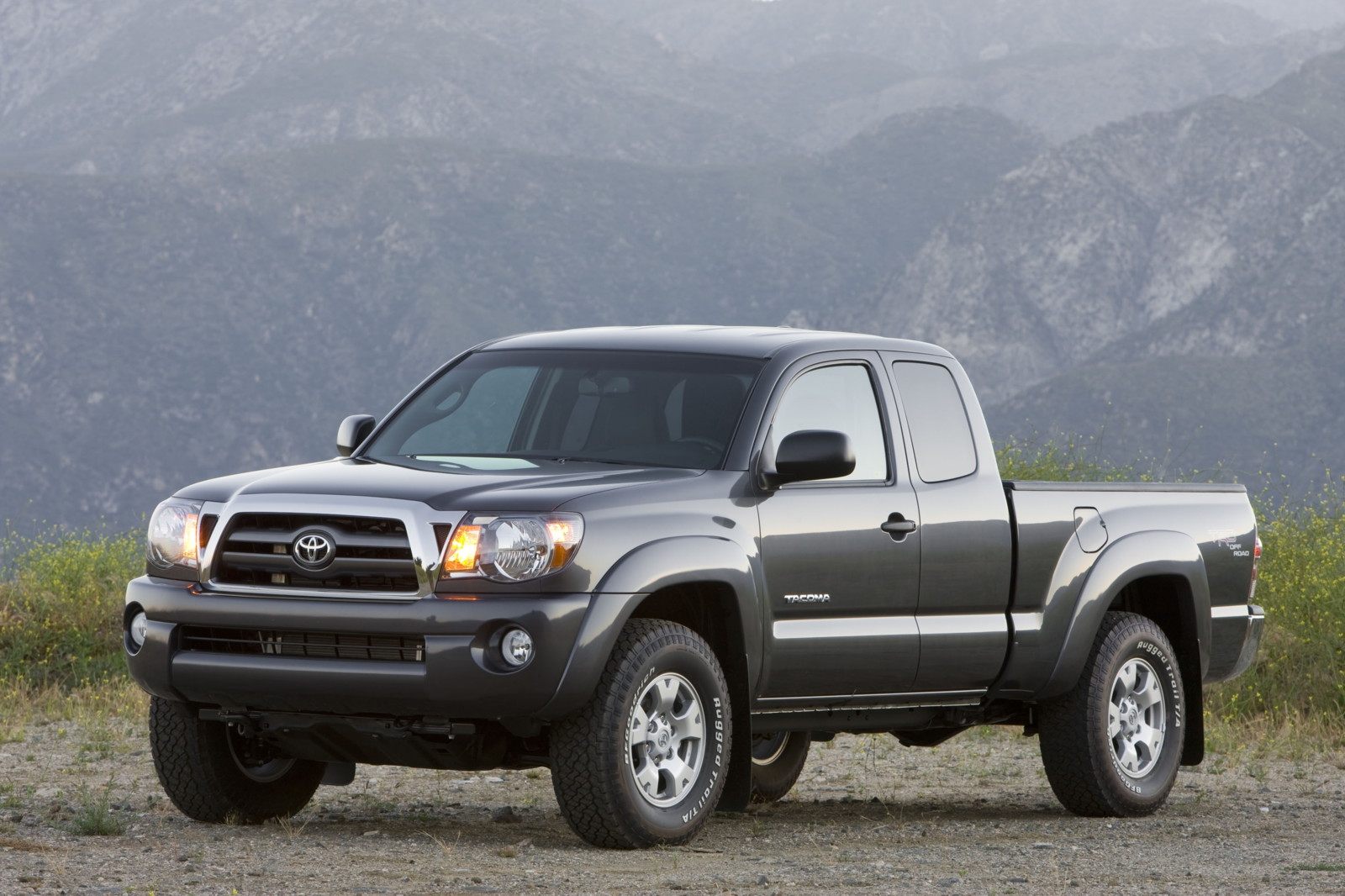
Since then, newer models particularly post-2011 have proven to be far more resistant to rust. Today, Tacomas are known to hold up exceptionally well even in northern states with heavy road salt usage.
Owners frequently report that with regular maintenance and undercoating, their frames stay solid for hundreds of thousands of miles, making the Tacoma one of the most reliable trucks on the used market.
The 2022 Toyota Tacoma offers a versatile lineup designed to balance daily usability with off-road capability. Standard models come with a 2.7-liter four-cylinder engine producing 159 hp and 180 lb-ft of torque, paired exclusively with a six-speed automatic and available in either RWD or AWD.
Stepping up to the 3.5-liter V-6 boosts output to 278 hp and 265 lb-ft, and buyers can choose between a six-speed manual or automatic, as well as RWD or AWD. Fuel economy ranges from 20/23 mpg city/highway with the four-cylinder to 19/24 mpg with the V-6.
The Trail Edition, based on the SR5 trim and only offered as a 4×4 double cab, enhances outdoor utility with a lockable bed storage compartment, a 120V power outlet, and a driver-side cooler compartment.
Toyota also lifted the front and rear suspension slightly for better approach and breakover angles, while special bronze accents distinguish it visually.
Safety remains a strong point, with the 2022 Tacoma earning four stars overall from NHTSA, including front and rollover tests, and five stars in the side crash test. IIHS ratings were Good across the board, except for the passenger-side small overlap front test.
Standard Toyota Safety Sense features include automatic emergency braking with pedestrian detection, lane departure alert, adaptive cruise control, and automatic high beams, keeping the Tacoma both capable and secure on and off the road.
Also Read: 10 Best Hacks That Help a Chevy Beretta Run Strong Past 150k
2. Ford F-150 (Aluminum-Body Generations)
The Ford F-150 has been America’s best-selling truck for decades, and when Ford switched to an aluminum body in 2015, it made headlines.
While some traditionalists were skeptical about aluminum construction, the switch has had a side benefit: less rust. Although the frames themselves are still steel, Ford improved corrosion resistance significantly, giving newer F-150s a big advantage in states where rust is a common issue.
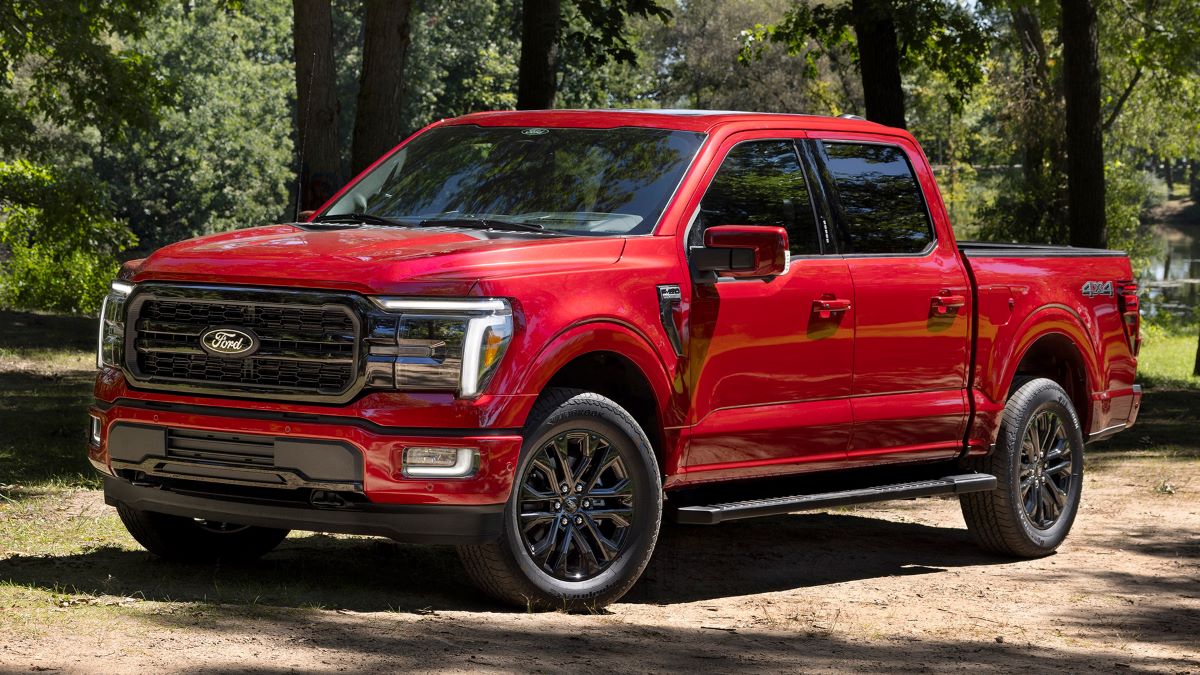
Even in harsh climates, these trucks hold up well, and frame rust complaints are far less common than on older F-150s. Combined with a strong reputation for versatility and comfort, the modern F-150 is a safe bet for buyers concerned about longevity.
3. Chevrolet Silverado 1500 (Post-2014 Models)
Chevy’s Silverado lineup has been a staple in the pickup world, and while older models sometimes had issues with corrosion, GM made noticeable improvements starting with the 2014 redesign.
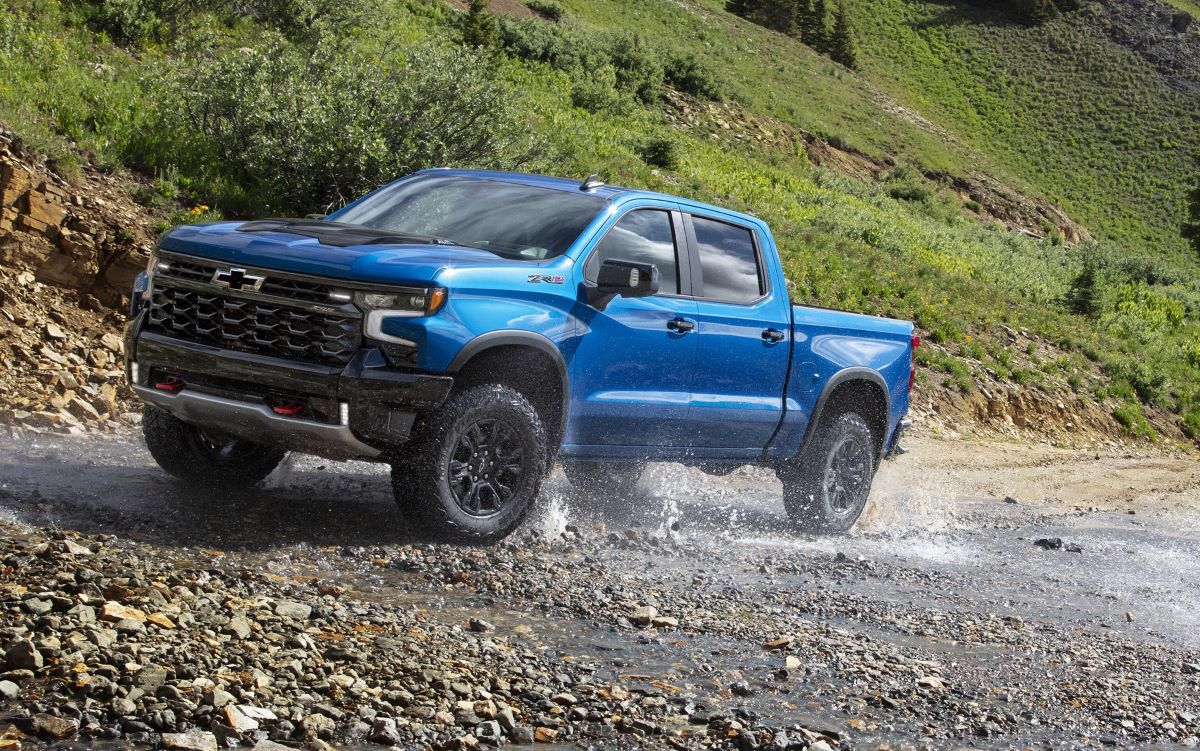
The newer Silverados use better frame coatings and corrosion-resistant materials, making them far more capable of standing up to Midwest winters and coastal salt exposure.
Owners have reported that even after years of use, the frames remain solid if basic care is given. This makes the Silverado a good long-term choice for buyers who don’t want to worry about premature structural rust.
The 2020 Chevrolet Silverado 1500 builds on last year’s full redesign, which brought a roomier cabin, improved fuel economy, and refreshed styling. For 2020, Chevy adds a few meaningful updates, including a new diesel engine option, additional technology features, and a trailering system designed to make towing easier and safer.
Alongside the existing turbocharged four-cylinder, V6, and two V8 engines, the new 3.0-liter straight-six turbodiesel delivers smooth acceleration, strong towing performance, and better fuel efficiency compared with the V8s.
On the tech side, adaptive cruise control is now available, filling a feature gap from last year, while the user-friendly infotainment system and the upgraded trailering package—capable of showing up to 15 camera angles around the truck and trailer—enhance overall usability and towing confidence.
Despite these improvements, the 2020 Silverado still shows its age inside. The cabin design feels dated, with certain materials falling short of competitors, particularly when compared with the Ram 1500’s more upscale interior. Even so, the Silverado remains a capable and versatile full-size truck, balancing practicality, towing ability, and a variety of powertrain choices.
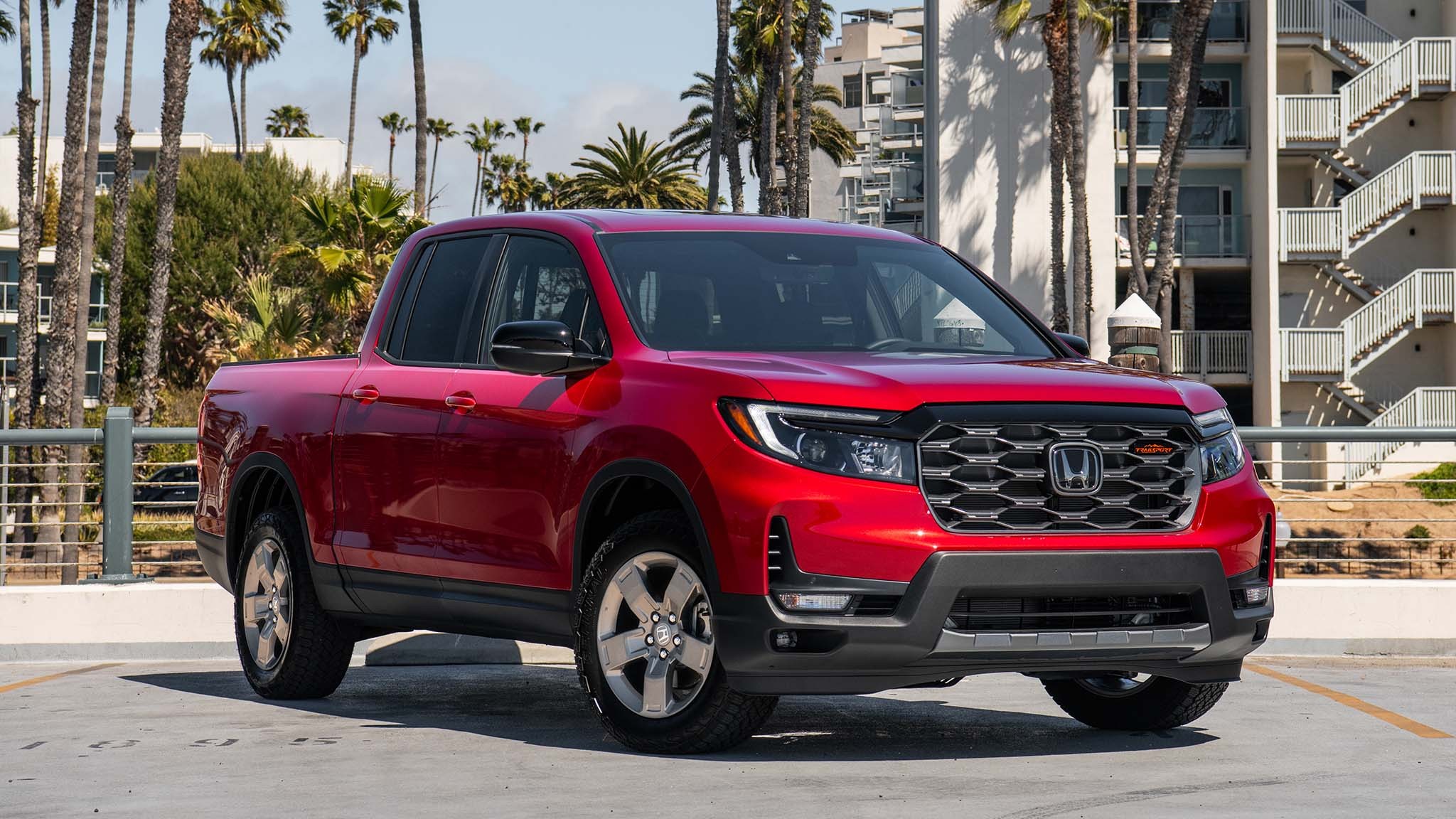
4. Honda Ridgeline
While not a traditional body-on-frame truck, the Honda Ridgeline earns its spot here thanks to its unibody construction and strong rust resistance.
Ridgelines may not appeal to hardcore truck purists, but they are designed with durability in mind, and their frames rarely suffer the kind of rot that plagues body-on-frame competitors.
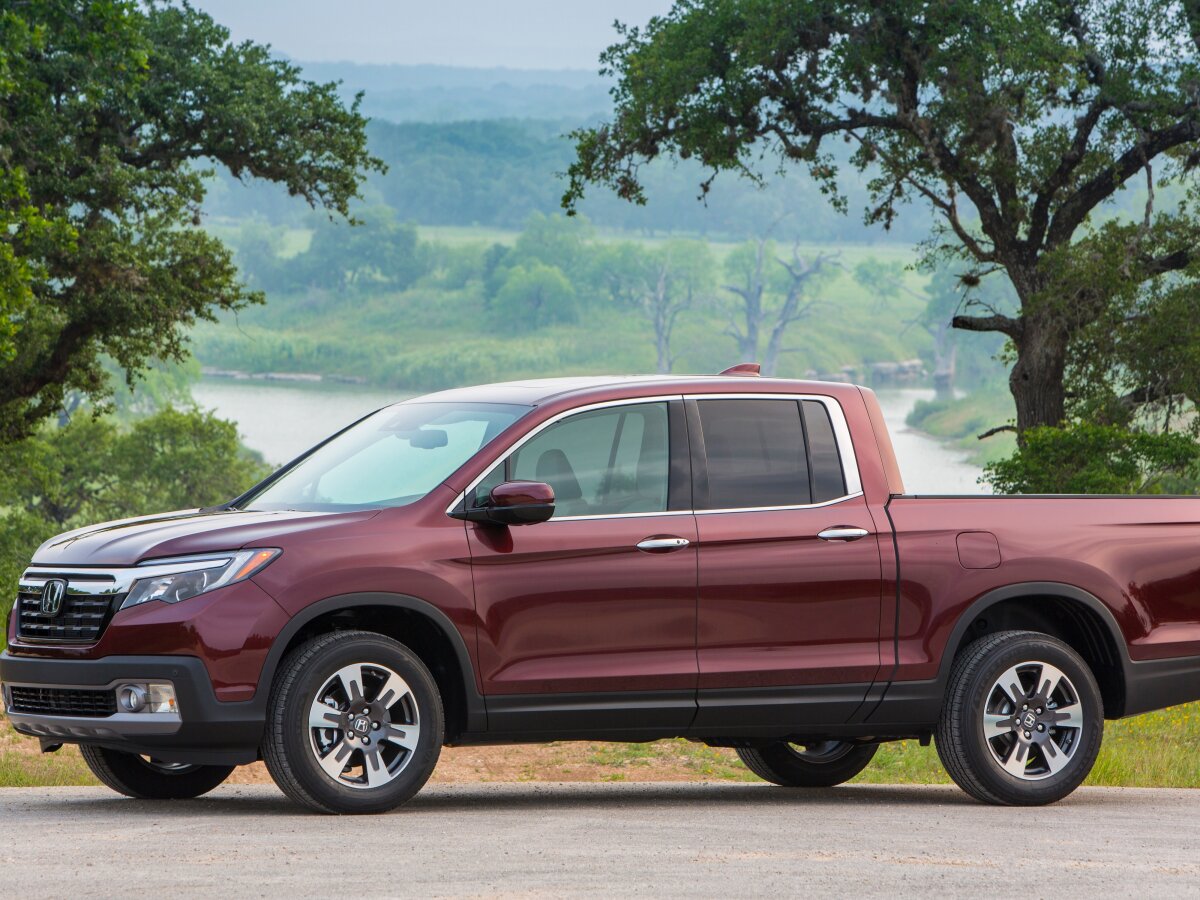
Many Ridgelines are still going strong after more than a decade, with frames showing little more than surface corrosion even in salted-road regions. For buyers who want a light-duty pickup with minimal rust worries, the Ridgeline is a surprisingly solid option.
5. Ram 1500 (Recent Generations)
Ram trucks have come a long way in terms of reliability, and their frames are among the strongest improvements. The Ram 1500 from 2013 onward has been praised for its rust resistance compared to older Dodge-era trucks.
With thicker frame coatings and better design, the newer Rams hold up well against road salt.
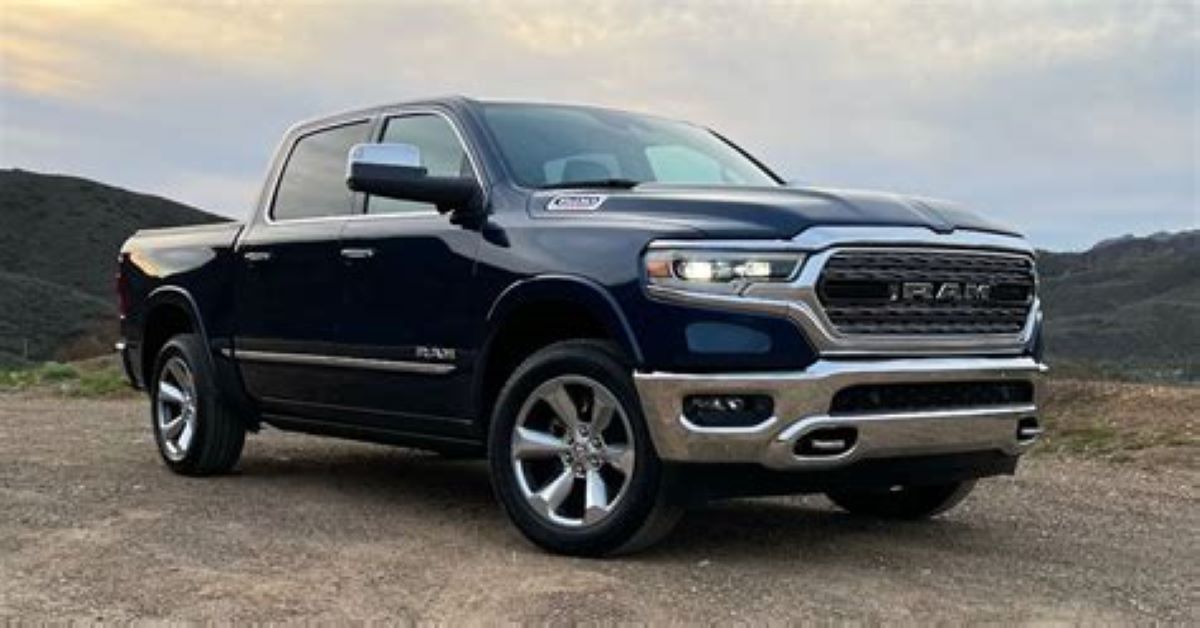
While some underbody components can still show corrosion if not maintained, the frames themselves are built to last, keeping the trucks structurally sound for many years. For drivers who want both comfort and longevity, a late-model Ram is a dependable pick.
When the first Ram 1500 arrived in the U.S. in 1980, it was sold under the Dodge name. Since then, Ram has evolved into its own standalone brand, firmly cementing itself in America’s enduring appetite for pickup trucks.
The Ram 1500 consistently ranks among the top-selling trucks in the country and is widely recognized as the most comfortable and refined full-size pickup on the market.
Early generations were basic and rough around the edges, but each subsequent redesign has made the Ram 1500 increasingly capable and sophisticated. Today, with its coil-sprung rear axle and plush interior, it stands out as the benchmark for comfort among full-size trucks.
Also Read: 5 Chevy SUVs That Last Forever vs 5 That Don’t
5 Pickups That Rust Out
Not all pickups are built to withstand the test of time. Some may look tough, but years of exposure to moisture, salt, and road grime can take a serious toll, leaving frames and bodies vulnerable to rust. In this article, we’ll take a closer look at pickups that are notorious for rusting out, helping you know which models to approach with caution.
1. Toyota Tacoma (1995–2010 Models)
While the modern Tacoma is known for its durability, the older generations are infamous for frame rust. Thousands of owners experienced catastrophic frame failures due to corrosion that often rendered trucks unsafe to drive.
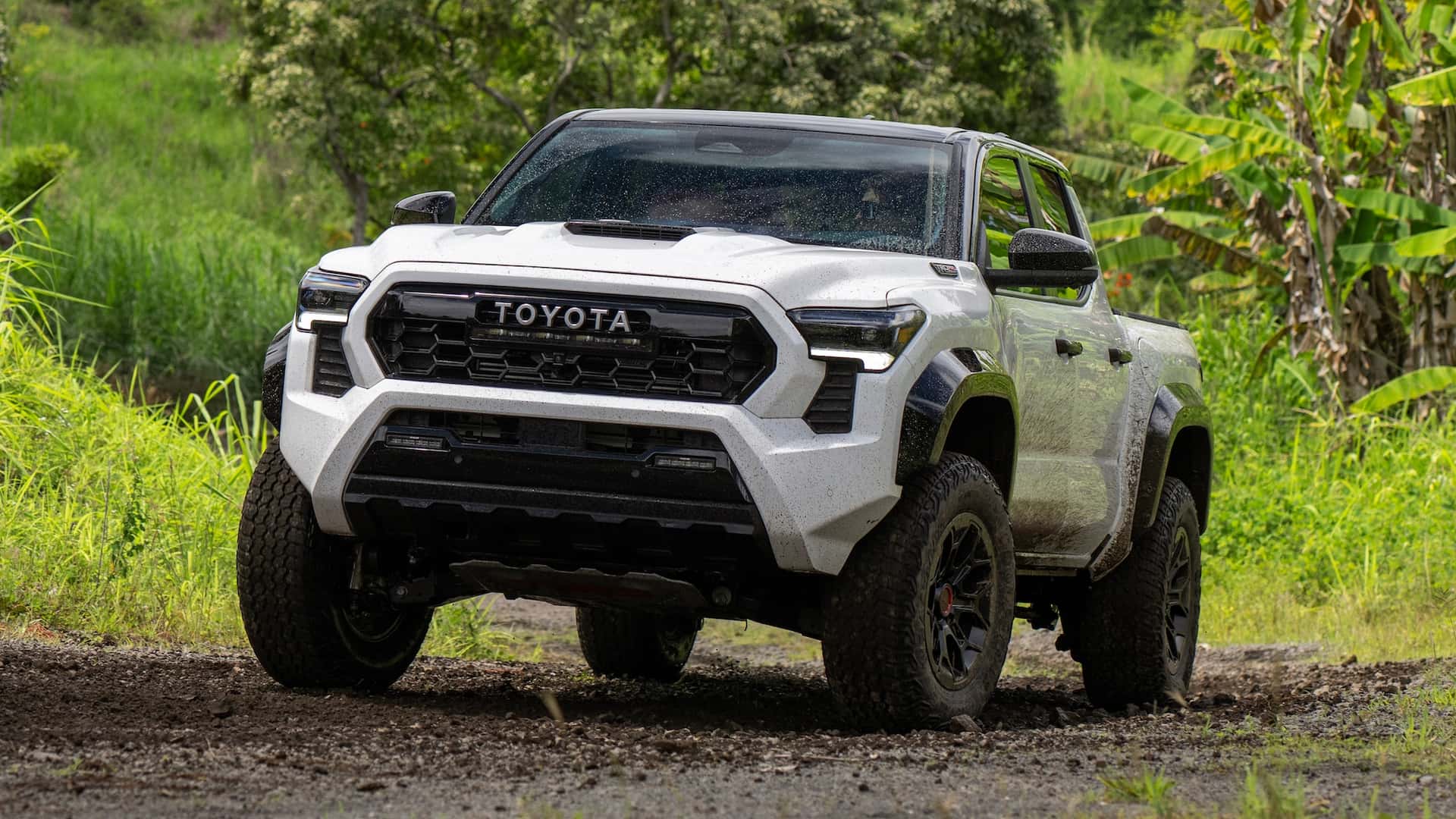
Toyota faced lawsuits and issued massive recalls, even offering frame replacements for certain model years. Trucks in the 1995–2010 range are especially vulnerable, particularly those driven in the Rust Belt or near coastal areas.
Even today, used buyers are advised to carefully inspect older Tacomas, as frame rust can mean a total loss despite the engine still running strong.
2. Ford Ranger (Older Models)
The Ford Ranger has a loyal following, especially the pre-2012 compact versions, but one of its biggest weaknesses was frame rust. Many owners reported severe corrosion issues that ate through crossmembers and left trucks structurally unsafe.
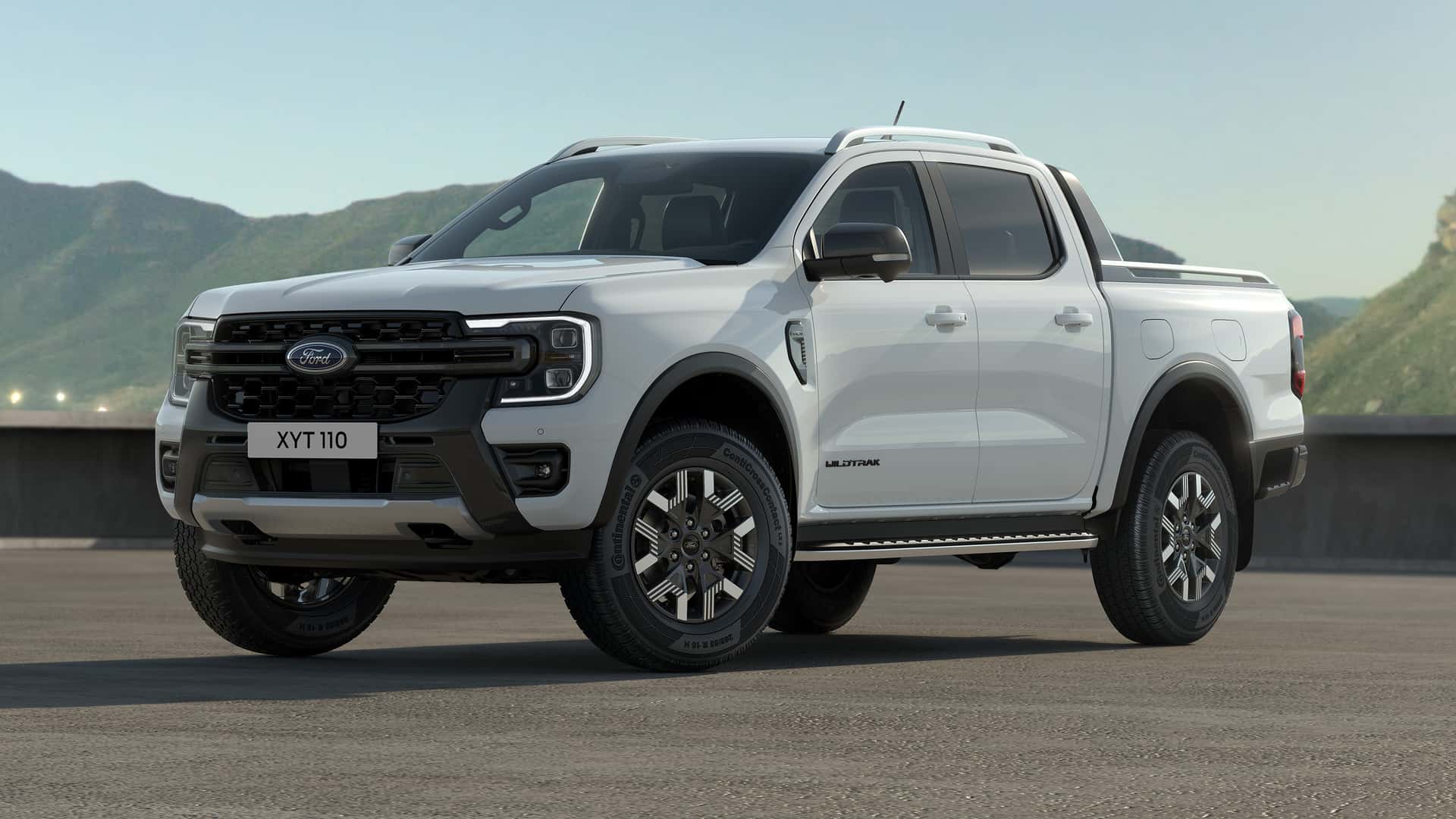
The smaller design and lighter-duty frame seemed more susceptible to rust compared to the larger F-150. While the newly revived Ranger launched in 2019 has better protection, older Rangers, especially those from the late 1990s and early 2000s, are notorious for rust problems.
The Ford Ranger is widely recognized today as a compact utility truck, often seen in work fleets carrying ladders, tools, or equipment to various job sites. However, the Ranger’s origins and evolution are far more complex, reflecting over five decades of adaptation to changing consumer needs.
Surprisingly, the Ranger didn’t begin as a truck at all. Its name first appeared in 1958 on the Edsel Ranger sedan, a model now showcased at classic car events and the Ford Museum.
When applied to trucks in 1967, Ranger was initially a trim level for the Ford F-100 and F-250, with the XLT Ranger debuting in 1970 as the highest-end option. These early Rangers were essentially large, luxury versions of Ford pickups, a trend that lasted roughly a decade.
The downsizing of Ford’s compact offerings began with the discontinuation of the Mazda-built Courier, replaced by an in-house Ranger designed to be smaller, more practical, and cost-effective. In 1983, Ford launched the first Ranger as a compact alternative to the F-150, aiming to compete with the Chevy S10 and GMC S15.
This inaugural model offered V6 and diesel engine choices, along with 6- and 7-foot bed options, giving buyers a versatile small truck. While it initially lagged in popularity, by 1987 the Ranger gained traction with options like sway bars, bucket seats, and a sliding rear window.
In 1988, a redesign introduced the familiar bumper shape and integrated fog lamps, modernizing the Ranger’s appearance. The second generation in 1993 featured rounded edges and a smaller grille in an effort to improve fuel efficiency.
Ford even experimented with electric Rangers between 1998 and 2002, responding to early competition like the Chevy S10-EV. These electric models, however, were prohibitively expensive, leading to most being returned and destroyed. Only about 400 remain today, making them rare collector pieces.
From luxury trim on full-size trucks to compact utility workhorse and even a fleeting electric experiment, the Ford Ranger’s history is a testament to Ford’s ability to reinvent a nameplate to meet changing market demands.
3. Nissan Frontier (2005–2012 Models)
The Nissan Frontier is often overlooked in the midsize pickup market, but unfortunately, certain model years have developed a reputation for frame rot.
Much like the Toyota Tacoma of the same era, the Frontier’s steel frames did not hold up well in wet or salty environments.
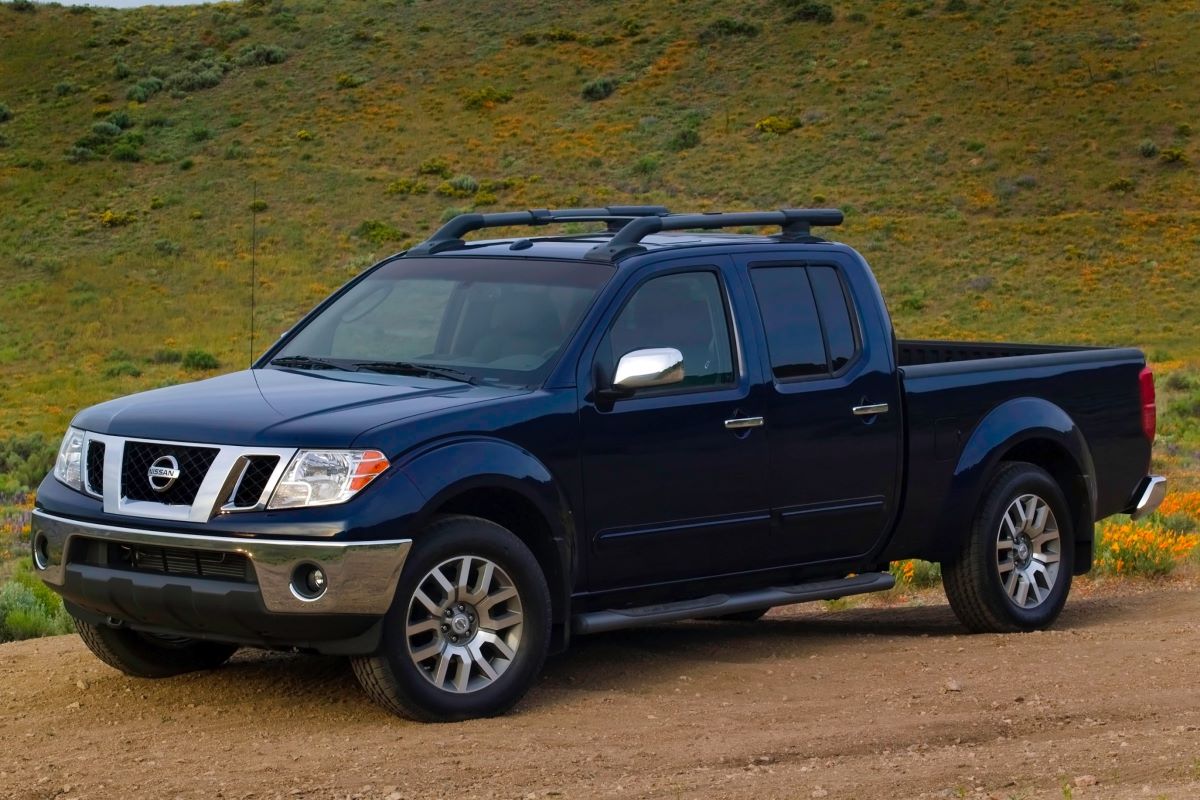
Rust has been known to eat through the frame rails and suspension mounts, leading to safety concerns. While newer Frontiers (post-2020) show marked improvements, older models require a very careful inspection before purchase.
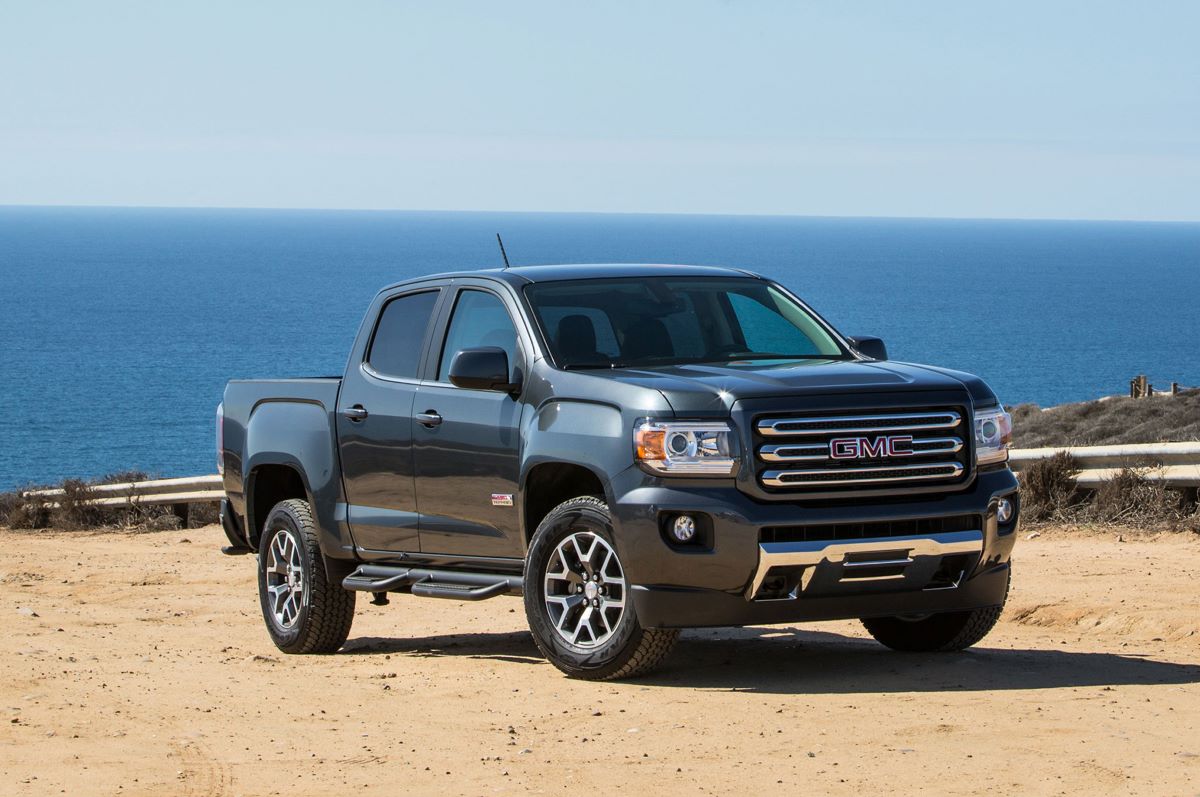
4. Chevrolet Colorado / GMC Canyon (First Generation)
The first-generation Chevy Colorado and GMC Canyon, produced from 2004 to 2012, struggled with frame rust issues that hurt their long-term reliability.
While not as notorious as Toyota’s Tacoma scandal, these trucks often suffered from rust creeping along the frame rails and undercarriage components, especially in the Midwest and Northeast.
Owners who used these trucks for heavy work or off-road driving often found that corrosion appeared earlier than expected. As a result, these first-gen Colorados and Canyons don’t hold value well and are often avoided in the used market.
Twinned with the GMC Canyon, the Chevrolet Colorado has secured its place as the second best-selling midsize pickup in the United States. Built in partnership with Japanese automaker Isuzu and based on the Isuzu Faster, the LUV was Chevrolet’s first compact truck for the U.S. market.
Despite its small size, it was a true pickup with ladder-frame construction and leaf springs for the solid rear axle. Its popularity peaked in 1979 with over 100,000 units sold, eventually giving way to GM’s own S-10.
The S-10, along with its mechanically similar sibling the GMC S-15, debuted in North America in 1981 for the 1982 model year, arriving at a perfect time as demand for smaller, fuel-efficient vehicles spiked due to the Arab oil embargo.
Produced over two generations for the U.S., the S-10 continued to serve certain Latin American markets as the Chevrolet S10, derived from the Colorado. With that family tree in mind, we can move on to the first generation of the Colorado, which would grow into a major competitor against the Toyota Tacoma and Ford Ranger.
Launched for the 2004 model year, the first-generation Colorado offered two grades, three cab configurations, and three suspension choices. Even in an era dominated by half-ton and larger trucks, demand for these smaller pickups remained strong, both before and after the 2007–2009 Great Recession.
5. Dodge Dakota
The Dodge Dakota, once popular as a midsize pickup option, is now remembered by many for its rust issues. Produced until 2011, the Dakota had a tendency to develop significant frame corrosion, particularly in northern climates.
Many trucks experienced rust not only on the frame but also on suspension mounting points, leading to costly repairs. While the Dakota offered good powertrains and towing ability, its structural weaknesses made it a poor long-term choice in regions with heavy salt use.
For US truck buyers, frame rust is one of the most important factors to consider when choosing a pickup, especially in states where winters bring salt-covered roads or coastal environments expose vehicles to salt air.
Known affectionately as the “Baby Ram,” the second-generation Dodge Dakota debuted in 1996 as a 1997 model and was offered exclusively as a regular or Club Cab, with no four-door option. When Dodge unveiled the second-generation Ram in January 1993, its bold styling and impressive performance drew customers in droves.
The automaker was developing the Dakota’s second generation, which shared a similar design language. Work on the Dakota was briefly paused in 1994, ultimately leading to its launch in the summer of 1996.
By that time, the Ram had already established a reputation for capability, and the Dakota appeared promising, particularly with its wide range of engines, including a V8, a rarity for a compact-sized pickup. The 1997 Dakota adopted a broad crosshair grille reminiscent of its larger Ram sibling and featured a taller engine compartment relative to its fenders.
Horizontal headlights were positioned above the turn signals, and depending on trim level, buyers could choose between body-colored or chrome bumpers, some with optional fog lamps. From the side, the Dakota resembled a scaled-down Ram, complete with two doors and flared front fenders showcasing a retro-inspired design.
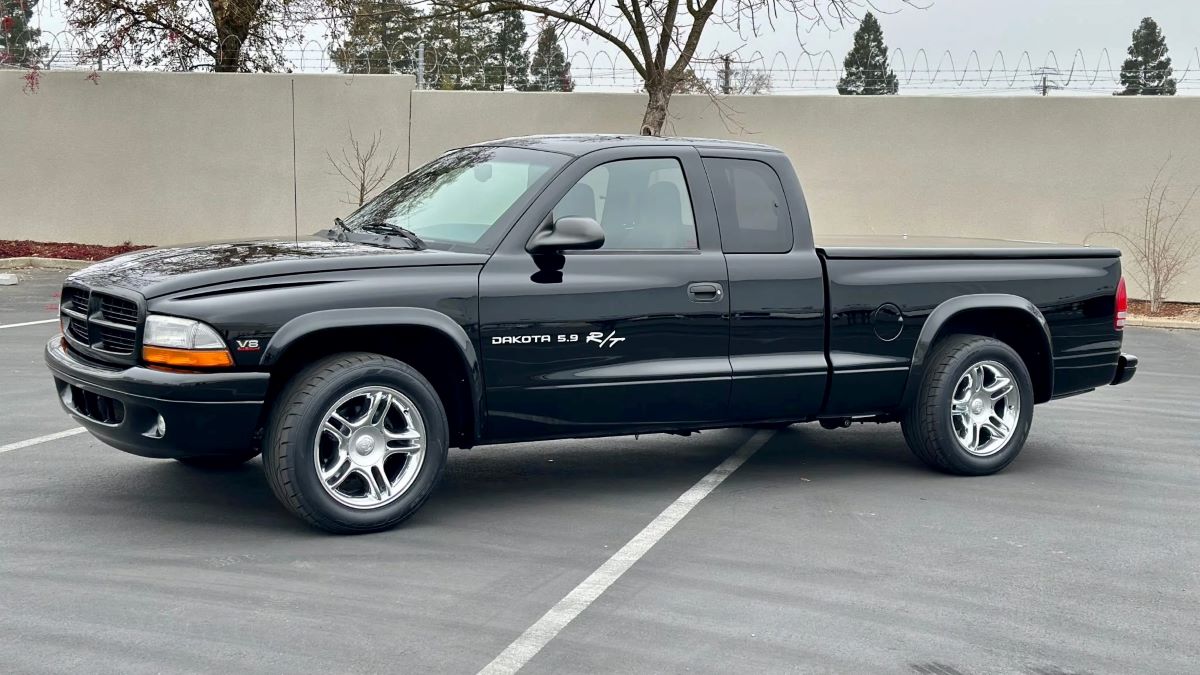
The cabin was isolated from the bed to reduce vibrations, while 4×4 models could be equipped with off-road-ready 31-inch tires. The 8-foot bed was ideal for both work and leisure, and towing capacity reached 6,900 pounds, accommodating larger loads with ease.
Inside, the Dakota’s standard cab was among the roomiest in its class, designed for comfort and practicality. Its rounded dashboard included a visor over the instrument cluster and center stack.
The instrument panel offered a full suite of gauges, including oil pressure and ammeter readings. Automatic models had a column-mounted shifter, while manual versions featured a floor-mounted gear stick. Seating configurations included two bucket seats with a center console or a bench seat with folding armrests, fitting up to three passengers.
Under the hood, the base Dakota received a 2.5-liter inline-four engine sourced from AMC, paired with a five-speed manual transmission. For those seeking more power, Dodge offered a 5.9-liter V8, with a four-speed automatic available across the range.
Braking included front disc and rear drum brakes with standard rear ABS, while an optional four-wheel anti-lock system provided added stopping power. The combination of versatility, roomy interior, and engine choices helped the 1997 Dakota carve out a distinct place in the compact pickup segment.
While modern trucks like the Toyota Tacoma, Ford F-150, and Chevrolet Silverado have significantly improved their resistance to rust, older models such as the Tacoma (pre-2011) and Ford Ranger remain cautionary tales of how rust can ruin an otherwise reliable truck.
The bottom line: if you’re shopping for a used pickup, always inspect the frame carefully and consider rustproofing if you live in an area prone to corrosion.
A truck with a solid frame can last decades, but one plagued by rust may not be worth fixing, no matter how good the engine runs.