
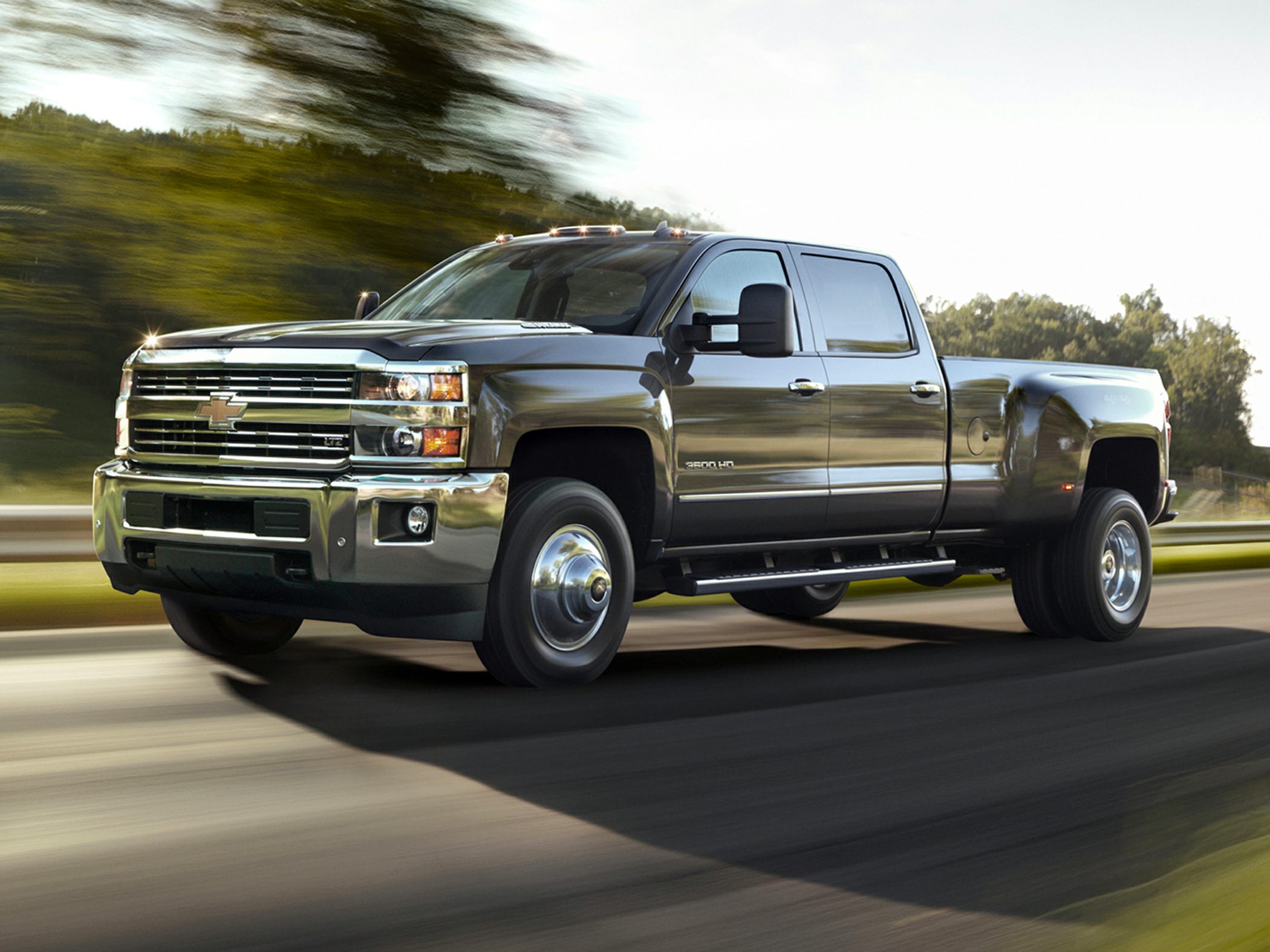
When it comes to pickups, there’s a big difference between those that look tough and those that actually are tough.
Many trucks on the market boast high towing and hauling numbers in glossy brochures, but in the real world whether it’s hauling construction gear, pulling a loaded trailer, or hauling livestock some trucks can’t stand up to the test.
For American buyers, pickups aren’t just about convenience; they’re workhorses that often double as daily drivers, making durability under heavy loads a key consideration.
A pickup that can’t handle constant hauling will rack up expensive repairs, wear down too soon, and ultimately leave owners frustrated.
This is why it’s important to distinguish between pickups that thrive under heavy hauling and those that struggle.
Below, we’ll take a closer look at five pickups known for surviving years of heavy-duty hauling, and five that have developed a reputation for not holding up when pushed to their supposed limits.
Pickups That Survive Heavy Hauling
When it comes to pickups, not all trucks are built equally. Some are engineered to handle light-duty chores, while others are forged to endure the relentless demands of heavy hauling.
In this article, we’re spotlighting pickups that can shoulder massive loads without breaking a sweat, trucks with the strength, durability, and reliability to keep going mile after mile, load after load. Whether you’re towing trailers, carrying equipment, or just need a workhorse you can depend on, these pickups are built to survive the toughest jobs.
1. Ford Super Duty (F-250 and F-350)
When people in the U.S. think about serious hauling, the Ford Super Duty lineup usually comes to mind. The F-250 and F-350 models are built specifically for heavy workloads, and they live up to the hype.
Equipped with the available Power Stroke diesel engine, these trucks generate massive torque that makes pulling a trailer or hauling a full bed of materials almost effortless.
The 2026 Ford Ranger, built on a global platform, serves a variety of international markets where the larger F-150, so familiar in the U.S., isn’t always practical or available.
The challenge for these regions is that the Ranger, while perfectly sized for tighter roads and urban settings, isn’t engineered to handle the full-size capabilities of an F-150, and conversely, the F-150 isn’t suited to the compact spaces the Ranger navigates abroad.
This gap led Ford to create a heavy-duty Ranger variant, the 2025 Ford Ranger Super Duty, a midsize workhorse designed for global markets, though it won’t be sold in the U.S.
Unlike enthusiast-focused models such as the Ranger Raptor, the Super Duty is purpose-built for rugged, work-oriented tasks, combining appropriate size with true utility.
Visually and functionally, the Ranger Super Duty stands out immediately. It rides on 33-inch General Grabber tires housed beneath unique squared-off fender flares exclusive to this model. Up front, a new heavy-duty steel bumper with skid plate, additional tire clearance, and mounting points for auxiliary lights protects the grille and headlights.
The hood is embossed with the Super Duty logo, while the grille’s open-weave mesh improves airflow. A standard snorkel allows for river crossings or dusty, off-road conditions, and the taller mirrors accommodate higher loads that might otherwise obscure the rearview.
The gross vehicle mass has been increased to approximately 9,920 pounds, up from the standard Ranger’s 6,790 pounds.
Flexibility remains a priority: the Ranger Super Duty can be customized to meet the unique requirements of farmers, forestry operators, or other commercial users needing a capable off-road pickup. Inside, the cabin balances work-focused practicality with familiar amenities.
As for availability in the U.S., it’s highly unlikely. The Ranger Super Duty is targeted at markets where the F-150 either isn’t offered or isn’t in demand for heavy-duty work. While the Ranger Super Duty’s capabilities overlap with the F-150, size makes all the difference in other markets.
That said, there’s potential for a smaller truck with enhanced capability to succeed in the U.S., though historically, the American truck market has favored straightforward, full-size options, just ask Nissan about the Titan XD, which struggled as an in-between model.
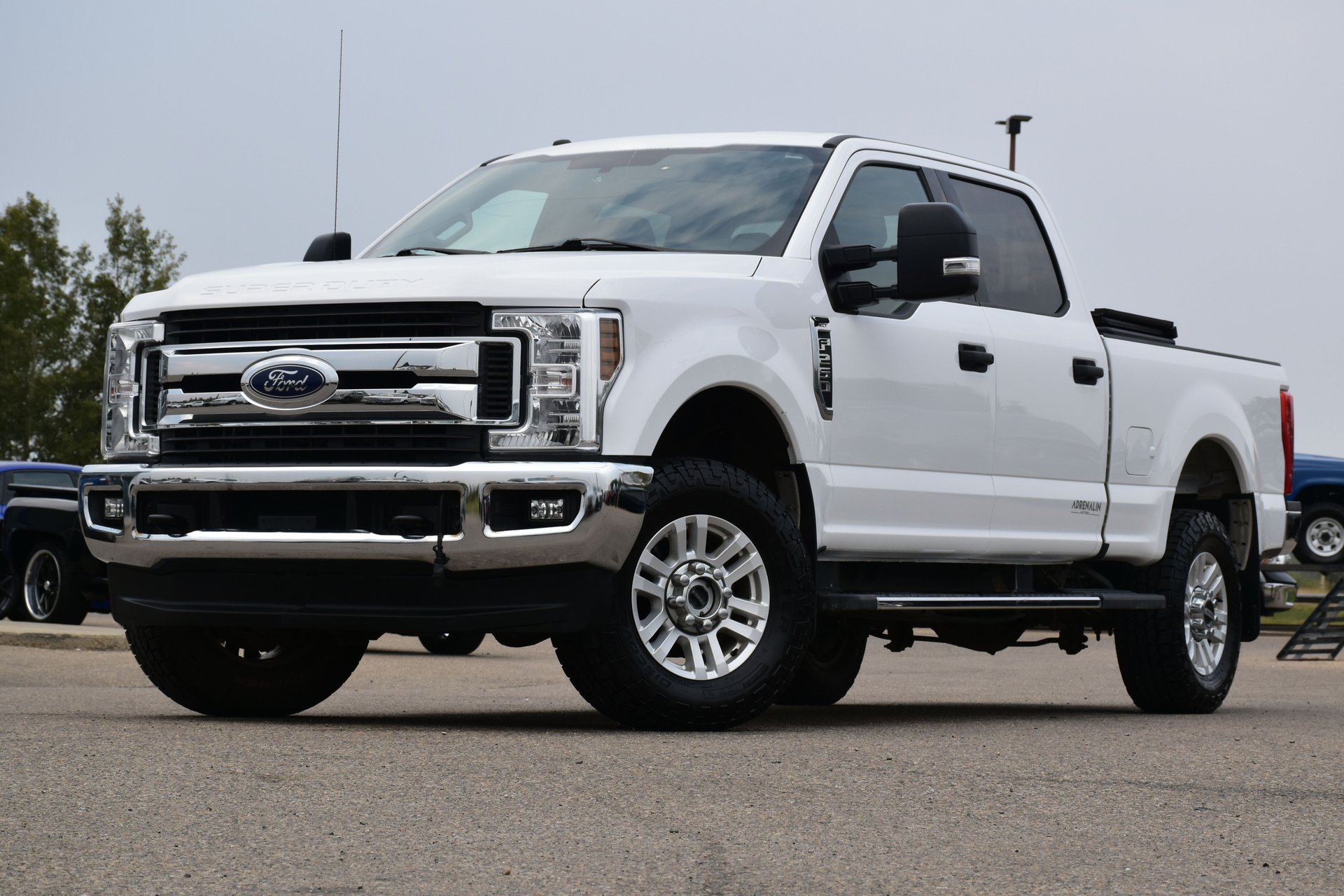
More importantly, their frames, transmissions, and suspension systems are designed to handle repeated strain without giving out quickly.
Contractors, farmers, and even RV owners have long praised Super Duty models for their ability to haul loads day in and day out without overheating, sagging, or burning through key components.
2. Ram 2500
The Ram 2500 has earned its spot as one of the most capable heavy haulers on the market. Thanks to its optional Cummins turbo-diesel engine, this truck has immense pulling power and exceptional durability.
Ram engineered the 2500 with a reinforced frame and upgraded suspension that can carry immense payloads without wearing out prematurely.
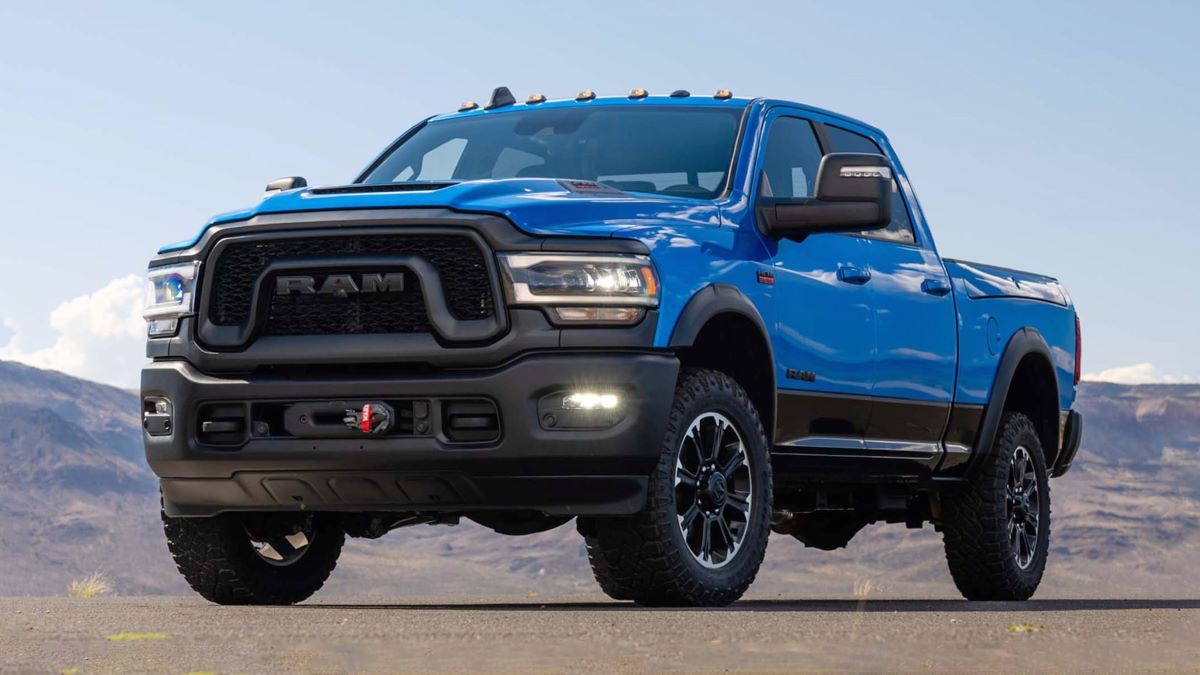
Beyond just raw strength, many owners appreciate that the Ram’s ride quality doesn’t completely fall apart under heavy loads, which makes it more versatile for both work and family duties.
Unlike some trucks that struggle after a few years of constant hauling, the Ram 2500 is known to keep its composure and reliability long-term.
3. Chevrolet Silverado HD (2500HD and 3500HD)
Chevy’s heavy-duty Silverado trucks are staples on American job sites, and for good reason. The Silverado HD line consistently ranks among the most capable hauling machines, especially when equipped with the Duramax diesel engine and Allison transmission combination.
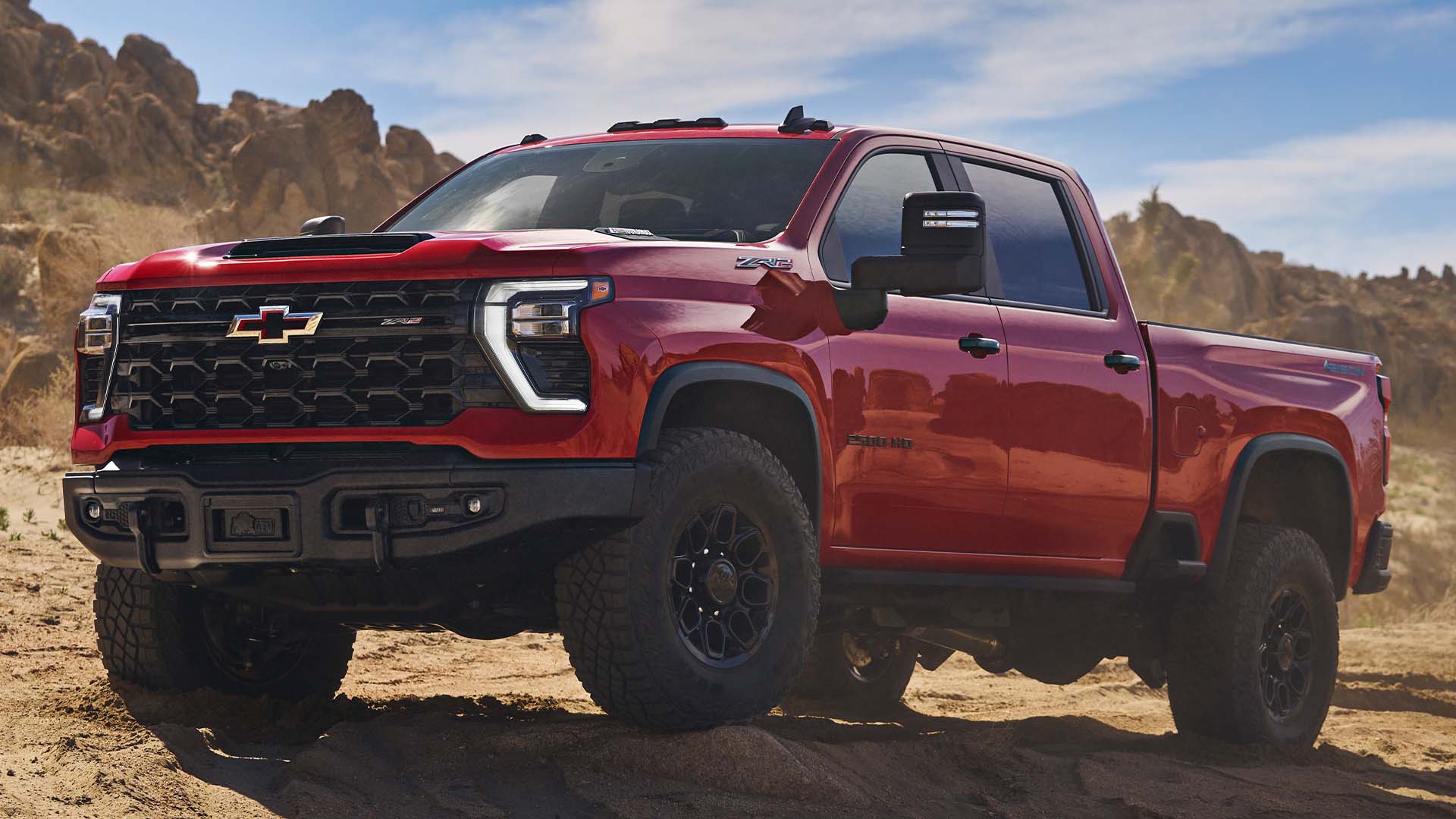
This pairing delivers impressive torque and stability, giving the truck a reputation for withstanding constant heavy use. Farmers often choose Silverado HD models for towing equipment, while tradespeople rely on them for transporting heavy loads daily.
The reinforced frame and durable rear axle allow it to survive years of punishment, making it one of the most trusted heavy-duty haulers.
4. Toyota Tundra (2022 and newer models)
While older Tundras were considered tough but limited in towing, Toyota completely overhauled the model in 2022 with a new twin-turbo V6 and hybrid option, improving its hauling ability significantly.
More importantly, Toyota engineered the latest Tundra with long-term reliability in mind, something the brand is already famous for.
The 2022 Toyota Tundra stakes its claim in a segment long dominated by domestic full-size pickups, offering a slightly different appeal for drivers loyal to the brand. Unlike most half-ton trucks that rely on a traditional leaf-spring rear suspension, the Tundra uses coil springs, giving it a smoother ride and more composed handling without sacrificing capability.
It can still tow up to 12,000 pounds and comes standard with a suite of driver-assistance features. But here’s the twist: there’s no V-8 under the hood. Instead, a twin-turbo V-6 powers the Tundra, producing 348 or 389 horsepower depending on trim, with a hybrid variant available separately that delivers 437 horsepower.
Inside, the cabin is significantly more refined than before, and the infotainment system boasts a large 14.0-inch touchscreen, making the Tundra a compelling contender against its American rivals.
Toyota has fully redesigned the Tundra after the previous generation remained mostly unchanged since 2007. While a minor refresh came in 2014, it still struggled to compete with the likes of the Ford F-150, Ram 1500, Chevy Silverado 1500, and GMC Sierra 1500.
The 2022 redesign, however, brings numerous improvements that enhance both capability and desirability, though it’s unlikely to surpass domestic sales volumes.
Pricing ranges from $37,745 for the base SR trim up to $60,185 for the 1794 Edition. Among the trims, the SR5 paired with the TRD Off-Road package is the sweet spot, offering an electronically locking rear differential, upgraded suspension, unique wheels, and other off-road enhancements.
Under the hood, the Tundra exclusively uses a twin-turbo V-6 mated to a 10-speed automatic transmission. On the base SR trim, the engine delivers 348 horsepower and 405 lb-ft of torque, while higher trims boost output to 389 horsepower and 479 lb-ft.
Testing shows a Limited trim reaching 60 mph in 6.1 seconds. The new coil-spring rear suspension provides a more refined ride and better handling compared to the previous leaf-spring setup.
Toyota continues to offer the TRD Off-Road and TRD Sport packages, with the former featuring an off-road suspension, skid plates, and exclusive wheels, while the latter lowers the truck and adds 20-inch wheels. For maximum off-road performance, the TRD Pro includes a lifted suspension, specialized dampers, and 18-inch all-terrain wheels.
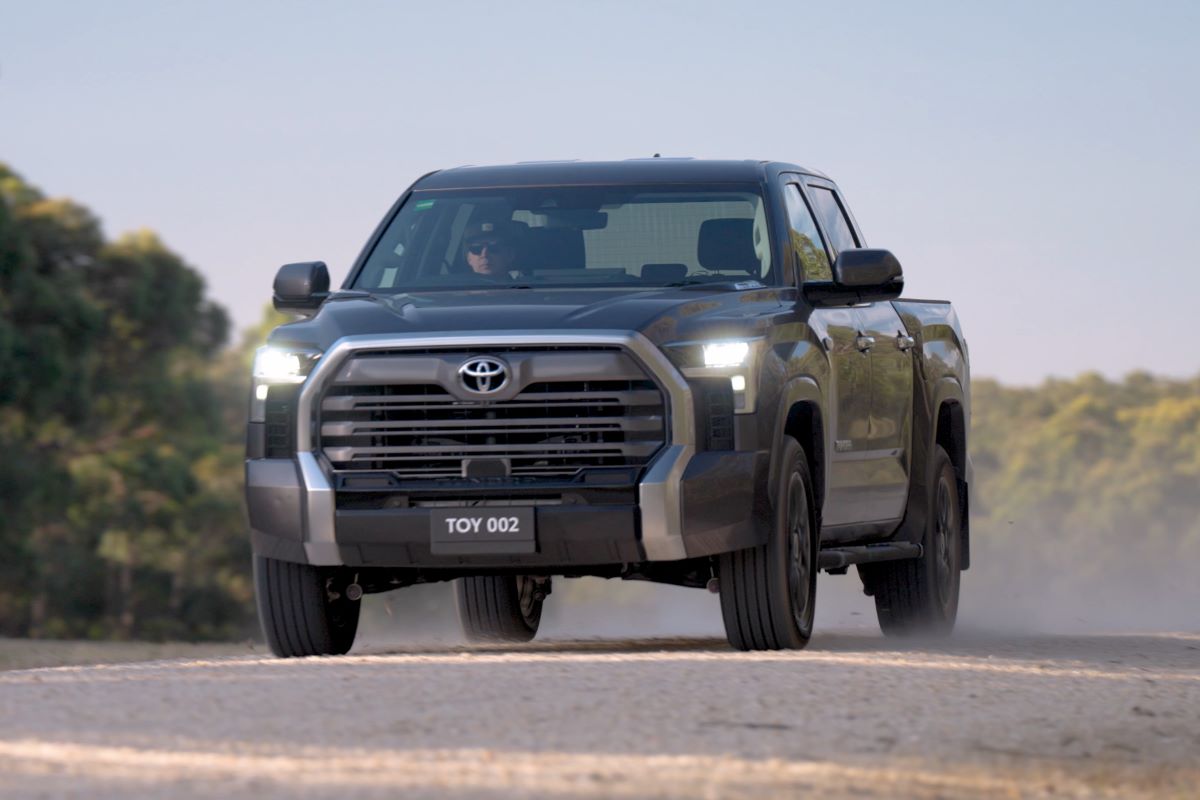
Unlike some light-duty trucks that show wear quickly under heavy loads, the newer Tundra has proven that it can handle substantial hauling while maintaining Toyota’s hallmark durability.
Owners who use their trucks for recreational hauling like boats, campers, or equipment often report that the Tundra doesn’t break down under pressure.
5. GMC Sierra HD
The GMC Sierra HD shares much of its engineering with the Chevrolet Silverado HD, but it often includes additional comfort and tech features. That said, it’s just as capable when it comes to heavy hauling.
Like the Silverado, the Sierra HD with the Duramax and Allison transmission setup has a proven record of withstanding tough hauling conditions.
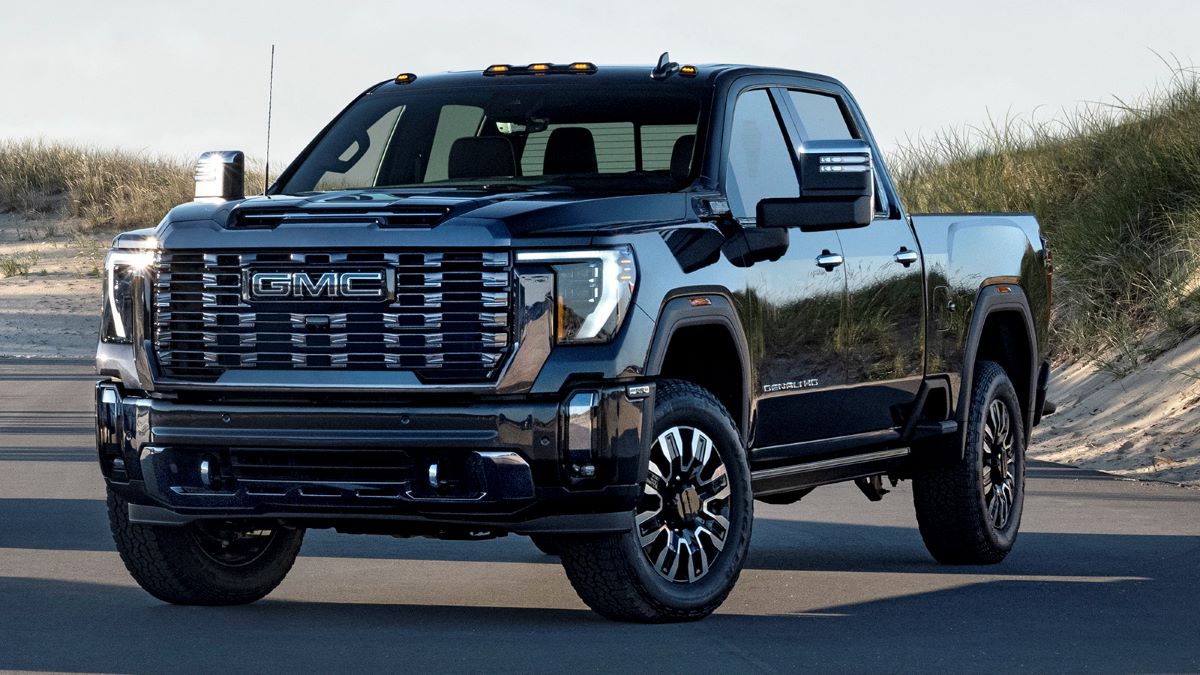
The suspension tuning and overall build quality give it an edge in refinement, but when pushed to the limits of payload and towing capacity, it doesn’t falter. For those who need a dependable hauler that can also serve as a comfortable daily driver, the Sierra HD is a solid pick.
Pickups That Can’t Handle Heavy Hauling
Not every pickup is built to tackle heavy-duty work. Some may look tough on the outside but falter when faced with serious towing or hauling demands.
In this article, we’re taking a closer look at pickups that struggle under heavy loads, trucks that can’t quite handle the weight, performance, or durability needed for demanding jobs. If you rely on your truck for serious work, these are the models you’ll want to approach with caution.
1. Ford Ranger (modern models)
While the Ford Ranger is marketed as a midsize truck with decent towing capacity, real-world performance under heavy loads tells a different story.
The Ranger can tow light trailers or small boats with ease, but when owners push it close to its maximum hauling or towing limits, issues often crop up.
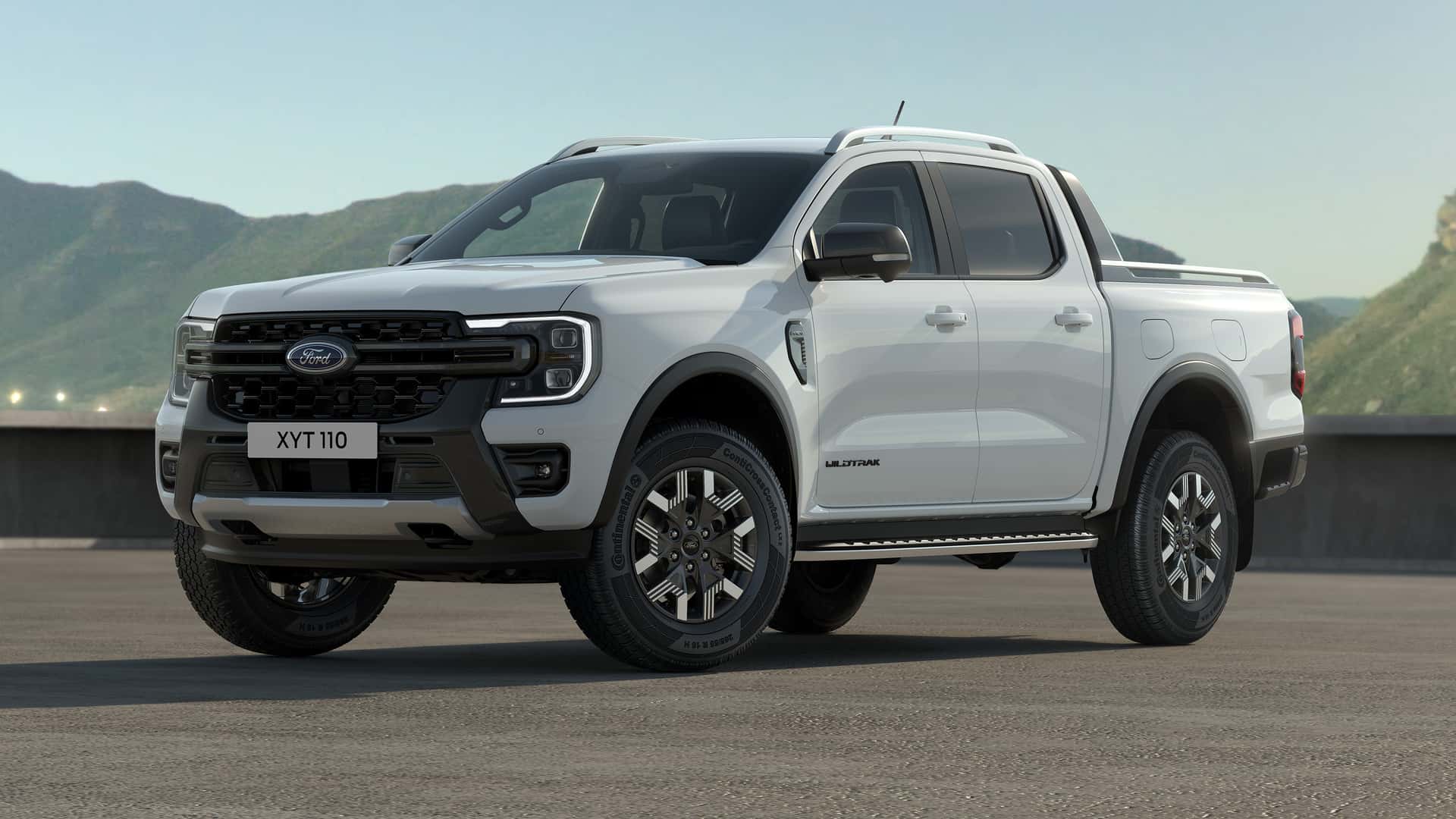
The smaller frame and less robust suspension aren’t built for daily heavy hauling, leading to quicker wear and tear on key components like the transmission.
For buyers who only occasionally need to haul something moderate, it works fine, but expecting it to endure heavy hauling over time will result in disappointment.
2. Nissan Frontier (older generations)
The Nissan Frontier is a dependable midsize pickup for light-duty tasks, but it isn’t designed for hauling heavy loads regularly. Older models, in particular, lack the frame strength and powertrain durability needed to survive constant strain.
The 2012 Nissan Frontier continues to solidify its reputation as a practical and capable midsize pickup, offering versatility for both work and daily life. Available in King Cab and Crew Cab configurations, the Frontier can accommodate a range of passenger and cargo needs.
Buyers can choose between a fuel-efficient 2.5-liter four-cylinder engine or a more powerful 4.0-liter V6, depending on their preference for everyday usability or towing capability.
For 2012, the Frontier carries over with minimal changes, maintaining the features and trims that have long made it a reliable choice. Inside, the cabin emphasizes functionality with durable materials and a simple layout.
Standard equipment includes air conditioning, a four-speaker audio system, and cloth upholstery, while higher trims add amenities such as upgraded audio systems, Bluetooth connectivity, and premium cloth or leather seats.
Cargo capacity is tailored to cab configuration, with the King Cab offering a longer bed and the Crew Cab a shorter one to balance passenger and hauling needs. Both setups feature tie-down cleats and available bed extenders, and the interior includes additional storage such as a center console, door pockets, and under-seat compartments.
Material choices and exterior colors range from practical options like Glacier White and Brilliant Silver to more eye-catching shades like Lava Red and Night Armor.
Feature offerings scale with trim levels. The base S trim provides essential amenities like air conditioning and a basic four-speaker audio system, while the SV adds power windows, locks, keyless entry, and a six-speaker stereo.
The off-road-focused PRO-4X comes with a Rockford Fosgate audio system and Bluetooth, and the top-tier SL trim adds luxury touches such as leather seating, premium audio, and optional navigation.
Performance is equally versatile. The 2.5-liter four-cylinder produces 152 horsepower and 171 lb-ft of torque, suitable for light-duty driving and paired with either a five-speed manual or automatic transmission.
The 4.0-liter V6, generating 261 horsepower and 281 lb-ft of torque, is geared for towing and heavier loads and comes with a six-speed manual or automatic transmission, with available rear-wheel or four-wheel drive.
With this combination of capability, comfort, and adaptability, the 2012 Frontier remains a strong contender in the midsize pickup segment.
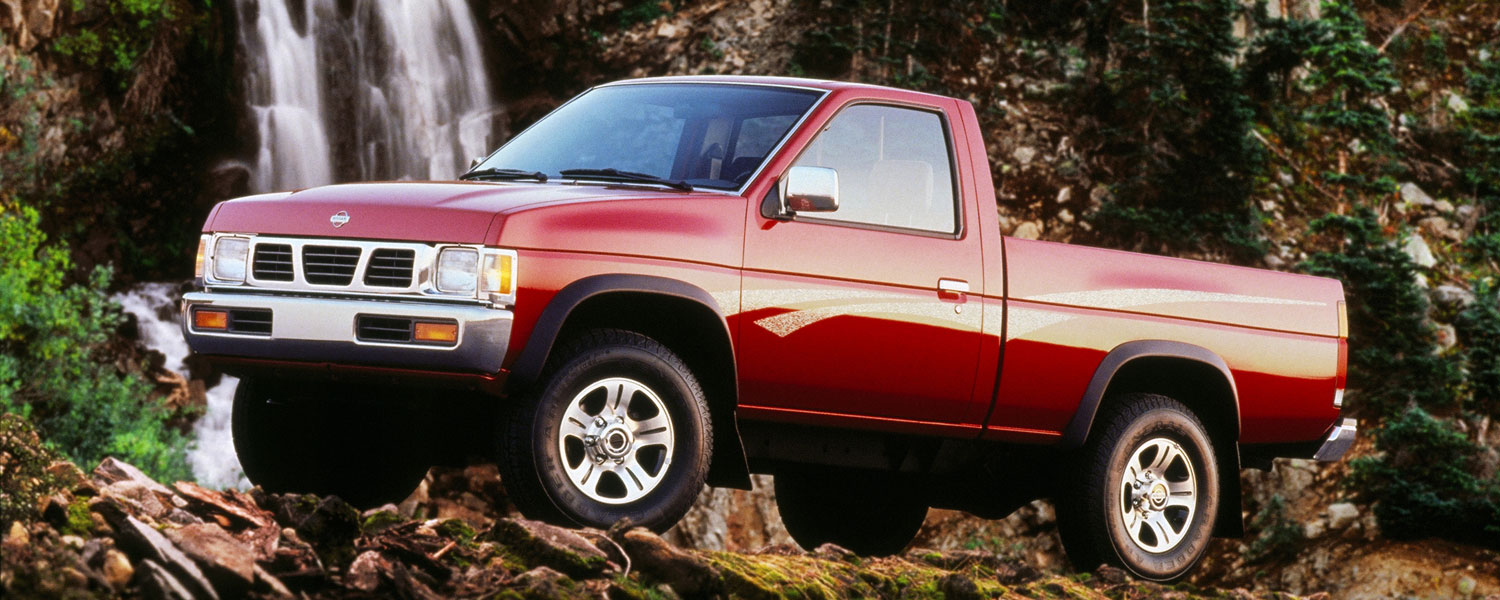
Owners who push Frontiers into heavy hauling territory often deal with transmission overheating, axle strain, and premature suspension wear.
While the Frontier excels as a versatile daily truck for urban and suburban drivers, it simply can’t compete with full-size or heavy-duty trucks when it comes to handling major payloads.
3. Chevrolet Colorado
Like the Ford Ranger and Nissan Frontier, the Colorado is designed more for versatility than raw strength. It’s an excellent midsize truck for commuting and occasional adventure trips, but consistent heavy hauling tends to expose its limitations.
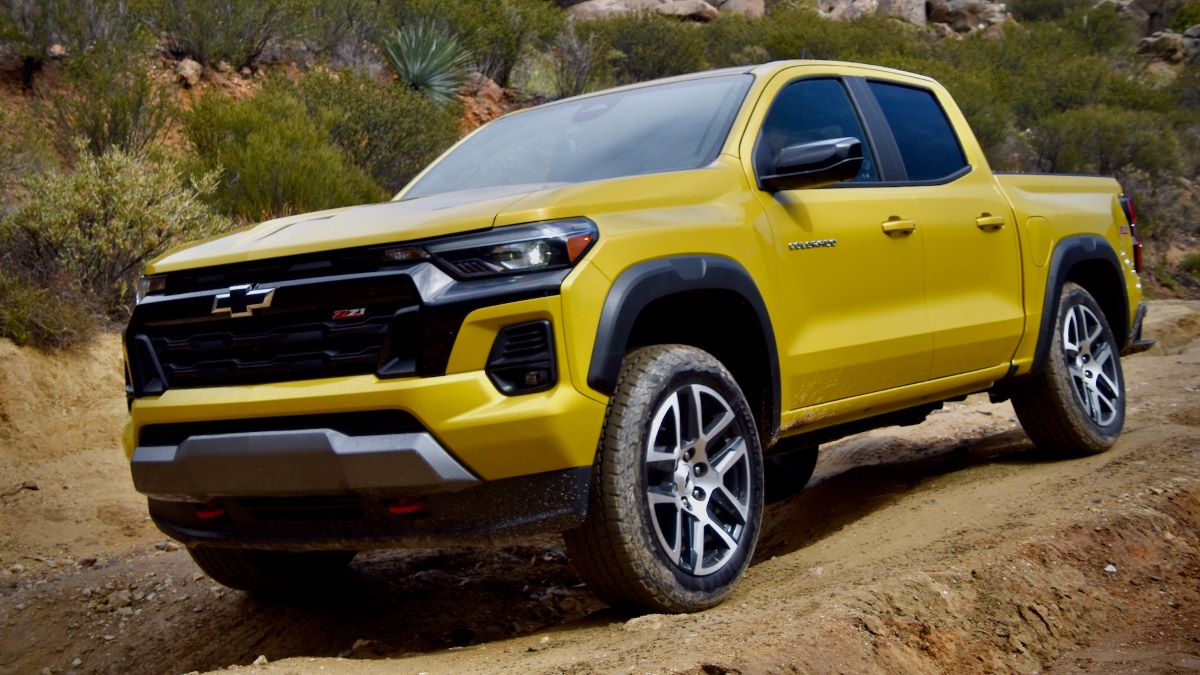
Owners who use it to pull heavy trailers or haul dense payloads often report reduced transmission life and suspension fatigue.
While its diesel variant improved towing ability somewhat, it’s still not built for repeated heavy-duty work. The Colorado is best viewed as a lifestyle truck rather than a serious hauler.
4. Honda Ridgeline
The Honda Ridgeline is unique in the pickup market because it’s built on a unibody platform rather than a body-on-frame design.
This makes it comfortable to drive, fuel-efficient, and well-suited for suburban life, but it also means it doesn’t have the rugged underpinnings needed for serious hauling.
The Ridgeline can handle weekend projects or moderate loads without complaint, but when owners push it to haul heavy trailers or large construction materials regularly, its weaknesses become clear.
The suspension and drivetrain aren’t designed for that level of abuse, and long-term durability suffers.
The Honda Ridgeline stands apart in the mid-size pickup segment thanks to its unique unibody construction. Unlike traditional body-on-frame pickups such as the Chevrolet Colorado or Toyota Tacoma, the Ridgeline shares its platform with the Honda Pilot SUV, giving it the driving dynamics of an SUV combined with the utility of a pickup bed.
While this design reduces its off-road capability compared to more rugged rivals, it excels in comfort and everyday usability.
Offered solely as a four-door crew cab with a five-foot bed, the Ridgeline is powered by a smooth 280-horsepower V-6 paired with a nine-speed automatic transmission and standard all-wheel drive. Behind the wheel, the Ridgeline feels more like an SUV than a truck, a distinction that has earned it multiple Editors’ Choice awards.
For 2023, the Ridgeline sees no changes, with pricing ranging from $40,195 for the Sport trim to $47,625 for the Black Edition.
While higher trims pack in the fanciest features, the RTL trim strikes the best balance between value and desirable equipment, including heated front seats, leather-trimmed interiors, and power-adjustable front seats.
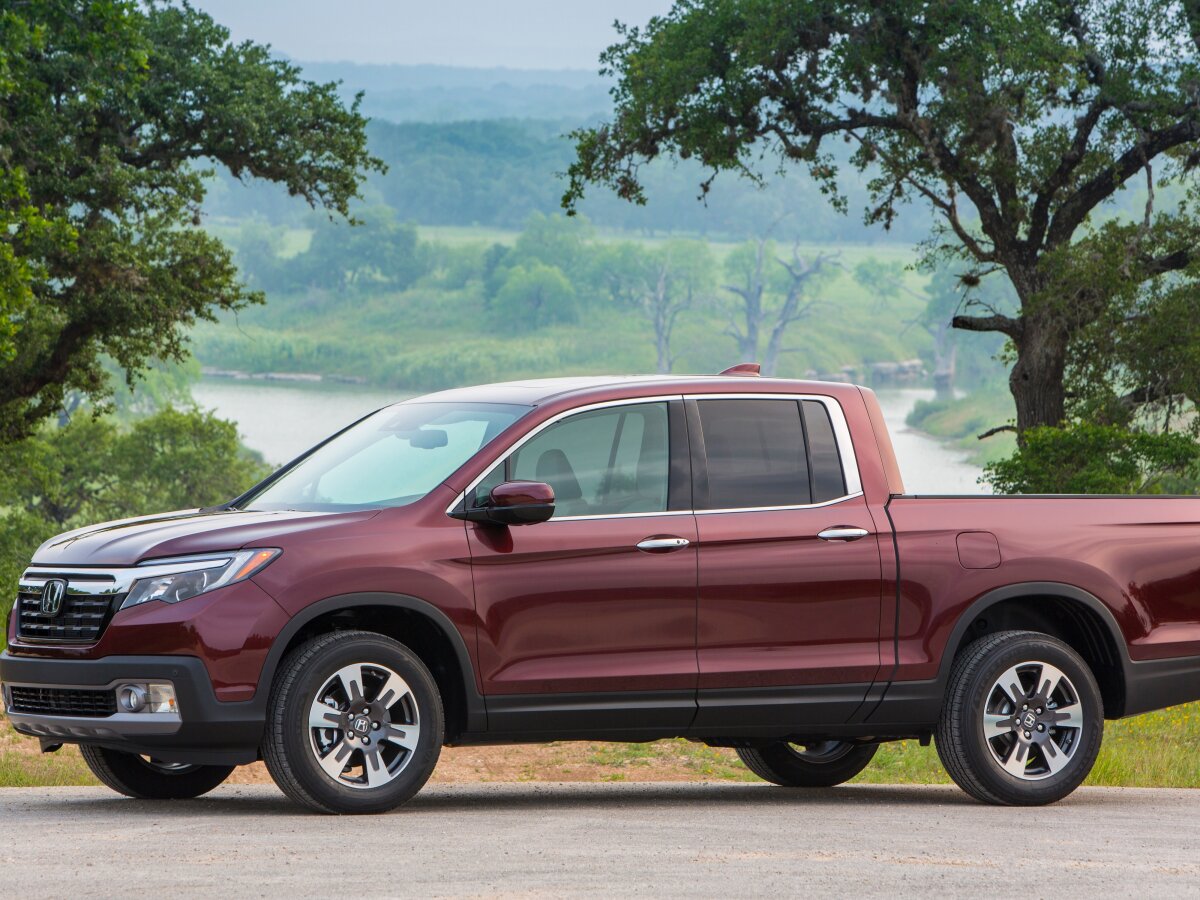
Under the hood, the 3.5-liter V-6 produces 280 horsepower and 262 pound-feet of torque, paired with the nine-speed automatic and standard all-wheel drive. Its performance is smooth and responsive, making it feel lively despite its untraditional pickup design.
On the road, the coil-sprung independent rear suspension delivers a carlike ride quality that traditional leaf-spring, solid-axle competitors cannot match.
Body lean in corners is minimal, bumps are absorbed gracefully, and the electrically assisted steering is well-tuned.
The only notable drawback is braking performance: the Ridgeline requires a longer distance to stop from 70 mph, and the brake pedal feels soft with excessive travel under normal driving conditions.
Overall, the Honda Ridgeline offers a comfortable, capable, and refined alternative to conventional mid-size pickups, making it ideal for buyers who prioritize comfort, efficiency, and everyday usability over extreme off-road prowess.
5. Dodge Dakota (discontinued)
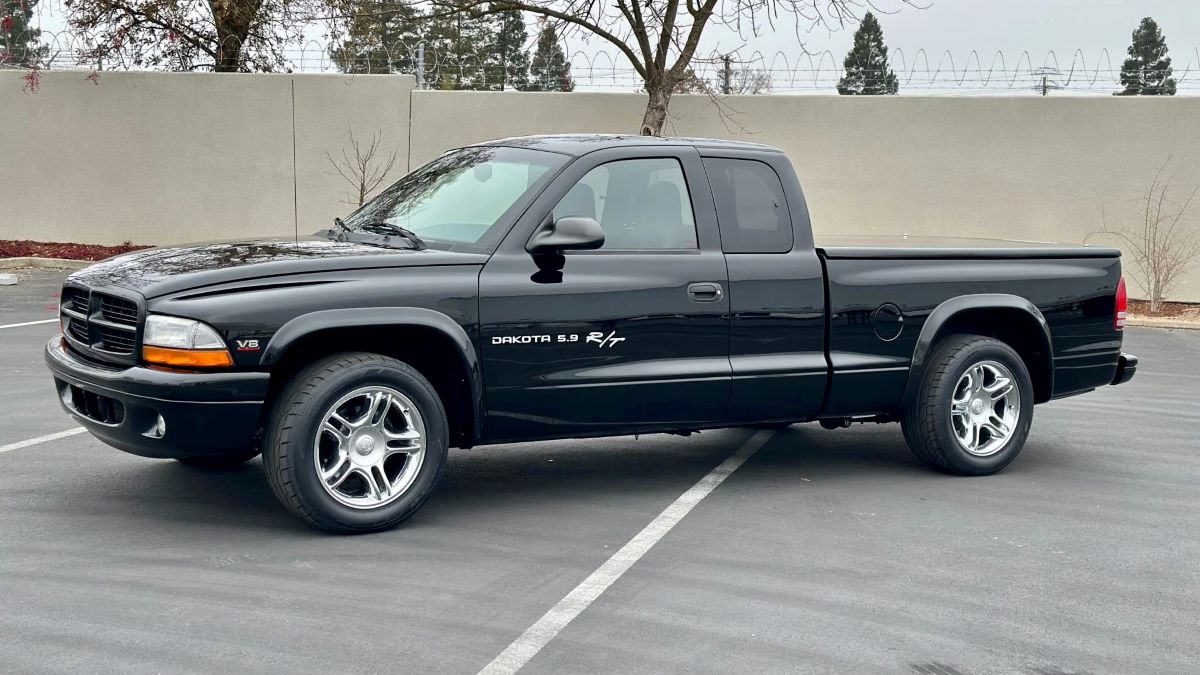
The Dodge Dakota once filled the gap between midsize and full-size trucks, but it never developed a reputation for durability under heavy hauling.
While it offered decent payload and towing numbers on paper, real-world use often revealed weaknesses in its transmission and suspension.
Many Dakota owners who used the truck for frequent hauling reported significant mechanical issues far earlier than they should have.
This lack of reliability is part of the reason Dodge eventually discontinued the model, leaving buyers to move toward the Ram lineup for more serious hauling needs.
Not all pickups are created equal, and that’s especially true when it comes to heavy hauling. For American truck owners who use their pickups as genuine workhorses, durability under strain is the difference between a truck that pays for itself and one that becomes a money pit.
The Ford Super Duty, Ram 2500, Silverado HD, Toyota Tundra, and GMC Sierra HD stand out as pickups designed to thrive under load, delivering years of dependable service.
On the other hand, smaller trucks like the Ford Ranger, Nissan Frontier, Chevy Colorado, Honda Ridgeline, and Dodge Dakota are better suited for light-duty tasks and occasional hauling but tend to struggle when pushed to heavy-duty territory.
When choosing a truck, buyers need to think honestly about their hauling needs. If heavy-duty hauling is a daily reality, investing in a truck built to survive that strain is worth every dollar.
But if the truck will spend more time on highways and suburban streets than on job sites, a lighter-duty option could make more sense.
At the end of the day, the best pickup isn’t just about horsepower it’s about whether it can survive the real-world loads you’re planning to throw at it.
