
Maintaining a vehicle’s exhaust system is often overlooked by many drivers until an issue arises, but it is crucial for both vehicle performance and environmental compliance.
The exhaust system is responsible for directing harmful gases away from the engine and passenger compartment, reducing emissions, and even improving fuel efficiency.
While some vehicles are engineered with durability in mind, others have exhaust systems that are prone to corrosion, leaks, or component failures.
For U.S. drivers, where winters can bring salted roads and humid climates can accelerate rust, understanding which vehicles hold up well and which are frequent exhaust troublemakers can save significant money and stress.
Vehicles That Rarely Need Exhaust Work
When it comes to car maintenance, few things are as frustrating or costly as exhaust system repairs. Between rust, leaks, and broken components, a failing exhaust can drain your wallet and your patience. But not every vehicle is prone to these issues.
Some models are built with stronger materials, smarter engineering, and better corrosion resistance, meaning they rarely give owners trouble in the exhaust department. In this article, we’ll take a closer look at the vehicles that stand out for their reliability and minimal need for exhaust work.
1. Toyota Tacoma (2005–2023)
The Toyota Tacoma has long been recognized for its reliability, and its exhaust system is no exception. Built with quality stainless steel components and robust construction, Tacomas tend to resist rust and corrosion better than many competitors.
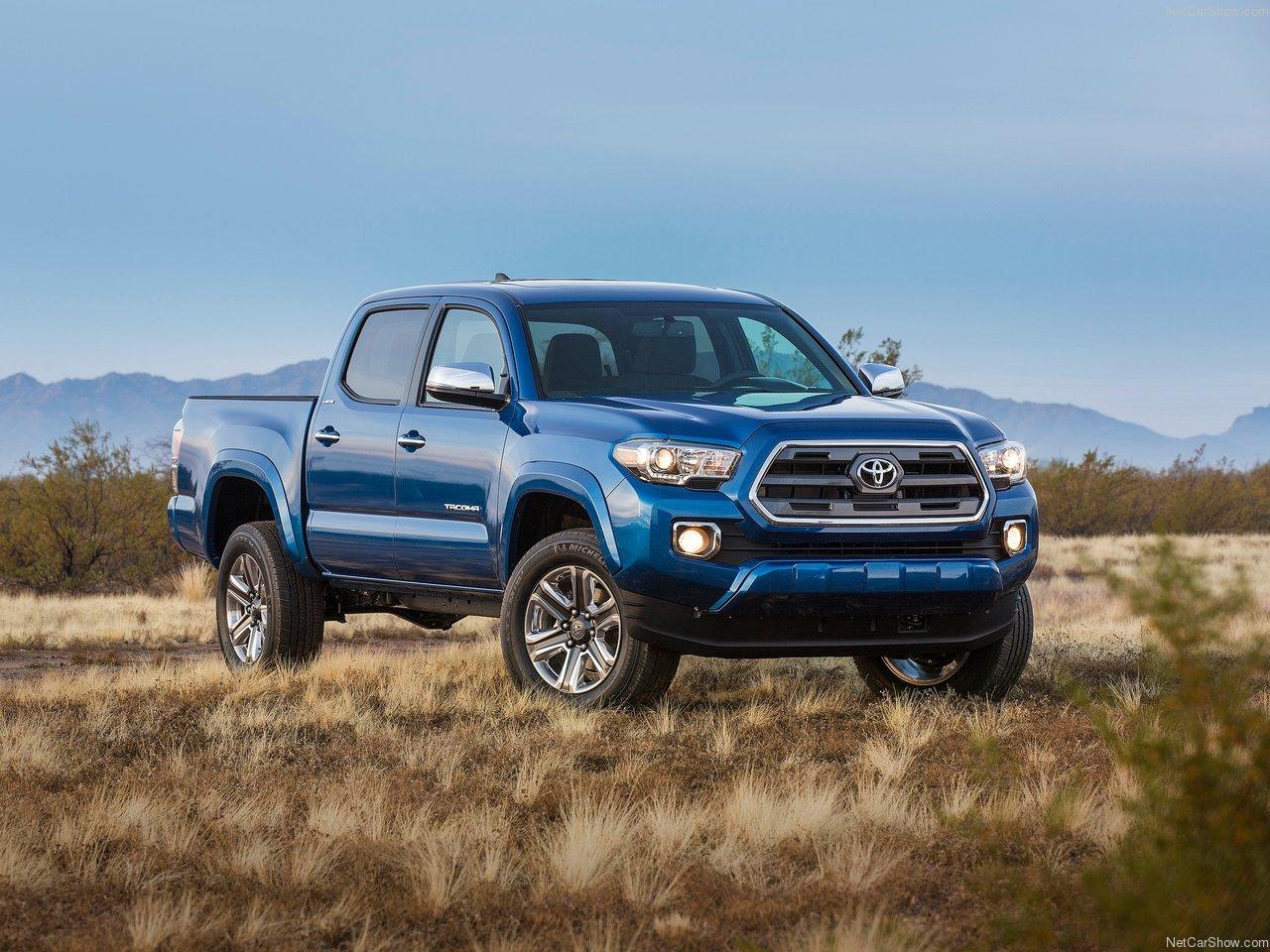
This durability is especially notable in regions with harsh winters, where road salt often wreaks havoc on the undercarriage. Owners rarely report issues with mufflers, catalytic converters, or exhaust manifolds, even after years of high-mileage use.
This makes the Tacoma a top choice for drivers looking for a dependable pickup without frequent exhaust headaches.
Also Read: Top 5 Engines That Stay Tight and 5 That Shake Apart
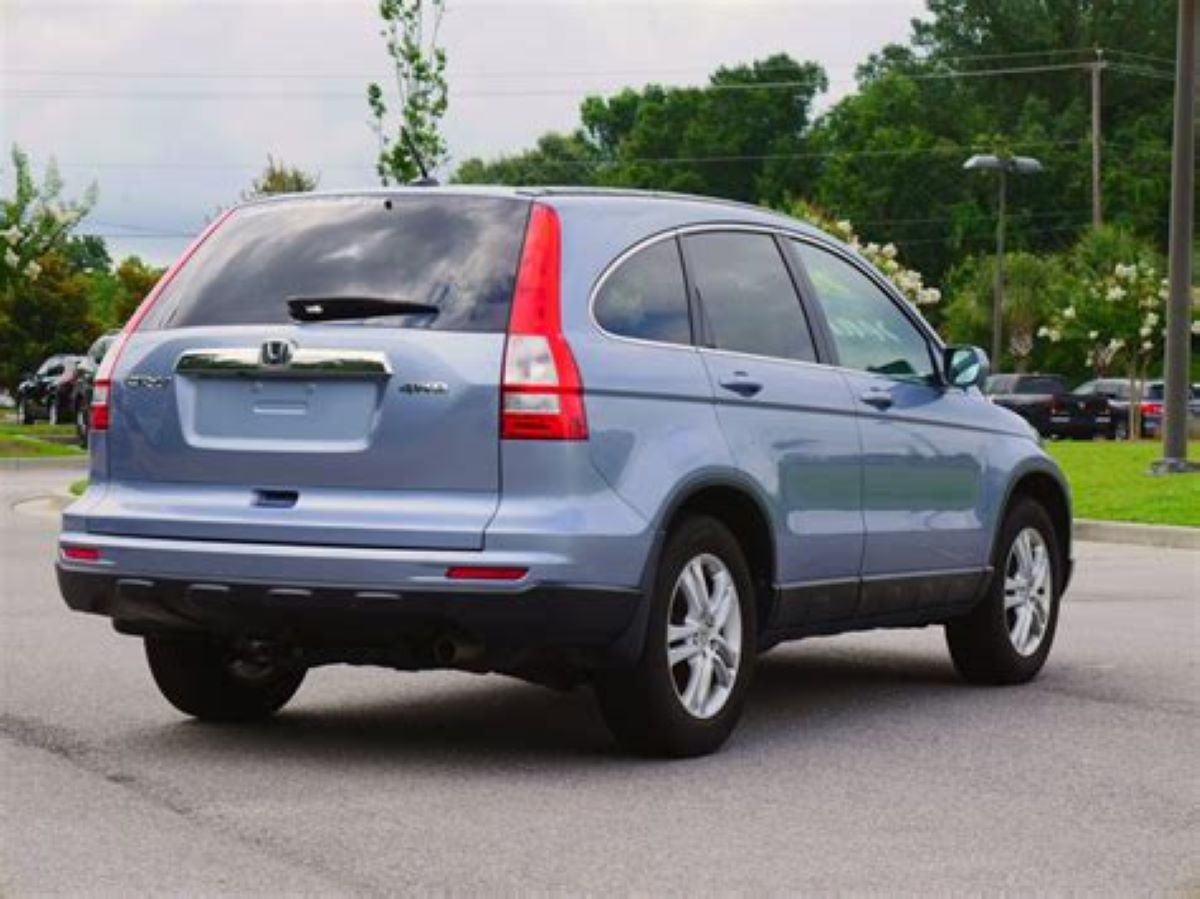
2. Honda CR-V (2010–2023)
The Honda CR-V, a staple of American compact SUVs, consistently ranks high for longevity. Honda’s engineering philosophy emphasizes reliability, and their exhaust systems are no exception.
The CR-V’s mufflers and catalytic converters often last well over 150,000 miles, even with heavy city driving. Moreover, the use of corrosion-resistant materials in newer models further reduces the risk of rust-related failures.
Many CR-V owners report that routine inspections are typically sufficient, with no need for significant exhaust repairs for the life of the vehicle. This reputation has clung to the Honda CR-V like industrial Velcro since the compact crossover first hit the market.
Although its four-cylinder engines have been refined through each of its three generations, a fully loaded CR-V has never been able to conquer steep grades without breaking into a sweat.
For 2010, the CR-V’s four-cylinder receives a much-needed boost in power, but unlike many rivals, a V6 option remains a missing piece that continues to leave some buyers wishing.
Still, this lack of muscle has done little to slow the CR-V’s momentum. Today, it stands as the best-selling SUV in the nation, thanks to an array of qualities that most shoppers value far more than raw horsepower. Crash test ratings are about as high as they come.
Rear seats recline and slide, while buyers can opt for heated power seats, navigation, and an iPod interface.
The CR-V is among the most agile and responsive crossovers in its class. Taken together, these factors make it an easy recommendation, especially with the mild styling refresh and new available features arriving for 2010.
That said, there are shortcomings worth considering, and they may lead you to explore other options. “It needs more power” continues to be the most obvious concern.
While sluggish acceleration may not matter much in everyday traffic, it’s worth noting that competitors like the Chevy Equinox with its V6, the Subaru Forester with a turbocharged four-cylinder, and the Toyota RAV4 with a V6 all deliver stronger performance without sacrificing much fuel efficiency. Noise inside the cabin is another sticking point, and the ride can feel firm compared to others.
Both the Equinox and Subaru Outback, for example, offer a smoother, quieter highway experience. With the compact-to-midsize crossover field growing rapidly, buyers have more choices than ever before.
Even so, we continue to recommend models like those above, along with the 2010 Honda CR-V, which remains as relevant today as it was when it helped define the segment back in the ’90s. Sure, it could use more power, but for the more than 100,000 people who buy one every year, the CR-V delivers plenty.
Every 2010 Honda CR-V is powered by a 2.4-liter four-cylinder engine rated at 180 horsepower and 161 pound-feet of torque.
A five-speed automatic transmission is standard, paired with front-wheel drive. All-wheel drive is optional and normally routes power to the front wheels, sending torque to those with the most grip when slippage occurs.
3. Subaru Outback (2010–2023)
Subarus are widely popular in the U.S., particularly in areas with snowy winters where all-wheel drive is valuable. The Outback’s exhaust system, however, is remarkably resilient despite exposure to moisture and road salt.
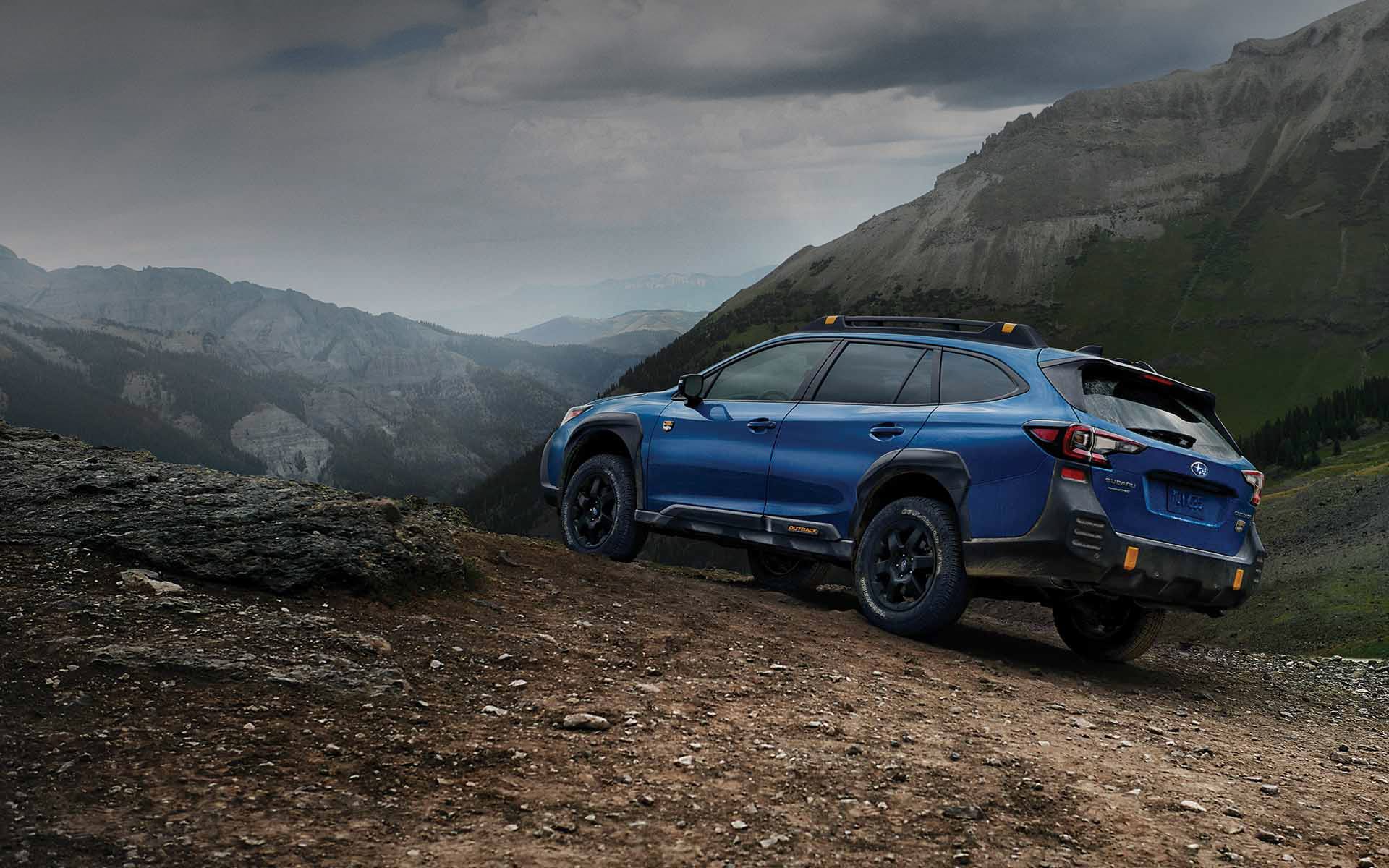
Subaru uses high-quality alloys for its exhaust pipes and mufflers, which help prevent rust. Additionally, the brand’s design allows for easier access and replacement if needed, but in practice, most Outbacks don’t require frequent exhaust work.
This combination of durability and serviceability keeps repair costs low and reliability high.
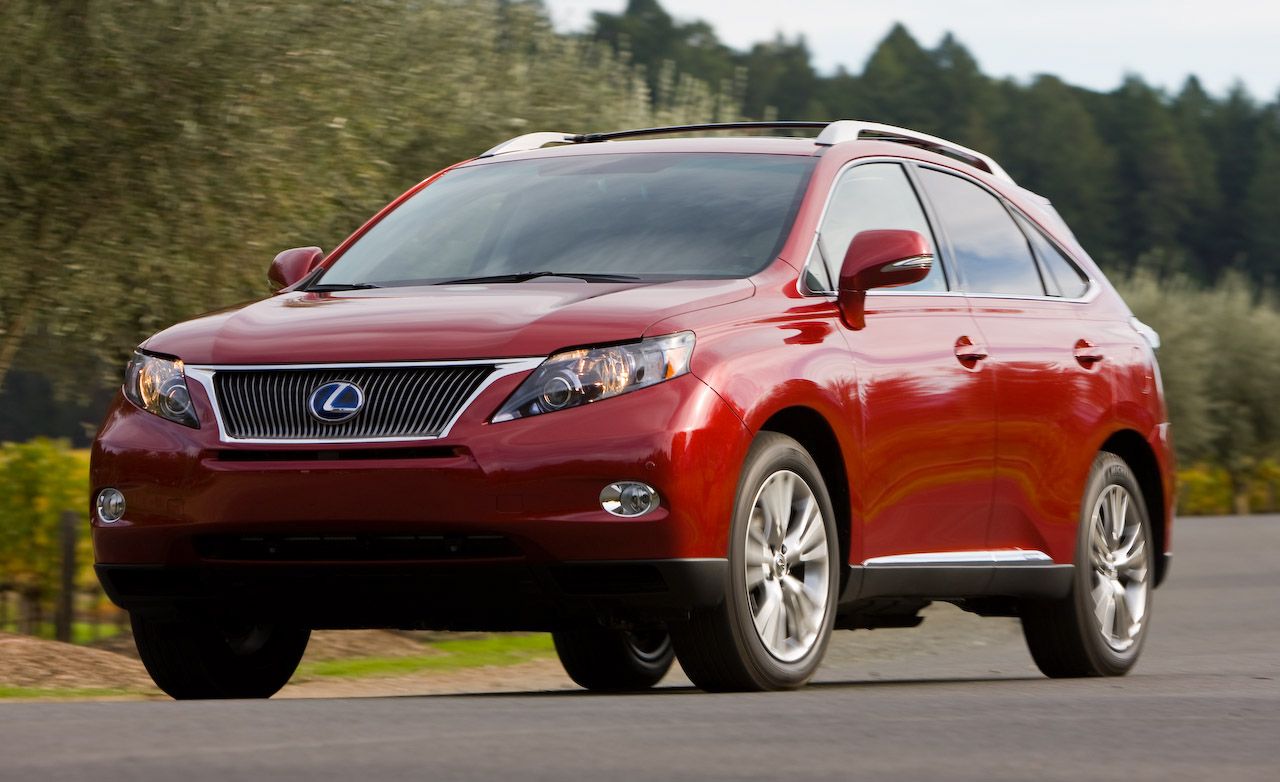
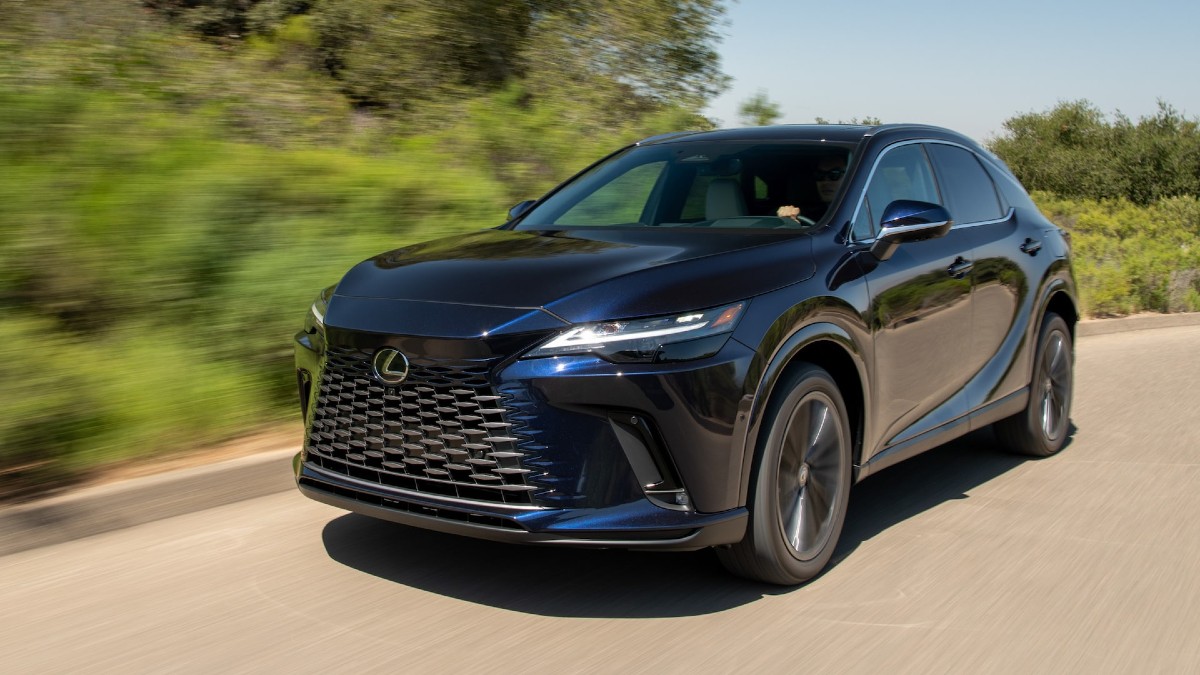
4. Lexus RX (2010–2023)
Lexus, Toyota’s luxury division, emphasizes quality and longevity across its models. The RX SUV’s exhaust components are engineered to last, with many owners experiencing minimal issues even after crossing 200,000 miles.
Stainless steel construction and careful design minimize leaks, rattles, and corrosion. For American buyers who prioritize comfort and reliability, the RX’s exhaust system is a quiet but crucial component that contributes to its reputation for long-term durability.
Subaru unveiled the fourth generation of the Outback in April 2009 at the New York International Auto Show, building it on the fifth-generation Legacy platform.
At the time, the global financial crisis had pushed many automakers to scale back their operations. Subaru, however, chose to take the opposite approach, investing in new products like the Outback, also referred to as the BR or BM.
Still, some cost-cutting was evident, as this model left behind a few hallmark features that had long defined the brand, including the frameless windows. From the outside, the car’s design essentially mirrored a lifted version of the Legacy wagon, though it featured notable upgrades.
Ground clearance rose to a solid 8.7 inches (22 cm), while the front bumper incorporated an unpainted plastic lower section that housed both a splitter and fog lamps. Along the profile, the long-roof silhouette carried over the same body panels as its non-lifted sibling.
Interestingly, Subaru opted against adding trim pieces around the wheel arches, which might have enhanced its rugged appeal. Eliminating the oversized dual sunroof was another visible sign of cost savings.
Inside, the cabin offered enough room to seat five adults comfortably for shorter trips. On longer drives, however, the middle passenger in the back row was at a disadvantage, as the transmission tunnel limited foot space. It wasn’t terrible, but it wasn’t particularly comfortable either.
Behind the 60/40 split-folding rear bench, the Outback provided a spacious cargo area with a low loading lip that made stowing items easier.
Beneath the hood, the Outback came equipped with either flat-four or flat-six engines, producing between 150 PS (148 hp) and 260 PS (260 hp). In certain markets, Subaru expanded the lineup with turbocharged gasoline or turbo-diesel options, broadening its appeal even further.
Also Read: 12 Common Habits That Will Ruin a Ford Escort Too Early
5. Ford F-150 (2015–2023)
The Ford F-150, America’s best-selling pickup for decades, benefits from robust engineering that extends to its exhaust system. While earlier generations occasionally struggled with rust on exhaust components, recent models use better corrosion-resistant materials and coatings.
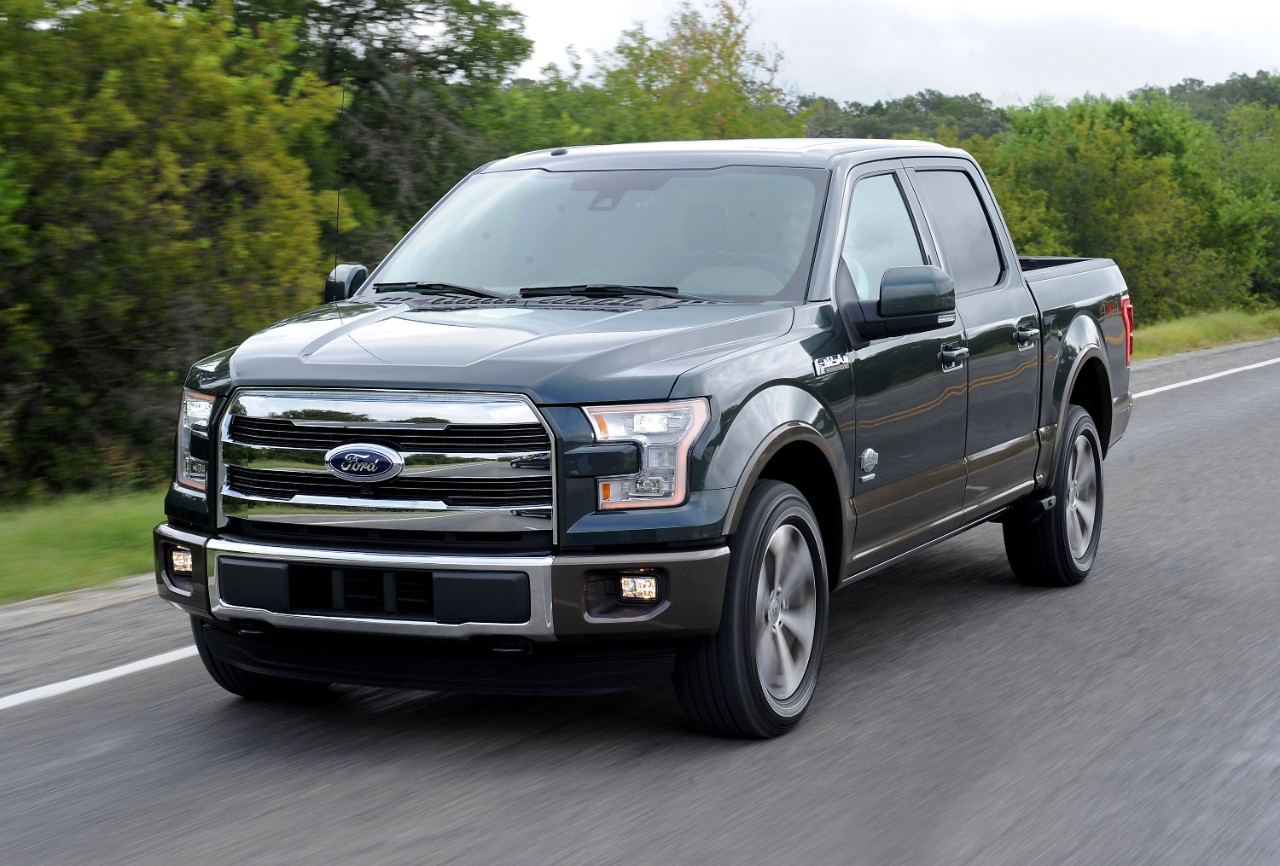
Regular oil changes and inspections help ensure that catalytic converters, mufflers, and exhaust pipes remain problem-free.
For truck owners who use their vehicles for daily driving or heavy-duty work, the F-150’s exhaust system generally requires minimal attention compared to other pickups.
Vehicles That Constantly Need Exhaust Work
Exhaust problems are one of those nagging car issues that just won’t stay quiet, literally. From rattling mufflers to corroded pipes and failing catalytic converters, some vehicles seem destined to spend more time at the shop than on the road when it comes to their exhaust systems.
While many models hold up well over time, others develop a reputation for constant repairs, unexpected costs, and premature part failures. In this article, we’ll take a closer look at the vehicles most often plagued by exhaust troubles and why they keep drivers reaching for their mechanic’s number.
1. Jeep Wrangler (2007–2023)
Jeep Wranglers are legendary for off-road capability, but their exhaust systems often struggle, particularly on older models.
Exposed undercarriages and frequent off-road adventures accelerate wear and tear, leading to rusted pipes and failing mufflers.
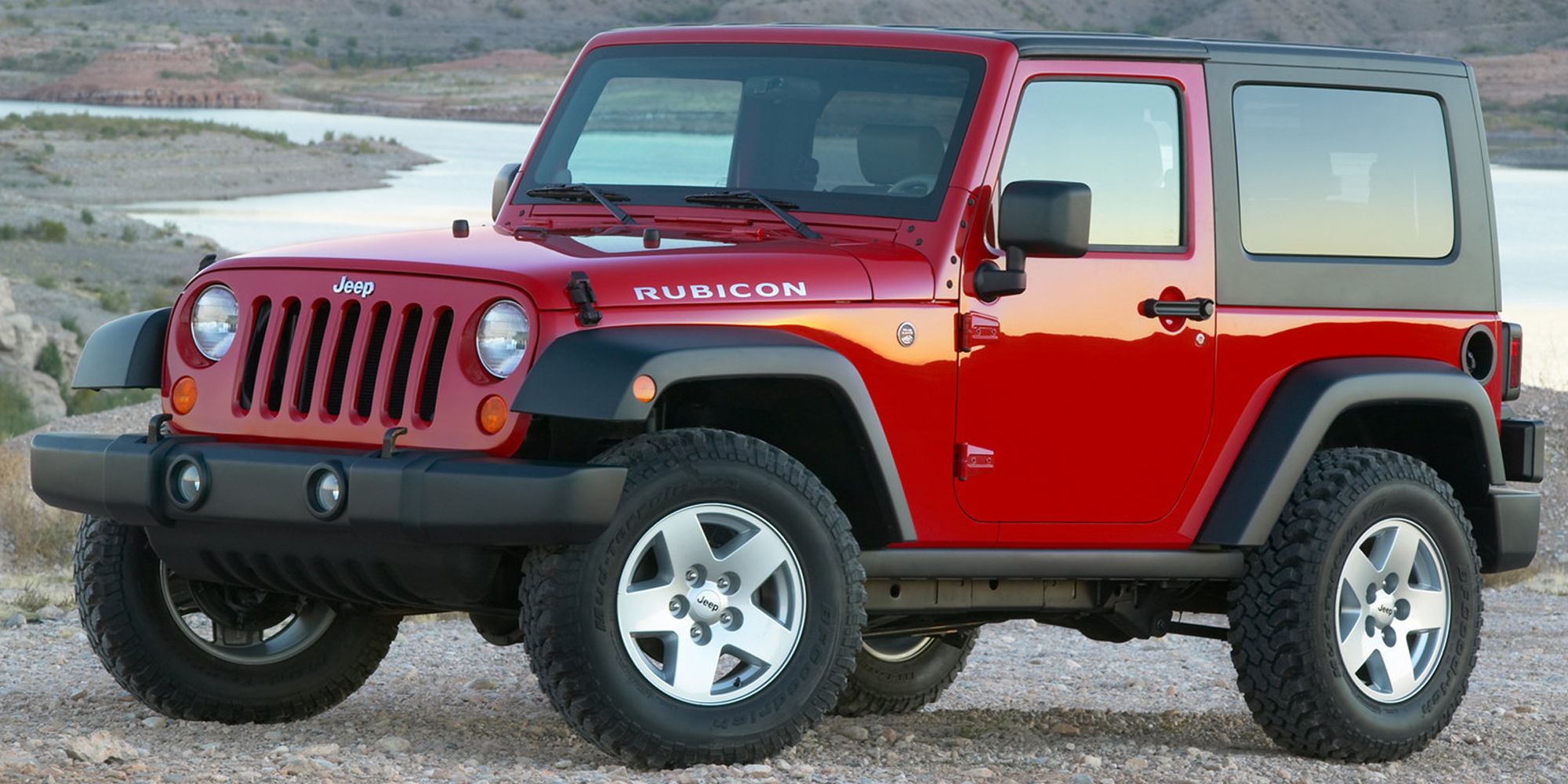
Catalytic converter issues are also common, especially in models driven on trails where mud and water can accumulate around the exhaust.
While Jeep enthusiasts love the Wrangler’s rugged design, those looking for low-maintenance exhaust systems may want to consider other SUVs.
2. Chevrolet Silverado 1500 (2007–2018)
Certain generations of the Chevrolet Silverado 1500 have developed a reputation for exhaust problems. Rust-prone components, especially in northern states where road salt is prevalent, often require premature replacement of mufflers and catalytic converters.
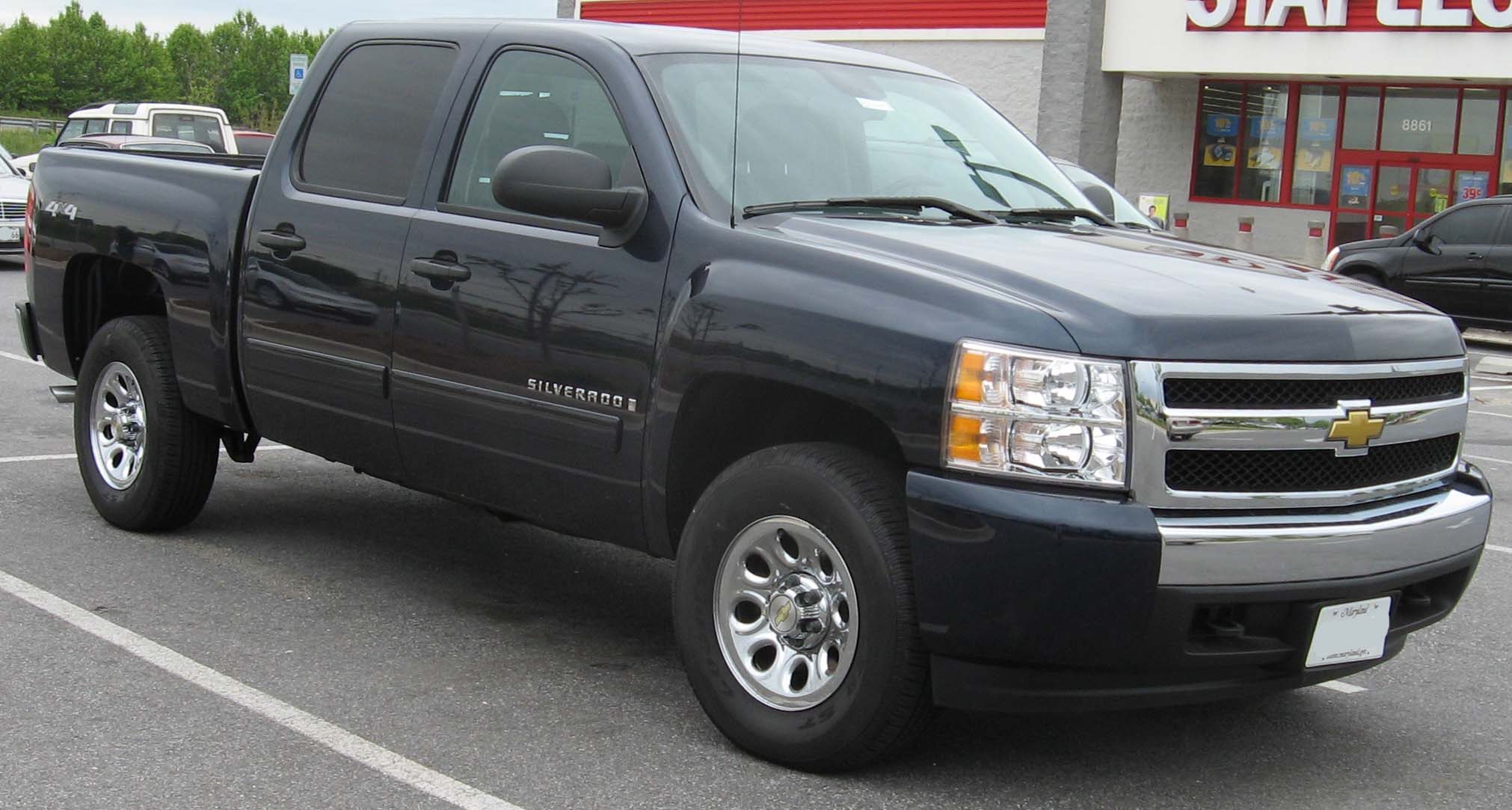
Silverado owners also report issues with exhaust manifolds cracking under heavy towing or engine stress. While Silverado pickups are durable in many areas, their exhaust system often demands attention, especially in high-mileage trucks.
he Chevrolet Silverado 1500 stands as a capable and versatile full-size pickup, offering a variety of configurations and an impressive lineup of powertrains. Among its highlights are two powerful, refined V-8 engines, with the top-tier 6.2-liter V-8 delivering a class-leading 420 horsepower and a maximum towing capacity of 12,500 pounds.
Every Silverado is equipped with a user-friendly infotainment system featuring Apple CarPlay and Android Auto. While it still trails the more advanced Ford F-150 in some areas, Chevy has crafted a highly effective pickup formula with the Silverado.
The base Silverado 1500 is powered by a 4.3-liter V-6 producing 285 horsepower and 305 lb-ft of torque, paired with a six-speed automatic transmission. A step up brings the 5.3-liter V-8 with 355 horsepower and 383 lb-ft of torque, which comes standard with a six-speed automatic but offers an eight-speed option on select trims.
At the top of the range sits the 6.2-liter V-8, generating 420 horsepower and 460 lb-ft of torque, mated exclusively to the eight-speed automatic. In testing, the 5.3-liter paired with the eight-speed felt underwhelming in acceleration, but the 6.2-liter proved remarkably quick, swift enough to challenge performance sedans.
While the Silverado isn’t built to carve up twisty backroads like a sports car, it remains composed and stable through corners at reasonable speeds, with precise steering and a relaxed highway ride. On rougher surfaces, however, broken pavement and potholes reveal a harsher side, an area where the Ram 1500 and Ford F-150 feel more refined.
3. Dodge Ram 1500 (2009–2018)
The Dodge Ram 1500 has a strong following in the U.S., but some model years exhibit persistent exhaust issues. Rusting of mufflers and pipes is common, particularly in humid or snowy regions.
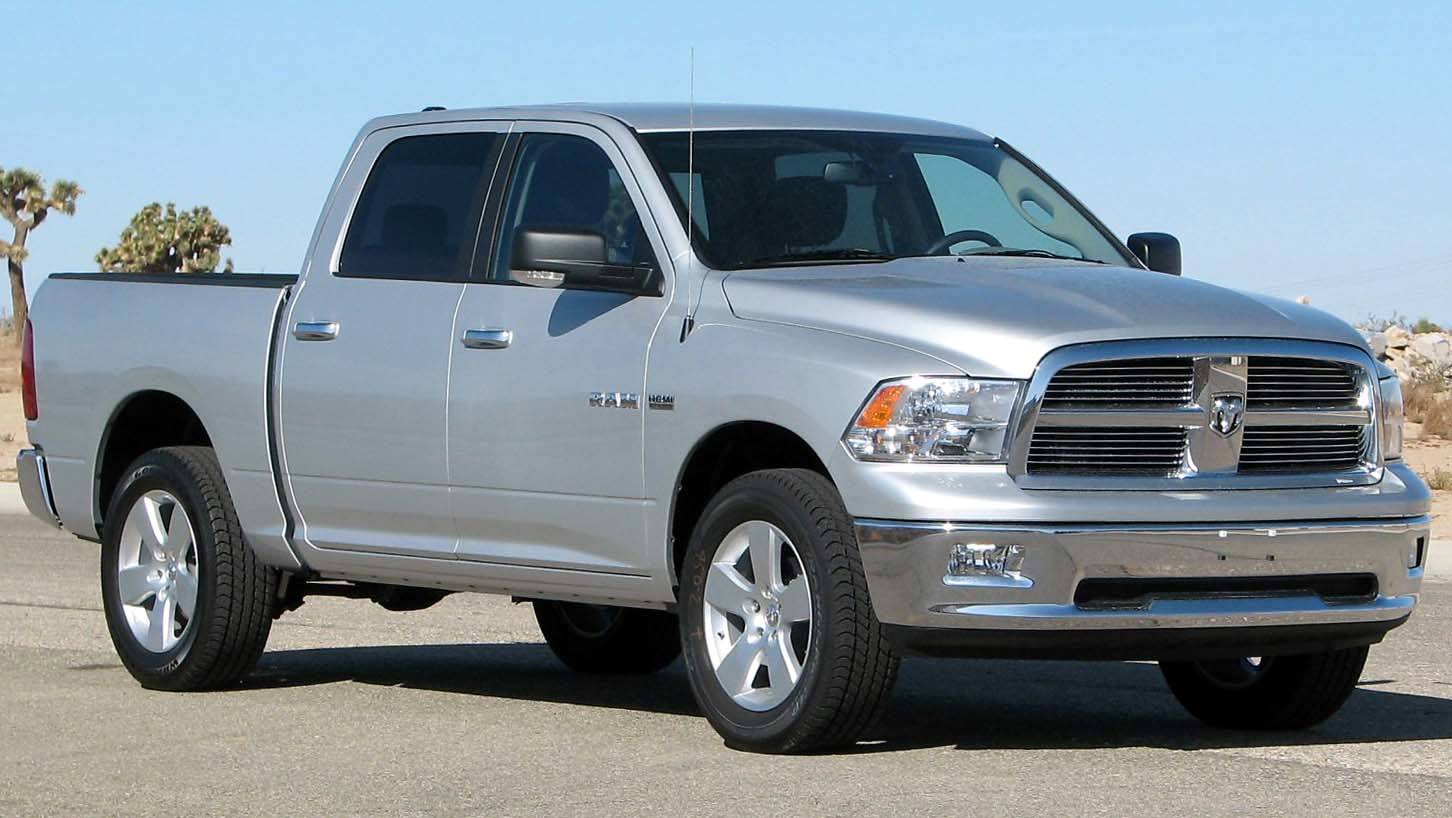
Catalytic converter failures also appear more frequently than in competitors, likely due to design and material choices.
Owners who tow or haul regularly may find that the Ram’s exhaust system needs attention sooner than expected, making preventive maintenance essential. One of the Ram 1500’s most distinctive qualities is its smooth ride, made possible by a class-exclusive coil-spring rear suspension.
This setup handles rough roads with greater finesse than the conventional leaf-spring arrangement, effectively reducing harshness and improving comfort. The trade-off is a slightly lower towing capacity, but drivers nearing these limits would likely be better served by a heavy-duty model anyway.
The optional air suspension enhances ride comfort even further and includes a self-leveling feature to prevent sagging when carrying a full payload or towing a heavy trailer.
Changes for the 2016 Ram 1500 are modest. The full center console with connectivity and storage for mobile devices, which had been limited to certain trims last year, is now standard across the lineup.
Several Sport variants gain new exterior paint options and minor trim updates. Additionally, LED lighting in the bed is now available, a practical addition when the optional tonneau cover is installed.
While the 2016 Ram 1500 remains one of our favorite full-size pickups, the 2016 Ford F-150 has an edge in agility, thanks to its lightweight aluminum body and two potent turbocharged V6 engines.
The 2016 Chevrolet Silverado and its twin, the GMC Sierra, continue to offer competitive powertrains and features, and the all-new 2016 Nissan Titan XD bridges the gap between regular- and heavy-duty trucks with a diesel V8 that surpasses the Ram’s diesel V6.
The 2016 Toyota Tundra is also available but falls short in ride quality and fuel efficiency. Despite being a veteran in this segment, the 2016 Ram 1500 remains a top choice.
The 2016 Ram 1500’s base powertrain is a 3.6-liter gasoline V6 producing 305 horsepower and 269 pound-feet of torque, paired with an eight-speed automatic transmission. Unlike traditional shift levers, the eight-speed is operated via a rotary knob on the instrument panel.
Rear-wheel drive (2WD) comes standard, while two 4WD systems are offered. Both feature a two-speed transfer case with low-range gearing.
One system is a conventional part-time setup with manual mode selection, and the other adds an Auto 4WD mode that automatically switches between rear- and four-wheel drive as conditions demand.
EPA-estimated fuel economy varies across the 2016 Ram 1500 lineup. The 2WD V6 model achieves an estimated 20 mpg combined (17 city/25 highway), increasing slightly to 21 mpg combined (18 city/25 highway) in HFE trim. The 4WD V6 falls to 19 mpg combined (16 city/23 highway).
Edmunds testing showed a Ram 1500 SLT quad cab 2WD with the V6 accelerated from 0 to 60 mph in 7.9 seconds, while a slightly heavier SLT crew cab 2WD V6 completed it in 8.0 seconds.
The 5.7-liter V8 producing 395 hp and 410 lb-ft of torque comes standard on Sport, Laramie Longhorn, and Limited trims, and is optional on all other models except the HFE.
4. Volkswagen Jetta (2006–2015)
Volkswagen’s Jetta has long been praised for driving dynamics and fuel efficiency, but exhaust reliability is a weaker point. Mufflers and catalytic converters often fail prematurely, particularly in models equipped with turbocharged engines.
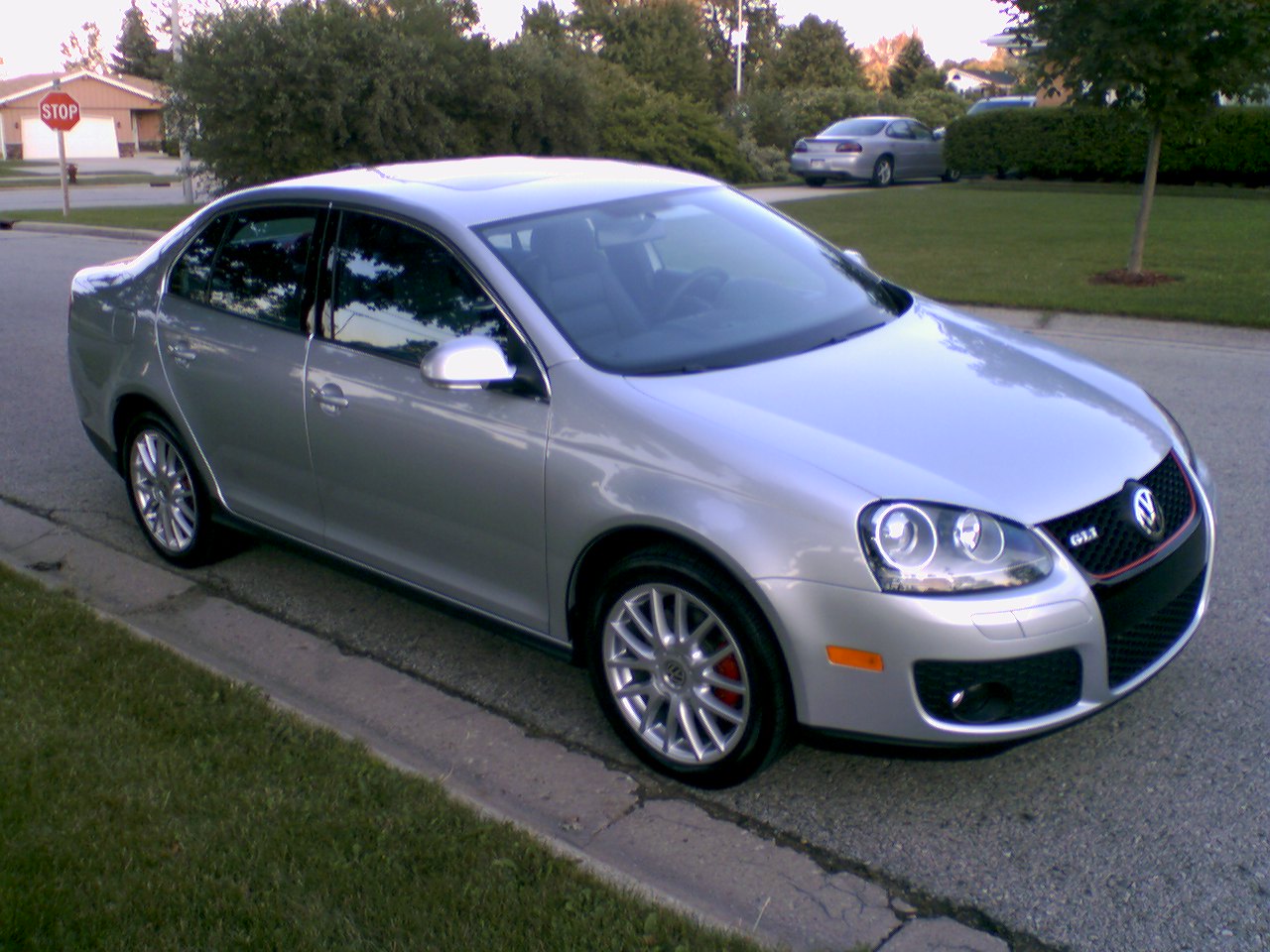
Corrosion and leaks are common complaints, and repair costs can be high due to the European engineering of components. While the Jetta remains a popular compact sedan in the U.S., its exhaust system is a frequent source of frustration for owners.
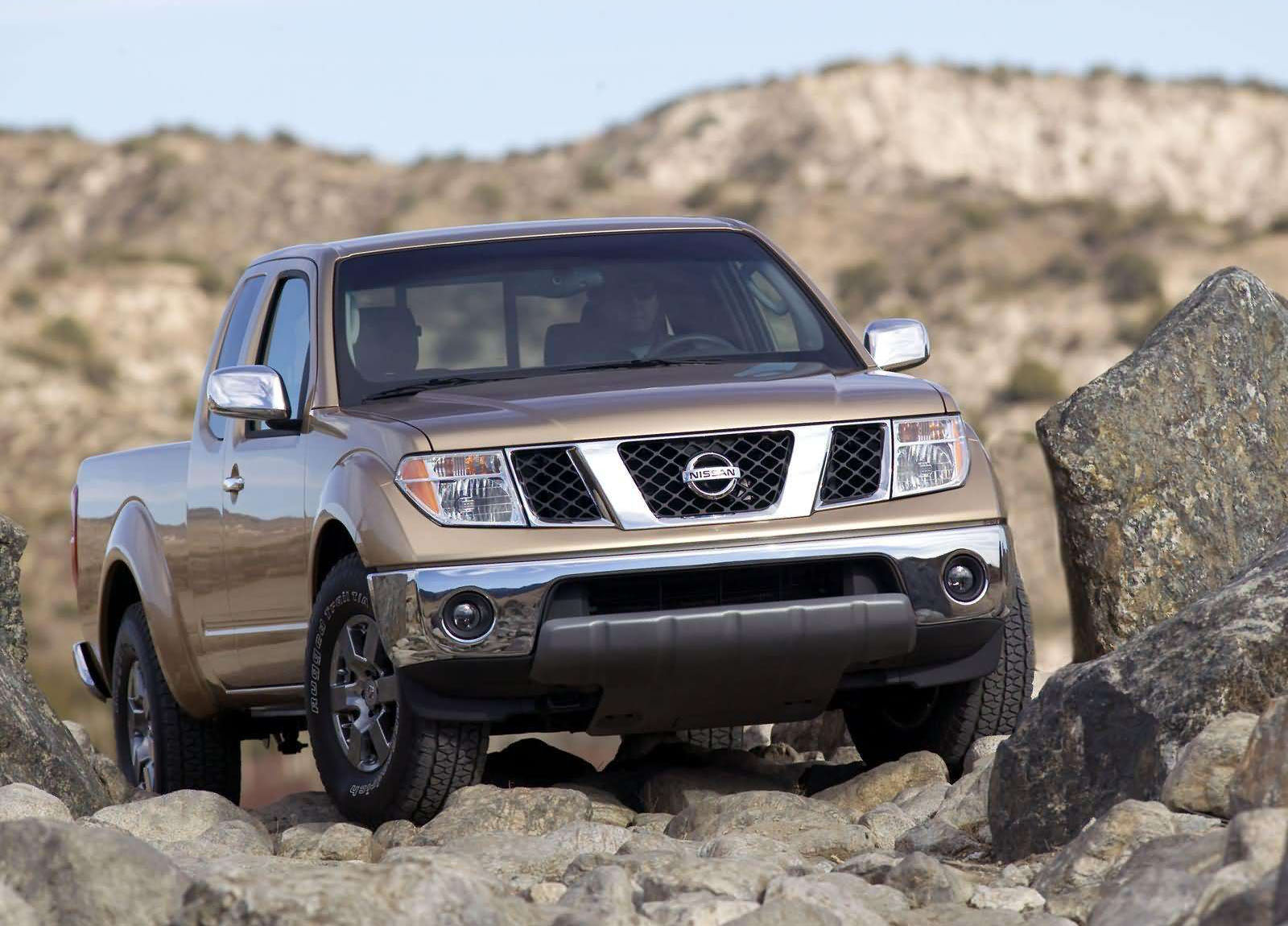
5. Nissan Frontier (2005–2019)
The Nissan Frontier is a solid midsize pickup, but older models often require exhaust repairs sooner than competitors. Rust on the exhaust pipes and mufflers is common, particularly in northern states.
The catalytic converter is another weak point, sometimes failing at relatively low mileage. While the Frontier is otherwise a dependable truck for light-duty use, its exhaust system is often cited as a significant maintenance concern.
Understanding which vehicles are prone to exhaust system problems can save American drivers considerable money and frustration.
Nissan has been producing trucks for the U.S. market since 1958, and its pickup lineup now reaches the eighth generation with the 2005 Frontier, the first fully redesigned model since 1998.
Larger, more powerful, and flaunting bold, muscular styling, the 2005 Frontier channels the big-truck presence of the full-size Titan. Its grille closely mirrors the Titan’s, while pronounced fender flares give the truck even more sculpted contours.
The Frontier also incorporates several features shared with the Titan, including a spray-in bedliner, the Utili-track bed channel tie-down system, and a fully boxed, all-steel frame.
The new Frontier’s wheelbase has grown by nearly 10 inches compared to the previous generation, enhancing ride comfort and stability. Its suspension layout borrows heavily from the Titan, featuring a double-wishbone front setup and leaf spring rear suspension.
The Frontier Crew Cab matches the King Cab in overall length, but its expanded rear seating area and forward-hinged rear doors make it a more versatile choice for families, albeit at the cost of some bed space.
Demonstrating Nissan’s commitment to dominating the compact truck segment, the Frontier’s top engine is a 4.0-liter V6 producing 265 horsepower and 284 pound-feet of torque. This power allows a maximum towing capacity exceeding 5,500 pounds, according to Nissan. The base Frontier King Cab comes with a standard 2.5-liter DOHC inline four-cylinder engine.
Inside, ergonomics and material quality have been significantly upgraded over the 2004 Frontier. Safety features include supplemental front-seat side-impact airbags, with available supplemental curtain airbags providing protection for front and rear outboard passengers in side-impact or rollover situations.
With rugged new styling, innovative features, and substantial power under the hood, the 2005 Frontier is positioned to compete aggressively with new models from Dodge and Toyota. For compact pickup buyers, this translates to a wider selection of capable trucks to consider when shopping.
Vehicles like the Toyota Tacoma, Honda CR-V, Subaru Outback, Lexus RX, and Ford F-150 tend to require minimal exhaust work, thanks to durable materials, smart engineering, and corrosion-resistant design.
In contrast, models such as the Jeep Wrangler, Chevrolet Silverado 1500, Dodge Ram 1500, Volkswagen Jetta, and Nissan Frontier frequently face issues like rust, muffler failure, and catalytic converter problems.
For U.S. consumers, regional climate, road conditions, and driving habits play a major role in exhaust system longevity. Areas with heavy snowfall and road salt exposure accelerate corrosion, while frequent towing or off-road use increases stress on components.
Regular maintenance, such as inspections, rust prevention treatments, and timely repairs, can extend the life of any vehicle’s exhaust system. However, choosing a model with a proven track record for exhaust reliability is often the simplest and most cost-effective approach.
Ultimately, the difference between vehicles that rarely need exhaust work and those that constantly do comes down to engineering, materials, and use.
By considering these factors, American drivers can make informed decisions and enjoy a smoother, quieter, and more efficient ride for years to come.
