
Pickup trucks are built to handle tough duties, whether it is carrying heavy loads, towing equipment, or managing rough terrains that ordinary vehicles struggle with. For many buyers, the reliability of a truck goes beyond the size of its engine or the strength of its frame. What really determines how dependable the truck will be is the transmission system.
A strong transmission ensures smooth gear changes, long service life, and less worry about expensive repairs. When the transmission is weak, however, even a truck with a powerful engine can cause its owner serious problems and unexpected costs.
Across different brands, some pickups have built a strong reputation for having transmissions that can withstand stress and last for many years without frequent repairs. These trucks have earned the trust of drivers because they keep performing well after years of heavy use.
At the same time, some trucks gained attention for the wrong reasons. Their transmissions have been reported to fail too early, causing frustration for owners who expected more durability from their investment. We will now look closely at five pickups with transmissions that are praised for their toughness, alongside five trucks that are remembered for weak units that often broke down before expected.
5 Pickups With Bulletproof Transmissions
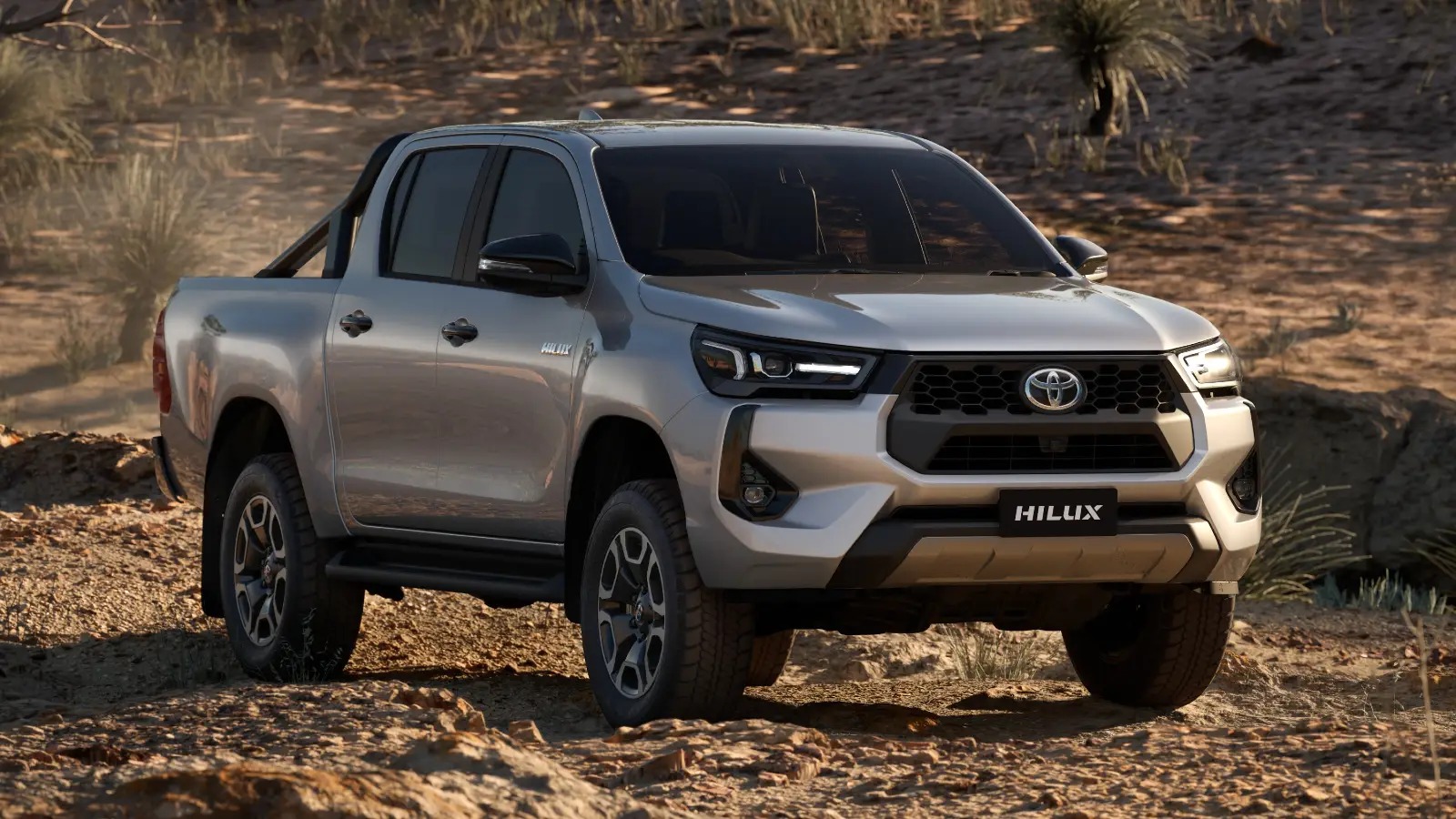
1. Toyota Hilux
The Toyota Hilux has become almost legendary because of its ability to handle demanding work without breaking down. From construction sites to farms, this truck has been trusted for decades. A large part of its reputation comes from the transmission systems Toyota built for it.
Whether it is a manual or automatic version, the Hilux has always been praised for its ability to move smoothly while taking on heavy loads. The Hilux transmission is built with durability in mind. Toyota engineers made sure the internal parts are tough enough to handle the stress of carrying full loads over long distances.
The gearboxes in this model are less likely to overheat, which is one reason owners have reported fewer breakdowns. Many drivers across different regions confirm that their Hilux trucks continue to deliver reliable service even after years of use, often crossing hundreds of thousands of miles before needing any transmission repair.
Another strength of the Hilux is that its design allows it to handle poor road conditions. Where many other trucks might develop issues because of dust, mud, or uneven terrain, the Hilux transmission continues to operate without trouble. This reliability has made the truck a favorite for businesses and individuals who need a dependable partner for their work.
Beyond the strength of its transmission, Toyota also made maintenance relatively simple. Spare parts are widely available, and the design makes it easier for mechanics to service the transmission compared to other trucks. This has contributed to the long life of the vehicle, since it can be repaired quickly if any minor problem arises.
Owners who drive the Hilux every day often point out how the truck rarely gives issues with its gearbox. Many have shared stories of their Hilux surviving extreme conditions, whether on rocky hills, desert trails, or wet farmlands, without losing performance.
That is why this truck has earned the tag of having a bulletproof transmission. For anyone seeking a pickup that combines toughness with a reliable gearbox, the Hilux continues to stand out as one of the best options on the market.
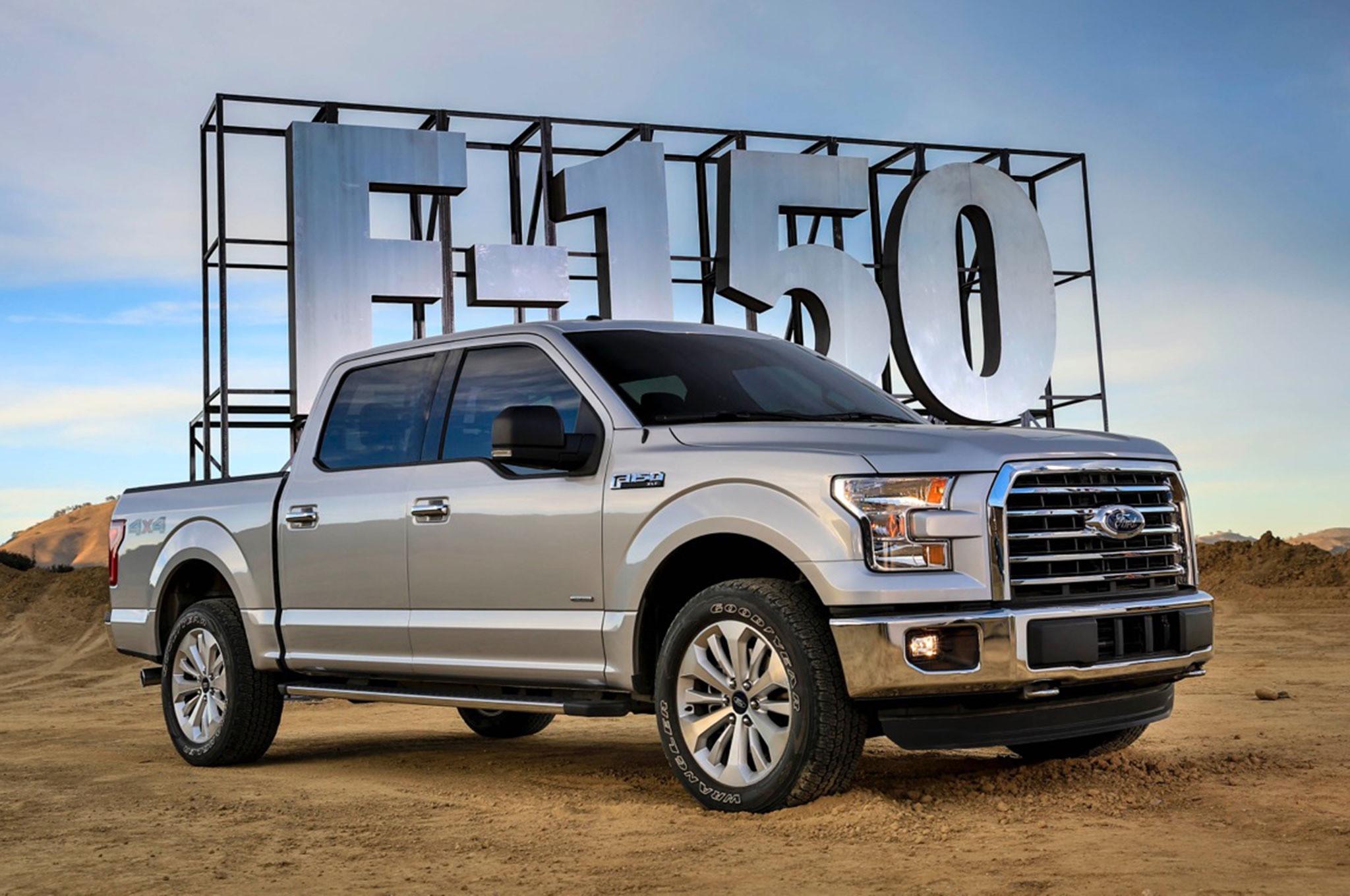
2. Ford F-150 (10-Speed Automatic)
The Ford F-150 has been the best-selling truck in the United States for many years, and one reason is the strength of its transmission. Ford invested heavily in creating a 10-speed automatic gearbox that balances power with efficiency. This transmission has proven to be reliable under stress, especially for those who use their trucks for towing and hauling.
The 10-speed design allows the engine to stay in its best performance range, which reduces wear and tear on both the engine and the transmission. By keeping the gear shifts smooth and quick, the system avoids unnecessary strain. Drivers often report that the truck feels lighter on the road, even when carrying a heavy trailer, because the transmission spreads the workload evenly.
Ford also designed the transmission with stronger materials, meaning it can handle the demands of truck owners who constantly push their vehicles to the limit. Many fleet operators in industries like construction and transport prefer the F-150 because its transmission rarely suffers from early failures.
Also Read: 5 Pickups That Keep Their Frame Solid vs 5 That Rust Out
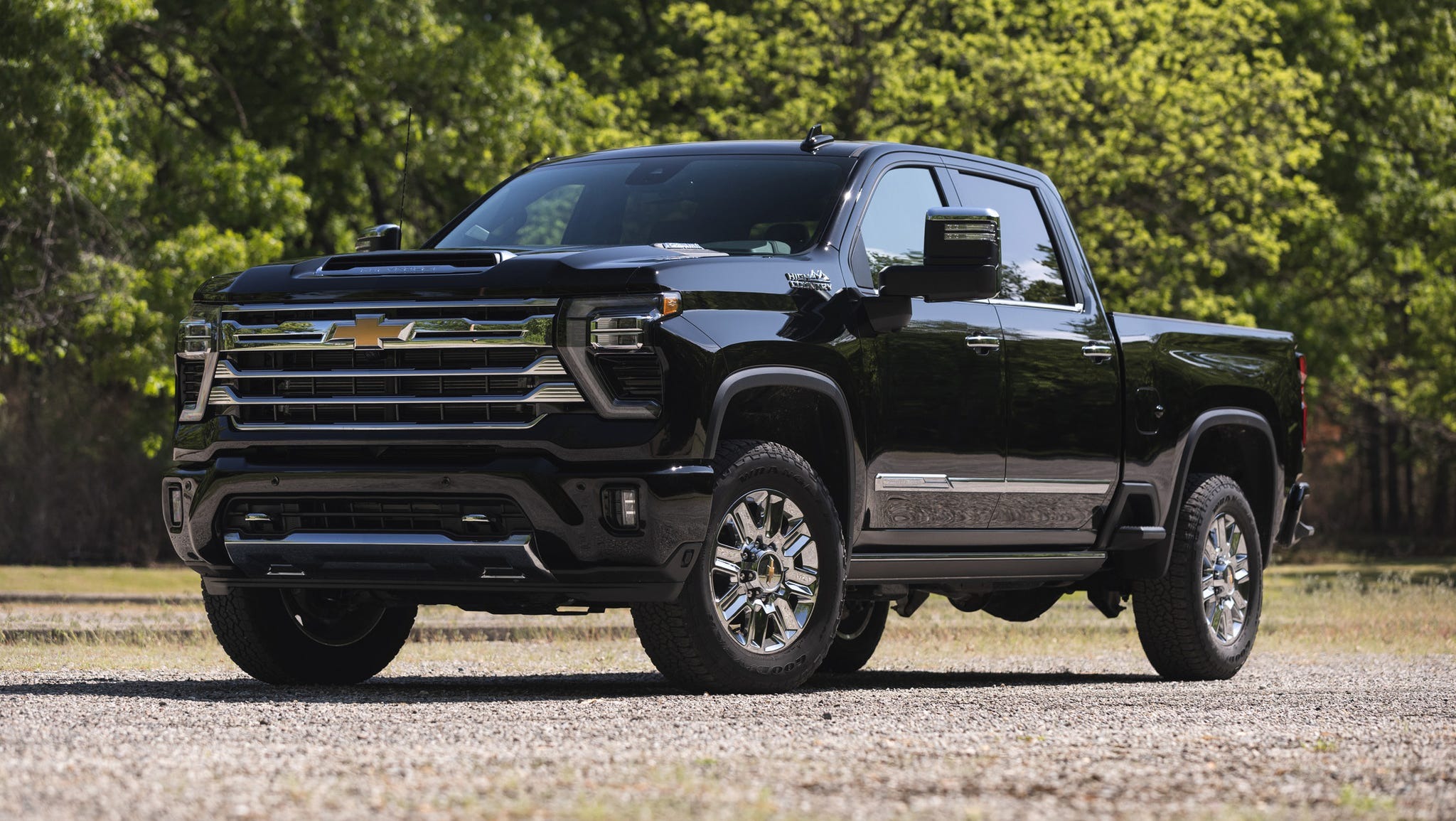
3. Chevrolet Silverado 2500HD (Allison Transmission)
The Chevrolet Silverado 2500HD has earned a strong reputation as one of the most dependable heavy-duty trucks in America. A major reason for this trust is the Allison transmission that powers it. For many years, Allison gearboxes have been linked with commercial trucks, buses, and military vehicles.
Chevrolet’s decision to use this transmission in the Silverado 2500HD gave the pickup an advantage in the heavy-duty segment. The Allison automatic transmission is engineered to withstand enormous amounts of torque.
This means when the truck is pulling heavy trailers or carrying loads that would stress other pickups, the Silverado remains smooth and reliable. Many owners who use this model for towing large campers, boats, or equipment say the transmission has never failed them, even after years of continuous use.
One reason the Allison gearbox is so dependable is its cooling system. Heavy work often generates heat that damages transmissions, but Allison designed its unit with strong cooling features that keep temperatures under control.
This prevents the kind of wear that usually shortens the life of a transmission. Drivers report that even during long uphill climbs, the Silverado keeps its gear changes steady without slipping. Another advantage of the Allison transmission is the ease of maintenance.
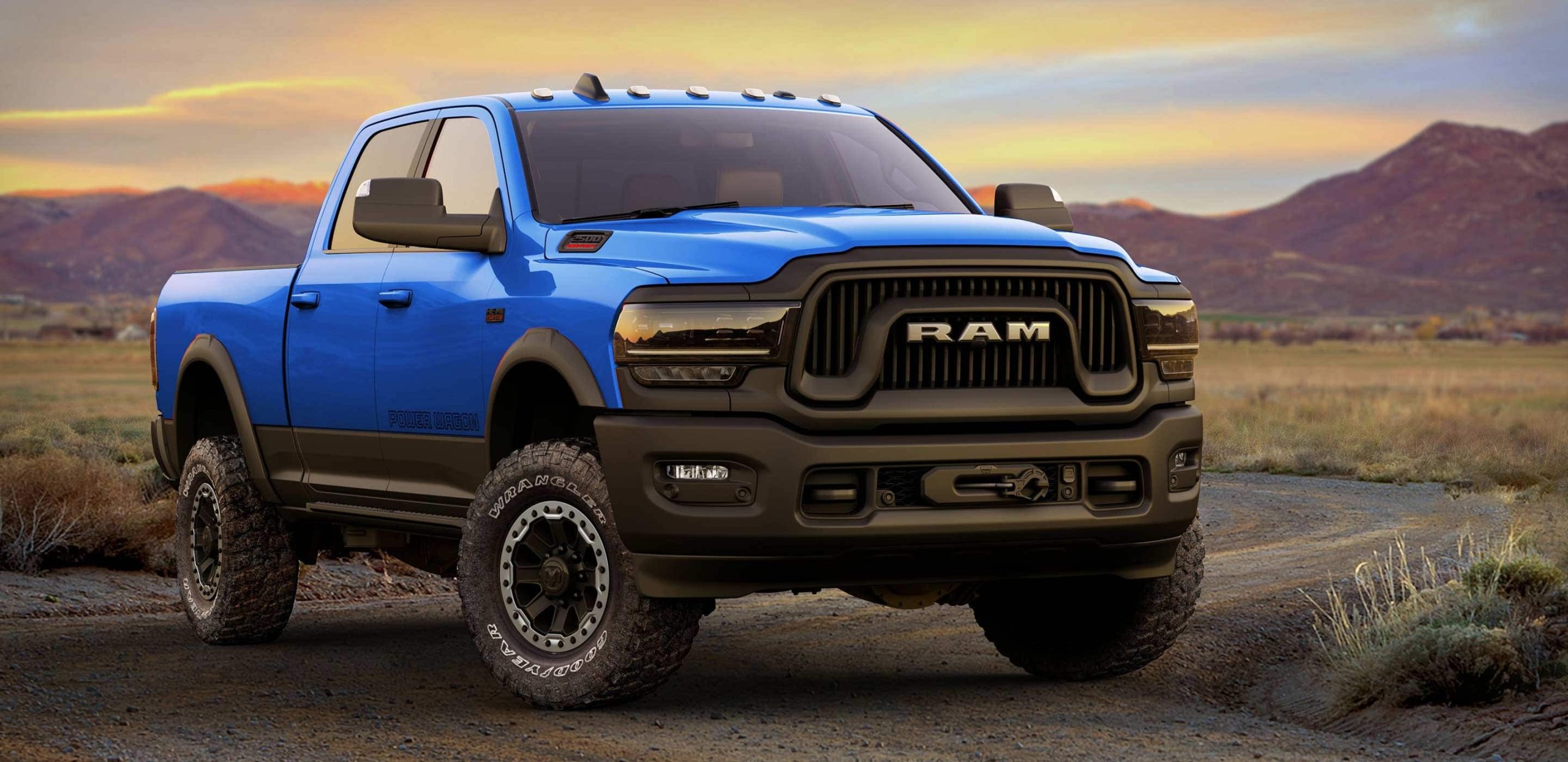
4. Ram 2500 with Cummins Diesel and 68RFE Transmission
The Ram 2500 equipped with the Cummins diesel engine has been respected for its durability, and much of that credit goes to the 68RFE transmission paired with it. When Ram designed this combination, the goal was to produce a pickup that could deliver power without sacrificing reliability. Over the years, many owners have confirmed that this transmission holds up well under tough use.
The 68RFE gearbox was built with heavy-duty components that can handle the torque of the Cummins engine. Diesel engines generate tremendous pulling power, and if a transmission is weak, it usually fails quickly.
The fact that the 68RFE has handled this engine for years shows how strong it is. Owners of the Ram 2500 often report driving past 200,000 miles with little or no major transmission issues, which is proof of its durability. Another strength of this transmission is how it balances work performance with everyday driving.
For towing and hauling, it delivers steady gear changes and keeps the truck under control even with massive loads. At the same time, when used for normal driving, it provides smooth shifting that makes the ride comfortable. This balance makes the Ram 2500 one of the most versatile heavy-duty trucks on the road.
The cooling system of the 68RFE also plays an important role. Heat is one of the biggest enemies of transmissions, but Ram designed the gearbox with effective cooling that allows it to keep running under stress. Many drivers who use their trucks for farming, construction, or long-distance towing say the transmission has never given them sudden trouble.
Maintenance for this unit is also straightforward, with many technicians trained to service it properly. Regular fluid changes and routine checks often keep the 68RFE in great condition for years. Owners appreciate that they do not need to constantly visit workshops for repairs.
This has made the Ram 2500 with the Cummins diesel and 68RFE transmission a favorite for people who need a reliable partner for work and travel. For many, this combination defines what a bulletproof truck transmission should look like.
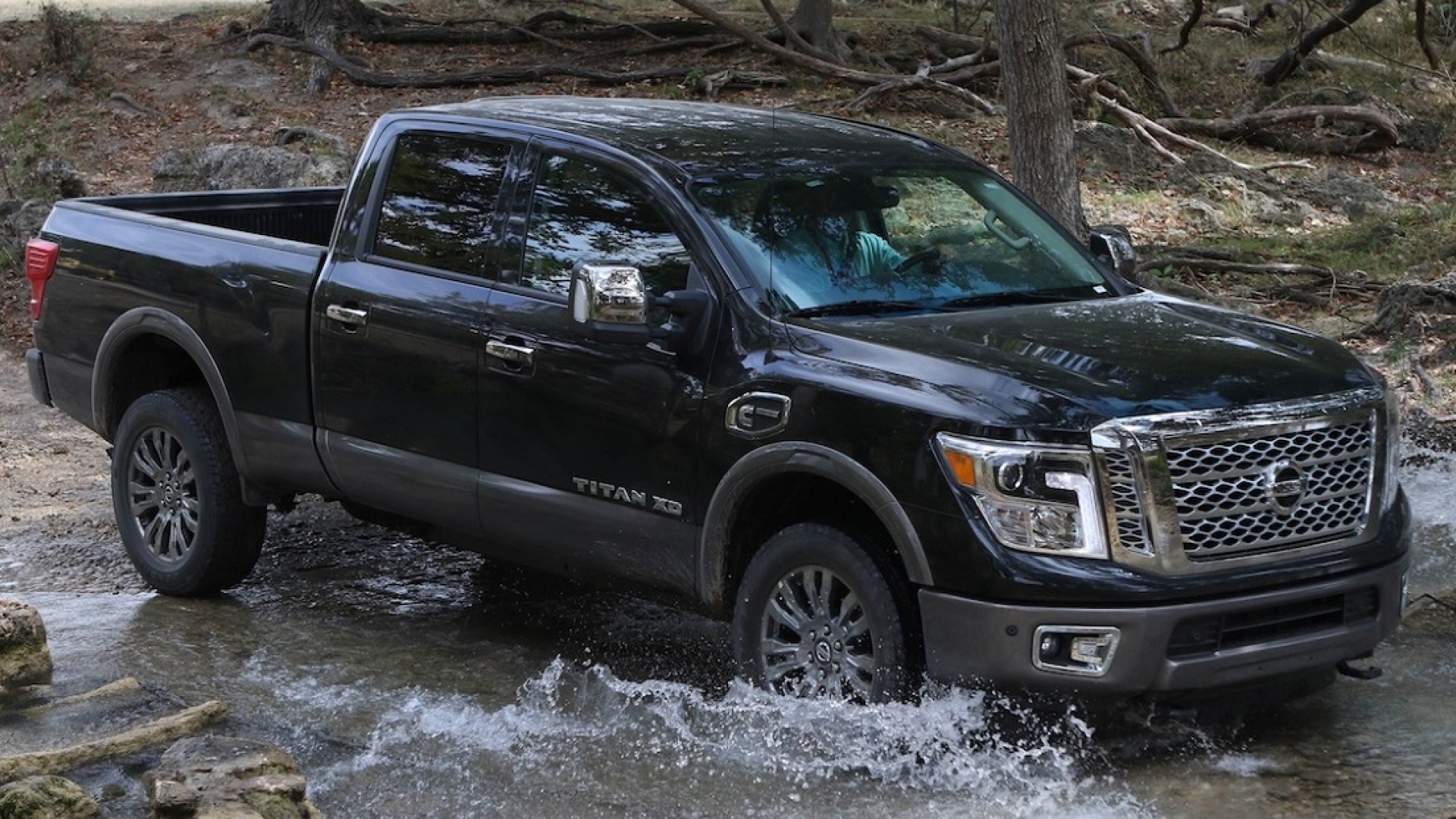
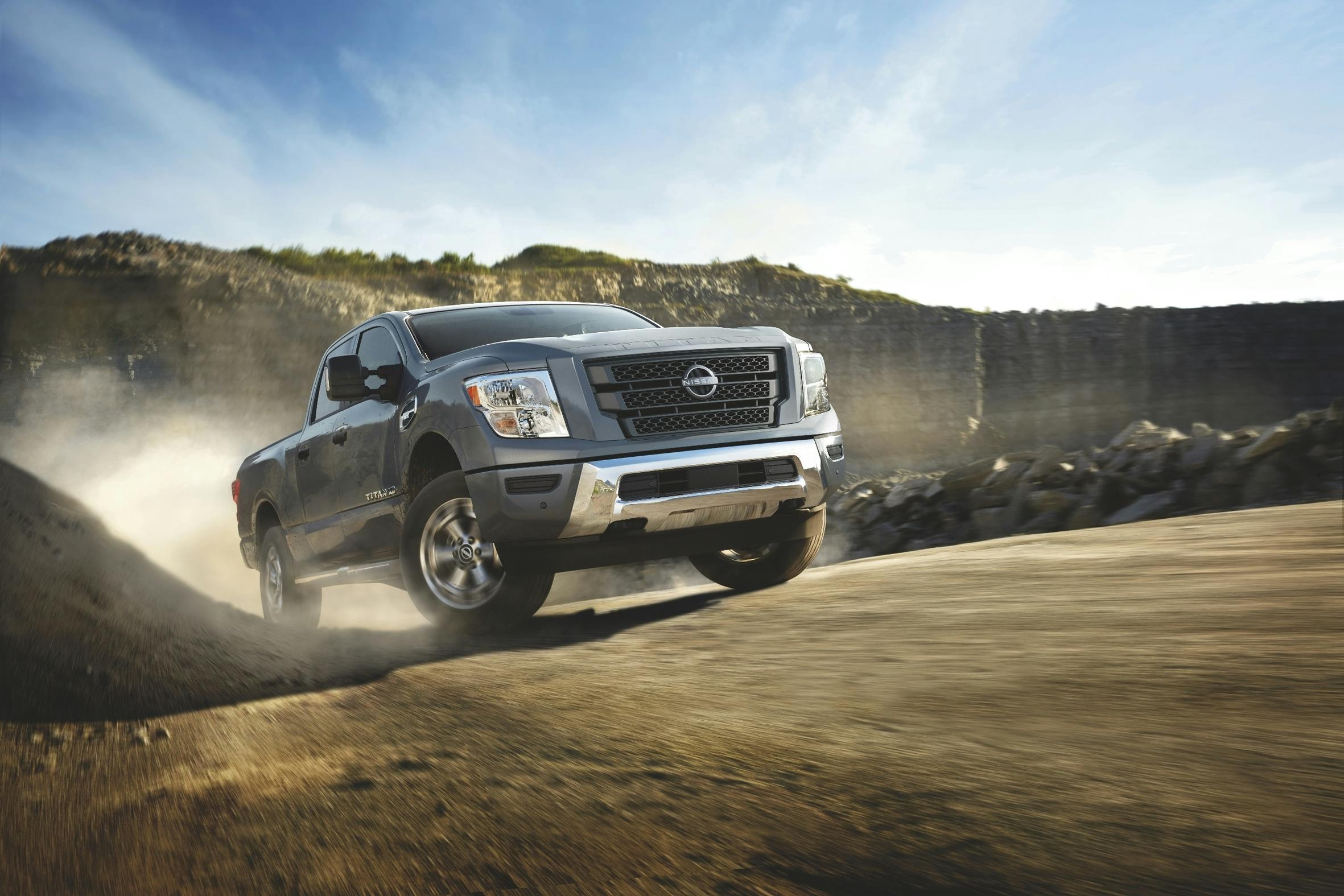
5. Nissan Titan XD with Aisin Transmission
The Nissan Titan XD may not sell in the same numbers as American trucks, but it has built a reputation for strength because of its Aisin transmission. Nissan partnered with Aisin, a company known for producing some of the toughest transmissions in the industry, to ensure that the Titan XD could compete in the heavy-duty pickup segment.
The Aisin gearbox in the Titan XD is designed to manage high torque without breaking down. This was especially important because the truck was offered with a Cummins diesel engine that produced massive pulling power.
A weaker transmission would have failed under such conditions, but the Aisin unit has proven to be very reliable. Owners have praised the Titan XD for its ability to tow heavy loads without the gearbox overheating or slipping. Aisin transmissions are also known for precise engineering.
The Titan XD benefits from this because gear changes feel smooth even when the truck is under stress. Drivers often mention that they can climb steep hills or handle long highway drives without feeling like the transmission is being strained. This level of reliability has helped the Titan XD gain respect among those who actually use their trucks for work rather than just daily commuting.
Another strength is service life. Aisin transmissions have a long history of lasting hundreds of thousands of miles in different vehicles. The Titan XD continues this tradition, with many owners reporting minimal issues even after years of use. This makes the truck attractive to buyers who want a dependable pickup that will not require frequent transmission repairs.
Maintenance is also manageable, as the gearbox is designed with easy servicing in mind. While the Titan XD itself may not be as common as the F-150 or Silverado, mechanics who know Aisin products often have little trouble working on it.
This keeps ownership stress lower and ensures drivers can focus on using their trucks rather than fixing them. For those who want a strong pickup with a transmission that can handle real work, the Nissan Titan XD with its Aisin gearbox deserves recognition as one of the toughest options available.
5 Pickups With Weak Transmissions
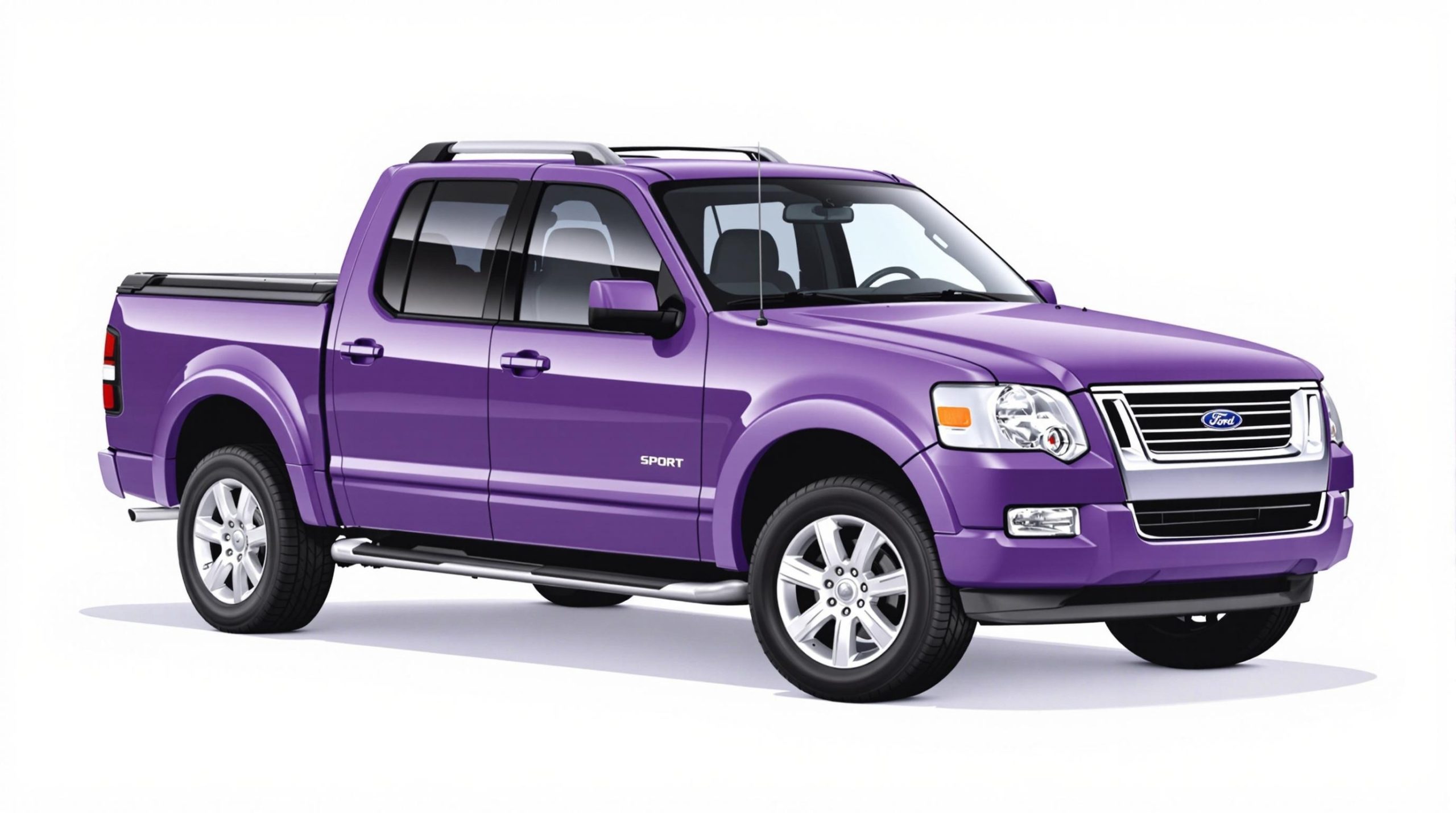
1. Ford Explorer Sport Trac
Although the Ford Explorer Sport Trac was marketed as a versatile pickup for families who needed utility and comfort, its transmission became a constant problem for many owners.
This truck used gearboxes that often failed earlier than expected, especially when subjected to heavy use. Drivers who tried towing or carrying loads with it frequently experienced jerky moves, slipping gears, or sudden breakdowns that left them stranded.
One of the main complaints was that the transmission seemed too delicate for a pickup. Unlike the stronger gearboxes in the F-150, the Sport Trac transmission could not cope with stress for long periods. Many owners reported needing major repairs before the vehicle even reached 100,000 miles.
Transmission rebuilds or replacements are expensive, and for a mid-size pickup that was supposed to provide reliability, this created disappointment among buyers. Heat management was also a weakness. When the truck was used in hot climates or under heavy towing, the transmission often overheated.
Overheating reduces the life of transmission fluid and damages internal components, which leads to faster wear. Drivers who lived in areas with high temperatures or who used the truck for demanding work found themselves spending more time at repair shops than on the road.
The reputation of the Sport Trac’s transmission hurt its resale value. Many buyers avoided second-hand models because they did not want to deal with costly repairs. Even those who enjoyed other aspects of the truck, such as its comfortable cabin and flexible design, admitted that the gearbox was its weakest link.
Some owners tried to extend the life of the transmission with frequent fluid changes and cooler upgrades, but the basic design flaws meant the problems often returned. For people who expected a Ford pickup to last as long as its bigger siblings, the Sport Trac was a disappointment.
The weak transmission placed it among pickups remembered more for issues than for strengths. While it had the potential to be a good option for families needing both comfort and utility, its gearbox reliability prevented it from reaching the level of trust seen in other Ford models.
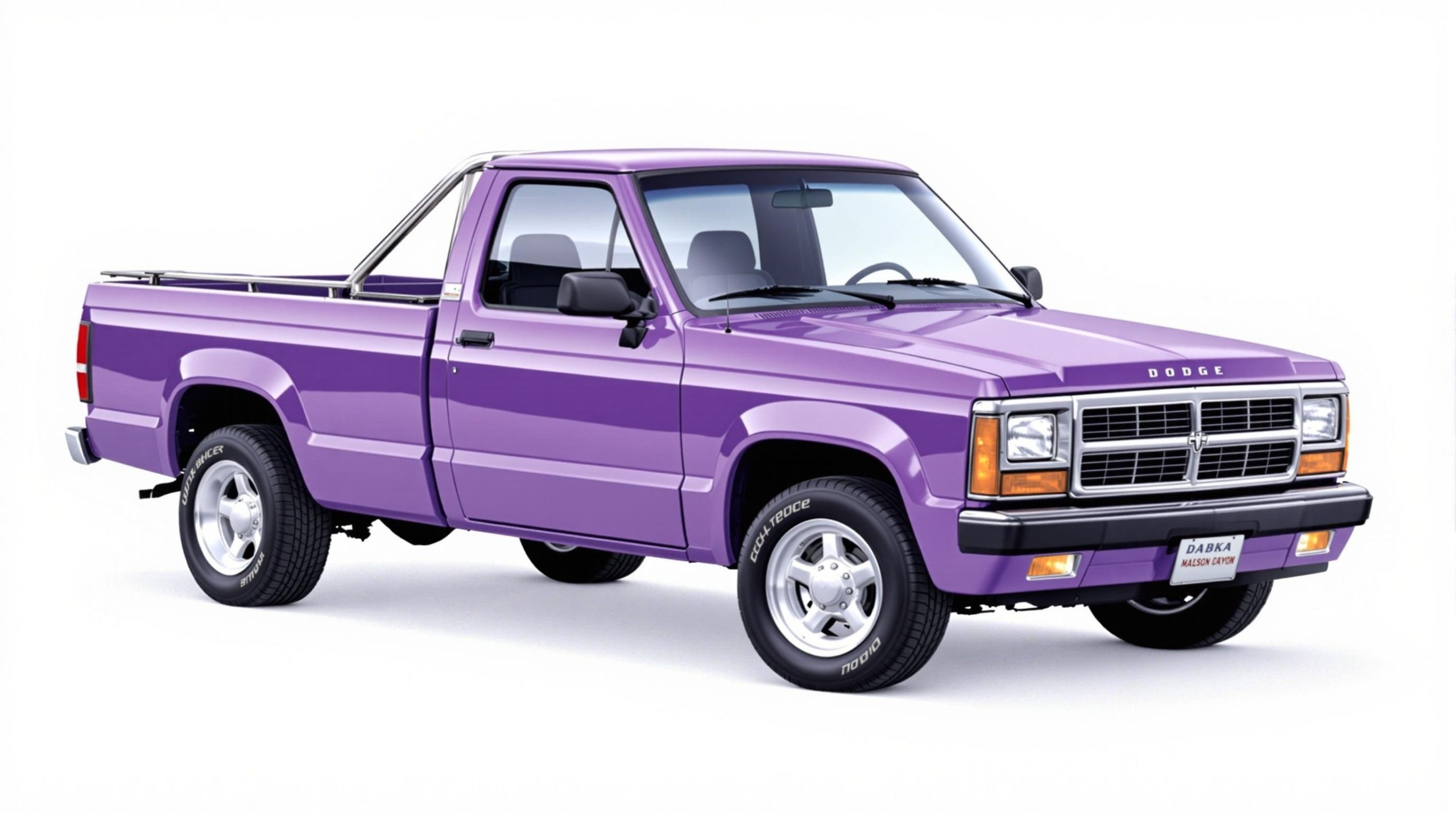
2. Dodge Dakota
The Dodge Dakota was once seen as an innovative pickup because it offered more power and size than small trucks while being easier to handle than full-size models. However, its transmission problems became a major drawback that damaged its image after a while. Many drivers discovered that the gearbox in the Dakota did not hold up well under stress, especially for those who used it regularly for towing or hauling.
Owners often complained of rough shifting, slipping between gears, or complete failure of the transmission at relatively low mileage. Unlike the Ram 2500 with its 68RFE gearbox that could manage the torque of a diesel engine, the Dakota’s units often felt weak. Reports of early rebuilds and replacements became common, leaving drivers frustrated.
Another issue was the cost of repair. Because the Dakota transmission was known for breaking down, mechanics often charged high fees for repairs or replacements. For owners who purchased the truck expecting dependable service, these expenses made ownership more stressful than they had planned. Some even chose to sell their trucks early rather than continue paying for repairs.
Heat buildup was another common cause of failure. Under heavy loads or long drives in warm weather, the transmission fluid would degrade quickly. Without proper cooling, the internal parts wore out faster. Some drivers installed aftermarket coolers in an attempt to reduce overheating, but even this did not completely solve the weakness in the system.
The reputation of the Dakota suffered as a result. Many drivers who had once appreciated its size and versatility eventually abandoned it for more reliable trucks from other brands. Used models became harder to sell because buyers were aware of the weak transmission. While the Dakota offered comfort and features that appealed to mid-size pickup fans, the gearbox problems overshadowed everything else.
For a truck that could have been a strong competitor in its segment, the Dodge Dakota is remembered more for its weak transmission than for its other qualities. Those who needed a dependable workhorse often chose alternatives, leaving the Dakota with a legacy tied to transmission trouble rather than long-lasting reliability.
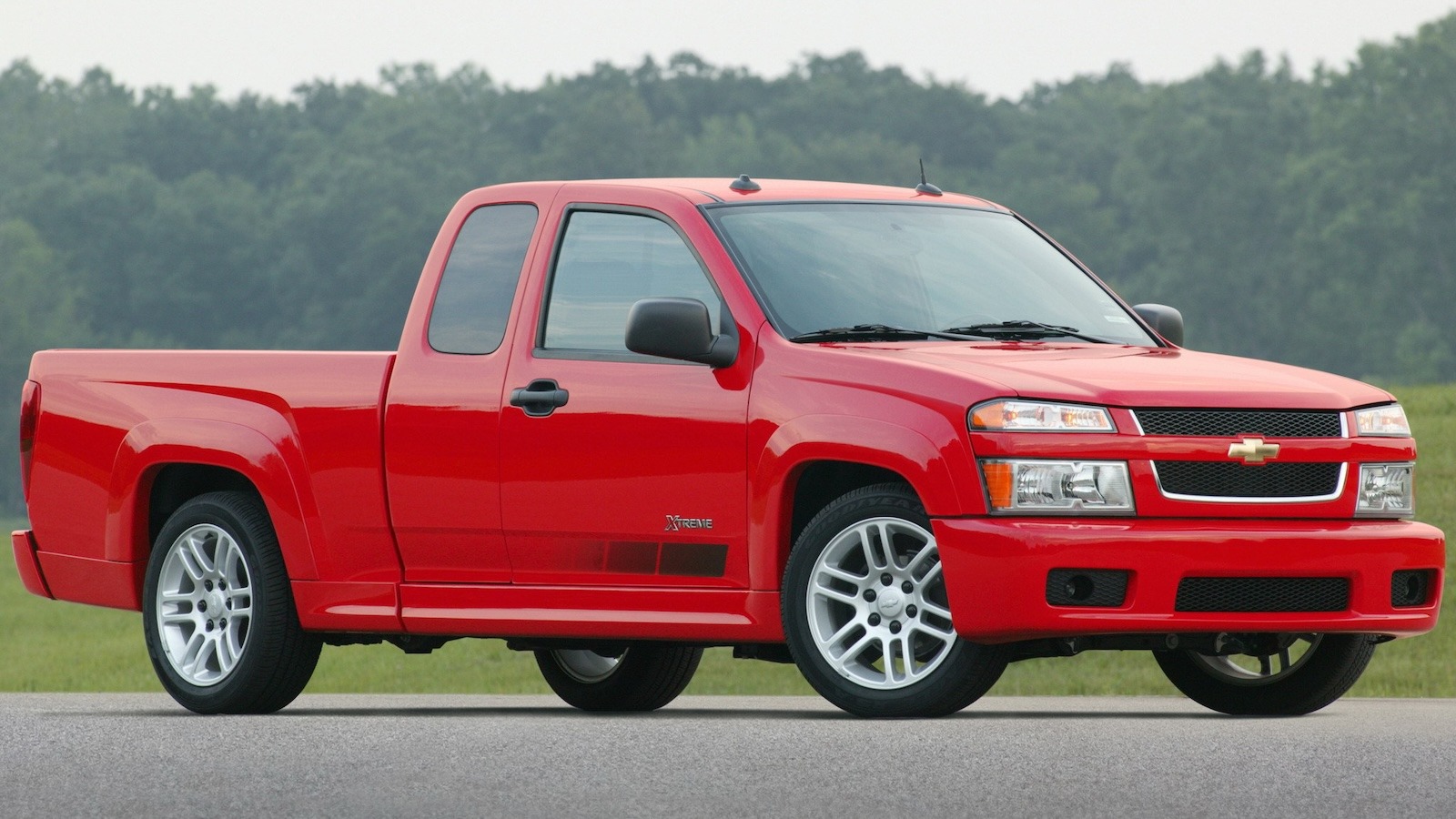
3. Chevrolet Colorado (Early Models)
The Chevrolet Colorado was introduced as a smaller pickup for buyers who did not need a full-size truck. While the idea was good, early models of the Colorado suffered from transmission issues that made them less attractive in the long run. Many owners experienced gear slipping, delayed shifting, or sudden failures that damaged confidence in the truck.
One major complaint was that the transmission did not seem matched to the engine’s power. When drivers tried to tow trailers or carry heavy loads, the gearbox often strained and eventually developed faults. This gave the impression that the Colorado was built more for light-duty driving rather than serious work. Unfortunately, many buyers who expected more utility were left disappointed.
The longevity of the transmission was another weak point. Some owners reported major failures before 80,000 miles, which is far below the expectations for a pickup.
Since trucks are usually bought for their ability to last longer than regular cars, this early breakdown became a serious drawback. The cost of rebuilding or replacing the transmission added financial pressure to owners who thought they had invested in a dependable vehicle.
Heat problems were also present. In hot areas or when the truck was pushed hard, the gearbox often overheated. This caused transmission fluid to lose quality quickly, leading to more wear on internal parts. Even with careful maintenance, some drivers found that the weak design could not handle consistent stress.
The poor reliability of Colorado’s early transmissions affected its resale market. Buyers became cautious about purchasing used units, and many avoided the truck altogether. Later versions of the Colorado saw improvements, but the reputation from the first models continued to follow the lineup for years.
While the Colorado provided good handling and comfort for a small pickup, its weak transmission placed it on the list of trucks known for mechanical disappointments. Owners who needed a reliable partner for heavy work often had to look elsewhere. The early problems limited its success and left a lasting mark on how people viewed the model.
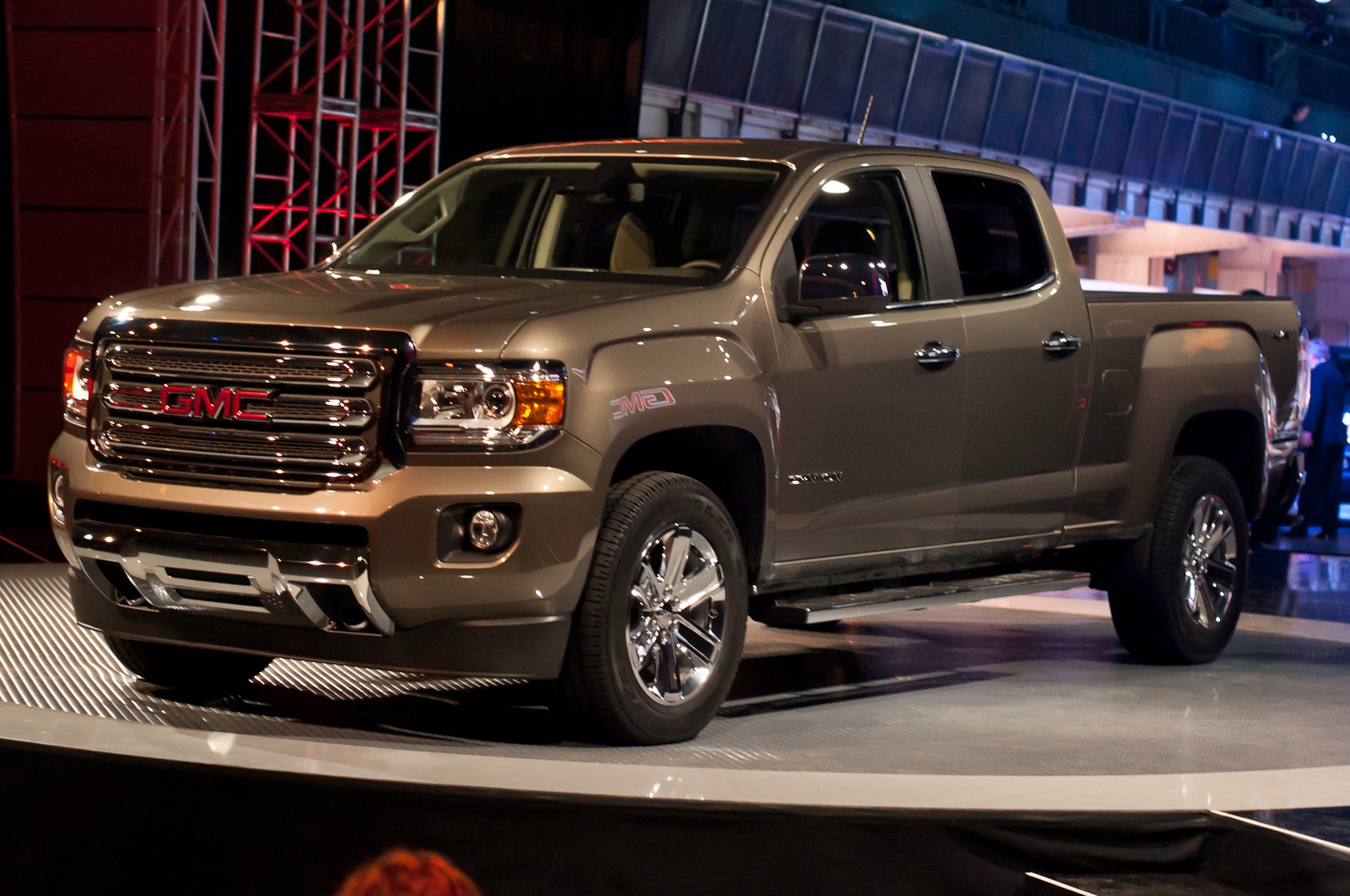
4. GMC Canyon (First Generation)
The first generation of the GMC Canyon was introduced as a stylish mid-size pickup that shared many features with the Chevrolet Colorado. Unfortunately, like its sibling, the Canyon suffered from transmission problems that affected its reputation.
Many owners reported early failures, with symptoms such as hard shifting, slipping gears, and sudden loss of power while driving. For a pickup expected to provide durability, these issues created disappointment. One of the biggest weaknesses of the Canyon’s gearbox was its inability to handle extended stress.
Drivers who used the truck for towing small trailers or carrying regular loads often found that the transmission wore out faster than expected. This made the Canyon less attractive for people who wanted more than just light-duty performance. Owners frequently complained that they spent more time fixing transmission problems than enjoying the truck’s other features.
The durability of the gearbox was also poor compared to competitors. While Toyota’s Hilux and Ford’s F-150 were known for lasting hundreds of thousands of miles without serious transmission issues, the Canyon often developed faults before 100,000 miles. Many drivers faced expensive rebuilds or replacements, which discouraged them from keeping the truck long-term.
Heat issues also played a role in its failures. Under heavy loads or long highway trips, the gearbox tended to overheat, which damaged internal components. Once the transmission fluid began to lose quality, the gearbox deteriorated quickly. Even drivers who carried out regular maintenance found it difficult to avoid problems.
This poor reliability reduced the resale value of the Canyon. Used car buyers often avoided it because they feared costly transmission repairs. The truck may have offered good styling and comfort for daily use, but its weak gearbox overshadowed those positives.
For a pickup that had the potential to be a strong competitor in the mid-size market, the first-generation Canyon became known instead for disappointing transmission performance. Its weaknesses left many owners looking for more reliable alternatives.
Also Read: 5 Pickups That Hold Resale Value vs 5 That Plummet
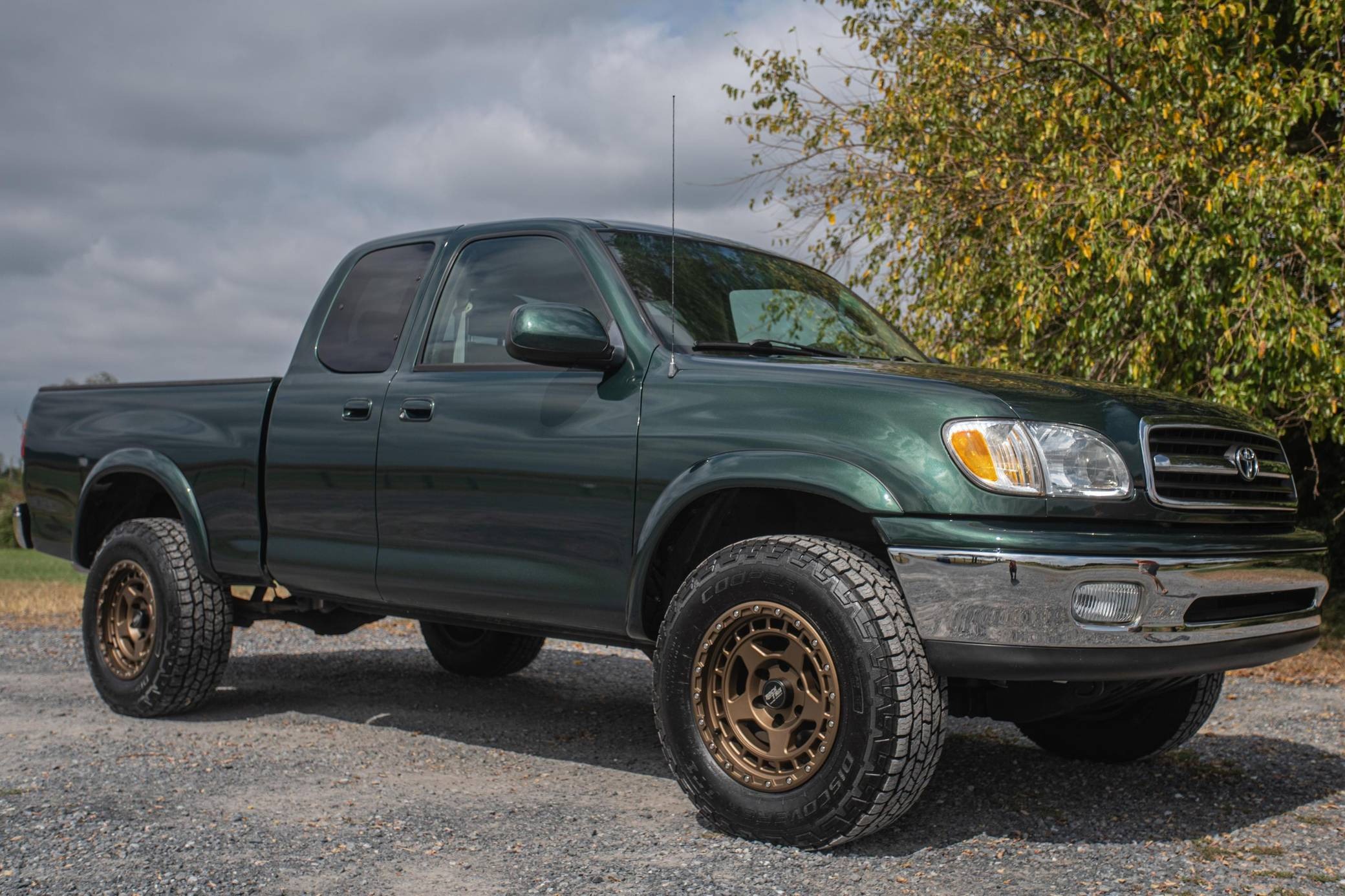
5. Toyota Tundra (Early 2000s Models)
Toyota has a strong reputation for building long-lasting vehicles, but even reliable companies have missteps. The early 2000s models of the Toyota Tundra faced transmission complaints that surprised many buyers who expected Toyota-level dependability. While the Tundra later recovered with stronger designs, these early versions are remembered for gearboxes that did not live up to the brand’s usual standards.
Owners reported problems such as delayed engagement when shifting from park to drive, slipping under load, and rough gear changes. For a full-size pickup, these issues were frustrating because buyers wanted trucks that could handle towing, hauling, and heavy use without breaking down. Some Tundras needed transmission replacements far earlier than expected, adding unexpected costs to ownership.
One of the main weaknesses was heat management. When used for towing in hot conditions, the gearbox often overheated. This caused the fluid to break down and damage internal components after a while. Even though Toyota transmissions were usually reliable, this design struggled under the stress of heavy workloads.
The impact on Toyota’s image was clear. Buyers who had trusted the brand for bulletproof vehicles suddenly faced expensive transmission repairs. While many other parts of the Tundra, such as the engine and suspension, performed well, the gearbox became the weak link. This damaged confidence in the truck during its early years in the American market.
After a while, Toyota improved the Tundra with stronger transmissions that restored its reputation. Later models became highly respected for reliability once again. But for owners of those early 2000s versions, the weak gearbox left a lasting impression. It showed that even brands known for toughness can sometimes produce trucks with serious flaws.
Because of these issues, the early Tundra models are often discussed alongside other pickups remembered for weak transmissions. Buyers who choose used vehicles from that era are usually advised to check carefully for transmission history before making a purchase. While Toyota has long since corrected the problem, the early Tundras’ gearbox remains a reminder that no manufacturer is perfect.
