The rise of electric vehicles (EVs) has transformed the automotive landscape, especially in the SUV segment, where many Americans seek the combination of utility, comfort, and eco-friendly performance.
While EVs generally require less maintenance than traditional internal combustion engine (ICE) vehicles thanks to fewer moving parts, no oil changes, and simpler drivetrains not all electric SUVs are created equal when it comes to reliability.
Some models are engineered to run virtually trouble-free for years, while others tend to demand frequent service and costly repairs. Understanding which SUVs fall into each category can save drivers both time and money, and ensure a smoother ownership experience.
Electric SUVs That Rarely Need Service
Electric SUVs are quickly proving that owning a vehicle doesn’t have to come with endless trips to the repair shop.
While traditional gas-powered models often rack up service needs as they age, many EVs are engineered with fewer moving parts, less wear-and-tear, and impressive long-term reliability.
In fact, some electric SUVs stand out for rarely needing service at all, giving drivers peace of mind along with lower maintenance costs. This article highlights the electric SUVs that consistently deliver durability, efficiency, and dependability mile after mile.
1. Tesla Model Y
Tesla’s Model Y continues to dominate the EV SUV market, not just for its performance and range but also for its surprisingly low maintenance needs.
With an all-electric powertrain and minimal moving parts, many owners report years of trouble-free driving. The battery and motor are designed for longevity, and Tesla’s over-the-air updates help maintain optimal performance without requiring visits to a service center.
While the Model Y isn’t free from occasional cosmetic issues or software glitches, major mechanical failures are rare, making it a top choice for drivers seeking reliability.
The Tesla Model Y set out to ride the wave of the Model 3’s massive success, but this all-electric crossover ends up feeling more like a misstep than a triumph.
Where the Model 3 shines with sharp, engaging handling and excellent range, the 2022 Model Y comes across as a half-hearted attempt to grab SUV shoppers. Its handling lacks the liveliness of the 3, and the interior, essentially borrowed from the sedan, fails to stand apart, only highlighting ongoing issues with fit-and-finish and the challenges of its fully digital interface.
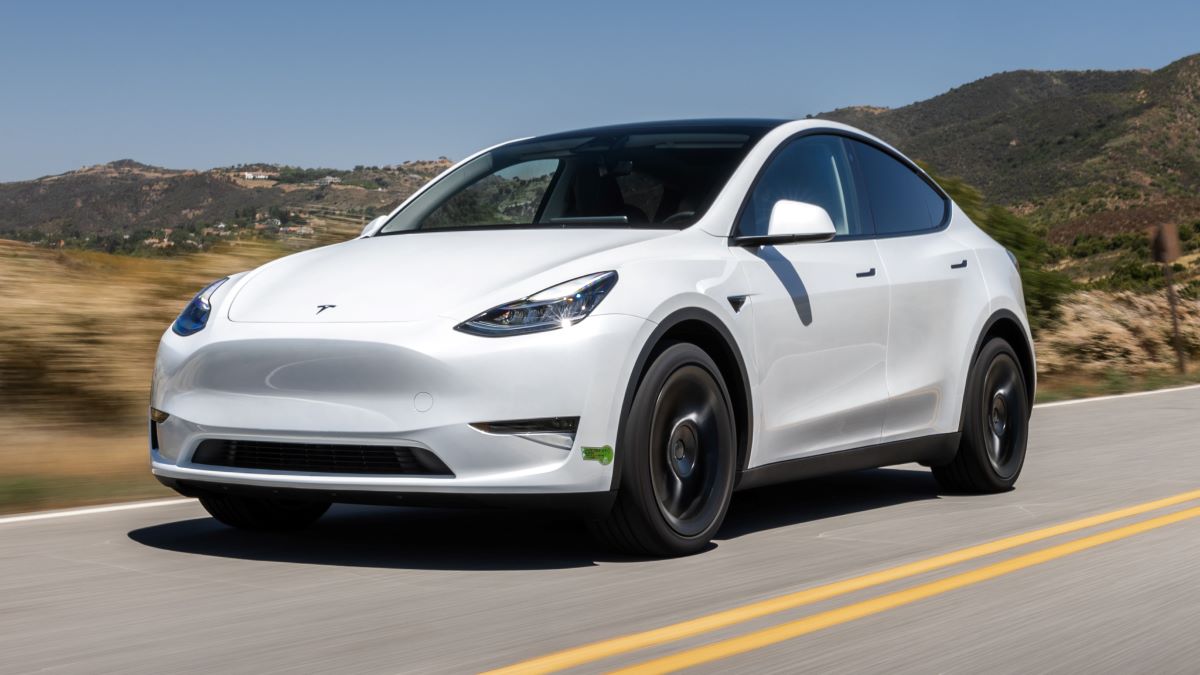
That said, it’s not without strengths. Its estimated driving range stacks up well against rivals like the Ford Mustang Mach-E and Volkswagen ID.4, with the Long Range version capable of up to 330 miles per charge. Tesla also offers an optional third row of seats, a feature still uncommon in the EV SUV segment.
For 2022, Tesla drops the Standard Range entry-level trim, leaving the Long Range as the starting point of the lineup. The Long Range now claims up to 330 miles of range when fitted with the standard 19-inch wheels. Choosing the sleeker 20-inch wheels shaves that figure down slightly to 318 miles.
When it comes to EVs, range is the name of the game, and the Long Range and Performance trims deliver 330 and 303 miles, respectively. Our recommendation goes to the Long Range, which balances strong performance with maximum range.
Customization options are limited, with only five exterior colors, three of which require an added cost. Buyers can also opt for a third row of seating, available for an additional $3000.
With the Standard Range model gone, the Model Y lineup now focuses solely on the Long Range and Performance trims, both of which are far more appealing choices. The Performance trim turned in an even quicker 3.6-second time.
While acceleration is undeniably impressive, the Model Y falls short of the Model 3’s driving enjoyment. Its SUV body creates a higher center of gravity, which blunts some of the sedan’s sharp handling, and its ride is notably harsher when dealing with rough pavement or road imperfections.
2. Hyundai Ioniq 5
Hyundai’s Ioniq 5 has quickly earned a reputation for durability. Built on Hyundai’s Electric-Global Modular Platform (E-GMP), the SUV is designed with long-term reliability in mind.
Its battery system has proven resilient under different driving conditions, and Hyundai’s warranty coverage 10 years or 100,000 miles for the battery offers peace of mind.

Drivers also benefit from the Ioniq 5’s simple drivetrain and efficient regenerative braking system, both of which reduce wear and tear on mechanical components.
3. Kia EV6
Closely related to the Ioniq 5 in terms of technology, the Kia EV6 similarly stands out for low maintenance requirements. The EV6 combines a robust electric motor with a high-quality battery system that rarely encounters serious issues.
Kia has also invested in long-term software support and advanced diagnostics, helping identify potential problems before they become serious. Many owners report that the EV6 requires little more than routine tire rotations and brake checks over the life of the vehicle.
During our first drive review of the 2022 EV6, we noted that its dual electric motors deliver smooth, consistent torque on par with other EVs using similar drivetrains. Kia has done an excellent job calibrating both the accelerator and brake pedals, and the EV6 displayed solid body control on our technical test loop while still managing to provide a comfortable ride.
On the test track, the EV6 proved to be a real joy, impressing our team with its balanced dynamics and even a tail-happy attitude. Taking it on a long road trip required more careful planning than a gas-powered vehicle would, but with its rapid charging capability and rewarding driving manners, the EV6 still made for a highly enjoyable travel partner.
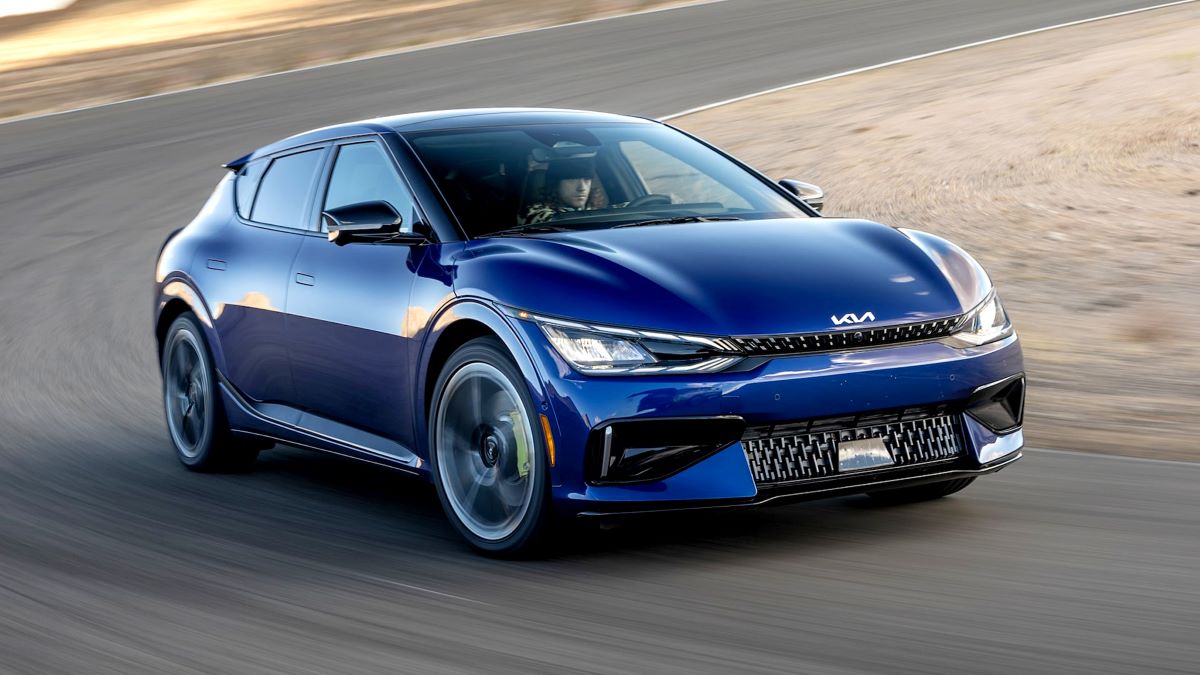
Our time inside the EV6’s cabin left us both pleased and frustrated. On one hand, we admired smart touches such as the regenerative braking level paddles and the futuristic yet functional design of the front seats and steering wheel.
On the other, details like the center console’s switchgear layout and the main control panel struck us as confusing and less intuitive than they could be. When placed head-to-head with the Hyundai Ioniq 5 in a comparison test, the EV6 fell short.
While we praised the real-world fast-charging capability of both EVs and enjoyed the Kia’s comfortable ride, the Hyundai’s more practical cabin, sharper handling, and more approachable pricing ultimately gave it the win.
Kia offers the EV6 in four variants: two rear-wheel-drive and two all-wheel-drive. The entry-level RWD version pairs a 58-kWh battery with a single rear motor producing 167 hp.
A step up is the RWD model equipped with the larger 77.4-kWh battery and a rear motor rated at 218 hp. In our testing, this configuration managed a 0–60 mph sprint in 6.5 seconds.
Both AWD trims come with the larger 77.4-kWh pack. One setup generates 313 hp via dual motors positioned at the front and rear axles. When we tested an AWD EV6 GT-Line, it reached 60 mph in just 4.5 seconds.
Sitting at the top of the lineup is the EV6 GT, which uses upgraded motors at both ends to unleash a staggering 576 hp to all four wheels. In our performance testing, the EV6 GT blasted to 60 mph in a blistering 3.2 seconds, territory typically reserved for supercars.
4. Ford Mustang Mach-E
Ford’s foray into the electric SUV market with the Mustang Mach-E has been a success in terms of both performance and reliability.
With a well-engineered powertrain and sturdy battery system, the Mach-E requires minimal maintenance compared to its gas-powered counterparts.
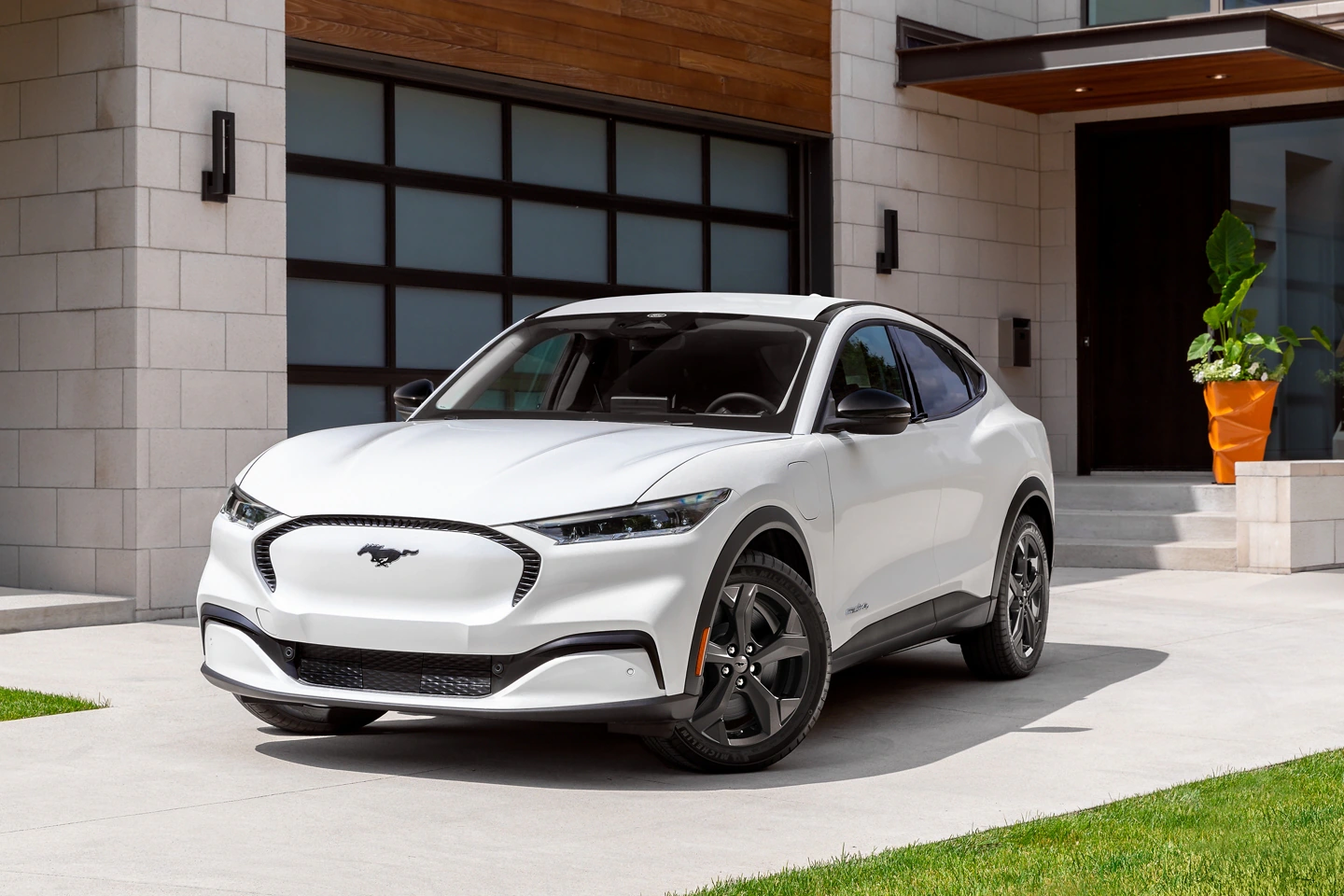
Software updates are regularly deployed over-the-air, and Ford’s extensive service network ensures any minor issues are quickly addressed. Overall, the Mach-E’s combination of build quality and modern EV technology makes it a dependable choice.
Also Read: 12 Popular Cars Everyone Hates and 10 That Drivers Actually Love
5. Chevrolet Bolt EUV
The Chevrolet Bolt EUV is often overlooked, but it consistently proves itself as a low-maintenance SUV. The Bolt’s simple drivetrain and proven battery technology minimize the likelihood of service problems.

While earlier models had some battery-related recalls, GM’s improvements in newer iterations have addressed these concerns.
For everyday commuting and long-distance driving alike, the Bolt EUV delivers reliable performance with minimal visits to the service center.
Electric SUVs That Often Require Service
Electric SUVs may promise low maintenance and fewer moving parts than their gas-powered counterparts, but not every model lives up to that reputation. Some EVs develop a track record for frequent service visits, whether it’s due to battery issues, software glitches, or build-quality concerns.
For buyers, this can mean unexpected downtime and higher repair costs than expected. In this article, we’ll break down the electric SUVs that often require service and explore why they struggle to deliver the reliability drivers expect.
1. Jaguar I-PACE
The Jaguar I-PACE is an attractive, high-performance electric SUV, but it has a reputation for frequent service issues. Owners often report problems with electronics, infotainment, and battery management systems.
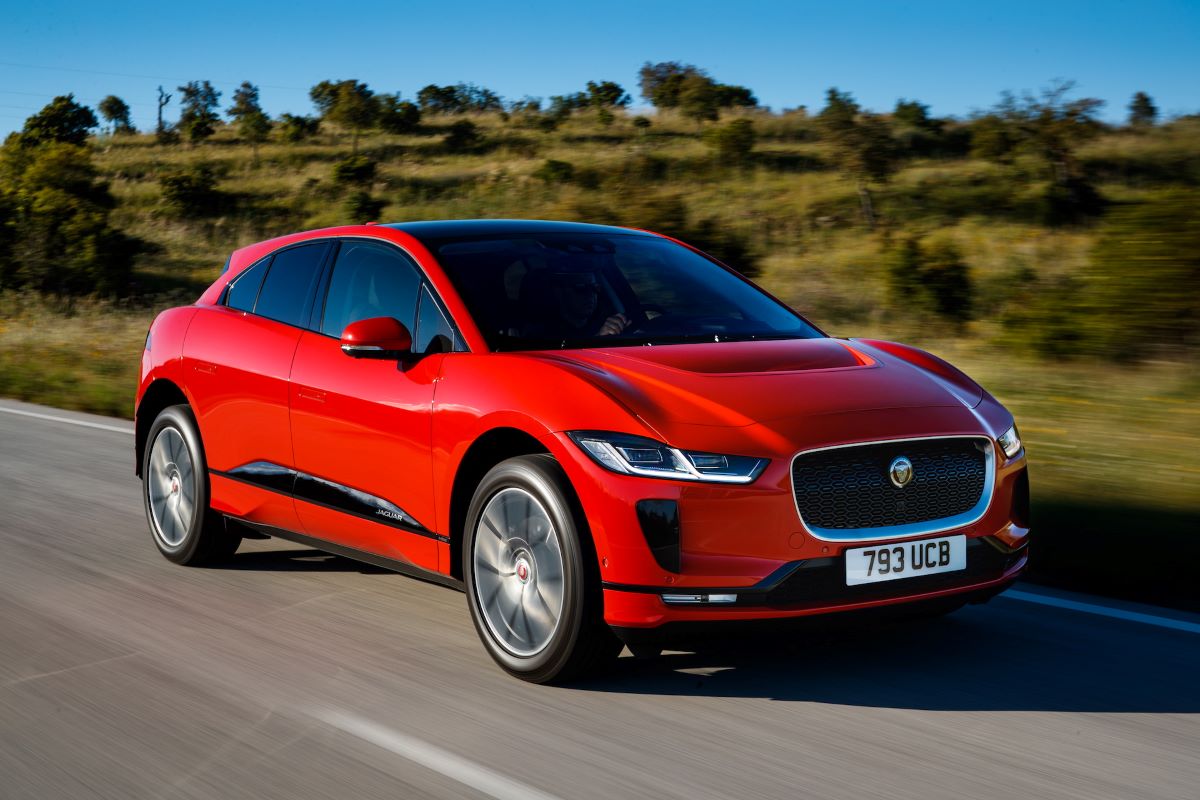
While the I-PACE offers a luxurious driving experience, its complex systems and European engineering can lead to higher maintenance demands, particularly outside major urban areas where specialized service is harder to find.
As electric vehicles continue to gain traction, the 2020 Jaguar I-Pace injects some much-needed excitement into what can often be a tame segment.
Its striking exterior design makes a bold statement that many competitors lack, while the cabin strikes an appealing balance between luxury and cutting-edge technology. The all-electric Jaguar SUV delivers brisk, nearly silent acceleration and stands out by offering a level of driving engagement that’s unexpectedly athletic for an EV.
Jaguar claims every model can travel up to 253 miles per charge and supports DC fast charging, but in our experience, achieving that full range proved difficult, and standard charging felt sluggish. Even so, the 2020 I-Pace shifts the conversation from pure EV innovation to desirability, reminding buyers that style and performance matter too.
For the 2020 model year, Jaguar enhances the I-Pace lineup with a series of meaningful software updates. Chief among these is a reprogramming of the battery pack, unlocking up to 8 percent more driving range.
That boost pushes the I-Pace’s range to 253 miles, an increase of 19 miles compared to the previous version. Additional updates include a more efficient cooling strategy, an optimized Eco driving mode, and stronger regenerative braking capability.
Since all I-Pace trims share the same potent all-electric, all-wheel-drive setup, the main differences come down to features and equipment.
Among the three, the SE trim strikes the best balance. Compared with the base model, it adds larger wheels, upgraded LED headlights, and leather upholstery. It also bundles in more advanced driver-assistance systems, such as adaptive cruise control, blind-spot monitoring, and high-speed automated emergency braking.
For those looking to enhance the I-Pace even further, worthwhile options include adaptive dampers, four-zone climate control, a heated steering wheel, a head-up display, and the Driver Assist package, which adds a 360-degree camera system along with adaptive cruise control with steering assist.
2. Audi e-tron
Audi’s e-tron SUV delivers excellent comfort and handling, but it is known for its higher-than-average maintenance requirements. Electrical gremlins, software glitches, and occasional battery issues are not uncommon.
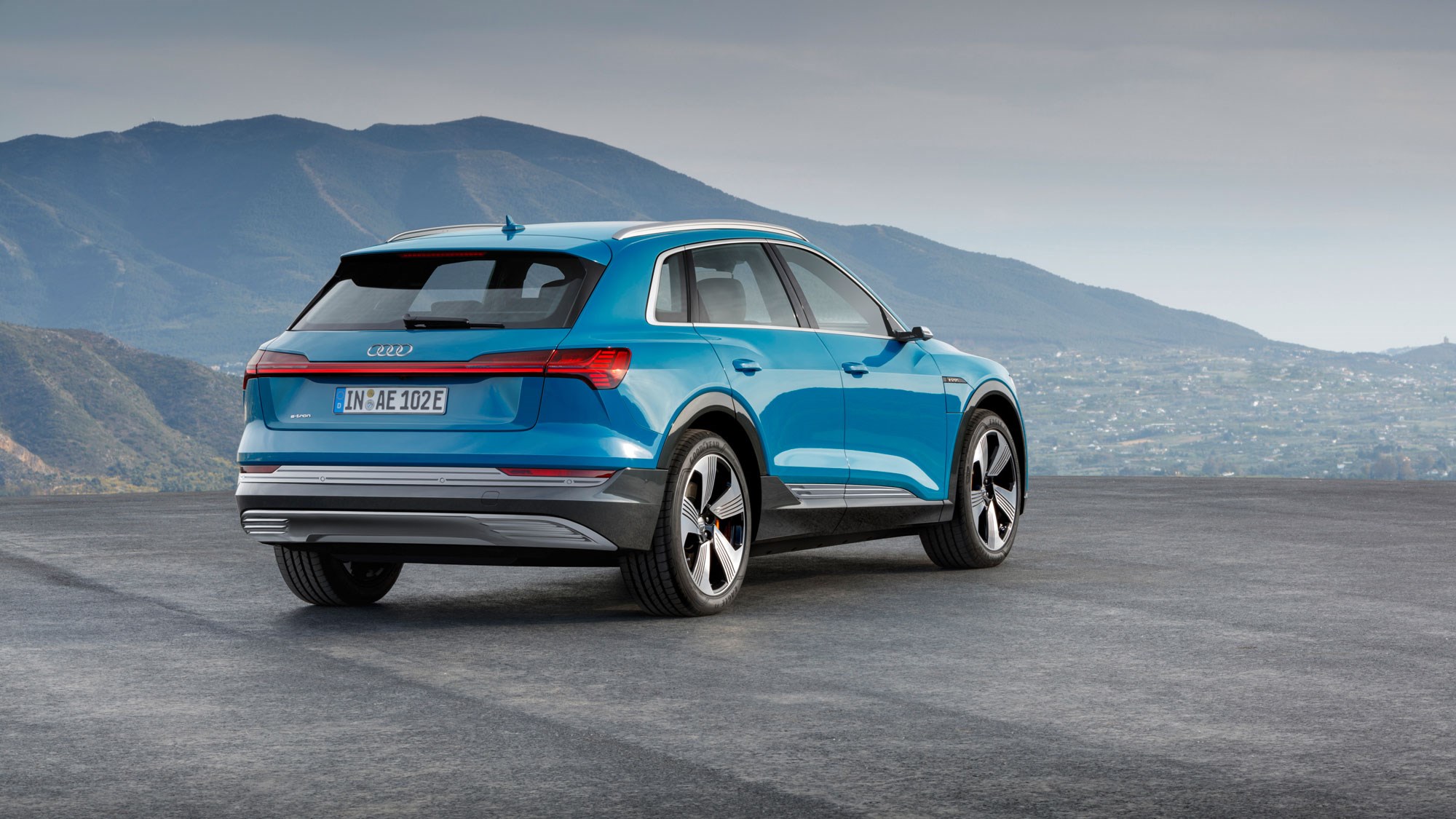
Additionally, as a luxury brand, Audi’s repair costs tend to be steeper. While the e-tron’s driving experience is premium, owners should be prepared for the possibility of more frequent service visits than with simpler EVs.
3. BMW iX
BMW’s iX represents the automaker’s push into high-end electric SUVs, but reliability has been a concern. Reports of software bugs, charging system hiccups, and electronic component failures have surfaced among early adopters.
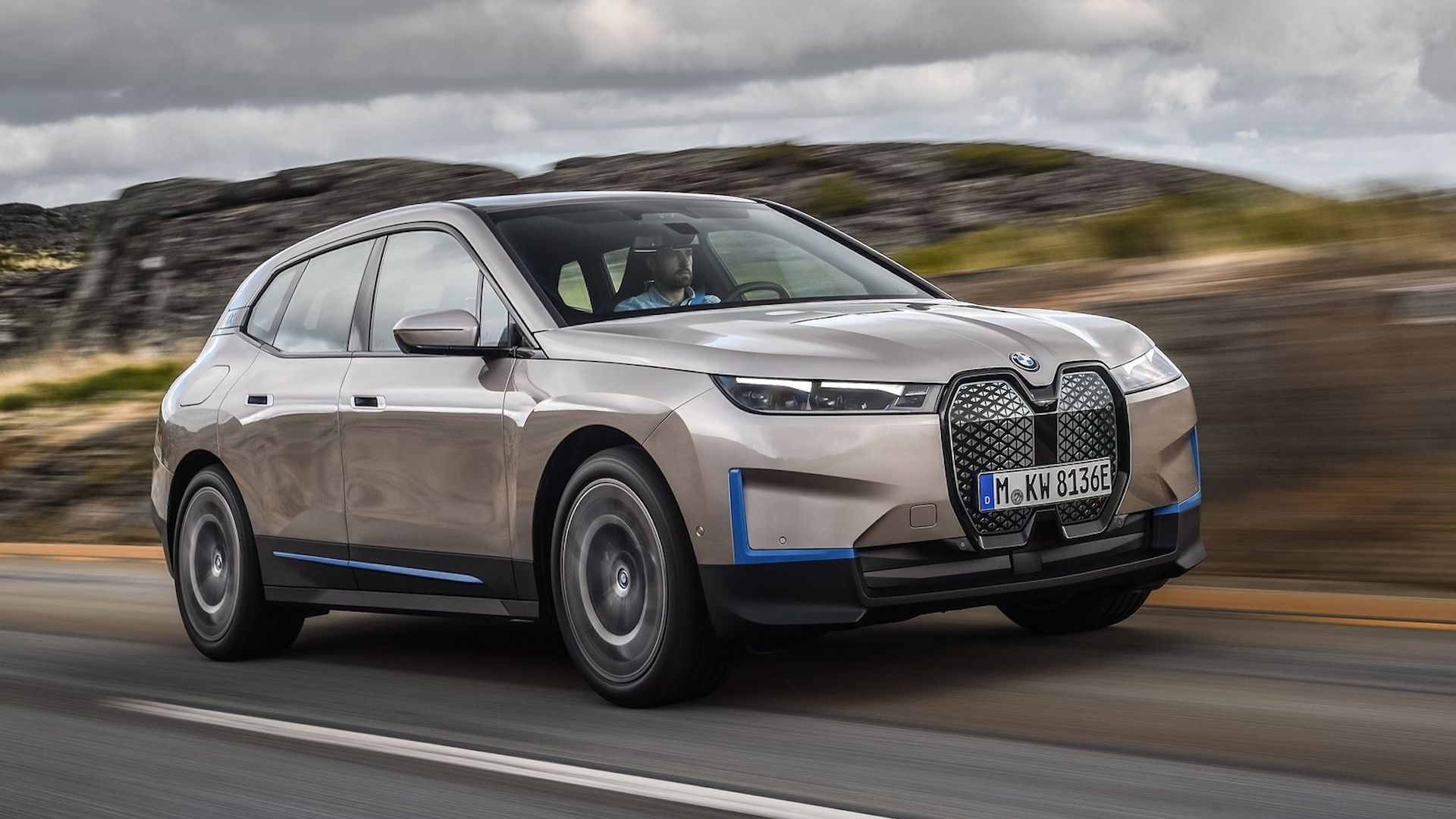
BMW’s intricate design and luxury features, while appealing, increase the likelihood of service visits, making it a less worry-free option for those who prioritize low maintenance.
BMW offers a glimpse into its electrified future with the 2023 iX SUV, a vehicle that combines the space and practicality of the brand’s popular X5 with a bold, futuristic edge. Power comes from dual electric motors that deliver all-wheel drive and serious performance, 516 horsepower in the xDrive50 and an even more staggering 610 horsepower in the M60.
A sizable battery pack provides an EPA-estimated range exceeding 300 miles per charge, putting the iX firmly in contention with top electric rivals such as the Audi e-tron and Tesla Model X, while also taking aim at newcomers like the Rivian R1S and Fisker Ocean.
Inside, the cabin impresses with upscale materials, ample space, and a forward-thinking design anchored by a sweeping digital dashboard. BMW’s latest iDrive infotainment system makes its debut here, controlled via a unique see-through rotary knob on the center console.
For 2023, BMW adds the high-performance M60 trim, boasting a 610-hp all-electric powertrain and a driving range of up to 290 miles. It rides on a sport-tuned air suspension designed to adapt seamlessly to spirited driving.
In addition, BMW has bundled the former Convenience, Dynamic Handling, and Luxury packages into one comprehensive offering, now sold as the Ultimate package.
While the M60 delivers exhilarating performance with its 610-hp setup and still achieves 290 miles of range, the price premium is steep. The xDrive50 remains the more appealing choice, offering equally impressive range and strong performance at a far more reasonable cost.
The iX is available in two configurations. The entry-level xDrive50 pairs two electric motors for a combined 516 hp and standard all-wheel drive. In testing, it sprinted from 0–60 mph in a brisk 4.0 seconds.
The M60 trim, meanwhile, raises output to 610 hp, cutting the 0–60 run to an estimated 3.2 seconds, sports-car quick. The xDrive50 can be optioned with an adaptive air suspension and rear-wheel steering, while the M60 includes both features as standard.
During our early drives in the xDrive50, we were impressed by its balance of abundant power, agile handling, smooth ride, and strong efficiency.
4. Mercedes-Benz EQC
The EQC SUV combines German luxury with electric power, but its maintenance record is mixed. Electrical issues, sensor failures, and software malfunctions have been reported, particularly in early production models.
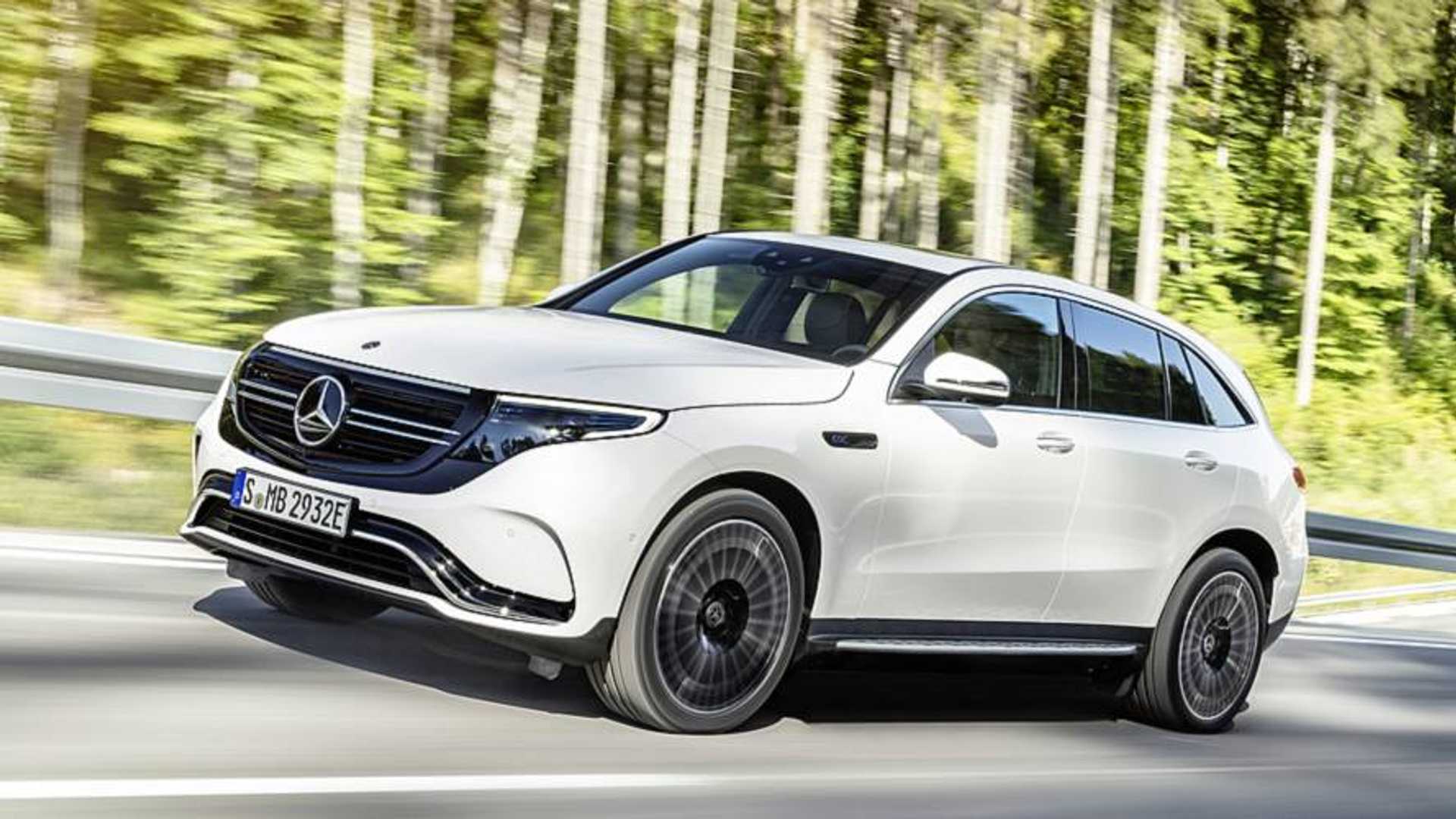
Mercedes-Benz owners should expect occasional visits to the dealership, even for routine software updates or minor diagnostics, making the EQC a higher-maintenance option compared to simpler, more practical EVs.
With more automakers embracing electrification, Mercedes-Benz had originally planned to join the movement with the EQC before ultimately canceling its U.S. debut in early 2021.
The brand left the door open for a possible future introduction, but for now, the EQC remains available only in select overseas markets. Designed as a compact SUV with seating for five, the EQC would have delivered the hallmark quietness of an EV, paired with the brisk acceleration luxury buyers expect.
Inside, its upscale cabin featured high-gloss plastics, premium textiles, and a sleek modern design. The combination of Mercedes-Benz refinement and electric efficiency could have made the EQC an appealing choice for environmentally conscious luxury-SUV shoppers.
The EQC was supposed to debut as an all-new model for 2021, but Mercedes-Benz ultimately shelved those plans for the U.S. market.
Had it launched, the 2021 Mercedes-Benz EQC was set to start at $68,895 and climb to $77,615 depending on trim and options. The base Progressive trim would have offered enough standard equipment to satisfy most buyers, including a sunroof, rain-sensing wipers, LED headlights, and a power liftgate.
The EQC would have utilized two electric motors paired with a lithium-ion battery and a one-speed direct-drive transmission, sending power to all four wheels.
The setup was expected to produce 402 horsepower and 561 lb-ft of torque. While we never tested the EQC, Mercedes-Benz estimated a 0–60 mph run in 4.8 seconds.
That figure would have lagged behind one of its chief rivals, the Tesla Model X, which claims 4.4 seconds in Long Range form and an even quicker 2.7 seconds with its Ludicrous mode.
Projected range was 200 miles or less, well behind the Tesla Model X’s 300-plus miles. This shortfall may have been one of the main reasons behind Mercedes-Benz’s decision to withhold the EQC from the U.S. market.
Where the EQC promised to shine was inside. Its cabin would have surpassed rivals like the Jaguar I-Pace and Tesla Model X in terms of outright luxury. The solid build, precise execution, and use of top-quality materials reflected Mercedes-Benz’s craftsmanship at its finest.
Cargo specs were never finalized, but since the EQC shared its underpinnings with the GLC-class, buyers could have expected around 19 cubic feet of storage behind the rear seats.
Although the EQC never made it to the U.S. market, it remained a talking point in the EV space. Coverage often highlighted how Mercedes-Benz nixed its original plans to bring the SUV stateside, a move that underscored the challenges of competing with Tesla.
Some reviewers noted that the EQC400, while not designed to rival Tesla on raw speed, still delivered an impressive all-electric experience with a focus on luxury.
In Germany and other markets, the EQC was also viewed as Mercedes-Benz’s serious step into the EV arena, signaling the brand’s commitment to electrification even if its first attempt fell short of U.S. expectations.
Also Read: 5 Cars That Never Need Electrical Repairs vs 5 That Constantly Do
5. Rivian R1S
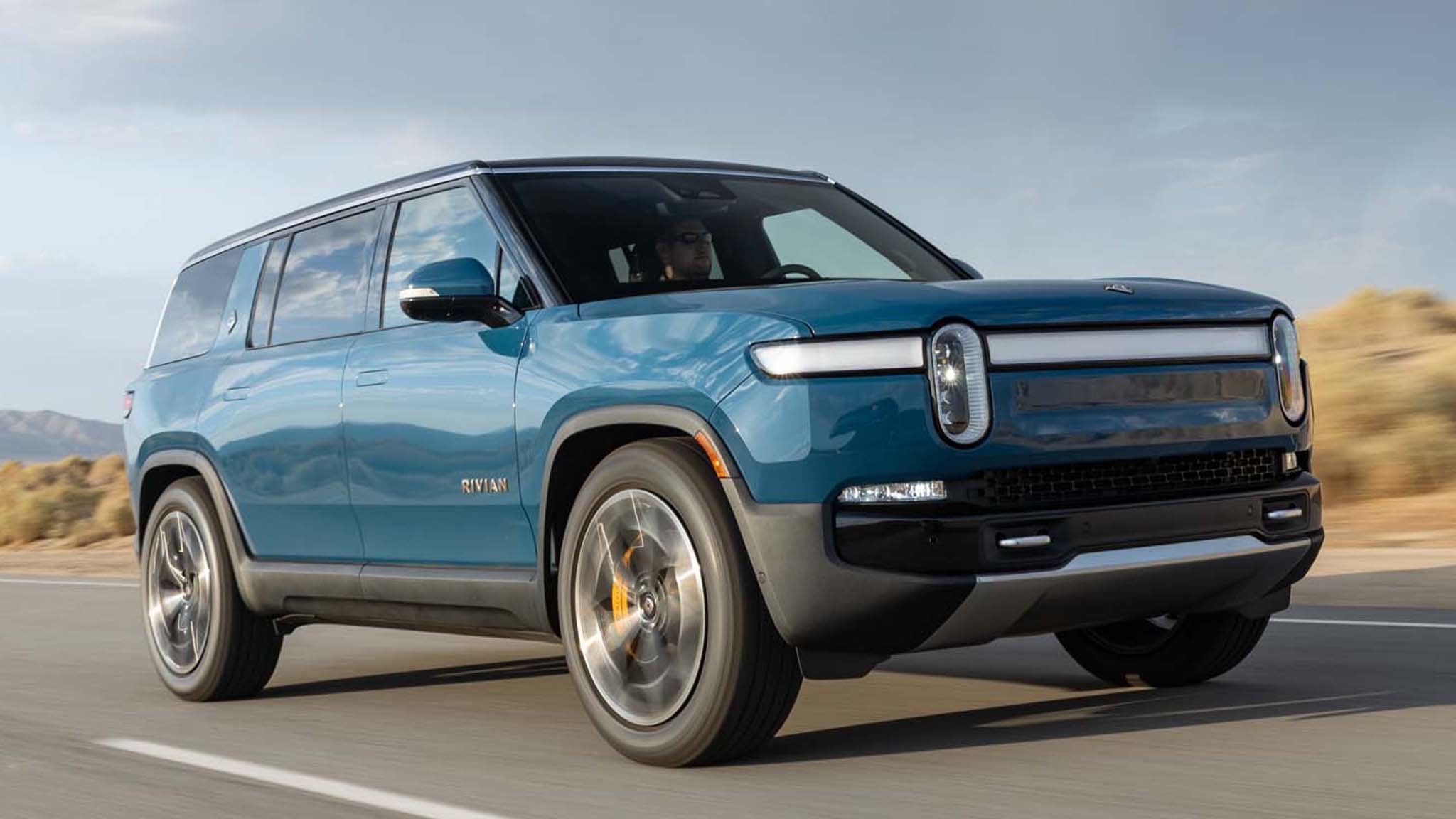
Rivian’s R1S has generated excitement for its rugged off-road capability and cutting-edge design, but reliability concerns persist.
As a newer manufacturer, Rivian has faced production and quality-control challenges, and some owners report issues with drivetrain components and electronics.
While the R1S promises innovation, early adopters should be prepared for potential service needs as the company continues to refine its vehicles.
For American drivers, the appeal of electric SUVs is clear: eco-friendly performance, instant torque, and reduced maintenance costs compared to traditional vehicles.
However, not all EVs deliver the same ownership experience. Models like the Tesla Model Y, Hyundai Ioniq 5, Kia EV6, Ford Mustang Mach-E, and Chevrolet Bolt EUV stand out for their durability and low service demands, offering drivers confidence and peace of mind.
On the other hand, luxury or newer entrants like the Jaguar I-PACE, Audi e-tron, BMW iX, Mercedes-Benz EQC, and Rivian R1S may require more frequent attention, reflecting the complexity of their design and early-stage production challenges.
Understanding these differences can help potential buyers make an informed choice, balancing performance, features, and long-term reliability in a rapidly evolving EV market.