
The Chevy Tahoe has long held its place as one of America’s most trusted full-size SUVs. Known for its robust frame, spacious interior, powerful V8 engines, and impressive towing capability, the Tahoe is often considered a dependable workhorse for families, outdoor enthusiasts, and fleet operators alike.
Owners often boast about its ability to rack up well over 200,000 miles when properly maintained, making it a favorite among those who need reliability and long-term durability.
But here’s the catch: no matter how strong the Tahoe’s engineering may be, poor driving and maintenance habits can drastically shorten its lifespan. Many Tahoe owners fall into routines that slowly wear down vital components, sometimes without realizing it.
Small oversights such as neglecting oil changes, ignoring suspension issues, or carrying too much extra weight may seem harmless in the short run, but they can add up to catastrophic damage. This SUV is built tough, but it isn’t invincible. The way you treat it ultimately determines how long it will last.
The Tahoe’s reputation for endurance can be ruined by habits that accelerate wear on its engine, transmission, brakes, and even its electrical systems.
Drivers who overlook preventative care often find themselves facing expensive repairs that could have been avoided with simple adjustments in behavior. From towing beyond its rated limits to driving aggressively in city traffic, certain practices are notorious for cutting short the life of this otherwise long-lasting vehicle.
In this article, we’ll break down the 8 bad habits that kill a Chevy Tahoe too soon. Each section will explore a specific mistake many owners make, explain why it damages the SUV, and offer practical advice on how to avoid falling into the trap.
Whether you’re a new Tahoe owner or someone who has been driving one for years, understanding these pitfalls could be the key to getting the most out of your investment. With proper care, the Tahoe can serve faithfully for decades; with neglect, it can fail before its time.
8 Bad Habits That Kill a Chevy Tahoe Too Soon
Every Chevy Tahoe driver wants their SUV to last as long as possible, but bad habits can undo even the most solid engineering. The Tahoe is designed to be durable, but like any machine, it depends on consistent care and responsible driving.
Many owners unknowingly sabotage their SUV by treating it as if it were indestructible. While it can handle rough use, years of neglect and abuse will take their toll.
The first common mistake is neglecting routine maintenance. Skipping oil changes, ignoring worn-out filters, or stretching service intervals leads to premature engine wear. Another overlooked issue is poor transmission care.
The Tahoe’s transmission works hard, especially under towing and hauling, and failure to check fluid levels or overheating risks early breakdowns. Suspension and brakes also suffer when owners drive aggressively or carry excessive weight, stressing components beyond their intended design.
Driving style matters as much as maintenance. Hard acceleration, sudden braking, and speeding over rough terrain can destroy shocks, tires, and bushings. Ignoring dashboard warnings is another killer, as those lights often signal deeper issues that worsen if left unchecked.
Adding after market modifications, like oversized wheels or performance chips, without considering their strain on factory systems, can also cut years off the Tahoe’s life.
In short, the Tahoe will last only as long as the driver respects its limits. By recognizing the habits that quietly destroy its components, owners can make small adjustments that extend longevity and prevent costly repairs. Let’s examine the eight worst habits in detail.
ALSO READ: 10 Things That Prevent a BMW 5 Series From Becoming a Money Pit
1. Skipping Regular Oil Changes
The heart of any Chevy Tahoe is its powerful V8 engine, and like any engine, it depends on fresh oil to keep everything moving smoothly. Unfortunately, many Tahoe owners make the mistake of pushing oil changes far beyond the recommended intervals.
While the owner’s manual suggests oil changes every 5,000 to 7,500 miles, depending on driving conditions, some drivers go 10,000 miles or more without changing it. This is one of the fastest ways to kill a Tahoe long before its time.
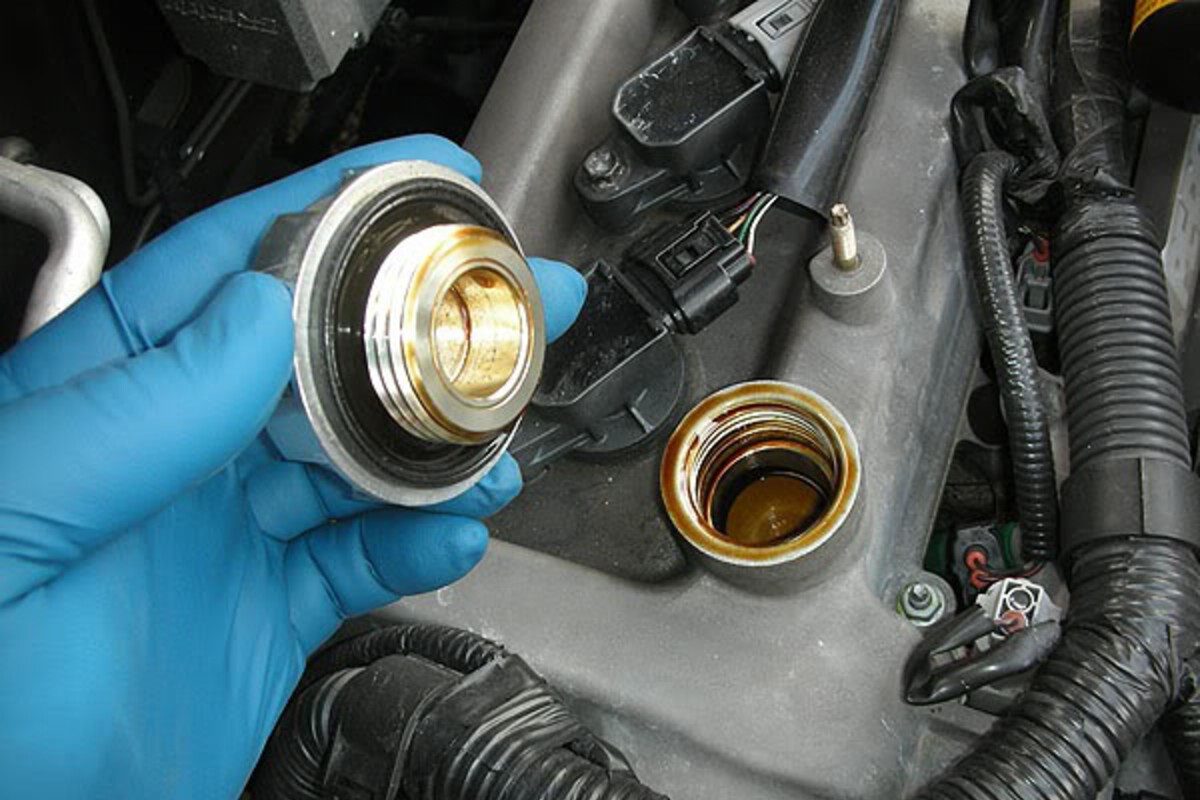
Engine oil does more than just lubricate parts. It keeps friction under control, removes contaminants, and helps cool internal components. As oil ages, it breaks down, loses viscosity, and turns into sludge that clogs passages inside the engine.
Once that happens, the Tahoe’s camshafts, pistons, and bearings are forced to work with minimal protection. Over time, this leads to accelerated wear, reduced performance, and eventually catastrophic engine failure.
Another overlooked factor is the Tahoe’s size and intended purpose. Many owners use it for towing boats, hauling heavy loads, or driving long distances in hot climates.
These conditions stress the engine even more, making timely oil changes absolutely critical. Using the wrong oil grade or cheap filters only compounds the problem, as they fail to provide the level of protection the big V8 requires.
Skipping oil changes might not kill your Tahoe immediately, but it sets the stage for problems that only reveal themselves after 100,000 miles or more. By then, many owners are shocked to learn their engine needs a costly rebuild or replacement.
The fix is simple: follow the maintenance schedule, use high-quality synthetic oil, and change filters regularly. This one habit alone can add years and hundreds of thousands of miles to your Chevy Tahoe’s life.
2. Ignoring Transmission Maintenance
If the engine is the heart of the Tahoe, then the transmission is its backbone. It’s responsible for transferring all that V8 power to the wheels smoothly and reliably.
Yet, one of the most damaging mistakes Tahoe owners make is ignoring transmission maintenance. This is especially true for those who use their SUV for towing, hauling, or long family road trips.
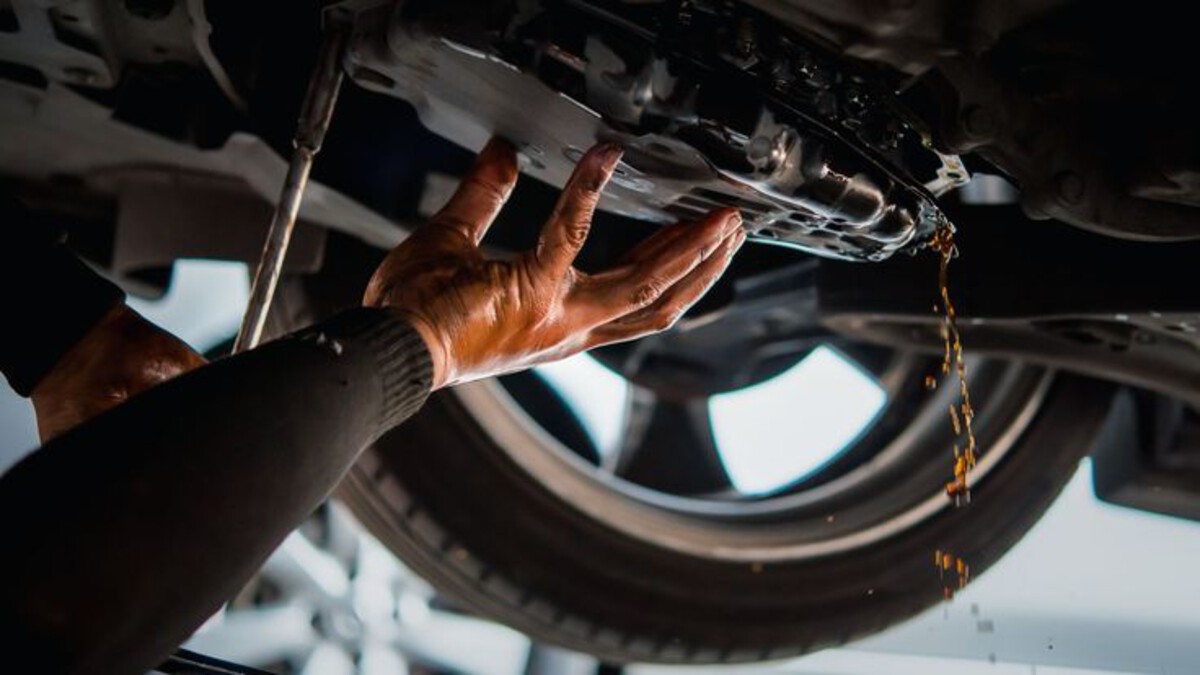
The Tahoe’s automatic transmission is built tough, but it generates significant heat under load. Over time, that heat breaks down transmission fluid, reducing its ability to lubricate gears, clutches, and valves.
Dirty or low fluid not only leads to slipping and rough shifts but also accelerates wear on delicate internal parts. In extreme cases, the transmission can overheat, causing total failure.
One of the biggest issues is that many owners assume the transmission doesn’t need attention until there’s a problem. By then, it’s often too late. Unlike oil changes, transmission maintenance intervals aren’t as frequent, but they’re equally important.
Chevy recommends fluid changes every 45,000 to 60,000 miles, particularly for Tahoes that do heavy towing. Skipping these intervals drastically shortens transmission life.
Symptoms of a neglected transmission include hesitation when shifting, loud clunks, slipping gears, and even warning lights on the dash. Once those signs appear, repairs can cost thousands of dollars, often more than the SUV’s value in older models.
Preventing transmission damage is straightforward: check the fluid regularly, flush it when needed, and avoid towing more than the Tahoe’s rated capacity.
Adding an auxiliary transmission cooler for heavy-duty use can also extend its life significantly. By giving the transmission the care it deserves, Tahoe owners can avoid one of the most expensive repairs a vehicle can face.
3. Overloading and Excessive Towing
One of the biggest strengths of the Chevy Tahoe is its towing capability. With the right setup, it can pull trailers, boats, and campers with ease.
However, many owners push it beyond its rated limits, either by towing too much weight or overloading the vehicle with cargo. While the Tahoe is built on a truck-like frame designed for durability, it still has clear capacity ratings for a reason. Ignoring them can cut its lifespan drastically.
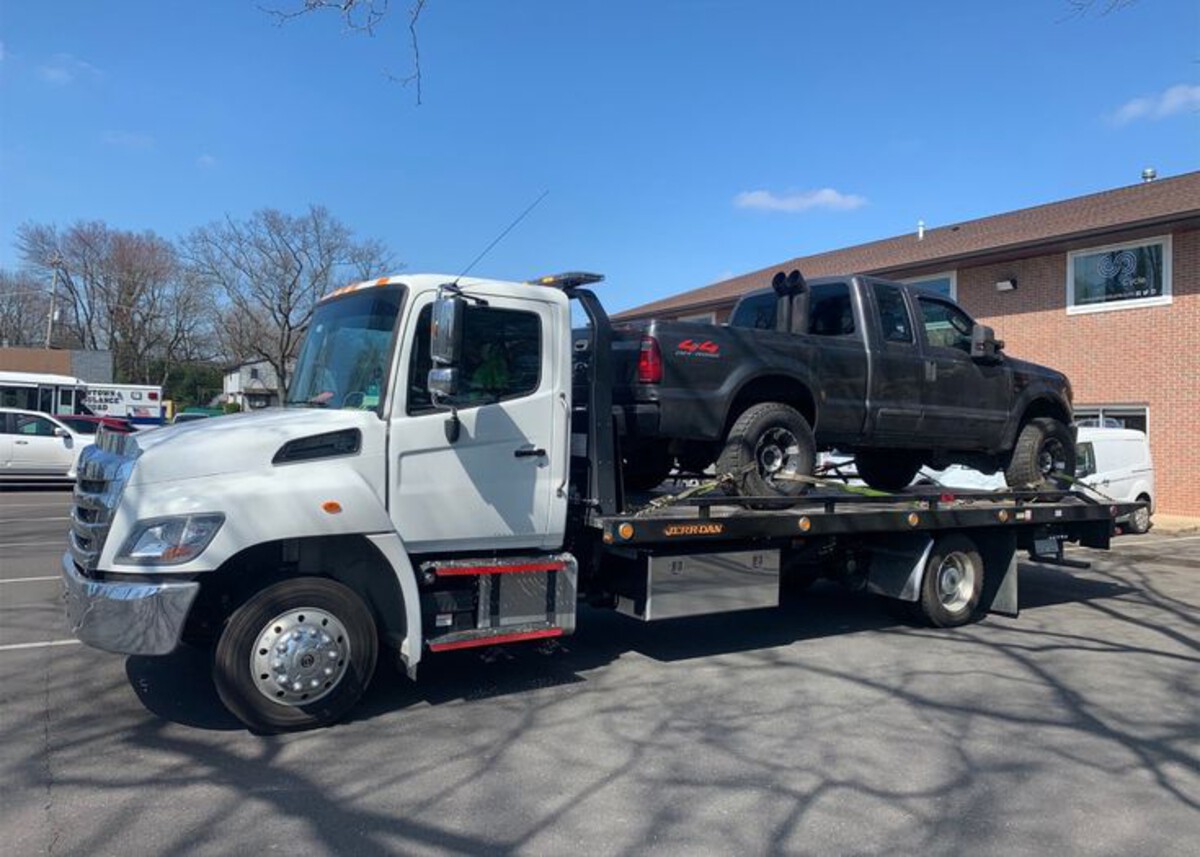
When overloaded, the Tahoe’s suspension, brakes, and drivetrain all work harder than they were engineered to. Extra weight puts stress on shocks, springs, and bushings, causing premature wear and an unstable ride.
The frame itself can develop stress fractures over time if consistently pushed past its limits. The transmission, already prone to high heat when towing, faces even greater strain when forced to haul loads it wasn’t designed for.
Excessive towing also affects braking distances. With too much weight behind it, the Tahoe’s brakes heat up quickly, losing effectiveness and wearing out far sooner than normal.
Owners often notice spongy pedals, vibrations, or even complete brake fade after years of abuse. Add in the extra fuel consumption and reduced engine efficiency, and the costs of overloading become obvious.
The fix is simple: respect the Tahoe’s tow ratings and gross vehicle weight limits. Chevy provides clear guidelines in the owner’s manual, and exceeding them isn’t worth the risk. Investing in a properly rated trailer with functioning brakes and distributing weight evenly can help the Tahoe perform its job without overexertion.
For those who tow frequently, upgrades like heavy-duty shocks or transmission coolers can extend the SUV’s life. Ultimately, treating the Tahoe as a strong but not indestructible machine is the key to keeping it running reliably for years.
4. Driving Aggressively and Hard Braking
While the Tahoe is capable of delivering plenty of power and torque, it was never designed to be driven like a sports car. Yet, many drivers fall into the habit of aggressive driving rapid acceleration, sudden braking, and weaving through traffic.
This behavior may not seem destructive at first, but over time, it wreaks havoc on the Tahoe’s components and drastically reduces its longevity.

Hard acceleration places a massive load on the engine and transmission. The V8 can handle power demands, but repeatedly flooring the throttle wears down internal parts much faster.
Combined with abrupt braking, aggressive driving generates constant stress on the brakes and suspension system. Brake pads and rotors heat up quickly when forced to stop a 5,500-pound SUV suddenly, and when this happens regularly, they wear out prematurely and can even warp.
Suspension parts also suffer. Ball joints, control arms, and shocks on the Tahoe are designed for comfort and utility, not constant punishment. Hitting potholes or speed bumps at high speed multiplies the damage.
Even tires wear unevenly under harsh driving habits, costing more in frequent replacements. Beyond the mechanical issues, aggressive driving destroys fuel efficiency, one of the Tahoe’s weakest points already.
Perhaps most concerning, aggressive habits reduce safety. A worn-out suspension or overheated brakes increase stopping distances, making the Tahoe less capable of handling emergencies. Over years, this combination of wear shortens the SUV’s reliable life by tens of thousands of miles.
The solution is straightforward: drive smoothly. Accelerate gradually, brake early, and allow the Tahoe’s systems to function within their design limits.
Defensive driving not only saves gas but also helps avoid costly repairs. The Tahoe will reward patience and respect with years of dependable service, proving that driving style directly impacts its lifespan.
5. Neglecting Suspension and Steering Components
The Chevy Tahoe is a big, heavy SUV that puts tremendous demand on its suspension and steering system. Every drive, whether it’s a city commute or a long road trip, puts stress on parts like shocks, struts, ball joints, tie rods, and bushings.
Over time, these components naturally wear down, but when owners ignore the warning signs, small problems quickly escalate into costly repairs and unsafe driving conditions.
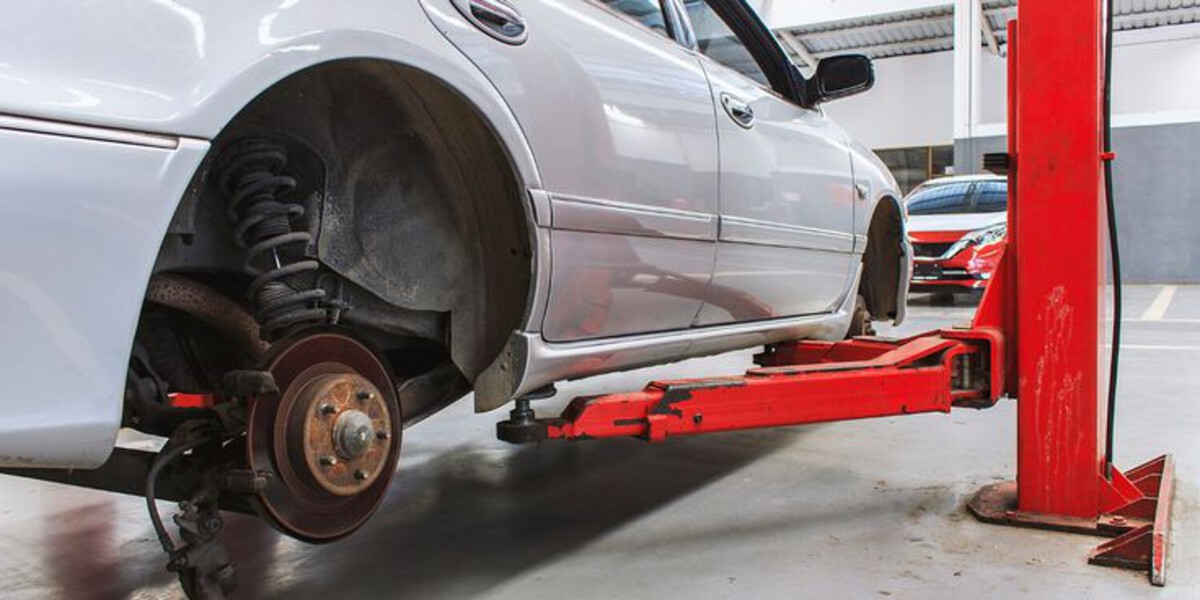
A worn suspension doesn’t just mean a bumpy ride. On a Tahoe, it affects stability, braking, and even tire wear. For example, bad shocks or struts make it harder for the SUV to absorb bumps, causing the tires to lose contact with the road.
This not only reduces control but also creates uneven tire wear, shortening tire life significantly. Ball joints and tie rods, if ignored, can loosen steering precision, leading to wandering on the highway or dangerous play in the steering wheel.
Because of the Tahoe’s weight and popularity as a family hauler or tow vehicle, these issues appear sooner if maintenance is neglected. Owners often ignore clunking noises, vibrations, or uneven tire wear until it’s too late. By then, suspension components may fail completely, creating a safety hazard.
The costs of neglect can be staggering. A failed ball joint, for instance, can cause the wheel to collapse inward. Not only is this dangerous, but it also results in expensive repairs to the control arms and steering assembly. What could have been fixed with a simple part replacement becomes a repair bill in the thousands.
The solution is to inspect suspension and steering components regularly, especially after 80,000 to 100,000 miles. Replacing worn shocks, bushings, or tie rods early prevents cascading failures.
Routine wheel alignments also help keep the Tahoe tracking straight while reducing strain on suspension parts. A Tahoe with a well-maintained suspension not only lasts longer but also feels safe and stable on the road.
6. Ignoring Dashboard Warning Lights
Modern Chevy Tahoes are equipped with a sophisticated onboard diagnostic system designed to alert drivers to problems before they become catastrophic.
Yet, many owners ignore warning lights, either assuming they’re false alarms or planning to “deal with it later.” This is one of the most dangerous habits, as those small lights often represent issues that can quickly escalate.
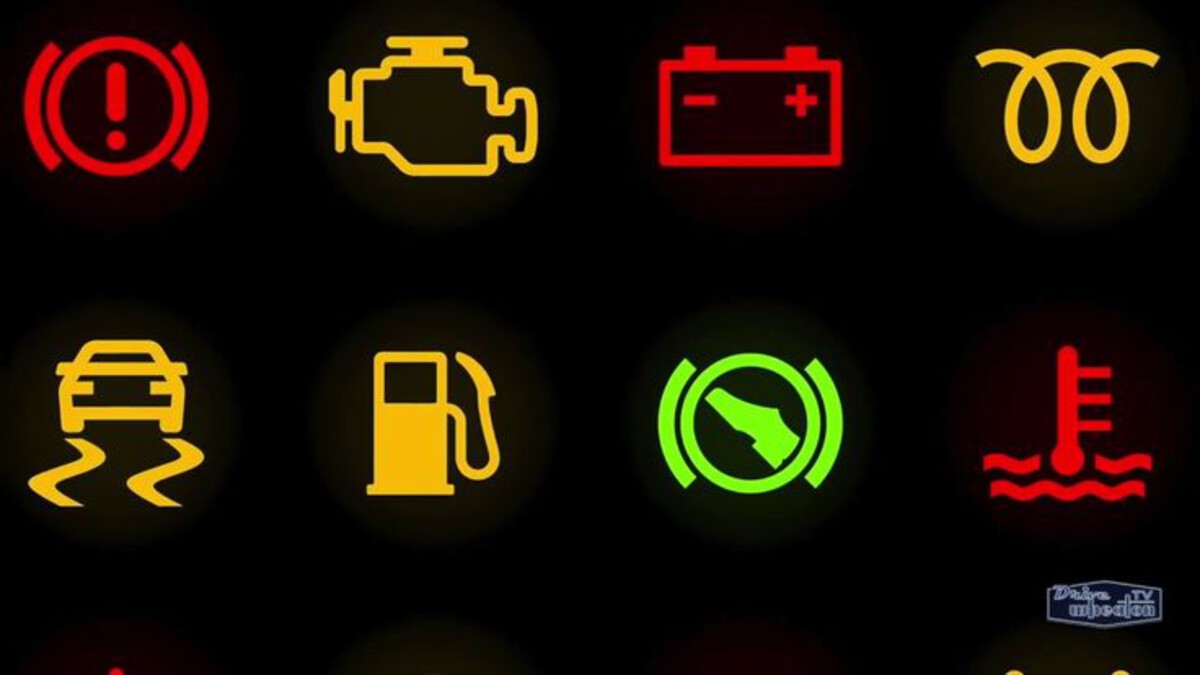
For example, a Check Engine Light may indicate something as minor as a loose gas cap, but it can also mean misfires, oxygen sensor failures, or catalytic converter problems.
Ignoring these warnings reduces efficiency, increases emissions, and can eventually damage the engine. An illuminated oil pressure light is even more serious. Driving with low oil pressure for even a short time can destroy the Tahoe’s V8 engine completely.
ABS and brake warning lights are another critical area. Many Tahoe owners keep driving despite these alerts, unaware that the SUV’s anti-lock braking system might not be working.
This increases the risk of skidding in emergencies, particularly on wet or icy roads. Similarly, battery and charging system warnings are often dismissed until the Tahoe refuses to start, stranding the driver unexpectedly.
Part of the problem is that some drivers fear the cost of diagnostics. But in reality, catching a small problem early often saves money.
A $50 sensor replacement is far cheaper than replacing a catalytic converter or rebuilding an engine. Many auto parts stores even offer free code scans, making it easy to understand what a warning light means before it’s too late.
The best approach is to treat every warning light as important. Even if the Tahoe seems to drive fine, the underlying issue could be silently damaging critical components.
By addressing problems immediately, owners not only protect their SUV but also ensure their safety on the road. Ignoring warning lights is essentially ignoring the Tahoe’s way of asking for help, and that’s a habit that can shorten its life dramatically.
ALSO READ: 5 Jeep Patriot Years Worth Buying vs 5 To Avoid
7. Installing Oversized Wheels and Mods
Customizing a Chevy Tahoe is common, and oversized wheels or aftermarket modifications are often the first upgrades owners consider.
While they may enhance appearance or add off-road capability, these changes can quietly damage the SUV if not done correctly. Oversized wheels, especially those larger than factory recommendations, create a chain reaction of strain throughout the Tahoe’s systems.
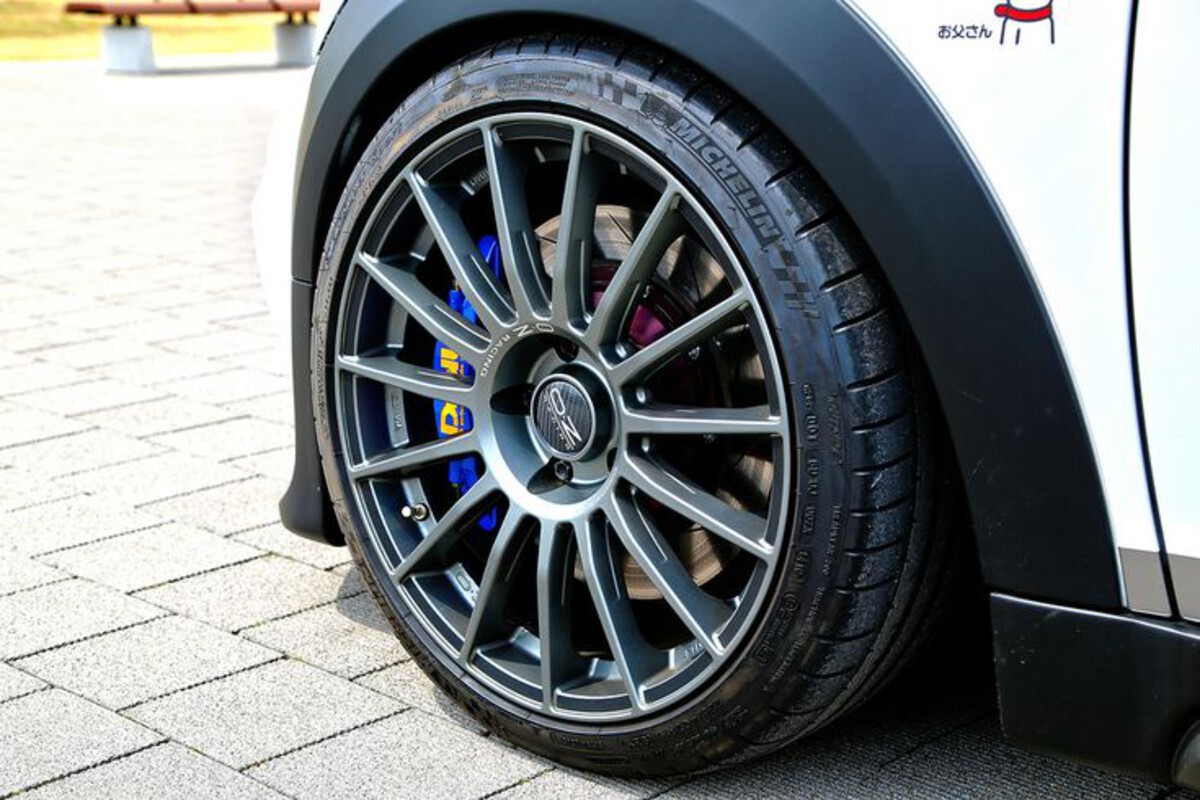
The most immediate issue is added weight. Larger wheels and tires weigh more, forcing the suspension and braking system to work harder. Brakes overheat faster, pads wear out sooner, and stopping distances increase.
The transmission and differential also feel the effects, since bigger tires change the effective gear ratio, making the engine work harder to move the SUV. Fuel economy drops noticeably, and acceleration feels sluggish.
Steering and suspension geometry are also disrupted by aftermarket wheels. Improper offsets or excessively wide tires increase stress on ball joints, control arms, and tie rods.
Owners may notice premature wear, vibrations at higher speeds, or uneven tire wear that shortens tread life. Add a lift kit into the mix, and the strain multiplies, especially if the modifications weren’t installed with proper recalibration.
Electronics are another overlooked factor. The Tahoe’s speedometer, traction control, and ABS systems are calibrated for stock tire sizes. Oversized tires throw off these readings, sometimes causing stability control systems to misbehave. Over time, this can create safety hazards.
That doesn’t mean modifications are off limits, but they should be done responsibly. Sticking close to factory wheel sizes, ensuring proper alignment, and upgrading brakes or suspension components to match the modifications can help avoid damage.
The Tahoe is designed for balance, and drastic changes throw that balance off. In the long run, keeping mods tasteful and within reason will extend the life of the SUV while still allowing room for personalization.
8. Poor Cooling System Care
One of the deadliest but most overlooked habits that shortens a Chevy Tahoe’s life is neglecting the cooling system.
The Tahoe’s V8 generates tremendous heat, especially when towing, idling in traffic, or driving in hot climates. If the cooling system isn’t properly maintained, that heat quickly becomes destructive.
Coolant, also known as antifreeze, circulates through the engine and radiator to absorb and dissipate heat. Over time, coolant breaks down, loses effectiveness, and becomes contaminated with rust or debris.
Many Tahoe owners forget to flush their cooling system every 5 years or 100,000 miles as recommended. Old coolant not only fails to prevent overheating but also corrodes the radiator, heater core, and water pump.
Neglecting the radiator is another common issue. Dirt, bugs, and debris clog its fins, reducing airflow and heat transfer. When this happens, the engine runs hotter than normal, especially under heavy loads.
A failing thermostat or weak radiator fan can also go unnoticed until the Tahoe suddenly overheats. By then, damage may already be done. Overheating can warp cylinder heads, blow head gaskets, or even crack the engine block all repairs that cost thousands of dollars.
Warning signs of cooling system trouble include rising temperature gauges, coolant leaks, or a sweet smell under the hood. Many owners top off coolant without addressing the underlying leak, which only delays the inevitable.
The solution is proactive care. Flush the cooling system regularly, replace the thermostat and hoses before they fail, and inspect the radiator for blockages.
Investing in quality coolant and keeping an eye on temperature readings will save the Tahoe from catastrophic engine damage. A healthy cooling system is the unsung hero that keeps the SUV’s big V8 running strong for hundreds of thousands of miles.
The Chevy Tahoe has earned its reputation as one of the most dependable full-size SUVs on the road. With proper care, many examples easily surpass 200,000 or even 300,000 miles.
But longevity doesn’t happen by accident, it’s the result of consistent maintenance and smart driving habits. Unfortunately, as we’ve seen, certain bad habits can undo all of Chevy’s engineering and bring a Tahoe to an early end.
Skipping oil and transmission services weakens the drivetrain, while overloading or aggressive driving accelerates wear across brakes, suspension, and tires. Ignoring dashboard warnings or suspension noises allows small issues to snowball into major repairs.
Even cosmetic or performance modifications, like oversized wheels, can quietly chip away at the Tahoe’s reliability if not done carefully. And perhaps the most underestimated habit of all, neglecting the cooling system, can turn a perfectly healthy engine into an expensive paperweight almost overnight.
The good news is that every one of these habits can be avoided. Staying on top of fluid changes, respecting towing limits, driving with care, and responding promptly to warning signs are all within an owner’s control.
Routine inspections and preventive maintenance not only extend the Tahoe’s life but also make it safer, more enjoyable, and more cost-effective to own.
Ultimately, the Tahoe is built to be a long-term companion, a family hauler, a road-trip warrior, ora workhorse that delivers year after year. Treat it with respect, and it will reward you with decades of dependable service.
But fall into the traps of neglect and abuse, and even the strongest SUV will falter. Owning a Tahoe isn’t just about enjoying its power and space; it’s about adopting the habits that keep it alive for the long haul.