
The Toyota Highlander has long been one of the most trusted family SUVs on the road, blending reliability, comfort, and space in a way few competitors can match. Known for its bulletproof reputation, smooth ride, and advanced safety features, the Highlander has become the go-to choice for families who want a vehicle that can last well beyond the first decade of ownership. B
ut while Toyota builds the Highlander to last, no vehicle is immune to the effects of time, mileage, and everyday wear and tear. Families put their Highlanders through countless road trips, commutes, grocery hauls, and soccer practices, all of which place unique demands on the SUV. To keep it family-ready for decades, proactive maintenance and smart fixes are essential.
The secret to owning a Highlander that runs reliably into its second or even third decade lies in targeted upkeep. Some of these fixes involve staying ahead of mechanical issues, while others are about addressing the everyday concerns that come with family use, interior durability, safety technology updates, and even cosmetic touches that keep the SUV looking sharp.
Unlike some vehicles that start falling apart after the 100,000-mile mark, the Highlander rewards owners who pay attention to these details with exceptional longevity.
This guide highlights ten essential fixes that can make all the difference. From suspension refreshes that restore smoothness to replacing worn seat materials that preserve comfort, these fixes are designed with real-world family use in mind.
By tackling these issues head-on, Highlander owners can extend the lifespan of their SUV, maintain its resale value, and ensure it remains a safe and comfortable ride for kids, teens, and even grandkids. Let’s dive into the top ten fixes that will keep your Toyota Highlander family-ready for decades to come.
10 Fixes That Keep a Toyota Highlander Family-Ready for Decades
A family SUV like the Toyota Highlander doesn’t just serve as a vehicle it becomes a central part of daily life. School drop-offs, vacation trips, sporting events, and even cross-country journeys all leave their mark on the vehicle. Over time, mileage and usage reveal weak points that require attention. Fortunately, with the right approach, these weak points can be addressed before they compromise safety, comfort, or reliability.
These ten fixes represent both preventative care and restorative upgrades. For example, suspension components are known to wear out after years of family hauling, making replacements key to maintaining ride quality.
Interior elements like seats, carpets, and door handles also need attention, especially with kids climbing in and out daily. Technology is another area where upgrades keep the Highlander relevant, ensuring that safety and convenience features remain up to modern expectations.
Instead of treating these fixes as optional, think of them as investments in your Highlander’s long-term value. A well-maintained Highlander not only saves money by avoiding costly breakdowns but also provides peace of mind knowing your family is safe.
Whether you plan to keep it for another decade or eventually pass it down to your children, these fixes make ownership rewarding. In the sections ahead, we’ll explore each fix in detail, showing exactly how it extends the life and usability of your Highlander.
ALSO READ: 10 Weekend Maintenance Steps That Extend a Subaru BRZ’s Life
Fix 1: Suspension Refresh
One of the first areas that demands attention in a Toyota Highlander after years of family duty is the suspension. Designed to deliver a smooth ride and dependable handling, the suspension system takes a beating from potholes, heavy loads, and long commutes.
Over time, shocks and struts lose their damping ability, bushings crack, and sway bar links wear out. The result is a ride that feels harsh, noisy, or unstable far from the comfort families expect.
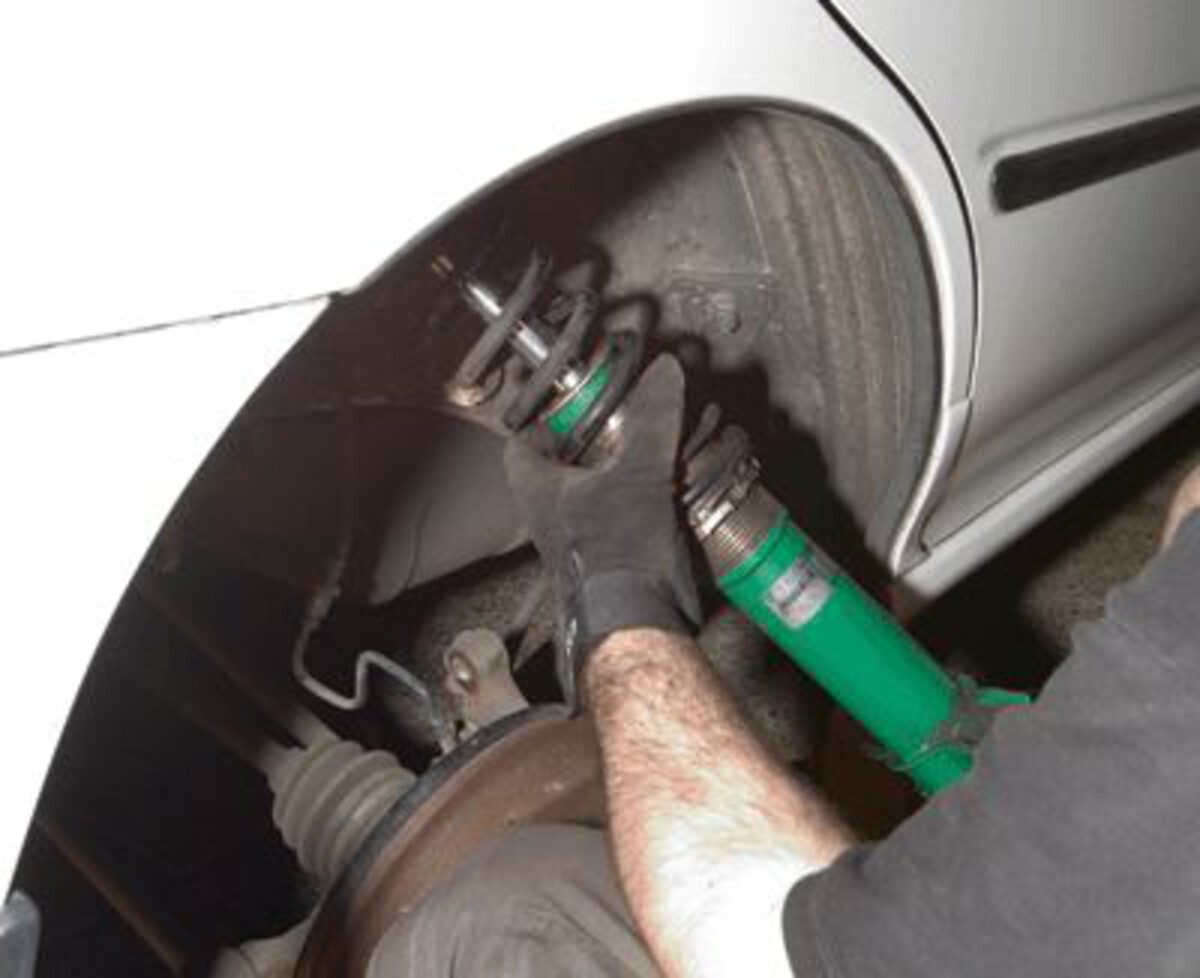
Refreshing the suspension transforms the Highlander’s driving feel. New struts and shocks restore ride quality, keeping the SUV composed on highways and calm over bumps.
Replacing worn-out bushings tightens up handling, eliminating clunks and rattles that often frustrate long-term owners. Heavy-duty or upgraded aftermarket components can further improve stability for those towing trailers or regularly carrying full passenger loads.
The payoff is significant. Not only does the SUV feel younger and more responsive, but suspension health also plays a crucial role in safety. A well-damped suspension maintains better tire contact with the road, improving braking and cornering ability. This is especially vital for families, where stability during sudden maneuvers could make all the difference.
In short, a suspension refresh is one of the smartest long-term investments Highlander owners can make. It’s not just about comfort; it’s about ensuring the vehicle feels as solid in its second decade as it did when new. Families who prioritize this fix often remark that their Highlander drives like it just rolled out of the showroom.
Fix 2: Brake System Overhaul
Brakes are the foundation of safety in any vehicle, and the Toyota Highlander is no exception. As families depend on it for both city errands and long highway drives, the brake system is constantly working behind the scenes to keep everyone safe.
Over time, brake pads wear thin, rotors warp from heat, and brake fluid loses effectiveness as it absorbs moisture. Ignoring these signs can compromise stopping power, putting passengers at risk.
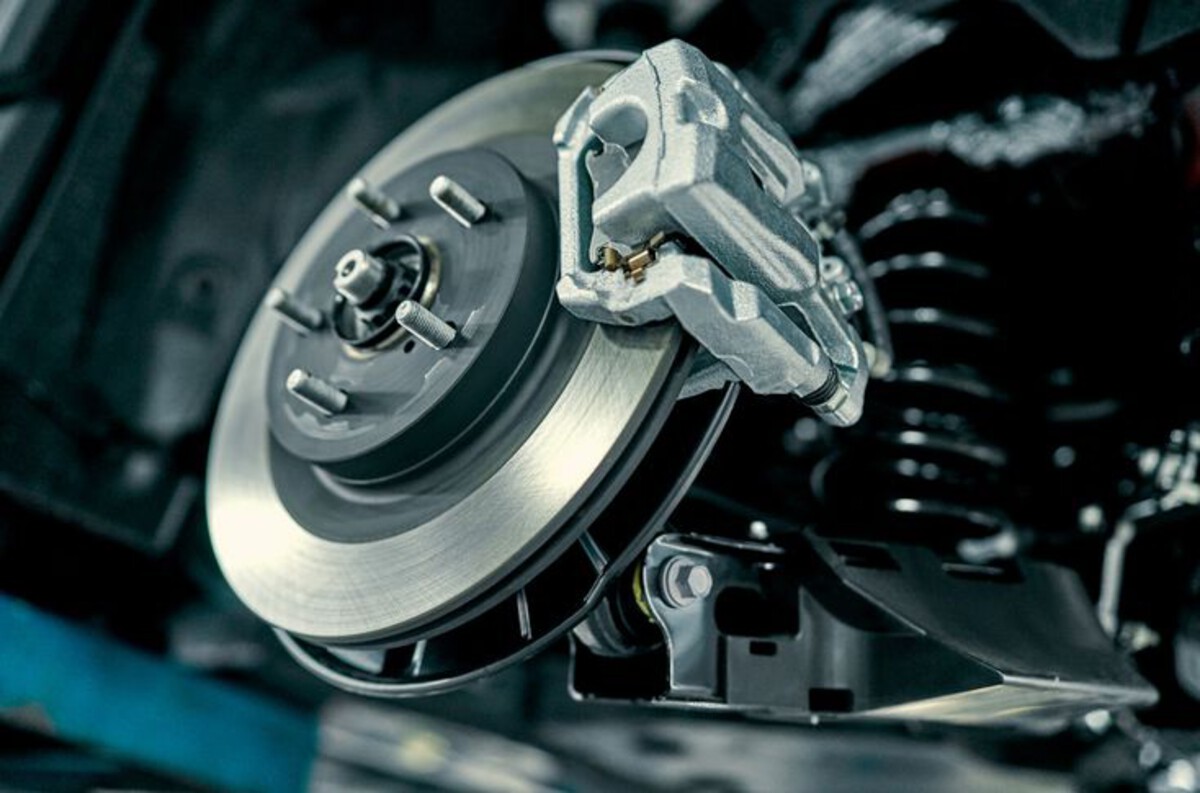
A brake system overhaul involves more than just replacing pads. It’s about restoring the entire system to its peak condition. New rotors or resurfaced ones eliminate vibrations during braking.
Fresh pads ensure strong, quiet stops. Brake calipers should be inspected for proper movement, as sticking calipers can cause uneven wear. Flushing the brake fluid every 30,000 miles helps prevent internal corrosion and ensures consistent hydraulic pressure.
Families who often tow small trailers, haul gear, or drive in hilly regions will especially benefit from upgraded brake components. High-performance pads and rotors resist fade better under heavy loads, keeping the Highlander dependable even when pushed harder than usual.
The importance of brakes goes beyond safety. A fresh system also improves confidence behind the wheel. There’s nothing like the reassurance of knowing that, in an emergency stop, your Highlander can deliver reliable performance. Parents especially value this peace of mind, knowing their SUV can protect what matters most.
In the long run, a brake overhaul is a small price to pay for safety and reliability. It ensures that the Highlander stops as well in its second decade as it did on day one.
Fix 3: Transmission Service and Fluid Exchange
The transmission is one of the most crucial and expensive components in any vehicle. For a Toyota Highlander that is expected to last for decades, taking care of this system is non-negotiable.
Automatic transmissions depend heavily on fluid to lubricate moving parts, reduce heat, and keep shifts smooth. Over time, this fluid breaks down, losing its ability to protect internal gears and clutches. Left unchecked, it can lead to slipping, rough shifting, or even total transmission failure.
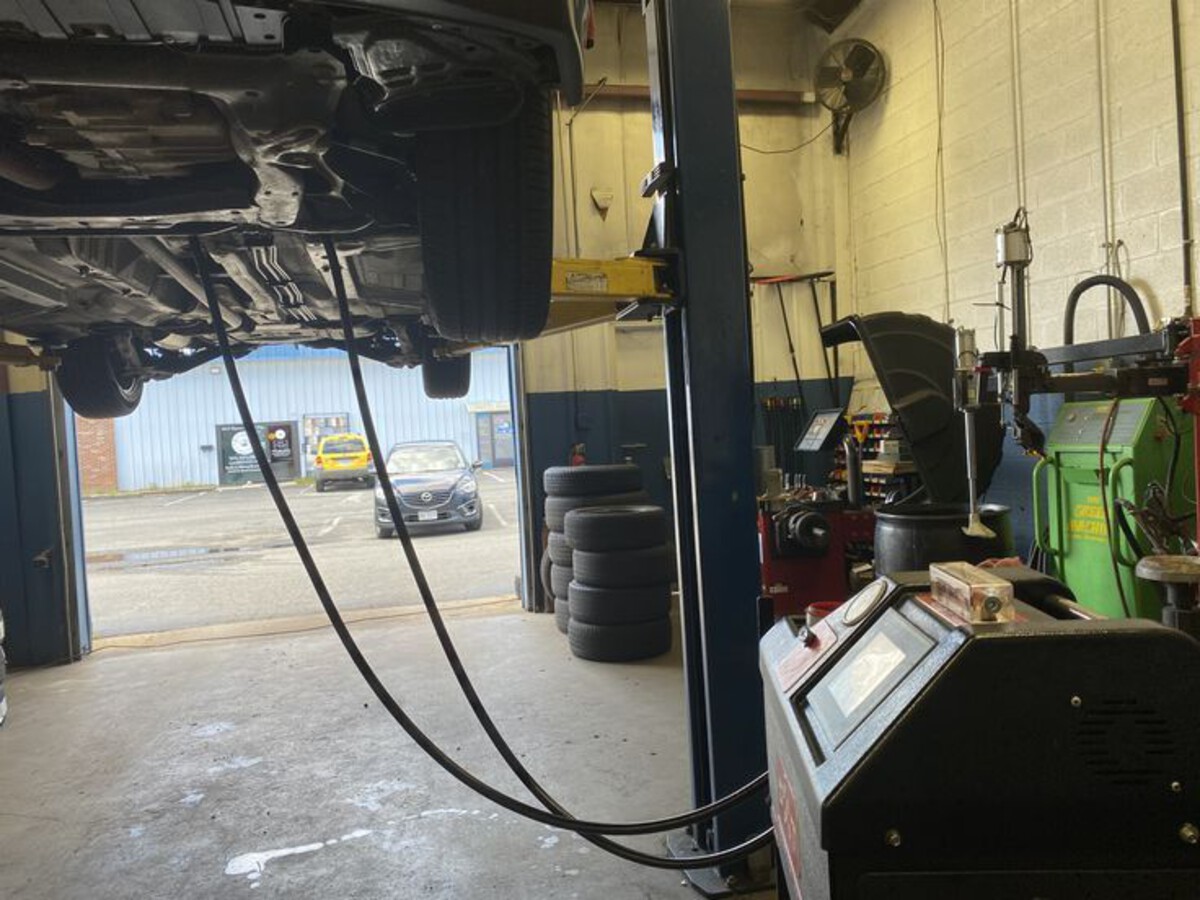
Routine transmission service is a game-changer for long-term reliability. Flushing or exchanging old fluid every 50,000 to 60,000 miles keeps the system cool and protected. A new filter (on models equipped with one) ensures contaminants don’t circulate and cause wear. Inspecting seals and gaskets during service also helps prevent leaks, a common issue as Highlanders age.
Families benefit most from smooth, predictable shifting. Whether merging onto highways or navigating stop-and-go traffic, the Highlander’s transmission plays a direct role in comfort and drivability. By staying on top of maintenance, owners avoid the sudden, jerky shifts that make driving stressful.
Another advantage of regular service is cost savings. A full transmission replacement can cost thousands, but proactive fluid changes and inspections extend its life dramatically. Many Highlanders that receive consistent care surpass 250,000 miles without major transmission trouble.
In short, transmission care is about preserving one of the Highlander’s most expensive components while keeping the driving experience seamless. A smooth-shifting SUV makes family trips more enjoyable and ensures confidence every time the gear lever is engaged.
Fix 4: Cooling System Upgrade
The cooling system is often overlooked until problems arise, but it plays a vital role in keeping the Highlander running for decades. Engines generate enormous amounts of heat, and without an efficient cooling system, overheating can quickly lead to catastrophic engine damage. For families who rely on their Highlander for road trips and summer adventures, keeping the engine cool isn’t just important, it’s essential.
Over time, radiators can clog, water pumps weaken, and hoses become brittle. Even coolant itself degrades, losing its protective qualities. A cooling system upgrade begins with a complete flush, replacing old coolant with fresh fluid designed to resist corrosion and maintain proper temperature control. Inspecting and replacing worn hoses and clamps prevents leaks that could leave a family stranded on the roadside.
High-mileage Highlanders may also benefit from a new water pump and radiator. These parts often wear out after 100,000 miles, and replacing them proactively prevents sudden overheating. For owners in hot climates or those who tow frequently, upgraded radiators or electric fans can provide even more peace of mind.
Families often underestimate how much a cooling system impacts reliability. Overheating can warp cylinder heads, blow gaskets, and ruin engines, all costly repairs that far outweigh the price of preventative upgrades.
By investing in cooling system health, Highlander owners ensure their SUV can handle both daily school runs and long summer road trips without fear. It’s a behind-the-scenes fix, but one that keeps the heart of the Highlander strong for years to come.
Fix 5: Timing Belt/Chain and Engine Seals
Toyota has equipped different generations of the Highlander with either a timing belt or a timing chain, both of which are critical for engine function. This component keeps the camshaft and crankshaft synchronized, ensuring valves open and close at the right time. If it fails, the results can be catastrophic, often leading to complete engine destruction. For families depending on their Highlander daily, this is not a risk worth taking.
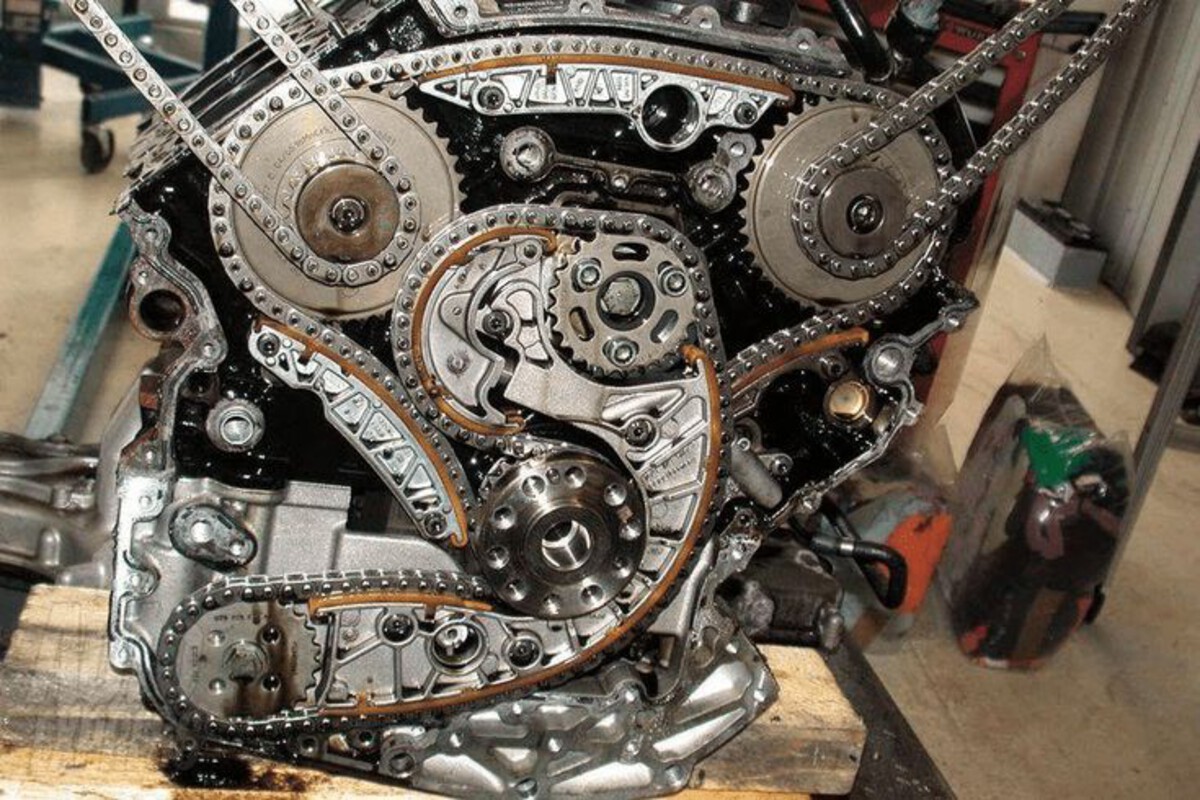
Timing belts typically need replacement every 90,000 to 100,000 miles. Along with the belt, it’s wise to replace the tensioner, pulleys, and water pump, since they share labor costs. For Highlanders with timing chains, inspection is key. Chains are more durable but can stretch over time, especially if oil changes are neglected.
While servicing the timing system, it’s also smart to replace aging engine seals and gaskets. Oil leaks from valve covers or cam seals are common in older Highlanders. Addressing them early prevents oil from contaminating other parts and keeps the engine bay cleaner.
This fix provides families with the assurance that their Highlander’s engine is dependable for years to come. Smooth running, leak-free operation translates to fewer breakdowns and less downtime. For owners planning to keep their Highlander into high mileage, this service is one of the most important investments they can make.
Skipping this fix risks major engine damage and costly repairs. But by tackling it proactively, Highlander owners keep one of the most important components in top shape, ensuring decades of reliability.
ALSO READ: 9 Best Tricks That Keep a Ford Flex From Breaking Down
Fix 6: Exhaust System and Emissions Components
The exhaust system is often taken for granted until it develops issues, but for a Toyota Highlander meant to last decades, keeping it in top condition is crucial. Beyond reducing noise, the exhaust system plays a major role in efficiency and emissions control. Over time, rust, cracks, and worn catalytic converters can compromise both performance and environmental responsibility.
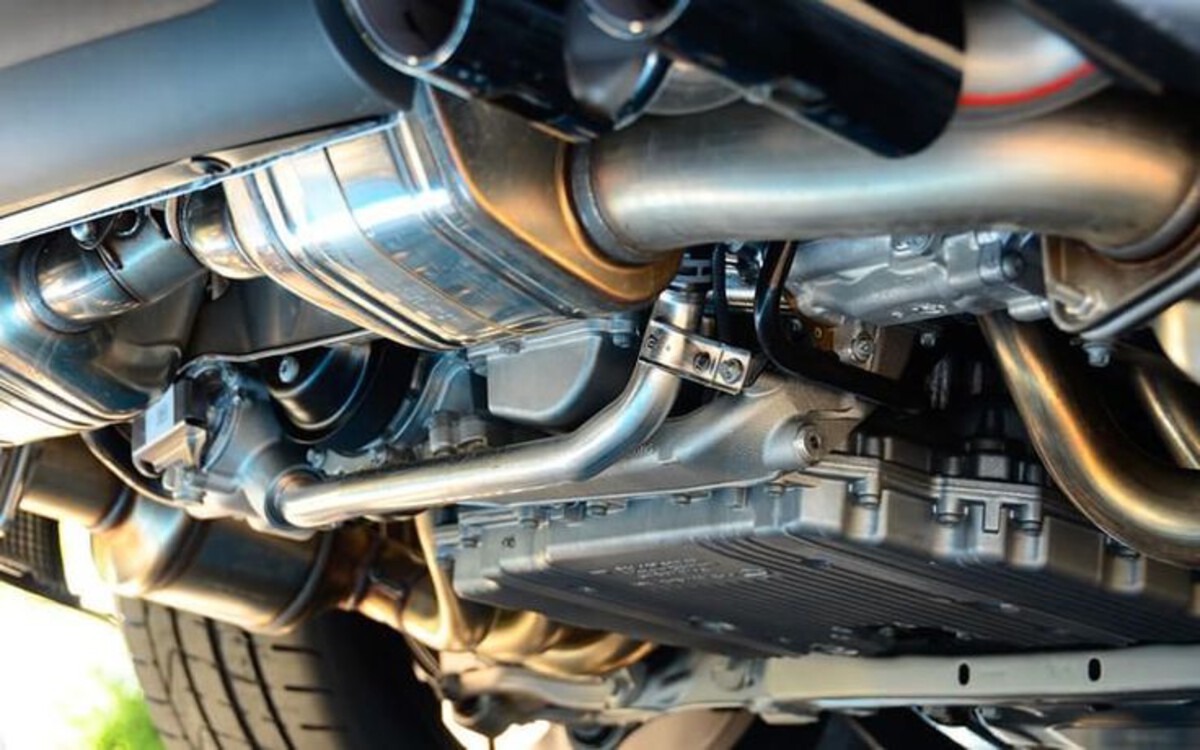
Families who rely on their Highlander daily may not notice subtle performance losses, but a failing exhaust can rob the engine of power and cause increased fuel consumption. Worn-out oxygen sensors are another common issue; they send incorrect data to the ECU, leading to poor fuel-air mixtures. Replacing sensors at recommended intervals keeps fuel economy strong and reduces unnecessary strain on the engine.
Another concern in older Highlanders is corrosion. Road salt, moisture, and long winters can eat away at exhaust pipes and mufflers. Proactively replacing rusted components prevents dangerous exhaust leaks that could allow fumes to enter the cabin a serious safety concern for families.
Upgrading to stainless steel components or higher-grade catalytic converters also ensures longevity, especially for those who plan to keep the SUV for decades. Not only do these parts last longer, but they also keep the Highlander compliant with emissions standards, which protects its resale value.
Maintaining the exhaust system is about more than just sound or fuel economy. It’s about protecting the environment, safeguarding family health, and keeping the Highlander efficient well into high mileage.
Fix 7: Steering and Power Assist Maintenance
Steering is one of the most important elements of driving confidence. Over time, Toyota Highlanders may develop issues with the steering rack, tie rods, or power steering system. For families, nothing is more unnerving than vague, stiff, or noisy steering, especially during highway travel or while parking in tight school lots.
The power steering system, whether hydraulic in older models or electric in newer ones, needs attention. Hydraulic systems can develop leaks in hoses or seals, leading to reduced assist and potential pump damage.
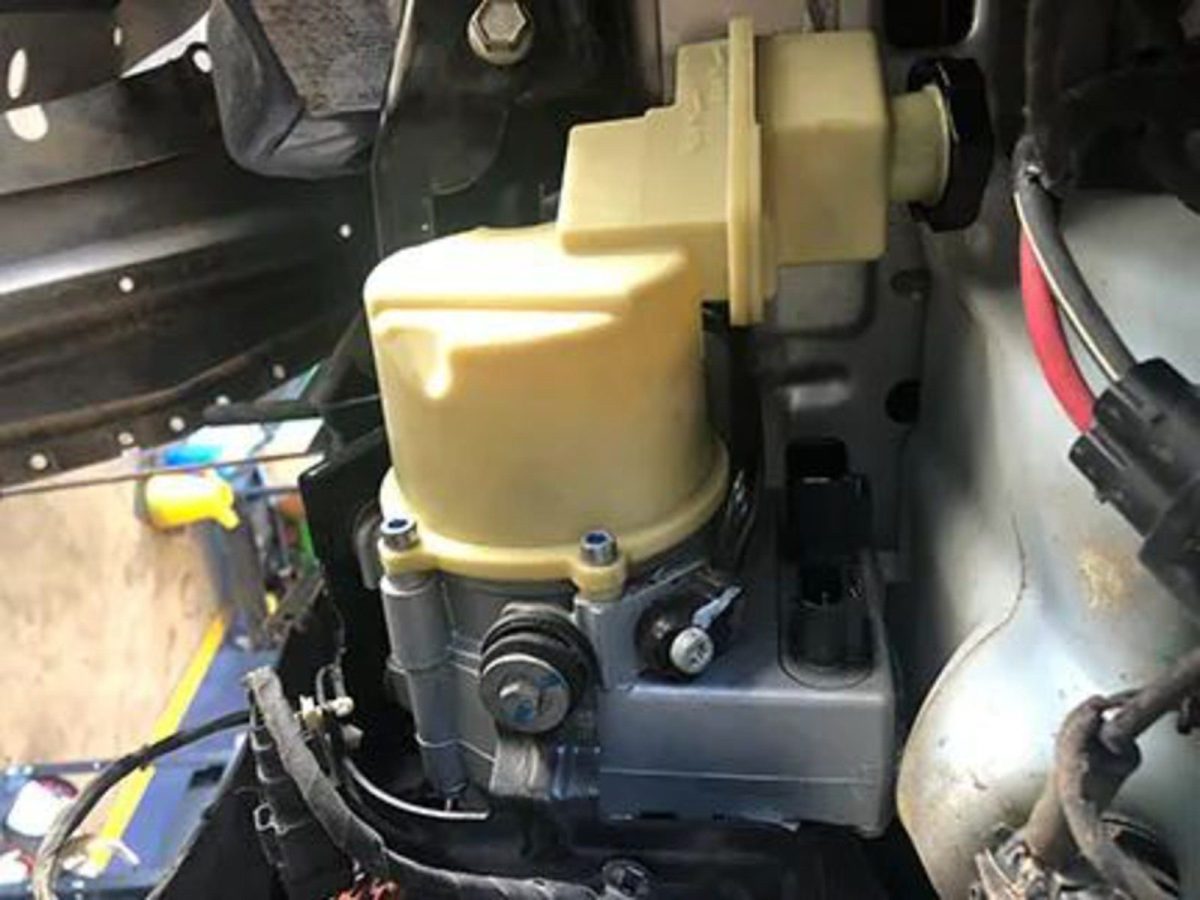
Regularly checking and replacing fluid prevents overheating and prolongs pump life. On electric systems, keeping software updated and inspecting for play in the steering column ensures precision handling.
Tie rods and ball joints are also prone to wear, especially with years of heavy use and rough roads. Replacing them restores direct feedback and keeps alignment true, which extends tire life. Families who notice vibrations, pulling to one side, or clunking sounds during turns should have these components inspected immediately.
Properly maintained steering doesn’t just make driving easier; it also prevents dangerous scenarios. Sudden steering failure or unpredictable handling can turn routine drives into emergencies. By investing in steering system upkeep, Highlander owners gain peace of mind and ensure their SUV remains both safe and enjoyable to drive.
This fix is all about restoring confidence. A Highlander with precise, effortless steering feels younger and more secure, making family travel stress-free once again.
Fix 8: Interior Refresh – Seats, Carpets, and Panels
While mechanical reliability keeps a Highlander running, interior condition keeps it family-friendly. Years of kids climbing in with sports gear, pets shedding on seats, and spilled drinks take a toll. A worn interior may not stop the SUV from driving, but it diminishes comfort and pride of ownership.
Refreshing the interior begins with deep cleaning. Steam-cleaned carpets, shampooed seats, and conditioned leather or fabric instantly revive the cabin.
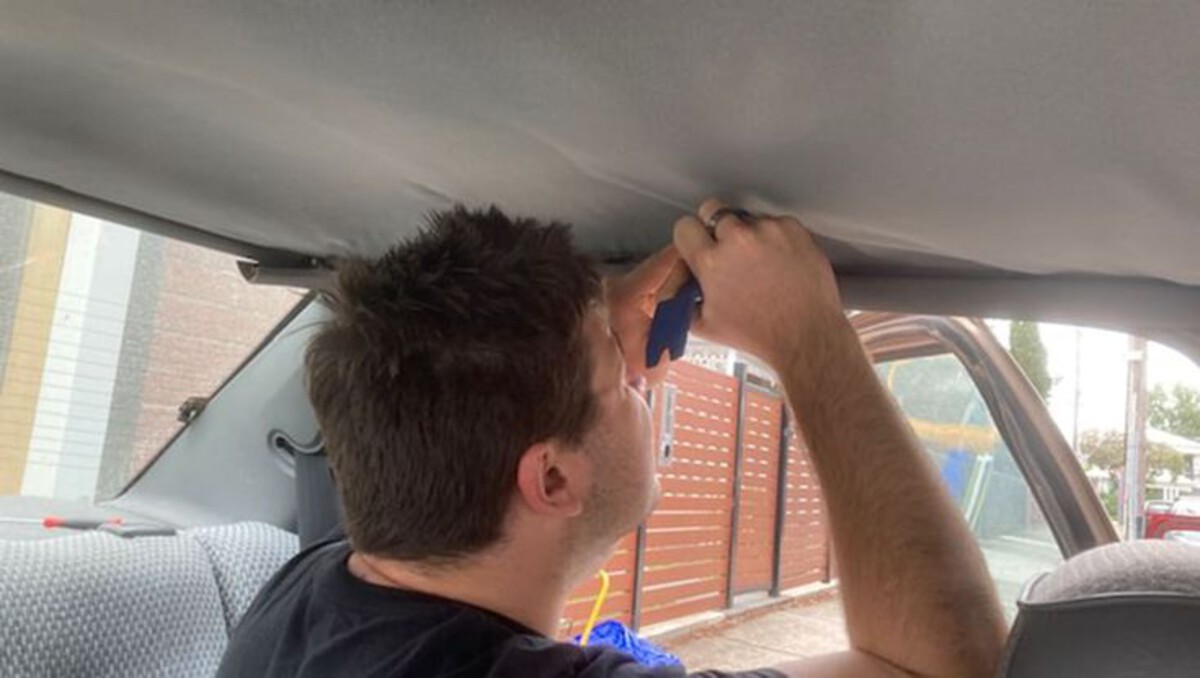
For Highlanders with torn seat upholstery, investing in reupholstering or high-quality seat covers restores comfort and appearance. Families often find that replacing foam padding in front seats makes long drives far more enjoyable.
Panels and trim can also suffer from scratches and fading. Replacing worn handles, cracked dashboards, or damaged cup holders ensures everything feels functional again. Even small upgrades like all-weather floor mats protect the cabin from future messes.
A refreshed interior also has financial benefits. A Highlander that looks cared for retains higher resale value, since buyers equate a clean interior with overall good maintenance. More importantly, families enjoy spending time inside a vehicle that feels welcoming.
This fix isn’t about vanity, it’s about functionality and comfort. A Highlander with a refreshed interior feels ready for another decade of school runs, vacations, and everyday use. It transforms the SUV into a pleasant space for everyone who rides inside.
Fix 9: Electrical and Infotainment Updates
Technology has advanced rapidly, and while the Toyota Highlander is known for reliability, older models may fall behind in convenience features. Updating electrical and infotainment systems keeps the SUV relevant for modern family life.
Common electrical fixes include replacing failing window motors, worn switches, or dimming interior lights. These small issues, while not catastrophic, can frustrate families who use the SUV daily. Ensuring everything works properly restores convenience.

Infotainment upgrades are where owners can truly modernize their Highlander. Older models may lack Bluetooth, navigation, or smartphone integration. Replacing the head unit with an aftermarket system adds Apple CarPlay, Android Auto, and modern touchscreens, instantly making the vehicle feel new. Families benefit from safer, hands-free calling and easy music streaming during long trips.
Other upgrades include adding backup cameras or replacing aging factory ones. These are especially useful for parents maneuvering in busy parking lots. USB charging ports and wireless chargers also add convenience for growing families who depend on multiple devices.
Electrical reliability is essential, too. Checking wiring, replacing old batteries, and ensuring alternators function properly prevent unexpected breakdowns. Nothing is more inconvenient than being stranded with a dead battery when rushing to school or work.
Updating the Highlander’s electronics is about blending Toyota’s mechanical reliability with today’s expectations. It keeps the SUV competitive with newer models while extending its usability for families who plan to hold onto it long-term.
Fix 10: Exterior Protection – Paint and Rust Prevention
Last but not least, the Highlander’s exterior deserves attention. A mechanically sound SUV still loses value and appeal if the paint is faded or rust starts creeping in. Families who want their Highlander to look as good as it drives must invest in exterior care.
Regular washing and waxing protect the clear coat from UV rays, salt, and road grime. Ceramic coatings provide even stronger protection, making the paint easier to clean and resistant to scratches. For owners in harsh climates, undercoating or rustproofing treatments protect the frame and wheel wells from corrosion.
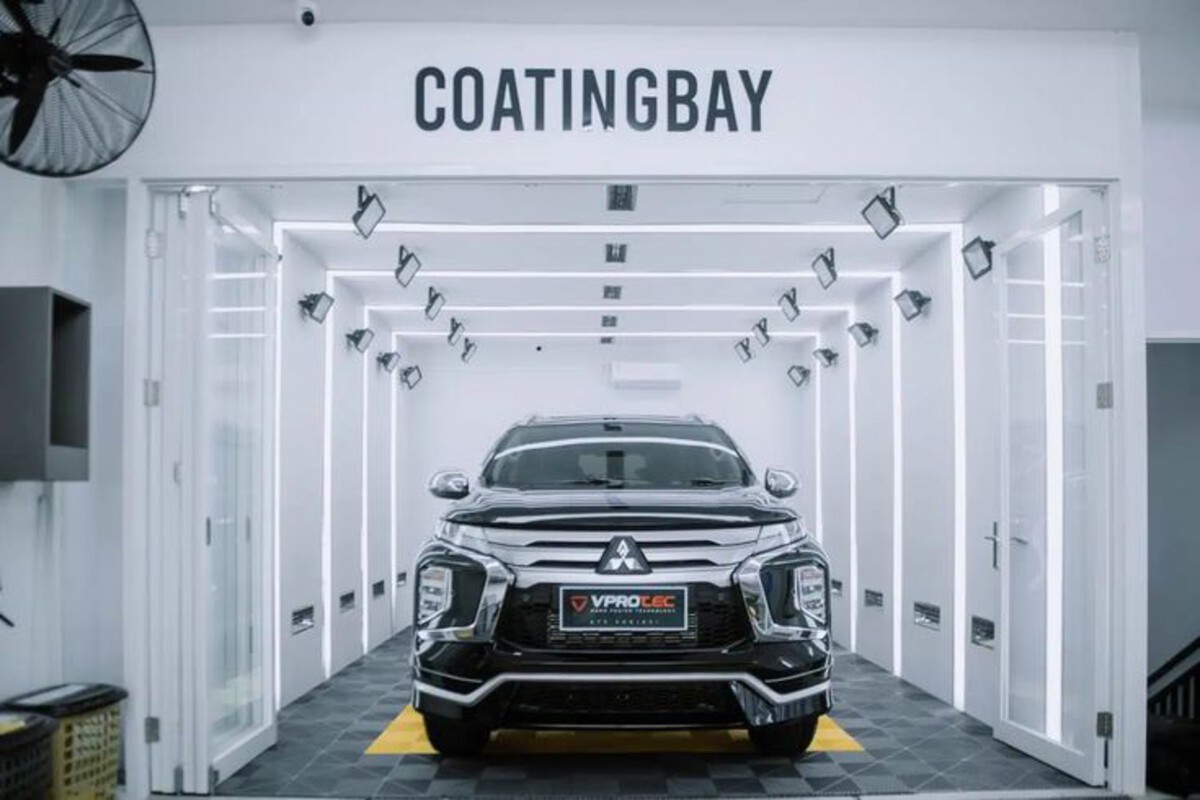
Highlanders with chipped paint or early rust spots should be addressed immediately. Touch-up paint and rust inhibitors prevent small blemishes from spreading. If ignored, rust can eventually compromise structural safety, a nightmare for families planning to keep the SUV for decades.
Replacing weatherstripping around doors and windows also keeps water out, preventing interior mildew and protecting electronics. Even headlights can benefit from polishing or replacement, restoring brightness for safer night driving.
A fresh exterior does more than just turn heads. It preserves resale value, prevents costly repairs down the road, and makes owners proud to drive their SUV. Families often underestimate how much a clean, well-protected exterior impacts their ownership experience.
In short, keeping the Highlander’s exterior strong ensures that it continues to be both safe and stylish for years to come.
The Toyota Highlander is more than just a family SUV, it’s a long-term partner in life’s journeys. From school runs to vacations, from hauling gear to navigating snowy roads, it has proven itself as one of the most dependable family vehicles on the market.
But longevity doesn’t happen by accident. The ten fixes outlined above are the blueprint for keeping a Highlander not just running, but thriving, well into its second and third decade of service.
What stands out about these fixes is how they balance practicality with peace of mind. Suspension and brake overhauls restore safety and comfort, ensuring the Highlander can protect loved ones in every situation.
Transmission and cooling system care safeguard the heart of the vehicle, while timing components prevent catastrophic failures. The exhaust and steering systems contribute to smooth, efficient performance that makes daily driving stress-free.
Equally important are the fixes that focus on the family experience inside the SUV. Interior refreshes make the cabin inviting, infotainment upgrades keep the Highlander relevant, and exterior protection ensures it looks sharp even after years of service. These aren’t just repairs; they are renewals that breathe new life into the SUV.
A Highlander that receives these ten fixes becomes more than just a mode of transportation it becomes a generational vehicle. Parents can confidently hand it down to their children, knowing it’s still reliable. Families can continue to create memories inside it without worrying about breakdowns or discomfort.
The true beauty of the Toyota Highlander is that it rewards care. Unlike disposable vehicles that fade after a few years, the Highlander responds to attention with loyalty. By investing in these key fixes, owners aren’t just maintaining a car, they’re preserving a legacy on wheels, one capable of serving their family faithfully for decades to come.