
For many people who purchase cars, the durability of the engine often determines how they value their vehicle in the long run. It is one thing to buy a car that performs well when new, and another thing to own one that remains dependable even after several years of driving.
Among the various engine types available, the V6 has maintained a large following because it combines strong power delivery with reasonable efficiency. Car buyers in the United States often select models with this engine layout, not just for the performance advantage, but also for how it balances cost with usability.
While many drivers appreciate the driving experience of a V6 engine, questions about its longevity continue to arise. Some manufacturers have designed V6 engines that can cover high mileage without major repairs, leaving owners pleased with their decision.
At the same time, there are V6 engines that develop issues earlier than expected, forcing drivers to spend large sums on repairs or replacements. The difference between an engine that serves for a long time and one that fails too early usually comes down to design, engineering choices, and maintenance patterns.
Car experts often pay attention to how engines handle stress, their tolerance for heat, oil consumption levels, and the cost of parts when something goes wrong. A V6 engine that consistently avoids frequent problems can build a reputation for strength and longevity. However, one that shows repeated faults becomes a source of frustration for both mechanics and owners.
We will carefully examine five V6 engines that have proven themselves reliable for long periods, compared with five others that have often been linked with disappointment due to shorter life cycles. By looking closely at these examples, car buyers and enthusiasts can have a clearer understanding of what to expect when choosing vehicles equipped with such engines.
5 V6 Engines That Surprise Owners With Longevity
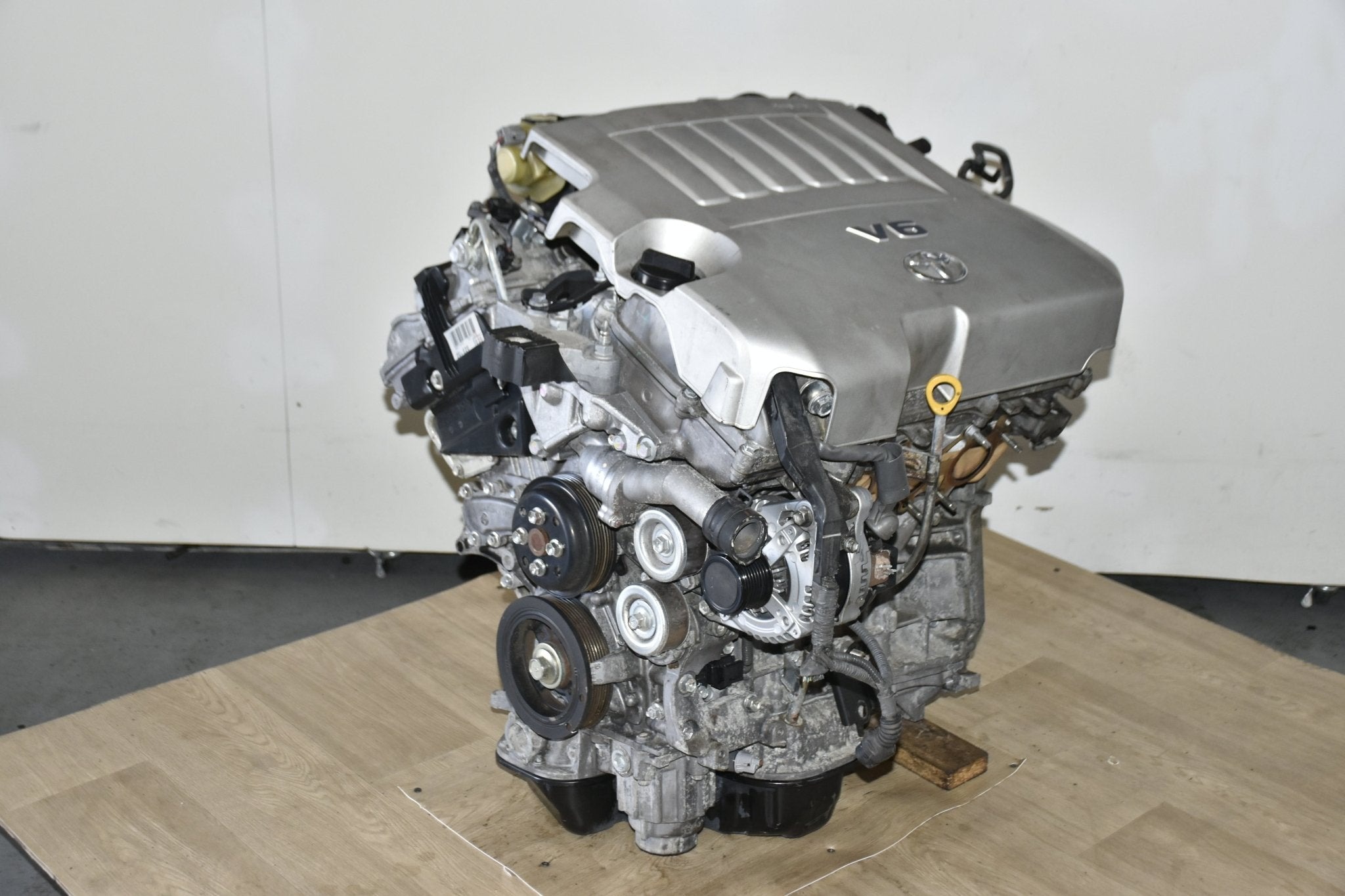
1. Toyota 3.5L V6 (2GR-FE)
Among Toyota’s large collection of engines, the 3.5L V6 known as the 2GR-FE has built an impressive reputation for staying strong after many years of use. Owners across different regions have testified about how this engine handles high mileage with very few mechanical problems.
Vehicles such as the Toyota Camry, Avalon, Highlander, and Lexus RX have carried this engine for several model years, and many of them are still running smoothly after crossing the 200,000-mile mark. One of the main reasons behind the durability of this Toyota V6 is the balanced design of the block and cylinder heads.
The engineers focused on reducing stress on the engine by allowing proper cooling and efficient combustion. Drivers also appreciate that the 2GR-FE does not consume oil excessively when it is maintained properly. Many engines in this category usually develop oil leaks as they age, but Toyota’s design limits such problems to a minimum.
The timing chain system is another advantage for owners, as it removes the need for regular timing belt changes. A well-serviced chain can last as long as the engine itself, saving drivers from extra maintenance costs. Routine oil changes and careful monitoring of coolant levels are usually enough to keep the engine performing for many years.
Another factor that helps the Toyota 3.5L V6 is the wide availability of parts. Since the engine has been used in multiple Toyota and Lexus models, mechanics across the United States are very familiar with its structure. When a minor issue arises, it does not take long to find solutions. This availability also reduces repair costs, since aftermarket and OEM parts are common.
For drivers who value dependability, this Toyota engine often becomes a preferred choice. Families driving the Highlander, for instance, enjoy the confidence that their vehicle can take them across states without sudden breakdowns.
Many taxi drivers and ride-hailing operators also depend on this engine because it can handle daily stress while still retaining smooth performance. The 2GR-FE stands as proof that careful engineering and long-term planning from the manufacturer can reward customers with a machine that lasts.
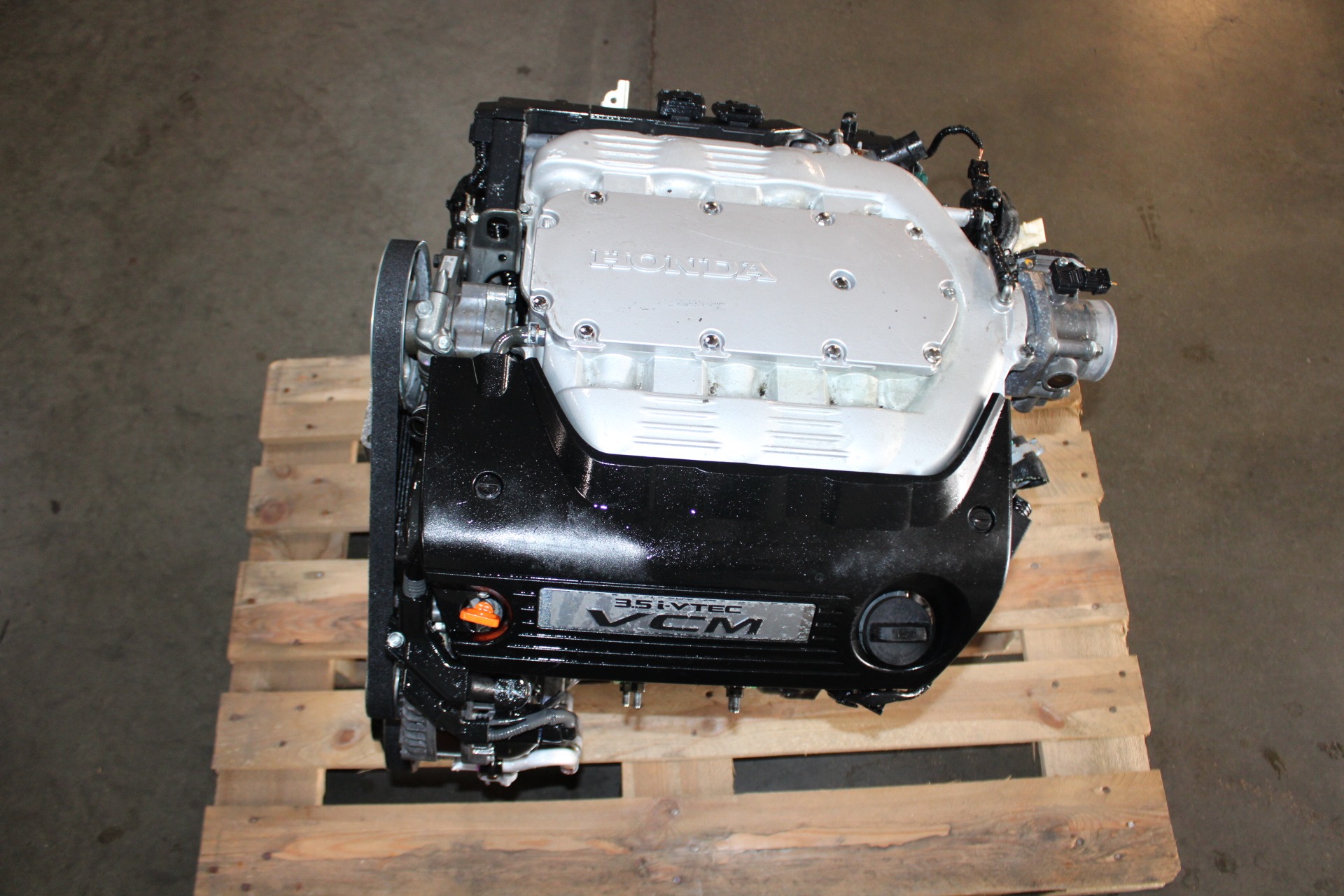
2. Honda 3.5L V6 (J35)
Honda’s J35 3.5L V6 has served in many popular models, such as the Accord, Pilot, Odyssey, and Ridgeline. Its record for reliability has been strong, with owners frequently reporting long lifespans when basic maintenance schedules are respected. Honda designed this engine with a focus on balance between performance and endurance, and that decision has paid off for drivers who rely on it daily.
One area where the J35 stands out is the way it manages fuel economy despite being a V6. Honda introduced Variable Cylinder Management in some versions, which allows the engine to deactivate certain cylinders under light loads.
This helps drivers enjoy better fuel savings while still benefiting from the strong acceleration of a V6 when needed. The system does add more parts to the engine, but when properly maintained, it does not create major problems.
Durability also comes from Honda’s use of solid components in the block and head construction. The J35 is not known for heavy oil consumption, and it can easily pass 200,000 miles if oil changes and transmission fluid services are carried out regularly. Many owners of Honda Odyssey minivans, for instance, continue to drive their vehicles well past 250,000 miles without needing a replacement engine.
Mechanics often praise the J35 because of its straightforward maintenance design. Spark plug changes, valve adjustments, and coolant servicing are usually simple tasks for those familiar with Honda vehicles. Even when small issues appear, they are often easy to resolve compared to other V6 engines that require extensive labor.
In daily driving, the J35 delivers smooth power delivery and quiet operation, which keeps passengers comfortable. It also performs well under heavy loads, making it suitable for families and small business owners who use their vehicles for both commuting and light hauling. Owners have expressed satisfaction with how the engine maintains its strength even after years of constant driving.
By combining thoughtful engineering, ease of service, and consistent fuel management, the Honda J35 continues to secure a place as one of the most dependable V6 engines. Its performance record shows that long-lasting engines do not have to sacrifice efficiency or comfort.
Also Read: 5 Diesel Engines That Outlive Pickups vs 5 That Crack Under Pressure
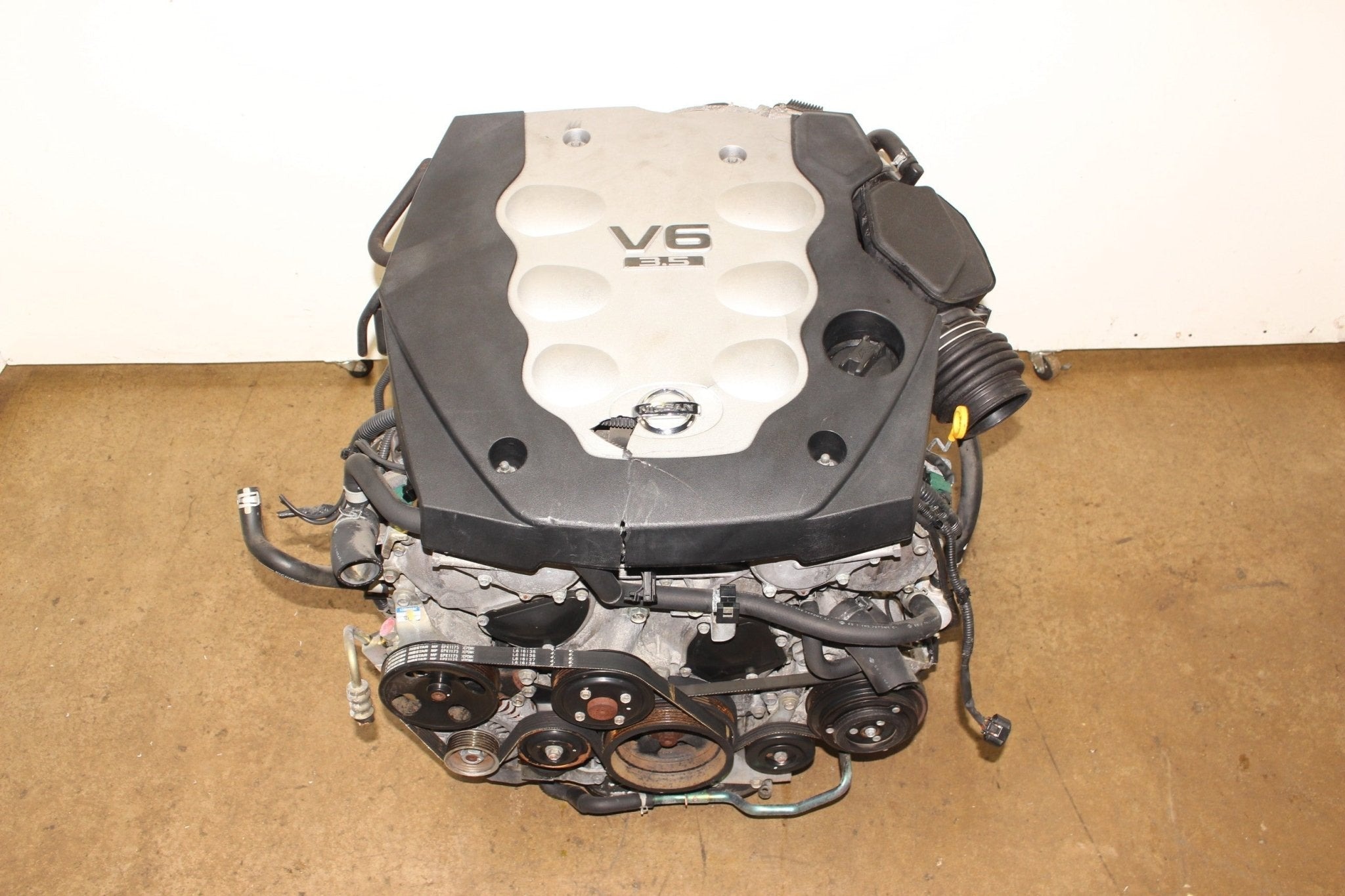
3. Nissan 3.5L V6 (VQ35DE)
The Nissan VQ35DE, part of the famous VQ series, has been a respected engine among car enthusiasts and everyday drivers alike. It first appeared in the early 2000s and has since powered models such as the Nissan Maxima, Altima, 350Z, Murano, and Infiniti G35. Owners often highlight its ability to combine strong horsepower figures with reliability that extends beyond 200,000 miles when maintained correctly.
One of the reasons the VQ35DE has lasted this long is its solid design. Nissan engineers used an aluminum block with durable iron liners, which helps balance weight reduction with long-lasting strength.
The dual overhead cam setup and variable valve timing improve efficiency while also providing smoother power delivery. Drivers enjoy how the engine responds quickly to throttle input, yet it does not easily wear out under pressure.
Regular oil changes and proper cooling system care are essential for this engine, as overheating can cause problems if ignored. However, those who keep up with maintenance rarely complain about early failures. Timing chains in this engine also reduce the need for costly replacements, unlike engines that rely on belts.
Another point in favor of the VQ35DE is its recognition among mechanics. Since the engine was installed in a wide range of Nissan and Infiniti models, technicians are well-versed in diagnosing and repairing it. Spare parts are common, and aftermarket support remains strong in the United States. This wide familiarity keeps repair costs lower compared to less common V6 engines.
Drivers also speak about the engine’s flexibility. It works well in sedans, sports cars, and SUVs, providing dependable service across different types of vehicles. From spirited driving in the 350Z to family use in the Murano, the VQ35DE has shown adaptability while still keeping durability as a core strength.
For many owners, the combination of performance and long service life makes this Nissan engine a trusted choice. It continues to prove that a well-balanced V6 can provide enjoyment without frequent mechanical failures.
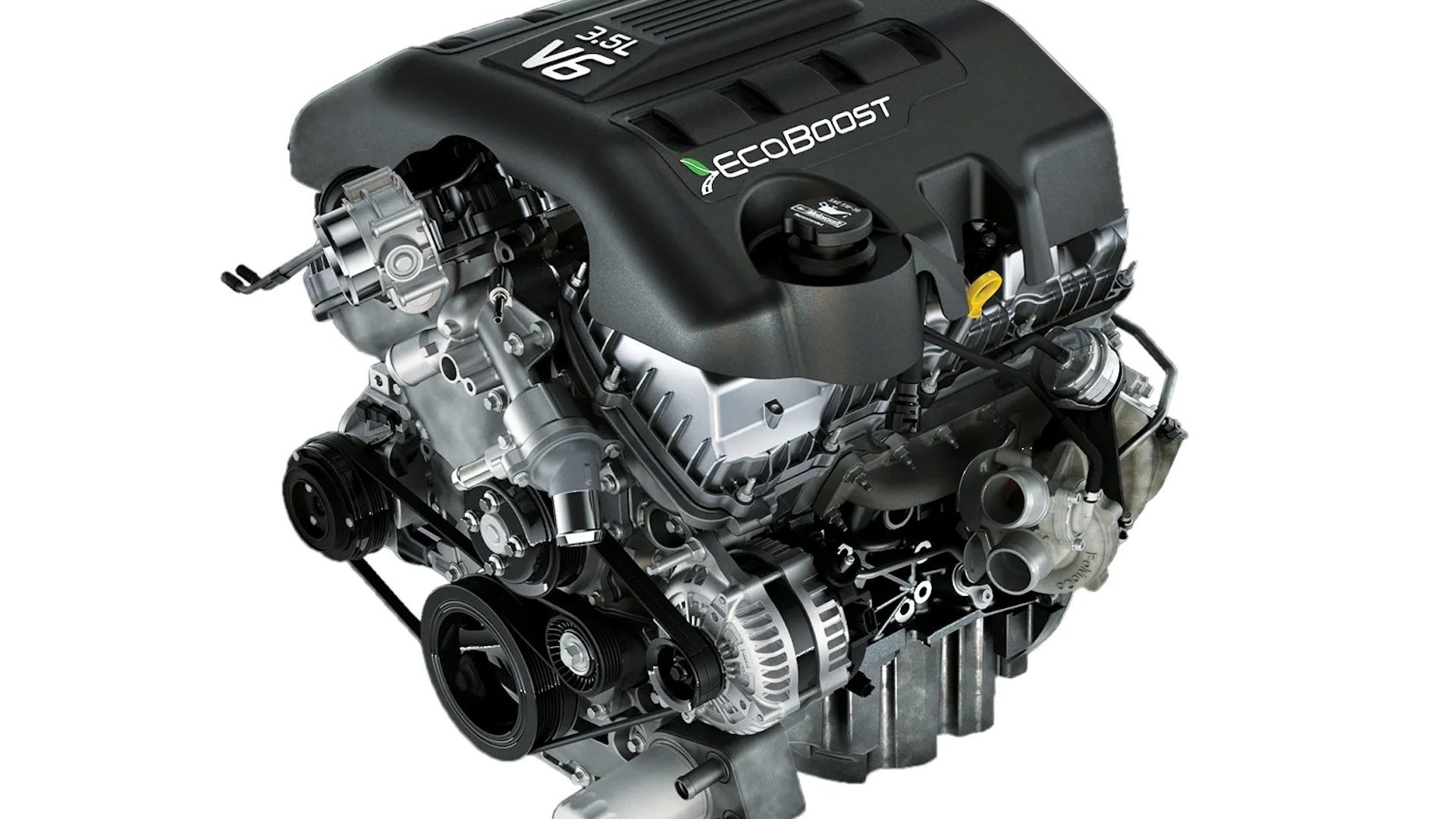
4. Ford 3.5L Duratec V6
Ford’s 3.5L Duratec V6 has been present in a wide range of vehicles, including the Ford Edge, Taurus, Flex, and Lincoln MKX. Many drivers who have owned these models speak positively about the engine’s ability to maintain consistent performance after many years. It was designed with durability as a strong consideration, and this has allowed it to remain dependable in different conditions.
One strength of the Duratec V6 is its relatively simple design. Ford used strong aluminum materials with good cooling capacity, which helps reduce stress during long drives. Timing chains once again provide a benefit, as they do not require regular replacement like belts. Owners often mention that when they keep up with oil changes, the engine stays strong with minimal complaints.
Another reason drivers value this engine is the balance between performance and everyday usability. The Duratec V6 delivers adequate horsepower for family vehicles and crossovers while still keeping fuel consumption reasonable for its size. It handles highway speeds without stress, and it does not lose much strength when carrying multiple passengers.
The engine’s popularity in different Ford models means spare parts are easily available across the United States. Mechanics are also comfortable working on it, which shortens repair time and reduces labor charges. This wide support gives drivers peace of mind that their engine can be maintained without special challenges.
Longevity reports for this engine are encouraging. Many owners claim their vehicles have passed 200,000 miles while still operating smoothly. Some have even pushed beyond 250,000 miles with only routine servicing.
The combination of accessible repairs, sturdy design, and wide usage across different cars has made the 3.5L Duratec a dependable choice for families, professionals, and individuals who value a reliable vehicle for daily transportation.
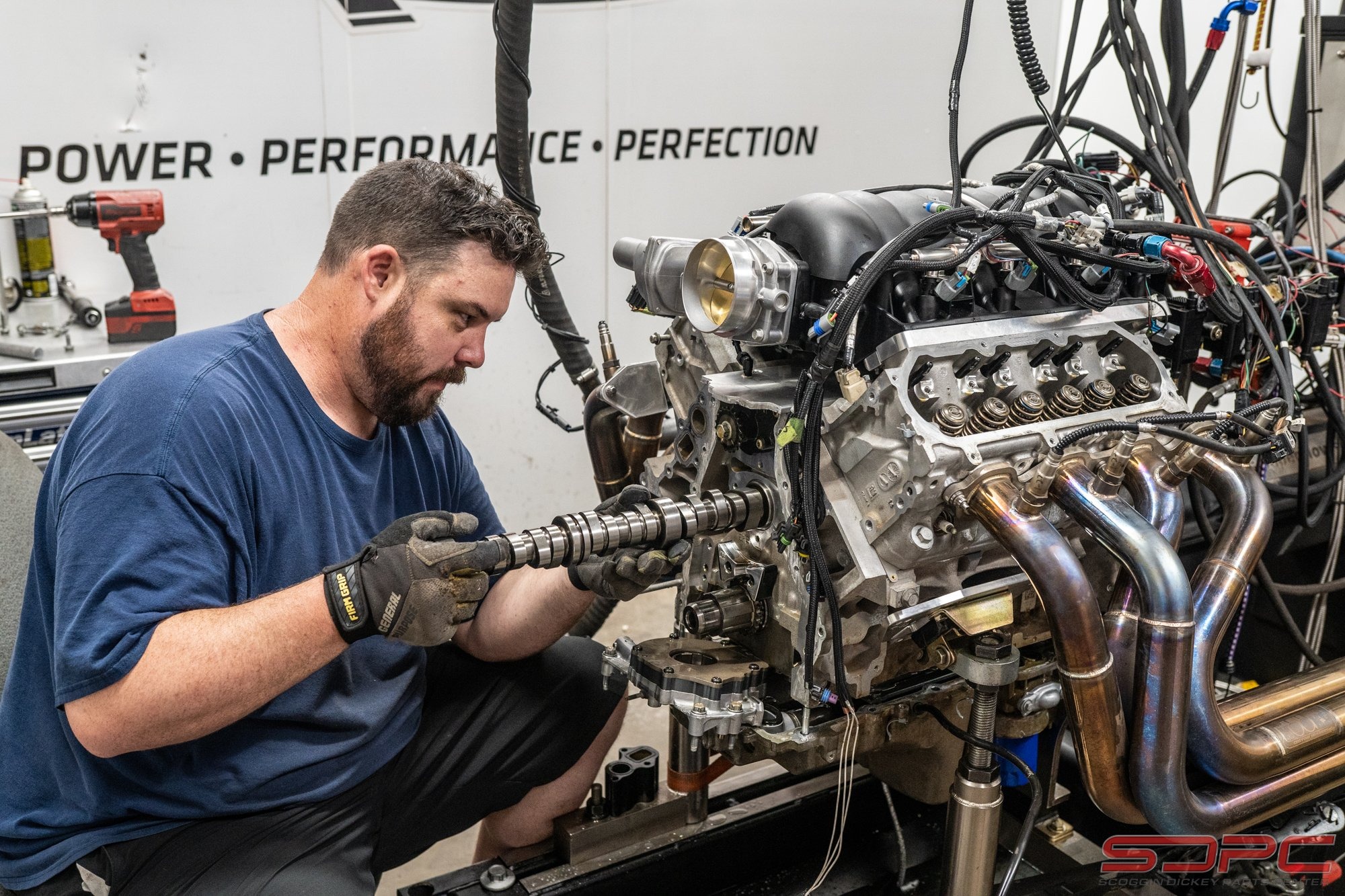
5. Chevrolet 4.3L V6 (LU3/LV3)
General Motors has kept the 4.3L V6 alive for decades, and this engine continues to serve drivers who need strength and dependability. From older Chevrolet S-10 trucks to newer Silverado and Express van models, the 4.3L V6 has consistently delivered long service life.
It was designed with durability in mind, making it one of the few V6 engines that can easily be compared to some V8 engines when it comes to toughness. One reason this Chevrolet engine lasts so long is the simplicity of its design. GM used a cast-iron block, which makes it heavier than aluminum alternatives, but this weight provides strength and resistance against wear.
Mechanics appreciate that the 4.3L V6 is not difficult to work on, and many small repair shops across the country know it very well. Another factor that helps this engine is the focus on torque delivery. Many drivers use trucks and vans for hauling and commercial work, and the 4.3L V6 offers steady pulling power.
Even with years of heavy use, owners often report that their engines remain dependable. It is not unusual to see these Chevrolet engines running past 250,000 miles with only routine servicing such as oil changes, spark plugs, and coolant flushes.
Parts availability is another strong point. Since this engine has been in production for so long and used across different GM vehicles, finding replacement parts is rarely a problem. This makes it easier for owners to extend the life of their vehicles without spending too much.
For many people, the Chevrolet 4.3L V6 has become a symbol of old-fashioned dependability. It may not be the most refined engine when compared to modern designs, but it has proven to handle years of hard work. Drivers who want a long-lasting work truck often choose it because they trust that it will not fail them in demanding conditions.
5 V6 Engines That Do Not Last
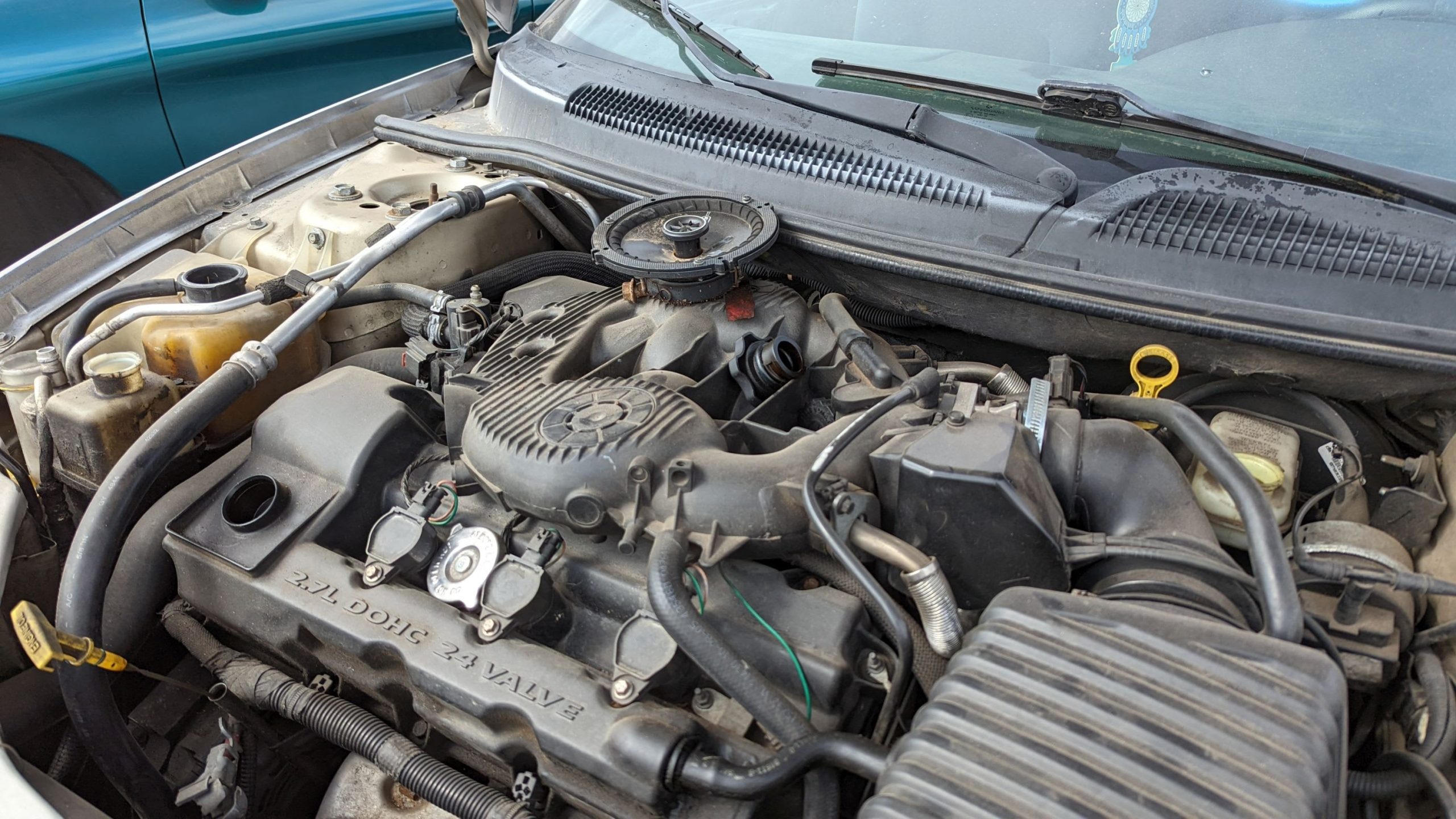
1. Chrysler 2.7L V6
While Chrysler has produced some strong engines, the 2.7L V6 has often disappointed many of its owners. Found in vehicles such as the Dodge Intrepid, Chrysler Sebring, and Dodge Stratus, this engine developed a reputation for serious problems that show up much earlier than expected. For many drivers, this engine did not last as long as others in its class.
The biggest issue with the Chrysler 2.7L V6 is the tendency for oil sludge buildup. Poor oil circulation and design flaws in the cooling system often caused the oil to break down, leaving thick deposits inside the engine.
When sludge collects, it blocks oil passages, starves components of lubrication, and eventually leads to complete engine failure. Many owners reported losing their engines before hitting 100,000 miles, which is far below what most people expect from a V6.
Another problem linked to this engine was the water pump placement inside the block. When the water pump failed, coolant often leaked into the oil system, making the sludge problem worse. Repair costs were usually very high, and in some cases, owners chose to replace the entire engine rather than attempt repeated fixes.
Mechanics often describe the 2.7L V6 as difficult to service compared to other engines, which increases labor costs. Combined with the frequency of major failures, many drivers lost confidence in Chrysler vehicles equipped with this engine.
Although some owners who performed very strict oil change schedules managed to extend the life of the 2.7L V6, it still never reached the reliability levels of competing engines. Its record remains one of disappointment, as many people spent more money than expected to keep it running.
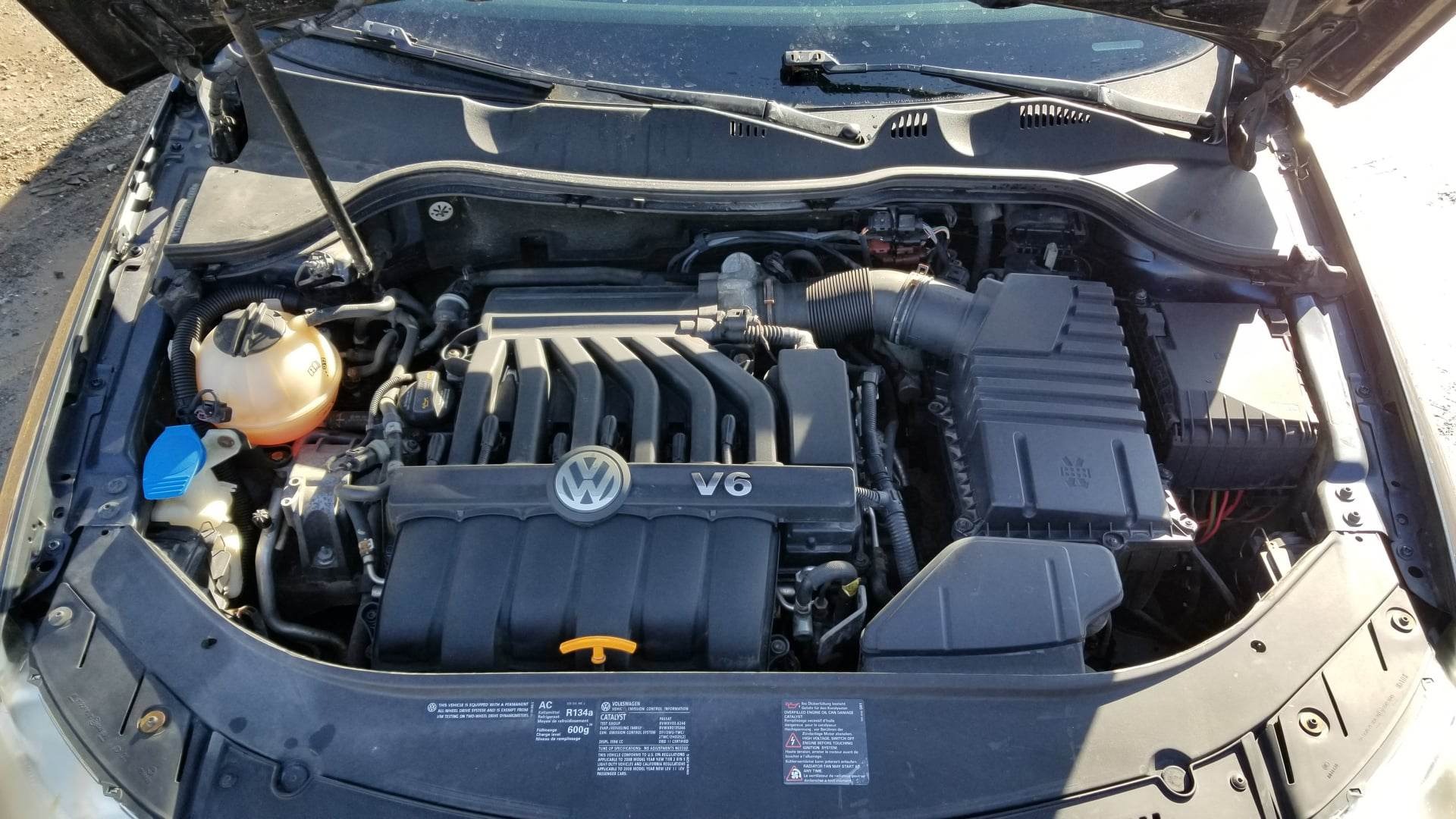
2. Volkswagen 3.6L VR6
Volkswagen’s 3.6L VR6 was praised at first for its strong performance and unique design, but many owners discovered reliability challenges that reduced its long-term appeal. The engine was used in models such as the Volkswagen Passat, Touareg, and some Audi vehicles.
While it delivered smooth power and enjoyable acceleration, its service record did not impress those who kept their cars for many years. One of the main issues with the VR6 is timing chain wear. Unlike belt systems that require regular changes, Volkswagen’s chain setup was supposed to last the lifetime of the engine.
However, many owners reported stretched chains and worn tensioners at relatively low mileage. When timing chain problems occur, repairs are very expensive because the system is mounted at the rear of the engine, making it difficult to access.
Oil consumption was another common complaint. Many drivers noticed that the VR6 required frequent top-ups between oil changes, sometimes leading to engine damage if ignored. Combined with high fuel consumption, this made the engine costly to maintain compared to more reliable alternatives.
Cooling system issues also appeared frequently. Thermostat failures and water pump leaks often cause overheating problems, which can shorten engine life if not addressed quickly. The cost of parts and labor for these repairs discouraged many owners.
While the VR6 does deliver enjoyable performance, those who keep cars for long periods often find themselves facing repeated repairs. Instead of being remembered as a strong, long-lasting V6, it became known as one that could frustrate drivers with expensive problems.
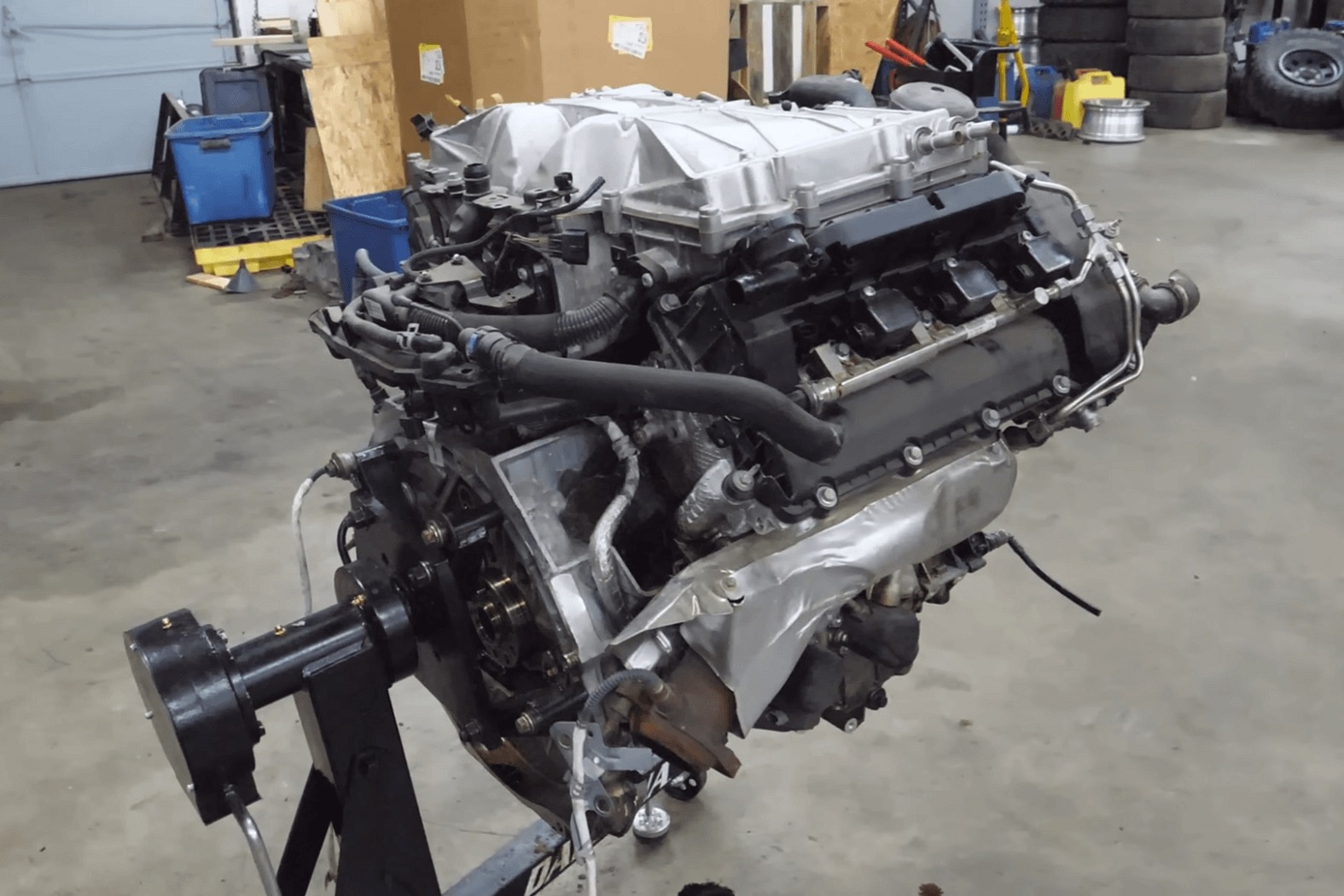
3. Jaguar 3.0L V6 (AJ-V6)
Jaguar’s AJ-V6 3.0L engine was fitted in vehicles such as the Jaguar S-Type, X-Type, and some Land Rover models. While it provided good driving dynamics when new, many owners have experienced reliability concerns that made the engine less appealing for long-term use. Luxury buyers often expect durability, but this engine has not always delivered.
One issue that shows up repeatedly is timing chain tensioner failure. When the tensioners wear out, the chains can slip, leading to misfires or complete engine damage if not repaired quickly. This is a common complaint among mechanics who have worked on Jaguar models from this period.
Oil leaks are another frequent problem. Valve cover gaskets and other seals tend to wear out early, leading to oil loss and potential engine damage if ignored. While leaks are common in older engines, the AJ-V6 often developed them sooner than expected.
Another complaint comes from the high cost of parts and labor. Since Jaguar vehicles are not as common in the United States as Japanese or American brands, sourcing parts takes more time and money. Many independent repair shops are not familiar with the engine, so owners often rely on specialized mechanics who charge higher rates.
While some drivers enjoyed the performance and smooth ride the AJ-V6 provided, those who planned to keep their vehicles for many years often grew frustrated with repair frequency and costs. The combination of timing chain concerns, leaks, and high maintenance expenses makes this engine one that struggles with longevity compared to other V6 options.
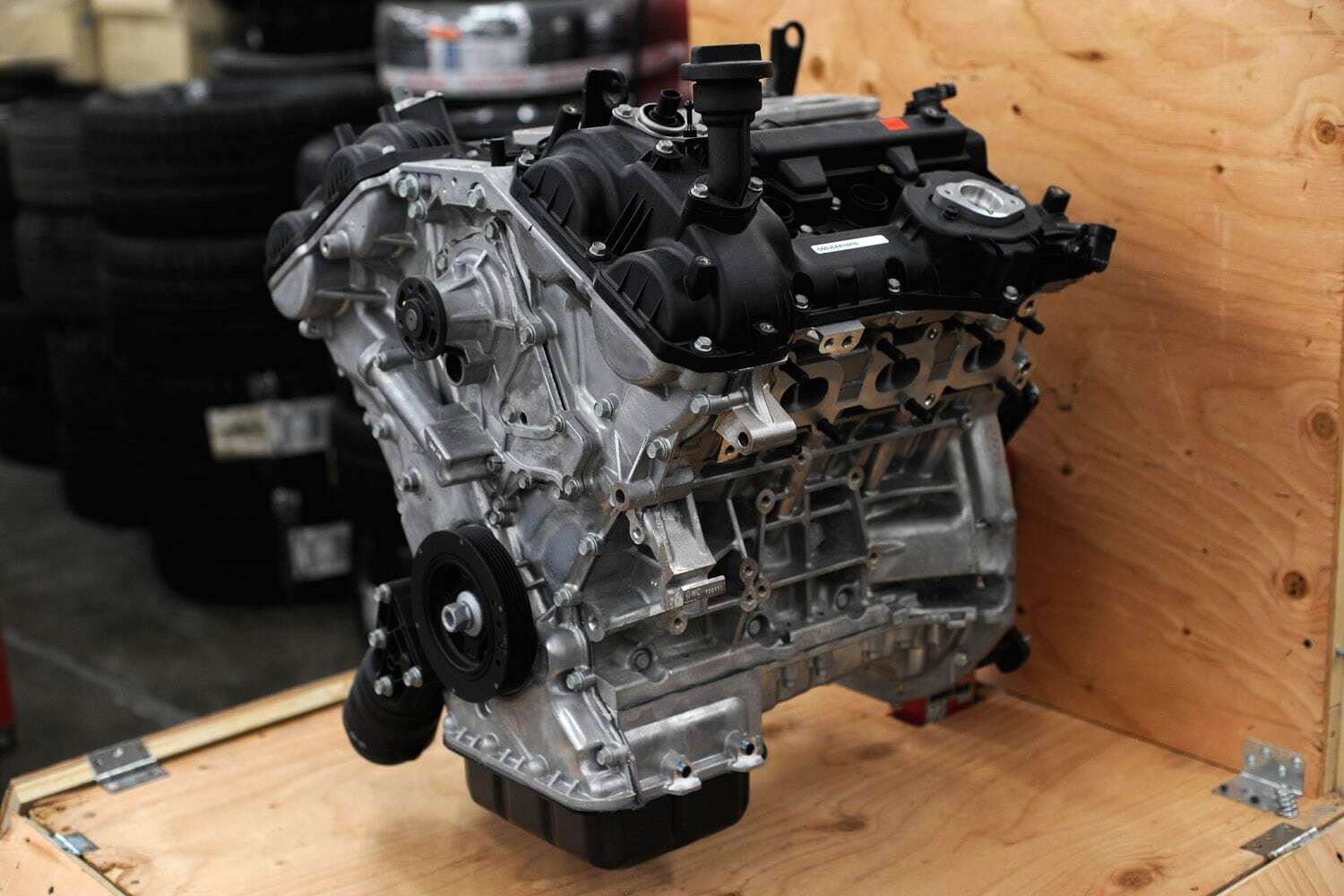
4. Hyundai 3.3L V6 (Lambda)
Hyundai has improved its engines in recent years, but the early versions of the 3.3L Lambda V6 did not always inspire confidence. This engine was used in models such as the Hyundai Sonata, Santa Fe, and Kia Sorento. While some owners enjoyed trouble-free service, others experienced issues that raised questions about its long-term dependability.
One area of concern was bearing wear, which sometimes led to knocking noises and eventual engine failure. In some cases, recalls and warranty extensions were issued to cover these problems. Owners who were unlucky enough to experience bearing failure outside warranty periods often faced costly repairs or complete replacements.
Oil consumption problems were also reported. While not as widespread as in some other engines, enough cases occurred to make drivers cautious. Keeping oil levels topped up became necessary for those who wanted to avoid damage.
Another challenge was the availability of parts in earlier years. Independent mechanics sometimes struggled to find affordable replacements, leading to higher costs. Although Hyundai has made improvements and later versions of the Lambda V6 are better, the early 3.3L units developed a reputation for being unpredictable.
For drivers who performed strict maintenance and paid close attention to oil changes, the engine sometimes lasted well past 150,000 miles. However, it did not consistently match the durability of Japanese V6 engines like those from Toyota or Honda. The uneven record of the early Lambda V6 makes it less trusted among people who want a car engine that will reliably last for many years.
Also Read: 5 Engines That Love Cheap Gas and 5 That Break Without Premium
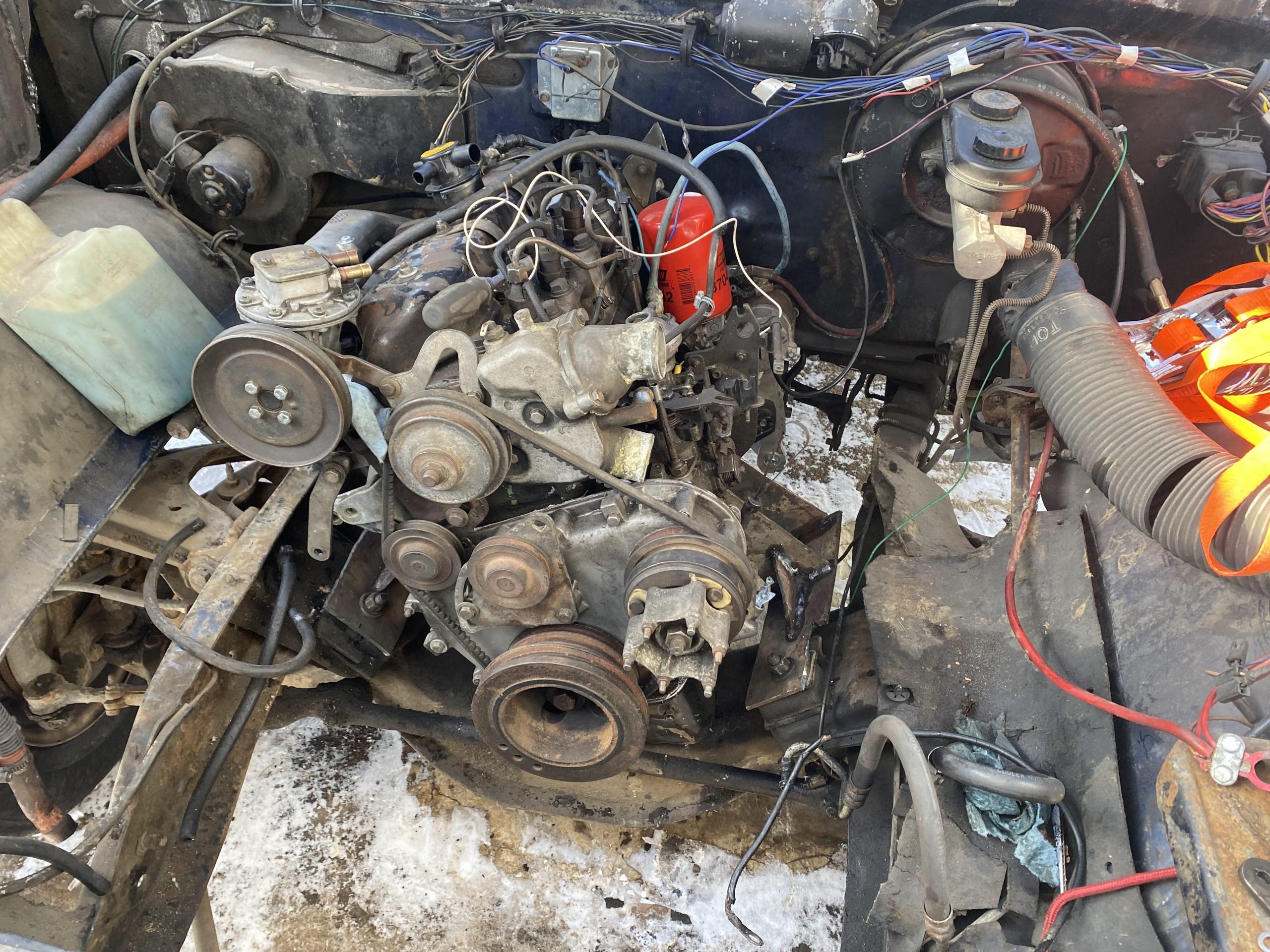
5. Peugeot 2.9L V6 (ES9)
The Peugeot 2.9L V6, often found in Peugeot 607 and Citroën C5 models, was intended to give French cars a competitive power option. However, many owners discovered that while it offered decent performance, its long-term service life was not impressive. Compared to stronger Japanese or American engines, the Peugeot V6 often failed to meet expectations for durability.
A major issue comes from the electrical systems connected to the engine. Many owners reported constant sensor failures, ECU faults, and wiring problems that affected the performance of the 2.9L V6. These electronic troubles often required expensive diagnostic work, which raised maintenance costs.
Parts availability outside Europe also created difficulties. In the United States, finding affordable parts for Peugeot vehicles was challenging. Even when parts were available, they were often expensive, making repairs costly compared to other V6 engines that had wider support.
Another complaint relates to oil leaks and gasket failures, which often appeared earlier than expected. While these issues can be repaired, repeated leaks frustrated many owners. Combined with high repair costs, the engine did not inspire confidence for long-term ownership.
Although the Peugeot 2.9L V6 could deliver smooth performance when new, it quickly lost favor because of its high maintenance demands. Owners who wanted a vehicle for long service often avoided it, preferring more reliable engines that had stronger records of durability.
