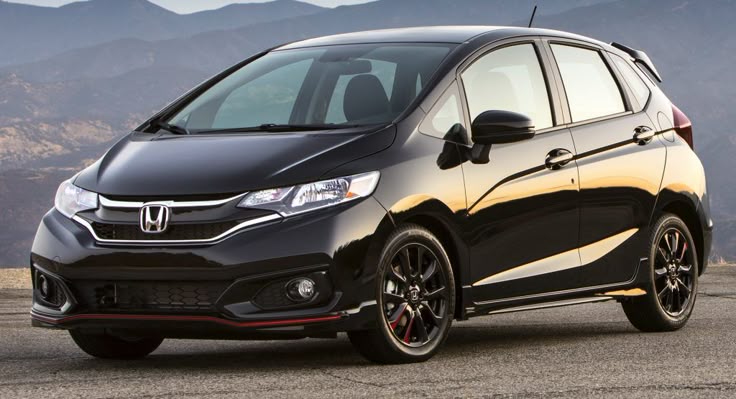
The Honda Fit has earned its reputation as one of the most reliable and versatile subcompact cars ever produced. Known for its nimble handling, impressive fuel economy, and Honda’s clever “Magic Seat” interior, the Fit isn’t just about practicality, it’s also about longevity.
Many owners proudly report crossing the 200,000-mile mark with their Fits still running strong, a milestone that speaks volumes about Honda’s engineering. Yet, while the Fit is built to last, reaching and surpassing that benchmark isn’t something that just happens on its own. It requires careful attention, consistent maintenance, and mindful driving habits that preserve the car’s integrity over time.
A clean oil filter is just as important, since it traps contaminants before they circulate through your engine. Always replace the filter at the same time you change the oil.
Another overlooked detail is checking the oil level between changes. The Fit’s small engine doesn’t hold much oil, so running low can cause catastrophic damage quickly. Make a habit of pulling the dipstick at least once a month.
Finally, don’t cheap out on oil brands. Stick to Honda’s recommended viscosity, typically 0W-20, and choose reputable products. Spending a little more on oil now is far cheaper than rebuilding an engine later. With disciplined oil maintenance, your Fit’s engine will remain silky smooth and efficient well into the high-mileage club.
1. Stick to a Strict Oil Change Schedule
Oil is the lifeblood of your Honda Fit’s engine. The 1.5-liter four-cylinder may not be high-strung, but like any engine, it relies heavily on fresh, clean oil to prevent wear.
Many owners stretch oil changes to 8,000 or even 10,000 miles, but if your goal is 200,000 miles or more, shorter intervals are your friend. A safe bet is every 5,000 miles with full synthetic oil. Synthetic oils resist breakdown better, flow more consistently in extreme temperatures, and offer superior protection against sludge.
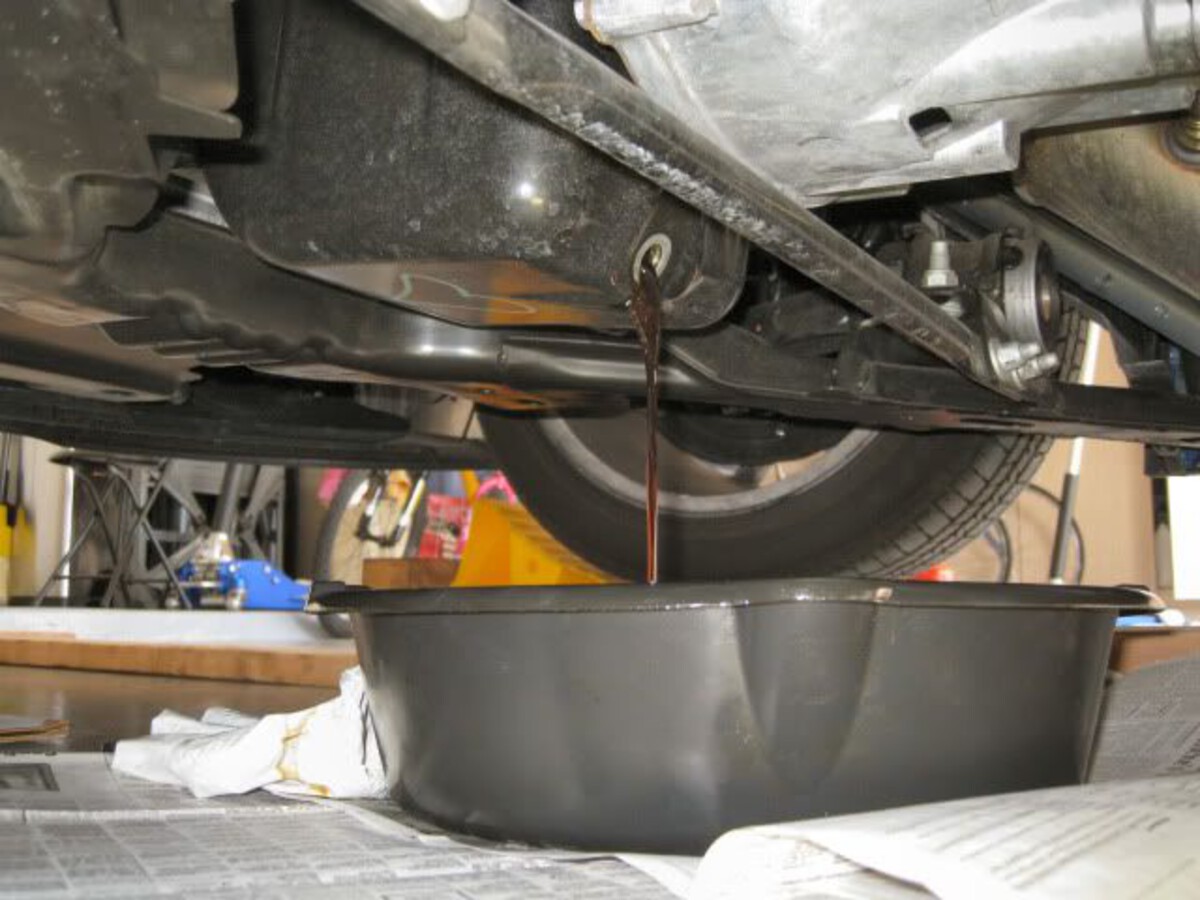
Regular oil changes also allow you to spot potential issues early. When draining oil, keep an eye out for metal shavings or unusual sludge buildup, as these can be early signs of internal wear. A clean oil filter is just as important, since it traps contaminants before they circulate through your engine. Always replace the filter at the same time you change the oil.
Another overlooked detail is checking the oil level between changes. The Fit’s small engine doesn’t hold much oil, so running low can cause catastrophic damage quickly. Make a habit of pulling the dipstick at least once a month.
Finally, don’t cheap out on oil brands. Stick to Honda’s recommended viscosity, typically 0W-2,0 and choose reputable products. Spending a little more on oil now is far cheaper than rebuilding an engine later. With disciplined oil maintenance, your Fit’s engine will remain silky smooth and efficient well into the high-mileage club.
ALSO READ: Top 9 Moves To Avoid While Owning a Dodge Durango R/T
2. Take Care of the CVT Transmission
The Honda Fit’s CVT (Continuously Variable Transmission) is both a strength and a weak point. When properly maintained, it provides smooth, efficient acceleration and impressive fuel economy. When neglected, however, it can be costly to repair. CVTs operate differently than traditional automatics, relying on belts and pulleys instead of gears, which makes fluid condition critical.
The single most important step is to change the CVT fluid regularly. Honda recommends replacing it every 25,000 to 30,000 miles, but many owners stretch this to 50,000 miles.
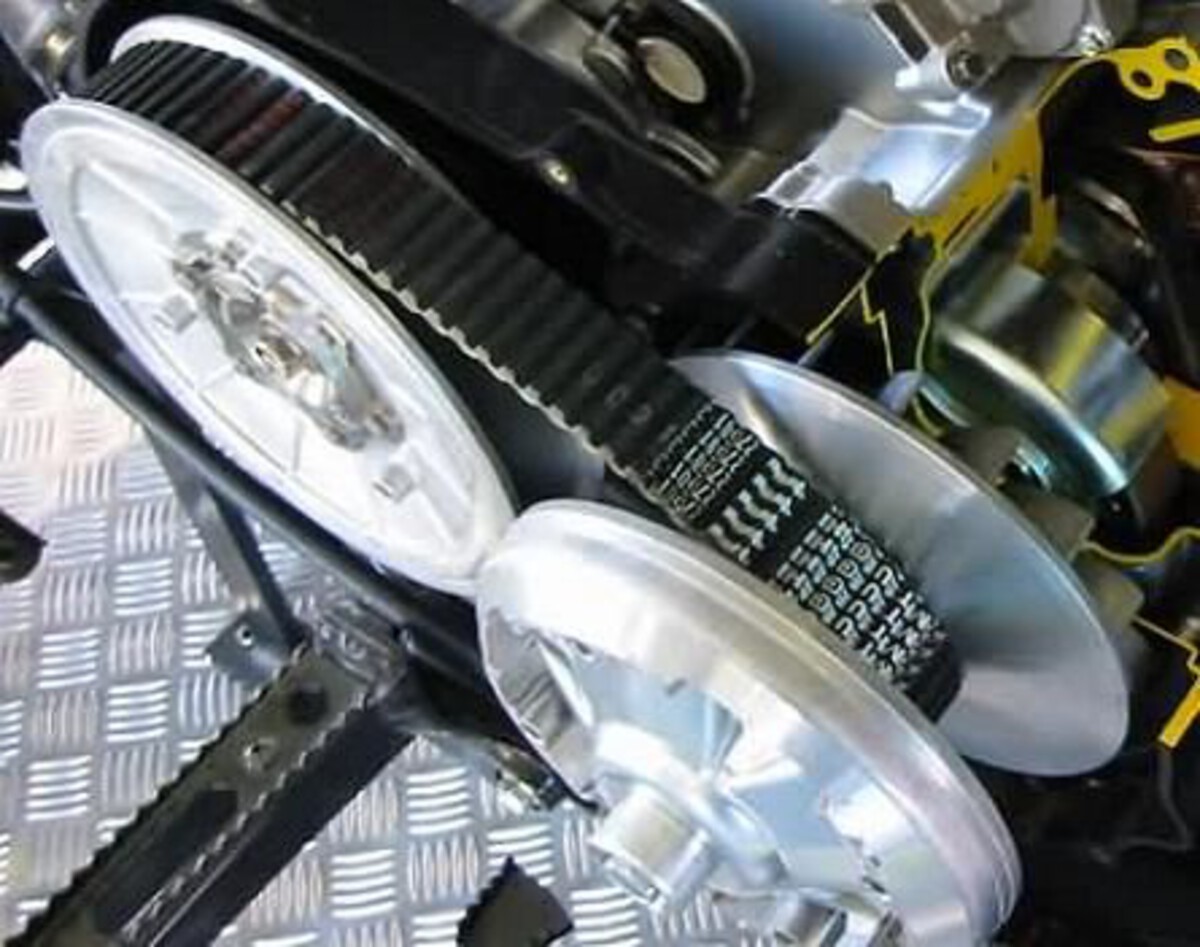
Fresh CVT fluid keeps the system cool and reduces friction, which prevents premature wear. Always use Honda Genuine HCF-2 fluid, since aftermarket alternatives often don’t meet the necessary frictional properties.
Driving habits also play a huge role in transmission life. Hard launches, towing, or riding the accelerator can put unnecessary stress on the CVT belt. Smooth, gradual acceleration is key. If you live in a hilly area, avoid prolonged climbs at wide-open throttle this generates excess heat that can shorten the life of the transmission.
If you ever notice jerking, slipping, or whining noises, address them immediately. Small issues can quickly snowball into major transmission failures. Regular servicing, combined with mindful driving, can easily push your Fit’s CVT beyond 200,000 miles.
3. Maintain the Cooling System
The cooling system is vital to keeping your Honda Fit’s engine in prime condition. Overheating is one of the fastest ways to shorten an engine’s life, and a neglected cooling system is a common culprit. Radiators, hoses, thermostats, and water pumps all work together to regulate temperature, but coolant quality is the heart of it all.
Honda recommends replacing coolant every 60,000 miles, but if you want to maximize longevity, consider flushing it slightly earlier.
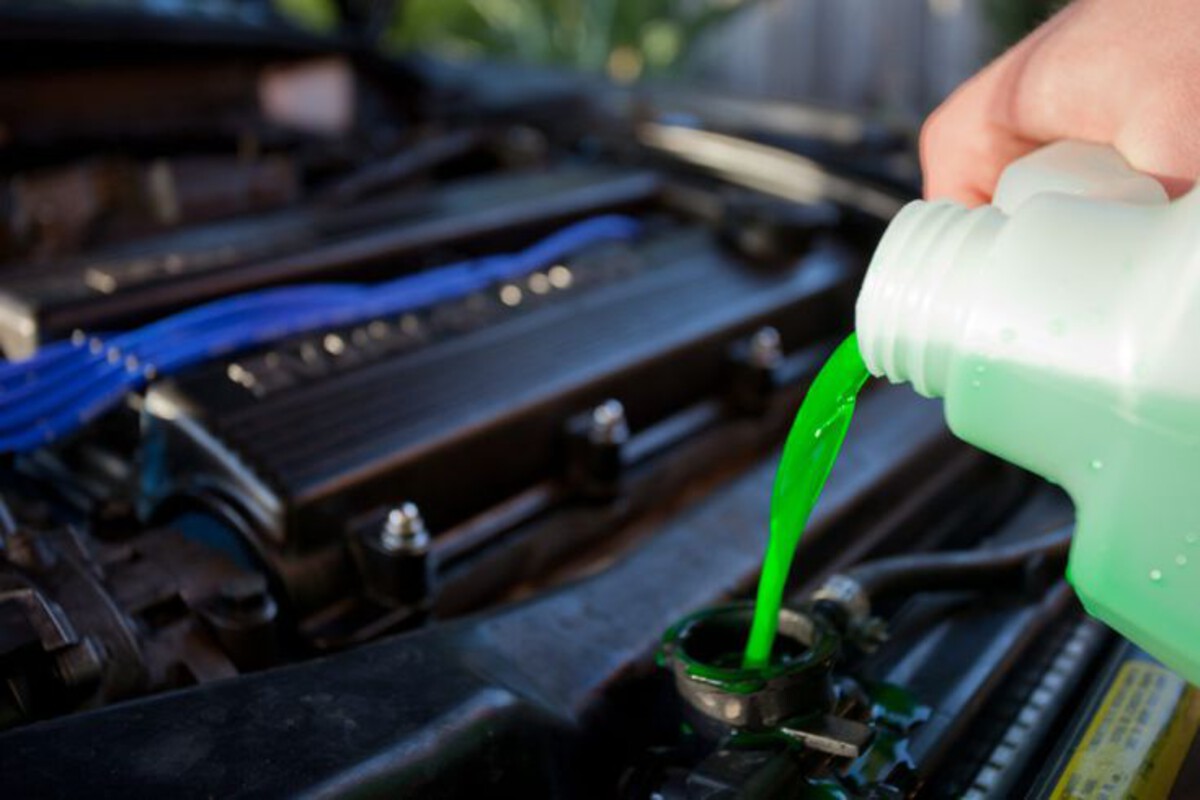
Fresh coolant not only helps regulate temperature but also prevents corrosion inside the radiator and engine block. Stick to Honda’s Type 2 coolant, which is specially formulated for compatibility with Honda engines.
Inspect hoses regularly for cracks, swelling, or leaks. Rubber deteriorates over time, especially in hot climates. A $20 hose failure can lead to a $3,000 engine replacement if ignored. The radiator cap should also be checked to ensure it holds pressure properly.
The Fit’s water pump, usually replaced with the timing chain or when it shows leaks, should never be ignored if it starts seeping coolant. Overheating even once can warp the cylinder head and ruin your engine.
By staying ahead on coolant flushes and inspecting components regularly, you can ensure your Fit’s cooling system remains reliable for hundreds of thousands of miles.
4. Replace Spark Plugs and Ignition Coils on Time
The Honda Fit’s engine is efficient, but it relies on precise ignition timing to keep everything running smoothly. Spark plugs and ignition coils are critical in delivering the right spark at the right moment. Worn plugs cause misfires, poor fuel economy, and unnecessary strain on the engine. Worse, ignoring them for too long can damage the catalytic converter, which is costly to replace.
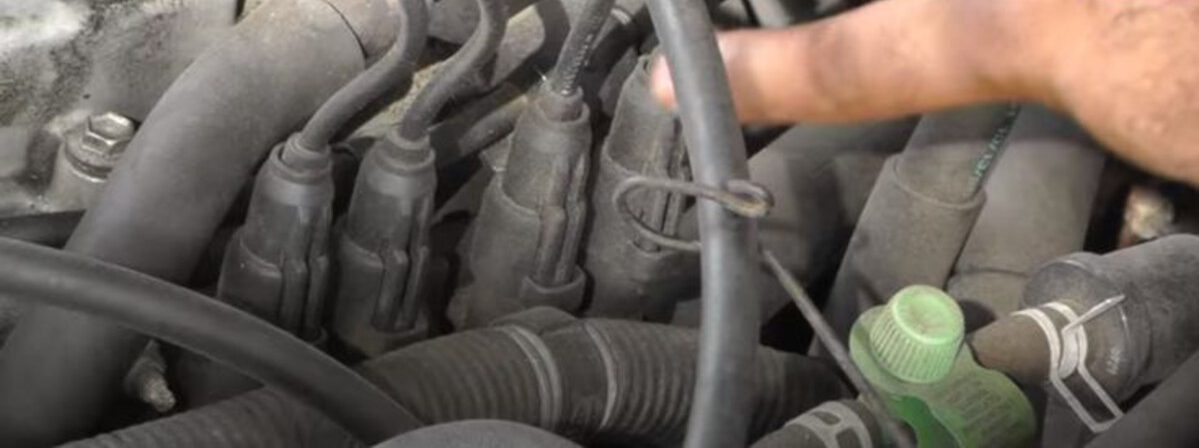
Honda typically recommends replacing spark plugs every 100,000 miles, but high-mileage drivers should consider shorter intervals; around 80,000 miles is a safe bet. Use high-quality iridium spark plugs, as they’re designed for longevity and better combustion efficiency.
Ignition coils, which sit on top of the plugs, don’t always fail at the same time, but once one starts acting up, the others may not be far behind. Symptoms include rough idling, hesitation during acceleration, or a flashing check engine light. Replacing coils proactively around 120,000 to 150,000 miles can help prevent roadside breakdowns.
Performing these replacements on time not only improves performance but also protects the engine from unnecessary stress. By keeping ignition components fresh, you’re ensuring that the Fit continues to run clean, efficient, and reliable well beyond the 200,000-mile mark.
5. Pay Attention to Suspension and Steering Components
The Honda Fit is loved for its nimble handling, which is partly thanks to its lightweight suspension design. However, suspension and steering components inevitably wear over time, especially if you drive on rough roads. Struts, shocks, bushings, and tie rods all take a beating as mileage piles up.
To extend the life of these parts, inspect them regularly and replace them before they fail.
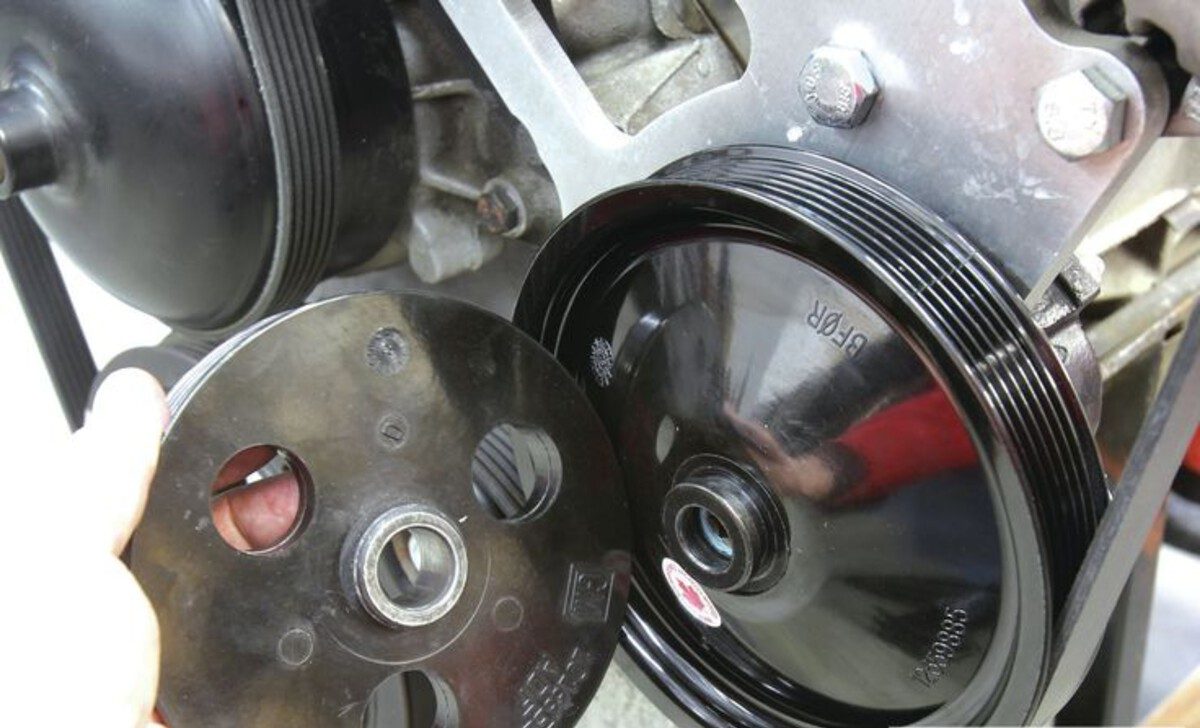
Worn suspension doesn’t just make the ride rough; it affects tire wear and alignment, which can shorten the lifespan of your tires and even strain the steering system. Struts and shocks usually need replacement every 100,000 miles, though earlier replacement may be necessary if you notice bouncing, clunking, or uneven tire wear.
Steering components such as tie rod ends and ball joints should be checked at every service. Any looseness in steering is not only a safety issue but can also lead to more expensive repairs if ignored.
Keeping the suspension and steering tight makes the car safer and helps maintain the precise handling that Fit owners love. Replacing these parts as needed is an investment in both comfort and longevity.
6. Don’t Ignore Brake Maintenance
Brakes are one of the most critical safety systems in any vehicle, and in the Honda Fit, they also affect longevity. How? Poorly maintained brakes can lead to excessive strain on the suspension and even the transmission.
Brake pads typically last between 30,000 and 60,000 miles, depending on driving habits.
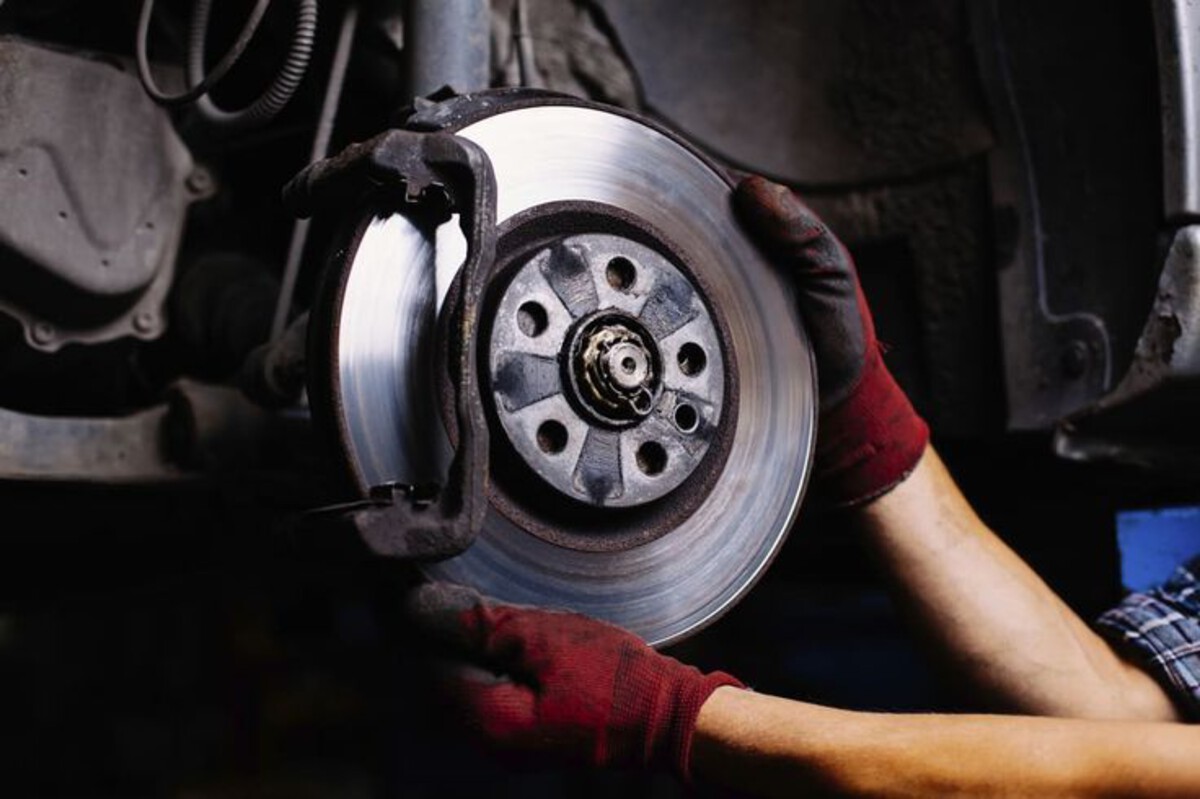
Replacing them before they wear completely through saves the rotors from costly damage. Rotors can be resurfaced once or twice, but deep grooves or warping require full replacement.
Brake fluid is another overlooked component. Many owners never change it, but old brake fluid absorbs moisture, which reduces braking efficiency and corrodes brake lines. Honda recommends replacing brake fluid every three years, regardless of mileage. Sticking to that schedule helps prevent hidden failures down the road.
Calipers, too, should be inspected for sticking or uneven wear. A seized caliper can cause the car to pull to one side, overheat a rotor, and reduce stopping power.
By maintaining your brake system proactively, you not only keep yourself safe but also ensure that other components aren’t forced to work harder to compensate. A Fit with strong brakes is one that’s ready to keep racking up miles safely and reliably.
ALSO READ: 8 Mistakes That Will Destroy a Honda Accord EX Early
7. Protect Against Rust and Corrosion
Rust is the silent killer of many otherwise healthy cars, especially in regions with harsh winters or coastal climates. Even a perfectly maintained engine and transmission won’t save a Honda Fit if the frame and body are rotting away.
Honda Fits are generally well-built, but like most compact cars, they’re vulnerable to corrosion in wheel wells, undercarriage areas, and around the hatchback.
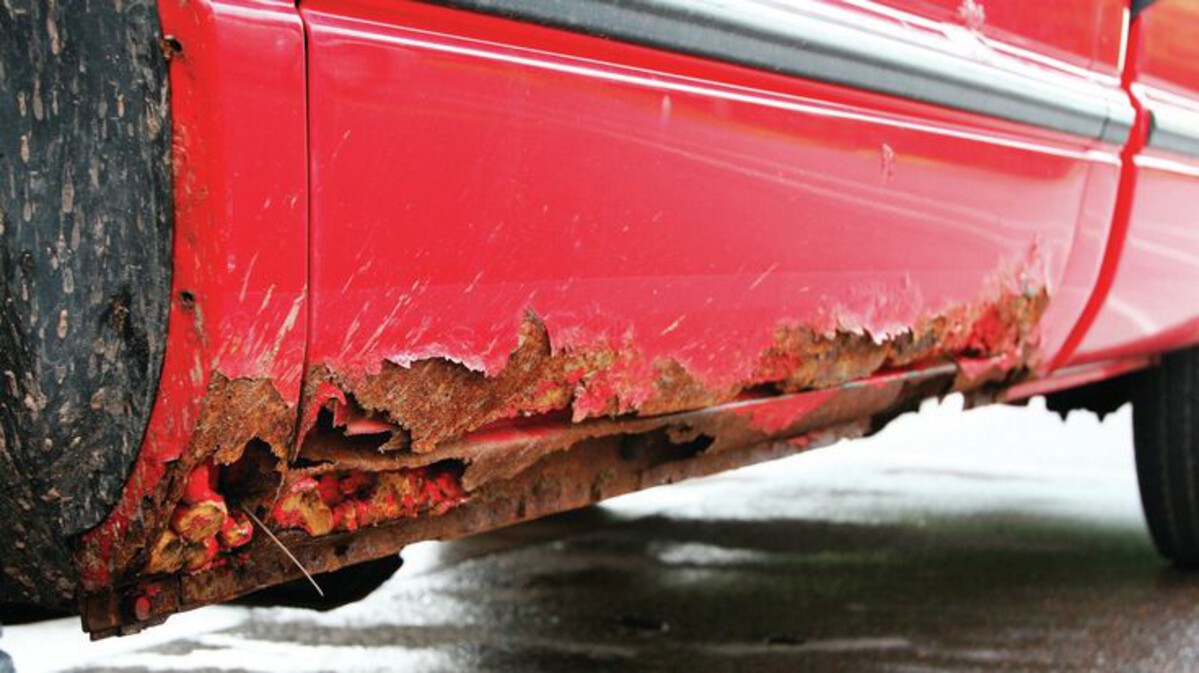
To fight rust, wash the car regularly, especially after driving on salted roads. Pay special attention to the underbody, where salt and grime collect.
Applying an undercoating or rust-proofing treatment can add years to the Fit’s lifespan. These treatments create a barrier against moisture and salt, slowing down the corrosion process significantly. Touching up paint chips promptly also prevents exposed metal from rusting.
Don’t forget about the inside clogged sunroof drains (if equipped) or leaky weather seals can cause water intrusion, leading to rust in hidden areas. Check for damp carpets or musty smells, as these are early signs of trouble.
A rust-free Fit can easily surpass 200,000 miles, while one plagued by corrosion may not make it even if the engine is still strong. By protecting against rust, you’re preserving the very structure that holds the car together.
8. Keep Tires and Alignment in Check
Tires may seem like a routine maintenance item, but they play a much bigger role in longevity than many realize. Poorly maintained tires can stress suspension parts, reduce fuel efficiency, and make the CVT work harder than necessary.
Rotating tires every 5,000 to 7,500 miles ensures even wear, which helps extend their lifespan and keeps the car handling predictably.
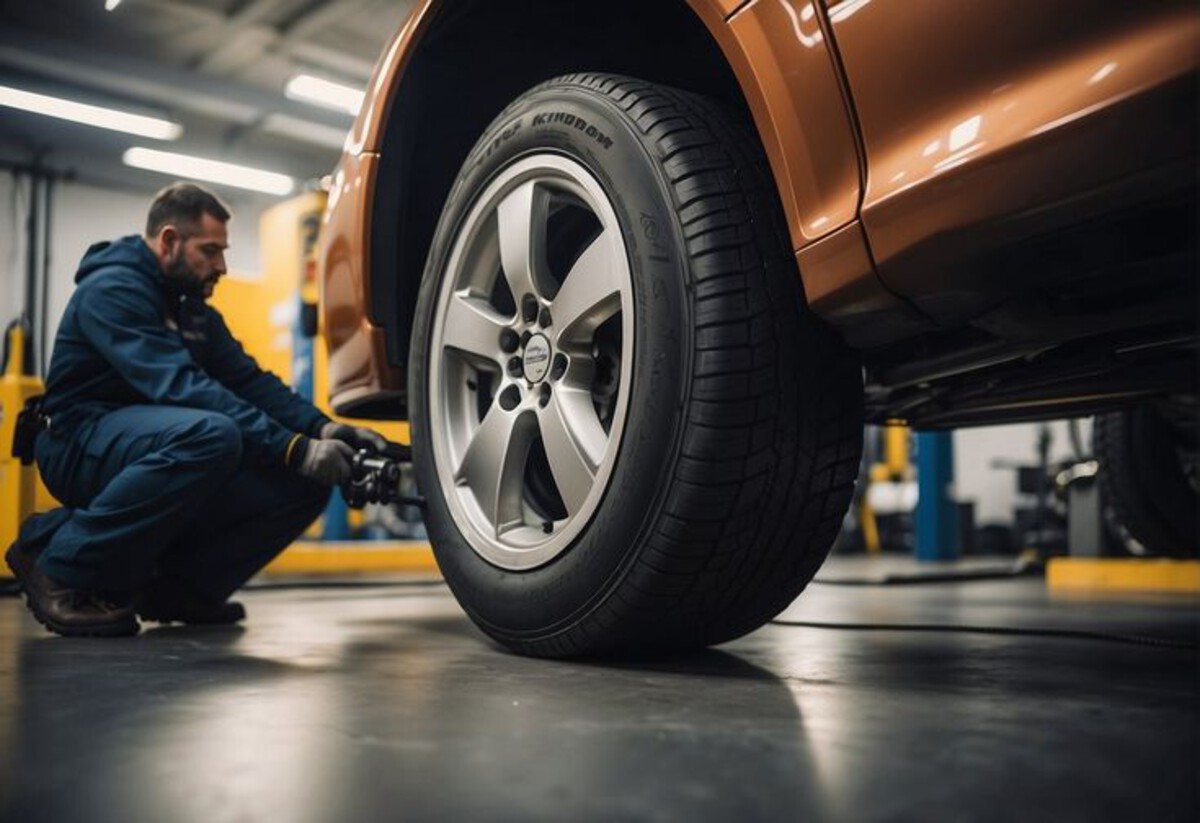
Wheel alignment should also be checked at least once a year. Misaligned wheels not only wear tires prematurely but also put strain on steering and suspension components.
Tire pressure is equally critical. Underinflated tires generate more rolling resistance, making the engine and transmission work harder. Overinflated tires, on the other hand, reduce traction and increase wear in the center tread. Checking pressures monthly and before long trips is a simple habit that pays huge dividends.
Investing in high-quality tires also helps. Cheap tires may wear quickly or perform poorly in wet conditions, forcing other parts of the car to work harder. Good tires improve safety and keep your Honda Fit running smoothly for the long haul.
9. Drive Smoothly and Avoid Abuse
Finally, perhaps the most overlooked factor in vehicle longevity is the way you drive. The Honda Fit is designed as an efficient, city-friendly subcompact, not a track car or heavy-duty hauler. Treating it gently ensures components last far longer.
Avoid hard launches, aggressive braking, and extended high-speed runs.
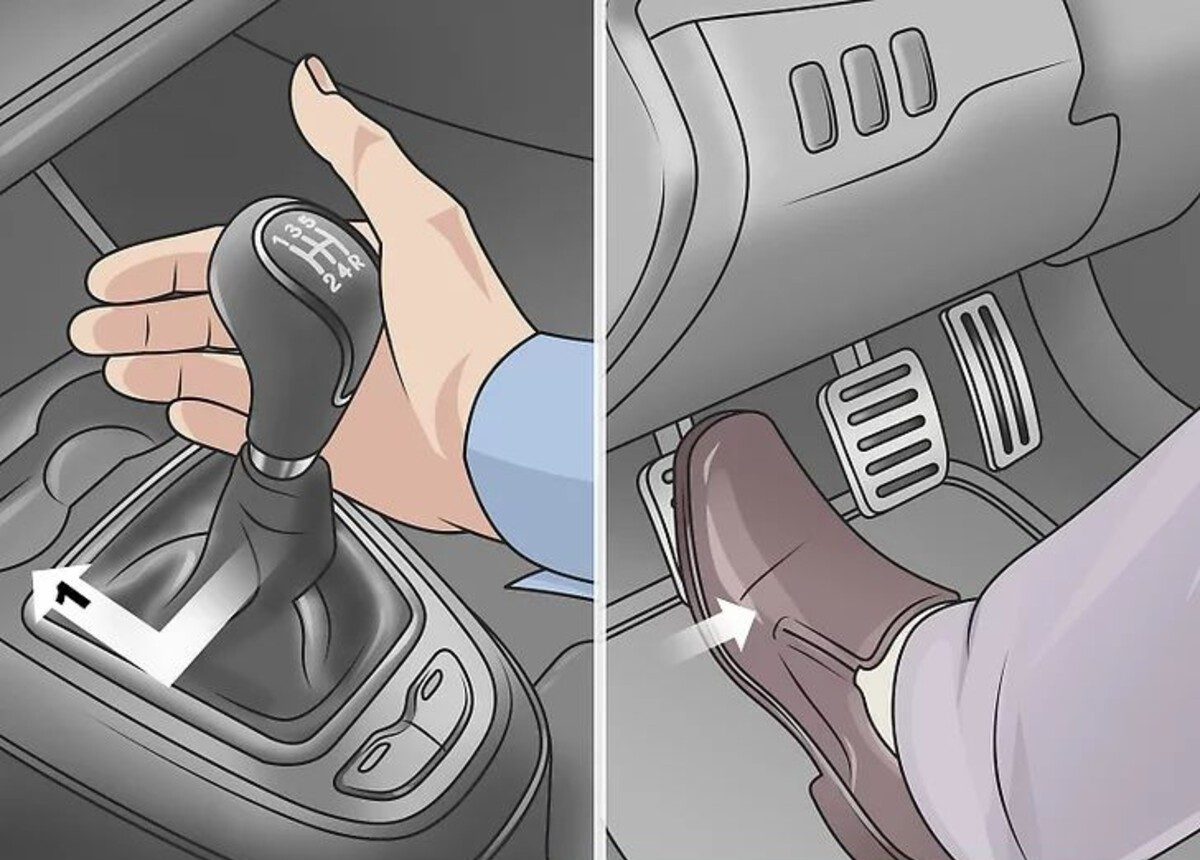
These driving habits generate excess heat and strain on the engine, transmission, brakes, and suspension. Instead, accelerate gradually, brake smoothly, and let the CVT do its job without forcing it into extreme conditions.
If you live in a city with heavy traffic, resist the temptation to creep forward constantly in stop-and-go jams. This behavior wears out brakes and stresses the transmission. Likewise, if you frequently drive in hilly areas, use engine braking when possible to reduce stress on the brakes.
Another smart habit is letting the car warm up for 30–60 seconds before driving on cold mornings. This allows oil and transmission fluid to circulate fully, reducing early wear.
In short, the more mechanical sympathy you show your Honda Fit, the more it will reward you with long life. Many Fits that make it past 200,000 miles belong to owners who drove them with care.
Reaching 200,000 miles in a car is no small accomplishment, but with the Honda Fit, it’s more than possible, it’s expected for those who take care of their vehicles. The nine strategies outlined above are not just maintenance tips; they are a blueprint for long-term reliability.
From the basics of oil changes and transmission care to the often-overlooked details like brake fluid flushes, rust prevention, and driving habits, every action contributes to the bigger picture.
What stands out most about the Honda Fit is that it doesn’t require expensive upkeep to achieve legendary mileage. Instead, it rewards consistency and attention to detail. A $30 bottle of fluid, a set of spark plugs, or a timely suspension repair can save thousands in the long run. Owners who view maintenance as an investment rather than an expense are the ones proudly posting odometer photos at 250,000 miles and beyond.
Equally important is the mindset. Longevity isn’t just about fixing things when they break, it’s about preventing them from breaking in the first place. That means catching small problems before they grow, sticking to service intervals, and resisting the urge to cut corners.
Perhaps the most rewarding part of keeping a Fit running well past 200,000 miles is the bond it creates between driver and car. Each oil change, brake job, and wash isn’t just about maintenance; it’s about stewardship. The Honda Fit may be a modest subcompact, but when cared for properly, it becomes a trusted companion that can last decades.
If you dream of seeing your Honda Fit hit 250,000 or even 300,000 miles, the path is clear: be diligent, be proactive, and drive with care. With those habits in place, your Fit won’t just last, it will thrive, proving why Honda’s little hatchback has become one of the most respected long-haul vehicles on the road.