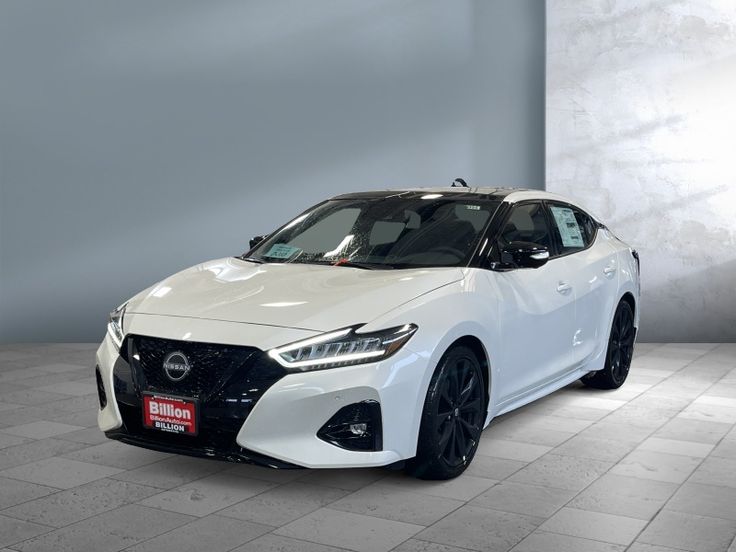
The Nissan Maxima has long been celebrated as the “four-door sports car,” blending comfort, power, and everyday usability into one sleek package. Its sharp styling, strong V6 engine, and tech-laden interior have attracted drivers who want a little more performance from their daily commuter without sacrificing practicality.
However, as with many performance-oriented sedans, the Maxima demands a higher level of care than some owners realize. While it may seem durable on the surface, neglecting certain areas can turn this capable machine into a costly headache. Unfortunately, many Maxima owners overlook critical maintenance tasks or ignore warning signs that slowly chip away at the car’s long-term reliability.
The reality is that while the Maxima can run strong for well over 200,000 miles, improper care shortens its life dramatically. It isn’t always about big-ticket repairs either sometimes the smaller details are what ruin the experience. From skipping transmission fluid changes to ignoring electronic issues, these seemingly minor oversights accumulate into problems that rob the Maxima of its performance edge.
Too often, enthusiasts brag about the Maxima’s power and refinement but forget that a sports sedan has tighter tolerances than a budget commuter. Components like the CVT transmission, suspension system, and even simple items such as sensors or gaskets require timely attention. Forgetting these essentials doesn’t just affect performance, it can compromise safety, reliability, and resale value.
This guide dives into the 10 most common things owners forget that ruin a Nissan Maxima. Each point explores how neglect leads to premature wear, how to recognize early warning signs, and what proactive maintenance can save your Maxima from a premature trip to the junkyard.
By understanding these oversights, owners can ensure their Maxima remains not only a joy to drive but also a dependable machine for years to come. For enthusiasts and casual drivers alike, protecting the Maxima means knowing where owners often go wrong and making sure you don’t repeat those mistakes.
10 Things Owners Forget That Ruin a Nissan Maxima
Owning a Nissan Maxima comes with pride. It’s not just another sedan it’s a performance-oriented four-door sports car that blends speed, comfort, and modern technology. But with that combination comes responsibility.
Many Maxima owners underestimate the importance of proactive care, assuming the car’s legendary VQ-series V6 engine and sleek build will carry it through years of use without much attention. The truth is, the Maxima can easily surpass 200,000 miles if cared for properly, but neglecting certain details can drastically shorten its lifespan.
The things that ruin a Maxima aren’t always obvious breakdowns; they’re the small, often overlooked aspects of ownership that chip away at reliability over time
. Forgetting CVT fluid changes, skipping suspension inspections, ignoring warning lights, or letting interior and body upkeep slide all of these can quietly transform a refined sports sedan into a problem-ridden vehicle. Even something as minor as neglecting oxygen sensors or brake fluid can cascade into thousands of dollars in repairs if not caught early.
This list of 10 commonly forgotten areas highlights the exact mistakes that slowly ruin a Nissan Maxima. Each point explains why it matters, how it impacts performance and safety, and what owners can do to prevent problems before they spiral out of control.
By avoiding these pitfalls, Maxima owners can preserve the driving excitement, comfort, and long-term dependability that make the car so special. Ultimately, remembering these essentials is the difference between a Maxima that thrives and one that fails too soon.
ALSO READ: 7 Habits That Will Total Your Dodge Neon Before 100k Miles
1. Neglecting the CVT Transmission
The Nissan Maxima’s continuously variable transmission (CVT) is often praised for its smoothness but cursed for its fragility. Unlike traditional automatics, the CVT relies on a belt-and-pulley system that demands fresh, clean fluid to function properly.
Many owners mistakenly believe the transmission is “sealed for life” and ignore maintenance until it’s too late. Skipping regular CVT fluid changes is one of the most damaging mistakes Maxima drivers make. Once the fluid breaks down, it loses its ability to reduce heat and friction. This causes overheating, slipping, and eventual transmission failure.
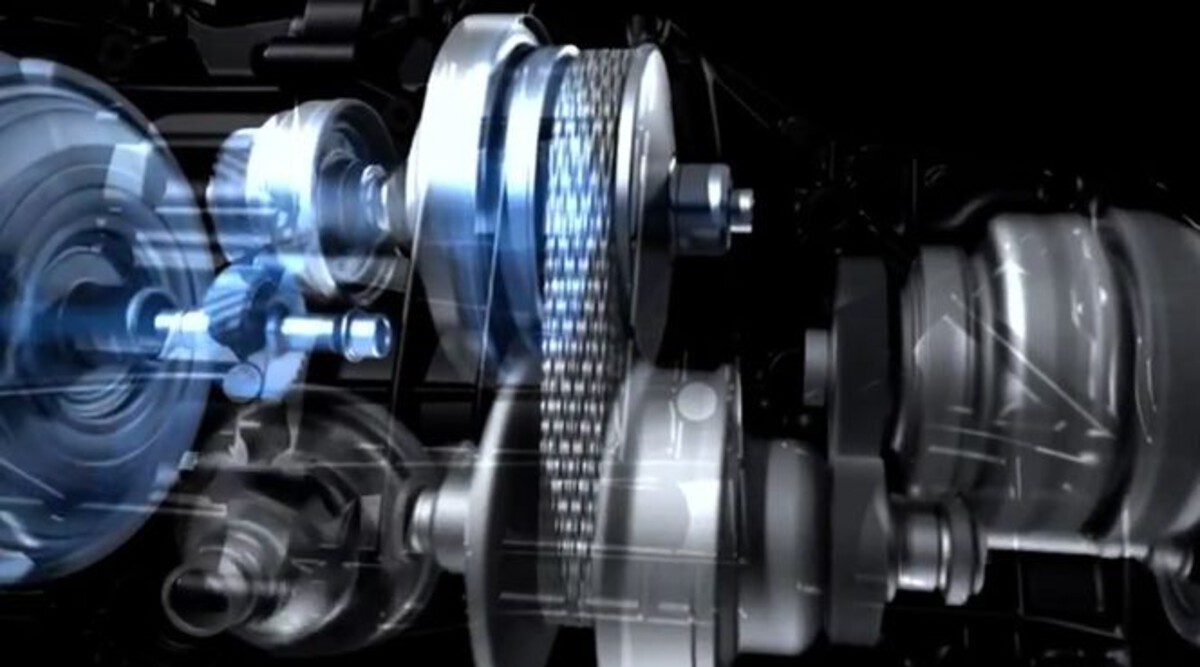
The danger here is how subtle the early signs are. A slight whining sound under acceleration or delayed throttle response often gets dismissed as normal aging. But in reality, these are red flags that the CVT is struggling.
Wait too long, and the repair bill skyrockets into the thousands, since CVT replacements often cost as much as the car is worth. Owners who drive aggressively or live in hot climates face even greater risks, as heat accelerates fluid breakdown.
The solution is simple yet often overlooked: proactive fluid maintenance. Changing the CVT fluid every 30,000–40,000 miles can dramatically extend its life. Enthusiasts who push their Maximas harder should also consider installing an auxiliary transmission cooler to reduce operating temperatures.
By respecting the CVT’s limits and caring for it diligently, owners can avoid the nightmare of premature failure. Those who forget, however, risk turning their four-door sports car into a driveway ornament long before its time.
2. Ignoring Timing Chain and Tensioner Wear
One of the Maxima’s most reliable traits is its robust VQ-series V6 engine, but even this powerhouse has weaknesses if left unchecked. Unlike engines with timing belts, the Maxima uses a timing chain, which many owners wrongly assume will last the life of the car.
While chains are more durable, they’re not invincible. The weak link lies in the chain tensioners. If neglected, they can wear out, causing chain slack that leads to rattling noises, misfires, and in extreme cases, catastrophic engine damage.
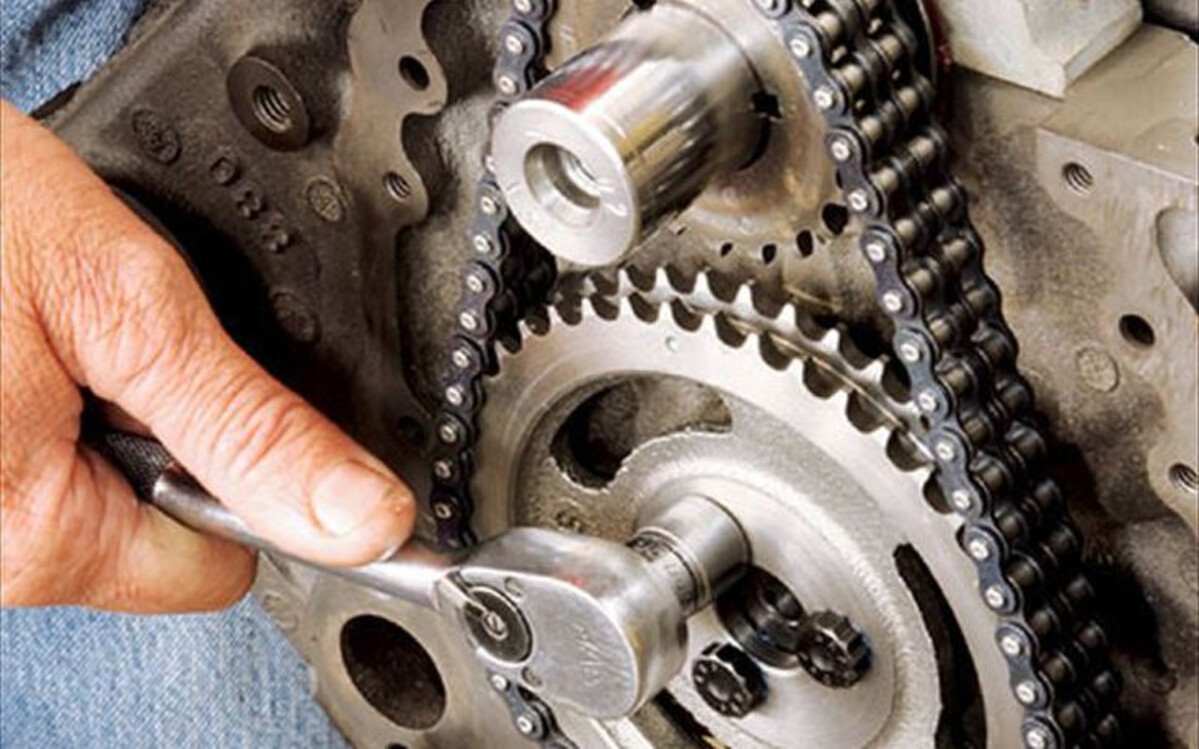
The problem worsens because early warning signs often go unnoticed. A faint rattling on cold starts or unusual vibrations under acceleration may seem harmless, but they’re indicators of a failing tensioner.
Left unresolved, the chain can jump teeth, throwing off the engine’s timing. This can bend valves, damage pistons, and essentially destroy the motor. Repairing this kind of failure often costs more than what many aging Maximas are worth on the used market.
The fix is preventative care. Regular oil changes with high-quality synthetic oil are crucial, as dirty or low oil accelerates tensioner wear. Listening closely to the engine and addressing unusual noises early can save thousands in repairs.
Proactive replacement of the timing chain tensioner before failure is the smartest investment a Maxima owner can make. While it may seem like an unnecessary cost, it’s far cheaper than a full engine rebuild. Forgetting about the chain tensioner may not ruin the Maxima overnight, but it sets in motion a slow countdown to disaster.
3. Overlooking Suspension and Strut Maintenance
The Maxima’s sporty identity comes from more than just its engine; it’s the suspension that makes the car handle with precision. Unfortunately, this is another area owners often neglect.
Struts, control arms, and bushings gradually wear out, but because the decline is slow, drivers adapt to the changes and don’t notice how much handling and safety are being compromised. A worn suspension doesn’t just make the ride rough; it destabilizes the car during braking and cornering, eroding the very “four-door sports car” character that defines the Maxima.

Neglecting suspension maintenance often starts with ignoring clunks, rattles, or uneven tire wear. These are signs that struts or bushings are failing, but many owners shrug them off.
Over time, worn suspension components place extra stress on tires, brakes, and even steering racks. What could have been solved with a simple strut replacement snowballs into costly repairs across multiple systems. Worse still, a Maxima with poor suspension becomes less safe in emergency maneuvers, putting both driver and passengers at risk.
The solution is vigilance. Suspension parts should be inspected regularly, especially once the car passes 80,000 miles. Proactive replacement of worn struts, bushings, and mounts restores the Maxima’s sharp handling and keeps it safe.
Owners who forget about this crucial system rob themselves of the very reason they bought the car in the first place. A Maxima with a neglected suspension is no longer a refined sports sedan it’s just another tired old car.
4. Forgetting to Replace Oxygen Sensors
The Maxima’s V6 thrives on precision, and oxygen sensors are central to maintaining that. These small components measure exhaust gases and relay data to the engine’s computer to fine-tune the air-fuel mixture.
When they start to fail, a common occurrence after 80,000 to 100,000 miles, performance and fuel economy take a hit. Many owners ignore the symptoms, assuming sluggish acceleration or poor mileage is just part of the car’s aging. In truth, a bad oxygen sensor forces the engine to run rich, wasting fuel, fouling spark plugs, and even damaging the catalytic converter.
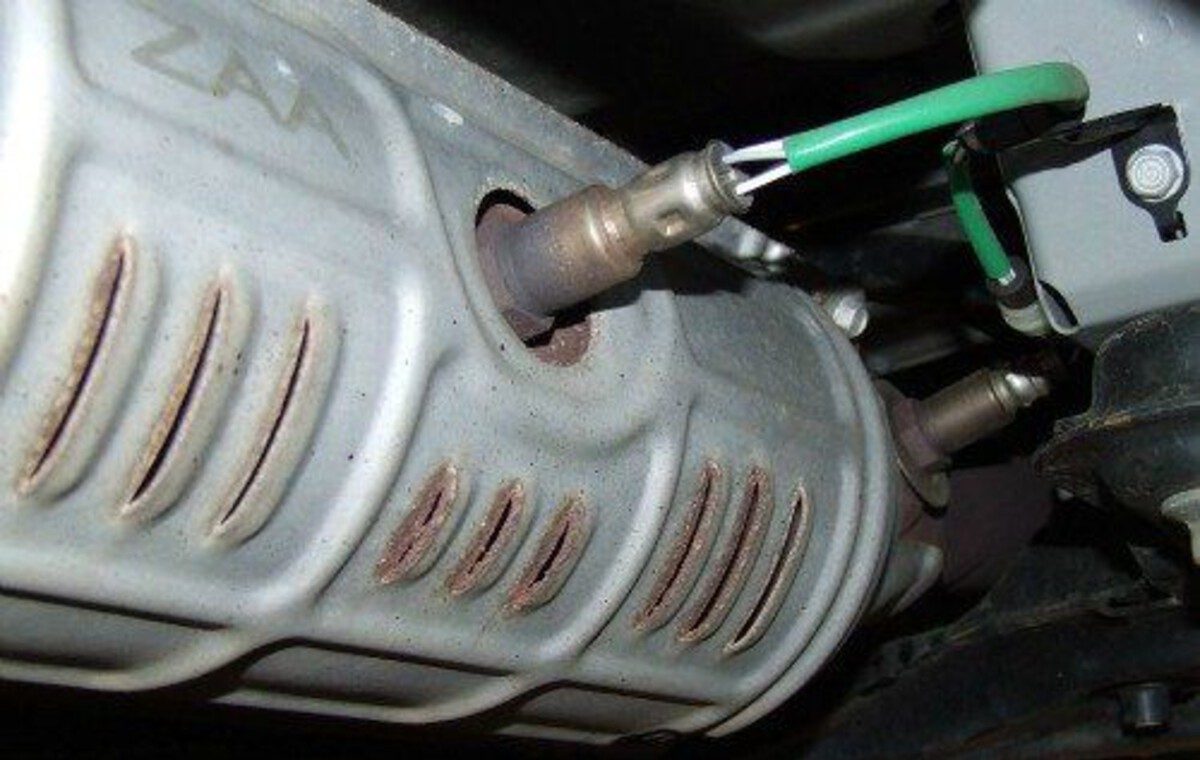
One overlooked consequence is the cost of inaction. A single failed oxygen sensor is relatively cheap to replace, but if neglected, the resulting damage to the catalytic converter can lead to a repair bill of $1,000 or more.
Additionally, a bad sensor can trigger the check engine light, which some drivers dismiss as an annoyance. Ignoring it means missing the chance to address a small issue before it grows.
The fix is simple: replace oxygen sensors at recommended intervals and never ignore engine codes related to emissions. High-quality sensors restore performance, improve mileage, and protect the catalytic converter.
For a car that prides itself on blending speed and efficiency, oxygen sensors are too important to overlook. Forgetting them doesn’t just hurt the Maxima’s power it shortens the life of other critical components as well.
5. Neglecting Cooling System Maintenance
The Maxima’s V6 engine is powerful but generates a lot of heat, making the cooling system one of its most vital components. Too often, owners forget to maintain this system until it’s too late.
Coolant doesn’t last forever it breaks down, loses its ability to prevent corrosion, and eventually clogs the radiator or heater core. Worse, old coolant can allow scale and rust to form inside the engine, restricting flow and pushing temperatures dangerously high.
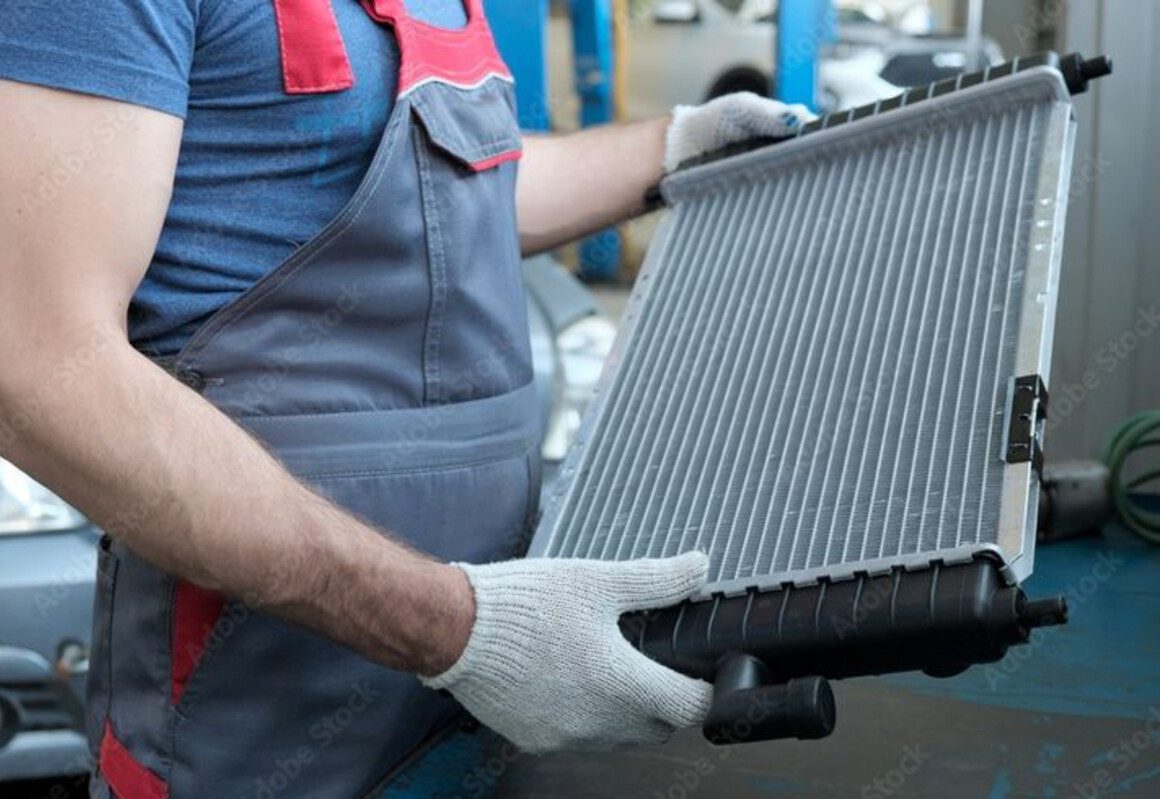
Neglect usually shows itself in subtle ways first: fluctuating temperature gauges, weak cabin heat, or minor leaks around hoses. Many owners ignore these signs, thinking they’re harmless. Unfortunately, that small leak or overdue flush can spiral into overheating, warped cylinder heads, or even complete engine failure. A Maxima that overheats just once can suffer lasting damage.
The fix is simple preventive care. Flushing the cooling system every 50,000 miles, checking hoses for cracks, and replacing the thermostat before it fails are small investments compared to the cost of a blown head gasket.
Radiators and water pumps also need attention once the car passes the 100,000-mile mark. The Maxima is engineered to deliver both power and refinement, but forgetting the cooling system jeopardizes both. Heat is the silent killer of engines, and on a performance sedan like the Maxima, neglecting it can destroy what makes the car great.
6. Forgetting Power Steering and Rack Issues
The Maxima’s precise steering is one of its defining features, but many owners overlook the health of the steering system. Power steering fluid often gets ignored because it isn’t part of routine maintenance schedules as frequently as oil or coolant.
Over time, fluid breaks down, turning dark and losing its ability to lubricate. This accelerates wear in the steering rack and pump, leading to leaks, stiffness, or even complete steering failure.
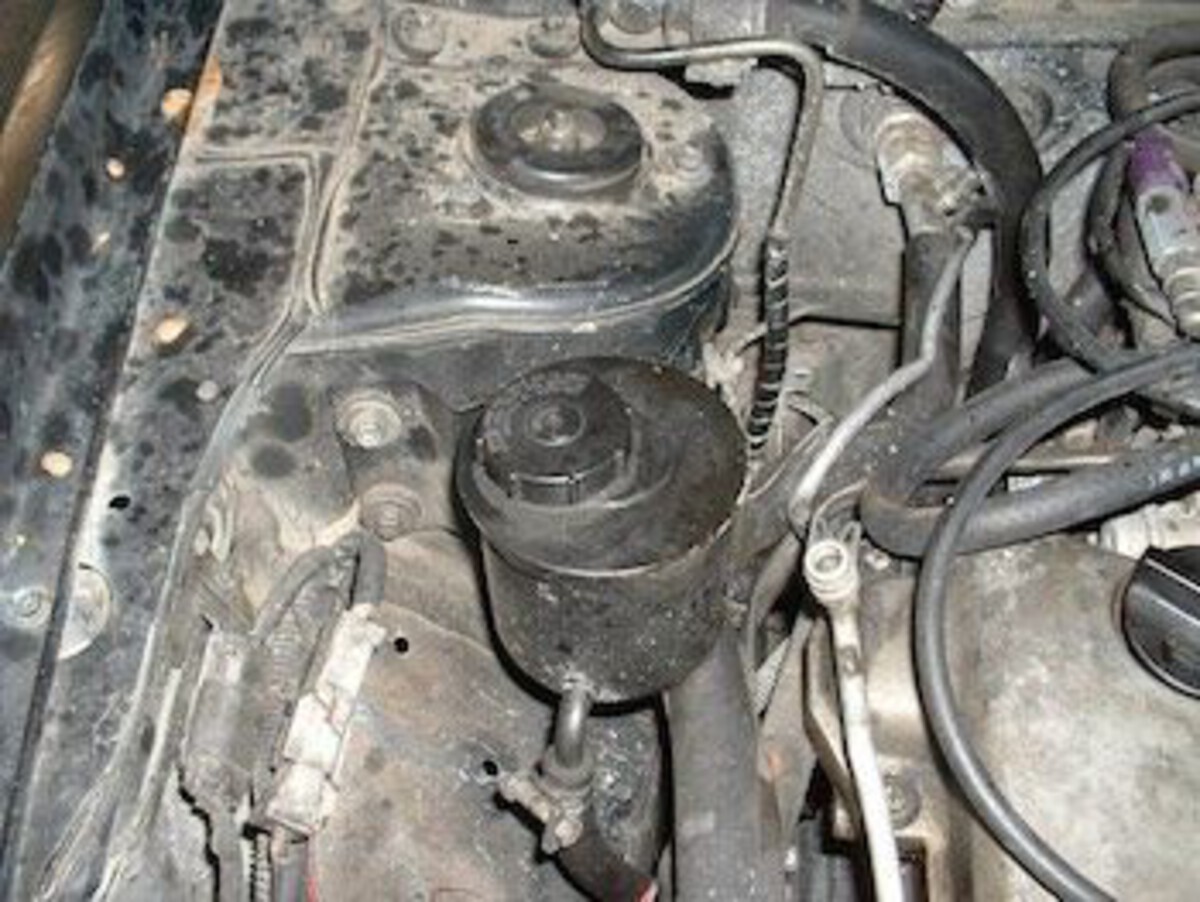
One of the earliest signs is a whining noise while turning the wheel, but drivers often brush it off. They keep topping off fluid without addressing the leak, and eventually, the rack seals fail.
Replacing a power steering rack is expensive, often costing more than $1,000, and the pump adds even more to the bill. Owners who delay repairs risk sudden steering failure, which isn’t just costly, it’s dangerous.
The solution is proactive fluid replacement and inspection. Power steering fluid should be flushed every 60,000 miles to keep the system clean. Watching for leaks around the rack boots and pump seals can prevent small issues from snowballing.
For a sports sedan that prides itself on sharp handling, steering health is everything. Forgetting about it doesn’t just ruin the driving experience it risks the very safety of the vehicle.
ALSO READ: 7 Habits That Ruin a Ford Mustang Cobra Engine Too Early
7. Overlooking Brake Fluid and ABS Maintenance
The Maxima’s sporty nature encourages spirited driving, but many owners forget that braking performance is only as strong as the system behind it. While most people replace brake pads and rotors on time, brake fluid often gets neglected.
Unlike oil, which owners see drained at every service, brake fluid quietly absorbs moisture over time. This lowers its boiling point, leading to brake fade during hard stops and corrosion inside the ABS.
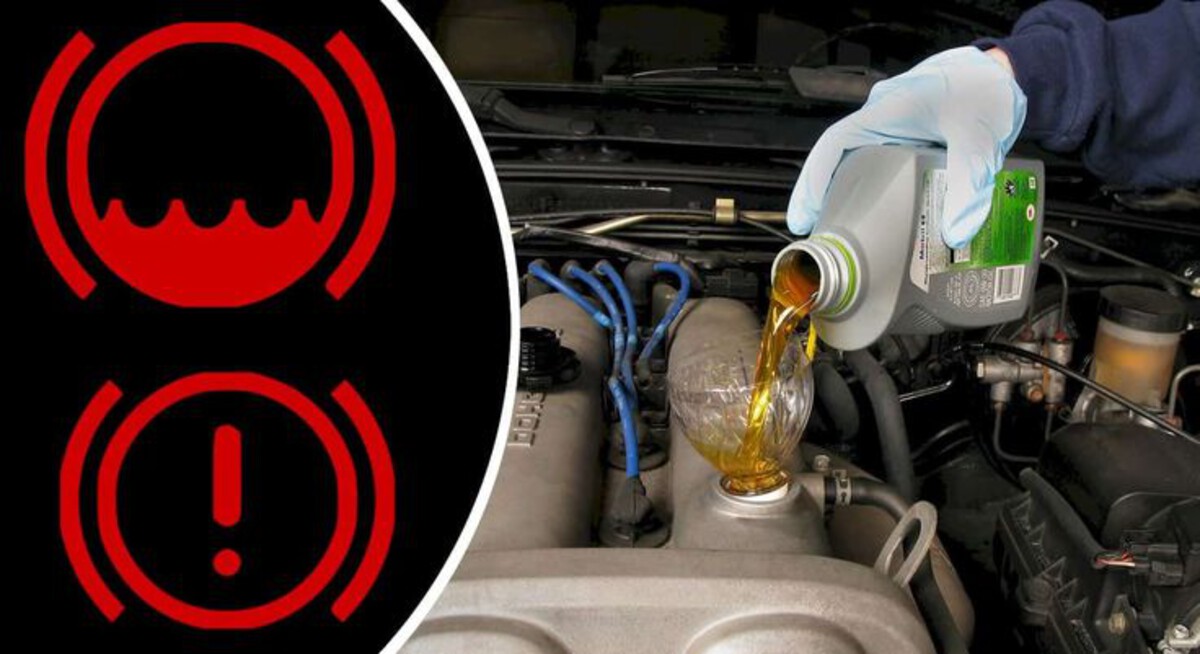
ABS units in the Maxima are particularly vulnerable. Contaminated fluid can damage the expensive ABS pump and control module, turning a simple $100 fluid flush into a $1,500 repair. Drivers may first notice a spongy brake pedal or ABS warning lights, but by then the damage is often done. Forgetting to change brake fluid is a silent killer of braking systems, and too many Maxima owners pay the price.
The fix is straightforward: flush brake fluid every 2–3 years, regardless of mileage. Using high-quality DOT-rated fluid ensures the system stays sharp and safe.
Also, paying attention to ABS warning lights and addressing them immediately prevents cascading failures. The Maxima was built to combine speed with control, but without proper brake system care, the “control” part disappears. Neglect here doesn’t just hurt performance; it endangers lives.
8. Ignoring Exhaust and Catalytic Converter Health
Maxima owners often enjoy the deep, throaty tone of the V6, but few pay attention to the exhaust system until problems become loud and obvious. The catalytic converters, in particular, are a weak point if neglected. Running the car with failing oxygen sensors, burning oil, or rich fuel mixtures causes the cats to clog prematurely. Once clogged, they choke performance, trigger check engine lights, and eventually overheat.
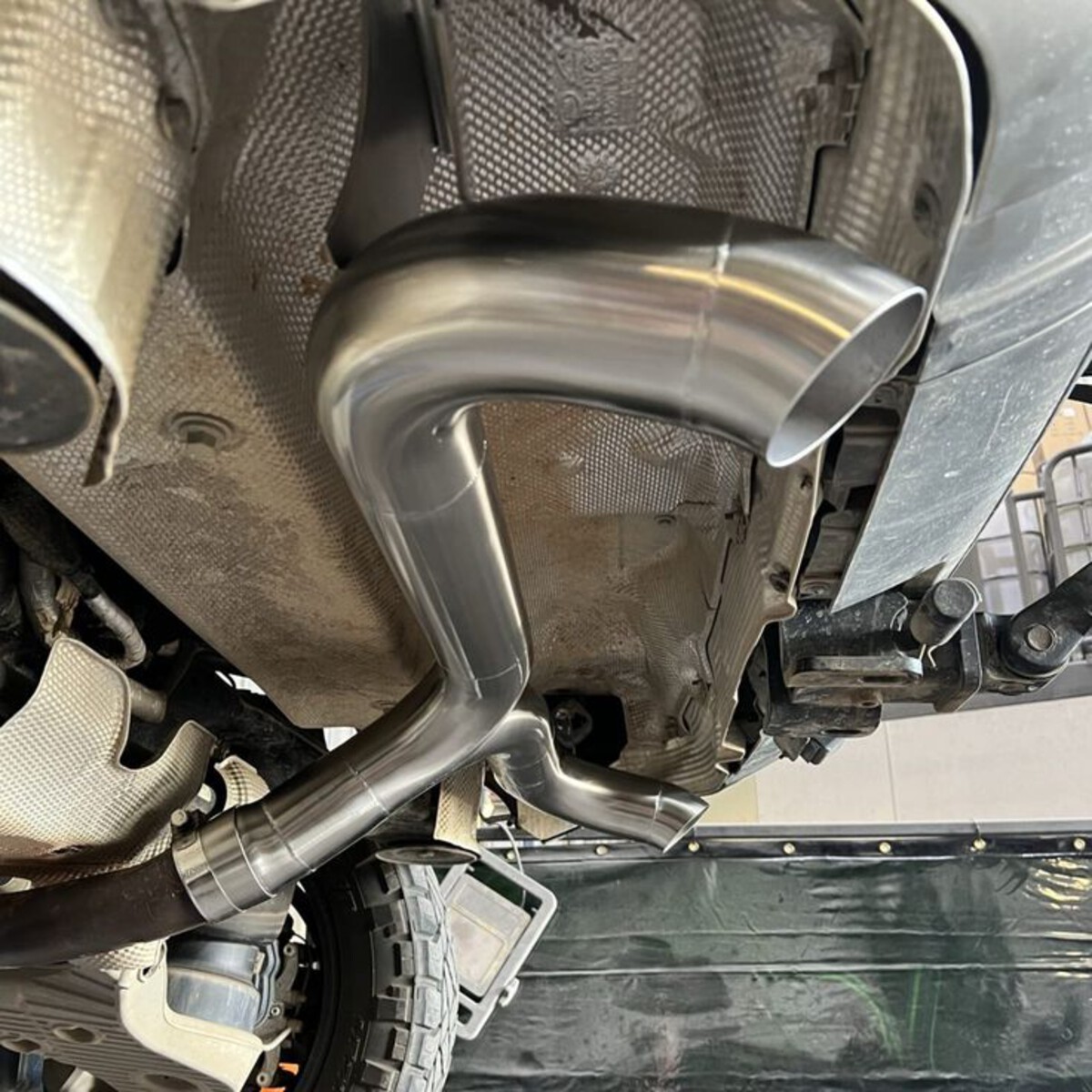
The expense here is staggering. Replacing catalytic converters on a Maxima can cost upwards of $2,000, and driving with failing converters risks damage to the rest of the exhaust system. Many owners delay the repair, hoping to stretch more miles out of a weak system, but this only makes things worse. Exhaust leaks and clogged cats also affect emissions compliance, meaning your Maxima could fail inspection.
The solution lies in prevention. Replacing oxygen sensors on schedule, fixing oil leaks promptly, and avoiding long-term check engine lights all protect the catalytic converters. Inspecting the exhaust system regularly for leaks or rust ensures it stays in good shape.
A healthy exhaust doesn’t just keep the Maxima legal and efficient, it keeps the engine breathing freely, delivering the power it was designed to produce. Forgetting it is like suffocating the car from within.
9. Neglecting Electrical System and Battery Care
The modern Maxima is packed with electronics, from its advanced infotainment system to its array of driver aids. While impressive, these systems place heavy demands on the battery and charging system.
Many owners forget to check battery health or dismiss flickering lights as minor issues. A weak battery or failing alternator can trigger a cascade of electrical gremlins, including malfunctioning sensors, limp-mode driving, or complete no-start situations.
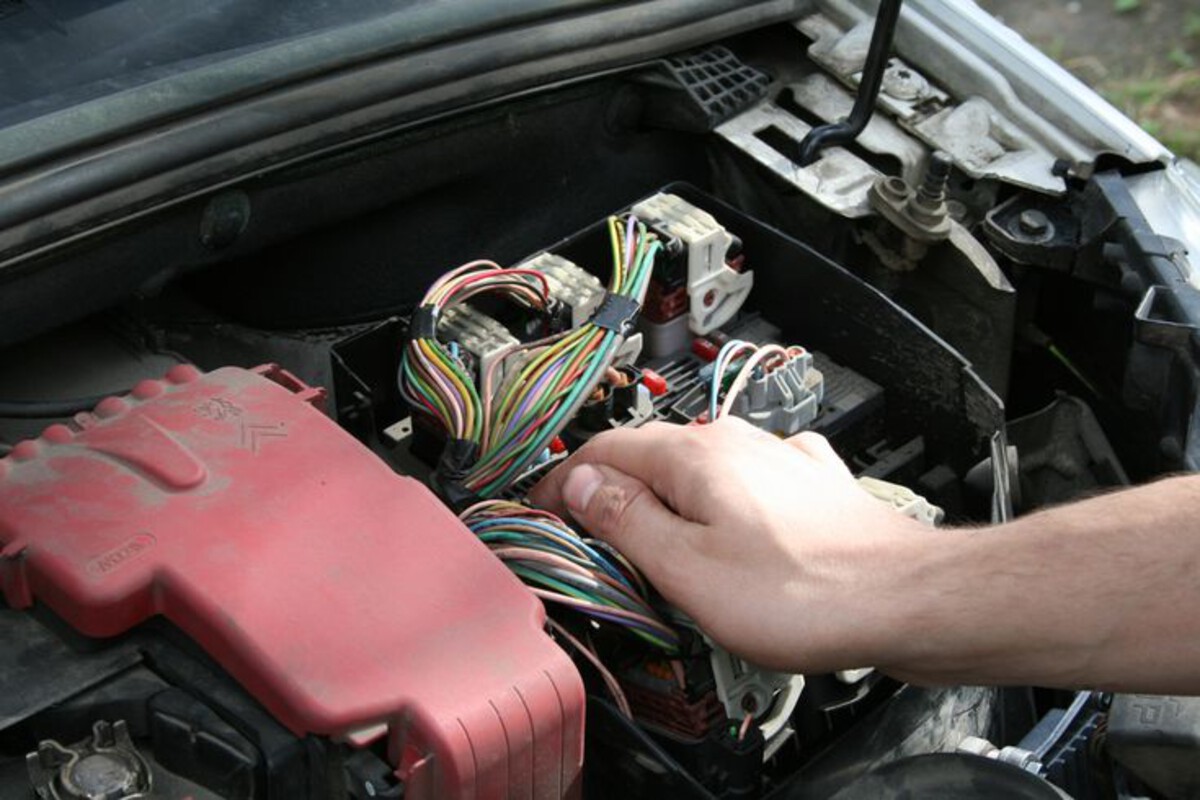
The problem intensifies because the Maxima’s electronics are tightly integrated. A simple voltage drop can confuse modules and throw multiple error codes, leading owners to chase unnecessary repairs.
In reality, the root cause may just be a dying battery. Neglecting basic care like replacing an aging battery before failure creates headaches that seem far bigger than they are.
The fix is simple: test the battery and alternator regularly, clean terminals, and replace the battery every 4–5 years proactively. Ensuring proper grounding and protecting wiring from corrosion also go a long way.
For a tech-heavy car like the Maxima, electrical health isn’t optional. Forgetting it risks losing not just convenience features but also safety systems like ABS, traction control, and airbags. It’s a small oversight with potentially huge consequences.
10. Forgetting Interior and Body Upkeep
While mechanical issues get the most attention, many Maxima owners overlook the slow decline of the car’s interior and body. Neglecting simple tasks like conditioning leather seats, cleaning carpets, or washing off road salt leads to premature wear and rust.
A Maxima’s cabin is one of its strongest selling points, designed with comfort and luxury in mind. Yet, cracked seats, sagging headliners, or corroded door sills ruin the ownership experience.
Rust in particular is a silent killer. Many owners wash the car’s exterior but forget to rinse the undercarriage. Over time, salt and grime eat away at rocker panels, exhaust hangers, and subframes. Once structural rust sets in, even a strong drivetrain can’t save the car’s value. Inside, neglected interiors not only look worn but also lower resale value dramatically.
The fix is diligence. Regular detailing, seat conditioning, and underbody washes extend the car’s life both inside and out. Applying rust protection, replacing weather seals, and caring for trim keep the Maxima feeling like a premium sedan. Forgetting this upkeep doesn’t cause sudden breakdowns, but it erodes the car’s pride of ownership, and once the interior and body are gone, the Maxima never feels the same again.
The Nissan Maxima has always occupied a unique space in the automotive world. It’s not just a family sedan, and it’s not quite a luxury car, it’s the bridge between comfort and excitement. For decades, Nissan has marketed it as the “four-door sports car,” a badge that carries weight among enthusiasts. Yet, like any performance-leaning vehicle, the Maxima rewards attentive ownership and punishes neglect.
The ten oversights outlined here aren’t rare mistakes made by careless owners. They’re the small, often forgotten details that slip through the cracks of day-to-day driving.
A skipped CVT service, a rattling timing chain, or ignored oxygen sensor may not seem catastrophic in the moment. But together, they chip away at what makes the Maxima special: its power, its handling, and its refined balance between speed and comfort. Even something as simple as neglecting interior care or underbody washes can transform a proud sports sedan into a tired, unreliable machine.
The key lesson is that the Maxima is a car that demands respect. It isn’t the cheapest to maintain, but its rewards are undeniable for those who care for it properly. Owners who stay vigilant with fluids, address small issues before they snowball, and give attention to both mechanical and cosmetic health are rewarded with a sedan that can easily push past 200,000 miles while still delivering a satisfying drive.
On the other hand, forgetting these essentials shortens its lifespan dramatically. Too many Maximas end up in scrapyards not because the engine couldn’t go further, but because neglect in areas like the transmission, suspension, or bodywork made the car uneconomical to save.
Preserving a Maxima means more than routine oil changes it means understanding its quirks, respecting its weak points, and caring for it like the sports sedan it was designed to be. Do that, and the Maxima remains what Nissan intended: a four-door sports car that never loses its edge.