
The Kia Sorento has earned a loyal following because of its blend of comfort, practicality, and long-haul reliability. Whether you drive the family around town, use it for daily commuting, or rely on it for long road trips, the Sorento has proven that it can stand up to the test of time when properly cared for.
Yet, like any vehicle, longevity isn’t just built into the design it’s something the owner actively nurtures through smart maintenance. Many people underestimate how far a little attention and consistent care can go. Those who treat their Sorento with routine upkeep often find that it continues to drive like new well beyond the 200,000-mile mark, while neglected ones tend to falter far earlier.
The beauty of the Sorento lies in its adaptability. It’s not a fragile SUV that crumbles under pressure but a machine built to last when you respect its limits and maintain its critical systems.
By mastering a few essential maintenance tricks, you can not only extend its lifespan but also avoid costly repairs and keep its resale value strong. These tricks aren’t complex dealership secrets either, they’re practical, achievable steps that every owner can take at home or with regular professional servicing.
From keeping the engine’s lifeblood fresh to paying attention to the transmission and suspension, each element of care contributes to making your Sorento a dependable partner for the long road ahead. These maintenance habits aren’t just about survival; they’re about ensuring your SUV runs smoothly, safely, and confidently in any situation.
If your goal is to make your Kia Sorento last forever or at least as close to forever as a vehicle can, these ten tricks will be your roadmap. Follow them with consistency, and your SUV will reward you with years of reliable service, lower ownership costs, and the peace of mind that comes from knowing you’re driving a machine built to go the distance.
10 Maintenance Tricks That Make a Kia Sorento Last Forever
Every vehicle has weak points, but the key to longevity is knowing how to prevent them from turning into costly failures. The Kia Sorento, while dependable, is no different.
Owners who commit to smart maintenance practices often see their SUVs go well beyond 200,000 miles without significant issues. Those who don’t are more likely to face problems with the transmission, engine, suspension, or electronics much earlier than expected.
The good news is that most of these potential pitfalls can be avoided with a disciplined approach. It’s not about waiting until something breaks, it’s about maintaining a healthy vehicle from day one. Proactive care always costs less in the long run than reactive repairs. By investing small amounts of time and effort into regular upkeep, you’re essentially buying more years of trouble-free driving.
The following 10 tricks are tailored to the Sorento’s design and common problem areas. They include the essentials, such as regular oil changes and brake inspections, as well as often-overlooked practices like protecting the transmission and caring for the cooling system. Each trick is designed to be practical and accessible, even for everyday drivers with busy schedules.
Whether your Sorento is brand-new or has already racked up six figures on the odometer, these tips apply. By sticking to them, you’ll not only enjoy smoother rides and lower repair bills, but you’ll also preserve the long-term resale value of your SUV. In short, if you want your Kia Sorento to last forever, these are the habits you cannot ignore.
ALSO READ: 5 Jeep Patriot Years Worth Buying vs 5 To Avoid
1. Stick to Consistent Oil Changes
The engine is the heart of your Kia Sorento, and oil is its lifeblood. Without clean oil circulating through the system, engine components grind together, creating excess friction and heat that can lead to catastrophic wear. Unfortunately, many drivers delay oil changes, thinking they can squeeze in a few extra miles before servicing. This short-term mindset can shave years off your Sorento’s lifespan.
For the Sorento, Kia typically recommends oil changes every 7,500 miles with synthetic oil under normal driving conditions.
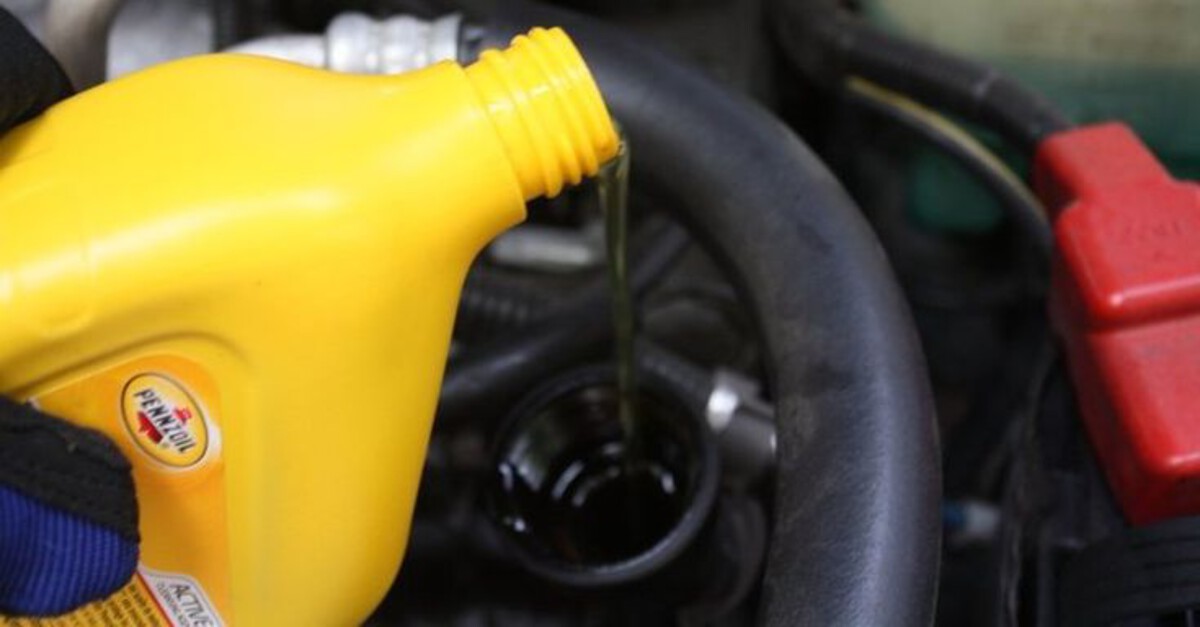
However, if you do a lot of stop-and-go commuting, tow heavy loads, or live in an area with extreme heat or cold, it’s wise to shorten that interval to 5,000 miles. Synthetic oil not only resists breakdown better than conventional oil but also keeps engine components cleaner, extending their life.
Don’t overlook the oil filter either it should always be replaced with the oil. A clogged or dirty filter restricts flow, making fresh oil less effective. Choosing high-quality filters ensures contaminants are kept at bay.
Owners who commit to consistent oil changes often see smoother acceleration, better fuel economy, and fewer engine problems as their SUVs age. Skipping this step might not cause immediate issues, but over time, sludge build-up and worn bearings can lead to expensive engine rebuilds or replacements.
Simply put, if there’s one maintenance habit that makes or breaks your Sorento’s long-term health, it’s regular oil changes. This relatively inexpensive service is the number-one trick to ensuring your SUV’s engine stays strong for the long haul.
2. Keep the Transmission Healthy
The Kia Sorento’s transmission is designed for durability, but it’s also one of the most expensive components to repair or replace. That makes caring for it absolutely crucial if you want your SUV to last. Transmission fluid plays a similar role as engine oil, lubricating parts, cooling the system, and ensuring smooth gear shifts. When neglected, it degrades, thickens, and allows metal-on-metal wear, which can destroy the unit.
Kia typically recommends transmission fluid changes every 60,000 miles, though heavy driving conditions like city traffic, mountain roads, or towing call for more frequent service.

Unlike oil changes, many owners overlook transmission fluid until problems arise. Unfortunately, by then, it’s often too late. Symptoms like jerky shifting, slipping gears, or delayed engagement are warning signs that the fluid is overdue or the transmission is under stress.
Equally important is ensuring the transmission is not overfilled or underfilled. Either condition can cause overheating and accelerated wear. Checking the transmission fluid level periodically and looking at its color (bright red is healthy; dark brown with a burnt smell is not) helps you stay ahead of trouble.
Some Sorento owners also benefit from installing a transmission cooler if they frequently tow trailers or drive in hot climates. Keeping the transmission at a stable temperature significantly prolongs its life.
The key takeaway: preventive fluid changes and regular monitoring will help your Sorento’s transmission remain strong for the long haul. Ignore it, and you may face one of the costliest repairs a car owner can experience.
3. Protect the Cooling System
Your Kia Sorento’s engine produces intense heat, and the cooling system is what keeps it from overheating. If this system fails, it can lead to catastrophic damage like blown head gaskets or a warped cylinder head. The good news? Regular coolant maintenance can prevent most of these issues.
Coolant, also known as antifreeze, doesn’t just lower engine temperature it also prevents corrosion inside the radiator and engine block. Over time, however, coolant breaks down and loses its protective properties.

Old coolant can turn acidic, corrode metal parts, and clog small passages in the system. Kia recommends flushing the coolant every 60,000 miles or every five years, whichever comes first.
Routine checks are just as important as scheduled flushes. Pop the hood once a month and check the coolant reservoir. If levels are low, top it up with the correct Kia-approved formula. Keep an eye out for leaks around hoses, the radiator, or the water pump. Catching these early prevents overheating disasters.
It’s also smart to inspect the radiator cap. A weak or faulty cap can allow coolant to boil off or escape, leaving the system under-pressurized. Similarly, the thermostat and fans should always be in working condition to regulate temperature.
For Sorento owners in extremely hot or cold climates, coolant health is even more critical. Whether it’s preventing freeze-ups in winter or boil-overs in summer, the right coolant mix keeps the system stable.
Bottom line: never underestimate your cooling system. Flushing the coolant on time, checking hoses, and keeping everything leak-free is one of the simplest tricks to extend your Sorento’s engine life well beyond the average. Overheating is an engine killer, and prevention is always cheaper than a rebuild.
4. Give Attention to the Brakes
Brakes aren’t just about safety; they’re also about protecting the rest of your Sorento. Driving with worn brakes forces other components like the suspension and tires to work harder, shortening their lifespan. Regular brake care keeps both you and your SUV in good shape.
The most important step is inspecting brake pads. Sorento brake pads typically last 30,000–70,000 miles, depending on driving habits.

Aggressive braking, city traffic, and towing wear them down faster. Once pads wear thin, metal grinds against the rotors, causing expensive damage. Replacing pads on time avoids this and ensures smooth, quiet braking.
Brake fluid is equally crucial. Many owners forget that brake fluid absorbs moisture over time, which reduces braking efficiency and corrodes brake lines. Kia generally recommends replacing brake fluid every 30,000 miles or two years. Spongy brakes, longer stopping distances, or dashboard brake warnings are signs the fluid is overdue.
Don’t ignore the rotors either. Even with healthy pads, warped or excessively worn rotors can cause vibrations and uneven braking. Having them resurfaced or replaced when necessary keeps your Sorento stopping strong.
Beyond that, keep an ear out for squeaks, grinding noises, or unusual pedal feel. These are early warning signals that something is wrong. Addressing them right away prevents small issues from becoming big repair bills.
Brakes are your Sorento’s first line of defense. Skipping their maintenance not only puts your safety at risk but also accelerates wear on tires, suspension, and drivetrain parts. Make brake care a priority, and your Sorento will reward you with long-lasting reliability and safer miles on the road.
5. Maintain the Suspension and Steering
The suspension and steering systems keep your Kia Sorento stable, smooth, and predictable on the road. Neglecting them can turn a comfortable SUV into a noisy, unstable ride while also stressing other components. Regular attention ensures your Sorento remains safe and enjoyable for years.
Shocks and struts typically last between 50,000–100,000 miles depending on road conditions. Worn shocks make your Sorento bounce excessively, increase braking distance, and wear tires unevenly. Inspect them for leaks or reduced performance, and replace them in pairs for balanced handling.

Bushings, ball joints, and tie rods also deserve attention. These rubber and metal parts absorb road impacts and allow smooth steering. Over time, they wear out, causing clunks, poor alignment, or sloppy steering response. A simple suspension check during routine service can catch worn parts early before they lead to costly damage.
Wheel alignment plays a major role here, too. Misaligned wheels stress the suspension, hurt fuel economy, and chew through tires faster than anything else. Have your alignment checked once a year or whenever you feel the steering pull to one side.
Don’t overlook the power steering system. Kia Sorentos with hydraulic systems need clean fluid to keep pumps and racks in good shape, while newer models with electric steering require software updates and sensor checks. Keeping this system healthy ensures precise steering for the long haul.
Sorento owners often underestimate suspension care because problems develop gradually. But consistent inspections and timely replacements can easily add tens of thousands of miles to your SUV’s life while keeping rides comfortable and safe.
6. Rotate and Care for Tires
Tires are the only part of your Kia Sorento that actually touch the road, and how well you care for them has a ripple effect across the entire vehicle. Healthy tires protect the suspension, improve fuel economy, and keep braking distances short.
One of the simplest tricks is tire rotation. Rotating tires every 6,000–8,000 miles ensures even tread wear.
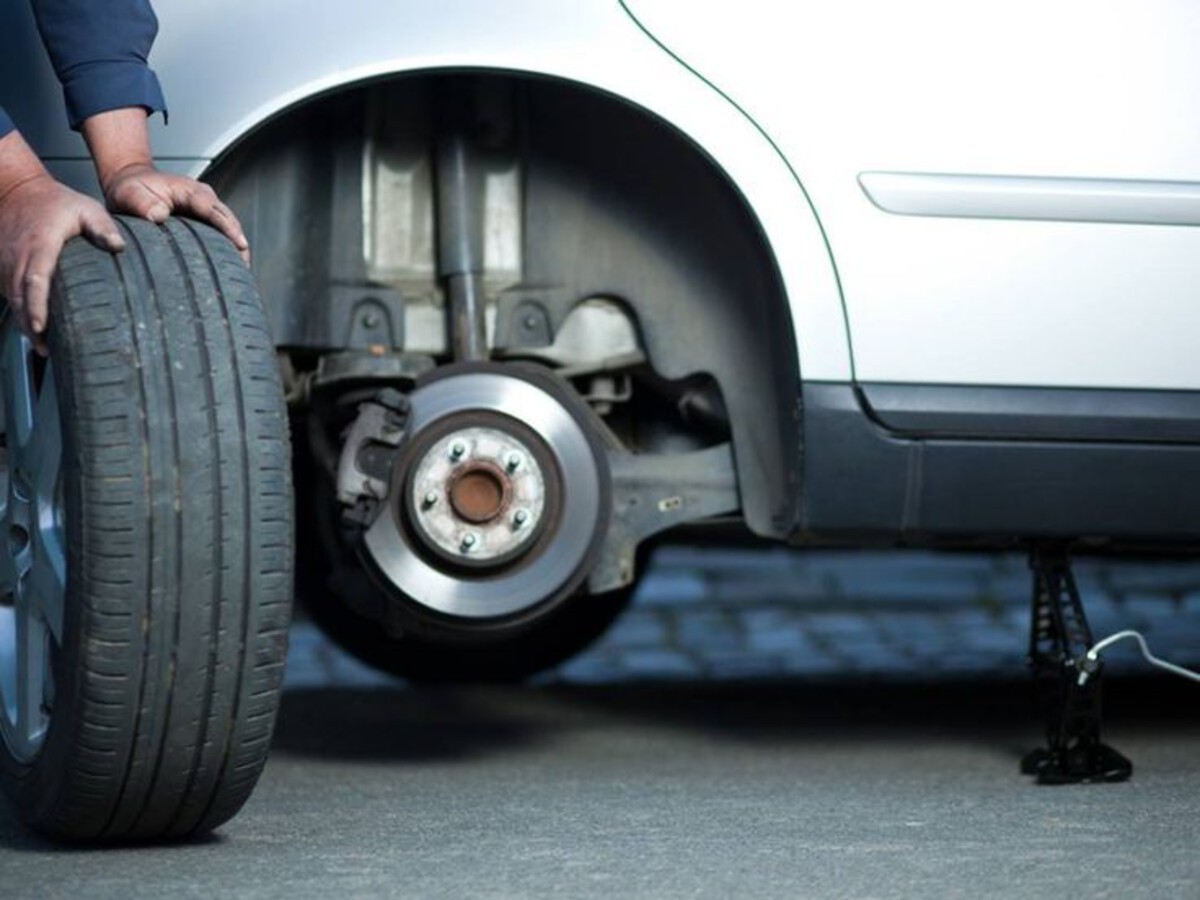
The Sorento, being either front-wheel drive or all-wheel drive, can wear tires unevenly depending on your setup. Rotating prevents early replacements and extends tire life by thousands of miles.
Checking tire pressure is equally important. Underinflated tires reduce fuel efficiency and strain the suspension, while overinflated tires create harsh rides and uneven wear. A monthly pressure check using Kia’s recommended PSI levels on the door jamb sticker saves you money and improves safety.
Wheel balancing is another overlooked step. Small weight imbalances can cause vibrations that stress the steering and suspension. Having tires balanced during rotations ensures smooth driving and less wear on parts.
Finally, inspect tread depth. Worn tires compromise traction, especially in rain or snow. If tread depth falls below 2/32 of an inch, it’s time to replace them. Investing in quality tires matched to your driving conditions also boosts longevity and safety.
Proper tire care might seem small, but it dramatically influences how long your Sorento lasts. Many long-term owners attribute their SUV’s smooth performance at 200,000+ miles to nothing more than consistent rotations, pressure checks, and timely replacements. Treat tires well, and they’ll protect every other system in your Sorento.
ALSO READ: 10 Things That Prevent a BMW 5 Series From Becoming a Money Pit
7. Don’t Neglect the Battery and Electrical System
Modern Kia Sorentos rely heavily on electronics from navigation and safety aids to climate control and power accessories. A weak battery or failing electrical system can leave you stranded or cause expensive electronic failures. Keeping this system healthy is key to long-term reliability.
Batteries typically last 3–5 years. Extreme heat, cold, or frequent short trips shorten their lifespan. Testing the battery annually, especially after year three, ensures it won’t die unexpectedly. Clean the terminals and ensure cables are tight to prevent corrosion, which restricts power flow.
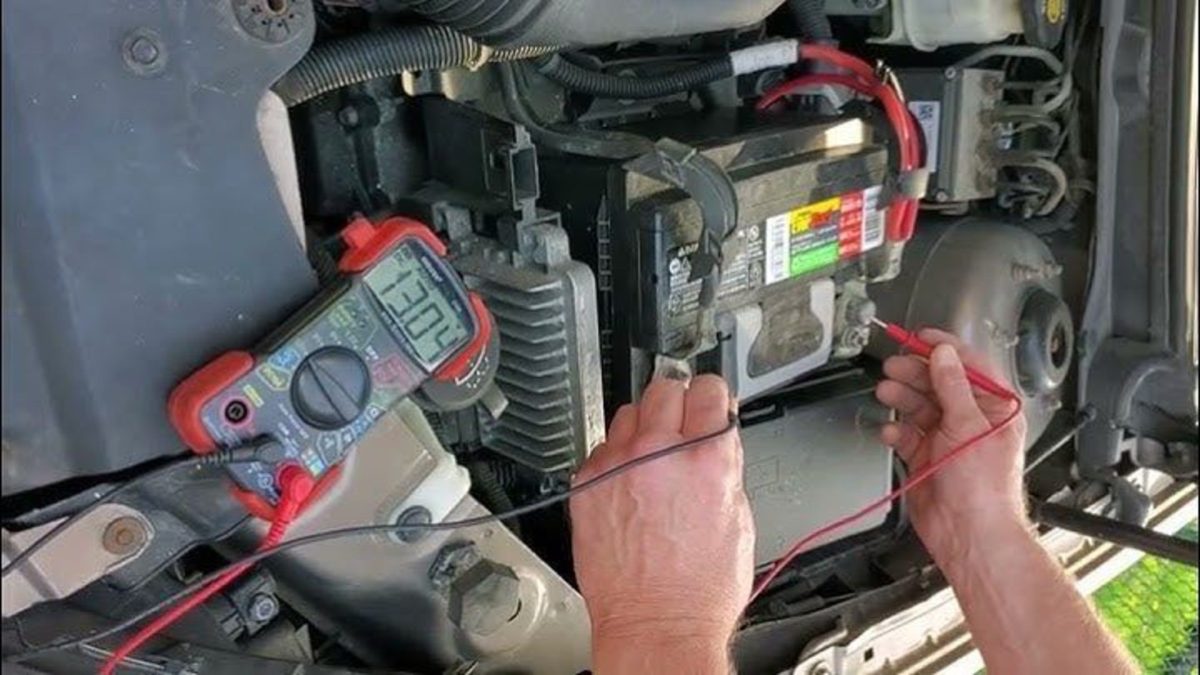
The alternator, which charges the battery while driving, should also be monitored. Dim lights, weak power windows, or dashboard warnings can signal alternator issues. Catching it early prevents total electrical failure.
Equally important are fuses and wiring. Over time, moisture or rodents can damage wiring harnesses, leading to erratic behavior in sensors or safety features. A visual inspection during service can save you from headaches later.
Sorentos also come with advanced features like driver-assistance systems, which rely on sensors and control modules. Ensuring these are calibrated and free of dirt or obstruction keeps them functioning properly.
Neglecting the electrical system may not cause immediate breakdowns like engine problems, but it can create endless small issues that make the SUV unreliable. By keeping the battery charged, terminals clean, and components inspected, you’ll keep your Sorento’s electronics reliable for the long run.
8. Keep Up with Air and Cabin Filters
Air filters are one of the simplest yet most overlooked maintenance items on a Kia Sorento. The engine air filter ensures that only clean, dust-free air enters the engine. A clogged filter makes the engine work harder, reducing fuel economy and eventually causing performance issues. Kia recommends checking it every 15,000 miles and replacing it every 30,000 or sooner if you live in dusty or polluted areas.
A clean air filter improves combustion efficiency, giving your Sorento better mileage and smoother acceleration. Long-term, it also reduces wear on engine components by preventing abrasive dirt particles from entering the cylinders.
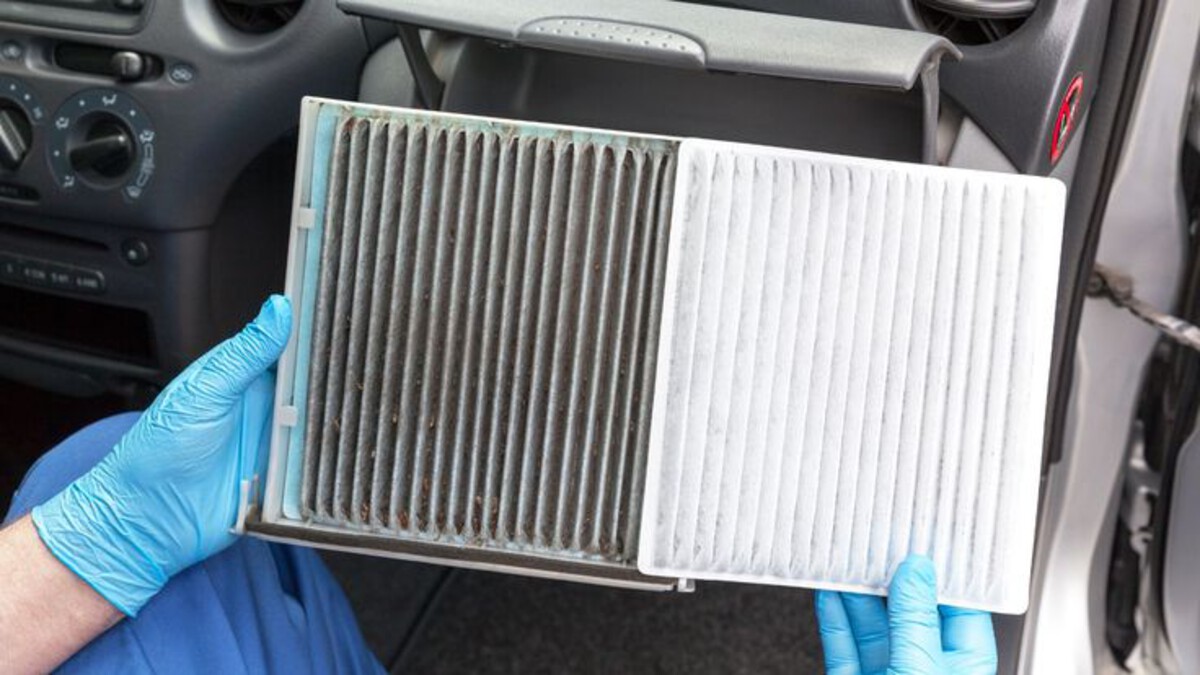
The cabin filter, meanwhile, protects passengers by filtering dust, pollen, and pollutants from the HVAC system. A dirty cabin filter restricts airflow, overworks the blower motor, and reduces air-conditioning efficiency. Most owners should replace it every 15,000–20,000 miles, but in urban areas with smog or during allergy seasons, sooner is better.
Both filters are inexpensive and easy to replace many Sorento owners handle them at home in less than 15 minutes. The payoff, however, is big: a cleaner engine, a healthier cabin, and reduced strain on key systems.
Think of these filters as your SUV’s “lungs.” Keeping them clean allows both the engine and you, the driver, to breathe easier. Skipping them may not cause immediate breakdowns, but over time, the added strain and reduced efficiency chip away at your Sorento’s longevity.
9. Prevent Rust and Undercarriage Damage
Mechanical maintenance isn’t the only factor in making your Kia Sorento last forever. Rust and undercarriage damage can quietly destroy an otherwise healthy SUV. If left unchecked, rust can spread from small surface spots to critical frame or suspension components, making repairs costly or even unsafe.
The first defense is regular washing, especially during winter in regions where roads are salted. Salt accelerates rust, and even though newer Sorentos come with rust protection, it’s not invincible.
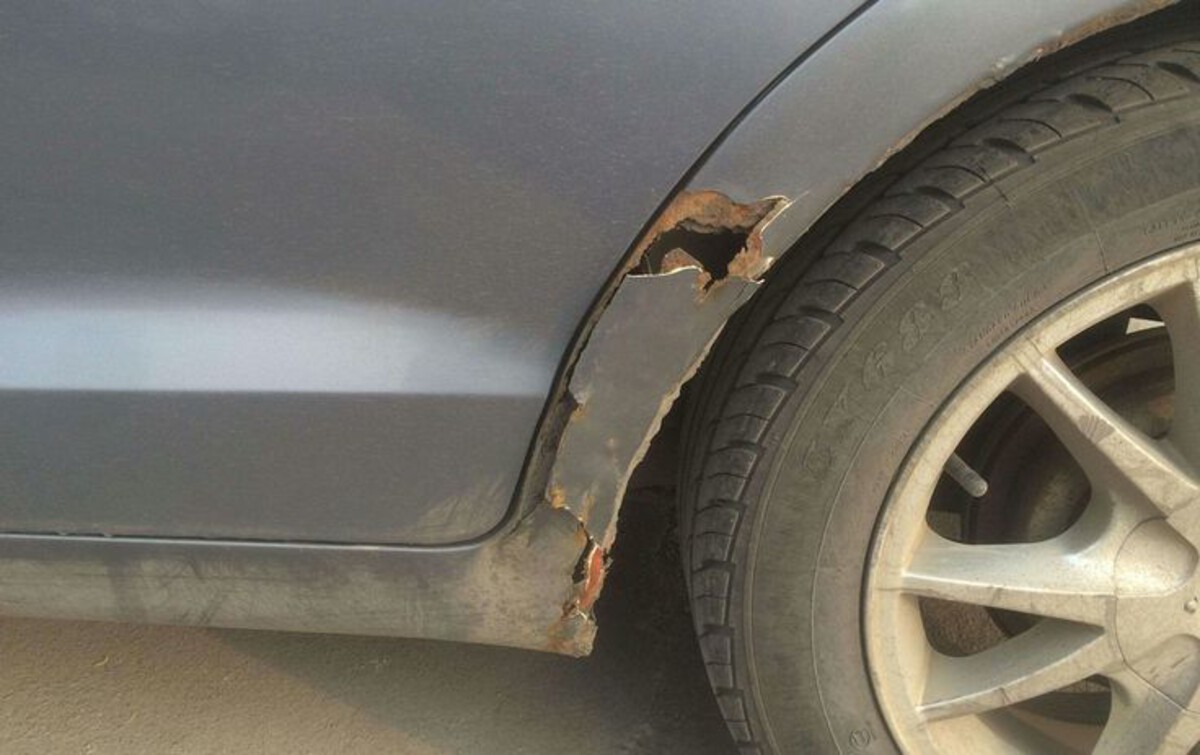
A thorough undercarriage wash after snow season removes corrosive buildup that eats away at metal parts.
Owners in coastal areas face similar risks due to salty sea air. Parking in a garage, applying undercoating sprays, or using anti-rust treatments once a year keeps corrosion in check. Pay special attention to wheel wells, the underside of doors, and the exhaust system, all common rust hotspots.
Physical damage also plays a role. Driving on rough roads can scrape the undercarriage, exposing bare metal to moisture. Installing skid plates or being cautious on rocky terrain helps protect vital components like the oil pan and exhaust pipes.
A small rust spot may not seem urgent, but ignoring it allows it to spread. Catching rust early and applying rust-inhibitor spray is one of the smartest moves a Sorento owner can make.
Keeping the body and undercarriage protected ensures that your SUV doesn’t just run well mechanically but also stays structurally sound for decades. After all, what good is a long-lasting engine if the frame itself falls apart?
10. Schedule Regular Professional Inspections
Even the most diligent Kia Sorento owner can’t catch every issue on their own. That’s why professional inspections are an essential part of extending your SUV’s lifespan. Certified mechanics have tools and expertise that detect hidden problems long before they become major repairs.
A yearly inspection or every 12,000 miles gives you a complete picture of your Sorento’s health. Mechanics check components like belts, hoses, suspension joints, fluid leaks, battery condition, and brake wear. They can also run diagnostic scans on electronic systems to catch issues with sensors or modules.

These inspections often uncover small problems that owners overlook. A minor oil seep, for example, might not leave puddles but could worsen into a major leak. A slightly loose suspension joint could become a safety hazard if ignored. Fixing these early saves thousands in future repairs.
Kia dealerships and trusted independent shops also provide software updates for newer Sorento models. These updates improve fuel efficiency, fix minor glitches, and keep safety features working correctly. Skipping them leaves your SUV vulnerable to avoidable problems.
The key here is consistency. Just as you wouldn’t skip a medical checkup, your Sorento benefits from professional eyes making sure everything works as intended. Many high-mileage Sorentos, those reaching 250,000+ miles, share one thing in common: their owners scheduled inspections religiously.
The Kia Sorento is already built to be dependable, but no vehicle is immune to neglect. What separates a Sorento that fades out at 120,000 miles from one that proudly cruises past 250,000 or even 300,000 is simple: consistent care.
The ten maintenance tricks outlined here are not expensive dealership secrets but everyday habits within any owner’s reach. Changing oil on time prevents engine wear. Transmission care saves thousands in repairs. Cooling system attention avoids overheating disasters. Brake service protects safety and suspension. Suspension and steering upkeep preserve comfort and control.
Tire rotations and checks extend lifespan and improve efficiency. Battery and electrical care ensure reliability. Filter replacements keep both the engine and the passengers healthy. Rust prevention guards the Sorento’s structure, and regular inspections catch problems before they escalate.
Each trick might seem small on its own, but together, they create a maintenance shield that makes your Sorento practically unstoppable. Think of it as an investment not just in your SUV, but in peace of mind, safety, and long-term savings.
The beauty is that these habits don’t require massive mechanical skill. Most are simple routines: keeping track of service intervals, doing monthly checks, and addressing small issues right away. For the bigger jobs, a trusted mechanic ensures no hidden problems go unchecked.
If you’re disciplined about maintenance, your Kia Sorento can outlast most competitors in its class. Owners who treat these SUVs with respect often drive them for decades, passing them down to family or selling them with strong resale value.
“Forever” may be a figure of speech, but with the right care, your Sorento can deliver a lifetime’s worth of dependable miles. Think of it less as a car and more as a long-term companion, one that, with proper attention, will be with you on the road through countless journeys ahead.