
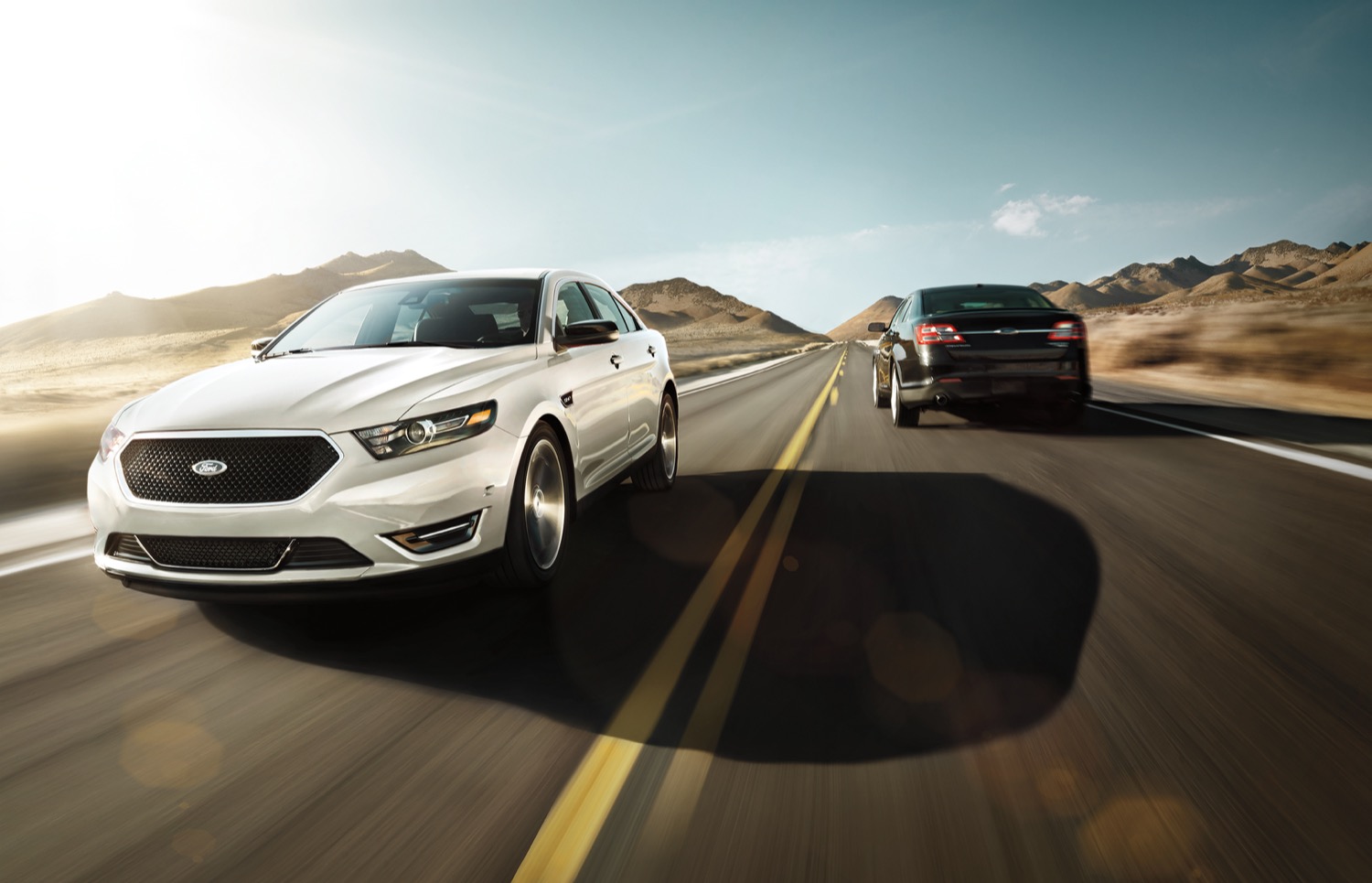
The Ford Taurus has long been a staple of the American sedan market, celebrated for its practicality, spacious interiors, and dependable reliability. Over the years, certain Taurus models have built a strong reputation for longevity and dependability, making them smart choices for buyers looking for used vehicles with proven performance histories.
While some model years experienced mechanical or electronic challenges, others have stood out as examples of durability, safety, and everyday usability.
From fleet-oriented sedans to performance-focused trims like the SHO, these reliable Taurus models balance comfort, security, and competent performance, often providing years of trouble-free driving.
In this article, we focus on five Taurus model years that have consistently demonstrated long-term value and resilience, highlighting what made these vehicles endure and offering practical information for anyone seeking a dependable, time-tested sedan.
5 Ford Taurus Years That Last Forever
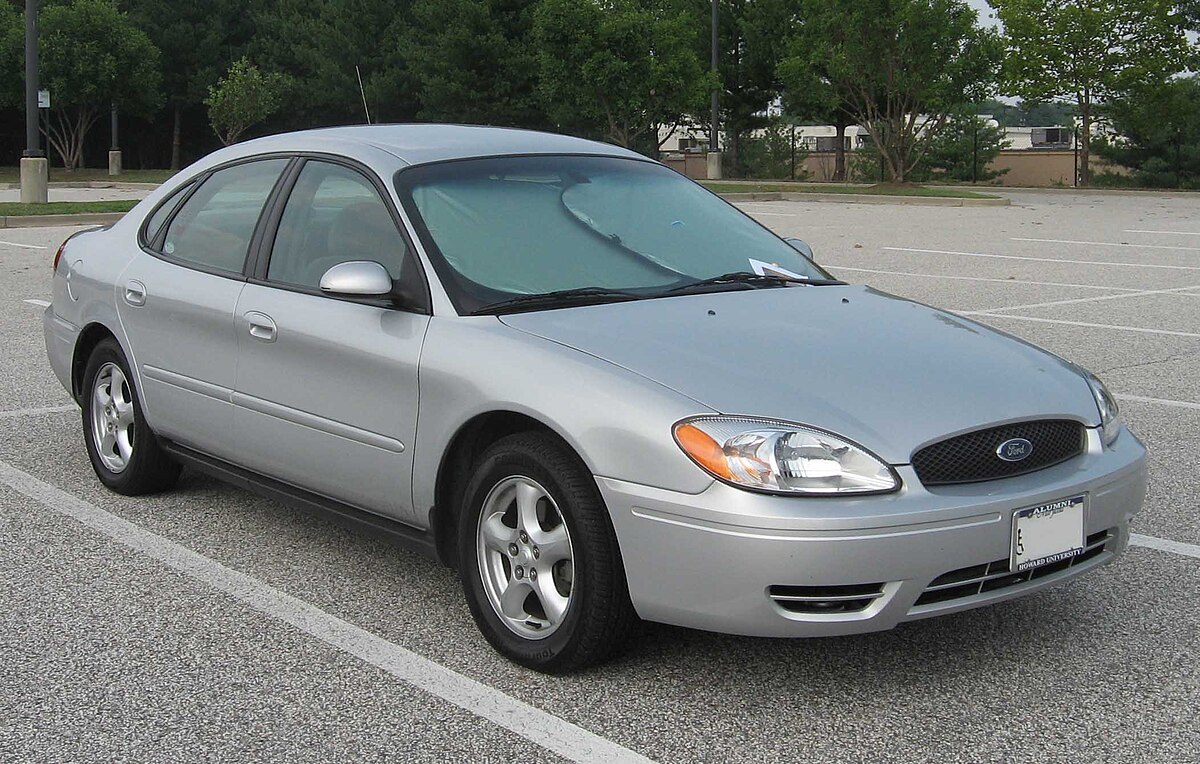
1. 2006 Ford Taurus
The 2006 Ford Taurus represents one of the more dependable models in the Taurus lineage. According to CarComplaints.com, it recorded only 491 complaints and three recalls, a significant improvement compared to earlier, problematic models.
While there is a minor issue involving the engine cutting off while driving, it is not widespread enough to be deemed serious. The 2006 Taurus stands out as the most reliable version among older iterations, making it a reasonable choice for buyers seeking a used Ford sedan with fewer maintenance concerns.
The 2006 model year marked several changes in the Taurus lineup. The wagon variant was discontinued, leaving only the sedan, and the previously available Duratec V6 engine was removed from the options. This shift reflects Ford’s transition away from the Taurus as a flagship midsize sedan.
While the Taurus had been a strong competitor in its segment for decades, consistently going up against the Toyota Camry and Honda Accord, it had struggled to maintain its dominance.
By 2006, the Taurus ceded its starting role in Ford’s lineup to the newer Fusion, built on the Mazda 6 platform, which offered a more modern design and driving experience.
In terms of performance, the 2006 Taurus comes equipped with a single 3.0-liter “Vulcan” V6 engine, producing 153 horsepower and 185 lb-ft of torque. This engine is paired with a four-speed automatic transmission. Fuel efficiency is modest, averaging 20 mpg in the city and 27 mpg on the highway.
Driving the Taurus reveals a somewhat unrefined character: the engine is noisier than competitors’ V6s and offers less power than many four-cylinder rivals. The automatic transmission performs adequately but is slow to downshift, while braking distances are longer, and the steering and suspension are not optimized for spirited cornering.
The 2006 Taurus delivers a spacious and practical interior. While the cabin design feels dated, the controls are intuitive, and the seating can accommodate a range of passenger sizes. A front bench seat allows for six-passenger capacity and includes a flip/fold center section with cupholders and storage.
The trunk offers 17 cubic feet of space, ample for luggage or groceries. Despite its functional interior, buyers seeking advanced features such as navigation systems, stability control, or side curtain airbags will be disappointed, as these modern amenities are not available in the 2006 model.
Safety remains a highlight of the 2006 Taurus. Standard front disc and rear drum brakes can be supplemented with an optional Safety/Security package, which includes front side airbags, antilock brakes, and traction control. The Taurus earned five stars in NHTSA frontal crash tests and three stars in side-impact evaluations.
It also received a “Good” rating in IIHS 40-mph frontal offset tests, earning the “Best Pick” designation among family cars. While it may not match newer midsize sedans in technology or refinement, the 2006 Taurus remains a reliable, safe, and affordable option for buyers prioritizing comfort and space over performance or modern features.
2. 2010 Ford Taurus
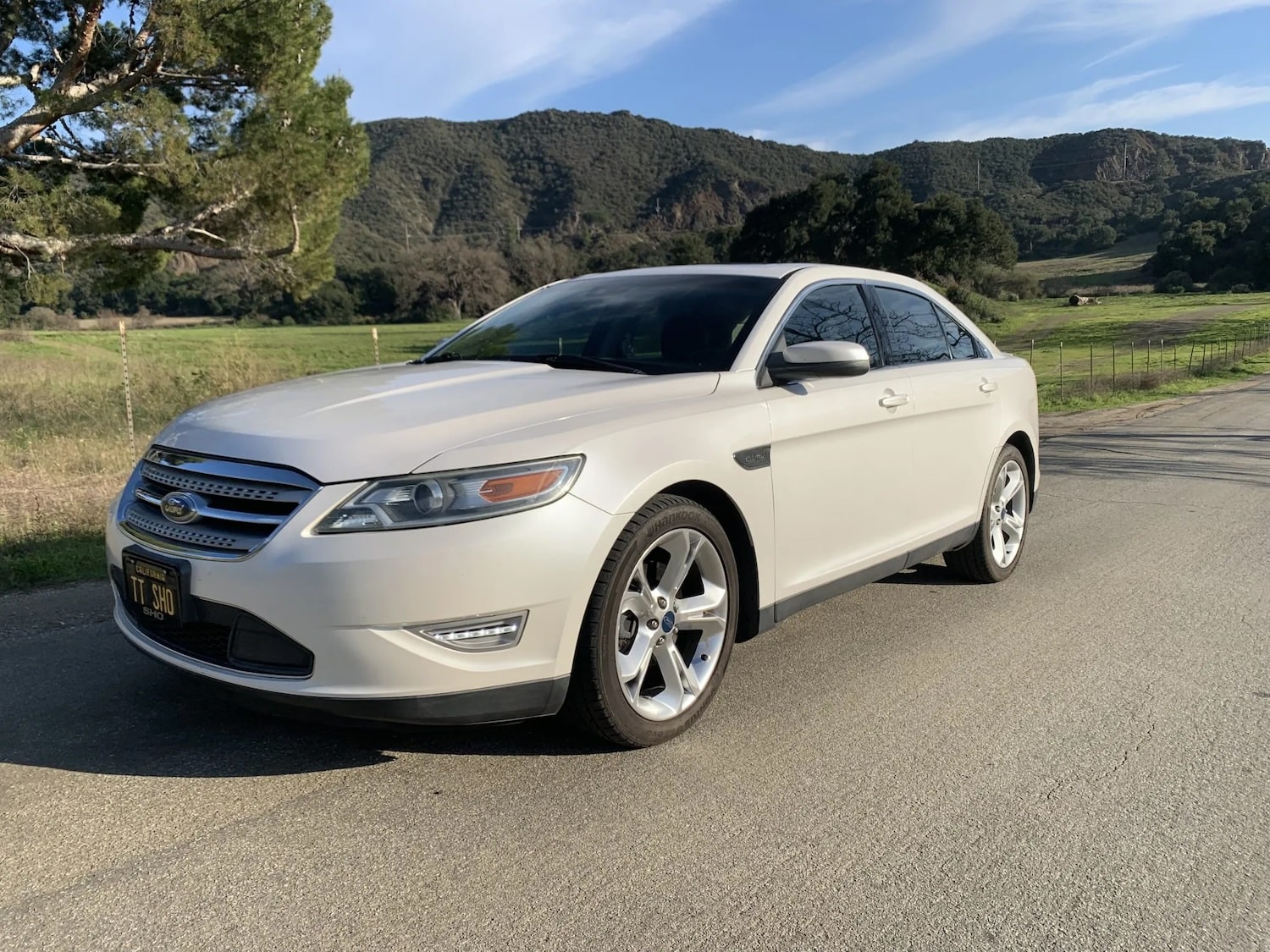
The 2010 Ford Taurus marks a complete redesign of the classic American full-size sedan, bringing modern styling, improved features, and a refined driving experience to the lineup.
This generation reestablishes the Taurus as a serious contender in the large-car segment, offering a quiet cabin, an enormous 20.2-cubic-foot trunk, and the option of all-wheel drive. While interior quality is slightly plain compared to some luxury competitors, the Taurus demonstrates strong long-term reliability.
There have been occasional reports of engines stalling, but these are isolated incidents and not considered a widespread problem, though buyers of used models should still verify engine condition.
The redesign introduces a fresh exterior look and a more attractive interior layout. Gone is the blocky, dated style of its predecessor, replaced with smoother lines and a grille resembling a modern electric shaver rather than Ford’s traditional three-bar design.
The cabin features Ford’s characteristic button-heavy controls, yet the layout is logical and user-friendly. Higher trims enhance the interior quality, featuring materials and styling that approach luxury levels, rivaling even the Lincoln MKS.
A significant highlight is the reintroduction of the Taurus SHO, a performance variant featuring a twin-turbo 3.5-liter V6 EcoBoost engine delivering 365 horsepower to all four wheels, combining strong acceleration with relatively efficient fuel consumption.
Under the hood, the standard 3.5-liter naturally aspirated V6 produces 263 horsepower and 249 lb-ft of torque, paired with a six-speed automatic transmission. Manual shift control and rev-matching are included on most trims, while front-wheel drive is standard and all-wheel drive is available on SEL and Limited trims.
The SHO’s twin-turbo V6 generates 365 horsepower and 350 lb-ft of torque, exclusively paired with all-wheel drive and a six-speed automatic with paddle shifters. The engines provide adequate to strong acceleration, with the SHO delivering exhilarating performance, though the steering lacks precision, and the car’s heavy curb weight slightly limits driving engagement.
Safety is a strong point for the 2010 Taurus, with standard features including antilock brakes, stability and traction control, front side airbags, and side curtain airbags. Optional advanced systems enhance safety further, with blind-spot monitoring, pre-collision warnings, cross-traffic alerts, rear parking sensors, and a rearview camera.
Combined with the quiet, well-insulated cabin, the Taurus delivers a secure and composed driving experience. The suspension absorbs road imperfections effectively, and even the stiffer SHO variant maintains comfort over bumps and rough pavement.
Inside, the Taurus offers a spacious, cleverly designed cabin, though some materials, particularly hard plastics on the waterfall center stack, fall short of the vehicle’s otherwise upscale feel.
The twin-cowl dash, large center stack, and voice-activated Sync interface provide modern functionality and convenience, while the rear seat remains roomy despite a slight reduction in space from the previous generation.
The 2010 Ford Taurus bridges the gap between traditional family sedans and entry-level luxury cars, offering comfort, refinement, and technology alongside optional performance, making it a well-rounded choice in the full-size sedan market.
3. 2016 Ford Taurus
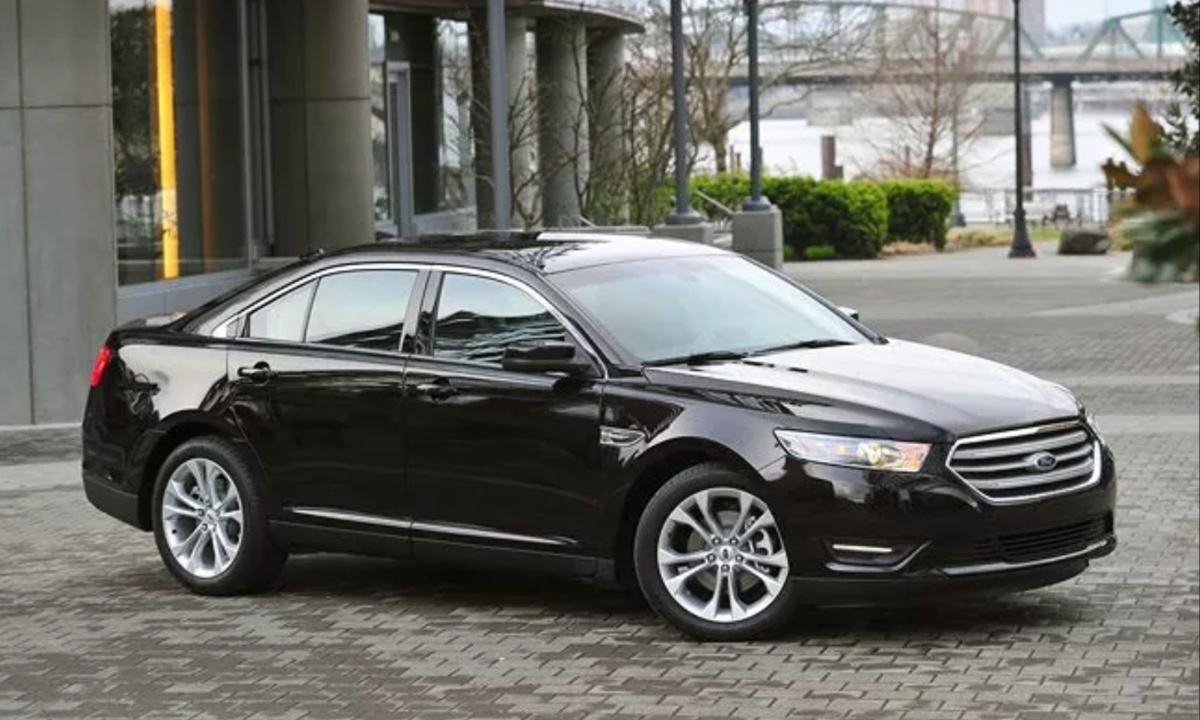
The 2016 Ford Taurus delivers a blend of modern technology, comfort, and dependable safety, making it a solid choice for buyers seeking value in a full-size sedan. Over the years, the 2016 Taurus has shown reliability, registering only 58 complaints and two recalls according to CarComplaints.
While its interior space and performance are not class-leading, the sedan compensates with a smooth ride, available all-wheel drive, and top-tier safety scores. Prices for used models range from approximately $7,999 to $28,900, depending on mileage, providing an affordable entry into a large, well-equipped sedan.
This model year introduced Ford’s new Sync 3 infotainment system, replacing the problematic MyFord Touch interface. Sync 3 offers improved responsiveness, a more intuitive layout, and smartphone integration, making it one of the Taurus’ most notable upgrades.
Despite this improvement, the 2016 Taurus remains largely unchanged from previous years in terms of styling and general cabin design. Its spacious interior, massive trunk, and available SHO performance variant continue to appeal to buyers seeking a balance between practicality and a touch of sportiness.
However, outward visibility and interior materials lag behind contemporary competitors, highlighting the car’s aging design.
Performance options include a standard 3.5-liter V6 producing 288 horsepower and 254 lb-ft of torque, paired with a six-speed automatic transmission driving the front wheels. Fuel economy is estimated at 23 mpg combined, dropping slightly with all-wheel-drive models.
A turbocharged 2.0-liter four-cylinder engine is also available, offering 240 horsepower and 270 lb-ft of torque with slightly better fuel efficiency.
The high-performance SHO variant features a turbocharged 3.5-liter V6 generating 365 horsepower and 350 lb-ft of torque, all-wheel drive, and paddle-shift control. In Edmunds testing, the SHO accelerates to 60 mph in 5.8 seconds, providing competitive performance within its segment.
Safety is a strong point for the 2016 Taurus. Standard equipment includes antilock brakes, traction and stability control, front-side and full-length curtain airbags, integrated blind-spot mirrors, a rearview camera, and emergency telematics via paired cell phones.
Optional systems on higher trims include frontal collision warning with brake pre-charging, lane-departure warning and prevention, blind-spot monitoring with rear cross-traffic alert, and automated parallel parking.
The Taurus earned top five-star ratings from government crash tests and “Good” ratings from the IIHS for all moderate-overlap frontal, side, roof-strength, and rear-impact tests, confirming its class-leading safety credentials.
Inside, the Taurus’ cabin combines functionality with a touch of sophistication. The twin-cowl dash and sweeping center stack house high-tech features, including an 8-inch touchscreen for Sync 3 and dual 4.2-inch displays in the gauge cluster, enhancing the sedan’s upscale appeal.
Seating is spacious for both rows, though thick roof pillars, a high beltline, and a tall dashboard reduce outward visibility. Cargo capacity is impressive, with a 20.1-cubic-foot trunk that accommodates large loads easily.
The 2016 Ford Taurus is a competent full-size sedan offering a smooth ride, advanced technology, ample safety features, and practical space, though it faces stiff competition from newer, more luxurious rivals in the segment.
4. 2019 Ford Taurus
The 2019 Ford Taurus serves as the swan song for this iconic midsize sedan, offering a dependable and comfortable package for buyers seeking a reliable used vehicle. This final model year delivers strong reliability scores, impressive safety features, and low ownership costs.
Powered by a 3.5-liter V6 engine producing 288 horsepower, the Taurus provides adequate acceleration and a smooth driving experience. Its sizable 20.1-cubic-foot trunk offers ample storage for luggage or sporting equipment.
Used prices range from $9,988 to $23,500, depending on mileage, making the Taurus an accessible choice for a full-size sedan.
Despite being part of the sixth-generation Taurus introduced in 2010, the 2019 model retains relevance due to a few key updates, including the continued use of the Sync 3 infotainment system introduced in 2016. Sync 3 provides a highly intuitive interface with responsive controls, smartphone integration, Apple CarPlay, and Android Auto.
The cabin benefits from quiet operation, high-quality materials in select areas, and easy entry and exit. However, the interior does have shortcomings: a tight rear seat, reduced headroom due to a short roofline, and the removal of features such as the power-adjustable steering wheel and rear sunshade limit its appeal against newer competitors.
Performance-wise, the standard 3.5-liter V6 provides adequate thrust for everyday driving, while the turbocharged 3.5-liter V6 in the SHO variant produces 365 horsepower and 350 lb-ft of torque.
The SHO achieves 0-60 mph in approximately 5.4 seconds, offering spirited acceleration, though tall gearing diminishes the sense of immediacy compared with modern performance sedans.
Braking performance is satisfactory, and the handling is competent, though steering lacks feedback, and the car’s size can feel unwieldy on tight roads. The standard six-speed automatic transmission is smooth and predictable, and all-wheel drive is available on higher trims for enhanced traction in adverse conditions.
Safety remains a major strength of the 2019 Taurus. Standard features include antilock brakes, traction and stability control, full-length side-curtain airbags, integrated blind-spot mirrors, rearview camera, and emergency telematics.
Optional packages on higher trims add forward collision warning, lane-keeping assist, adaptive cruise control, active park assist, and cross-traffic alerts.
The Taurus earned top five-star ratings from government crash tests, while the IIHS rated it “Good” in moderate-overlap frontal, side, and roof-strength tests, demonstrating that occupant protection is a key priority in the final Taurus edition.
The interior of the 2019 Taurus is functional, though unusual seating positions can feel awkward. The front seats are high, giving drivers a commanding view but creating a disconnect from the controls, while rear-seat passengers may experience limited headroom. Cabin materials are mostly adequate, though some plastics feel dated.
Sync 3 remains the highlight, offering excellent connectivity, voice controls, and navigation options. The Taurus provides generous cargo capacity, clever storage solutions, and accommodates child safety seats with relative ease.
While not a leader in performance or interior refinement, the 2019 Ford Taurus delivers a safe, comfortable, and practical driving experience, making it a solid choice for those seeking a dependable final edition of this longstanding sedan.
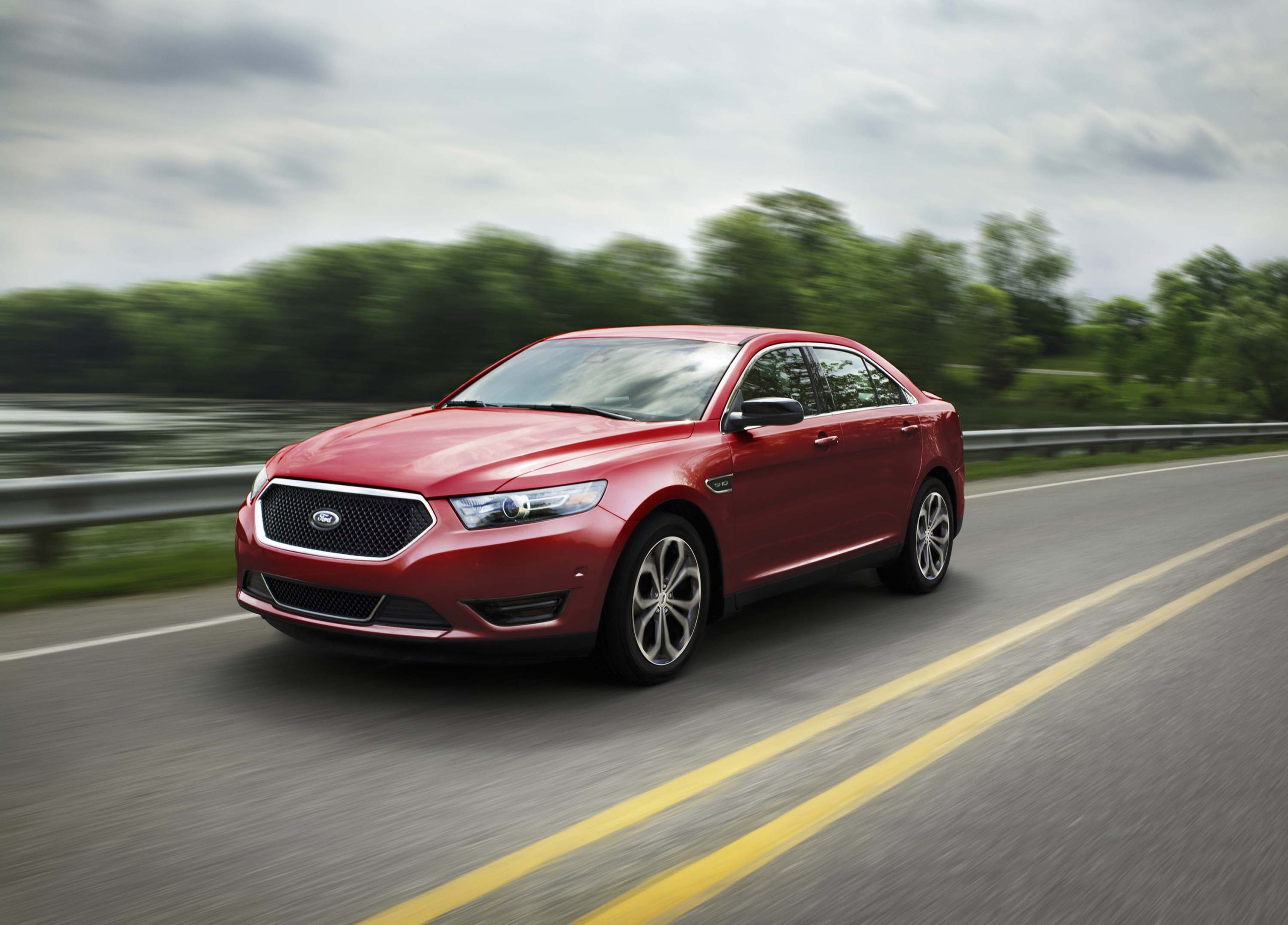
5. 2007 Ford Taurus
The 2007 Ford Taurus is a dependable and practical sedan, primarily aimed at fleet and rental use rather than general consumer sales. Known for its reliability, spacious cabin, and comfortable ride, it was a popular choice for companies and organizations needing a cost-effective vehicle.
Although no longer available for new consumer purchase, the 2007 Taurus remains accessible on the used market, often as ex-rental cars. Its combination of moderate performance, reasonable fuel efficiency, and safety features makes it a practical, if unexciting, option for budget-conscious buyers.
Under the hood, the 2007 Taurus is powered by a 3.0-liter “Vulcan” V6 engine producing 153 horsepower and 185 lb-ft of torque, paired with a four-speed automatic transmission. This engine is modest compared to contemporary midsize sedans, resulting in performance that is adequate but unremarkable.
Fuel economy estimates are 20 mpg in the city, 27 mpg on the highway, and 20 mpg combined, making it efficient for a vehicle of its size. While acceleration and handling are unrefined compared with newer competitors, the Taurus provides a stable and comfortable ride suitable for daily commuting or long-distance driving.
Safety remains one of the Taurus’ strengths. An optional Safety/Security package includes front seat-mounted side airbags, antilock brakes, and traction control. Government crash tests awarded the Taurus four stars for driver frontal impact, five stars for passenger frontal impact, and three stars for side impacts.
The IIHS gave the Taurus a “Good” rating in 40-mph frontal offset testing, earning it the designation of “Best Pick” among family cars. These ratings highlight that, despite its dated design, the Taurus provides solid occupant protection, which is particularly important for fleet vehicles.
Inside, the 2007 Taurus offers a functional and spacious cabin that can accommodate six passengers if equipped with the front bench seat. This version includes a flip-forward center section with cupholders and storage cubbies, adding to its practicality. The trunk measures a generous 17 cubic feet, sufficient for luggage or cargo.
While the interior design is dated and the seats are not highly supportive, controls are easy to locate and use, providing a straightforward and user-friendly experience. Its simplicity and roominess contributed to the Taurus’ long-standing popularity as a fleet vehicle.
Despite its advantages, the 2007 Taurus shows its age in performance and general refinement. The Vulcan V6 is noisy, and the four-speed automatic transmission is slow to respond, making acceleration feel sluggish compared to modern sedans.
Handling is “middle of the road,” and braking distances are longer than competitors with rear drum brakes. Build quality is inconsistent, and resale value is generally low, which further limits its appeal for individual buyers.
Nevertheless, for those seeking a reliable, safe, and comfortable used sedan, particularly in a fleet context, the 2007 Ford Taurus remains a practical choice that prioritizes function over excitement.
Also Read: 5 Honda Insight Years Worth Buying vs 5 To Avoid
5 Ford Taurus Years That Don’t Last Forever
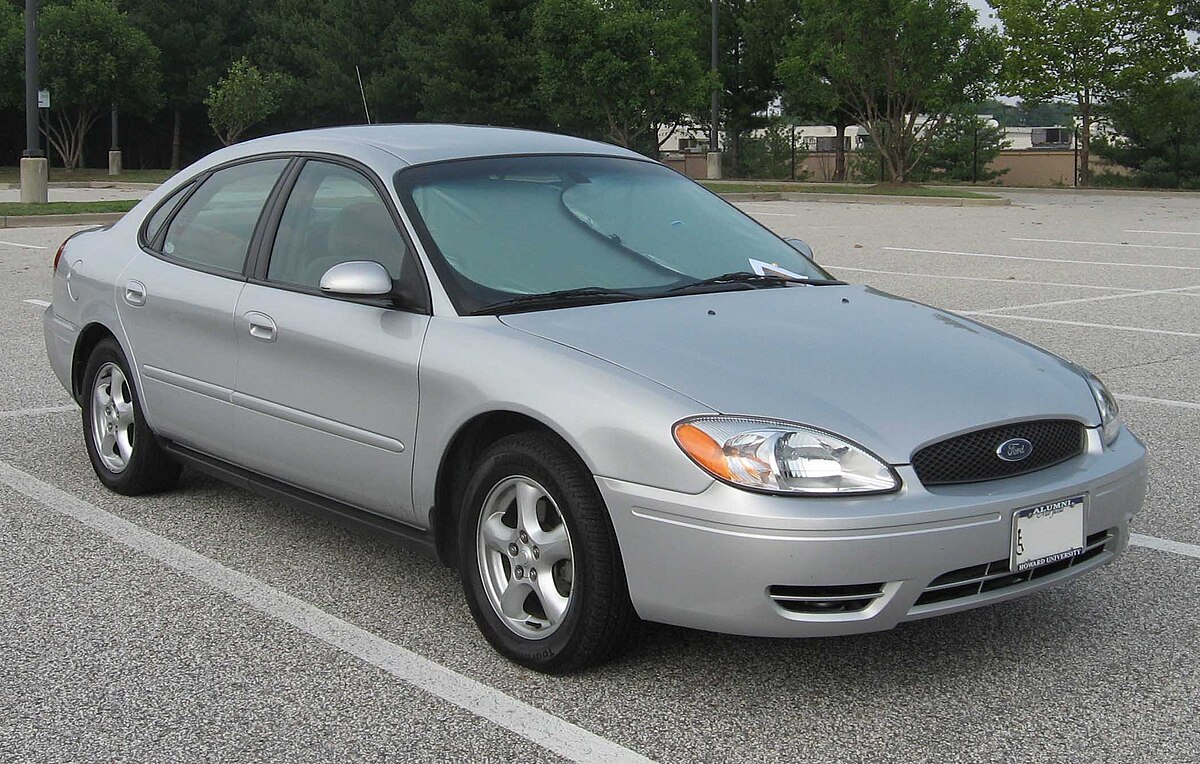
1. 2005 Ford Taurus: Uncontrolled Acceleration Nightmare
The 2005 Ford Taurus is notorious for serious acceleration issues, earning a “Avoid Like the Plague” warning from CarComplaints.com. Owners frequently reported the vehicle accelerating on its own, even without pressing the gas pedal.
Common symptoms included sudden surges, lurching, and significant RPM spikes, sometimes exceeding 3,000. Many drivers recounted harrowing experiences, such as being unable to stop on highways or city streets, forcing extreme measures like steering into barriers to regain control.
These problems created substantial safety hazards and highlighted potential engineering or electronic failures in the drivetrain. According to CarProblemZoo.com, this model had 950 reported problems, with 313 complaints at CarComplaints.com.
The most frequent issues included transmission failure, torque converter malfunctions, and vehicles unexpectedly popping out of gear while driving. Owners’ experiences suggest these were systemic rather than isolated incidents, demonstrating persistent reliability issues.
The 2005 Taurus remains a cautionary example of a vehicle that poses both practical and safety risks due to its erratic acceleration and critical mechanical defects. Such recurring complaints emphasize the need for prospective buyers to carefully research this model before considering ownership.
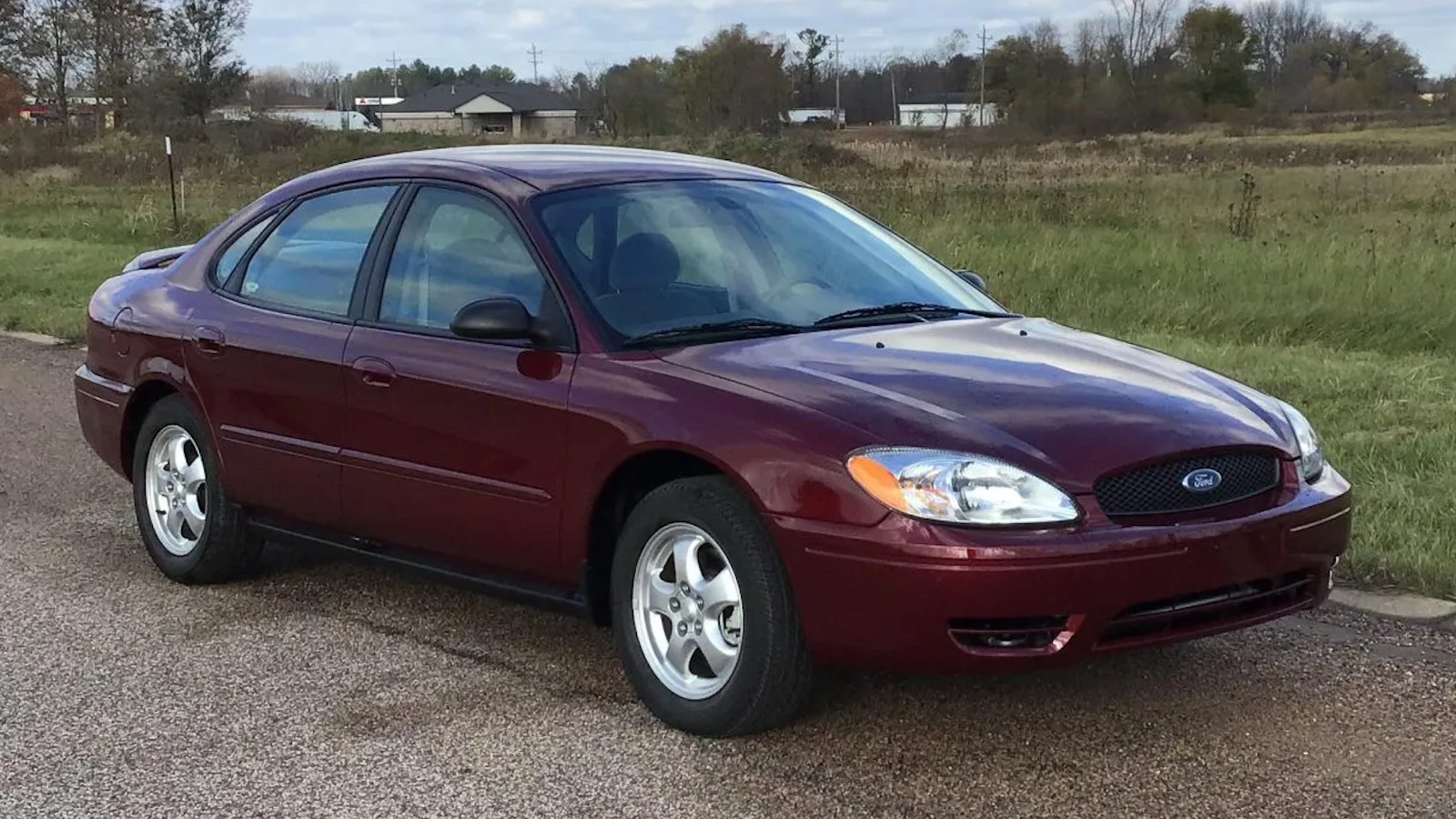
2. 1996 Ford Taurus: Engine and Transmission Challenges
The 1996 Ford Taurus faced severe engine and transmission problems that compromised performance and safety. Owners reported excessive oil consumption, improper fluid circulation, and frequent coolant leaks.
Many experienced gear-shifting difficulties, stalling, loss of power, and overheating, sometimes leading to major engine damage such as blown head gaskets. One owner recounted how a coolant system failure caused significant engine harm, leaving the car stranded at the dealer.
CarProblemZoo.com records 826 problems for this model year, while CarComplaints.com reports 35 complaints. Common issues included vehicles staying in neutral, flashing check engine lights, battery drain, transmission failure, cracked cylinder heads, and secondary drive sprocket malfunctions.
These problems were consistent across multiple reports, suggesting systemic engineering flaws rather than isolated defects. The 1996 Taurus exemplifies a period where Ford struggled with drivetrain and engine reliability, leading to extensive repairs and owner frustration.
Its persistent mechanical failures highlight the challenges drivers faced in maintaining safe and reliable operation, underscoring the need for vigilance in monitoring vehicle performance and conducting regular maintenance.
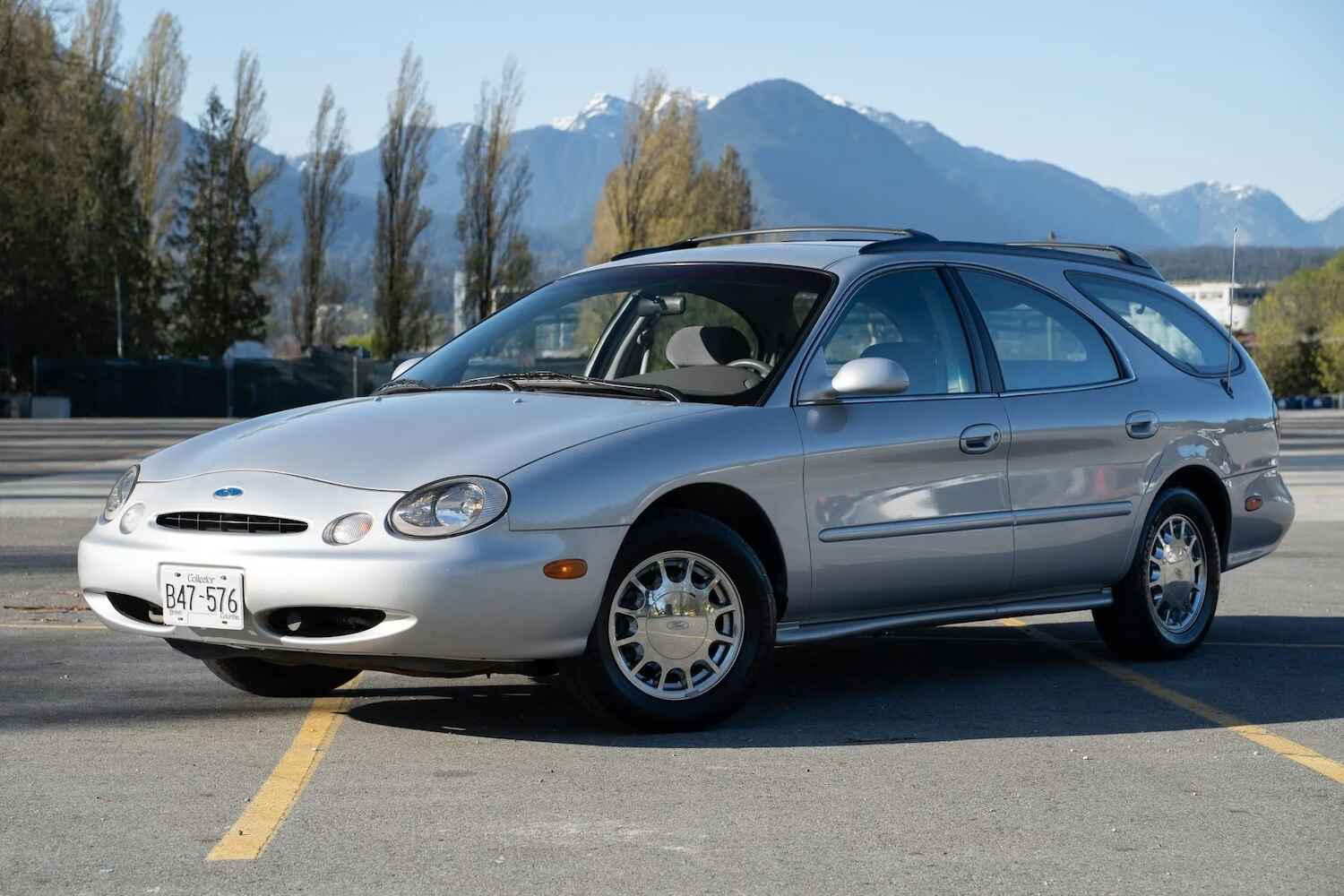
3. 1997 Ford Taurus: Mechanical and Electrical Defects
The 1997 Ford Taurus also struggled with reliability issues, particularly involving its engine and transmission systems. Owners reported similar problems to the 1996 model, including gear-shifting issues, loss of power, overheating, and stalling.
Transmission failures, cracked cylinder heads, and secondary drive sprocket malfunctions were common, often causing sudden loss of drivability. CarProblemZoo.com lists 777 problems for the 1997 model, with 99 complaints at CarComplaints.com. Electrical issues such as flashing check engine lights and repeated battery drain compounded mechanical concerns, creating both inconvenience and safety risks.
These recurring defects suggest systemic design flaws rather than sporadic incidents, affecting a significant portion of vehicles in circulation. Owners frequently expressed frustration over costly repairs and the lack of long-term reliability.
The combination of mechanical and electrical failures made ownership particularly challenging, with some vehicles requiring extensive intervention to remain operable.
The 1997 Taurus reflects Ford’s ongoing struggles during this period with engine and transmission integrity, emphasizing the importance of careful evaluation before purchasing these models.
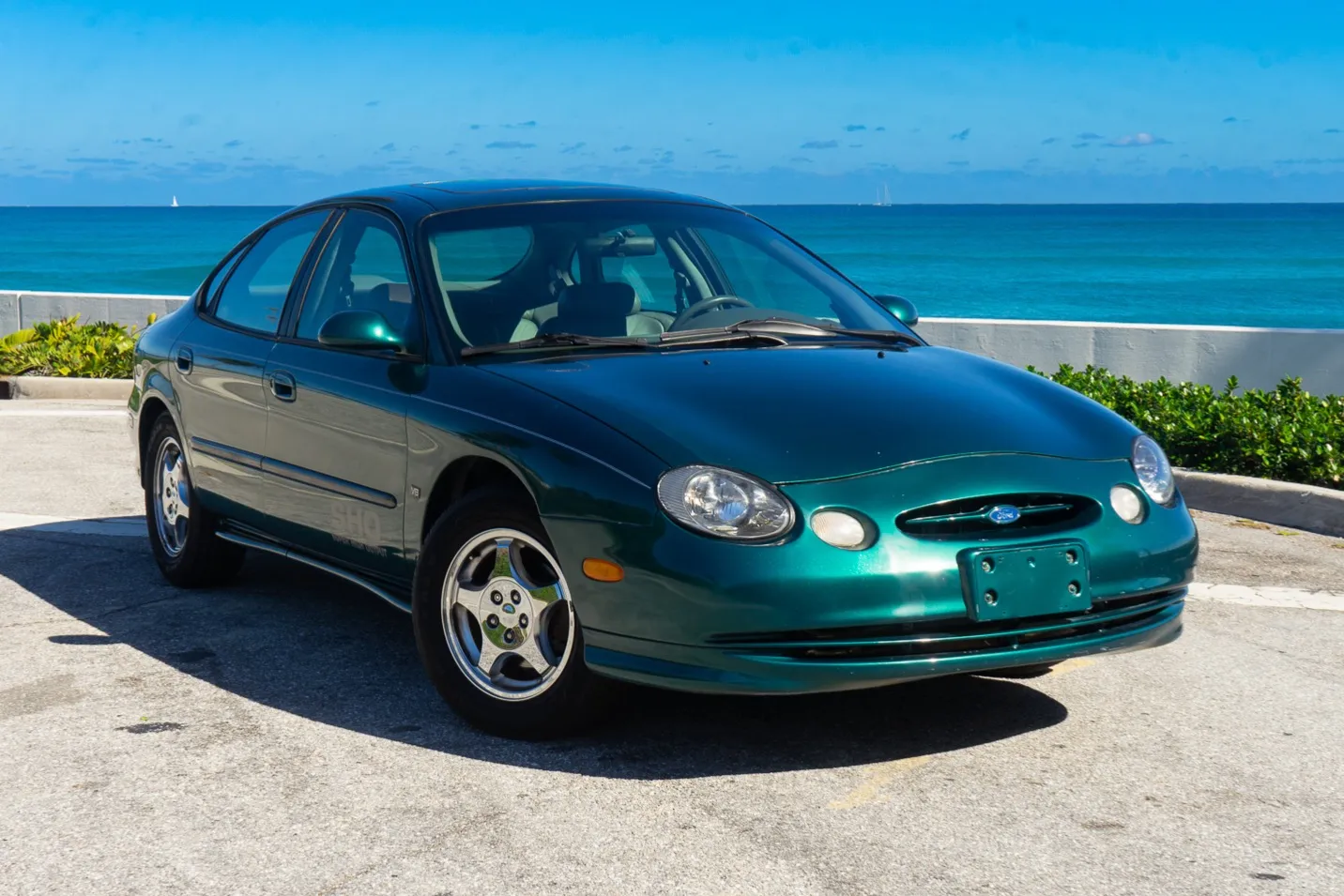
4. 2013 Ford Taurus: Power Steering Failures
The 2013 Ford Taurus experienced widespread complaints about power steering malfunctions, significantly affecting driving safety. Many owners reported sudden loss of power steering while driving at highway speeds, causing swerving and near-accidents.
In some cases, the steering wheel locked completely, forcing drivers to rely on manual steering, which is challenging at high speeds. Despite a recall issued for some vehicles, several owners claimed their cars were excluded, leaving them exposed to ongoing hazards.
CarProblemZoo.com lists 603 problems, and CarComplaints.com records 97 complaints for the 2013 model. Common issues include failed power steering assist, water pump malfunctions, and cracked windshields.
The recurrence of these defects points to potential systemic quality control failures in the steering system. Owners expressed frustration at both the risk to personal safety and the lack of comprehensive recall coverage.
The 2013 Taurus demonstrates that even newer iterations of the vehicle were not immune to serious mechanical failures, reflecting ongoing reliability concerns and the importance of proactive monitoring and recalls for critical systems such as steering.
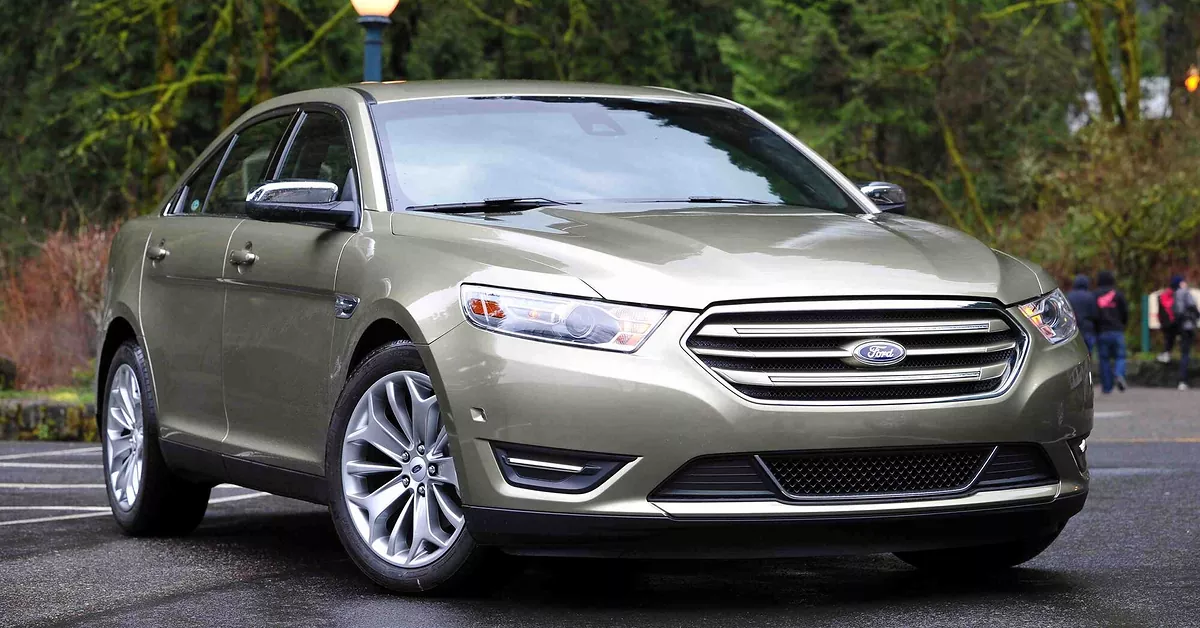
5. 1998 Ford Taurus: Acceleration and Speed Control Issues
The 1998 Ford Taurus suffered from uncontrolled acceleration and inconsistent speed control. Owners reported the vehicle accelerating unexpectedly, even after braking or when stopped, which posed significant risks, particularly on hills or in traffic.
One account described the engine surging to 2,000–2,500 RPM despite braking, forcing the driver to shut the engine off to regain control. CarProblemZoo.com lists 555 problems for this model, with 71 complaints at CarComplaints.com.
Common issues included transmission failure, persistent speed control malfunctions, and major cooling system problems. Many owners also reported recurring check engine light alerts, often signaling deeper mechanical or electronic faults.
These recurring defects highlight systemic engineering challenges, creating both safety hazards and costly repairs for owners. The 1998 Taurus illustrates the ongoing difficulties faced by drivers with this model, particularly with acceleration control and drivetrain reliability.
Patterns of similar complaints across multiple vehicles suggest that these were not isolated incidents, but rather consistent failures affecting the model year, emphasizing the importance of caution for prospective buyers.
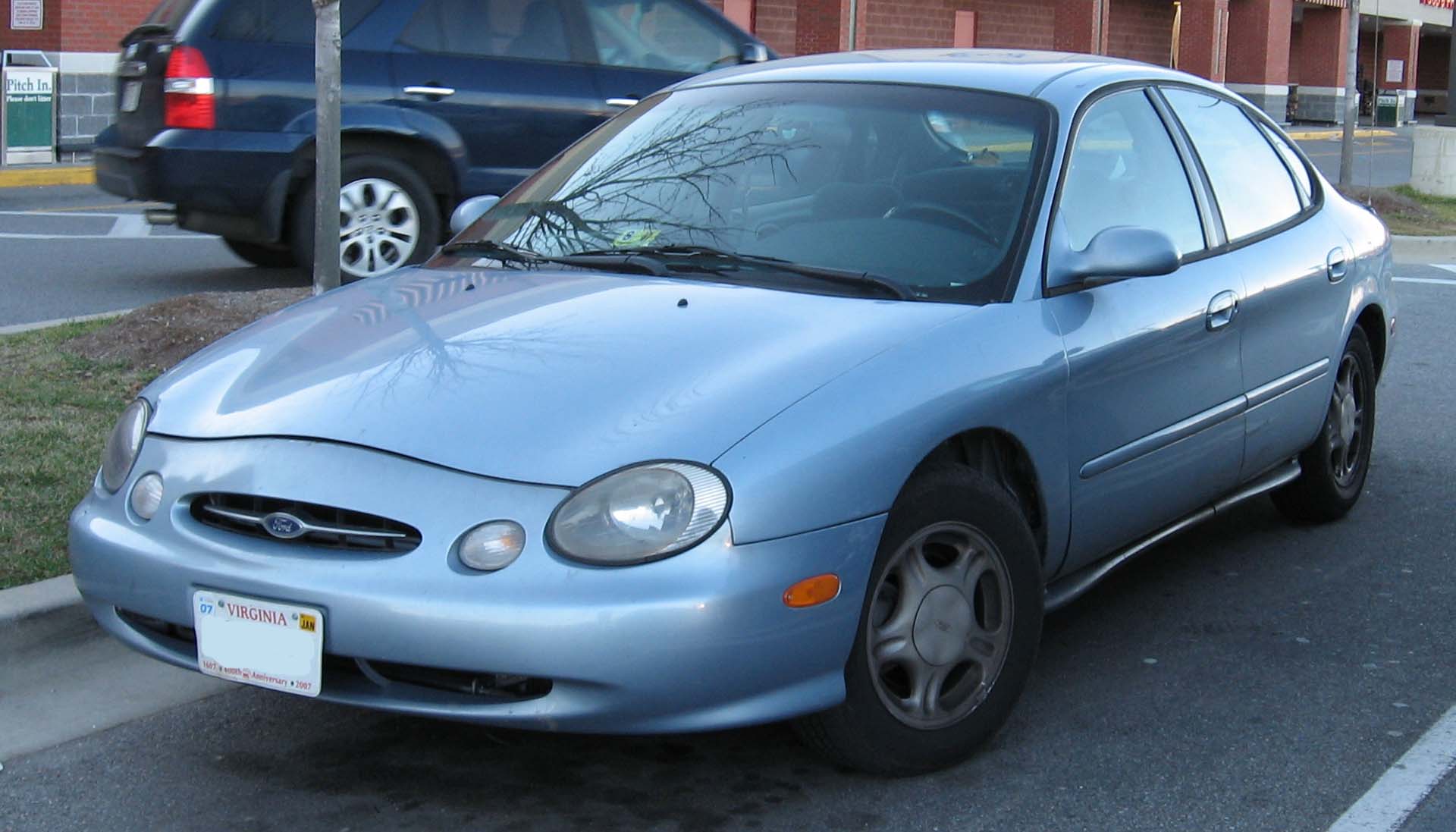
The Ford Taurus has had its share of ups and downs, but the model years highlighted here prove that longevity and reliability are attainable with careful engineering and thoughtful design.
From the highly dependable 2006 and 2007 models to the fully redesigned 2010 and technologically updated 2016 and 2019 versions, these cars excel in safety, practicality, and comfort.
They demonstrate that the Taurus is more than just a fleet vehicle or a family sedan; it can be a durable companion for daily commuting, long road trips, and everyday life.
While newer competitors offer modern styling and advanced features, these standout Taurus years combine proven performance with sensible maintenance costs, making them smart choices for budget-conscious buyers seeking a reliable used car. Ultimately, these models showcase the enduring appeal of a classic American sedan built to last.
Also Read: 5 Cars That Rarely Need Brake Replacements vs 5 That Constantly Do
