
When Americans shop for SUVs, they’re usually focused on size, performance, safety ratings, and comfort. Yet, in the modern automotive world, electronics and sensors have become just as important as horsepower or gas mileage.
From infotainment screens and digital dashboards to advanced driver-assistance systems, today’s SUVs are essentially computers on wheels.
And while this technology can make driving safer and more enjoyable, it can also be a major source of frustration when sensors glitch, warning lights won’t turn off, or electrical systems repeatedly fail.
For long-term owners, especially in the United States where people often keep their vehicles for a decade or longer, reliable electronics are crucial.
Nothing kills confidence in a vehicle faster than repeated trips to the dealership to fix malfunctioning cameras, defective sensors, or failing infotainment units. On the flip side, some SUVs have proven remarkably durable in their electrical systems, even after years of use.
Let’s take a closer look at five SUVs known for dependable electronics and five that have gained a reputation for failing sensors and electronic headaches.
SUVs With Long-Lasting Electronics
When it comes to buying an SUV, most people think about horsepower, towing capacity, or how much cargo you can cram in the back. But there’s another factor that can make or break your ownership experience: the electronics.
From infotainment systems to driver-assist features, today’s SUVs are rolling computers, and not all of them age gracefully. If you want an SUV that won’t leave you battling glitchy screens or dead sensors a few years down the road, you’ll want to know which models have a reputation for long-lasting electronics.
1. Toyota Highlander
The Toyota Highlander has long been one of the most popular midsize SUVs in America, thanks to its balance of comfort, practicality, and Toyota’s reputation for reliability.
One of the Highlander’s most underrated strengths is its electronics. Owners frequently report that even after 100,000 miles, the Highlander’s sensors from lane-departure alerts to adaptive cruise control continue to work without issue.
Toyota’s cautious approach to new tech means the Highlander doesn’t always get the flashiest features first, but when they do arrive, they’re tested and proven.
This conservative strategy has resulted in fewer electrical glitches compared to rivals that rush to market with cutting-edge but unrefined systems.
When Toyota introduced the Highlander for the 2001 model year, it quickly appealed to buyers with its smooth and comfortable ride, thanks to its unibody construction. Over two decades later, the Highlander has grown considerably in size but remains one of the brand’s most popular SUVs.
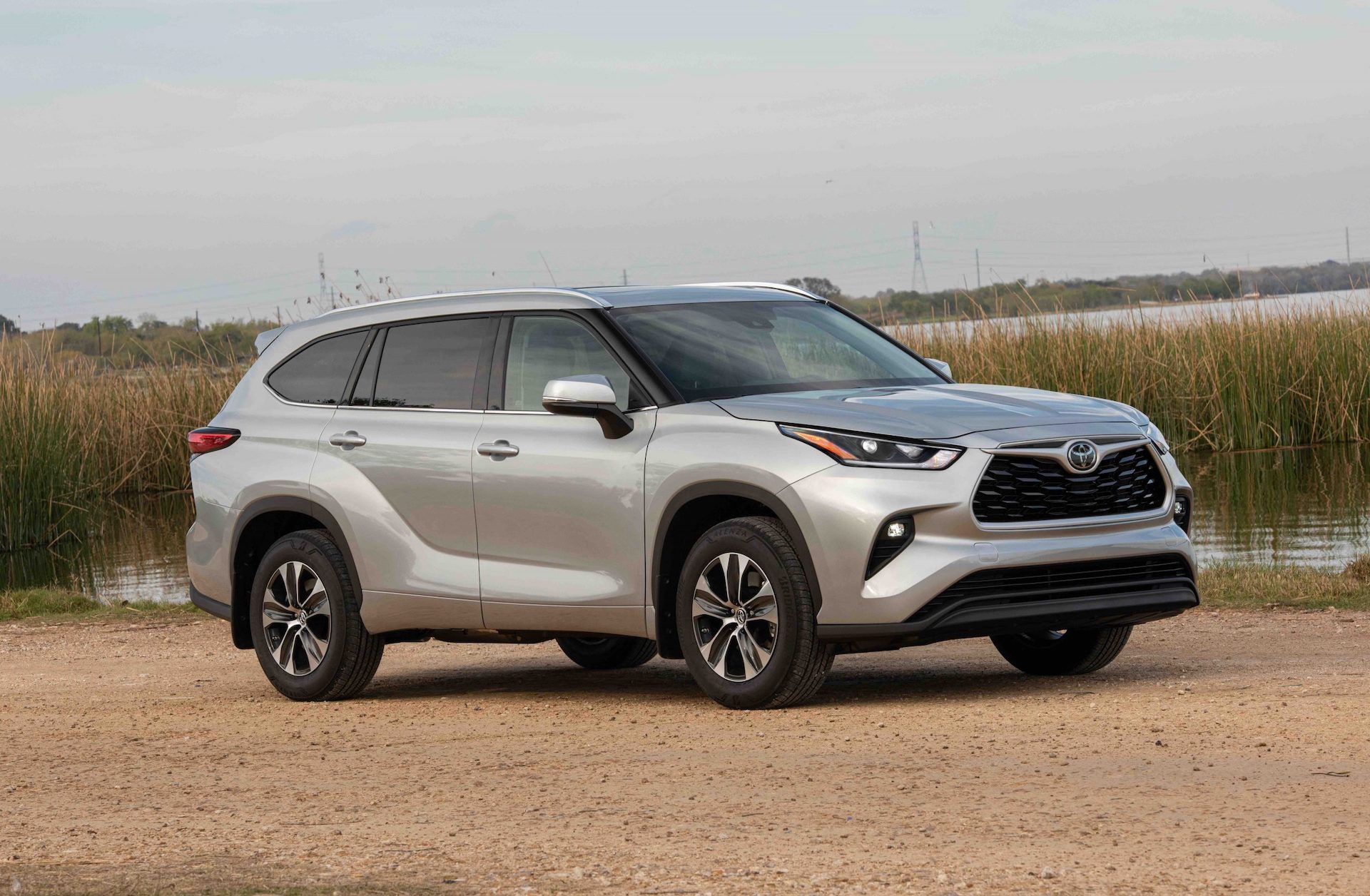
The current generation debuted in 2020, and for 2023, Toyota has refreshed it with a series of updates designed to keep the three-row crossover competitive. Today, it goes head-to-head with strong rivals such as the Kia Telluride, Honda Pilot, Ford Explorer, and Mazda CX-90.
For those curious about the electrified option, the Toyota Highlander Hybrid is also available and detailed in our Buyer’s Guide review.
The latest Highlander brings several notable changes. A new turbocharged four-cylinder gasoline engine has been introduced, replacing the outgoing V-6. Limited and Platinum trims now come with dual 12.3-inch displays, while XLE and XSE buyers can opt for a 12.3-inch infotainment screen.
Convenience has been improved with power-folding mirrors on Limited and Platinum models, along with a hands-free power liftgate now available on XLE and XSE. Toyota has also repositioned the wireless charger to the instrument panel shelf, and L and LE models now include a 7.0-inch instrument cluster display as standard.
The Highlander continues to be a practical choice for families seeking three rows of seating paired with the elevated driving position an SUV offers over a minivan. While its driving dynamics are not especially engaging and the XLE model in particular feels less agile, it remains easy to maneuver in everyday use.
Strengths include its generous cargo capacity, expansive infotainment screens, and in the hybrid model, excellent fuel economy. Toyota has also addressed one of our chief complaints about the gasoline version: the V-6 engine’s lack of low-end torque. The new turbocharged 2.4-liter inline-four produces slightly less horsepower but a significantly higher torque output, which should resolve that issue.
Despite seating for seven or eight passengers, the Highlander’s third row is tight on legroom, leaving some rivals like the Kia Telluride better equipped for adult passengers in the back.
Still, with a strong roster of safety features, an impressive list of available equipment, and Toyota’s reputation for durability, many buyers may find this shortcoming easy to overlook. While it isn’t a perfect substitute for a minivan, the recent updates have certainly enhanced its appeal.
Under the hood, Toyota now offers just one gasoline engine across the Highlander lineup: a turbocharged 2.4-liter inline-four rated at 265 horsepower and 309 lb-ft of torque.
This replaces the previous 3.5-liter V-6, which delivered 295 horsepower and 263 lb-ft. Power is routed through an eight-speed automatic transmission, with front-wheel drive standard and all-wheel drive optional. Toyota estimates fuel economy at 24 mpg combined, essentially matching the efficiency of the 2022 front-wheel-drive model.
For buyers who prioritize fuel savings, the Highlander Hybrid is the more efficient choice. Toyota projects 36 mpg combined for this variant, which pairs a 2.5-liter four-cylinder engine with two electric motors for a total system output of 243 horsepower. Like the gasoline model, the hybrid can be configured with either front-wheel drive or all-wheel drive.
Also Read: 5 SUVs That Rarely Lose AC Performance vs 5 That Constantly Fail
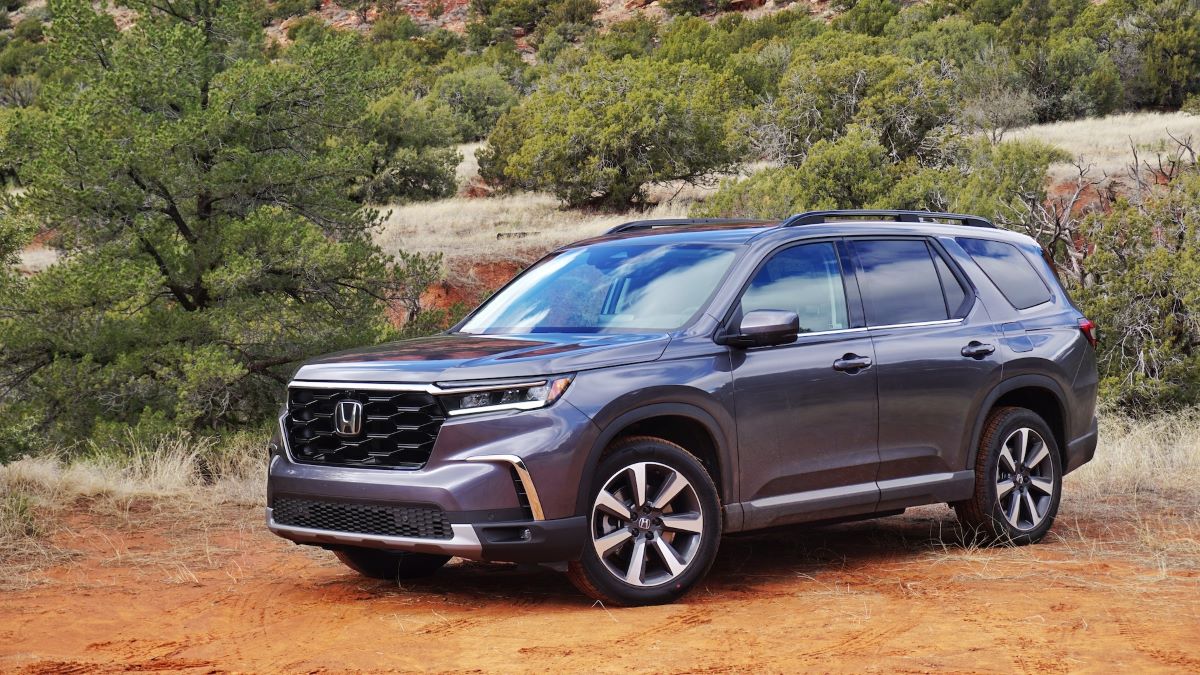
2. Honda Pilot
The Honda Pilot has consistently earned praise for being a family-friendly SUV, but its reliability extends beyond its mechanical durability.
Electronics in the Pilot, especially in models from the past decade, tend to be straightforward and robust. The infotainment systems are less prone to freezing, and owners note that safety sensors remain accurate over time.
While Honda has occasionally been criticized for slow-to-respond touchscreens, the tradeoff is fewer system crashes compared to more advanced but fragile competitors.
For American families who rely on their SUV for long road trips, the Pilot’s dependable electronics help cement its reputation as a long-haul warrior.
3. Lexus RX
Luxury SUVs often struggle with electronics because premium brands pack in more features than mainstream models. However, the Lexus RX, Toyota’s luxury cousin, bucks the trend.
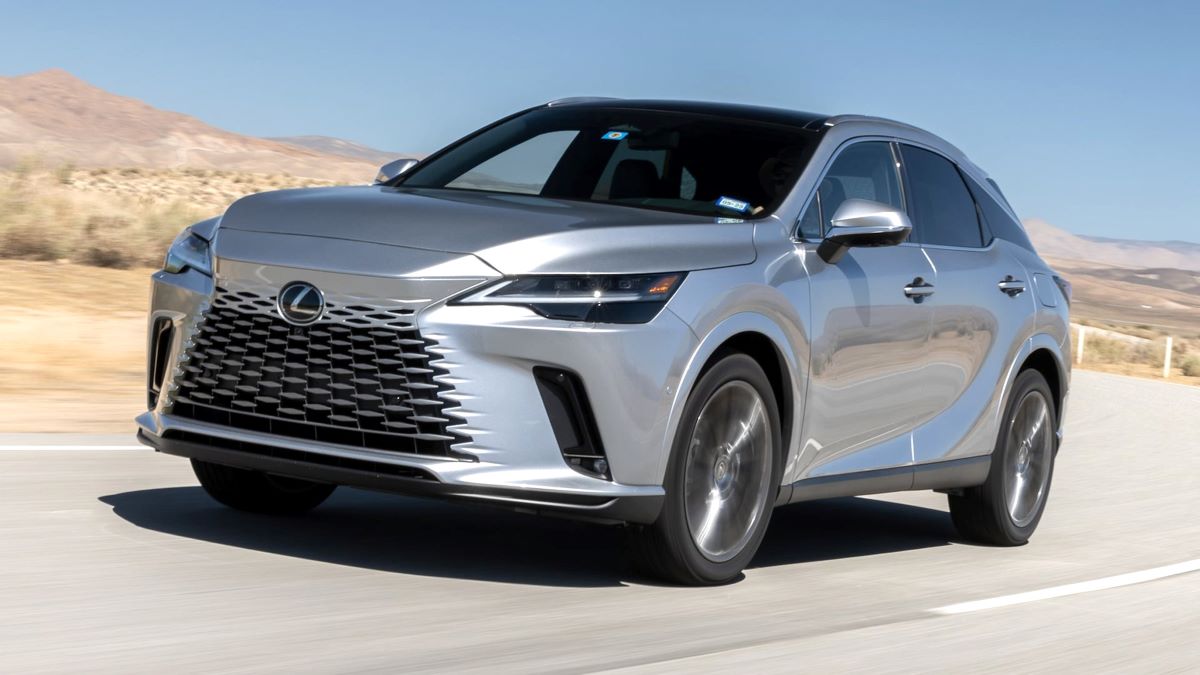
Lexus emphasizes long-term quality, and their infotainment and safety systems hold up well under years of use. Even with the addition of advanced tech like adaptive headlights and parking sensors, failures are rare compared to German rivals.
The RX may not be the flashiest luxury SUV, but for drivers who want electronics that keep working after 150,000 miles, it’s a proven choice.
4. Mazda CX-5
The Mazda CX-5 has steadily grown in popularity in the US thanks to its stylish design, sporty handling, and reliable build. Electronics in the CX-5, particularly its driver-assistance features, are known to hold up well.
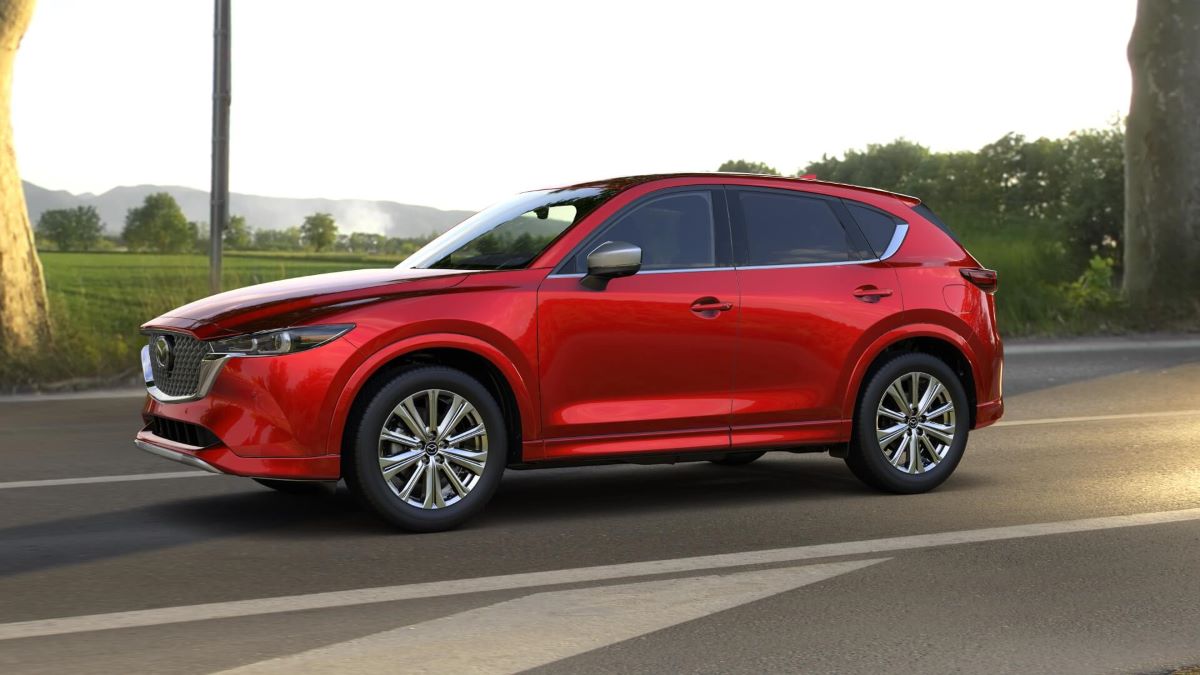
Mazda’s infotainment system is simple compared to some rivals, but its simplicity reduces the risk of failure. Owners also report fewer problems with blind-spot monitoring and forward-collision sensors, which can be costly to repair when they fail in other SUVs.
This reliability makes the CX-5 appealing to tech-conscious buyers who don’t want the headaches of repeated electronic malfunctions.
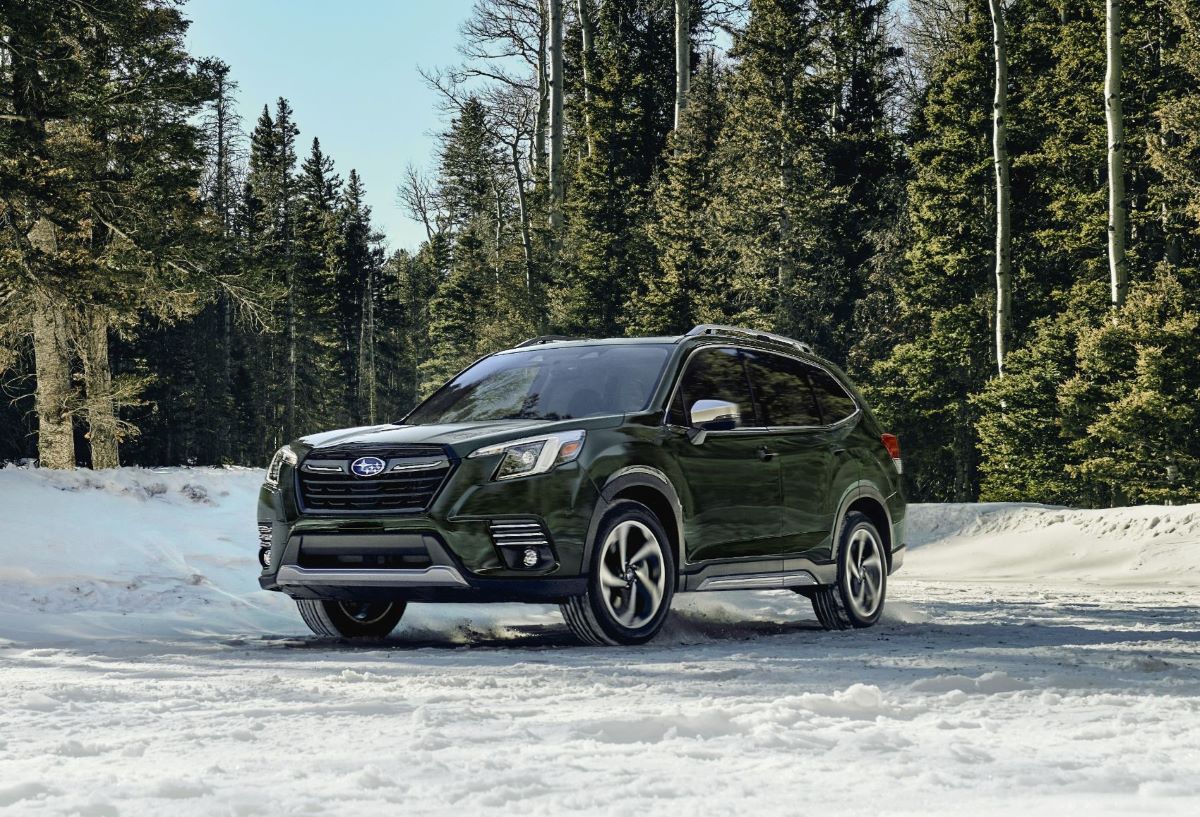
5. Subaru Forester
Subaru has carved out a niche among US buyers who want safety and all-weather confidence. The Forester, with its EyeSight driver-assist system, has shown strong reliability in its electronics.
While some automakers have struggled to keep advanced safety sensors accurate over time, Subaru’s system continues to perform consistently even on older models.
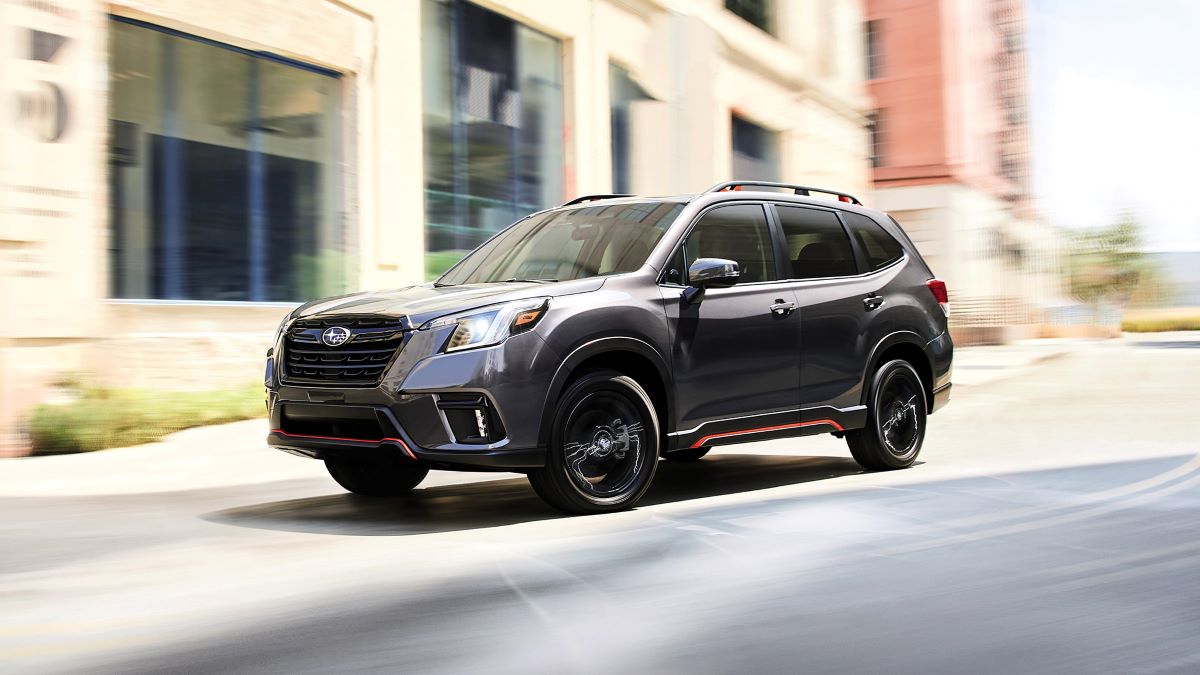
The Forester’s infotainment setup is less complex than competitors, but that has worked to its advantage owners report fewer failures and a lower likelihood of costly electronic repairs down the road.
Subaru has refreshed its compact SUV for the 2022 model year, giving the Forester a redesigned exterior and introducing a new Wilderness trim aimed at off-road enthusiasts.
Beyond these changes and a few equipment upgrades, the Forester remains the same well-rounded compact SUV that has been a staple in the segment for years. It continues to compete with heavy hitters like the Toyota RAV4, Honda CR-V, and Nissan Rogue.
Updates for 2022 include a reworked front fascia with a new grille, headlights, and bumpers, as well as the addition of the Wilderness model, which is engineered for greater off-road capability. Subaru has also improved its EyeSight safety suite, which now offers an available automatic emergency steering function.
Practicality remains one of the Forester’s defining traits. With a roomy cabin, quiet ride, and well-thought-out design, it’s a strong contender among compact SUVs. It’s not the most powerful vehicle in the class, and its acceleration can feel modest, but in testing its 0–60 mph time is on par with competitors.
The boxy shape contributes to outstanding visibility and abundant headroom, while rear passengers enjoy plenty of legroom and easy access thanks to wide-opening doors that also make it simpler to install child seats. Cargo space is generous, and the intuitive touchscreen, with its large, clear icons, further boosts usability.
Like every Subaru, the Forester comes standard with all-wheel drive, giving it confident handling on dirt, gravel, and other unpaved terrain. However, its underwhelming engine can sometimes hold it back in more demanding conditions.
During our 2019 SUV of the Year testing, when the Forester was named a finalist, it struggled on a slushy slope after a sudden stop. With the new Wilderness trim, we’re eager to see how much more capable it becomes off-road.
For buyers who value a spacious interior more than blistering performance, the Forester makes a compelling case. Still, it’s worth cross-shopping with segment standouts like the Honda CR-V, which offers both roomy accommodations and a more engaging drive.
Performance for 2022 remains unchanged, as the Forester continues to use its 2.5-liter flat-four engine. Producing 182 horsepower and 176 lb-ft of torque, the engine is paired with a CVT and comes exclusively with AWD.
In our testing, this setup moved the SUV from 0–60 mph in 8.3 seconds. Fuel economy is competitive at 26/33 mpg city/highway, though Wilderness models sacrifice some efficiency, coming in at 25/28 mpg.
Features include automatic emergency braking, lane departure and sway warning, and adaptive cruise control. For 2022, some models add automatic emergency steering, which functions at speeds under 50 mph to help avoid collisions. Additional available safety tech includes blind-spot monitoring with lane change assist and rear cross-traffic alert.
Also Read: 12 2025 SUVs That Are Expected to Last 300K Miles
SUVs With Failing Sensors and Electronic Headaches
Modern SUVs promise high-tech convenience, but for many owners, that tech quickly turns into trouble. From malfunctioning sensors to glitchy infotainment systems, electronic issues are becoming one of the biggest headaches in SUV ownership.
These problems don’t just ruin the driving experience, they can drain your wallet and undermine reliability. Here’s a look at the SUVs most notorious for failing sensors and electronic frustrations.
1. Jeep Grand Cherokee
The Jeep Grand Cherokee is a popular SUV in the US for its ruggedness and luxury touches, but its electronics have been a long-standing weak point.
Owners often complain about faulty sensor readings, especially with the air suspension system, blind-spot monitoring, and electronic throttle control.
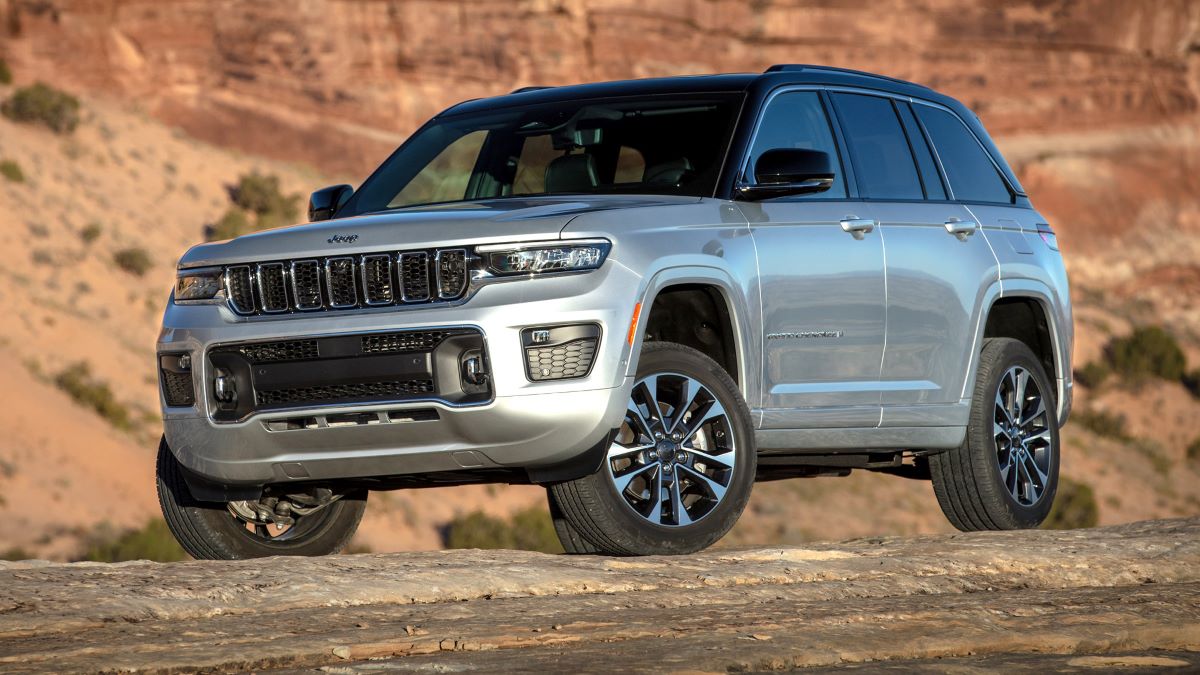
Infotainment glitches are also common, with screens freezing or rebooting randomly. For drivers, these issues aren’t just frustrating they can also be expensive to repair, particularly once warranties expire.
2. Ford Explorer
The Ford Explorer has had a mixed reputation when it comes to reliability, and its electronics are a big reason why. Owners have reported recurring issues with backup cameras, faulty warning lights, and sensor malfunctions that trigger check-engine alerts even when nothing is wrong.
The Explorer’s complexity, combined with software glitches in its SYNC infotainment system, has left many owners frustrated. Although Ford has worked to improve software updates, the Explorer remains one of the SUVs most associated with nagging electronic problems.
The Ford Explorer has a long history, tracing back to 1990 when the first-generation model debuted for the 1991 model year and helped ignite the SUV craze. Now in its fourth year on the current platform, the Explorer continues to offer buyers a roomy cabin with three rows, a choice of three powertrains, and a bold, athletic design. It’s a competent SUV that handles family-hauling duties with ease and even offers a performance-oriented variant.
Still, despite these strengths, the Explorer has struggled to stand out in the increasingly crowded midsize SUV segment, where more refined and premium options such as the Kia Telluride, Hyundai Palisade, and Jeep Grand Cherokee L have gained traction. Ford has attempted to sharpen its appeal with trims like the rugged Timberline, but even with these efforts, we think many shoppers will want to explore the wide range of alternatives available.
Among midsize SUVs, the 2023 Explorer ranks 15th on our list, behind top performers such as the Kia Telluride, Hyundai Palisade, and Jeep Grand Cherokee L. Its starting price of $38,355 makes it competitive, though fully loaded models can climb to $57,415. Ford hasn’t made any major updates for 2023, with the only addition being a new Red Jewel Metallic paint color.
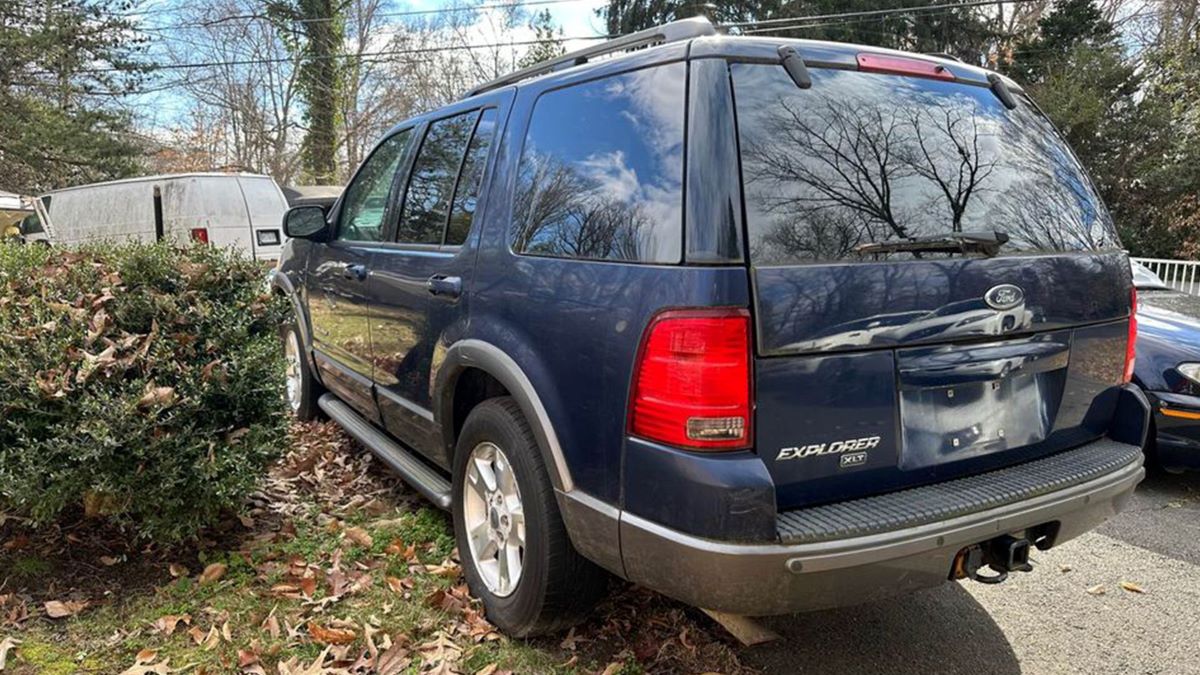
The lineup includes several trims, from the base and XLT to the higher-end Limited, Timberline, ST, Platinum, and King Ranch. While the Explorer ST and Platinum deliver more power and premium features, we think the Limited trim strikes the best balance of value and equipment.
It comes with the 300-hp turbocharged four-cylinder engine, which may not be as muscular as the 400-hp twin-turbo V-6 but still provides plenty of capability and better efficiency. When paired with the towing package, it can pull up to 5,300 pounds.
For an additional $2,000, all-wheel drive can be added, which we recommend. Those looking for more off-road ability should consider the Timberline, which uses the same turbocharged four-cylinder but offers enhancements for tackling rougher terrain.
Higher trims like the King Ranch, Platinum, and ST use a 400-hp twin-turbo 3.0-liter V-6, with the ST tuned for performance driving thanks to its firmer suspension and extra muscle.
Ford also offers a hybrid powertrain, introduced in 2020, which pairs a 3.3-liter V-6 with an electric motor to generate 318 horsepower. Available on Limited and Platinum models, the hybrid makes the most sense for those who drive mainly in the city, where its EPA ratings are strongest, though the four-cylinder remains the more efficient option on the highway.
Every Explorer is built on a rear-wheel-drive platform, with all-wheel drive available across the lineup, and power is delivered through a 10-speed automatic transmission.
Ride quality is composed and agreeable, though not particularly exciting. The Explorer ST is the exception, with its sportier suspension and added horsepower making it a true performance SUV. When properly equipped, the Explorer can tow up to 5,600 pounds, further adding to its versatility.
3. Chevrolet Traverse
The Chevrolet Traverse offers plenty of space and comfort for families, but its electronics have been a sore spot. Frequent complaints involve malfunctioning tire-pressure monitoring systems, unreliable forward-collision sensors, and infotainment freezes.
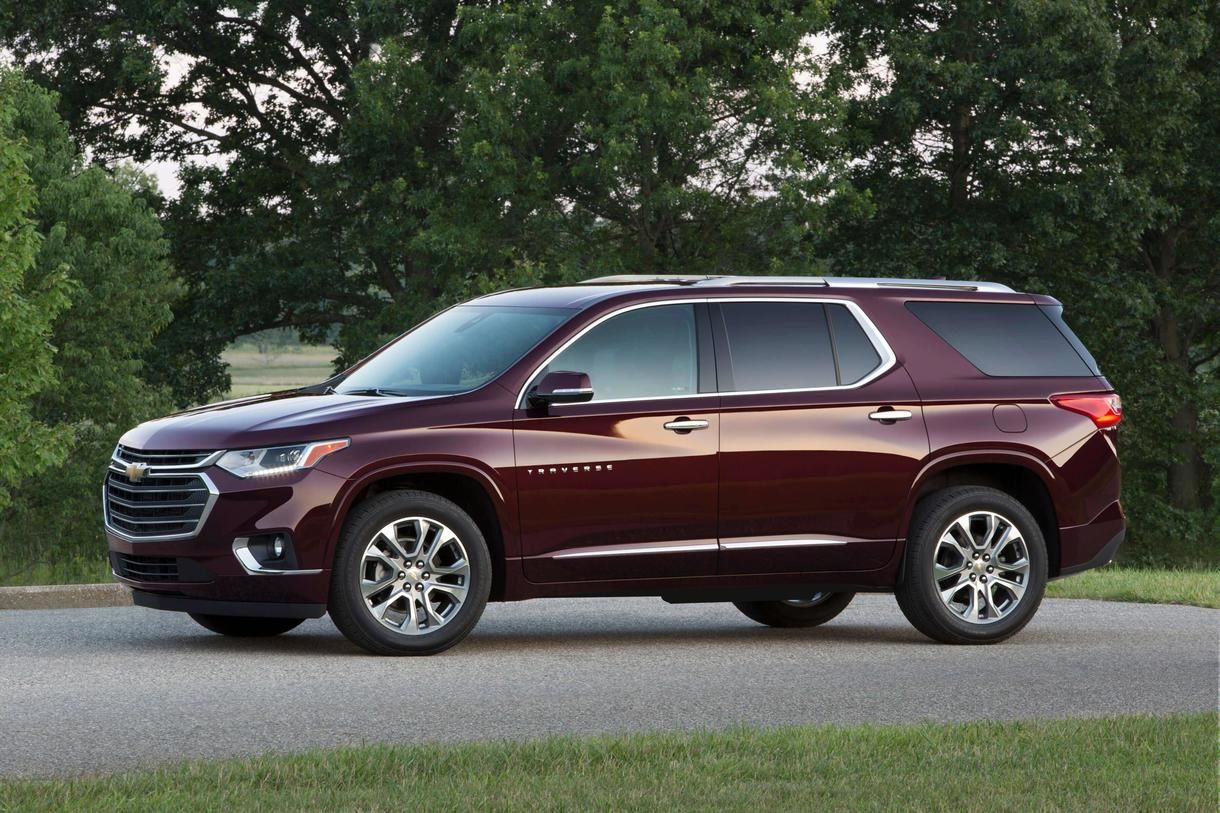
Some owners even report issues with the vehicle’s keyless entry system randomly failing. While the Traverse has strong appeal as a roomy family hauler, its history of electronic issues makes it a risky choice for those who value long-term dependability.
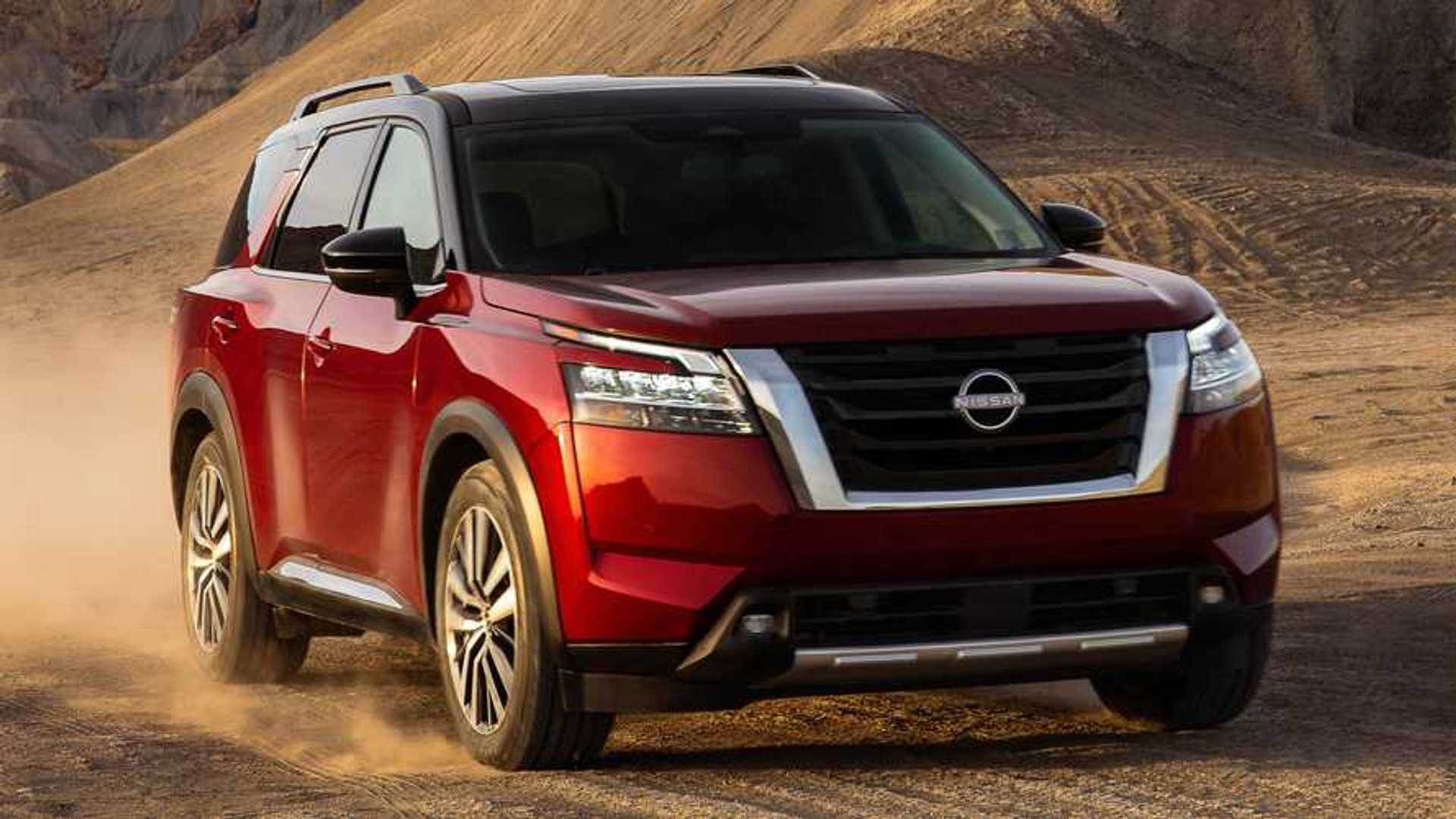
4. Nissan Pathfinder
The Nissan Pathfinder has tried to reinvent itself multiple times over the past two decades, but electronics continue to undermine its reputation. Owners often report problems with transmission sensors, which can trigger warning lights and limp-mode driving.
The infotainment system has also been criticized for freezing, slow responsiveness, and Bluetooth malfunctions. Combined with Nissan’s recent struggles with overall reliability, the Pathfinder stands out as a family SUV that too often sends owners back to the service bay for electronic fixes.
While the drivetrain is capable rather than thrilling, the Pathfinder’s 6,000-pound maximum towing capacity outpaces rivals such as the Hyundai Palisade and Toyota Highlander. Still, the midsize SUV class is full of strong options, many of which deliver better value or more specialized capabilities than the Pathfinder.
Pricing for the 2025 model starts at $37,895 for the base S trim and climbs to $50,135 for the fully loaded Platinum. For 2025, Nissan has added a complimentary Maintenance Care plan that covers up to three oil changes during the first two years or 24,000 miles. Additionally, SV and Rock Creek trims now gain a power liftgate, which was previously only offered on the SL and Platinum.
While the entry-level S and SV trims come with plenty of driver-assist features, the SL is the sweet spot in the lineup. It upgrades the Pathfinder with a larger 9.0-inch infotainment system, a surround-view camera setup, and wireless Apple CarPlay.
For those who want a more premium experience, the SL Premium package costs $2,990 and adds 20-inch wheels, a panoramic sunroof, a Bose sound system, heated rear seats, and wireless phone charging, while also including the equipment needed to access the SUV’s maximum 6,000-pound towing capacity
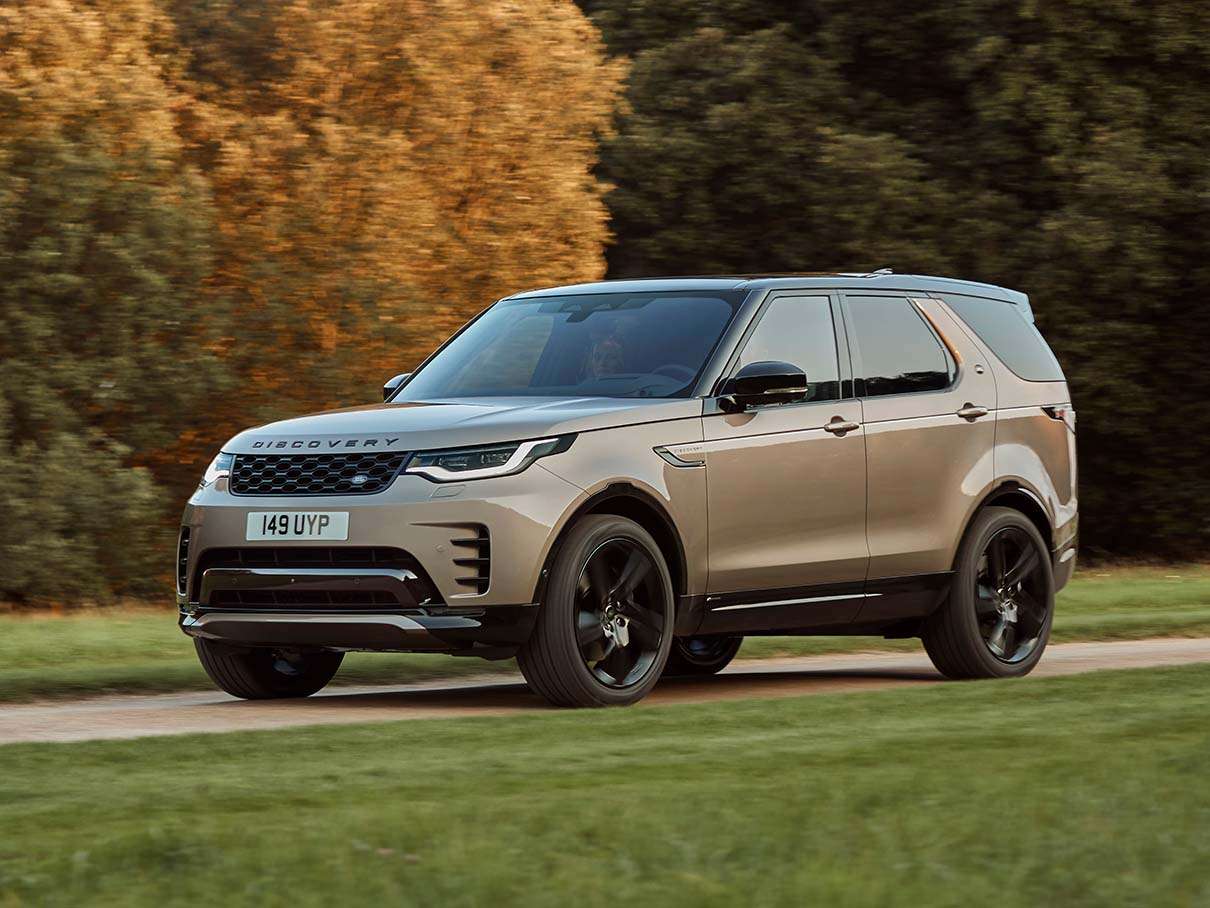
5. Land Rover Discovery
Land Rover has long been synonymous with luxury off-roading, but its electronics are notorious for being unreliable. The Discovery, like many Land Rover models, suffers from failing cameras, malfunctioning parking sensors, and dashboard warning lights that appear without reason.
Repair costs are particularly steep since Land Rover parts and labor are far more expensive than mainstream SUVs. For American buyers who prioritize luxury, the Discovery is tempting, but the reality of frequent electronic failures makes it one of the riskiest SUVs for long-term ownership.
For US buyers, the reliability of electronics and sensors is no longer a side issue it’s central to the ownership experience.
SUVs like the Toyota Highlander, Honda Pilot, and Subaru Forester prove that electronics can remain reliable for years with proper engineering and conservative tech rollouts.
On the other hand, models like the Jeep Grand Cherokee and Land Rover Discovery highlight the frustration and expense of malfunctioning systems, reminding buyers that more features often mean more potential failures.
As SUVs become increasingly dependent on electronics, consumers who want long-term dependability should research carefully. Choosing an SUV with proven reliability in its electronic systems can save thousands in repairs and spare countless headaches over years of ownership.
