
When shopping for an SUV in the United States, buyers often focus on horsepower, towing capacity, or tech features. But one of the most overlooked aspects of ownership is transmission longevity.
An SUV’s transmission is one of its most expensive and critical components repairs can range anywhere from $3,000 to $6,000, and when it goes, many owners are forced to decide between a costly rebuild or selling the vehicle altogether.
Some SUVs are praised for transmissions that last as long as the engine itself, while others have gained a reputation for early failures and expensive breakdowns.
In this article, we’ll explore five SUVs that routinely outlast their transmissions meaning the rest of the vehicle holds up well even if the gearbox eventually wears out and five that are infamous for transmissions that fail long before the rest of the SUV is ready to retire.
This insight is especially useful for U.S. families, off-road enthusiasts, and commuters who depend on their SUVs for the long haul.
SUVs That Outlast Their Transmissions
Modern SUVs are built to last, or at least that’s the promise. But while many models rack up high mileage with engines that just keep going, their transmissions often tell a different story.
From premature failures to costly rebuilds, some SUVs earn a reputation for outlasting the very gearboxes meant to keep them moving. If you’re shopping for a family hauler or daily driver, knowing which SUVs are more durable than their transmissions could save you thousands down the road.
1. Toyota 4Runner
The Toyota 4Runner has earned its place as one of the most durable SUVs in the American market, often running past 300,000 miles with proper maintenance.
The body-on-frame construction and dependable V6 engine are virtually bulletproof. The automatic transmission, however, is not invincible.
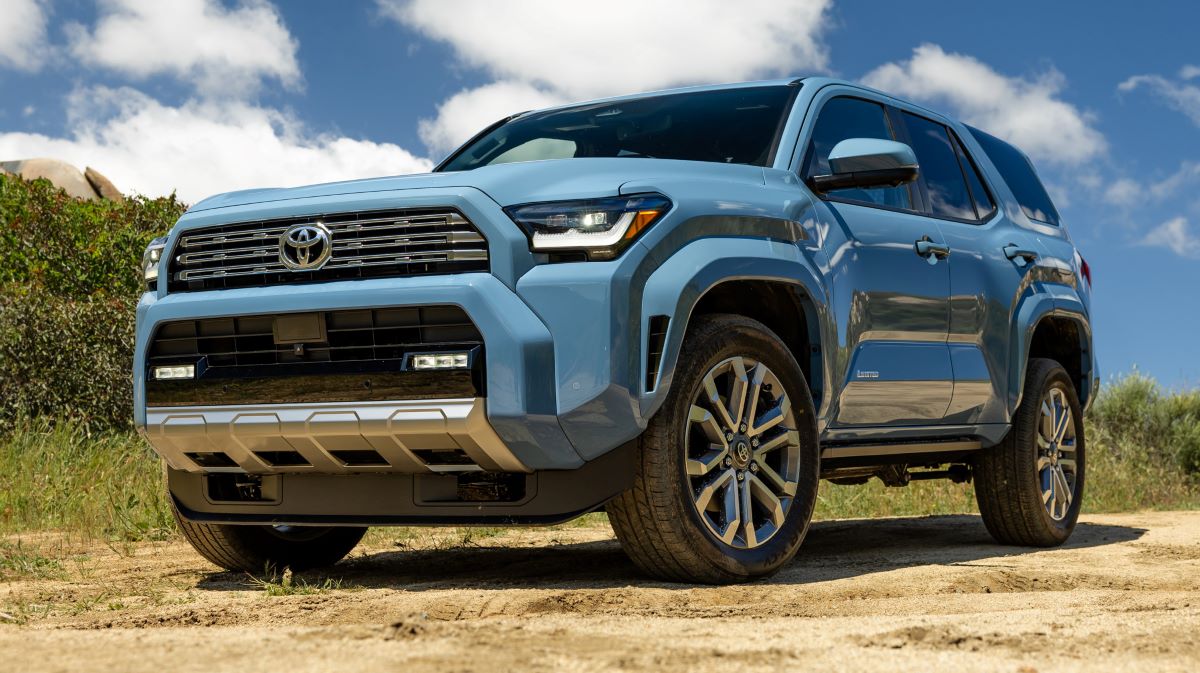
While most owners experience a reliable gearbox, higher-mileage models sometimes face torque converter shudder or delayed shifting.
The key point is that even if the transmission gives out around 200,000 miles, the engine and chassis remain solid. Many owners choose to rebuild or replace the transmission because the rest of the SUV is still in excellent condition.
2. Honda Pilot
The Honda Pilot is a popular family SUV praised for its comfort and reliability. Early 2000s models (especially 2003–2005) were notorious for transmission failures, but Honda eventually corrected the issue.
Modern Pilots have transmissions that may wear out before the engine, often needing a rebuild around 180,000–220,000 miles.
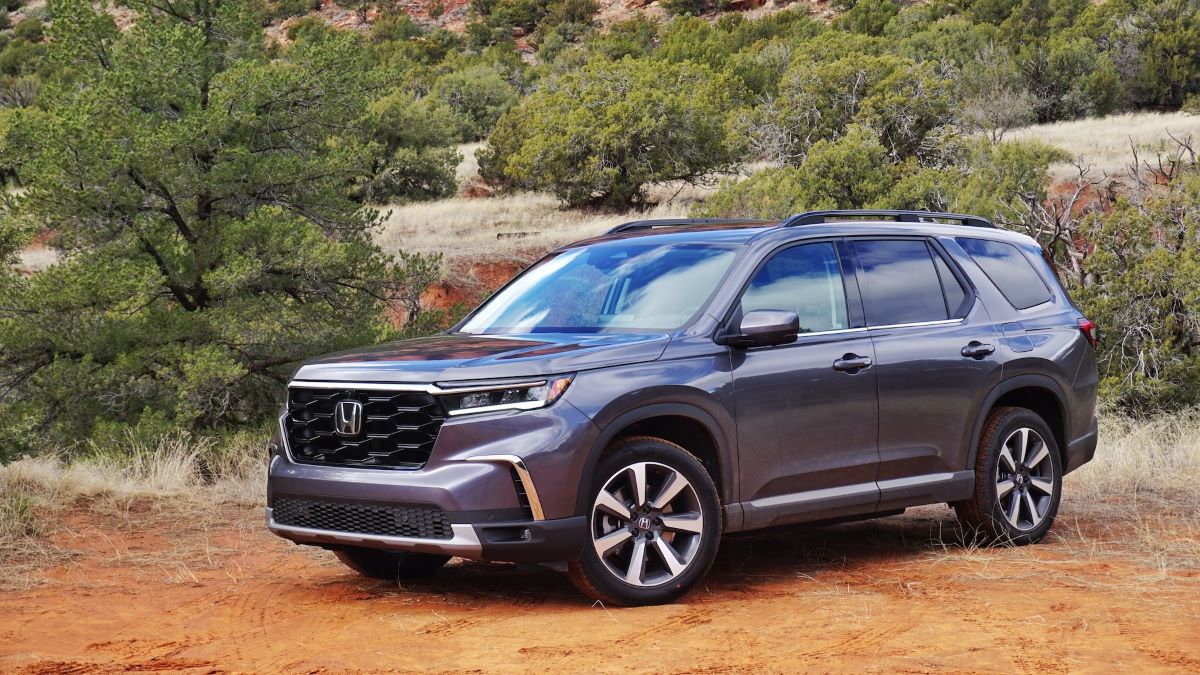
Despite this, the V6 engine and suspension components can keep going well past that point, making it worthwhile to invest in a transmission replacement. For families who prioritize longevity, the Pilot remains a strong option, though buyers of older models should be cautious.
Honda is rolling out a series of major updates across its lineup, with redesigned versions of the HR-V, CR-V, and Accord all debuting this year. Joining them is the next-generation Pilot, a three-row SUV positioned to take on rivals like the Toyota Highlander and Kia Telluride.
The new model introduces bolder styling, a larger infotainment screen, and a TrailSport trim that finally backs up its rugged appearance with genuine off-road hardware.
The outgoing third-generation Pilot had been around since the 2016 model year, making this redesign a welcome change, particularly as competitors such as the Highlander, Telluride, and Subaru Ascent have all received substantial updates in recent years. The question now is whether Honda’s improvements are enough to keep the Pilot competitive in this fiercely contested segment.
For 2023, the Pilot adopts an all-new exterior design along with an updated 3.5-liter V-6 that delivers more power than before, paired with a new 10-speed automatic transmission. Interior space has been expanded for both passengers and cargo, and technology upgrades include an available 9.0-inch touchscreen with wireless Apple CarPlay and Android Auto.
Other highlights include new drive modes for Sport, Tow, and Trail, improved driver-assistance features, and standard additions such as Hill Descent Control and front-row knee airbags. Buyers can also opt for a more advanced AWD system, while the TrailSport variant now brings off-road upgrades like skid plates and an available TrailWatch camera system.
Overall, the 2023 Honda Pilot marks a noticeable improvement over the outgoing version. Its more refined styling is complemented by a smooth powertrain and a thoughtfully designed interior filled with useful storage spaces.
That practicality recently helped the Pilot secure a win over the Mazda CX-90 in a comparison test. Still, the 9.0-inch infotainment display feels undersized by modern standards, and too many common features are hidden behind layered menus. On pavement, however, we found the TrailSport’s suspension tuning to be too soft, though it delivered a relaxed and comfortable ride on the highway.
The longer wheelbase and more rigid body structure improve ride quality across the lineup, while the upgraded V-6 engine offers a modest bump in power over its predecessor. Combined with the new 10-speed transmission, the drivetrain feels more refined and capable.
Interior space has also grown, giving the Pilot an advantage in passenger comfort and cargo-hauling practicality. In a seven-vehicle three-row SUV comparison, we praised the Honda for its efficient packaging and high-quality interior materials, though it lagged behind in overall driving engagement and infotainment execution. It may not surpass the Kia Telluride or Hyundai Palisade, but the new Pilot is a strong contender worth consideration.
Performance is anchored by Honda’s revised 3.5-liter V-6, now producing 285 horsepower, an increase of five over the outgoing model, and 262 lb-ft of torque. This engine is paired with a new 10-speed automatic transmission that replaces the previous nine-speed.
Most trims come standard with front-wheel drive, with all-wheel drive available as an option. In testing, the Pilot Elite accelerated from 0–60 mph in 6.9 seconds, a competitive result for the segment, while the TrailSport posted a slightly slower 7.1-second time due to its added off-road equipment.
3. Chevrolet Tahoe
The Chevy Tahoe is a staple of American roads, especially for families who need space or drivers who tow regularly. The V8 engines whether the 5.3L or the 6.2L are known to last well into the 250,000–300,000-mile range with proper care.
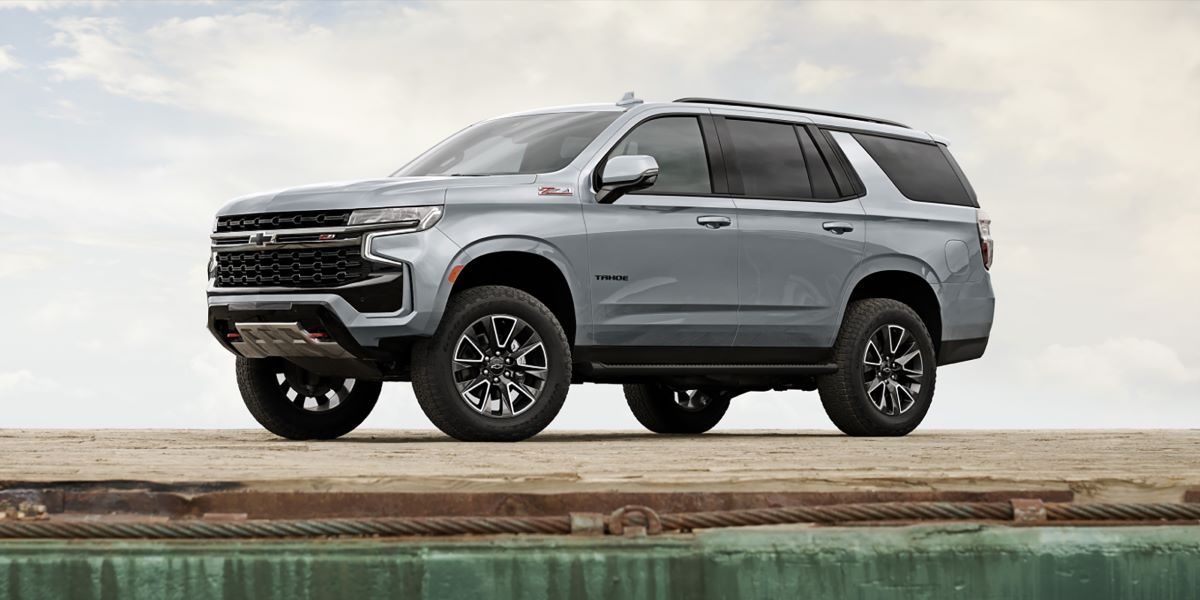
However, the 4L60E and 6L80 transmissions used in different Tahoe generations are frequent weak points. Hard shifting, slipping gears, and failure under heavy towing loads are common complaints.
Still, Tahoe owners rarely scrap their SUVs after a transmission failure because the rest of the vehicle has years of life left.
4. Jeep Grand Cherokee
The Jeep Grand Cherokee is another SUV where the engine and structure often outlast the gearbox. The Pentastar V6 and Hemi V8 engines are capable of running strong beyond 250,000 miles.
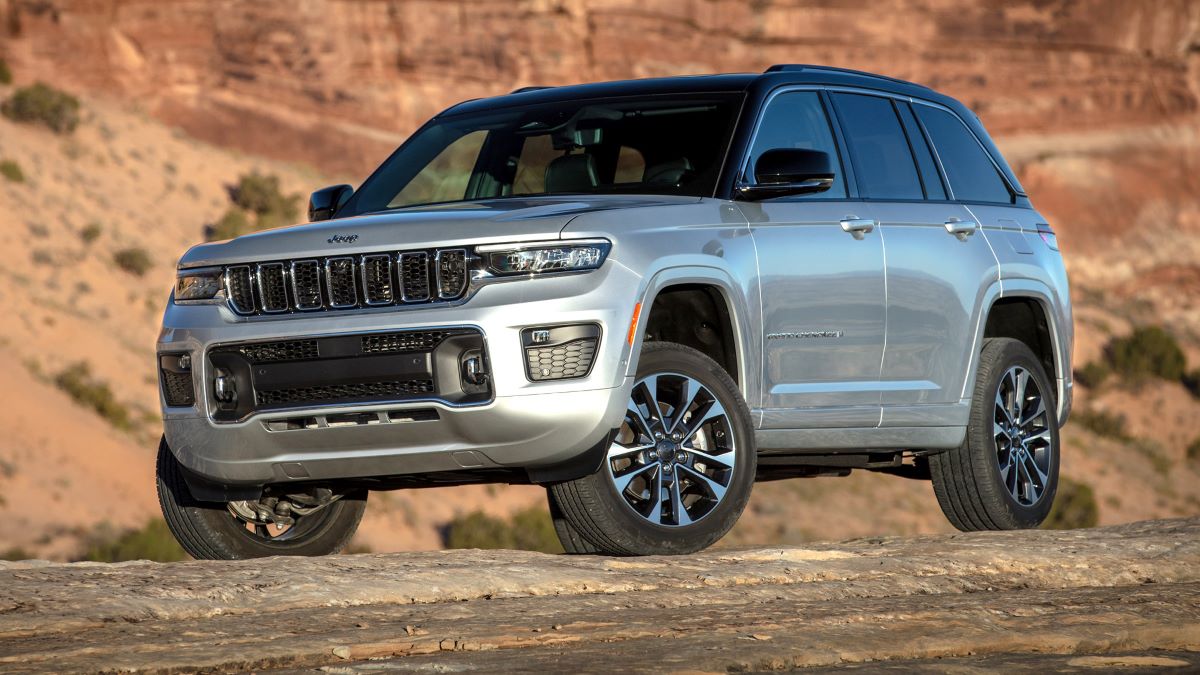
The problem lies in transmissions like the 545RFE and the early versions of the ZF eight-speed. Owners report rough shifting, solenoid issues, and sudden failures at 150,000–200,000 miles.
Since the Grand Cherokee is otherwise durable and well-loved, replacing the transmission becomes a common part of keeping these SUVs on the road long-term.
5. Ford Explorer
The Ford Explorer has had a mixed track record with transmissions, particularly in models from the early 2000s and again in some mid-2010s versions. Many of these gearboxes fail before the 200,000-mile mark.
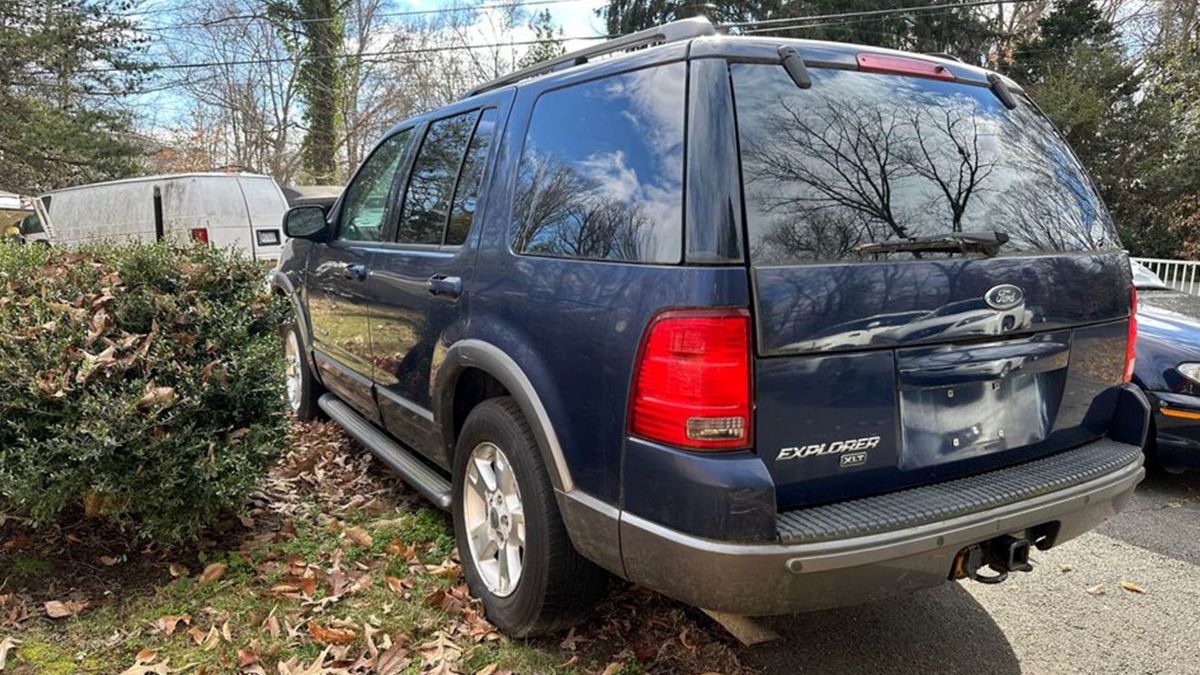
However, Explorers often have engines that hold up well, along with a tough frame and suspension that can keep going strong. For this reason, plenty of Explorer owners opt for transmission rebuilds or replacements, knowing that the rest of the SUV has the potential to last another 100,000 miles.
The Ford Explorer has long been a mainstay in the mid-size SUV segment, offering families a reliable three-row option for daily hauling. Following a much-needed mid-cycle refresh last year that upgraded its interior, the Explorer now boasts a cabin that feels more modern and spacious, at least in the first two rows. The third-row seats are best suited for children, but they can be folded flat to expand cargo space, which is competitive for the class.
Buyers have the choice between a turbocharged four-cylinder engine or a twin-turbo V-6, with rear- or all-wheel drive available, giving the Explorer plenty of variety. Still, despite these options, it lacks the well-rounded polish of rivals such as the Mazda CX-90 and Kia Telluride, both of which deliver a more upscale experience at a lower cost.
For 2026, the biggest change comes in the form of a new Tremor trim. This off-road-oriented model features a lifted suspension, a limited-slip rear differential, all-terrain tires, and unique 18-inch wheels. The rest of the Explorer lineup carries over unchanged after last year’s refresh, which had already introduced subtle exterior updates, a redesigned cabin, and a more advanced technology suite.
Pricing for the 2026 Explorer starts at $40,025 for the base Active trim and climbs to $56,465 for the high-performance ST. The lineup includes the Active at $40,025, the recommended ST-Line at $46,715, the new Tremor at $50,025, the Platinum at $52,525, and the ST at $56,465. Among these, the ST-Line trim stands out as the best value.
It captures the sporty appearance of the ST model but retains the standard 300-hp turbo four-cylinder engine, keeping costs significantly lower. Standard features include 20-inch painted alloy wheels, a 12-speaker Bang & Olufsen audio system, heated second-row seats, power-folding mirrors, and a flat-bottom ST steering wheel.
The ST-Line also offers access to options like Ford’s BlueCruise hands-free driving system and a black-painted roof, neither of which are available on the base Active. We’d recommend adding the $2000 all-wheel-drive system for enhanced versatility.
Under the hood, the Active, ST-Line, and Platinum trims are powered by a turbocharged 2.3-liter four-cylinder engine that delivers 300 horsepower and 310 pound-feet of torque. The high-performance ST trim upgrades to a turbocharged 3.0-liter V-6 producing 400 horsepower and 415 pound-feet of torque, which is also optional on the Platinum.
These output figures are achieved when running on premium fuel. Regardless of engine choice, all Explorers are paired with a 10-speed automatic transmission and come standard with rear-wheel drive, with all-wheel drive available as an option.
During testing, the Explorer’s overall driving experience proved to be largely unchanged from the previous version, with composed and predictable handling. In the ST model, the extra power from the V-6 makes the SUV genuinely quick, adding excitement to its otherwise practical demeanor.
SUVs With Transmissions That Don’t Outlast the Vehicle
A strong SUV should be able to go the distance, but not every one does, at least not without trouble. While many models are built with engines that seem ready to last forever, their transmissions often give out long before the rest of the vehicle.
That means costly repairs, unexpected breakdowns, and plenty of frustration for owners who thought they were buying reliability. Here’s a look at the SUVs known for transmissions that simply don’t outlast the vehicle.
1. Nissan Pathfinder
The Nissan Pathfinder, especially models equipped with CVT transmissions (2005 onward), has become infamous for transmission failures.
Owners often report problems as early as 60,000–100,000 miles, with symptoms including shuddering, hesitation, and complete failure.
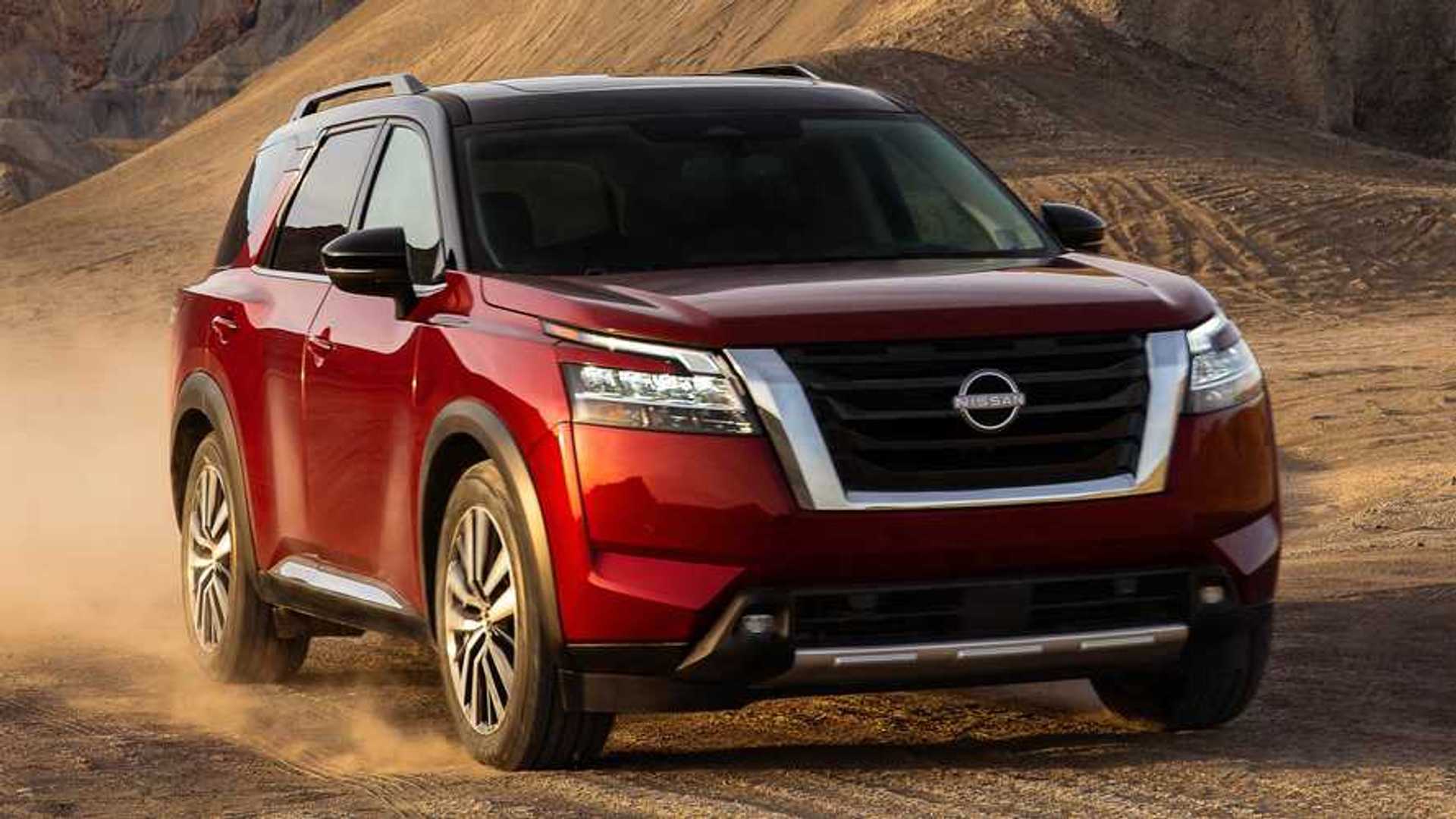
What makes matters worse is that the rest of the Pathfinder engine, body, and suspension often has more life left. But replacing a CVT is costly, leading many owners to sell or scrap the SUV prematurely. For long-term buyers, this is a risky choice.
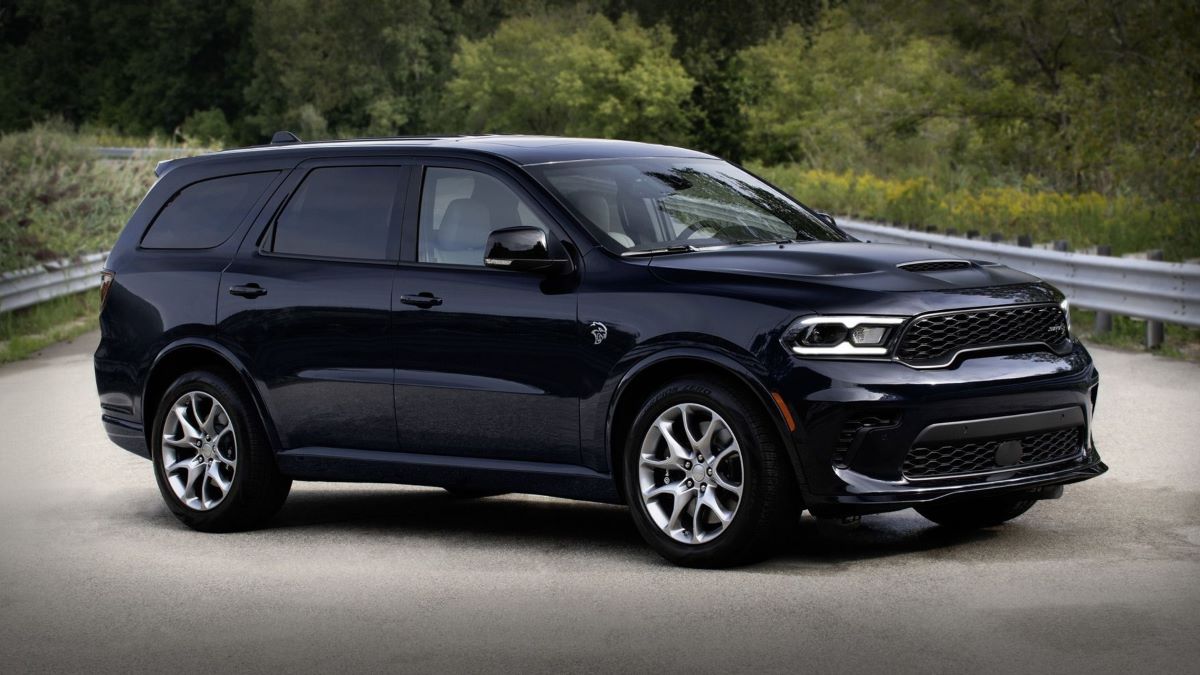
2. Dodge Durango
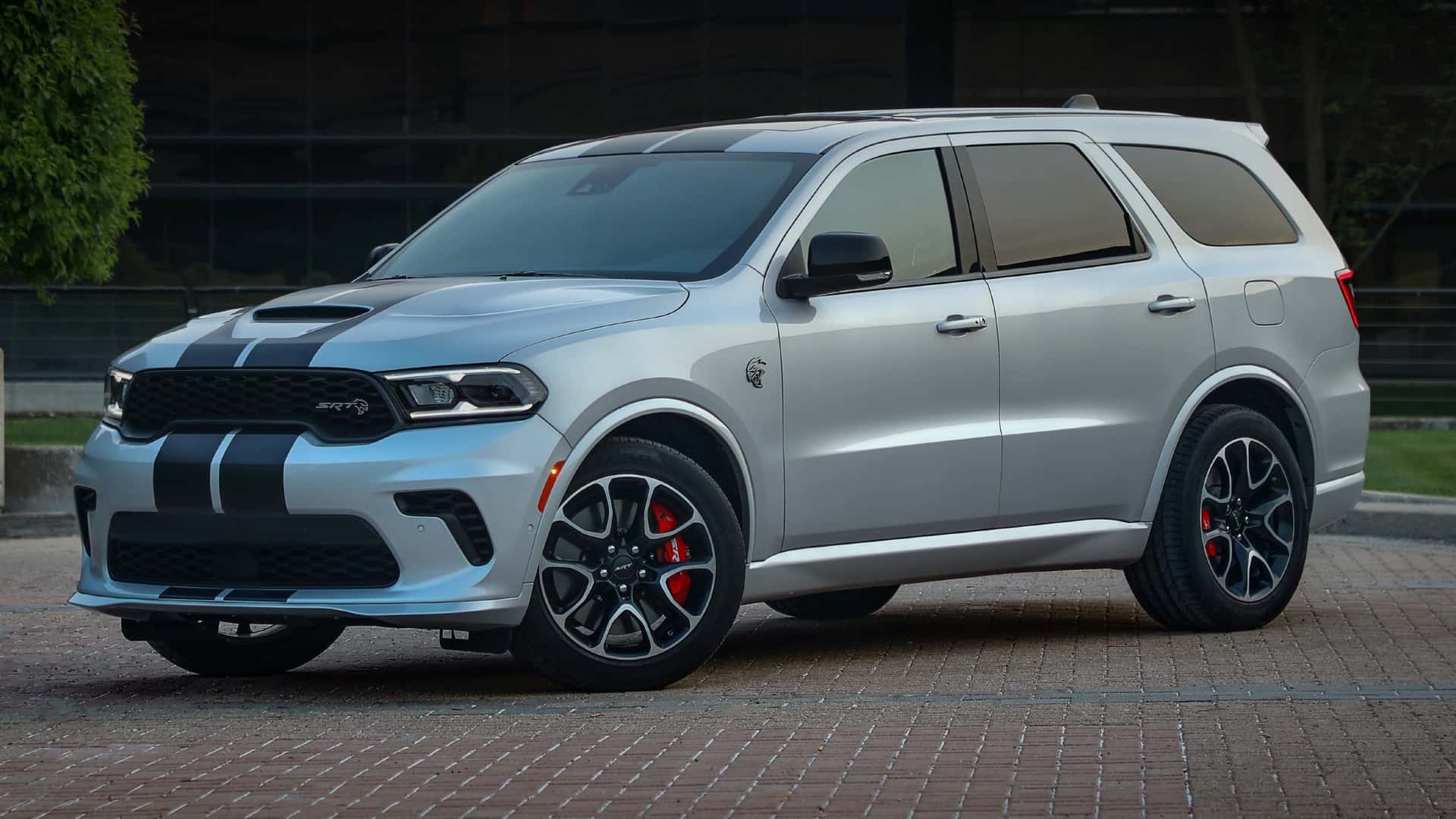
The Dodge Durango shares some components with the Jeep Grand Cherokee but tends to have even more transmission complaints. The 8-speed automatic in newer models is smoother than older versions, but reliability is still inconsistent.
Many owners report failures at under 150,000 miles, while the Hemi engines are capable of much more. This mismatch often leads to frustration, as the rest of the SUV feels strong but the transmission cuts its life short.
The Dodge Durango continues to be a versatile option for families, delivering everyday practicality with a dose of old-school muscle-car attitude. Standard power comes from a 3.6-liter V-6, while an optional 5.7-liter Hemi V-8 ups the ante with 360 horsepower and one of the strongest towing capacities in its class.
For drivers who crave even more performance, Dodge offers the Durango SRT 392 with 475 horsepower and the fire-breathing Durango SRT Hellcat, which packs a supercharged 710-hp V-8. Both of those high-performance versions are reviewed separately. Beyond raw power, the Durango provides three rows of seating, a long list of available features, and a sense of toughness that sets it apart.
Still, buyers who don’t need that muscle may find better value in alternatives such as the Kia Telluride, Ford Bronco, or Hyundai Palisade, all of which start under $40,000 and include far more standard safety technology. By comparison, the Durango doesn’t match that affordability or equipment level.
For 2023, Dodge expands the Durango’s color palette with four fresh paint choices, Frostbite, Night Moves, Red Oxide, and Triple Nickel, bringing the total to eight. Heated front seats are now standard across the lineup, while forward collision warning becomes available on entry-level SXT models. However, a price increase means you can no longer get into a new Durango for under $40,000.
Of these, the GT trim stands out as the best value. We’d stick with the V-6 for its balance of efficiency and capability, leaving the V-8 to those specifically after muscle. The optional 10.1-inch infotainment system is also worth adding, as it includes navigation and a 4G LTE Wi-Fi hotspot in place of the smaller 8.4-inch screen.
The base setup pairs a 295-hp V-6 with an eight-speed automatic, while the available 360-hp V-8 boosts towing capacity to 8700 pounds. Both engines can be had with optional all-wheel drive. In testing, the V-6 model hit 60 mph in 7.4 seconds, while the V-8 managed the sprint in 6.2 seconds.
Despite its size, the Durango’s rear-wheel-drive architecture gives it a surprisingly athletic feel, balanced by a suspension that blends comfort with just enough sportiness. Braking and steering remind you it’s still an SUV, but its ride quality makes it easy to live with every day. Ultimately, the Durango blends family practicality with muscle-car character, offering a unique flavor in the mid-size SUV class.
3. GMC Acadia
The GMC Acadia has been a popular midsize SUV for families in the U.S., but its transmission reputation is poor. The six-speed automatics used in 2007–2016 models often fail between 90,000 and 150,000 miles.
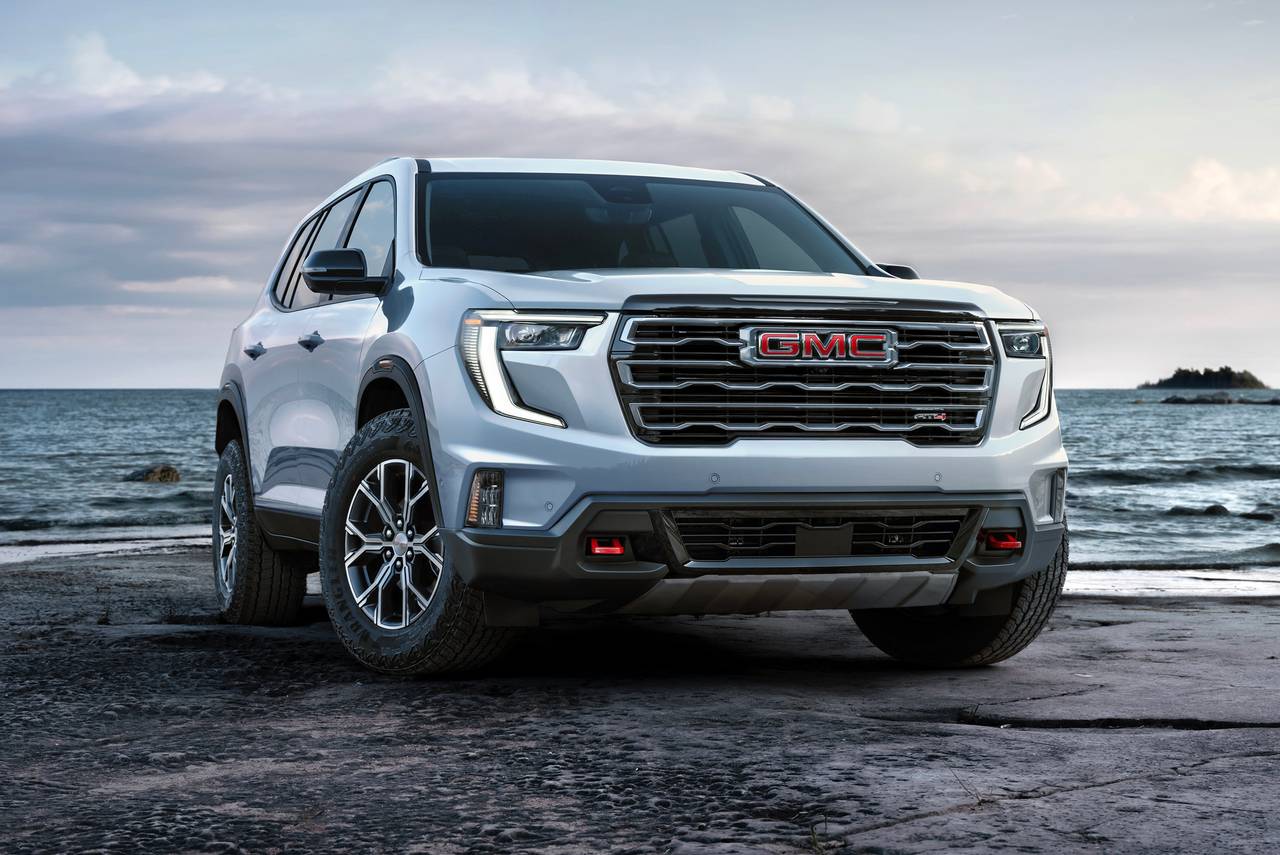
While the engines can go longer, the early death of the transmission is a major financial blow. Even when rebuilt, some owners experience repeat failures. For buyers considering a used Acadia, this is one of the most critical points to keep in mind.
4. Hyundai Santa Fe
Hyundai has made huge strides in recent years with warranties and affordability, but its transmission history isn’t spotless. Many Santa Fe models, especially from the early 2010s, faced issues with automatic transmission failure under 120,000 miles.
Engines themselves particularly the 2.4L often run longer, which means the SUV itself could have had more life if not for the gearbox.
While Hyundai’s warranty often covers early breakdowns, long-term owners who keep their vehicles past warranty may run into expensive problems.
The 2023 Hyundai Santa Fe may not have the same buzz as the brand’s flashier SUVs, but it holds its own as a versatile two-row mid-sizer with plenty of powertrain options. Slotting between the compact Tucson and the three-row Palisade, the Santa Fe offers roomy seating, a low starting price, and a refined ride.
For efficiency-minded shoppers, Hyundai also offers a 226-hp hybrid with up to 36 mpg city, as well as a 260-hp plug-in hybrid that delivers a combined 76 MPGe and an estimated 31 miles of electric-only range. That flexibility makes the Santa Fe appealing to a wide range of buyers, even if its base engine keeps it ranked mid-pack among mid-size SUVs.
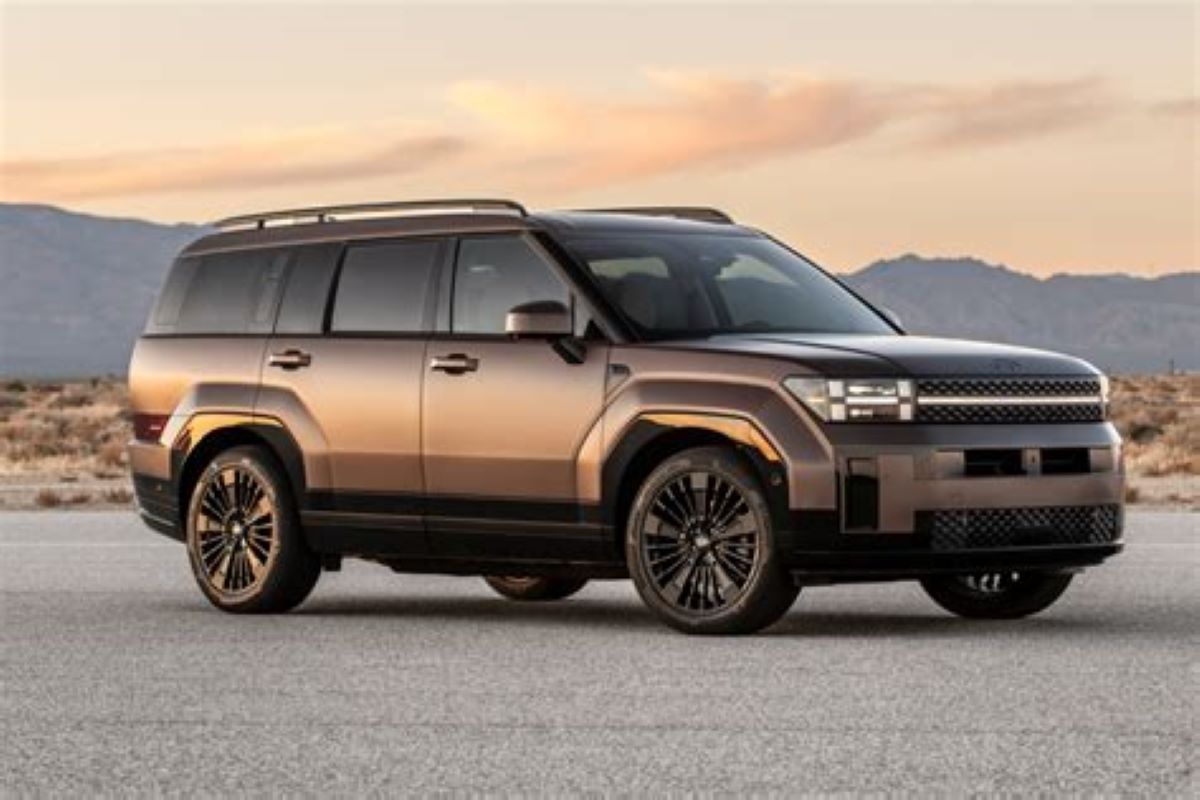
Hyundai keeps updates light this year, mostly shuffling standard equipment. The SEL Convenience package is gone, and trims get small changes to front fascia details. SE and higher trims now come with acoustic-laminated front windows for quieter cabins and puddle lamps.
SEL models gain a leather-wrapped steering wheel, rear sunshades, adaptive cruise with navigation, and a 10.3-inch touchscreen, which is now standard across all hybrid models as well. Plug-in hybrids also get Highway Driving Assist and the larger screen as standard.
The sweet spot in the lineup is the SEL Premium Hybrid, which combines the 1.6-liter turbo hybrid system with upscale features like a Harman/Kardon sound system, panoramic sunroof, and ambient lighting. It’s more energetic than the sluggish base engine while still returning excellent fuel economy.
Hyundai offers the Santa Fe with four powertrains: a 191-hp naturally aspirated 2.5-liter four-cylinder, a 277-hp turbocharged 2.5-liter, a 226-hp hybrid, and a 260-hp plug-in hybrid. Both gas engines pair with an eight-speed automatic, while the hybrids use a six-speed.
Front-wheel drive is standard, with all-wheel drive optional (or standard on hybrids). In testing, a base 2.5-liter Santa Fe XRT took a sluggish 9.6 seconds to hit 60 mph, while the turbocharged Calligraphy model cut that down to a quick 6.0 seconds.
Regardless of powertrain, the Santa Fe delivers a smooth, composed ride and competent handling that makes it comfortable for everyday use, with just enough agility for drivers who enjoy time behind the wheel.
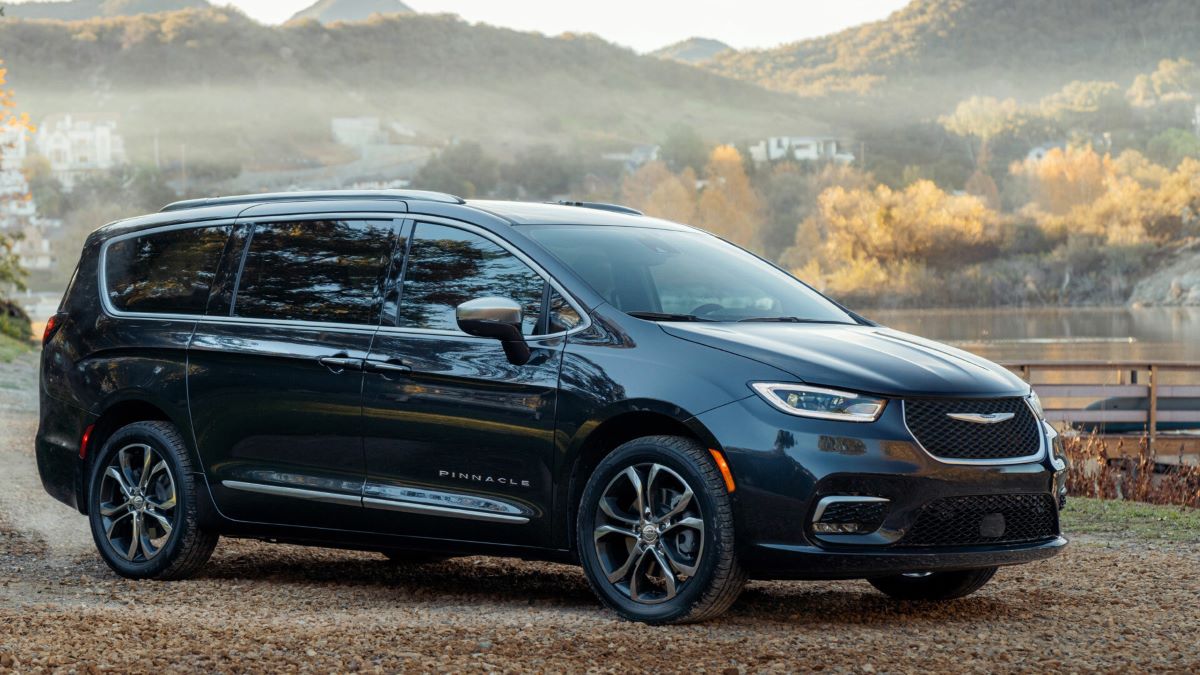
5. Chrysler Pacifica (First-Generation SUV)
Although the modern Chrysler Pacifica is a minivan, the original Pacifica was marketed as a crossover SUV in the mid-2000s. It quickly gained a reputation for weak transmissions.
Many units failed before 100,000 miles, and replacement costs were high relative to the vehicle’s resale value. Engines could run longer, but transmission breakdowns often marked the end of the road for these SUVs.
The first-gen Pacifica serves as a cautionary tale about how one weak component can doom an otherwise solid family vehicle.
Transmission reliability is one of the most critical factors when considering a long-term SUV purchase. Some SUVs, like the Toyota 4Runner and Chevy Tahoe, can run nearly forever, but owners may eventually face a transmission rebuild if they push the miles high.
Others, like the Nissan Pathfinder and GMC Acadia, are plagued with transmissions that give out far too early, cutting the vehicle’s lifespan short.
For American families, commuters, and off-roaders, the lesson is clear: research the transmission history of the SUV you’re considering just as carefully as you would the engine.
A strong transmission means fewer headaches, lower costs, and the confidence that your SUV will keep moving forward for years to come.
