
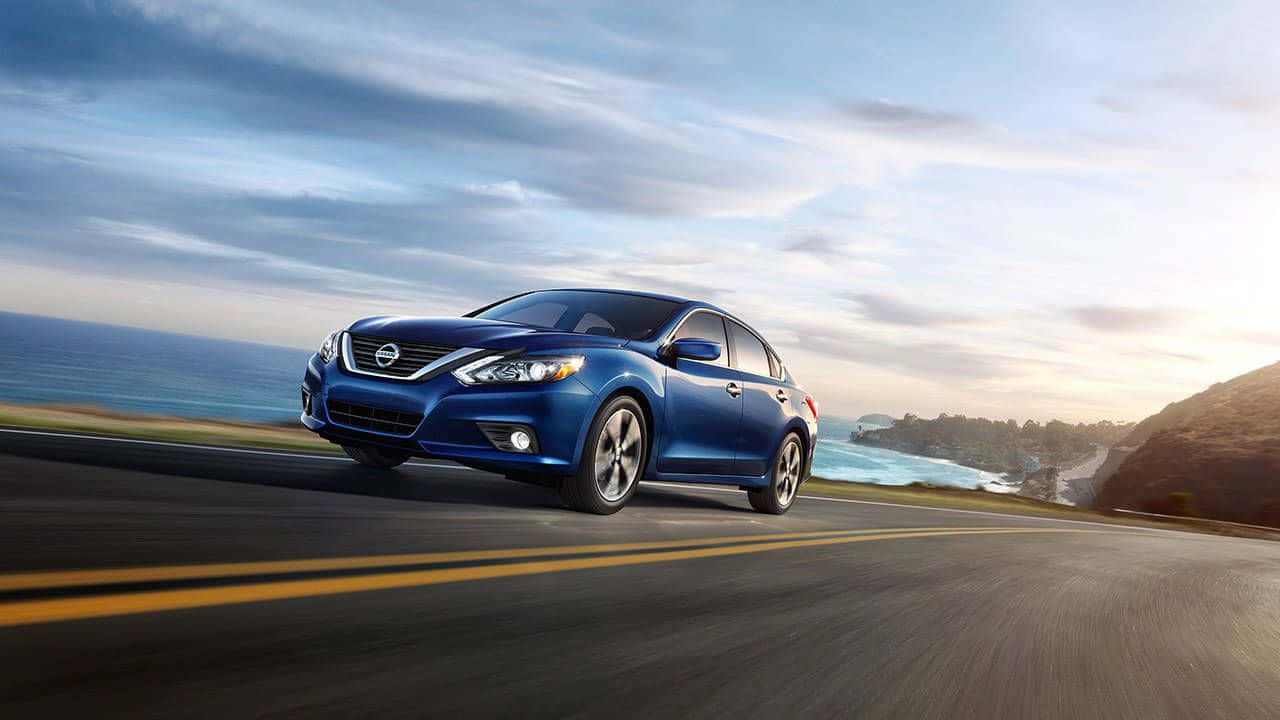
The Nissan Altima has carved out a significant place in the mid-size car segment, promising comfort, efficiency, and value for decades.
A staple in Nissan’s lineup since 1993, the Altima became a steady favorite in American households, appealing to commuters, families, and those searching for affordable reliability.
Like any long-standing model, its reputation is a patchwork of high notes and let-downs, often depending on the specific model year chosen.
Some years earned loyal followings defying expectations with their durability, high owner satisfaction, and moderate running costs.
These vehicles have become quietly celebrated, aging gracefully on the road and reminding buyers that some bets on used cars pay off handsomely.
At the same time, other years have left buyers regretting their choice, thanks to chronic issues, breakdowns, or expensive repairs that arrived far too early in ownership.
Automotive forums brim with stories of frustration, cautionary tales, and even class-action lawsuits springing up when certain designs fell short.
This dual identity means buying a used Nissan Altima is a process requiring research, attention to details, and sometimes a bit of luck.
Highlighting the years that have delighted owners and those that have let them down offers guidance for shoppers as they navigate a crowded used car market. By learning from real experiences, buyers can make a more informed and satisfying investment.
Also Read: 10 Used Cars That Are Still Reliable at 250,000 Miles
5 Nissan Altima Years That Surprise Owners
Before spotlighting the five Nissan Altima years that consistently leave their owners happy, it’s important to clarify why such recognition matters.
Year-to-year differences in manufacturing standards, parts, and design updates mean that not every Altima shares the same reputation.
Some consumers discover that their seemingly ordinary Altima far surpasses their expectations for reliability, cost of maintenance, or even the driving pleasure it provides.
Word spreads in online communities and review platforms about models that rack up high mileage with minimal fuss, feature trouble-free electronics, or offer a balance of comfort and fuel efficiency rarely matched by competitors.
Highlighting these standouts does more than offer a pat on the back to Nissan’s engineers; it helps guide shoppers to value in an unpredictable used car market.
For those ready to invest in a secondhand Altima or contemplating whether to keep theirs a little longer, understanding which model years have proven especially dependable provides an advantage.
This section features five Nissan Altima years that surprise even skeptical owners with how well they perform, age, and hold together through the ups and downs of daily use.
The focus will be on real-world reliability, day-to-day comfort, and the small touches that add up to an enjoyable ownership experience.
Each subsection will examine one year in detail, discussing owner experiences and the specific factors that make that year stand out for dependability and satisfaction.
1. 2001 Nissan Altima
Many car models make their mark only after a major redesign or standout innovation, but the 2001 Nissan Altima shines as a final flourish to its second-generation design.
Owners frequently mention how this model has remained a consistent performer over the years, crediting its straightforward engineering for minimizing the kinds of headaches other cars from that era often present.
Mechanics appreciate its easily accessible components and the absence of unnecessary complexity, which results in lower repair bills and fewer instances of major faults.
This kind of simple engineering, paired with a durable 2.4L inline-4 engine, gives the 2001 Altima a unique position among used sedans for its resilience to high mileage and neglect.
There’s also the intangible benefit of driving a car that rarely calls attention to itself no lavish infotainment systems, no overly sensitive sensors just reliable transportation that gets the basics right.
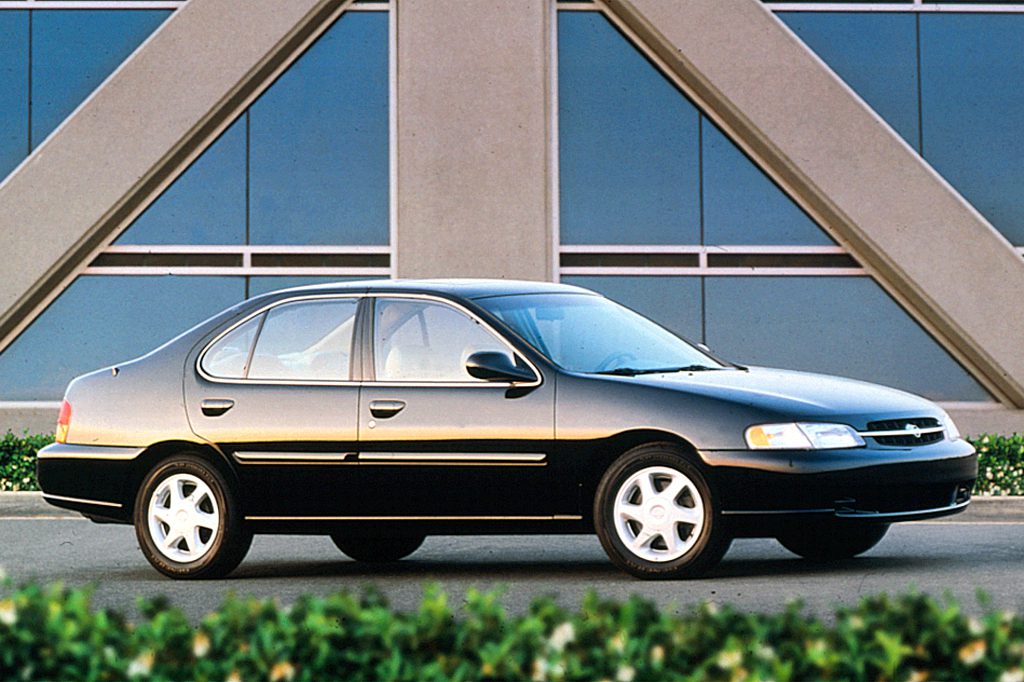
For those who value worry-free commuting, the 2001 Altima delivers a reassuring experience. Reports suggest many owners have surpassed the 200,000-mile mark without encountering catastrophic failures or hidden expenses, a testament to Nissan’s understated approach this year.
The car’s lighter build contributes to quick city handling and more engaging highway drives, further boosting its reputation. Highlighting the 2001 Altima here reinforces the idea that sometimes, the last year before a redesign produces the best balance of durability and practicality.
This recognition isn’t simply nostalgia it’s based on extensive owner feedback and industry reliability studies, offering future buyers a clear pointer toward one of the Altima’s hidden gems.
2. 2012 Nissan Altima
The final year of the fourth generation, 2012 Altima models often impress drivers who value a solid blend of features and old-school reliability.
Owners consistently describe this car as one of the least troublesome Altimas, reporting minimal transmission or engine failures even beyond 100,000 miles. By ironing out the last kinks from earlier years, Nissan gave the 2012 Altima a mature, “just works” reputation.
The interior remains competitive for its age, offering comfortable seating and easy control layouts. Standard features such as push-button ignition, stable Bluetooth pairing, and optional navigation provide contemporary convenience without distracting complexity.
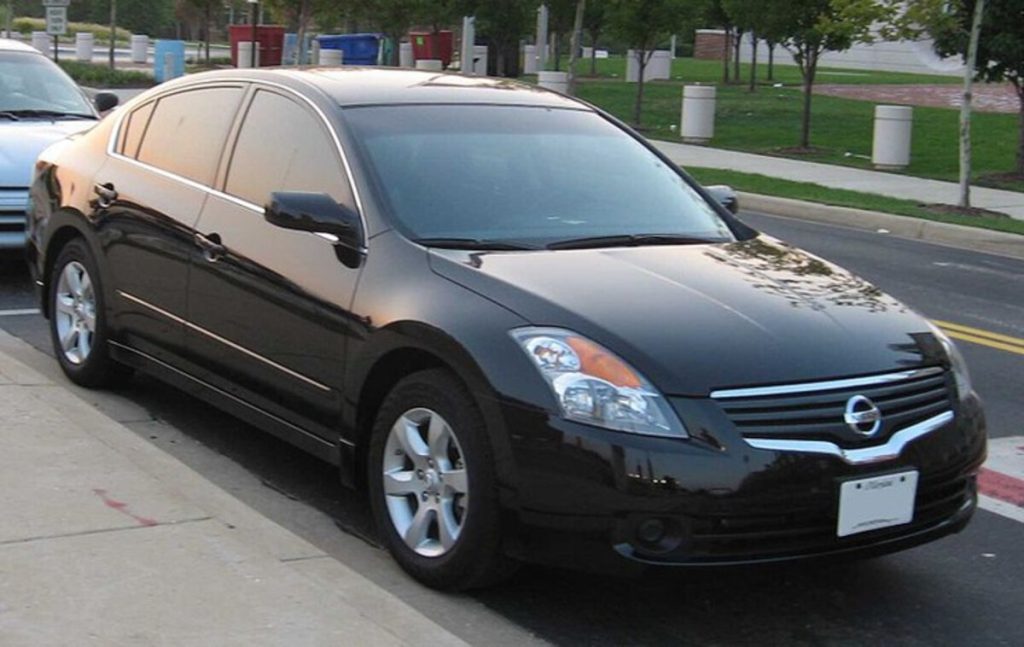
This year’s Altima is also recognized for its high marks in fuel economy, especially for the four-cylinder variant. Drivers see honest numbers well into the upper 20s to low 30s mpg, helping the car maintain long-term value.
Industry sources along with owner satisfaction surveys, single out 2012 as a smart bet for a used midsize sedan. By pointing out this year, the article gives readers a clear path to a model mostly free of the notorious Altima gripes.
For buyers hoping to avoid expensive mechanical surprises, the 2012 Altima is one of the best choices available.
3. 2017 Nissan Altima
For those shopping newer models that have proven their mettle, the 2017 Altima receives frequent praise for successfully updating style and technology without reducing reliability.
By now, Nissan had refined the Altima’s CVT transmission, resulting in dramatically reduced reports of failure and improved driver satisfaction.
Owner reviews note comfortable seats, advanced safety features like forward emergency braking (on certain trims), and an infotainment system that’s intuitive for daily use. The 2017 Altima balances quiet interiors with respectable highway performance making it a practical freeway cruiser for years to come.
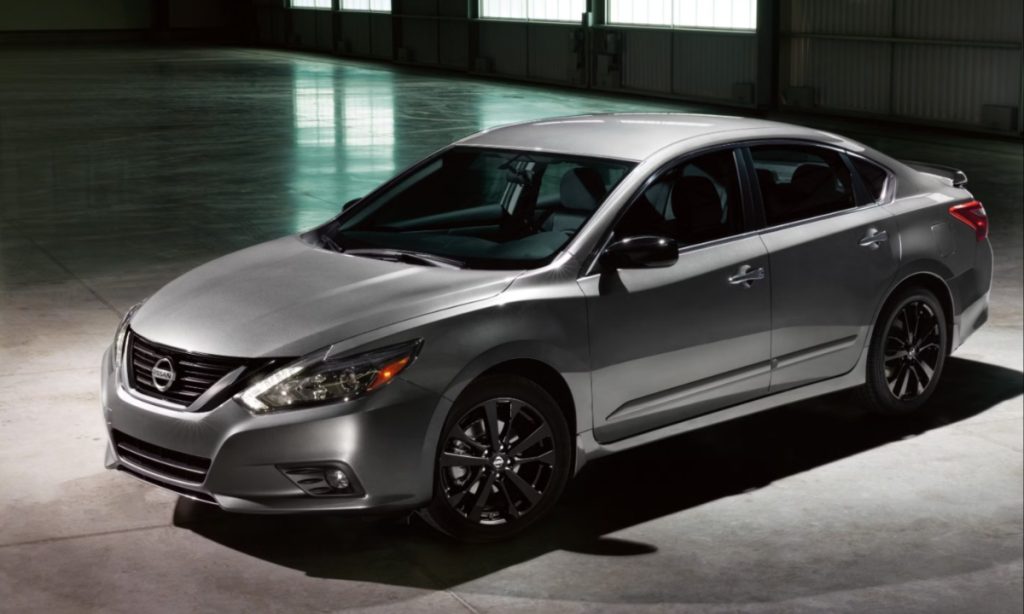
Maintenance records highlight fewer complaints about premature part wear, interior rattles, and electrical issues compared to direct predecessors.
While some rivals may come with more cutting-edge options, the Altima’s appeal here comes from steady progress without the pitfalls of overly complicated engineering.
A focus on everyday usability, comfort, and a long-standing reputation for reliability helps the 2017 Altima stand apart in owner satisfaction polls. Highlighting this year emphasizes how Nissan responded to earlier critiques, ultimately resulting in a car that holds up confidently in the used market.
4. 2019 Nissan Altima
A full redesign in 2019 saw the Altima leap forward, adding excitement for both loyal Nissan fans and those shopping for a modern family sedan.
This year’s Altima is celebrated not only for its visual overhaul but also for key improvements in ride quality, active safety technology, and available all-wheel drive for the first time.
Enthusiastic owner reviews mention how this model feels composed, offers ample cargo space, and delivers excellent fuel economy for a midsize sedan.
The available 2.0-liter turbo engine and tech like ProPilot Assist semi-autonomous driving add premium appeal at a reasonable price.
Reliability reports show few recurring complaints, especially compared to earlier Altima generations notorious for unsteady transmissions.
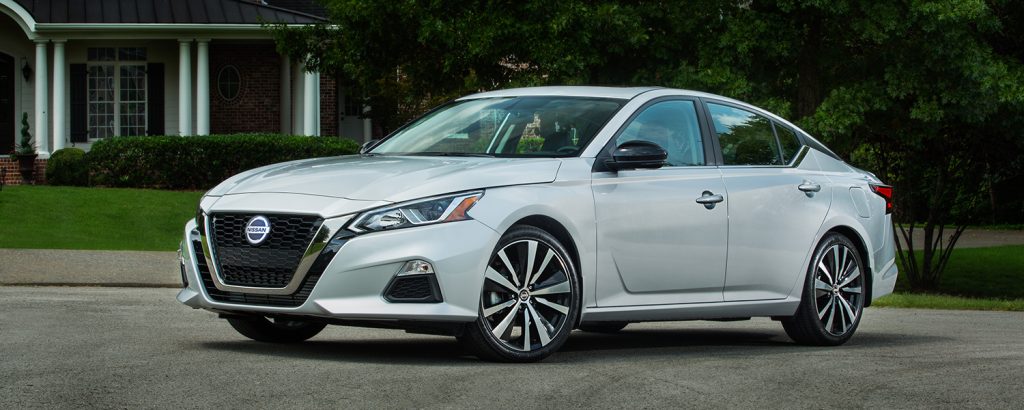
Nissan implemented quality controls and better cabin materials, helping the 2019 Altima shed some of the “fleet car” reputation attached to previous models.
Owner surveys repeatedly list this year as a favorite for combining comfort, efficiency, and affordable upkeep.
Including the 2019 Altima among the best signals that Nissan can produce a competitive, reliable, and contemporary sedan one that exceeds expectations by blending style innovations with proven dependability.
5. 2011 Nissan Altima
The 2011 Altima stands as a highlight for anyone considering a practical and resilient used sedan. This year is frequently commended for its dependable four-cylinder engine and noticeably durable CVT transmission, which is uncommon in the Nissan lineup given the CVT’s mixed track record.
Multiple consumer feedback sources indicate the 2011 Altima faces far fewer major repairs or driveability complaints, allowing owners to keep maintenance costs under control. Driver reviews highlight everyday comfort, responsive handling, and controls that feel intuitive a blend not always found in the Altima’s competitors.
Nissan advanced basic tech features this year while retaining the car’s core simplicity. Bluetooth integration, available push-button start, and satisfactory interior quality added extra value.
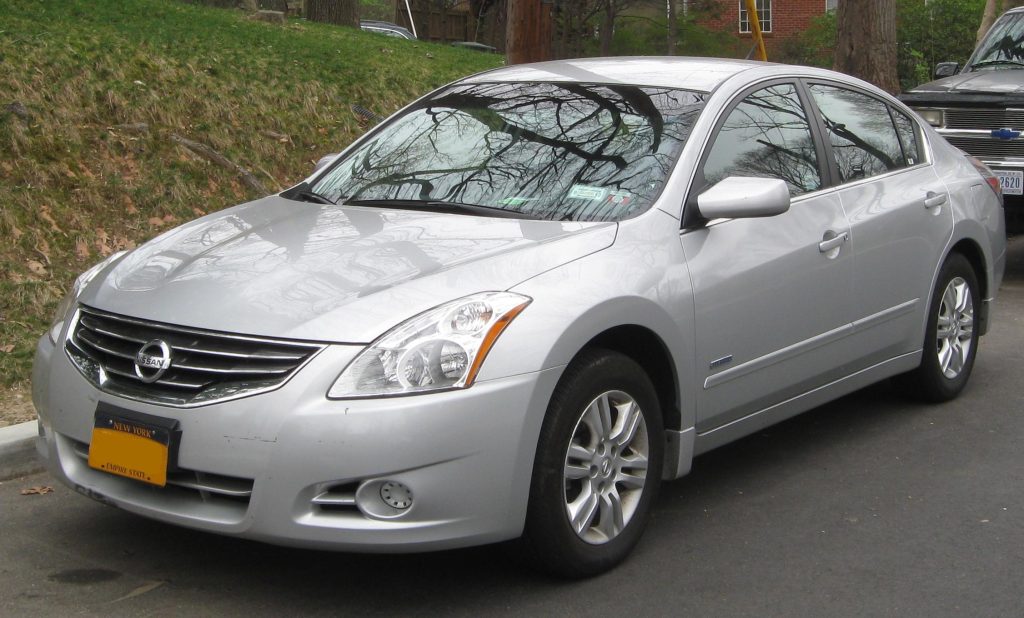
For families or commuters, the car supplies confident performance without excessive fuel consumption. Industry watchdogs and automotive blogs have frequently called this the best fourth-generation Altima, and actual owners back up these claims by reporting above-average mileage numbers with minimal hassle.
Showcasing the 2011 model demonstrates that not every mass-market sedan of the era cut corners or forced costly dealership visits.
This model year still earns attention in the used car market for ticking nearly every box an owner seeks: dependability, ease of repairs, and worry-free daily driving.
5 Altima Years That Fail Fast
When searching for a dependable pre-owned sedan, few disappointments hit harder than running into costly breakdowns, recall hassles, or persistent flaws. The Altima’s long lifespan means that not every year has been a success.
Some releases, intended to impress with innovation or a new design, ended up frustrating drivers nearly from day one. Transmission problems, engine faults, and even safety recalls plagued certain years, leading owners to question the value of their investment.
These issues frequently surface in surveys, automotive news, and Nissan-focused online communities, reflecting widespread dissatisfaction.
Highlighting these five years is crucial for anyone hoping to avoid regret, wasted money, or repeated trips to the garage.
Real-world data shows certain Altima models have racked up thousands of consumer complaints, prompted class-action lawsuits, and forced Nissan to issue multiple recalls.
These disappointing results stem from manufacturing missteps, less reliable components, or unanticipated wear in new technologies.
By examining the details behind each troubled year, this guide aims to offer clarity and caution providing future buyers with a practical toolkit to spot red flags before committing. Each section will detail the specific problems of a single year, the impact on owners, and why calling out these failures matters for those shopping the pre-owned market.
1. 2002 Nissan Altima
The 2002 Altima proved frustrating for many owners due to a series of fundamental flaws. One of the most persistent problems was excessive oil consumption, sometimes forcing drivers to add oil several times between changes.
This issue, coupled with a tendency for premature catalytic converter failures and exhaust system problems, led to costly repairs that often weren’t covered under warranty.
A faulty suspension contributed to rough rides, while rusted floorboards became a notorious feature due to poor corrosion protection. Owners often discovered a hole under the mat, resulting in repair expenses far surpassing the value of this older car.
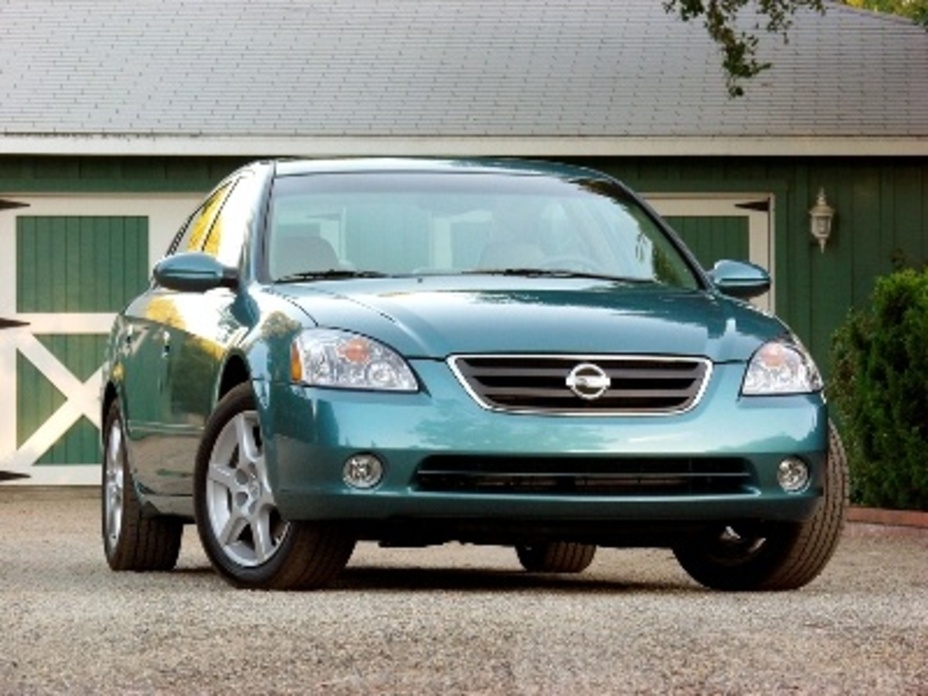
The 2002 model was also subject to more than a dozen recalls, reflecting deep manufacturing missteps.
These accumulated disappointments earned this Altima an “Avoid Like the Plague” label from consumer sites, with over 1,000 complaints logged about reliability and performance. Spotlighting 2002 warns buyers about cars where fixable problems turn into constant financial drains and repeated trips to shops.
2. 2005 Nissan Altima
Rust and engine problems define the troubles with the 2005 Altima. Owners frequently report that the floor pan rusts out prematurely, sometimes resulting in large holes forming underfoot.
Engine issues such as excessive oil consumption and transmission faults crop up at the 100,000-mile mark, increasing running costs significantly.
Body and paint quality issues further contribute to the car’s premature aging, while failures in the climate control system leave drivers shelling out another thousand dollars for repairs.
Despite Nissan’s attempts at refinement, these problems persisted through production, leaving many owners disappointed.
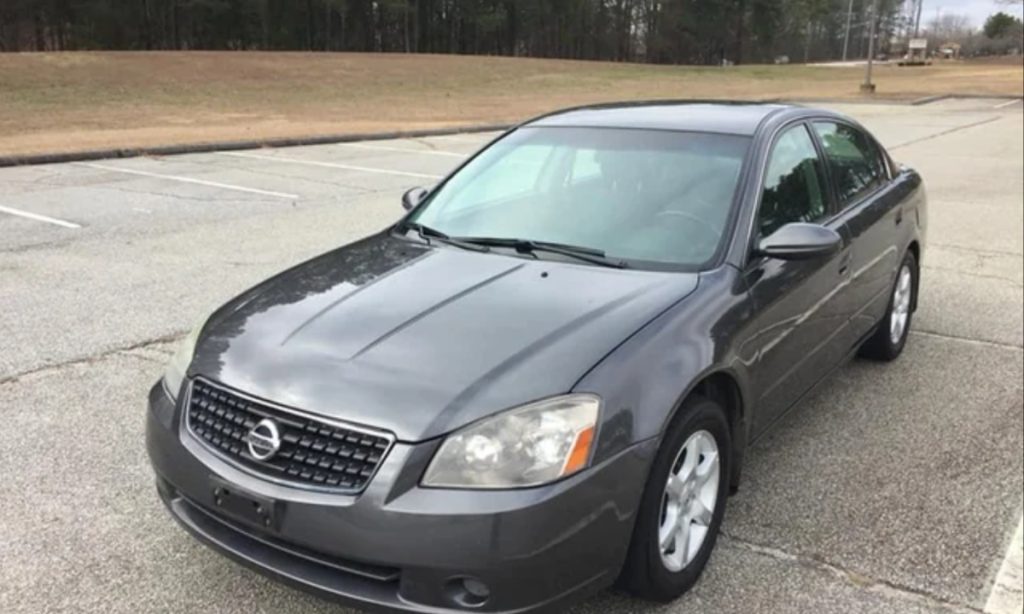
The cost of fixing a rusted floor pan alone exceeds the street value of the vehicle, making recovery from such damage almost impossible.
Recognizing the 2005 Altima among the worst years guides consumers away from a car that looks good on paper but quickly reveals critical vulnerabilities with regular use.
3. 2009 Nissan Altima
The 2009 Altima’s notorious steering lock problems put owners’ safety and wallets at risk. When the electronic steering column locks, drivers can lose control or be left stranded, with repair costs nearing a thousand dollars per incident.
Transmission overheating and a peculiar whining noise during acceleration add to the mechanical concerns, usually appearing around 100,000 miles. Suspension wear manifests earlier than expected, resulting in uncomfortable driving and higher long-term expenses.
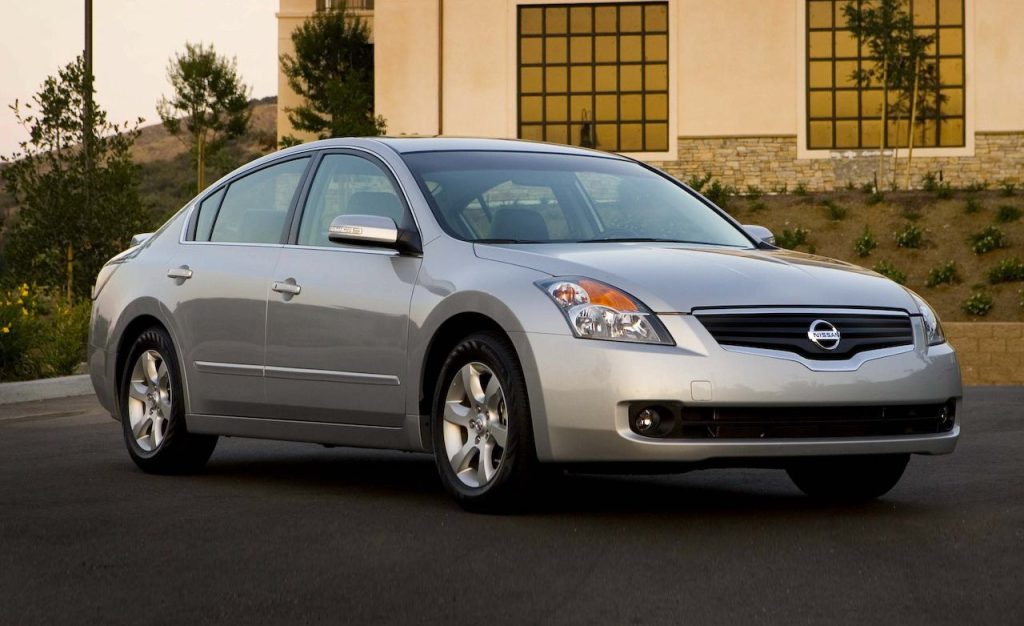
Owners have filed thousands of complaints, prompting Nissan to issue some fixes, though issues persist in many cars. This year’s reliability failures highlight how critical electronic and drivetrain systems need careful design and robust parts.
The 2009 Altima stands as a warning: sometimes, features meant to add safety or convenience end up creating new frustrations that linger well after the car leaves the showroom floor.
4. 2013 Nissan Altima
The 2013 model represents a low point for Altima reliability. Airbag malfunctions, transmission failures, and engine complaints dominated ownership experiences.
The main culprit was the faulty CVT transmission, which would shudder, hesitate, or even disable the car in traffic, costing more than $3,000 to repair out of warranty. Airbag failures resulted in multiple recalls and class-action lawsuits spanning several model years.
Climate system flaws and frequent electrical issues further frustrated owners, making this car unpredictable and costly. Industry watchdogs documented thousands of complaints and ongoing NHTSA investigations, contributing to national recall campaigns.
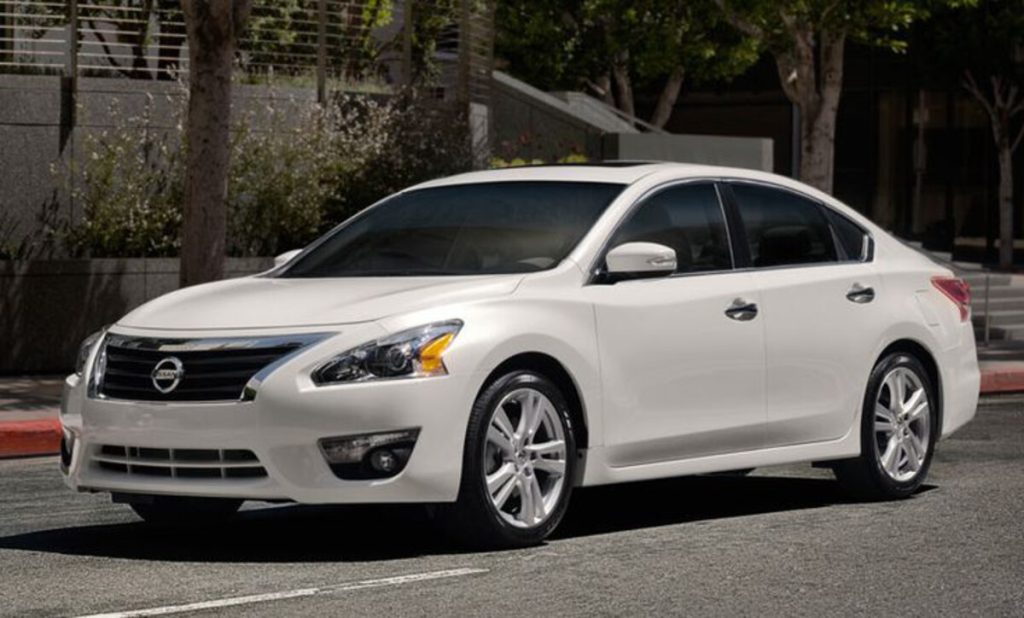
For buyers, the 2013 Altima exemplifies why it’s critical to research recalls and owner reviews before buying a used car. Sharing these details helps consumers steer clear of vehicles that may become expensive burdens rather than practical investments.
5. 2016 Nissan Altima
Problems with the 2016 Altima echo some of the earlier failures, especially regarding the transmission. Many owners noted that acceleration would suddenly stop in traffic, or the transmission would slip when turning.
The required fix a complete transmission replacement often costs more than $4,000. Consumer Reports and user surveys rank this year at the bottom of Nissan’s reliability ratings, and persistent electronics and low-beam lighting issues contribute to a compromised ownership experience.
Even after technical upgrades in previous years, major flaws continued to affect driver safety and confidence. By calling out the 2016 Altima, this guide aims to help readers identify models that pose strong risks, directing attention to more consistent years where Nissan’s design and engineering led to fewer headaches and happier customers.
The Nissan Altima has long been a favored midsize sedan for its blend of affordability, comfort, and fuel economy.
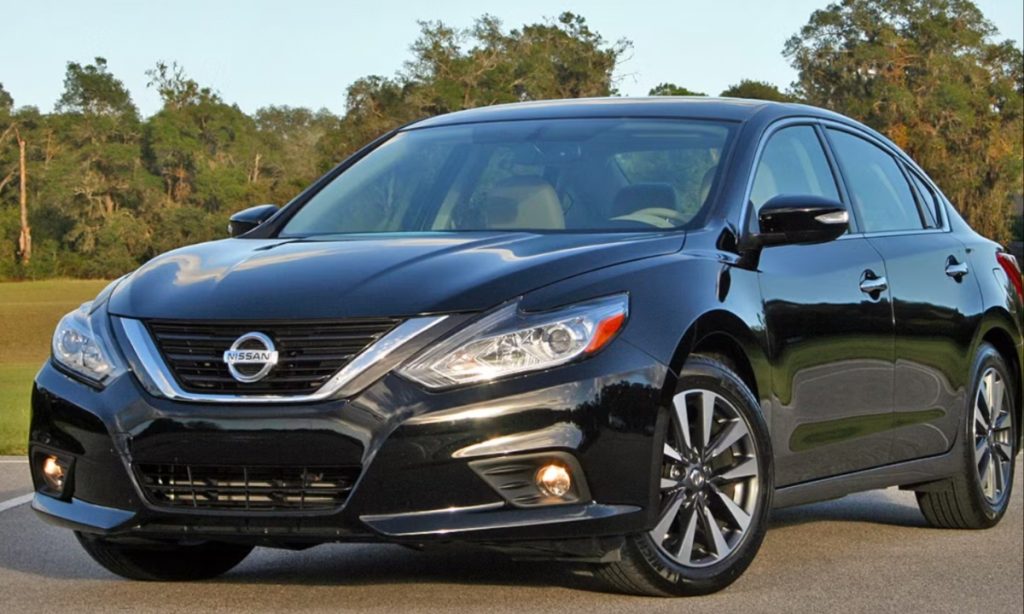
Yet, its extensive production history features years that consistently impress owners with reliability and satisfaction, contrasted with others plagued by technical failures and costly maintenance.
Knowing which model years perform well versus those prone to problems can significantly affect the ownership experience, particularly when choosing a used Altima.
Among the years that have positively surprised owners are the 2001, 2011, 2012, 2017, and 2019 Altimas. The 2001 model, the last of the second generation, is appreciated for its simple, durable engineering that sustains high mileage with minimal trouble and low maintenance costs.
It provides a straightforward, reliable driving experience without fussy electronics or frequent breakdowns. The 2011 and 2012 models, part of the fourth generation, earned praise for refining the CVT transmission issues that previously troubled the Altima.
These years balanced fuel economy, comfort, and contemporary features like Bluetooth and push-button start while maintaining strong reliability ratings supported by owner reports and industry reviews.
Moving to the more recent generation, the 2017 Altima corrected earlier flaws with improved transmission longevity and boosted safety features, achieving higher satisfaction and fewer breakdowns.
The 2019 redesign brought a modern look, optional all-wheel drive, better ride quality, and advanced driver aids, marking a notable step forward that held up well in real-world use due to robust build quality and Nissan’s quality control improvements.
In contrast, several Altima years stand out for failing prematurely and generating considerable owner frustration.
The 2002 model struggled with excessive oil consumption, early engine and suspension wear, and corrosion problems that reduced vehicle longevity and increased repair bills.
The 2005 iteration continued rust problems and developed engine and transmission faults near 100,000 miles, making it expensive to maintain.
The 2009 Altima faced serious electronic issues such as steering column lock failures, transmission overheating, and suspension wear that significantly impacted safety and reliability.
The 2013 model is notorious for multiple recalls connected to faulty airbags, CVT transmission failures, and electrical system flaws, leading to costly repairs, legal action, and diminished buyer confidence.
The 2016 Altima repeated transmission problems with slipping and unexpected power loss, often requiring expensive replacements that severely detracted from its ownership appeal.
Altogether, these distinctions underscore the importance of thorough research when investing in a used Nissan Altima.
The safer choices the earlier 2001 model, the well-regarded 2011 and 2012 years, and the newer 2017 and 2019 show how a model’s generational improvements and quality control can pay dividends in reliability and satisfaction.
Conversely, awareness of the troubled 2002, 2005, 2009, 2013, and 2016 models helps prospective buyers avoid vehicles that often become financial and mechanical burdens.
This knowledge empowers consumers to select an Altima that delivers dependable daily driving, avoids unwelcome repair costs, and provides value that extends well beyond the initial purchase.
Choosing carefully from among these contrasting years offers not just peace of mind, but a more rewarding Nissan Altima ownership experience overall.
This summary highlights that while the Nissan Altima’s reputation varies widely by model year, informed choices guided by owner feedback and comprehensive reliability studies can ensure owners enjoy all that the Altima’s practical design and comfortable ride have to offer.
Also Read: 5 Inline-6 Engines That Last Forever vs 5 That Constantly Fail
