
The combined evaluation of vehicles that lose or retain value beyond 100,000 miles is essential when considering long-term ownership and resale potential.
Mileage marks like 100,000 have traditionally been viewed as pivotal milestones influencing a car’s market worth. Some cars sharply fall in value after reaching this benchmark, primarily due to growing maintenance needs, waning reliability perception, and technological obsolescence.
Conversely, other cars maintain or even enhance their appeal because of enduring build quality, brand reputation, and proven longevity, which preserve their resale values well past this distance.
Understanding both categories side by side provides a balanced perspective that helps buyers, sellers, and enthusiasts weigh the financial implications of choosing one vehicle over another.
Such knowledge supports smarter investments by clarifying which models tend to become liabilities and which remain valuable assets over time.
This discussion will first present cars typically affected by steep depreciation after 100,000 miles, explaining the underlying factors for their value drop.
Later, it will highlight vehicles known for sustaining value and reliability past this mileage, emphasizing their traits that contribute to lasting market confidence.
By reviewing both perspectives, readers gain insight into how mileage intersects with vehicle type, model reliability, and market trends to shape depreciation outcomes.
Also Read: 5 Pickups With Long-Lasting Frames vs 5 That Rust Apart
Cars That Lose Value After 100,000 Miles
When cars reach the 100,000-mile threshold, their value often changes substantially, with some models experiencing sharp declines.
This milestone is regarded by many buyers and sellers as a pivotal point because it often signals increased wear and the likelihood of significant maintenance. Cars losing value quickly after 100,000 miles tend to have several factors in common.
Often, these vehicles come with higher repair and maintenance costs as parts age or break down, which discourages potential buyers. Some models have reputations for decreased reliability or problematic performance once they hit this mileage, accelerating depreciation.
Additionally, rapidly advancing technology means older vehicles may lack features and efficiencies that newer models offer, further reducing their appeal in the resale market.
Writing about cars that lose value after this mileage helps highlight risks involved in ownership costs and resale worth. It alerts buyers to avoid certain models if they want to maintain better long-term value.
It also serves as a guide to understanding how various factors such as brand, reliability, and technological relevance influence depreciation past a significant usage milestone.
This discussion will cover five examples of vehicles that tend to lose a considerable portion of their value after exceeding 100,000 miles, illustrating practical considerations that affect their resale prices and ownership experience.
1. Jaguar I-Pace
The Jaguar I-Pace is a luxury electric SUV that has attracted significant interest for its innovative design and electric powertrain. However, this vehicle is known for experiencing considerable depreciation, especially as mileage approaches and surpasses 100,000 miles.
Industry data shows that the Jaguar I-Pace can lose up to 67% of its value within five years, with a resale value dropping to around 33% of its original price by then. One key factor contributing to this steep depreciation is concern over the aging battery.
Although the I-Pace comes with a competitive eight-year or 100,000-mile battery warranty, prospective buyers often worry about reduced battery capacity and the high cost of battery replacement once the warranty expires.
Maintenance and repair costs also add to its declining value. While electric vehicles typically require less frequent servicing, servicing intervals for the Jaguar I-Pace are about every two years or 21,000 miles, with relatively high costs per service.
Additionally, luxury electric models often carry higher insurance premiums, which can reduce market appeal. Technological advances in newer EV models with longer ranges and improved features make older I-Paces less desirable, accelerating depreciation.
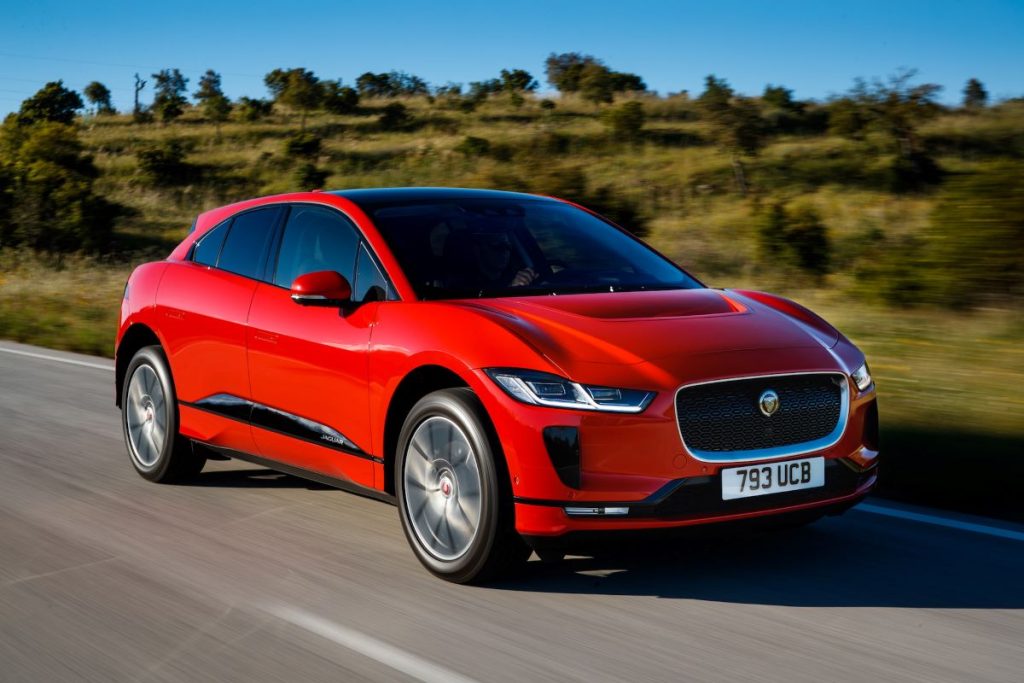
This car serves as an important example in the discussion about vehicles that lose value sharply after 100,000 miles because it illustrates how electric vehicles, despite being modern and technologically advanced, are not immune to depreciation related to battery health, maintenance costs, and rapidly evolving market conditions.
Being aware of such factors helps buyers understand why the I-Pace’s value declines at higher mileage and underlines the importance of considering long-term ownership costs when choosing luxury EVs.
2. BMW 7 Series
The BMW 7 Series is a flagship luxury sedan known for its advanced technology, refined performance, and premium comfort.
However, this model experiences significant depreciation after crossing the 100,000-mile mark, which is largely attributable to escalating maintenance and repair costs common with high-end German cars.
Buyers of used BMW 7 Series vehicles often anticipate expensive servicing, replacement of sophisticated electronic components, and potential issues with luxury features that tend to fail as the car ages.
The perceived maintenance burden causes potential buyers to shy away from high-mileage examples, leading to a steep drop in resale values.
While the initial purchase might be justified by cutting-edge technology and opulent interiors, these benefits become overshadowed by the costs and uncertainties associated with ownership beyond 100,000 miles.
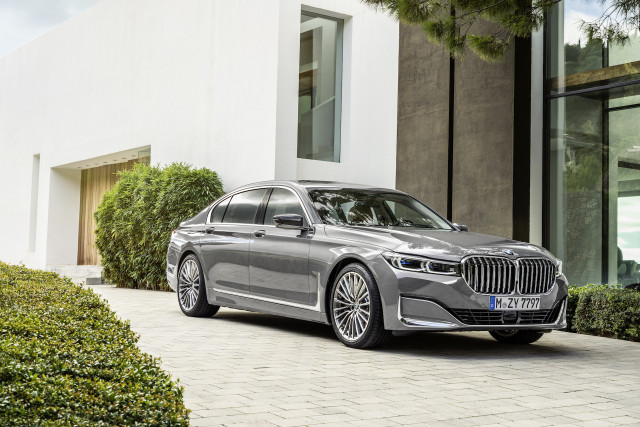
Additionally, the luxury sedan market is highly competitive, with new models regularly offering updated features and more efficient engines, making older examples less attractive in comparison.
This depreciation case highlights how prestige vehicles with complex systems and expensive upkeep can transform into financial liabilities as mileage increases.
The BMW 7 Series teaches potential buyers that owning luxury cars past certain mileage limits brings risks that impact not only maintenance spending but also resale price.
Understanding these aspects allows owners to better prepare for ownership costs or consider selling before reaching high-mileage thresholds to avoid steep losses.
3. Mercedes-Benz S-Class
The Mercedes-Benz S-Class is often regarded as the pinnacle of luxury sedans, combining advanced technology, plush interiors, and powerful performance.
Despite these qualities, it experiences considerable depreciation after the 100,000-mile mark, which investors and owners should factor into their decisions.
Over a period of around five years, the S-Class typically depreciates nearly 50-70% of its original value, with mileage contributing significantly to this decline.
One main reason for this steep drop is the high cost of repairs and maintenance for the advanced engineering and electronic systems packed in the vehicle.
Repairing or replacing sophisticated technology, such as active suspension or advanced driver-assistance systems, can be expensive, pushing potential buyers away from high-mileage examples.
Furthermore, luxury vehicles like the S-Class tend to lose appeal as newer models arrive with upgraded features, improved fuel efficiency, and modern design cues.
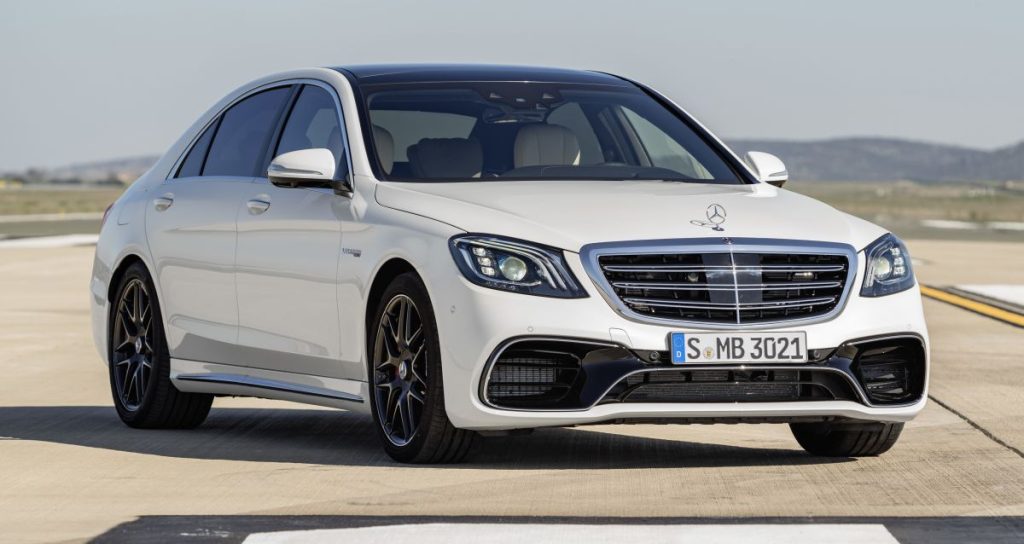
Buyers in this market segment prefer relatively newer models that maintain the latest performance and luxury standards. Also, perceptions about the reliability and ownership costs of older luxury sedans contribute to reduced demand for high-mileage ones.
This case illustrates how cutting-edge luxury cars may become financial liabilities beyond certain mileage points. Potential owners should be cognizant of the considerable depreciation and maintenance costs that accompany the S-Class after extensive use.
Understanding this pattern helps in making smarter choices regarding resale timing or selecting models that balance luxury with longer-term value retention.
4. Tesla Model S
The Tesla Model S is a hallmark in the electric vehicle (EV) segment, known for its impressive acceleration, range, and cutting-edge technology. Although it enjoys strong brand appeal, it experiences notable depreciation, especially when it crosses 100,000 miles.
A significant factor in this decline is concerns around battery life and replacement costs. While Tesla batteries are designed to last hundreds of thousands of miles, degradation over time reduces range, which can deter buyers. Battery replacement is an expensive proposition, often exceeding several thousand dollars, which impacts the vehicle’s resale value.
Tesla’s reputation for software updates and technological advancements also creates a unique depreciation dynamic.
New software features and hardware upgrades frequently make older versions seem outdated, affecting desirability among tech-savvy buyers seeking top performance and features.
Additionally, extended warranties and maintenance plans offered on newer models add further challenges for older high-mileage cars to attract premium resale prices.

Despite lower mechanical complexity relative to internal combustion engine vehicles, Teslas at high mileage accumulate concerns over long-term reliability of components like motors or battery packs.
This makes the Model S’s depreciation after 100,000 miles a crucial consideration for buyers interested in used electric vehicles.
Examining the Model S in this context reveals the interplay between evolving technology, battery concerns, and market preferences shaping secondhand EV value.
It informs owners about potential financial implications of high-mileage ownership and the importance of monitoring battery health when purchasing.
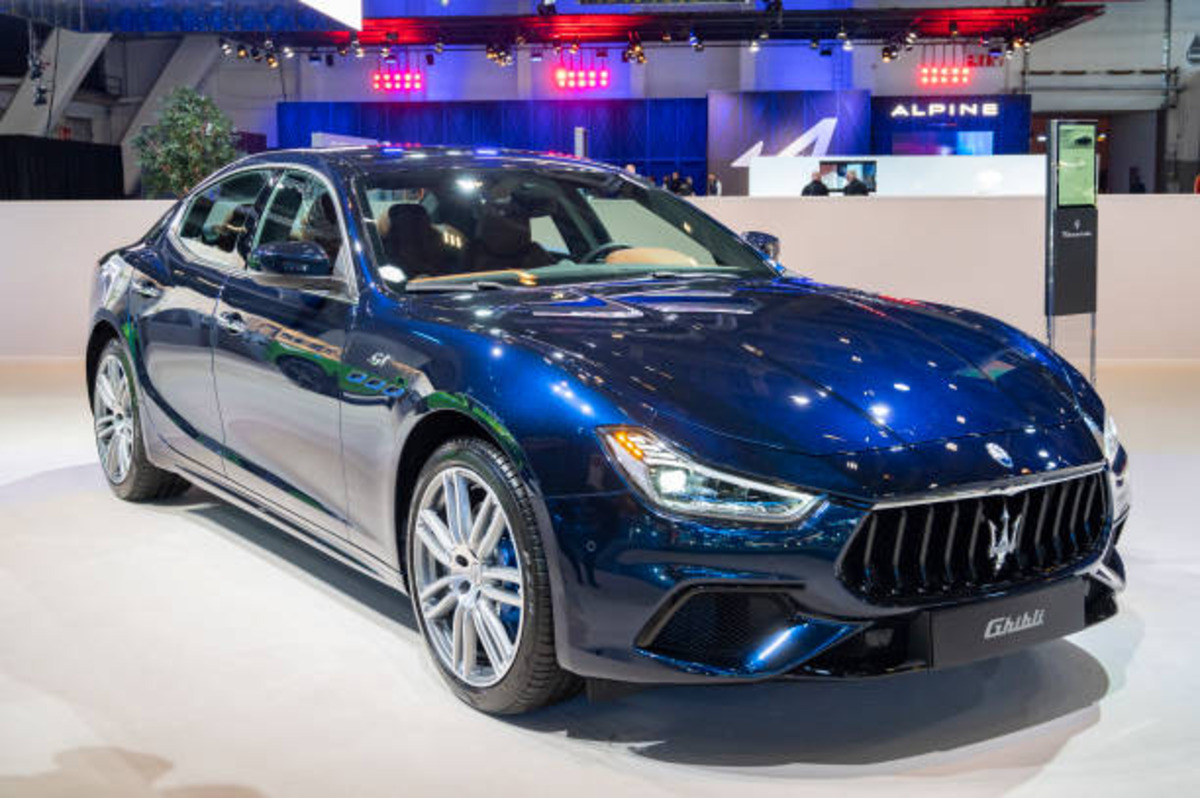
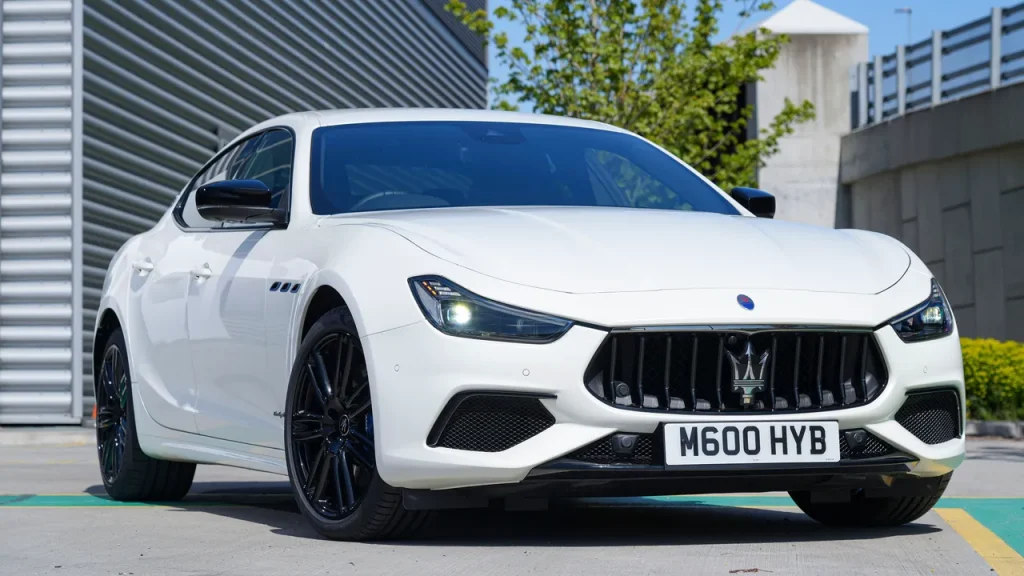
5. Maserati Ghibli
The Maserati Ghibli is an Italian luxury sports sedan that combines distinctive styling with spirited performance.
However, this vehicle tends to depreciate rapidly after passing the 100,000-mile mark, a trend driven principally by high maintenance costs and concerns about reliability.
Exotic and luxury cars like the Ghibli often demand premium prices for parts and servicing, a trend that intensifies with the vehicle’s age and mileage. Such ownership costs discourage buyers in the used market, limiting resale demand and contributing to steep price drops.
Reliability issues also play a role. The Ghibli has faced criticism for inconsistent build quality and mechanical troubles relative to competitors, affecting long-term ownership satisfaction.
While new models showcase impressive features and design, older high-mileage ones can be perceived as risky purchases, making them less attractive.
Maserati’s historically strong brand prestige does not fully shield the Ghibli from depreciation driven by ownership expenses and mixed reliability records. As a result, many buyers prefer newer or lower-mileage examples, driving down prices for those exceeding 100,000 miles.
Including the Maserati Ghibli in this group of depreciating cars highlights the challenges faced by owners of luxury sports sedans in maintaining value past significant mileage milestones.
It serves as a reminder to potential buyers about the importance of evaluating maintenance costs and reliability reputation in addition to brand allure when considering long-term ownership.
Cars That Retain Value Past 100,000 Miles
Certain vehicles defy the common depreciation pattern and maintain strong value even after surpassing 100,000 miles. These cars are prized for their reliability, durability, build quality, and brand reputation, which collectively sustain buyer confidence in the used market.
Longevity and mechanical soundness are vital characteristics that make these vehicles attractive to secondhand buyers who seek dependable transportation with proven performance.
Additionally, favorable maintenance costs and a history of consistent serviceability contribute to their lasting appeal, supporting more stable resale values compared to their rapidly depreciating counterparts.
Focusing on cars that retain value beyond this mileage milestone informs buyers about models that offer financial sense alongside practical longevity.
Such vehicles reduce ownership risks by lowering unexpected repair expenses and boost asset retention important for owners planning to sell or trade in their cars later.
This perspective balances the discussion of depreciation by shining light on sensible investments designed to withstand high mileage without severe value loss.
In the following section, five notable cars will be examined for their ability to preserve value past 100,000 miles. The reasons behind their resilience will be explored in detail, stressing the importance of engineering excellence, reputability, and cost-effectiveness that set these vehicles apart in the long run.
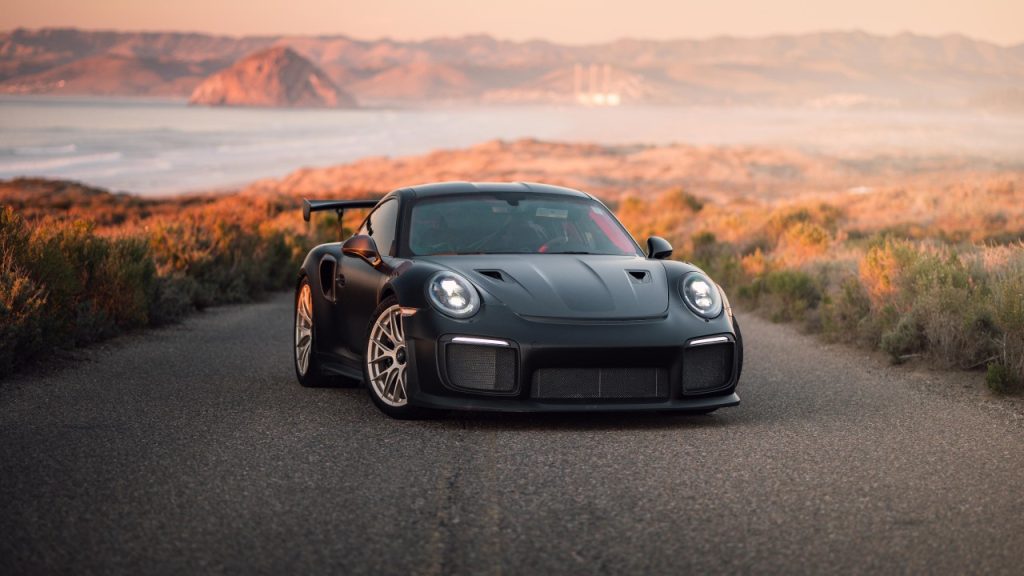
1. Porsche 911
The Porsche 911 is legendary for its timeless design, superior engineering, and outstanding driving dynamics. Unlike many sports cars that steeply depreciate, the 911 is well-known for maintaining a strong resale value even after surpassing 100,000 miles.
Several factors contribute to this durable market appeal. First, the 911 benefits from Porsche’s reputation for exceptional build quality and reliability, meaning the car remains both functional and desirable with proper care over many years.
The chassis and engine designs have proven to be robust, with many examples still performing well past this milestone.
Another key element is the enthusiastic community and collector interest surrounding the 911. This cult-like following helps preserve demand for used models, supporting stable values.
Moreover, Porsche’s continuous updates and parts availability ensure maintenance remains manageable, avoiding the typical pitfalls that cause depreciation in other luxury sports cars.
Porsche’s careful balance of performance, reliability, and prestige makes the 911 a standout choice for buyers who want to avoid big valuation drops over time.
While some depreciation naturally occurs, the 911’s value retention is impressive compared to many other luxury or exotic sports cars. This makes it a smart option for those prioritizing longevity, enjoyment, and financial prudence.
By examining the Porsche 911, it’s clear how engineering excellence and brand strength can keep a car desirable and valuable well past 100,000 miles, offering a benchmark for durability in the sports car segment.
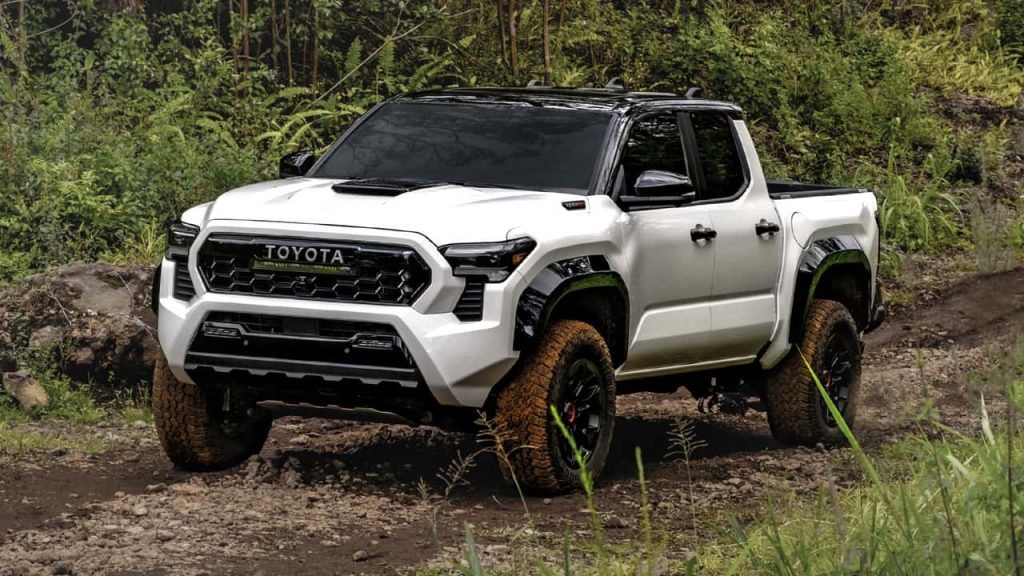
2. Toyota Tacoma
The Toyota Tacoma is widely celebrated for its ruggedness, reliability, and strong resale value, making it one of the most durable vehicles even beyond 100,000 miles.
This mid-size pickup truck tends to depreciate much slower than comparable vehicles, retaining approximately 60-70% of its value even as it ages.
Toyota’s reputation for building tough, dependable trucks drives buyer confidence in the used Tacoma market. Many owners report high mileage longevity with minimal major repairs, emphasizing the truck’s practical and robust engineering.
The Tacoma’s value retention owes much to its proven mechanical durability, reputation for off-road capability, and low maintenance costs relative to competitors.
Its components are known for holding up well under demanding usage, which appeals to buyers seeking reliable transportation and utility.
Additionally, the truck’s popularity has created a consistent demand for used models, which supports higher resale prices even after a decade of ownership.
This model illustrates the advantage of buying vehicles backed by strong reputations for longevity and affordable ownership.
For many, the Toyota Tacoma represents a smart long-term investment with predictable costs, reducing concerns about depreciation shocks after high mileage.
Understanding why the Tacoma retains value informs buyers looking to avoid steep losses and find vehicles that hold their worth, even far into their lifecycle.
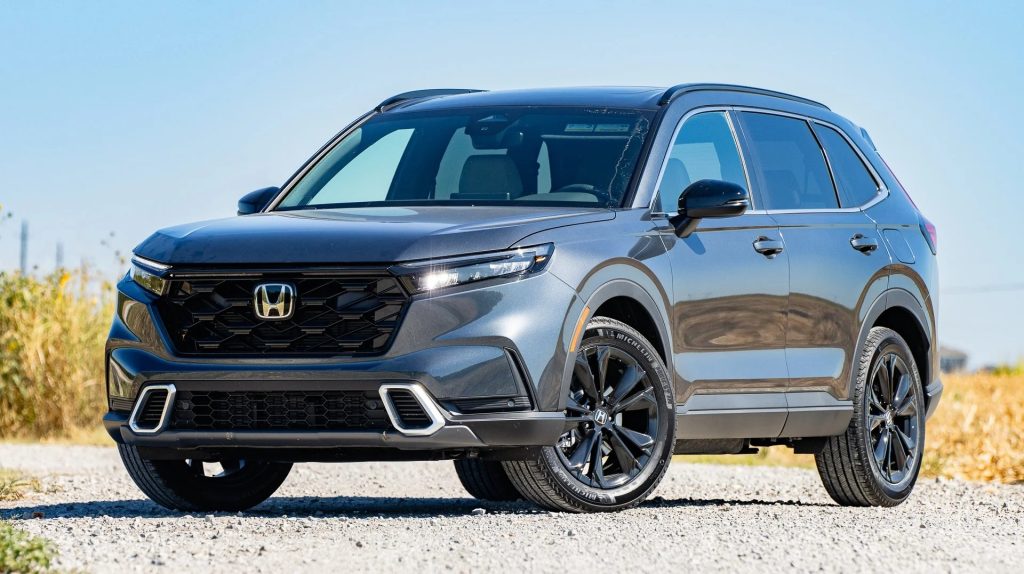
3. Honda CR-V
The Honda CR-V is a compact SUV that has earned acclaim for its balance of reliability, fuel efficiency, and versatility. It holds value well past 100,000 miles thanks to Honda’s engineering emphasis on longevity and ease of maintenance.
The CR-V depreciates at a slower rate compared to many other SUVs and crossover vehicles, maintaining about 65-70% of its original value after five years, with continued market demand at higher mileage levels.
A key factor behind this retention is the CR-V’s reputation for requiring fewer costly repairs and delivering consistent performance over extended use. It features a straightforward drivetrain and well-proven components, making servicing more affordable and accessible.
The SUV’s practicality and good fuel economy further attract buyers who want a reliable daily driver that can endure heavy use without rapid value loss.
The CR-V’s broad appeal in urban and suburban settings also helps sustain its demand in the used market, ensuring sellers can recoup a solid portion of their investment even beyond 100,000 miles.
This blend of dependability, efficiency, and market desirability offers important lessons about how certain models outperform the depreciation curve.
For buyers seeking a balance of long-term value and functional reliability, the Honda CR-V is a prime example. Analyzing its depreciation highlights the significance of manufacturing quality and broad market preference in preserving vehicle worth over time.
4. Lexus RX
The Lexus RX is a luxury midsize SUV highly regarded for its exceptional build quality, smooth ride, and strong reliability record. It is among the vehicles known for holding its value well beyond 100,000 miles.
Lexus’s dedication to durability and customer satisfaction translates into slower depreciation compared to many luxury SUVs, with the RX retaining roughly 60-65% of its value after five years and maintaining significant resale value beyond that mileage.
One major reason for this resilience is Lexus’s consistent reliability, which reduces unexpected repair costs and provides owners with peace of mind about long-term ownership.
The RX also benefits from strong demand in the used luxury crossover market, driven by a blend of prestige, comfort, and practical usability. Moreover, Lexus models typically have ample parts availability and service networks, keeping maintenance manageable.
This combination of factors supports high resale prices even when these vehicles have been driven extensively.

The RX exemplifies how luxury does not necessarily equate to rapid depreciation if paired with solid reliability and ongoing demand. Buyers are willing to pay premiums for used RXs that promise longevity and a superior driving experience.
Considering the Lexus RX offers insight into how premium vehicles with a reputation for dependability can deliver balanced ownership benefits a refined vehicle experience paired with prudent financial sense.
5. Subaru Outback
The Subaru Outback is celebrated for its rugged capability, all-wheel drive system, and balanced performance in both urban and off-road environments.
It consistently ranks as one of the cars that retain good value beyond 100,000 miles, thanks to Subaru’s emphasis on dependability and versatility. Buyers appreciate the Outback for its mechanical toughness, which supports steady resale prices as miles accumulate.
The Outback’s value retention partially stems from its reputation for enhanced safety features and reliability, factors highly prized in regions with tough weather conditions such as snow and rain.
Its symmetrical all-wheel-drive system and robust engine design make it a practical choice for year-round driving, extending its appeal in used markets. Maintenance and repair costs are moderate, which further bolsters confidence among secondhand buyers.
Additionally, Subaru’s loyal owner base and positive word-of-mouth contribute to sustained demand for well-maintained Outbacks, reinforcing their value on the resale market.
The vehicle’s balance of comfort, utility, and reliability also attracts buyers looking for dependable long-term transportation that will not significantly deteriorate in value after surpassing 100,000 miles.

The Subaru Outback’s case clarifies how vehicles offering all-weather performance, ongoing reliability, and reasonable ownership costs can defy typical depreciation trends, providing sound financial and practical benefits long after initial purchase.
Cars passing the 100,000-mile mark face varying depreciation patterns based on factors like brand, reliability, maintenance costs, and market demand. Many vehicles experience steep value loss due to concerns about costly repairs, worn components, and outdated technology.
However, some models such as the Toyota Tacoma, Honda CR-V, Lexus RX, Subaru Outback, and Porsche 911 hold their value well past this milestone because of durability, reputation, affordable maintenance, and strong demand.
The key to retaining value lies in dependable engineering and broad appeal, making these cars smart long-term investments and reassuring options for owners seeking sustained resale worth beyond high mileage.
