
Transmission health often defines how long a car can stay reliable on the road. While engines tend to receive most of the attention, a strong or weak transmission can make the difference between a vehicle that serves for years and one that spends too much time at the repair shop.
Some models earn a reputation for having transmissions that handle mileage, tough driving, and wear without showing many signs of failure.
These vehicles are often praised by long-term owners and mechanics alike because they avoid the costly problems that plague so many other cars.
On the other hand, not every model enjoys that kind of track record. Certain cars are known for frequent transmission complaints, whether due to poor design, rushed engineering, or weak components that fail far earlier than expected.
Owners of these cars often report slipping gears, hesitation, or full transmission failure at mileages where most drivers expect smooth operation. Repair bills for these vehicles can quickly reach thousands of dollars, making them some of the most expensive to keep running.
By looking at cars with both strong and weak transmission reputations, buyers can make better decisions and avoid preventable expenses in the long run.
Also Read: 5 Toyota SUVs That Last Forever vs 5 That Don’t
5 Cars That Rarely See Transmission Issues
Some cars build a loyal following not just because of comfort, style, or performance, but because their parts hold up longer than most expect. The transmission, often one of the most expensive components to repair, plays a central role in that reputation.
When a transmission works smoothly for hundreds of thousands of miles without failure, it gives owners the confidence that their investment will keep paying back in dependable service.
Mechanics often notice patterns over the years, and the same vehicles consistently show fewer transmission failures, making them stand out as dependable choices.
These cars usually benefit from strong engineering, tested automatic or manual gearboxes, and proven reliability records. Owners report minimal problems like slipping gears or hard shifts, even as the mileage climbs.
Instead, these models keep moving with little more than regular maintenance, fluid changes, and basic care. This makes them attractive not only to new buyers but also to those shopping for used vehicles, since the risk of costly repairs is significantly lower.
The following five cars have built a reputation for long-lasting transmissions that rarely leave drivers stranded. Each one demonstrates how thoughtful design and proven durability can save owners thousands over time.
1. Toyota Camry
The Toyota Camry has long been recognized as one of the most dependable sedans ever produced, and its transmission plays a huge part in that reputation. Toyota kept the Camry’s automatic gearboxes relatively simple, especially in models from the late 1990s through the mid-2010s.
Instead of chasing complicated designs, Toyota focused on durability, with transmissions that can handle hundreds of thousands of miles with minimal problems.
Owners often report reaching 250,000 miles without ever needing major transmission repairs, provided fluid changes are kept up to date.
Mechanics often point out that the Camry avoids the notorious issues seen in other brands, such as premature gear slippage or faulty valve bodies.
Even when driven in stop-and-go traffic or long highway commutes, the Camry’s transmission tends to stay smooth and predictable. Its resilience makes it especially popular in the used car market, where buyers seek models that can be trusted long after the odometer shows six figures.
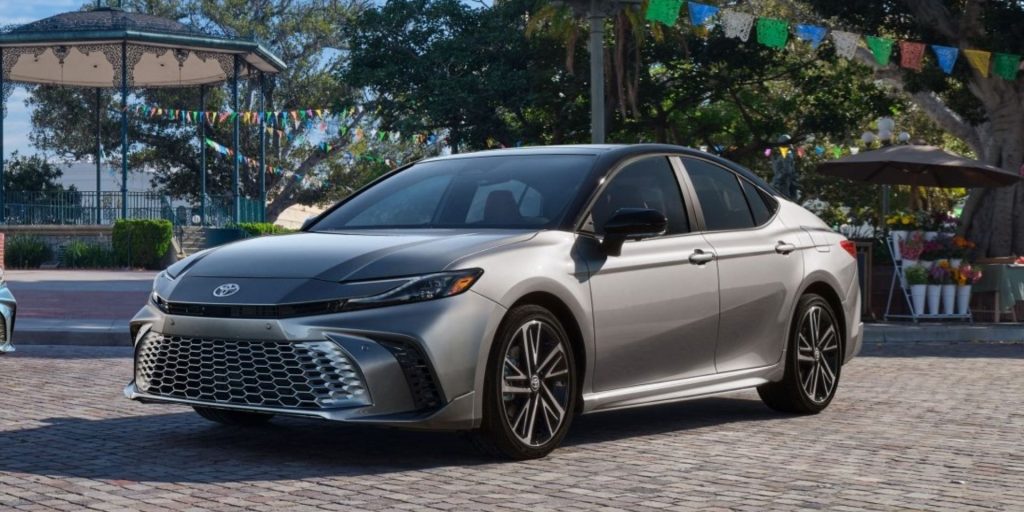
The Camry’s track record proves that a carefully built transmission doesn’t need constant attention. With proper care, owners avoid the multi-thousand-dollar repair bills that plague other sedans. That reliability makes the Camry a smart choice for anyone who values long-term dependability.
2. Honda Accord
The Honda Accord stands shoulder to shoulder with the Toyota Camry as one of the most reliable sedans on the road, particularly when it comes to its transmission.
Honda refined its automatic gearboxes over decades, and while some models had issues with early CVTs, the traditional automatic and manual transmissions in many Accord generations have been impressively strong.
Owners consistently praise the Accord for smooth shifting and the ability to withstand daily driving without noticeable decline. Many mechanics highlight that older Accords, particularly those built before overly complex electronics became standard, can easily last beyond 200,000 miles with only routine maintenance.
Transmission rebuilds are rare compared to other mid-sized sedans, which makes the Accord a trusted pick for drivers who want low long-term costs.
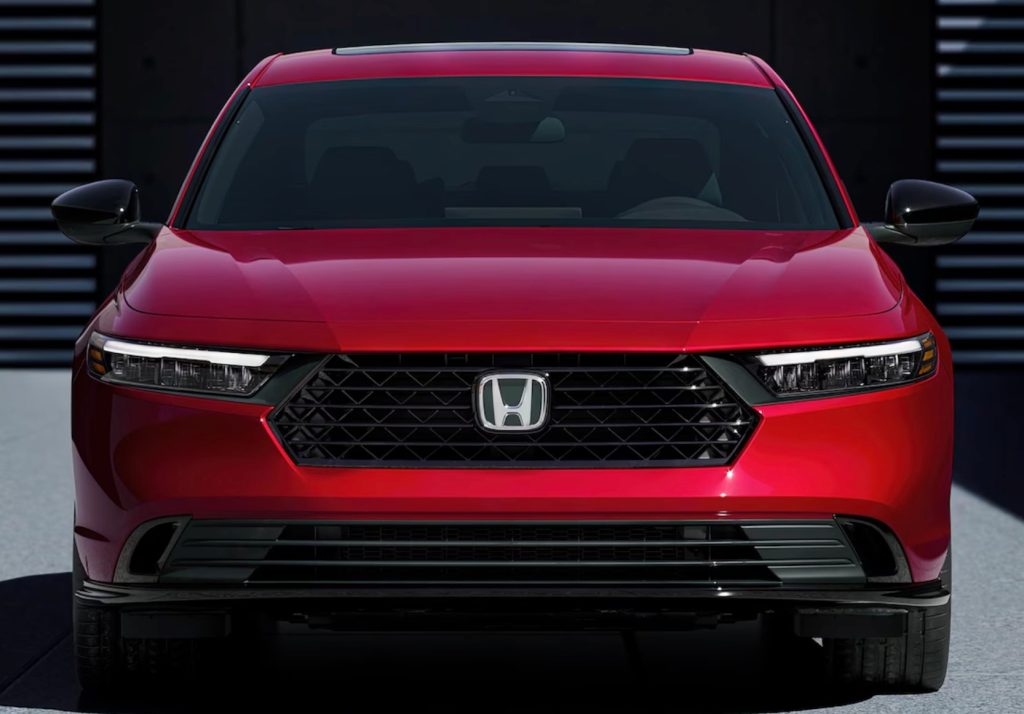
Used Accord buyers also benefit from this reputation. A well-maintained Accord doesn’t scare away mechanics during inspections, since its transmission is unlikely to need immediate repair. Even on higher-mileage vehicles, slipping gears and fluid leaks are uncommon.
By combining strong engineering with careful design, Honda built a transmission that holds its value over time. For families, commuters, or even students, the Accord is a reliable choice that delivers years of service without expensive transmission headaches.
3. Toyota Corolla
The Toyota Corolla is one of the most sold cars worldwide, and part of its appeal lies in its reputation for reliability across the board. Its transmission is no exception.
Corolla models equipped with traditional automatic gearboxes and manuals are well-known for their toughness. Even as newer models introduced CVTs, Toyota engineered them to avoid many of the problems that competitors faced.
Drivers often report that their Corolla continues to shift smoothly even after 200,000 miles, provided that the basic transmission maintenance schedule is followed. Fluid changes, along with avoiding extreme driving conditions, are usually all that’s needed to keep the gearbox in healthy shape.
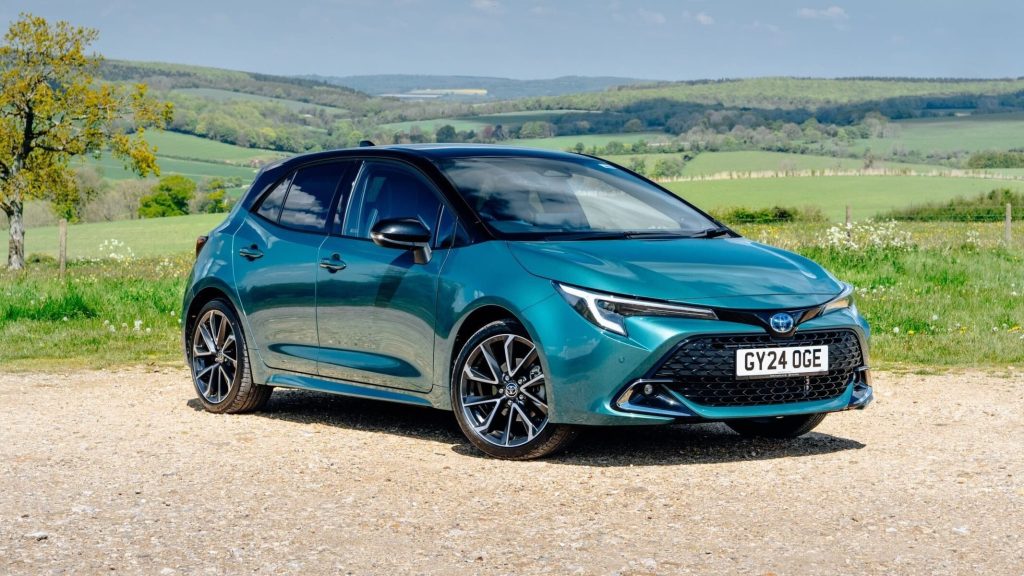
Mechanics frequently note that compared to compact cars from domestic or European brands, the Corolla’s transmission is far less likely to end up on a lift for a major rebuild.
This long-term dependability helps explain why Corolla resale values remain high and why it remains a favorite among buyers looking for affordable but reliable transportation.
While the Corolla doesn’t deliver sporty performance, its transmission was designed with practicality and endurance in mind. That balance has paid off for generations of drivers who want a small car that stays dependable year after year without surprise repair bills.
4. Lexus ES
The Lexus ES, which shares much of its engineering with the Toyota Camry, takes the same formula of durability and pairs it with luxury comfort. The transmission in the ES is praised for smooth shifts that rarely develop problems, even as the car ages.
Since Lexus emphasizes refinement, the transmission is tuned for smoothness over aggressiveness, reducing stress on the components and helping it last longer.
Owners of older ES models often reach 250,000 miles without ever needing to replace or rebuild their transmissions. Mechanics note that even when these cars are serviced at high mileages, transmission problems are not common compared to luxury rivals from Europe.
Where BMWs and Audis may face costly transmission issues, the Lexus ES typically avoids those pitfalls thanks to Toyota’s conservative engineering approach.
This reliability adds enormous value to the ES in the used market. Luxury buyers often expect higher repair bills, but the ES surprises them with a transmission that holds up like an economy car while delivering the comfort of a premium sedan.
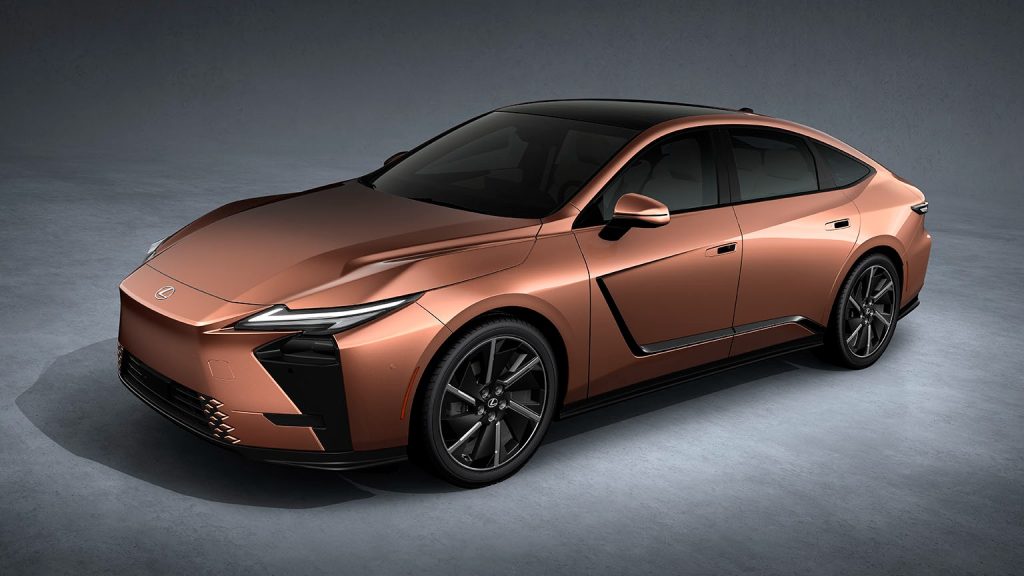
By pairing Toyota’s proven transmission reliability with Lexus refinement, the ES offers peace of mind to owners who want both luxury and durability. It’s a clear example of how thoughtful engineering prevents long-term issues.
5. Honda Civic
The Honda Civic rounds out this list as another small car with a transmission reputation that outshines many competitors. Earlier generations, equipped with traditional automatics and manuals, became known for lasting hundreds of thousands of miles with little trouble.
Even in newer generations, where CVTs are more common, Honda has built units that perform well compared to other manufacturers’ attempts.
Drivers regularly report reaching 200,000 miles without major issues, which is remarkable for a compact car often bought by students or first-time drivers who may not always keep up with perfect maintenance.
The Civic’s transmissions handle daily commutes, city traffic, and long road trips without developing severe problems like slipping gears or fluid leaks.
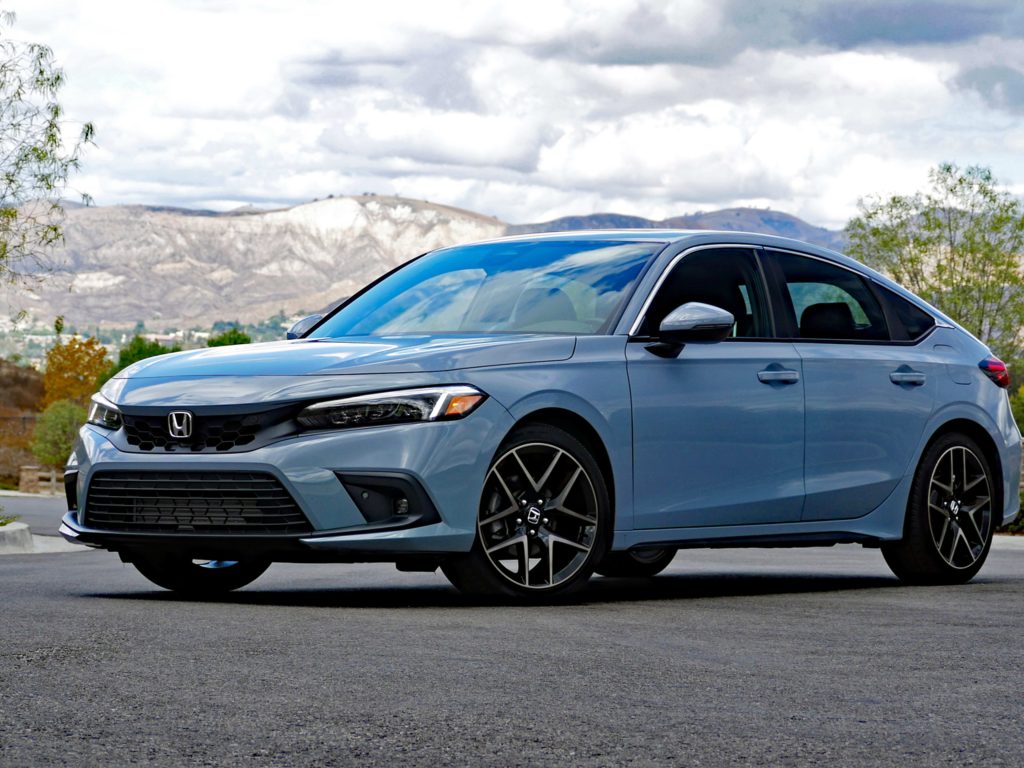
Mechanics often say the Civic’s reliability makes it one of the easiest cars to recommend, especially for those on a budget. Transmission issues are rarely a deal-breaker when considering a used Civic, which makes it an attractive option in the secondhand market.
By focusing on simplicity and strength, Honda gave the Civic a transmission that lasts well beyond what many rivals can promise. It’s a dependable option for buyers who want affordable, long-lasting transportation without the risk of major repair bills.
5 Cars That Always Do
While some vehicles enjoy a reputation for reliable transmissions, others have become infamous for constant problems. These cars often show signs of failure much earlier than expected, sometimes before reaching even 100,000 miles.
Owners report slipping gears, jerky shifts, hesitation, or complete breakdowns that leave the car immobile. Such issues are not just frustrating but extremely costly, since transmission repairs and replacements are among the most expensive services a car can require.
What makes these models especially troublesome is that the problems are not isolated to a few unlucky owners. Instead, they are widespread and well-documented, affecting large numbers of vehicles across multiple years of production.
This pattern suggests design flaws, cost-cutting decisions, or poorly engineered components that simply cannot withstand normal use. Even with regular maintenance, these transmissions often fail prematurely, leaving drivers with difficult choices: pay thousands for repairs, replace the car altogether, or face ongoing reliability headaches.
By understanding which cars are prone to chronic transmission failures, buyers can avoid long-term regret and financial loss. The following five cars stand out for all the wrong reasons. They have built a reputation not for lasting strength, but for repeated transmission trouble that continues to affect owners.
1. Nissan Altima
The Nissan Altima is one of the most recognized midsize sedans on the market, but it has also gained a negative reputation for its transmission problems. Starting in the late 2000s, Nissan switched most Altimas to a continuously variable transmission (CVT), hoping to improve fuel economy and efficiency.
Unfortunately, these CVTs often failed long before expected. Owners reported jerking, shuddering, slipping, and outright transmission failure as early as 60,000 miles.
Mechanics often point out that the Altima’s CVT design was not durable enough for daily commuting over time.
The transmission overheats, the belt wears prematurely, and expensive repairs become unavoidable. Unlike traditional automatics, CVTs are not easily rebuilt, which means owners usually face full replacement costs in the thousands.
The situation became so common that Nissan extended warranties for certain model years, but even then, many drivers were left with repair bills. Used Altimas are particularly risky, since transmission failure can occur suddenly without much warning.
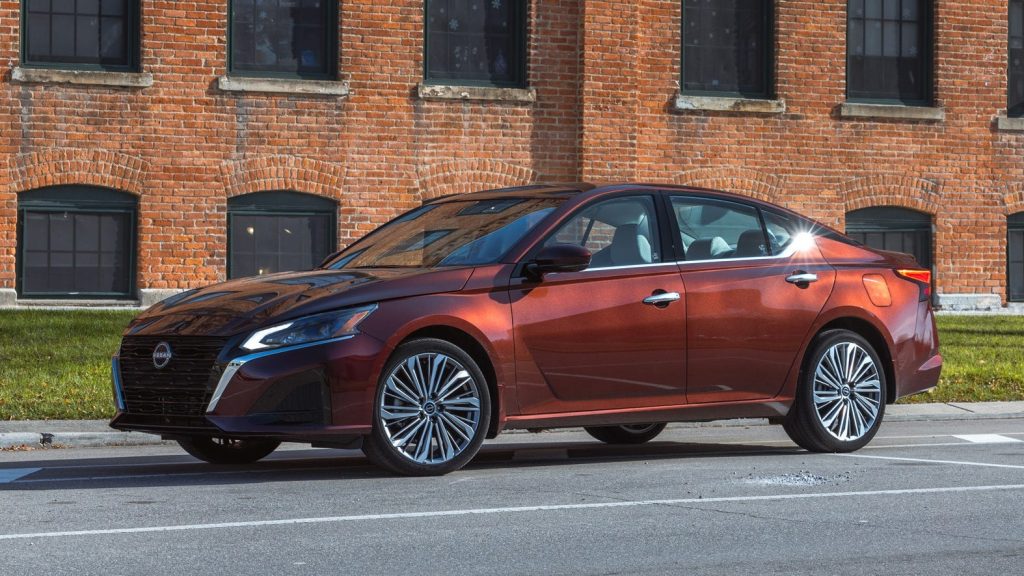
Because of these persistent issues, the Altima has become a car that mechanics often advise against when customers ask for recommendations. While the sedan has strong comfort and efficiency, its transmission issues overshadow those strengths.
2. Ford Focus (2012–2016)
The Ford Focus from 2012 to 2016 is notorious for transmission failures, specifically tied to the “PowerShift” dual-clutch automatic system.
Ford marketed this technology as a fuel-saving and performance-enhancing option, but it quickly became one of the most problematic transmission designs of its era. Owners of these Focus models often report jerky shifts, hesitation when accelerating, and in many cases, complete transmission breakdowns.
The root cause lies in the dry-clutch design, which was not suitable for the stop-and-go driving that many Focus owners experienced. Instead of providing smooth gear changes, the system wore out quickly, leading to costly repairs and, in some cases, multiple replacements within the car’s lifespan. Lawsuits and recalls followed, but many owners were still left with unreliable vehicles.
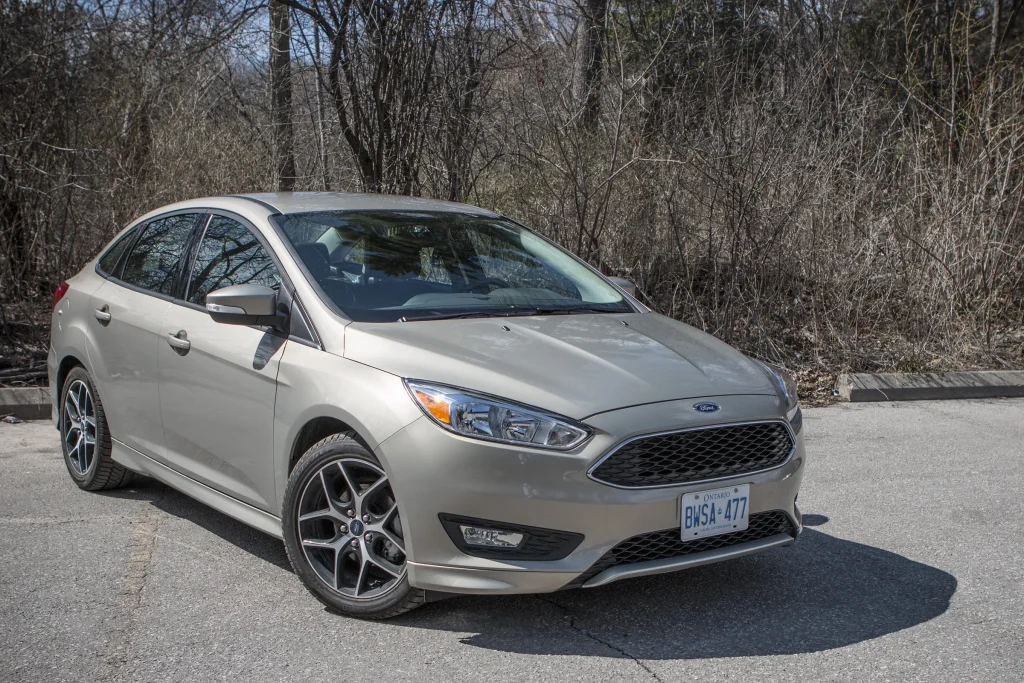
Even after warranty repairs, many Focus drivers continued to experience the same issues, making it one of the most complained-about transmissions in modern automotive history. Used models from these years are often sold at discounted prices, but the risk of transmission failure remains high.
This transmission problem hurt the Focus’s reputation severely, leaving behind a legacy of frustration for drivers who expected an affordable and dependable small car.
3. Jeep Cherokee (2014–2017)
The Jeep Cherokee models from 2014 to 2017 suffered major transmission troubles, largely due to the nine-speed automatic gearbox developed by ZF. While the technology promised better efficiency and performance, execution fell short.
Owners quickly reported issues such as rough shifting, hesitation, clunky gear changes, and in some cases, total transmission failure.
Many drivers complained that the transmission seemed to “hunt” for gears, making the vehicle unpredictable during normal driving.
Software updates were issued, but they only addressed the problems temporarily. Even with updates, many Cherokees developed long-term mechanical failures that resulted in expensive repairs.
Mechanics often explain that the complexity of the nine-speed design contributed to its unreliability. Instead of providing smoother performance, it became a weak point that hurt the Cherokee’s reputation. These issues also lowered resale value, since buyers became wary of purchasing a used Cherokee from this range of years.

Despite the Cherokee’s appeal as a family SUV with off-road capability, its transmission troubles overshadowed its strengths.
Owners expecting a rugged and dependable vehicle often found themselves stuck with unexpected bills. For many, the Cherokee became a symbol of how advanced technology can sometimes backfire when not fully tested.
4. Dodge Journey
The Dodge Journey, while marketed as an affordable family SUV, is infamous for its unreliable transmission. Owners of models throughout the 2010s frequently reported gear slipping, hesitation, and total transmission failure. The automatic transmission in the Journey was not only prone to breakdowns but also expensive to repair.
One of the most common complaints involves the transmission overheating, particularly when the vehicle is driven on highways or in warm climates.
Overheating leads to fluid breakdown, which in turn damages gears and clutches. Some drivers experienced failure well before 100,000 miles, far earlier than expected for a family vehicle.
Mechanics often criticize the Journey for being built with cost-cutting in mind, and its transmission is a prime example. The parts used in the gearbox lack the durability found in competitors, which explains why so many Journeys end up in repair shops.
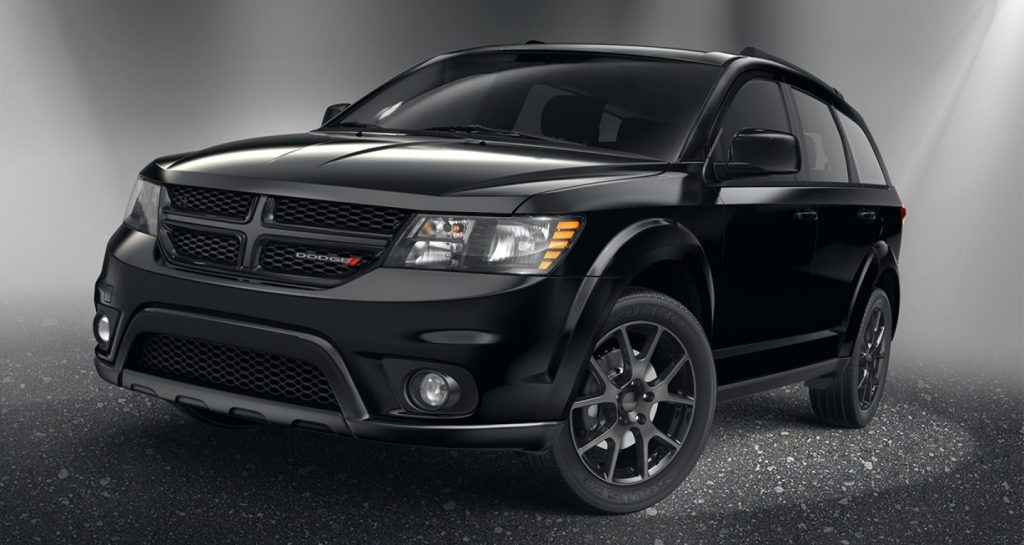
Used buyers also face challenges because transmission problems in these vehicles are widespread and well-documented.
As a result, the Journey has one of the lowest resale values in its class. For families looking for a budget-friendly SUV, the Dodge Journey often turns into an expensive gamble due to these persistent transmission issues.
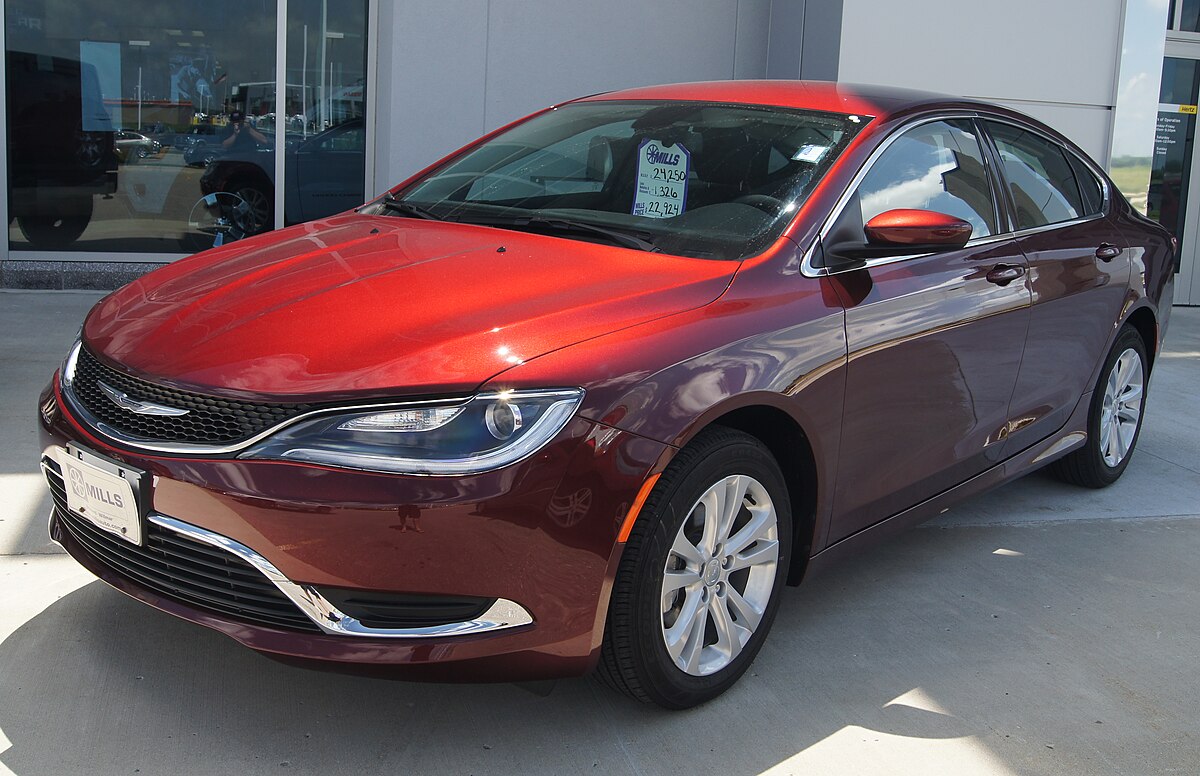
5. Chrysler 200
The Chrysler 200 is another car plagued with frequent transmission failures, especially in models equipped with the nine-speed automatic developed by ZF.
Like the Jeep Cherokee, which used the same system, the Chrysler 200 quickly earned complaints about hesitation, rough shifting, and sudden loss of power.
Owners often describe the driving experience as frustrating and unpredictable. The car may hesitate to accelerate from a stop or suddenly jerk when shifting at highway speeds.
These problems were common enough to draw significant criticism from both drivers and automotive reviewers.
Mechanics point out that the complex nine-speed design was difficult to repair and often required complete replacement instead of partial fixes. This made repair costs steep, leaving many owners frustrated with a car that was marketed as stylish and modern but ultimately unreliable.
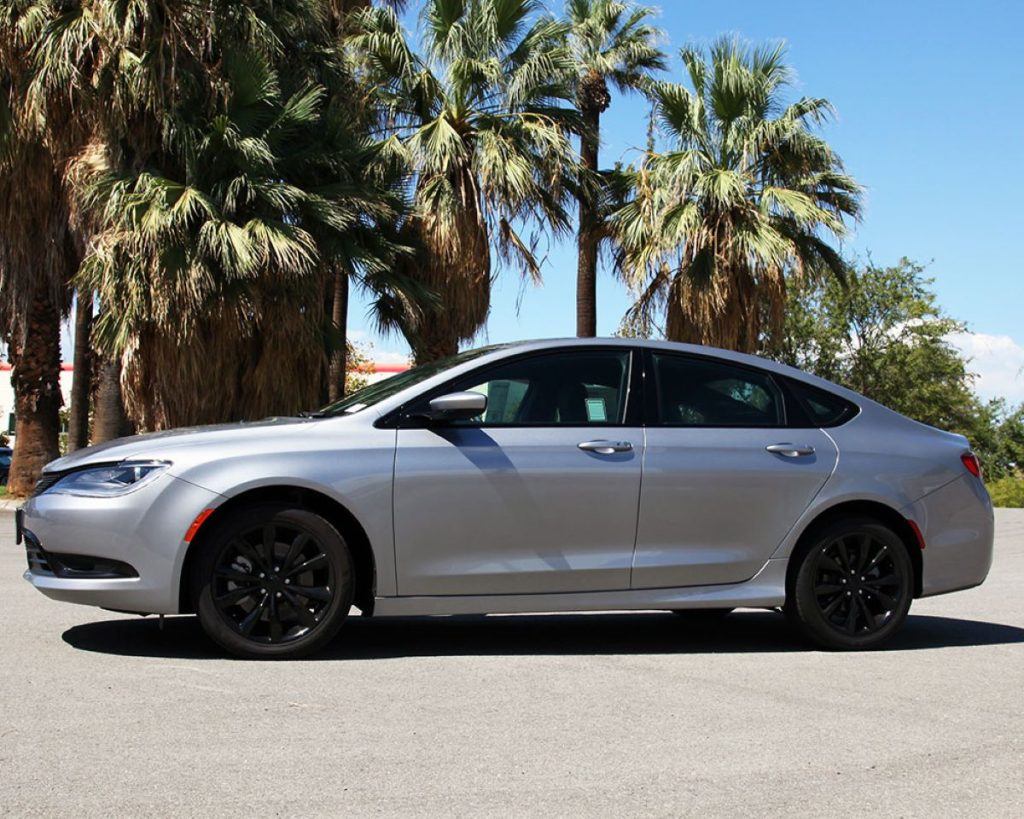
The Chrysler 200’s transmission problems were so widespread that they contributed to the car’s short production life. Chrysler discontinued the model in 2017, in part due to poor sales and a damaged reputation.
For buyers, the 200 serves as a reminder that not every new transmission technology lives up to expectations, and sometimes, it can ruin an otherwise promising car.
Transmission reliability can make or break the ownership experience of a car. Unlike smaller repairs, transmission failures are often sudden, costly, and frustrating, leaving drivers with bills that can easily exceed the value of the vehicle.
Looking at both sides of the spectrum highlights how certain automakers deliver long-lasting dependability, while others repeatedly frustrate owners with fragile systems.
On the dependable side, models like the Toyota Camry, Honda Accord, Toyota Corolla, Lexus ES, and Honda Civic have proven that strong engineering and simple designs hold up over time. These vehicles consistently avoid the chronic issues that plague competitors.
Owners frequently report reaching 200,000 miles or more without ever facing a major transmission failure, provided they keep up with fluid changes and routine maintenance. Their success lies in conservative, proven designs rather than experimental systems.
This makes them popular both as new purchases and used cars, since the risk of expensive breakdowns is low.
In contrast, cars such as the Nissan Altima, Ford Focus (2012–2016), Jeep Cherokee (2014–2017), Dodge Journey, and Chrysler 200 show what happens when transmissions are poorly engineered or rushed to market.
These vehicles suffer from widespread problems that often appear well before the 100,000-mile mark. Common complaints include slipping gears, shuddering, jerky shifts, and total transmission failures.
Repairs for these cars are costly, and in many cases, owners face full replacements rather than rebuilds, particularly with CVTs and complex nine-speed automatics.
The pattern is clear: cars with proven, time-tested transmissions earn reputations for reliability and become long-term favorites, while those with experimental or underbuilt systems gain notoriety for breakdowns and lawsuits.
For buyers, the lesson is to pay close attention to a vehicle’s transmission history before making a purchase. Choosing a model with a strong record can save thousands of dollars and years of frustration, while overlooking this factor may lead to repeated trips to the repair shop.
Ultimately, transmissions represent the heart of a car’s dependability. A well-built system ensures smooth driving and confidence in long-term ownership, while a poorly designed one undermines the entire vehicle.
By studying past patterns, drivers can make better choices, avoiding costly mistakes and instead choosing cars that will keep running smoothly mile after mile.
Also Read: 5 Honda Sedans That Rarely Break vs 5 That Constantly Do
