
When considering a vehicle purchase, one of the most crucial factors to keep in mind is the ongoing cost of maintenance and repairs. A car’s initial price is often just the beginning; owning a vehicle includes regular upkeep and, occasionally, unexpected fixes.
Among these costs, the price of replacement parts can vary widely depending on the make and model of the car. Some vehicles stand out for having parts that are fairly easy on the wallet, making them more budget-friendly over time.
Others, however, are known for parts that come with a hefty price tag, making maintenance and repairs significantly more expensive.
Understanding the difference between cars with affordable replacement parts and those with costly parts is essential for drivers who want to make informed choices.
Affordable parts can contribute to lower overall ownership costs and less financial stress, while high-priced parts might lead to hesitation when repairs become necessary.
By examining examples from both ends of the spectrum, one can gain a clearer idea of what to expect in terms of ongoing expenses.
This comparison will highlight five cars well-regarded for their budget-friendly parts and five that require a much larger investment when repairs are needed.
This insight aims to assist anyone thinking about their next purchase or those wanting to manage their current vehicle costs wisely.
Also Read: 5 V6 Engines That Surprise Owners With Longevity vs 5 That Don’t Last
5 Cars With Affordable Parts
When it comes to owning a car, one of the smartest decisions goes beyond just choosing a vehicle it involves understanding how much it will cost to keep that car running smoothly over time.
A significant aspect of this ongoing expense is the affordability of replacement parts. Cars with parts that are easy to find and cost less can save owners hundreds or even thousands of dollars annually, making vehicle ownership much more manageable and less stressful financially.
This section focuses on five vehicles that have earned a reputation for their economically priced parts. These cars often come from brands with widespread availability of components, established manufacturing processes, and a large user base, which together contribute to lower repair costs.
Choosing such a vehicle can provide peace of mind to drivers worried about sudden or expensive repairs.
The following five cars have been selected based on their part affordability, reliability, and popularity among cost-conscious buyers. Understanding why these cars stand out in this category helps potential owners make practical decisions when price matters.
Affordable parts not only impact the pocket but also the longevity and satisfaction of owning a vehicle, which is why highlighting these models is valuable to anyone budgeting for a car.
Car 1: Toyota Corolla
The Toyota Corolla is widely recognized for its affordable parts, contributing to its status as one of the most practical vehicles to own.
This reputation comes from several factors, starting with its global popularity; the Corolla has been in production for decades, meaning parts are produced in large quantities.
High demand combined with efficient manufacturing has driven the price of replacement components down, making it easier and less costly to maintain.
In addition to availability, the Corolla’s mechanical simplicity compared to luxury or performance cars means fewer specialized parts are necessary. Many parts overlap across different model years and variants, further reducing expenses for owners.
This affordable parts ecosystem extends to essential components like brakes, filters, and even engine parts, which can be found at local repair shops and online retailers without a premium.
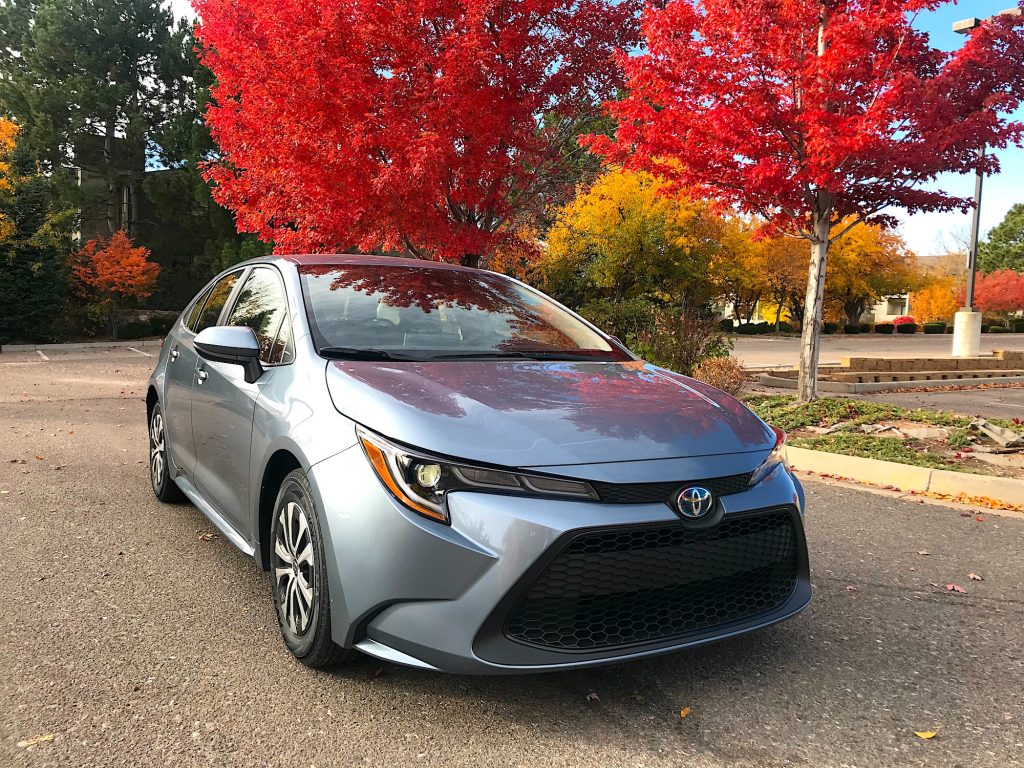
Choosing the Corolla means not only benefiting from reliability but also from the manageable costs of upkeep. The affordability of its parts is a major reason why it remains a favorite among drivers looking for a budget-friendly car without sacrificing quality.
For those interested in a vehicle known for longevity and cost efficiency, the Toyota Corolla serves as an excellent example of how affordable parts contribute to satisfied ownership.
Car 2: Honda Civic
The Honda Civic is another standout when it comes to cars with affordable parts. Like the Corolla, the Civic enjoys widespread popularity, which ensures a steady supply of replacement components at reasonable prices.
The demand from a large and loyal customer base encourages manufacturers and third-party suppliers to produce parts in volume, reducing costs.
One key reason the Civic’s parts remain affordable is its reputation for mechanical reliability combined with straightforward engineering.
Its components are designed to be durable, and when replacement is necessary, the parts needed are generally simple and mass-produced. Routine maintenance parts such as brake pads, suspension pieces, and filters are widely available at competitive prices.
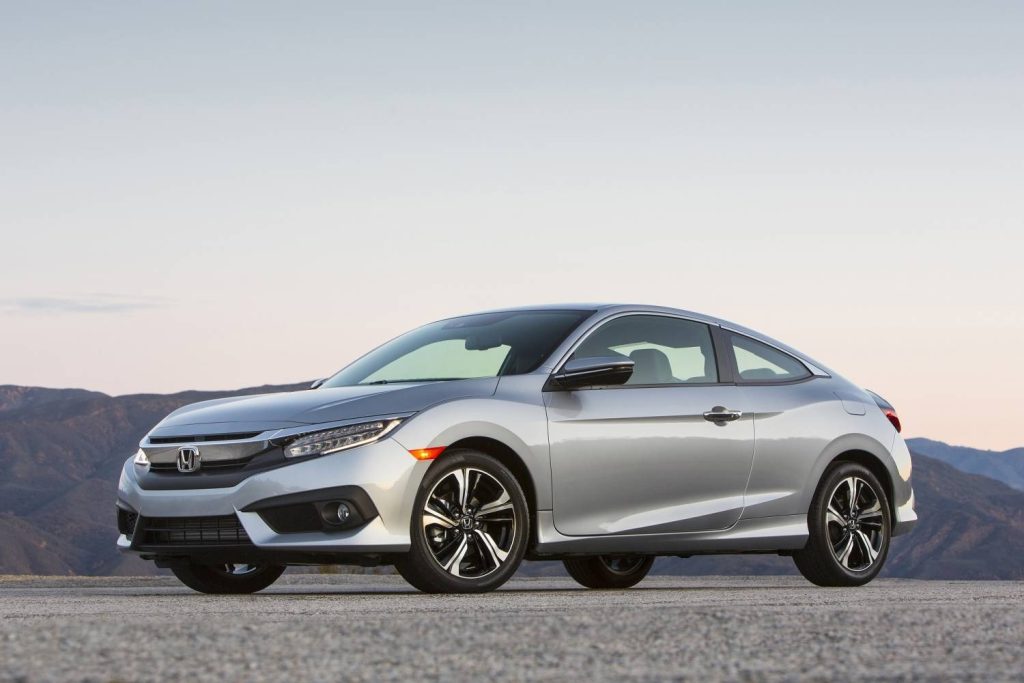
Moreover, the Civic has been a staple in many regions for decades, enabling an extensive network of repair shops familiar with the model. This familiarity can translate to lower labor costs when paired with affordable parts.
Overall, the Honda Civic’s reputation for parts affordability makes it a sensible choice for those focused on keeping vehicle expenses down throughout ownership.
Car 3: Ford F-150
The Ford F-150 pickup truck, a best-seller in its category, is known for parts that strike a balance between durability and cost-effectiveness.
The truck’s popularity, especially in North America, means parts production is high, which naturally lowers the prices for many replacement components. Ford’s extensive dealer and service network further supports this affordability.
The F-150’s design focuses on ruggedness without excessive complexity, making many parts easier to manufacture and replace.
Standard components such as brakes, tires, and engine filters are commonly stocked and competitively priced, thanks to the truck’s broad market presence. Additionally, aftermarket parts are plentiful, giving owners choices that can further reduce expenses.
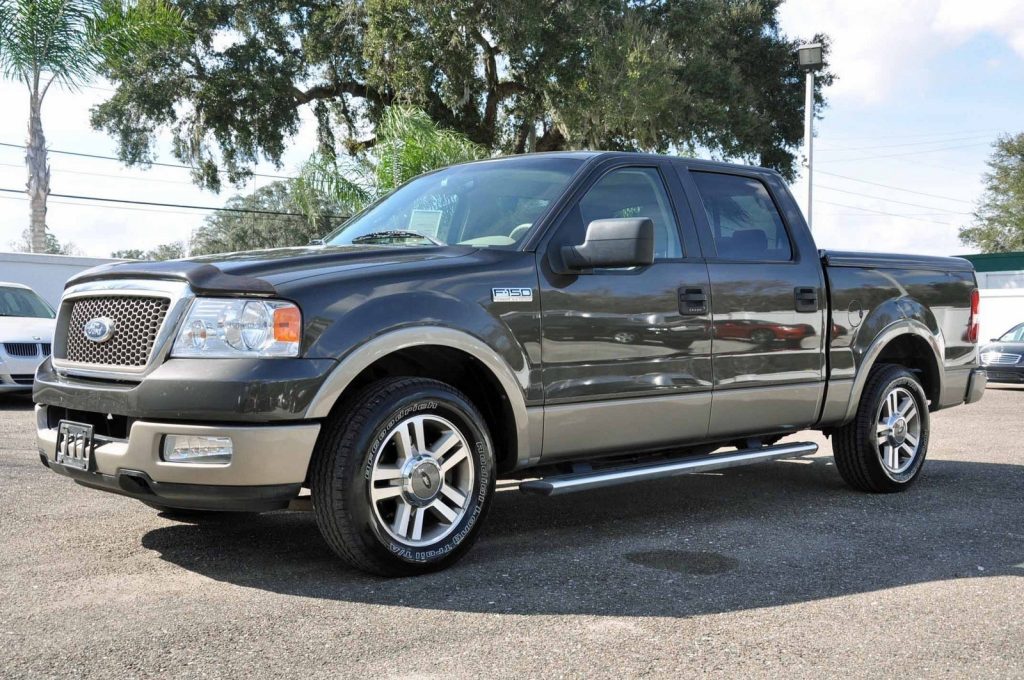
This wide availability and reasonable pricing of parts contribute to the F-150’s reputation as a truck that doesn’t break the bank when repairs are needed.
For drivers who require a dependable truck but also want to minimize maintenance costs, the Ford F-150 serves as a compelling option with parts that are both affordable and accessible.
Car 4: Volkswagen Golf
The Volkswagen Golf is a popular compact hatchback renowned for its mix of performance and practicality. While some German cars are noted for expensive parts, the Golf stands out with a parts ecosystem that remains relatively budget-friendly.
This is a result of the model’s huge global presence and the manufacturer’s efforts to maintain consistent parts availability.
Parts for the Volkswagen Golf are produced in large quantities and serve multiple models, helping to keep costs in check.
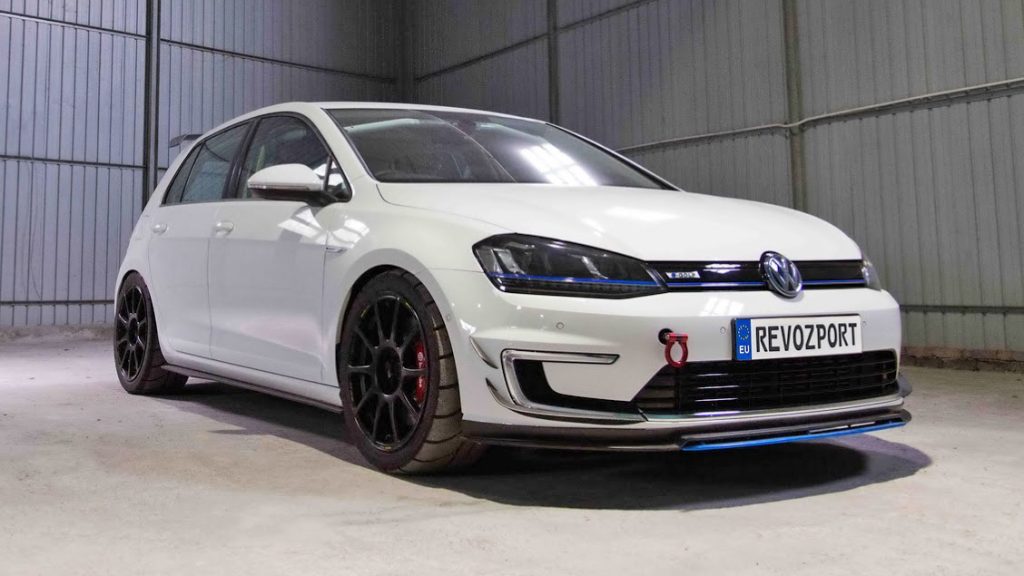
Routine maintenance items such as brake pads, air filters, and suspension components are typically priced competitively, especially in countries where the Golf enjoys significant market share. The car also benefits from a widespread network of mechanics experienced in servicing it efficiently.
Owners appreciate the balance between the Golf’s driving quality and the reasonable costs tied to upkeep, thanks largely to the affordability of parts. For those seeking a European car with manageable maintenance costs, the Volkswagen Golf is a noteworthy consideration.
Car 5: Hyundai Elantra
Hyundai has made major strides in providing vehicles with affordable parts, and the Elantra exemplifies this trend. As one of the brand’s most popular models, the Elantra benefits from large-scale production and a growing parts supply chain.
This allows Hyundai to offer replacement components at lower costs compared to many competitors.
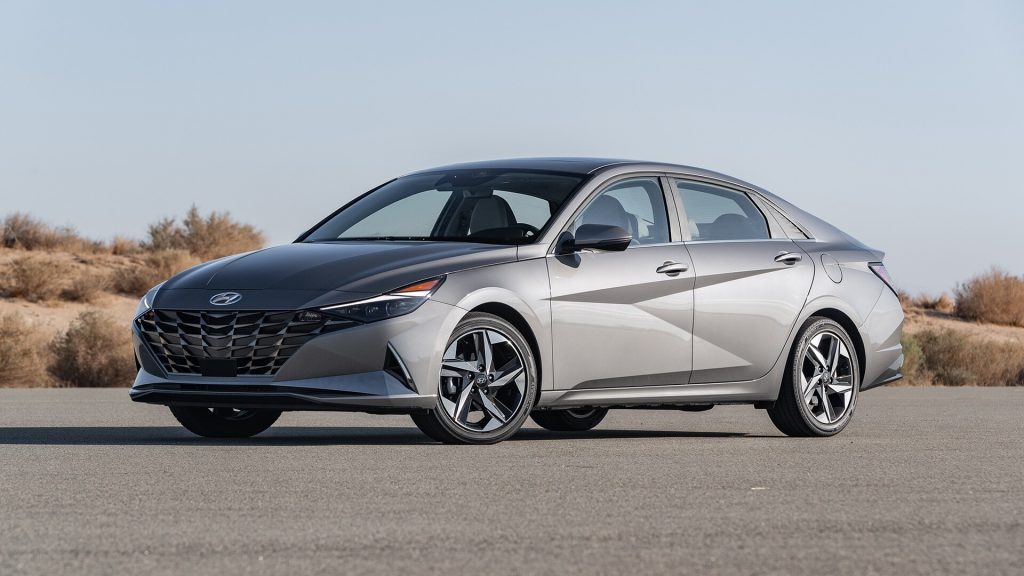
The Elantra’s parts are straightforward and often shared with other Hyundai models, allowing economies of scale that keep prices down.
Basic maintenance parts including filters, brake pads, and belts are widely available and reasonably priced. The brand also supports a strong warranty program that has helped build trust in both vehicle and part quality.
For budget-conscious consumers, the Hyundai Elantra provides a compelling option with durable parts that are affordable to replace. The model’s growing popularity and expanding presence in service networks further enhance its reputation as a vehicle with economical parts.
5 Cars That Cost a Fortune in Parts
While some cars offer affordable parts that help keep maintenance costs in check, others are known for having replacement components that come with a significantly higher price tag.
Cars in this category often belong to luxury, high-performance, or specialized segments where the technology, materials, or craftsmanship involved in parts production drives up costs.
For owners, this means that even routine repairs or maintenance tasks can result in expenses that are far above average, impacting the total cost of ownership substantially.
These higher parts costs are frequently tied to several factors. Many expensive cars use unique, proprietary parts that are not widely shared with other models, which limits mass production and drives prices up.
Additionally, advanced technology and specialized engineering increase the cost of components, while the use of premium materials such as carbon fiber or high-grade aluminum also adds to the price.
An exclusive dealer network and smaller production volumes can further reduce availability, making parts harder to find and more costly.
This section highlights five cars renowned for their costly replacement parts, aiming to provide insight into why these vehicles command such prices for maintenance.
Understanding these factors can help owners and potential buyers prepare financially and make thoughtful decisions based on their budget and expectations.
Car 1: BMW 7 Series
The BMW 7 Series, a flagship luxury sedan, is notorious for having parts that carry premium prices. This high cost can be attributed to the sophisticated technology and advanced engineering thatBMW puts into this model.
Equipped with cutting-edge electronics, high-performance engines, and custom interior features, the parts needed to maintain or repair a 7 Series are often highly specialized.
Unlike mass-produced vehicles, the 7 Series uses many unique components designed specifically for this model and its variants.
Items such as sensors, control modules, and suspension parts are built with precision and expensive materials, making replacements costly.
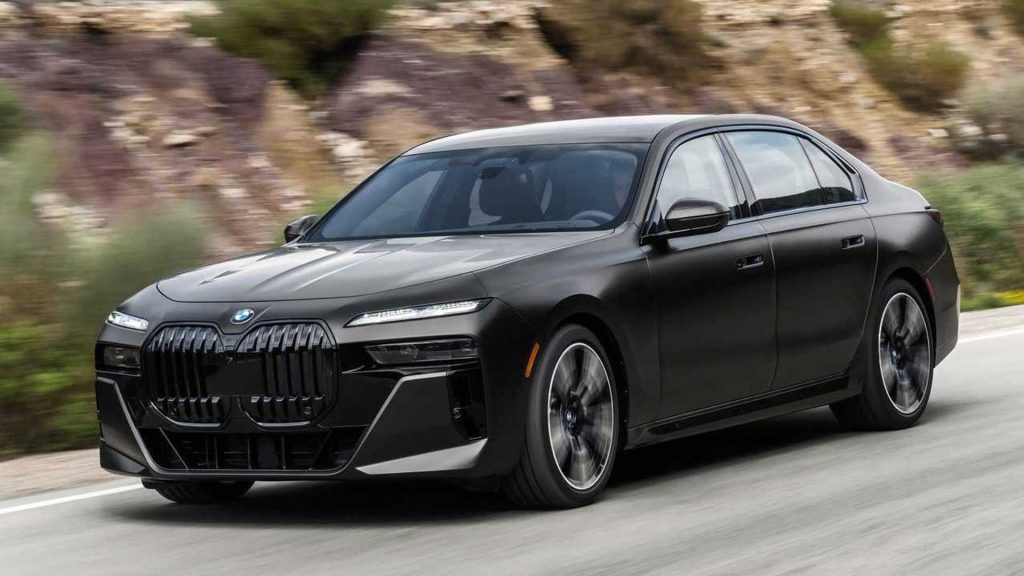
Additionally, BMW’s emphasis on quality and luxury ensures that original parts meet strict standards, but these standards come with a price.
The dealer network for the 7 Series also contributes to the cost, as authorized service centers often charge higher labor rates and parts margins. Aftermarket options are limited, and non-genuine components can risk voiding warranties or compromising vehicle performance.
For owners who value the luxury and advanced features of the BMW 7 Series, the expense of parts is a trade-off for owning a top-tier vehicle with impressive capabilities and comfort.
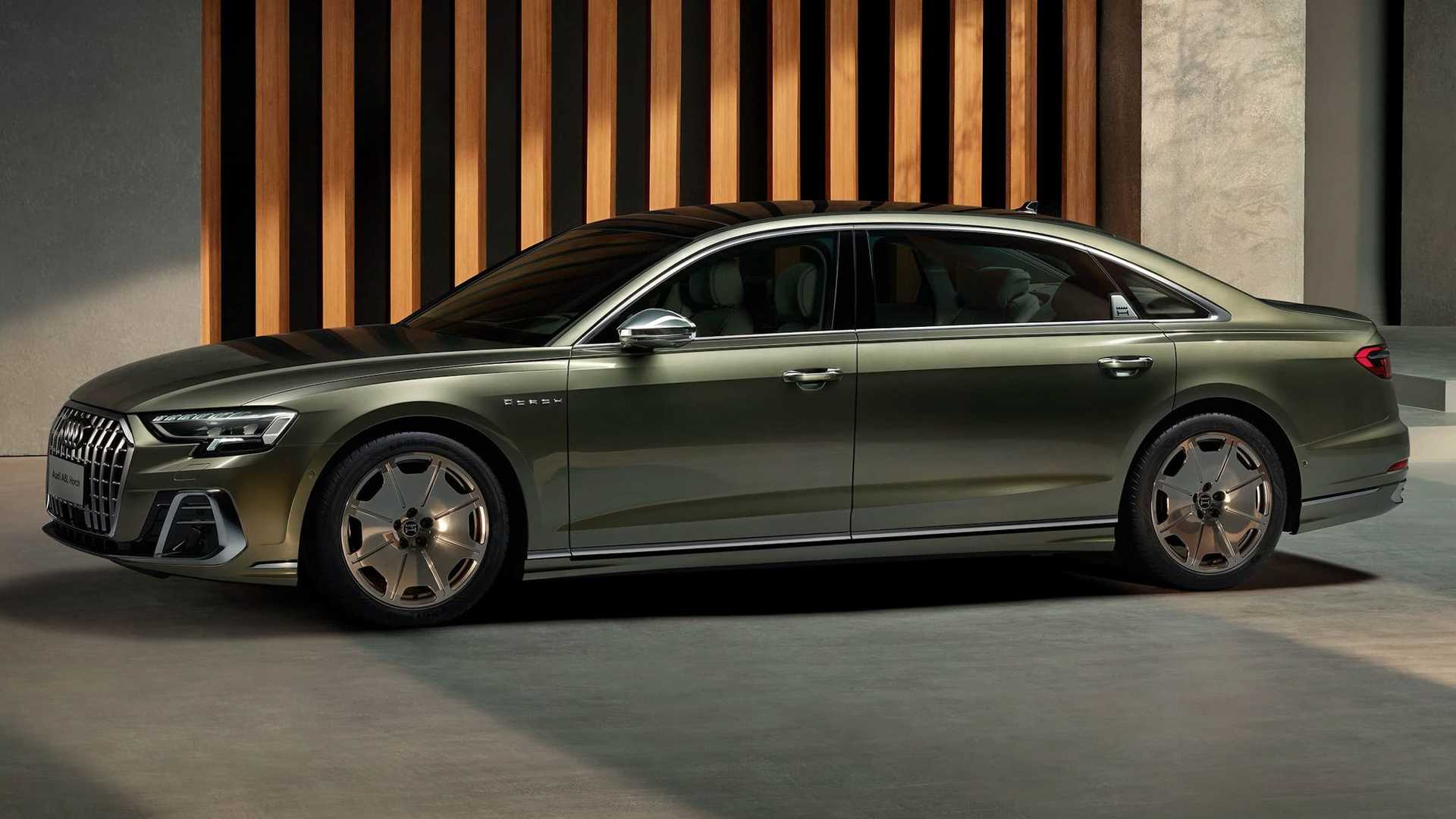
Car 2: Audi A8
Audi’s flagship sedan, the A8, shares a common trait among luxury vehicles: the high price of replacement parts.
Known for its sophisticated all-wheel-drive system, advanced infotainment, and premium craftsmanship, the A8 requires parts that reflect this complexity and quality. Components are engineered to deliver performance and luxury, resulting in higher costs.
This model often includes proprietary technology not found in more common vehicles, such as adaptive air suspension, laser headlights, and advanced driver assistance systems.
Repairing or replacing these parts is expensive, partly due to their technical complexity and the need for precise calibration during installation.
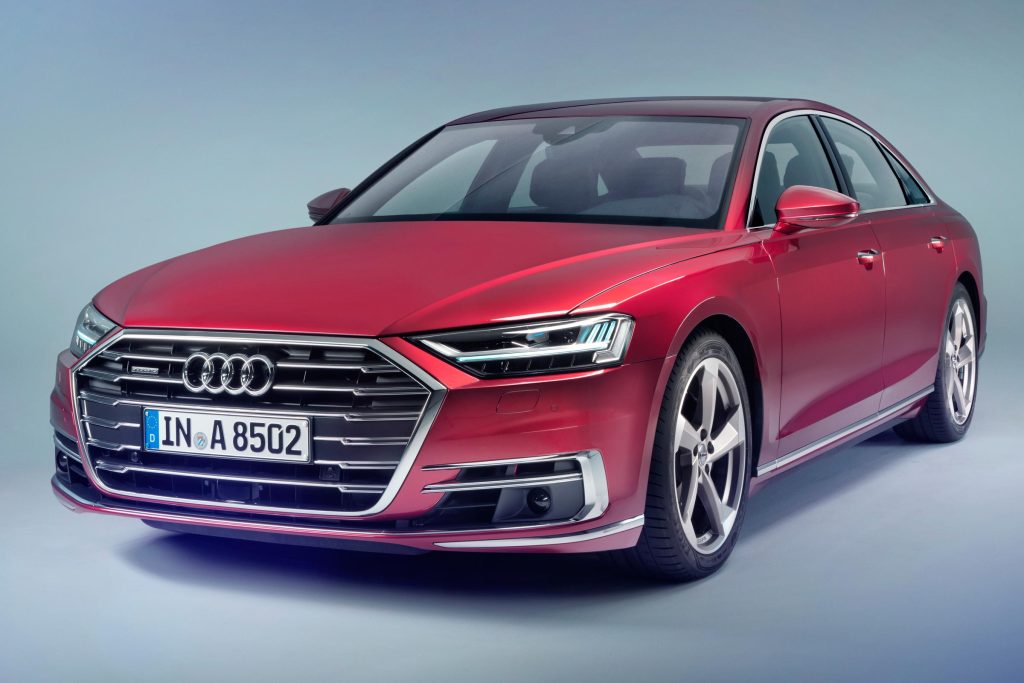
Like other high-end cars, the A8’s parts availability is more limited compared to mainstream vehicles, which drives prices upward.
Owners of the A8 should prepare for this reality, especially as the car ages, since maintenance and repairs will likely involve parts priced well above everyday models.
Audi’s dealer network and certified repair shops tend to offer genuine parts only, which ensures quality but adds to ownership costs. The Audi A8 is a symbol of luxury, but its parts reflect an equally exclusive price tag.
Car 3: Range Rover
The Range Rover blends off-road capability with luxury, and its parts prices reflect this dual nature.
As a premium SUV, it involves components sourced from high-quality materials and engineered for both durability and comfort. This combination means that replacement parts can be significantly more expensive than those of standard SUVs.
Range Rovers use unique parts tailored for their sophisticated four-wheel-drive systems, air suspension, and luxury interiors. Many of these parts are imported or produced in limited quantities, limiting availability and increasing costs.
Additionally, the complex electronic systems embedded in vehicles like the Range Rover add to maintenance expenses, as specialized diagnostic equipment is needed.
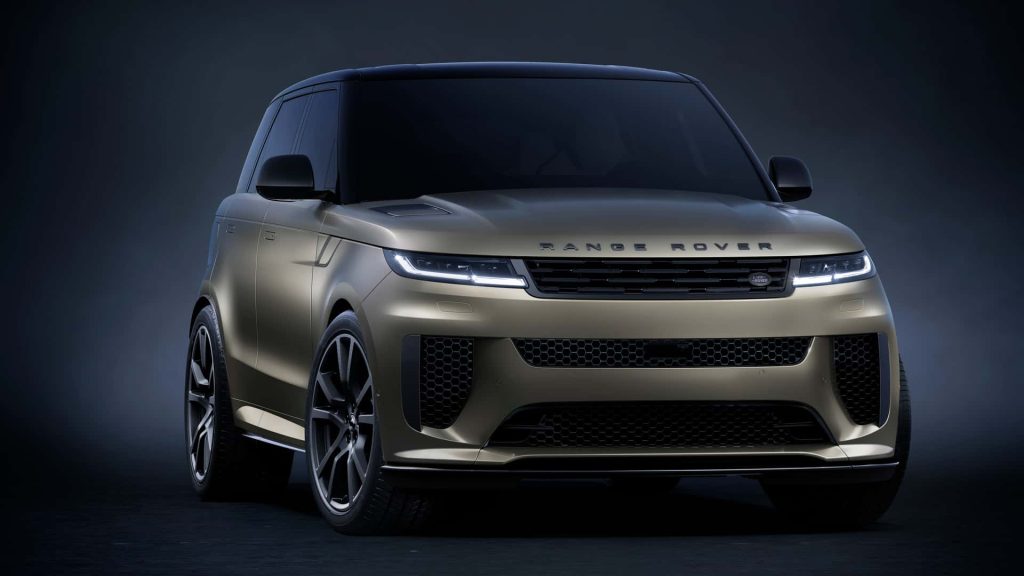
Parts for cosmetic elements such as leather seats, trim pieces, and branded badges also tend to carry a premium. The brand’s reputation for exclusivity extends to ownership costs, making Range Rovers more expensive to maintain long-term.
For those who want a luxury SUV with serious capabilities, the Range Rover’s expensive parts are part of the package.
Car 4: Porsche 911
The Porsche 911, an iconic sports car, is famed for performance and driving experience, but the cost of parts is a significant consideration for owners.
This vehicle’s high-performance engineering results in components that are costly to design and produce. Many parts are crafted from lightweight, high-strength materials to enhance speed and handling, which raises their price.
Unlike more common vehicles, the 911 uses specialized brakes, suspension components, and engine parts that are unique to its performance specifications.
Replacement parts must meet Porsche’s exacting standards, and the availability outside official dealers or specialists is limited. This exclusivity and precision engineering contribute heavily to the costs.

Because of the car’s racing heritage and sporty ambitions, many parts are also designed for higher durability under extreme conditions, adding to their manufacturing complexity.
Owners benefit from a thrilling driving experience but should be ready for the financial reality of maintaining such a high-performance machine.
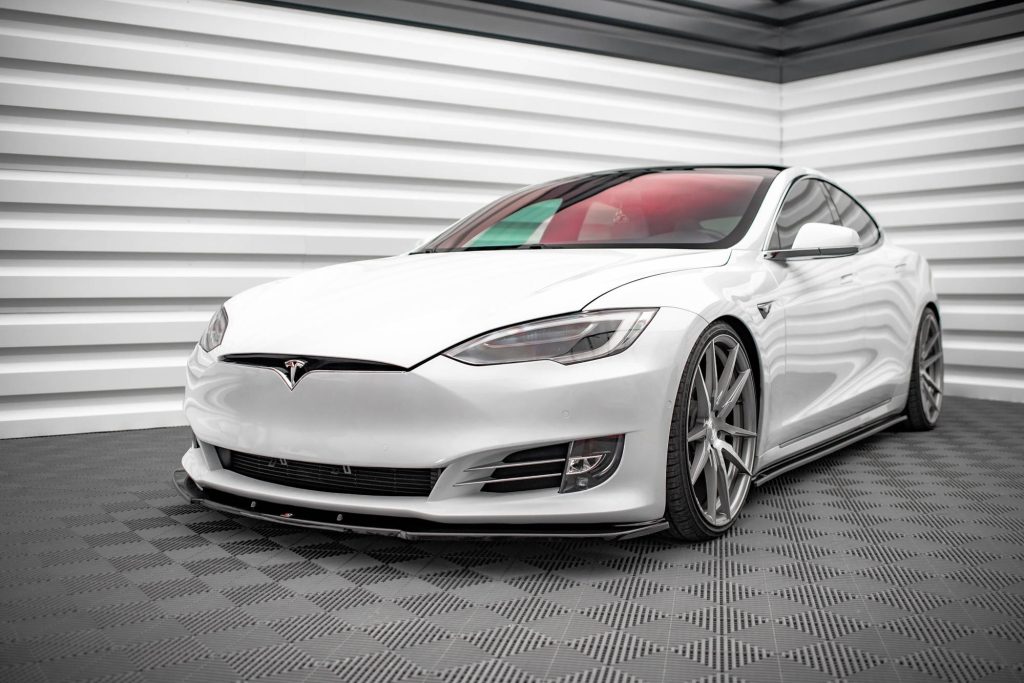
Car 5: Tesla Model S
The Tesla Model S, an electric luxury sedan, features parts that are often costly due to the advanced technology and innovation embedded in the vehicle.
As an electric car, its components differ significantly from conventional vehicles, with parts such as battery packs, electric motors, and specialized electronics driving the cost.
Tesla’s proprietary technology means that many parts are unique to its vehicles and manufactured in limited volumes. The cost of replacement battery modules alone can be a substantial expense in the event of failure or degradation.
Additionally, the sophisticated software and sensor systems require original parts that maintain the car’s performance and safety standards.
While Tesla offers direct-to-consumer repairs and part replacements, the limited third-party market and the cutting-edge nature of the technology contribute to the higher parts prices. The Model S represents a shift in automotive engineering, but with it comes an ownership cost tied to its innovative components.
Choosing a car is often about balancing upfront costs with long-term expenses, and one of the key factors affecting lifetime costs is the price of replacement parts.
Cars that use affordable parts tend to be more budget-friendly to maintain, while vehicles with expensive components can lead to significantly higher upkeep costs throughout ownership.
Understanding these two ends of the spectrum helps buyers and owners make well-informed decisions tailored to their financial situation and expectations for maintenance.
Cars known for affordable parts generally benefit from mass production, widespread popularity, and simpler engineering. Vehicles like the Toyota Corolla and Honda Civic dominate this category courtesy of their global sales volumes, which create economies of scale that lower parts costs.
Their mechanical designs are known for reliability without overcomplicating repairs, and their replacement parts such as brake pads, filters, and engine components are readily available in local markets and online.
Similarly, the Ford F-150, being an extremely popular pickup in North America, enjoys plentiful parts supply and competitive pricing, supported by a vast dealer network and a large aftermarket presence.
The Volkswagen Golf stands out as an example from Europe, offering a good balance of performance and accessible parts pricing due to its global footprint and shared components with other models.
Hyundai’s Elantra rounds out this group by showcasing how newer brands, focusing on affordability and parts availability, have become strong contenders in budgeting vehicle maintenance.
Choosing any of these vehicles translates into peace of mind for drivers or families concerned about the financial impact of repairs. A well-supported parts ecosystem ensures routine maintenance remains manageable while preserving vehicle longevity.
The combination of reliable performance and accessible parts contributes significantly to why these models maintain popularity among cost-conscious owners.
On the other hand, cars with parts that cost a fortune usually fall into the luxury, high-performance, or specialized segments. The BMW 7 Series and Audi A8 represent flagship sedans engineered with cutting-edge technology and premium materials.
Their parts ranging from electronic sensors to custom suspension components, are often unique, produced at lower volumes, and require precision manufacturing, all of which drive prices upward.
Moreover, luxury brands’ dealer and authorized service networks tend to maintain high labor rates coupled with premium parts costs.
The Range Rover, combining off-road capability with luxury appointments, requires parts made from high-quality materials that are less commonly mass-produced, such as air suspension systems and bespoke interior fixtures.
This specificity and limited availability result in elevated replacement costs, amplified by the complex electronics integrated into the vehicle’s systems.
Sports cars like the Porsche 911 also fall within this costly-parts category. Their focus on lightweight, high-strength materials and specialized performance parts, including unique brakes and engine components, make replacements expensive.
The exclusivity of authentic Porsche parts and the precise engineering standards they meet limit cheaper aftermarket options.
Electric luxury vehicles such as the Tesla Model S introduce another dimension of high parts expense. The advanced battery packs, electric motors, and software-based components are proprietary and manufactured at limited scales compared to traditional vehicles.
Repairs involving the battery or unique electronic systems can be especially costly, affecting ownership expenses despite the potential savings in fuel and traditional engine maintenance.
While these premium cars offer exceptional comfort, performance, and technology, their parts cost represents a significant trade-off in ownership economics.
Prospective buyers should carefully consider the financial implications of these expenses before purchase.
The price of replacement parts plays a pivotal role in determining a car’s total cost of ownership. Cars with affordable parts, such as the Toyota Corolla and Honda Civic, provide cost savings and reliability attractive to budget-minded drivers.
Conversely, luxury and high-performance cars like the BMW 7 Series and Porsche 911 come with higher maintenance prices, primarily due to advanced technology, exclusive parts, and limited availability.
Being informed about these expenses helps drivers make decisions that fit their needs and wallet, balancing upfront appeal with long-term ownership costs.
Whether prioritizing economical maintenance or embracing premium features with higher parts costs, understanding this aspect of car ownership is essential for making smart, sustainable vehicle choices.
Also Read: 5 New Cars That Should Outlast Their Seats vs 5 With Basic Interiors
