
When buyers consider an SUV, they often think about space, power, technology, and safety. Yet one feature that often gets overlooked is cabin noise. The amount of sound that enters the cabin can shape how comfortable and relaxing a drive feels.
Whether it is road noise on a highway, wind buffeting at higher speeds, or the growl of an engine under load, the difference between a calm, quiet ride and one that leaves passengers raising their voices is significant.
A well-insulated and thoughtfully engineered SUV can make a family trip peaceful, while a noisier model can quickly turn a drive into a tiring experience.
Some SUVs are designed with thicker glass, extra insulation, and carefully tuned suspension systems that keep unwanted sounds at bay. These tend to impress drivers who spend long hours behind the wheel and value refinement.
On the other hand, certain SUVs, despite being strong performers in other categories, fall short when it comes to noise control. Thin insulation, unrefined engines, or poor aerodynamics can cause a cabin to become unpleasantly loud over time.
This comparison examines five SUVs that excel at maintaining quiet cabins and five that become noisy quickly, providing a balanced view for shoppers.
Also Read: 5 SUVs That Stay Safe in Accidents vs 5 That Scare Owners
5 SUVs That Keep Quiet Cabins
Quiet cabins are often overlooked until you experience one firsthand. For many drivers, silence on the road is just as valuable as horsepower or cargo space.
A well-insulated SUV can make conversations easier, reduce driver fatigue, and allow music or podcasts to be enjoyed without constant background interference.
Automakers that pay attention to sound dampening materials, door seals, suspension tuning, and aerodynamics create a driving environment that feels calm and premium.
Shoppers looking for comfort during long trips or commutes tend to value vehicles that keep road and wind noise outside where it belongs.
Families especially notice the difference on highways, where children can nap more easily and conversations do not turn into shouting matches over tire hum. Luxury brands have long been known for prioritizing this aspect of driving, but several mainstream SUVs also shine in this area.
This section highlights five SUVs that stand out for their quiet cabins. Each example is chosen not just for brand reputation, but for real-world performance that makes daily use more pleasant. These vehicles demonstrate how attention to acoustic design can separate a good SUV from a great one.
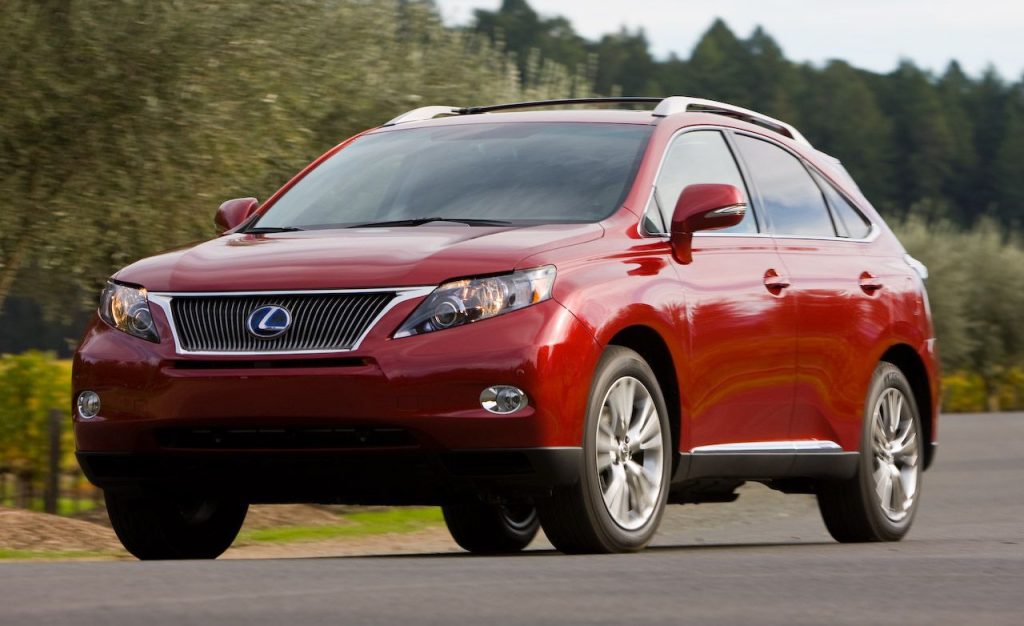
1. Lexus RX
The Lexus RX has long been known as a benchmark for comfort, and its quiet cabin plays a huge role in that reputation. Drivers who spend time behind the wheel immediately notice how well outside noise is kept away.
Lexus engineers use acoustic glass, thick insulation, and precision in sealing the doors to make sure wind and road noise never intrude more than necessary. The result is an interior where conversation is easy at any speed and long drives leave passengers feeling relaxed rather than worn down.
One reason for highlighting the RX here is that it shows how refinement can be achieved without resorting to overly complex engineering tricks.
Lexus focused on small but important touches such as laminated front windows, well-tuned suspension geometry that reduces vibrations, and even fine details like the thickness of carpeting. The smooth V6 and hybrid powertrains also contribute, as they avoid the harshness some turbocharged engines bring.
For buyers who want an SUV that feels like a true retreat from the noise of daily traffic, the RX makes an excellent case. Its cabin sets a standard that competitors in both luxury and mainstream segments aim to reach, which is why it belongs on this list.
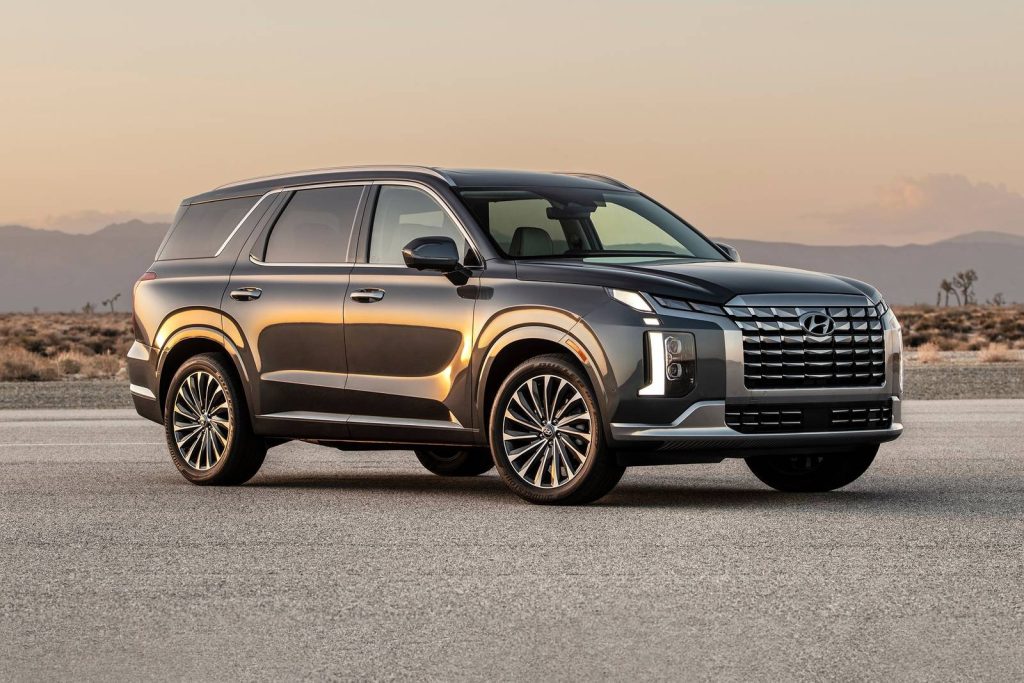
2. Hyundai Palisade
The Hyundai Palisade proves that you do not need a luxury badge to enjoy a peaceful cabin. Hyundai paid close attention to soundproofing when designing this three-row SUV, and the results are impressive.
Whether traveling at highway speeds or idling in city traffic, the Palisade keeps the environment inside calm and composed. Acoustic windshield glass, insulation throughout the body, and thoughtful suspension design all play a part in this result.
What makes the Palisade worth discussing is how it brings luxury-like quietness to a price range accessible to more families. In many cases, affordable SUVs suffer from thin door panels and limited insulation, but Hyundai chose a different route.
The vehicle was built with family trips in mind, so reducing noise fatigue became a priority. Road testers consistently mention how conversations remain easy without raising voices, even in the third row.
Another factor is the Palisade’s smooth V6 engine, which avoids the droning that smaller turbocharged motors sometimes produce. Combined with an eight-speed transmission tuned for quiet operation, the drivetrain remains refined in nearly every situation.
By delivering silence without inflating the price tag, the Palisade has earned its spot as one of the best SUVs for cabin comfort.
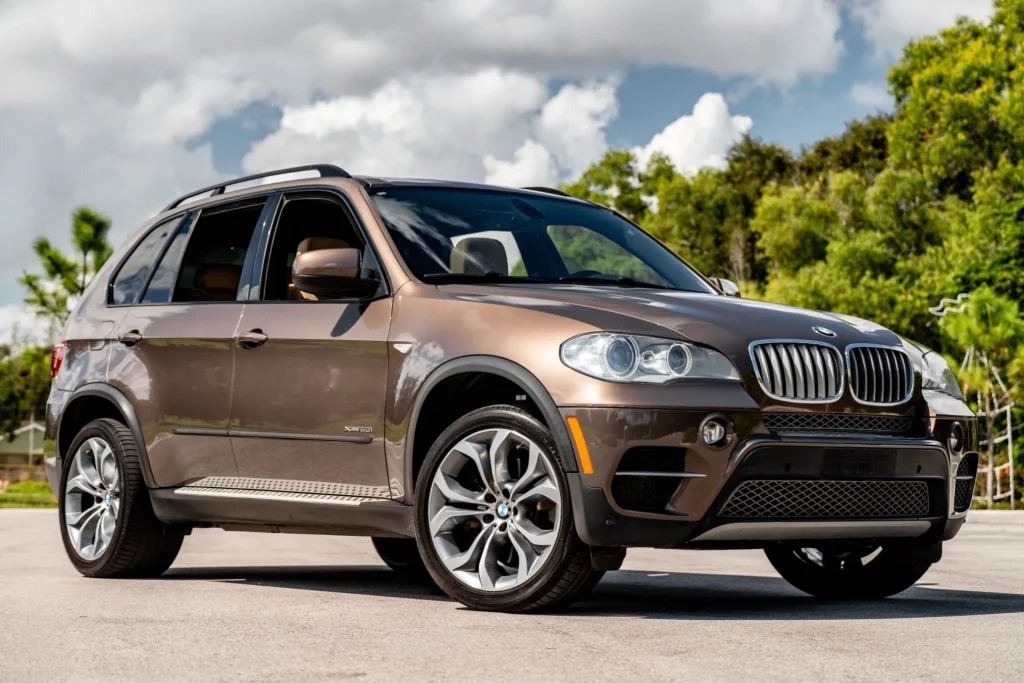
3. BMW X5
The BMW X5 is often recognized for its handling and performance, but its quiet cabin is just as important in defining its premium feel.
Owners who choose the X5 are looking for both dynamic driving and luxury refinement, and BMW ensures that outside disturbances stay out of the interior.
Laminated glass, heavy use of insulation, and excellent body rigidity all help create an environment where noise levels are far below the segment average.
What makes the X5 particularly noteworthy is how it combines quietness with performance. Many sporty SUVs let more engine or road noise through, but BMW manages to balance both.
The inline-six and V8 engines are tuned to deliver power without unnecessary harshness, and the cabin only allows in enough sound to remind drivers of the car’s performance pedigree without being intrusive. This balance is one of the reasons it stands out.
For long-distance trips, the X5 performs exceptionally well. Wind noise is barely noticeable even at higher speeds, and rough pavement does little to disturb the serenity inside.
BMW clearly invested in creating a cabin that matches the price point and expectations of its buyers, which is why the X5 deserves a place among the quietest SUVs available.
4. Toyota Highlander
The Toyota Highlander demonstrates how thoughtful engineering can deliver peace and quiet in a family-friendly package. Known for reliability and practicality, the Highlander also excels at keeping its cabin insulated from outside disturbances.
Families who prioritize comfort often find that the Highlander feels calmer than some of its direct competitors, especially on longer trips where road noise typically builds up.
Toyota achieved this through multiple strategies, including thicker acoustic glass and the use of sound-absorbing materials in key areas such as the firewall and under the floor.
The Highlander’s suspension tuning also plays a role, as it limits vibrations from rough surfaces that often translate into unwanted cabin noise.
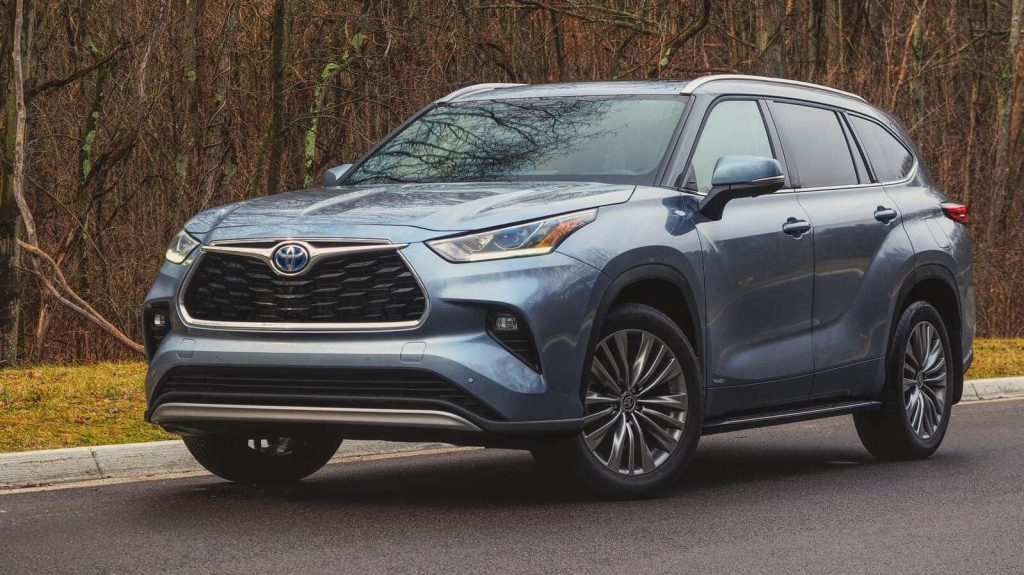
Combined with a smooth V6 engine or hybrid option, the Highlander offers consistent quietness across different trims.
The reason for highlighting the Highlander is that it shows how mainstream automakers can deliver refinement without straying from practicality. Buyers who want a comfortable daily driver that does not force them into a luxury price bracket will find this SUV appealing.
It sets a standard for mid-size family vehicles by pairing quiet operation with long-term dependability, making it a strong contender in this category.
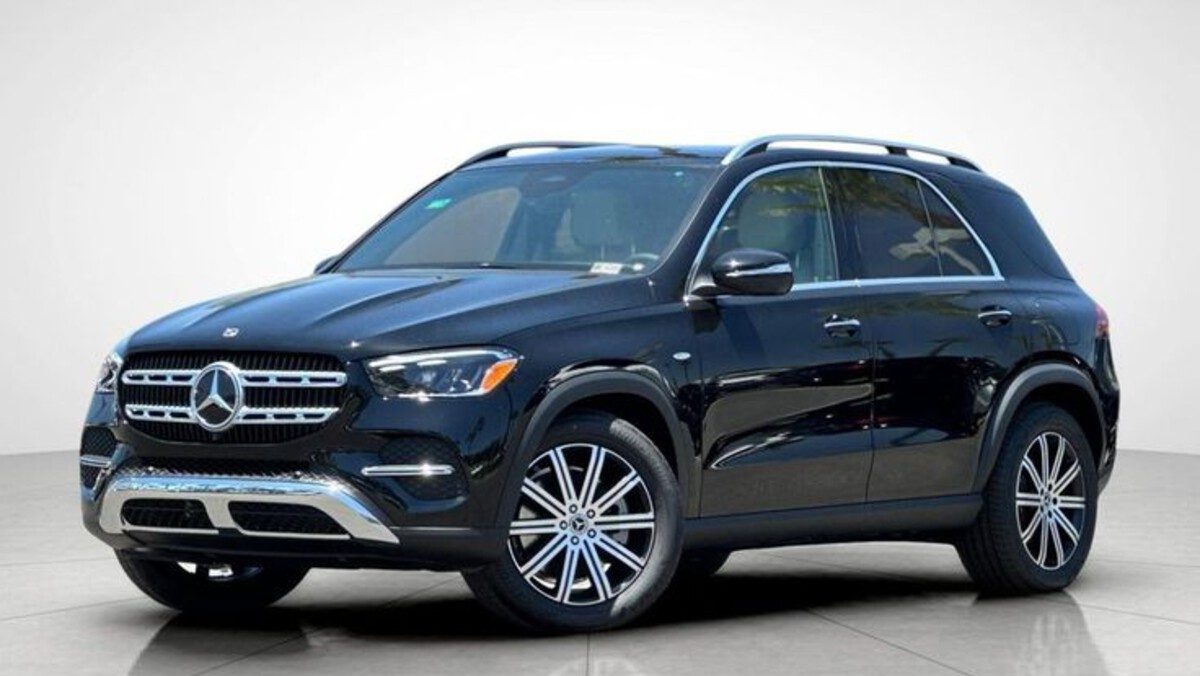
5. Mercedes-Benz GLE
The Mercedes-Benz GLE is a prime example of luxury design centered around comfort, with noise control being a key focus. Step inside, and the first impression is of serenity. Whether gliding through city streets or cruising at highway speeds, the GLE maintains a calm atmosphere that makes every journey feel premium.
Mercedes uses double-paned glass, sound-deadening insulation, and aerodynamic shaping to cut down on wind and road noise.
One reason the GLE deserves recognition is how it uses technology and design together to reduce cabin noise. The suspension system is tuned not only for handling but also for keeping vibrations from entering the cabin.
Additionally, the engines are refined to deliver smooth performance without producing excessive sound. Even when pushed hard, the GLE allows only a muted growl, which many drivers appreciate.
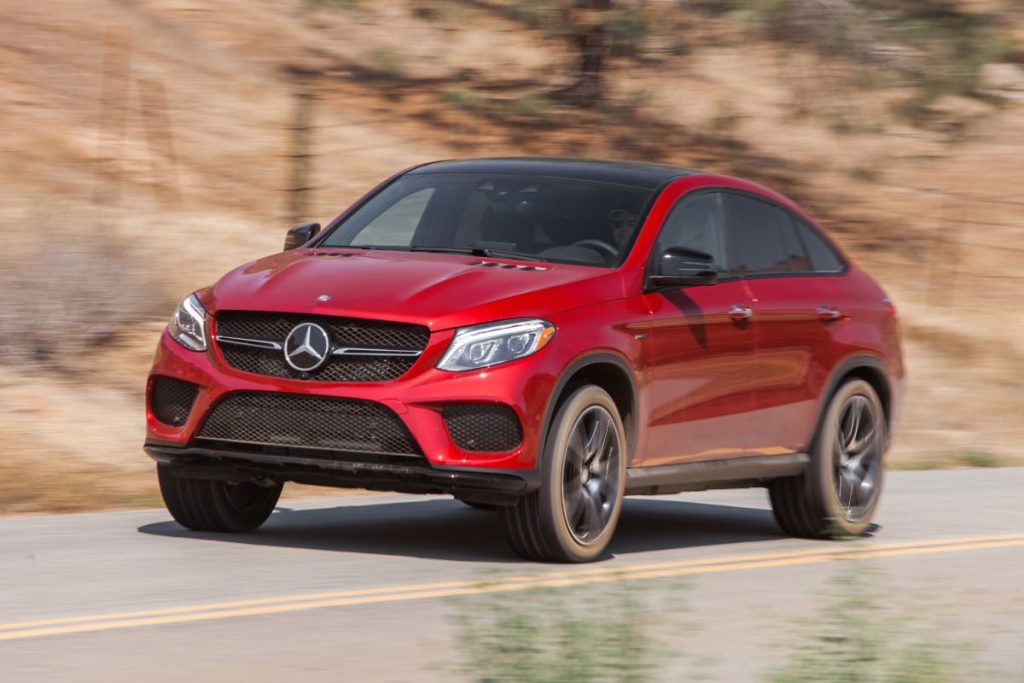
Passengers in both the front and rear benefit equally, which is important for families and groups. The quietness enhances the feeling of luxury, allowing the advanced infotainment system and high-end audio options to shine without being drowned out by exterior sounds.
For buyers who see their SUV as both a family hauler and a personal retreat, the GLE provides an unmatched sense of refinement.
5 SUVs That Get Noisy Fast
Not every SUV succeeds in creating a calm driving environment. While some models focus heavily on insulation and refinement, others leave drivers frustrated with noticeable noise inside the cabin.
This can come from multiple sources: engines that sound coarse under acceleration, wind whistling around door frames, or tires sending vibrations straight into the floor. When these factors combine, even a stylish or powerful SUV can feel tiring on longer drives.
Shoppers often overlook cabin noise during a test drive because it may not stand out on smooth city roads. However, over time the constant hum of the road or the droning of an engine can wear on passengers.
It is particularly troublesome for families and commuters who spend hours each week in their vehicles. For these buyers, a noisy interior can make a car feel older and less refined than it actually is.
This section looks at five SUVs that tend to get noisy faster than expected. They may offer strong performance, utility, or value, but their cabins allow more sound intrusion than rivals.
Each example is included because real-world use and driver feedback show that noise becomes a consistent drawback, reducing the overall sense of comfort.
1. Jeep Wrangler
The Jeep Wrangler has an iconic reputation as an off-road machine, but cabin quietness is not part of its strengths. With its boxy design, removable roof, and upright windshield, the Wrangler naturally lets in more noise than most SUVs.
On highways, wind whistles around the edges, and tire roar from its rugged all-terrain tires is nearly impossible to ignore. Even with the optional hardtop, insulation is minimal compared to what you find in other SUVs of similar price.
The Wrangler earns a place here because it highlights a trade-off between capability and comfort. Drivers who love trail adventures and open-air experiences accept the higher noise levels as part of the deal.
However, for families who plan to use the Wrangler as a daily commuter or long-distance traveler, the constant hum and buffeting can quickly become tiring.
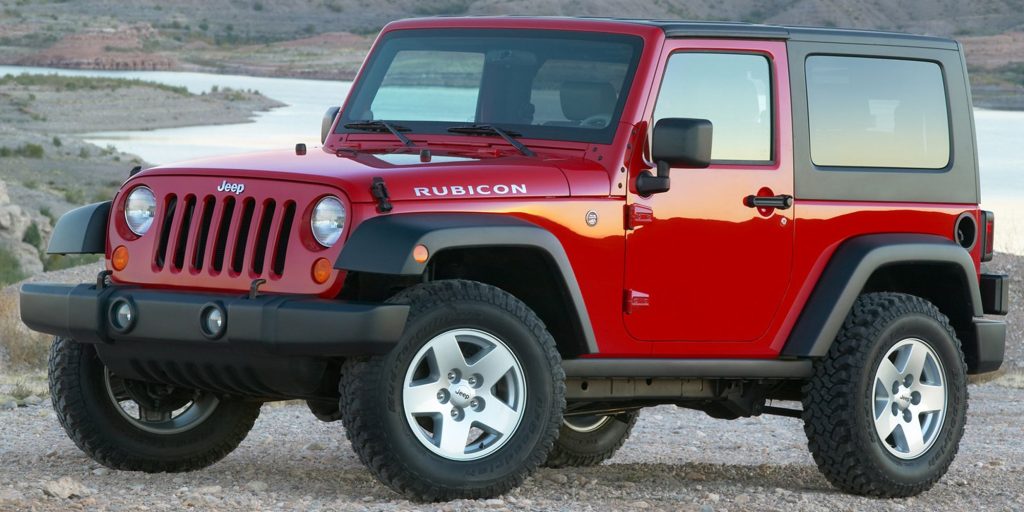
Owners often note that conversations require raised voices at highway speeds, and audio systems must be turned up considerably. The mechanical growl of the engine also comes through clearly, especially under acceleration.
While its character appeals to off-road enthusiasts, the Wrangler is not ideal for those prioritizing quietness. Its charm lies in rugged performance, but that same design makes it one of the noisiest SUVs to live with every day.
2. Toyota 4Runner
The Toyota 4Runner is respected for durability and off-road ability, but refinement is not its strongest point. Compared with many modern SUVs, the 4Runner feels old-fashioned in its ride quality and cabin quietness.
The body-on-frame construction, while great for toughness, transmits more vibrations into the interior. Combined with engine noise from its aging V6 and noticeable wind sound at highway speeds, the 4Runner is louder than many rivals in its class.
The reason it belongs on this list is that it shows how design priorities shape the driving experience. Toyota engineered the 4Runner to excel in rugged terrain, not to isolate passengers from every disturbance.
As a result, owners get an SUV that feels solid off-road but less comfortable during long highway drives. On rough pavement, tire roar and suspension noise add to the mix, leaving the cabin busier than many buyers would prefer.
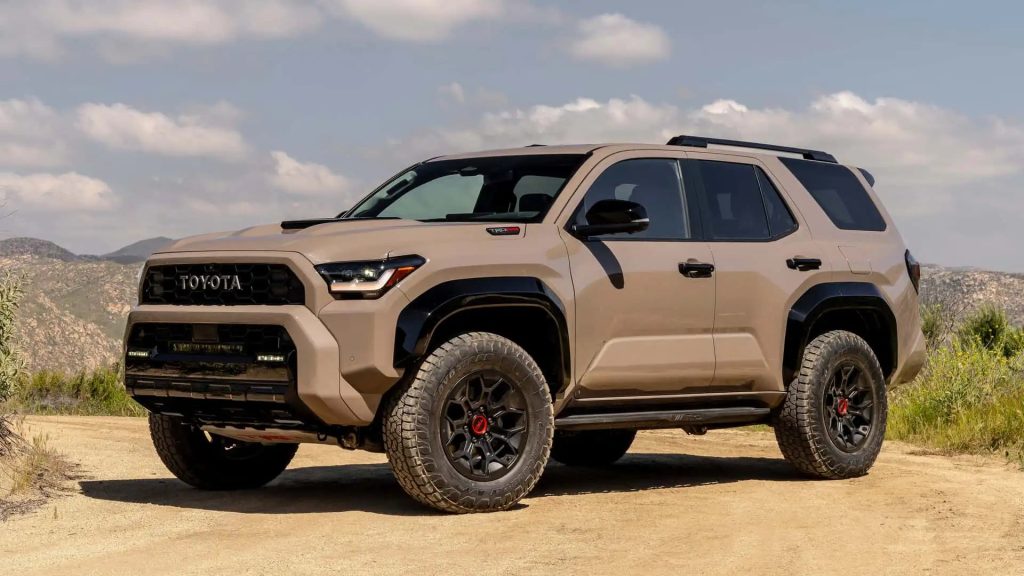
Families using the 4Runner for road trips often notice how tiring the added noise becomes over time.
While its toughness appeals to buyers who want longevity and adventure, the cabin does not offer the same serenity as more modern crossovers. The 4Runner succeeds in reliability and capability, but quietness is an area where it falls short.
3. Ford Bronco
The Ford Bronco, much like the Jeep Wrangler it competes with, prioritizes ruggedness and off-road fun over cabin silence. Its design includes removable roof panels, upright bodywork, and available off-road tires, all of which allow more sound to enter the cabin.
At higher speeds, wind noise quickly becomes noticeable, and depending on tire choice, road noise can be overwhelming. Even the engine note, while appealing to some, is not subdued in the way many crossovers manage.
The Bronco is included here because it demonstrates the compromises that come with lifestyle-focused SUVs. Owners who purchase it for its adventurous character are usually willing to accept the louder ride.
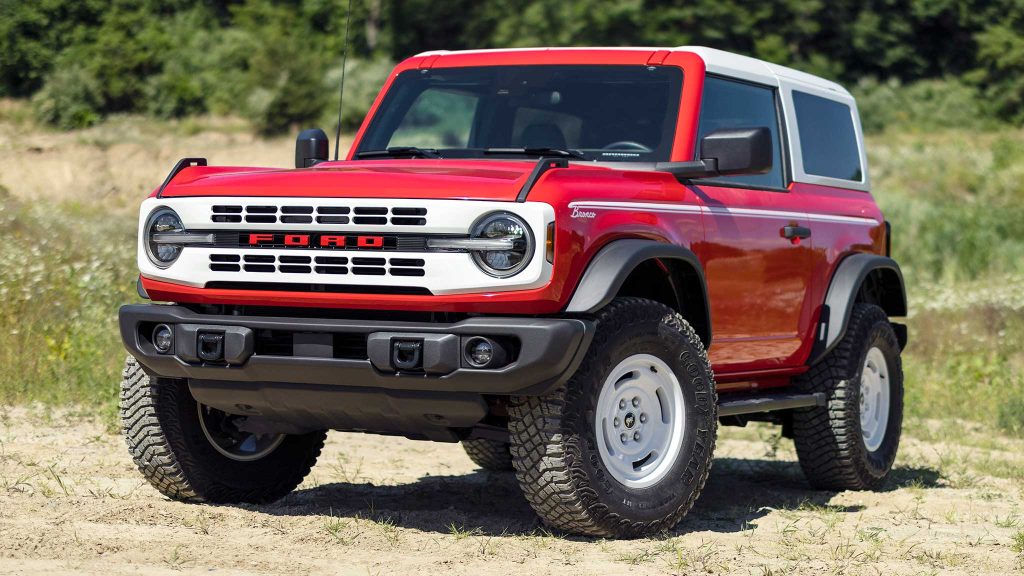
However, for buyers seeking an SUV for family road trips or quiet commuting, the Bronco feels far less refined than other options at the same price. Long journeys can become draining due to the constant hum, and conversations may require extra effort.
Even with the optional hardtop, the Bronco is still not close to the quietness of a unibody crossover or luxury SUV.
While its personality and off-road credibility are strong, the cabin experience is one of the loudest in its class. Buyers who value refinement should carefully consider this trade-off before choosing the Bronco.
4. Nissan Armada
The Nissan Armada offers size, power, and towing ability, but it struggles when it comes to cabin noise. Despite being marketed as a full-size family SUV, the Armada’s insulation does not fully match its competitors.
At highway speeds, wind rushes past its large side mirrors and boxy body, creating noticeable sound. Additionally, the suspension tuning allows bumps and vibrations to echo inside, while the V8 engine produces a constant growl that some drivers find less than refined.
This SUV is worth noting here because it highlights how even a large, premium-priced vehicle can fall short of expectations for quietness. Buyers often assume that a full-size SUV will deliver serenity, but the Armada shows that size alone does not guarantee refinement.
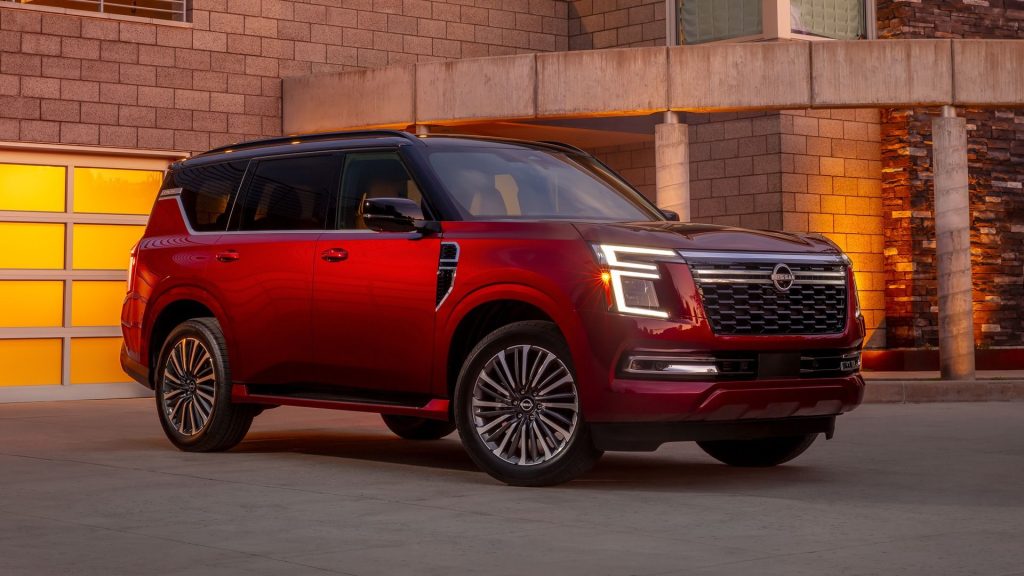
Families who choose it for road trips often comment on needing to raise the stereo volume or voices to overcome cabin disturbances.
The Armada is strong in power and capability, but it lacks the same degree of soundproofing that rivals like the Chevrolet Tahoe or Ford Expedition deliver.
For buyers who want an SUV primarily for towing and strength, the noise may be acceptable. However, for those seeking a comfortable long-distance cruiser, the Armada’s cabin noise makes it less competitive in its category.
5. Subaru Forester
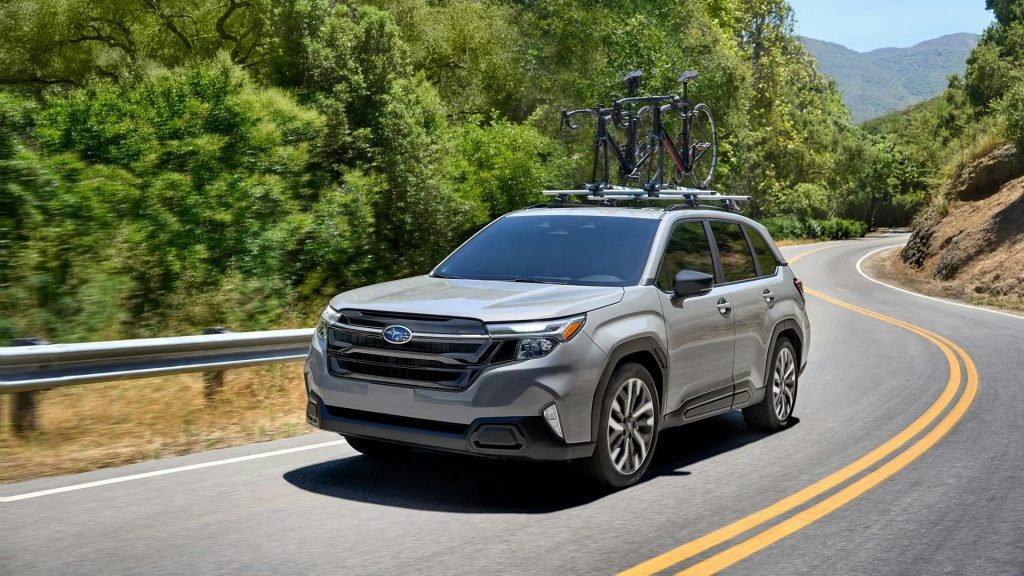
The Subaru Forester has a loyal following due to its practicality, safety, and visibility, but one consistent complaint is its noise level. The cabin allows more tire and wind noise than many of its competitors, especially at highway speeds.
The boxy shape contributes to wind buffeting, while the thinner insulation compared with rivals means that road surfaces are easily heard inside. The four-cylinder boxer engine, though reliable, has a distinct note that becomes noticeable when pushed.
The reason for including the Forester here is to show how otherwise well-rounded SUVs can still fall behind in refinement.
For daily commuting or city driving, the noise may not feel excessive, but on longer highway trips, the difference compared to quieter rivals becomes clear.
Families and commuters often mention needing to turn up the stereo or speak louder than usual, which reduces overall comfort.
Subaru designed the Forester with practicality and affordability in mind, focusing on visibility, cargo space, and safety features. While these qualities are strong, the trade-off is a cabin that lacks the extra soundproofing of more premium competitors.
Buyers who value peace and quiet above all may find the Forester less appealing, making it a fitting example of an SUV that gets noisy faster than expected.
When shopping for an SUV, buyers usually weigh factors such as size, power, technology, and fuel economy. Yet one quality that often determines long-term satisfaction is how much noise makes its way into the cabin.
A quiet ride can make family road trips more relaxing and daily commutes less tiring, while a noisy interior can quickly turn a vehicle that looks great on paper into a frustrating experience.
This comparison between five SUVs that maintain calm cabins and five that let in more sound highlights the wide range of results across the market.
On the quiet side, models such as the Lexus RX and Mercedes-Benz GLE demonstrate how premium engineering and high-grade materials create serenity. Luxury features like laminated glass, heavy insulation, and refined engines make them feel like personal retreats on wheels.
Meanwhile, mainstream entries like the Toyota Highlander and Hyundai Palisade show that drivers do not need to spend luxury prices to enjoy peace on the road.
These models use clever design and careful suspension tuning to deliver comfort and quietness, making them standouts for families and commuters alike.
Even performance-oriented SUVs like the BMW X5 prove that it is possible to balance strength with calm interiors, offering drivers the best of both worlds.
On the noisier side, the story is different. The Jeep Wrangler and Ford Bronco, designed with removable roofs and off-road focus, allow significant wind and tire noise inside. While their character appeals to adventure seekers, they are not ideal for those wanting refinement.
The Toyota 4Runner, despite its legendary durability, feels louder due to its older design and rugged construction. Full-size options such as the Nissan Armada also fall short, with wind and suspension noise making long drives less pleasant than rivals.
Even the Subaru Forester, otherwise a practical and safe family choice, has a cabin that struggles to match competitors when it comes to sound isolation.
Taken together, these examples show how important noise control can be in shaping the ownership experience. For many buyers, silence is more than just comfort; it creates an impression of quality and care in design.
Those who prioritize quiet cabins will find excellent choices in models like the RX, Palisade, Highlander, X5, and GLE.
On the other hand, buyers considering the Wrangler, 4Runner, Bronco, Armada, or Forester should weigh their tolerance for noise against the other strengths these SUVs provide.
Also Read: 5 SUVs That Rarely Rattle Inside vs 5 That Sound Like Junk Early
