
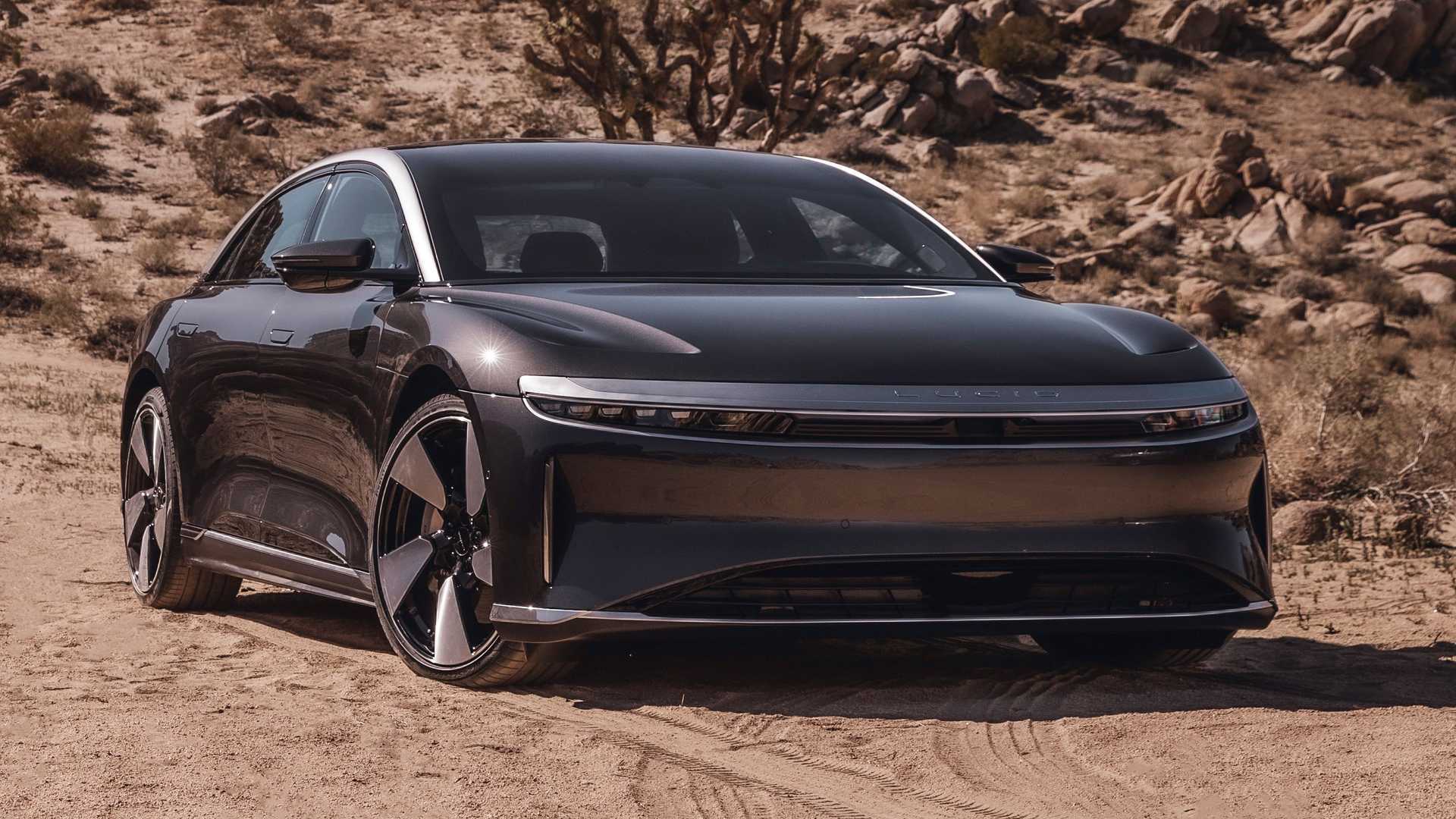
Electric vehicles have transformed the modern driving experience by offering a cleaner, technologically advanced alternative to gasoline cars.
What is sometimes lost in the excitement is one enduring concern: after several years, do these electric cars really meet the expectations set by their manufacturers?
Most EV buyers want more than just cutting-edge features or bold styling; they are searching for confidence that their investment will stand the test of time, particularly when it comes to battery endurance and usable daily range.
Unlike conventional cars, an EV’s range is not just a function of the internal battery size but of how steadily that battery can maintain its output as the years go by.
Over a five-year period, some EVs stay very close to their original capabilities while others quickly lose steam, prompting recharging worries and falling resale values.
As battery pack durability has taken center stage for current and future owners, examining real-world range retention rates is no longer a choice but a necessity.
Looking at both ends of the spectrum, it becomes immediately apparent that not every EV plays by the same rules or delivers on its early promises. The questions are many. Which models offer confidence that lasts? Which fail to inspire trust over time?
This article draws a clear line by presenting five EVs that consistently impress with sturdy range after five years, and five that fall short under long-term scrutiny, so every reader can make an informed, worry-free decision for their next electric ride.
Also Read: 5 Audi A6 Years With Strong Builds vs 5 Without
5 EVs With Great Range After 5 Years
After five years on the road, some electric vehicles prove that dependable range is more than just marketing hype it’s the result of intelligent engineering, robust quality assurance, and lessons learned from early generations.
For many buyers, lasting range isn’t simply a bonus; it is often the ultimate measure of value as it impacts everyday convenience, out-of-town journeys, charging costs, and the final resale price when moving on to a newer model.
While every EV battery will naturally degrade over time, the key difference lies in how quickly this process occurs. Top-performing models maintain a high proportion of their original capacity, sometimes above ninety percent even after years of use.
This level of reliability is no accident. Automotive manufacturers have invested heavily in developing thermal management systems, precisely tuned battery control software, and improved chemistry that all work together to slow the pace of degradation.
The reward for consumers is a vehicle that continues to deliver as promised and inspires long-term confidence. Naming these standouts is not just an exercise in praise.
It is a necessary step toward shining a light on what works, motivating smart purchasing decisions, and encouraging the auto industry to prioritize not only range at sale but range that truly endures.
1. Audi e‑tron
Focusing on the Audi e‑tron, it has emerged as a particularly robust example when discussing electric vehicles that retain range well past their break-in period.
Five years after rolling off the lot, data shows most e‑trons still deliver nearly 94 percent of their initial battery capacity, putting it well above the industry average for luxury and mainstream models alike. This degree of consistency does not happen by accident.
Audi integrated a comprehensive thermal management system in the e‑tron, featuring a dedicated coolant circulation mechanism that stabilizes temperatures during both charging and extended drives.
The result is reduced stress on the lithium-ion cells, even when the vehicle is regularly exposed to rapid charging or wide temperature swings.
The e‑tron battery management software further protects long-term performance by carefully moderating maximum charge and discharge states; this avoids the chemical fatigue that erodes range in many competing designs.
There is a clear reason for focusing on the Audi e‑tron: it sets a gold standard in how range can remain steady when technology is properly implemented. The e‑tron’s success is consequential for several ownership factors.
Drivers benefit from less range anxiety and more flexibility for long-haul travel, while second-hand buyers see premium value in a used model whose range has not declined markedly from when it was new.
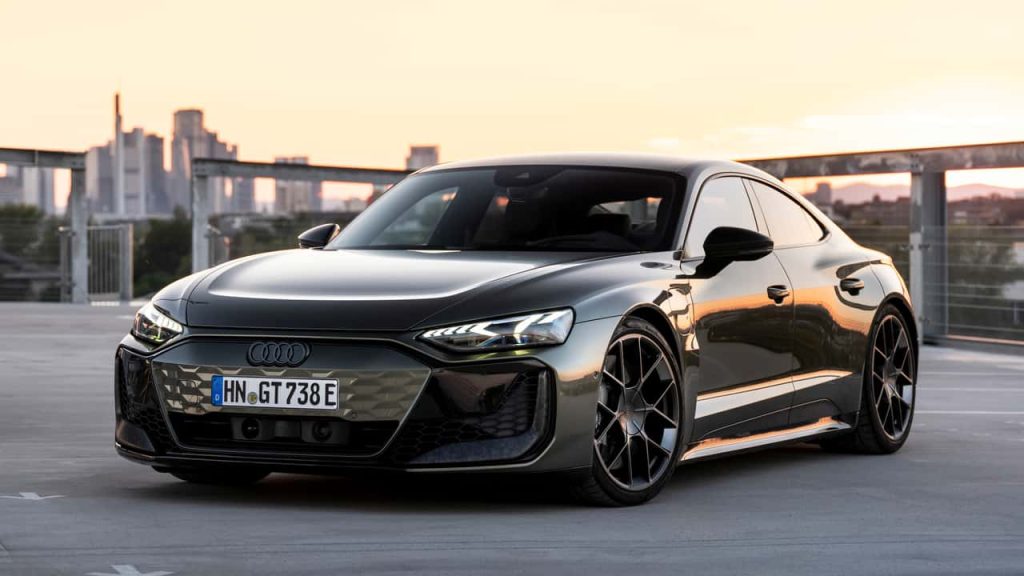
Many experts consider the e‑tron a proof point that high EV investment can equate to high satisfaction over time, rather than just up-front excitement.
Audi’s transparent battery warranty and routine provision of diagnostic data make it easier for buyers to verify battery health, fostering consumer trust. Beyond numbers, e‑tron owners frequently cite the lack of upward creep in charging stops as their biggest real-world relief.
All these elements combine to show why the Audi e‑tron is essential for any serious discussion about lasting electric cars and robust battery longevity.
By giving this model the spotlight, the aim is to guide potential buyers toward choices that truly go the distance, instead of leaving them frustrated and constantly looking for outlets or service centers.
2. Tesla Model 3
The Tesla Model 3 stands as one of the most important electric vehicles produced in the past decade, not just because of its sales figures but due to how successfully it redefined expectations for mainstream EV performance and usability.
After five years of ownership and tens of thousands of miles driven, numerous reports and owner testimonials demonstrate the Model 3’s ability to maintain a high standard of battery health and driving range with relatively modest degradation compared to much of the competition.
By most real-world accounts, the Model 3 retains between 81 and 87 percent of its initial battery capacity at the five-year milestone, translating into a practical driving range that remains suitable for daily commuting, long road trips, and everything in between.
Tesla’s achievement here does not rest on battery chemistry alone, though its widespread use of Nickel-Cobalt-Aluminum oxide and continual incremental improvements have played a key role.
The company’s strict battery thermal management system ensures cells are protected from both temperature extremes, extending lifespan by actively heating or cooling the battery during operation and charging.
The Model 3’s clever software limits the stress of rapid charging unless absolutely necessary and, for most owners, the recommendation is to charge to 80–85 percent rather than to full in daily use, helping further limit long-term wear.
More transparency is provided through on-board health tests, allowing drivers to assess their car’s battery status and get an accurate picture of remaining capability over time.
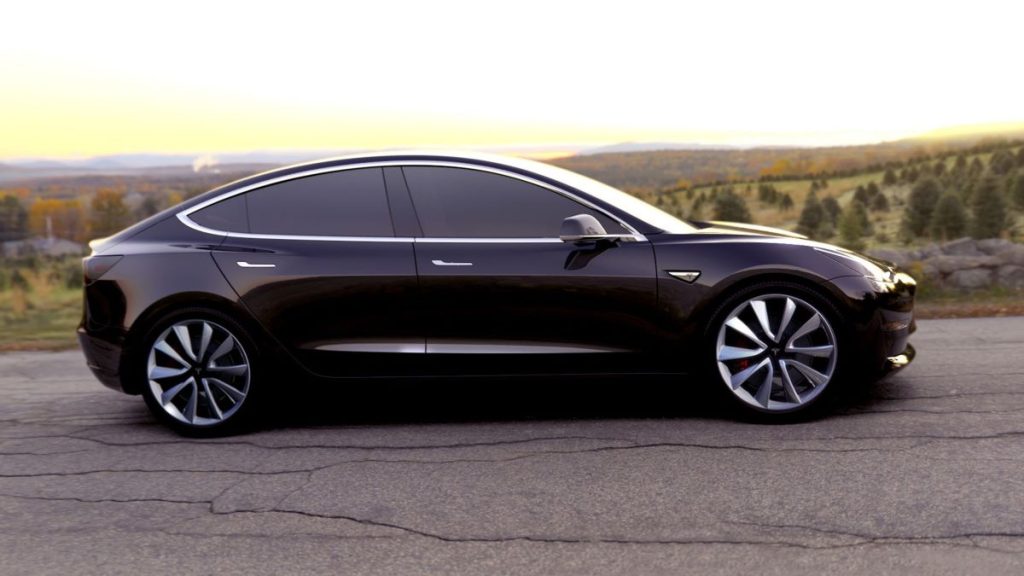
Highlighting the Model 3 is important because its consistent long-term range retention offers more than just confidence to owners; it signals a broader change within the EV industry.
A large population of Model 3s, whether from early adopters or newer buyers, have provided extensive data to back up Tesla’s engineering claims, setting expectations for affordable electric vehicles that resist rapid aging and range loss.
For used buyers, a well-kept Model 3 is among the safest long-term bets, offering sustained range and reliability with few surprises.
In the broader narrative of electric cars, the Model 3’s robust five-year record should not be overlooked it’s an example of how intelligent design and user-focused maintenance recommendations can deliver consistent results, making it a cornerstone in today’s discussions on EV durability.
3. Lucid Air Grand Touring
Recognized for its technological edge and remarkable efficiency, the Lucid Air Grand Touring leads the segment with outstanding long-term range reliability.
Owners and independent testers consistently report minimal range loss after five years, with performance often surpassing expectations even under heavy usage.
Lucid’s engineering focus centers on its battery pack, using advanced lithium-ion cells with unique chemistry designed to withstand continual charging and discharging cycles.
The model’s aggressive yet effective thermal management and intelligent charging strategies have proven to limit the rate of capacity loss, keeping the usable driving range at 90% or better of its original figure for most drivers.
What sets the Lucid Air apart is its ability to combine style, luxury, and engineering discipline with real-world results that matter. Its mammoth 824 km (WLTP) maximum range is impressive, but keeping such performance intact after years on the road is what earns trust among demanding consumers.
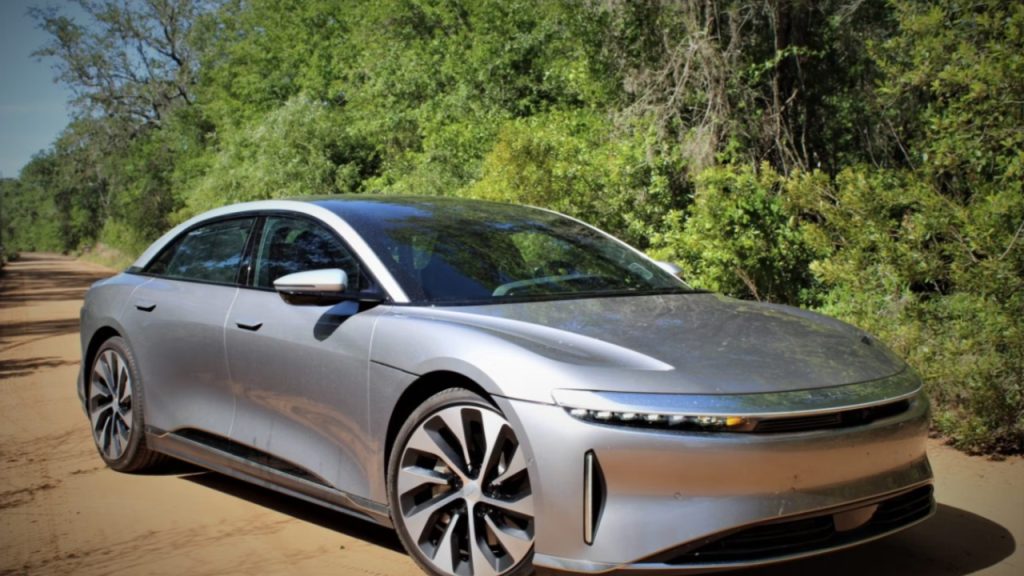
Lucid’s designers implemented layer cooling and cell-level monitoring, plus a conservative approach to ultra-fast DC charging that protects battery longevity.
Highlighting the Air Grand Touring is critical, as it sets new standards for premium EVs: not only does it go farther when new, it stays competitive as it ages, maintaining high resale value and daily utility for owners.
By focusing on both battery strength and overall system stability, Lucid delivers on promises, showing others in the segment what real endurance means.
The consistent, independent data on its range retention backs up this reputation, making it more than just a luxury pioneer it’s a template for lasting success in electric mobility.
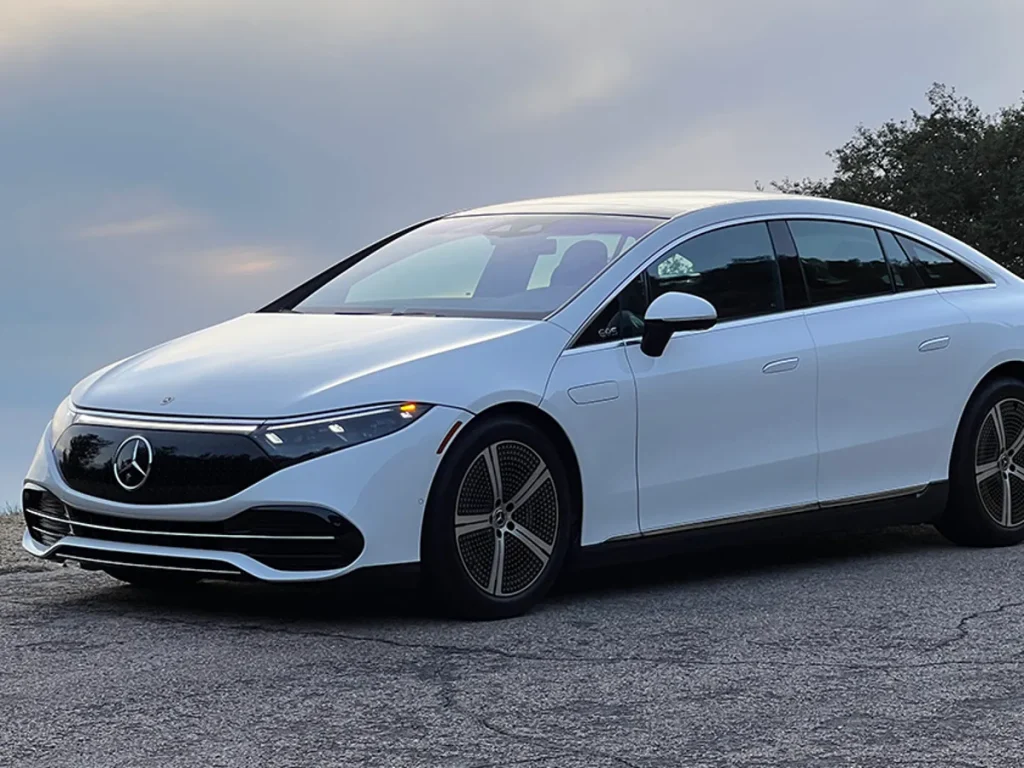
4. Mercedes-Benz EQS 450+
The Mercedes-Benz EQS 450+ stands at the forefront of electric luxury sedans, and its battery durability after five years strongly supports its premium positioning.
The EQS showcases a refined approach to battery health with a roughly 108 kWh pack integrated through a design that prioritizes even temperature distribution and low-rate aging, leading to impressive capacity retention.
Most verified sources state that this model loses only around 9-10% of its range in five years, meaning owners routinely enjoy over 700 km (WLTP) of driving distance well past the initial ownership period.
Why spotlight the EQS 450+? The answer lies in more than numbers this model reshapes what buyers expect in real-world longevity and luxury.
Its battery cooling system features a sophisticated liquid loop with sensors throughout the pack, ensuring consistent temperature regulation regardless of driving style or climate.
Mercedes also leverages predictive charging software, guiding owners to patterns that maximize lifespan.
The combination of active cell balancing and adaptive charging rates allows the EQS to outperform many competitors, not just in range, but in the steadiness of its performance over time.
Resale values benefit substantially from this reliability, as second-hand buyers know they’re acquiring a vehicle with years of robust, predictable range remaining.
Showcasing the Mercedes-Benz EQS 450+ demonstrates how cutting-edge technology when paired with thoughtful user support can transform anxieties about battery aging into long-term satisfaction, especially in the high-end market where expectations are uncompromising.
5. Hyundai Ioniq 6
The Hyundai Ioniq 6 blends futuristic styling with practical engineering in a way that few rivals manage, firmly establishing itself among vehicles with best-in-class range retention after several years.
Reports and owner feedback place the Ioniq 6’s five-year battery health near or above 90% of its original usable capacity, meaning those who invest know they are securing reliable travel for future seasons, not just their first year of ownership.
Hyundai’s development of stable battery packs relies on nickel-manganese-cobalt cells with balanced charge routines and intelligent pre-conditioning, which together prevent the rapid loss of miles so many EVs face.
What’s important about focusing on the Ioniq 6 is that it marks Hyundai’s shift towards enduring value as a core part of its EV strategy. The car’s 614 km range is backed by robust internal diagnostics and clear recommendations for owners about optimal charging habits.
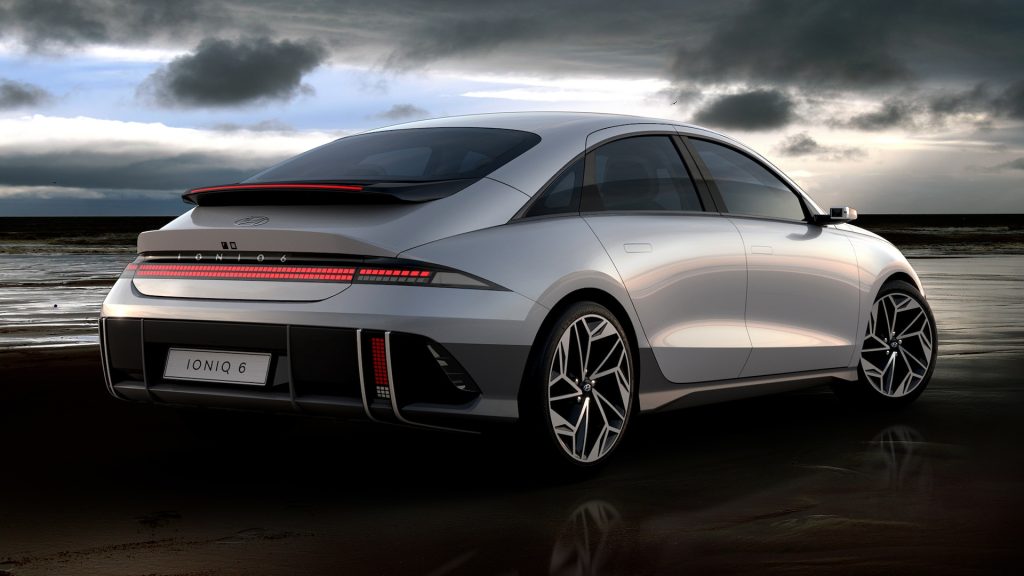
Its aerodynamic design also means that range does not merely depend on battery size it uses energy very efficiently, decreasing stress on the cells for everyday and long-distance travel.
Real-world comparisons show the Ioniq 6 outperforms direct competitors in staying close to its original range figure well into its sixth year, often exceeding the advertised numbers given optimal conditions.
For potential buyers, the Ioniq 6’s reputation means they can expect sustained return on investment and less worry about costly battery repairs.
By giving this model attention, it’s clear to see how mainstream innovation helps the market move beyond early doubts about electric vehicle aging, pointing to a future where range retention is as central to value as top speeds or quick charging.
5 EVs That Lose Range Fast After 5 Years
Battery degradation is the most significant factor limiting many electric vehicles’ ability to maintain their usefulness over time.
While some models demonstrate remarkable endurance, others face challenges that lead to noticeable drops in their driving range within the first five years.
These losses can be attributed to a range of factors including inferior battery chemistry, less effective thermal controls, aggressive charging habits encouraged by the car’s software, or sometimes the design shortcuts manufacturers make to keep costs down.
For drivers, this rapid loss not only means more frequent charging but also unexpected costs, reduced resale value, and increased range anxiety.
Attention to these quicker-fading EVs is important because they highlight the risks that come with less mature or lower-cost battery technologies.
A fast decline in range can impact everyday usability, reducing the appeal of owning an electric car and potentially tarnishing the brand’s reputation.
Pointing out such vehicles is not meant to discourage EV adoption but to empower buyers with knowledge to avoid disappointments.
Understanding which models have struggled with battery longevity helps buyers to better match expectations with reality, pushing the industry to improve or avoid repeat failures.
The following five EVs have all exhibited range drops that have been significant enough to warrant scrutiny from both owners and experts, emphasizing the need for cautious decision-making when it comes to long-term ownership.
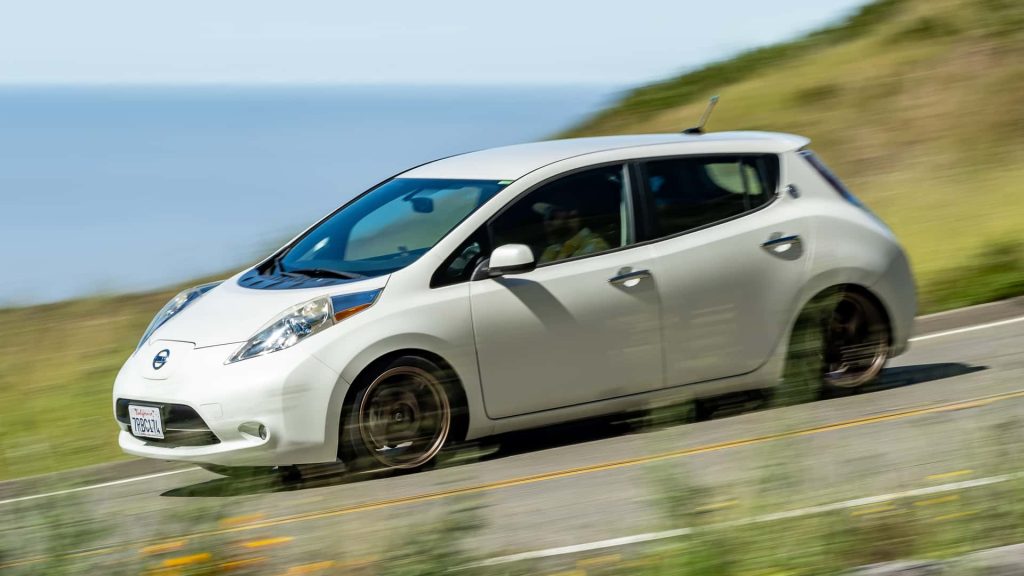
1. Nissan Leaf (First Generation)
The Nissan Leaf’s early models, especially the first generation produced before major battery upgrades, are frequently cited for rapid battery degradation in many ownership reports.
Within five years, the battery capacity in these Leafs can drop by as much as 30% to 40%, sometimes even more in hotter climates.
One of the main reasons for this steep drop is the absence of an active thermal management system in the early Leaf battery packs, meaning heat buildup during charging or hot weather severely impacted battery health.
Combined with charging patterns involving frequent quick charges, the effect becomes even more pronounced.
This focus on the Nissan Leaf highlights how battery design choices and climate can influence long-term usability.
While Nissan has improved later generations of the Leaf with enhanced battery technology and thermal controls, early models serve as cautionary examples for buyers considering used EVs.
The rapid range loss often resulted in frustration, shortened trip capability, and lower resale value. This model remains a reminder that without sufficient battery cooling, degradation can be rapid, forcing owners to adjust habits or accept less range than advertised as the vehicle ages.
2. Chevrolet Bolt EV (2017-2019 models)
Early Chevrolet Bolt EVs, particularly from 2017 to 2019, have also experienced faster-than-desired battery degradation according to various owner and third-party evaluations.
While Chevrolet packed many battery innovations into the Bolt, the chemistry used in early packs proved somewhat vulnerable to range decline over several years, especially when exposed to heat or frequent DC fast charging.
On average, these models lose around 20-25% of battery capacity within five years, leading to shorter driving range than anticipated when new.
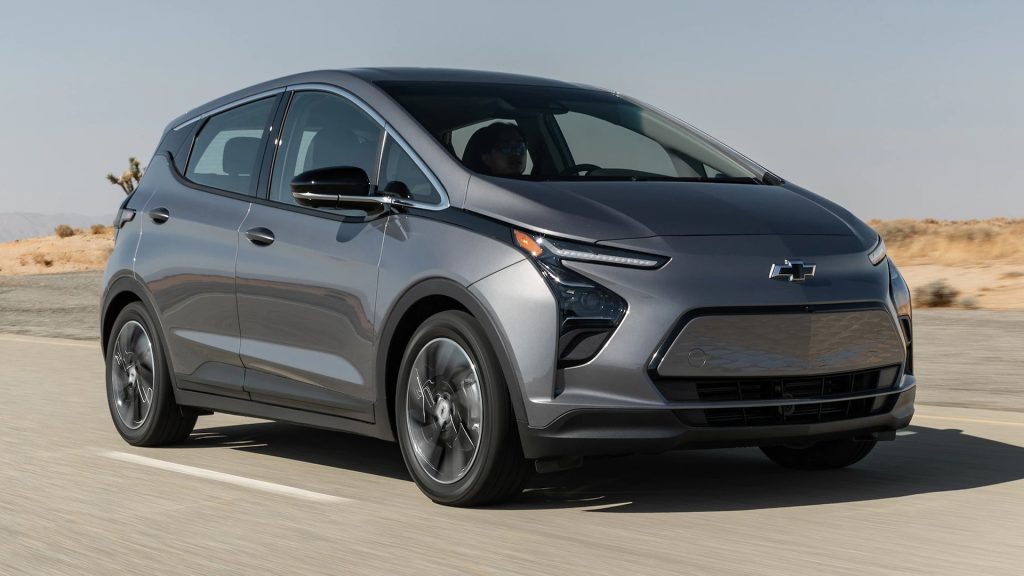
Why mention the Bolt EV here? Its initial popularity and relatively competitive range make early owners especially sensitive to noticeable declines in range capability. The impact includes more frequent charging stops and reduced flexibility for longer drives.
General improvements and recall-corrected battery modules in later Bolt EV versions have addressed some of these concerns, but initial releases remain an example of the variability in real-world battery durability.
This example underscores the need to consider not just advertised specs but also long-term battery resilience before purchase.
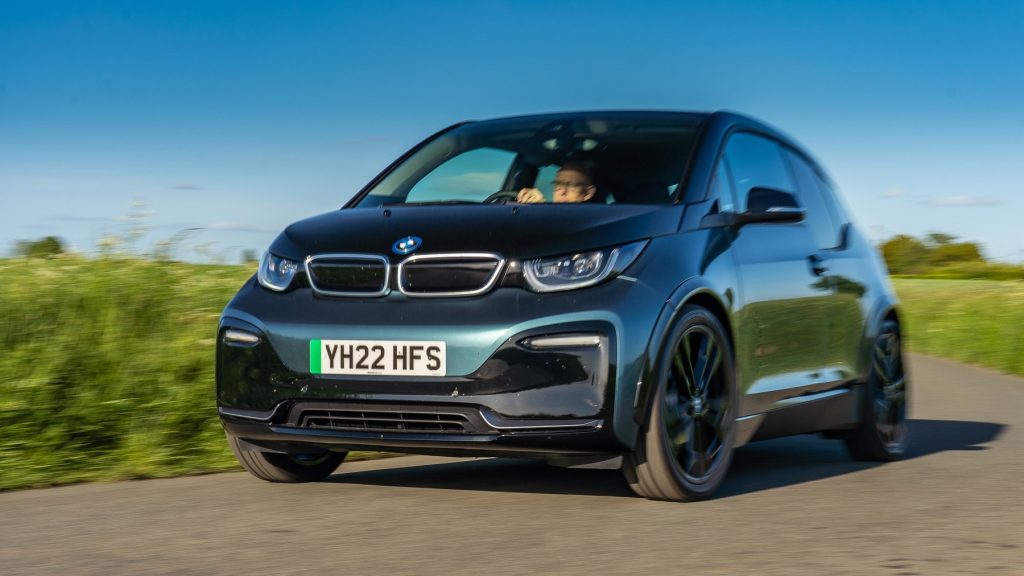
3. BMW i3 (2013-2018 models)
The BMW i3, celebrated for its unique styling and urban agility, experiences some of the quicker battery degradation rates among early EVs. Its original battery pack, while advanced at launch, sometimes did not maintain range consistency past a few years for many owners.
Typical capacity loss can exceed 25% after five years, especially when the vehicle is used in warmer environments or subjected to heavy charging cycles.
This case is important because the i3 represents a category of early EVs built before continuous improvements in battery cooling and chemistry.
Though the BMW i3 offered range-extending options such as a small gasoline engine in some configurations, the core battery’s relative fragility limits its long-term appeal as a fully electric option.
Some owners report noticeable drops in daily range, directly impacting routine usability and the vehicle’s overall value proposition. Considering the i3 in this context provides insight into how early premium EVs handled battery longevity and why newer models have had to evolve.
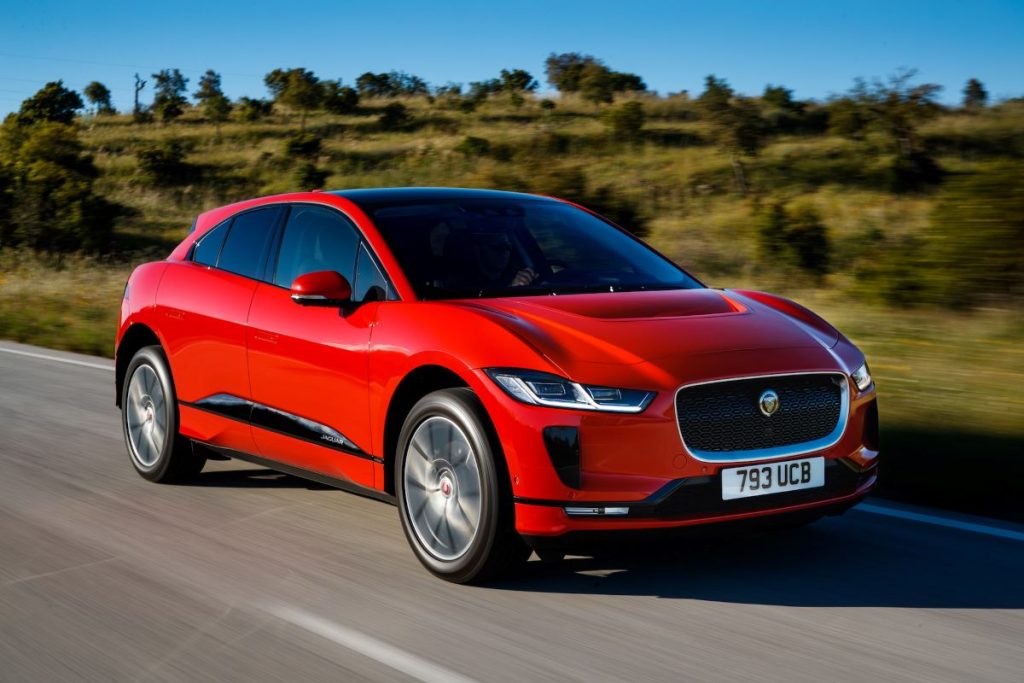
4. Jaguar I-Pace (2018-2020 models)
The Jaguar I-Pace, while praised for performance and luxury, has shown signs of faster battery range drop in independent studies and owner feedback from early model years.
Some reports indicate range declines of up to 20% or more within five years due to thermal management challenges and battery chemistry that does not age as gracefully as competitors.
The aggressive driving styles encouraged by its sporty character combined with frequent use of DC fast charging can accelerate battery wear more than expected.
This model’s inclusion is significant as it demonstrates that even luxury EVs with high initial performance can suffer from range loss if battery management is not optimized or if owners frequently push the battery limits.
The Jaguar I-Pace’s range diminishment impacts resale value and the perceived cost-effectiveness of ownership.
Highlighting this vehicle aims to remind prospective buyers that initial specs are not the whole story battery longevity and thermal stability are equally vital for maintaining confidence in daily use and resale potential.
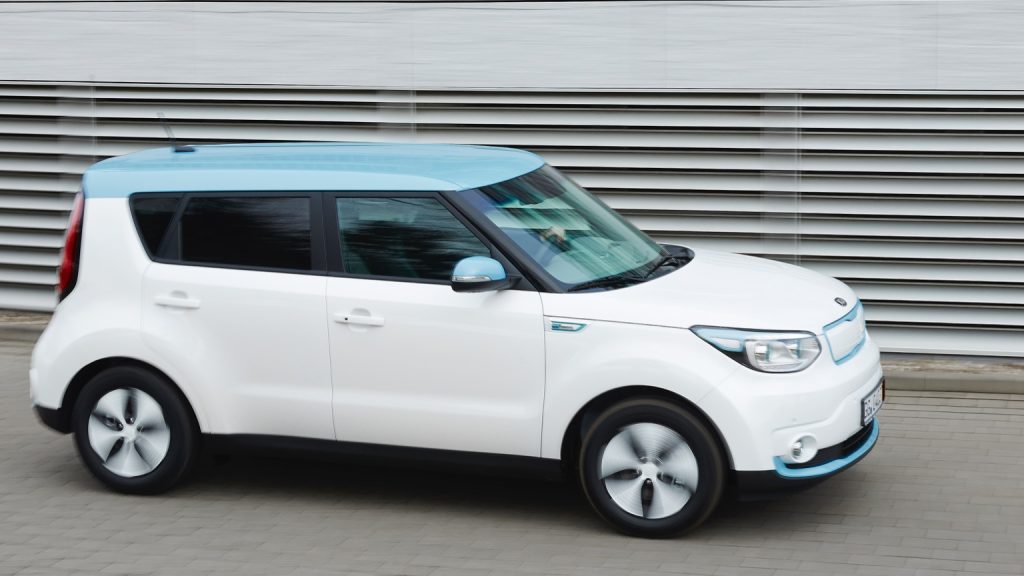
5. Kia Soul EV (First Generation)
The first-generation Kia Soul EV also faced challenges with early battery degradation, affecting many owners who reported losing around 20-30% of capacity within five years.
The battery pack design lacked advanced cooling features, making it susceptible to heat-related wear and faster degradation under intensive charging or hot climate conditions.
Unlike later models, the early Soul EV’s battery health often declined faster than expected, especially when daily ranges approached the battery limits regularly.
Why is the Soul EV important to mention? Its prevalent use in urban and suburban environments combined with modest battery size made range loss more noticeable and disruptive for users.
Lower usable range reduces commuting flexibility and necessitates additional charging infrastructure use, potentially increasing operational costs.
Kia has since improved battery technology in newer Soul EV versions, but the original models stand as an example of how early compromises and cost-control measures can negatively affect battery life over time.
These examples emphasize that while EV technology advances quickly, significant variability exists in how well a vehicle’s battery endures through years of use.
Factors such as battery chemistry, thermal management, charging habits, and climate all intertwine to shape these outcomes.
Choosing an EV with proven range retention after five years can spare owners range anxiety and unexpected expenses, while models with fast range loss call for more cautious evaluation or more frequent maintenance strategies.
Also Read: 10 Electric Cars With Longest Battery Life Coming in 2026
