
Sedans have long been a popular choice for drivers seeking a balance of comfort, style, and practicality. While newer models often boast the latest technology and safety features, a true test of a sedan’s quality lies in how well it holds up over many years.
Some sedans maintain their solidity, comfort, and performance even after 15 years of use, continuing to feel robust and dependable on the road.
These vehicles often represent excellent craftsmanship, durable engineering, and thoughtful design that withstands the challenges of time and wear.
On the other hand, there are sedans that, despite their initial appeal, develop issues over time that compromise their feeling of solidity and reliability.
Problems such as rattles, body rust, wear and tear, and mechanical inconsistencies can diminish the driving experience and decrease long-term value.
This contrast between sedans that age gracefully and those that do not highlights the importance of choosing a model known for quality and durability.
Understanding which sedans stand the test of time and which ones tend to falter can help prospective buyers make informed decisions that save money and provide peace of mind in the long run.
Also Read: 5 BMW Cars That Rarely Fail vs 5 That Constantly Break
5 Sedans That Feel Solid After 15 Years
Writing about sedans that continue to feel solid after 15 years is important for car enthusiasts, owners, and buyers focused on long-term value and driving satisfaction.
These vehicles demonstrate that quality and durability do not have to fade quickly with age. A solid-feeling sedan offers more than just a smooth ride; it conveys a sense of reliability, robust construction, and refined engineering that stands durable miles and years of use.
For many drivers, knowing a sedan has a well-earned reputation for longevity reduces stress about costly repairs and depreciation. Highlighting five sedans that achieve this level of lasting solidity allows for a clearer understanding of what factors contribute to their enduring quality.
Whether it’s the materials used, the engineering approaches, or the simplicity and strength of the design, these sedans earn recognition for continuing to perform and feel dependable well into their senior years.
This exploration supports better choices for those seeking a sedan that remains a dependable companion on the road even after a decade and a half.
1. Honda Accord
The Honda Accord stands out as a prime example of a sedan that maintains its quality and solidity well beyond the 15-year mark. This is why it deserves our attention first.
Across various decades, the Accord has cultivated a reputation for reliability, robust engineering, and driving comfort, making it a favorite for many who prioritize long-term value.
The average Honda Accord easily surpasses 169,000 miles with many models reaching 200,000 miles or more when properly maintained, reflecting its exceptional durability. Owners often report that even after many years, the car feels stable and smooth on the road, free of the rattles and worn suspension issues that tend to plague older vehicles.
The design philosophy behind the Accord has long emphasized simplicity paired with efficiency, avoiding overly complex systems that often contribute to breakdowns.

While there have been some issues over the years, such as minor oil consumption in certain engine variants or occasional transmission complaints in CVT models, these are generally manageable with routine upkeep. Honda’s commitment to continuous improvement and a widespread network of parts and service options also supports its longevity.
Its blend of solid performance, moderate maintenance costs, and a consistent track record for holding value explains why the Accord continues to be one of the best choices for those seeking a sedan that stands the test of time.
2. Toyota Camry
The Toyota Camry is widely recognized as one of the most durable and reliable sedans on the market, making it a natural inclusion in this group.
Known for its consistent build quality and dependable engineering, the Camry has earned a reputation for lasting well beyond the 15-year mark with regular maintenance.
Many Camry owners share stories of their vehicles reaching well over 200,000 miles, still running smoothly and comfortably. The sedan’s broad appeal stems from its balanced combination of fuel efficiency, reliable powertrains, and a quiet, cushioned ride even on older models.
One of the reasons the Camry remains solid over time is Toyota’s focus on simplicity and proven technology rather than rushing to pack in untested features that can fail prematurely.
Its engines, particularly the four-cylinder and V6 options, are known for longevity and tolerance of high mileage.
While no car is immune to wear and tear, the Camry generally experiences fewer issues with rust, suspension degradation, or electrical faults compared to many rivals.

Moreover, Toyota’s strong dealer network and availability of affordable parts make keeping a Camry in good shape easier and less expensive.
The hybrid models introduced in recent years further extend the Camry’s appeal, offering fuel savings without sacrificing reliability. This sedan’s track record shows it to be a wise choice for buyers who want a vehicle that retains a solid feel and dependable performance throughout a long ownership period.
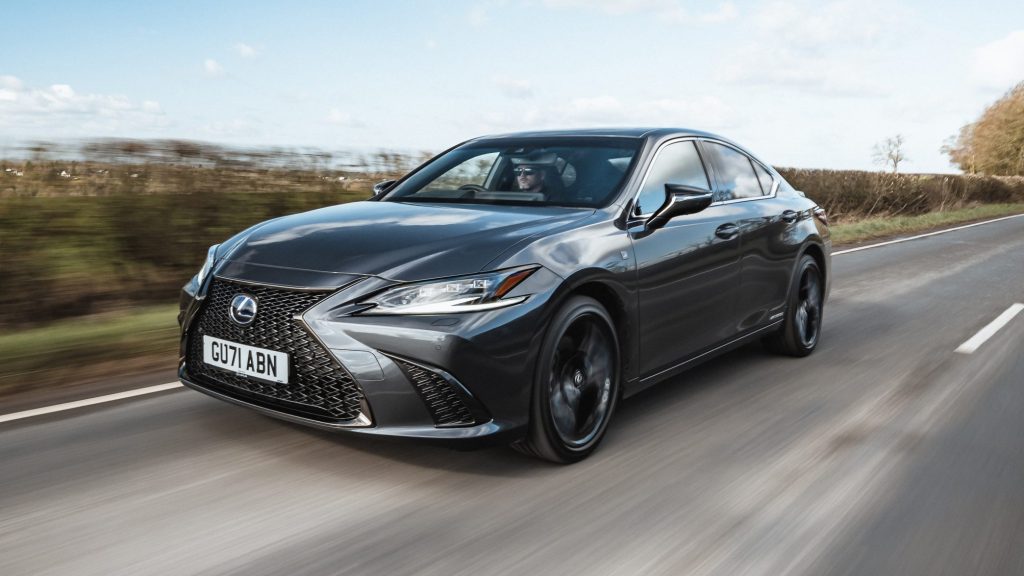
3. Lexus ES
The Lexus ES sedan shares much of its underlying engineering with the Toyota Camry but takes things a step further in terms of luxury and refinement.
Lexus has built the ES to be a vehicle that not only lasts but also continues to feel solidly crafted and comfortable even after many years.
Owners appreciate the quiet, smooth-drive experience and the premium materials that withstand aging better than those in many other sedans.
The ES’s reputation for long-term durability comes from Lexus’s careful attention to build quality and reliability. Its V6 engine, paired with a smooth transmission, offers a seamless power delivery that remains consistent over time.
The Lexus ES also tends to avoid many of the common mechanical and electronic issues that plague sedans after a decade or more due to its conservative and proven design philosophy.
Maintenance intervals are reasonable, and the car’s components are built to high standards, which helps reduce the likelihood of major repairs.
Because the Lexus ES is oriented toward comfort and a quiet cabin environment, the solid, sturdy perception is enhanced by reduced noise and vibrations even in older models.
This combination of luxury, reliability, and enduring solid construction makes the ES a standout for drivers seeking a high-quality sedan that continues to feel solid.
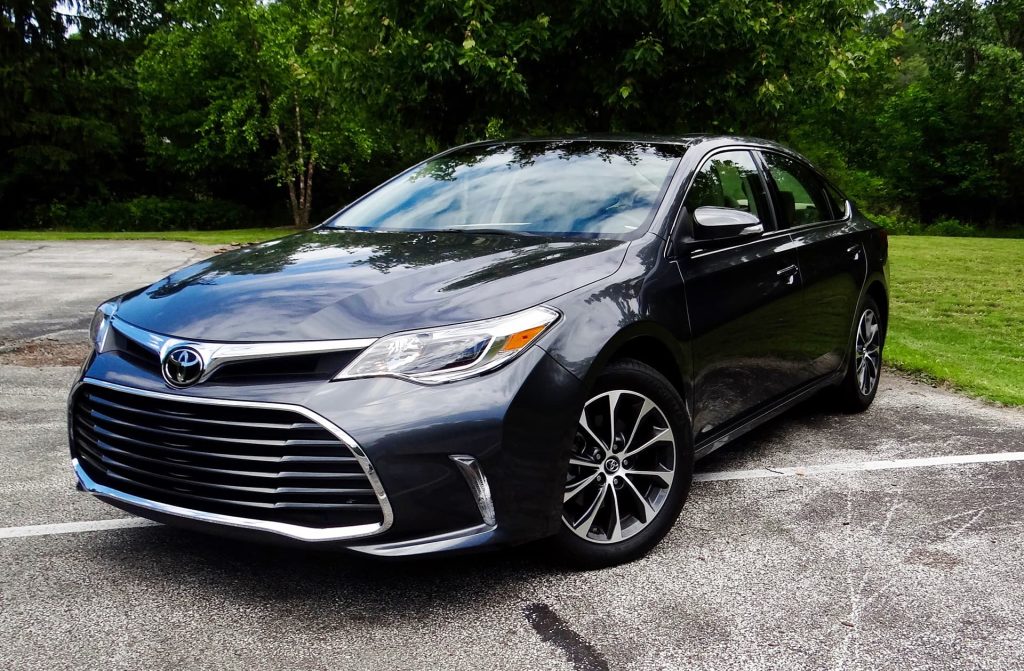
4. Toyota Avalon
Another Toyota model renowned for its longevity and solid feel after many years is the Avalon. Positioned as a full-size sedan, the Avalon blends spaciousness and comfort with Toyota’s legends of reliability and solid engineering.
It manages to provide a comfortable ride along with a sturdy frame that resists many of the aging problems seen in other vehicles.
The Avalon shares powertrain components and many underlying systems with the Camry but offers a more refined driving experience and higher-end features.
Its engines, typically reliable V6s, have shown the ability to withstand wear and continue providing satisfactory performance over long periods. Owners who have kept up with recommended maintenance report that the Avalon’s ride quality remains plush and its handling steady even a decade or more after purchase.
One of the key reasons the Avalon feels solid over time is its strong chassis and rust-resistant bodywork. These factors contribute to a durable platform that does not succumb easily to rattling noises or structural weaknesses common in older cars.
The sedan’s higher build standards and attention to comfort make it a compelling choice for those who want a vehicle that maintains a well-built, solid feel through the years.
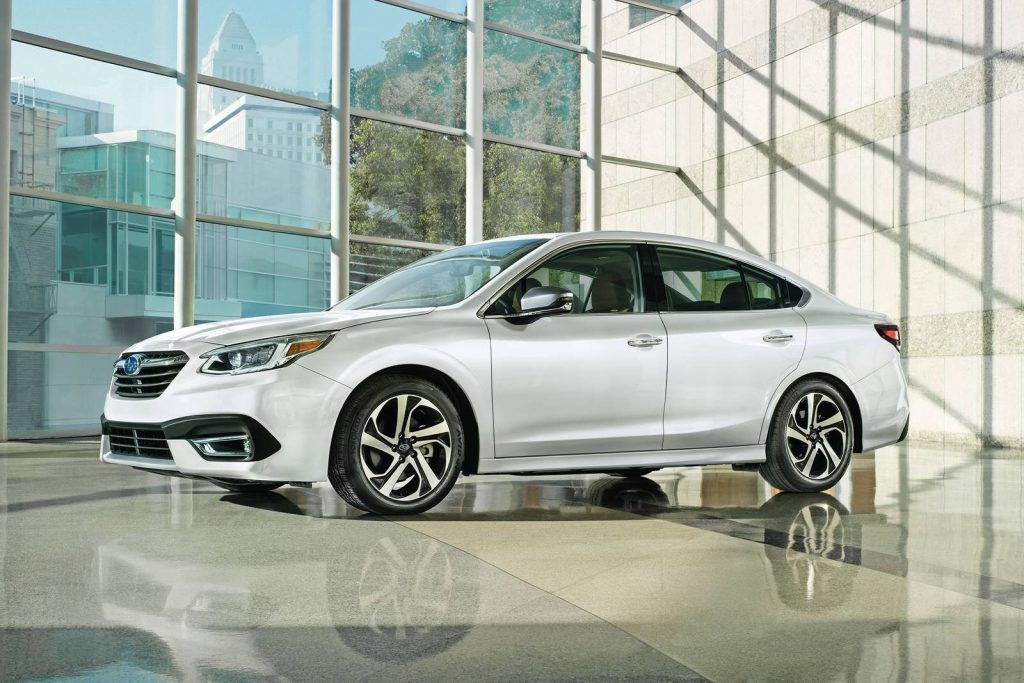
5. Subaru Legacy
The Subaru Legacy is slightly different from the other three but still earns a spot among sedans that feel solid after 15 years due to its unique all-wheel-drive system and resilient build.
Subaru’s engineering prioritizes durability and traction in various conditions, which tends to translate into vehicles that hold up well in the long term.
Legacy models often benefit from the brand’s symmetrical all-wheel-drive system, which not only enhances safety but contributes to a feeling of stability and robustness even as the car ages. Many Legacy owners report their sedans handling rough weather, mild off-road conditions, and daily use without the typical degradation of ride quality or stiffness.
Despite its mechanical strength, the Legacy does require some attention to routine maintenance to avoid common Subaru quirks such as head gasket issues in older engines.
However, with good care, the Legacy continues to feel substantial on the road, maintaining its balance and firmness.
Compared to sedans relying only on front-wheel drive, the Legacy offers a different dimension of solidity by combining engineering resilience with versatile driving capability. This blend makes it a favored choice for those wanting a sedan that endures long ownership with a stable, solid feel.
5 Sedans That Don’t Feel Solid After 15 Years
Every car ages differently, and sedans are no exception. While many models retain their composure and strength over the years, some sedans fail to maintain that solid, dependable feeling after 15 years.
These vehicles might show early signs of wear such as creaky suspensions, noticeable rattles, degraded materials, and even structural issues like rust or weakened body components. Many factors contribute to this decline, including design choices, material quality, and sometimes overlooked engineering weaknesses.
Understanding which sedans are prone to losing their solidity offers valuable lessons for buyers and owners alike, emphasizing the importance of thorough research and attentive maintenance.
Highlighting five sedans known for their challenges in aging helps identify what to watch for when considering a long-term investment in a vehicle.
Some models may initially impress with style or features but fall short in aging gracefully, which inevitably leads to a less satisfying driving experience and potentially higher repair costs.
This exploration aims to shed light on these less durable sedans, helping drivers avoid disappointments and make informed decisions to protect their driving comfort and finances in the years to come.
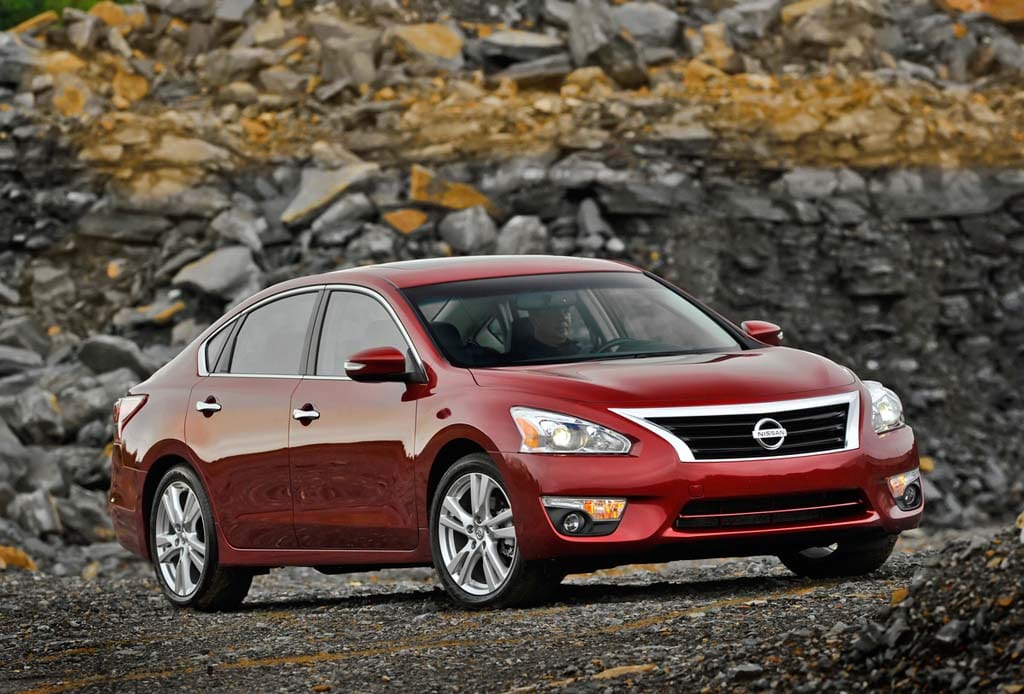
1. Nissan Altima
The Nissan Altima, once a popular choice for midsize sedans, unfortunately has gained a reputation for aging poorly by some owners.
While earlier models were lauded for their comfortable ride and decent fuel economy, many that have reached the 15-year mark are plagued by persistent issues that undermine the feeling of solidity.
Common problems reported include transmission failures, particularly in CVT-equipped variants, which can lead to rough or hesitant shifting. Electrical gremlins such as malfunctioning power windows and sensor errors further detract from the driving experience over time.
The body structure of some Altima models also faces challenges with rust development, especially in regions with harsh winters or heavy road salt usage.
Interior materials, though initially decent, can degrade more quickly than expected, resulting in squeaks, rattles, and a less cohesive feel inside the cabin. These issues combine to erode the perception of durability and quality well before many other sedans reach maturity.

Nissan’s mix of ambitious new technology and cost-cutting measures in certain years may contribute to these long-term reliability concerns.
Buyers and owners should be aware of these issues if considering an older Altima, as rectifying some problems can be costly and time-consuming. These factors collectively reduce the Altima’s standing as a solid-feeling sedan after extensive use.
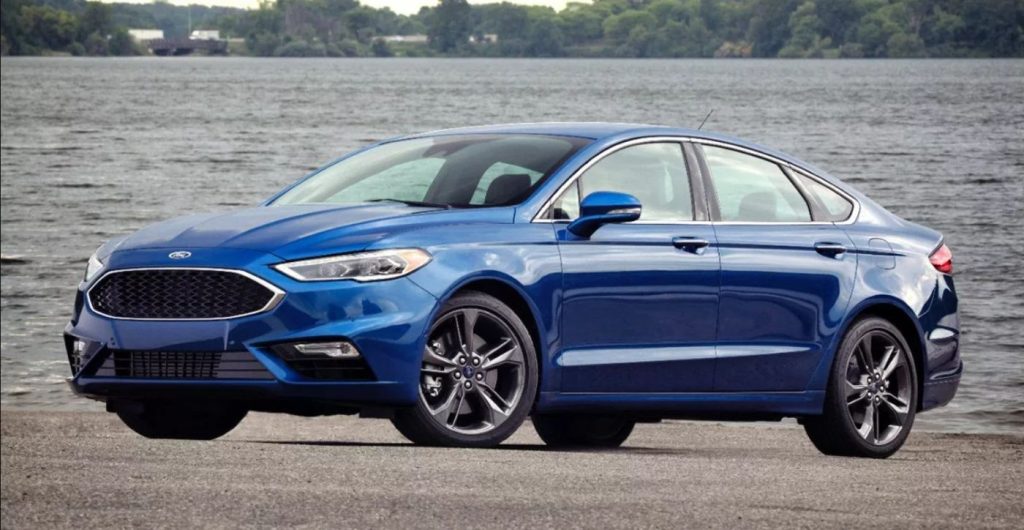
2. Ford Fusion
The Ford Fusion has experienced mixed reviews concerning long-term durability. While it offers attractive styling and a comfortable interior, many 15-year-old examples exhibit problems that lessen the feeling of solidity.
In particular, older Fusion models may develop suspension creaks and alignment issues that affect ride quality. Some owners have reported that the plastic trim and interior components become loose or wear unevenly, leading to an overall impression of declining build quality.
Mechanical issues also appear more frequently as the Fusion ages, including premature wear on brakes and transmissions, especially on versions with the six-speed automatic.
Electrical complaints, such as malfunctioning infotainment systems and instrument panel glitches, have surfaced in numerous reports, adding to the frustration of aging Fusion owners.
Rust can be problematic in certain climates, further diminishing the vehicle’s structural integrity over time. Although Ford made improvements in later model years, the earlier generations do not age as well as some competitors.
The combination of these factors makes it difficult for many Fusion owners to maintain a feeling of solidity and confidence in the vehicle after more than a decade.
3. Chevrolet Malibu
The Chevrolet Malibu, a once-solid contender in the midsize sedan category, increasingly shows signs of wear and unreliability as it reaches the 15-year usage mark.
Owners frequently report that the chassis and suspension components begin to exhibit looseness, contributing to a less steady and more noisy ride. Additionally, certain Malibus suffer from electrical system failures, including issues with power windows, door locks, and lighting.
Interior materials in older Malibus are often criticized for premature wear and a cheap feel compared to rivals. This can lead to rattling and noise inside the cabin, which negatively impacts the overall sensation of solidity.

Moreover, corrosion and rust, especially around wheel wells and undercarriage, can compromise the vehicle’s durability in the long term.
While routine maintenance can extend lifespan, many Malibu owners find themselves facing increasingly costly repairs as components age and wear out. These factors combined make it a car that often fails to maintain a solid feel after 15 years on the road.
4. Volkswagen Passat
The Volkswagen Passat has struggled with reputation issues related to reliability and durability, which affect how solid the sedan feels after many years.
While it offers European styling and a comfortable interior, the older Passats can display a variety of mechanical and electrical problems.
Common complaints after 15 years include transmission troubles, particularly with DSG gearboxes, which can lead to jerky shifting and expensive repairs.
Additionally, Passats often face interior wear problems, including brittle plastics and fading controls that detract from the perceived quality. Suspension components may squeak or rattle as they age, and body panels are susceptible to rust, especially in climates with road salt exposure.

Volkswagen’s reputation for complexity and higher service costs further discourage long-term ownership confidence.
Many drivers report that their Passats do not retain the solid, dependable feel that some competitors maintain over the long term, making it a riskier choice for those seeking durability.
5. Hyundai Sonata
The Hyundai Sonata has grown into a more reliable and refined sedan over the years, but older generations approaching or exceeding 15 years still show weaknesses in long-term solidity.
Common issues include suspension wear, leading to noises and a less stable ride, and interior materials degrading faster than anticipated. Owners have reported dashboard cracking, upholstery fading, and an increase in rattles, all of which diminish a solid feel.
Mechanical reliability also varies widely by model year, with some early Sonata sedans experiencing problems with engine parts and transmission reliability. Electrical system glitches, such as malfunctioning sensors and warning lights, also become more prevalent in older models.
Despite Hyundai’s general reputation for value, these long-term aging issues mean many older Sonatas fail to maintain a cohesive, solid, and refined driving experience after extensive use. This detracts from their appeal for drivers looking for enduring quality and a vehicle that feels substantial after years on the road.

Sedans that maintain a solid, dependable feel after 15 years showcase a blend of quality craftsmanship, thoughtful engineering, and durable materials that resist the usual aging problems affecting most vehicles.
Among these, the Honda Accord has long been a favorite for its simple yet effective design, proven engines, and strong reputation for longevity. Its ability to surpass the 200,000-mile mark while retaining a smooth, stable ride makes it a top candidate for anyone seeking a long-term investment in a sedan.
The Accord’s balance of reliability, ease of maintenance, and enduring driving comfort explains why it continues to stand out in the used car market.
Equally prominent is the Toyota Camry, another sedan known for excellent long-term durability. The Camry’s engines, comprising reliable four-cylinder and V6 options, provide efficient yet robust performance that many owners report still feels solid after extensive use.
Toyota’s conservative approach to incorporating technology enhances reliability, and the Camry benefits from a well-established service network that supports its longevity.
Its ability to resist rust, suspension wear, and electrical faults further adds to its appeal for drivers focused on sustained stability.
The Lexus ES carries much of the Camry’s dependable underpinnings but elevates the experience with more luxurious materials and a quieter, more refined cabin environment.
The ES maintains its solid feel not just through mechanical reliability but also through sound insulation, plush seating, and premium craftsmanship that ages better than many competitors.
Owners cite the ES as a sedan that continues to feel well-built and comfortable even after many years, underscoring Lexus’s commitment to quality and longevity.
Similarly, the Toyota Avalon, positioned as a larger sedan, offers a combination of spacious comfort with Toyota’s hallmark reliability. The Avalon’s robust chassis and corrosion resistance contribute heavily to its lasting solidity.
Its V6 powertrains remain smooth and responsive in older models, and the attention to ride quality ensures that it holds its composure beyond a decade or more. The Avalon appeals to drivers who seek a full-size sedan that ages gracefully both in comfort and structure.
The Subaru Legacy distinguishes itself with its symmetrical all-wheel-drive system, delivering a different kind of durability linked to driving stability in various conditions.
While maintaining mechanical resilience, especially in the drivetrain, the Legacy also offers solid chassis dynamics that resist many aging-related deteriorations.
Although older models require diligent maintenance to avoid specific engine issues, they generally provide a sturdy and confident driving experience after 15 years.
Together, these sedans exemplify why engineering quality, practical design, and strong brand reliability matter for long-term ownership.
They demonstrate that with proper care, sedans can remain solid, dependable, and enjoyable well beyond the typical lifespan expected. Buyers seeking a vehicle to last and maintain a sense of sturdiness on the road will find these models noteworthy options.
In contrast to these durable sedans, various models face challenges that cause them to lose the feeling of solidity over time.
Maintaining awareness of which models struggle with transmission issues, rust, interior noise, and electronic faults can save owners from future headaches and expenses.
Knowledge of vehicles that age less gracefully emphasizes the importance of choosing wisely and addressing maintenance proactively to help preserve solidity as long as possible.
