
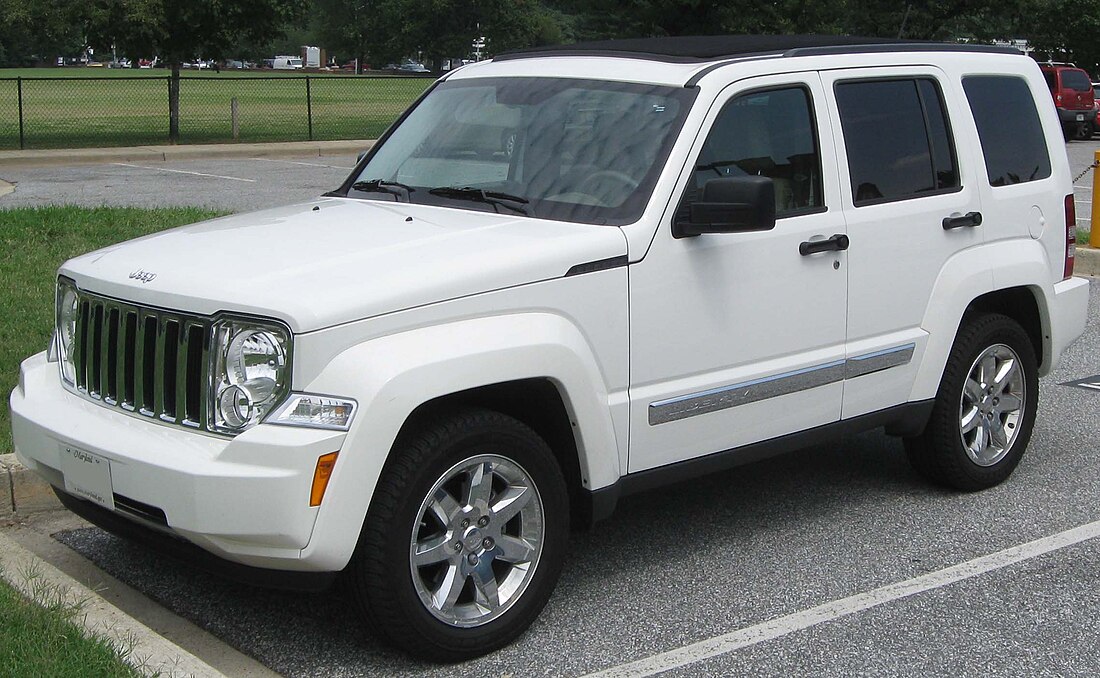
Jeep vehicles have built a strong reputation for their ruggedness and off-road prowess, attracting enthusiasts who seek adventure and capability.
However, when it comes to durability and long-term reliability, not every Jeep model performs equally well.
Some Jeep models consistently impress owners and experts alike with their solid build, dependable mechanical components, and relatively low maintenance demands.
These models tend to maintain their performance and comfort over the years, making them wise choices for buyers looking for a combination of toughness and reliability.
On the other hand, certain Jeep models face frequent challenges with mechanical failures, electrical issues, and costly repairs. These models sometimes struggle with design or component problems that impact their longevity and overall owner satisfaction.
Understanding which Jeep models tend to run strong versus those that are known for frequent breakdowns is critical for potential buyers, current owners, or anyone interested in the brand.
This article will thoroughly examine five Jeep models that are celebrated for their durability, followed by five models that have a reputation for persistent reliability issues.
Assessing both sides will provide a clear perspective on Jeep ownership and help make informed decisions focused on dependability and long-term value.
Also Read: 5 Toyota Highlander Years Worth Owning vs 5 That Aren’t
5 Jeep Models That Run Strong
Jeep vehicles have earned legendary status for their off-road capabilities, but that alone does not guarantee long-term reliability.
Some Jeep models stand out noticeably for their robust construction, quality engineering, and dependable performance across varying conditions and over time.
These models showcase how Jeep can deliver not just adventure but also peace of mind in terms of maintenance, repair frequency, and overall durability.
They appeal to drivers who want rugged SUVs or trucks that don’t just survive tough terrain but retain their functionality and comfort with fewer unexpected breakdowns.
The five Jeep models covered here have garnered recognition from auto industry experts, reliability surveys, and owner feedback as being among the brand’s most reliable offerings.
They tend to feature durable powertrains, solid suspensions, and fewer common issues compared to others in Jeep’s lineup.
Highlighting these models allows prospective buyers and Jeep enthusiasts to focus on SUVs and trucks that tend to provide better ownership experiences, whether used or new.
This section will detail each model, explain their strengths, and discuss why these particular Jeep vehicles are often chosen for their blend of ruggedness and trustworthy performance.
1. 2017 Jeep Wrangler
The 2017 Jeep Wrangler is widely regarded as one of the most reliable Jeep models in recent memory.
This particular model year marks the conclusion of the JK generation, which is praised for its simpler engineering compared to newer Wranglers that pack more electronics and complex systems.
The 2017 Wrangler benefits from a robust 3.6-liter V6 engine and offers both manual and automatic transmission options, catering to a broad range of driver preferences.
Its reliability comes from strong foundational mechanical components and fewer electronic systems, which reduces potential failure points.
Owners report that issues like minor oil leaks and worn U-joints are relatively easy and inexpensive to address compared to more serious engine or transmission problems common to other models.
Furthermore, the 2017 Wrangler’s minimalist design philosophy helps maintain the vehicle’s legendary off-road capability without sacrificing durability.
This model’s durability makes it an excellent choice for enthusiasts who prioritize dependable performance, whether on rugged trails or daily roads.

The Wrangler’s solid frame and capable suspension stand up well over time, and repair costs tend to be manageable, contributing to its reputation as a Jeep that runs strong.
For anyone seeking an authentic Jeep experience blended with long-term reliability, the 2017 Wrangler remains a standout option.
2. 2018 Jeep Compass
The 2018 Jeep Compass represents a turning point for the Compass nameplate, as it marked a major leap in quality and reliability for the compact SUV.
Earlier Compass models were often criticized for mechanical issues and subpar build quality, but the 2018 redesign brought significant improvements.
Powered by a 2.4-liter Tigershark inline-4 engine known for balanced performance and fuel efficiency, this model offers solid daily driving dynamics with an optional all-wheel-drive system for light off-roading.
The 2018 Compass earns praise for improved transmission smoothness and fewer electronic glitches compared to its predecessors.
Repair costs are generally lower than other Jeep SUVs in similar segments, making it a budget-conscious choice for buyers seeking dependable performance without excessive maintenance headaches.
Many Jeep owners highlight the 2018 Compass as one of the brand’s more refined and reliable vehicles, especially with the Trailhawk trim that provides enhanced drivetrain and suspension for a rugged edge.
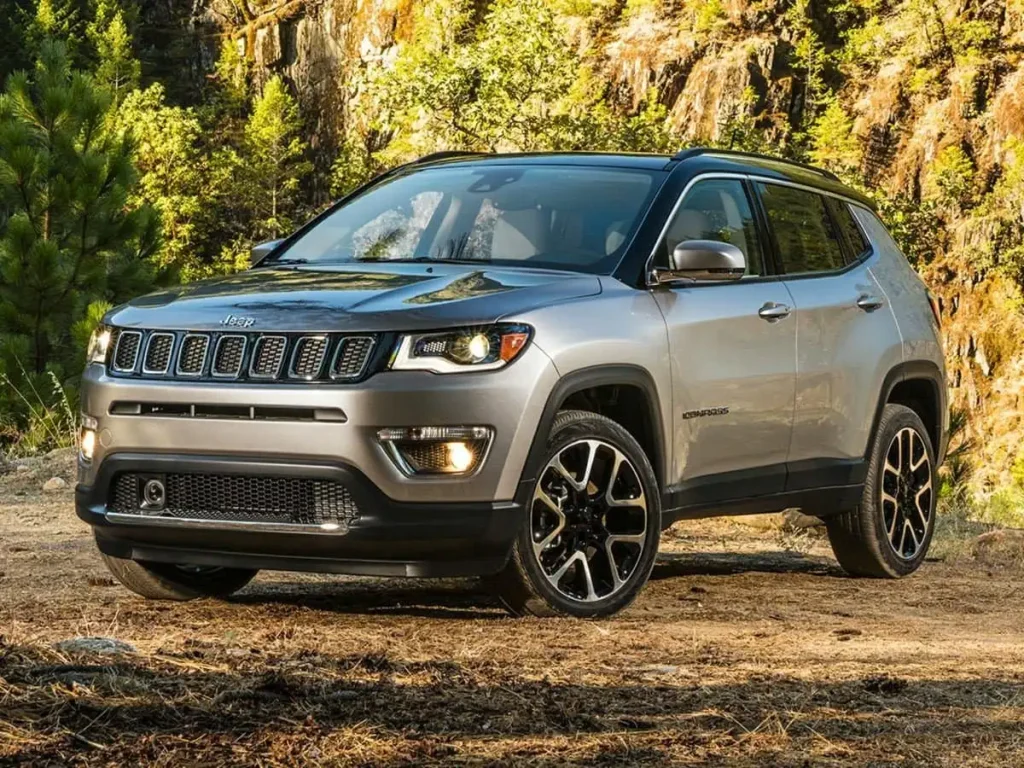
Choosing the 2018 Compass means opting for a Jeep that balances versatility with greater mechanical resilience.
This model’s strengthened engineering foundation and relatively low recall history contribute to its status as a strong-running Jeep, making it an appealing option for those who want the Jeep lifestyle without frequent repair worries.
3. 2011 Jeep Grand Cherokee
The 2011 Jeep Grand Cherokee proves that the brand can produce SUVs that marry luxury, capability, and reliability.
While some Grand Cherokee models have struggled with mechanical issues, the 2011 model year stands out as one of the more dependable iterations within the midsize SUV segment.
Available with a choice between a 3.6-liter V6 engine and a powerful 5.7-liter HEMI V8, this Grand Cherokee delivers a solid blend of performance with manageable upkeep.
Known problems such as issues with the Totally Integrated Power Module (TIPM) and suspension bushings do exist but tend to be less frequent and less severe than those in other model years.
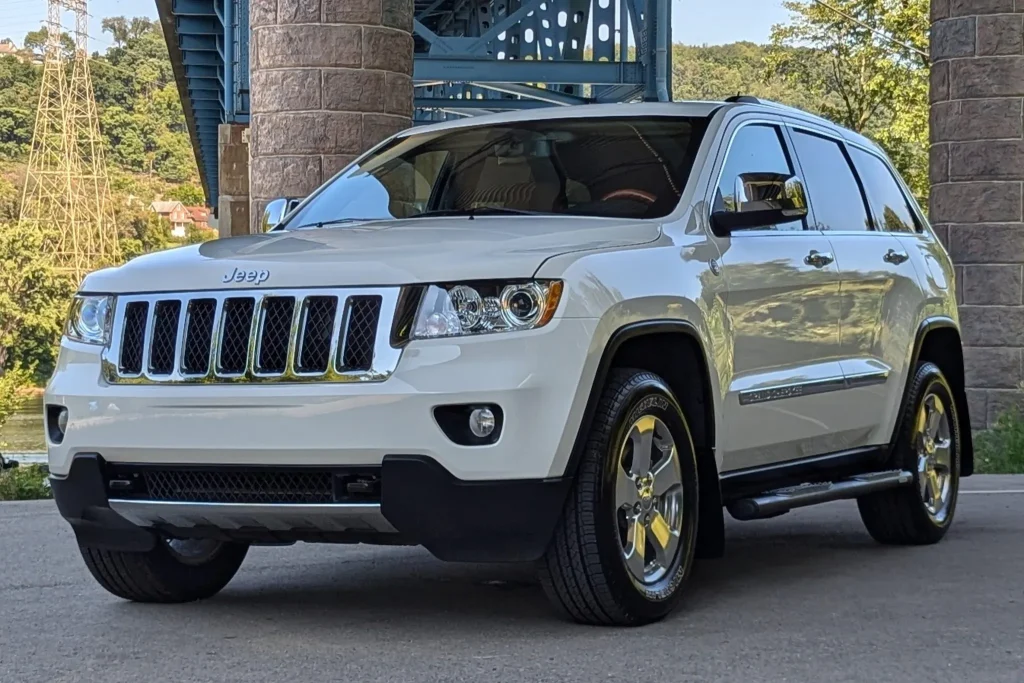
Owners appreciate that this version can handle both daily commuting and off-road adventures with relative ease, supported by a rugged chassis and sophisticated traction control systems. Repair and maintenance costs are generally reasonable considering the vehicle’s premium positioning.
This model year’s balance of powertrain choices, ride comfort, and improved reliability makes it worthy of attention for Jeep buyers prioritizing a dependable, versatile SUV that can tackle varied driving conditions.
The 2011 Grand Cherokee’s performance mix and reduced frequency of major issues explain why it remains popular among those seeking a Jeep that consistently runs strong.
4. 2020 Jeep Compass
The 2020 Jeep Compass continues the momentum built by the 2018 model, offering a compact SUV with enhanced reliability and features tailored for both urban and off-road enthusiasts.
This generation of the Compass has been praised for its refined 2.4L Tigershark engine, which delivers balanced power output while maintaining fuel efficiency. It is also equipped with modern safety features and a smoother transmission compared to earlier models.
With an average annual maintenance cost lower than many competitors, the 2020 Compass demonstrates a strong commitment to durability and owner satisfaction.
Reports indicate only one minor recall related to a windshield wiper fault, which is a far cry from more significant issues seen in other Jeep models.
The vehicle’s improved interior quality, coupled with dependable mechanics, positions it well as a reliable choice for a daily driver with occasional trail use.
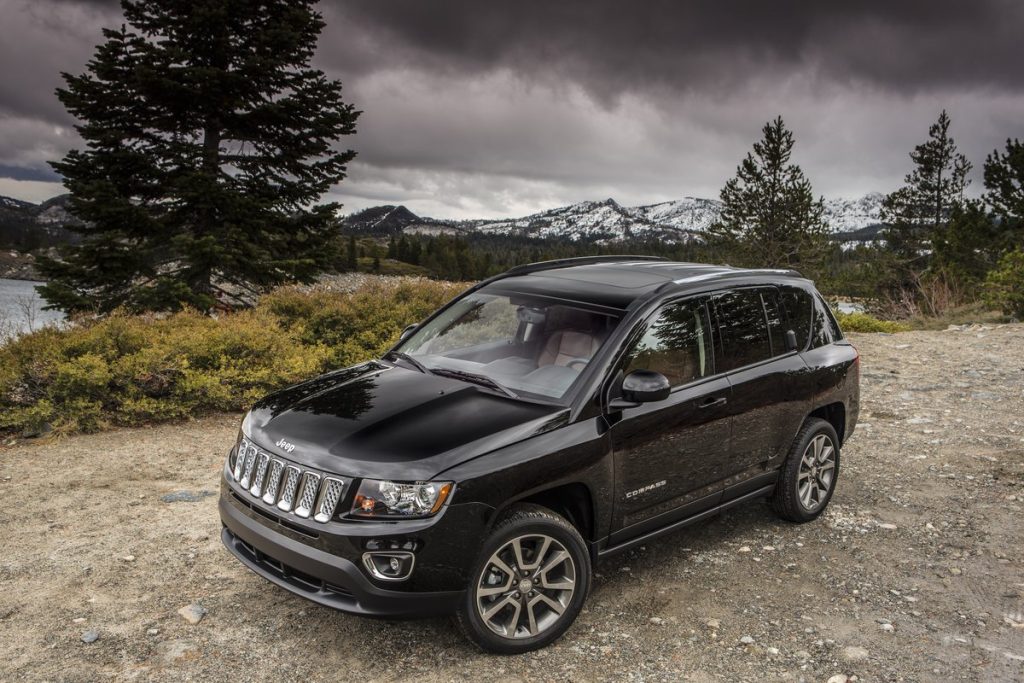
The 2020 Compass exemplifies how Jeep has worked to refine its smaller SUVs, focusing on reducing repair frequency and enhancing overall vehicle dependability. Its combination of modern technology and proven engineering makes it an attractive option for buyers seeking a Jeep that offers both style and solid reliability.
5. 2018 Jeep Cherokee
The 2018 Jeep Cherokee represents a balance between rugged capability and improved reliability within Jeep’s lineup.
Not to be confused with the larger Grand Cherokee, the Cherokee delivers solid off-road performance with an all-wheel-drive option and multiple terrain modes.
It stands out for having fewer mechanical and electrical issues compared to previous Cherokee models, making it a viable choice for those demanding both comfort and durability.
The 2018 Cherokee boasts a respectable J.D. Power reliability score and manageable annual maintenance costs that are lower than some other mid-sized SUVs in its class.
Common problems like transmission issues and oil cooler concerns do exist but occur less frequently than with other Jeep SUVs.
The vehicle’s combination of a polished appearance, including alloy wheels and chrome accents, with solid engineering makes it a dependable model for varied driving conditions.
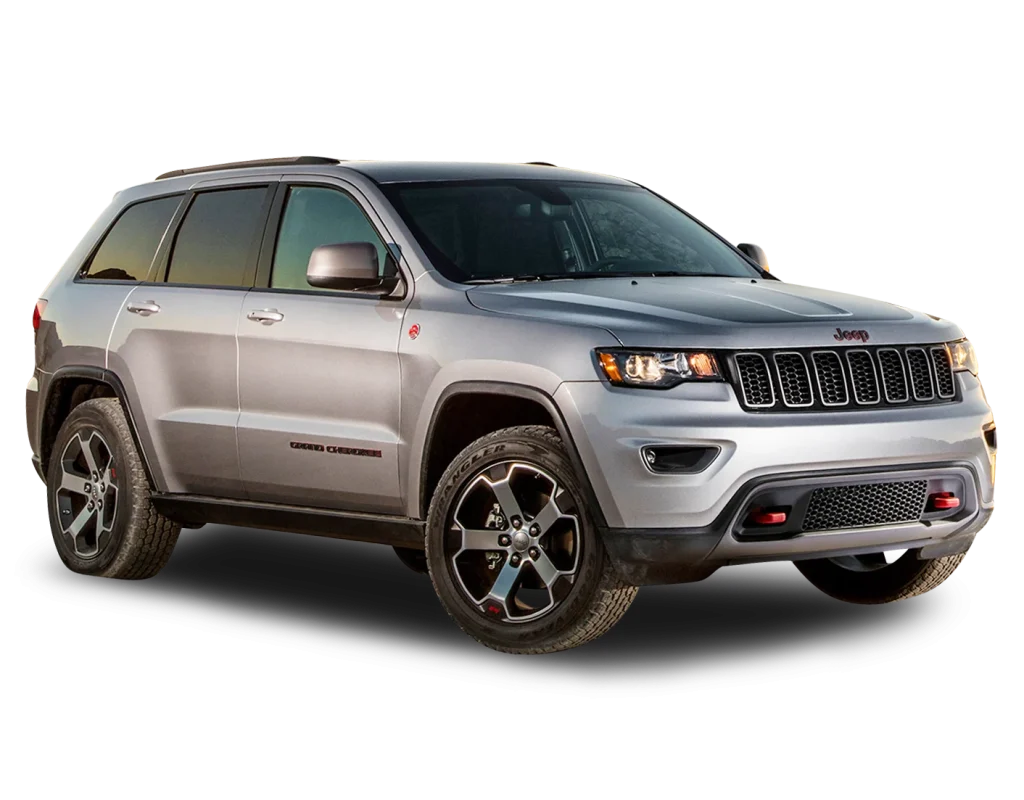
This model year Cherokee is worth mentioning because it highlights Jeep’s efforts to improve quality and reliability while maintaining the rugged essence that attracts the brand’s audience.
For buyers seeking an SUV that can handle both city streets and off-road trails without constant repairs, the 2018 Cherokee offers a compatible package.
5 Jeep Models That Constantly Break
While Jeep has established a solid reputation for toughness and off-road capability, some models within its lineup have struggled with reliability issues that have frustrated owners and tarnished their ownership experience.
These models tend to display frequent mechanical failures, electrical glitches, or design flaws that lead to costly repairs and downtime.
Such problems can significantly affect a vehicle’s performance and owner satisfaction, especially for those relying on their Jeep for both daily use and adventurous off-road activities.
It is important to recognize and understand these Jeep models that commonly break down or require constant mechanical attention.
Identifying the specific issues can help prospective buyers make more informed decisions, and current owners become more aware of potential weak points that might need closer monitoring or prompt repairs.
The models discussed in this section have earned reputations for frequent breakdowns based on owner complaints, repair records, and expert auto reviews.
Examining these models sheds light on the pitfalls some Jeep vehicles face in terms of durability and maintenance demands. This knowledge is crucial for anyone wanting to avoid unexpected repair costs and maximize their Jeep ownership experience.
Each problematic model will be discussed in detail, explaining the reasons behind its reliability challenges and the typical symptoms experienced by owners.
1. Jeep Patriot (2015 Model)
The 2015 Jeep Patriot is often cited as one of the Jeep models with chronic reliability problems, partly due to its outdated design and less robust engineering compared to other Jeep SUVs.
Its CVT (Continuously Variable Transmission) is one of the most persistent trouble spots, frequently exhibiting failures that can result in harsh shifting, slipping, and in some cases, complete transmission breakdown. These transmission issues are costly to fix and often necessitate rebuilding or replacing the entire unit.
Beyond transmission woes, the 2015 Patriot has received criticism for subpar crash test ratings and electrical system glitches that affect everything from dashboard displays to power locks and windows.
Owners have reported ongoing difficulties with sensors and warning lights, causing constant trips to the mechanic. The vehicle’s suspension and drivetrain components also tend to wear out faster than average, especially if the Patriot is used for off-roading or heavy commuting.

This model’s combination of dated technology, mechanical weaknesses, and design compromises make it a less durable option for Jeep fans seeking reliability.
While it can still serve as an entry-level SUV with modest demands, prospective buyers should be aware of its reputation for frequent and costly repairs. Understanding these issues helps explain why the 2015 Jeep Patriot is considered one of the Jeep models that constantly break.
2. 2007 Jeep Liberty
The 2007 Jeep Liberty is another model that has been associated with reliability challenges and frequent repairs. Despite its rugged appearance and traditional SUV design, the Liberty’s overall build quality and electronic systems have fallen short in various respects.
A key issue lies in its drivetrain and electrical components, which have been known to malfunction or wear prematurely.
Owners commonly report problems with the vehicle’s transmission, including rough shifting and occasional slipping, which reduces driving smoothness and requires costly maintenance or part replacements.
The 2007 Liberty also faces issues related to window regulators and drivetrain components that affect the vehicle’s functionality and safety. The suspension system can develop noises and wear that compromise ride comfort over time.
This model’s relatively high number of recalls and repair instances make it less attractive to buyers prioritizing reliability. Furthermore, its higher annual maintenance costs compared to more dependable Jeeps highlight the economic downsides of owning this vehicle.

Despite its charm and off-road heritage, the 2007 Liberty often disappoints in terms of long-term durability, earning it a place among Jeep models that frequently break down.
3. 2015 Jeep Renegade
The 2015 Jeep Renegade entered the market as a smaller, urban-oriented SUV, but its initial years showed a marked increase in reported mechanical and electrical problems.
Common issues with this model include electrical system failures, rough shifting from the transmission, and occasional engine performance inconsistencies.
These problems combine to diminish the overall reliability of the vehicle and can frustrate owners with unpredictable repair costs.
The Renegade often struggles with electrical faults that affect critical systems such as the dashboard, infotainment unit, and lighting controls.
These glitches can cause warning lights to stay illuminated erroneously or fail to activate at all, impacting safety and convenience. Additionally, its transmission can experience hesitation or jerking, especially under heavy acceleration or stop-and-go traffic.

Maintenance for the 2015 Renegade tends to be more frequent and costly relative to other Jeep models, partly because some design aspects led to premature wear of key components.
This level of cumulative issues has caused the 2015 Renegade to develop a reputation as a model prone to breakdowns and persistent mechanical struggles, making it less suitable for buyers seeking dependable daily transportation.
4. 2012 Jeep Liberty
The 2012 Jeep Liberty suffers from a range of persistent problems that undermine its reliability and owner satisfaction. While it carries the traditional Jeep SUV styling, its mechanical and electrical systems display vulnerabilities that frequently lead to breakdowns.
Transmission issues, including rough shifting and occasional stalling, rank among the most commonly reported defects.
In addition to drivetrain troubles, the 2012 Liberty experiences problems with window regulators, which fail to operate properly, causing inconvenience and safety concerns.
Electrical faults manifest in dashboard malfunctions and intermittent power loss to vehicle accessories. These issues often require repeated repairs or replacements, increasing the overall cost of ownership.

The model’s higher-than-average number of recalls further reflects ongoing quality concerns. Frequent maintenance is necessary to keep this Jeep operating safely, which adds to the burden on owners.
As a result, the 2012 Jeep Liberty is noted for being one of the Jeep models that tends to crack under pressure, requiring more attention and resources to sustain reliable service.
5. 2014 Jeep Grand Cherokee
The 2014 Jeep Grand Cherokee, while popular and luxurious, is known to have recurring reliability problems that detract from its appeal as a dependable SUV.
This model is often flagged for its issues with the Totally Integrated Power Module (TIPM), which can cause electrical malfunctions affecting multiple vehicle systems. These glitches can result in non-start conditions, erratic lighting, or failure of safety features, all serious concerns for owners.
In addition to TIPM troubles, the 2014 Grand Cherokee experiences wear and tear on suspension bushings and components, leading to a noisy, uncomfortable ride and increased maintenance costs.
Some owners also report transmission hesitation and occasional fluid leaks, which complicate driving and repair scenarios.
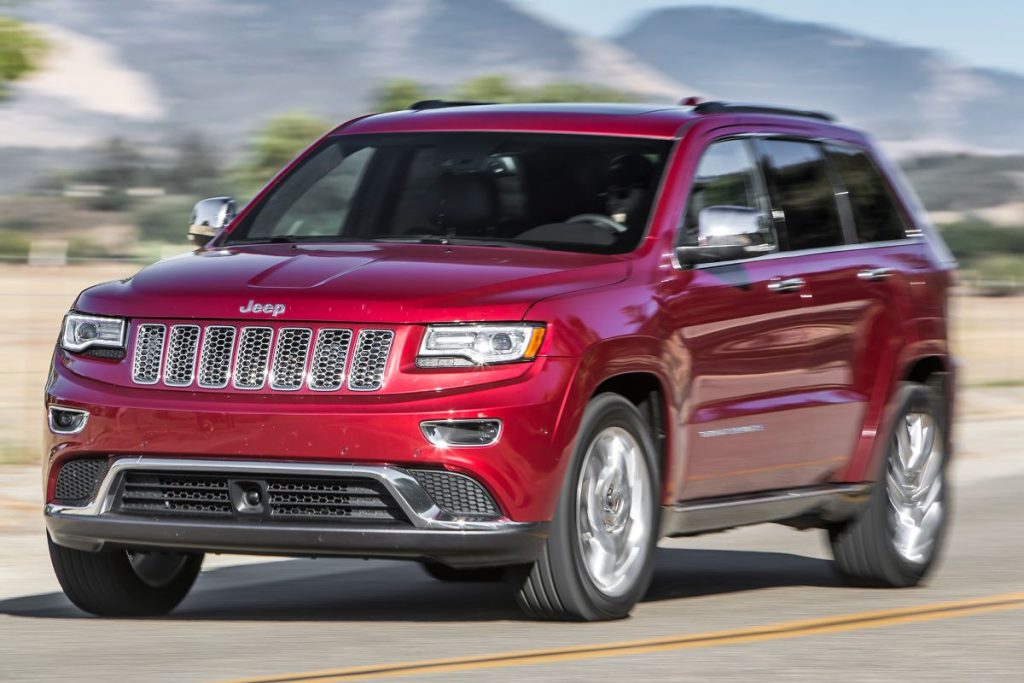
While the vehicle offers excellent powertrain options ranging from V6 to V8 engines, these benefits are somewhat overshadowed by the frequent electrical and suspension problems.
For buyers who prioritize reliability and low maintenance expenses, the 2014 Grand Cherokee’s track record of persistent issues places it among the Jeep models that tend to require constant repairs.
Jeep has long been a brand synonymous with rugged off-road vehicles, but its reputation for reliability has been complex and varied across models and years.
While certain Jeep models have gained wide recognition for their durability and strong performance both on and off the road, others have faced frequent mechanical and electrical issues that detract from the ownership experience.
Understanding which Jeep models run strong and which commonly break down is essential for potential buyers and current owners who want dependable vehicles and lower maintenance headaches.
Several Jeep models stand out for their reliability. The 2017 Jeep Wrangler, marking the end of the JK generation, is frequently cited as one of the toughest and most dependable in the Wrangler family.
Its simpler, less electronically complex design contributes to fewer breakdowns, alongside a robust 3.6-liter V6 engine and reliable drivetrain components.
Similarly, the 2018 and 2020 Jeep Compass models improved significantly over earlier versions, offering better engineering, refined transmissions, and lower repair costs, making them standout dependable compact SUVs within the Jeep lineup.
The 2011 Jeep Grand Cherokee is known for its solid powertrain options and comparatively manageable repairs, making it a versatile choice for both luxury and durability.
Lastly, the 2018 Jeep Cherokee benefits from fewer mechanical faults than earlier models and balances comfort and capability with reasonable maintenance expenses.
Contrasting these more reliable models are Jeep vehicles with persistent issues. The 2015 Jeep Patriot struggles with its CVT transmission and electrical glitches, leading to frequent and costly repairs.
The 2007 Jeep Liberty is notorious for transmission problems, window regulator failures, and drivetrain malfunctions. The 2015 Jeep Renegade suffers from electronic system failures and transmission hesitation, impacting everyday usability.
The 2012 Jeep Liberty also experiences rough shifting and window malfunctions, requiring frequent maintenance. The 2014 Jeep Grand Cherokee, despite its luxury appeal, contends with electrical system faults and suspension wear that raise repair concerns and costs.
Recent industry data and owner feedback show that Jeep has made strides toward improving vehicle reliability, particularly in newer models.
For instance, reliability ratings from sources like J.D. Power and Consumer Reports highlight the Wrangler and newer Grand Cherokee models as showing tangible progress in build quality and mechanical dependability.
Owner satisfaction surveys also indicate a high percentage of contentment, especially with models like the Wrangler Rubicon, which exemplifies Jeep’s commitment to ruggedness with fewer unexpected failures.
However, it remains clear that Jeep’s reputation for reliability is not uniform across all models and years.
While some vehicles offer a rock-solid ownership experience with manageable maintenance costs, others require careful consideration due to their higher probability of breakdowns and costly repairs. Factors such as model year, trim level, and manufacturing location further influence a Jeep’s reliability.
For anyone contemplating Jeep ownership, it is crucial to research specific model years thoroughly, consult owner reviews and forums, and be aware of known issues.
Paying attention to warranty coverage and considering overall repair costs can help mitigate unpleasant surprises. Jeep’s ongoing improvements point to a future where reliability better matches the brand’s legendary off-road capabilities, but discerning buyers should always proceed with nuance and caution.
Overall, Jeep offers a mix of models that cater to different priorities those seeking dependable daily drivers with occasional off-road use, and others prioritizing authentic off-road performance with a willingness to accept higher maintenance risks.
By understanding the strengths and weaknesses within Jeep’s lineup, buyers can make well-informed decisions aligned with their needs and expectations, maximizing both enjoyment and longevity in their Jeep ownership.
Also Read: 5 Cars That Rarely Have Electrical Issues vs 5 That Constantly Break
