
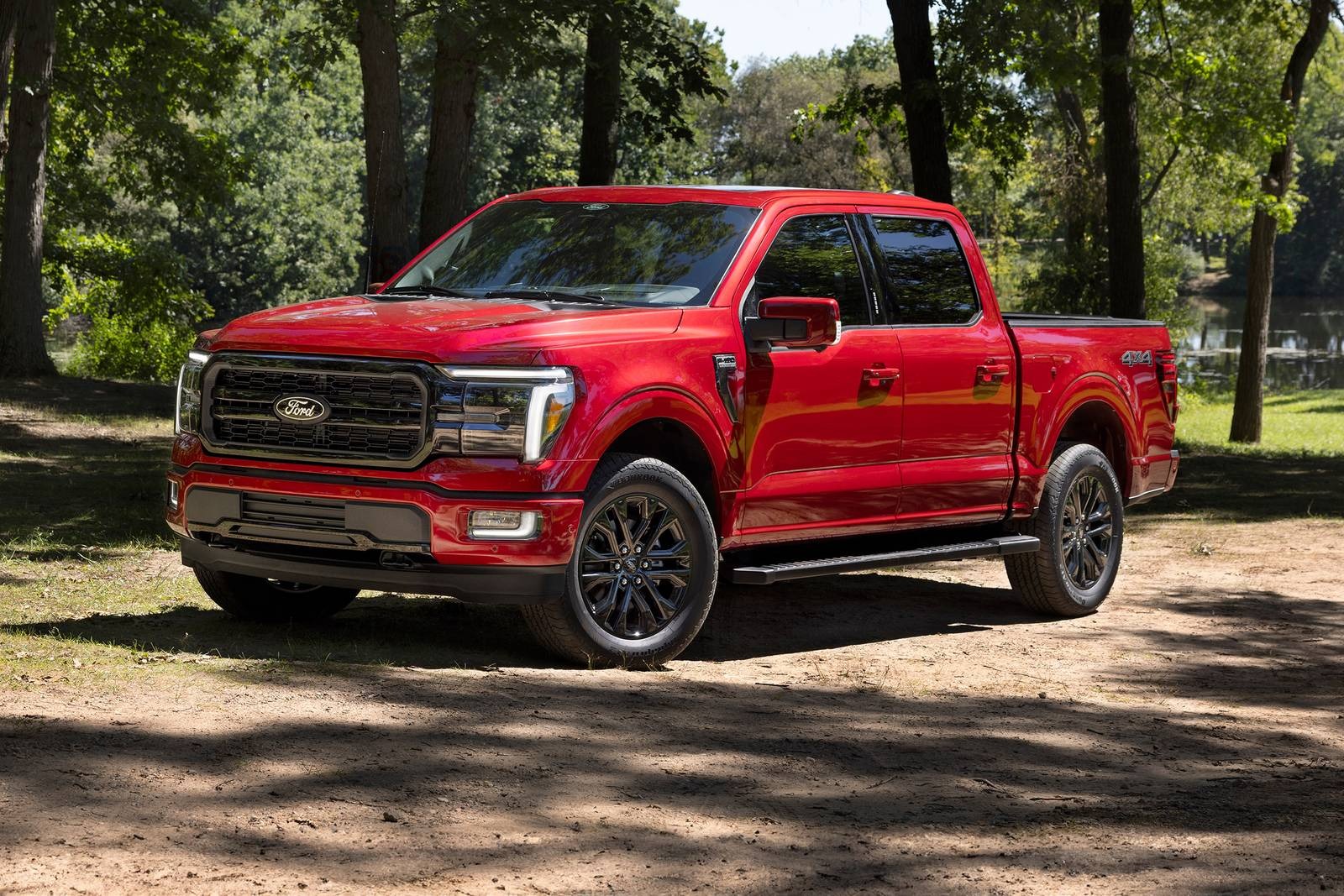
When people talk about pickup trucks in the United States, the Ford F-150 often comes up first because of its long history of reliability, durability, and versatility. It is one of the highest-selling vehicles in the country for several decades, and its place in American culture is firmly established.
Drivers who use their trucks for heavy-duty work and those who just want a dependable everyday vehicle have trusted the F-150 for generations. With that kind of popularity, there is a wide range of models produced through different years, and each year came with its own set of strengths and weaknesses.
Not every F-150 model has delivered the same level of quality, so anyone interested in buying a used one needs to know which years are worth considering and which ones are better left alone. Some model years brought impressive engineering updates, better fuel efficiency, stronger towing capabilities, and technology that made driving easier.
These trucks are remembered positively because they combine durability with features that hold up well as the years go by. At the same time, there are certain years that created frustration for owners because of frequent repair needs, expensive maintenance issues, or poorly designed features that did not last long.
Knowing which years to choose and which ones to avoid can save buyers from future problems. Each year will be discussed here in detail, considering factors like engine durability, transmission reliability, safety, comfort, and owner experience. By going through these details carefully, you will be able to make a more informed decision if you are considering adding a used Ford F-150 to your garage.
5 Ford F-150 Years Worth Owning
1. 2009 Ford F-150
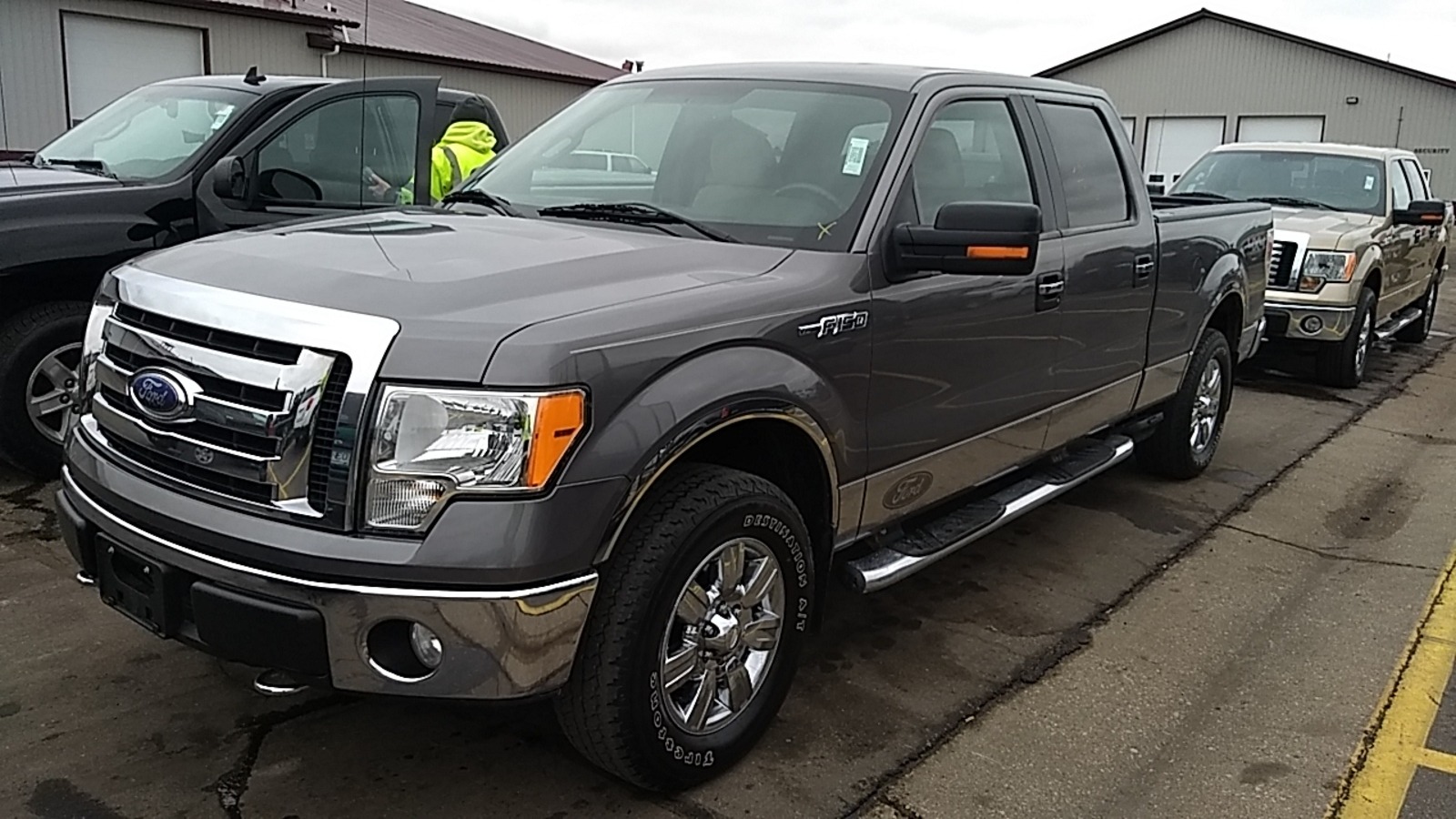
The 2009 Ford F-150 is widely regarded as one of the best years produced, especially for buyers searching for a used model that combines strength with modern upgrades. This year marked the introduction of the twelfth generation, and Ford made sure the truck stood out from previous designs.
The body style received a complete refresh, giving it a tougher look while also improving safety features. Buyers appreciated the more aggressive exterior design and the wider stance, which gave the truck better stability on the road. Under the hood, the 2009 F-150 came with several engine choices, including a 5.4L V8, which provided strong towing capabilities.
The engine was built to handle heavy-duty tasks, and many owners reported that the truck maintained good performance even after passing high mileage. Towing and payload capacity were impressive for its time, making it a dependable choice for people who needed it for work purposes, such as construction or hauling trailers.
Safety improvements in the 2009 model year were a major reason why it gained positive reviews. The truck included side curtain airbags, better crash-test ratings, and stronger frame construction. These features helped boost driver confidence, especially for families who wanted both a work truck and a safe vehicle for daily use.
Comfort and interior quality also stood out. The cabin felt more spacious and included better materials compared to older models. Ford introduced new technology features like SYNC, which improved connectivity and entertainment options. For a truck that balanced work strength with family comfort, the 2009 Ford F-150 delivered both.
Even years later, buyers looking at used trucks often find the 2009 model appealing because it maintains strong reliability reports. With proper maintenance, this model can last many years without major problems, making it one of the top F-150 years worth owning.
2. 2015 Ford F-150
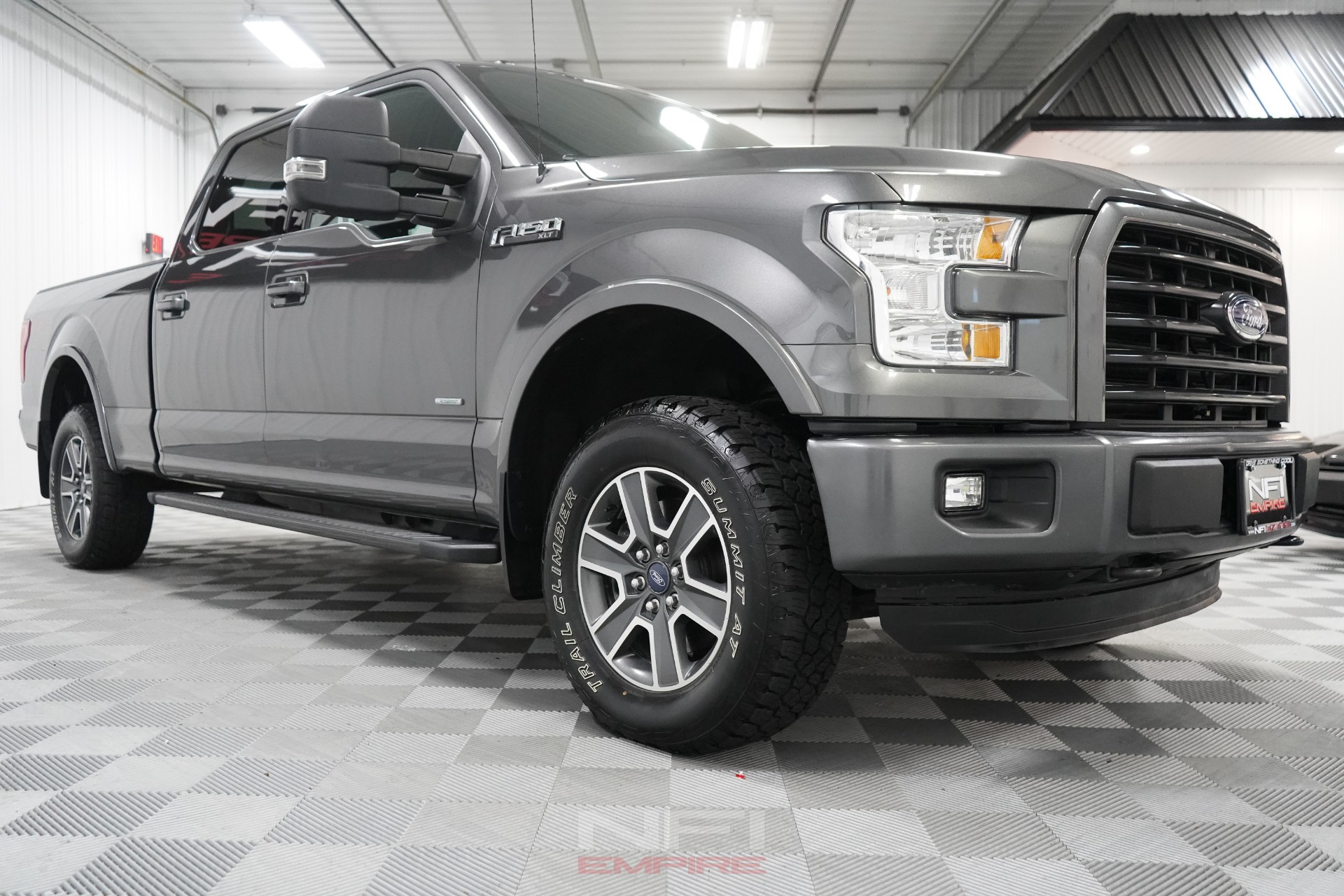
The 2015 Ford F-150 stood out because it marked the introduction of the thirteenth generation, which brought major changes to the design and performance. One of the biggest updates was the switch to an aluminum body.
This decision reduced the truck’s general weight by several hundred pounds, improving fuel efficiency and performance without sacrificing strength. While some people were initially concerned about the durability of aluminum, the truck proved to be tough and resistant to corrosion.
Another reason why the 2015 model is considered worth owning is the impressive engine lineup. Ford introduced the 2.7L EcoBoost V6 engine, which combined strong performance with better fuel economy compared to older V8s.
Buyers also had the option of the 3.5L EcoBoost V6 and the traditional 5.0L V8, giving them flexibility depending on their needs. Towing and hauling remained strong across all engines, and the lighter frame improved acceleration and handling.
Technology in the 2015 F-150 was more advanced compared to previous generations. Features like adaptive cruise control, blind spot monitoring, and a 360-degree camera system made driving safer and easier. The interior also felt more modern, with upgraded materials and an improved SYNC infotainment system.
Safety ratings for the 2015 model were excellent, thanks to a stronger frame design and advanced safety features. Families and work truck buyers both appreciated this balance of strength and safety.
Even years later, the 2015 Ford F-150 holds its reputation as one of the better used trucks to buy. It remains fuel-efficient, strong, and comfortable, which makes it a smart option for anyone seeking a dependable pickup.
Also Read: 8 Worst Mistakes That Will Harm Ford Fusion Hybrid’s Mileage
3. 2018 Ford F-150
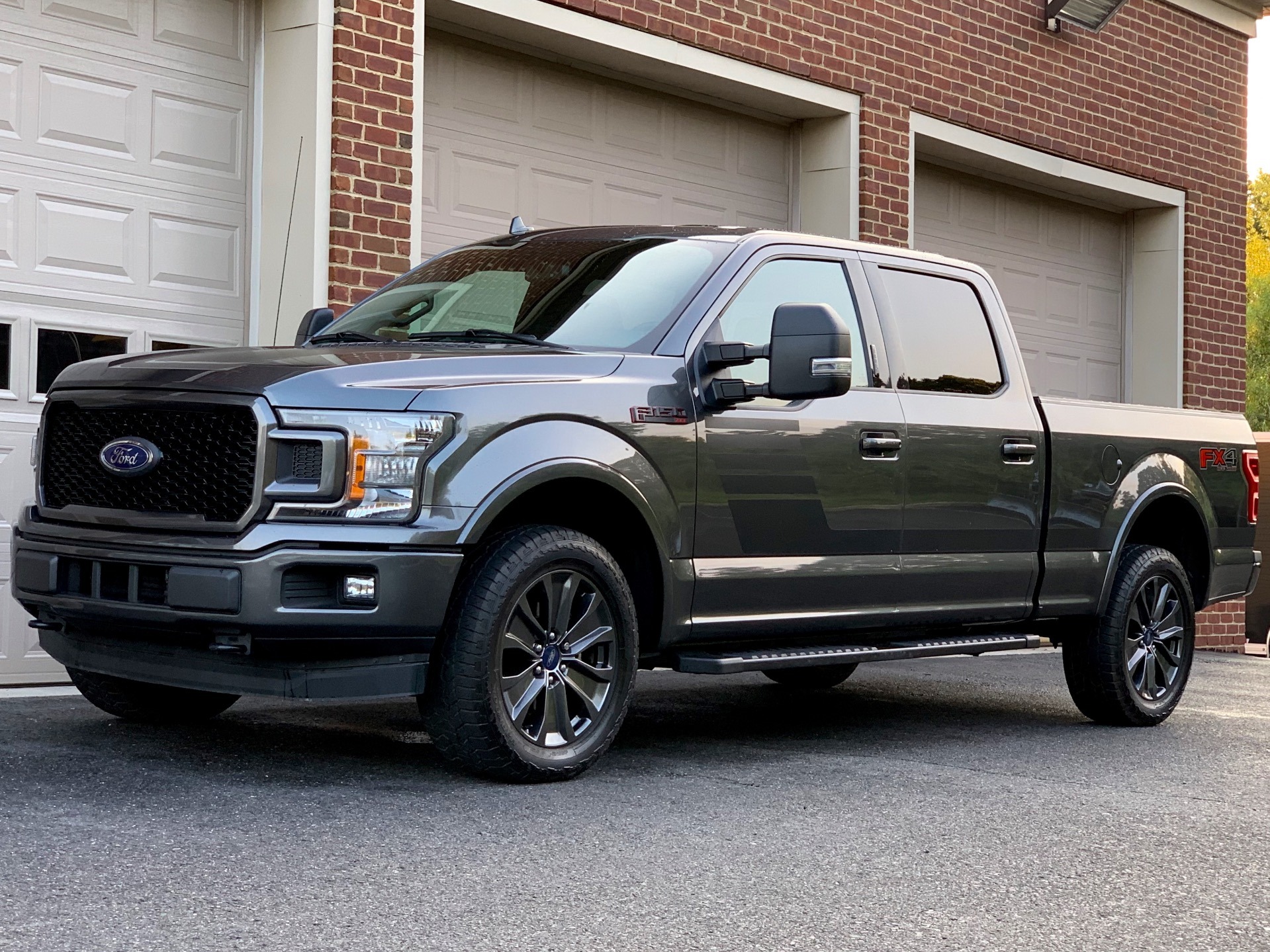
The 2018 Ford F-150 represents a period where Ford had already refined the aluminum body design and improved many of the features introduced in 2015. Buyers looking for a used truck with modern features, dependable powertrains, and strong towing ability often rate this year highly. One of the most attractive updates in 2018 was the addition of the 3.0L Power Stroke turbo-diesel engine.
This was the first time a diesel option was offered in the F-150, and it provided excellent torque, fuel efficiency, and towing power. For people who wanted a truck that could handle long-distance hauling with better mileage, this engine was a game-changer.
Another area where the 2018 model stood out was safety. Ford included advanced driver assistance features like pre-collision assist with automatic emergency braking, adaptive cruise control with stop-and-go functionality, and lane-keeping assistance. These features helped the F-150 stay competitive against rivals while also giving drivers a greater sense of confidence on highways and in busy traffic.
Interior comfort was another strong point for this model year. Ford improved the SYNC 3 infotainment system, making it more responsive and easier to use. Apple CarPlay and Android Auto integration made the truck’s system more modern and user-friendly. Higher trims offered luxurious touches, while even the lower trims provided solid comfort and practicality.
The 2018 model also delivered strong towing and payload ratings, with certain configurations allowing up to 13,200 pounds of towing capacity. Whether for work or recreation, the 2018 F-150 provided enough strength for most needs.
Owners of this year often report high satisfaction with durability and fuel economy, especially with the EcoBoost and diesel engines. Considering its blend of strength, safety, and technology, the 2018 Ford F-150 remains a great choice for anyone searching for a reliable used truck.
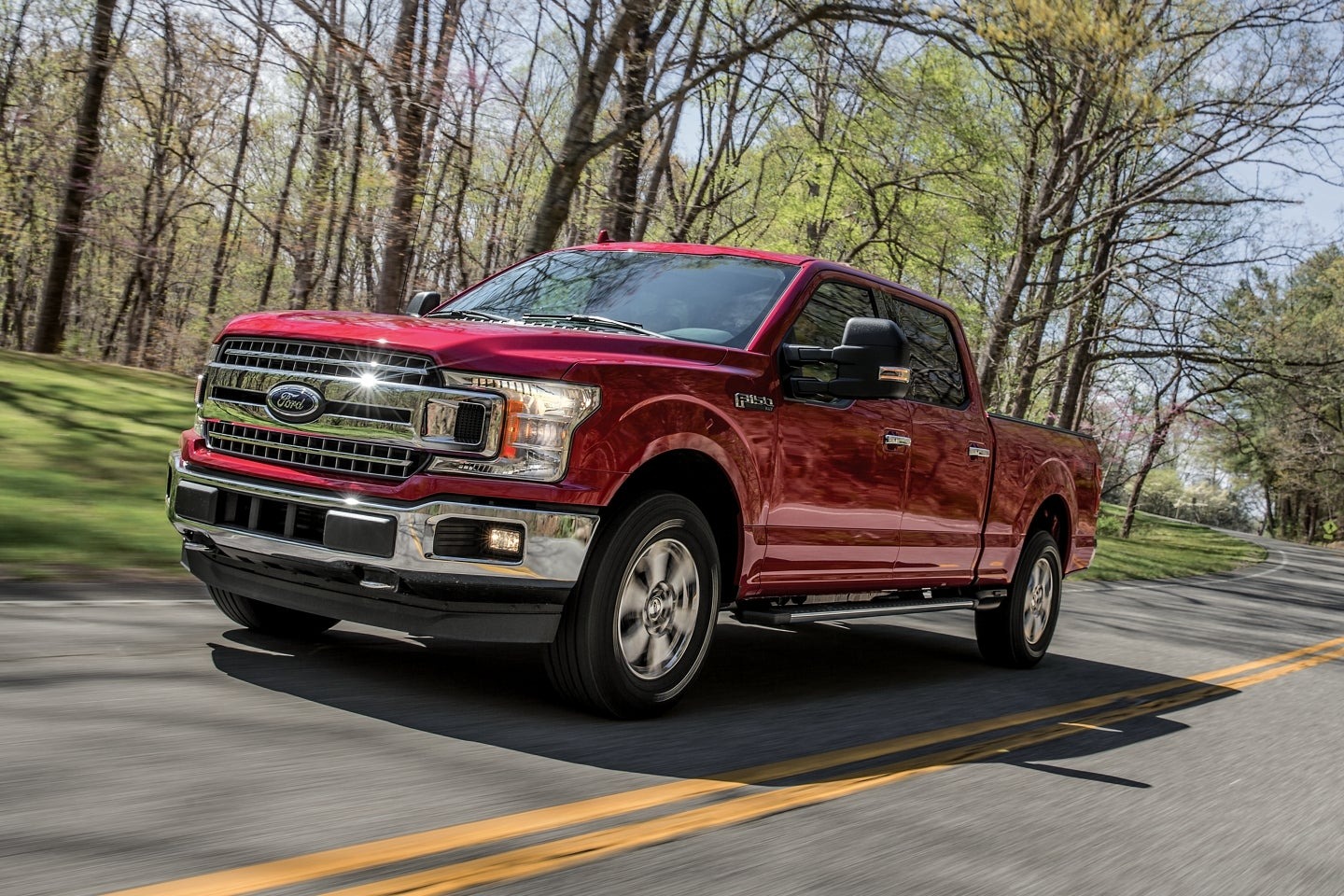
4. 2020 Ford F-150
The 2020 Ford F-150 is one of the strongest years for buyers who want modern performance combined with proven dependability. Coming from the thirteenth generation, it had already gone through several updates, making it one of the most refined trucks of its era. This model year also prepared the stage for the upcoming fourteenth generation, so Ford packed it with strong features to keep it attractive.
One of the main reasons why the 2020 model is considered worth owning is its broad selection of powertrains. Buyers could choose from the reliable 3.3L V6, the fuel-efficient 2.7L EcoBoost, the powerful 5.0L V8, or the strong 3.5L EcoBoost.
The 3.0L Power Stroke diesel was still available, giving those who needed towing strength and long-distance fuel economy another great option. With so many choices, buyers could match the truck to their specific needs.
Technology was also advanced for this year. The 2020 F-150 included driver-assist features such as adaptive cruise control, lane-keeping systems, and forward collision warning. The SYNC 3 infotainment system with Apple CarPlay and Android Auto made the cabin feel modern and connected.
Comfort was another highlight. Higher trims like Lariat, King Ranch, and Platinum offered luxurious interiors with leather seating, premium audio, and advanced climate control. Even the lower trims were practical and well-designed, making the truck versatile for both work and family use.
Performance-wise, the 2020 model had some of the highest towing ratings of its generation, reaching up to 13,200 pounds with the right configuration. This made it one of the best trucks in its class for heavy-duty work.
With strong reliability ratings, powerful engines, and advanced features, the 2020 Ford F-150 remains an excellent option for buyers searching for a used truck that feels modern and dependable.
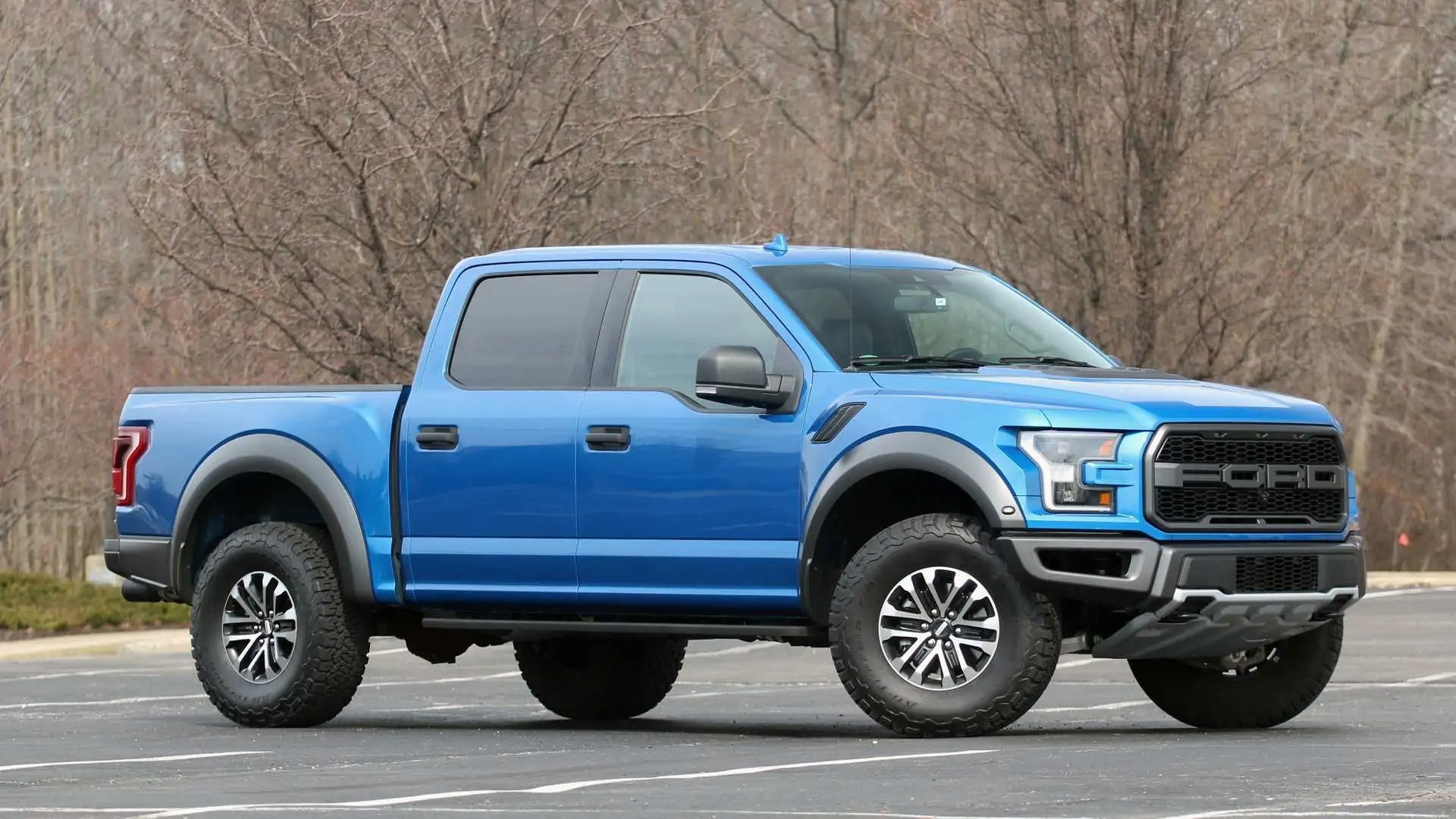
5. 2019 Ford F-150
The 2019 Ford F-150 combined the refinements of recent years with performance and technology that helped it stand out in the competitive truck market. Buyers who want a dependable, modern used truck often look at this year as a safe choice.
One highlight of the 2019 model is its wide range of engines. From the base 3.3L V6 to the powerful 3.5L EcoBoost and the reliable 5.0L V8, there was a powertrain for nearly every type of buyer. The 3.0L Power Stroke diesel was also available, providing strong torque and excellent fuel economy for drivers who did long-distance hauling.
This variety allowed customers to pick a truck tailored to their lifestyle. Towing and hauling performance in the 2019 model was impressive, with certain configurations rated at more than 13,000 pounds. This made it one of the strongest trucks on the market for heavy-duty work.
Technology was another strong point. The SYNC 3 system with an 8-inch touchscreen, Apple CarPlay, and Android Auto made the cabin user-friendly and modern. Safety features such as blind spot monitoring, trailer sway control, and pre-collision assist gave drivers more confidence on the road.
Interior quality was also high, especially in trims like Platinum and Limited, which offered premium seating and luxury finishes. Even the lower trims provided good comfort and functionality, making the truck versatile for both work and daily driving.
With strong reliability, impressive towing strength, and advanced technology, the 2019 Ford F-150 is one of the most dependable years for buyers who want a used truck that still feels modern and powerful.
5 Ford F-150 Years That Are Not Worth Owning
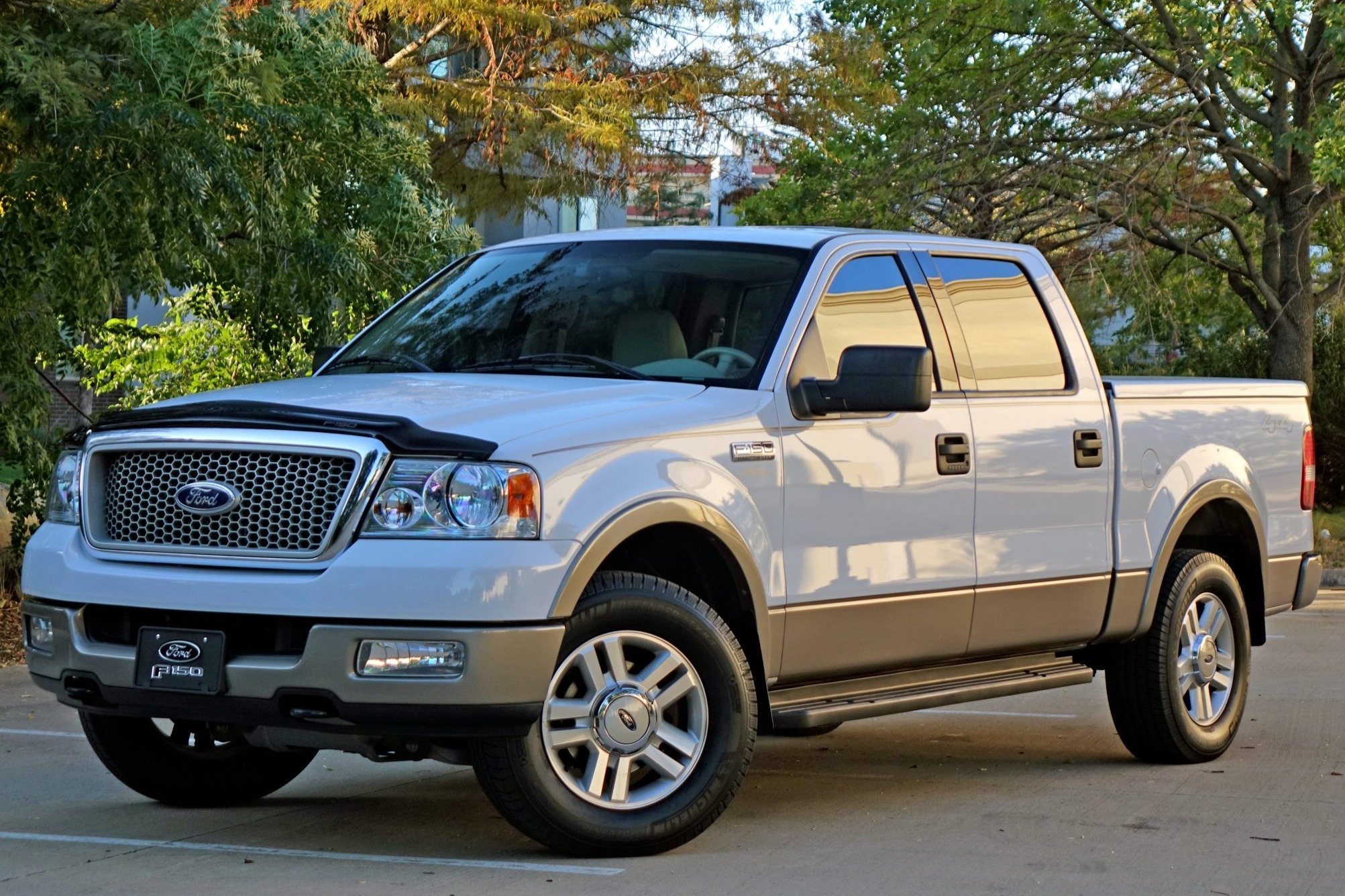
1. 2004 Ford F-150
The 2004 Ford F-150 introduced the eleventh generation, but despite a fresh design, it came with several issues that frustrated many owners. While it looked modern at the time, the long-term reliability of the engine and transmission created major headaches.
The most common problem involved the 5.4L Triton V8 engine, which became known for spark plug failures. The plugs often broke off during replacement, making repairs extremely expensive and time-consuming.
Another common complaint involved transmission issues, especially rough shifting and sudden failures that left owners stranded. Considering the cost of transmission repairs or replacements, the 2004 F-150 quickly became a risky purchase for people who wanted a dependable truck.
Suspension problems also surfaced in this model year. Many drivers noticed uneven tire wear, clunking noises, and alignment issues that required frequent repairs. These problems reduced the driving comfort and raised the cost of keeping the truck on the road.
Interior quality also disappointed some buyers. Although Ford introduced new features, the materials used in the cabin did not hold up well with age. Many owners reported cracked dashboards and worn-out seats sooner than expected. While the truck looked stylish on the outside, the inside often showed signs of poor durability.
For people considering a used Ford F-150, the 2004 model year is usually placed on the “avoid” list. The engine troubles, costly repairs, and unreliable performance have made it less attractive compared to other years. Buyers can find better options in later models that fixed many of the problems seen in the 2004 release.
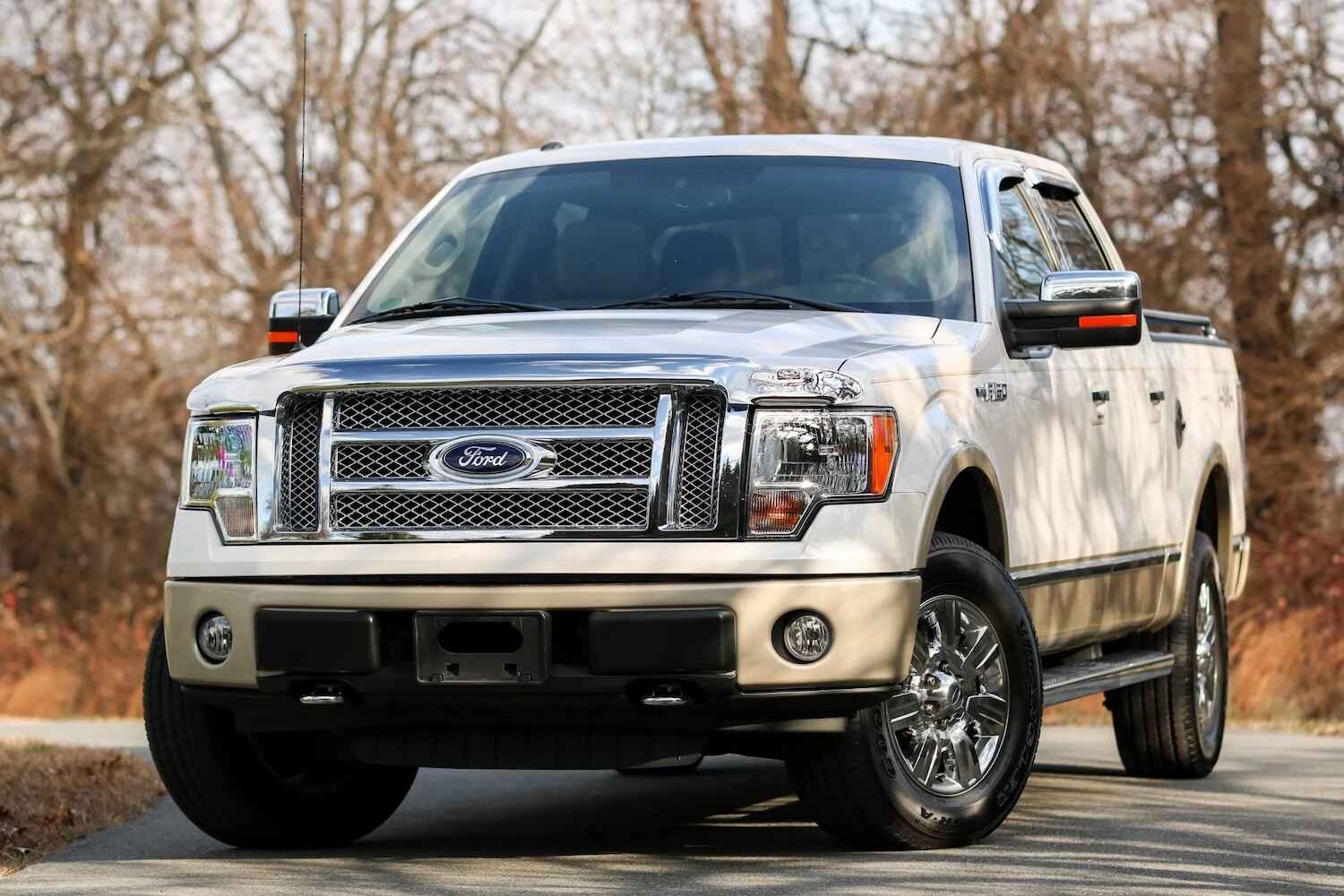
2. 2010 Ford F-150
The 2010 Ford F-150 did not live up to expectations despite coming from the same generation that produced better years. While it carried a tough exterior and modernized look, it came with engine troubles that hurt its long-term reliability. The most common complaints involved the 5.4L V8 engine, which had issues with rough idling, timing chain failures, and costly repairs.
Transmission concerns also made this model less attractive. Many owners experienced rough shifting, slipping gears, and eventual transmission failure. Repairs were expensive, and trucks that required replacement often left their owners frustrated.
Fuel economy was another weakness. Compared to newer models that offered EcoBoost engines, the 2010 model did not perform well in terms of gas mileage. For drivers who needed the truck for daily commuting as well as work, the high fuel consumption quickly became a drawback.
Interior quality was another mixed area. While some trims offered comfort and technology, others felt outdated and lacked the refinement seen in competitor trucks at the time. Because of these issues, the 2010 F-150 is not recommended for buyers looking for a used truck.
While it may be cheaper upfront, the long-term costs of repairs and poor fuel efficiency outweigh the initial savings. Buyers are better off choosing models from different years that deliver better dependability and performance.
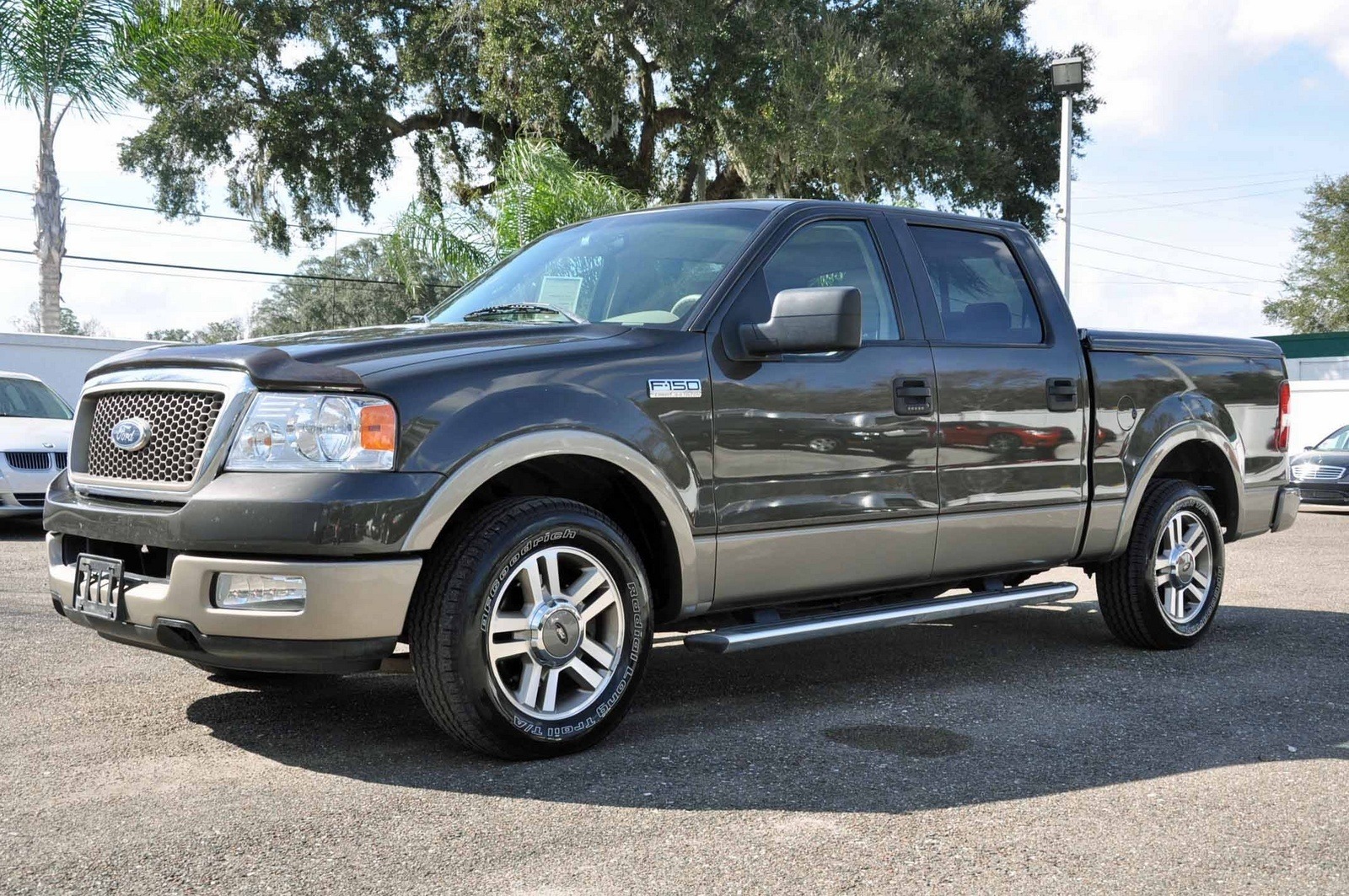
3. 2005 Ford F-150
The 2005 Ford F-150 came in the early years of the eleventh generation, and unfortunately, it carried many of the same problems that troubled the 2004 model. Buyers often complain about frequent repairs and expensive maintenance needs, which make this year one to avoid.
One of the biggest concerns in the 2005 model year was engine reliability. The 5.4L Triton V8 continued to show spark plug issues that had already frustrated owners of the 2004 version. Mechanics often found broken plugs stuck inside the engine, which made repairs complicated and costly.
Apart from spark plug failures, some owners reported timing chain tensioner problems and engine knocking noises that indicated deeper mechanical trouble. The transmission was another weak spot.
Rough shifting, gear slippage, and complete failure were issues that many drivers experienced. Replacing or repairing a transmission is one of the costliest fixes for any truck, and for the 2005 F-150, these problems were too common.
Suspension issues were also frequent. Owners noticed clunking noises, poor alignment, and premature wear on suspension components. These problems made the driving experience uncomfortable and increased the long-term maintenance expenses.
Inside the cabin, durability was again disappointing. Materials wore out faster than expected, with cracked dashboards, malfunctioning electronics, and loose interior fittings. The truck looked good from the outside, but often did not age well on the inside.
Because of the repeated mechanical troubles, high repair bills, and poor long-term dependability, the 2005 Ford F-150 is not a wise choice for anyone shopping for a used truck. There are many better options from later years that deliver more reliability and peace of mind.
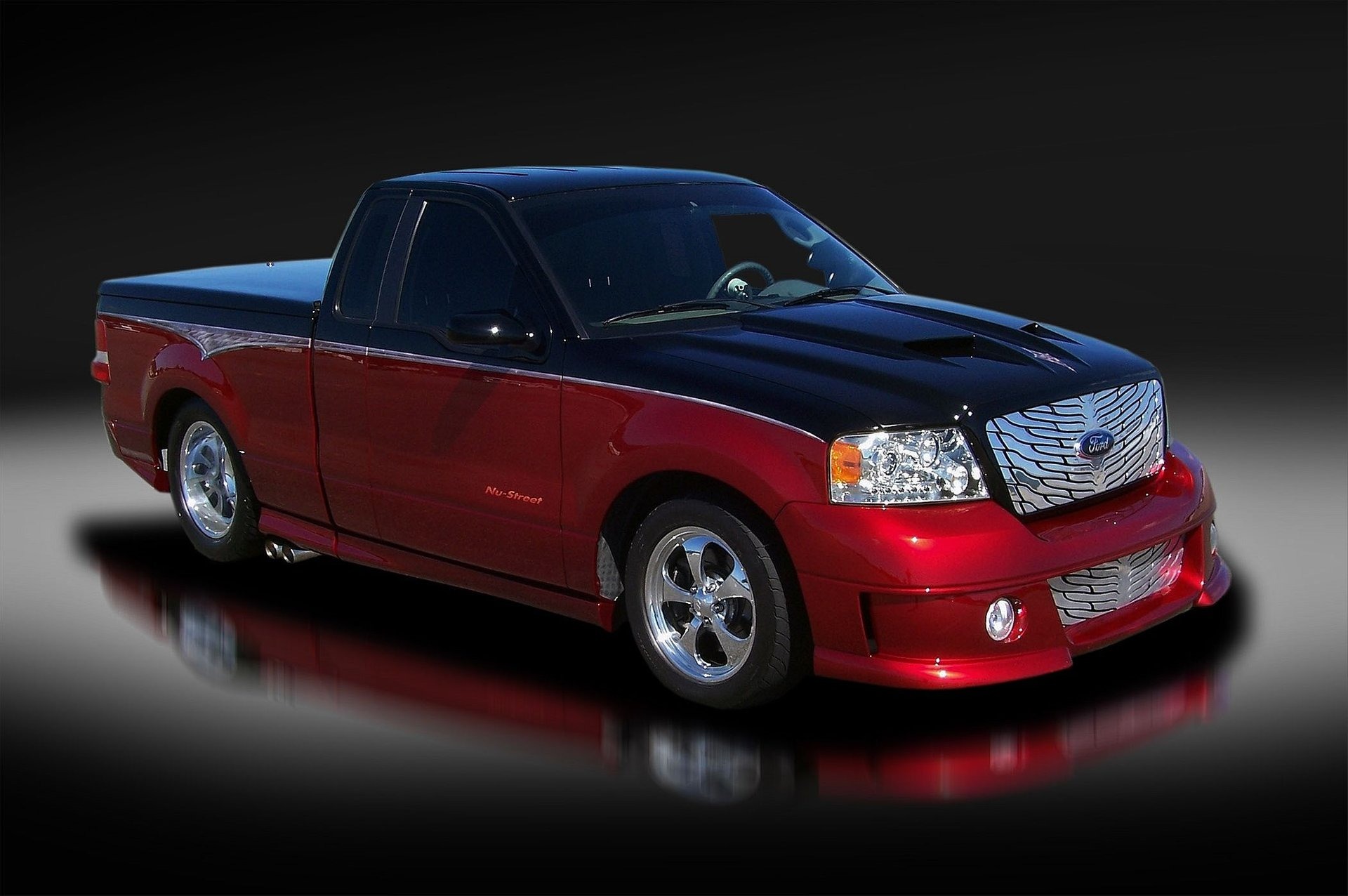
4. 2006 Ford F-150
By 2006, the eleventh-generation F-150 was still facing many of the same problems that had hurt the 2004 and 2005 versions. This year is also commonly avoided by used truck buyers because it did not offer improvements in long-term dependability.
The engine issues continued to be a major problem. The 5.4L Triton V8 was again a source of frustration with spark plug breakage during replacement. Timing chain failures and cam phaser problems were also common, leading to noisy engines and expensive repairs. Owners who experienced these issues often faced repair costs that were higher than the value of the truck itself.
Transmission performance in the 2006 model was also unreliable. Slipping gears, rough shifting, and unexpected failures made it difficult for owners to trust the truck for long trips or heavy hauling. These issues added to repair costs and reduced the entire value of the vehicle.
Suspension problems again showed up this year, with worn-out components causing poor handling and uneven tire wear. Many owners reported spending large sums on front-end repairs, only to face the same issues later.
The cabin design was practical, but the materials did not age well. Many trucks from this year show cracked panels, malfunctioning electronics, and poorly fitted components inside. This gave the truck a worn-out feeling even when the exterior still looked decent.
Because the 2006 F-150 carried many of the same troubles as earlier years of its generation, it is considered a poor choice for buyers today. Repair costs and long-term reliability concerns make it far less attractive compared to other years of the F-150 lineup.
Also Read: 9 Habits That Destroy a Ford Mustang GT Too Fast
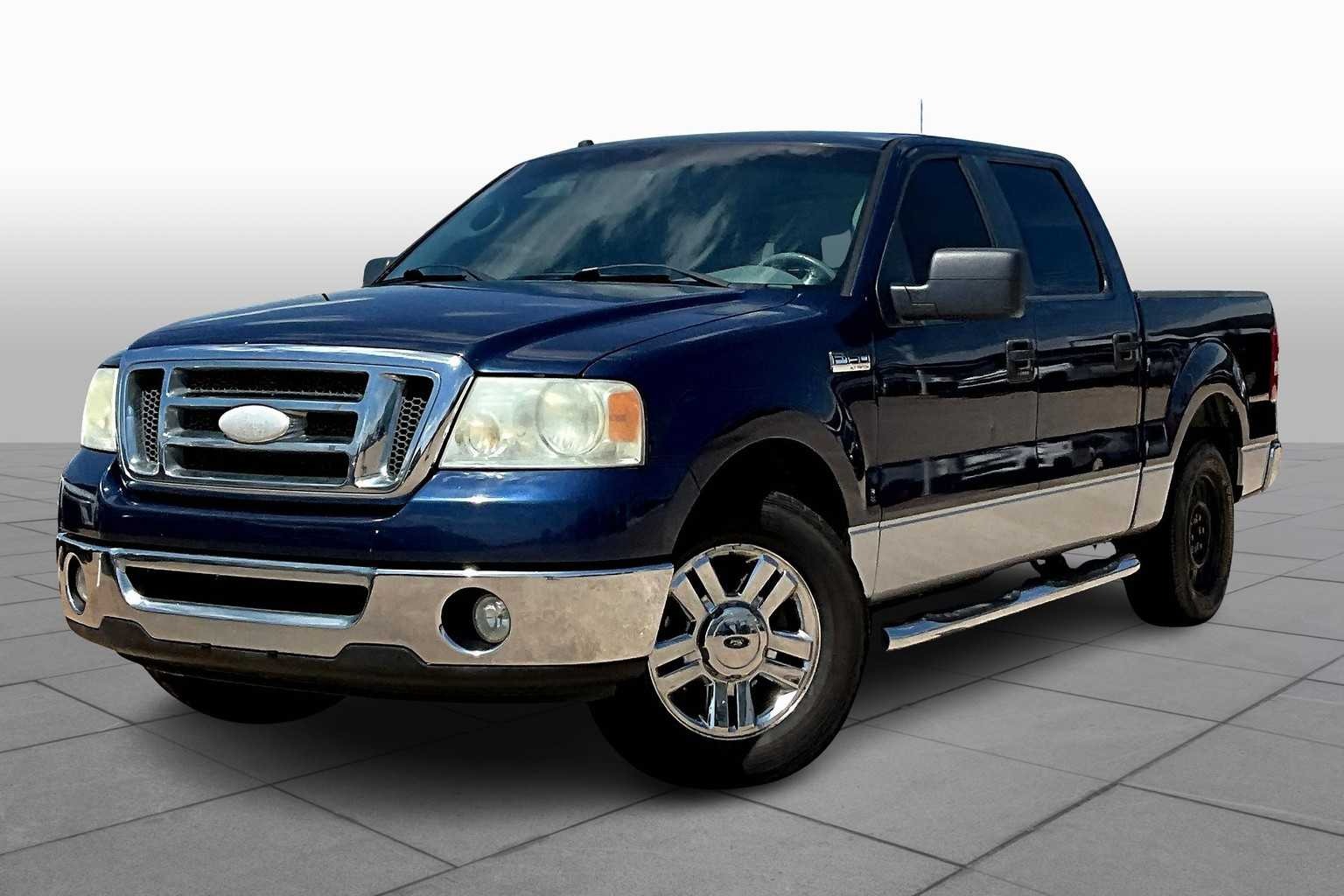
5. 2007 Ford F-150
The 2007 Ford F-150 marked another year in the eleventh generation, but unfortunately, it failed to correct the repeated issues that had already weakened trust in earlier models. For many truck enthusiasts, this year stands as another reminder of why certain F-150s are not recommended for long-term use.
Buyers looking at used options today usually place the 2007 version on the “avoid” list because of how frequently it ran into mechanical troubles and how costly it became to keep on the road. One of the most common areas of concern was the engine. The 5.4L Triton V8 was once expected to provide strong and dependable performance, yet it turned out to be one of the weakest points of the truck.
Spark plug breakage during routine maintenance was a nightmare for mechanics and owners alike. Broken plugs often get stuck in the engine, leading to time-consuming and expensive repairs. On top of that, cam phaser noise and timing chain problems created rattling sounds, rough idling, and sometimes complete loss of engine power.
Many drivers ended up replacing entire engines far earlier than they should have, which is not something anyone wants with a pickup truck that is supposed to represent toughness. Transmission reliability was also disappointing. Owners complained of hard shifting, slipping gears, and unexpected failures that left them stranded without warning.
For a vehicle that many people depended on for work, these sudden breakdowns made it unreliable and frustrating. Repairing or replacing transmissions added thousands of dollars to maintenance bills, making the 2007 model more expensive to own than its competitors.
Fuel efficiency was poor as well. When compared to rival trucks from Toyota or Chevrolet during the same period, the 2007 F-150 often consumed more fuel while delivering less performance. For owners who used the truck for daily driving and long trips, the running costs quickly added up, making it financially draining.
The cabin also failed to impress in terms of durability. Cracks in the dashboard, malfunctioning electronics, and seats that wore out quickly gave the interior an aged appearance long before the truck reached high mileage. Owners often pointed out that while the exterior still looked tough, the inside felt outdated and cheaply built.
Because of the recurring mechanical breakdowns, high repair costs, and weak interior design, the 2007 Ford F-150 is rarely seen as a smart investment today. Even though it might be cheaper to buy upfront, the long-term problems easily outweigh any savings. For those who want a used Ford truck, newer generations provide a far safer and more dependable choice.
