
Car owners in the United States often look beyond stylish design and luxury features when choosing vehicles. One of the most pressing questions people ask is how long the engine can remain reliable. While some engines are built with durability in mind and can continue to perform without major problems past 250,000 miles, others begin to show weaknesses far earlier.
This difference usually comes down to the design, quality of parts used, and how well the engine is maintained by its owner. Many drivers prefer engines that allow them to avoid frequent mechanical repairs or replacements.
When an engine holds its strength and does not demand constant attention from mechanics, the cost of ownership becomes much easier to manage. That is why discussions about engines that stand the test of high mileage continue to attract interest among vehicle enthusiasts.
Some carmakers are known for producing engines that last decades with proper care, while others have a reputation for developing problems even before hitting 150,000 miles. A good engine not only saves money on repairs but also gives peace of mind to those who rely on their cars daily.
Whether it is for commuting, long-distance travel, or work purposes, no one enjoys worrying about sudden breakdowns. This makes it important to know which engines have a strong record of reliability and which ones have a history of frequent troubles.
By matching engines that stay smooth after long use with those that fall short, drivers can make informed decisions before purchasing a car.
5 Engines That Stay Smooth Past 250K
1. Toyota 2UZ-FE V8
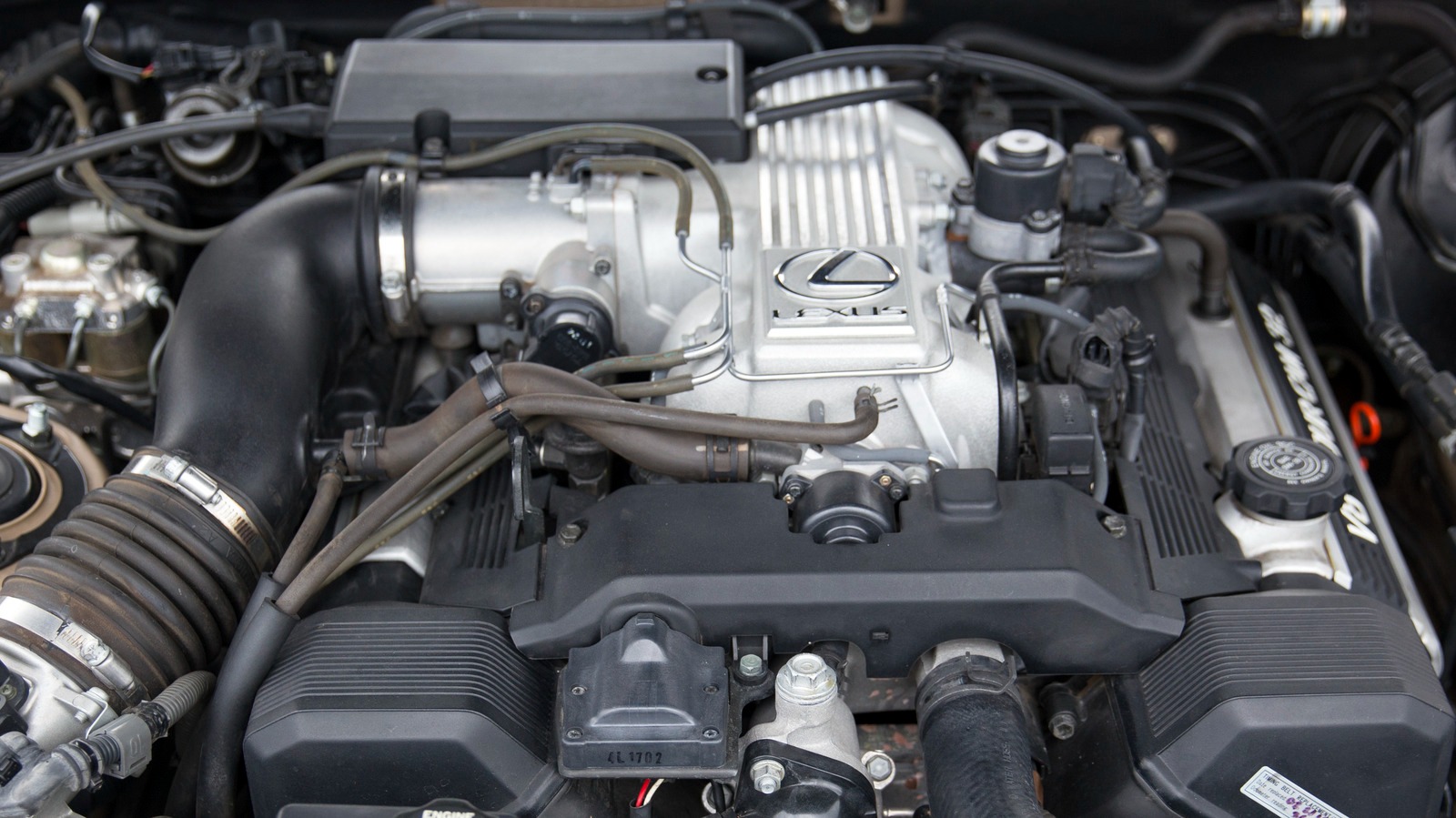
Toyota has built a reputation for reliable engines, and the 2UZ-FE V8 stands as a clear example of durability. Introduced in the late 1990s, this engine was used in trucks and SUVs such as the Toyota Land Cruiser, Sequoia, and Tundra.
It was designed with a cast iron block instead of aluminum, which gave it more strength to handle long-term wear. Drivers who regularly service this engine often report reaching well past 250,000 miles without needing major overhauls.
The 2UZ-FE was tuned for strength rather than high performance. Unlike sports engines that chase horsepower, this one focuses on steady power delivery and reliability. Its simple design, strong build, and high tolerance for stress made it one of Toyota’s most trusted V8s.
The use of a timing belt rather than a chain is sometimes viewed as a weakness, but when replaced at recommended intervals, it rarely causes trouble. Another reason this engine lasts so long is its ability to handle poor conditions.
Many trucks powered by it are used for towing, construction work, and off-road driving. Despite such heavy usage, the engine remains strong when maintained properly. Mechanics often praise it for being easy to service, with parts readily available at affordable prices.
Drivers who purchased vehicles with this V8 often describe them as dependable even after many years of ownership. Many examples on the road today still run smoothly, even with mileage exceeding 300,000.
This engine’s durability comes from Toyota’s philosophy of building powerplants that can survive extreme usage while remaining simple enough for maintenance. For people searching for a workhorse engine that can serve for decades, the Toyota 2UZ-FE V8 continues to prove itself as a reliable choice.
2. Honda K24
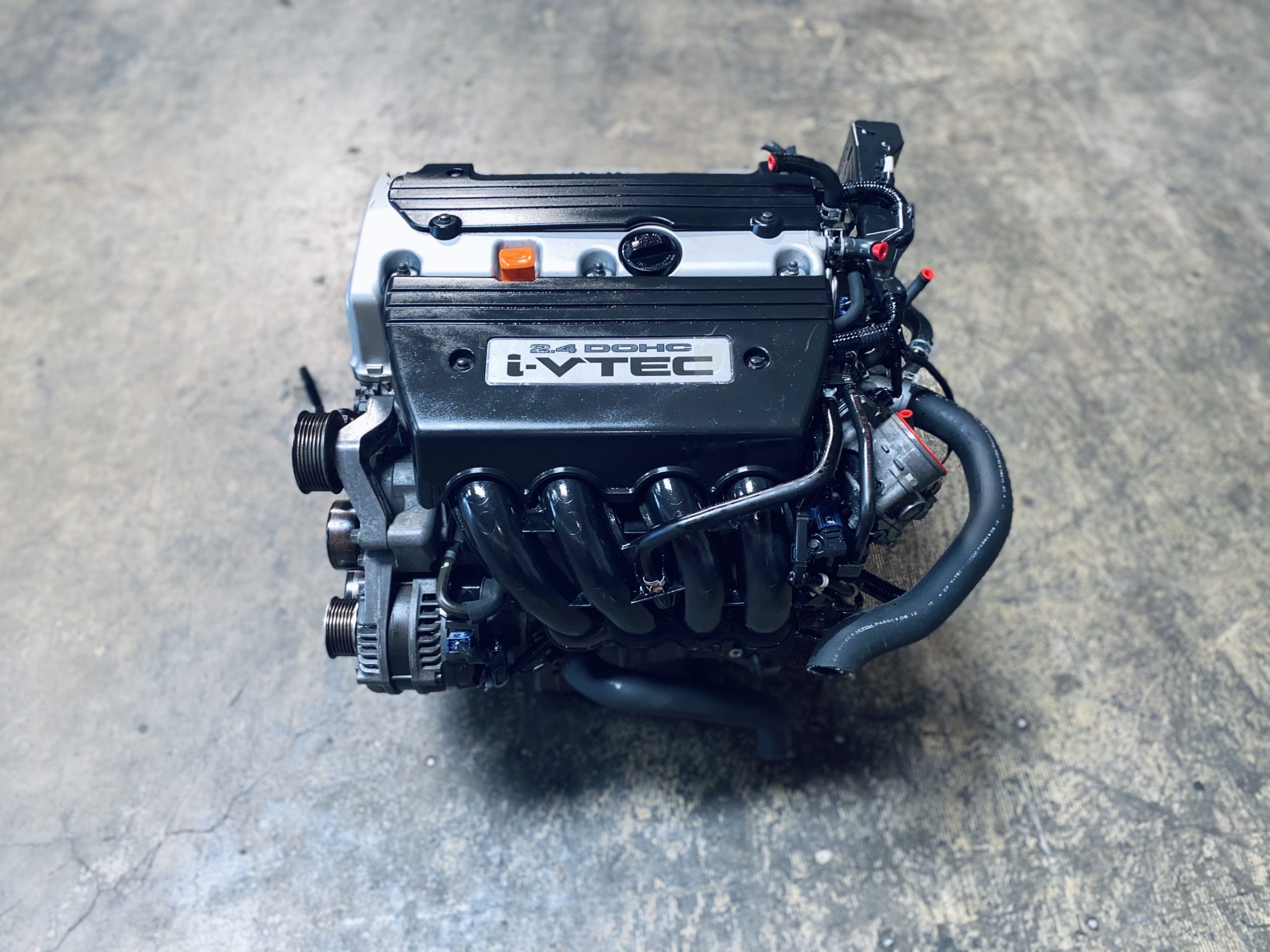
Honda’s K-series engines have gained respect worldwide, and the K24 stands among the most durable. Introduced in the early 2000s, it powered models such as the Honda Accord, CR-V, and Element. The design emphasizes balance between power, efficiency, and longevity. The block is aluminum but reinforced well enough to handle years of operation without cracking or warping.
One of the reasons the K24 lasts long is its simple yet effective engineering. Honda avoided adding overly complicated parts that could fail easily. The engine uses a chain-driven cam system that requires less replacement compared to timing belts. When owners keep up with oil changes and other standard maintenance, the K24 often runs smoothly far past 250,000 miles.
The K24 is also known for its tolerance of different driving styles. Whether used for calm city driving or pushed harder on highways, the engine continues to perform consistently. Many mechanics say it rarely develops internal issues if maintained properly. Even when issues arise, repairs are usually straightforward and affordable.
Drivers often speak highly of their Honda vehicles with K24 engines, with many reporting mileage over 300,000. Its strong combination of efficiency and reliability makes it one of the best options for people who want long-lasting daily use.
Honda’s careful design choices allowed the K24 to stand out as an engine that not only provides good performance but also proves dependable across high mileage. For families, commuters, and even light-duty work, the K24 continues to demonstrate remarkable strength beyond expectations.
Also Read: 5 Diesel Engines That Outlive Pickups vs 5 That Crack Under Pressure
3. Toyota 1ZZ-FE
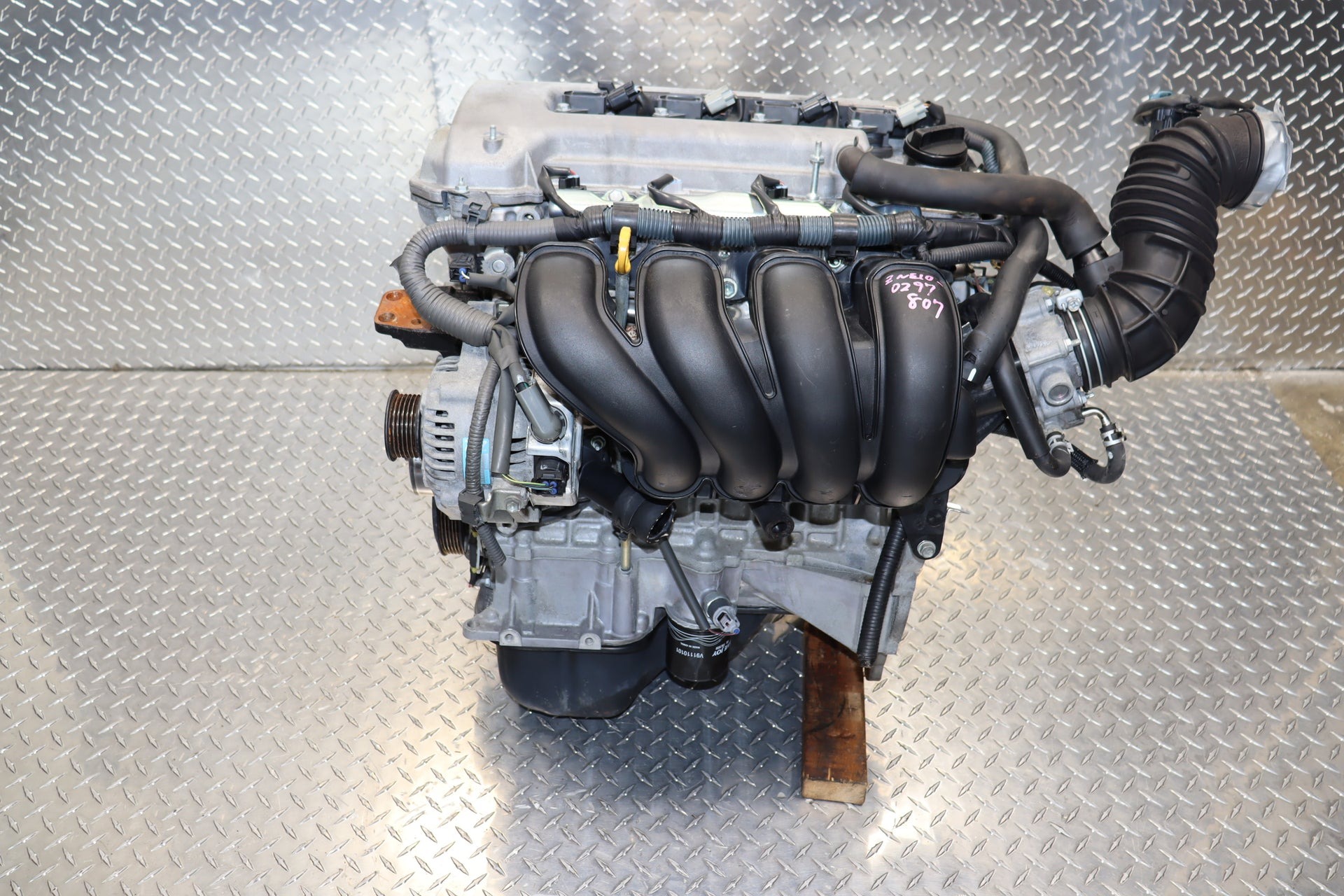
The Toyota 1ZZ-FE is a four-cylinder engine that powered models like the Toyota Corolla, Pontiac Vibe, and Toyota Celica. Produced from the late 1990s until the late 2000s, it was designed with everyday driving in mind. While it was not built for high performance, it shines in durability. Many Corolla owners continue to drive cars with these engines well past 250,000 miles.
The 1ZZ-FE features an aluminum block with cast iron liners, making it both lightweight and durable. It was one of Toyota’s first attempts at using all-aluminum designs, yet it proved itself capable of handling years of consistent driving. Fuel efficiency was also one of its strengths, which made it popular among buyers looking for affordable and dependable cars.
Like many Toyota engines, the 1ZZ-FE performs best when oil changes and maintenance schedules are followed. It has been criticized for burning oil at higher mileage, but this usually occurs only when servicing is ignored.
With proper care, the issue remains minimal. The simplicity of its design also allows mechanics to work on it with ease, and replacement parts are widely available. For many households, cars with the 1ZZ-FE became trusted companions that required little attention.
People continue to see Corollas from the early 2000s still running smoothly today. The engine’s ability to last past 250,000 miles shows Toyota’s strength in producing reliable small engines for everyday drivers. The 1ZZ-FE may not impress with speed or advanced technology, but it remains one of the most dependable engines for those who value long service life.
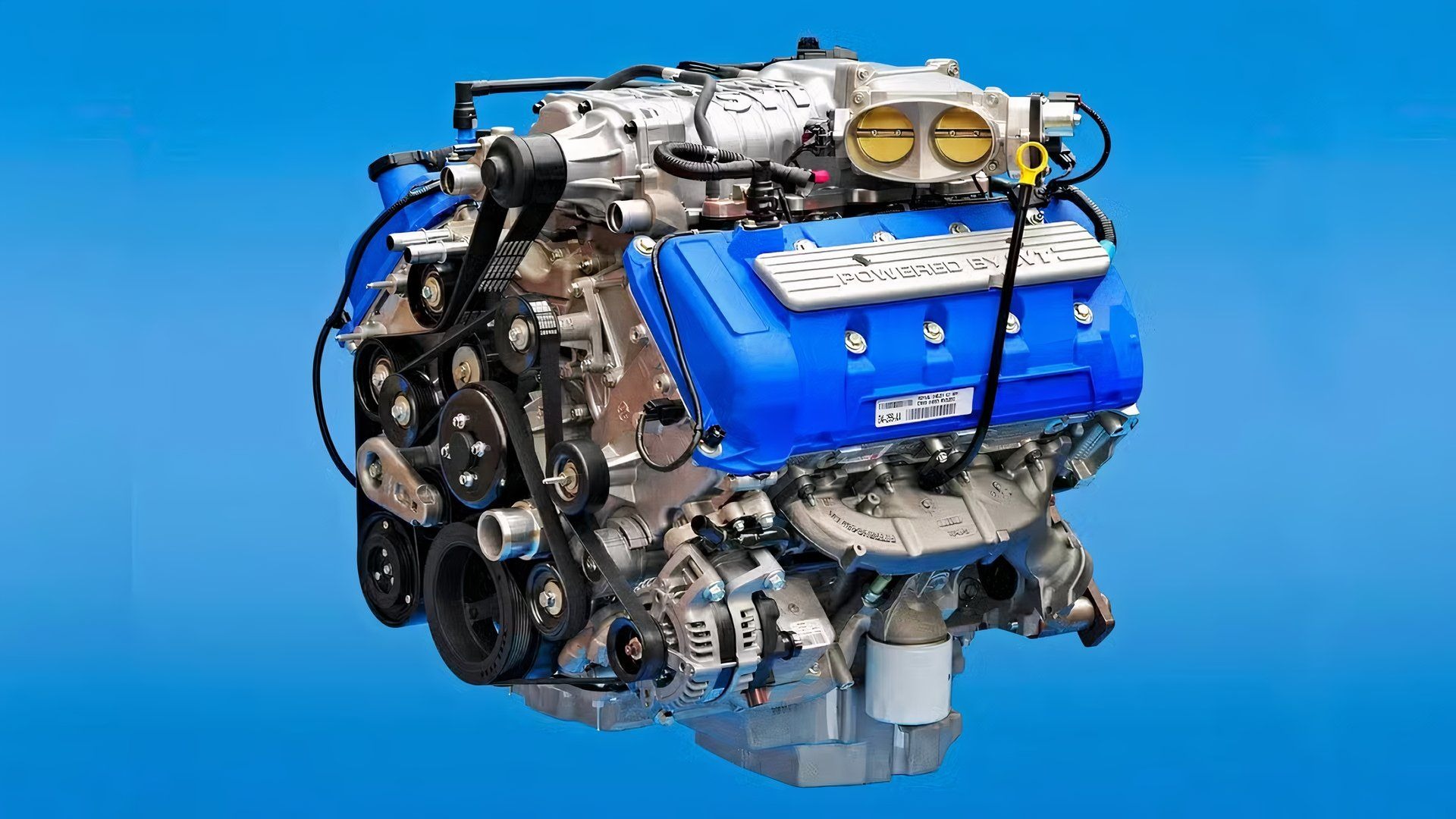
4. Ford Modular 4.6L V8
Ford’s Modular 4.6L V8 engine has a mixed reputation, but when maintained properly, it is capable of exceeding 250,000 miles with ease. Introduced in the early 1990s, it was used in vehicles such as the Ford Crown Victoria, Lincoln Town Car, and Ford Mustang. The engine became well known among taxi fleets and police departments due to its ability to endure years of heavy use.
This V8 was built with an aluminum or iron block, depending on the model, and it featured overhead cams that gave smoother operation. While it did not provide massive horsepower compared to some competitors, it was engineered for a balance between performance and reliability.
Many law enforcement agencies across the US trusted this engine because it could handle constant idling, high-speed chases, and long periods of stress. One strength of the 4.6L Modular V8 is its longevity when maintained correctly. Oil changes, cooling system checks, and timing chain servicing help keep it in top shape.
While certain early versions had issues with plastic intake manifolds, these problems were addressed in later updates. Once corrected, the engine showed its ability to keep running even in tough conditions. Fleet operators often testify that these engines surpass 300,000 miles without major rebuilds.
Mechanics also appreciate how predictable and serviceable the 4.6L is compared to more complicated designs. For drivers seeking a reliable American V8 with a long lifespan, the Modular 4.6L remains an engine worth respecting. Its durability in demanding fields like law enforcement shows its strength to survive well past 250,000 miles when cared for.
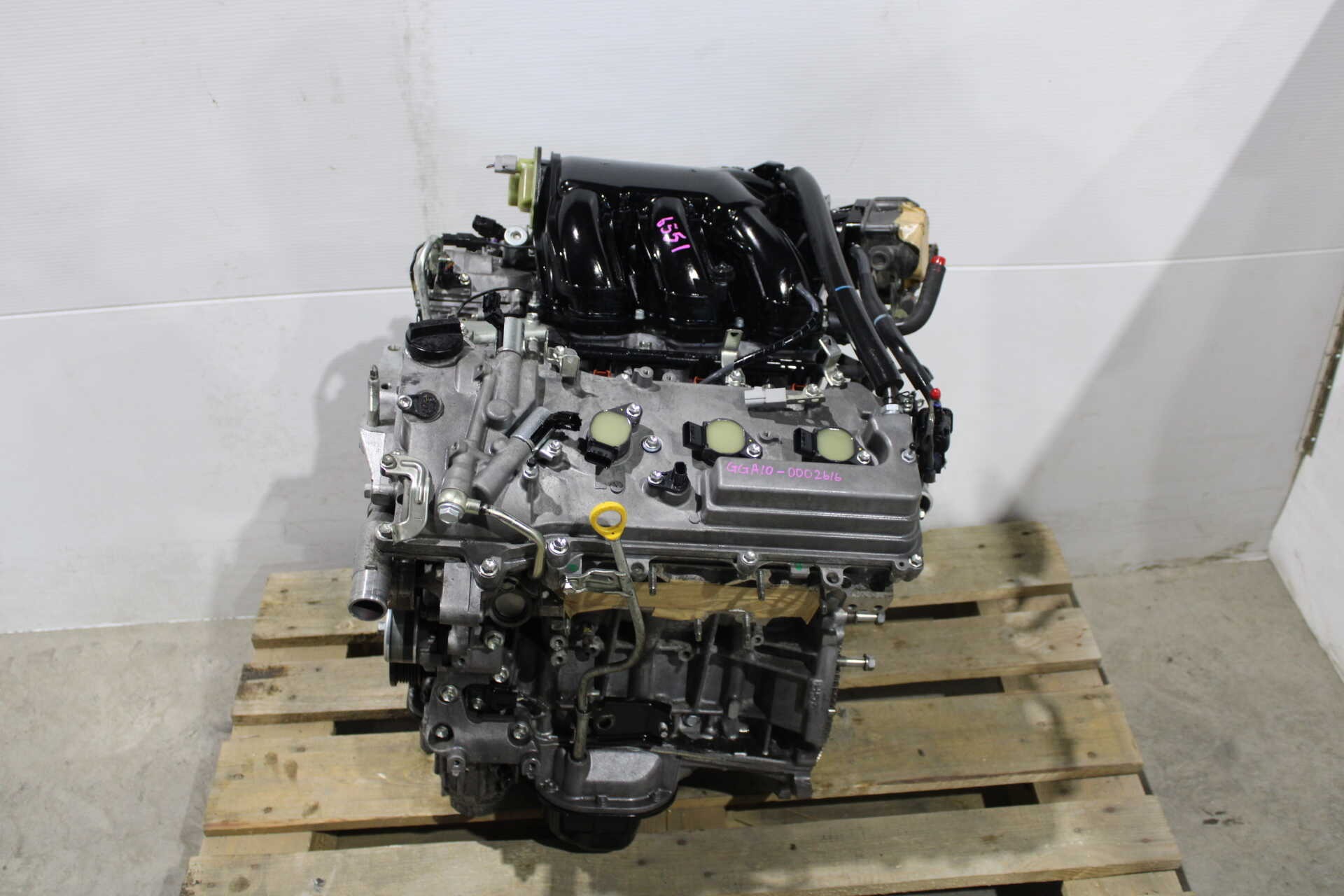
5. Lexus 2GR-FE V6
The Lexus 2GR-FE V6 is another engine praised for long service life. Found in vehicles such as the Lexus RX, Toyota Camry, and Toyota Highlander, it has been in production since the mid-2000s. This engine combines Toyota’s tradition of reliability with modern performance features, resulting in an impressive record of longevity.
Built with an aluminum block and aluminum heads, the 2GR-FE manages to deliver smooth power while remaining lightweight. It includes variable valve timing, which helps with efficiency and performance without compromising reliability. Many owners report their vehicles running beyond 250,000 miles with only routine maintenance.
One of the biggest strengths of the 2GR-FE is its resilience to heavy use. Whether powering family cars or premium SUVs, it delivers consistent performance. Mechanics often comment on how clean the internal components remain even after years of use, especially when the owner follows maintenance schedules.
Unlike some modern engines that become expensive to repair after 150,000 miles, the 2GR-FE continues to remain serviceable at higher mileage. Owners of Lexus and Toyota models equipped with this engine often express satisfaction with how reliable it is compared to competitors in the same class.
The engine also benefits from the wide availability of parts and mechanic familiarity, which keeps maintenance costs reasonable. For anyone looking for a smooth and long-lasting V6, the 2GR-FE has shown its ability to cross the 250,000-mile mark with little trouble.
5 Engines That Usually Fail Before 250K
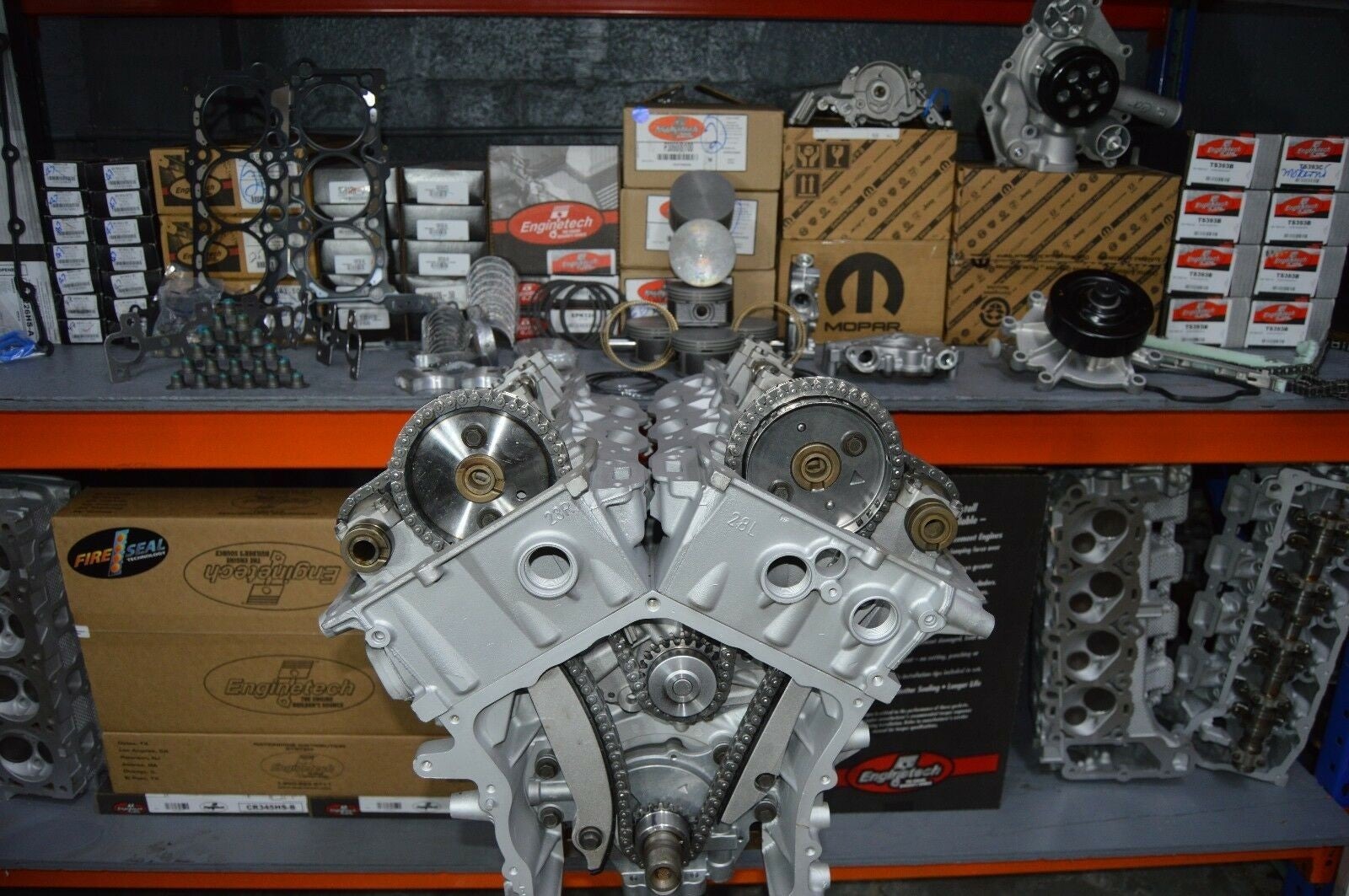
1. Chrysler 2.7L V6
The Chrysler 2.7L V6 engine, produced from the late 1990s into the 2000s, became infamous among many owners for its inability to last into very high mileage. Found in vehicles like the Chrysler Concorde, Dodge Intrepid, and some Sebring models, it was originally designed to combine fuel efficiency with decent power.
Unfortunately, its design flaws meant that many drivers encountered major issues long before 200,000 miles, with some even facing failure under 120,000 miles. One of the biggest problems with the 2.7L V6 is its poor oiling system. The passages designed to carry oil throughout the engine are too small, which often leads to sludge buildup.
Once sludge forms, it blocks lubrication and causes overheating or seizing. Many mechanics recall customers needing full engine replacements because the motor failed suddenly without much warning.
Even careful drivers who followed oil change schedules sometimes faced these problems, which shows that the issue was rooted in the design rather than just maintenance neglect.
Another challenge for owners is the high repair cost. Because of the complications of the 2.7L’s design, fixing problems often became more expensive than the value of the vehicle itself.
Timing chain tensioner failures, head gasket leaks, and water pump issues added to the list of weaknesses. Since the water pump sits inside the engine and is driven by the timing chain, any leak can contaminate the oil and cause catastrophic damage.
These issues damaged Chrysler’s reputation at the time, and many buyers learned the hard way that the 2.7L was not suited for long-term reliability. While a small number of carefully maintained engines did reach 200,000 miles, the majority did not.
The number of vehicles with seized or failed engines in used car markets served as proof of its unreliability. For anyone considering cars from that era equipped with this motor, caution is always advised.
Mechanics often recommend avoiding it altogether, since the engine’s weaknesses are structural and not something that regular maintenance alone can prevent. The Chrysler 2.7L V6 remains an example of how poor engineering choices can limit an engine’s lifespan and leave owners with costly repairs.
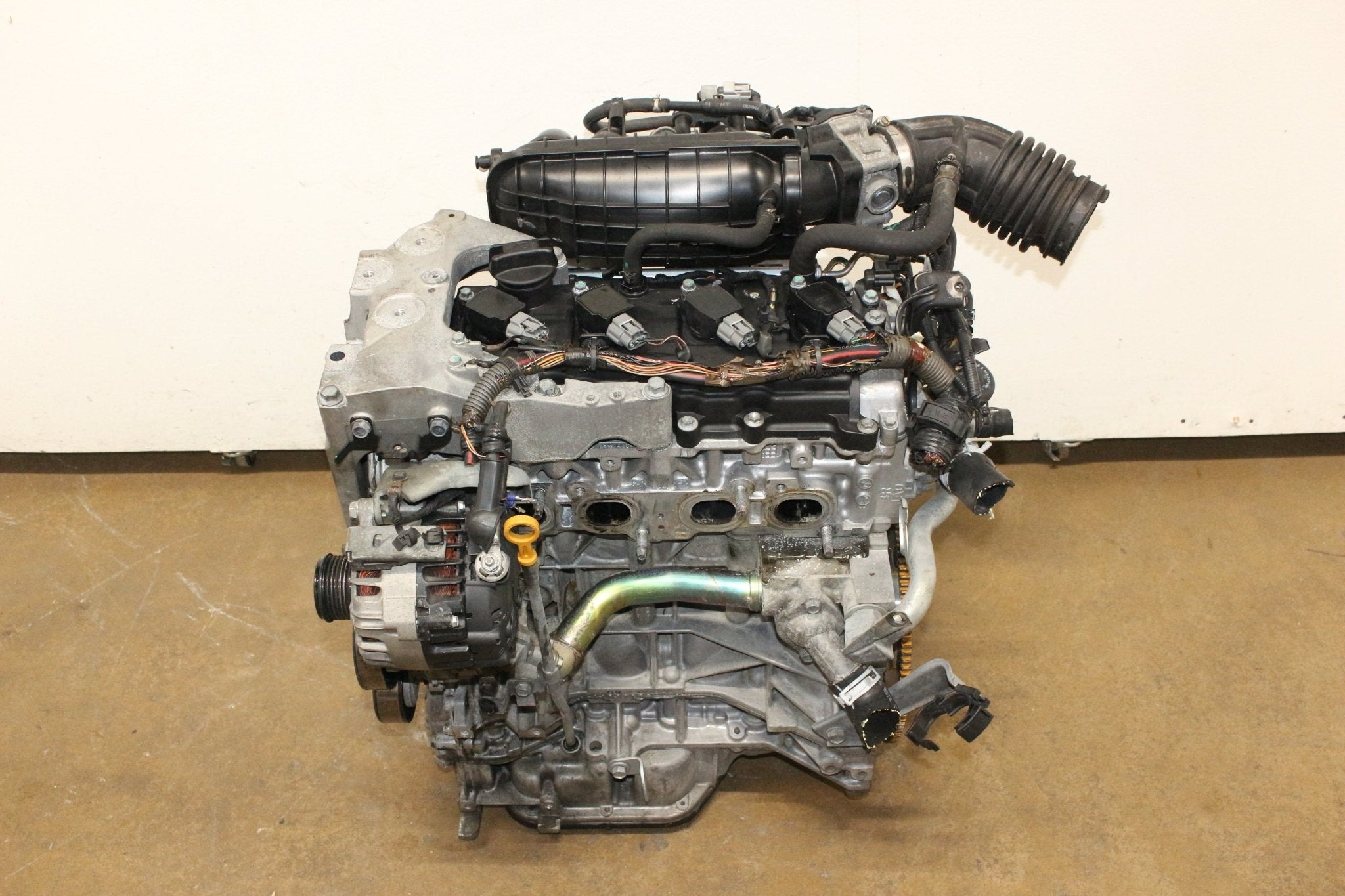
2. Nissan QR25DE
Nissan’s QR25DE, introduced in the early 2000s, was used in popular models such as the Nissan Altima, Sentra SE-R, and Rogue. While it delivered good performance and fuel economy on paper, real-world experiences showed that it struggled to reach very high mileage without serious issues.
Many owners found that by the time the odometer reached 150,000 miles, the engine had developed problems that made it difficult to rely on. One major flaw with the QR25DE is its tendency toward excessive oil consumption. Some drivers reported needing to top up oil frequently between service intervals, which increased the risk of running low and causing engine damage.
The issue became more serious at higher mileage, leading to premature wear of internal parts. Another weakness is its problematic catalytic converter design. When the converter fails, particles can sometimes get sucked back into the engine cylinders, damaging them and causing a complete breakdown.
The QR25DE also developed a reputation for timing chain issues. While chains are usually designed to last longer than belts, in this engine, they often stretched or failed, leading to expensive repairs. Mechanics who serviced Nissan vehicles during that period often described this motor as one that required too much attention compared to competitors.
For owners, the combination of oil burning, internal wear, and risk of converter failure made the engine less appealing for long-term ownership. Even with regular servicing, many engines still failed before reaching the 200,000-mile mark.
Those who attempted to rebuild them found that the cost was high, making replacement a more common solution. While Nissan corrected many of these issues in later engine designs, the QR25DE continues to carry a reputation as one of the company’s weaker offerings.
For drivers looking at used vehicles, this engine is often a reason to walk away unless there is strong proof of exceptional care. Its failure to reach high mileage consistently makes it one of the engines that fall short of 250,000 miles.
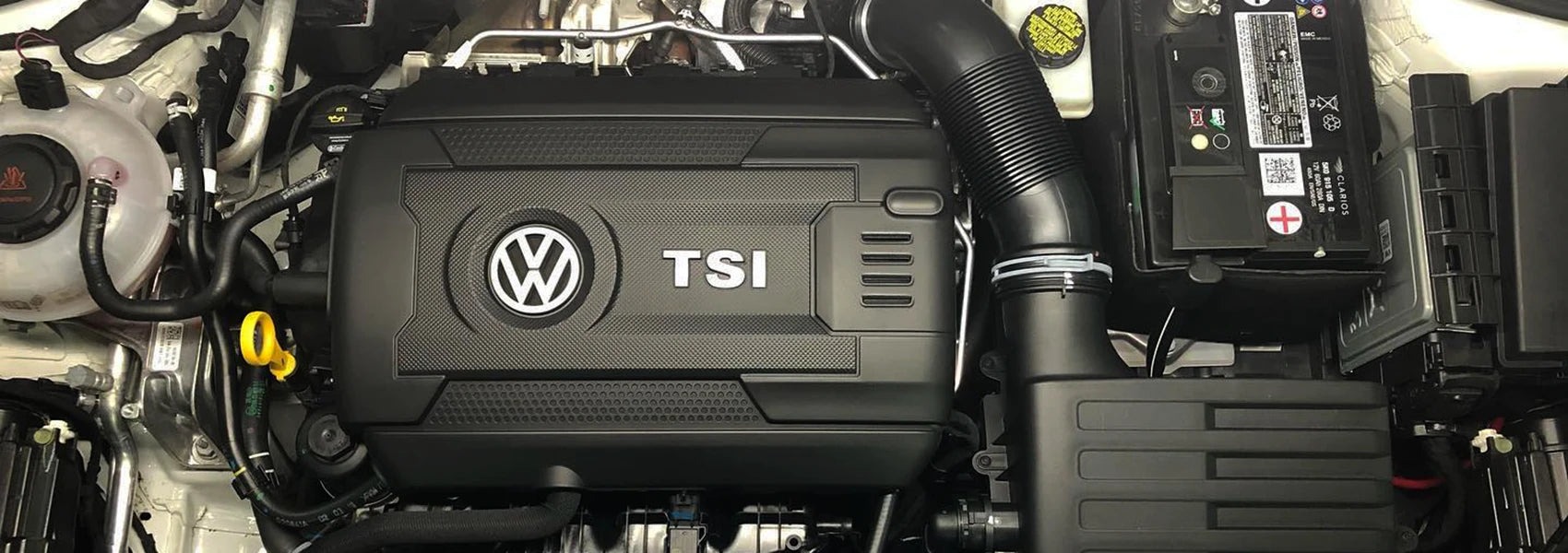
3. Volkswagen 1.8T (Early Versions)
Volkswagen’s early 1.8T turbocharged engines, which appeared in vehicles like the VW Jetta, Passat, Audi A4, and New Beetle during the late 1990s and early 2000s, promised both performance and efficiency. While it delivered a smooth and fun driving experience, reliability was not its strongest point. Many owners discovered that it was prone to oil sludge, turbocharger failures, and costly repairs long before hitting 250,000 miles.
The oil sludge problem was particularly widespread. Due to the engine’s design and narrow oil passages, sludge buildup became a frequent issue. Drivers who neglected even slightly longer oil change intervals were at risk of serious damage.
Volkswagen later issued recommendations for synthetic oil use, but by then, many engines had already been ruined. Once the sludge restricted oil flow, major components such as camshafts, turbos, and pistons were affected.
The turbocharger itself was another weak spot. Because it worked under high stress and heat, it often failed well before the engine itself gave out. Replacing or repairing the turbo was costly, and when combined with other failures, many owners found themselves spending more on repairs than the vehicle’s resale value.
Electrical and sensor issues also plagued the 1.8T. Check engine lights became common, and mechanics often complained about how difficult the engine was to work on due to cramped spaces and complicated layouts.
For a vehicle owner who expected long-term reliability, these problems created frustration. While later versions of the 1.8T were improved, the early models developed such a poor reputation that they discouraged some buyers from trusting Volkswagen engines.
Many did not make it to 200,000 miles, let alone 250,000, without requiring a full rebuild or replacement. For buyers today, the early 1.8T stands as an engine better known for performance during its short life than for long-lasting dependability.
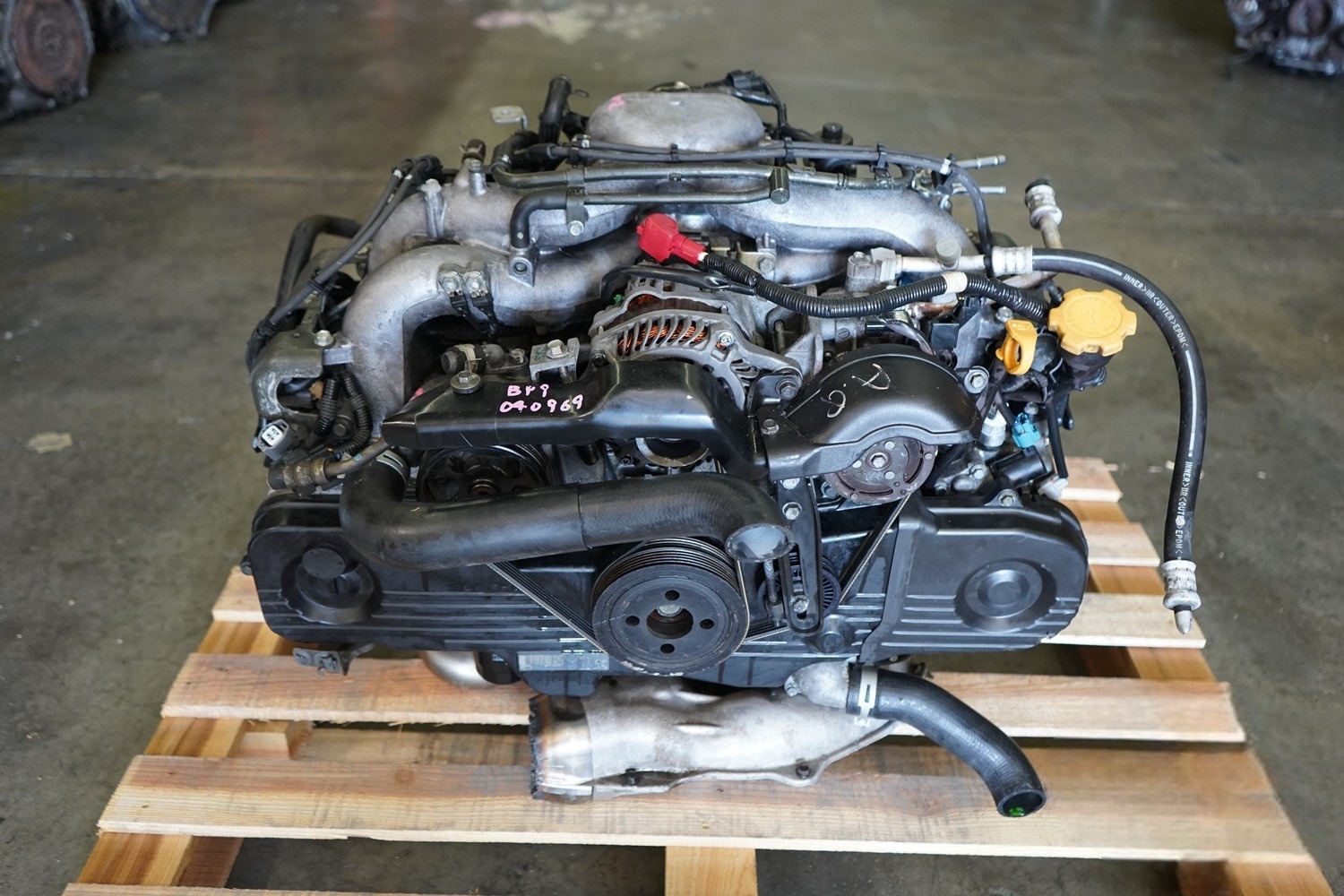
4. Subaru EJ25
Subaru’s EJ25 engine, used in models like the Subaru Outback, Forester, and Impreza from the mid-1990s through the 2010s, became well known for its head gasket problems. Although the engine design offered good power and worked well with Subaru’s all-wheel drive system, its inability to reach very high mileage without expensive repairs made it a weak link for many owners.
The main issue with the EJ25 is the repeated head gasket failures. Many owners experienced leaks of coolant and oil long before 150,000 miles. Even after repairs, the problem sometimes returned, creating a cycle of costly maintenance. This flaw was so common that it became a defining characteristic of Subaru during that era.
Beyond the gasket issue, the EJ25 sometimes suffered from overheating and internal wear. Owners who ignored early warning signs often ended up with full engine failure. While some engines did reach 200,000 miles, many required major rebuilds along the way, making them less cost-effective in the long run.
Mechanics became very familiar with the EJ25’s weaknesses, but fixing them was not cheap. Replacing head gaskets often requires removing the entire engine, leading to high labor costs. For many drivers, the expense of keeping these vehicles running long term outweighed their benefits.
Subaru eventually improved its engines in later generations, but the EJ25 remains one of the most criticized. For those hoping for smooth performance past 250,000 miles, this engine rarely delivered. Its reliability record made it a risky choice for anyone planning to hold onto a car for the long haul.
Also Read: 5 Engines That Survive Track Days and 5 That Melt Down
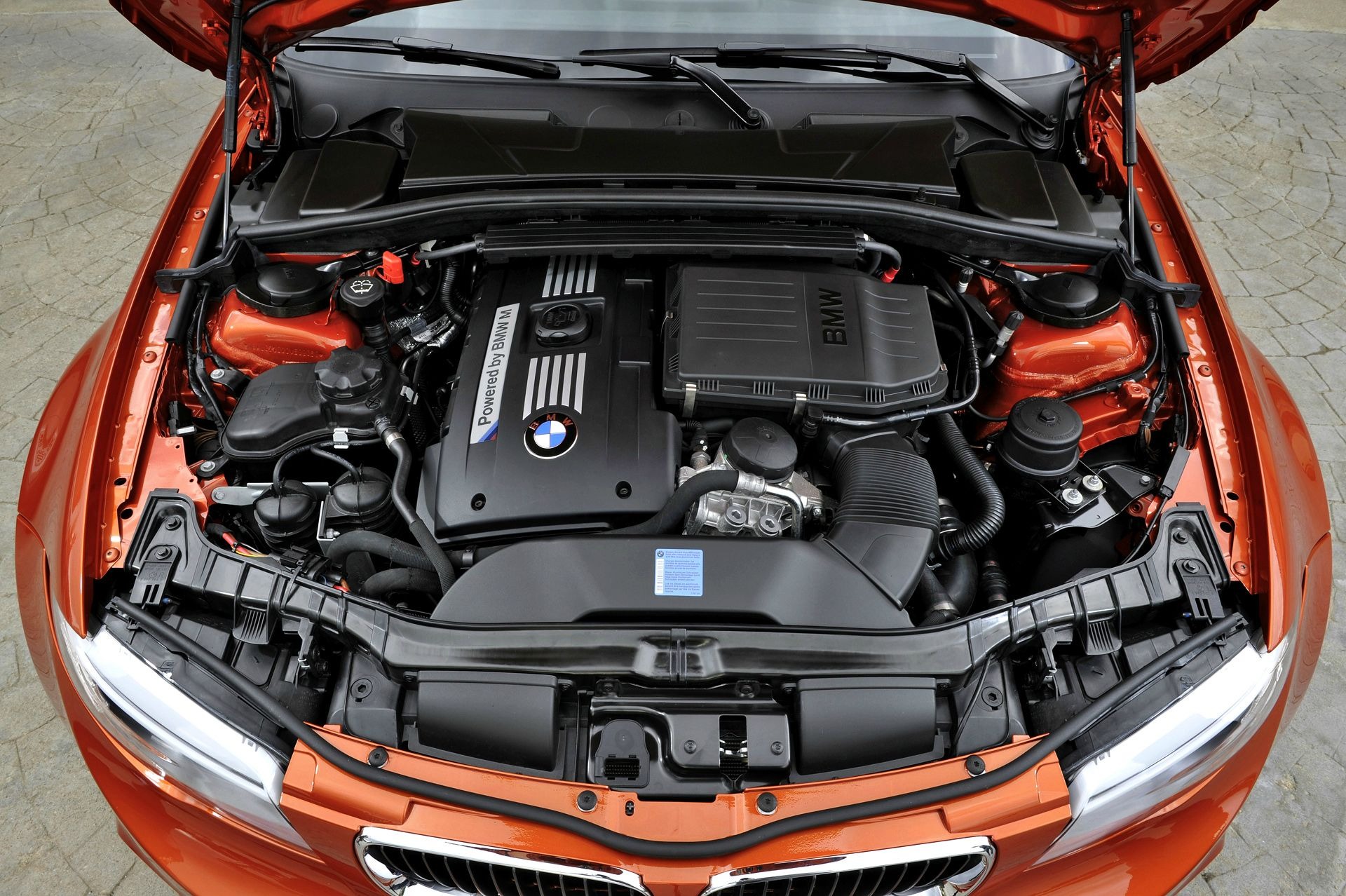
5. BMW N54 Twin-Turbo Inline-Six
BMW introduced the N54 engine in 2006, and while it delivered impressive performance and won multiple awards, its reliability at high mileage has been a constant concern. Found in vehicles such as the BMW 335i, 135i, and 535i, it became loved for speed but criticized for durability. Very few examples manage to cross 250,000 miles without facing multiple major repairs.
The most common issues include high-pressure fuel pump failures, turbocharger wastegate rattles, and carbon buildup. Many of these problems occur before 100,000 miles, meaning owners often face repeated visits to the workshop. The complications of the N54’s design also mean that even simple repairs can be very expensive, discouraging many drivers from keeping their vehicles to very high mileage.
Turbo failures are particularly costly, and since the N54 uses twin turbos, replacement can run into thousands of dollars. Direct fuel injection, while advanced, often leads to carbon deposits on intake valves, requiring frequent cleaning. Cooling system failures also add to the list of problems.
Owners who love BMW performance often tolerate these issues, but from a reliability standpoint, the N54 is far from dependable for long-term ownership. Some enthusiasts invest heavily to maintain them, but average drivers often sell the cars long before reaching 200,000 miles. Mechanics frequently advise that these engines are best for those prepared to handle high repair bills.
Although the N54 helped cement BMW’s reputation for sporty turbocharged engines, its record of costly breakdowns keeps it from being considered a long-lasting motor. For drivers seeking vehicles that remain dependable beyond 250,000 miles, this engine usually falls short.
